
Books of Titans Podcast
Erik Rostad
0
Erik Rostad hosts the Books of Titans Podcast, where he seeks truth and beauty in what he calls the Immortal Books. His goal is to read the Great Books written by 200 authors over the next 15 years and share what he is learning along the way. Each episode covers a bit about a specific book, connects ideas across genres, and highlights one key takeaway he hopes to remember. The podcast is designed for listeners interested in classic literature, philosophy, and lifelong learning.
Bölümler
-
 Seven Books from My Library 18.09.2026 15dkEver go to someone’s house and wonder at how their library came about? What were the first books they purchased? How did that lead to other books? What are their favorites? Which ones would they grab in the event of a fire?In this episode, I pull 7 books from my shelves and talk about what they meant to me, how I got them, and what I found inside (I use fun items for bookmarks). It’s a representative sample from my larger library. This is a public episode. If you'd like to discuss this with other subscribers or get access to bonus episodes, visit www.booksoftitans.com/subscribe
 -
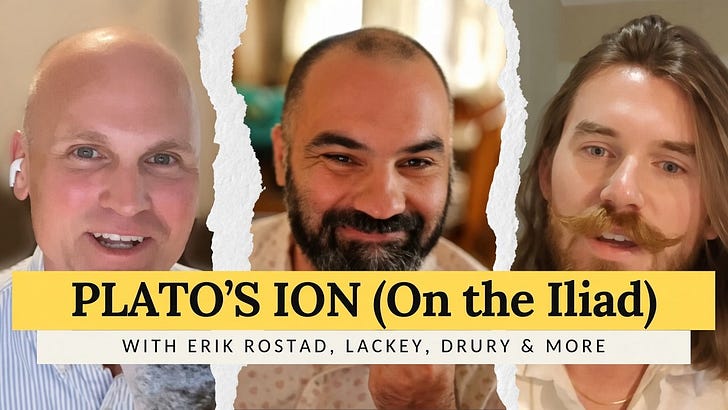 #300 - The Republic-Ion 11.09.2026 17dkI’m in the midst of my Plato Project, which is my attempt to read the complete works of Plato. I’m near the mid-way point, and while the reading is quite difficult, it’s been extremely rewarding. I’m dedicating the month of September to Plato’s Republic. One thing that has been interesting so far is to see references to topics from Plato’s other dialogues. It’s making me very glad that I did not start with The Republic but read some of his other dialogues first.For instance, I keep seeing references to the definition of self-control, something the Charmides dialogue focuses on. Courage is also referenced quite a bit, something the Laches dialogue covers. These references in The Republic have been helpful in answering some of the questions I still had after reading those other dialogues.In this episode of the podcast, I talk about a few of the connections between Plato’s Republic and Ion dialogues. In Ion, Plato has Socrates question a rhapsode named Ion about his expertise in performing the poetry of Homer. The Republic (written 5 years after Ion) helps answer some questions I had after reading Ion.This is episode 300 of the podcast, and I can’t think of a more perfect topic to mark the milestone. One of my main goals with this reading project is to make connections across the books that I read, and here, I get to connect different dialogues by Plato and share how they inform one another.If you’re interested in learning more about Ion, here’s a wonderful discussion I took part in with the brilliant minds over at Ascend - The Great Books Podcast: This is a public episode. If you'd like to discuss this with other subscribers or get access to bonus episodes, visit www.booksoftitans.com/subscribe
 -
 #299 - Laches by Plato 04.09.2026 32dkLaches is another one of Plato’s Dialogues of Search. In this one, Plato is seeking a definition for the Greek word andreia (ἀνδρεία), which is typically translated as courage, fortitude, or manliness (manly virtue). Two seasoned Athenian generals (Nicias and Laches) discuss with Socrates in an attempt to arrive at a definition that covers all instances of this term.In this episode, a provide a quick introduction to the dialogue, walk through the main ideas, and close with Socrates’ conclusion.Translations Mentioned:* Plato Meno and Other Dialogues / Robin Waterfield / Oxford World’s Classics* Plato Complete Works / Rosamond Kent Sprague / Hackett This is a public episode. If you'd like to discuss this with other subscribers or get access to bonus episodes, visit www.booksoftitans.com/subscribe
 -
 #298 - Charmides by Plato 28.08.2026 45dkCharmides* is a dialogue of search and the search is for a definition of the Greek word sophrosyne. It’s a word that encompasses the spirit behind the famous sayings at Delphi of “Know Yourself” and “Nothing in Excess.” Translators have rendered it self-control, moderation, prudence, temperance, and discretion.In this episode, I walk through the attempts by Socrates, Charmides, and Critias to define sophrosyne. It’s a fascinating journey that may not leave us with an exact definition, but that does get us thinking about knowledge and action.*Quick, embarrassing note: I mistakenly refer to Charmides as Charmenides throughout the podcast episode. I didn’t realize the error until I had finished recording. Mea culpa. I got Parmenides and Charmides mixed up. Any time I say Charmenides, just think Charmides in your head.Translations Mentioned:* Plato Meno and Other Dialogues / Robin Waterfield / Oxford World’s Classics* Plato Complete Works / Rosamond Kent Sprague / Hackett* Plato Collected Dialogues / Benjamin Jowett / Princeton University Press This is a public episode. If you'd like to discuss this with other subscribers or get access to bonus episodes, visit www.booksoftitans.com/subscribe
 -
 My Loeb Top 5 21.08.2026 18dkI’m closing out my biweekly summer podcast schedule with an episode about my top 5 favorite Loeb Classical Library books. Do you need these if you don’t read Greek or Latin? Why collect these when there are plenty of alternatives? I address these questions and show you my top 5 (with 2 bonus books at the end) in this video podcast recorded in the Books of Titans Library. This is a public episode. If you'd like to discuss this with other subscribers or get access to bonus episodes, visit www.booksoftitans.com/subscribe
 -
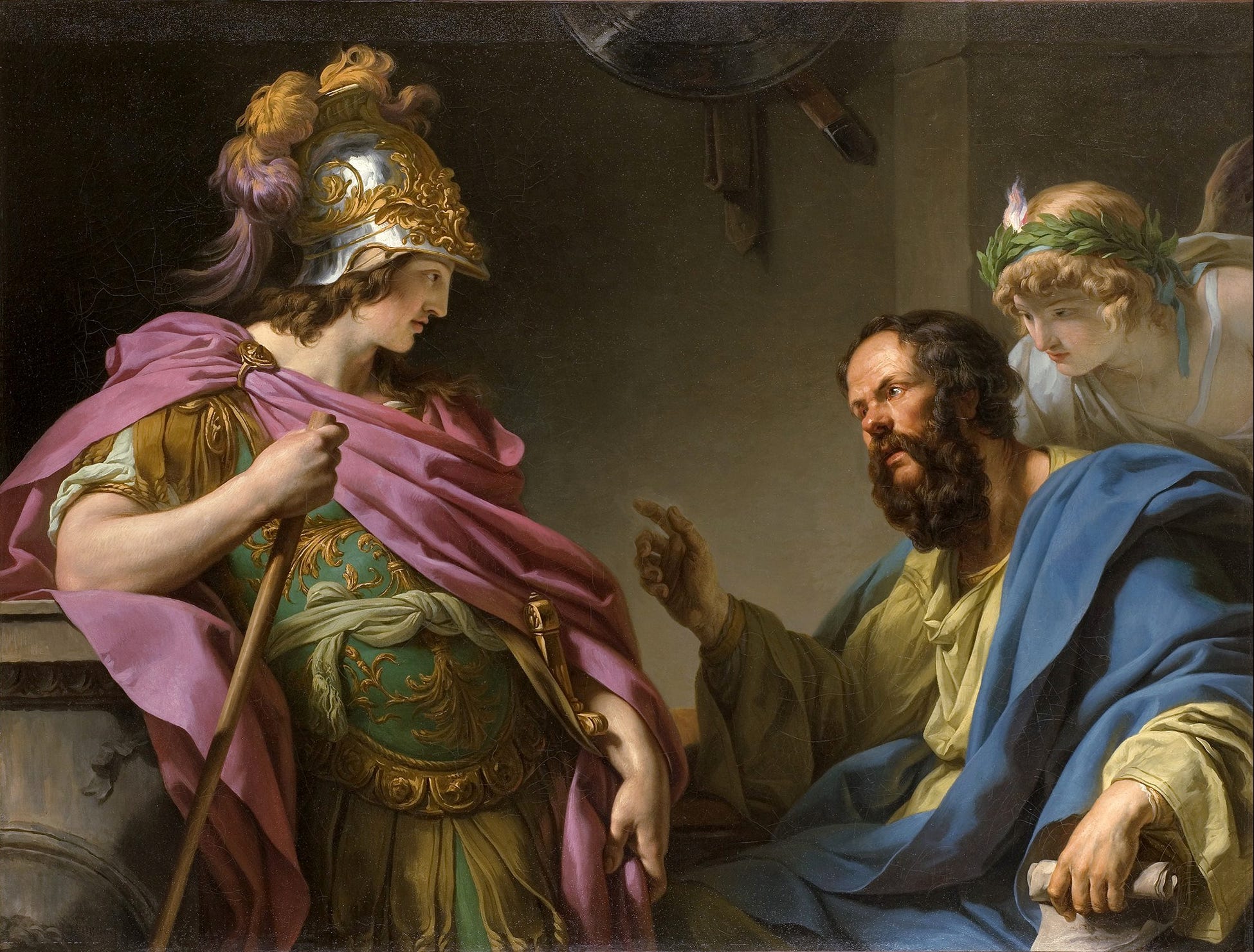 #297 - Alcibiades by Plato 07.08.2026 20dkThe famous inscription a the Temple of Apollo at Delphi encourages the visitor to “Know Thyself.” Plato’s dialogue Alcibiades is an exploration of that inscription. What does it mean to know oneself? And how does Socrates lead the powerful Alcibiades in this dialogue?In this episode, I cover Alcibiades and Second Alcibiades by Plato, two relatively short dialogues with wonderful thoughts about virtue, the soul, and the good. This is a public episode. If you'd like to discuss this with other subscribers or get access to bonus episodes, visit www.booksoftitans.com/subscribe
 -
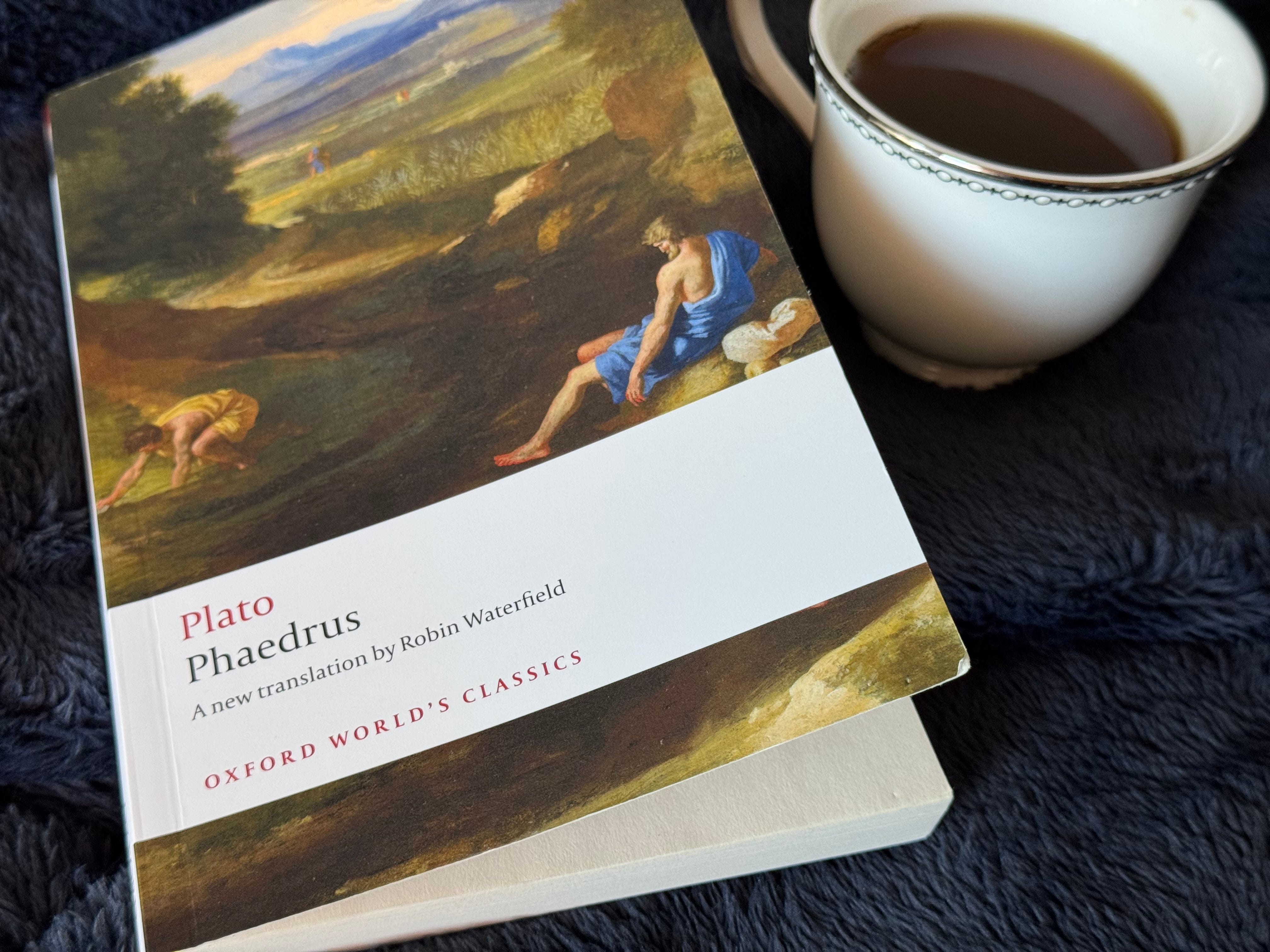 #296 - The Winged Soul 24.07.2026 31dkWhat is love and what does it have to do with the immortal soul? These are some of the questions addressed in the wide-ranging Phaedrus dialogue by Plato. Similar to other Plato dialogues, this one contains a myth. Perhaps you have heard of the Tripartite Soul. This is one of the dialogues that introduces that idea and it is found within the Myth of the Winged Soul.In this episode, I talk about how Plato used this myth to talk about ideas like love, desire, immortality, education, and the soul. I then tie that together with a major theme of this reading project, direction. I close out with a, how should I say this, interesting 😬 definition of love from Plato.Show Notes: This is a public episode. If you'd like to discuss this with other subscribers or get access to bonus episodes, visit www.booksoftitans.com/subscribe
 -
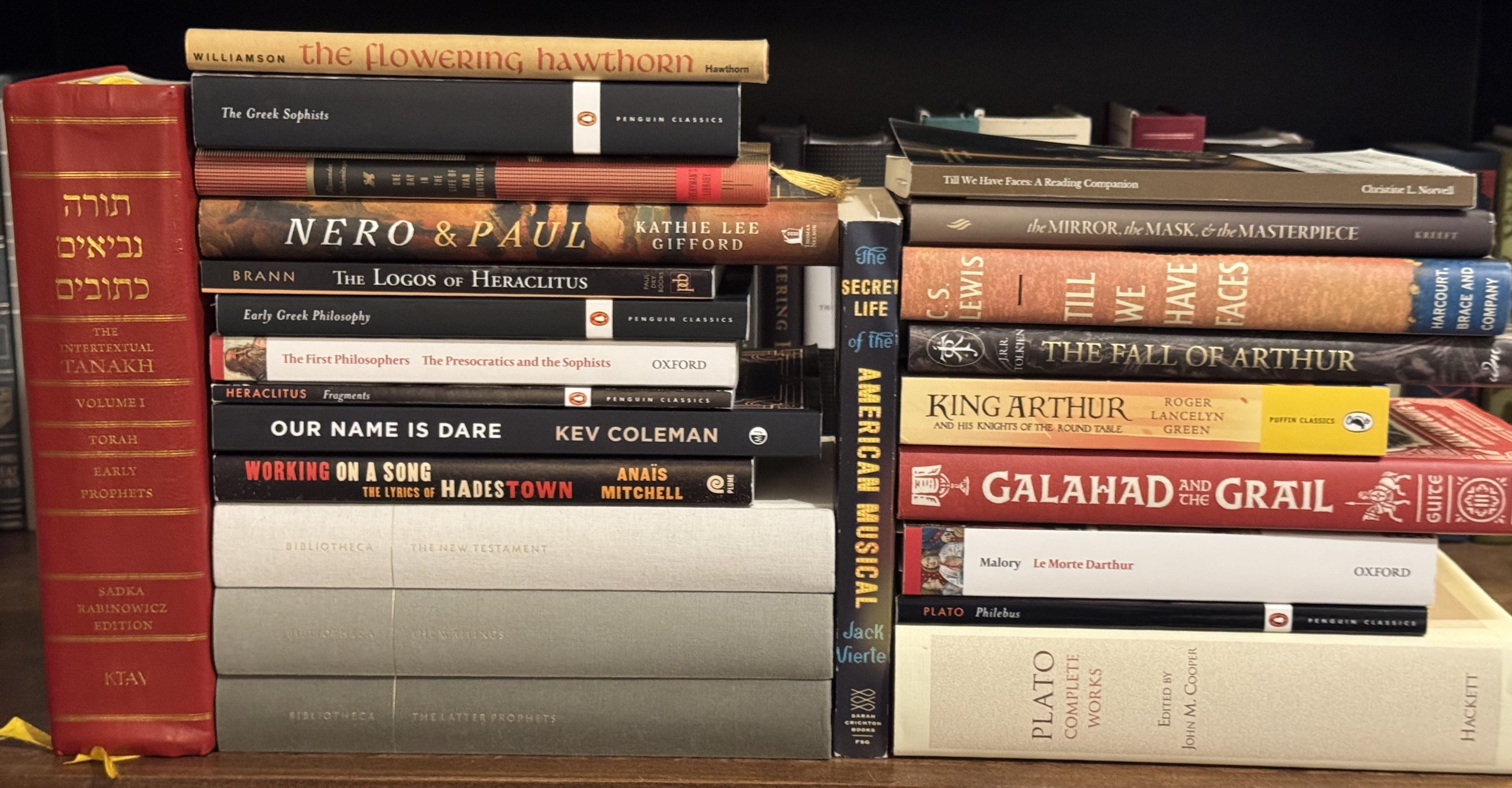 2026 Mid-Year Reading Review 10.07.2026 40dk2026 has been a fun year of reading so far. I’ve read the Bible, a few Plato dialogues, legends of King Arthur, and others. Here’s my mid-year reading review. It’s a great way to learn about books you may want to add to your own reading list. I go through the 20+ books I’re read so far for this year and a little about each one of them. Enjoy!Reading List (Jan - June 2026)* The Intertextual Tanakh* Bibliotheca Vol II: The Latter Prophets* Bibliotheca Vol III: The Writings* Working on a Song: The Lyrics of Hadestown by Anaïs Mitchell* Bibliotheca Vol V: The New Testament* Our Name is Dare by Kev Coleman* Heraclitus Fragments* The First Philosophers: The Presocratics and the Sophists* Early Greek Philosophy* The Logos of Heraclitus by Eva Brann* Nero & Paul by Kathie Lee Gifford w/ Brian M. Litfin* One Day in the Life of Ivan Denisovich by Aleksandr Solzhenitsyn* The Greek Sophists * The Flowering Hawthorn by Hugh Ross Williamson* Plato: Complete Works by Plato* Philebus Plato* Le Morte Darthur by Sir Thomas Malory* Galahad and the Grail by Malcolm Guite* King Arthur and His Knights of The Round Table by Roger Lancelyn Green* The Fall of Arthur by J.R.R. Tolkien* Till We Have Faces by C.S. Lewis* The Mirror, the Mask, and the Masterpiece: A Guide to C. S. Lewis’s “Till We Have Faces” by Peter Kreeft This is a public episode. If you'd like to discuss this with other subscribers or get access to bonus episodes, visit www.booksoftitans.com/subscribe
 -
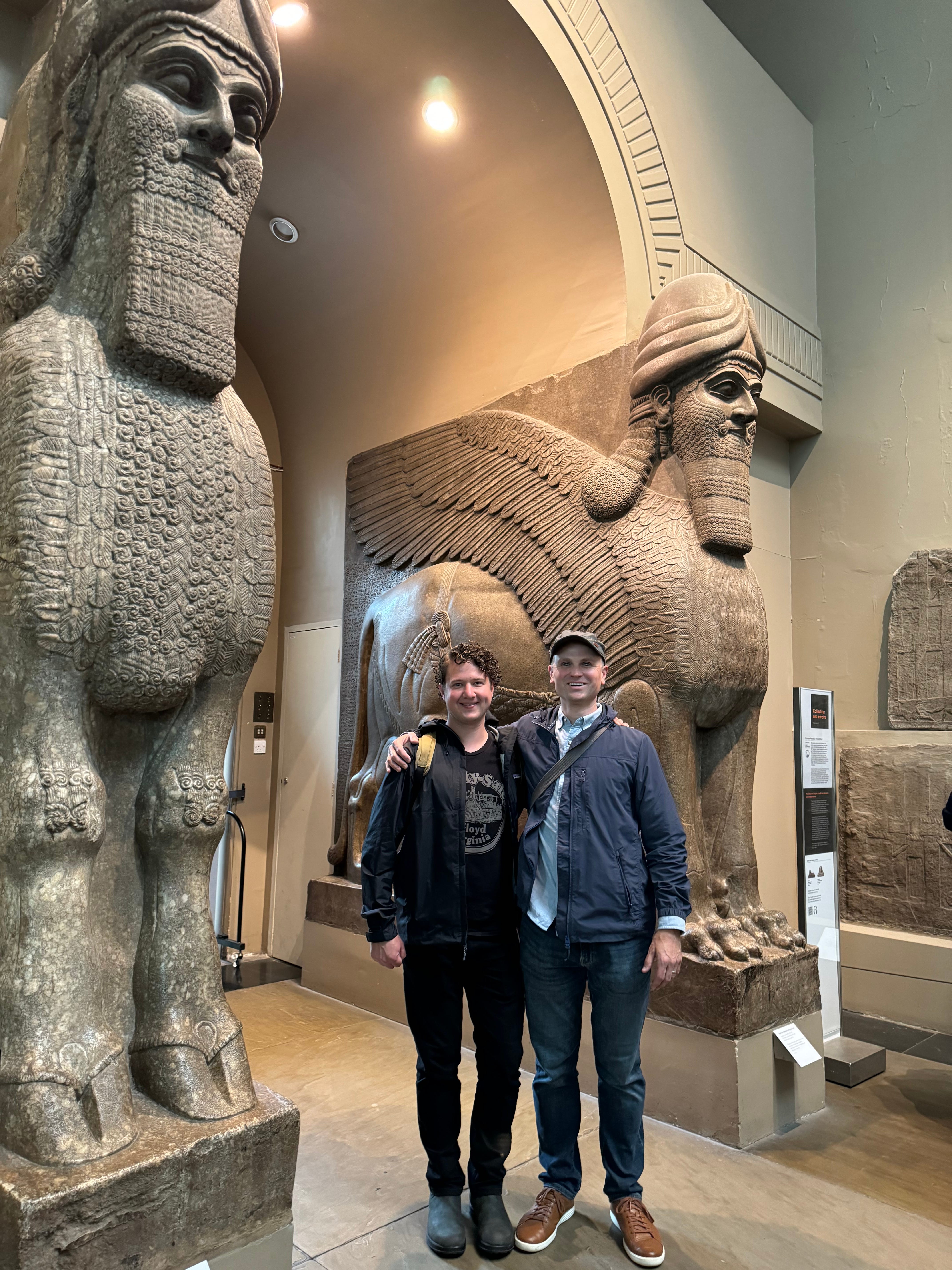 #295 - A Conversation with Stephen Crotts 26.06.2026 35dkLast episode, I spoke to poet Malcolm Guite about his epic poem, Galahad and the Grail. In this episode, I interview Galahad’s illustrator, Stephen Crotts.This is my Arthurian Month where I’ve been getting to know the Legends of King Arthur through the works of Sir Thomas Malory, Roger Lancelyn Green, and Malcolm Guite.In this episode, recorded at Landmark Booksellers in Franklin, TN, I ask Stephen about his design process, how he got into the Arthur stories, and how we should approach his artwork. He also shares a few illustrations from the second book in the series that releases later this year.I’ve gotten to know Stephen over the past few years. He’s helped me to see how illustrators can reveal parts of the story that authors cannot. When done right, authors and illustrators can create more than the sum of their individual contributions. The two can inform each other and help the reader see and understand in unexpected ways.Two years ago, as Stephen was preparing for this Arthuriad project, we happened to be in London at the same time and toured the British Museum together. After perusing the Egyptian and Babylonian sections, we looked at the artifacts that bridged the gap between Pagan and Christian Britain, around the time of when the Arthur stories were said to have taken place (400’s AD). Stephen was there for inspiration for that timeframe.Show Notes:* Stephen Crotts* Purchase a copy of Galahad and the Grail from Landmark Booksellers* Free Reader’s Kit* Malcolm Guite* Rabbit Room Publishers* Landmark Booksellers | Recording Location* Merlin’s Isle Trailer - This is a public episode. If you'd like to discuss this with other subscribers or get access to bonus episodes, visit www.booksoftitans.com/subscribe
 -
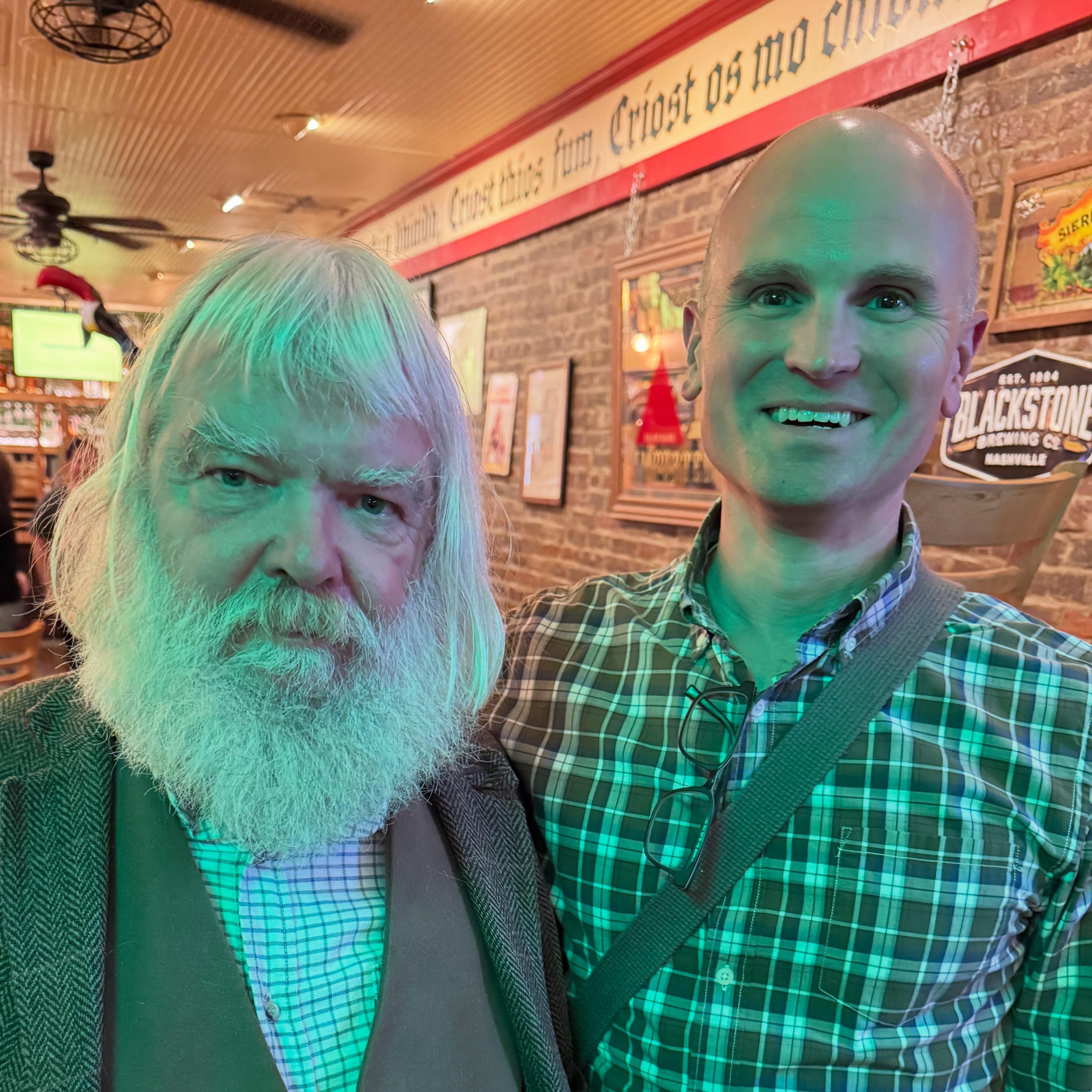 #294 - A Conversation with Malcolm Guite 12.06.2026 55dkJune is my Arthurian Month, a quick dive into the legends of King Arthur. In this episode, I interview author and epic poet Malcolm Guite, whose work here is something special. We trace the Arthurian threads back to Ancient Greece, talk about his collaboration with illustrator Stephen Crotts, and explore the theme of unveiling.Show Notes:* Galahad and the Grail by Malcolm Guite* Purchase a copy from Landmark Booksellers (2nd printing stock arriving in July)* Free Reader’s Kit* Rabbit Room Publishers* Malcolm Guite* Stephen Crotts* Landmark Booksellers | Recording Location* Lifting the Veil Conference | Oct 23 - 24 | Boston, MA* Merlin’s Isle Trailer - This is a public episode. If you'd like to discuss this with other subscribers or get access to bonus episodes, visit www.booksoftitans.com/subscribe
 -
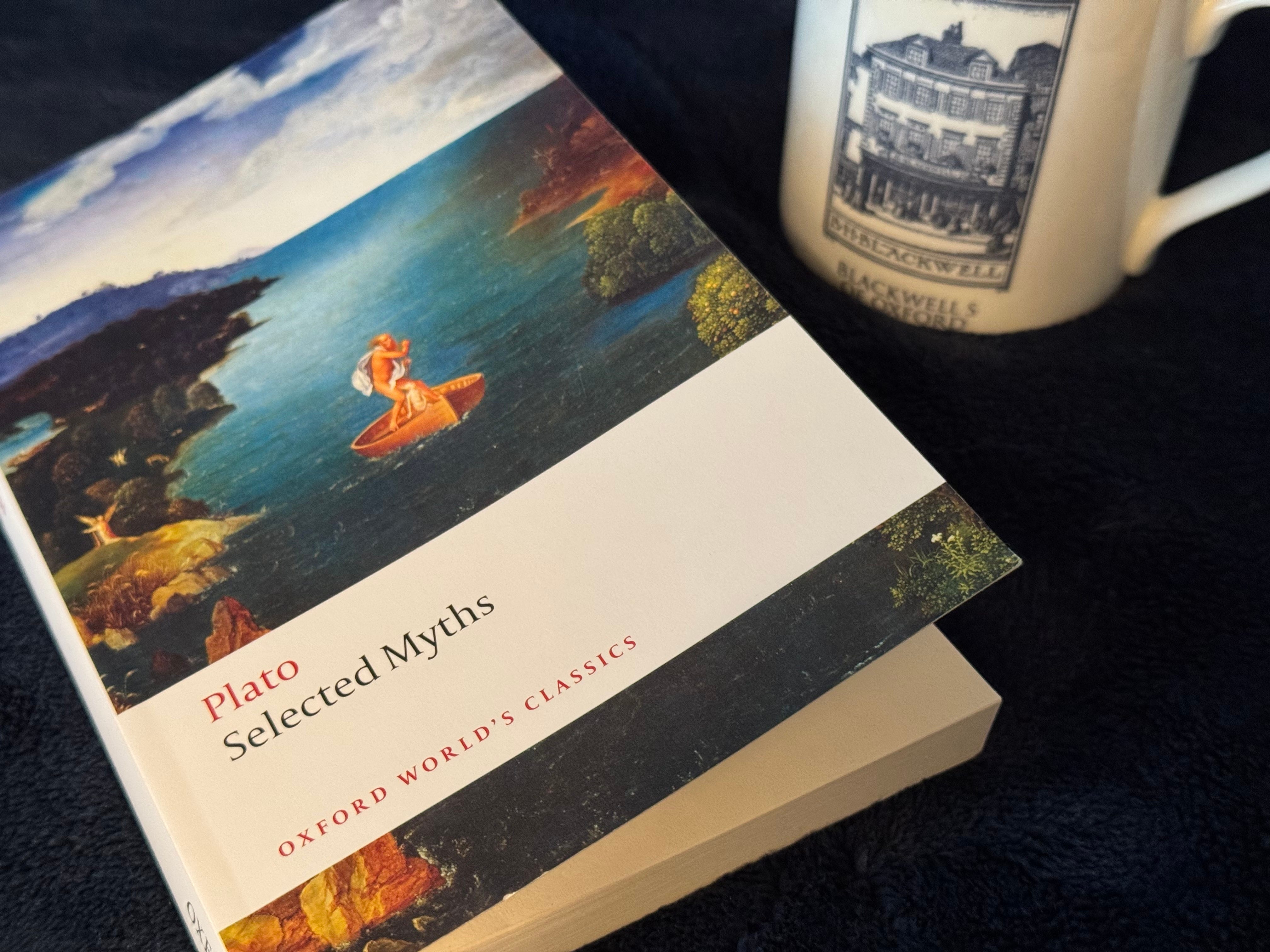 #293 - The Birth of Love 29.05.2026 27dkIn this episode, I cover The Birth of Love myth in Plato’s Symposium dialogue. I don’t usually think of Plato as a myth maker, but here he is offering a different spin on the birth of Eros to show how love’s parentage shows our need for Beauty. The ladder of love leads to Plato’s heavenly form of Beauty in a wonderful way. I talk about this myth, Plato’s use of myth, and myth in general in the art of persuasion.Books / Articles Referenced:* Plato: Selected Myths / Translation by Catalin Partenie / Oxford World’s Classics* Hesiod: Theogony / Translation by M.L. West / Oxford World’s Classics* Plotinus: The Enneads on Love / Translation by Stephen Mackenna / Penguin Classics* From Plato to Christ / Louis Markos* God in the Dock: Myth Became Fact / CS. Lewis* Better Than Sex! / Deacon Harrison Garlick This is a public episode. If you'd like to discuss this with other subscribers or get access to bonus episodes, visit www.booksoftitans.com/subscribe
 -
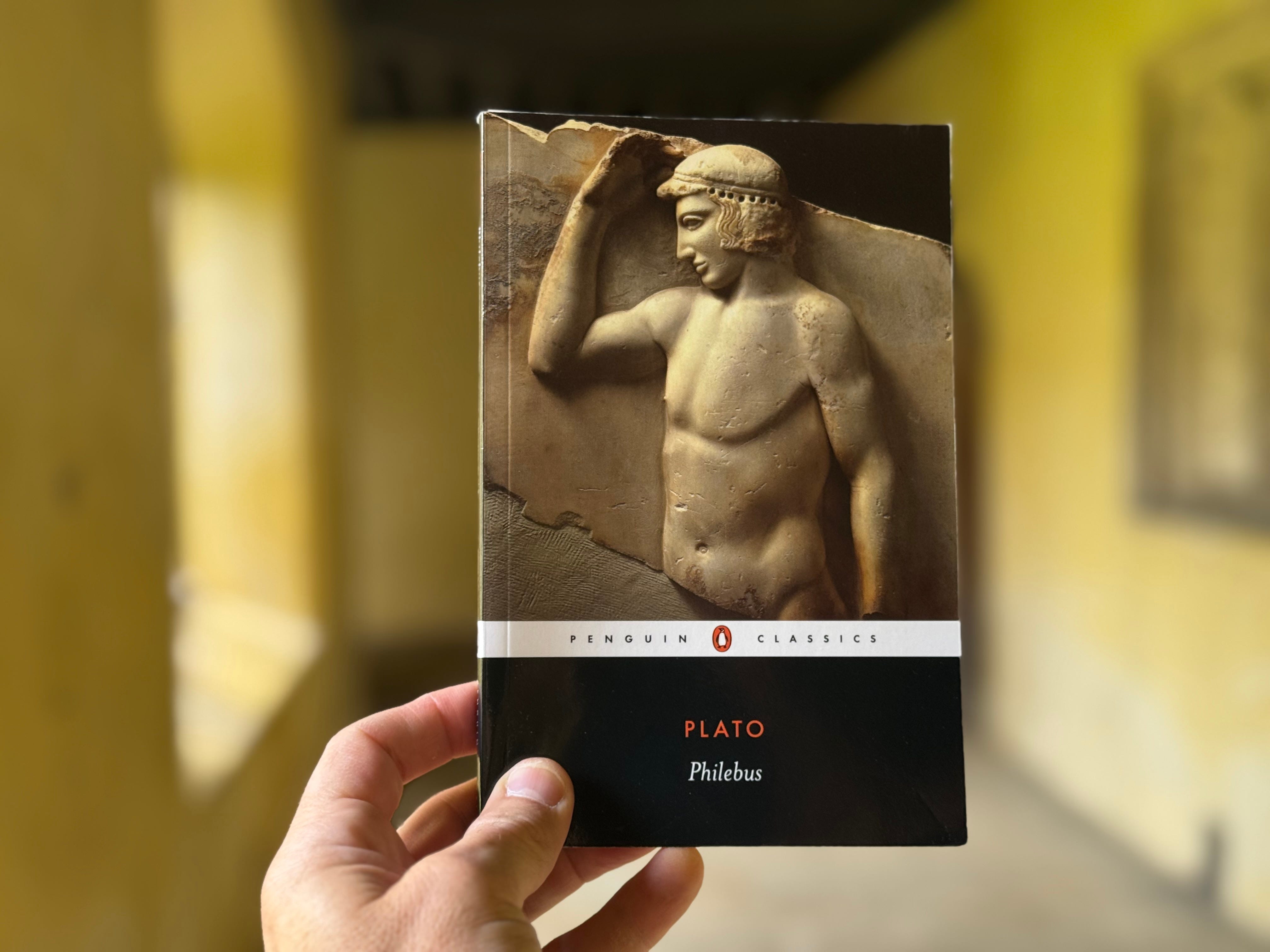 #292 - Philebus by Plato 22.05.2026 31dkWhat is the good life? This is the question addressed in Philebus, one of Plato’s later dialogues, written in the late 350s BC. Philebus and his counterpart Protarchus (a pupil of Gorgias) argue for pleasure as the highest pursuit and good. Plato (through Socrates) argues for wisdom and knowledge. Can either of these be the sole pursuit of the life well-lived? The goal of the dialogue is to rank pleasure and wisdom.Plato quickly establishes the necessity for a third option in this quest - a mixture of pleasure and wisdom. It’s impossible to have pleasure without thought and memory and a life solely dedicated to wisdom would be a bit dry. However, pleasure by its nature is unlimited, and therefore cannot be ranked or measured.Plato then distinguishes between true and false pleasures. True pleasures are those that don’t involve pain (like witnessing a sunset or hearing a beautiful piece of music). False pleasures are those based upon false beliefs (like I’m going to win the lottery), bad measurement/distance (another beer now will hurt in the morning), and relief from pain (showing the absurdity of hedonism that more pain leads to more pleasure).Plato concludes with a ranking or Ladder of Goods:* Goodness in Moderation* In Beauty* In Intellect and Reason (Wisdom from the beginning)* Knowledge* Good/True Pleasures (Pleasure from the beginning, only false pleasures are not allowed)The key point in this dialogue is that the good life does not consist of getting more of either of the initial pursuits, pleasure or wisdom. Instead, it consists of getting the correct balance between the two. This is a public episode. If you'd like to discuss this with other subscribers or get access to bonus episodes, visit www.booksoftitans.com/subscribe
 -
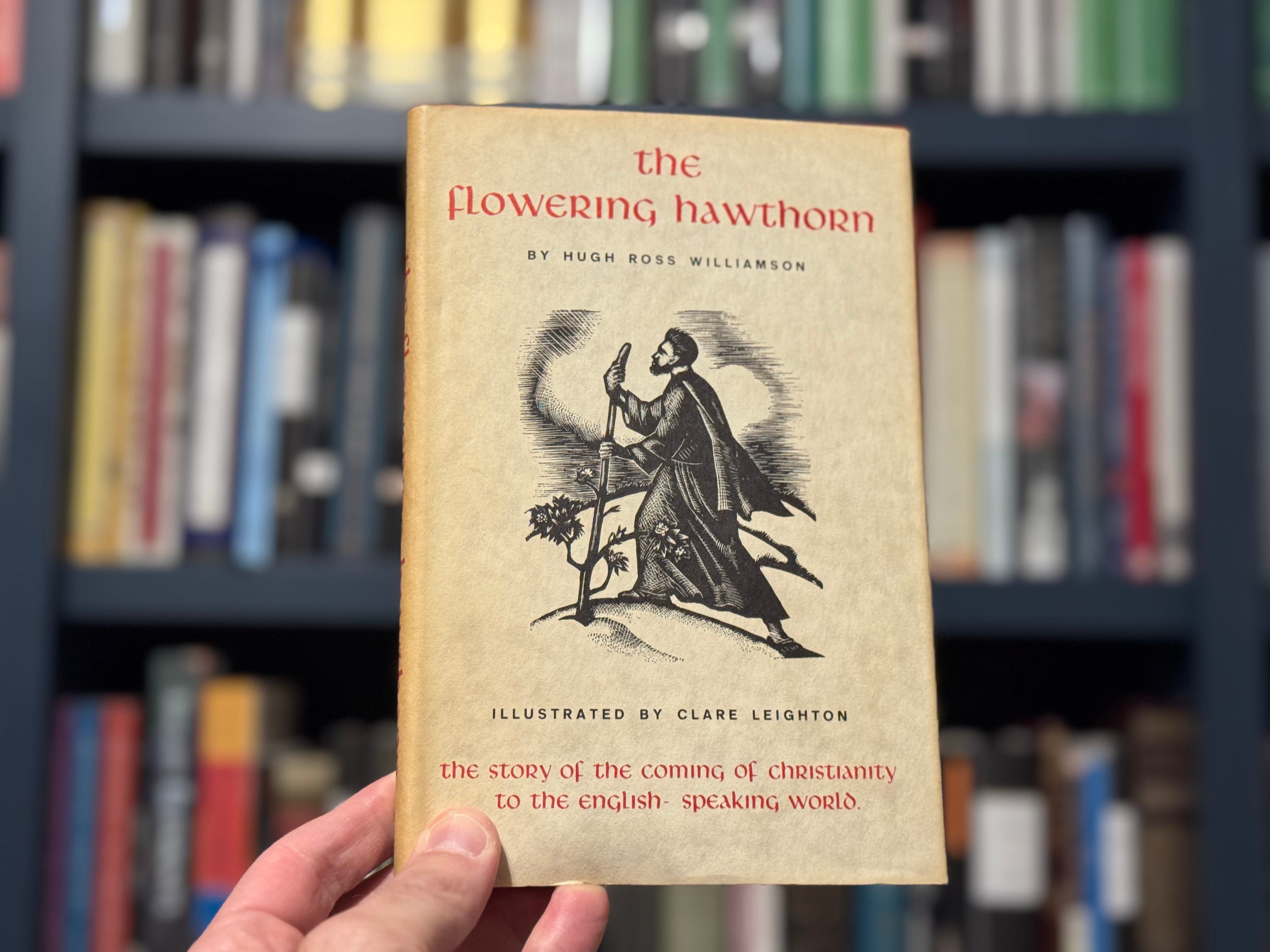 #291 - The Flowering Hawthorn by Hugh Ross Williamson 15.05.2026 16dkIn today’s podcast episode, I cover the legend of The Flowering Hawthorn and its connection to the King Arthur legend. It’s a tale that begins with Joseph of Arimathea. He’s the rich man who buried Jesus in his tomb. Tradition holds that Joseph traveled to England many years after the resurrection carrying with him the blood of Jesus, a staff, and possibly, the holy grail. Joseph’s staff began to bud each Christmas Day in Glastonbury, England.The story is told across the ages by bards, poets, and kings. Glastonbury attracted pilgrims from around the world to come and see this flowering hawthorn.Is the story true? Or is it just speculation, legend, or tradition? We may never know, but there are enough connection points in this story that make it delightfully intriguing.I recorded this video episode at the Christ Church meadow in Oxford, England.PhotosHere are a set of photos sent to me by Stephen Crotts who visited these sites last year. Crotts is the illustrator of the new Arthuriad, an Epic Poem by Malcolm Guite, recounting the King Arthur legend. This is a public episode. If you'd like to discuss this with other subscribers or get access to bonus episodes, visit www.booksoftitans.com/subscribe
 -
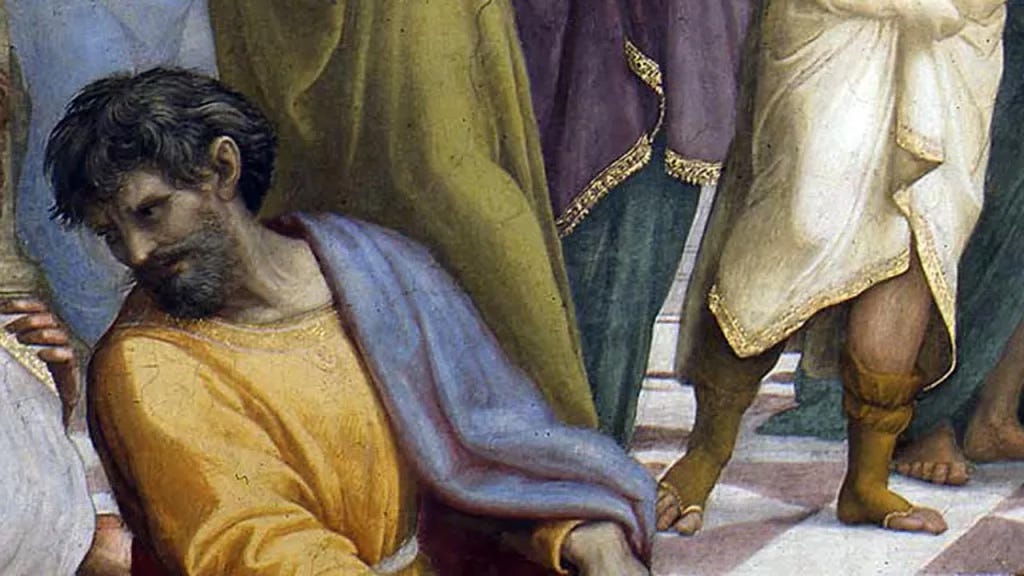
 #290 - Anaximander & Anaximenes 08.05.2026 25dkIn this podcast episode, I cover the life and ideas of two of the earliest Greek Philosophers, Anaximander & Anaximenes of Miletus. Anaximander is credited with introducing the idea of the First Principle, of which his was the infinite, and Anaximenes, Air.Books Referenced:* Early Greek Philosophy - Translation by Jonathan Barnes - Penguin Classics* The First Philosophers - Translation by Robin Waterfield - Oxford World’s Classics* Lives of the Eminent Philosophers - Diogenes Laertius - Loeb Classical Library This is a public episode. If you'd like to discuss this with other subscribers or get access to bonus episodes, visit www.booksoftitans.com/subscribe
 -
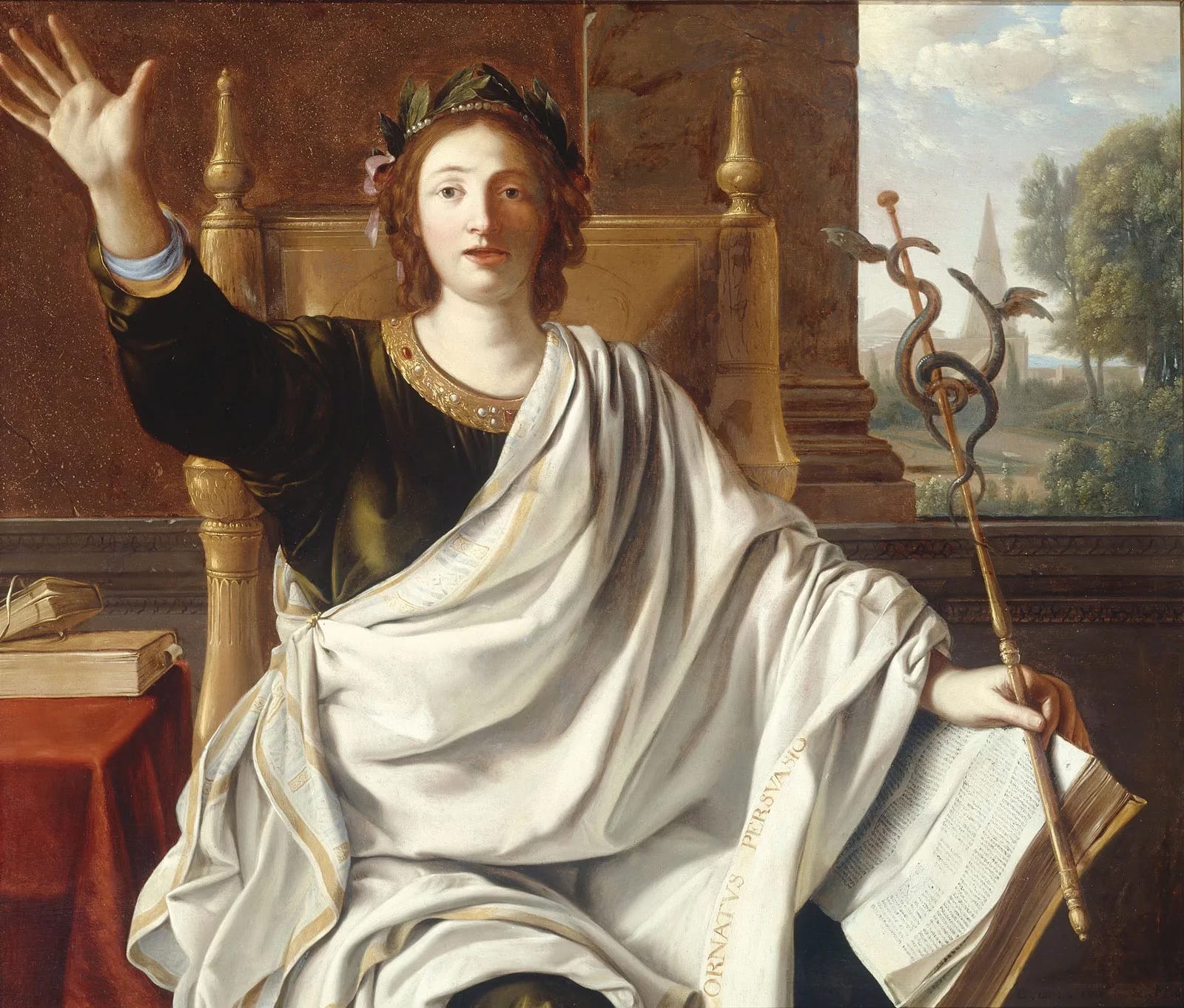
 #289 - Parmenides 01.05.2026 19dkIn this podcast episode, I cover the life and ideas of Parmenides of Elea. Robin Waterfield calls him “the single most important Pre-socratic thinker.” He introduced a puzzle about Being that required a response by philosophers who followed him. From that puzzle, we have the Atom / Void idea from Democritus and the Forms / Shadows idea from Plato. Plato even has a dialogue named after this influential philosopher who lived from 515 - 450BC.Books Referenced:* Early Greek Philosophy - Translation by Jonathan Barnes - Penguin Classics* The First Philosophers - Translation by Robin Waterfield - Oxford World’s Classics* Lives of the Eminent Philosophers - Diogenes Laertius - Loeb Classical Library This is a public episode. If you'd like to discuss this with other subscribers or get access to bonus episodes, visit www.booksoftitans.com/subscribe
 -
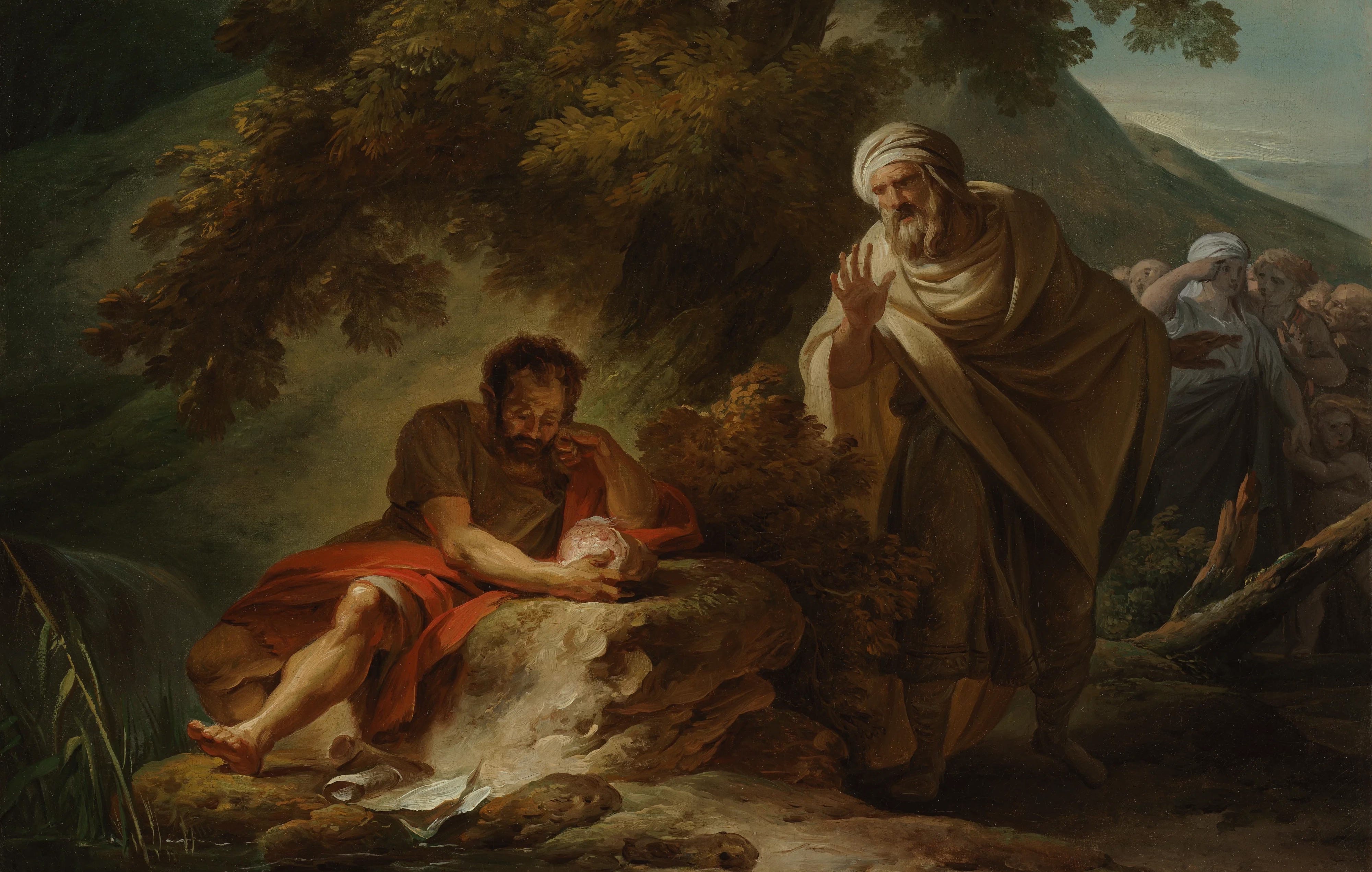
 #288 - Gorgias 24.04.2026 30dkIn this podcast episode, I cover the life and ideas of Gorgias, the father of the Sophistic Movement. We can pinpoint a shift from philosophy to sophism in the life of Gorgias. Each of the early Greek philosophers had a First Principle, an arche they considered to be the foundation of everything else. That stops with the Sophists. Instead of a love of wisdom using speech to seek after truth, the Sophists value persuasion and the ability to get results irrespective of truth.The work of most early Greek philosophers only survives in minor fragments. With Gorgias, we have some surviving full works that are simply delightful. I talk about the life of Gorgias, these surviving works, and the one thing the stuck out to me the most about this early Sophist.Books Referenced:* The Greek Sophists - Translation by John Dillon and Tania Gergel - Penguin Classics* The First Philosophers - Translation by Robin Waterfield - Oxford World’s Classics* Lives of the Sophists - Philostratus - Loeb Classical Library 134Show Notes:* Encomium of Helen This is a public episode. If you'd like to discuss this with other subscribers or get access to bonus episodes, visit www.booksoftitans.com/subscribe
 -
 #287 - Democritus 17.04.2026 26dkIn this podcast episode, I cover the life and ideas of Democritus of Abdera. He is one of my favorite early Greek philosophers, mainly because of his wisdom/ethical sayings. He barely made the Presocratic cut, being just 1 - 10 years before Socrates. However, his ideas, way ahead of their time, were picked up by Aristotle and Epicurus and have influenced humankind to our time. A true Renaissance Man before it was popular 😉, Democritus is worthy of study. His First Principle(s) of Atoms and the Void are revolutionary and are great responses to the ideas of earlier philosophers.Books Referenced:* Early Greek Philosophy - Translation by Jonathan Barnes - Penguin Classics* The First Philosophers - Translation by Robin Waterfield - Oxford World’s Classics* Lives of the Eminent Philosophers - Diogenes Laertius - Loeb Classical Library This is a public episode. If you'd like to discuss this with other subscribers or get access to bonus episodes, visit www.booksoftitans.com/subscribe
 -
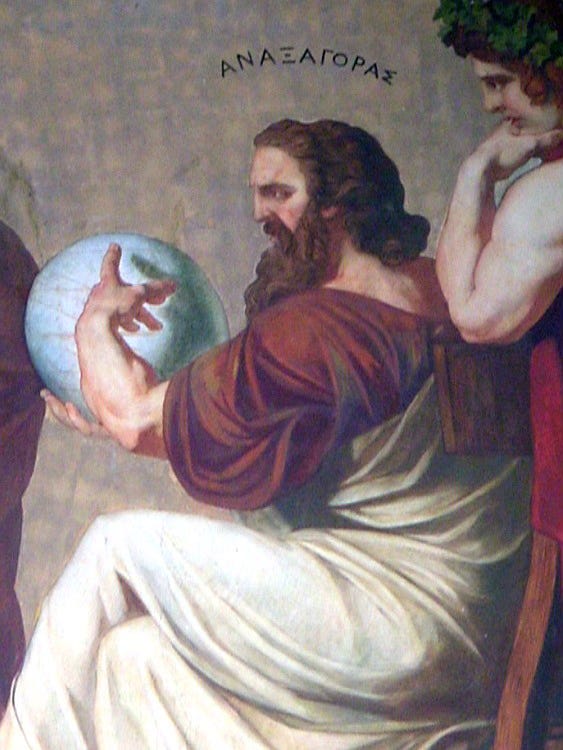 #286 - Anaxagoras 10.04.2026 21dkIn this podcast episode, I cover the life and ideas of Anaxagoras of Clazomenae. His first principle, the thing that organized everything else, was the nous or the mind. He thought that in the beginning, there was an original mixture of unchanging seeds that a mind set in motion and began to organize. Anaxagoras was born in Asia Minor and moved to Athens, becoming one of the first philosophers to establish Athens as a hub of philosophy. In fact, Anaxagoras is a philosophical grandfather to Socrates through his student Archelaus. Socrates learned from Archelaus who learned from Anaxagoras.Books Referenced:* Early Greek Philosophy - Translation by Jonathan Barnes - Penguin Classics* The First Philosophers - Translation by Robin Waterfield - Oxford World’s Classics* Lives of the Eminent Philosophers - Diogenes Laertius - Loeb Classical Library This is a public episode. If you'd like to discuss this with other subscribers or get access to bonus episodes, visit www.booksoftitans.com/subscribe
 -
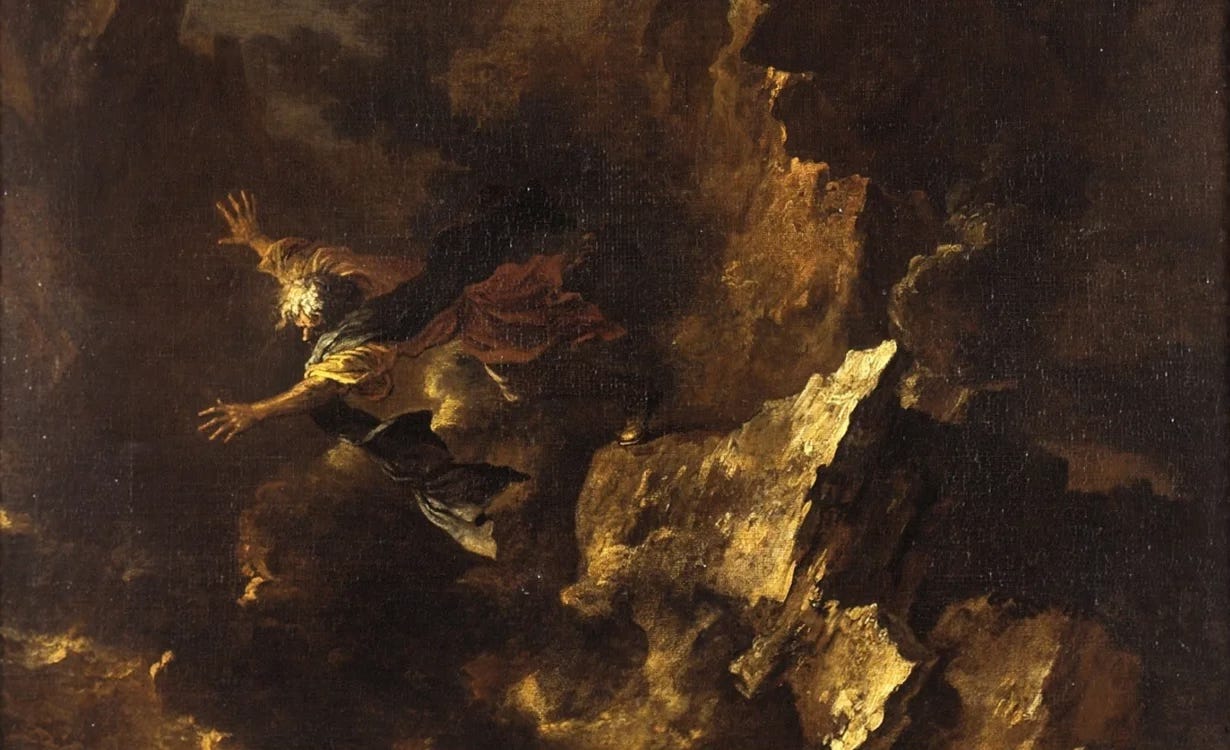 #285 - Empedocles 03.04.2026 28dkIn this podcast episode, I cover the life and ideas of Empedocles of Acragas. He lived from 495 - 435 BC before dramatically diving into the volcano at Mt. Etna to prove he was immortal. As we find out in this episode, the accounts of the life and death of Empedocles are varied and contradictory and contain an element of myth, which is appropriate given his use of epic poetry to present his ideas. With Empedocles, we have the largest stash of fragments of any of the early Greek Philosophers.Books Referenced:* Early Greek Philosophy - Translation by Jonathan Barnes - Penguin Classics* The First Philosophers - Translation by Robin Waterfield - Oxford World’s Classics* Lives of the Eminent Philosophers - Diogenes Laertius - Loeb Classical Library This is a public episode. If you'd like to discuss this with other subscribers or get access to bonus episodes, visit www.booksoftitans.com/subscribe
 -
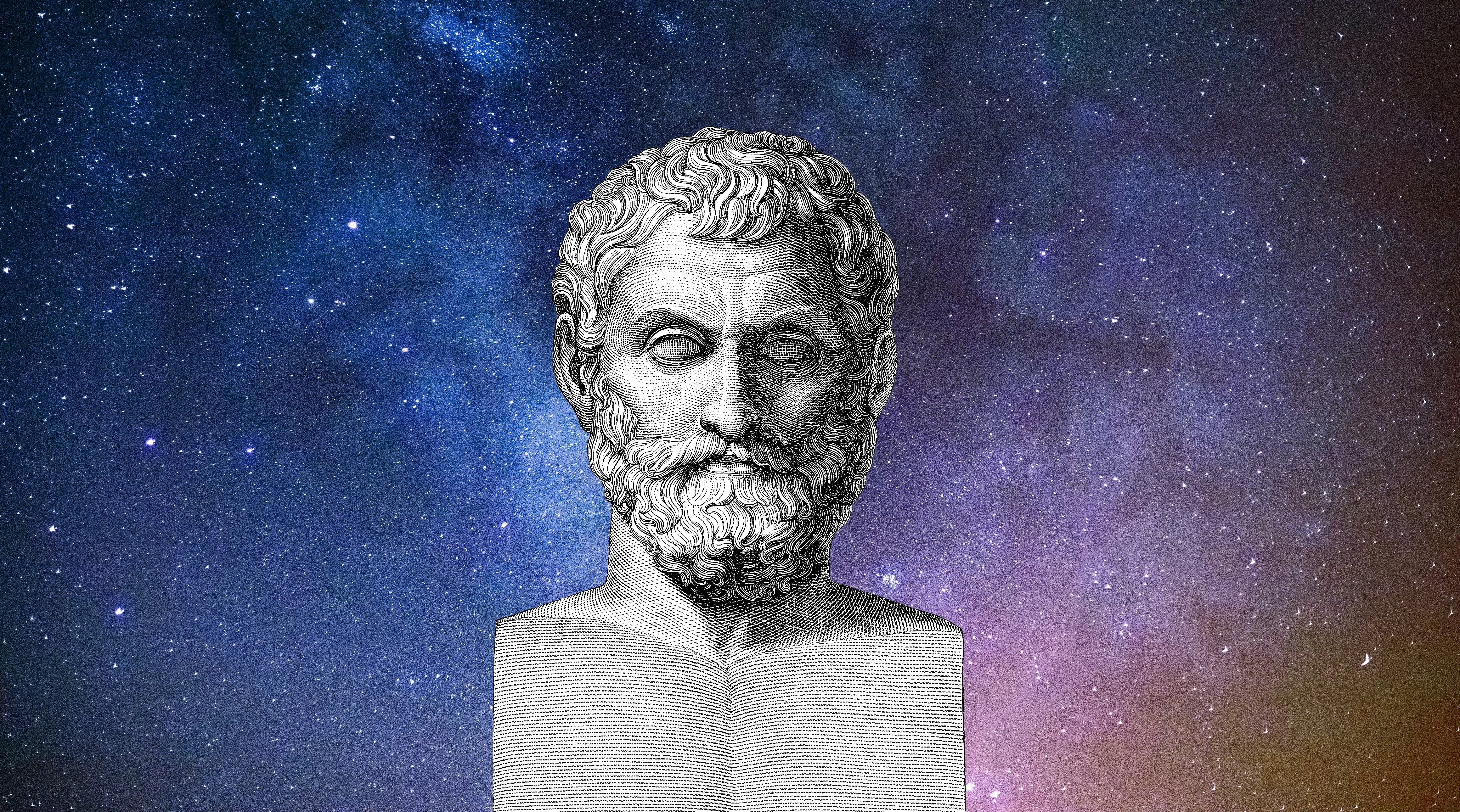 #284 - Thales of Miletus 27.03.2026 28dkAristotle called Thales the Father of Natural Philosophy. At a very high level, he’s credited with shifting from mythos to logos, from a mythological explanation of the world to one based upon natural observation. Thales believed that water was the underlying principle of everything, that an immortal soul existed, and that earthquakes were caused by waves underneath a flat earth instead of by the gods.Thales of Miletus is one of the earliest Greek philosophers (625 - 545 BC) and in this podcast episode, I look at his life, his ideas, and his impact both now and then.Books Referenced:* Early Greek Philosophy - Translation by Jonathan Barnes - Penguin Classics* The First Philosophers - Translation by Robin Waterfield - Oxford World’s Classics This is a public episode. If you'd like to discuss this with other subscribers or get access to bonus episodes, visit www.booksoftitans.com/subscribe
Benzer podcastler


Şurada popüler
Bu podcast şu ülkelerin podcast listelerinde de yer alıyor.
