
Calm Bedtime History
Edmund
0
A daily history podcast designed to help you drift off to sleep. Each episode is a 3- to 4-hour narrated journey through medieval Europe, ancient empires, and forgotten ages, told at a slow, soothing pace. The show avoids dramatic hooks and loud delivery, aiming for a calm, bedtime-friendly experience.
Bölümler
-
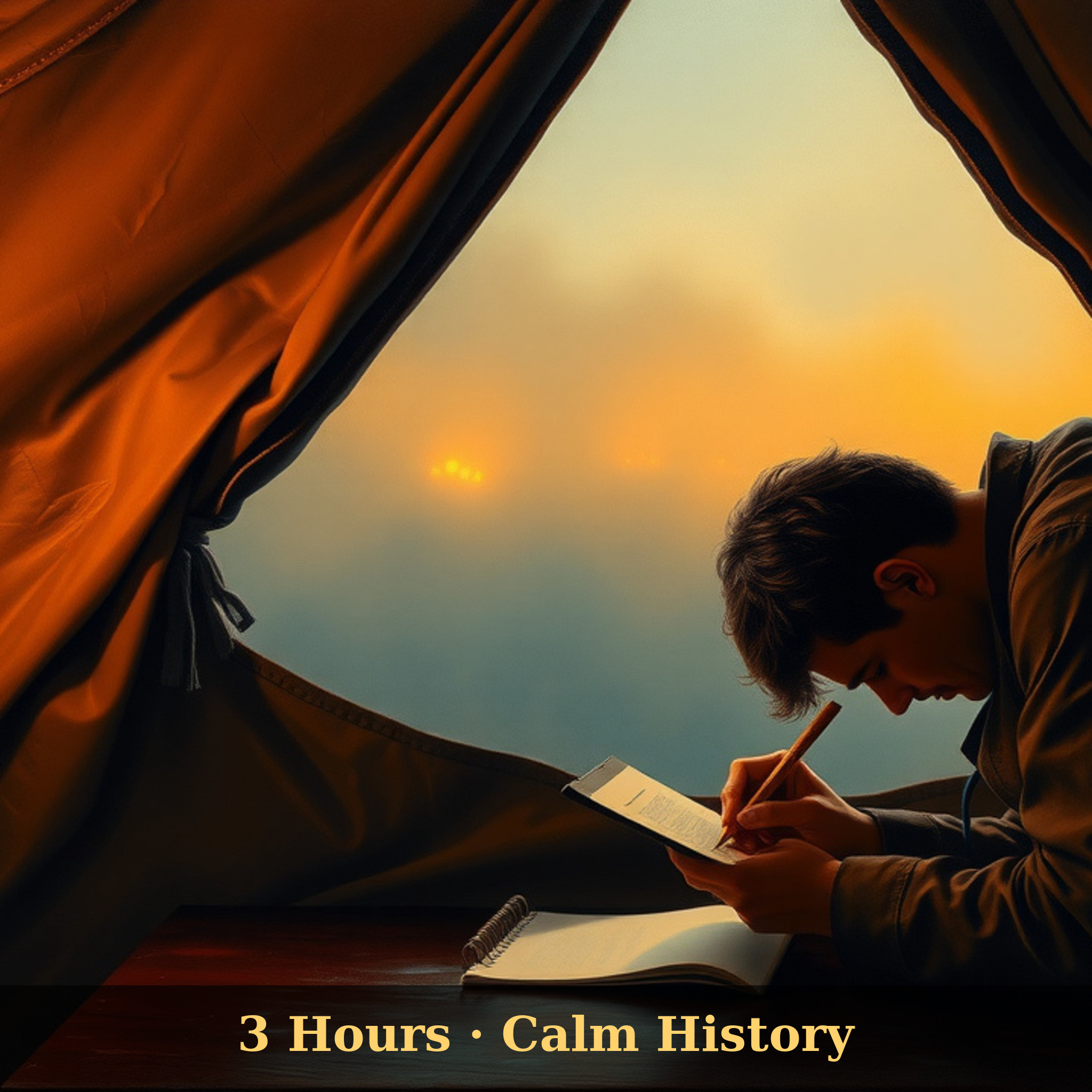 The Late Stoics and the Meditations of Marcus Aurelius, c. 50–180 CE | Calm Bedtime History 29.05.2026 2sa 43dkThe emperor sits by lamplight in a leather tent somewhere on the middle Danube, perhaps near the legionary fortress of Carnuntum or the temporary camp at Vindobona. Outside, the March wind carries the smell of wet earth and woodsmoke from the cooking fires of the Twelfth Legion. Inside, on a portable writing-table of polished maple, he scratches Greek letters onto papyrus with a reed pen, dipping into an inkpot of soot and gum. He is Marcus Aurelius, ruler of the Roman world, and he writes only for himself.
 -
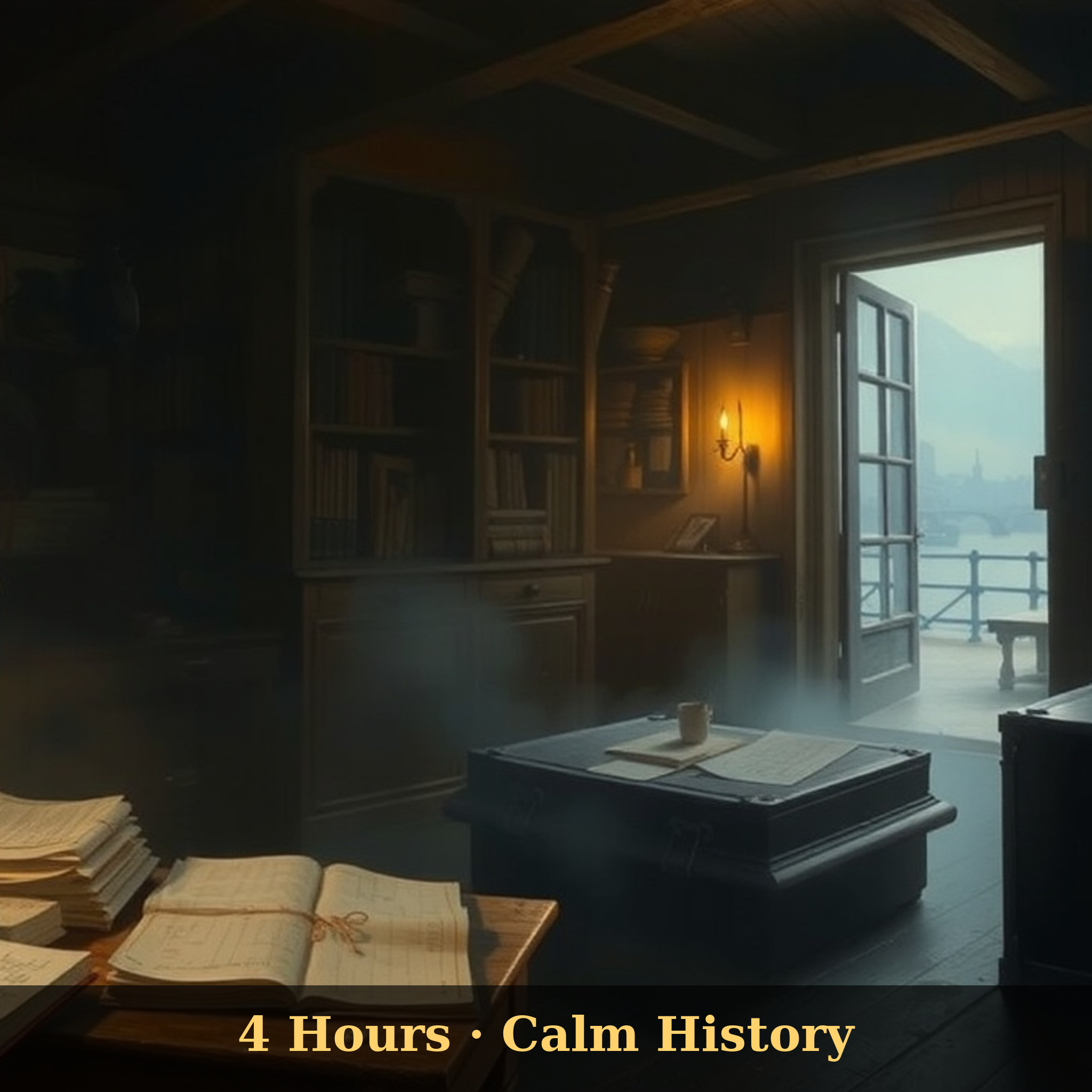 The Hanseatic Merchants of Northern Europe, 1250–1400 | Calm Bedtime History 30.05.2026 3sa 10dkThe first light is grey upon the canals of Bruges. In the upper storey of a timber-framed house near the Jan van Eyckplein, a man from Lübeck named Hildebrand Veckinchusen has already risen. He washes his hands in cold water, dresses in a woollen robe dyed dark, and descends to the counting house where ledgers lie open from the previous evening.
 -
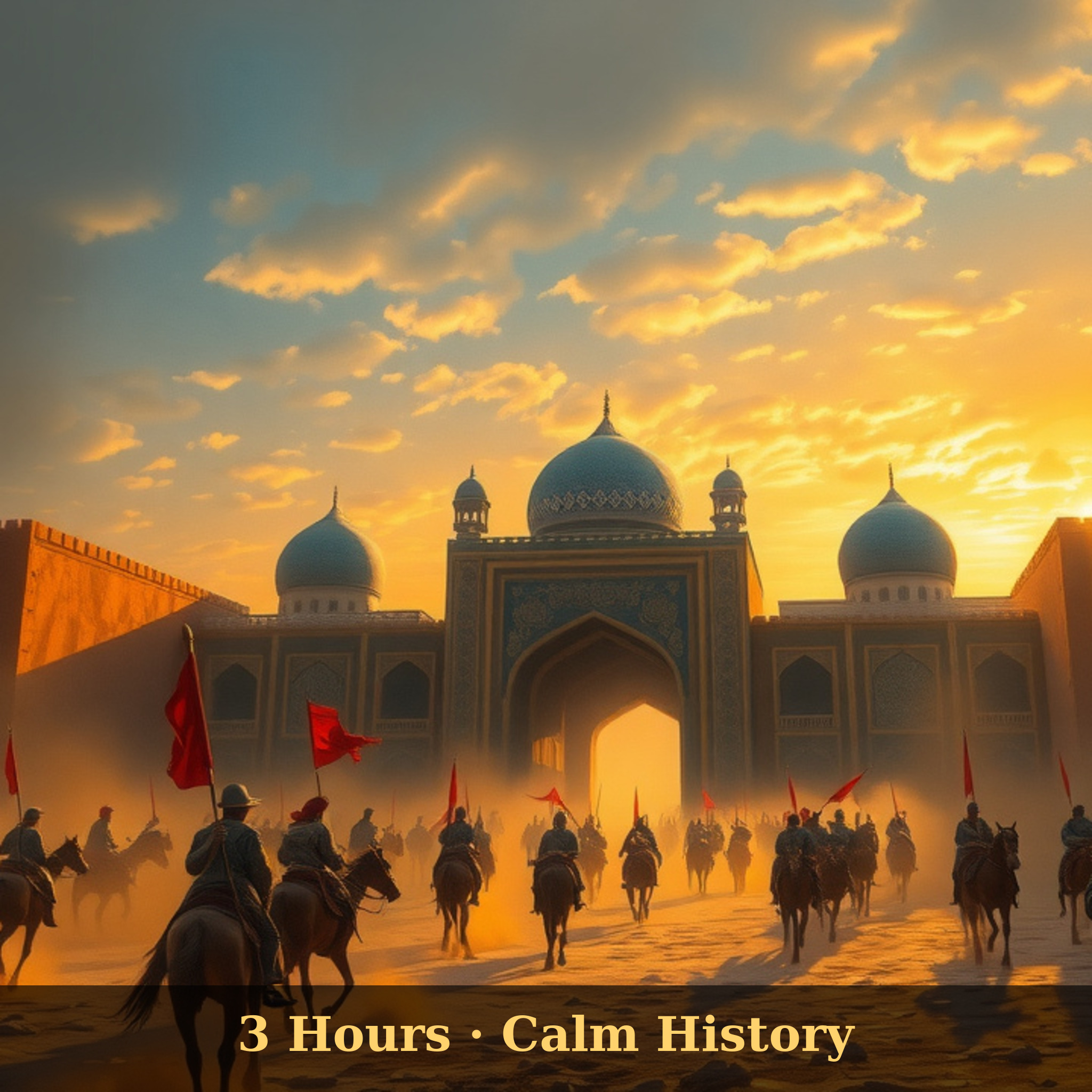 Samarkand Under the Timurids, 1370–1500 | Calm Bedtime History 31.05.2026 2sa 47dkIt is the eighth of September, 1404. In a garden palace outside Samarkand, Ruy González de Clavijo, ambassador from the court of Castile, is brought before Timur, the lame conqueror who has made this Central Asian city the wonder of the age. Around them rise domes of glazed tile the colour of mountain lakes, and the air carries the sound of masons' chisels from construction sites that have not paused in thirty years.
 -
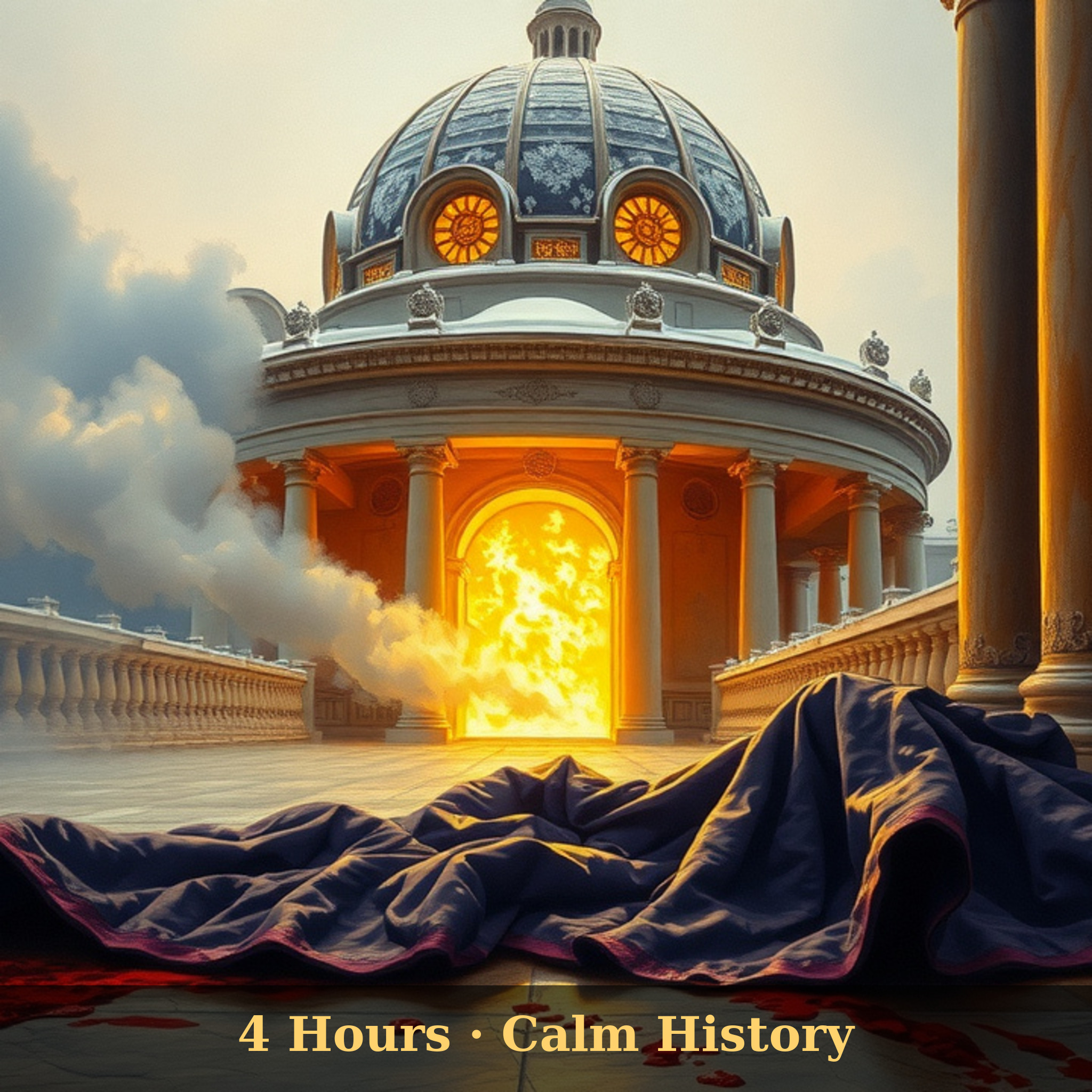 Byzantium and the Long Year of Manzikert, 1068-1081 | Calm Bedtime History 01.06.2026 2sa 59dkThe high plateau of eastern Anatolia stretches brown and wind-scoured toward the Persian horizon. In late August of the year 1071, a Byzantine army of many tongues and faiths has marched for three months to reach this place. Their emperor, Romanos IV Diogenes, has come to meet the Seljuk Sultan Alp Arslan near the fortress of Manzikert. The summer heat still rises from the earth in shimmering waves. Somewhere beyond the dust, Turkish horse-archers are watching.
 -
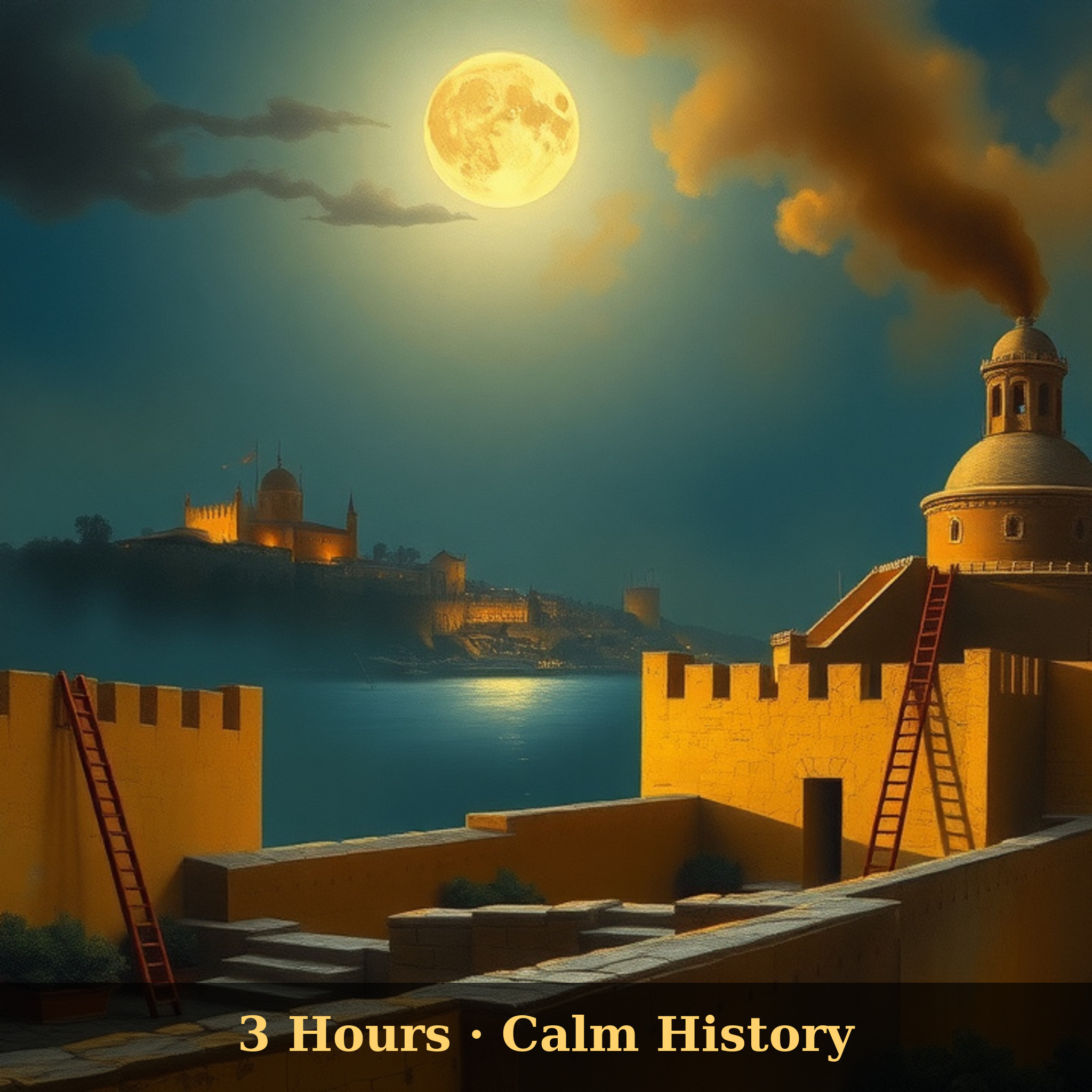 The Crusader Principality of Antioch, 1098–1268 | Calm Bedtime History 30.05.2026 2sa 49dkIt is the third of June, 1098. Inside the double walls of Antioch, the last defenders of the garrison watch from the towers as Frankish soldiers scale the ramparts by moonlight. The city has been under siege for eight months. The Orontes river flows below the citadel on Mount Silpius, carrying the smell of rotting siege debris downstream toward the Mediterranean, still thirty leagues away.
 -
 The Prince-Electors of the Holy Roman Empire, 1356–1648 | Calm Bedtime History 03.06.2026 3sa 13dkIt is the tenth of January, 1356, in the Free Imperial City of Nuremberg. Emperor Charles IV, King of Bohemia, stands before the assembled princes of the Holy Roman Empire to proclaim a new law. The document he presents will bind Germany for four and a half centuries. It is called the Golden Bull, and it names seven men who alone will choose every king and emperor until the empire itself dissolves in 1806.
 -
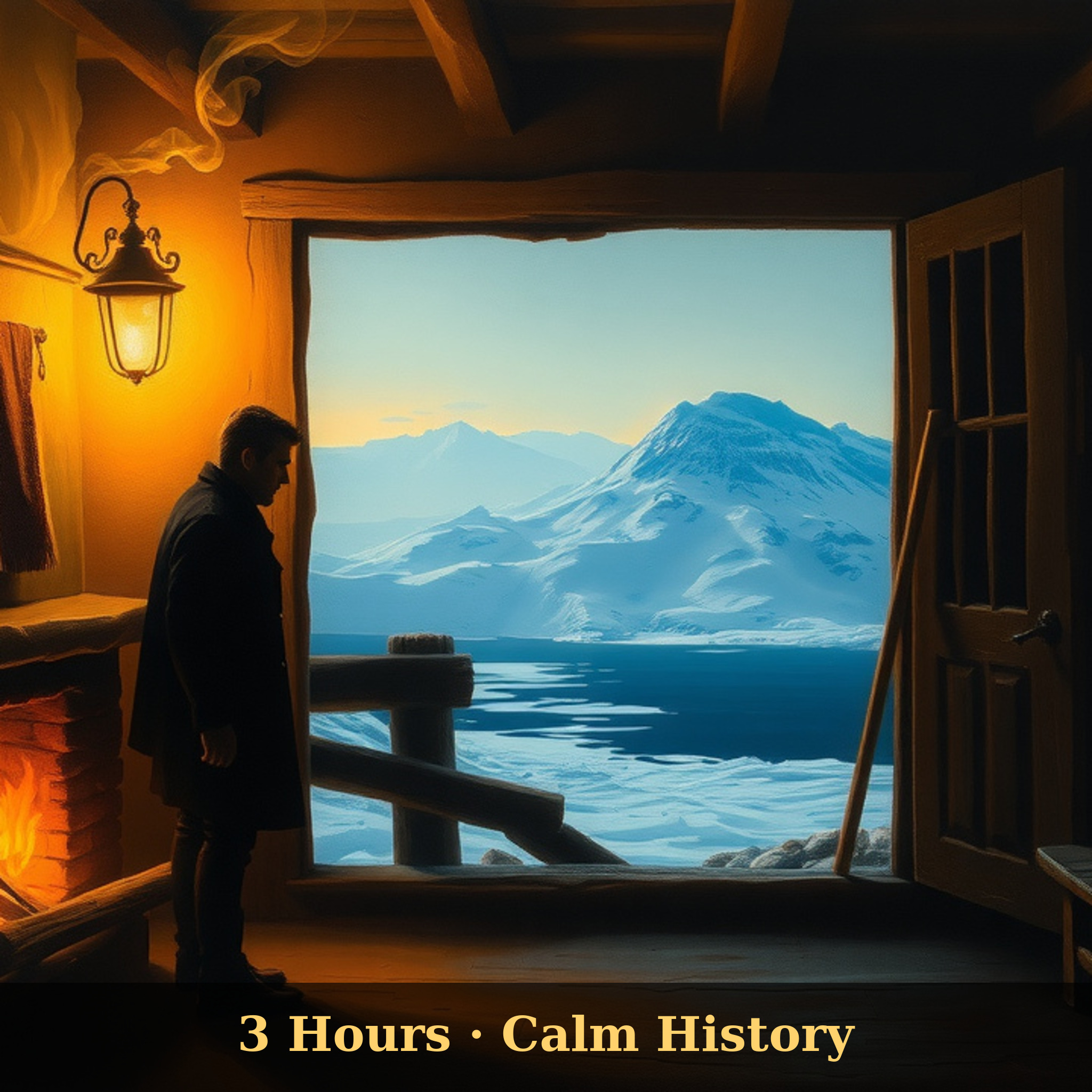 The Nine Worlds of Norse Cosmology, c. 900–1250 | Calm Bedtime History 03.06.2026 2sa 18dkYou are sitting in a longhouse in Iceland, sometime around the year 1000. Outside, the wind moves through volcanic rock and sparse birch. Inside, someone recites from memory the words of the Völuspá, the Prophecy of the Seeress. The poem speaks of nine worlds, held in the branches and roots of an ash tree called Yggdrasil. This is how the Norse understood the shape of everything that exists.
 -
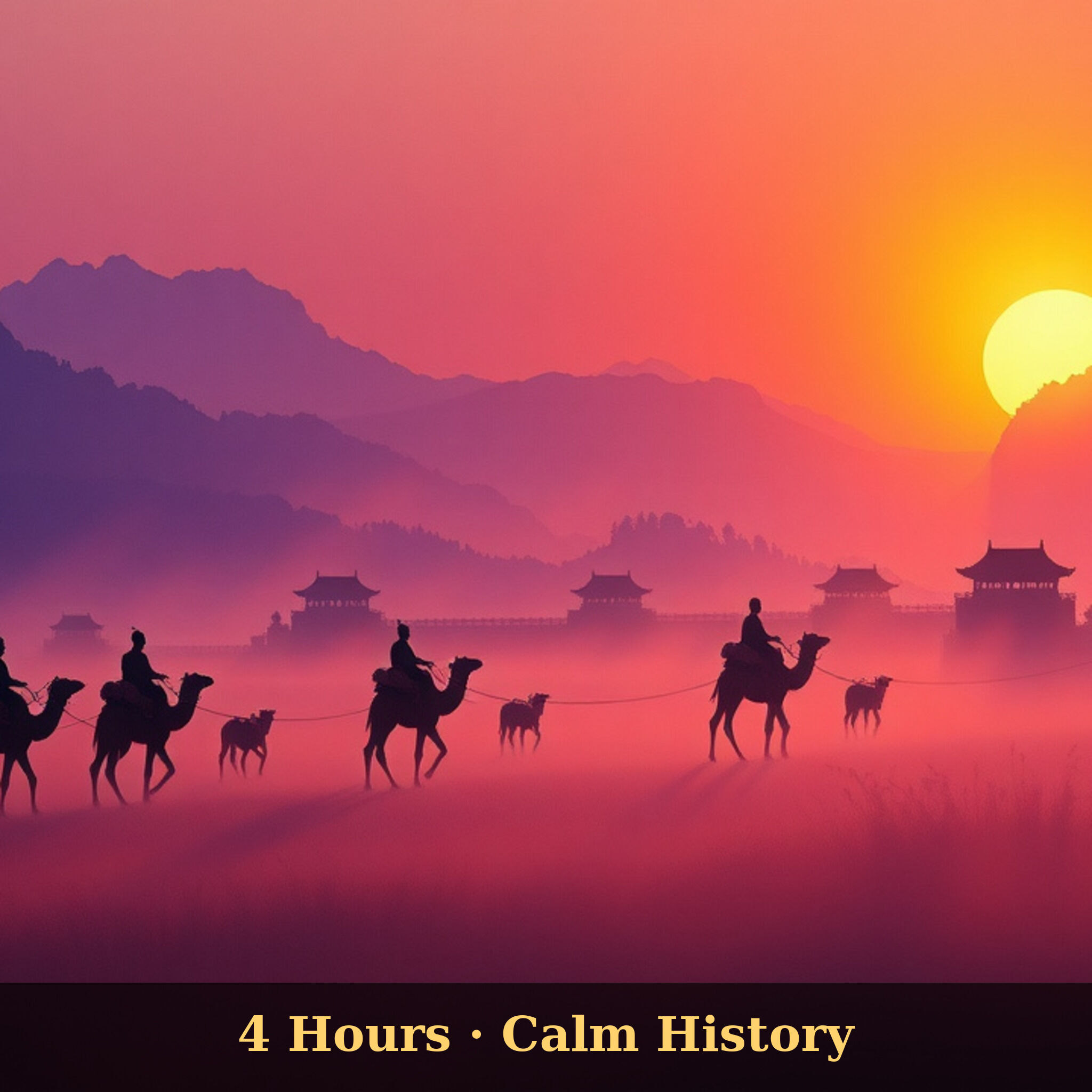 Chang'an: The Tang Dynasty Capital at the World's Crossroads, 618-755 CE | Calm Bedtime History 04.06.2026 3sa 21dkIt is the year 742, and the sun rises over the outer walls of Chang'an, casting the shadow of the city's grid upon fields of mulberry trees. The drum at the Gate of Bright Virtue has sounded, and the great doors swing open for another day. You stand on the Vermilion Bird Avenue, a boulevard one hundred and fifty metres wide, where Persian merchants lead camel trains from the Western Market and a young scholar from the eastern provinces walks toward the examination halls, his breath visible in the cold morning air.
 -
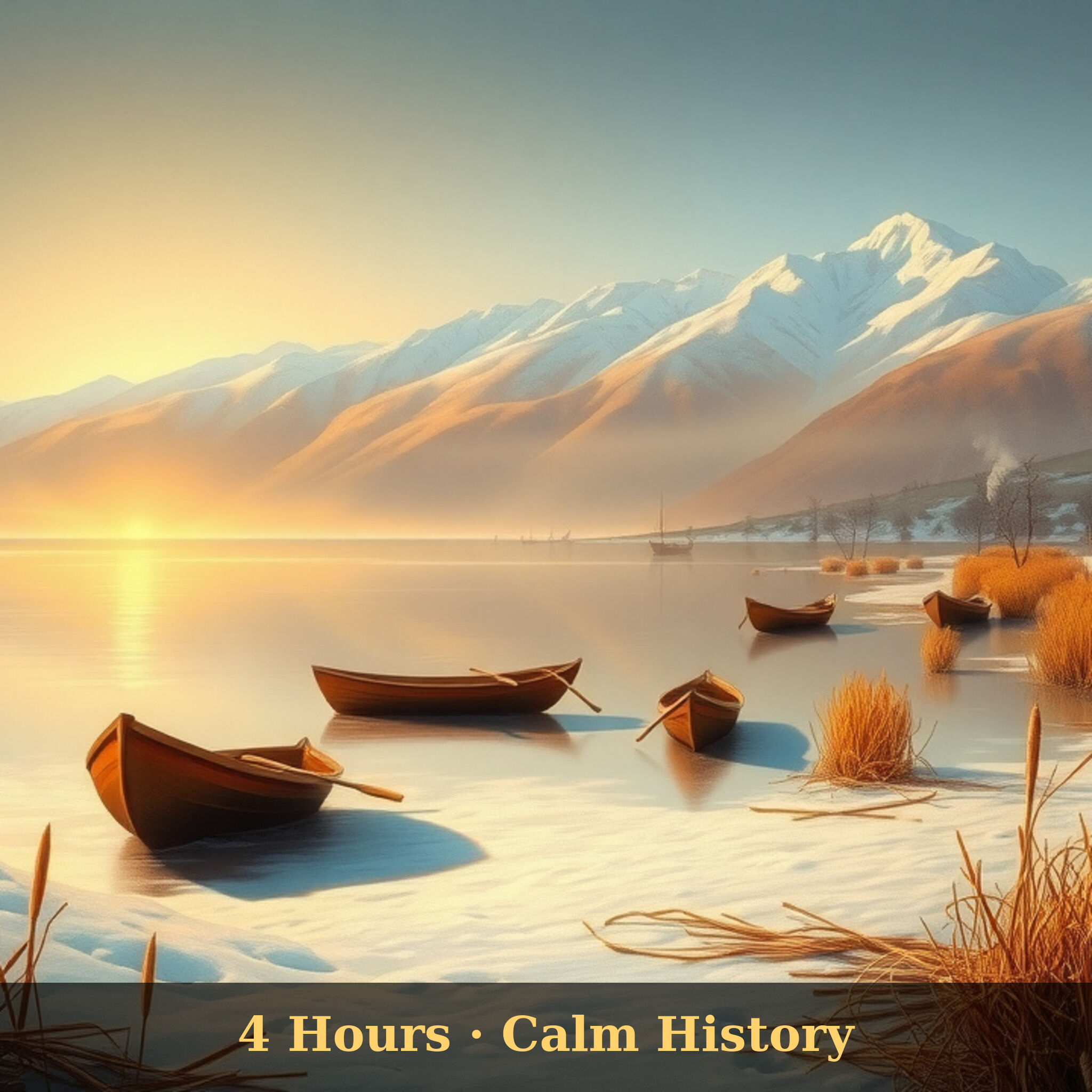 The Tiwanaku Polity of the Lake Titicaca Basin, 500–1000 CE | Calm Bedtime History 05.06.2026 3sa 11dkIt is the year 780 CE. On the Altiplano, three thousand eight hundred metres above the sea, frost whitens the raised fields before dawn. The city of Tiwanaku—perhaps called Taypikala by those who built it—stretches across six hundred and fifty hectares of plain. Smoke rises from clay hearths in the urban core, and somewhere a llama bell clinks as a caravan prepares its descent toward the Pacific coast.
 -
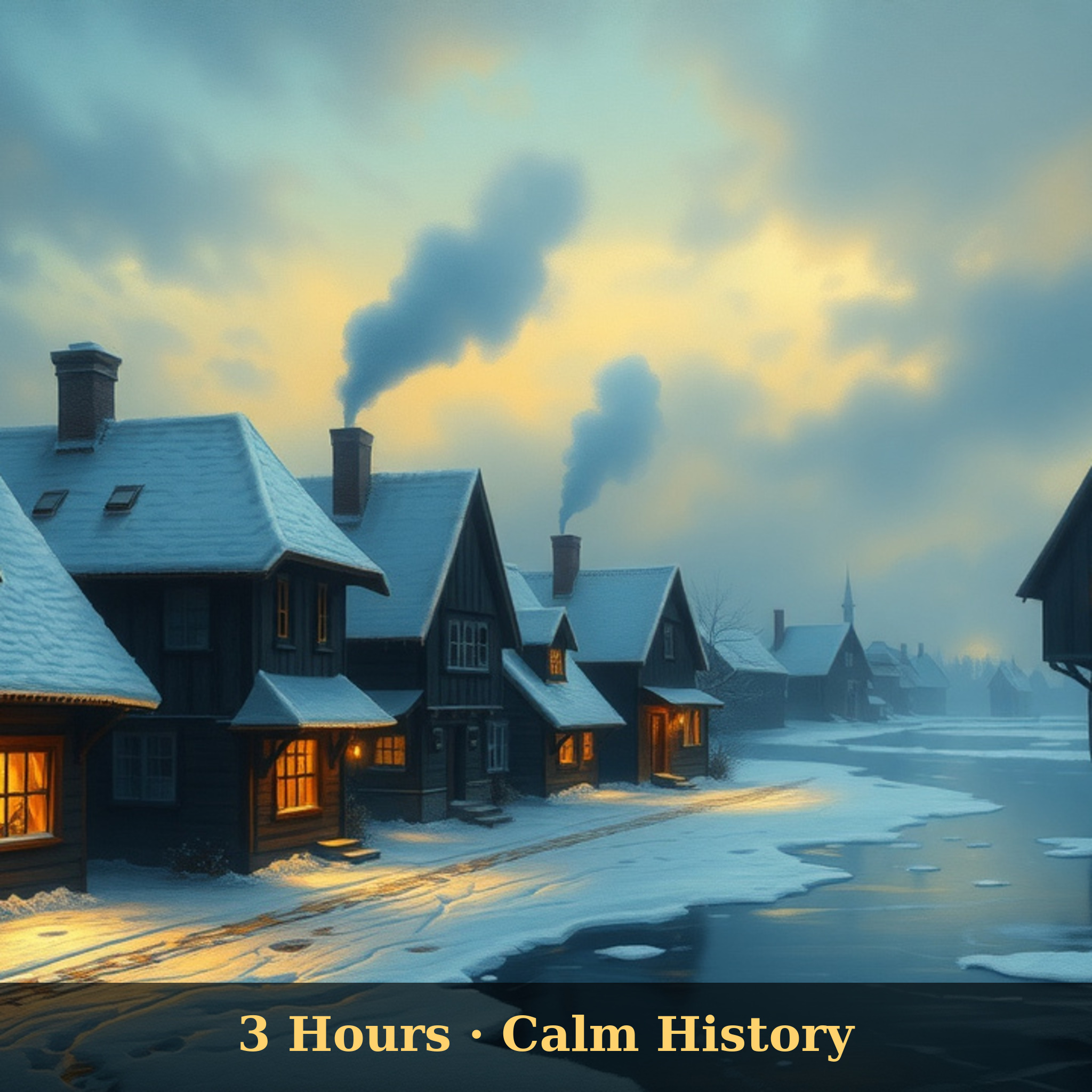 The Hanseatic Peterhof at Novgorod, 1200–1494 | Calm Bedtime History 06.06.2026 2sa 49dkIt is the year 1392, deep in the Russian winter. On the right bank of the frozen Volkhov river, within the trading quarter of Novgorod, stands the Peterhof—a walled compound of timber buildings where German merchants from Lübeck, Bremen, and Visby have lived for nearly two centuries. The gates are locked for the night. Inside, the alderman counts the last candles. Outside, snow drifts against the stockade and the bells of St. Peter's chapel ring for compline. You are among the forty men permitted to winter here.
 -
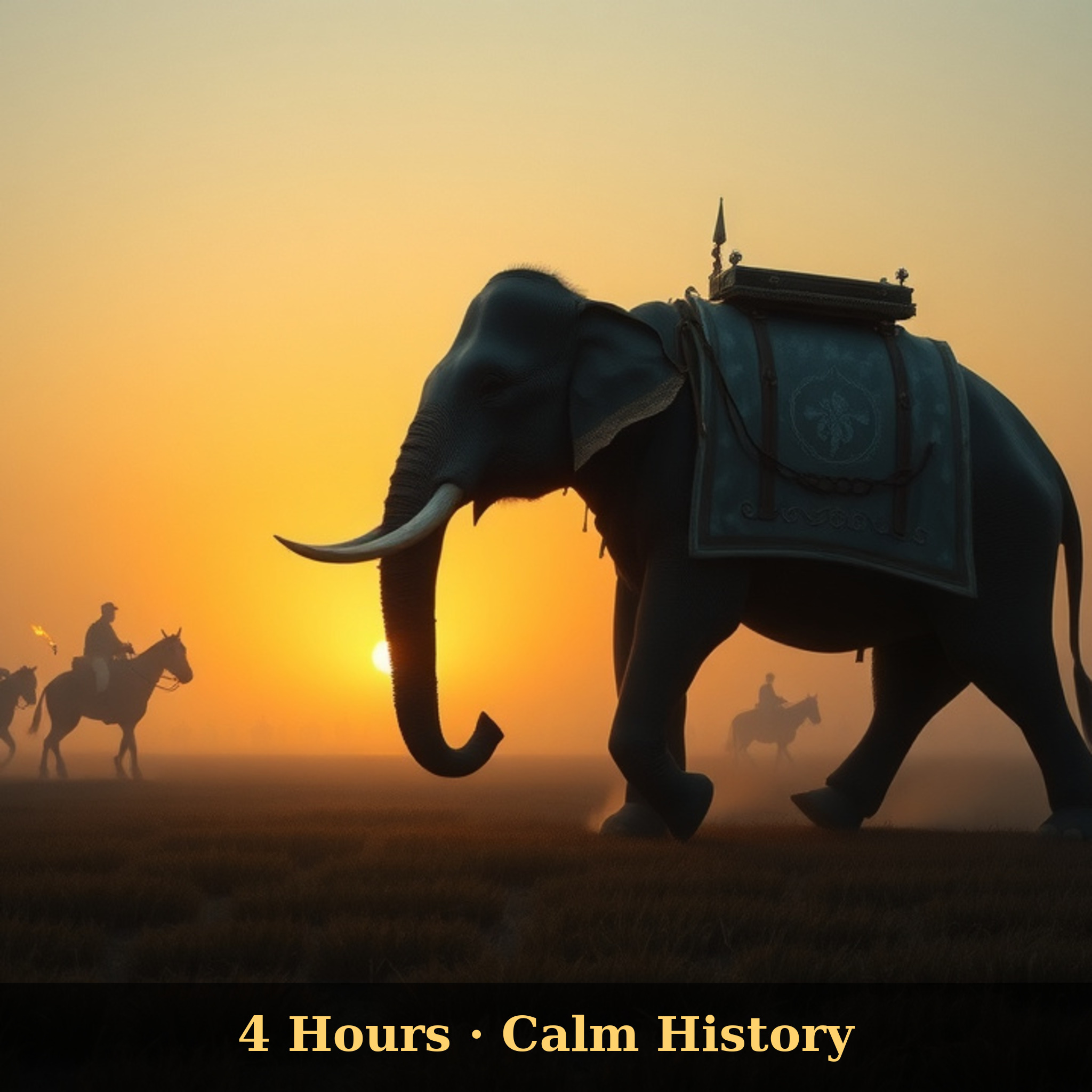 The Reign of the Mughal Emperor Akbar, 1556–1605 | Calm Bedtime History 07.06.2026 2sa 57dkThe second battle of Panipat is about to begin. Hemu, the Hindu general who has captured Delhi and Agra, commands a force of war elephants and Afghan cavalry. Fourteen-year-old Akbar watches from a distance as his regent Bairam Khan directs the Mughal army. The mist hangs low over the flat fields where Babur, Akbar's grandfather, had won an empire thirty years before.
 -
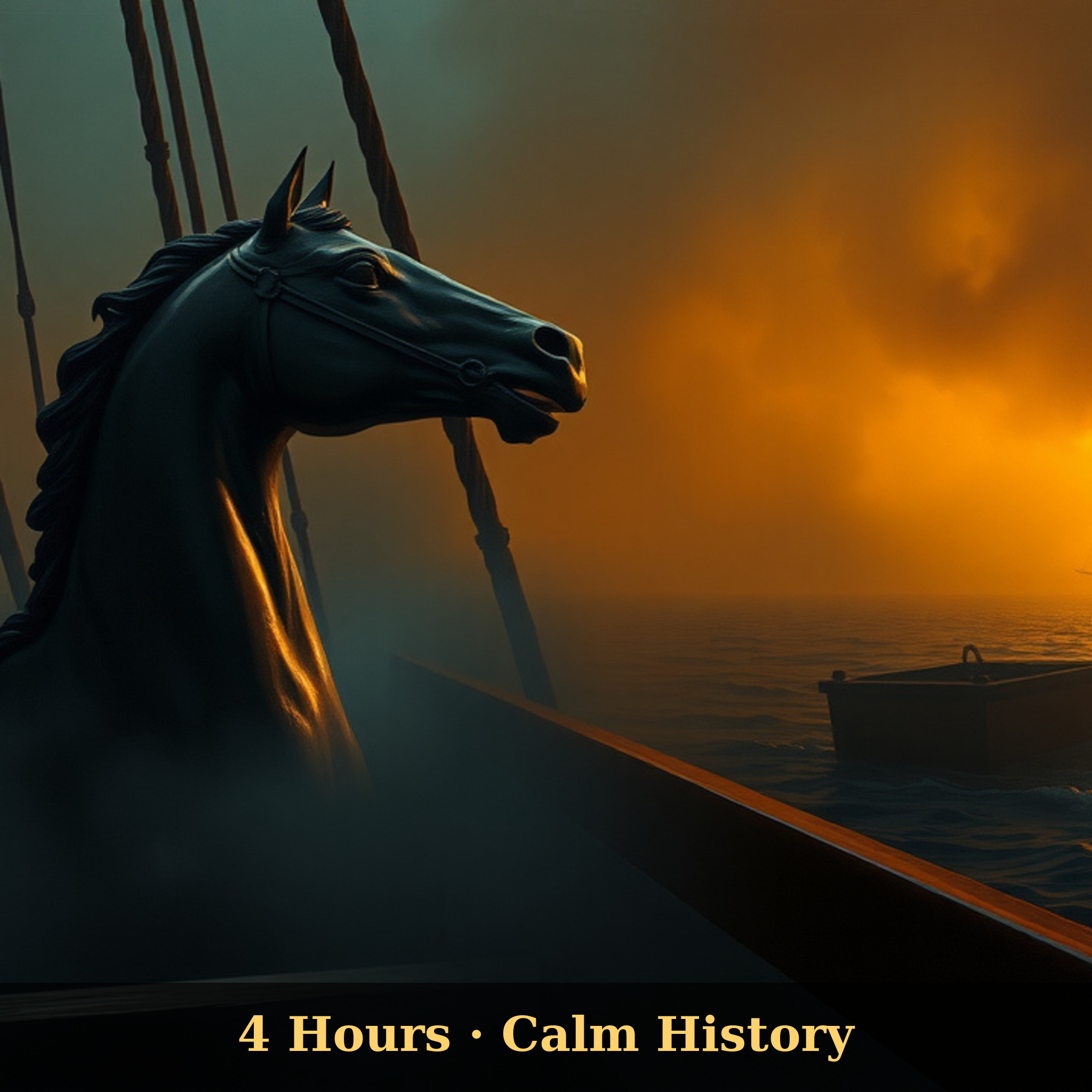 The Maritime Republic of Venice at Its Height, 1200–1400 | Calm Bedtime History 08.06.2026 3sa 4dkThe galleys are coming home. It is April of 1204, and the lagoon is thick with smoke from cook-fires on the Lido. Doge Enrico Dandolo's fleet has been gone two years. Now the hulls ride low in the water, laden with bronze horses and broken columns from the Hippodrome, with sacks of coins and relics wrapped in silk. The men who walk down the gangplanks will tell stories of a city set on fire, but tonight in Venice there is only the splash of oars and the calling of names across the dark water.
 -
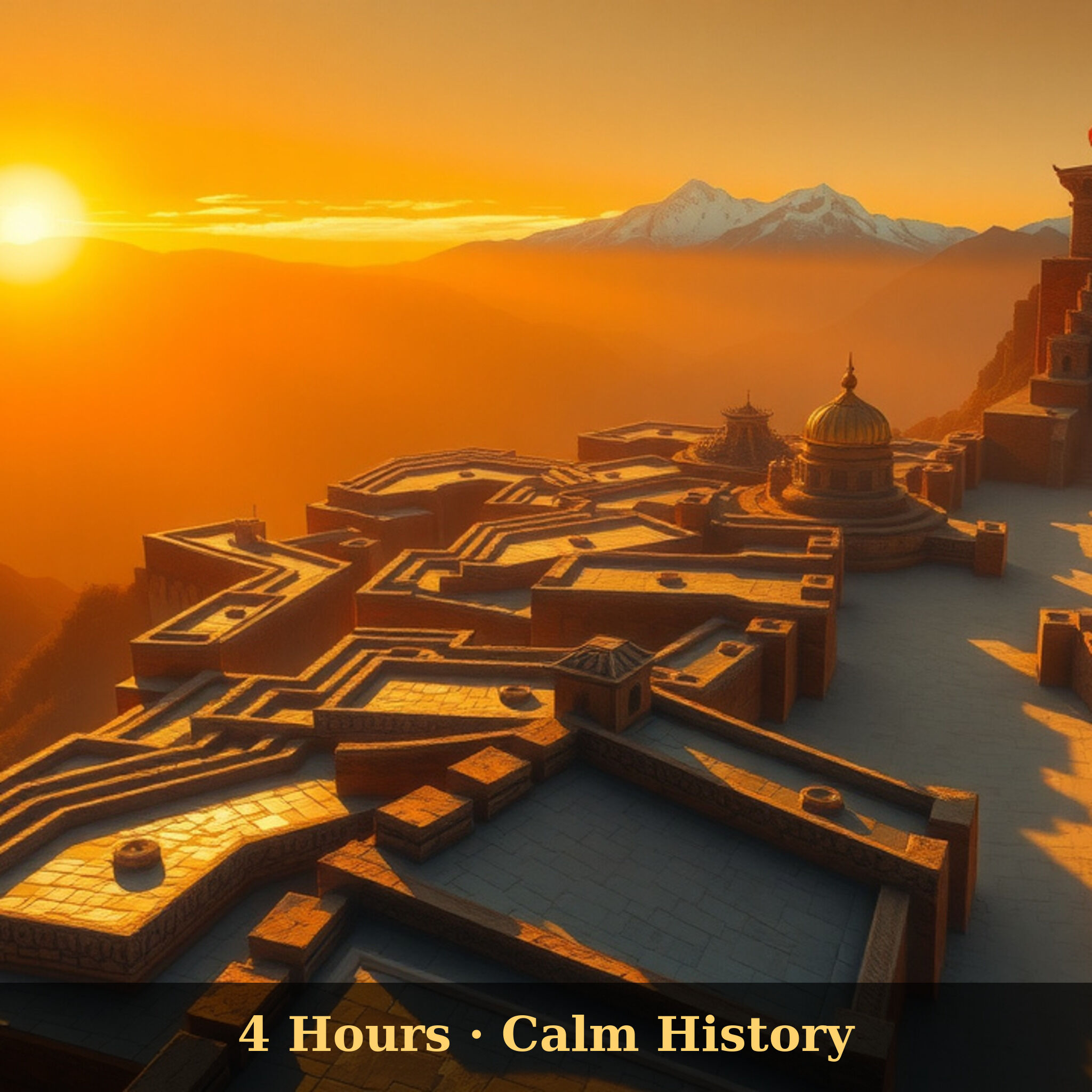 Cusco and the Inca Road: Life at the Center of Tawantinsuyu, 1438-1532 | Calm Bedtime History 09.06.2026 3sa 6dkThe Sapa Inka Pachacútec Yupanqui has just died after thirty-three years of rule, and his body lies in state in the Coricancha, the temple whose interior walls are lined with beaten gold. The city of Cusco sits at 3,416 meters in the Andean highlands, the administrative, political and military center of an empire that now stretches across 950,000 square kilometers. From here, four roads lead outward to the four suyu, the quarters of the world. Relay runners carry news of the king's death along stone-paved highways that reach from Quito to Santiago, from the Pacific coast to the Amazon basin. It is the height of Tawantinsuyu, the empire of the four parts, and the machinery of its daily life continues without pause.
 -
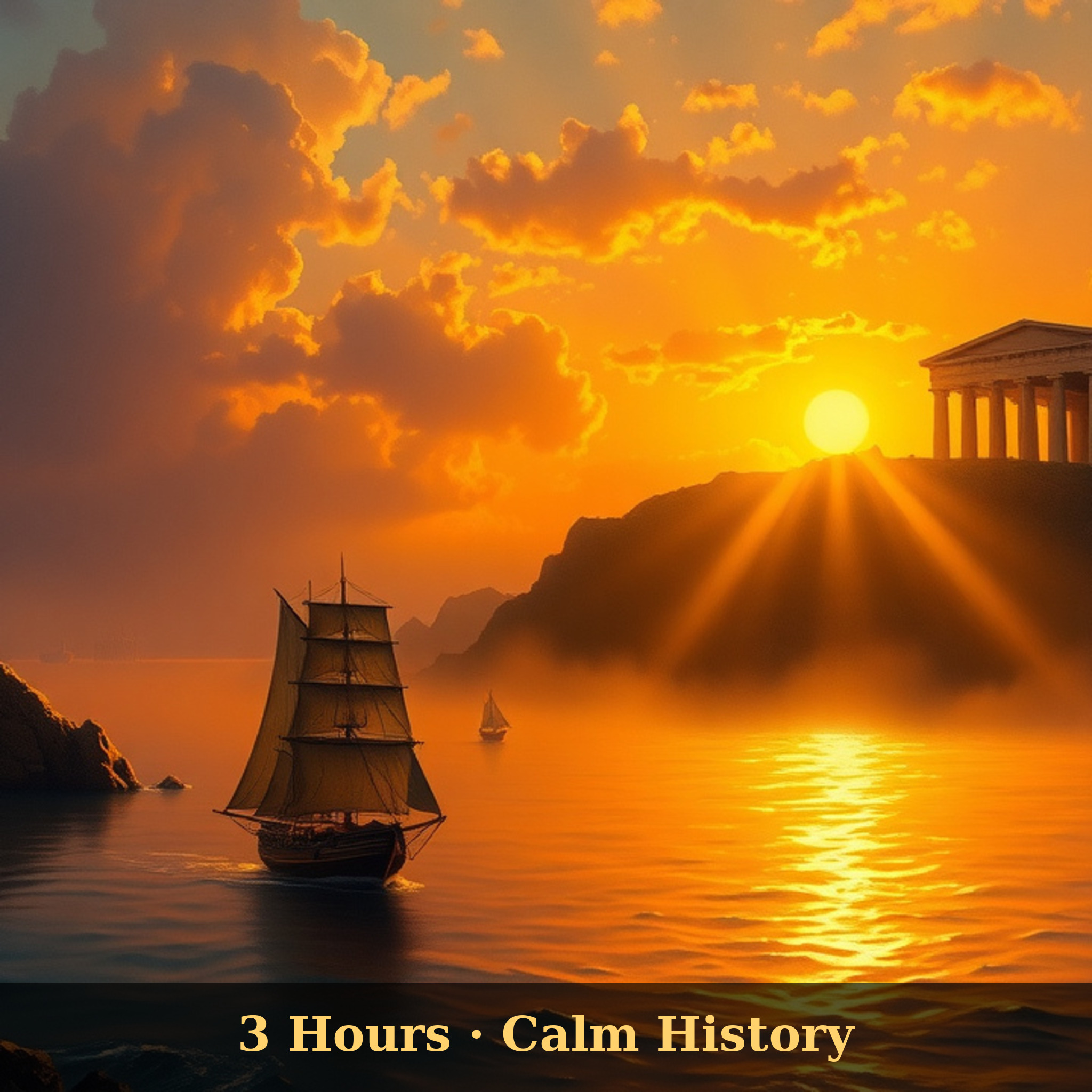 Athens in the Age of Pericles, 461-429 BCE | Calm Bedtime History 11.06.2026 2sa 46dkThe morning light comes early over Mount Hymettus, catching the dust that rises from the Agora where fish-sellers are already laying out their catch. It is the spring of 438 BCE in Athens, and the city has been rebuilding itself for nearly a generation since the Persian fires of 480 BCE. On the Acropolis above, the Parthenon stands nearly complete, its freshly painted marble gleaming pale gold in the dawn, visible from ships approaching the harbour at Piraeus seven kilometres away.
 -
 Daily Life in the Great Monasteries of the Rhineland, 800-1200 | Calm Bedtime History 12.06.2026 2sa 38dkIt is the year 850, in the Benedictine abbey of Lorsch on the Bergstrasse. A monk rises in the darkness before dawn, his breath visible in the unheated cell. The bell for Matins will sound soon, summoning him to the church of St. Nazarius, founded eighty-six years earlier in the time of Charlemagne. The day ahead will unfold according to the Rule of St. Benedict, measured in seven canonical hours, from this darkness until the Great Silence falls after Compline.
 -
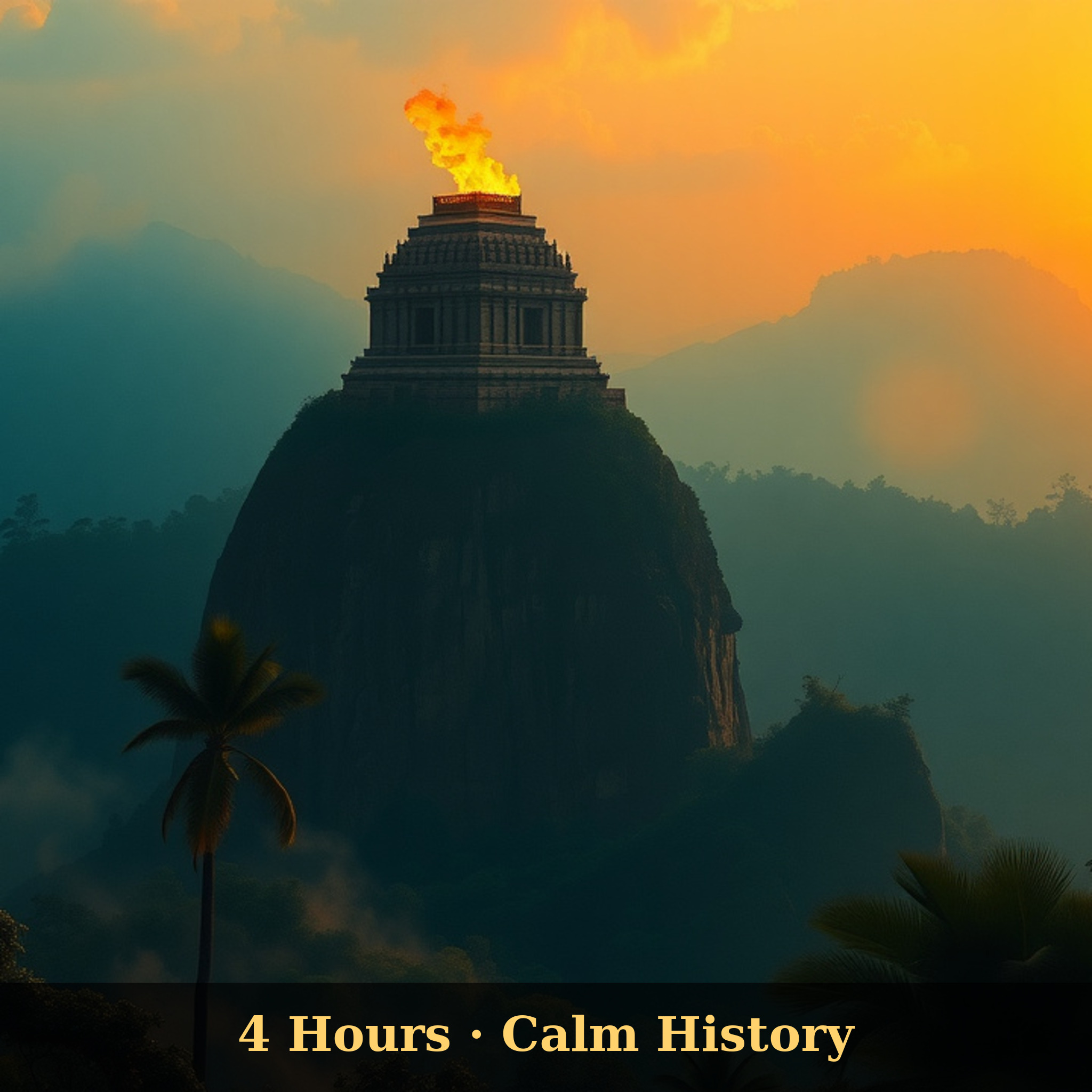 The Maya City of Tikal at Its Height, c. 700 CE | Calm Bedtime History 13.06.2026 3sa 10dkIn the year 682, a king named Jasaw Chan K'awiil I took the throne of Tikal, a city of limestone and plaster rising from the rainforest of northern Guatemala. His coronation marked the beginning of a second golden age for one of the greatest cities of the Maya world, a place where temple-pyramids would soon pierce the canopy above the Petén. The dry season had begun, and the white plazas caught the morning light as workers prepared the foundations of what would become Temple I, the king's eventual resting place.
 -
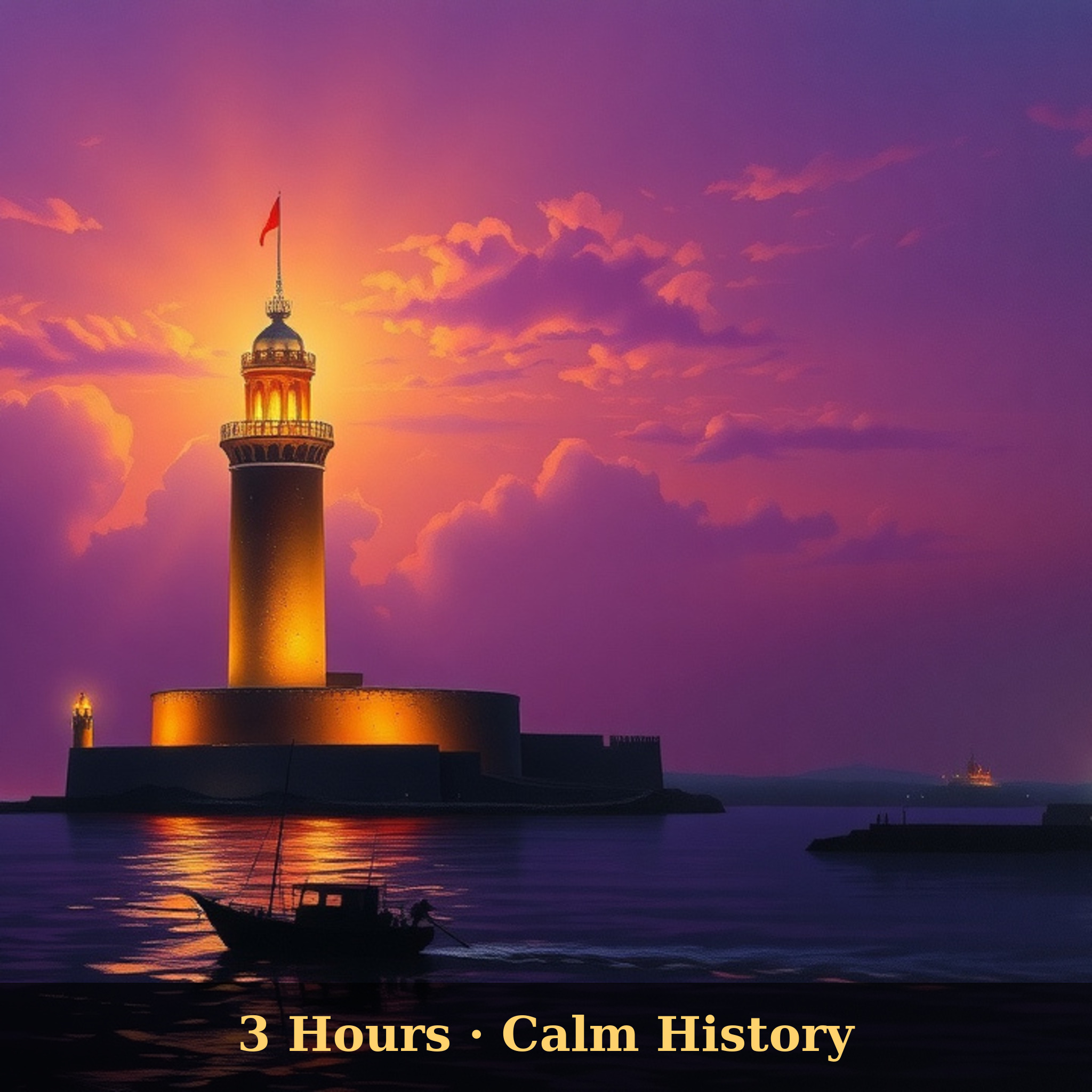 Cleopatra's Alexandria, 48–30 BCE | Calm Bedtime History 14.06.2026 2sa 32dkIt is the year 48 before the Common Era. In the royal palace on the harbour's edge, Cleopatra VII has just been driven from her throne by the ministers of her younger brother. She will soon return, carried in secret through the harbour mouth, past the great lighthouse on the island of Pharos, its fire burning at the entrance to the greatest city the Hellenistic world has ever built. Alexandria already holds more than half a million souls. Its streets run straight as arrows, its library holds the collected learning of centuries, and its ships carry Egyptian grain to feed the Roman republic. Yet the kingdom is three centuries old now, and the shadow of Rome falls longer each year across the harbour.
 -
 Babylon at Its Height Under Nebuchadnezzar II, c. 600 BCE | Calm Bedtime History 15.06.2026 3sa 30dkIt is the year 584 BCE, the twenty-first year of King Nebuchadnezzar II's reign. You stand upon the western bank of the Euphrates, where the river bends through the heart of Babylon, greatest city of its age. Behind you rise walls of baked brick so broad that chariots pass upon their summits four abreast, and beyond them the blue-glazed towers of the Ishtar Gate catch the last light of a Mesopotamian afternoon.
 -
 Daily Life in Ancient Sparta, 5th Century BCE | Calm Bedtime History 16.06.2026 2sa 56dkYou are standing on the bank of the Eurotas river, where the water runs clear and cold from the Taygetus mountains. It is the year 450 BCE. The morning sun has risen over a city that has never known defensive walls, where low houses of sun-baked brick cluster along the river plain, and the smoke of breakfast fires drifts thin across the olive groves. Men are already walking toward their common mess halls, carrying the prescribed contribution of barley meal and wine.
 -
 A Viking Voyage: Life Aboard the Longship, c. 900 CE | Calm Bedtime History 17.06.2026 3sa 4dkIt is the year 900, in the early months of spring. A clinker-built longship lies ready at the head of a deep Norwegian fjord, its striped sail furled against the mast, its crew of thirty men preparing to row out on a long crossing of the northern seas. The voyage ahead will last many days, through waters they know only by the memory of those who have returned.
Benzer podcastler


Şurada popüler
Bu podcast şu ülkelerin podcast listelerinde de yer alıyor.
