
Producing The Beatles
Jason Kruppa
0
This podcast examines the pivotal role of producer George Martin in the Beatles' recording career. It uncovers the untold story of how Martin's innovative production techniques shaped the band's revolutionary sound. Listeners hear insights into the creative partnership between Martin and the Beatles, along with the technical and artistic decisions behind their most famous songs.
Bölümler
-
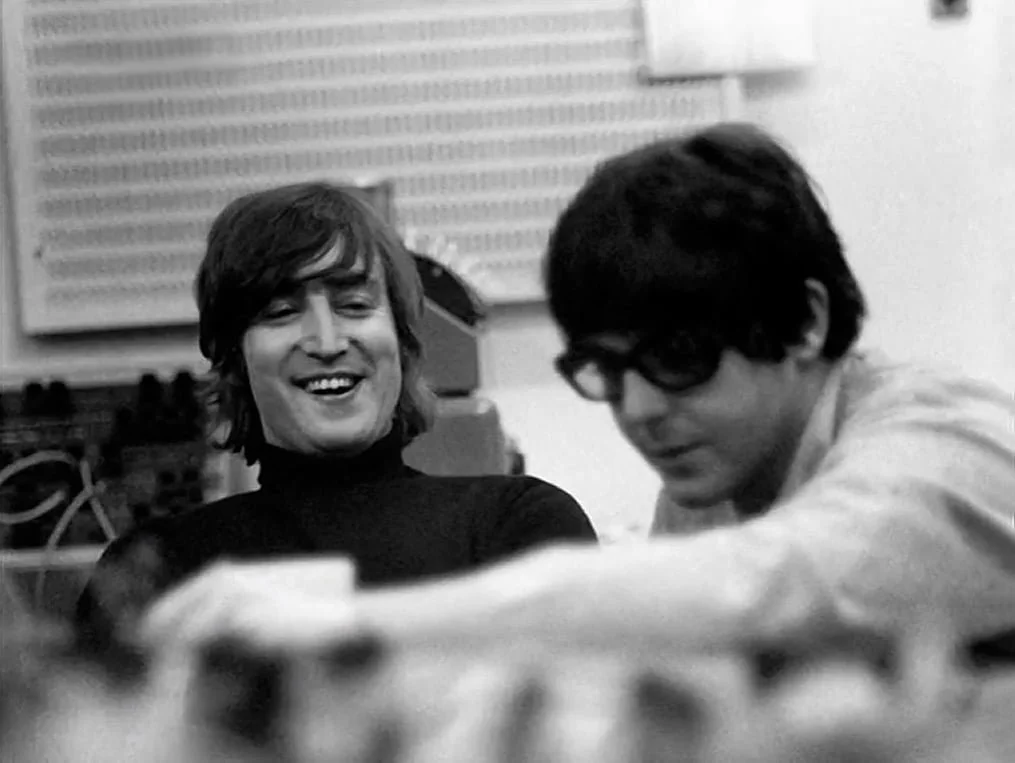 017 Tomorrow Never Knows 10.11.2025 41dkWe kick off Season 2 with one of the Beatles’ most revolutionary recordings, “Tomorrow Never Knows,” the closing track on Revolver but the first song recorded for the album. It would be both a creative and technical breakthrough, but getting the final master on tape was quite an involved process. To help explore the mysteries of a song that still sounds unstuck in time, I’m joined by composer and music professor Joel Friedman and author Elizabeth Alker, who spoke to Paul McCartney about this recording for her new book, Everything We Do Is Music: How 20th Century Classical Music Shaped Pop.
 -
 016 Now and Then 14.01.2024 31dkBeatle author Ken Womack and Ranking the Beatles host Jonathan Pretus join me to discuss the tech that made the Beatles’ new single “Now and Then” possible. And from John's haunting vocal to Giles Martin's stirring string arrangement, we peel back the layers of the production and consider Paul's nearly 30 year mission to complete John's demo.
 -
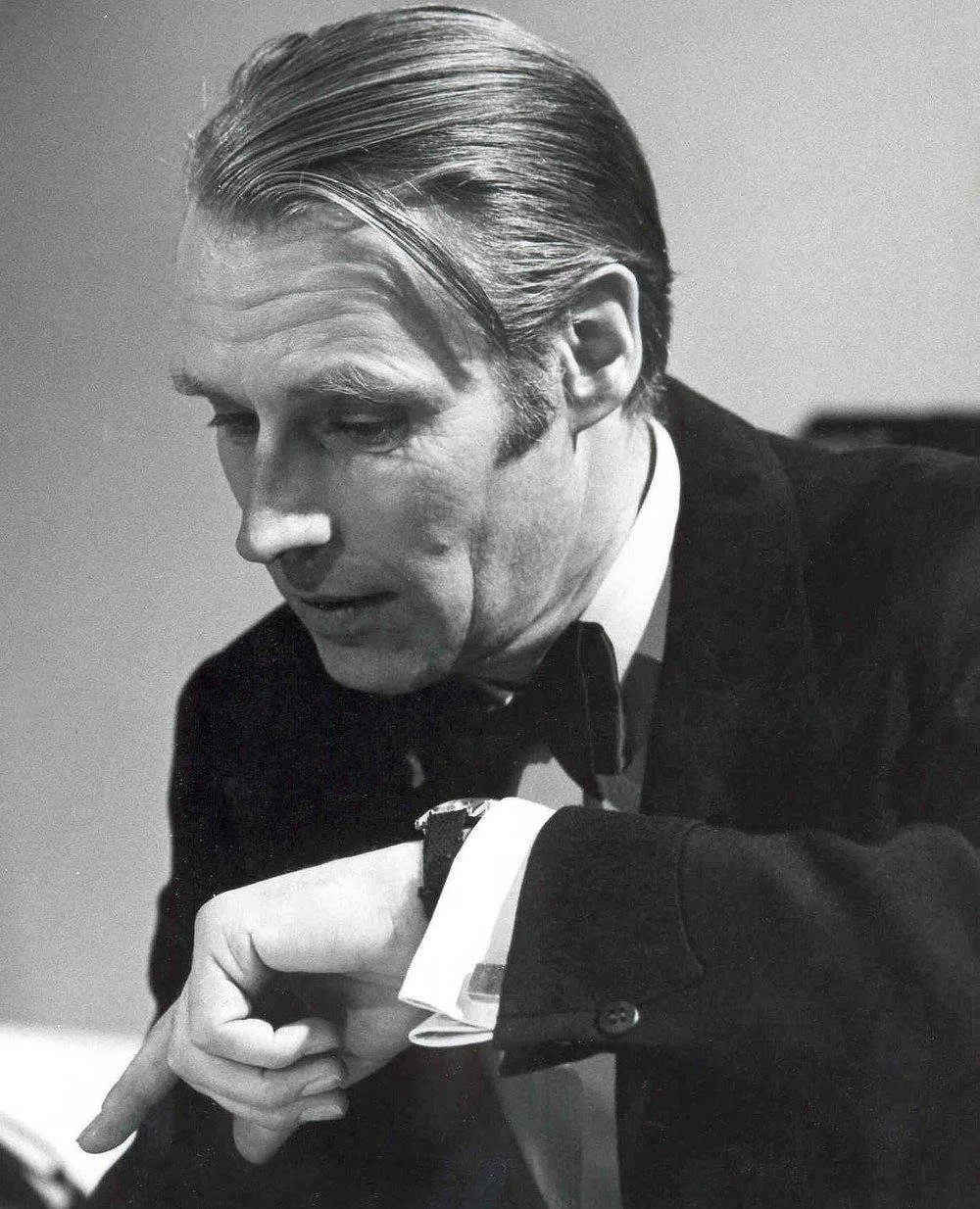 015a A closer look at the "Live and Let Die" orchestration- 14.01.2024 5dkA little extra mini-episode examining George Martin’s orchestration for “Live and Let Die,” with a recreation of part of the arrangement.
 -
 015 Paul McCartney and Wings, "Live and Let Die"" 14.01.2024 28dkIn our penultimate Season 1 bonus episode, we examine another solo recording, this time Paul McCartney’s thrilling theme song for the 1973 James Bond film, Live and Let Die. I’m joined by Allan Kozinn, co-author of The McCartney Legacy Volume 1, who takes us through all the details of the writing and recording process. We also learn how Paul debuted the song before the film’s release, we walk through George Martin’s Grammy-winning arrangement, and we consider Martin’s droll story about the film’s producer, as well as what Martin left out of that story.
 -
 014 George Harrison, "Isn't It A Pity" 20.12.2022 23dkIn the second episode looking at the making of All Things Must Pass, we explore the recording of the largest production on the album. We hear from participants at the sessions, listen to outtakes and isolations, peek into Mal Evans’ diaries, and sample a reconstruction of the song’s epic orchestral score.
 -
 013 George Harrison, "My Sweet Lord" 25.04.2022 38dkToday, the first of two episodes exploring the production of George Harrison’s first solo album, All Things Must Pass, with new research and interviews drawn from the book Ken Womack and I wrote on the making of the album. In this episode, we cover the intricate and painstaking production of “My Sweet Lord.” We explode the myth of Phil Spector’s contributions, speak to a number of people who were there, and get an exclusive sneak preview of the contents of Mal Evans’ diary entries about these sessions, courtesy Ken Womack.
 -
 012 John Lennon, "Love" (S1 bonus episode) 22.02.2021 22dkIn the first bonus episode for Season 1, we step outside of our regular format and take a peek into solo Beatles territory, with a look at the recording of John Lennon’s song “Love” from his first post-Beatles solo album, John Lennon/Plastic Ono Band. We trace the song’s development all the way from home demo to finished recording, sampling the session tapes and discovering the role both Yoko and Phil Spector played in reaching the final take.
 -
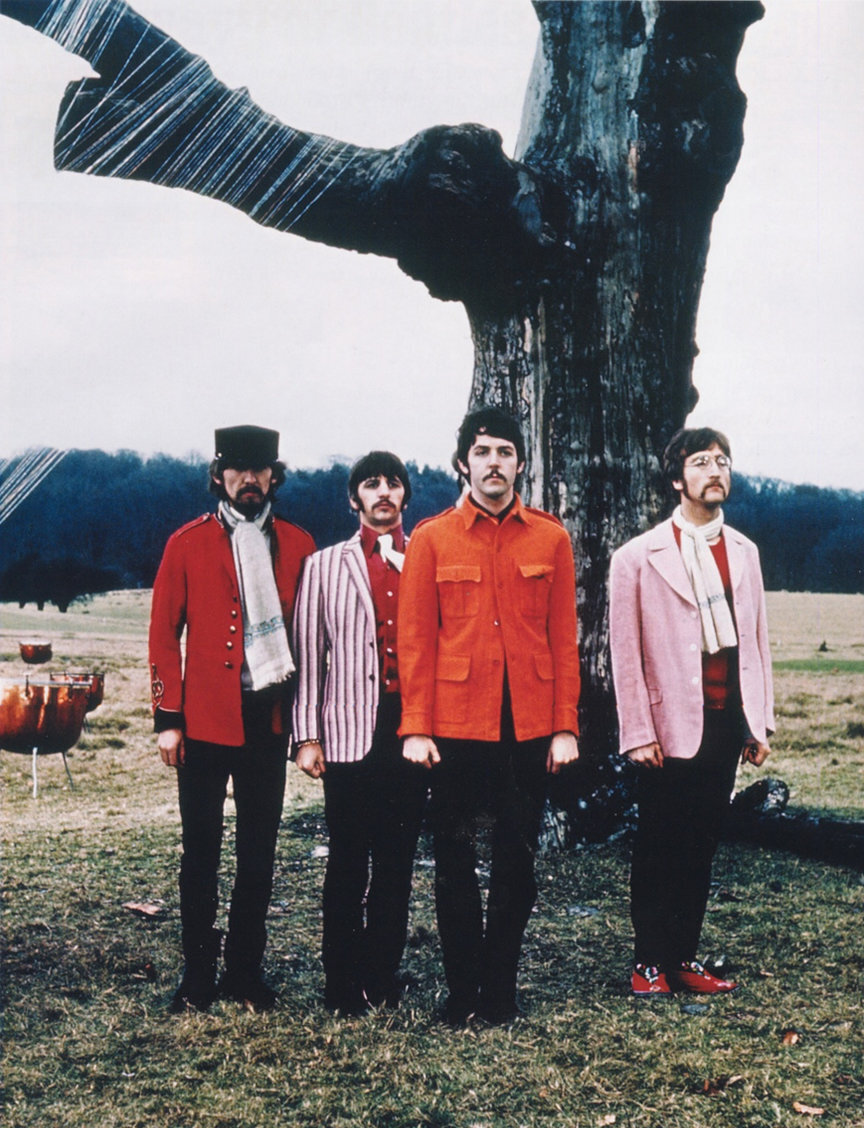 011 Nothing is Real: Strawberry Fields Forever, take 26 13.04.2020 27dkRecording Strawberry Fields Forever was a complicated, layered process, famously requiring the cutting together of two different takes in two different keys and tempos. Today we put our magnifying glass on the second of those takes, take 26, with special attention given to George Martin’s dramatic score for three cellos and four trumpets. We go into the recording studio with seven musicians to re-record Martin’s complete score, and cellist Karen Ray returns to help us deconstruct the arrangement and understand what Martin was doing with this composition.
 -
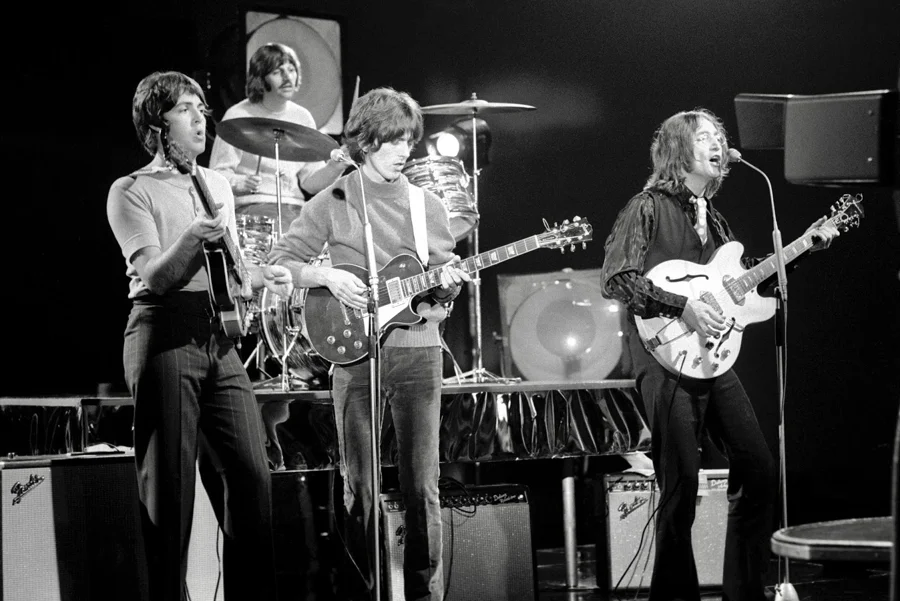 010 It's Gonna Be Alright: Revolution — Part II (single version) 09.09.2019 23dkIn Part 2 of our look at the trio of songs titled “Revolution,” we dive into the recording of the electric guitar driven single version of the song.
 -
 009 It's Gonna Be Alright: Revolution - Part I (Revolution 1 & 9) 22.07.2019 36dkSparked by the air of social upheaval in 1968, John's song "Revolution" spawned three very different recordings: Revolution 1, Revolution 9, and Revolution (the single version). Today, in the first of a two part episode, we look at how Revolution 1 gave birth to Revolution 9, and discover the mesmerizing missing link between the two. Former New York Times music critic Allan Kozinn helps us deconstruct Revolution 9, and to make sense of why John created such a challenging recording in the first place.
 -
 008 Producing an "Unproduced" Album - Get Back/Let It Be 11.03.2019 34dkIn this episode, we discover what role George Martin played in the infamous Get Back sessions of January 1969, a project where John Lennon made clear they didn't want any of Martin's "production shit."
 -
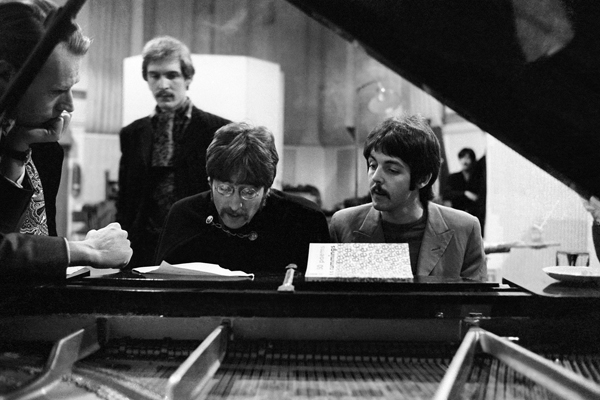 007 Changing Speeds - The 'Varispeed' Technique 31.12.2018 20dkStarting in 1966, George Martin and The Beatles used varispeed – variable speed recording – to change the textures of their recordings to create a variety of effects.
 -
 006 Not So Simple - "From Me To You" and other early singles 20.11.2018 21dkConstructing The Beatles' first four singles, including "From Me To You"
 -
 005 The clarinet score for "When I'm Sixty-Four" 29.10.2018 22dkWe re-record George Martin's clarinet score in a recording studio and examine the arrangement with Professor of Music John Reeks to see what makes it tick.
 -
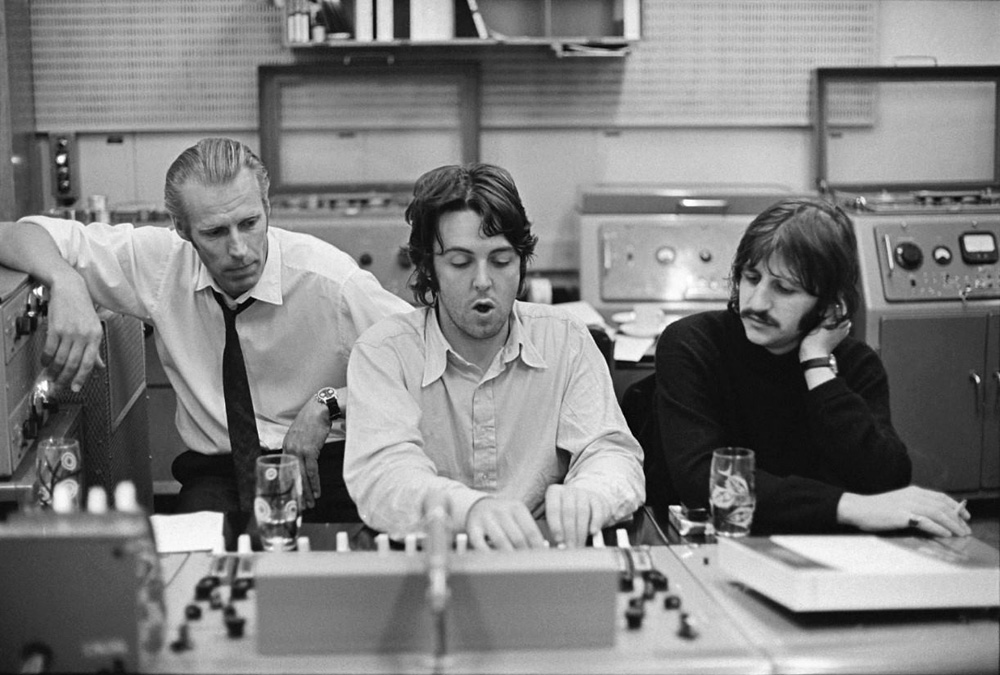 004 The Beatles on Multitrack, Part 2 15.10.2018 17dkThe Beatles push four-track to its limit, and finally make the jump to eight-track recording
 -
 003 The Beatles on Multitrack, Part 1 01.10.2018 22dkThe Beatles learn the basics of recording on twin-track before transitioning to four-track, where they gradually learn the power of overdubbing.
 -
 002 Look At Him Working - Writing the string score for "Eleanor Rigby" 17.09.2018 21dkGeorge Martin’s score for “Eleanor Rigby” builds on the classical string quartet form that the producer introduced The Beatles to on the song “Yesterday.” In this episode, we examine the writing and recording of the score with cellist Karen Ray, and we also consider Martin’s unusual source of inspiration for this dramatic piece of music.
 -
 001 Wind Up Piano - The "In My Life" solo and more 03.09.2018 21dkGeorge Martin’s memorable piano solo for “In My Life” was one of his favorite contributions to any Beatles recording. In this episode, we examine the special technique Martin used to capture this solo on tape, as well as how he used this same technique in a variety of other recordings. We also look into Martin's background as a pianist, and we sit down with the organist from St Louis Cathedral, Jesse Reeks, to discuss the origins of this solo in Baroque music.
 -
 Producing The Beatles - Podcast Intro 16.08.2018 1dkWelcome to the podcast dedicated to exploring the revolutionary collaboration between producer George Martin and The Beatles. Join us each episode as we not only discuss the making of Beatles songs from their producer's point of view, but also examine different aspects of George Martin's unique approach to production.
Benzer podcastler


Şurada popüler
Bu podcast şu ülkelerin podcast listelerinde de yer alıyor.
