
Ad Jesum per Mariam
Ad Jesum per Mariam
0
Ad Jesum per Mariam is a Catholic podcast whose Latin title means 'To Jesus through Mary.' It focuses on Marian devotion, prayer, and the idea that the Virgin Mary leads believers closer to Christ. Episodes likely include reflections, teachings, and devotional content rooted in Catholic tradition. The show is produced under the same name and distributed through SoundCloud.
Bölümler
-
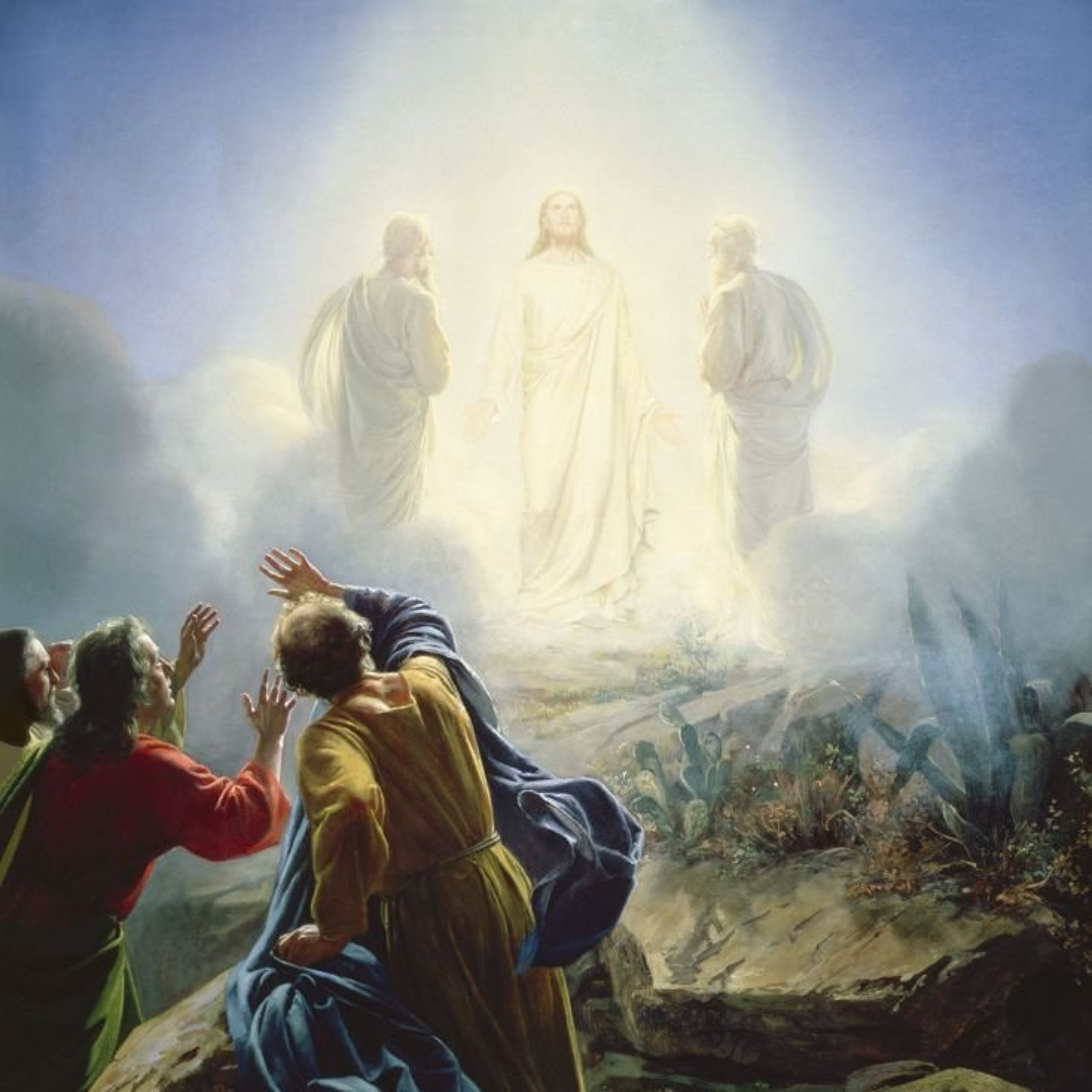 Glory Beyond the Cross 15.08.2026 11dkGlory Beyond the Cross The Transfiguration reveals Jesus’ divine glory . . . . . . and shows that the mountain is a recurring place in Scripture where humanity encounters God. On Mount Tabor, Moses and Elijah appear with Jesus, symbolizing the fulfillment of the Law and the Prophets in Him. The disciples are given a glimpse of Christ’s glory before they witness His suffering and death on the Cross. The experience assures them that the Cross is not the end of the story: Christ’s glory comes through the Cross, and everything that God has revealed throughout salvation history finds its fulfillment in Jesus. The Transfiguration also speaks directly to our own lives. Whether we experience joy, sorrow, suffering, or moments when life feels like a cross, we are called to remember the Father’s command: “This is my beloved Son… listen to him.” We cannot remain forever on the mountaintop; like the disciples, we must come down and live our faith in the realities of everyday life. Yet the vision of Christ’s glory gives us hope. What happened to Jesus points toward what awaits those who believe in Him: suffering and death do not have the final word. The glory of the Resurrection lies beyond the Cross. Hear more within this Meditation Media. Glory Beyond the Cross ----------------------------------------------------------------------------- The Transfiguration Church on Mount Tabor One small note: the Feast of the Transfiguration is August 6, which also makes Fr. Felix’s personal recollection of being on Mount Tabor on August 6 particularly meaningful. The connection between the physical illumination of the church on that feast and the Gospel’s imagery of Christ’s face shining “like the sun” is a beautiful detail worth listening to within this Meditation Media. ----------------------------------------------------------------------------- Art Work Transfiguration: Danish Painter: Carl Bloch: 1872
 -
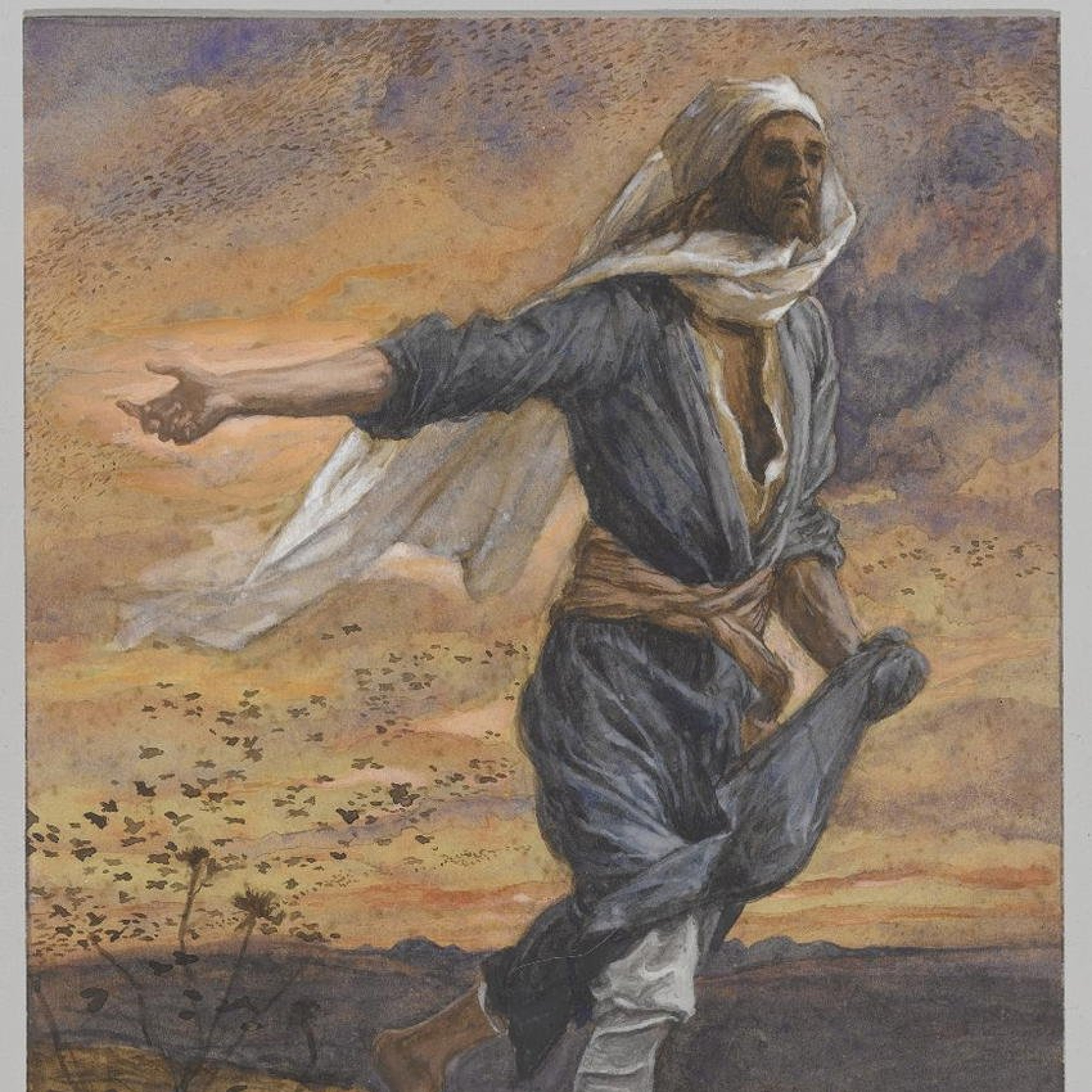 From Seed to Fruit 13.08.2026 14dkFrom Seed to Fruit Today’s Homily goes beyond just a strong reflection on the Parable of the Sower, . . . . . . because it moves beyond simply identifying the four kinds of soil and asks what they reveal about our response to God. The central message is that God scatters His grace generously and without calculation . . . upon the path, the rocky ground, among thorns, and upon fertile soil. God does not withhold His love from those who may not yet be ready to receive it, and we are called to imitate that generosity. The Homily then examines the different ways we can receive God’s Word: we may hear it without understanding; receive it enthusiastically but fail to let it take root; allow worldly anxieties and concerns to choke it; or truly understand it, nurture it through prayer and community, and ultimately bear fruit. The reminder that Scripture is “living and active” is especially important: even a Gospel passage we have heard many times can speak something new to us if we approach it with an open heart rather than assuming that we already know what it means. The Homily concludes by pointing to St. Charbel Makhlouf as an example of the fertile soil Jesus describes. His humility, prayerfulness, and devotion to the Blessed Virgin Mary enabled him to receive God’s Word, nurture it, and express it through his life. The challenge for us is therefore not merely to hear the Word or even to be moved by it momentarily, but to allow it to become rooted within us through prayer, the Rosary, adoration, and participation in the faith community. When God’s Word takes root, the inevitable trials and anxieties of life do not destroy our faith. Instead, the Word produces tangible fruits . . . patience, trust, love, and faithful action. Listen to this Meditation Media. From Seed to Fruit ------------------------------------------------------------------- Art Work The Sower (Le semeur): French Painter: James Tissot: 1886-1894
 -
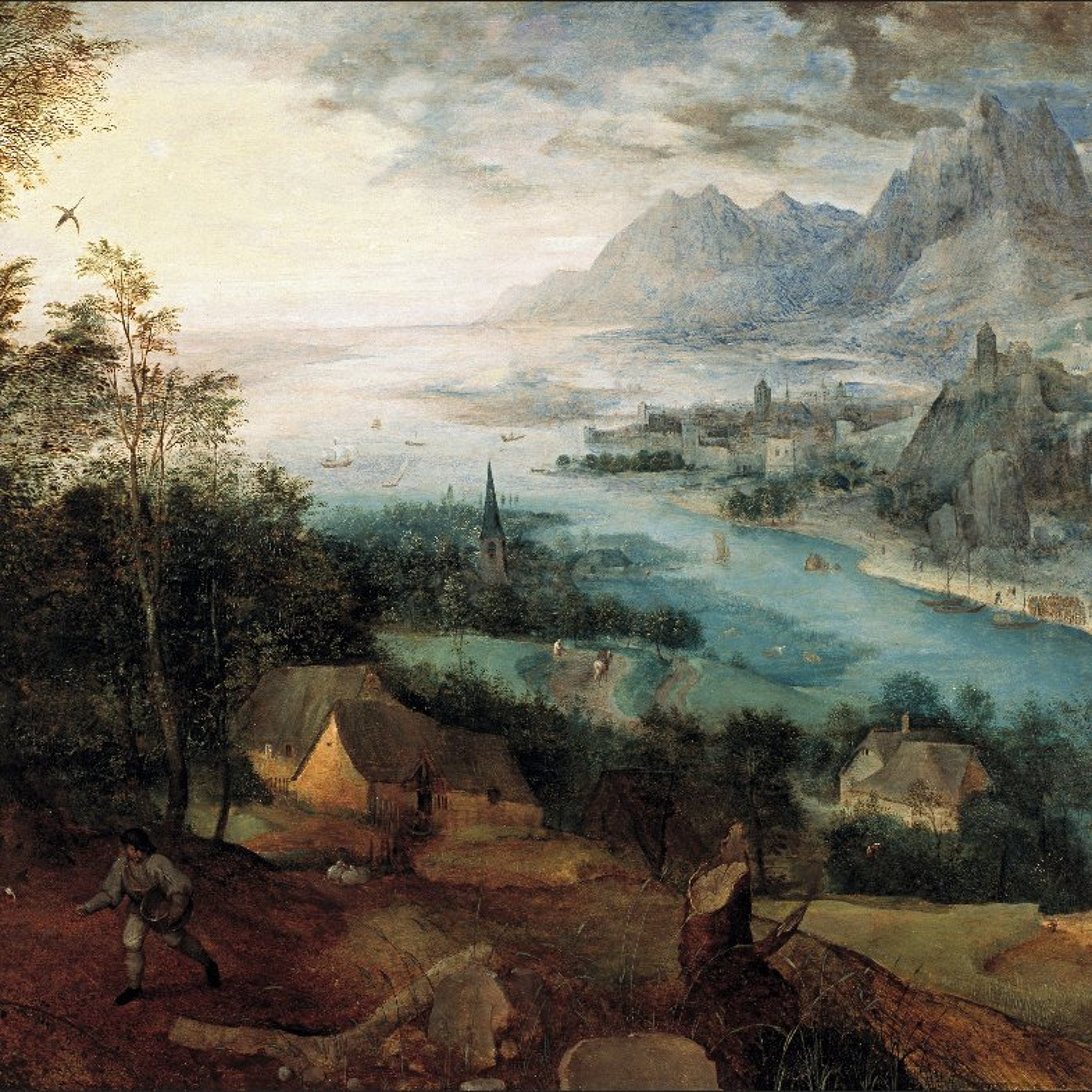 Preparing the Heart to Receive God’s Word 30.07.2026 12dkPreparing the Heart to Receive God’s Word The Homily reflects on Jesus’ explanation of the Parable of the Sower, . . . . . . drawing attention to the different places where the seed falls: the path, rocky ground, thorns, and fertile soil. While a careful farmer would sow only on good soil, God generously scatters His grace upon everyone without discrimination. This reveals God’s boundless love and mercy, inviting believers to imitate His generosity rather than being selective in whom they love or serve. The preacher emphasizes that hearing God’s Word is not enough; it must be understood, welcomed with humility, and allowed to take deep root. Echoing the words of St. Jerome, “Ignorance of Scripture is ignorance of Christ,” he encourages continual engagement with Scripture, reminding listeners that God’s Word is “living and active,” always revealing new insights regardless of how many times it has been heard. The Homily further explains that shallow enthusiasm cannot sustain faith when trials arise, nor can faith flourish when worldly anxieties and the pursuit of riches choke God’s Word. Lasting spiritual growth requires prayer, participation in the faith community, devotion to the Rosary, Eucharistic Adoration, and perseverance through suffering. Those who cultivate fertile hearts bear the fruits of patience, trust, and love. The preacher concludes by presenting St. Charbel as a model disciple whose humility, deep prayer life, and profound devotion to the Blessed Virgin Mary enabled him to receive God’s Word, nurture it faithfully, and bear abundant spiritual fruit. We are likewise called not merely to hear the Gospel but to live it so that their lives become a witness to Christ. Hear more within this Meditation Media. Listen to: Preparing the Heart to Receive God’s Word ------------------------------------------------------------------ Art Work Parable of the Sower: Dutch Painter: Pieter Bruegel the Elder: 1557 A Sower went out to sow. The painting depicts a farmer scattering seed across a field. On the left, thorny bushes threaten to overtake the grain. Nearby, rocky ground offers quick growth but little endurance. To the right, further down the hill, the seed falls on fertile soil. Across the river, a crowd gathers to hear the teachings of Jesus. The painting was inspired by a trip to the mountains the artist took just before creating this piece. ------------------------------------------------------------------ Gospel: Matthew 13:18-23 First Reading: Jeremiah 3:14-17
 -
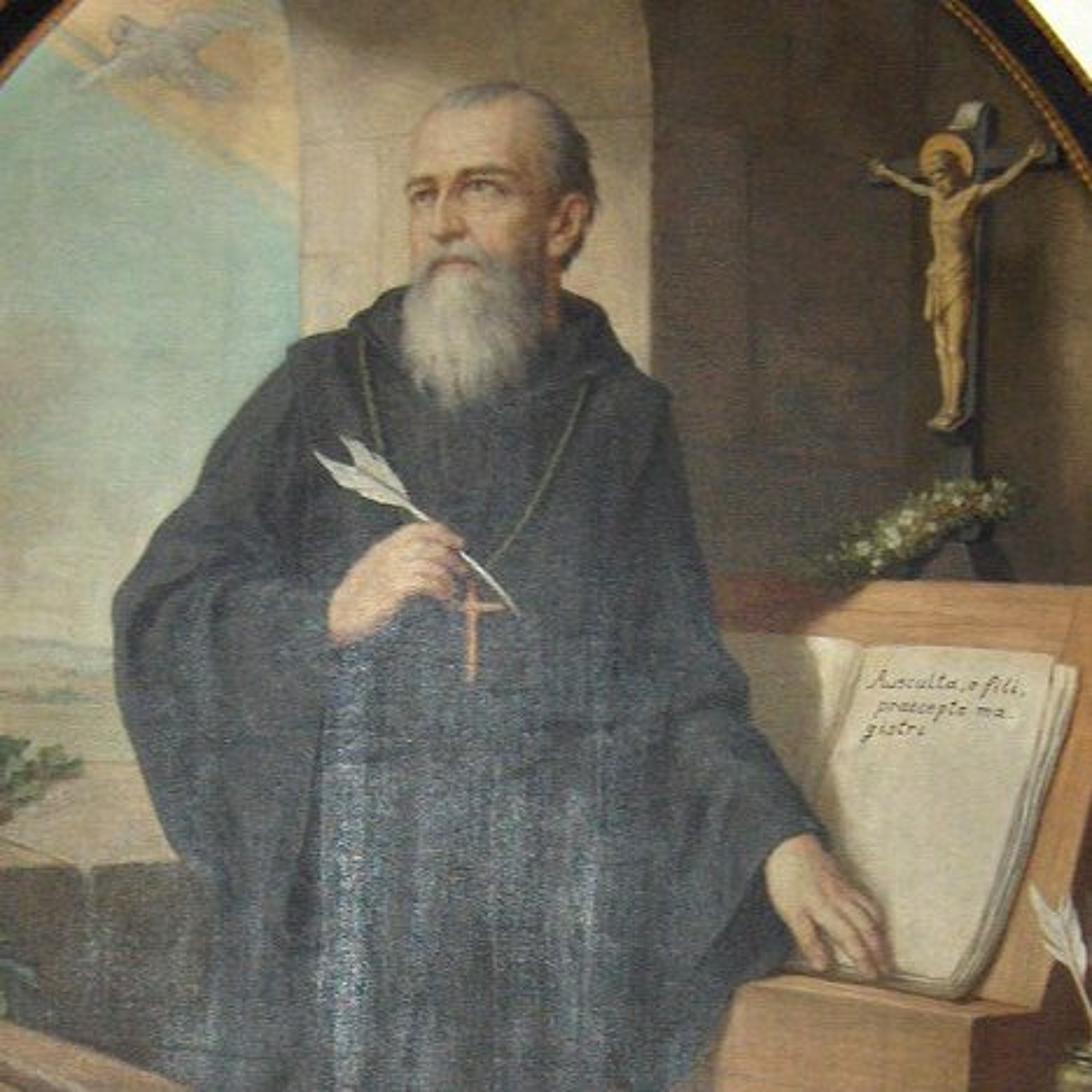 The Habit of Holy Living 14.07.2026 28dkThe Habit of Holy Living This Homily reflects on the Gospel’s command, “Do not be afraid,” . . . . . . through the life of St. Benedict, whose fear was not of persecution but of allowing the moral decay of the world to corrupt his soul. Leaving behind the comforts and temptations of Rome, Benedict sought solitude, prayer, study, and honest work, forming what the Church calls the “habit of holy living.” His life demonstrates that holiness is not usually built through dramatic moments but through the quiet, faithful rhythm of daily prayer, worship, and perseverance. His Rule became the foundation for monasteries that not only strengthened the Church spiritually but also preserved education, culture, and civilization throughout Europe during times of great instability. The message is that steadfast faithfulness, practiced consistently over years, has the power to transform both individuals and society. The Homily then turns to the prophet Isaiah’s vision of God’s overwhelming holiness, drawing a profound connection to the Eucharist. Isaiah’s fear arose from recognizing his own sinfulness before the holiness of God, yet he was purified when a burning coal touched his lips. This Old Testament image foreshadows the Eucharist, where Christ Himself becomes the true “burning ember” from God’s altar, purifying those who receive Him with faith. We are reminded that regular participation in Mass is not merely an obligation but a gift through which Christ continually cleanses, strengthens, and renews His people. Just as Benedict’s steadfast habits changed history, the simple but faithful habit of gathering Sunday after Sunday allows God to gradually transform hearts, families, and ultimately the world. ----------------------------------------------------------------------- Art Work Saint Benedict Writing the Rules: German Painter: Herman Nigg: 1926
 -
 The Declaration: An Ideal Worth Living 10.07.2026 19dkThe Declaration: An Ideal Worth Living The Homily reflects on the 250th anniversary . . . . . . of the Declaration of Independence alongside the celebration of a wedding anniversary, drawing a profound connection between freedom and faithful commitment. The Homily argues that true freedom is not found in independence alone but in choosing to belong . . . to God, to one another, and to the common good. The Declaration of Independence is presented not as the achievement of liberty but as its foundational vision, proclaiming that every person is created equal by God and endowed with the inalienable rights to life, liberty, and the pursuit of happiness. Throughout American history, the nation’s greatness has not consisted in perfectly living these ideals but in continually striving toward them despite their difficulty. The Homily then turns to Christ’s teaching on the Last Judgment (the sheep and the goats), emphasizing that Jesus speaks not only to individuals but to nations. A nation’s greatness is measured by how it cares for the hungry, thirsty, stranger, sick, and imprisoned. The ideals of the Declaration find their fullest meaning when illuminated by the Gospel, reminding believers that authentic citizenship begins with fidelity to God. Drawing upon the wisdom of G.K. Chesterton and Pope Leo XIII, the Homily concludes that Catholics become their nation’s best citizens precisely because their first loyalty is to Christ. Just as the Declaration continues to call every generation to realize its promises, so too the Gospel continually calls every nation and every person to transform noble ideals into faithful action. ------------------------------------------------------------------- Art Work Declaration of Independence: American Painter: John Trumbull: 1819
 -
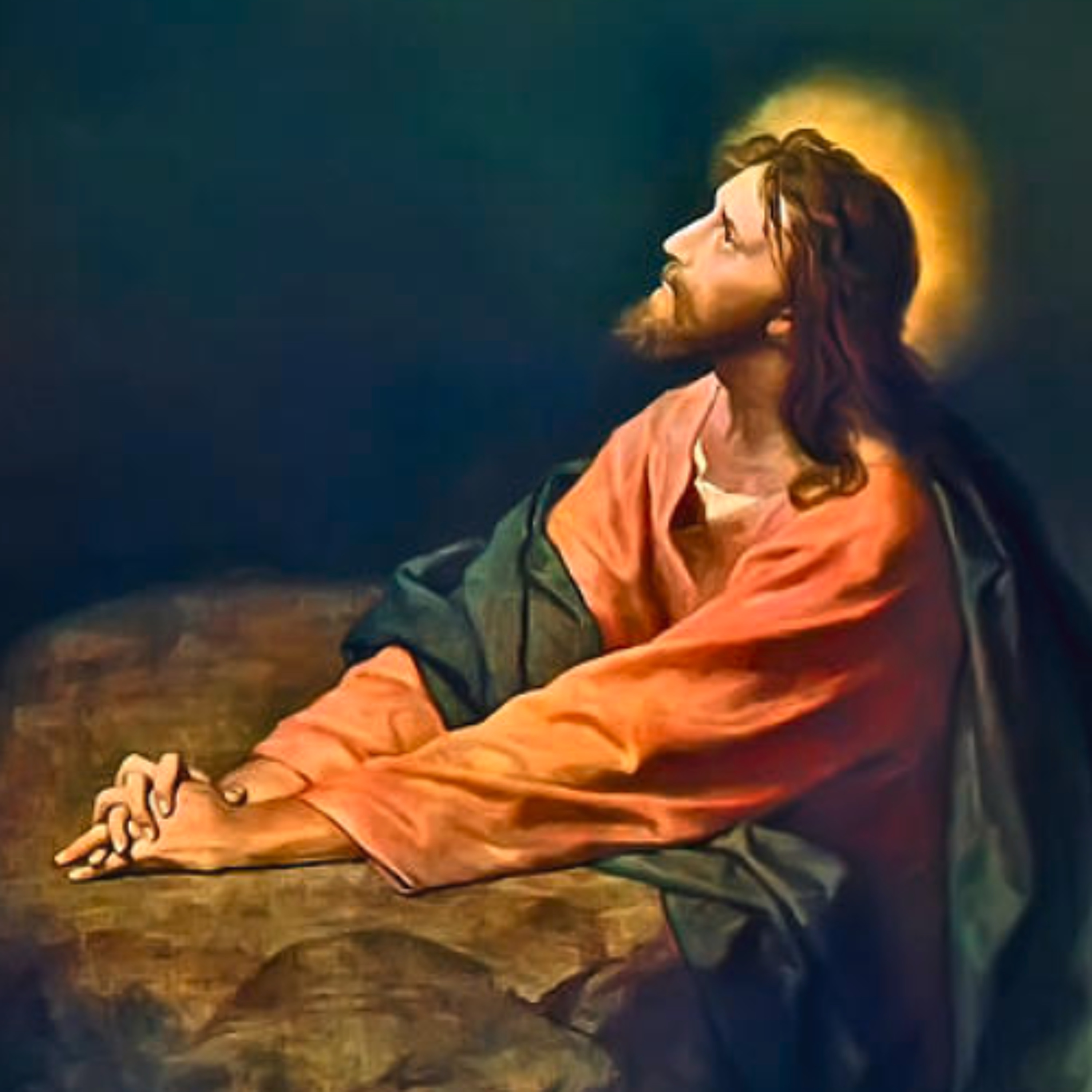 Praying with the Heart: Lessons from the Our Father 27.06.2026 11dkPraying with the Heart: Lessons from the Our Father The Homily centers on three important lessons found within the Lord’s Prayer. First, when Christians pray “Our Father,” they acknowledge a profound relationship with God. God is not distant or indifferent but a loving Father who knows His children, cares about their struggles, and desires to accompany them through every aspect of life. The Homily recounts a conversation with a child who loved the Lord’s Prayer because it allowed him to call God “Father,” highlighting the intimacy and trust that should characterize every prayer. Second, the prayer reminds believers that God is “our” Father, not merely “my” Father. This communal dimension challenges Christians to recognize that every person is loved by the same God. Therefore, prayer cannot remain self-centered; it must move believers toward compassion, concern, and charity for others. Finally, the petition “Thy will be done” teaches that prayer is ultimately an act of surrender. While people bring their needs and concerns before God, true prayer seeks alignment with God’s will rather than demanding specific outcomes. God always responds to sincere prayer, though His answers may differ from what is expected. We are called to pray with conviction, trust in God’s loving response, and remain attentive to the ways He works in their lives. Hear more within this Meditation Media ----------------------------------------------------------------- Art Work Christ in Gethsemane: German Painter: Heinrich Hoffman: 1886
 -
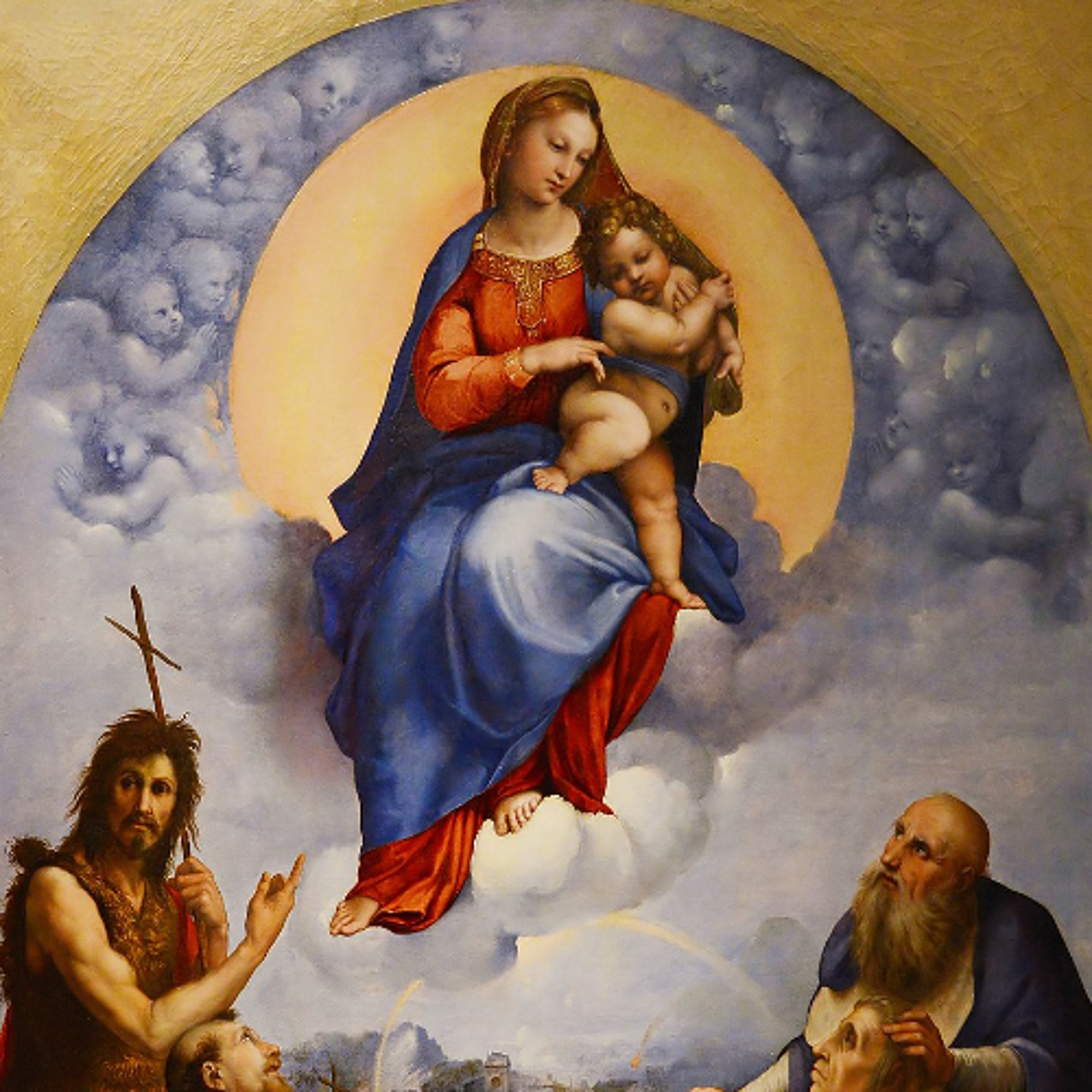 An Adoration and A Special Rosary with Reflections Pilgrimage 27.06.2026 1sa 4dkAn Adoration and A Special Rosary with Reflections Pilgrimage Take a special spiritual pilgrimage and join several dozen pilgrims in Eucharistic Adoration and the praying of the Rosary. Each decade of the Rosary is accompanied by thoughtful reflections designed to deepen your meditation and prayer. At the beginning of this pilgrimage, St. Louis de Montfort speaks about what he considered the single greatest mistake made by many who pray the Rosary. Listen carefully to his words and discover how this timeless wisdom can enrich your own devotion. As the pilgrims at the Shrine kneel before the Blessed Sacrament exposed in the Monstrance, we invite you to create a prayerful atmosphere in your own home. If possible, place a crucifix or cross nearby as you pray the Rosary. You may also wish to light a candle, provided it can be done safely, as a visible reminder of Christ’s presence and the light of faith. For those who wish to proceed directly to specific portions of the pilgrimage: Gospel and Homily: approximately 13:40 Rosary and Reflections: approximately 24:27 --------------------------------------------------------------------------- This bilingual evening of Eucharistic Adoration and Rosary at the Shrine . . . . . . centers on the Blessed Virgin Mary as the one who leads souls to Jesus Christ, the source of all grace. Drawing from the Gospel of the Annunciation (Luke 1:26-38), the Homily reflects on Mary’s title as “Full of Grace” and presents her as the Mediatrix through whom Christ entered the world and through whom believers continue to encounter Him. The Homily also emphasizes St. Louis de Montfort’s teaching that Christians should begin the Rosary by identifying the particular grace they most need, entrusting their intentions to Our Lady with confidence. Against the backdrop of gathering darkness, the candlelit prayer becomes a symbol of faith, hope, and Christ’s victory over sin and death. A recurring theme throughout the evening is Mary’s role as the “Star of the Sea,” guiding pilgrims safely through the changing seas of life toward the eternal harbor of salvation. The Rosary includes reflections before each decade. --------------------------------------------------------------------------- Art Work Madonna di Foligno: Italian Painter: Raphael: 1511 --------------------------------------------------------------------------- Why was this Painting Selected: Mary appears enthroned in glory with the Christ Child while serving as an intercessor between heaven and earth. The painting beautifully reflects the homily’s theme of Mary as Mediatrix of Grace, bringing souls to Christ. On the left are the kneeling are St. Francis of Assisi and St. John the Baptist.
 -
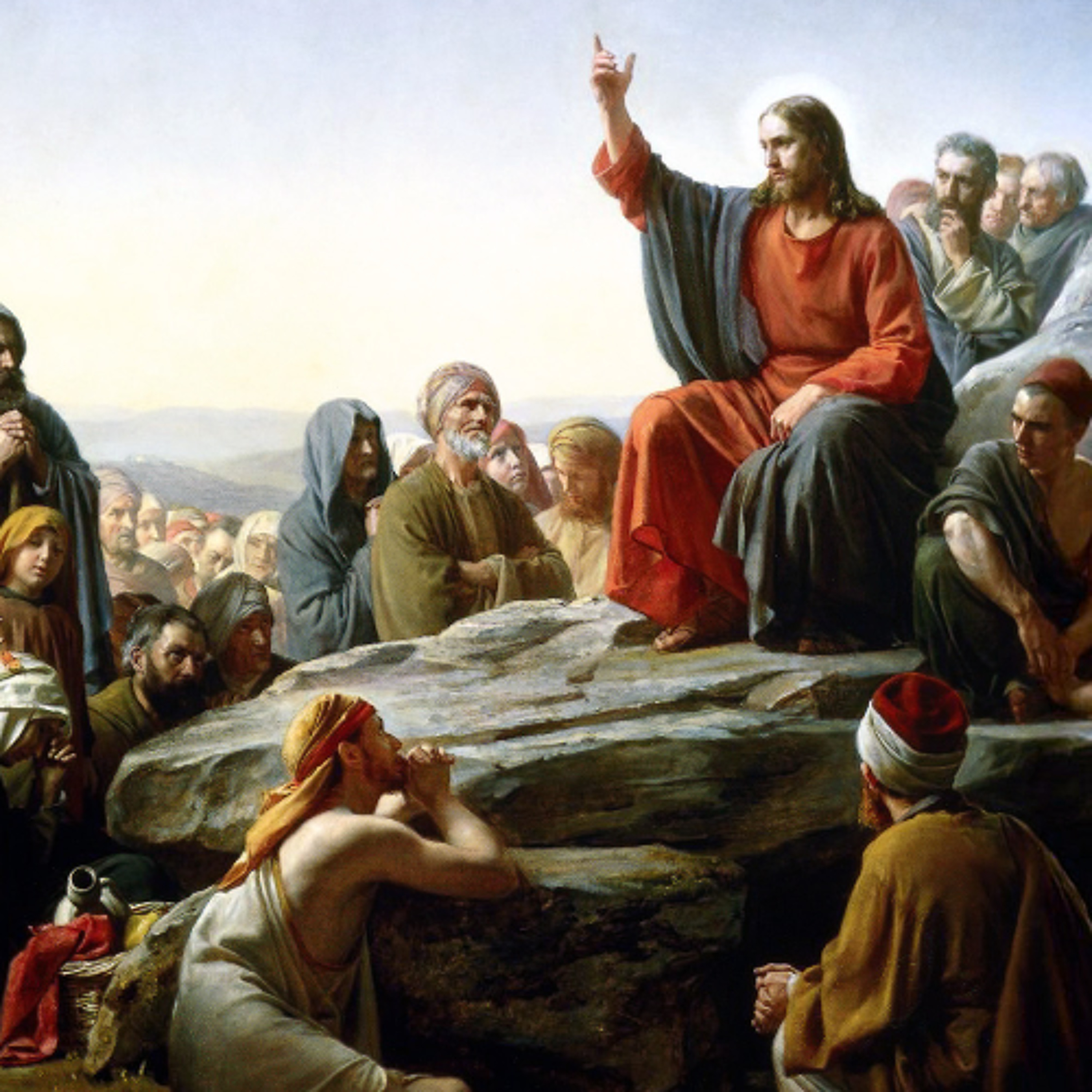 Storing Up Treasures in Heaven 26.06.2026 9dkStoring Up Treasures in Heaven In this Homily, Jesus calls His disciples to store up treasures in heaven rather than on earth. The Homily explains that during biblical times people commonly measured wealth through fine clothing, gold and silver, abundant harvests, honor, and power. Yet all these earthly treasures are temporary. Clothes wear out, food decays, wealth can be stolen, and worldly achievements eventually pass away. Through examples such as the rich man and Lazarus and the parable of the rich fool, Jesus reminds His followers that material possessions cannot provide lasting security or eternal life. The Homily emphasizes that the true treasure of heaven is Jesus Christ Himself. Quoting Saint Louis de Montfort . . . “To have Jesus is to have everything” . . . and Saint Augustine’s teaching to love God above all things and love everything else for God’s sake, the Homily invites us to examine our priorities. What Occupies Our First Thoughts What occupies our first thoughts in the morning and our final thoughts at night? God asks not only for our love, but for our supreme love. When God becomes the highest good in our lives, all other gifts . . . family, friendships, work, talents, and possessions . . . find their proper place. The challenge of Christian discipleship is to make God our greatest treasure so that our hearts remain fixed on Him. -------------------------------------------------------------------- Art Work Painting: Sermon on the Mount: Carl Bloch (1834 -1890) -------------------------------------------------------------------- Gospel Reading: Matthew 6:19-23 First Reading: 2 Kings 11:1-4, 9-18, 20 -------------------------------------------------------------------- Why this Image Was Selected: This painting portrays Christ teaching the very principles that form the foundation of the Homily. It captures Jesus instructing His followers about heavenly values, spiritual priorities, and the eternal kingdom.
 -
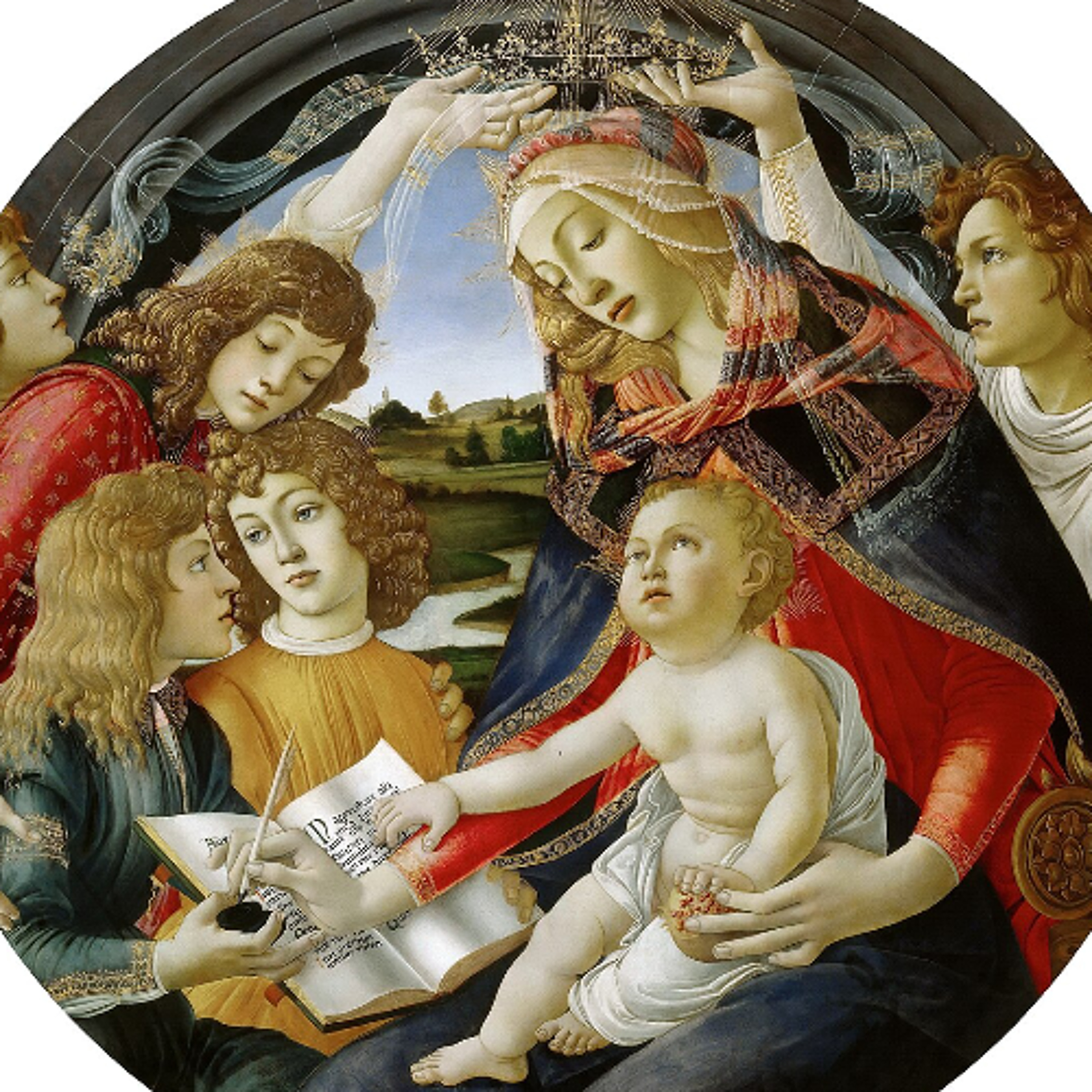 The Echo of God: Mary’s Praise and the Transformation of the Human Heart 19.06.2026 55dkThe Echo of God: Mary’s Praise and the Transformation of the Human Heart This conference represents a Marian retreat centered on praying . . . . . . “with Mary, in Mary, through Mary, and for Mary,” emphasizing that the purpose of the day is not primarily intellectual instruction but interior experience. The opening prayer . . . the Little Crown of the Blessed Virgin . . . draws on Revelation 12’s image of the woman crowned with twelve stars, structured as three “crowns”: excellence (Mary’s virtues and divine motherhood), power (her royal and mediating role in salvation history), and goodness (her compassion toward sinners, the suffering, and the dying). The second half of the reflection develops a meditation on the biblical meaning of the “heart.” In Scripture, the heart is not merely emotion but the center of the human person, the place of desire, loyalty, and moral orientation . . . what shapes either good fruit or evil actions (Luke 6:45; Mark 7). The heart is also closely linked with the eyes and ears: what one sees and hears shapes obedience or resistance to God. A divided heart, influenced by many “lords” such as wealth, power, or ego, contrasts with the single-hearted obedience demanded by the Shema (“The Lord is one”). Mary is presented as the model of this unified heart . . . completely ordered toward God, perfectly receptive to His Word, and fully cooperative with the Holy Spirit. In this light, the Immaculate Heart of Mary is understood as the perfectly purified human heart in total relationship with God . . .fully obedient to the Father, receptive to the Son, and fruitful through the Holy Spirit. Her responses in Scripture (“Let it be done to me according to your word,” and “My soul magnifies the Lord”) reveal her as the “echo of God,” where every honor given to her returns as praise to God. The retreat concludes by inviting participants to examine their own hearts: who or what is their true “lord,” and whether their hearts are unified in God or divided among competing loyalties. Listen to this Meditation Media. The Echo of God: Mary’s Praise and the Transformation of the Human Heart -------------------------------------------------------------------------- Art Work Madonna of the Magnificat: Italian Painter: Sandro Botticelli: 1481 This circular painting is by the Italian Renaissance painter Sandro Botticelli. Some know this painting under the title the Virgin and Child with Five Angels. In the painting, we see Our Lady writing the Magnificat with her right hand. Two angels are crowning Our Lady, with the Christ child on her lap. It now resides in the gallery of the Uffizi, in Florence. Note: we often see a smaller version of this painting; focusing on the Crowning of Our Lady. This is the full painting. -------------------------------------------------------------------------- Why was this image selected: Mary is shown writing the Magnificat, embodying the idea that everything in her life returns as praise to God . . . an artistic expression of her being the “echo of God.”
 -
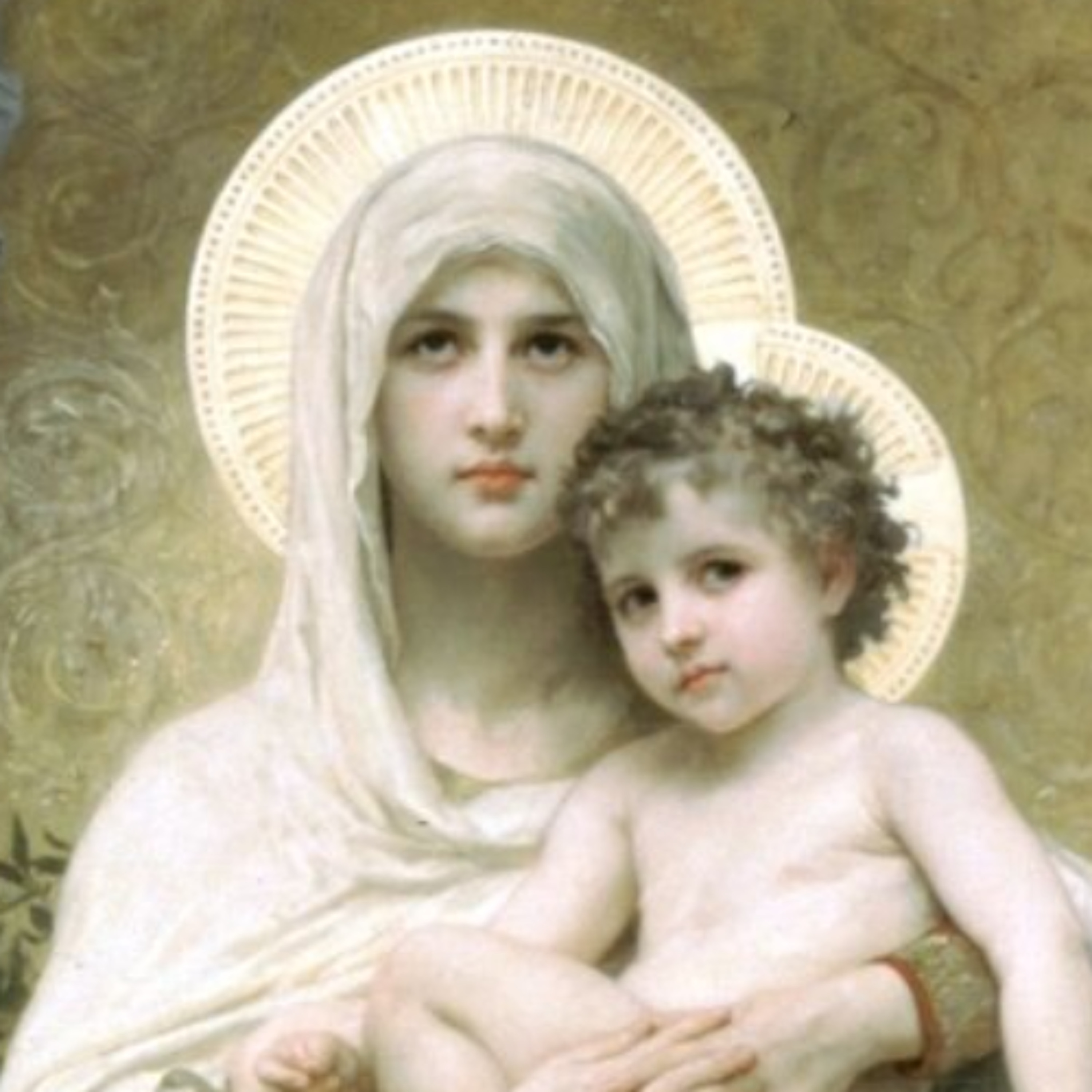 Mary, Mother of the Church 31.05.2026 9dkMary, Mother of the Church Today’s Homily reflects on the Feast of Mary, Mother of the Church, . . . . . . highlighting the Church’s growing recognition of Mary’s unique role in salvation history. The Homily explains that Mary’s motherhood of the Church begins with her “yes” at the Annunciation, where she became the New Eve and cooperated in God’s plan of redemption. Her presence at the foot of the Cross, where Jesus entrusted her to the beloved disciple, reveals her spiritual motherhood over all believers. Mary is also present at Pentecost, praying with the first Christian community as the Holy Spirit descends upon the Church. As the one assumed into heaven, she serves as a model and guide for all Christians on their journey toward eternal glory. The feast celebrates Mary as the mother, protector, and spiritual companion of the faithful, leading us ever closer to Christ. Listen to this Meditation Media. Mary, Mother of the Church ----------------------------------------------------------------------------- Gospel Reading: John 19: 25-34 ----------------------------------------------------------------------------- Art Work The Madonna of the Roses: French Artist and Painter: William-Adolphe Bouguereau: 1903 ----------------------------------------------------------------------------- Why was this image selected: This painting presents Mary as a tender and protective mother. The image beautifully reflects the Homily’s central theme that Mary nurtures and guides all believers as Mother of the Church.
 -
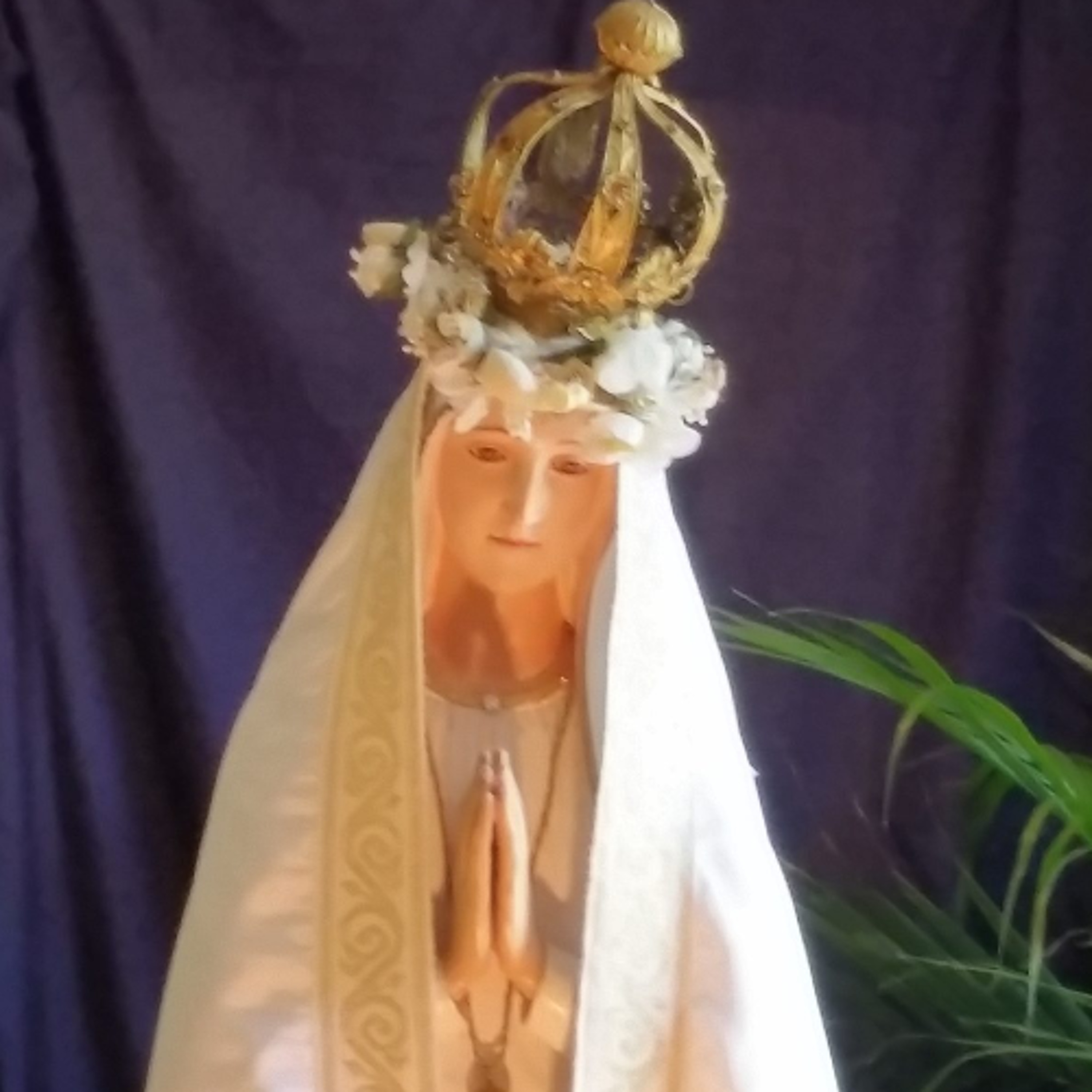 Fatima Conference: Five Saturdays of Reparation 23.05.2026 34dkFive Saturdays of Reparation This conference explores the rich history, theology, and spiritual meaning behind the Five First Saturdays Devotion . . . . . . associated with Sister Lucia and Our Lady of Fatima. The conference explains that devotion to the Blessed Virgin Mary on Saturdays long predates Fatima, arising from the Church’s meditation on Holy Saturday, when Mary alone remained steadfast in faith while Christ lay in the tomb. Over centuries, Christians began dedicating Saturdays . . . and especially First Saturdays . . . to honoring Mary’s role in salvation history, meditating on the mysteries of the Rosary, and growing spiritually through communal prayer. The conference highlights how the Five First Saturdays requested at Fatima are not a completely new devotion, but a focused renewal of older Marian traditions, emphasizing fervor over routine and intentional prayer over empty habit. Why Five First Saturdays? The conference further explains the spiritual practices requested for the Five First Saturdays: Holy Communion, Confession, praying the Rosary, fifteen minutes of meditation on the mysteries, and offering these acts in reparation to the Immaculate Heart of Mary. The conference also explores the five types of Reparation. The devotion is presented as both deeply personal and profoundly catechetical, inviting believers to understand and defend Marian doctrines such as the Immaculate Conception, perpetual virginity, and Mary’s motherhood of God and the Church. The reflection also stresses the importance of reverence, beauty, and intentionality in Catholic devotion, warning against mediocrity and neglect in honoring sacred things. Ultimately, the Five First Saturdays are portrayed as an act of love, reparation, and perseverance, with the promise that the Blessed Mother will assist the faithful with the graces needed at the hour of death. ------------------------------------------------------------------------- Two Views of the Official New York State Fatima Pilgrim Image
 -
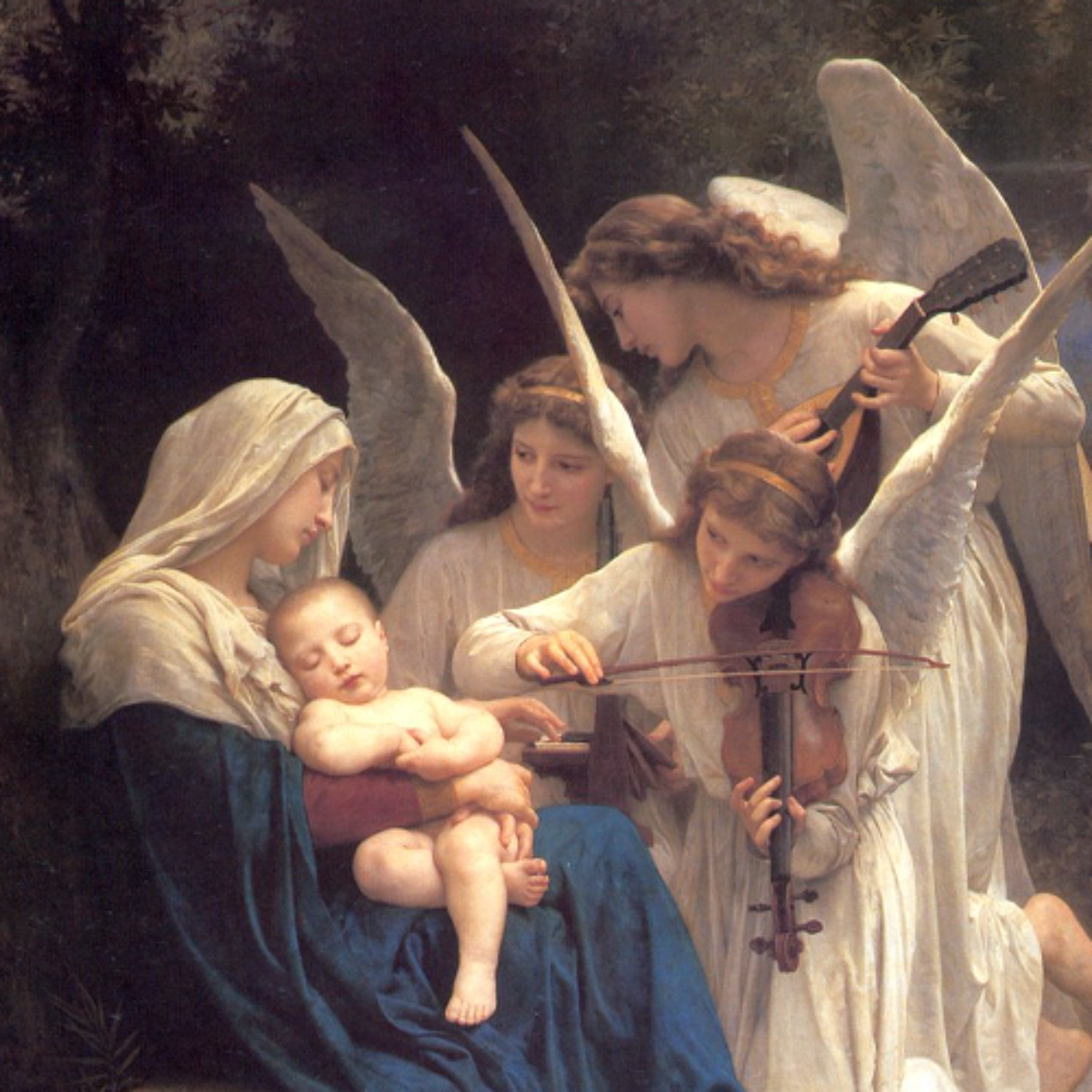 Childlike Trust and the Path to Holiness 22.05.2026 12dkChildlike Trust and the Path to Holiness Today’s homily reflects on the message of Our Lady of Fátima apparitions and its enduring relevance for the modern world. The homily emphasizes that in the midst of the turmoil of 1917, during the First World War, Heaven chose not worldly leaders but three humble shepherd children to receive Mary’s message. We are reminded that childlike trust and openness to God are essential for entering the Kingdom of Heaven. The central themes of the homily include praying the Rosary daily for peace, offering penance and repentance for sinners, and cultivating devotion to the Immaculate Heart of Mary. True Devotion to Mary Must Come from the Heart, and … Drawing heavily from the teachings of Saint Louis de Montfort, the homily explains that true devotion to Mary must come from the heart, be rooted in trust, strive toward holiness, remain consistent through hardships, and move beyond self-interest into a genuine relationship with Mary that leads souls to Jesus Christ. The Gospel passage from Gospel of Luke is presented as confirmation that Mary’s greatness lies in her perfect obedience to the Word of God, making her the model disciple for all Christians. ------------------------------------------------------------------- Art Work Song of the Angels: French Painter: William Adolphe Bouguereau: 1881
 -
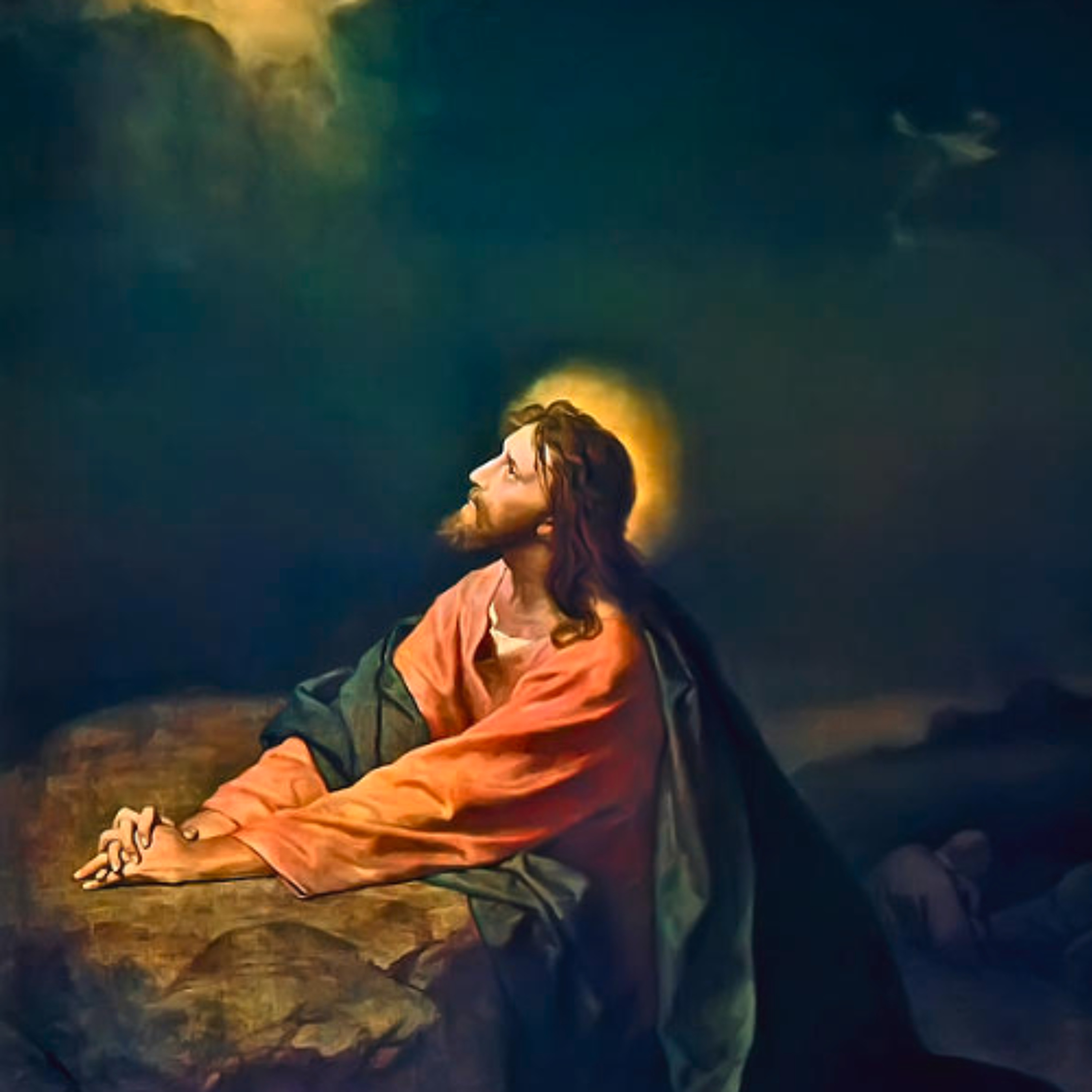 Praying in the Spirit of Christ 18.05.2026 23dkPraying in the Spirit of Christ Today’s homily reflects on Jesus’ promise . . . . . . in the Gospel of John that “whatever you ask in my name” will be granted. The homily explains that praying “in Jesus’ name” is not a magical formula or a phrase added to the end of prayer, but rather a way of living and praying in deep union with Christ and according to His Spirit. True Christian prayer requires surrendering one’s own will and conforming oneself to the self-giving, obedient, and loving Spirit of Jesus. The homily emphasizes the importance of the Holy Spirit, especially in the days between Ascension and Pentecost, as the source of authentic Christian life and prayer. It also highlights the communal dimension of prayer within the Church, especially in the Eucharist, where Christ Himself prays with and through His people. Ultimately, the homily teaches that authentic prayer leads not merely to receiving what one wants, but to experiencing the joy of salvation, communion with the Father, and participation in the very life of Christ. ---------------------------------------------------------------------------------- Art Work Christ in Gethsemane: German Painter: Heinrich Hoffman: 1886
 -
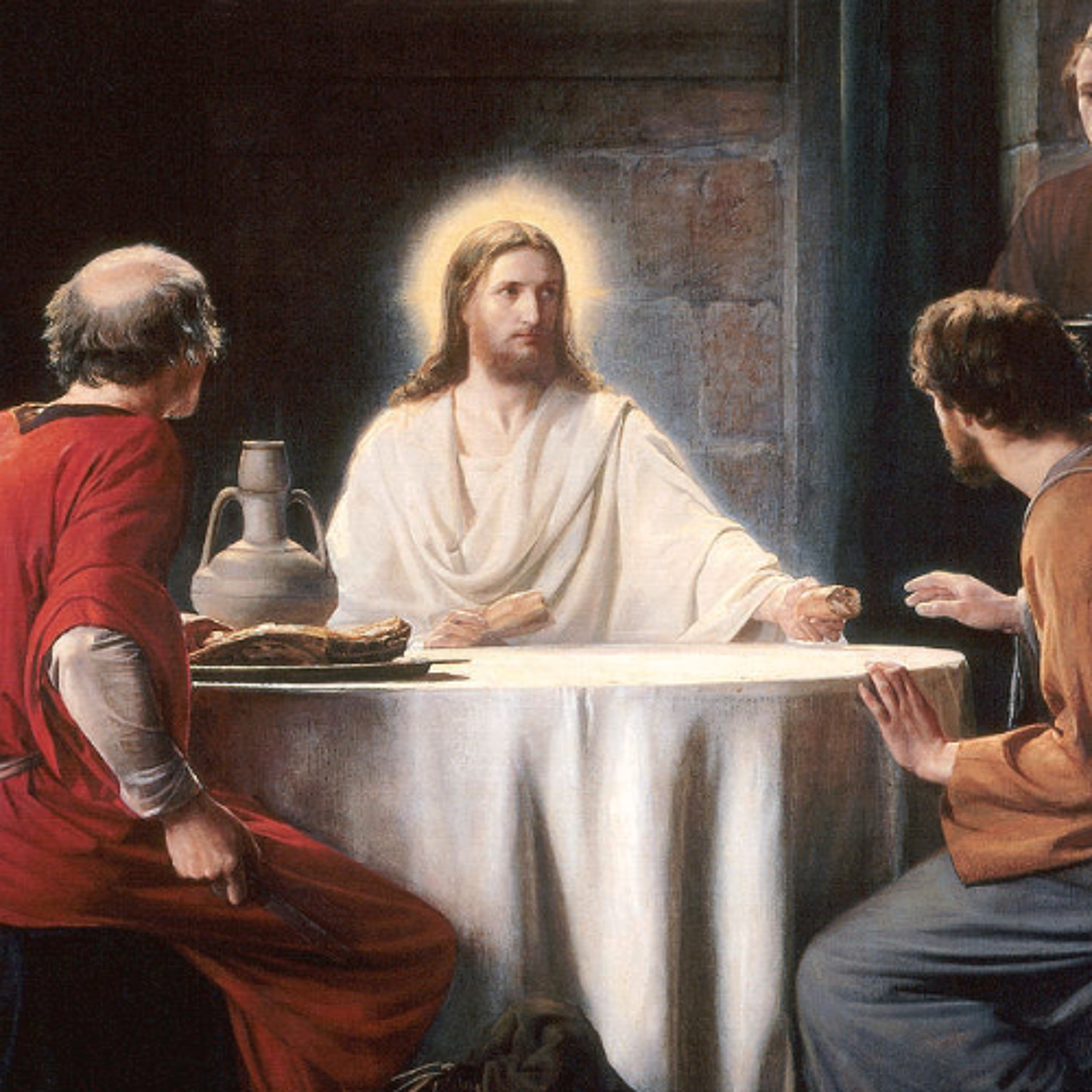 The Bread That Comes Looking for You 06.05.2026 22dkThe Bread That Comes Looking for You Today’s Homily reflects on the Gospel discourse of Jesus as the “Bread of Life” . . . . . . alongside the story of the Ethiopian eunuch in the Acts of the Apostles. The central theme is that the true fulfillment of every human longing is found not in places, accomplishments, or temporary satisfactions, but in the person of Jesus Christ, who actively comes seeking humanity. Pilgrimages and Their Implications for Us The Homily begins by exploring the meaning of pilgrimages. While many people focus on arriving at a holy place, the Homily emphasizes that the journey home is often where grace fully unfolds. The Ethiopian official traveled to Jerusalem seeking God, yet he truly encountered God not in the temple itself, but on the road home through the ministry of Philip the Deacon. Still praying, reading Scripture, and remaining spiritually attentive, the Ethiopian becomes open to receiving the fullness of revelation in Jesus Christ. Satisfying Humanity’s . . . The Homily highlights how persecution unintentionally spread Christianity beyond Jerusalem. Philip’s encounter with the Ethiopian demonstrates that the Church, guided by the Holy Spirit, carries the Gospel outward into the world. Through Philip’s explanation of Scripture, the Ethiopian realizes that Jesus Christ is the fulfillment of every prophecy and every longing of the human heart. Without delay, he asks for baptism, recognizing that what he had traveled so far to seek was now present before him. The Homily then connects this story to Jesus’ teaching in the Gospel: “I am the living bread come down from heaven.” Christ is presented not merely as a teacher or source of doctrine, but as the only true nourishment capable of satisfying humanity’s deepest spiritual hunger. Echoing Saint Augustine, the homily reflects on the restlessness of the human heart apart from God. Earthly pursuits cannot ultimately satisfy the longing for meaning, peace, and eternal life. . . . Deepest Spiritual Hunger A particularly moving insight of the Homily is that Jesus does not simply wait to be found; He actively seeks humanity first. Just as Christ came to the Ethiopian through Philip, Jesus continues to come to His people through the Church and especially through the Eucharist. The faithful may come seeking Christ at Mass, but Christ Himself also comes seeking them. Finally, the Homily reflects on the Eucharistic words “eat of it” and “drink from it,” emphasizing the continual nature of Christian life. The Eucharist is not a one-time experience but an ongoing source of divine nourishment. We are called to return again and again to Christ, the Bread of Life, who alone satisfies the deepest hunger of the soul. Listen to this Meditation Media. The Bread That Comes Looking for You -------------------------------------------------------------- Art Work Jesus at the Supper of Emmaus: Danish Painter: Carl Bloch: (Lived: 1834-1890 )
 -
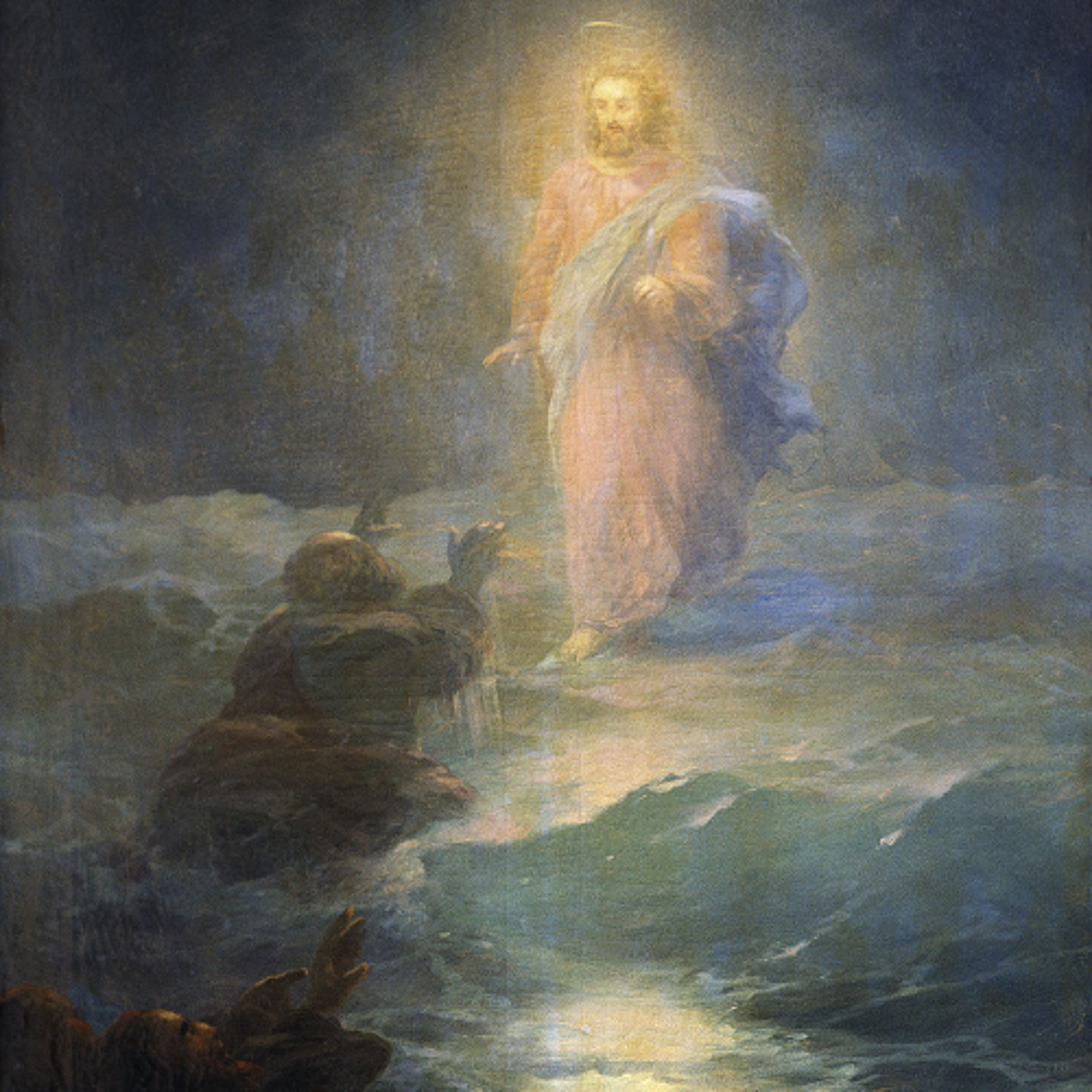 Christ Walks With Us Through Every Storm 02.05.2026 9dkChrist Walks With Us Through Every Storm Today’s Homily reflects on the growth of the early Christian Church and the challenges that accompanied that growth. Drawing from the Acts of the Apostles, the Homily explains how the first Christian community expanded rapidly through the witness of the apostles and their communal life of prayer, generosity, and unity. Yet growth also brought tension, particularly between Aramaic-speaking Jews and Hellenistic Jews over the fair distribution of food to widows. The Apostles Responded The apostles responded not with division or political balancing, but by selecting wise, Spirit-filled servants to care for the community. The Homily emphasizes that every member of the Church has gifts that should be placed at the service of others for the building up of the Body of Christ. Turning to the Gospel account of Jesus walking on the water, the Homily connects the storm-tossed boat to the Church and to the personal struggles believers face in life. Just as Christ came to the frightened disciples and said, “It is I; do not be afraid,” so too Christ comes to believers amid storms of illness, relationships, and financial hardship. The Homily concludes with a powerful spiritual insight: the opposite of fear is not courage, but faith and trust in Christ. Listen to this Meditation Media. Christ Walks With Us Through Every Storm --------------------------------------------------------------------- Gospel Reading: John 6: 16-21 --------------------------------------------------------------------- Art Work Jesus Walking on Water: Russian painter: Ivan Konstantinovich Aivazovsky: 1888 Two years after completing this painting, Ivan painted another image with the same title, but noticeably different. --------------------------------------------------------------------- Why was this image selected: This painting vividly portrays the luminous seascape and beautifully captures Christ approaching the disciples across turbulent waters. The image strongly reflects the Homily’s reassurance that Jesus accompanies believers during moments of fear, uncertainty, and suffering.
 -
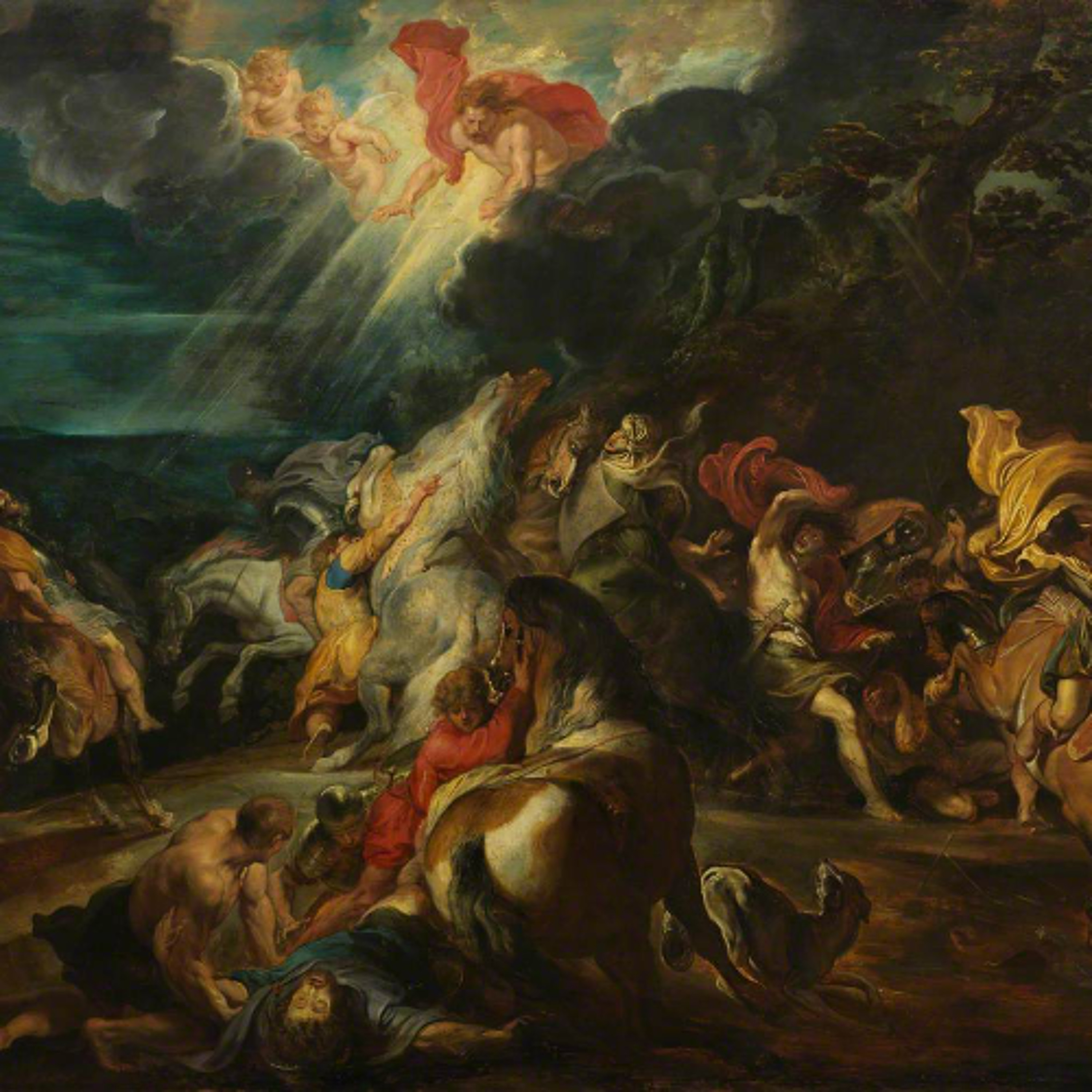 Transformed by the Light of Christ 29.04.2026 12dkTransformed by the Light of Christ The Gospel from Gospel of John emphasizes that true life comes through receiving the Body and Blood of Christ. Jesus teaches that whoever partakes in Him remains united with Him and gains eternal life. The Homily connects this teaching to the dramatic conversion of Saint Paul. Though Saul was actively persecuting Christians, Christ sought him out first . . . revealing that God takes the initiative in seeking us. Through this encounter, Saul is transformed, illustrating that encountering Christ brings about a “new creation.” Believers are Truly United with Jesus A key insight is that Christ identifies personally with His followers (“Why are you persecuting me?”), showing that believers are truly united with Him. This unity extends to how we treat others—what we do to others, we do to Christ. Finally, the Eucharist is presented as both nourishment and mission: receiving Christ in the Eucharist gives spiritual strength and eternal life, while also calling us to become Christ to others. We are urged not to take this gift for granted, but to allow it to transform our lives. Listen to this Meditation Media: Transformed by the Light of Christ ---------------------------------------------------------------- Art Work Conversion of Saint Paul: Flemish Artist and Painter: Peter Paul Rubens: 1610–1612 ---------------------------------------------------------------- Why this panting was selected: Rubens’ painting emphasizes the overwhelming light and transformation that marks Paul’s conversion . . . mirroring the Homily’s theme of becoming a new creation in Christ.
 -
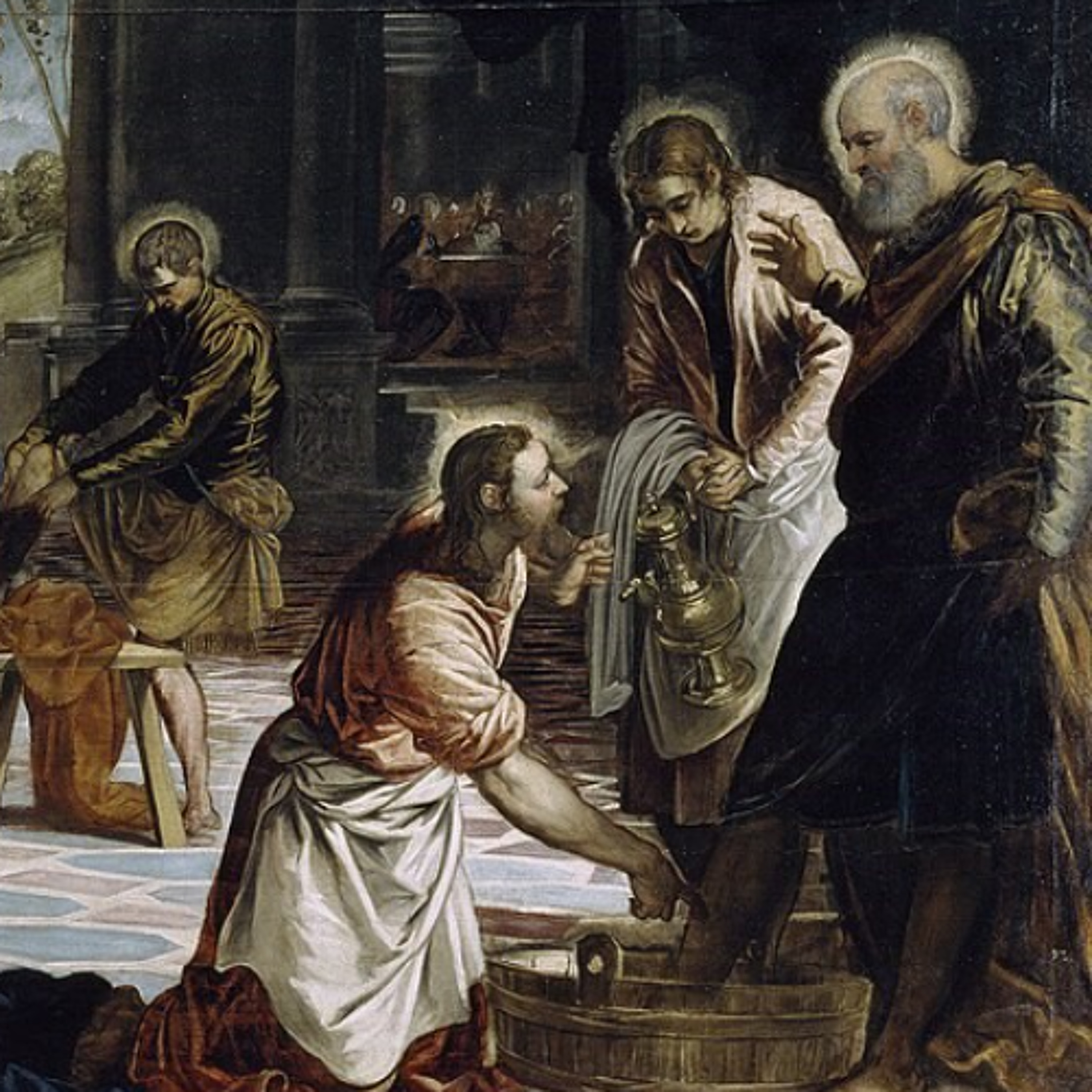 The Lesson of the Basin and Towel 14.04.2026 19dkThe Lesson of the Basin and Towel Today’s Homily reflects on the Gospel of Gospel of John, . . . . . . focusing on Jesus washing the disciples’ feet at the Last Supper. It highlights three central themes: 1. Remembrance with purpose The readings emphasize not just remembering but living out what is remembered. The Eucharist is not a routine ritual . . . it is a call to actively embody Christ’s self-giving love. The Homily story of “The Guru’s Cat” illustrates how people can continue religious practices while forgetting their original meaning. 2. The Eucharist as self-giving love Drawing from First Letter to the Corinthians, the Homily stresses that the Eucharist is participation in Christ’s total self-gift. Divisions, inequality, and neglect of the poor contradict its meaning. 3. The model of humble service Through the act of washing feet, Jesus Christ establishes a new kind of leadership . . . one rooted in humility and service. True greatness in God’s kingdom is expressed through serving others, especially the marginalized. Ultimately, the Homily calls us to move beyond passive remembrance into active love, unity, and service, especially toward the poor and suffering. Listen to this Meditation Media. The Lesson of the Basin and Towel ---------------------------------------------------------------------- Art Work Christ Washing the Disciples’ Feet: Italian Renaissance painter: Jacopo Robusti, best known as Tintoretto: 1549 ---------------------------------------------------------------------- Why was this image selected: This painting vividly portrays the humility of Jesus washing feet. It visually reinforces the Homily’s message that leadership in Christ’s kingdom is expressed through service. ---------------------------------------------------------------------- Gospel Reading: John 13:1-15
 -
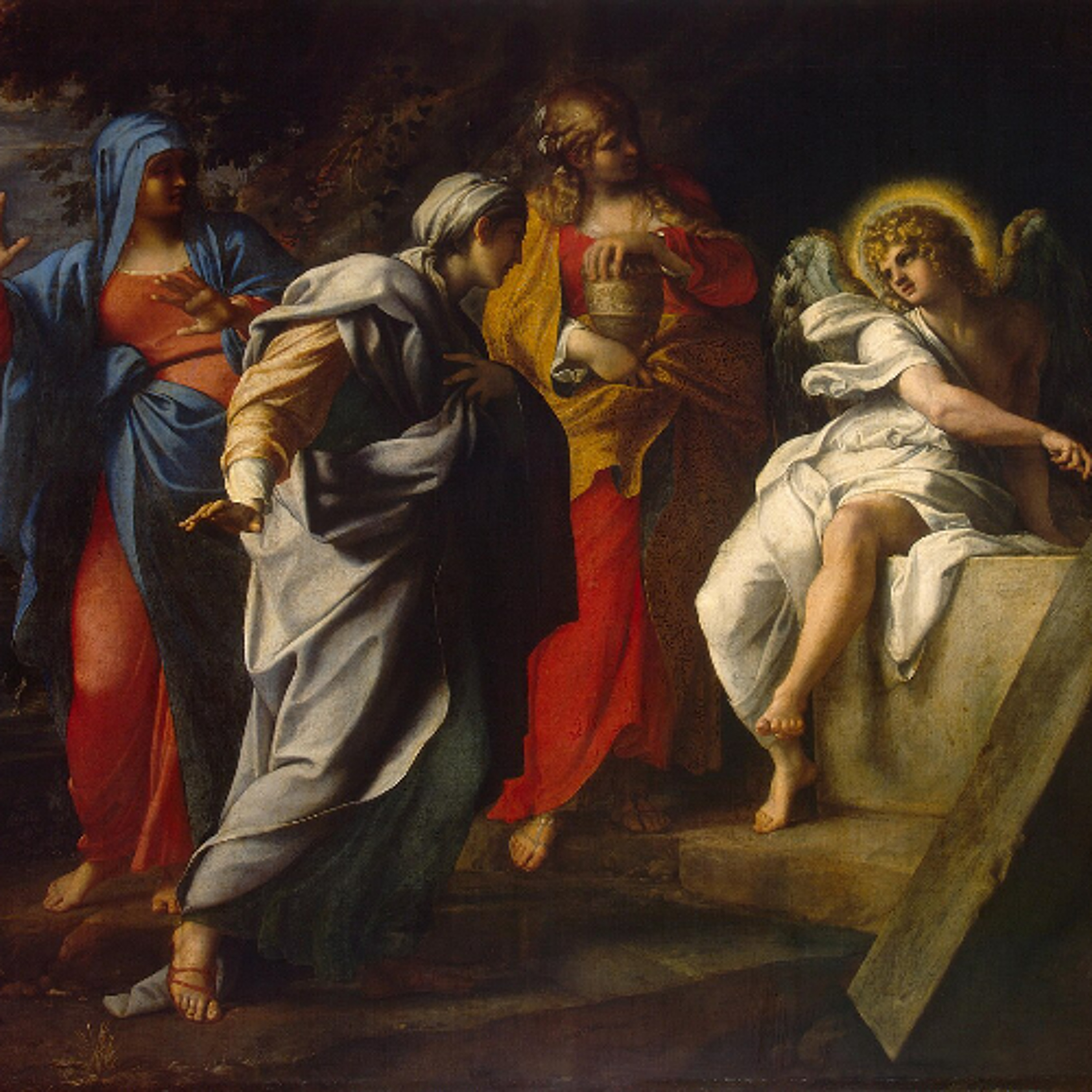 From Fear to Faith: Meeting Christ on the Way 12.04.2026 13dkFrom Fear to Faith: Meeting Christ on the Way Today’s Easter Homily centers on the Resurrection as the very foundation of the Christian faith. Drawing from the Gospel of Matthew, the Homily reflects on the experience of Mary Magdalene and the other Mary, who approach the tomb filled with love . . . but also anxiety, grief, and uncertainty. Instead of finding the crucified Christ, they encounter an empty tomb, an angel, and a powerful message: “Do not be afraid.” Do Not Be Afraid The homily emphasizes that the Resurrection is not just an event, but a new beginning . . . a “first day” of creation, where God renews and restores life. Just as the women came with worries and questions, so too do we carry our own burdens . . . fear, illness, uncertainty about loved ones, and struggles in faith. Yet, like them, we are invited to move forward in faith despite not seeing clearly. A key insight is that the women encounter Jesus only after they begin to act in faith . . . they believe the message and start moving. This teaches that Christ meets us not when everything is certain, but as we step forward in trust. The call to go to Galilee symbolizes a return to one’s origin of faith . . . our own “Galilee” being our baptism, where we first encountered Christ. The message is to renew that commitment and rediscover our mission. The homily concludes with a relatable analogy from sports: once you know your team has already won, you can watch the game without fear. In the same way, the Resurrection assures us that God has already won, that His love is stronger than death, and therefore we can live without fear. Listen to this Meditation Media: From Fear to Faith: Meeting Christ on the Way ------------------------------------------------------------------------- Art Work The Three Marys at the Tomb : Italian Baroque Artist: Annibale Carracci: 1600 ------------------------------------------------------------------------- Why this panting was selected: This work portrays the women at the tomb in a moment of transition . . . fear turning into realization. It aligns closely with the Homily’s focus on movement from anxiety to faith.
 -
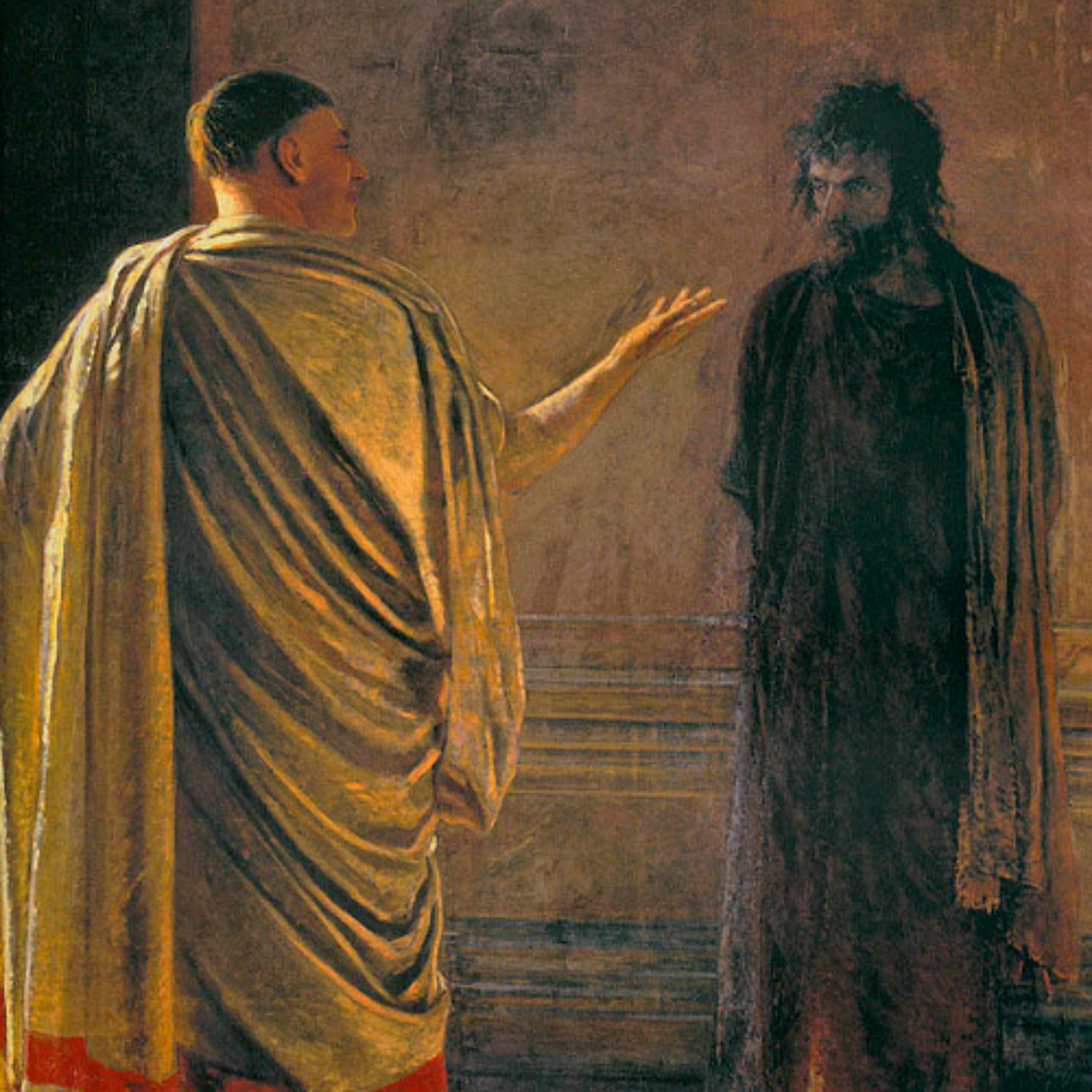 Not Indifference, But Decision: Choosing Christ 03.04.2026 8dkNot Indifference, But Decision: Choosing Christ Today’s Homily marks the beginning of Holy Week, . . . . . . emphasizing how the practices of Lent . . . prayer, fasting, and almsgiving . . . prepare us for this sacred time. Drawing from the Gospel of Matthew, the Homily highlights unique details: Judas’s remorse and despair, Pilate’s wife’s warning, and Pilate’s ultimate indifference. These moments underscore a central call . . . not to remain indifferent, but to choose Christ. Matthew’s Gospel repeatedly affirms that Jesus fulfills the prophecies, revealing Him as the long-awaited Savior. The liturgical act of kneeling during the Passion reading invites deeper reflection on the meaning of Christ’s death. The imagery of darkness at Christ’s death connects to creation in Genesis . . . “let there be light” . . . signifying that Jesus’ sacrifice brings new life and spiritual renewal. The tearing of the temple veil symbolizes the restoration of the relationship between God and humanity. Ultimately, Holy Week is not just something to observe externally, but something to internalize. We are called to let it transform us . . . to recognize, like the centurion, that “truly this was the Son of God,” and to grow in faith, trust, and love. Listen more to Not Indifference, But Decision: Choosing Christ ---------------------------------------------------------------------------- Art Work What is Truth?: Russan Painter: Nikolai Nikolaevich Ge: 1890 This painting highlights the tension between Christ and Pilate, perfectly embodying the theme of indifference versus moral choice. Pilate’s internal struggle mirrors the homily’s call to actively choose Jesus. ---------------------------------------------------------------------------- Gospel Reading: Matthew 26:14—27:66 First Reading: Isaiah 50:4-7 Note: The Gospel reading is not included within the audio. Only the Homily.
 -
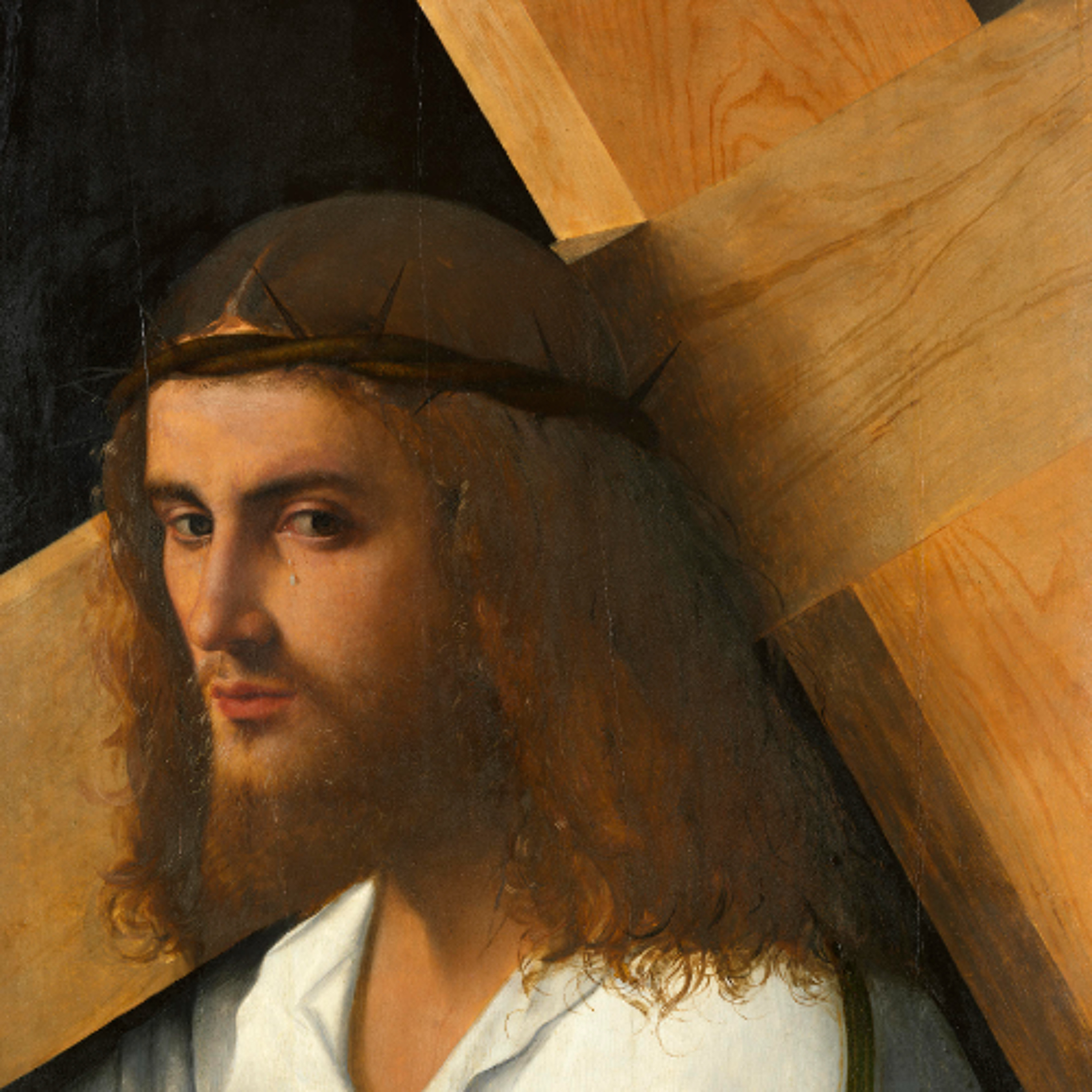 Lenten Retreat Conf. No. 5: When I Am Lifted Up: The Saving Innocence of Christ 31.03.2026 57dkLenten Retreat Conference No. 5: When I Am Lifted Up: The Saving Innocence of Christ Note: This audio is the fifth Friday Retreat Conference within the Lenten Season. When I Am Lifted Up: The Saving Innocence of Christ This fifth conference within the Lenten Devotional Season . . . . . . explains how the season of Lent developed over time in the Church. Originally, Lent focused on preparing new converts for baptism, but as Christianity became widespread, it shifted toward renewing the faith of all believers. By the Middle Ages, Lent took on two parts: the first emphasizing prayer, fasting, and almsgiving for personal conversion, and the second . . . beginning around the fifth week (Passiontide) . . . focusing on the Cross and Christ’s suffering. Covering of Crosses and Images A key tradition during this time is the covering of crosses and images. This practice symbolizes a “fasting of the eyes,” helping believers recognize that they often take sacred things for granted. By temporarily hiding these images, the Church invites deeper reflection so that, when the Cross is revealed on Good Friday, it is encountered with renewed understanding and reverence. The conference emphasizes that the Cross is central to understanding Jesus. While the world resists suffering and self-sacrifice, Christ reveals that true life comes through self-denial, self-giving, and sacrifice. This is why Jesus teaches: to follow Him, one must first deny oneself, then take up the cross. Lent prepares believers for this call. Through spiritual discipline, they are strengthened to confront their own weaknesses and worldly tendencies, which often prioritize self-interest over God’s will. As Passiontide begins, the Church asks a deeper question: not just whether one follows Jesus, but how deeply one desires to follow Him, even to the Cross. The culmination comes on Good Friday, when the Cross is finally unveiled. This moment represents a profound revelation of Christ’s love and sacrifice, drawing believers to venerate and personally encounter it. From the Cross flows forgiveness . . . Jesus’ first words being “Father, forgive them” . . . highlighting mercy as the heart of the mystery. The conference encourages participation in the sacrament of reconciliation, especially during Lent, as a concrete response to Christ’s mercy. Overall, Lent is presented as a journey of conversion, leading believers to a deeper understanding of the Cross, which is the source and summit of Christian life. Listen to this devotional Lenten Retreat Conference and let it transform your heart. Listen to: When I Am Lifted Up: The Saving Innocence of Christ ----------------------------------------------------------------- Art Work Christ Carrying the Cross: Italian Painter: Giovanni Bellini: 1500 The painting presents a quiet, intimate moment. Christ is shown close to the viewer, transforming the scene into a personal encounter . . . a call to contemplation and compassion.
Benzer podcastler


Şurada popüler
Bu podcast şu ülkelerin podcast listelerinde de yer alıyor.
