
The Super Nurse Podcast
Brooke Wallace
0
The Super Nurse Podcast helps nursing students, new graduates and bedside nurses move from the classroom to confident clinical practice. Host Brooke Wallace, an ICU nurse, transplant coordinator and clinical instructor, breaks down complex nursing topics into clear, practical lessons. Episodes focus on recognizing patient deterioration, understanding the "why" behind clinical signs, and deciding what to do first. Each lesson is clinically reviewed and released twice a week on Tuesdays and Fridays, with companion comic-style videos for visual learners.
Bölümler
-
 What Nurses Can Learn From Meghan Collins’ Testimony: Charting, Scope & Staying Objective 11.09.2026 21dkWhat happens when a nurse is asked to explain a patient encounter years after the shift is over? In this episode of The Super Nurse Podcast, we examine ICU nurse Meghan Collins’ testimony and the bedside nursing lessons hidden inside it—from objective documentation and staying within nursing scope to managing delirium, escalating concerns, and advocating for a critically ill patient. Her testimony is a powerful reminder that nurses do not need to know everything or diagnose everything—they need to clearly document what they assessed, observed, communicated, and did. For nursing students and bedside nurses alike, this episode shows why strong clinical judgment and objective charting matter long after the shift ends.
 -
Chart This, Not That: Nursing Documentation That Can Protect Your License 06.09.2026 20dkWhat you write in the chart today could be read by another nurse tonight—or by an attorney years from now. With renewed attention on nursing documentation surrounding the Lindsay Clancy case, including discussion of nurse Megan Collins’ detailed charting, this is a timely reminder of just how important good documentation can become.
-
GLP-1 Belly Pain - Side Effect or Emergency? What Nurses Should Check First 26.08.2026 20dkIn this episode of The Super Nurse Podcast, we break down what GLP-1 and dual GIP/GLP-1 medications actually do, why their effects on the GI tract matter at the bedside, and how they can change the way we think about dehydration, kidney injury, hypoglycemia, and even preoperative fasting.
-
GLP-1 Medications: What Nurses Need to Know 21.08.2026 20dkGLP-1 medications like Ozempic, Wegovy, Mounjaro, and Zepbound are everywhere—but what actually matters when these patients land on your unit? In this episode, we break down how these medications work, the bedside red flags nurses need to recognize, and why medication reconciliation matters more than you might think. We’ll also cover dehydration and AKI, hypoglycemia, compounded products, and what nurses need to know before surgery and anesthesia.
-
The 4 Types of Dementia Every Nurse Should Know 17.08.2026 25dkDementia is not one single disease—and the differences matter at the bedside. In this episode, we break down the four major types of dementia nurses are most likely to encounter: Alzheimer’s disease, vascular dementia, Lewy body dementia, and frontotemporal dementia. You’ll learn how each type can present differently, what common behaviors may be communicating, and how nurses can respond with safer environmental, communication, pain-management, and escalation strategies. We also cover delirium, dementia medications, newer anti-amyloid therapies, and important safety considerations when caring for patients with cognitive impairment.
-
Psych Med Emergencies: NCLEX Warning Signs Nurses Need to Know 14.08.2026 13dkPsych medication emergencies can look confusing at the bedside—and on the NCLEX—when fever, rigidity, abnormal movements, and unstable vital signs overlap. Learn how to recognize EPS, neuroleptic malignant syndrome, serotonin syndrome, and an MAOI-related hypertensive crisis while prioritizing safe first nursing actions.
-
Schizophrenia Nursing Interventions: What Do You Do First? 11.08.2026 21dkSchizophrenia nursing care can feel overwhelming when a terrified patient is hallucinating, paranoid, or refusing treatment. Learn how to recognize symptom patterns, communicate without reinforcing delusions, prioritize safety, and respond to dangerous antipsychotic complications.
-
How Nurses Help Patients With Alcohol Withdrawal 07.08.2026 12dkRecognize alcohol withdrawal early, understand its clinical timeline, and anticipate your nursing assessments, interventions, anticipated orders, and safety priorities that help prevent severe complications.
-
Signs of Drug Diversion: What Bedside Nurses Should Notice 04.08.2026 20dkDrug diversion in nursing rarely begins with an obvious incident—the earliest warnings may be medication discrepancies, unusual wasting patterns, and patients whose pain never improves.
-
Nursing Podcast for Students & New Nurses: Start Here 31.07.2026 1dkThe Super Nurse Podcast brings current research, clinical best practices, and real-world nursing experience to the bedside. Each episode helps nursing students, new graduates, and working nurses understand the “why,” strengthen clinical judgment, and turn complex nursing knowledge into practical patient care.
-
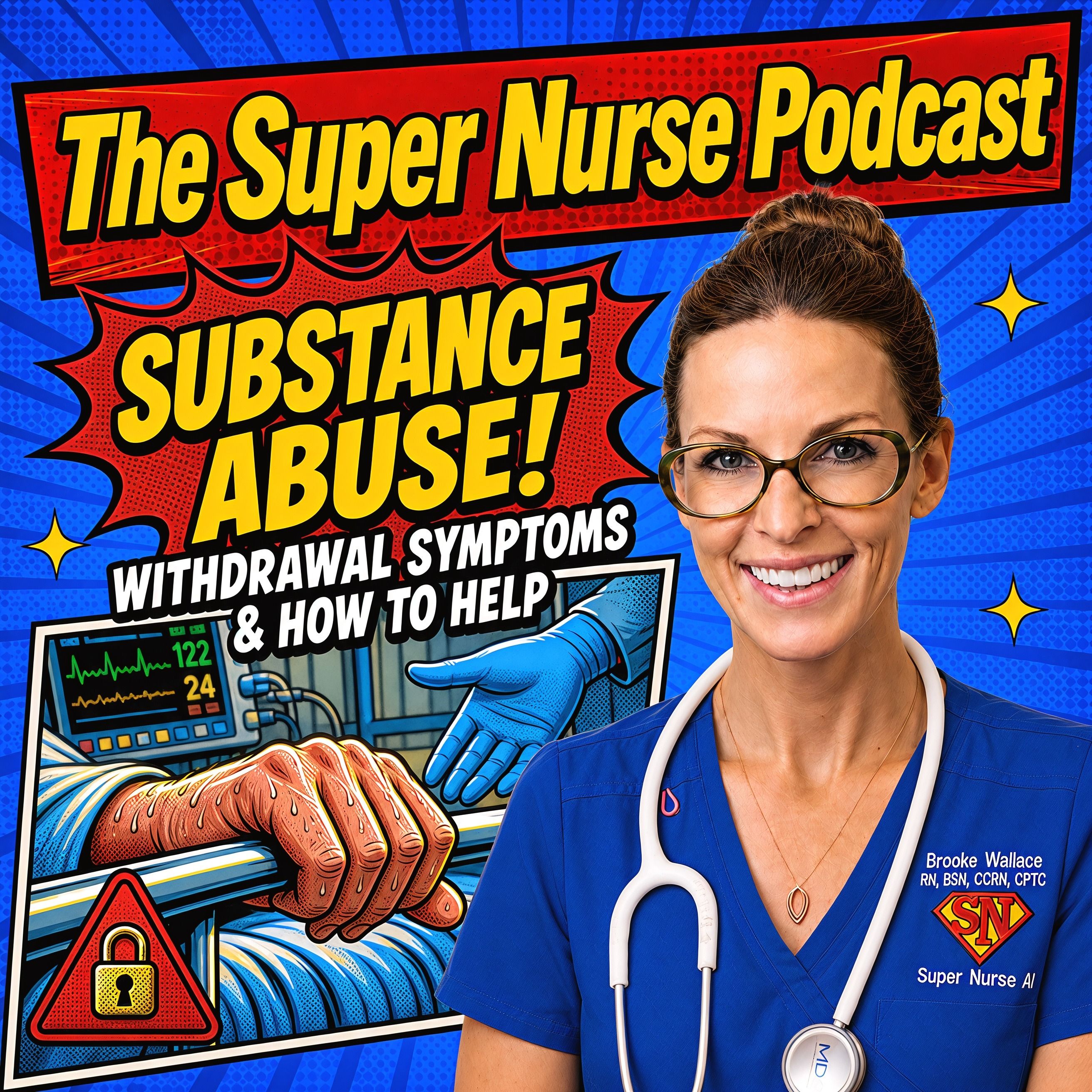 Intoxication vs Withdrawal: What Nurses Do First 31.07.2026 19dkSubstance withdrawal can resemble pain, anxiety, infection, or sudden deterioration. Learn the bedside patterns that help nurses recognize withdrawal, anticipate complications, and respond safely.
 -
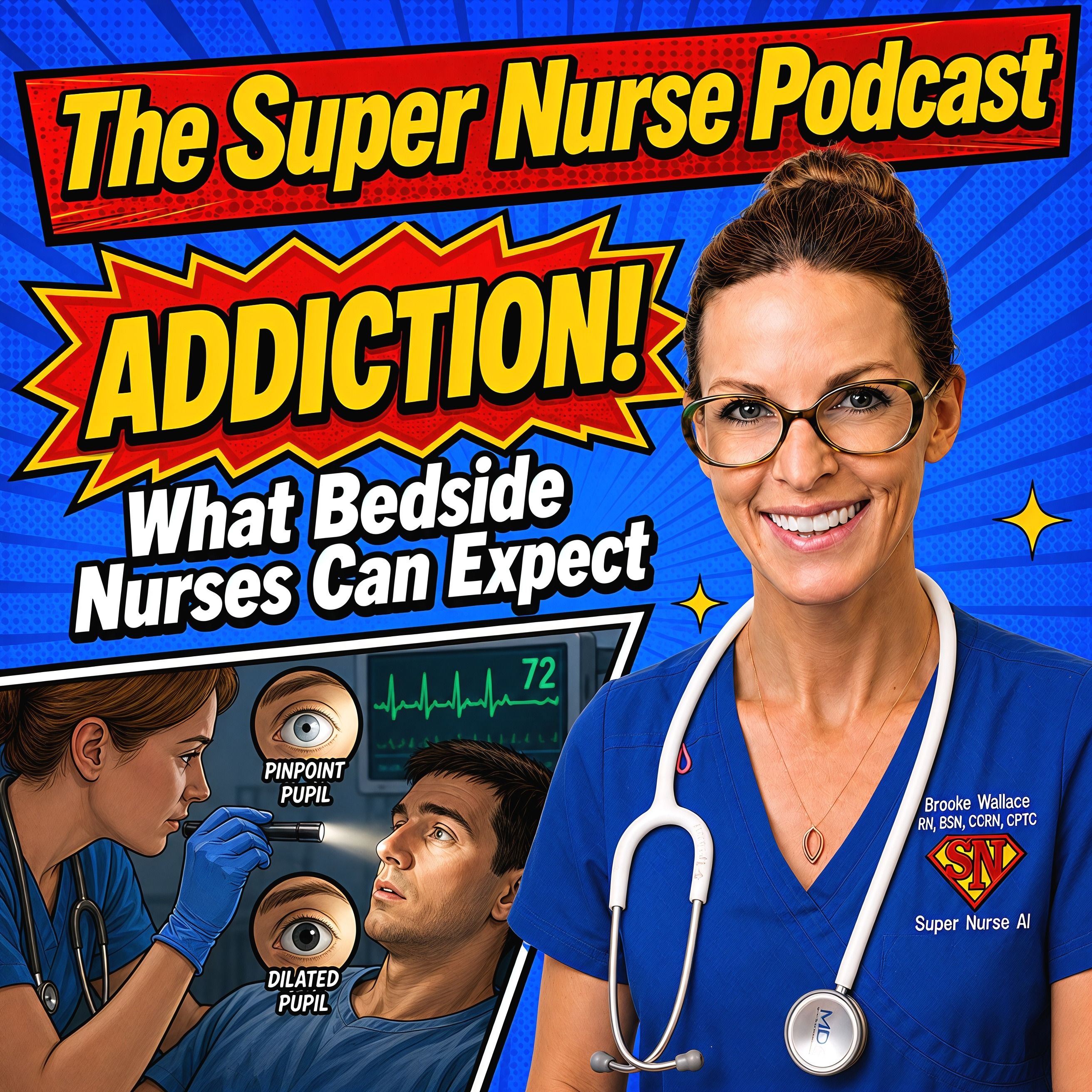 Addiction at the Bedside: Intoxication, Withdrawal, and Pain 30.07.2026 22dkPinpoint pupils, dilated pupils, and a negative drug screen can point nurses toward very different emergencies. When intoxication, withdrawal, uncontrolled pain, and substance use disorder produce overlapping symptoms, bedside assessment matters. This episode breaks down the autonomic clues, withdrawal patterns, and nursing priorities that can help you recognize immediate threats while providing safer, less stigmatizing care.
 -
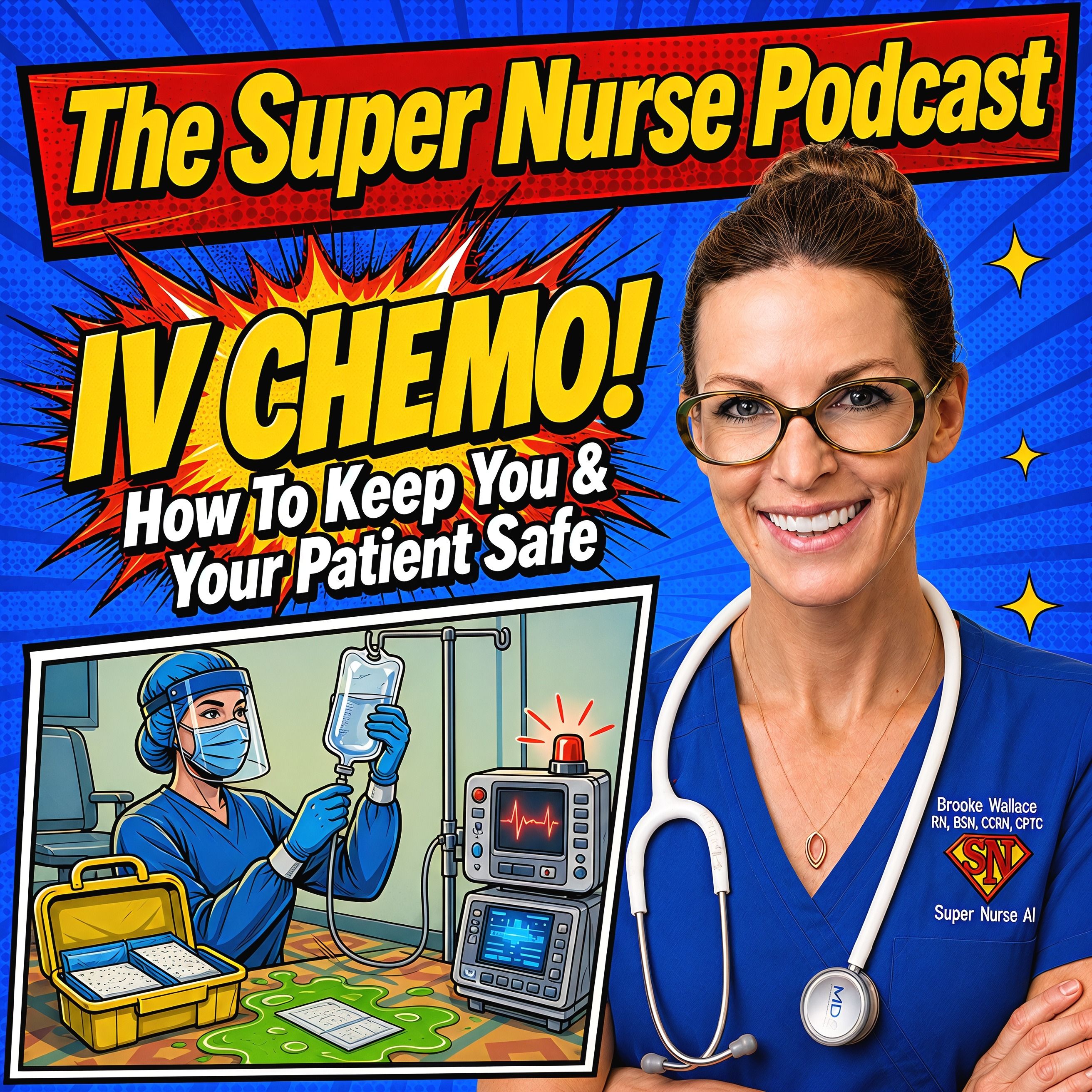 Chemo Safety For Oncology Patients: IV Pump Alarms, Spills & Patient Red Flags 29.07.2026 26dkIV chemotherapy safety goes far beyond hanging a medication bag. Nurses must protect the patient, themselves, and the environment while staying alert to equipment problems and subtle clinical changes.
 -
 Cancer Patient Deteriorating: Red Flags Nurses Should Catch 28.07.2026 19dkCancer care can turn critical fast—and the earliest warning may be a temperature of just 100.4°F. Learn how to connect cancer pathophysiology with bedside assessments, recognize treatment complications, and prioritize care before your patient deteriorates. From febrile neutropenia and tumor lysis syndrome to central-line safety and hazardous-drug precautions, this episode builds the clinical judgment nursing students and new nurses need.
 -
 Oncologic Emergencies: Made Simple For Non-Oncology Nurses 26.07.2026 23dkOncologic emergencies can begin with one subtle change—and bedside nurses are often the first to recognize the pattern when your patient is receiving chemotherapy. You do not have to specialize in oncology to catch the warning signs. This episode connects common assessment findings, vital-sign changes, neurologic symptoms, and laboratory trends to the cancer-related emergencies that require rapid escalation.
 -
 Chemo and Radiation: Warning Signs Nurses Need to Catch 24.07.2026 21dkChemo and radiation side effects make more sense when you connect cellular damage to bedside nursing priorities. Instead of memorizing an intimidating list, follow the physiology from rapidly dividing cells to GI injury, bone marrow suppression, skin damage, and infection risk. This episode translates the “why” into safer assessments, proactive symptom management, and practical patient education.
 -
 Chemotherapy Side Effects and Nursing Care 20.07.2026 19dkChemotherapy side effects make more sense when you understand what these medications do at the cellular level. Learn how to connect the biology of cancer treatment to safer assessments, smarter interventions, and the bedside clues nurses cannot afford ...
 -
 Cancer Care for Nurses: Treatments, Toxicities, and Red Flags 19.07.2026 1sa 10dkCancer care becomes less intimidating when you understand why each treatment produces the complications nurses encounter at the bedside. In this comprehensive oncology nursing review, we connect cancer pathophysiology with practical patient care—from a...
 -
 Organ Donation After Brain Death: What ICU Nurses Do Next 18.07.2026 23dkWhat happens at the bedside after brain death—and why does intensive nursing care become even more urgent? This episode follows the journey from the transplant waiting list to organ donation in the ICU. Nursing students and new nurses will learn how or...
 -
 Organ Donation: The Bedside Nurse’s Role—What to Do and What Never to Say 16.07.2026 21dkOrgan Donation: The Bedside Nurse’s Role—What to Do and What Never to Say What is the bedside nurse’s role in organ donation—and when should the nurse call the organ procurement organization? In this episode of The Super Nurse Podcast, we explain what ...
Benzer podcastler


Şurada popüler
Bu podcast şu ülkelerin podcast listelerinde de yer alıyor.
