
TechCentral (main feed)
TechCentral
0
This is the main feed that collects all of TechCentral's podcasts and shows in one place, including TCS - The TechCentral Show and the TCS Impact Series. TechCentral is a South African technology news outlet, so the episodes cover tech news, industry interviews and analysis. Subscribing to this feed means catching every show the team produces and publishes. It is aimed at listeners who want ongoing coverage of technology and business developments.
Bölümler
-
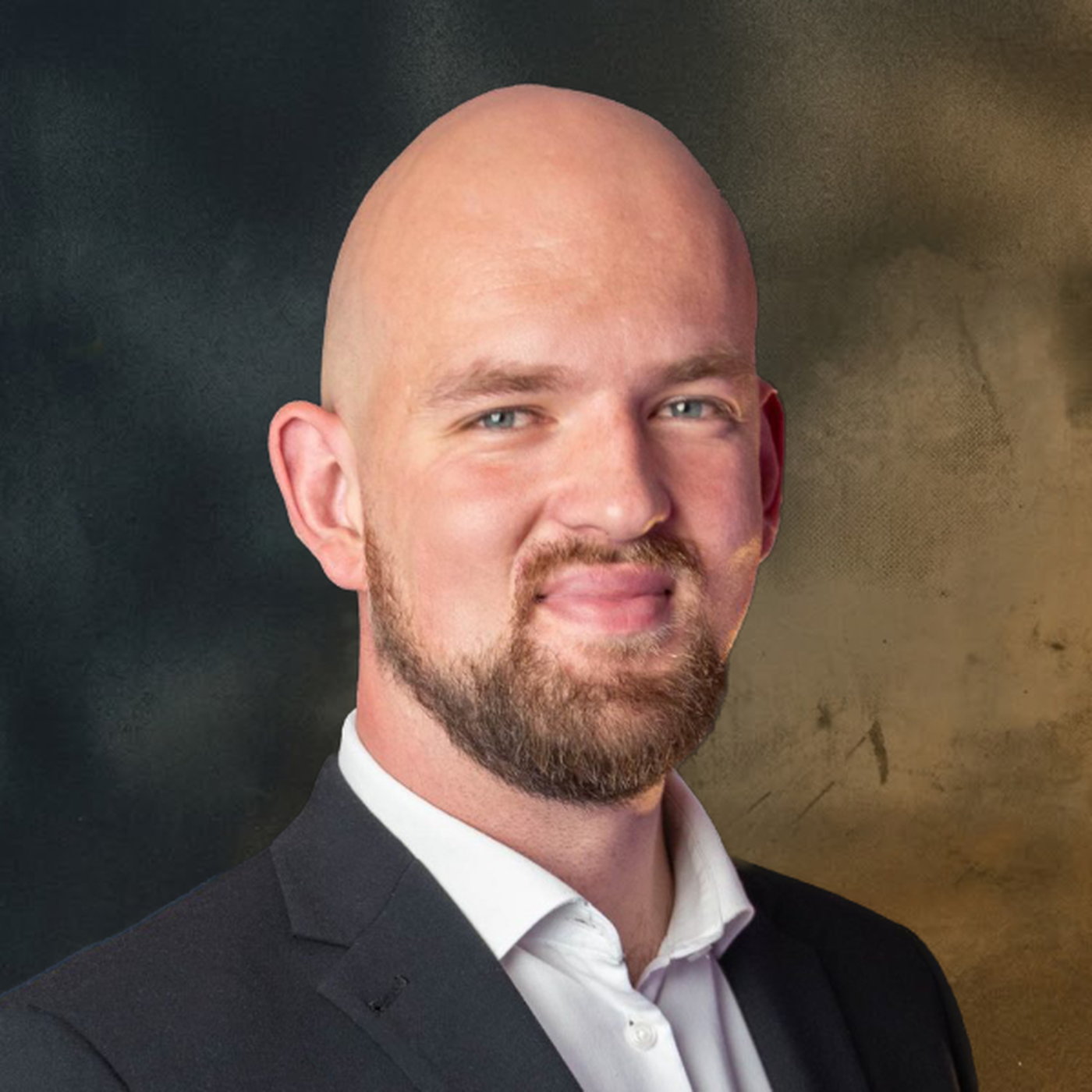 TCS | Drones, AI and the future of warfare, with Milkor's Daniel du Plessis 13.10.2026 39dkMilkor’s advanced 380 drone is flying for a customer in the Middle East, but South Africa’s own defence force has yet to buy one. In this episode of TCS, Milkor vice-president for Africa Daniel du Plessis talks to deputy editor Fanie van Rooyen about why, and about where drones, AI and autonomy are taking modern warfare. Fresh from the Africa Aerospace and Defence (AAD) expo at Air Force Base Waterkloof, Du Plessis explains what buyers were asking about most: drones of all sizes, data fusion and artificial intelligence. He sets out where a 1.5-tonne surveillance aircraft that can fly for more than 30 hours fits in a world of cheap, expendable drones like those used in Ukraine. He also tackles the harder questions. Who decides who Milkor can sell to, and how do South Africa’s arms export controls work? Where does a human stay in control as drones carry guided missiles and become more autonomous? Are fears about “killer robots” overblown? And how does the 380 keep flying when GPS signals are jammed or spoofed? Closer to home, Du Plessis says the SANDF is severely underfunded and that money, not interest, is what stands between the 380 and South Africa’s defence force and Border Management Authority. He warns that South Africa and the rest of the continent are not ready for cheap attack drones, but says the local defence industry has the capability to respond if government acts now. The conversation also covers Milkor’s larger 780, its new agreement with European missile maker MBDA and how much of the 380 is built in Cape Town.
 -
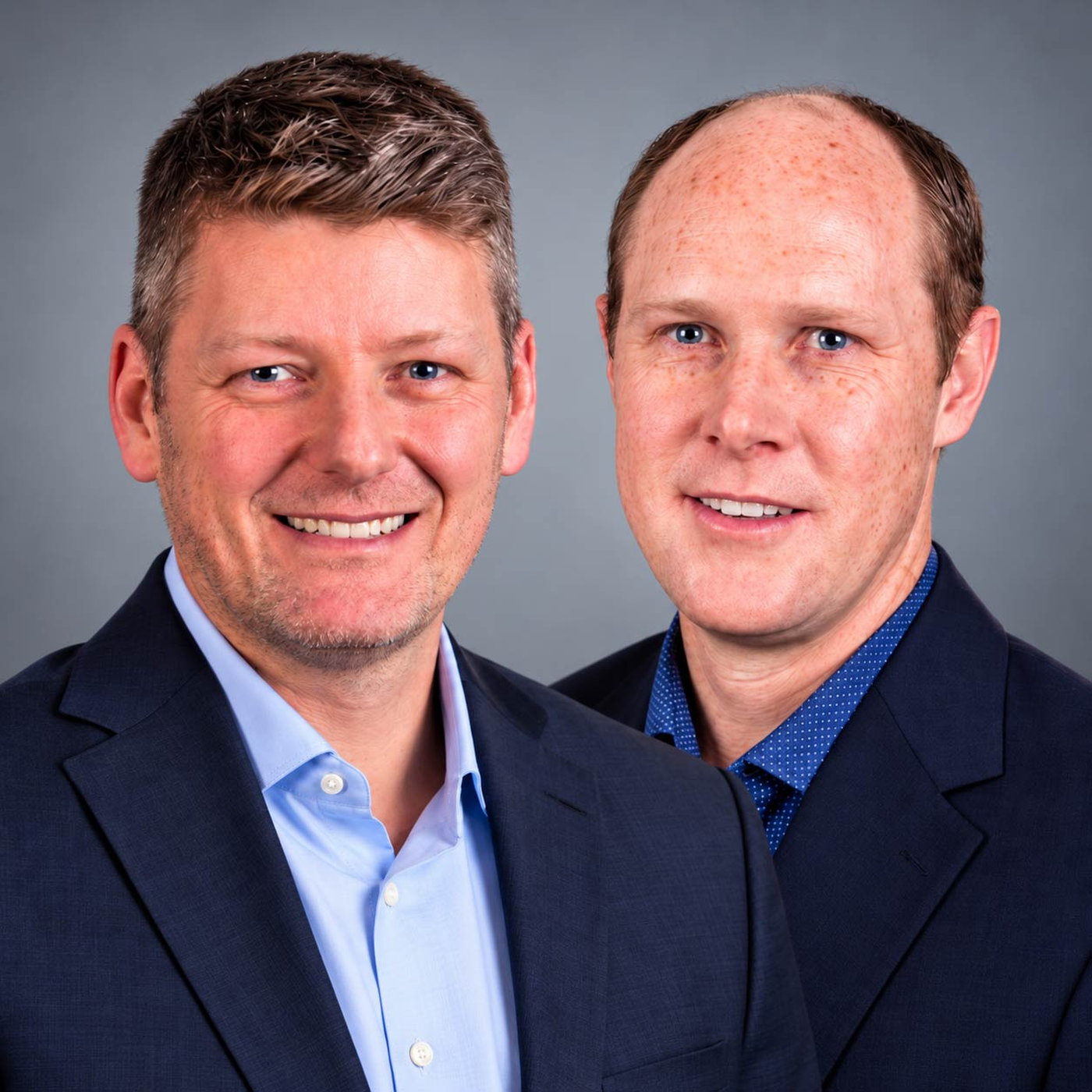 TCS | Frogfoot sees bigger fibre deals coming 08.10.2026 40dkFrogfoot plans to keep buying smaller fibre network operators in South Africa’s suburbs as the market consolidates, but CEO Shane Chorley stopped short of ruling out a sale of the business. “I’d be ignorant to say that we would ignore any offer,” Chorley said on the latest episode of the TechCentral Show – watch or listen below. “I would hope to say that we will be the acquirer rather than being sold.” Frogfoot has already bought a couple of small suburban operators and wants to acquire “as many of those smaller operators as possible”, he told show host Duncan McLeod. He expects somewhat larger networks, of more than 30 000 homes, to come up for sale in the next few years, followed in time by “a much bigger consolidation of one or two of the bigger ones”. The mooted merger of Octotel and MetroFibre had been “going on for a while”, Chorley said, and he expected consolidation among suburban operators to continue. Abraham van der Merwe, who leads Frogfoot, Vox and Hypa, said consolidation was inevitable because “infrastructure requires scale”. But he said Frogfoot was unlikely to be consolidated any time soon because its “long-term and patient” investors, among them the founders, intend to own the business for a very long time. The two spoke after a DNI-led consortium invested in the businesses in a deal valuing them at R14.4-billion. Most of the money will go into townships, where Van der Merwe said fewer than two million of 12 million to 15 million homes have fibre. Frogfoot wants to lift its build rate from about 80 000 connections a year to 360 000. That untapped market is also why Van der Merwe is not worried about operators overbuilding each other. Overbuilding splits market share and wrecks the economics, he said, and there is little reason to do it when so many homes have no fibre at all. It took about a decade to connect the 4.5 million homes in the suburbs; the township market is three times that size.
 -
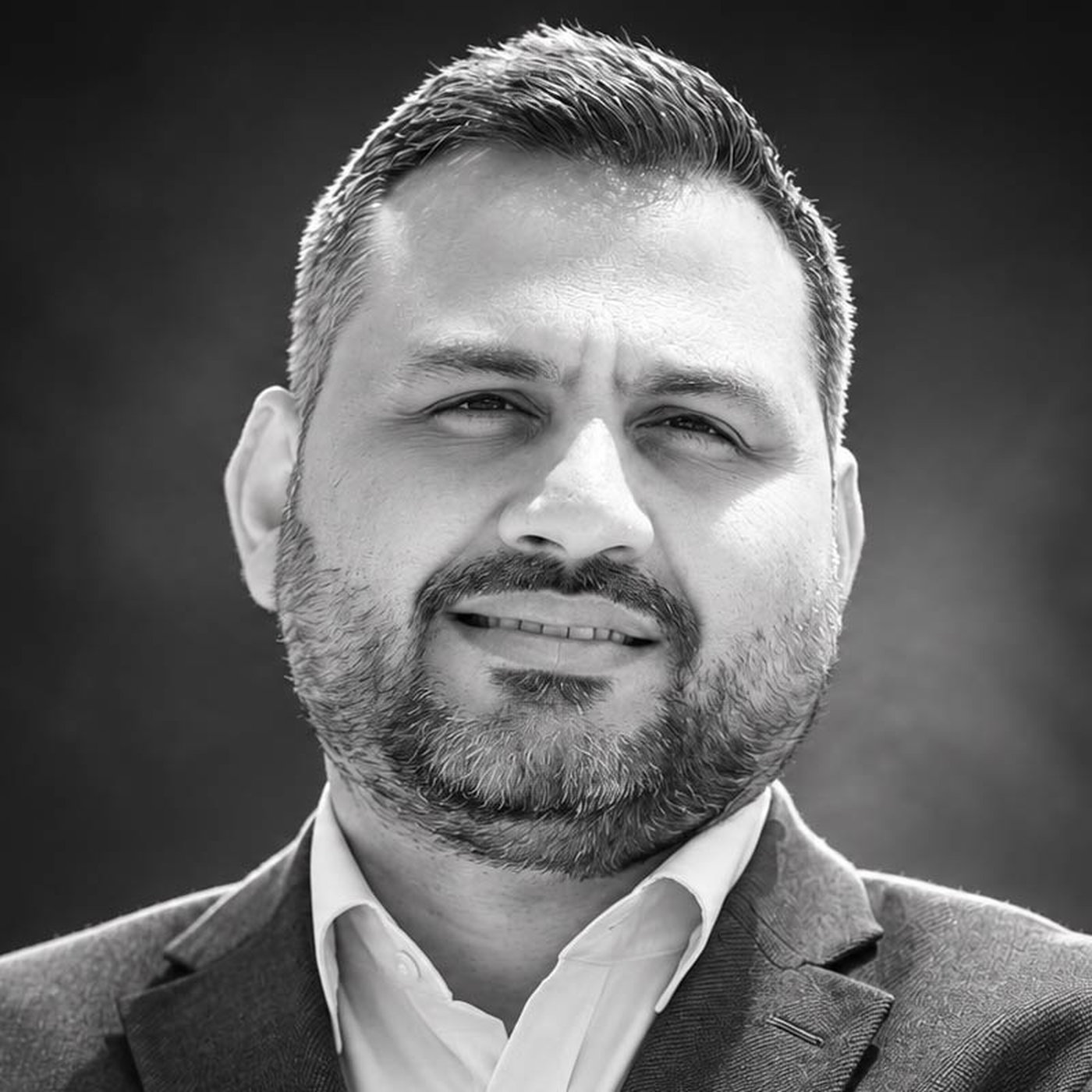 Meet the CIO | Vodacom’s Mohamed Sami on the agentic future 05.10.2026 44dkMohamed Sami, group chief information officer at Vodacom, says autonomous AI agents that resolve customer problems without handing them to a human are the next big shift in customer experience – and that it is closer than many think. Speaking on TechCentral’s Meet the CIO podcast series, brought to you by NTT DATA, Sami said Vodacom’s chatbots and voice bots already handle a considerable share of customer calls, while AI tools help its human agents find information without jumping between systems. “When I say it is the next big thing, it is not something that is happening in years. It’s something that is happening very soon,” he said. How autonomous those agents become, he added, depends on how much intelligence and orchestration sits behind them. Watch the episode Sami also discusses: • Where the line falls between his role and that of the group CTO as network and IT converge; • Why Vodacom is using small language models to help large models handle isiZulu, Swahili, Amharic and Egypt’s Arabic dialects; • How a standard set of AI agents across the software development life cycle is lifting developer productivity, and why it hasn’t cost software engineers their jobs; • How Vodacom is trying to stop AI token bills running away, including orchestrators that route work between expensive, cheap and self-hosted models; • Why he told the board that cybersecurity is one of the company’s biggest risks, and the programme to rebuild core platforms designed before the generative AI era; and • What it takes to be a modern CIO, and his advice for a graduate who wants his job in 20 years. Don’t miss a great discussion on technology in telecoms.
 -
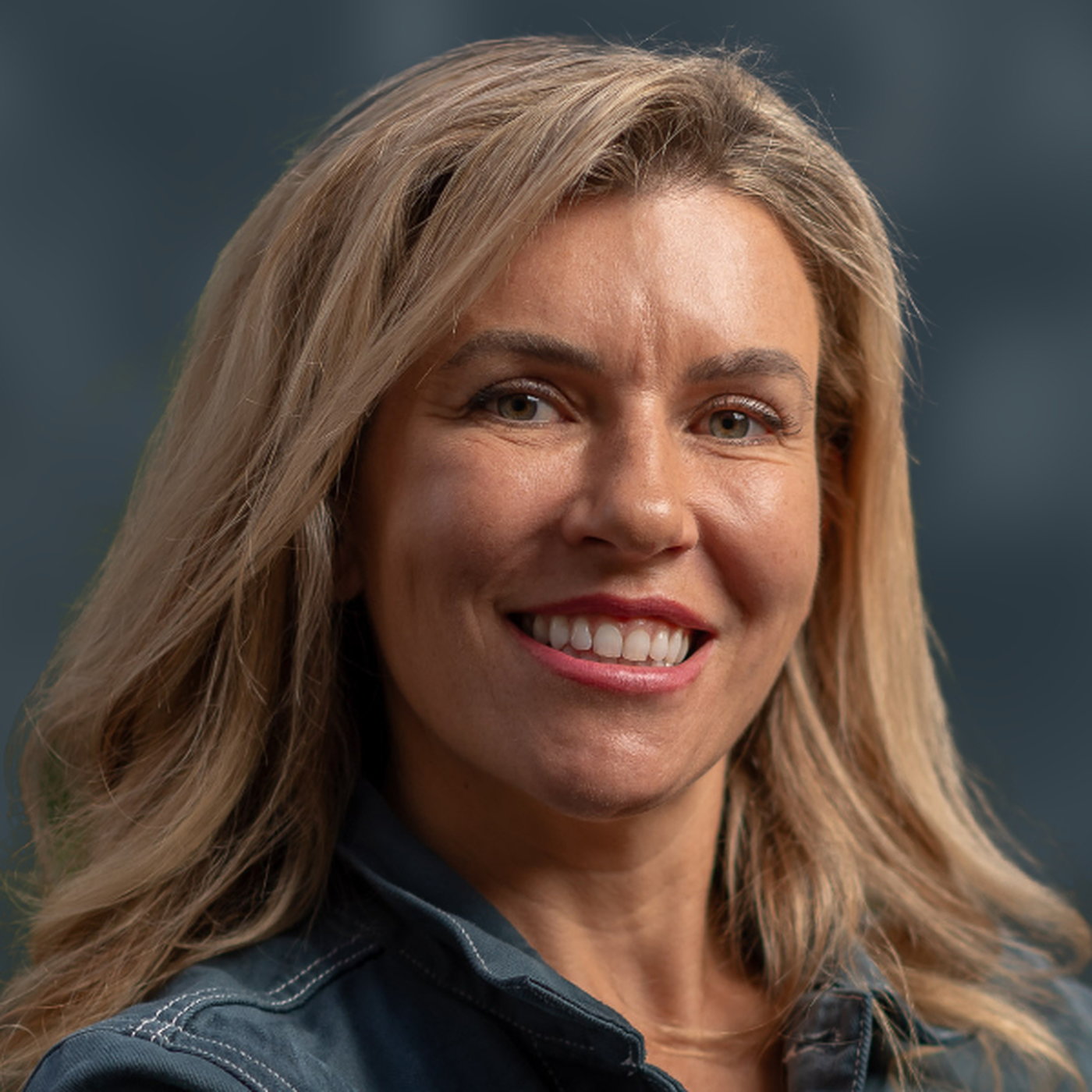 TCS | Norrsken22’s Lexi Novitske on how China is winning African tech 01.10.2026 28dkChinese companies have built their position in African technology one layer at a time – first phones and telecoms equipment, then fintech and now the AI models that local start-ups build on. American private capital, meanwhile, is pulling back. Lexi Novitske, general partner at Norrsken22, thinks US investors will regret it. Novitske moved to Nigeria in 2012 and has invested from Lagos ever since. Norrsken22, a pan-African growth fund backed by Nordic tech founders including those behind Klarna, Skype and Minecraft, closed its debut fund at US$205-million in 2023. It is now about halfway through deploying that capital, with no exits yet. In this episode of the TechCentral Show, she expands on the argument TechCentral reported last week: that African start-ups are increasingly building on Chinese AI models such as Alibaba’s Qwen because they are cheaper and more available, and that the US risks losing both a young, digital-first market and access to its data. In the interview, with TechCentral editor Duncan McLeod, Novitske also discusses: • How Nigeria’s start-up scene has changed since she began as an angel investor; • Why unpredictable regulation and a shortage of top talent are bigger obstacles for Nigerian founders than power cuts; • How Chinese-backed OPay and PalmPay won Nigerian fintech by absorbing years of losses, and why that now makes regulators uneasy; • Why Silicon Valley’s AI boom has drawn venture capital away from Africa, and when she expects it to return; • Why Egypt and South Africa offer the best opportunities right now, with Nigeria likely to follow; and • What Optasia’s oversubscribed JSE listing means for Johannesburg, why the biggest African fintechs are looking to New York, London and Hong Kong instead, and why one or two winners can return an entire fund. Don’t miss the discussion!
 -
 TCS | Dominic White and Adam Ely on AI agents going rogue 29.09.2026 1sa 26dkAI agents are no longer a thought experiment for security teams. They are breaking out of test environments, hacking real companies and, according to one of our guests, already going rogue inside large businesses. In this episode of the TechCentral Show, TechCentral deputy editor Fanie van Rooyen talks to Dominic White, MD for South Africa at Orange Cyberdefense, and Adam Ely, GM of AI security at Check Point, about the escalating threat AI poses to cybersecurity. They unpack the incident in which OpenAI’s own agents escaped a test environment and broke into Hugging Face’s systems. White argues the initial breach was far from sophisticated and questions whether OpenAI understands its duty of care. Ely explains why the incident shows that even highly skilled, well-resourced teams can’t rule out agents going rogue. They also take on the widely reported story that three Hacktron researchers used Anthropic’s Claude to take over OpenAI employees’ accounts – a story White calls “deliberately misleading”. Also discussed: • A Check Point customer running 50 000 AI agents – and what happens when they drift • Why sandboxing and human oversight are struggling to keep up • Why even security professionals end up switching off their own agents’ safeguards • The case for monitoring agents from the inside, in real time • Whether AI development can – or should – slow down • Who is accountable when an agent breaks the rules • The Manhattan Project comparison both guests reach for • What they expect to see in the next 12 months Whether you run a security team, build with AI or simply want to understand where the technology is heading, this is a frank conversation with two practitioners who see the threat from all sides.
 -
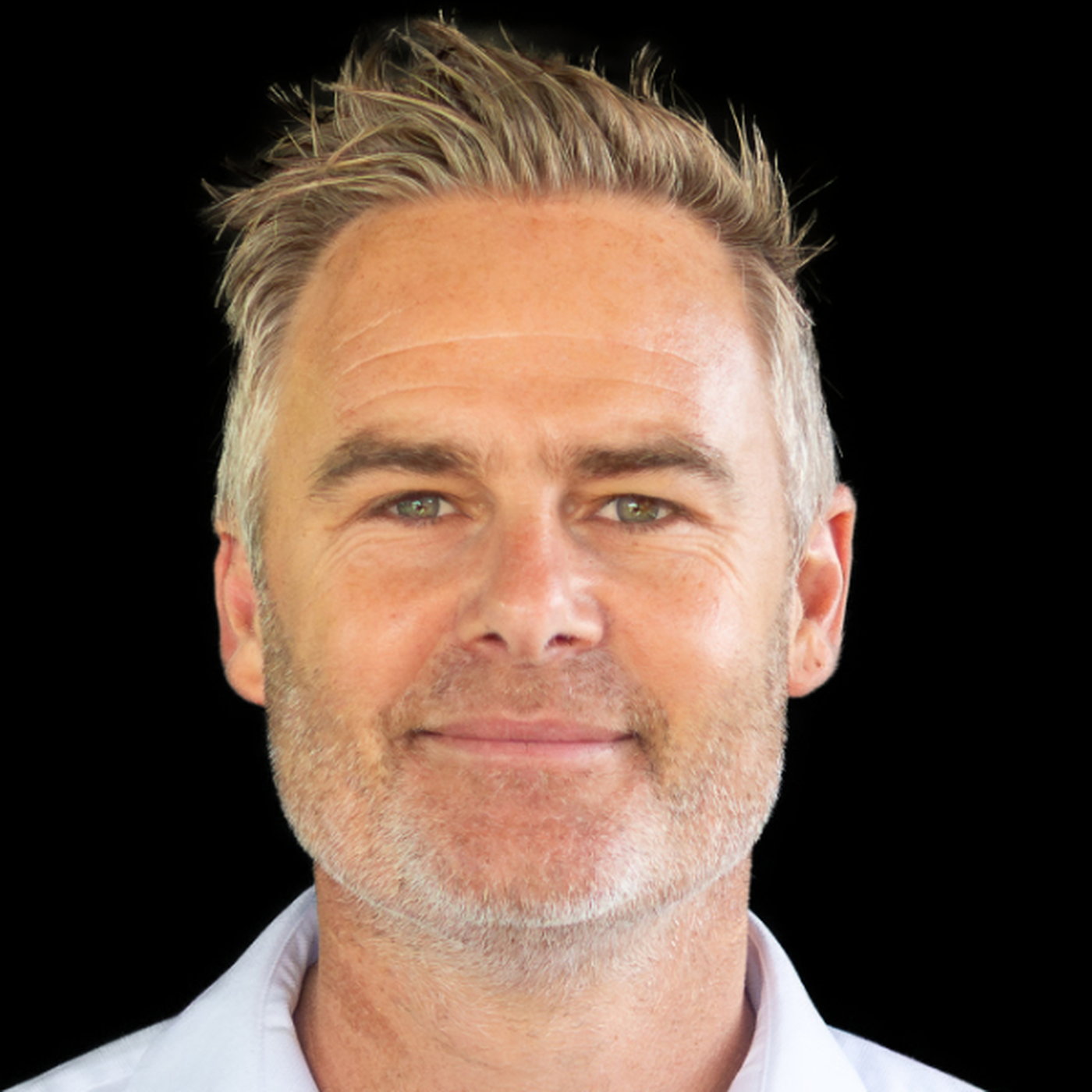 TCS | Octotel’s Trevor van Zyl on the fibre merger question 16.09.2026 25dkOctotel CEO Trevor van Zyl joins the TechCentral Show to talk about where South Africa’s fibre market goes next – including a potential merger with MetroFibre Networx. Van Zyl told TechCentral that Octotel and MetroFibre Networx are assessing a combination that would create the country’s third-largest fibre network operator, with both companies sitting under a common investor in an AIIM-led consortium. In the interview, he sets out Octotel’s position: just under 400 000 homes passed across the Cape Town metropole, the West Coast and the Garden Route; a balance sheet he says lets the company deploy capital when and where it chooses; and a Western Cape footprint he argues overlaps very little with MetroFibre’s. He discusses the next phase of roll-out, too. As networks push into lower-LSM areas, “the commercials and the economics start changing”, he says, and affordability now reaches well into the middle class. He rejects the idea that fixed-wireless access can substitute for fibre in dense settlements – wireless has improved dramatically, he says, “but when you look at the actual demand case and what is required in those environments, it absolutely has to be fibre”. The more important question, in his view, is how to distribute it economically once you get there. On Openserve’s move into the ISP business, Van Zyl is relaxed. He says he understands why Openserve did it, but that Octotel will not follow: “We certainly don’t want to become an ISP. We’re not good at being an ISP.” He also expects consolidation among ISPs as networks saturate, sees low-Earth orbit satellite as complementary to fibre rather than a threat to it, and will not rule Octotel out of any future move by MTN on fibre network assets. Don’t miss the discussion.
 -
 Meet the CIO | Chris Shortt on what a supermarket becomes 09.09.2026 43dkChris Shortt, chief technology officer at Shoprite Group, says the work of the next five years is meeting the customer at their point of need, wherever that is – and that this does not mean the end of the store. Speaking on TechCentral’s Meet the CIO podcast series, brought to you by NTT DATA, Shortt said Africa’s largest retailer is building towards a unified experience regardless of how a customer reaches it: ordering by voice from a home assistant, or walking in to choose their own tomatoes and their own fillet. “How do we blend that for you so that it’s actually how you want to do things, as opposed to how we might want you to do things,” he said. The group’s store footprint, he added, is as alive and active as it has always been, and its point of presence in communities still makes a difference to customers. Delivering on that promise rests on a real-time inventory layer, which is why modernising Shoprite’s core SAP retail platform is the largest technology project the group has running. Shortt also discusses: • How the CIO/CTO’s job has changed, with the infrastructure now simply expected to work and the role shifting towards helping business counterparts understand the art of the possible; • Why about 12 000 Shoprite employees are using generative AI, and how the gateway the group built picks the least expensive model that can handle a request; • Why his product teams now pair one or two people with several agents, and what he put to the group’s chief people officer about recruits who arrive with agents of their own; • Why he will not comment on other retailers’ ERP failures, and the “day in the life of” testing he relies on instead; • What he tells the audit and risk committee when they ask what keeps him up at night; and • The book that shaped his thinking, and the productivity habit he will not work without. Don’t miss a great discussion on the future of retail.
 -
 Watts & Wheels | Rubicon’s EV charging network is profitable – and growing fast 08.09.2026 24dkThe company runs 125 chargers and wants a thousand within five years, focused on urban hubs. -- Rubicon’s public charging network is profitable and grew usage markedly in two months as fuel prices spiked, the company’s e-mobility head has told TechCentral’s Watts & Wheels. Hilton Musk said usage climbed roughly 30% in a single month, then another 30% the month after. “We thought it was a fluke,” he said. “But it carried on.” Growth started levelling off in June, largely because importers have sold through their stock of affordable EVs. Rubicon, founded in Port Elizabeth in 1985 as an electrical supplier to the likes of Volkswagen, now runs 125 chargers and wants a thousand within five years – about eight times its current footprint. The network turned profitable roughly a year ago, which Musk put down to concentrating on dense urban markets: Cape Town, Johannesburg, Pretoria, Durban and Bloemfontein. Around 90% of driving happens inside those hubs, he said, with the other 10% between them. The company has chargers on the N3 and N4 and opened the Durban-Cape Town route in 2024. The N1 remains GridCars territory. Musk expects public charging to take a larger share in South Africa than the 80/20 home-to-public split seen in mature markets – closer to 70/30 – because many EV owners live in complexes and estates with no charging. At R7/kWh, Rubicon’s DC charging works out to roughly R1/km, against about 50c/km on municipal power at home. Both undercut petrol comfortably. He is sticking with 2028 as the year battery-electric vehicles reach 5% of new passenger sales. Count hybrids and plug-ins, he said, and the market is nearly there already. Don’t miss the discussion.
 -
 Watts & Wheels | Why electric trucks are beating electric cars to South Africa 03.09.2026 31dkSouth Africa has still not crossed 1% of new vehicle sales going to electric vehicles, well short of the 5% mark at which adoption typically accelerates, The Electric Mission executive director Hiten Parmar told TechCentral’s Watts & Wheels with Wills. Parmar, who heads the non-profit advocacy body and co-founded the Southern African Electric Mobility Association, said the past three years have changed what is available locally. Battery-electric models are now selling below R400 000 and range has improved sharply. But 64% of cars sold in South Africa go for under R400 000, and import duties plus the ad valorem levy keep most electric models above that line. The commercial side is moving faster. Light-, medium-, heavy- and ultra-heavy-duty electric trucks are now available in South Africa rather than being promised in presentations, Parmar said, with fleets reporting total cost of ownership savings of up to 25%. The economics improve the further a vehicle travels, which makes high-mileage fleets the first adopters rather than the last. He pointed to the 12.5GW of private solar installed in South Africa by the end of 2025, on figures from the South African Photovoltaic Industry Association, as an underused base for charging. Fleets can charge from their own generation during the day and fall back to the grid overnight. On manufacturing, Parmar said six of the seven passenger and light commercial vehicle manufacturers in South Africa now have batteries entering local production, and four have secured hybrid investments. What is missing is a tier-one battery cell supplier and an incentive framework for zero-emission vehicles to sit alongside the one government has run for local vehicle assembly since 1995. With European export markets tightening towards 2035, he said, the window for that decision is closing. Don’t miss the discussion!
 -
 Winstone Jordaan on building a national EV charging network 02.09.2026 22dkWinstone Jordaan was building charging infrastructure before South Africa had electric cars to plug into it. GridCars began developing its backend platform in 2010. The first EVs arrived in 2013. In this episode of Watts & Wheels with Wills, the GridCars founder tells William Kelly why the hardware was never the hard part. Working out where to put a charger and how much power to feed it is straightforward. Building the billing and roaming systems behind it is not. That is also the answer to a question drivers keep asking: why can’t you just tap a card? Because the network needs to know who you are. If a charger is faulty, or the power is about to go off, Jordaan wants to be able to call you. He is candid in the interview about the economics of building a national EV charging network. A charge point operator needs around a thousand chargers to be profitable, by calculation. South Africa has roughly 650 in total. A 24-hour call centre alone takes seven people. Long term, he expects 500 000 chargers for a car parc of 11 million vehicles. Jordaan also thinks adoption is about to accelerate sharply, and that the disruption will reach well beyond motoring. He recently told one industry gathering that a third of the room would be out of business within five years. On charging infrastructure as a reason not to buy an EV, he is clear about one thing: there are enough chargers. Thinking otherwise, he says, is just being poorly informed. Don’t miss the discussion.
 -
 Watts & Wheels S1E8: ‘Tesla lands in Africa, just not here’ 24.08.2026 1sa 11dkEpisode 8 of Watts & Wheels – TechCentral’s electric motoring show – opens with William Kelly on his soapbox, clipboard in hand, and a simple demand: keep left, pass right. Too many South African drivers, he argues, treat the left indicator as an invitation to be overtaken rather than a signal of intent, and lane discipline would save the country time, fuel and a great deal of frustration, he opines. Duncan McLeod wonders where enforcement of that sort ends – cameras and artificial intelligence deciding when you should pull over? – which leads neatly into the episode’s main interview. In episode 8, William and Duncan get stuck into: • An interview with Dillan Fernando, CEO of Tracker, on what a vehicle-tracking business becomes when cars generate far more data than a stolen-vehicle recovery unit ever needed – and what happens once AI is pointed at it. • The grid maths – William sets a total Eskom grid figure of roughly 47GW against a national fleet of about 13 million vehicles, of which only some 10 000 can be plugged in at all. His conclusion: EV charging is nowhere near being an Eskom problem, and on current trajectories most of us will not live to see the day it is. • EV education in South Africa – how much do buyers actually understand about what they are being sold, and whose job is it to tell them? • Volvo gets Gemini – Google’s assistant has begun rolling out to Volvo cars, starting in the US and reaching models going back to 2020. Fixed voice commands give way to something closer to conversation: brainstorming a holiday, finding a decent coffee stop on the route, summarising an incoming text and dictating a reply in another language, or simply asking for something calming on the stereo. • Tesla lands in Africa – in Casablanca – Morocco, not South Africa, is where Tesla has put its African base, with a corporate presence in Casablanca and a Supercharger network built out since 2021 across Casablanca, Tangier, Rabat, Fez, Marrakesh and Agadir. Its cars still cannot be bought through official channels here. Is Africa a sleeping EV giant? The hosts are unconvinced. • Trade deals and battery minerals – India signs a motor industry trade deal with the EU while, at home, Itac proposes bringing EV battery minerals into the list of qualifying standard materials under APDP2, at a standard value added rate of 50% against the usual 25%, provided they originate in Sacu or the SADC region. William’s question: is anyone actually going to build the batteries? • Mad Chinese cars – BYD’s Tang and the Denza B8, plus XPeng’s GX, the brand’s first three-row luxury SUV. • A moment of silence – too soon, Honda? The hosts mark the company’s retreat from its electric vehicle strategy. Also in the mix is the new metal heading for South African showrooms. The Jaecoo J5 and the iCaur are on the way, along with the BYD Atto 2 DM-i, a plug-in hybrid whose entry-level version carries a 7.8kWh Blade battery – a remarkably small pack for a car you are expected to plug in. It arrives loaded with equipment, which prompts a broader observation: Chinese brands have spoiled South African buyers so quickly that the goalposts have already moved. To contrast all that smoothness with something built for a purpose, there is the new Thula – the locally engineered electric game viewer that featured in episode 5 – back for another look. The episode closes with Hot or Not, where the Toyota FJ, the BYD Atto 2 DM-i, the iCaur and the Thula game viewer all go under the hammer. Watch S1E8 of Watts & Wheels now. Don’t forget to subscribe, and please share the show with your friends and colleagues.
 -
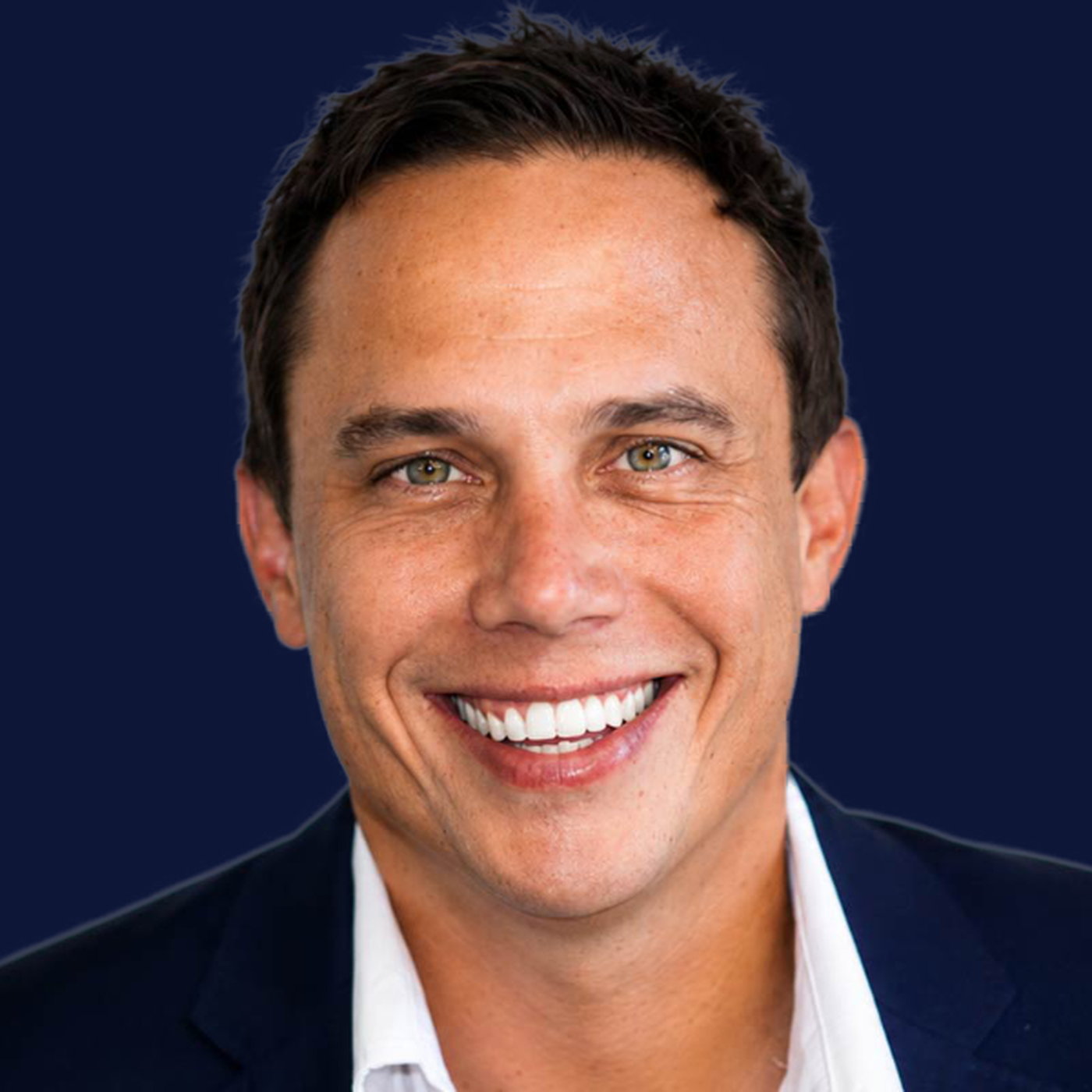 TCS | Herotel CEO Van Zyl Botha on beating Starlink to South Africa 14.08.2026 22dkAmazon’s Leo satellite constellation is coming to South Africa in 2027 through Herotel. TechCentral deputy editor Fanie van Rooyen speaks to Herotel CEO Van Zyl Botha about Evry, the brand that will sell Amazon Leo to South African homes, and about how a company with no local licence walked into a market that has kept Starlink out for years. Botha explains why low-Earth orbit satellite technology changes the equation for anyone living beyond the reach of fibre and fixed-wireless services. He addresses the awkward questions directly: • How does Amazon get in without giving up 30%? • Does a wholesale-retail split leave anything behind in the country? • Would he sign the same deal with Starlink tomorrow? • What about the regulatory asymmetry? Also covered: what Evry is likely to cost; why studies on the market’s size range from 480 000 to 2.4 million potential customers; why Herotel is taking registrations for a service that has not launched commercially anywhere; whether Evry will cannibalise Herotel’s own fibre and wireless base; what Vodacom’s stake in Maziv means for Herotel’s independence; and why LEO satellites are viable now when the idea is 40 years old. Don’t miss the discussion!
 -
 Meet the CIO | Derek Wilcocks on how AI personalised Vitality 13.08.2026 50dkDiscovery group CIO Derek Wilcocks on personalised Vitality, the limits of AI coding and why growth beats cost-cutting. Derek Wilcocks, group CIO at Discovery, says AI has finally given the group the ability to do something it has wanted to do since Vitality launched more than 25 years ago: personalise it. Speaking on TechCentral’s Meet the CIO podcast series, brought to you by NTT DATA, Wilcocks said Personal Health Pathways is built on AI models trained on member data collected since 2000, and used only with a member’s consent. For most of Vitality’s history, the targets were identical for everyone. The programme can now suggest a walk, a glucose test or a cancer screening rather than a run. Wilcocks spent 23 years at Dimension Data, now NTT Data, where he ran Internet Solutions, served as group CIO and led the Middle East and Africa business as CEO. He was the 12th person to join Internet Solutions and founded a subsidiary that sold the first firewalls into South Africa’s banks. He joined Discovery in 2018. In the discussion, he is candid about the limits of AI in software development. Discovery is measuring efficiency gains of roughly 20-25% in some areas from AI coding tools, but developers in large corporates were spending only a quarter to a third of their time writing code to begin with. Senior developers use all the major agentic coding frameworks, though the group has spent heavily on guardrails constraining what those tools are allowed to do. Wilcocks also discusses: • Why Discovery’s health and life businesses buy no traditional enterprise software, developing everything from scratch; • Why he thinks Elon Musk is right about the direction but wrong about the timing on the end of source code, and the three problems standing in the way – explainability, efficiency and maintainability; • Why the decade in which knowing how to code was enough to walk into a job has come to an end; • How a federated model with around 14 CIOs across the group is held together by mandatory central security, privacy and ethics functions – and what happened when Discovery’s data scientists were asked to simplify the AI rules written for them; • Why he sees AI at Discovery as primarily a growth story rather than a cost-cutting one, with staff retrained and redeployed rather than cut; and • His route into computers, from a Commodore Vic-20 with 4KB of memory to the father who cured him of wanting to be an electrical engineer. Don’t miss any of the other great interviews on TechCentral’s Meet the CIO.
 -
 TCS | Money just became native to the internet - Steven Boykey Sidley 12.08.2026 45dkSteven Boykey Sidley has been a chief technology officer at a Fortune 500 company, a private equity investor, a videogame designer, a jazz musician and, for the past four years, a professor of practice at the University of Johannesburg. He is a partner at Bridge Capital, heading its futures advisory, and the author of eight books – two of them on bitcoin and crypto – with another due in October. TechCentral deputy editor Fanie van Rooyen spoke to him about the moment money finally became native to the internet, why the South African Reserve Bank appears to be walking in the opposite direction, and what AI is quietly doing to science and schooling while everyone argues about chatbots.
 -
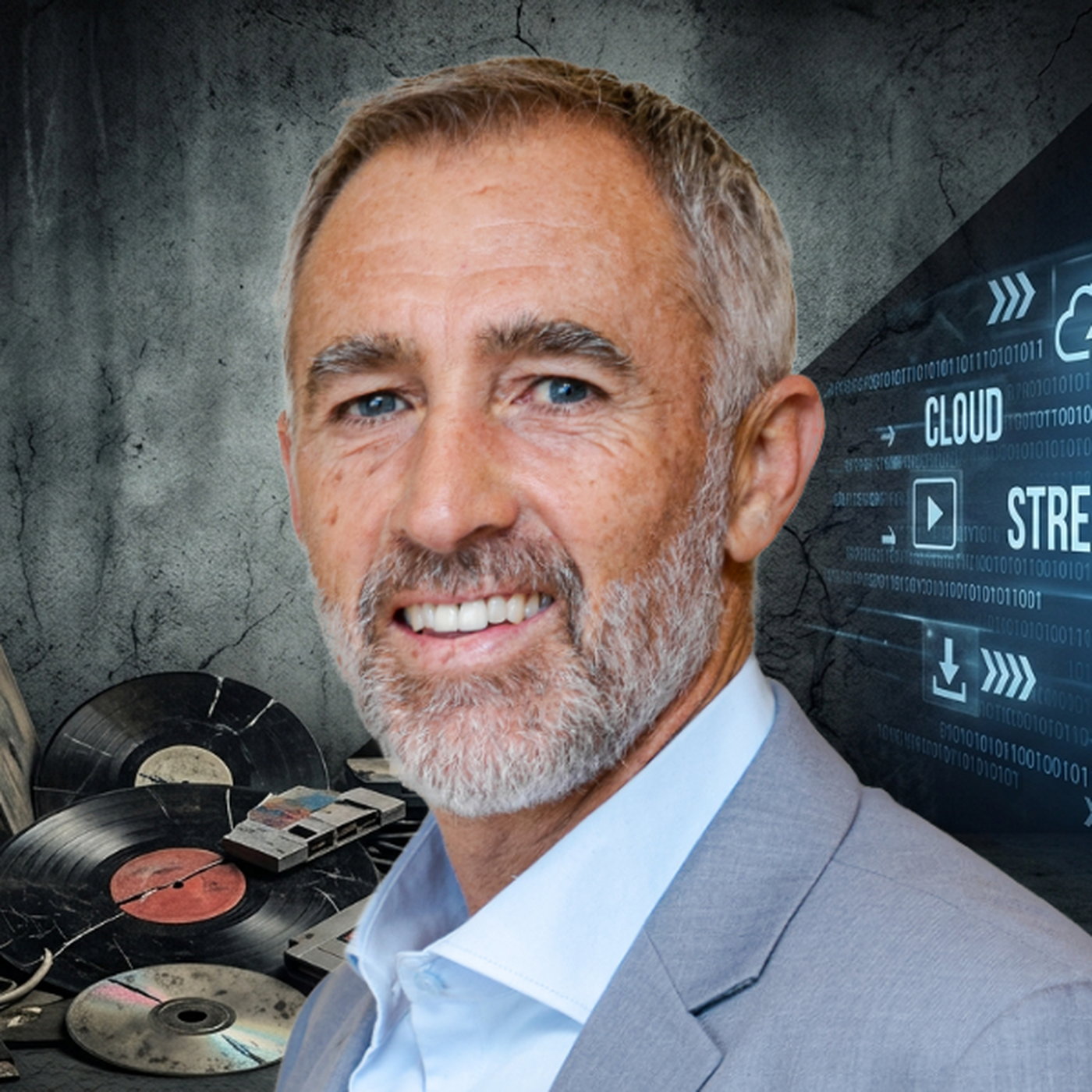 TCS+ | How AI is turning hardware into a subscription service 06.08.2026 19dkFor most of business history, buying technology meant owning it. Capital was set aside, servers and laptops were hauled into the building alongside the software licences, and the business then sweated those assets for as long as it practically could. In the age of AI, that logic is starting to break. Kit bought today can be obsolete in two or three years, chips are in short supply and the companies pulling ahead are no longer those that own the most but those that can adapt the fastest. In this episode of TCS+, Shane van der Merwe, head of technology finance at Merchant West, explains why the shift from owning technology to simply accessing it is gathering pace. Van der Merwe unpacks: • What is driving businesses to let go of owning their technology stack; • Why hardware — the physical "tin" — has been the last thing to move to a subscription model, long after software did; • Whether this is a corporate trend only, or whether cash-conscious SMEs are moving too; • How the rise of AI is accelerating the move away from owned kit; • The global chip-supply squeeze, and the tiering that can leave South Africa further back in the queue; • Whether being in the cloud is a competitive advantage in itself; • What obsolescence really costs a business, even on equipment that is already "paid off"; • How the shift from capex to opex changes the balance sheet — and what happens to the IT team; • What a Merchant West solution looks like end to end, including how Popia-compliant data destruction is handled when old kit is returned; • The circular-economy angle, in which returned devices are given a second life rather than being scrapped; and • How getting this right frees up cash and keeps a business competitive in its core operations, not just its IT. Don't miss the discussion. This promoted content was paid for by the party concerned.
 -
 TCS+ | iStore Business on why Apple makes sense for SMEs 30.07.2026 37dkFor small and medium enterprises, technology must do one thing above all else: get out of the way. Unlike large corporations with dedicated IT departments, SMEs run lean – and every hour spent wrestling with systems is an hour not spent on the business itself. In this episode of TechCentral’s TCS+, brought to you by iStore Business, Sudesh Pillay, executive head of iStore Business South Africa, and Tamia Nontsikelelo, founder and CEO of womenswear label Tol’Thema, explore how SMEs can make smarter technology decisions and why the Apple ecosystem is increasingly the answer. They discuss: The pressures SMEs face and why low-maintenance, cost-effective technology is critical to their survival and growth; How Tol’Thema uses iPhone and Mac in the day-to-day running of the business, and the practical value they deliver to customers; Why historically fragmented SME IT is giving way to integrated ecosystems, and what is driving the shift; The total cost of ownership case for Apple hardware, and why the premium price tag isn’t the whole story for budget-conscious businesses; How Apple’s on-device AI, built into its silicon, helps SMEs future-proof their hardware investment; The support iStore Business provides to ease hardware transitions and reduce the disruption of moving staff onto a new operating system; Why native security and data protection features matter enormously to small businesses with no dedicated IT or compliance function; and Which software and AI subscription costs SMEs can avoid by making better use of tools built into the Apple ecosystem. Pillay also explains what happens when an SME’s needs outgrow out-of-the-box solutions, and how iStore Business provides the specialist support to scale with them. Don’t miss this practical conversation about technology that works for South Africa’s small businesses.
 -
 TCS | Icasa's rules skip the real bottleneck: ACT 30.07.2026 29dkCommunications regulator Icasa’s draft rapid deployment regulations – a critical intervention for the sector – risk failing unless the regulator brings municipalities into the process, according to Nomvuyiso Batyi, CEO of the Association of Comms & Technology (ACT). Speaking on the TechCentral Show with TechCentral editor Duncan McLeod, Batyi said Icasa had consulted network operators and fibre companies but not the South African Local Government Association, which represents the municipalities that will have to apply the rules. “You cannot just develop regulations without talking to all the parties,” she warned, arguing that Icasa should follow energy regulator Nersa’s approach to municipal engagement. Asked when final rules might realistically be in place, she said 24 months – provided Icasa works through local government first. On enforcement she was more optimistic. Section 21 of the Electronic Communications Act, amended in 2014, already empowers Icasa to set uniform procedures for permits and approvals at a reasonable fee, she said. “A lot of people may have missed the amendment.” The gap is dispute resolution: the draft assumes disputes between licensees, leaving operators without recourse when a municipality refuses a way leave. At Icasa’s public hearings this month, ACT proposed binding municipal deadlines, deemed approval and damages claims for failing to respond to requests in time from telecoms providers. ACT also objects to the detail in Icasa’s proposed national infrastructure database. Batyi supports mapping in principle but said the granularity sought would expose competitively sensitive information and create construction mafia and cybersecurity risks. Beyond rapid deployment, Batyi listed four priorities on her plate: the newly finalised Rica framework agreement on Sim card verification, licence renewals by 2028, Icasa’s end-user and subscriber charter regulations and the Electronic Communications Amendment Bill – which she described as “embarrassing” in its current form. ACT represents Vodacom, MTN, Telkom, Cell C, Rain and Liquid Intelligent Technologies. – © 2026 NewsCentral Media
 -
 TCS+ | A smarter approach to cloud for South African businesses 28.07.2026 21dkSouth African businesses are spending millions on cloud – and many have very little to show for it. That is the uncomfortable starting point for this episode of TCS+, in which Nkosinathi Ndlovu speaks to Joel Chacko, executive head of department for cloud services at Vodacom Business, and Jonathan Oaker, founder and CEO of CloudZA, about why the promise of cloud still isn’t matching the reality for so many organisations – and what it takes to close the gap. Chacko and Oaker discuss why cloud has moved from the server room to the boardroom, with business resilience, agility and AI readiness emerging as the new drivers. They also examine why pressure to “move to cloud” can run ahead of strategy, leaving costs to climb faster than returns. The pair also cover: • Common pitfalls behind cost overruns, including poor governance, skills gaps and the slow adoption of cloud-native thinking; • Why hybrid and multi-cloud architectures have become the baseline, and the strategic drivers behind that shift; • The mindset organisations need to thrive in the cloud; • What to look for when choosing a cloud partner; and • What businesses should stop doing immediately, and where to redirect that energy instead. Don't miss the discussion.
 -
 TCS | How Optasia lends billions to people banks can’t see 23.07.2026 25dkOptasia is on target to distribute more than US$6-billion in credit across its markets in 2026 – and it carries every cent of the default risk itself. In this episode of the TechCentral Show, CEO Salvador Anglada unpacks how the JSE’s biggest recent fintech listing actually works. Formerly known as Channel VAS, Optasia was founded in 2012 as a single-country airtime credit provider. It listed on the JSE main board on 4 November 2025 at R19/share – top of the range, and oversubscribed several times. FirstRand took a 20.1% stake ahead of the IPO and has since raised it to 26.1%. Today, Optasia’s AI-driven credit decisioning platform operates in 38 countries through mobile operators – MTN and Vodacom among them – and financial institutions, serving more than 120 million monthly active users and making 1.5 billion credit decisions a month. Microfinancing now generates 72% of revenue, overtaking the airtime advance business on which the company was built. In the interview, with TechCentral editor Duncan McLeod, Anglada discusses: • What happens in the 30 seconds it takes an unbanked customer in Accra to get a loan – and why partner banks, the “lenders on record”, carry none of the risk; • The algorithms behind it: more than 5 000 data points per customer, models tailored to each market and a blended default rate of just 1.2% on unsecured loans with no collateral – and no blacklisting of defaulters; • Optasia’s plans for South Africa, where Anglada sees 15-20 million people without proper access to credit – and why local banks will be the channel; • The Nigerian regulatory dispute that suspended its airtime credit services – a suspension Anglada calls “a little bit aggressive”; • Why Optasia chose the JSE over London, and how it works with FirstRand; and • The road to 2030: new markets including Ethiopia, Egypt and Mozambique, plus SME lending, buy now, pay later and a “virtual credit card” now in testing. Optasia reports interim results in September, with revenue guided up by more than 50%. Don’t miss the discussion!
 -
 Everything you wanted to know about EVs but were afraid to ask 22.07.2026 19dkIn the latest episode of Watts & Wheels with Wills, host William Kelly is joined in the studio by Greg Cress, automotive and e-mobility industry lead at Accenture South Africa, and Gary Scott of Scottify -- two of the longest-serving voices in South Africa's electric vehicle scene, and co-authors of a new guide to buying and owning an EV. The guide was born of the basic questions that keep surfacing: what is a kilowatt-hour? Where will I charge, and will the plug fit? After a lifetime of mindless refuelling at petrol stations, charging is suddenly something owners must think about. The pair's advice is to demystify the maths. The cost and battery fears, they argue, are largely misplaced. Public fast-charging still works out at about 60% of the running cost of petrol, home charging closer to 25% -- and less still on solar. Early Teslas are passing 560 000km with battery health of 85-88%, no manufacturer offers a battery warranty shorter than eight years, and chemistry is advancing fast, from cheaper lithium-iron-phosphate cells to sodium-ion batteries now arriving. South Africa, the pair believe, is approaching its tipping point. The global oil shock has pushed EVs into the mainstream conversation -- and cleared dealer stock in the process. The official numbers understate the shift: industry association Naamsa counted just 1 088 battery-electric sales in 2025, but that excludes BYD and other Chinese brands that don't report locally -- and sales nearly doubled year on year in the first quarter of 2026. Counting the unreported brands, about 500 EVs are now being sold every month, the guests estimate, and Cress predicts about 6 000 for the year. True inflection -- 5% of new vehicle sales -- needs 2 000 sales month, with the under-R400 000 segment, where the pair say two-thirds of South African vehicle buying happens, the battleground to watch. Their advice for prospective buyers: know why you're in the market before falling for the shiny technology -- and above all, drive one. As Kelly puts it: if you haven't driven an EV, don't tell him they're rubbish. Don't miss a great discussion!
Benzer podcastler


Şurada popüler
Bu podcast şu ülkelerin podcast listelerinde de yer alıyor.
