
Lost Women of Science
Lost Women of Science
0
For every Marie Curie or Rosalind Franklin whose story has been told, hundreds of female scientists remain unknown to the public at large. In this series, we illuminate the lives and work of a diverse array of groundbreaking scientists who, because of time, place and gender, have gone largely unrecognized. Each season we focus on a different scientist, putting her narrative into context, explaining not just the science but also the social and historical conditions in which she lived and worked. We also bring these stories to the present, painting a full picture of how her work endures.
Épisodes
-
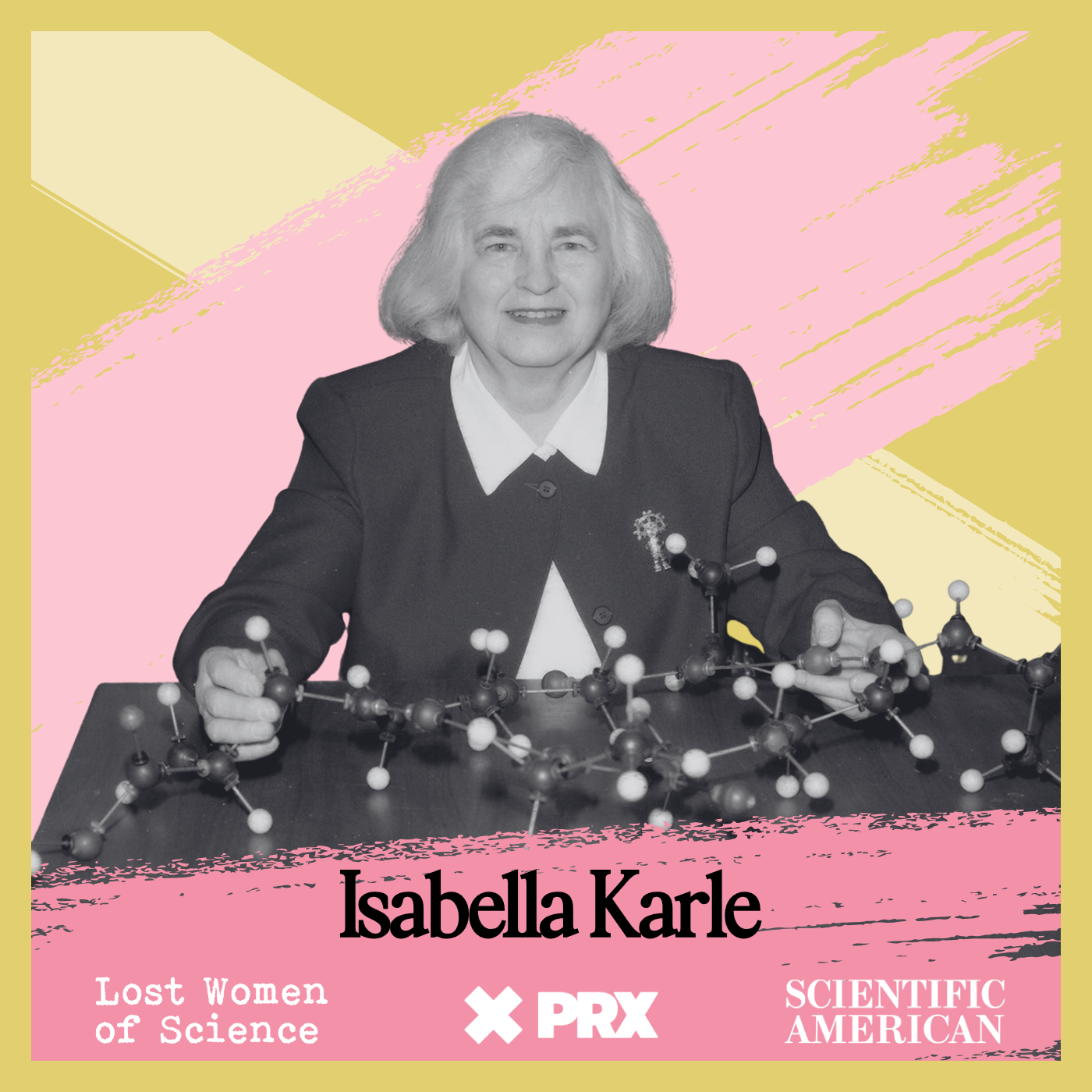 A pioneer behind x-ray crystallography, Isabella Karle 06.08.2026 36minIn high school, Isabella Karle had to take a science class to fulfill a prerequisite. She chose chemistry at random. Karle would go on to become one of the most important chemists of her time, doing groundbreaking research in the field of X-ray crystallography. Her discoveries in the mid 1950s are a key reason many modern-day pharmaceuticals are available on pharmacy shelves. But Karle’s collaborator–her husband, Jerome–would eventually receive the Nobel Prize in Chemistry for work Isabella also achieved.
 -
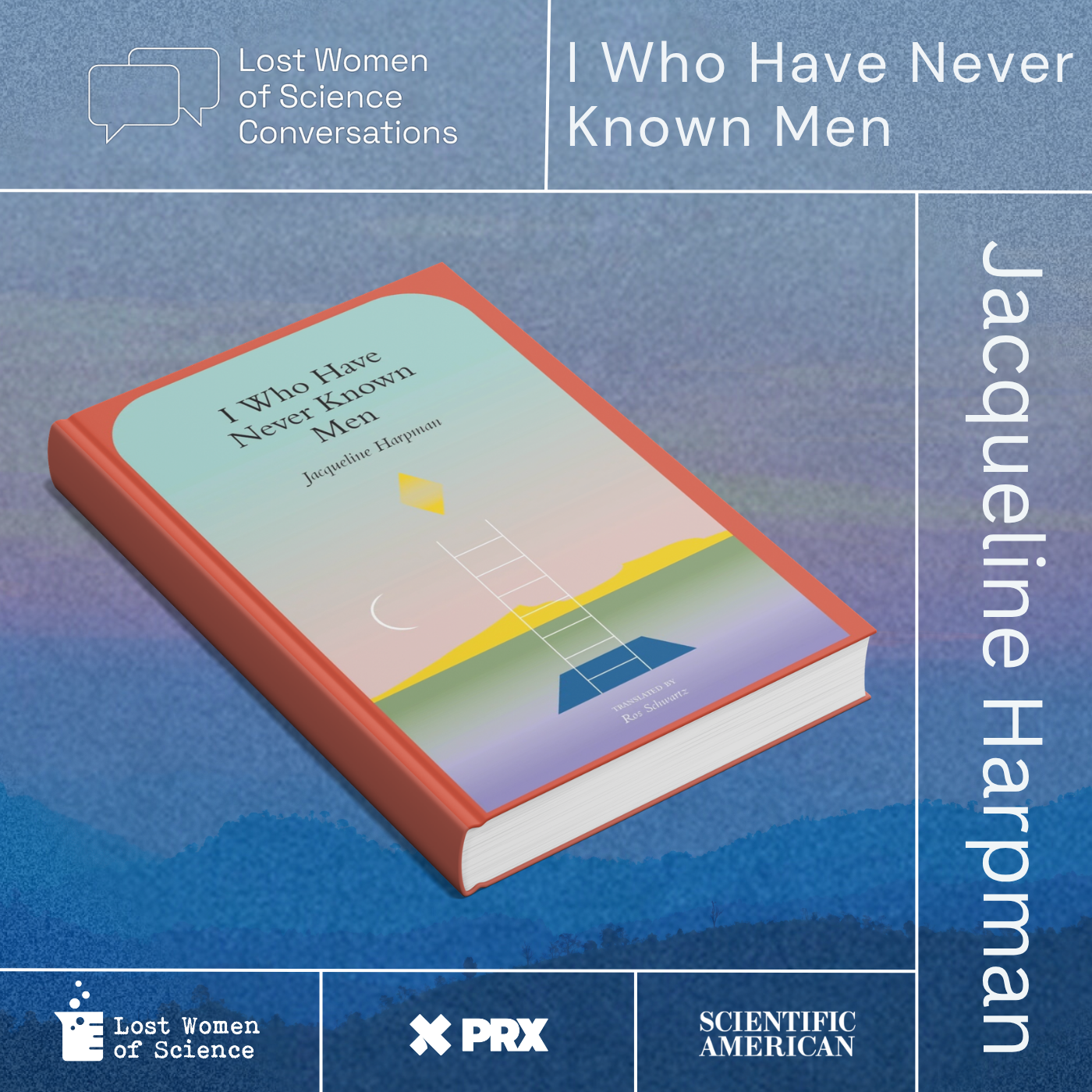 Conversations: The Rediscovery of I Who Have Never Known Men 16.07.2026 28minIn this episode of Lost Women of Science Conversations, host Elah Feder explores the remarkable resurgence of I Who Have Never Known Men, Jacqueline Harpman’s 1995 novel that went largely unnoticed for decades before becoming an international sensation. Harpman was a psychoanalyst and her training informed the book’s speculative fiction, dystopian, and science fiction genres. Elah first speaks with award-winning translator Ros Schwartz, who translated the novel into English twice –once in 1997 and again in 2022, when a new edition helped introduce Harpman’s work to a new generation of readers. Later, Elah is joined by Susan Watkins, Professor of Women’s Writing at Leeds Beckett University, to discuss the novel’s themes of resilience, isolation, and survival, and why this once-overlooked book is resonating so strongly with readers today.
 -
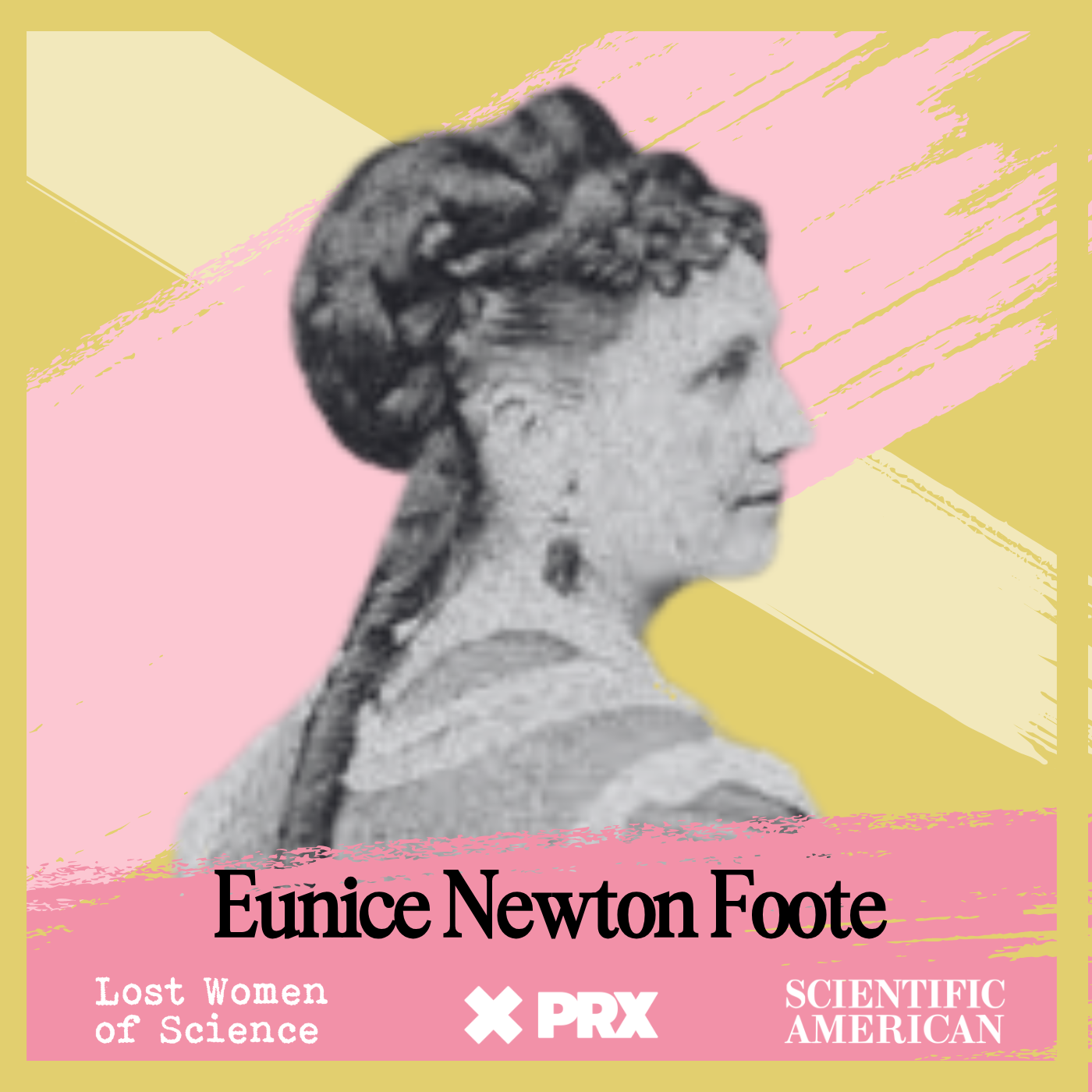 Best Of: The Woman Who Demonstrated the Greenhouse Effect 25.06.2026 31minIn 1856, decades before the term “greenhouse gas” was coined, Eunice Newton Foote demonstrated the greenhouse effect in her home laboratory. She placed a glass cylinder full of carbon dioxide in the sun, and found that it heated up much faster than a cylinder of ordinary air. Her conclusion: more carbon dioxide in the atmosphere results in a warmer planet. Several years later, a British scientist named John Tyndall conducted a far more complicated experiment that demonstrated the same effect and revealed how it worked. Today, he’s widely known as the man who discovered the greenhouse gas effect. There’s even a crater on the moon named for him! Eunice Newton Foote, meanwhile, was lost to history—until an amateur historian stumbled on her story.
 -
 La mujer que demostró el efecto invernadero 25.06.2026 36minEn 1856, décadas antes de que se acuñara el término “gas de efecto invernadero”, Eunice Newton Foote demostró el efecto invernadero en su laboratorio casero. Colocó un cilindro de vidrio lleno de dióxido de carbono al sol y observó que se calentaba mucho más rápido que un cilindro con aire común. Su conclusión: más dióxido de carbono en la atmósfera da lugar a un planeta más cálido. Años más tarde, un científico británico llamado John Tyndall realizó un experimento mucho más complejo que demostró el mismo efecto y explicó su funcionamiento. Hoy en día, Tyndall es ampliamente reconocido como el hombre que descubrió el efecto invernadero. ¡Incluso hay un cráter en la luna que lleva su nombre! Mientras que Eunice Newton Foote fue olvidada por la historia… hasta que un historiador aficionado redescubrió su legado.
 -
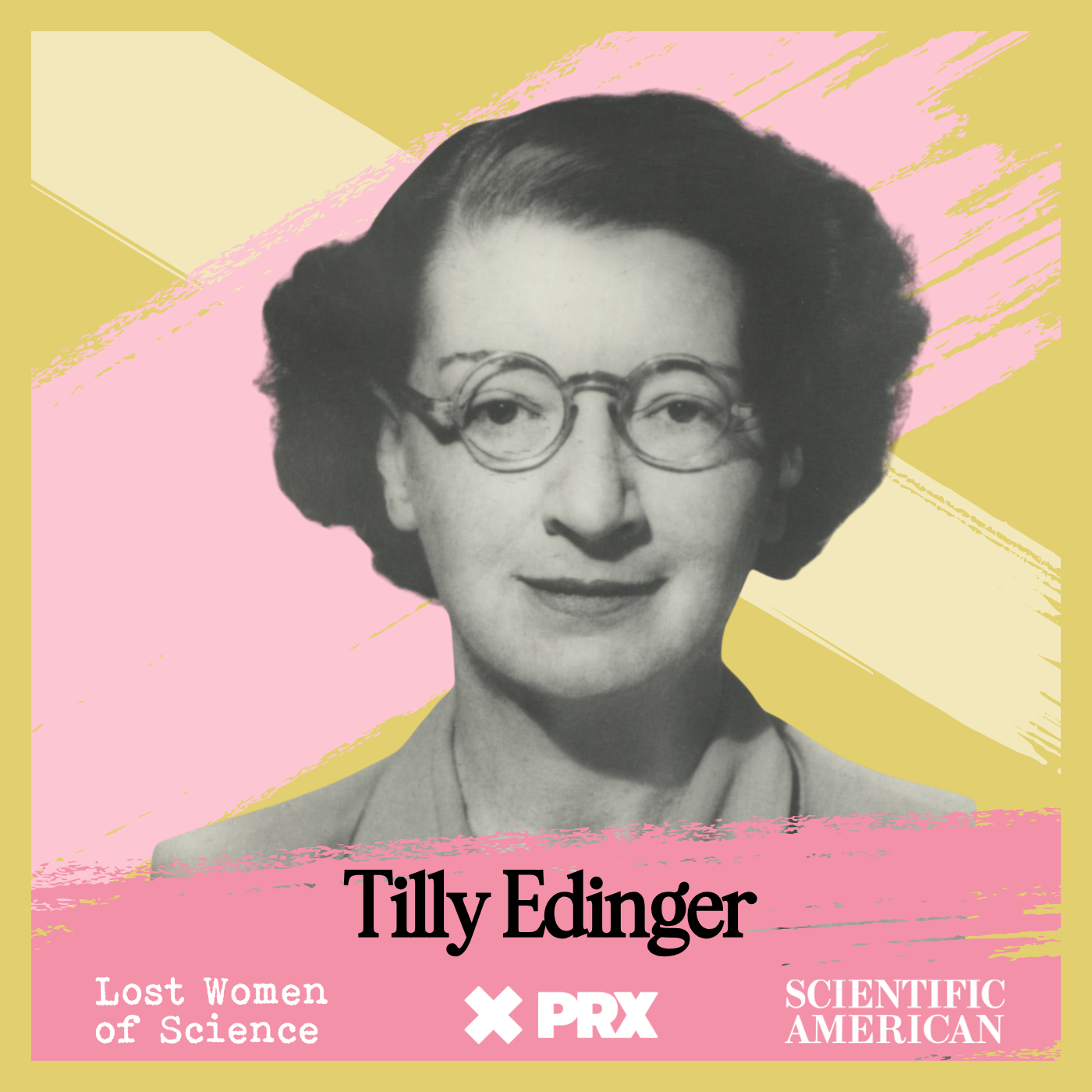 Tilly Edinger: The Paleoneurologist Saved By Her Science 11.06.2026 31minHow much can you understand about a brain when that brain is long gone? Tilly Edinger, a Jewish paleontologist, used fossilized skulls to study the evolution of brains. That research allowed her to escape Nazi Germany in 1939, and create a new subdivision of paleontology, paleoneurology.
 -
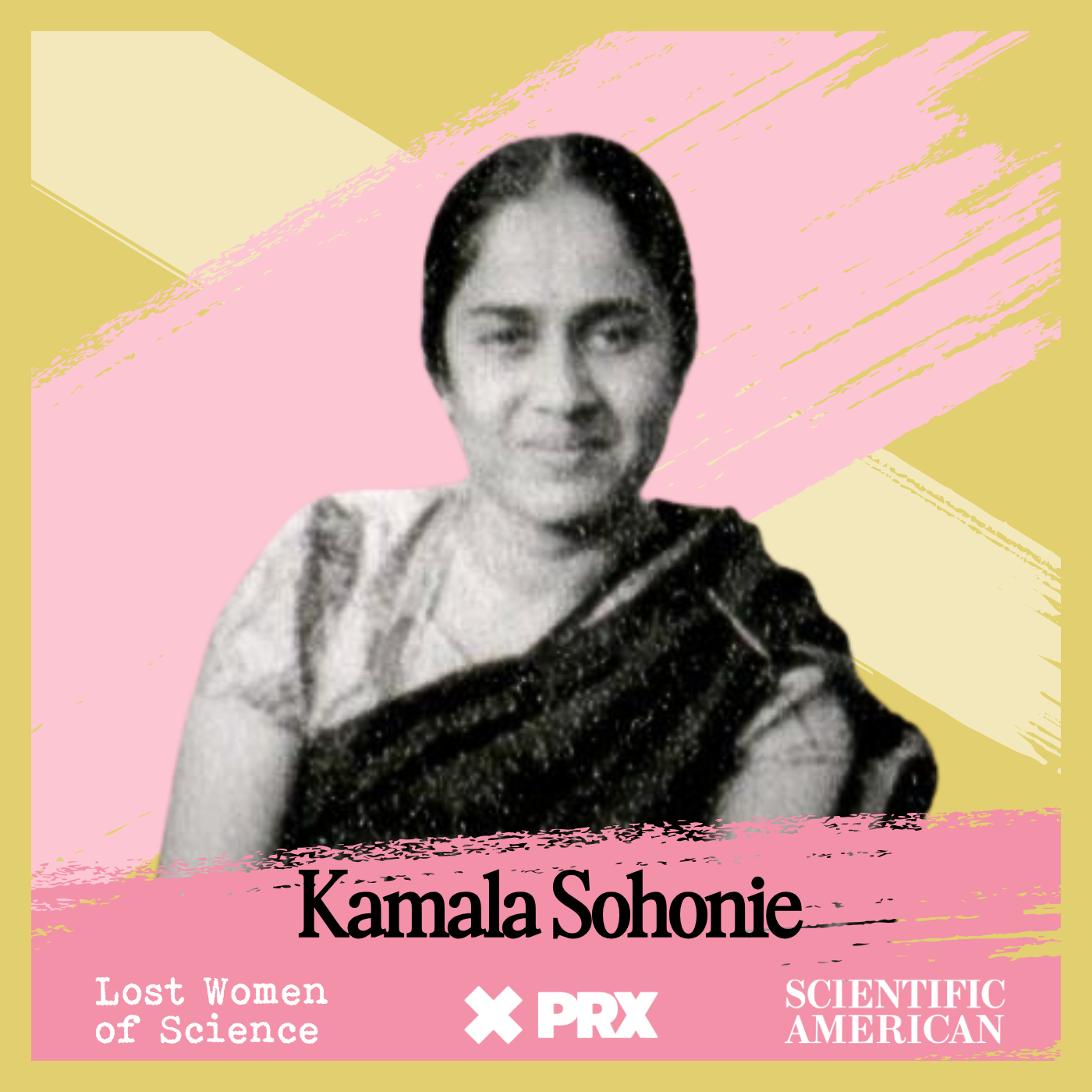 Kamala Sohonie: The Chemist who Wanted to Feed a Nation 28.05.2026 42minIn 1930s India, Kamala Baghvat dreamed of working alongside the world's greatest scientific minds. But she was repeatedly told “no” when she tried to work in the then male dominated field. Inspired by Gandhi, she used nonviolent protest to pry her way into some of India’s top laboratories. She became the first Indian woman to earn a PhD in biochemistry, and eventually, the first woman to lead India's Royal Institute of Science. Baghvat’s career centered around a topic she was passionate about: solving India’s malnutrition crisis.
 -
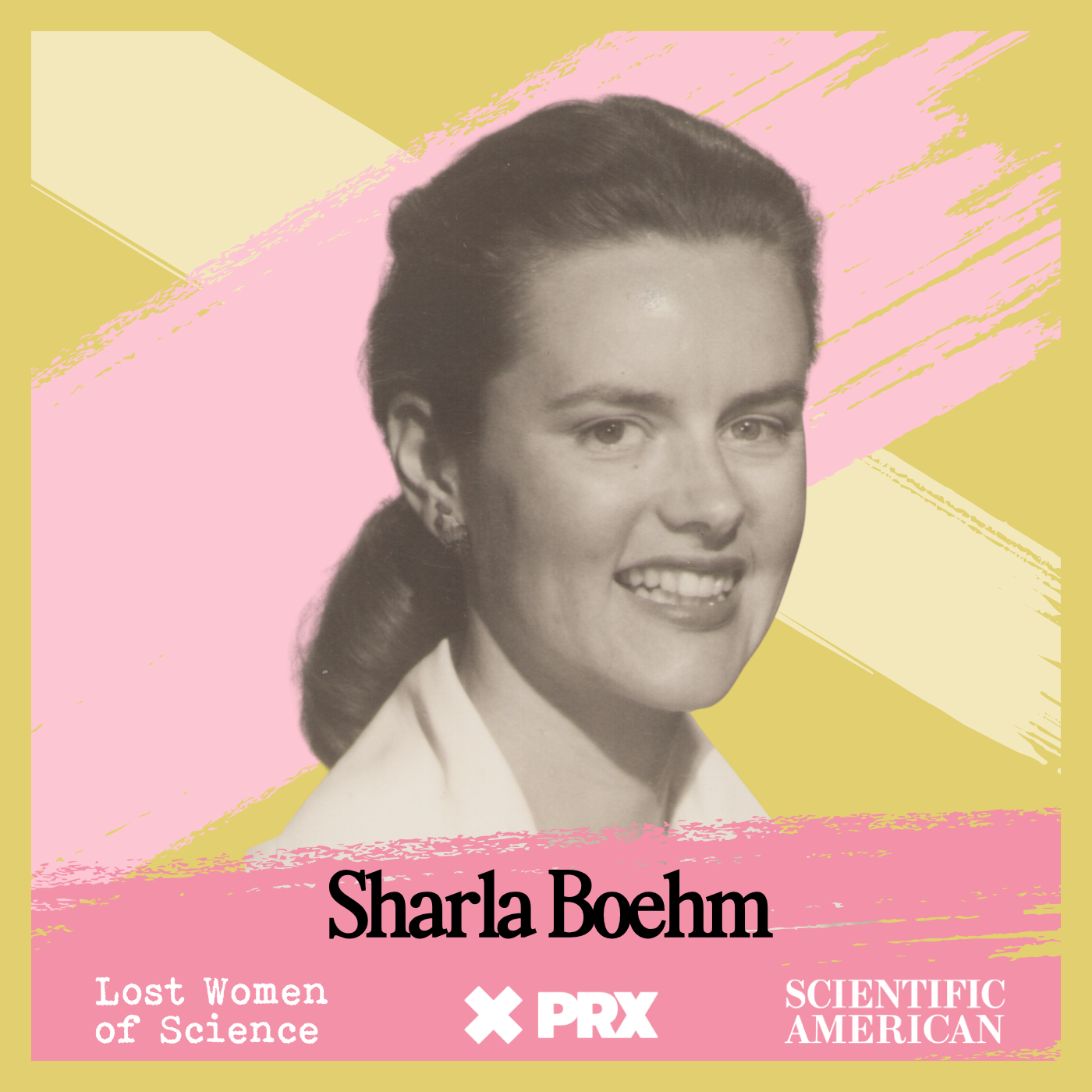 Sharla Boehm: The Programmer Whose Code Underpins the Internet 14.05.2026 26minSharla Boehm earned a teaching degree from UCLA before channeling her talent for math into computer programming. While working at the Rand Corporation, she built a ground-breaking simulation, originally conceived to strengthen military communications during the Cold War. The simulation –and her work– would ultimately lay the foundation for the modern internet.
 -
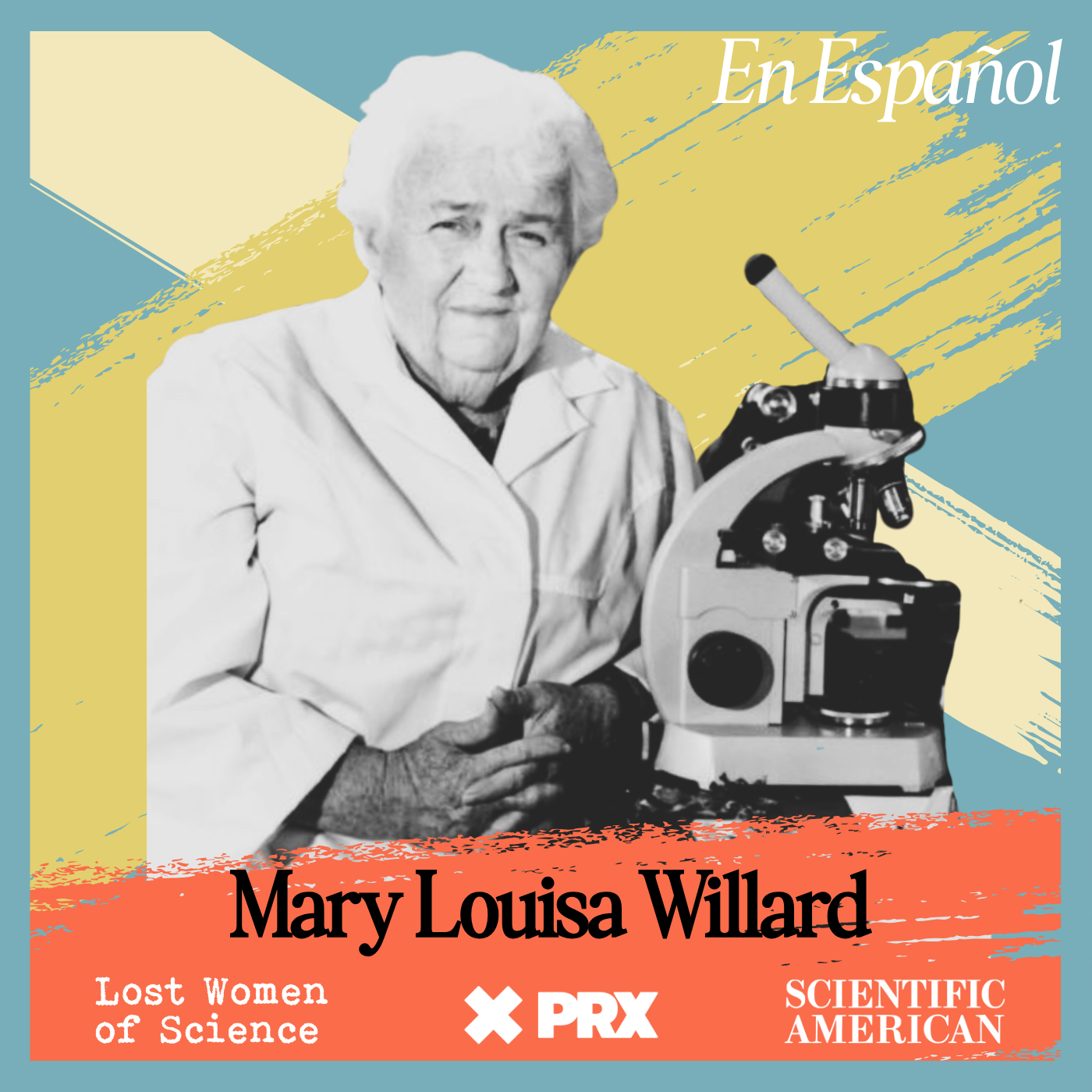 Profesora de química y caza criminales: La extraordinaria vida de Mary Louisa Willard 30.04.2026 31min“La única vez que vi algo que me pareció anormal… había un brazo humano en el refrigerador”, dijo J. Peter Willard sobre su tía, Mary Louisa Willard. Por lo demás, insistió, era “muy normal.” Pero Mary Louisa Willard, profesora de química en la Universidad Estatal de Pensilvania a finales de la década de 1920, dejó una fuerte impresión en la mayoría de las personas. Su ciudad natal, State College (Pensilvania), la conocía por detener el tráfico en su Cadillac rosa para saludar a sus amistades, y por organizar fiestas de cumpleaños para sus queridos perritos cocker spaniels. La policía la conocía por su oficio secundario: usar la química para resolver crímenes.
 -
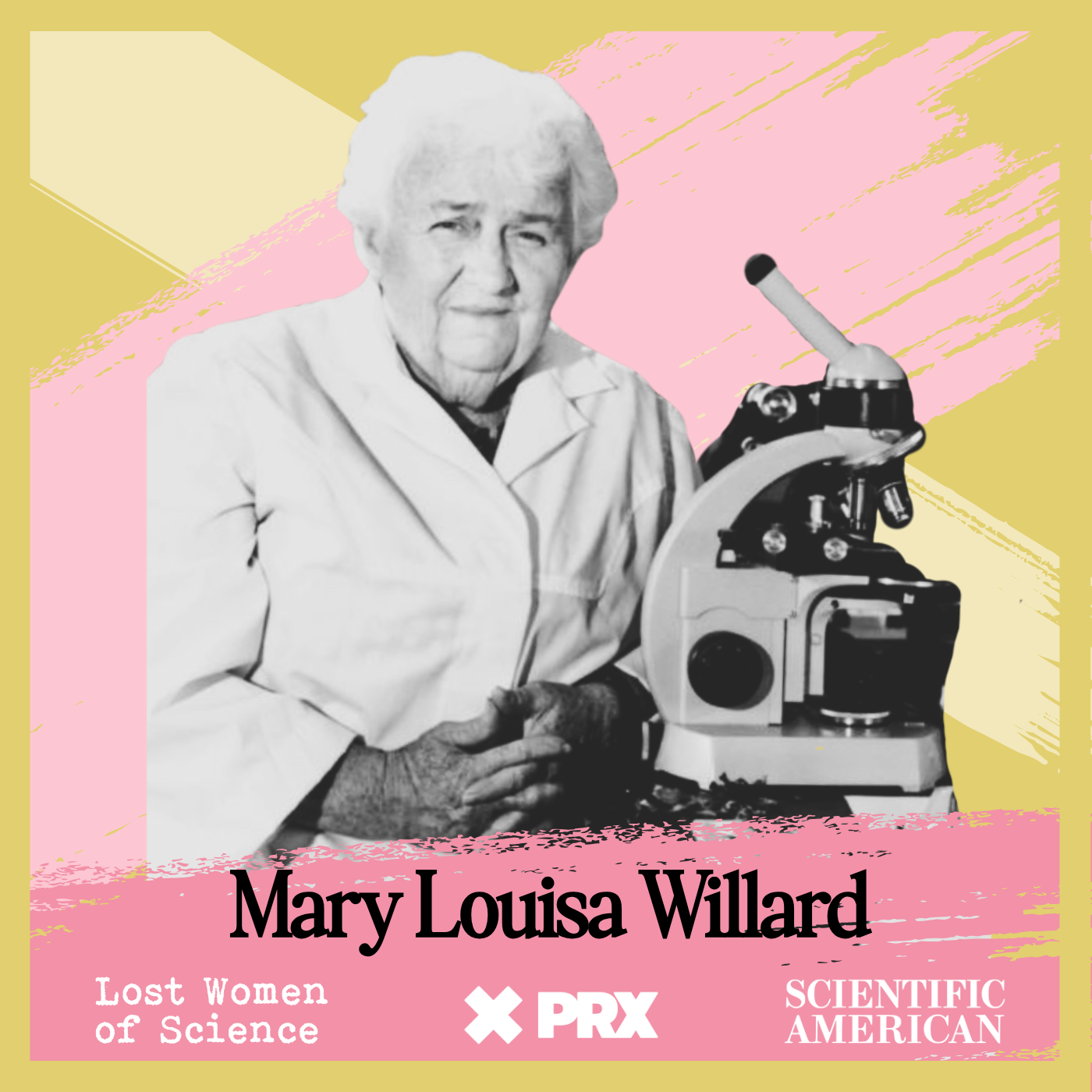 Best Of: Chemistry Professor and Crime Buster: The Remarkable Life of Mary Louisa Willard 30.04.2026 30min“The only time I ever saw something that I thought was abnormal…there was a human arm in the refrigerator,” said J. Peter Willard about his aunt, Mary Louisa Willard. Otherwise, he insisted, she was “very normal.” But Mary Louisa Willard, a chemistry professor at Pennsylvania State University in the late 1920s, left a strong impression on most people, to say the least. Her hometown of State College, Pennsylvania, knew her for stopping traffic in her pink Cadillac to chat with friends, and for throwing birthday bashes for her beloved cocker spaniels. Police around the world knew her for her side hustle: using chemistry to help solve crimes.
 -
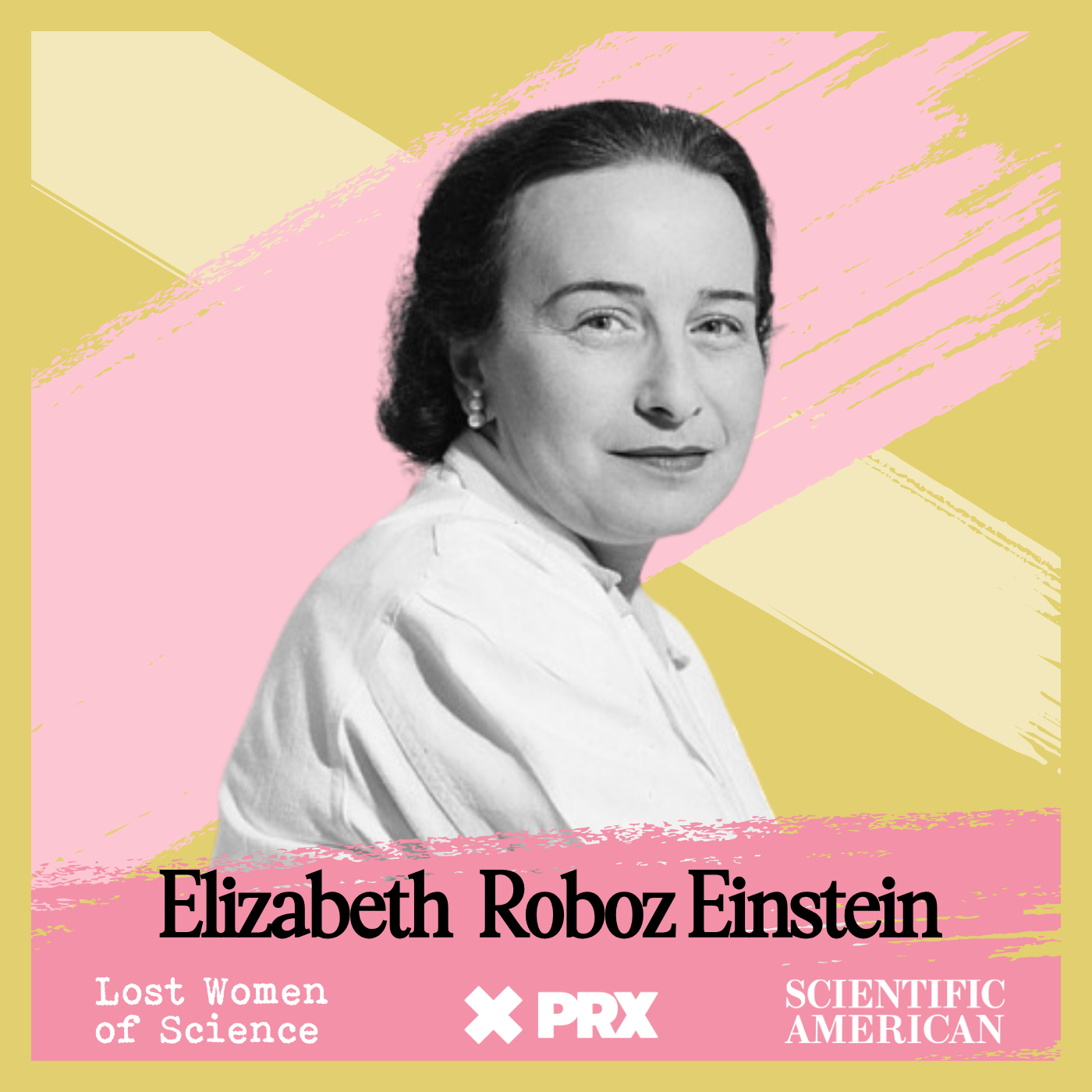 Elizabeth Roboz Einstein: The Determined Genius Behind a Multiple Sclerosis Breakthrough 16.04.2026 38minElizabeth Roboz Einstein’s life was shaped by the forces of history. She studied bioorganic chemistry at the University of Vienna in the 1920s and then left her home country of Hungary during World War II, before German troops invaded — practically a miracle for a single, Jewish woman. In the U.S., she blazed a trail in the brand new field of neurochemistry; her seminal research into multiple sclerosis (MS) unlocked key findings that would make effective medical treatments for MS possible.
 -
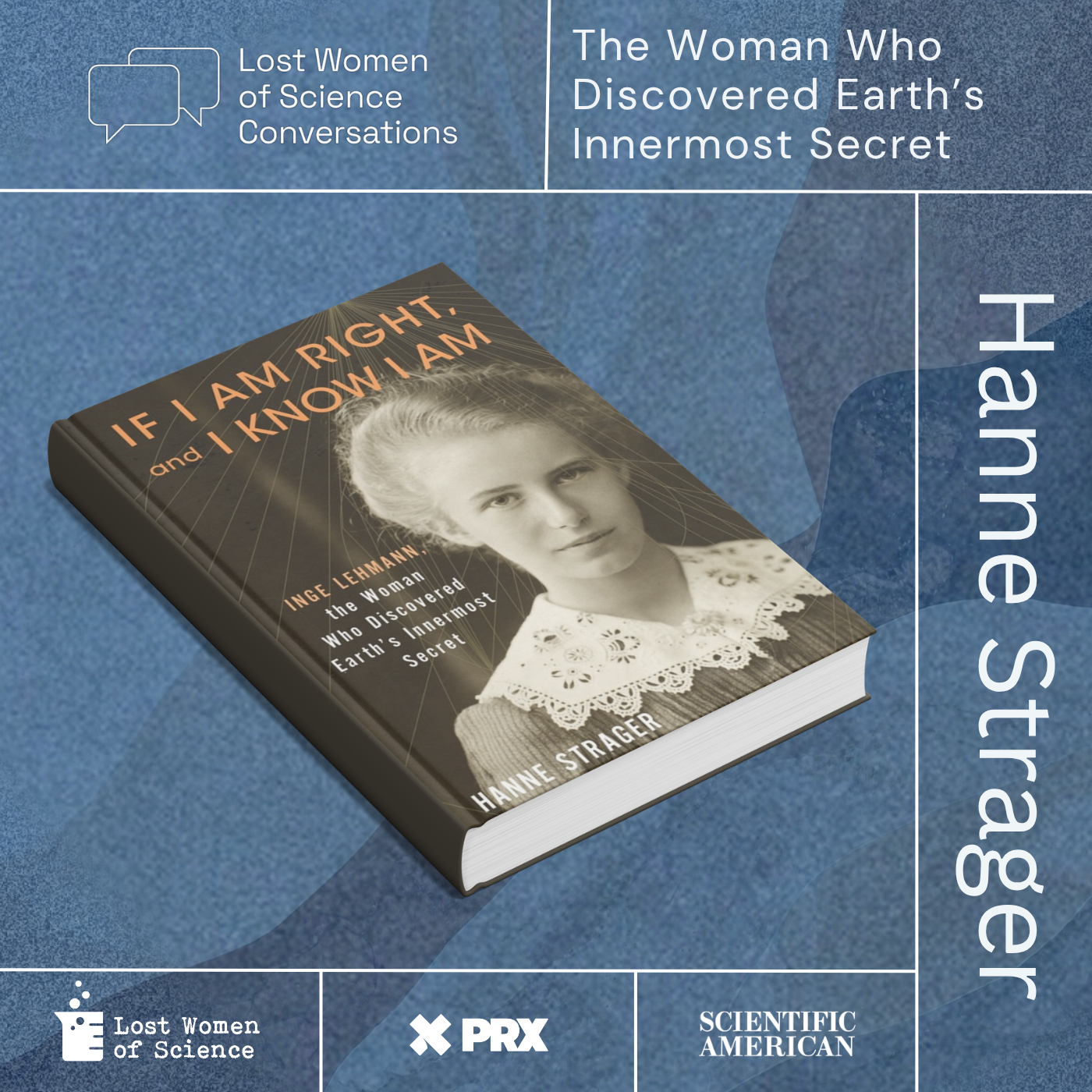 Conversation: If I Am Right, and I Know I Am: Inge Lehmann, the Woman Who Discovered Earth’s Innermost Secret 02.04.2026 36minIn this episode of Lost Women of Science Conversations, host Carol Sutton Lewis speaks with science writer Hanne Strager about her biography of Inge Lehmann, the pioneering Danish seismologist who discovered that Earth has a solid inner core.. Largely unknown outside scientific circles, Lehmann fundamentally transformed our understanding of what lies at the heart of our planet. She did this in 1936 by identifying anomalies in earthquake waves that others had overlooked. At the time, scientists believed Earth’s core was entirely liquid. Lehmann proposed instead that a solid inner core lay hidden within it — a groundbreaking insight that reshaped geophysics. In revisiting Lehmann’s story, Strager highlights that Lehmann’s legacy is one of resilience and perseverance — proof that early setbacks do not define a life, and that brilliance can flourish, even later in life.
 -
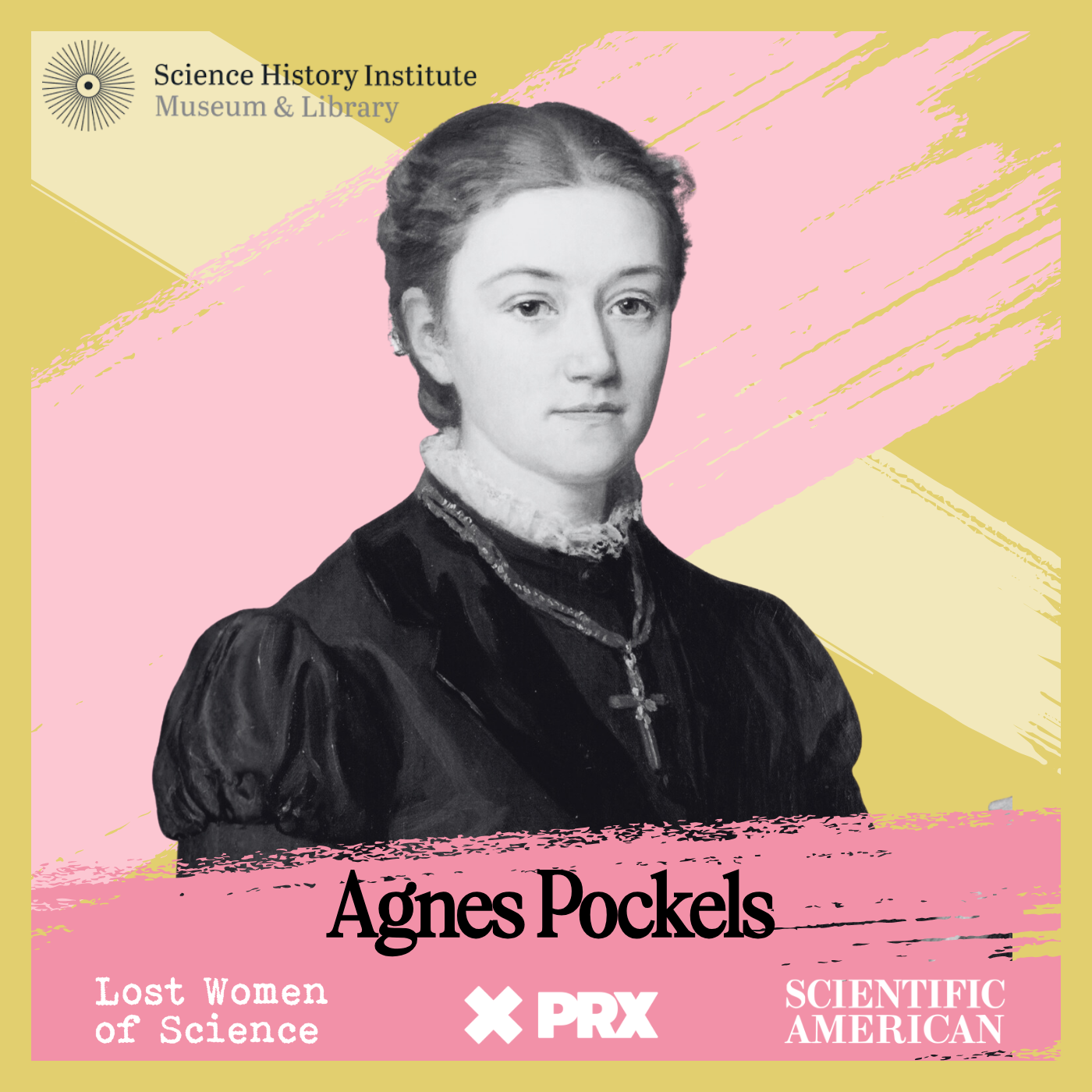 BONUS: Agnes Pockels and the Kitchen Sink Myth 19.03.2026 37minThis bonus episode is a co-production with Distillations, a podcast produced by the Science History Institute. Agnes Pockels did pioneering work in surface science. Her invention, the Pockels Trough, became the basis for an instrument that helped Katherine Burr Blodgett and Irving Langmuir make discoveries in material science that quietly shape our everyday world. But the way we talk about Agnes’s life and work often falls back on familiar tropes about women’s domestic roles, assumptions about how science gets done, and what it looked like to do science as a woman in the 19th century. Agnes's story invites us to rethink how we define success for scientists. Is our definition too narrow? And what might we gain if we crack it open a bit wider?
 -
 Layers of Brilliance: Vanishing Act -- Episode Six 12.03.2026 37minHow is a legacy preserved, and how is someone forgotten? Determined to make a final name for himself, Irving Langmuir ventures into science that even he might classify as pathological wishful thinking, while Katharine continues her work as the diligent experimenter. But her contributions faded from both the company’s and the public’s memory. We go to visit her, to say good-bye – and we look at the wisdom she imparted to the next generation of inquiring minds.
 -
 Layers of Brilliance: The Self You Have to Live With - Episode Five 05.03.2026 29minKatharine’s relatives lead the production team to a collection of papers and artifacts stored in a New England storage unit, revealing an inner struggle she kept carefully out of sight – even as she was making history in the laboratory.
 -
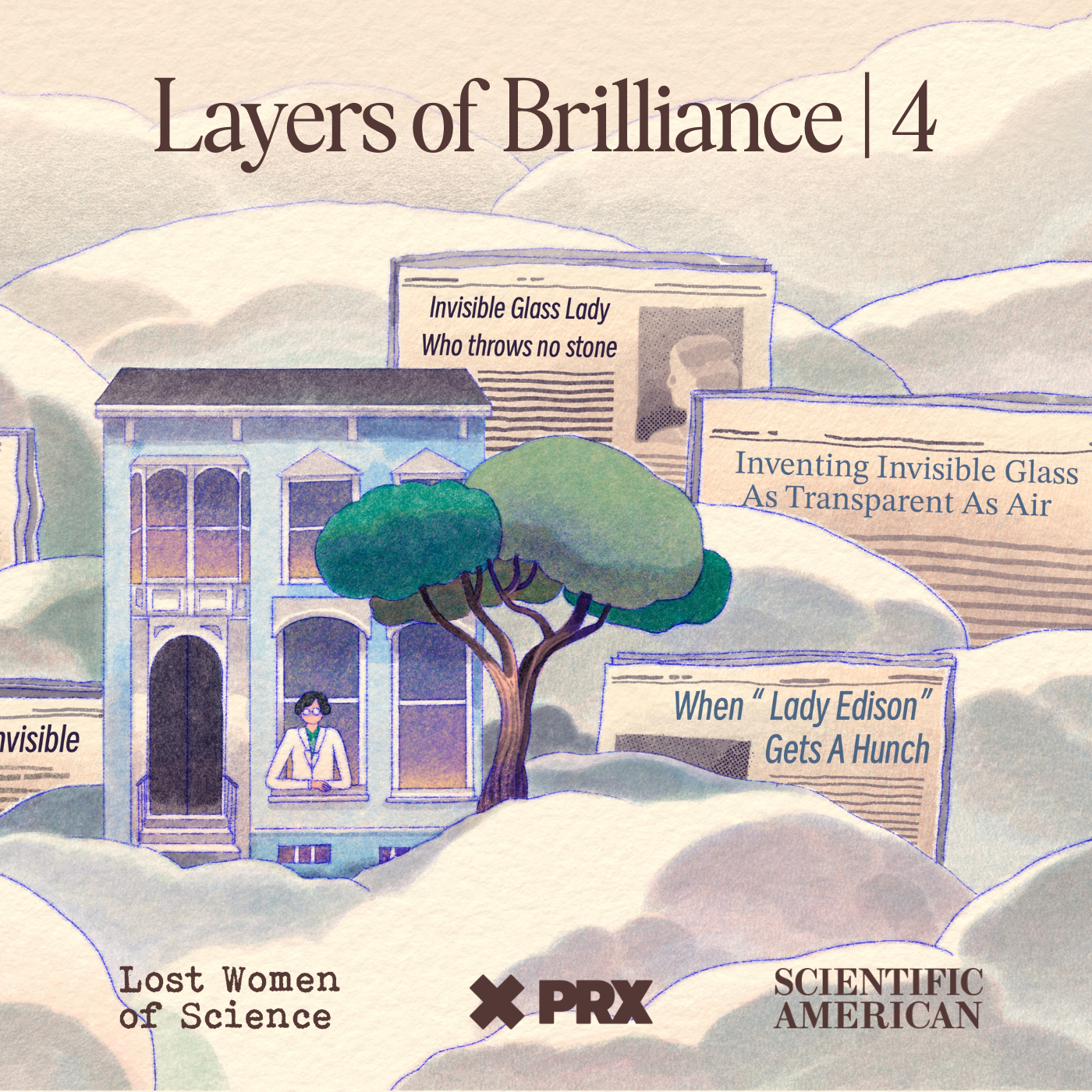 Layers of Brilliance: The Breakthrough - Episode Four 26.02.2026 25minThe 1930s prove to be an exceptional decade for research at The General Electric Company. Katharine Burr Blodgett works closely alongside her boss, Irving Langmuir who, in 1932, wins the Nobel Prize for Chemistry. In 1938, Katharine’s meticulous experiments with thin film coatings on solid surfaces lead to her most important breakthrough: non-reflecting glass. The General Electric Company’s public relations machine kicks into high gear. Katharine becomes an overnight sensation, both in the scientific community and in the press, which dub her discovery “invisible glass.” The assistant to the Nobel Prize winner, long invisible herself, takes center stage.
 -
 Layers of Brilliance: The Air She Breathed -- Episode Three 12.02.2026 39minThe only woman in a laboratory filled with men, Katharine Burr Blodgett soon becomes indispensable as an assistant to The General Electric Company’s most famous scientist, Irving Langmuir. Their working relationship is an elegant symbiosis: her forte is experimentation, his is scientific theory. We follow their partnership as they successfully find ways to build a better lightbulb but Langmuir stumbles with an off-the-wall theory of matter. All the while, Katharine builds her life in Schenectady: going to church, making new friends, falling in love. In 1924, she embarks on a new journey to the University of Cambridge, where she studies with some of the most prominent physicists of the 20th century.
 -
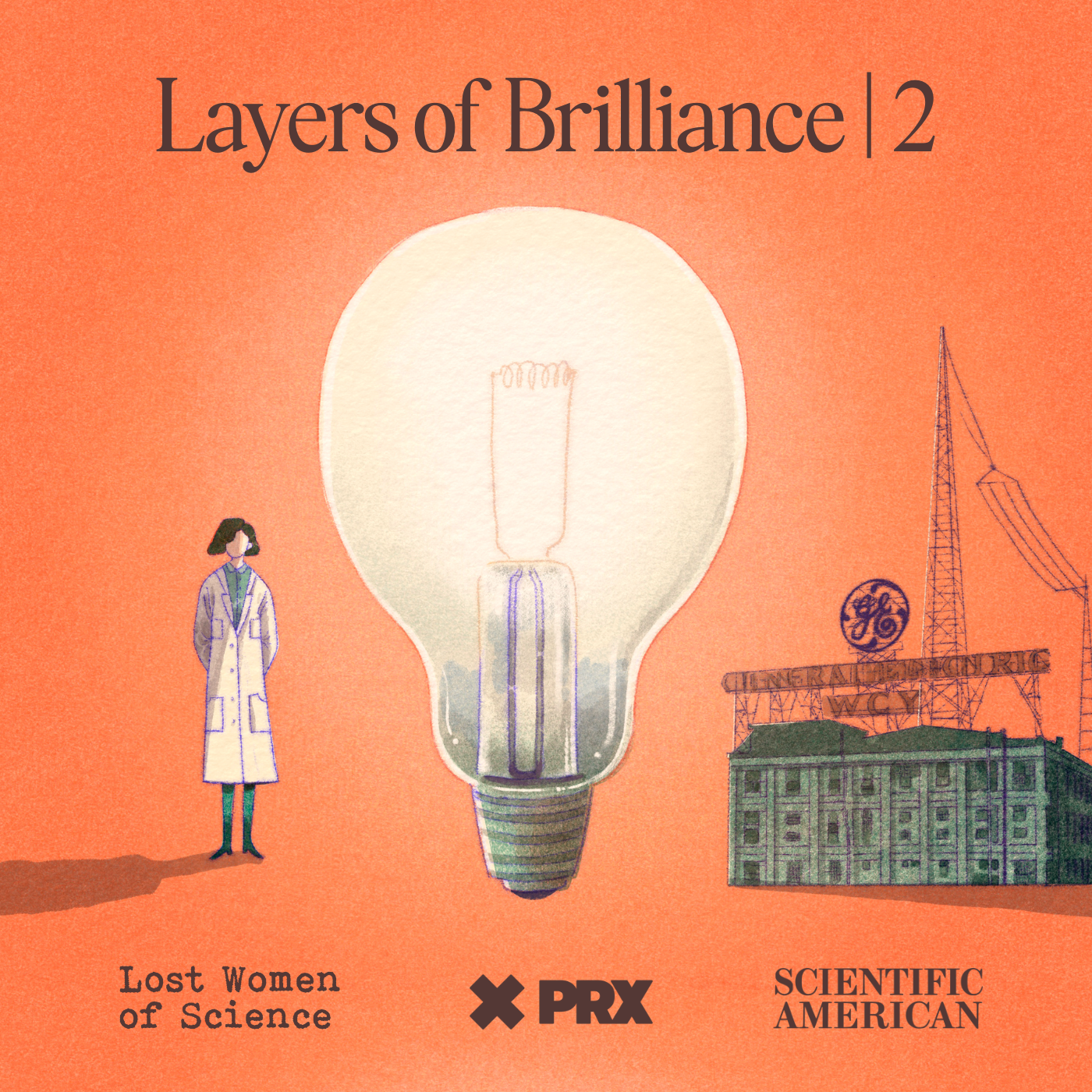 Layers of Brilliance: The 'House of Magic' -- Episode Two 05.02.2026 41minKatharine Burr Blodgett arrives at The General Electric Company’s legendary research laboratory in Schenectady, New York, known as the “House of Magic.” She was just 20 years old when she entered a world built almost entirely for men. She joins as assistant to the brilliant and eccentric Irving Langmuir, a star chemist whose fundamental work in materials science and light bulbs would bring fame to him, and fortune to GE. The General Electric Company was an obvious choice for a brilliant young scientist. But was it the promise of scientific discoveries that drew Katharine to Schenectady or the need to confront the personal tragedy that marked the place where her own story began? Perhaps it was both.
 -
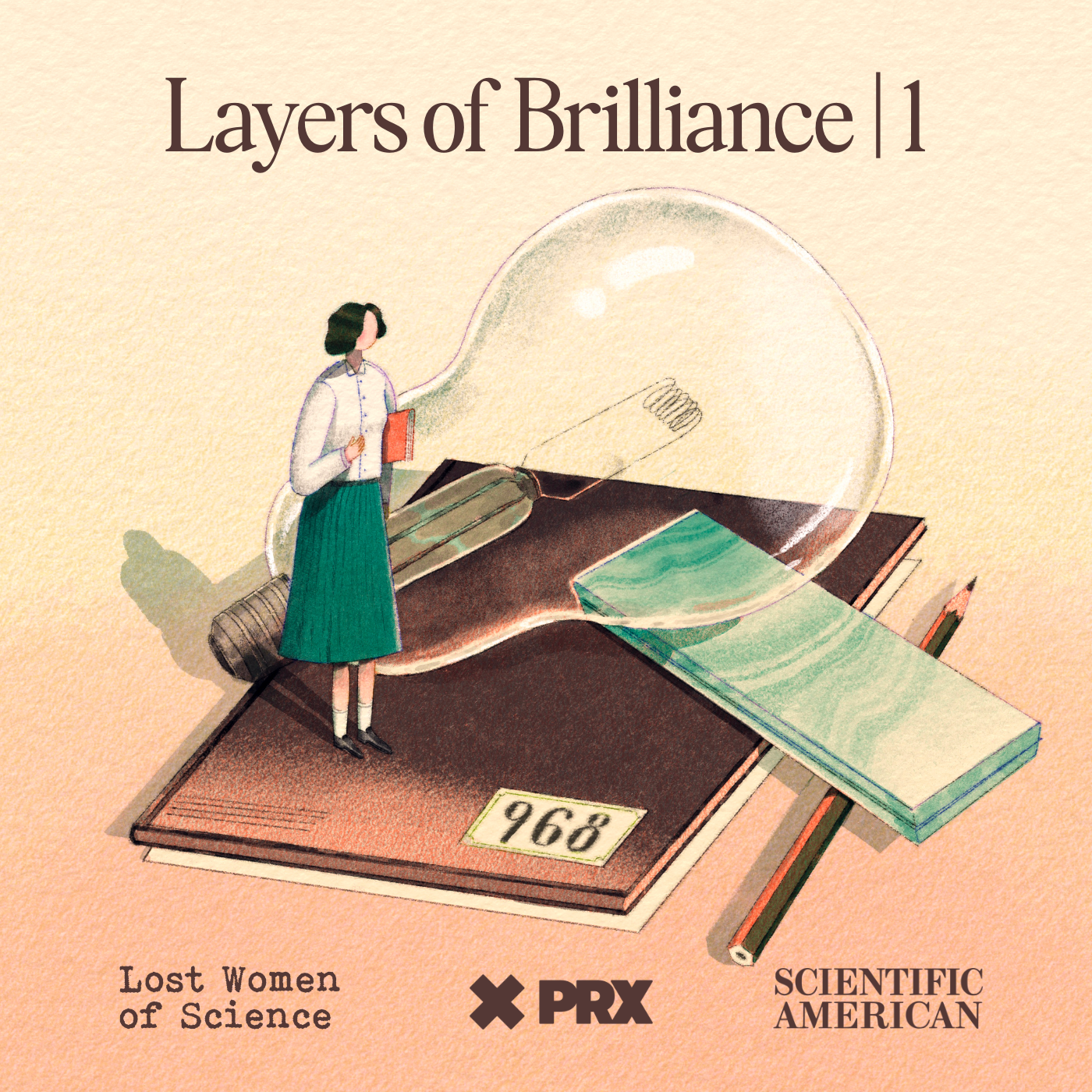 Layers of Brilliance: The Chemical Genius of Katharine Burr Blodgett - Episode One 29.01.2026 34minIn the first of this five-part season we trace Katharine’s early years as she picks up European languages, her early scientific education at a progressive New York school for girls and then Bryn Mawr, a women’s college. She seems destined to end up working at the General Electric Company’s industrial research lab, but first she must prove herself at the University of Chicago, where, in the middle of World War I, she works to improve the life-saving gas mask.
 -
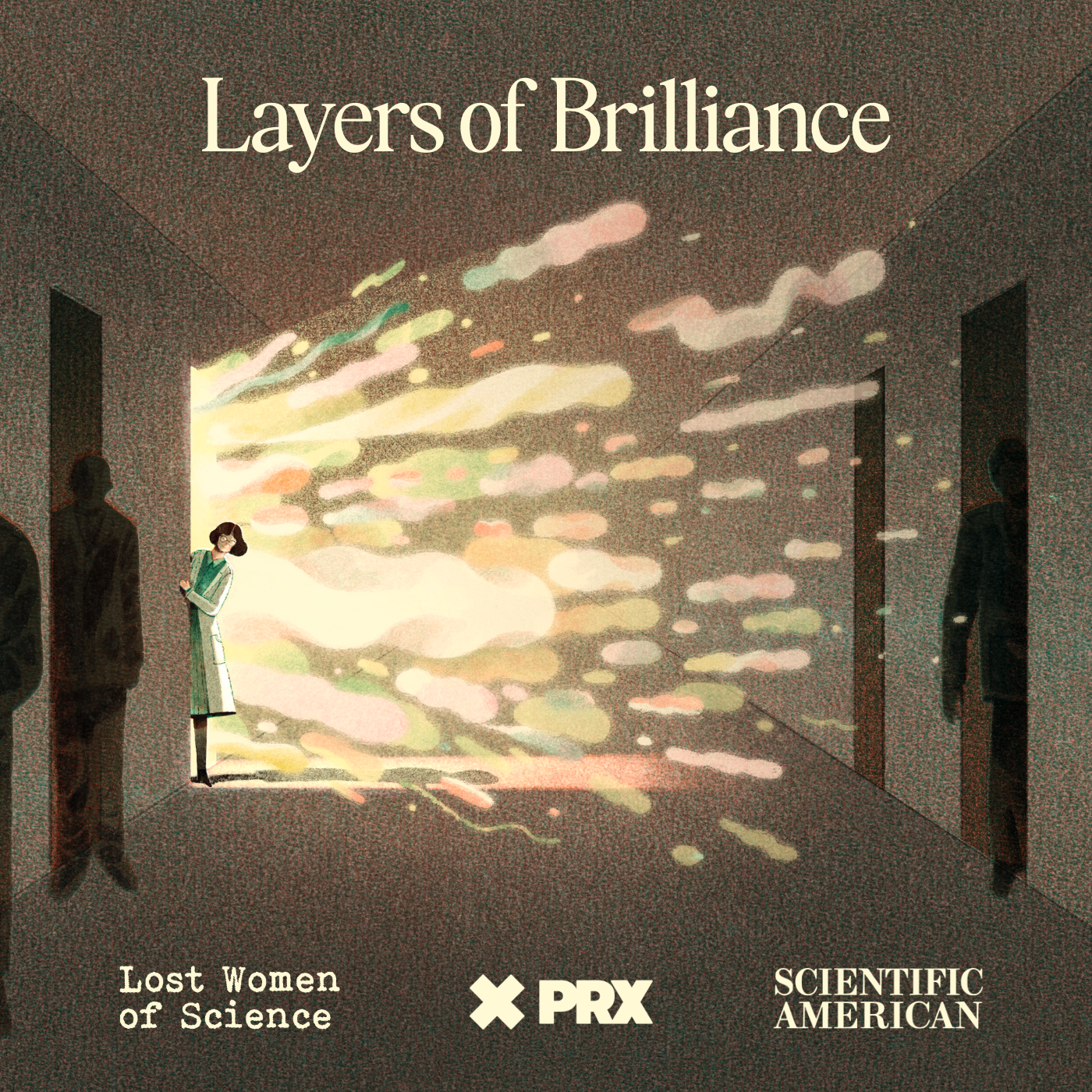 Layers of Brilliance 15.01.2026 2minIntroducing Layers of Brilliance, a six-part season that brings to life the story of a woman whose discoveries in materials science quietly shape our everyday world – but whose legacy was long eclipsed by the famous scientist she worked with. In 1918, at just twenty years old, Katharine Burr Blodgett arrived at the General Electric Company’s industrial research laboratory in Schenectady, New York – a place known as the House of Magic. There she began a decades-long collaboration with Irving Langmuir, GE’s star scientist, who would go on to win the Nobel Prize in Chemistry. While Langmuir became a public figure, Blodgett became something else: the mind and hands behind experiments so delicate they operated at the scale of single molecules. Blodgett’s work on films just one molecule thick would lead to multiple U.S. patents and form the basis of technologies embedded in today’s screens, optics, and electronics. Listen as we peel back the layers of Katharine Burr Blodgett’s life – how she made groundbreaking science inside a world built for men, how she struggled against profound personal challenges, and how a woman whose work helped shape modern materials science nearly disappeared from history.
 -
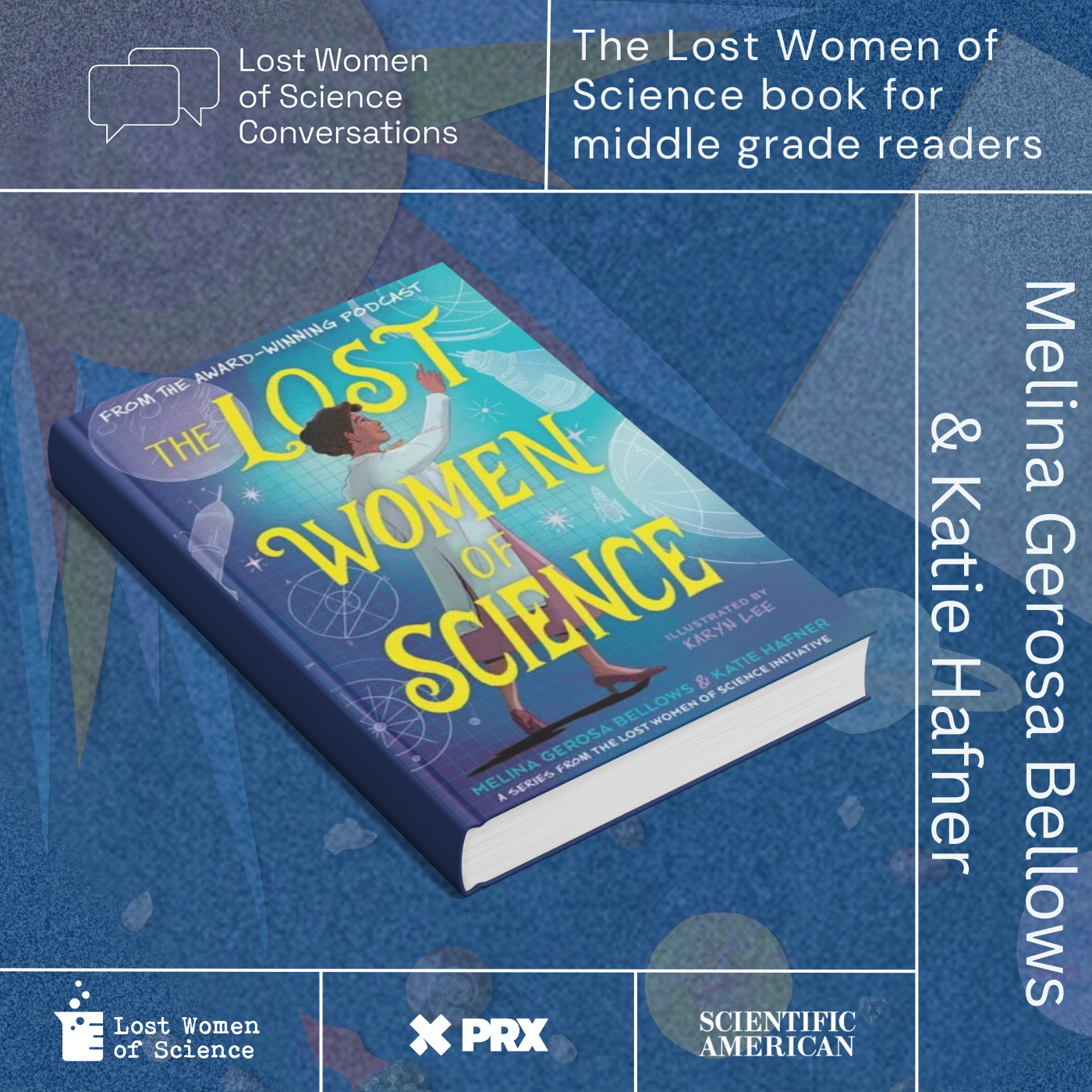 The Lost Women of Science - Our Book for Young Readers 04.12.2025 21minThe Lost Women of Science by Melina Gerosa Bellows and Katie Hafner is an exciting book for young readers that brings to life the stories of ten remarkable women who changed the world of science but have been forgotten, or written out of history completely. Published by Penguin Random House’s Bright Matter imprint, the book transforms podcast episodes into a collection of inspiring biographies written for middle school readers. In this Lost Women of Science Conversation, Melina and Katie talk about their favorite female scientists and why their grit and determination can help inspire curiosity in the next generation of young female (and male) scientists. For parents, teachers or grandparents looking to spark a love of science in the young people in their lives, look no further than this book this holiday season.
Podcasts similaires


Populaire dans
Ce podcast figure aussi dans les classements de podcasts de ces pays.


