
Paisa Vaisa with Anupam Gupta
IVM Podcasts
0
Paisa Vaisa is India's premier podcast on personal finance, boasting over 4 million downloads and over 450 episodes since 2017. Hosted by Anupam Gupta, it features experts discussing mutual funds, stocks, real estate, loans, insurance, and more. The podcast also includes a sub-series on business and entrepreneurship. It is available on YouTube and major audio streaming platforms.
Épisodes
-
 Fear, Greed & FOMO: Why Your Brain Controls Your Money | Kumaar Bagrodia | Paisa Vaisa 14.09.2026 1h 3minWhy do smart investors still make bad decisions even when they know better? In this episode of Paisa Vaisa, Anupam Gupta speaks with Kumaar Bagrodia, Founder & CEO of NeuroLeap, about the neuroscience behind the way we invest, trade and react to money. Kumaar explains how fear, greed, FOMO, anxiety, recency bias and our underlying brain patterns can influence financial decisions especially when markets become volatile and real money is at stake. They explore why your actual risk appetite may only reveal itself when your portfolio starts falling, why investors panic-buy or panic-sell, and why having more information or financial knowledge doesn't always lead to better decisions. The conversation also dives into the thin line between investing and gambling, the psychology behind F&O and leveraged trading, how financial media and social media can influence investor behaviour, and why some of our worst decisions happen even when our investment thesis is sound. Anupam and Kumaar also discuss practical ways to understand your own investment patterns, the importance of tracking why you buy or sell, and how AI could change the way we make financial decisions. If you've ever wondered why you know what you should do with your money but still end up doing something completely different this episode is for you.From decoding your personal finances to demystifying business models, Paisa Vaisa delivers candid, insightful, and jargon-free conversations.Listen on Spotify, Apple Podcasts, Amazon Music, JioSaavn, Gaana & moreWatch full episodes right here on YouTubeExplore more at ivmpodcasts.comConnect with Anupam Gupta: Twitter: @b50Instagram: @b_50 LinkedIn: Anupam Gupta Follow IVM PodcastsWe’re @ivmpodcasts on Facebook, Twitter & InstagramSee omnystudio.com/listener for privacy information.
 -
 Why Gold Loans Are Booming in India | Shripad Jadhav | Paisa Vaisa 07.09.2026 40minGold loans are becoming one of India’s fastest-growing credit options. But when does borrowing against your gold actually make financial sense? In this episode of Paisa Vaisa, Anupam Gupta speaks with Shripad Jadhav, Head – Bharat Banking Assets, Kotak Mahindra Bank, to understand the rapid growth of gold loans in India and why borrowers are increasingly viewing them as a mainstream credit option rather than a last resort. Shripad breaks down how a gold loan works, from valuation and documentation to disbursal, interest rates, loan-to-value ratios and repayment structures. He also explains why gold loans are increasingly being used for everything from personal expenses and education to MSME working capital and business needs. The conversation explores how rising gold values, greater banking penetration, regulation and changing attitudes towards borrowing have transformed the gold loan market. Shripad also discusses the risks borrowers should consider, why keeping an LTV buffer matters, what happens when gold prices fluctuate, and how to choose between a gold loan, personal loan or selling your gold. If you own gold and have ever wondered whether you should borrow against it, this episode offers a practical guide to understanding the opportunity, costs and risks involved. From decoding your personal finances to demystifying business models, Paisa Vaisa delivers candid, insightful, and jargon-free conversations.Listen on Spotify, Apple Podcasts, Amazon Music, JioSaavn, Gaana & moreWatch full episodes right here on YouTubeExplore more at ivmpodcasts.comConnect with Anupam Gupta: Twitter: @b50Instagram: @b_50 LinkedIn: Anupam Gupta Follow IVM PodcastsWe’re @ivmpodcasts on Facebook, Twitter & InstagramSee omnystudio.com/listener for privacy information.
 -
 Beyond Stocks: Alternatives, Global Investing & GIFT City | Sachin Sawrikar | Paisa Vaisa 31.08.2026 43minWhat do HNIs and family offices invest in beyond traditional stocks and mutual funds? On this episode of Paisa Vaisa, Anupam Gupta speaks with Sachin Sawrikar, Founder and Managing Partner at Artha Bharat, about alternative investments, global diversification, GIFT City and how sophisticated investors approach portfolio construction. Sachin breaks down the world of distressed assets, private credit, hedge funds, arbitrage and gold, while explaining why alternatives are increasingly becoming part of HNI and family-office portfolios. He also shares how distressed-debt investing works, including the risks involved and why seemingly troubled assets can sometimes create unusual investment opportunities. The conversation explores why Indian investors should think about global diversification, the opportunities available through GIFT City, and what investors need to understand before committing money to alternative investments. Sachin also highlights some important red flags: manager skin in the game, hidden fees, illiquidity, unrealistic return expectations and investment products being sold for commissions rather than suitability. Finally, he shares a simple principle for long-term wealth creation: stay consistent, diversify intelligently and keep investing simple.From decoding your personal finances to demystifying business models, Paisa Vaisa delivers candid, insightful, and jargon-free conversations.Listen on Spotify, Apple Podcasts, Amazon Music, JioSaavn, Gaana & moreWatch full episodes right here on YouTubeExplore more at ivmpodcasts.comConnect with Anupam Gupta: Twitter: @b50Instagram: @b_50 LinkedIn: Anupam Gupta Follow IVM PodcastsWe’re @ivmpodcasts on Facebook, Twitter & InstagramSee omnystudio.com/listener for privacy information.
 -
 India’s Growth Story Is Intact But the Market Leaders Are Changing | Jitendra Gohil | Paisa Vaisa 24.08.2026 49minHow will US debt, AI valuations, geopolitics and global power shifts shape India's stock market over the next few years? In this episode of Paisa Vaisa, Anupam Gupta speaks with Jitendra Gohil, CIO – Listed Equities at Bajaj Alts, to understand why politics not just earnings and valuations is becoming one of the biggest drivers of financial markets. The conversation explores the changing economic landscape across the United States, India, Japan and Korea, the risks posed by rising US debt, AI-led market concentration, bond yields, the US dollar, gold and global capital flows. Jitendra explains why India could still remain one of the world's strongest long-term growth stories while highlighting the sectors that may benefit the most from the country's journey from a $4 trillion to a $10 trillion economy. They also discuss: US debt and AI bubble risks India's long-term market outlook EMS (Electronics Manufacturing Services), shipbuilding and defence Active funds vs ETFs Gold allocation and portfolio diversification Nifty return expectations Mid-cap and small-cap opportunities What retail investors and HNIs should be doing over the next few years Whether you're an investor, mutual fund enthusiast, market follower or someone trying to understand the future of global investing, this episode offers a framework that connects politics, economics and markets.From decoding your personal finances to demystifying business models, Paisa Vaisa delivers candid, insightful, and jargon-free conversations.Listen on Spotify, Apple Podcasts, Amazon Music, JioSaavn, Gaana & moreWatch full episodes right here on YouTubeExplore more at ivmpodcasts.comConnect with Anupam Gupta: Twitter: @b50Instagram: @b_50 LinkedIn: Anupam Gupta Follow IVM PodcastsWe’re @ivmpodcasts on Facebook, Twitter & InstagramSee omnystudio.com/listener for privacy information.
 -
 India’s REIT Opportunity with Amit Shetty on Commercial Real Estate and GCC Growth | Paisa Vaisa 17.08.2026 40minIndia’s REIT market is growing, but how should investors actually understand the opportunity? On this episode of Paisa Vaisa, host Anupam Gupta speaks with Amit Shetty, Chief Executive Officer of Embassy Office Parks REIT, about the evolution of REITs in India and the forces driving the country’s commercial real estate market. Amit explains how REITs generate and distribute income to unitholders, why metrics such as occupancy, DPU, NAV and lease tenure matter, and what investors should evaluate before adding REITs to their portfolios. The conversation also looks at the rise of Global Capability Centres or GCCs, their growing demand for Grade A office space, and why Bengaluru, Hyderabad, Chennai and other major markets continue to attract global companies. Amit discusses rising office demand, rental growth, capital allocation, debt, acquisitions and Embassy REIT’s own expansion journey. They also explore the larger Indian REIT ecosystem, which Amit says has distributed around ₹31,000 crore to unitholders, and why awareness and participation in the asset class still have considerable room to grow. For anyone interested in REIT investing, commercial real estate, income-oriented investing, GCCs, portfolio diversification and India’s office-market growth story, this episode offers a detailed look at where the opportunity may lie.From decoding your personal finances to demystifying business models, Paisa Vaisa delivers candid, insightful, and jargon-free conversations.Listen on Spotify, Apple Podcasts, Amazon Music, JioSaavn, Gaana & moreWatch full episodes right here on YouTubeExplore more at ivmpodcasts.comConnect with Anupam Gupta: Twitter: @b50Instagram: @b_50 LinkedIn: Anupam Gupta Follow IVM PodcastsWe’re @ivmpodcasts on Facebook, Twitter & InstagramSee omnystudio.com/listener for privacy information.
 -
 Why Chasing Returns Hurts Serious Investors in PMS and AIFs | Vaibhav Agrawal | Paisa Vaisa 10.08.2026 38minWhat does India’s next phase of growth look like and how should investors prepare for it?In this episode of Paisa Vaisa, Vaibhav Agrawal discusses the long term outlook for Indian markets, India’s economic evolution compared with China and why staying invested for the long term is very different from simply saying you are a long term investor.The conversation also looks at one of the biggest mistakes HNI investors make while selecting PMS and AIF strategies which is chasing past performance. Vaibhav explains why headline returns do not always tell the complete story and why investors should understand where those returns actually came from.The episode also explores global diversification and investing overseas from India, along with the challenge of valuing new age businesses that may have high growth and significant potential despite having little or no current earnings.From India’s growth story to PMS and AIF investing, global portfolios, new age stocks and long term wealth creation, this conversation offers a deeper look at how serious investors can think about markets beyond short term returns.From decoding your personal finances to demystifying business models, Paisa Vaisa delivers candid, insightful, and jargon-free conversations.Listen on Spotify, Apple Podcasts, Amazon Music, JioSaavn, Gaana & moreWatch full episodes right here on YouTubeExplore more at ivmpodcasts.comConnect with Anupam Gupta: Twitter: @b50Instagram: @b_50 LinkedIn: Anupam Gupta Follow IVM PodcastsWe’re @ivmpodcasts on Facebook, Twitter & InstagramSee omnystudio.com/listener for privacy information.
 -
 Why Investors Switch Mutual Funds Despite Good Returns | Mitu Samar | Paisa Vaisa 03.08.2026 44minDo good returns automatically make a mutual fund trustworthy? In this episode of Paisa Vaisa, Anupam Gupta speaks with Mitu Samar, founder of Eminence Strategy Consulting, about what really drives investor trust in mutual funds. Drawing from research involving approximately 1,200 respondents across India, Mitu reveals why performance may only be the starting point. One in three investors said they trust a fund house’s reputation more than their own knowledge, while 46% of Gen Z respondents said they may consider switching after sustained negative news even when returns are good. The conversation explores the growing importance of fund-manager credibility, brand familiarity, clear communication, customer experience and leadership visibility. Mitu also explains why newer investors often depend on external signals, how women and men evaluate financial brands differently, and why advisors continue to remain an important source of investment guidance. Anupam and Mitu also discuss the mistakes asset management companies make while communicating with existing investors, the challenges investors face during redemptions and life-stage changes, and what AMCs must do to earn long-term loyalty. Is reputation becoming as important as returns? Listen to the complete episode to understand what investors should examine before choosing or leaving a mutual fund.From decoding your personal finances to demystifying business models, Paisa Vaisa delivers candid, insightful, and jargon-free conversations.Listen on Spotify, Apple Podcasts, Amazon Music, JioSaavn, Gaana & moreWatch full episodes right here on YouTubeExplore more at ivmpodcasts.comConnect with Anupam Gupta: Twitter: @b50Instagram: @b_50 LinkedIn: Anupam Gupta Follow IVM PodcastsWe’re @ivmpodcasts on Facebook, Twitter & InstagramSee omnystudio.com/listener for privacy information.
 -
 Managing India’s Crorepatis with Sandeep Jethwani on Wealth Management for HNIs | Paisa Vaisa 27.07.2026 50minIndia has nearly 1 crore crorepati households, but only around 8,000 to 10,000 wealth managers serving this growing segment. So who really needs professional wealth management, and when is DIY investing enough? In this episode of Paisa Vaisa, Anupam Gupta speaks with Sandeep Jethwani, Co-Founder of Dezerv, about how Indian investors should think about direct mutual funds, financial advisory and PMS. Sandeep explains why choosing funds purely on past performance can be misleading, why last year’s best-performing fund may not repeat its success, and why 40% of Dezerv’s inflows come from investors transferring existing mutual fund portfolios. The conversation also explores the real value of a wealth manager, the cost of professional advice and why investing is often more about personality and mindset than numbers. They also discuss why comparing portfolio returns with friends can lead to poor financial decisions.From decoding your personal finances to demystifying business models, Paisa Vaisa delivers candid, insightful, and jargon-free conversations.Listen on Spotify, Apple Podcasts, Amazon Music, JioSaavn, Gaana & moreWatch full episodes right here on YouTubeExplore more at ivmpodcasts.comConnect with Anupam Gupta: Twitter: @b50Instagram: @b_50 LinkedIn: Anupam Gupta Follow IVM PodcastsWe’re @ivmpodcasts on Facebook, Twitter & InstagramSee omnystudio.com/listener for privacy information.
 -
 How Gajendra Kothari Stayed Invested Through 10 Years of Negative Returns | Paisa Vaisa 20.07.2026 54minMost investors spend their time searching for the best mutual fund. Gajendra Kothari believes the bigger advantage is having the patience to leave a good investment alone. In this episode of Paisa Vaisa, Anupam Gupta speaks with Gajendra of Etica Wealth about his attempt to build a ₹100 crore corpus entirely through mutual funds. He shares how he started with a ₹10,000 SIP, continued investing through years of poor returns and built the temperament required to stay invested across multiple market cycles. The conversation explores why investors chase recent winners, why too many funds can weaken a portfolio and why market declines may benefit people investing for the next 10–20 years. Gajendra also discusses his approach to Nifty 500 index funds, asset allocation, debt for short-term goals, large-, mid- and small-cap funds, and current opportunities he sees in Indian IT, banks and China. At its core, this episode is about simplifying wealth creation: start early, automate your SIP, avoid unnecessary interference and give compounding enough time to work. The views expressed are personal and should not be considered investment advice.From decoding your personal finances to demystifying business models, Paisa Vaisa delivers candid, insightful, and jargon-free conversations.Listen on Spotify, Apple Podcasts, Amazon Music, JioSaavn, Gaana & moreWatch full episodes right here on YouTubeExplore more at ivmpodcasts.comConnect with Anupam Gupta: Twitter: @b50Instagram: @b_50 LinkedIn: Anupam Gupta Follow IVM PodcastsWe’re @ivmpodcasts on Facebook, Twitter & InstagramSee omnystudio.com/listener for privacy information.
 -
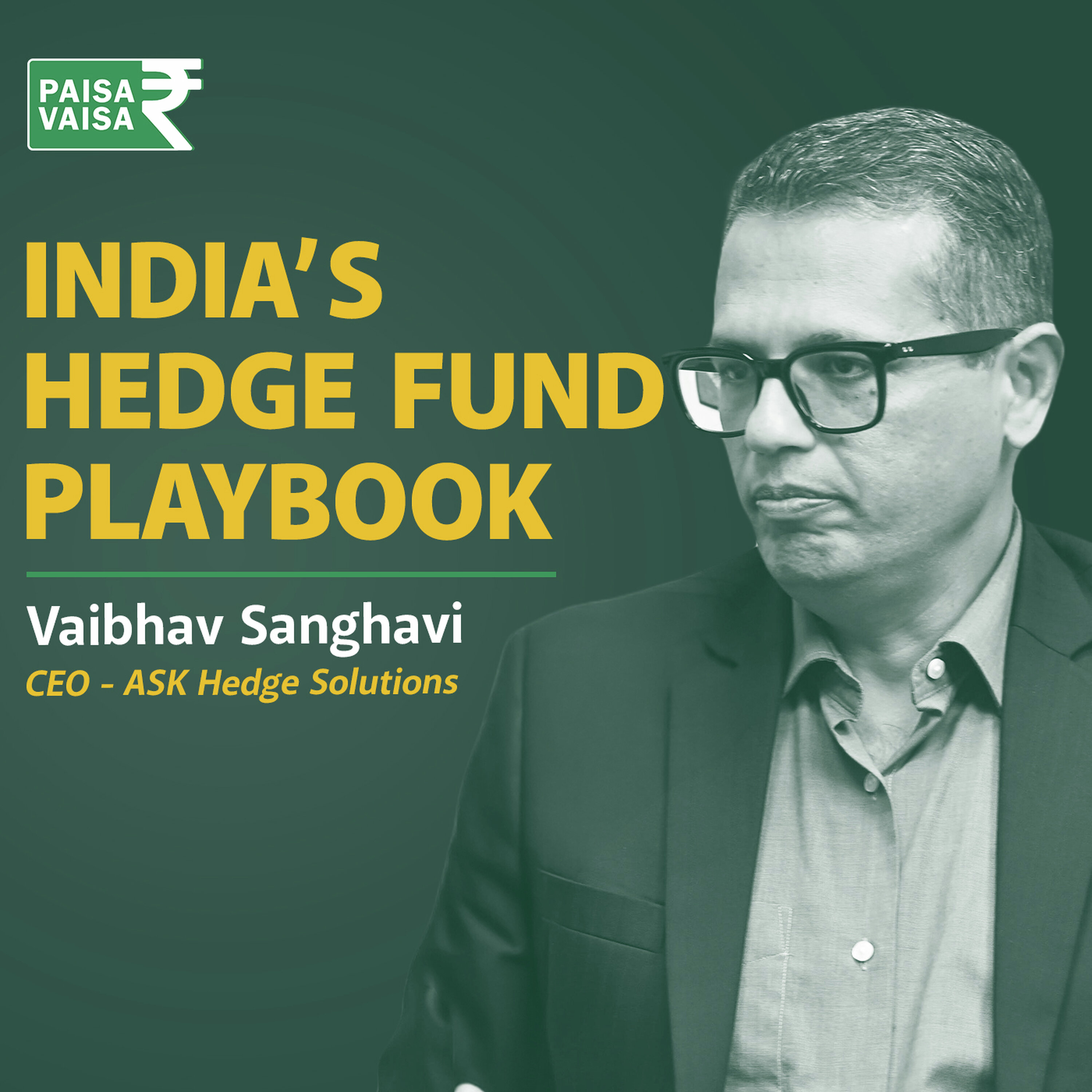 Inside a Hedge Fund Manager’s Mind: Risk, Shorts and Absolute Returns | Paisa Vaisa 13.07.2026 42minTraditional long-only investing is generally focused on finding securities that can increase in value. A hedge fund manager must also search for risks, weaknesses and opportunities on the short side. In this episode of Paisa Vaisa, we explore long–short and absolute-return investing from an Indian-market perspective. The conversation explains what hedge fund managers do, why they are “paid to be paranoid,” and how short positions can help express a negative market view or manage portfolio risk. We also examine the tortoise-versus-hare approach to investing: progressing steadily, avoiding damaging losses and focusing on consistency instead of chasing spectacular short-term returns. At the heart of the discussion is a simple philosophy take care of risk first, and allow returns to become a byproduct of disciplined decision-making. A useful introduction to hedge funds, short selling, market objectivity and professional risk management.From decoding your personal finances to demystifying business models, Paisa Vaisa delivers candid, insightful, and jargon-free conversations.Listen on Spotify, Apple Podcasts, Amazon Music, JioSaavn, Gaana & moreWatch full episodes right here on YouTubeExplore more at ivmpodcasts.comConnect with Anupam Gupta: Twitter: @b50Instagram: @b_50 LinkedIn: Anupam Gupta Follow IVM PodcastsWe’re @ivmpodcasts on Facebook, Twitter & InstagramSee omnystudio.com/listener for privacy information.
 -
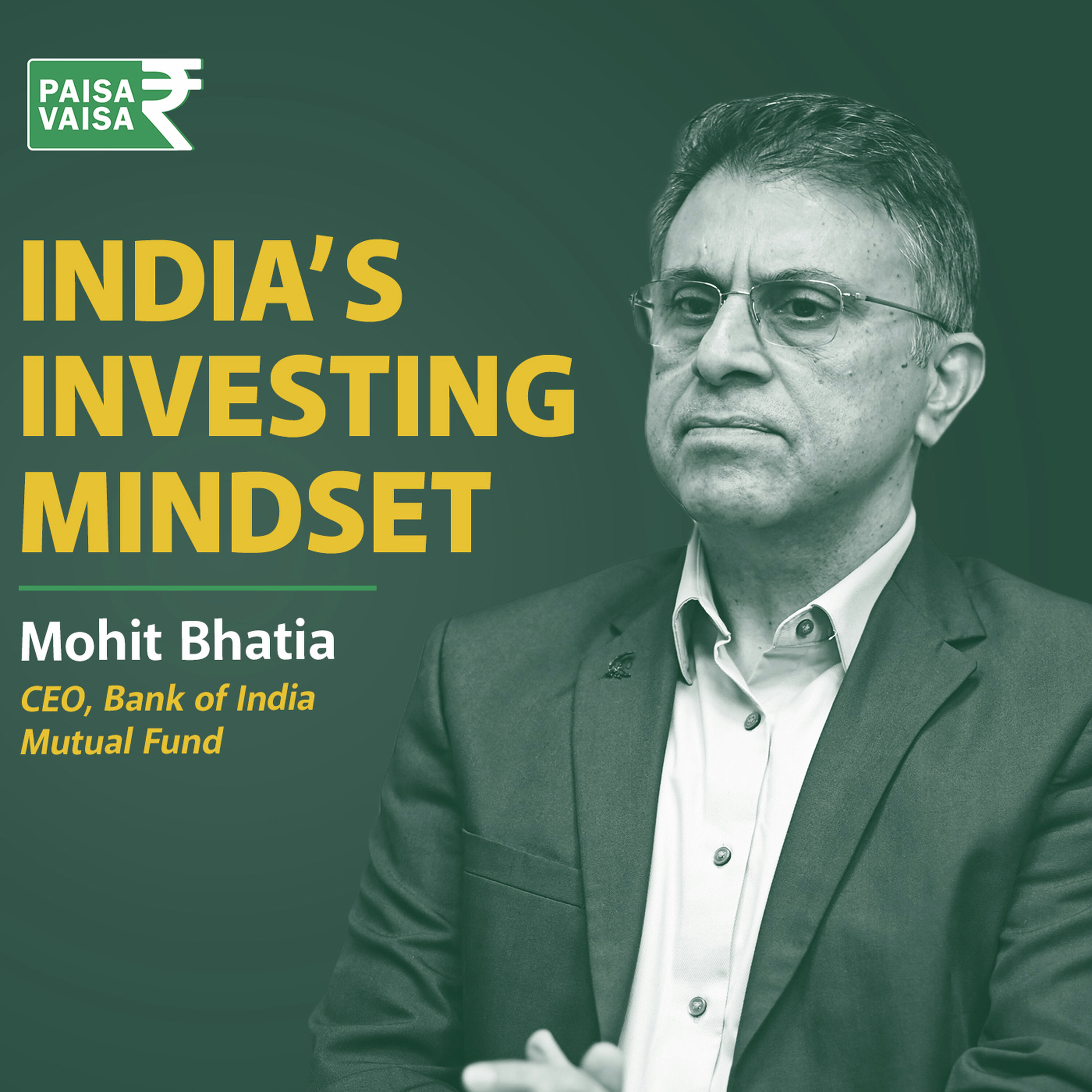 How India Moved From Saving to Investing According to a Mutual Fund CEO | Paisa Vaisa 06.07.2026 33minIn this episode of Paisa Vaisa, Anupam Gupta is joined by Mohit Bhatia, CEO, Bank of India Mutual Fund, for a practical conversation on mutual funds, SIPs, valuations, and India’s long-term investing mindset. They discuss what retail investors should do in today’s market, why SIPs should be seen through the lens of discipline and rupee-cost averaging, and how below-average market returns can create opportunities for patient investors. Mohit also explains the role of satellite portfolios, the importance of reviewing allocations, and how mutual funds can serve different investor needs, including very short-term money. The episode also explores India’s 2047 growth vision, the shift from saving to investing, distributor sentiment on the ground, and why smaller or mid-sized AMCs can still create strong outcomes for investors. Tune in for a clear, India-focused conversation on mutual fund investing, investor behaviour, and long-term wealth creation.From decoding your personal finances to demystifying business models, Paisa Vaisa delivers candid, insightful, and jargon-free conversations.Listen on Spotify, Apple Podcasts, Amazon Music, JioSaavn, Gaana & moreWatch full episodes right here on YouTubeExplore more at ivmpodcasts.comConnect with Anupam Gupta: Twitter: @b50Instagram: @b_50 LinkedIn: Anupam Gupta Follow IVM PodcastsWe’re @ivmpodcasts on Facebook, Twitter & InstagramSee omnystudio.com/listener for privacy information.
 -
 What Indians Get Wrong About Life Insurance | Paisa Vaisa 29.06.2026 39minIn this episode of Paisa Vaisa, Anupam Gupta is joined by Satishwar B., MD & CEO of Bandhan Life, for a practical conversation on life insurance and financial protection. They discuss why insurance is an important part of personal finance, how people should think about protection versus returns, and what families need to keep in mind while planning for uncertainty. Satishwar also shares an industry view on how life insurance is changing in India, from digital adoption to better customer access. Tune in to understand how life insurance fits into a smarter, more secure financial plan.From decoding your personal finances to demystifying business models, Paisa Vaisa delivers candid, insightful, and jargon-free conversations.Listen on Spotify, Apple Podcasts, Amazon Music, JioSaavn, Gaana & moreWatch full episodes right here on YouTubeExplore more at ivmpodcasts.comConnect with Anupam Gupta: Twitter: @b50Instagram: @b_50 LinkedIn: Anupam Gupta Follow IVM PodcastsWe’re @ivmpodcasts on Facebook, Twitter & InstagramSee omnystudio.com/listener for privacy information.
 -
 What Does It Take To Invest In Indian Art Today? | Paisa Vaisa 22.06.2026 54minIndian art feels like it is suddenly getting global attention. But what is driving this shift? On this episode of Paisa Vaisa, Anupam Gupta speaks with Ayesha Parikh, Founder & Gallerist at Art & Charlie, about India’s growing art market, what it takes to invest in art, and why global attention is shifting towards India. They discuss the aging collector base in Europe, India’s young population, and why Europe is now looking at India as a serious art market. Ayesha also breaks down how art connects with wealth, power, culture and status especially after a certain level of wealth creation. The conversation also explores the role of Instagram in decentralizing power in the art world, Mumbai’s growing gallery ecosystem, and whether taste has become a new status symbol for urban India. A sharp episode on money, culture, investing and the rise of Indian art.From decoding your personal finances to demystifying business models, Paisa Vaisa delivers candid, insightful, and jargon-free conversations.Listen on Spotify, Apple Podcasts, Amazon Music, JioSaavn, Gaana & moreWatch full episodes right here on YouTubeExplore more at ivmpodcasts.comConnect with Anupam Gupta: Twitter: @b50Instagram: @b_50 LinkedIn: Anupam Gupta Follow IVM PodcastsWe’re @ivmpodcasts on Facebook, Twitter & InstagramSee omnystudio.com/listener for privacy information.
 -
 Starting From Scratch? Here’s How To Build A Serious Equity Portfolio 15.06.2026 1h 7minOn this episode of Paisa Vaisa, host Anupam Gupta is joined by Harini Dedhia, Fund Manager at Tamohara Investment Managers, for a wide-ranging conversation on investing, stock picking, portfolio construction, AI, pharma, and the future of Indian equities. Harini shares her journey into investing, the hard lessons she learned from the stock market, and why she believes investing is simple but human behavior makes it complicated. She explains why the old “buy and forget” examples may not work the same way for today’s generation, why disruption has changed long-term investing, and what retail investors often get wrong when they act on public information. The episode also explores SIPs, midcaps, smallcaps, second-order thinking, DCF models, pre-mortems, global investing, and how serious equity portfolios are built. Harini breaks down Tamohara’s approach to finding businesses that can grow faster than India’s nominal GDP, gain market share, and compound over time. Anupam and Harini also discuss why India may not be an anti-AI trade, how AI could accelerate drug discovery, why pharma CDMO and API manufacturing matter, and how small engineering companies and premium consumption could become important investing themes. A sharp and practical episode for anyone interested in Indian markets, long-term investing, direct stocks, mutual funds, PMS strategies, and wealth creation.From decoding your personal finances to demystifying business models, Paisa Vaisa delivers candid, insightful, and jargon-free conversations.Listen on Spotify, Apple Podcasts, Amazon Music, JioSaavn, Gaana & moreWatch full episodes right here on YouTubeExplore more at ivmpodcasts.comConnect with Anupam Gupta: Twitter: @b50Instagram: @b_50 LinkedIn: Anupam Gupta Follow IVM PodcastsWe’re @ivmpodcasts on Facebook, Twitter & InstagramSee omnystudio.com/listener for privacy information.
 -
 How do NBFCs approve loans with zero current income? 08.06.2026 46minCan you fund a world-class higher education without draining your parents' retirement funds or destroying your own financial future? On this episode of Paisa Vaisa, host Anupam Gupta is joined by Vivek Baranwal, CBO, Education Loan - Domestic Business at Avanse Financial Services. Together, they break down the structural shift in how student loans are evaluated in India today. Learn how modern lenders underwrite based entirely on a student's future income potential, the realistic costs of top-tier Indian engineering, MBA, and medical programs, and the critical importance of maintaining a clean co-applicant credit score. Vivek also shares invaluable data on using micro-loans for short-term upskilling in AI and Data Science to combat India's 45% unemployability rate, and how international campuses in Gift City are changing the game. Whether you are a parent planning ahead or a young professional looking to upgrade your skills, plug in your earphones for a highly pragmatic take on balancing career dreams with financial reality. Tune in for an engaging discussion on creativity, careers, business, and the evolving world of entertainment. From decoding your personal finances to demystifying business models, Paisa Vaisa delivers candid, insightful, and jargon-free conversations.Listen on Spotify, Apple Podcasts, Amazon Music, JioSaavn, Gaana & moreWatch full episodes right here on YouTubeExplore more at ivmpodcasts.comConnect with Anupam Gupta: Twitter: @b50Instagram: @b_50 LinkedIn: Anupam Gupta Follow IVM PodcastsWe’re @ivmpodcasts on Facebook, Twitter & InstagramSee omnystudio.com/listener for privacy information.
 -
 The Hidden Economics Of Entertainment (Bollywood) 01.06.2026 58minWhat does it really take to build a successful career in the entertainment industry? In this episode of Paisa Vaisa, Anupam Gupta speaks with Amita Madhvani about the business of storytelling, the realities behind filmmaking, and the lessons creative industries can teach all professionals. The conversation explores the economics of movies, where leverage and decision-making power truly sit, the challenges of building sustainable careers, and why staying trapped in survival mode can limit long-term growth. Amita also shares insights from her journey in entertainment, reflections on filmmaking during COVID, and her thoughts on what makes stories connect with audiences. Tune in for an engaging discussion on creativity, careers, business, and the evolving world of entertainment. From decoding your personal finances to demystifying business models, Paisa Vaisa delivers candid, insightful, and jargon-free conversations.Listen on Spotify, Apple Podcasts, Amazon Music, JioSaavn, Gaana & moreWatch full episodes right here on YouTubeExplore more at ivmpodcasts.comConnect with Anupam Gupta: Twitter: @b50Instagram: @b_50 LinkedIn: Anupam Gupta Follow IVM PodcastsWe’re @ivmpodcasts on Facebook, Twitter & InstagramSee omnystudio.com/listener for privacy information.
 -
 AI Could Soon Handle Payments For You | Paisa Vaisa 25.05.2026 48minIn this episode, Anupam Gupta speaks with Girish Krishnan, Director, Payments & Merchant Services at Amazon Pay India, about how digital payments in India are evolving beyond UPI and what the next phase of the country’s fintech revolution could look like. The conversation explores how payments are becoming increasingly invisible, how AI could shape the future of transactions, and why trust remains the foundation of digital finance. Girish shares Amazon Pay India’s vision for simplifying the daily payment and financial needs of every Indian while ensuring security, fraud prevention, and seamless user experiences at scale. They also discuss how UPI transformed payments in India, why cash may soon become an exception, and what the next major innovation in India’s digital payment ecosystem could be over the next 10 years. This episode offers a sharp look at AI, fintech, digital banking, payment infrastructure, and the future of money in India. 🎙 Host: Anupam Gupta 👤 Guest: Girish Krishnan - Director, Payments & Merchant Services, Amazon Pay India 🏢 Company: Amazon Pay IndiaFrom decoding your personal finances to demystifying business models, Paisa Vaisa delivers candid, insightful, and jargon-free conversations.Listen on Spotify, Apple Podcasts, Amazon Music, JioSaavn, Gaana & more Watch full episodes right here on YouTubeExplore more at ivmpodcasts.comConnect with Anupam Gupta: Twitter: @b50Instagram: @b_50 LinkedIn: Anupam Gupta Follow IVM PodcastsWe’re @ivmpodcasts on Facebook, Twitter & InstagramSee omnystudio.com/listener for privacy information.
 -
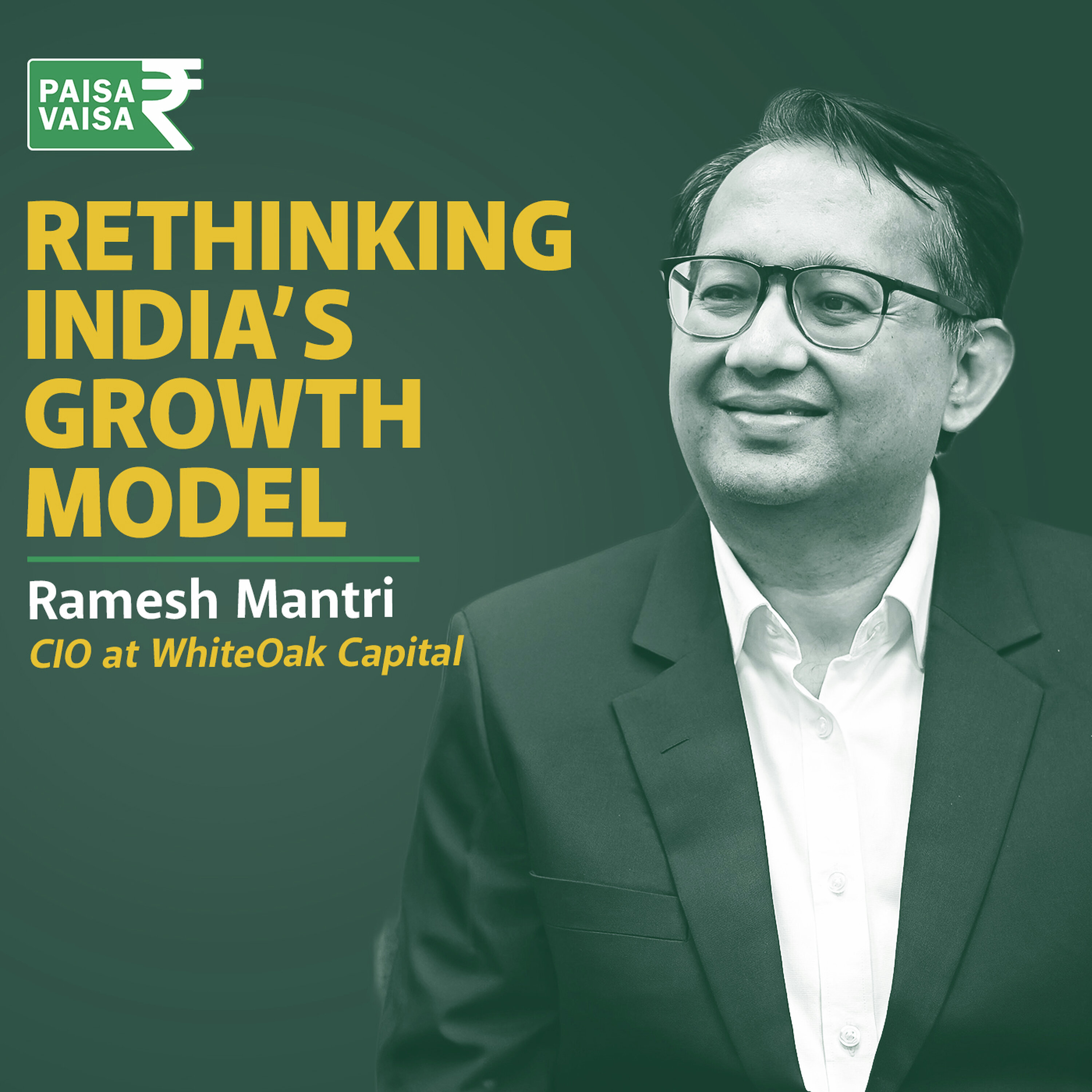 What India Needs to Fix for the Next Decade 18.05.2026 46minWhy has India struggled to fully realise its economic potential? How will AI impact emerging economies like India? And where do investors actually find long-term alpha today? This episode explores India’s economic journey, the global AI shift, investing frameworks, market behaviour, and the evolution of Indian capital markets. From small-cap investing and economic profit to deeper reflections on capitalism and spirituality, this is a wide-ranging conversation on markets, growth, and the future. A thoughtful listen for investors, founders, operators, and anyone interested in business, economics, and India’s next decade.From decoding your personal finances to demystifying business models, Paisa Vaisa delivers candid, insightful, and jargon-free conversations.Listen on Spotify, Apple Podcasts, Amazon Music, JioSaavn, Gaana & more Watch full episodes right here on YouTubeExplore more at ivmpodcasts.comConnect with Anupam Gupta: Twitter: @b50Instagram: @b_50 LinkedIn: Anupam Gupta Follow IVM PodcastsWe’re @ivmpodcasts on Facebook, Twitter & InstagramSee omnystudio.com/listener for privacy information.
 -
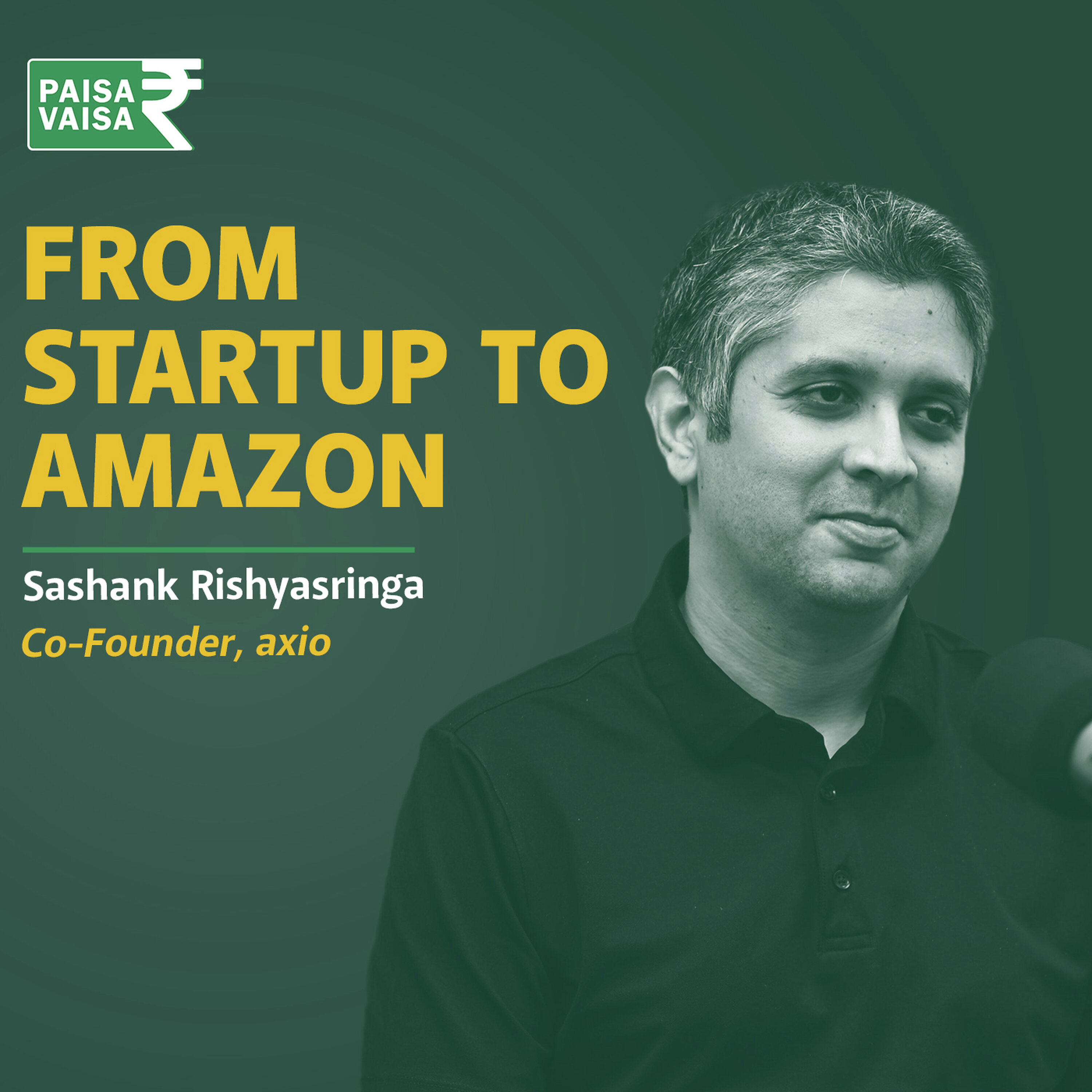 How axio Grew During India’s Fintech Boom ft. Sashank Rishyasringa 11.05.2026 50minIn this episode of Paisa Vaisa, Anupam Gupta speaks with Sashank Rishyasringa, Co-founder of Axio, about startups, fintech, India’s evolving credit culture, and the future of consumer lending. They discuss the rise of checkout financing, Amazon’s acquisition of Axio, why startups are a “test match” and not a “T20,” the dangers of easy credit, how Indians should think about loans and EMIs, and why simplicity matters in both business and financial products. The episode also explores credit scores, BNPL, UPI, startup resilience, and lessons from author Haruki Murakami that apply surprisingly well to entrepreneurship. In this episode of Paisa Vaisa, Anupam Gupta speaks with Sashank Rishyasringa, Co-founder of Axio, about startups, fintech, India’s evolving credit culture, and the future of consumer lending. They discuss the rise of checkout financing, Amazon’s acquisition of Axio, why startups are a “test match” and not a “T20,” the dangers of easy credit, how Indians should think about loans and EMIs, and why simplicity matters in both business and financial products. The episode also explores credit scores, BNPL, UPI, startup resilience, and lessons from author Haruki Murakami that apply surprisingly well to entrepreneurship.From decoding your personal finances to demystifying business models, Paisa Vaisa delivers candid, insightful, and jargon-free conversations.Listen on Spotify, Apple Podcasts, Amazon Music, JioSaavn, Gaana & more Watch full episodes right here on YouTubeExplore more at ivmpodcasts.comConnect with Anupam Gupta: Twitter: @b50Instagram: @b_50 LinkedIn: Anupam Gupta Follow IVM PodcastsWe’re @ivmpodcasts on Facebook, Twitter & InstagramSee omnystudio.com/listener for privacy information.
 -
 The Middle Class Is Breaking - Here’s Why | Ft. Saurabh Mukherjea 04.05.2026 56minIn this episode of Paisa Vaisa, Anupam Gupta speaks with Saurabh Mukherjea, Founder, Marcellus Investment Managers, and Nandita Rajhansa, Economist, Marcellus Investment Managers, about their latest book Breakpoint. The conversation explores the growing pressure on India’s middle class from falling real wages and rising personal debt to a changing job market shaped by automation and AI. They discuss why traditional white-collar jobs are becoming less reliable, how the supply of graduates is outpacing demand, and why India may have “work” but not enough stable “jobs.” The episode also looks at behavioral shifts, including consumption-driven debt and stock market participation, and the risks they pose. Despite the challenges, the guests highlight emerging opportunities in entrepreneurship, gig work, and new business models. A must-listen for anyone navigating careers, money, and the future of work in India.From decoding your personal finances to demystifying business models, Paisa Vaisa delivers candid, insightful, and jargon-free conversations.Listen on Spotify, Apple Podcasts, Amazon Music, JioSaavn, Gaana & more Watch full episodes right here on YouTubeExplore more at ivmpodcasts.comConnect with Anupam Gupta: Twitter: @b50Instagram: @b_50 LinkedIn: Anupam Gupta Follow IVM PodcastsWe’re @ivmpodcasts on Facebook, Twitter & InstagramSee omnystudio.com/listener for privacy information.
Podcasts similaires


Populaire dans
Ce podcast figure aussi dans les classements de podcasts de ces pays.

