
Orbit: Science for kids on the move!
Cumbre Kids
0
Orbit is a science podcast for kids ages 3–11 that brings families together around curiosity. Each episode invites scientists from museums, universities, and zoos to answer fun and fascinating questions submitted by children from around the world. The show encourages families to learn together by following kids' natural curiosity. Listeners can submit their own questions via the Cumbre Kids website.
Épisodes
-
 Sea otters: Superheroes of kelp forests! 22.09.2026 31minSea otters aren't just adorable! They're a critically important keystone species for a fascinating underwater ecosystem - kelp forests! In this episode of the Wild Critters series, we're joined by marine biologist and sea otter expert Leilani Konrad from the Monterey Bay Aquarium, who teaches us about sea otters, the relationship with kelp and sea urchins, how they are on the of the few animals to use tools, and the incredible role of foster moms in raising orphaned pups! Part of the Wild C...
 -
 The race to save 3 mountain lion cubs! 16.09.2026 28minThree mountain lion cubs were left orphaned in the California wilderness, and a team of scientists raced to find them before it was too late! In this episode of the Wild Critters USA series on Orbit, families meet wildlife ambassador Marco Wendt from the San Diego Zoo Wildlife Alliance. We learn about the incredibly versatile mountain lion - which can be found from Canada all the way down to Argentina - including what makes it a stealthy hunter and how it adapts to an incredible variety...
 -
 How tiny corals build underwater cities! 02.09.2026 31minDid you know a coral reef, one of the largest structures ever built by a living creature, is made by an animal smaller than a grain of rice!? And that corals aren't plants or rocks at all, but tiny animals related to jellyfish and sea anemones!? In this episode, marine scientist Dr. Mike Henley from the Smithsonian's National Zoo and Conservation Biology Institute joins Orbit to explore the underwater world of coral reefs! Learn how thousands of tiny coral polyps build a single reef, how cora...
 -
 A monarch butterfly's 3,000-mile journey! 26.08.2026 29minEver heard of the SUPER GENERATION of the monarch butterfly!? This little insect goes on one of the most incredible journeys in the whole animal kingdom! To learn more, we're joined in this episode by Dr. Dorothy Borowy, an ecologist with the U.S. National Park Service! We also have a new friend! Margaret joins Orbit to cohost and help us bring a chrysalis to life for families! ➡️ Part of the Wild Critters series, created with PBS Nature and the National Wildlife Federation ...
 -
 The turtle that dances for worms! 19.08.2026 25minEver wonder how a turtle can trick worms into coming out of the ground just by dancing?! Or how scientists can tell a turtle's age just by looking at its shell?! We're continuing the Wild Critters series to learn all about wood turtles with turtle biologist Chris Polinski from the Smithsonian's National Zoo and Conservation Biology Institute! Along the way, learn why mama wood turtles travel for miles to lay their eggs, and exactly what to do if you're lucky enough to spot one in the wild! ➡️...
 -
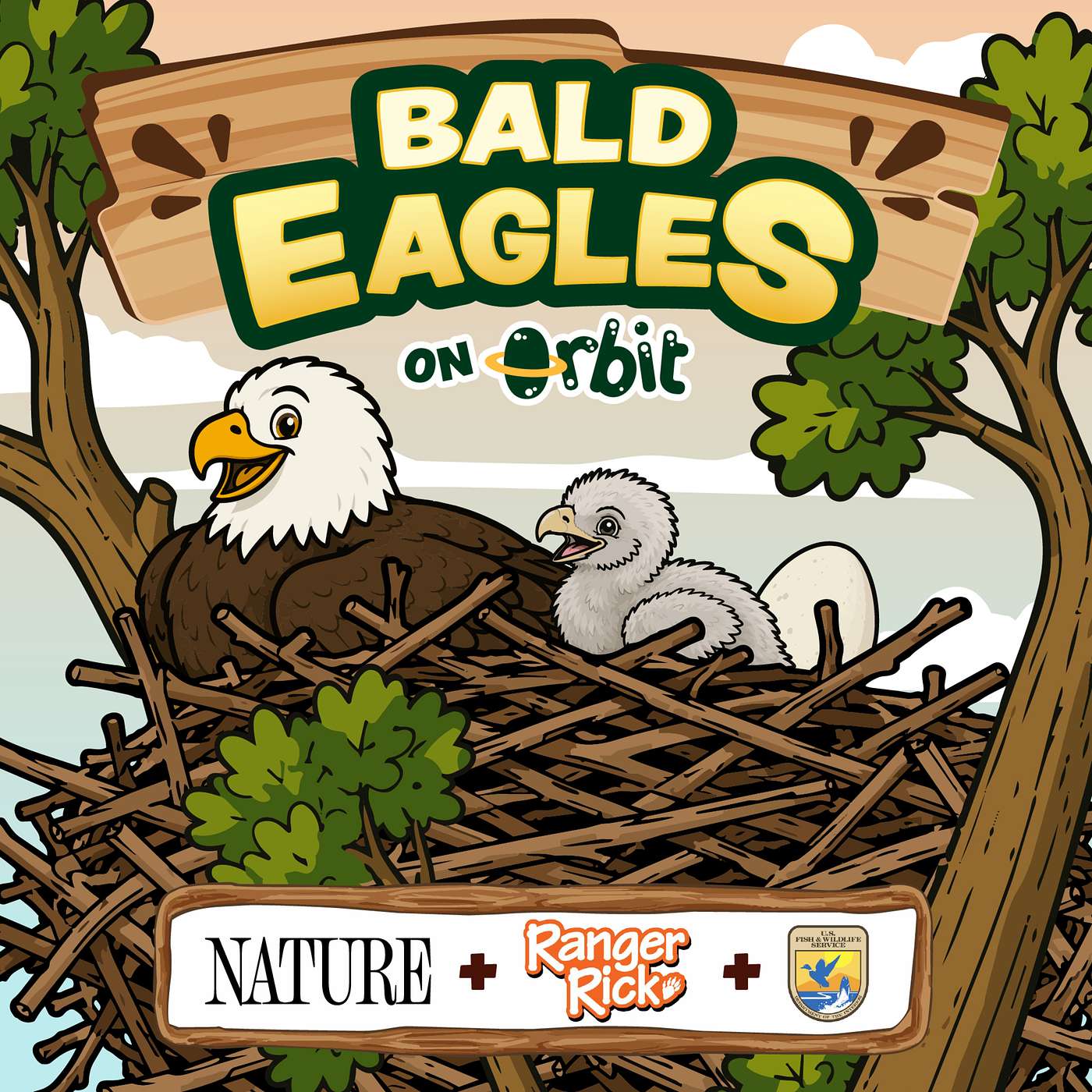 How do baby bald eagles learn to fly? 05.08.2026 27minEver wonder how a fluffy baby bald eagle grows into the majestic bald eagles that soar through the sky!? Or why bald eagles build giant nests that can weigh as a pickup truck!? We're continuing the Wild Critters series to learn all about bald eagles with eagle biologist Ulgonda Dunlevy from the U.S. Fish and Wildlife Service! Along the way, learn why bald eagles almost disappeared in the 1960s, and how people worked together to help their population recover! ➡️ Part of the Wild Critters serie...
 -
 Ice Age clues frozen in mammoth poo! 29.07.2026 29minDid you know a giant, dried-out pile of mammoth poop can survive for over 20,000 years!? And still hold the seeds, pollen, and even parasite eggs trapped inside it! Scientists call it "mummified," and it might be the ultimate Ice Age time capsule! This week, we travel to Waco Mammoth National Monument in Texas with Justin Tweet, paleontologist with the U.S. National Park Service! ➡️ Part of the Wild Critters USA series, created with PBS Nature and the National Wildlife Federation&...
 -
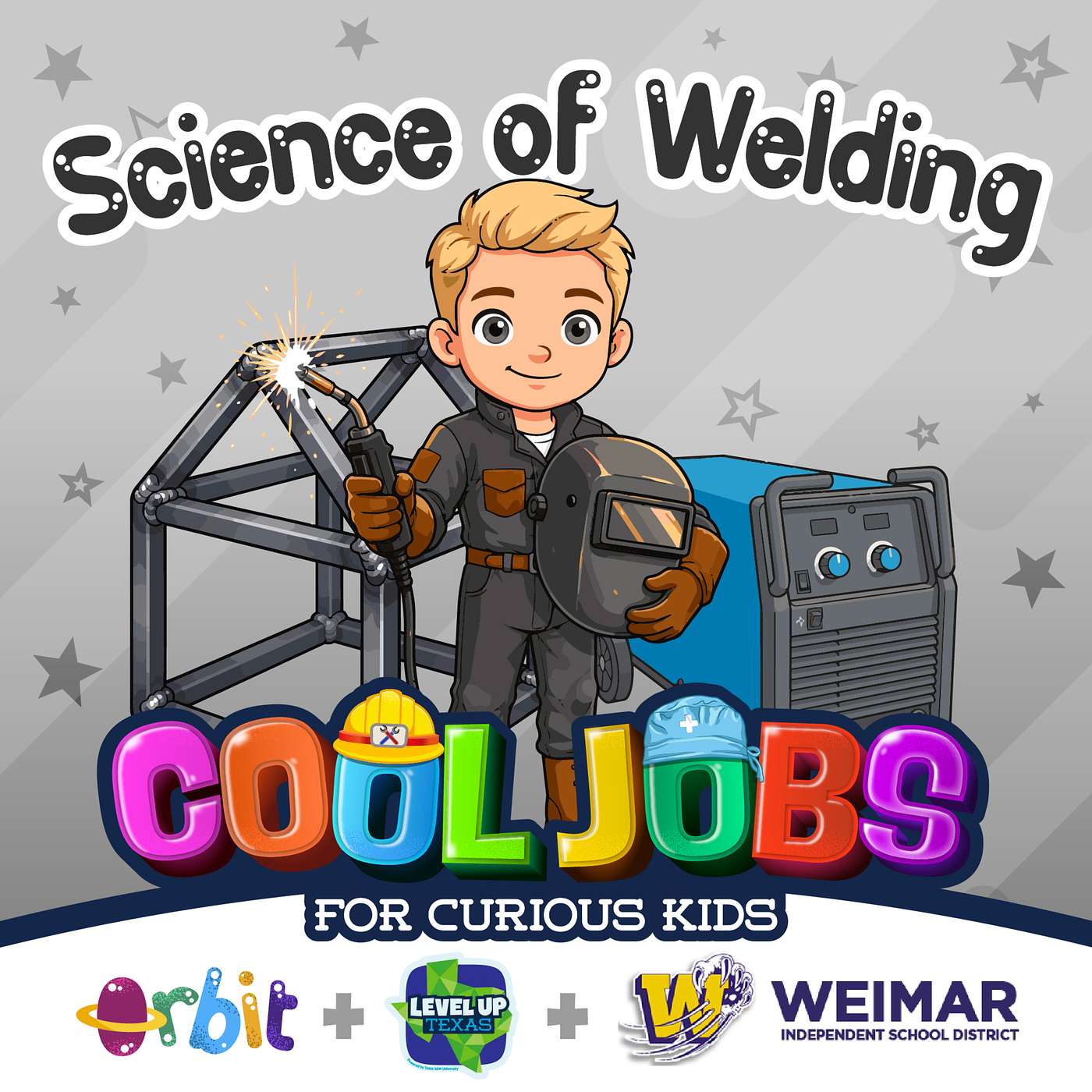 Why does welding create sparks? ⚡ 21.07.2026 21minDid you know the welding arc can get even hotter than the surface of the Sun? 🔥 This week, we meet Rudy Rodriguez, a welding instructor at Weimar High School in Weimar, Texas. Together, we discover how welders use heat to join metal together, why they wear special helmets, what causes those bright sparks, and how welding helps build everything from playgrounds and roller coasters to bridges, airplanes, and even rockets! ➡️ Part of the Cool Jobs for Curious Kids series, made possible by ...
 -
 How do tiny mussels clean our rivers? 15.07.2026 27minWho cleans a river? It turns out some of the hardest workers are animals you may have never heard of: freshwater mussels. Join Tyler Hern from the U.S. Fish and Wildlife Service as we discover how these amazing animals help keep rivers healthy, how baby mussels hitch rides on fish, and why scientists are working hard to protect them. ➡️ Part of the Wild Critters USA series, created with PBS Nature and the National Wildlife Federation ➡️ Learn more about freshwater ecosystems with Ranger...
 -
 Why are alligator moms so awesome? 08.07.2026 27minDid you know that American alligator moms build nests, guard their eggs, carry their babies to the water, and come running when their little ones call for help? They might just be contenders for Wild Critter Mom of the Year! This week, we travel to Florida's Everglades National Park with Yvette Cano, director of education at Everglades National Park! ➡️ Part of the Wild Critters USA series, created with PBS Nature and the National Wildlife Federation ➡️ Learn more about Everglades National Pa...
 -
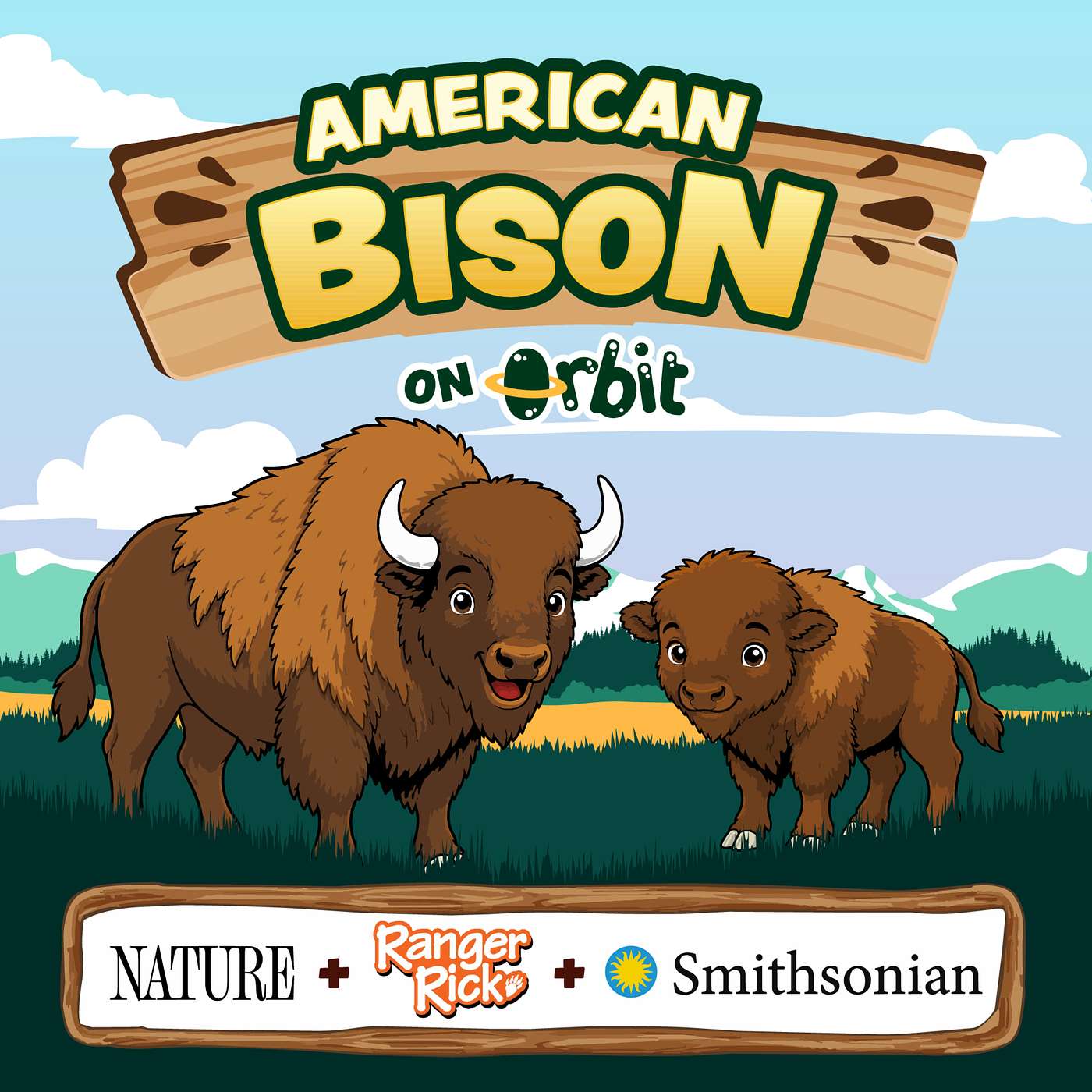 Why do bison body-slam trees? 01.07.2026 30minDid you know that American bison help prevent grasslands from turning into forests by body-slamming young trees? And that they once lived in herds so enormous they stretched all the way to the horizon? This week, we travel to the grasslands of Montana with Dr. Andy Boyce, a research ecologist at the Smithsonian's National Zoo and Conservation Biology Institute. Discover why bison live in herds, how they defend themselves from predators, and why scientists call them a keystone species. Along t...
 -
 The tortoise that saved the rabbit! 24.06.2026 27minDid you know a single Mojave Desert tortoise burrow can become a shelter for rattlesnakes, owls, kangaroo rats, and many other desert animals? This week, we explore the Mojave Desert with wildlife biologist Brianna Fogel from the U.S. Fish and Wildlife Service. Learn how desert tortoises survive in one of North America's harshest environments, why they spend so much time underground, and why scientists call them a keystone species that helps support an entire desert community. ➡️ Part o...
 -
 Get ready for Wild Critters USA! 24.06.2026 1minDiscover the wild side of America with Orbit’s brand-new Wild Critters USA series! Join us as wildlife experts from the National Park Service, U.S. Fish and Wildlife Service, and Smithsonian's National Zoo and Conservation Biology Institute answer real questions from curious kids about alligators, bald eagles, desert tortoises, bison, and more. Perfect for summer road trips, family adventures, and screen-free learning for kids ages 3–11. ➡️ A special summer series celebrating Amer...
 -
 How does AC lower the temperature? 16.06.2026 21min❄️ Do air conditioners actually make cold air? How was air conditioning invented? And what does an HVAC technician do all day? In this episode, HVAC instructor John Vernon helps Orbiters discover the surprising science behind air conditioning. Learn how refrigerant carries heat, why compressors are so important, and how air conditioning changed homes, schools, hospitals, and cities around the world. This episode is part of our Cool Jobs series with Level Up Texas and Texas A&M University'...
 -
 What's in the eye of a hurricane? 03.06.2026 24minEver wonder how hurricanes form, why they spin, or why some storms get names? Join Rob, Hank, and cohost Milam as we explore the wild science of hurricanes with meteorologist Steve LaVoie from the National Weather Service! Special Middle School episode extra: YouTube Family conversation starter: What did you learn about hurricanes?Steve was very interested in weather when he was a kid. Do you have one favorite topic, like Steve, or do you enjoy learning about many topics?Keep lear...
 -
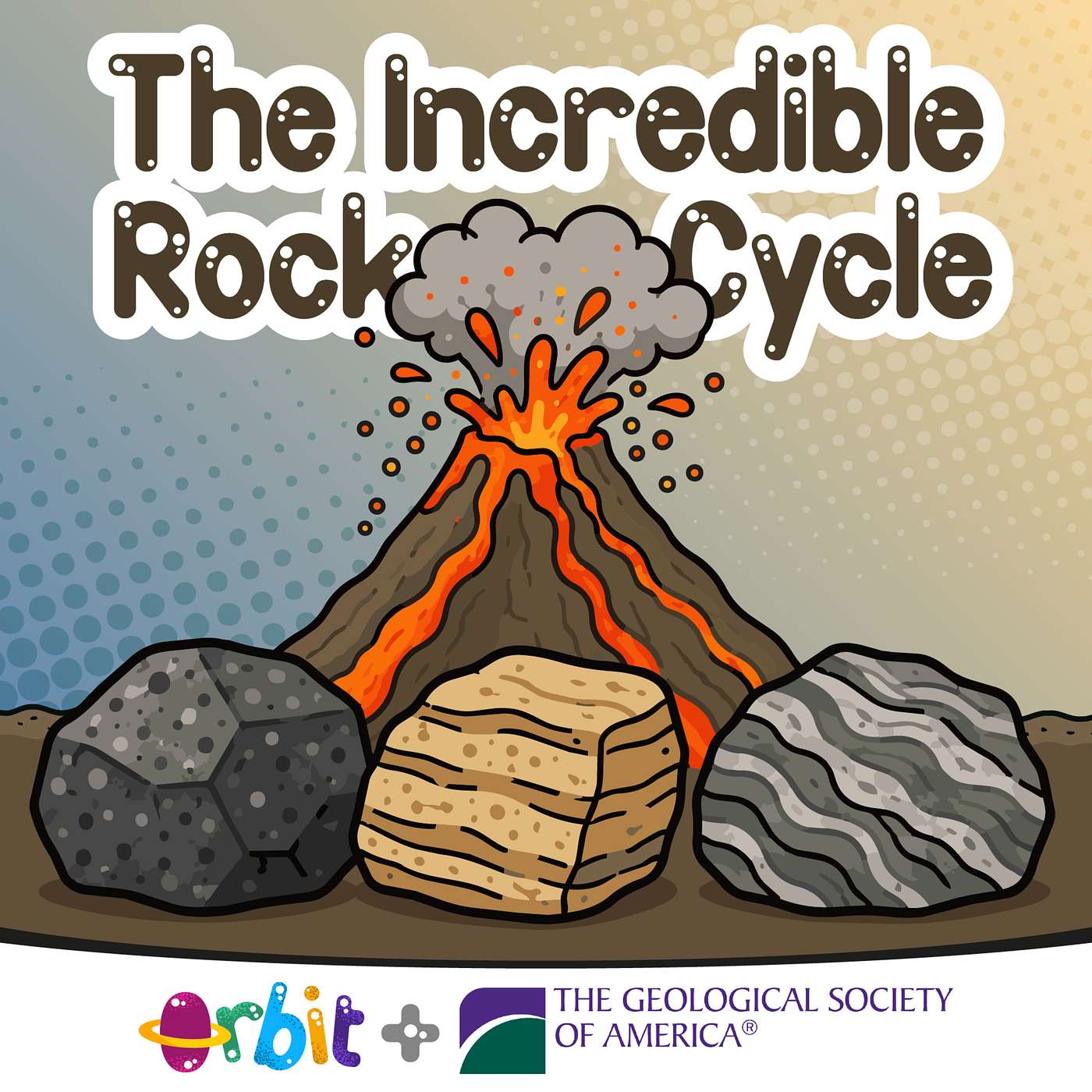 Magma, volcanoes, and fossils! The incredible rock cycle 27.05.2026 26minEver wondered if rocks can melt like cheese, explode out of volcanoes, or travel to the bottom of the ocean? Today, we follow the incredible adventure of Walter the Rock through the rock cycle with geoscientist Dr. Lina Pérez-Angel from Brown University and the Geological Society of America. We'll discover how rocks form, melt into magma, cool into igneous rocks, break into sediments, and transform deep underground over millions of years. ➡️ This episode is possible thanks to the Geolog...
 -
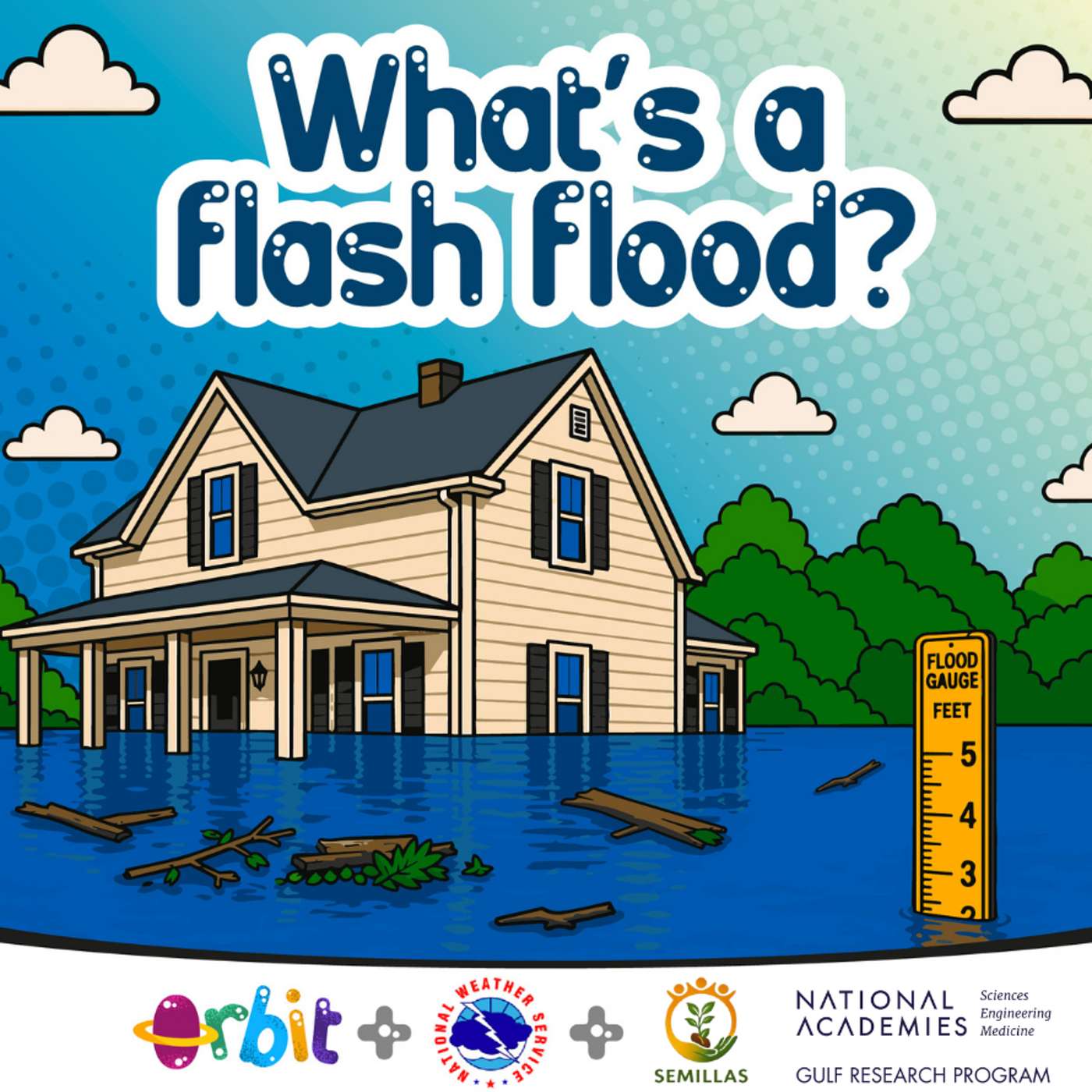 Whoosh! How fast are flash floods? 13.05.2026 27minEver wonder what exactly is a flash flood? Are all floods flash floods? We have a fascinating episode featuring Nichole Cronce, a hydrologist from the National Weather Service. Join Rob, Hank and Sam as we learn not only about the science of floods, but how to stay safe when the storms get strong or the river starts running high! Episode Extra for middle school: LINKThree questions for families to discuss: Where is a safe place we can go if there is flooding? What should we b...
 -
 How ultrasound 'sees' inside the body 28.04.2026 29minThis week, we dive beneath the surface - exploring the human heart not through sight, but through sound. Joined by Victoria Rivera, a cardiac sonographer at Texas Children’s Hospital, we uncover the fascinating world of sonography and echolocation. Discover how sound waves reveal the inner workings of the heart, and get an inside look at one of the most incredible careers in modern medicine. ➡️ Level-Up Texas: More Info ➡️ Explore Cool Jobs in the classroom! K-5 classroom resources: https:/...
 -
 Why is it hard to make good choices? 14.04.2026 28minIf you *choose* to listen to this episode, you’ll learn all about the science of making decisions! 🧠✨ We’re joined by Dr. Marco Palma from the Texas A&M Human Behavior Laboratory, as we seek to understand how the brain makes decisions, why we sometimes make bad decisions, and the biology of how the body reacts when we’re faced with decisions! This episode is part of the “Cool Jobs for Curious Kids” series, exploring 8 STEM careers and the science behind their jobs! This series is a ...
 -
 Bees: The great pollinators! 07.04.2026 37min🐝 Earth Day activities for families: LINK Ever watched bees buzzing around and thought, what are they actually up to? 🐝🌼 In this super exciting episode, we dive into the tiny (but mighty!) world of bees and discover how they help plants grow, flowers bloom, and even the food we eat! We’re joined by the amazing Dr. Laura Gonzalez Mozo from the American Museum of Natural History, who answers your curious questions ! 🐝 ✨ A special thanks to the National Environmental Education Foundation (...
Podcasts similaires


Populaire dans
Ce podcast figure aussi dans les classements de podcasts de ces pays.


