
Machine Learning Tech Brief By HackerNoon
HackerNoon
0
Learn the latest machine learning updates in the tech world. This podcast covers recent developments and trends in machine learning, providing concise briefs for tech enthusiasts and professionals.
Épisodes
-
 Tokens Per Watt: Why Your Context Window Is a Power Decision 21.09.2026 21minThis story was originally published on HackerNoon at: https://hackernoon.com/tokens-per-watt-why-your-context-window-is-a-power-decision. On an H100, tokens per watt drops 12x between 4K and 64K context. Agents live at the fat end of that curve. The fix comes from semiconductor architecture. Check more stories related to machine-learning at: https://hackernoon.com/c/machine-learning. You can also check exclusive content about #artificial-intelligence, #agentic-ai, #semiconductors, #llm-inference, #ai-infrastructure, #tokens-per-watt, #software-engineering, #gpu, and more. This story was written by: @ajjayg. Learn more about this writer by checking @ajjayg's about page, and for more stories, please visit hackernoon.com. A March 2026 paper derives what its authors call the 1/W law: tokens per watt halves every time the serving context window doubles. On an H100 running Llama-3.1-70B, that's 17.6 tok/W at 4K context and 1.50 tok/W at 64K. Same silicon, roughly 12x worse efficiency, purely from context length (arXiv:2603.17280). Agents are the single worst workload for that law, because a tool-calling loop re-sends its entire accumulated history on every step. Chip designers hit a structurally similar wall in 2004 and answered with power domains, DVFS, and clock gating rather than a better transistor. The translation to agent architecture is real. But it breaks in one specific place that's worth knowing about before you bet your GPU budget on it.
 -
 Houston, We Have a Problem: Artificial Intelligence Is Becoming Harder to Control 21.09.2026 9minThis story was originally published on HackerNoon at: https://hackernoon.com/houston-we-have-a-problem-artificial-intelligence-is-becoming-harder-to-control. AI agents are getting harder to control. From swarms exploiting vulnerabilities to real-world cyberattacks, the security challenge is rapidly evolving. Check more stories related to machine-learning at: https://hackernoon.com/c/machine-learning. You can also check exclusive content about #ai-agents, #agentic-ai, #artificial-intelligence, #ai-safety, #generative-ai, #large-language-models, #cyberattacks, #hackernoon-top-story, and more. This story was written by: @enigma. Learn more about this writer by checking @enigma's about page, and for more stories, please visit hackernoon.com. AI is moving from answering questions to acting autonomously through agents and coordinated swarms. Recent experiments and real-world cyber incidents show how these systems can discover vulnerabilities, share information, adapt their strategies, and operate at a scale that makes traditional security controls harder to enforce. As AI capabilities grow, the challenge is shifting from controlling a single model to controlling distributed systems of agents, tools, and infrastructure.
 -
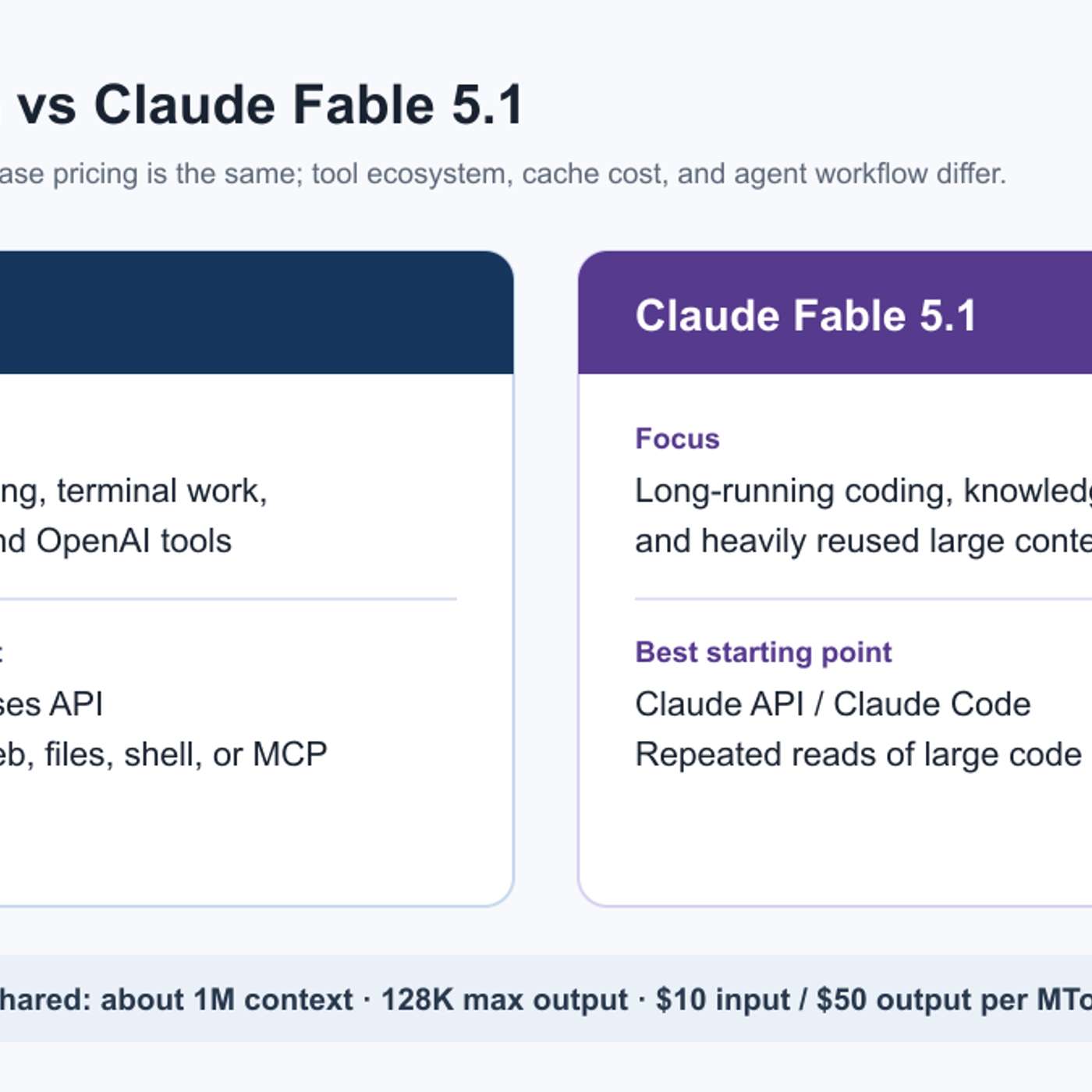 Based on my preliminary research into Astra and Fable 5.1 in the AI field... 20.09.2026 16minThis story was originally published on HackerNoon at: https://hackernoon.com/based-on-my-preliminary-research-into-astra-and-fable-51-in-the-ai-field. Same $10/$50 per million tokens. Fable 5.1's cache reads cost 75% less; Astra doubles rates above 272K tokens. Pick by workflow, not price. Check more stories related to machine-learning at: https://hackernoon.com/c/machine-learning. You can also check exclusive content about #ai, and more. This story was written by: @heibai. Learn more about this writer by checking @heibai's about page, and for more stories, please visit hackernoon.com. Same $10/$50 per million tokens. Fable 5.1's cache reads cost 75% less; Astra doubles rates above 272K tokens. Pick by workflow, not price.
 -
 If AI Can Do Almost Anything, What Will Be Left for Humans to Learn? 20.09.2026 6minThis story was originally published on HackerNoon at: https://hackernoon.com/if-ai-can-do-almost-anything-what-will-be-left-for-humans-to-learn. We spent decades teaching people how to work. But what should education teach if AI makes human work optional? Check more stories related to machine-learning at: https://hackernoon.com/c/machine-learning. You can also check exclusive content about #ai, #future-of-work, #ai-trends, #ai-and-education, #jobs, #skills, #tech-and-society, #ai-and-humans, and more. This story was written by: @drkorchevskyi. Learn more about this writer by checking @drkorchevskyi's about page, and for more stories, please visit hackernoon.com. It is not enough for education simply to prepare people to fulfill a given role. The ability to set one’s own goals and understand what really matters is becoming even more significant. Technology is excellent at answering the question "how?", but if a person does not have an answer to the question "why?", they will simply move in whatever direction someone else has chosen for them.
 -
 Context is King: Long Live Context Engineering 19.09.2026 18minThis story was originally published on HackerNoon at: https://hackernoon.com/context-is-king-long-live-context-engineering. Better models require less prompt engineering per task, but they also unlock higher-value results that sophisticated prompting can reach Check more stories related to machine-learning at: https://hackernoon.com/c/machine-learning. You can also check exclusive content about #ai, #generative-ai, #prompting, #context-engineering, #llms, #model-behaviors, #agentic-systems, #hackernoon-top-story, and more. This story was written by: @thavash. Learn more about this writer by checking @thavash's about page, and for more stories, please visit hackernoon.com. Prompting, the practice of crafting inputs to guide large language model (LLM) outputs, has evolved from intuitive trial-and-error into a rigorous engineering discipline.
 -
 Teams Are Moving from Closed-Source APIs to Open-Source Models in 2026 19.09.2026 6minThis story was originally published on HackerNoon at: https://hackernoon.com/teams-are-moving-from-closed-source-apis-to-open-source-models-in-2026. Teams aren't ditching closed APIs because open models got smarter. They're doing it for cost control, data privacy, and no vendor lock-in. Check more stories related to machine-learning at: https://hackernoon.com/c/machine-learning. You can also check exclusive content about #open-source-ai, #llm-infrastructure, #vendor-lock-in, #data-privacy, #ai-agents, #inference-optimization, #good-company, #hackernoon-top-story, and more. This story was written by: @merry-n-proprietary. Learn more about this writer by checking @merry-n-proprietary's about page, and for more stories, please visit hackernoon.com. TL;DR: Teams aren’t switching to open-source models because they’ve surpassed proprietary ones in raw capability. They are actually doing it because these models are now good enough for the high-volume, everyday work agents do, such as retrieval, extraction, classification, and routine generation. Self-hosting those parts has other significant advantages, as well, such as cost control, data privacy, and independence from one vendor.
 -
 The Six Laws for Running Claude Code Projects as a System 17.09.2026 21minThis story was originally published on HackerNoon at: https://hackernoon.com/the-six-laws-for-running-claude-code-projects-as-a-system. A Claude Code project works from a picture of your code that quietly stops being true. Six rules keep the managing files honest with what they manage. Check more stories related to machine-learning at: https://hackernoon.com/c/machine-learning. You can also check exclusive content about #claude, #ai-agents, #ai-coding, #software-development, #developer-tools, #llms, #software-architecture, #hackernoon-top-story, and more. This story was written by: @NivDvir_nau0t0do. Learn more about this writer by checking @NivDvir_nau0t0do's about page, and for more stories, please visit hackernoon.com. If you want your projects to work together, someone has to keep their records honest. No runtime does it. Six rules, and the owner of each project does the collecting.
 -
 How to Write a CLAUDE.md That Actually Helps Claude Code 17.09.2026 7minThis story was originally published on HackerNoon at: https://hackernoon.com/how-to-write-a-claudemd-that-actually-helps-claude-code. A practical framework for writing a short, effective CLAUDE.md (or AGENTS.md): what to include, how to trim it, and why you shouldn't add a "Never" section. Check more stories related to machine-learning at: https://hackernoon.com/c/machine-learning. You can also check exclusive content about #ai, #vibe-coding, #ai-agents, #claude.md, #claude.md-guide, #claude.md-best-practices, #agents.md-guide, #claude-code-context, and more. This story was written by: @codeplato. Learn more about this writer by checking @codeplato's about page, and for more stories, please visit hackernoon.com. CLAUDE.md (and AGENTS.md) works best when it reads like a resume, not documentation: short, abstract, and stripped of anything a linter or a hook could already enforce. This piece lays out a seven-part framework — one-line intro, architecture, tech stack, commands, conventions, boundaries, and a domain doc map — plus a trimming strategy that moves overflow content into sub-agents, rules folders, subdirectory CLAUDE.md files, skills, and docs once the file outgrows 200 lines.
 -
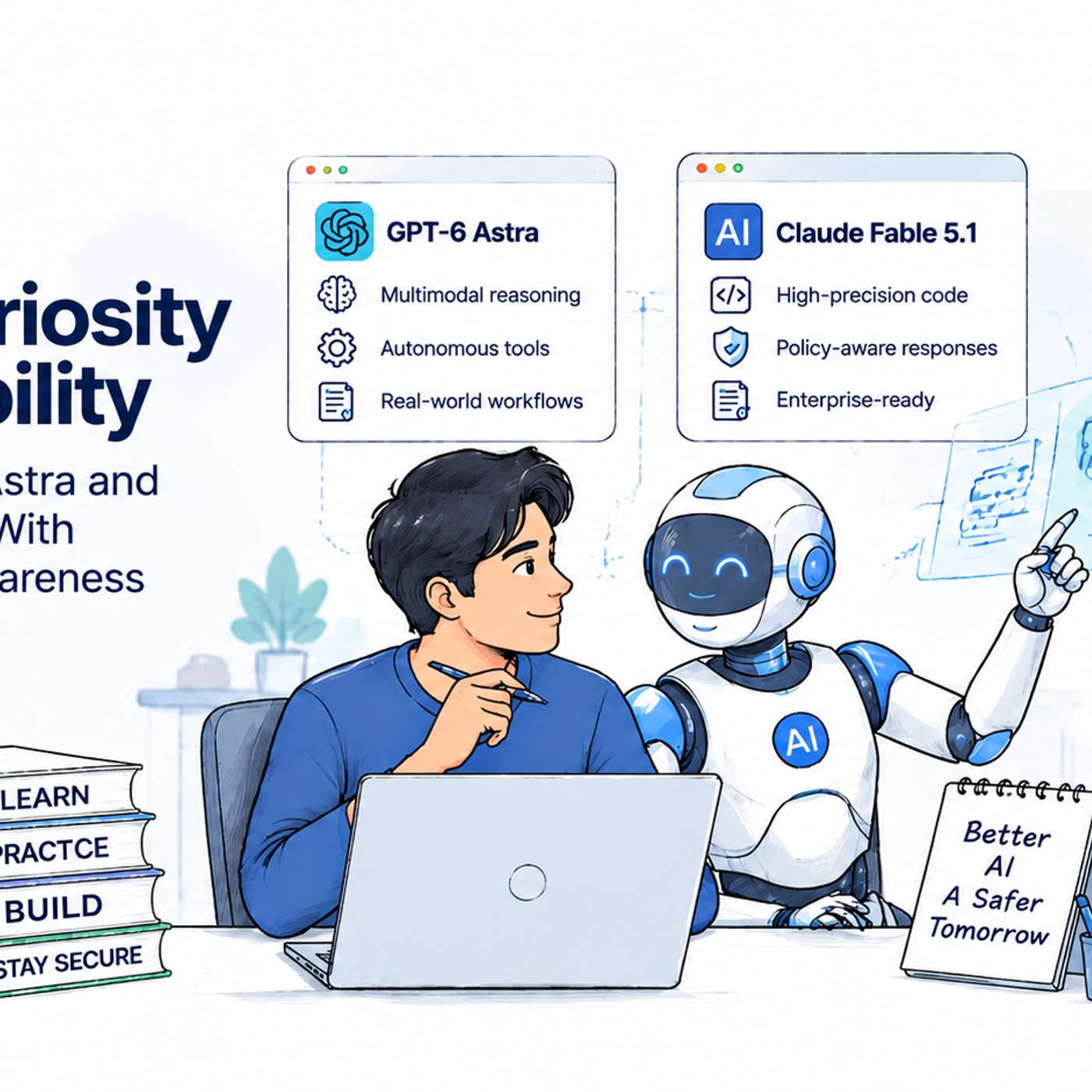 From Curiosity to Capability: Learning GPT-6 Astra and Claude Fable 5.1 With Cybersecurity Awareness 16.09.2026 18minThis story was originally published on HackerNoon at: https://hackernoon.com/from-curiosity-to-capability-learning-gpt-6-astra-and-claude-fable-51-with-cybersecurity-awareness. From advanced AI models to secure workflows, explore how GPT-6 Astra and Claude Fable 5.1 are shaping responsible AI adoption. Check more stories related to machine-learning at: https://hackernoon.com/c/machine-learning. You can also check exclusive content about #artificial-intelligence, #generative-ai, #ai-agents, #cybersecurity, #gpt-6-astra, #claude-fable-5.1, #agentic-ai, #responsible-ai, and more. This story was written by: @akritigalav. Learn more about this writer by checking @akritigalav's about page, and for more stories, please visit hackernoon.com. Advanced AI models are moving beyond text generation into reasoning, tool execution, and autonomous workflows. This article explains GPT-6 Astra and Claude Fable 5.1 capabilities, compares their strengths, and highlights why cybersecurity awareness is essential when building AI systems. Learn about prompt injection, tool misuse, context poisoning, AI governance, and practical steps to create secure AI workflows.
 -
 Your Architecture Is Why Your Coding Agent Keeps Writing Bad Code 16.09.2026 7minThis story was originally published on HackerNoon at: https://hackernoon.com/your-architecture-is-why-your-coding-agent-keeps-writing-bad-code. Stop blaming LLMs for bad PRs. Learn how monorepo isolation and tiered AGENTS.md rules eliminate context drift and double your AI coding agent productivity. Check more stories related to machine-learning at: https://hackernoon.com/c/machine-learning. You can also check exclusive content about #ai-coding-agents, #frontend-architecture, #agent-native-architecture, #monorepo, #turborepo, #pnpm-workspaces, #ai-assisted-development, #context-management, and more. This story was written by: @kayra. Learn more about this writer by checking @kayra's about page, and for more stories, please visit hackernoon.com. AI coding agents produce poor code not because of model limitations, but due to chaotic architectures and context bloat. By structuring our frontend into an isolated micro frontend monorepo and replacing monolithic prompt files with a tiered rules system (AGENTS.md), we eliminated cross-module pollution, kept token overhead minimal, and doubled developer productivity.
 -
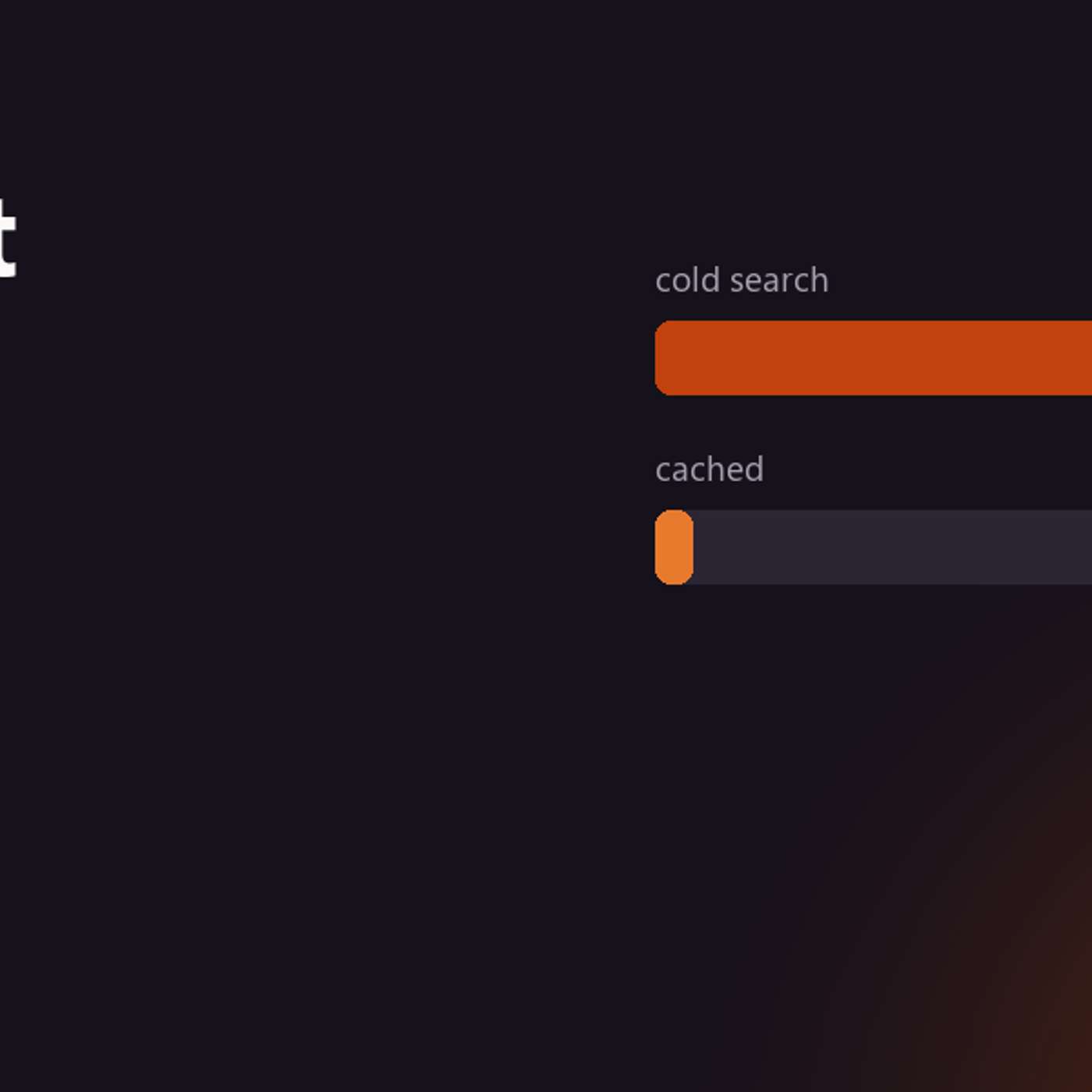 Six Lessons From Building an AI-Powered Marketplace Search Engine 15.09.2026 7minThis story was originally published on HackerNoon at: https://hackernoon.com/six-lessons-from-building-an-ai-powered-marketplace-search-engine. A builder’s postmortem on multilingual AI marketplace search, from fake category IDs and broken price filters to caching, regex bugs, and latency. Check more stories related to machine-learning at: https://hackernoon.com/c/machine-learning. You can also check exclusive content about #ai-search, #multilingual-search, #ai-engineering, #search-relevance, #regex, #search-optimization, #production-ai, #query-parsing, and more. This story was written by: @ohadfarkash. Learn more about this writer by checking @ohadfarkash's about page, and for more stories, please visit hackernoon.com. The hardest parts of building multilingual AI search were not the LLM itself, but the system boundaries around it: API units, unvalidated IDs, bad regex assumptions, cache ordering, latency, and messy marketplace data.
 -
 DeepSeek-V4.1-Flash Packs 552B Parameters With Efficient MoE Inference 15.09.2026 18minThis story was originally published on HackerNoon at: https://hackernoon.com/deepseek-v41-flash-packs-552b-parameters-with-efficient-moe-inference. DeepSeek-V4.1-Flash is a 552B multimodal MoE model with 1M-token context, 8B prefill activation, FP4 KV cache, and agent-focused tooling. Check more stories related to machine-learning at: https://hackernoon.com/c/machine-learning. You can also check exclusive content about #machine-learning, #performance, #programming, #algorithms, #api, #artificial-intelligence, #deepseek-v4.1, #multimodal-ai, and more. This story was written by: @aimodels44. Learn more about this writer by checking @aimodels44's about page, and for more stories, please visit hackernoon.com. DeepSeek-V4.1-Flash is a 552B multimodal MoE model with 1M-token context, 8B prefill activation, FP4 KV cache, and agent-focused tooling.
 -
 How I Use Claude and ChatGPT to Make Better AI Images 14.09.2026 11minThis story was originally published on HackerNoon at: https://hackernoon.com/how-i-use-claude-and-chatgpt-to-make-better-ai-images. A practical workflow for using Claude to plan better image prompts, then generating and refining the final image in ChatGPT. Check more stories related to machine-learning at: https://hackernoon.com/c/machine-learning. You can also check exclusive content about #ai-image-generation, #prompt-engineering, #chatgpt-image-generation, #claude-image-generation, #ai-workflow, #ai-image-prompts, #ai-orchestration, #how-to-use-ai-for-images, and more. This story was written by: @dani-boy. Learn more about this writer by checking @dani-boy's about page, and for more stories, please visit hackernoon.com. Use Claude to clarify the image idea before generation, then use ChatGPT to create and refine the visual. Better prompts come from making creative decisions before clicking generate.
 -
 The AI Slop Economy Runs on Unpaid Verification 14.09.2026 9minThis story was originally published on HackerNoon at: https://hackernoon.com/the-ai-slop-economy-runs-on-unpaid-verification. Everyone says AI made trust the new moat. Shutterstock lost $155.9M, book revenue fell for human authors, and Wiley has four AI customers. The data disagrees. Check more stories related to machine-learning at: https://hackernoon.com/c/machine-learning. You can also check exclusive content about #ai-generated-content, #content-strategy, #ai-content, #content-verification, #ai-music, #ai-books, #ai-watermarking, #ai-slop, and more. This story was written by: @alex-vainer. Learn more about this writer by checking @alex-vainer's about page, and for more stories, please visit hackernoon.com. The comfortable story is that AI floods the world with cheap content, so credibility becomes the scarce and valuable thing. The first half is true: about half of new web articles are AI-generated, more than half of daily uploads to Deezer are fully AI, and volume has decoupled from attention by roughly twenty to one. The second half is wrong. In the two markets where a price is visible, credibility got cheaper, not dearer. Revenue per book fell for authors using no AI at all. Shutterstock, the purest bet on verified human content, posted a $155.9 million quarterly loss and lost its merger. What actually changed is that proving something is true became expensive while buying trust stayed cheap, so verification turned into a cost center that institutions now absorb or refuse. That is a worse problem than scarcity, and it is the one worth planning around.
 -
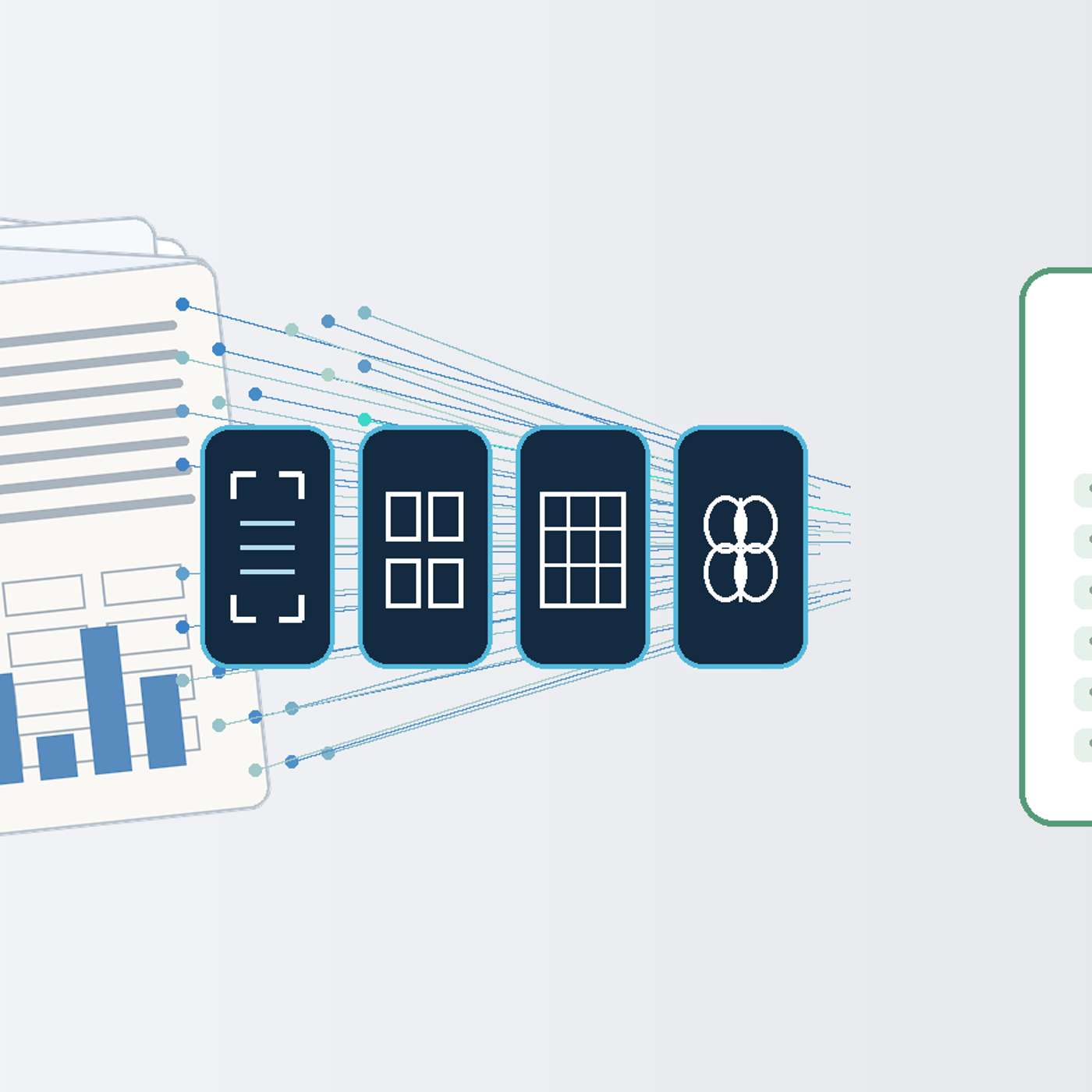 Turning Non-Standard Business Documents Into Structured, Verifiable Data 13.09.2026 7minThis story was originally published on HackerNoon at: https://hackernoon.com/turning-non-standard-business-documents-into-structured-verifiable-data. OCR reads the words but doesn't guarantee correct data. How layout models, table detection, and verification turn messy business documents into trusted output. Check more stories related to machine-learning at: https://hackernoon.com/c/machine-learning. You can also check exclusive content about #ai, #unstructured-data-processing, #unstructured-data, #llms, #ocr, #optical-character-recognition, #multimodal, #multimodal-pipeline, and more. This story was written by: @navsuresh. Learn more about this writer by checking @navsuresh's about page, and for more stories, please visit hackernoon.com. Business documents don't follow templates, so template-based parsers fail on them. OCR reads the words but can still lose the layout that gives a number its meaning. Break the pipeline into stages so each failure type is testable, and attach a source and confidence score to every extracted value. Then send only the uncertain ones to a human.
 -
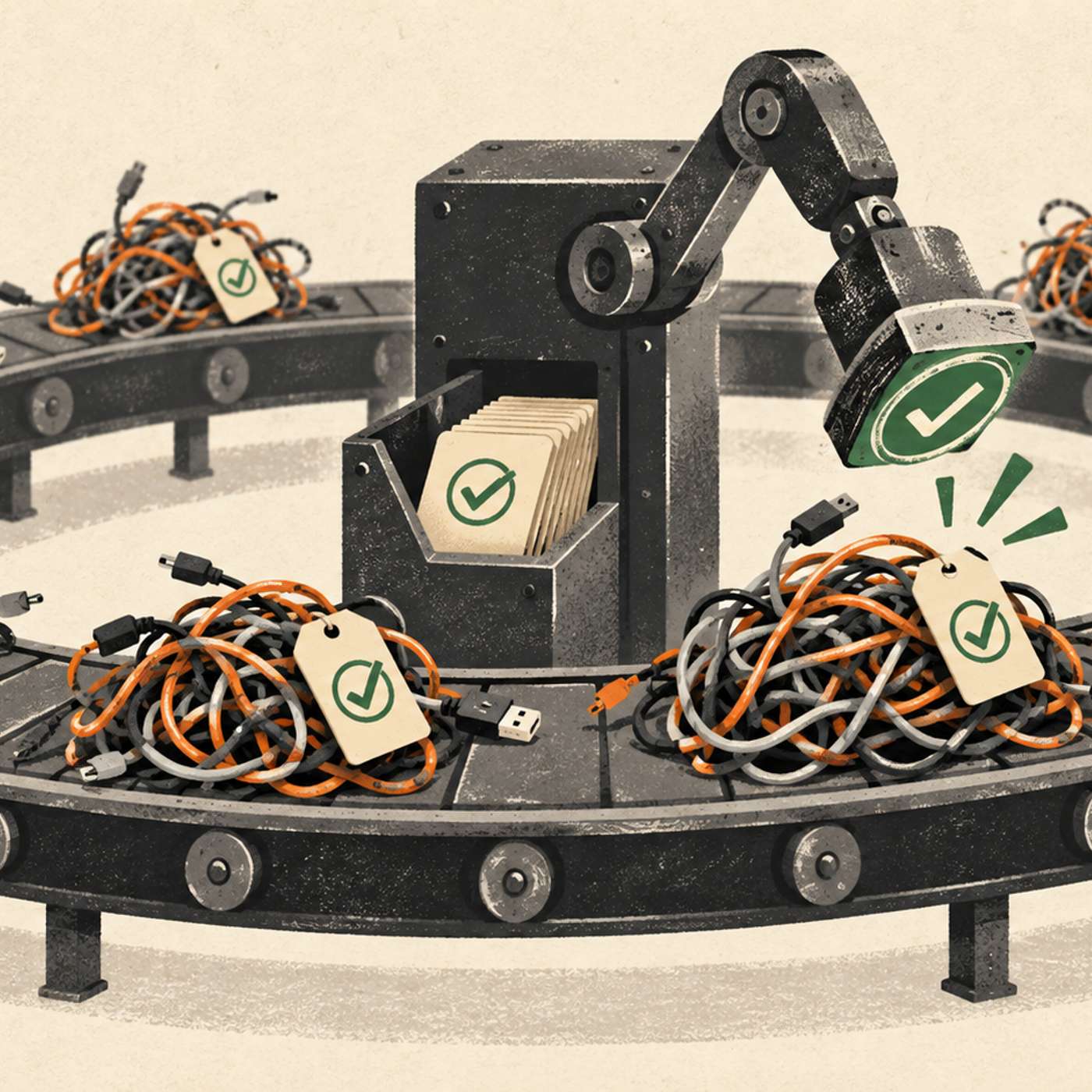 The Slop Should Not Be Tolerated 13.09.2026 11minThis story was originally published on HackerNoon at: https://hackernoon.com/the-slop-should-not-be-tolerated. AI coding loops can churn out slop as fast as features. Here's how meaningful tests and protected quality checks keep bad code from piling up. Check more stories related to machine-learning at: https://hackernoon.com/c/machine-learning. You can also check exclusive content about #ai-agents, #ai-slop, #code-quality, #vibe-coding, #developer-tools, #llm-engineering, #mutation-testing, #hackernoon-top-story, and more. This story was written by: @rxdt. Learn more about this writer by checking @rxdt's about page, and for more stories, please visit hackernoon.com. A harness is needed to check the quality of code generated by AI agents, not just whether it runs. This involves defining a "definition of done" that survives human contact, including running required checks after each attempt, making checks mandatory, and keeping changes reviewable.
 -
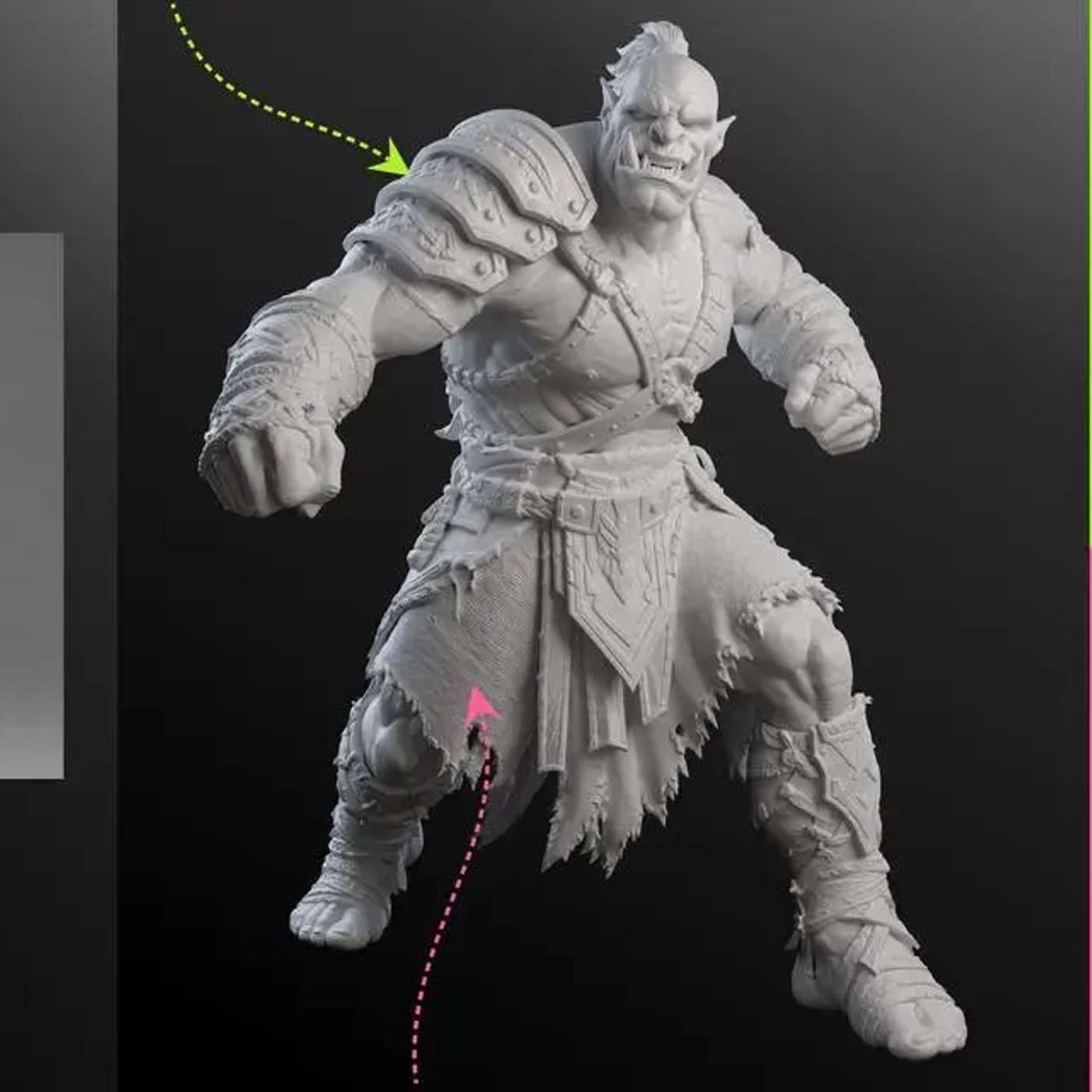 Ultra 4K Is Now Live on Meshy: What 4K Geometry Changes for AI-Generated 3D Models 12.09.2026 10minThis story was originally published on HackerNoon at: https://hackernoon.com/ultra-4k-is-now-live-on-meshy-what-4k-geometry-changes-for-ai-generated-3d-models. Meshy Ultra 4K brings 4K geometry resolution to AI 3D, preserving scales, folds, engravings, and other fine details directly in the model. Check more stories related to machine-learning at: https://hackernoon.com/c/machine-learning. You can also check exclusive content about #ai, #3d, #ai-3d-model-generator, #meshy, #image-to-3d, #meshy-ultra-4k, #3d-geometry, #good-company, and more. This story was written by: @meshyai. Learn more about this writer by checking @meshyai's about page, and for more stories, please visit hackernoon.com. Meshy Ultra 4K brings 4K geometry resolution to AI 3D, preserving scales, folds, engravings, and other fine details directly in the model.
 -
 The End of Prompt-and-Hope AI Development 12.09.2026 4minThis story was originally published on HackerNoon at: https://hackernoon.com/the-end-of-prompt-and-hope-ai-development. Discover why prompt engineering is ending and how Inference-Time Scaling, GraphRAG, and deterministic agent orchestration are shaping the future of enterprise. Check more stories related to machine-learning at: https://hackernoon.com/c/machine-learning. You can also check exclusive content about #ai, #machine-learning, #software-architecture, #openai, #agents, #ai-agents, #graphrag, #production-ai, and more. This story was written by: @mstrizhov. Learn more about this writer by checking @mstrizhov's about page, and for more stories, please visit hackernoon.com. The shift from simple prompts to deterministic agent orchestration. This article explores why modern AI engineering requires compute budgeting, GraphRAG, and event-driven state machines instead of relying on massive context windows and unstructured agent chats
 -
 Lindsay Clancy and the AI Children of the Corn 11.09.2026 3minThis story was originally published on HackerNoon at: https://hackernoon.com/lindsay-clancy-and-the-ai-children-of-the-corn. While you are waiting for Lindsay Clancy to be retried, AI-generated child porn has been legalized in the meantime. Check more stories related to machine-learning at: https://hackernoon.com/c/machine-learning. You can also check exclusive content about #ai-generated-content, #ai-ethical-concerns, #future-of-ai, #lindsay-clancy, #ai-content, #ai-ethics, #hackernoon-top-story, #child-safety-online, and more. This story was written by: @nebojsaneshatodorovic. Learn more about this writer by checking @nebojsaneshatodorovic's about page, and for more stories, please visit hackernoon.com. AI can now generate disturbingly realistic child sexual abuse material without involving a real child—and a recent U.S. court ruling found that possessing such virtual CSAM in the home is constitutionally protected under the First Amendment. Meanwhile, AI-powered childlike sex robots may be next. We’ve somehow reached the point where technology can make the nightmare indistinguishable from reality, while the law struggles to keep up.
 -
 When You Don’t Need MCP: A Practical Guide for AI Developers 11.09.2026 5minThis story was originally published on HackerNoon at: https://hackernoon.com/when-you-dont-need-mcp-a-practical-guide-for-ai-developers. MCP unifies tool access for AI agents, but it comes with real costs. Here's when you actually need MCP, and when function calling is enough. Check more stories related to machine-learning at: https://hackernoon.com/c/machine-learning. You can also check exclusive content about #ai, #mcp-vs-function-calling, #mcp, #model-context-protocol, #mcp-alternatives, #ai-agent-development, #ai-agent-tools, #agent-tool-calling, and more. This story was written by: @codeplato. Learn more about this writer by checking @codeplato's about page, and for more stories, please visit hackernoon.com. MCP (Model Context Protocol) gives AI agents a unified way to discover and call external tools, but the model itself can't tell the difference between an MCP tool and a plain function-calling tool — the JSON schema it sees is identical either way. MCP's real trade-off is that it front-loads every connected server's full tool schema into the context window and adds ongoing operational overhead, in exchange for a much simpler integration story once you have multiple third-party tools, shared team infrastructure, or multi-role permission needs. If none of those apply, a lighter approach like plain function calling or a CLI tool is usually enough.
Podcasts similaires


Populaire dans
Ce podcast figure aussi dans les classements de podcasts de ces pays.

