
Humans of Agriculture
Humans of Agriculture
0
Humans of Agriculture brings you inside the conversations, careers and stories shaping agriculture. Hosted by Oli Le Lievre, the podcast gives listeners access to the people, ideas and experiences you might not otherwise get close to.
Épisodes
-
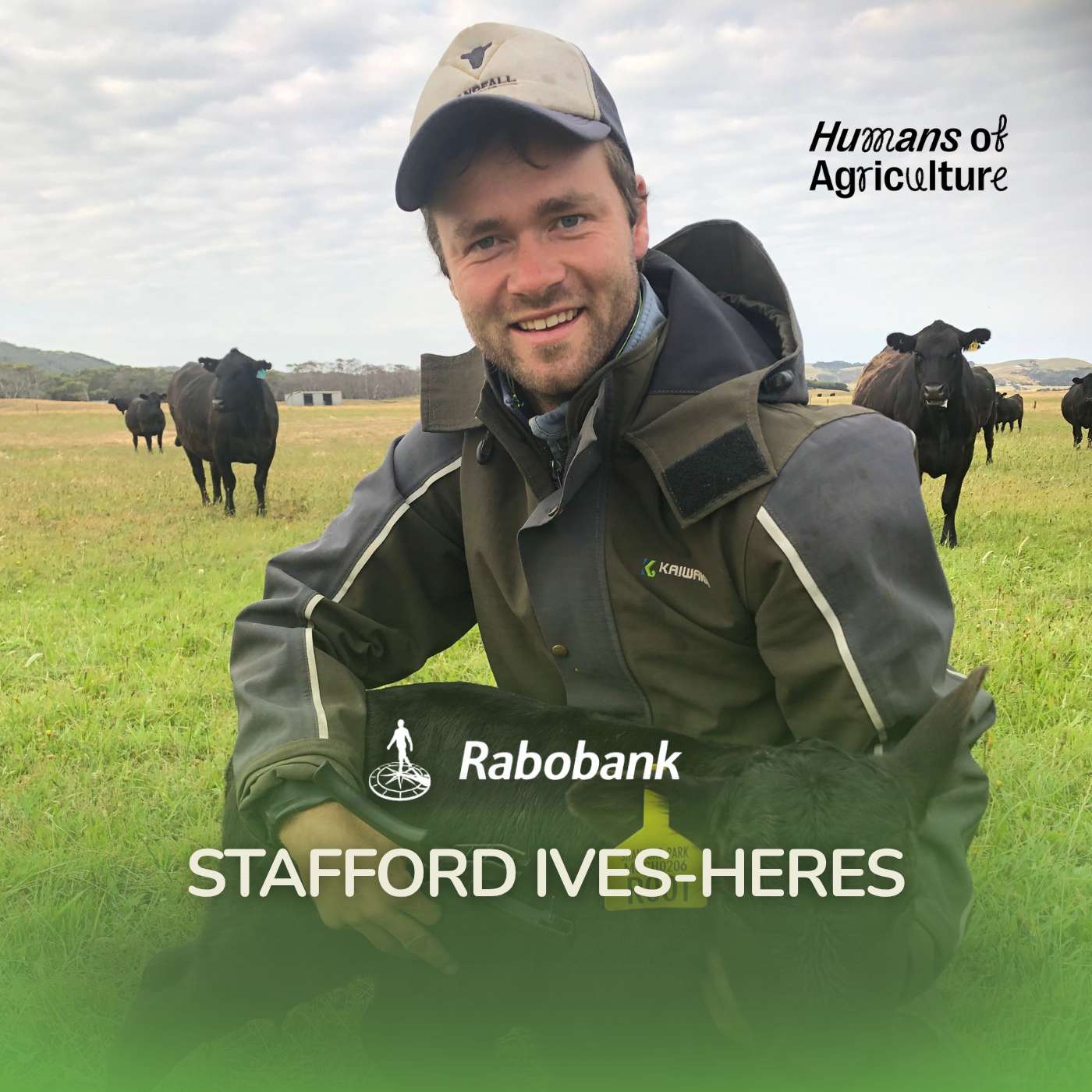 I'm Certainly Not One of Those Farmers Happy to Take a 3% Return - Stafford Ives-Heres (Rabobank Partner Ep) 29.09.2026 35minFourth-generation beef producer Stafford Ives-Heres is building Shanford Park on Tasmania's north-west coast with one eye firmly on the generations still to come.From starting with 10 cattle and working cray boats to fund his growth, to succession, leasing land and questioning whether owning more country always makes commercial sense, Stafford shares how he's thinking about building a family business that's valuable enough to be taken on, not simply sold.We chat about:Growing up at Shanford Park and being the last of four kids to become interested in farmingStarting with 10 cattle as a teenagerWorking cray boats along Tasmania's remote west coastUsing off-farm income to build livestock ownershipWhy the family moved from dairy into beefThe beginnings of Tasmanian Seaweed FertilisersSeparating family businesses to make succession workGrowing livestock numbers through ownership, leasing and share farmingWhy Stafford questions the need to own every hectareBuilding equity and optionality for the next generationCreating pathways into agriculture without owning landWhy professional development and strong networks matterChapters00:00 The realities of regional connectivity05:09 Meet Stafford Ives-Heres06:17 Farming on Tasmania's north-west coast10:21 Starting with 10 cattle12:15 Leaving farming for the cray industry16:24 Lessons from working at sea18:01 From dairy farming to seaweed fertiliser23:40 Separating businesses and navigating succession25:36 Growing the beef business28:29 Having children and thinking generations ahead31:04 Playing the long game with land and scale32:22 Professional development, equity and what's next36:18 Leasing land and creating pathways into agriculture39:05 Rabobank's Executive Development Program Rabobank Partner info:This Humans of Agriculture podcast is proudly brought to you by Rabobank.At Rabobank, support goes beyond banking. That's why they’ve created RaboElevate, a platform designed to help farmers, producers and agribusiness leaders expand their networks and prepare for generations to come.Through RaboElevate, you'll gain access to industry-leading insights, practical learning opportunities, business management programs, events and connections with experts and fellow producers from across the agricultural sector.Whether you're looking to strengthen your business skills, stay ahead of industry trends or connect with like-minded people, RaboElevate is designed to support your professional and business development. Visit rabobank.com.au/elevate to learn more
 -
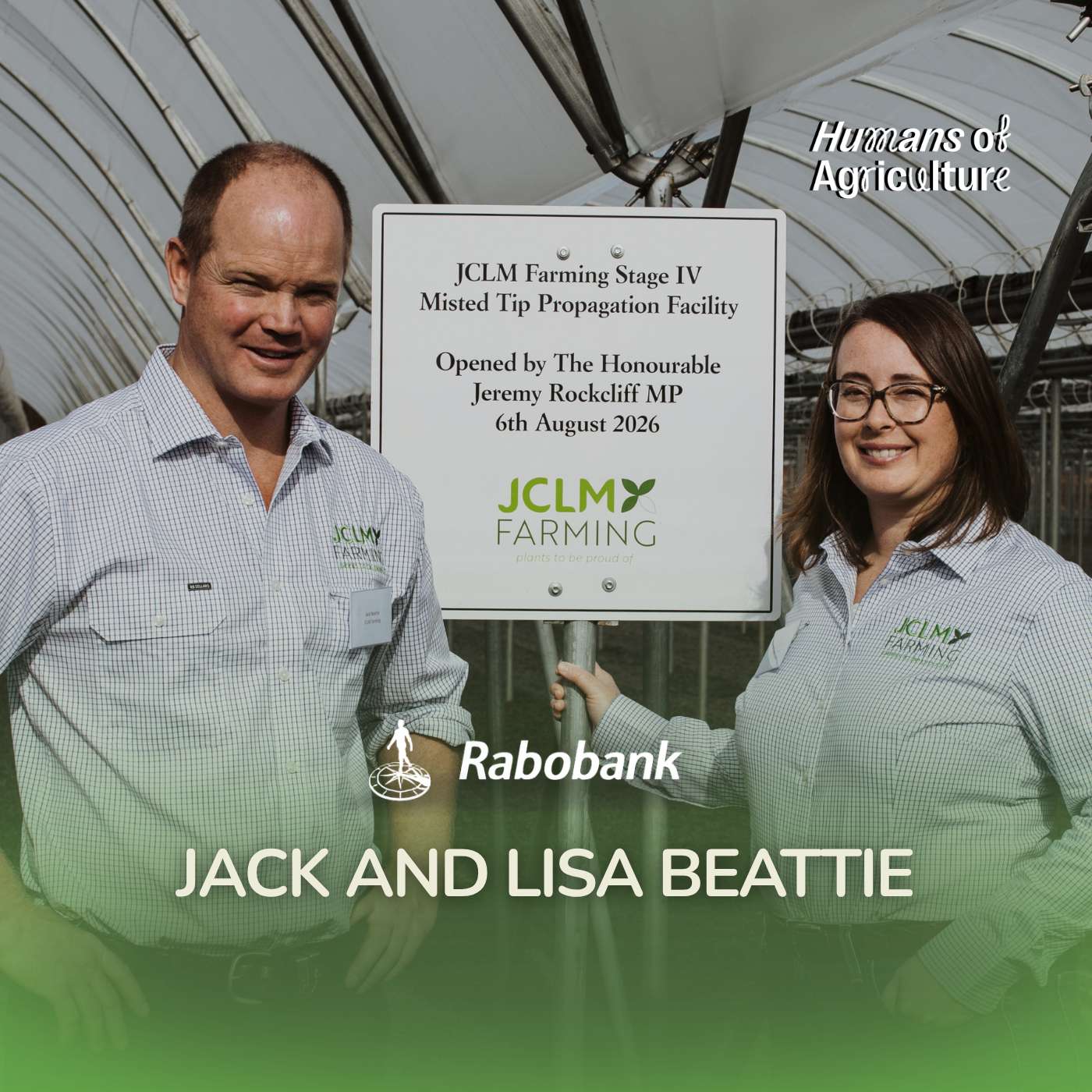 Starting from 0 to 10% of Australia's Strawberry nursery market with Jack and Lisa Beattie 22.09.2026 37minJack and Lisa Beattie didn’t set out to build a strawberry propagation business. After leaving Jack’s family dairy operation and trying several different ventures, an unexpected opportunity at Ouse in Tasmania changed their direction.Today, JCLM Farming produces around 10% of Australia’s strawberry nursery plants. Jack and Lisa share the decisions, setbacks and lessons behind that growth, and their ambition to become the provider of choice for Australian strawberry growers.In this episode:Leaving the family farm and starting againWhy their early businesses were important stepping stonesThe unexpected move from dairy into strawberry propagationThe moment they decided to back one business rather than keep diversifyingWhy Ouse is uniquely suited to growing strawberry nursery plantsGrowing JCLM to around 10% of the Australian marketFinding and bringing new strawberry genetics into AustraliaHow six plants can become millions through propagationDigitising the customer journey from ordering through to deliveryBuilding a team around Jack and Lisa’s different strengthsTheir goal to double JCLM’s share of the Australian marketChapters00:00 Introduction and JCLM Farming today02:20 Jack’s farming roots and moving from the UK to Tasmania05:09 Leaving the family dairy business07:25 The difficult first decade on their own09:06 Their first businesses and lessons from things that didn’t work12:12 Lisa’s perspective on money, growth and building the business16:11 How strawberries unexpectedly entered the picture18:55 The two phone calls that changed their direction22:43 Building JCLM into 10% of Australia’s strawberry plant market24:44 Creating value for customers and aligning the team26:29 Jack and Lisa’s different strengths as leaders28:45 Global genetics and the story of six Eclipse plants32:34 Building a digital-first strawberry nursery37:47 The ambition to double JCLM’s Australian market share39:14 What are the chances your strawberries started at JCLM?40:41 The strawberry needle scare, COVID and labour challenges Rabobank Partner info:This Humans of Agriculture podcast is proudly brought to you by Rabobank.At Rabobank, support goes beyond banking. That's why they’ve created RaboElevate, a platform designed to help farmers, producers and agribusiness leaders expand their networks and prepare for generations to come.Through RaboElevate, you'll gain access to industry-leading insights, practical learning opportunities, business management programs, events and connections with experts and fellow producers from across the agricultural sector.Whether you're looking to strengthen your business skills, stay ahead of industry trends or connect with like-minded people, RaboElevate is designed to support your professional and business development. Visit rabobank.com.au/elevate to learn more
 -
 Tom & Mick: Livestock, Markets and the Power of Relationships with Michael Spencer 08.09.2026 29minMichael Spencer has spent more than 30 years across livestock agency, corporate agriculture, cattle processing and pastoral operations, including roles with Elders, AACo and Bindaree Beef before helping build Adcock Partners.In this episode of The Tom & Mick Show, Michael joins Tom and Mick to unpack what good livestock agency actually looks like, why Adcock Partners deliberately operates under the radar, and what he is seeing across cattle markets from northern Australia through to the eastern states.They discuss: Michael’s unconventional path through Elders, AACo, Bindaree Beef and into Adcock Partners Why relationships and people remain the foundation of a strong agency business Building a business around agility rather than corporate complexity Why Adcock Partners has deliberately stayed relatively quiet and selective How livestock agency has changed over the past 30 years What good service looks like when clients span enormous distances Seasonal conditions across Queensland and the Northern Territory Why producer confidence can move cattle prices quickly The relationship between live export and domestic cattle markets Why live export remains critical to northern Australia and Indonesia What Michael expects from cattle markets heading through spring and into 2027Chapters00:00 Introduction to Michael Spencer and Adcock Partners05:24 Michael’s path from Melbourne to livestock agency12:41 From Elders and AACo to Bindaree18:05 Building Adcock Partners and the business philosophy23:34 What good livestock agency service looks like29:48 Seasonal conditions across northern Australia35:12 The cattle market and influence of the farmer40:36 Live export, Indonesia and changing cattle markets46:18 What happens next for the cattle market50:20 The Charbray question and wrapping up Rabobank Partner info:This Humans of Agriculture podcast is proudly brought to you by Rabobank.At Rabobank, support goes beyond banking. That's why they’ve created RaboElevate, a platform designed to help farmers, producers and agribusiness leaders expand their networks and prepare for generations to come.Through RaboElevate, you'll gain access to industry-leading insights, practical learning opportunities, business management programs, events and connections with experts and fellow producers from across the agricultural sector.Whether you're looking to strengthen your business skills, stay ahead of industry trends or connect with like-minded people, RaboElevate is designed to support your professional and business development. Visit rabobank.com.au/elevate to learn more
 -
 “We Mortgaged Our Houses”.... The Bet That Became Delta Agribusiness with Gerard Hines and Chris Duff 01.09.2026 1h 17minGerard Hines and Chris Duff have spent nearly four decades working alongside each other, building one of Australia's most respected independent agribusinesses from a single rural store into a national business. What does it take to build an agribusiness from a handful of people into a national business, without losing the culture, relationships and local connection that made it successful in the first place?Gerard Hines and Chris Duff are the co-founders of Delta Agribusiness. Their working relationship stretches back almost 40 years, from a small rural business near Young, NSW, through the creation of Delta Agribusiness in 2006 and more than 20 acquisitions, before Delta ultimately became part of Elders.This is a conversation about much more than growth. Gerard and Chris unpack the decisions, people and principles underneath it, from backing themselves during drought, putting their own money on the line and using employee ownership to create alignment, to learning why balance sheet strength, local relationships and great people matter when building a business for the long term.Key insights from the conversation:How Gerard and Chris built a partnership spanning nearly 40 years through trust, respect and shared valuesWhy bringing independent agronomy into agricultural retail fundamentally changed their business modelThe role mentors and early equity opportunities played in shaping Delta's inclusive ownership philosophyWhat IAMA, Wesfarmers and AWB taught them about leadership, governance, systems and financial disciplineWhy Delta was founded during the middle of a severe drought and how backing themselves changed everythingThe importance of maintaining a strong balance sheet so opportunities can be seized during difficult seasonsHow focusing on people, culture and local relationships drove more than 20 successful acquisitions across AustraliaWhy equity ownership became one of Delta's greatest tools for attracting, retaining and aligning great peopleHow staying connected to customers and the frontline has remained critical, even as the business has grown nationallyThe lessons learned from succession planning, bringing in private equity, and ultimately partnering with Elders to secure Delta's next chapterChapters:00:00 Introduction to Gerard Hines and Chris Duff's Journey01:52 Early Days of Agriculture and Agronomy04:00 Founding of Delta Agribusiness and Initial Challenges08:05 The Impact of Industry Changes and Mergers11:57 Lessons Learned from Industry Challenges15:57 Growth Strategies and Private Equity Involvement20:08 Building Company Culture and Leadership25:02 Managing Growth, Succession, and Industry Dynamics31:47 The Decision to Start Delta and Early Risks36:04 Timing and Market Conditions During Launch40:03 Resilience During Droughts and Market Cycles45:07 The Role of Relationships and Trust in Business49:48 Strategic Acquisitions and Private Equity Partnerships54:58 Adapting to Industry and Market Changes59:55 Leadership, Culture, and the Future of DeltaPodcast KeywordsDelta Agribusiness, Gerard Hines, Chris Duff, Australian agribusiness, agronomy Australia, agricultural leadership, agribusiness entrepreneurship, rural business, agriculture careers, agricultural retail, private agronomy, Australian farming, business growth, mergers and acquisitions, employee ownership, business culture, drought resilience, leadership development, succession planning, Elders, regional business, entrepreneurship in agriculture Rabobank Partner info:This Humans of Agriculture podcast is proudly brought to you by Rabobank.At Rabobank, support goes beyond banking. That's why they’ve created RaboElevate, a platform designed to help farmers, producers and agribusiness leaders expand their networks and prepare for generations to come.Through RaboElevate, you'll gain access to industry-leading insights, practical learning opportunities, business management programs, events and connections with experts and fellow producers from across the agricultural sector.Whether you're looking to strengthen your business skills, stay ahead of industry trends or connect with like-minded people, RaboElevate is designed to support your professional and business development. Visit rabobank.com.au/elevate to learn more
 -
 Hiring: Action Steel - Sales coordinator role 29.08.2026 21minAction Steel Sales Coordinator Role - Find here. We sit down with Lennie Grace to learn more about Action Steel and the current opportunities available in his sales team. Chapters00:00 Introduction to Action Steel and family business01:27 How Action Steel started02:01 Growing up in the family business03:33 Why Action Steel chose agriculture04:53 The importance of focus06:21 Building a network for growth08:18 Team, culture and specialist skills10:03 The Sales Coordinator opportunity12:43 Understanding the role and customer experience18:26 Transparency, incentives and the future of Action Steel Rabobank Partner info:This Humans of Agriculture podcast is proudly brought to you by Rabobank.At Rabobank, support goes beyond banking. That's why they’ve created RaboElevate, a platform designed to help farmers, producers and agribusiness leaders expand their networks and prepare for generations to come.Through RaboElevate, you'll gain access to industry-leading insights, practical learning opportunities, business management programs, events and connections with experts and fellow producers from across the agricultural sector.Whether you're looking to strengthen your business skills, stay ahead of industry trends or connect with like-minded people, RaboElevate is designed to support your professional and business development. Visit rabobank.com.au/elevate to learn more
 -
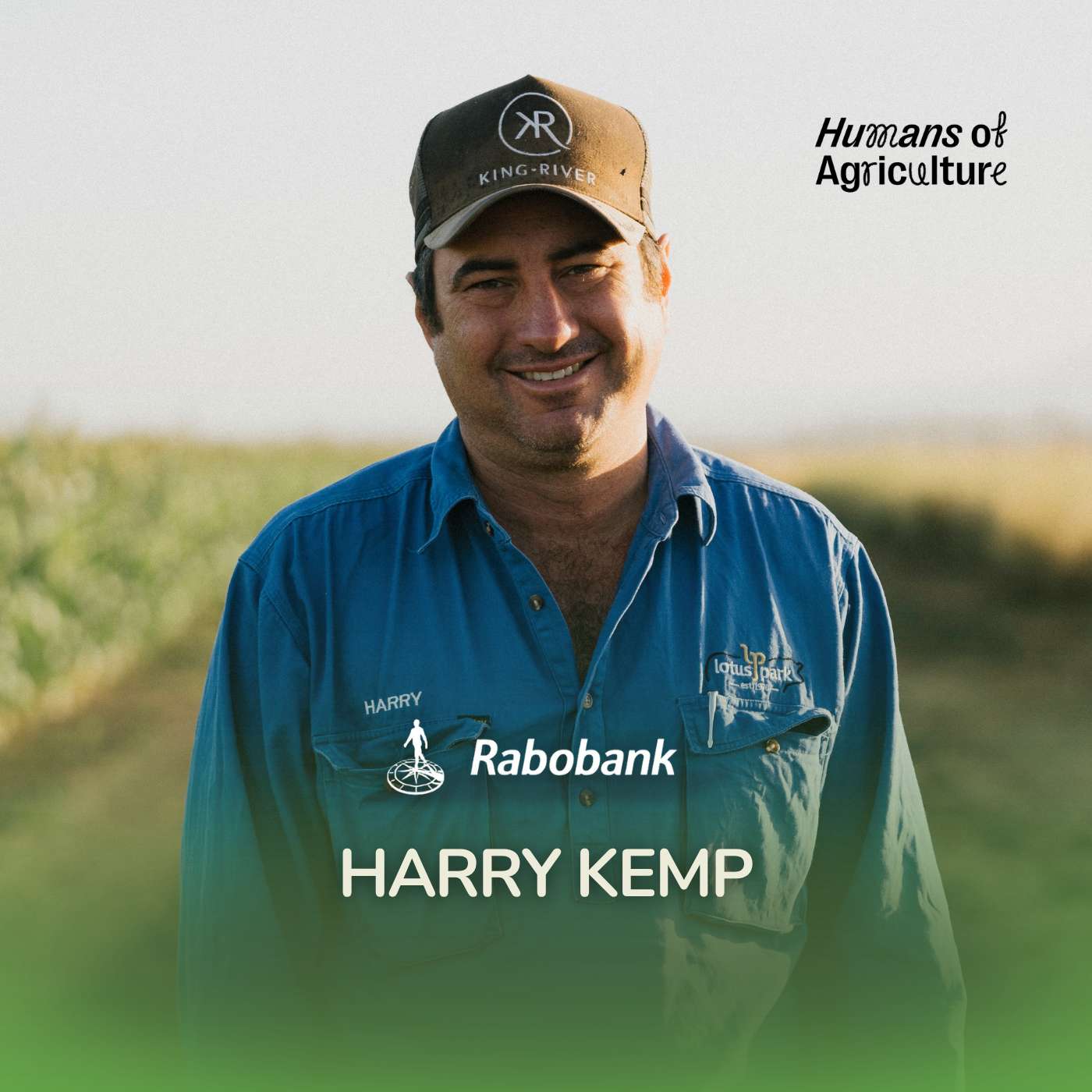 The Power of Two Farming Families Working Together - Harry Kemp (Rabobank Partner Ep) 27.08.2026 48minBuilding a premium beef brand isn't just about producing exceptional cattle. It's about understanding markets, embracing data, building the right team, and having the patience to make decisions years before the product reaches a customer's plate.In this episode, Harry Kemp shares the story behind King River, the family-owned Wagyu business that has grown from a bold partnership between two Queensland families into a premium beef brand supplying customers across more than 35 countries.Harry reflects on growing up in a family grazing business, leaving school early to return to the land, and how his approach to learning has evolved alongside the rapid transformation of Australian agriculture. What began as a traditional cattle operation has become a data-driven business where genetics, consumer demand, and long-term thinking shape every decision.Together, Oli and Harry explore the realities of building a premium export brand, why consistency matters more than chasing perfection, and how strong relationships have underpinned King River's remarkable growth over the past five years.From genetics and data to leadership, teamwork, and customer relationships, this conversation offers a fascinating insight into what it takes to build a modern beef business that delivers quality from paddock to plate.Key insights from the conversation:Harry's journey from the family cattle property to co-founding King RiverWhy two family businesses joined forces to build a premium Wagyu brandThe challenges of building a business with a four-year production cycleHow genetics, data, and consumer demand are transforming beef productionWhy consistency matters more than producing the highest marbling scoresBuilding a business that now supplies premium Wagyu to more than 35 countriesLessons on rapid business growth, leadership, and putting people in the right rolesThe importance of relationships, accountability, and shared values in successful partnershipsWhy producing great food is ultimately about bringing people together, regardless of language or cultureChapters:00:00 Introduction to Harry Kemp and King River Beef02:20 The significance of the Ekka week and industry events04:00 Harry's background and early life in farming07:32 Changes in beef farming over 21 years10:07 The formation of King River Beef in 201911:30 Utilising Wagyu to optimise feedlot infrastructure14:05 Transition from selling cattle to branding and marketing16:22 Meeting the Rich family and forming the partnership19:45 Managing rapid growth and team restructuring24:55 Impact of genetics and breeding on marbling29:38 The importance of data and technology in decision-making34:22 Building a global customer base and maintaining quality44:01 The future vision for King River Beef45:20 Harry's perspective on being a food producer46:47 The universal language of good food and beef47:22 Closing remarks and next steps for the business Rabobank Partner info:This Humans of Agriculture podcast is proudly brought to you by Rabobank.At Rabobank, support goes beyond banking. That's why they’ve created RaboElevate, a platform designed to help farmers, producers and agribusiness leaders expand their networks and prepare for generations to come.Through RaboElevate, you'll gain access to industry-leading insights, practical learning opportunities, business management programs, events and connections with experts and fellow producers from across the agricultural sector.Whether you're looking to strengthen your business skills, stay ahead of industry trends or connect with like-minded people, RaboElevate is designed to support your professional and business development. Visit rabobank.com.au/elevate to learn more
 -
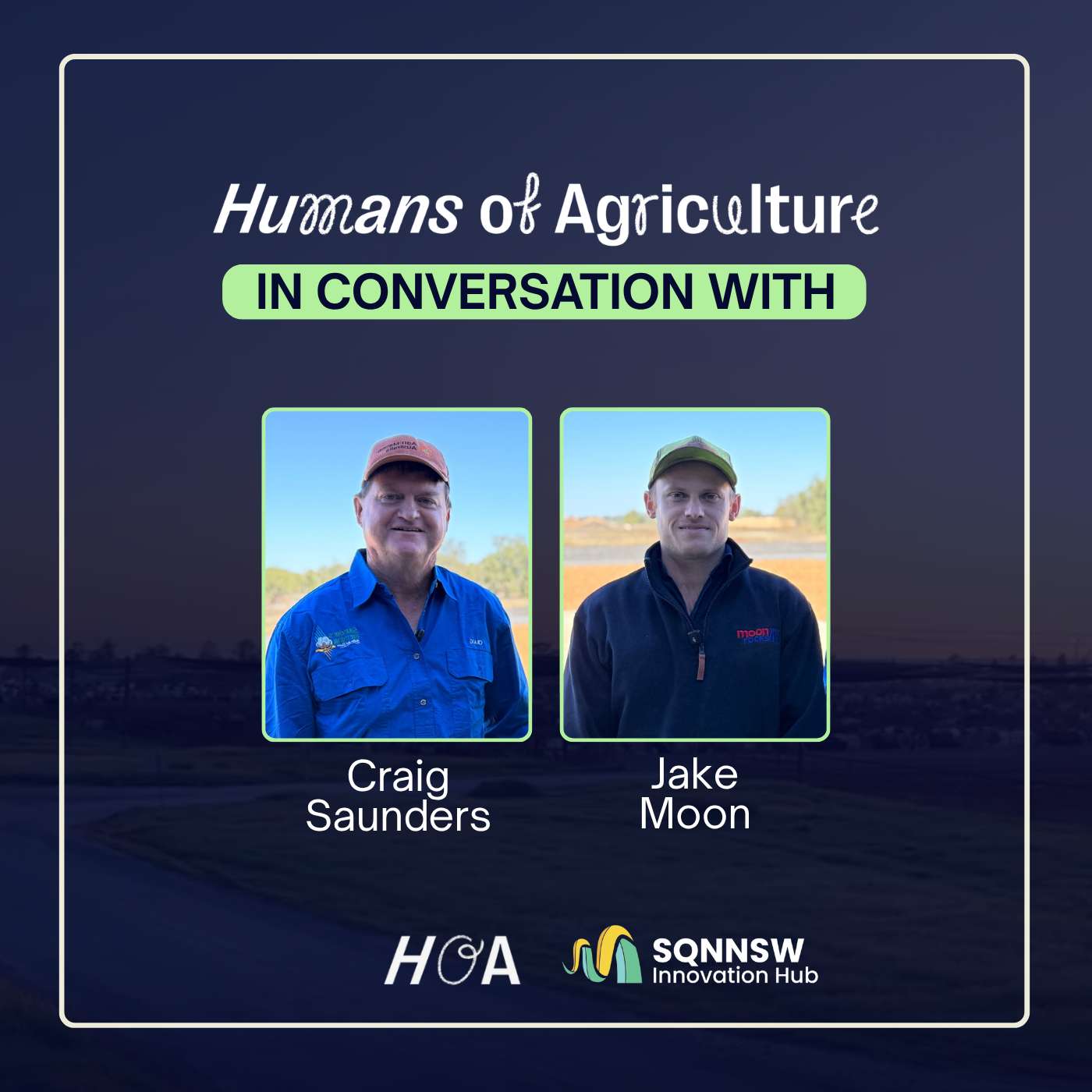 Moon Rocks and Water - How these 2 St George farmers are shaping their future (SQNNSW Innovation Hub Partnered Ep) 25.08.2026 59minIn the second of a two-part panel series with the Southern Queensland and Northern New South Wales Drought Resilience Adoption and Innovation Hub, Oli Le Lievre sits down with St George producers Jake Moon of Moonrocks and cotton grower Craig Saunders to explore how innovation is being used to solve real problems within two very different farming businesses.Jake shares how Moonrocks identified labour and weed management as a growing constraint before adopting an AI-powered green-on-green sprayer, while Craig reflects on how the pursuit of growing more cotton with less water led him to rethink irrigation and develop automation for bankless systems.This conversation is not about promoting a particular product. It is about what happens before and after a technology is adopted: identifying a problem, researching potential solutions, working through the economics and building the people, systems and processes needed to make it work.Jake and Craig discuss the importance of measuring performance, understanding return on investment and being willing to challenge the way things have always been done. They also share the limitations, frustrations and unanswered questions that remain, from integrating data across a business to deciding which investment should come next.From robotics and irrigation automation to labour, software, profitability and long-term planning, this is a practical conversation about using innovation to build more productive, adaptable and drought-resilient farming businesses.The Southern Queensland and Northern New South Wales Drought Resilience Adoption and Innovation Hub is supported by funding from the Australian Government's Future Drought Fund. Learn more at www.unisq.edu.au/sqnnswhub.Key insights from the conversation:Why Jake and Craig began looking for new ways to solve labour, water and productivity challenges.How Craig’s pursuit of “more profit per drop” led to the automation of bankless irrigation.How robotics is helping Moonrocks reduce manual weeding, lower herbicide use and improve crop performance.Why measuring water use, labour, inputs and yield is essential when assessing new technology.The importance of matching innovation with a clearly defined business problem.Why successful adoption depends on people, processes and simple, reliable systems - not just the technology itself.How farmers can assess return on investment without chasing every new product or efficiency.The role of data, software and connected systems in improving decision-making.The value of learning from other farmers, industries and international businesses.The practical challenges of adopting technology, including cost, integration, support and uncertainty.Why profitability is central to long-term sustainability and drought resilience.How innovation can shift farm roles away from repetitive manual work and toward higher-skilled decision-making.Chapters:00:00 Introduction to Craig Saunders' farm and innovation focus01:50 Historical context of farming equipment and evolution03:52 The rapid pace of agricultural change and innovation06:53 Craig Saunders' farm history and diversification10:06 Water management challenges and technological solutions15:01 Adopting bankless irrigation and automation20:06 Jake Moon's farm history and crop diversification24:57 Use of AI-powered sprayers and weed management30:11 The impact of technology on crop health and yields34:48 Decision-making processes and data leverage in farming40:00 The role of grants, strategic planning, and future opportunities45:11 Lessons learned from travel and industry networks50:10 The importance of continuous evolution and innovation in agriculture55:04 Future prospects: local manufacturing, AI, and robotics57:52 Final thoughts on the future of agriculture and technology Rabobank Partner info:This Humans of Agriculture podcast is proudly brought to you by Rabobank.At Rabobank, support goes beyond banking. That's why they’ve created RaboElevate, a platform designed to help farmers, producers and agribusiness leaders expand their networks and prepare for generations to come.Through RaboElevate, you'll gain access to industry-leading insights, practical learning opportunities, business management programs, events and connections with experts and fellow producers from across the agricultural sector.Whether you're looking to strengthen your business skills, stay ahead of industry trends or connect with like-minded people, RaboElevate is designed to support your professional and business development. Visit rabobank.com.au/elevate to learn more
 -
 Hiring | Ornata: Building the Future of Autonomous Farming with Josh Tepper & Michael Webb 20.08.2026 40minIn this episode of Humans of Agriculture, Oli Le Lievre sits down with Josh Tepper, CEO, and Michael Webb, COO and co-founders of Ornata Technologies, to explore how they're transforming farm operations through autonomous machinery and why now is an exciting time to join their growing team.Following their appearance at evokeAG, Josh and Michael share how Ornata has evolved from launching its first commercial customers to building strong momentum across Victoria. They discuss their unique approach to autonomy, where experienced remote operators work alongside autonomous machinery to deliver the benefits of automation without adding complexity for farmers or requiring them to replace the equipment they already own.The conversation also provides an inside look at the newly created Area Sales Manager role across Victoria and Southern New South Wales. Josh and Michael explain why this is much more than a sales position. It is an opportunity to build trusted relationships with farmers, understand their operations, demonstrate the technology in the field, and help producers solve one of agriculture's biggest challenges, finding skilled labour.Whether you're passionate about agriculture, technology or helping farmers adopt new innovations, this episode offers a genuine insight into life inside one of Australia's most exciting agtech startups. Josh and Michael explain what success looks like, why trust sits at the centre of every customer relationship, and how joining Ornata today offers the chance to grow alongside a business shaping the future of Australian agriculture.To learn more about Ornata Technologies and the Area Sales Manager opportunity, visit the Humans of Agriculture careers page.The role is live now, and we'd love to hear from people who are ready to help bring the next generation of autonomous farming technology to Australian agriculture.Key insights from the conversation:How Ornata has progressed from its first commercial deployments to a growing customer base.Why Ornata's remote operations platform makes autonomous farming practical for today's producers.How the business helps farmers address labour shortages while using the machinery they already own.Why building trust with farmers is the foundation of every customer relationship.What the Area Sales Manager role looks like day to day.Why understanding farming systems matters more than having deep technical knowledge.How customer referrals are driving growth across regional farming communities.What it is like working in a fast-growing Australian agtech startup.Why joining early creates opportunities to grow with the business.What success looks like after the first 12 months in the role.Chapters:00:00 Introduction to Ornata Technologies and the new role02:34 Six months of progress and milestones05:31 The importance of local customer relationships12:00 Why Victoria and New South Wales are key markets15:10 What success looks like in the territory manager role22:45 Customer profiles and farm types26:54 Onboarding and what to expect in the role36:51 The future of autonomous farming technology Rabobank Partner info:This Humans of Agriculture podcast is proudly brought to you by Rabobank.At Rabobank, support goes beyond banking. That's why they’ve created RaboElevate, a platform designed to help farmers, producers and agribusiness leaders expand their networks and prepare for generations to come.Through RaboElevate, you'll gain access to industry-leading insights, practical learning opportunities, business management programs, events and connections with experts and fellow producers from across the agricultural sector.Whether you're looking to strengthen your business skills, stay ahead of industry trends or connect with like-minded people, RaboElevate is designed to support your professional and business development. Visit rabobank.com.au/elevate to learn more
 -
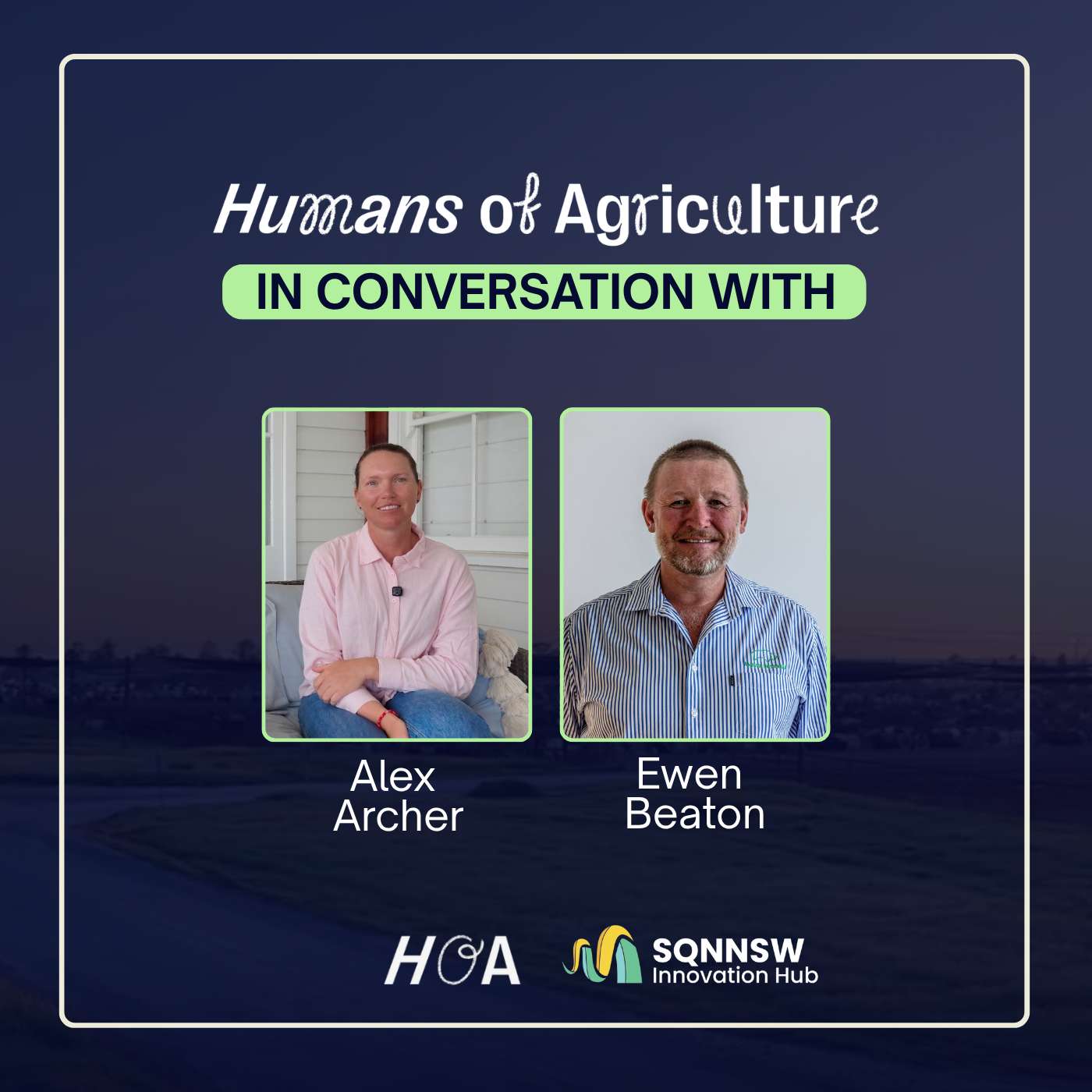 "Trust the Tech. Trust the People." We’re in QLD talking all things cow collars (SQNNSW Innovation Hub Partnered Ep) 18.08.2026 45minIn the first of a two-part panel series with the Southern Queensland and Northern New South Wales Drought Resilience Adoption and Innovation Hub, Oli brings together Alex Archer from Webster Grain & Grazing at Lundavra and Ewen Beaton, Aminya Pastoral Pty Ltd, Manager at Kioma, west of Goondiwindi, to explore how two producers have approached the adoption of virtual fencing within their own grazing businesses.While each operation uses a different virtual fencing platform, this conversation is not about comparing technology. It is about the decision-making process behind adopting innovation, identifying opportunities within a farming business and understanding how new tools can support more productive, resilient grazing systems.Alex shares how virtual fencing has unlocked more than 160 hectares of previously underutilised country within a predominantly cropping enterprise, while Ewen reflects on how the technology is changing the way his team thinks about pasture utilisation, forage management and livestock movement. Together, they discuss the practical realities of implementation, the importance of good systems and the lessons they've learned along the way.From business decisions and grazing management to resilience and continuous improvement, this is a conversation about using innovation to solve real problems on farm.The Southern Queensland and Northern New South Wales Drought Resilience Adoption and Innovation Hub is supported by funding from the Australian Government's Future Drought Fund. Learn more at www.unisq.edu.au/sqnnswhub.Key insights from the conversation:Why both businesses started looking for new grazing solutions and what drove their investment decisions.How virtual fencing is helping improve pasture utilisation and unlock previously underutilised country.The importance of matching technology adoption with business goals and economic outcomes.What successful implementation looks like beyond the technology itself.The role of management systems, people and processes in making innovation work.How virtual fencing is changing the way producers think about grazing intensity, livestock movement and pasture management.The practical challenges, limitations and lessons learned during adoption.Why curiosity, continuous learning and asking questions are essential when adopting new technology.How innovation can help farming businesses become more productive, adaptable and drought resilient.Chapters:00:00 Introduction to Virtual Fencing and Guests02:02 Why Virtual Fencing is a Game Changer03:05 Alex Archer's Farm and Grazing Innovation05:01 Ewan Beaton's Experience with Halter05:48 Adoption Timeline and Decision Factors09:04 Economic Drivers and Farm Benefits11:55 Training Cattle and Managing Boundaries16:03 Animal Behaviour and Welfare Insights19:58 Seasonal Grazing and Pasture Management28:05 Challenges, Connectivity, and Lessons Learned32:08 Future Potential and Next Steps in AgTech Rabobank Partner info:This Humans of Agriculture podcast is proudly brought to you by Rabobank.At Rabobank, support goes beyond banking. That's why they’ve created RaboElevate, a platform designed to help farmers, producers and agribusiness leaders expand their networks and prepare for generations to come.Through RaboElevate, you'll gain access to industry-leading insights, practical learning opportunities, business management programs, events and connections with experts and fellow producers from across the agricultural sector.Whether you're looking to strengthen your business skills, stay ahead of industry trends or connect with like-minded people, RaboElevate is designed to support your professional and business development. Visit rabobank.com.au/elevate to learn more
 -
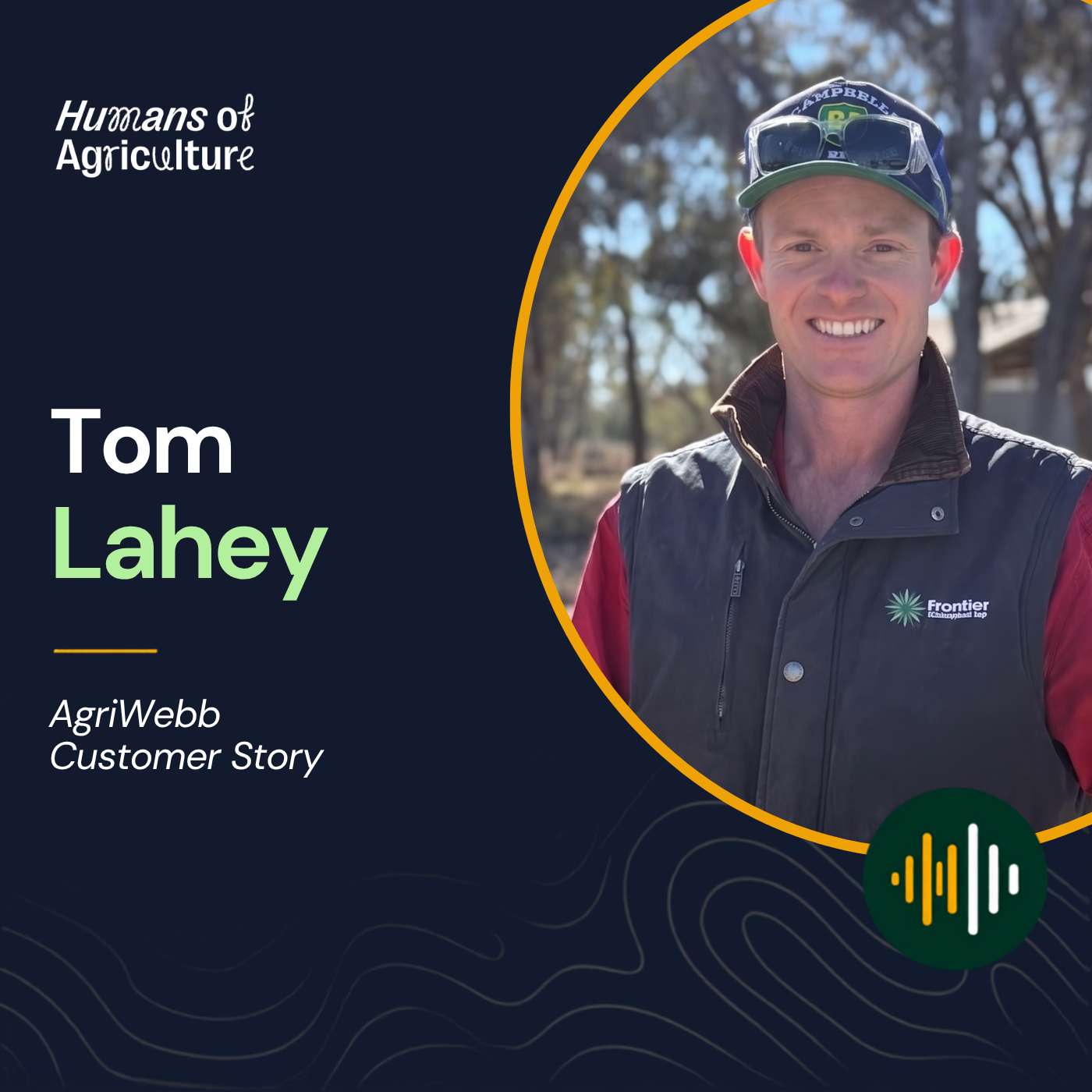 "I couldn't have it all in my head"...so Tom Lahey went digital (AgriWebb Partner episode) 11.08.2026 38minThird-generation cattle producer Tom Lahey always knew he wanted to return home to the family farm near Goondiwindi. But after working across Western Australia and travelling through the United States to visit some of the world's leading regenerative ranches, he came back with a different perspective on what the future of Australian grazing could look like.Rather than chasing quick wins, Tom has focused on building a more resilient business by improving soil health, measuring grazing performance and making better decisions with data. Over the past five years, AgriWebb has become a central part of that journey, helping the family move from relying on notebooks and memory to having real-time information that supports day-to-day management and long-term planning.In this episode, Tom shares how travel reshaped his thinking, why healthy soil and healthy people go hand in hand, and how technology is helping his family make more confident decisions while creating a stronger future for the next generation.Key insights from the conversation:Growing up on a family cattle property near GoondiwindiHow travelling through the US changed his approach to grazing and soil healthBringing new ideas back into a multi-generational family businessWhy AgriWebb became the foundation for better decision-makingUsing grazing data to navigate dry seasons with confidenceHow technology supports carbon projects and tells the story behind farming practicesThe importance of measuring progress instead of relying on memoryWhy the future of farming will rely on connected technology and better dataBuilding a legacy focused on healthy soils, healthy businesses and healthy peopleChapters:00:00 Introduction to Tom Lahey and his farm journey00:28 Tom's background and family farm in Wyaga02:08 Growing up on the family farm and passion for farming04:56 Adopting a progressive mindset in agriculture06:53 Experience in Western Australia and genetic improvements07:35 Trip to the US and insights into regenerative ranching09:42 Soil health, environment, and profitability11:30 Implementing grazing techniques post-US trip13:20 Using AgriWebb for farm management and decision making17:52 Integrating data and technology in farm operations20:26 Evolution of farm management tools over five years22:38 Future plans for technology and farm legacy Rabobank Partner info:This Humans of Agriculture podcast is proudly brought to you by Rabobank.At Rabobank, support goes beyond banking. That's why they’ve created RaboElevate, a platform designed to help farmers, producers and agribusiness leaders expand their networks and prepare for generations to come.Through RaboElevate, you'll gain access to industry-leading insights, practical learning opportunities, business management programs, events and connections with experts and fellow producers from across the agricultural sector.Whether you're looking to strengthen your business skills, stay ahead of industry trends or connect with like-minded people, RaboElevate is designed to support your professional and business development. Visit rabobank.com.au/elevate to learn more
 -
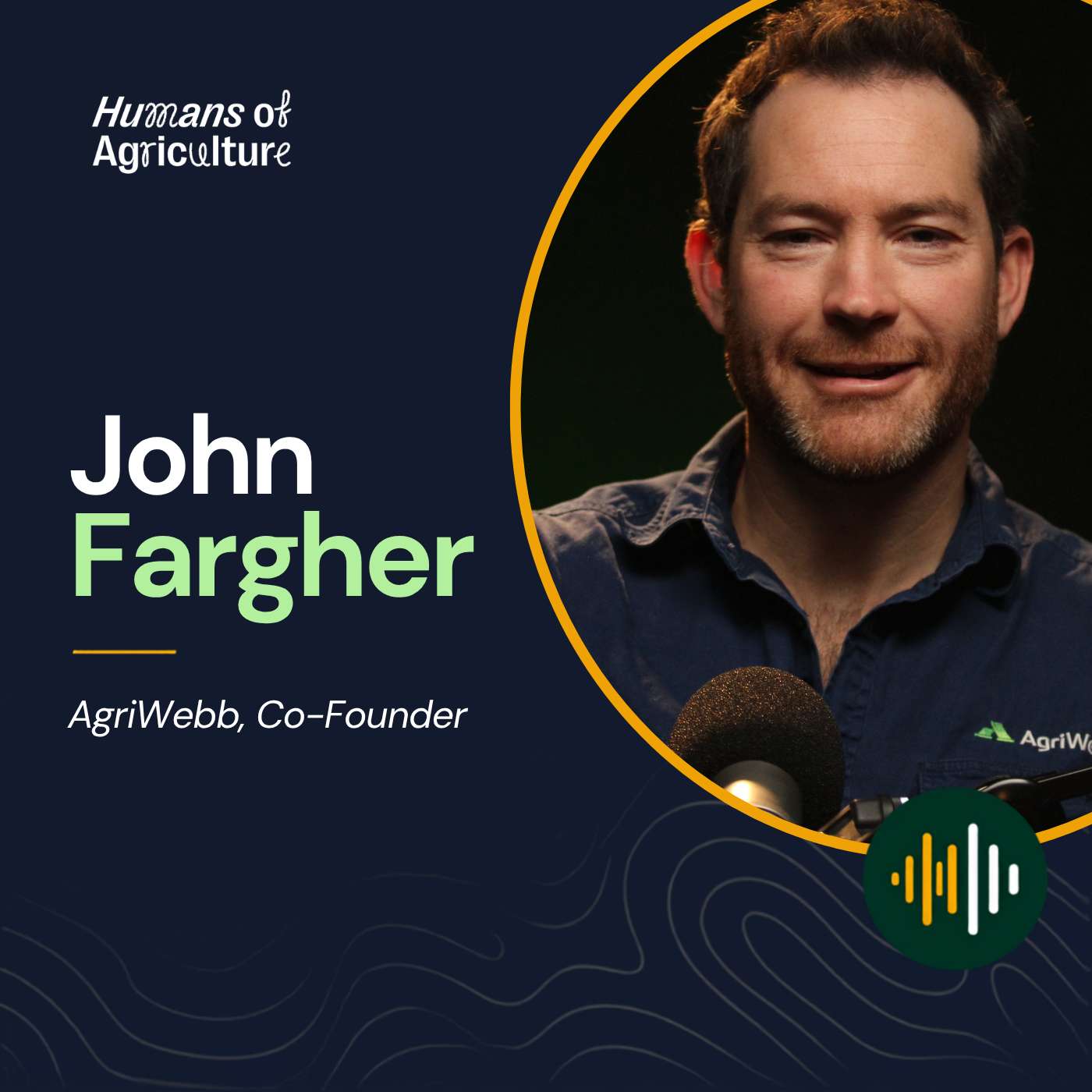 The Livestock Industry Was Running on Paper. AgriWebb Bet Everything That Would Change - John Fargher, Co-Founder (AgriWebb Partner episode) 04.08.2026 1h 7minJohn Fargher grew up on a sheep and cattle station in South Australia's Flinders Ranges, where innovation wasn't a buzzword. It was a necessity.From School of the Air and life on a remote station to practising law in London, John's path looked a long way from building one of agriculture's most recognised technology companies. But a conversation in a London pub changed everything.Together with fellow co-founders Kevin Baum and Justin Webb, John left his legal career behind to tackle one of agriculture's biggest challenges: helping livestock producers move beyond paper records and make better decisions using data.More than a decade later, AgriWebb supports producers across Australia, the UK, North America, South America and beyond, helping digitise livestock businesses while connecting farmers more closely with supply chains and the future of food production.In this episode, John reflects on the journey from startup garage to global ag-tech business, the realities of building a company in one of the world's least digitised industries, and why earning farmers' trust has always mattered more than building software.The conversation also explores AgriWebb's recent acquisition by URUS, the future of livestock data, and why John believes agriculture still has enormous untapped opportunities for innovation.Key insights from the conversation:Growing up on a remote station in the Flinders RangesLeaving a legal career in London to co-found AgriWebbWhy agriculture was still running on paper when AgriWebb beganBuilding a startup before ag tech was an established industryThe lessons from growing a global software businessExpanding into the UK, North America and BrazilWhy digitising agriculture remains one of the industry's biggest opportunitiesThe role of trust, partnerships and culture in scaling a businessHow AI, data and genetics could shape the future of livestock productionWhat's next for AgriWebb following its acquisition by URUSChapters:00:00 Introduction to AgriWebb and its origins00:33 John Farger's background and childhood in the Flinders Ranges01:01 The early days of AgriWebb and its mission02:24 Recent milestones and the URUS acquisition06:40 John’s childhood and the influence of farming life09:39 The start of the AgriWebb story in London12:00 The founding of AgriWebb in Melbourne13:40 The state of Australian agtech a decade ago16:08 The initial problem in livestock digitization20:51 Pivot from hardware to software focus23:41 Technological evolution and early challenges27:55 Business model evolution and market education30:49 Competitive landscape and category creation33:11 International expansion and market entry strategies37:26 Building a global business with a unified culture41:24 Company culture and employee engagement45:46 Lessons from market fluctuations and industry challenges49:00 Managing noise and trends in ag tech51:46 Future opportunities in agriculture and advice for entrepreneurs55:33 Vision for the next decade and impact goals58:57 Connecting farm data to global supply chains01:03:50 The role of sustainability and corporate responsibility01:06:01 Reflections on the journey and future outlook Rabobank Partner info:This Humans of Agriculture podcast is proudly brought to you by Rabobank.At Rabobank, support goes beyond banking. That's why they’ve created RaboElevate, a platform designed to help farmers, producers and agribusiness leaders expand their networks and prepare for generations to come.Through RaboElevate, you'll gain access to industry-leading insights, practical learning opportunities, business management programs, events and connections with experts and fellow producers from across the agricultural sector.Whether you're looking to strengthen your business skills, stay ahead of industry trends or connect with like-minded people, RaboElevate is designed to support your professional and business development. Visit rabobank.com.au/elevate to learn more
 -
 “The First AgTech We've Got To Adopt Is...” with Ben Barlow RLF AgTech (Business Spotlight) 30.07.2026 36minThis business spotlight explores how RLF AgTech is turning decades of agricultural research into practical products that help farmers improve productivity and profitability.Chairman Ben Barlow shares his journey from building and exiting New Edge Microbials to leading RLF AgTech, explaining why commercialisation is often the missing link between great science and widespread adoption. He discusses what attracted him to the business, how RLF has built on more than 20 years of research and field trials, and why the future of Australian agriculture depends on making innovation practical at the farm gate.This episode explains how RLF AgTech's approach to plant nutrition, biologicals and local manufacturing is helping strengthen farm businesses while positioning Australian innovation for global growth. For anyone interested in ag tech, agricultural productivity or the future of farming, this is a practical and insightful conversation.RLF AgTech is an Australian agricultural technology company developing plant nutrition and biological solutions that improve crop performance. The business combines decades of research, extensive field trials and local manufacturing to deliver products that integrate into existing farming systems while supporting more productive and resilient agriculture.Key insights from the conversation:How RLF AgTech is commercialising decades of agricultural researchWhy adoption depends on trust, education and on-farm resultsThe role of local manufacturing in strengthening Australian agricultureWhy improving farm profitability is the foundation for future ag tech adoptionBen's outlook on the future of Australian agriculture and agricultural innovationChapters:00:00 Introduction and Ben Barlow's background01:34 Ben's journey since last conversation02:30 Focus on plant, animal, and soil health03:57 Deep science and commercial potential of biologicals05:55 Involvement with RLF AgTech07:52 Opportunities in biologicals and crop yields10:54 Australian agriculture's adoption challenges14:13 Market opportunities and niche products17:06 Global markets and export potential20:02 Local manufacturing and supply chain resilience23:11 Future of agritech and investment challenges26:08 Leadership, risk, and strategic growth30:00 Opportunities and pathways for Australian agriculture32:50 Skills for the next generation of farmers33:56 Closing remarks and key takeaways Rabobank Partner info:This Humans of Agriculture podcast is proudly brought to you by Rabobank.At Rabobank, support goes beyond banking. That's why they’ve created RaboElevate, a platform designed to help farmers, producers and agribusiness leaders expand their networks and prepare for generations to come.Through RaboElevate, you'll gain access to industry-leading insights, practical learning opportunities, business management programs, events and connections with experts and fellow producers from across the agricultural sector.Whether you're looking to strengthen your business skills, stay ahead of industry trends or connect with like-minded people, RaboElevate is designed to support your professional and business development. Visit rabobank.com.au/elevate to learn more
 -
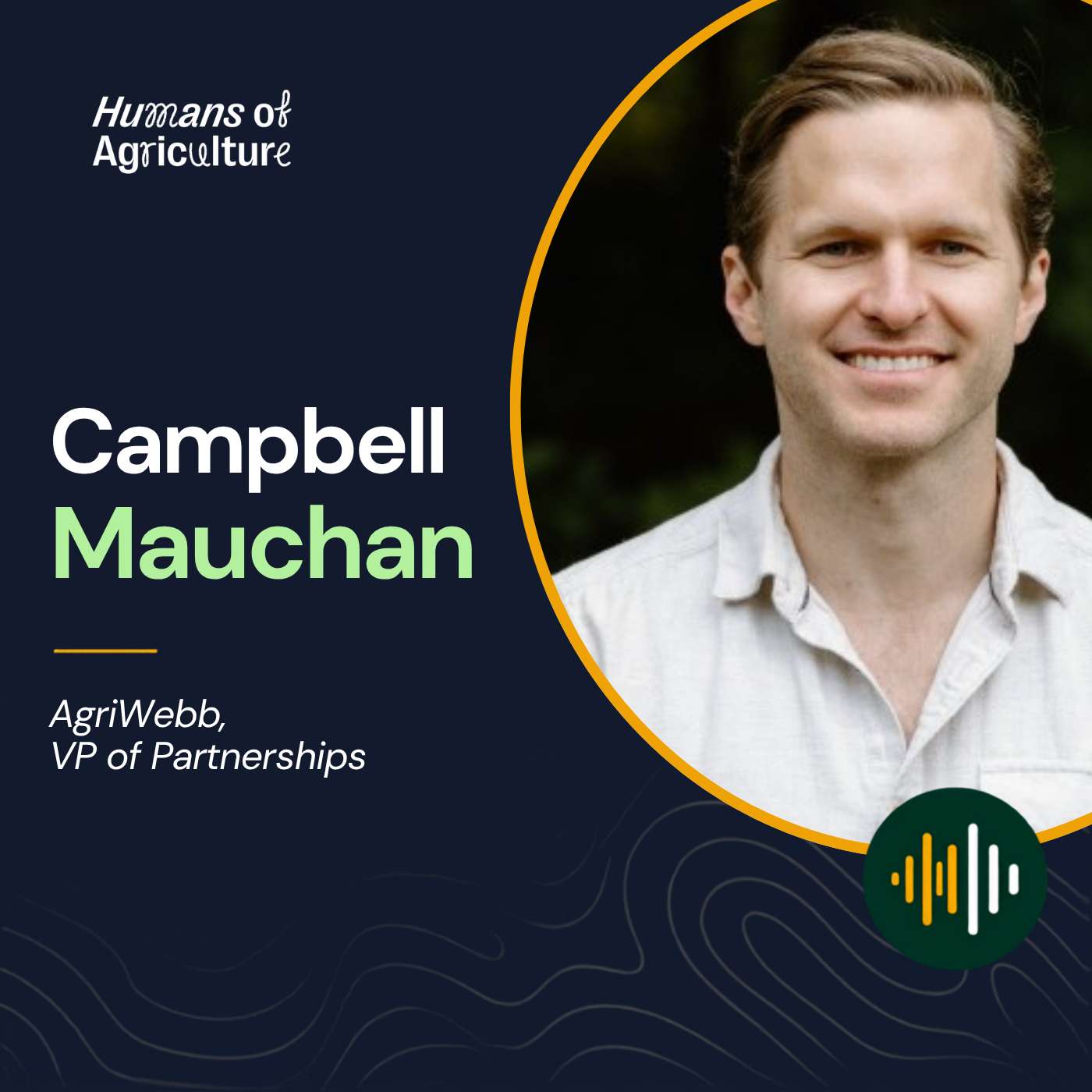 From Frozen Yoghurt to Global AgTech Leader with Campbell Mauchan (AgriWebb Partner episode) 28.07.2026 52minWhen Campbell Mauchan moved from Canada to Australia in 2016, agriculture wasn't part of the plan.He'd been running frozen yoghurt stores back home when his partner accepted a six-month opportunity in Melbourne. Looking for work, he landed an interview with a small ag-tech startup called AgriWebb, despite having no farming background, no sales experience and none of the qualifications listed in the job description.That decision changed everything.Nearly a decade later, Campbell has helped grow AgriWebb from a team of fewer than ten people into one of agriculture's leading technology businesses, building his career across Australia, the UK, Europe and North America along the way.In this episode, Campbell shares what it's been like to grow alongside the business, why curiosity became his greatest strength, and how working with farmers and ranchers around the world has shaped both his career and perspective.The conversation explores why you don't need to grow up on a farm to build a meaningful career in agriculture, what great leadership looks like inside a fast-growing business, and why trust will always matter more than technology alone.Key insights from the conversation:Following an unexpected opportunity into agricultureJoining AgriWebb in its earliest startup daysWhy asking questions became a career advantageBuilding a global career by putting your hand upWhat farmers across Australia, the UK and North America have in commonThe role trust plays in agriculture and ag-techLessons from working in startups across multiple countriesHow AI and technology could support better decisions on farmWhy agriculture offers incredible opportunities for people from all backgroundsChapters:00:00 Introduction to Campbell Mauchan and AgriWebb00:33 Campbell’s journey from Melbourne to Toronto02:09 Reflecting on a decade of growth at AgriWebb04:01 Backstory: From frozen yogurt to ag tech08:51 Why AgriWebb backed Campbell10:58 The early days of AgriWebb and initial challenges13:26 Approach to management and decision-making16:57 The importance of farm visits and farmer engagement19:56 Solving real problems with technology22:18 The evolution of farm mapping technology23:50 Building trust with farmers and ranchers27:26 Data ownership, privacy, and value for farmers30:14 Career growth through global opportunities34:46 Balancing confidence and curiosity in leadership38:34 The impact of changing locations on career development42:57 Commonalities among farmers worldwide45:43 Cultural differences in agriculture and technology adoption48:19 The future of ag tech and AI advancements50:56 Closing remarks and advice for aspiring ag tech professionals Rabobank Partner info:This Humans of Agriculture podcast is proudly brought to you by Rabobank.At Rabobank, support goes beyond banking. That's why they’ve created RaboElevate, a platform designed to help farmers, producers and agribusiness leaders expand their networks and prepare for generations to come.Through RaboElevate, you'll gain access to industry-leading insights, practical learning opportunities, business management programs, events and connections with experts and fellow producers from across the agricultural sector.Whether you're looking to strengthen your business skills, stay ahead of industry trends or connect with like-minded people, RaboElevate is designed to support your professional and business development. Visit rabobank.com.au/elevate to learn more
 -
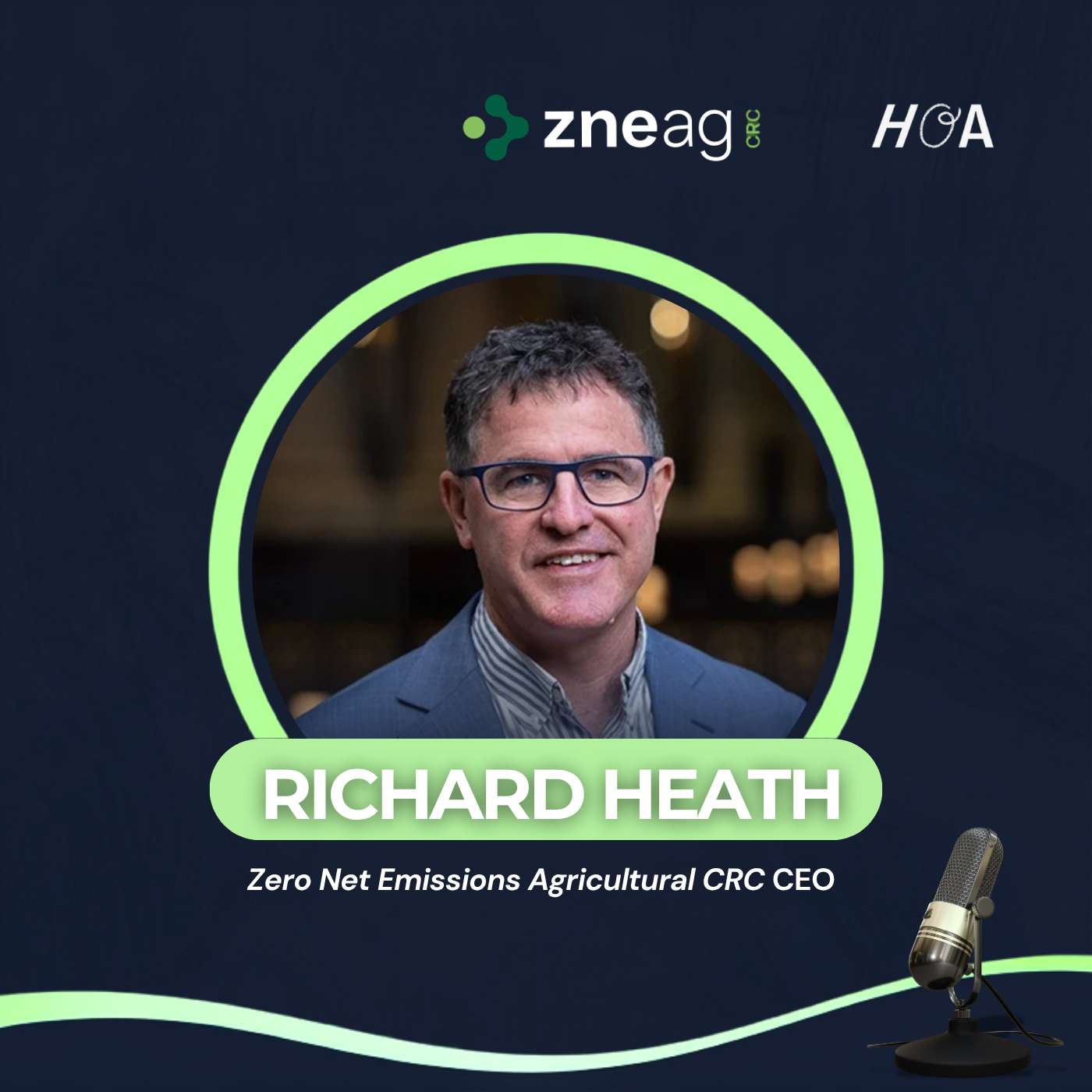 Rewarding Pathways to Net Zero in Agriculture with ZNE Ag CEO Richard Heath 23.07.2026 12minAustralian agriculture is chasing lower emissions, but what does that actually look like on farm?In this short episode of Humans of Agriculture, Oli Le Lievre catches up with Richard Heath, CEO of the Zero Net Emissions Agriculture CRC, ahead of the 2026 ZNE Ag CRC Conference in Perth.Richard shares what has changed since the CRC's inaugural conference, the promising research already emerging around productivity and emissions, and why there is no single silver bullet. They also unpack this year's conference theme, Rewarding Pathways to Zero, exploring how farmers can reduce emissions while building more productive and profitable businesses.From 18 to 20 August in Perth, Western Australia this is where real conversationswill happen, bringing together the people, ideas, and innovations shaping the futureof agriculture.Whether you're in the paddock, in research, or across the supply chain, this is yourchance to be part of it.Head to zneagcrc.com.au to explore the program and get your ticket today.Key insights from the conversation:Zero Net Emissions CRC's role and projectsResearch on plants, animals, and farm systemsReward pathways for emissions reductionInnovations in methane and nitrous oxide reductionConference in Perth and stakeholder engagementChapters:00:00 Introduction to the conference and its significance01:01 Richard Heath's overview of CRC's work and goals02:00 Recap of last year's Brisbane conference and progress03:01 Focus on reward pathways and economic incentives04:06 Research on plants and animals to reduce emissions05:01 The importance of incremental improvements in agriculture07:07 Understanding the theme: rewards pathways to zero net emissions08:11 Potential financial and environmental rewards for farmers08:51 Significance of Western Australia in the conference10:02 Target audience and benefits of attending the conference10:49 Final thoughts and how to learn more about the event Rabobank Partner info:This Humans of Agriculture podcast is proudly brought to you by Rabobank.At Rabobank, support goes beyond banking. That's why they’ve created RaboElevate, a platform designed to help farmers, producers and agribusiness leaders expand their networks and prepare for generations to come.Through RaboElevate, you'll gain access to industry-leading insights, practical learning opportunities, business management programs, events and connections with experts and fellow producers from across the agricultural sector.Whether you're looking to strengthen your business skills, stay ahead of industry trends or connect with like-minded people, RaboElevate is designed to support your professional and business development. Visit rabobank.com.au/elevate to learn more
 -
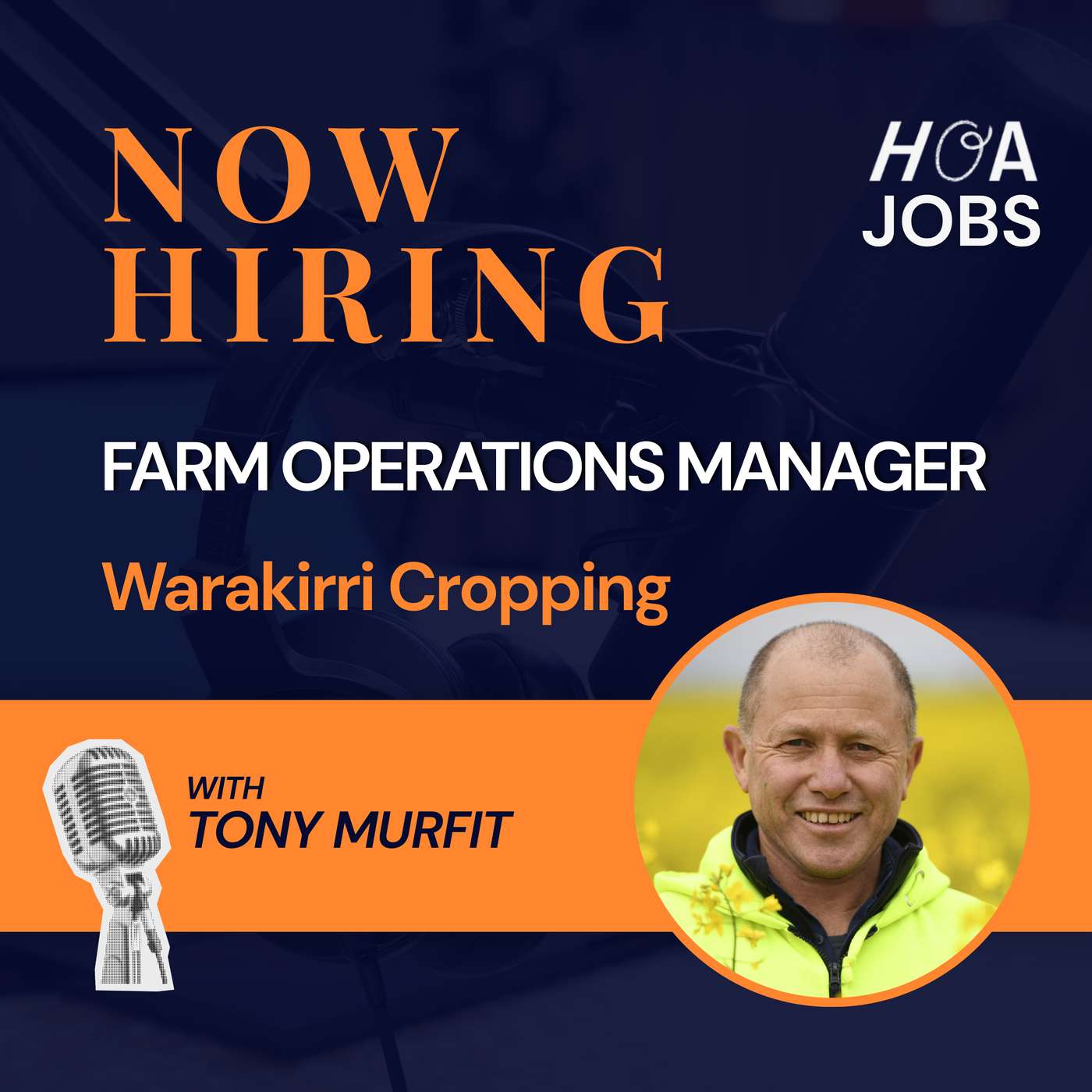 Warakirri Cropping: A Career-Making Opportunity with Tony Murfit 17.07.2026 27minIn this episode of Humans of Agriculture, Oli Le Lievre sits down with Tony Murfit, Regional Manager for Western Australia at Warakirri Cropping, to explore the Farm Operations Manager opportunity at Mawarra and what makes it such an important role within the business.Having managed Mawarra himself before Warakirri purchased the property in 2011, Tony shares how the farm has evolved into one of Western Australia's leading broadacre cropping operations. He reflects on the transformation of the business, the innovation happening across the WA grains industry, and why he believes Mawarra continues to offer enormous potential.The conversation also provides an inside look at the Farm Operations Manager role. Tony explains what success looks like, the importance of planning, logistics and leading a team across more than 24,000 hectares, and why trust, communication and the ability to adapt are just as important as technical farming knowledge.Whether you're already working in broadacre cropping or looking to take the next step in your career, Tony shares why this role is an opportunity to learn, grow and build a long-term future with Warakirri Cropping. With the support of an experienced team and clear pathways for progression, he explains why the right mindset matters more than having all the answers on day one.This episode is designed to give candidates and listeners a genuine insight into the business, the people, the opportunity and Tony's vision for building high-performing farming teams.Key insights from the conversation:How Mawarra became Warakirri Cropping’s first property in Western AustraliaHow soil improvement and changing farming practices have transformed the farmWhat it takes to operate across more than 24,000 hectaresWhy planning, logistics and timeliness are critical at MawarraWhat the Farm Operations Manager will focus on day to dayWhy trust and communication are central to building a strong teamWhy candidates do not need to know everything before stepping into the roleThe importance of leading from the front and working alongside the teamWhat success could look like after the first 12 monthsThe lifestyle and community available around MerredinHow the role could create a pathway towards becoming a Farm Manager within WarakirriInterested in learning more? We have a full job description and additional information available on our Careers page: https://humansofagriculture.com/careers/job-board/farm-operations-manager-x191Or connect with Zoe Burgess for a confidential conversation about the role available with Warakirri Cropping.Chapters:00:00 Introduction and recent farm visit to WA00:29 Interview with Tony Murfit on WA grain industry01:31 The evolution of soil management and crop yields in WA03:29 The importance of Mawarra farm to Warakirri Cropping04:52 Farm expansion and cropping intensity growth05:35 Major advancements in farm management since 201107:07 Role and team structure of the farm operations manager08:25 Approach to stepping into the farm operations role09:06 Current challenges and capacity planning10:36 Managing farm operations across large distances11:53 The importance of timeliness and adaptability12:18 Success indicators after 12 months in the role14:25 Team culture and peer learning at WA farms16:03 Leadership style and team trust19:16 Opportunities for women and diverse leadership in agriculture22:36 Encouraging relocation and career growth in WA farming25:37 Final thoughts and closing remarks Rabobank Partner info:This Humans of Agriculture podcast is proudly brought to you by Rabobank.At Rabobank, support goes beyond banking. That's why they’ve created RaboElevate, a platform designed to help farmers, producers and agribusiness leaders expand their networks and prepare for generations to come.Through RaboElevate, you'll gain access to industry-leading insights, practical learning opportunities, business management programs, events and connections with experts and fellow producers from across the agricultural sector.Whether you're looking to strengthen your business skills, stay ahead of industry trends or connect with like-minded people, RaboElevate is designed to support your professional and business development. Visit rabobank.com.au/elevate to learn more
 -
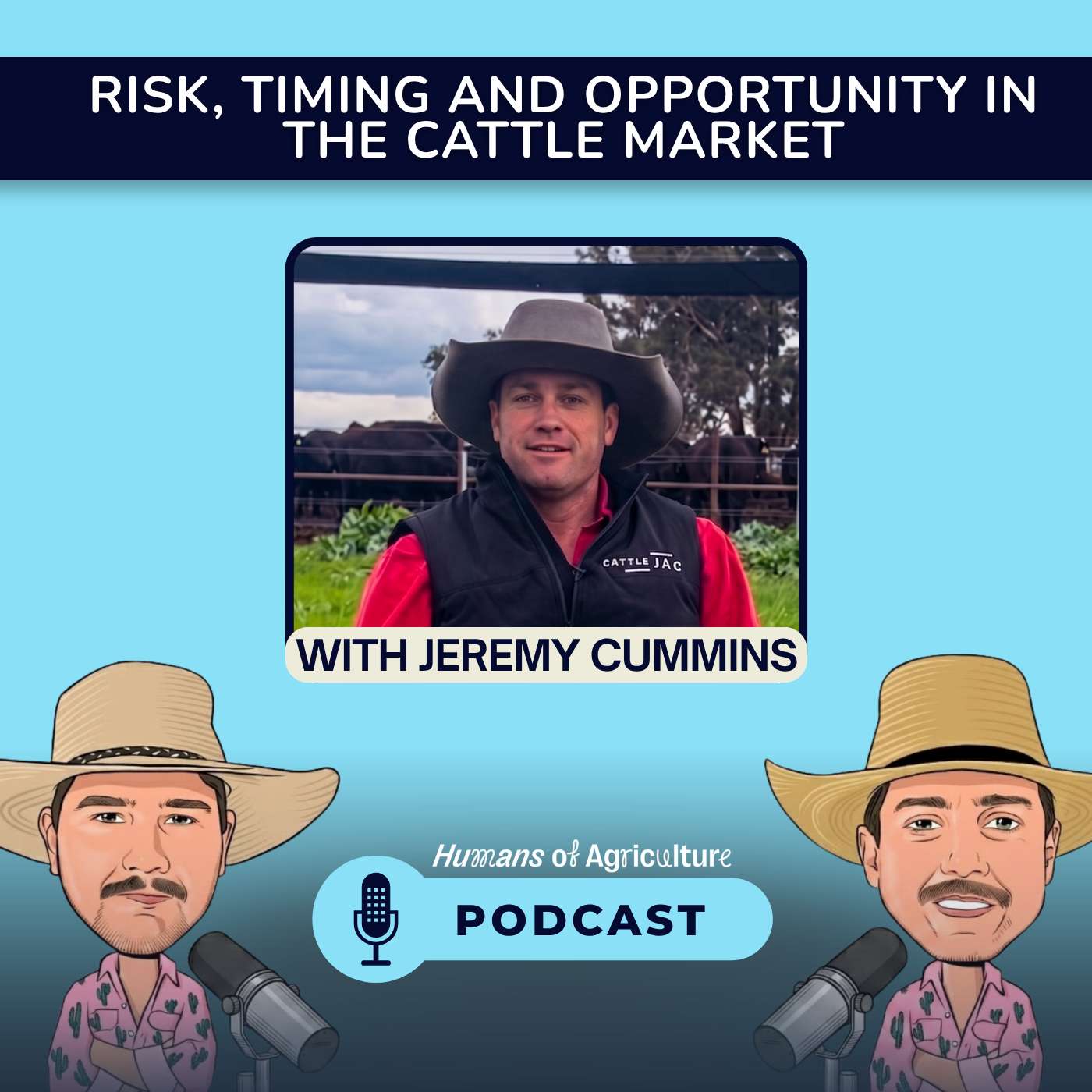 Tom & Mick: Risk, Timing and Opportunity in the Cattle Market with Jeremy Cummins 14.07.2026 24minThe Tom & Mick Show is back, and so is repeat guest Jeremy Cummins.Two years after first joining the show, Jeremy returns to share how his cattle feeding business has grown from around 4,000 head on feed to more than 22,000 across multiple locations.The conversation also dives into the current cattle market, seasonal conditions, feedlot demand and how Jeremy is positioning his business as the industry navigates another changing cycle.In this episode:Growing the businessWhat's changed since Jeremy's first appearance on the showRebuilding and expanding the Mirambee FeedlotGrowing from 4,000 to more than 22,000 head on feedBuilding a team and bringing experienced people into the businessThe role mentors and advisors continue to playFeedlot strategyWhy Jeremy operates across multiple feedlot locationsDiversifying supply, customers and seasonal riskHow different feeding programs fit different marketsWhy flexibility is becoming a competitive advantageReading today's cattle marketJeremy's outlook on current cattle pricesThe impact of seasonal conditions across AustraliaWhy supply and demand still drive his decision makingHow international markets influence, but don't dictate, his businessManaging riskWhy Jeremy focuses on margins instead of trying to predict the marketMatching purchases to forward salesLessons learned from previous market correctionsWhy understanding your costs matters more than guessing where prices are headingGrowth mindsetWhy Jeremy never planned to grow as quickly as he hasBacking opportunities when they make senseScaling a business without chasing growth for growth's sakeHis philosophy: know your numbers, back yourself and don't be afraid to do moreLooking aheadJeremy's thoughts on the future of feedlottingThe potential of covered feedlotsWhy Wagyu isn't part of his current strategyWhat the next decade could look like for the businessKey takeawaysBusiness growth often comes from recognising opportunities rather than following a rigid plan.Knowing your costs and protecting your margins is more important than trying to pick the market.Diversification across locations, customers and feeding programs helps manage risk.Seasonal conditions will continue to play a major role in shaping Australia's cattle market.The best opportunities often come to those prepared to act with confidence when the numbers stack up.Whether you're involved in cattle production, feedlotting, livestock trading or simply interested in how successful agribusinesses make decisions, this episode offers practical insights into growth, risk management and navigating today's cattle market. Rabobank Partner info:This Humans of Agriculture podcast is proudly brought to you by Rabobank.At Rabobank, support goes beyond banking. That's why they’ve created RaboElevate, a platform designed to help farmers, producers and agribusiness leaders expand their networks and prepare for generations to come.Through RaboElevate, you'll gain access to industry-leading insights, practical learning opportunities, business management programs, events and connections with experts and fellow producers from across the agricultural sector.Whether you're looking to strengthen your business skills, stay ahead of industry trends or connect with like-minded people, RaboElevate is designed to support your professional and business development. Visit rabobank.com.au/elevate to learn more
 -
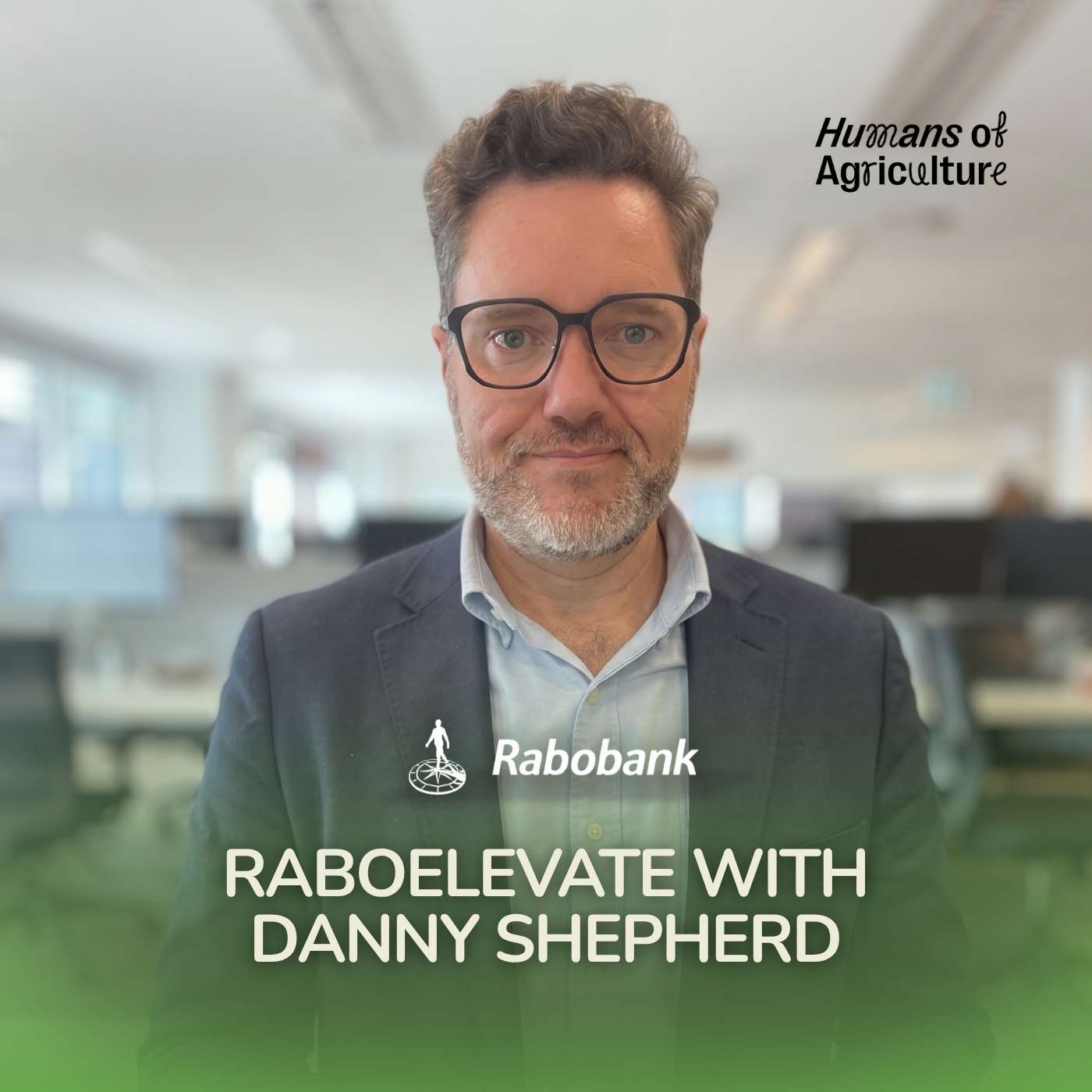 RaboElevate: Why Capability Matters More Than Capital with Danny Shepherd (Partnered Ep) 07.07.2026 38minAgriculture is built on more than land, livestock, and capital. It’s built on people, capability, and the strength of the communities that support them.In this episode, Danny Shepherd shares the thinking behind RaboElevate, Rabobank’s capability-building platform designed to support farmers and agribusiness leaders through every stage of their career.Drawing on a background in education and leadership development, Danny explains why building knowledge, networks, and self-awareness is just as important as access to finance. From emerging farm managers through to business owners and strategic leaders, RaboElevate aims to help people navigate the "sticky points" that come with growing a business, leading people, and making better decisions.Danny also shares his personal story of discovering his farming roots later in life after meeting his father for the first time in his late thirties, and how that experience unexpectedly brought together his passions for education and agriculture.From leadership development and financial literacy to international study tours, strategic thinking, and the role of AI in agriculture, this conversation explores what it takes to build resilient businesses and thriving rural communities for the long term.This conversation highlights why investing in people and capability may be one of the most important investments agriculture can make.Key insights from the conversation:The story behind RaboElevate and why Rabobank invests in capability, knowledge, and networksHow farmers move through different seasons of leadership across their careersThe importance of self-awareness, curiosity, and critical thinking in businessNavigating the "sticky points" of farm ownership, growth, succession, and leadershipHow practical education programs help bridge the gap between operational and strategic thinkingThe value of peer networks, study tours, and learning from farmers around the worldWhy AI should enhance decision-making, not replace critical thinkingHow stronger leaders contribute to stronger businesses, communities, and future generations of agricultureChapters:00:00 Introduction02:56 Danny Shepherd's Journey to Agriculture07:29 Understanding RaboElevate12:22 Career Development in Agriculture17:26 Sticky Points in Agricultural Careers21:39 Comparing Agricultural and General Business Challenges28:44 RaboElevate Programs and Offerings29:03 Community Involvement and Accessibility of Programs31:32 The Next Generation and AI in Agriculture36:01 Conclusion and Reflections Rabobank Partner info:This Humans of Agriculture podcast is proudly brought to you by Rabobank.At Rabobank, support goes beyond banking. That's why they’ve created RaboElevate, a platform designed to help farmers, producers and agribusiness leaders expand their networks and prepare for generations to come.Through RaboElevate, you'll gain access to industry-leading insights, practical learning opportunities, business management programs, events and connections with experts and fellow producers from across the agricultural sector.Whether you're looking to strengthen your business skills, stay ahead of industry trends or connect with like-minded people, RaboElevate is designed to support your professional and business development. Visit rabobank.com.au/elevate to learn more
 -
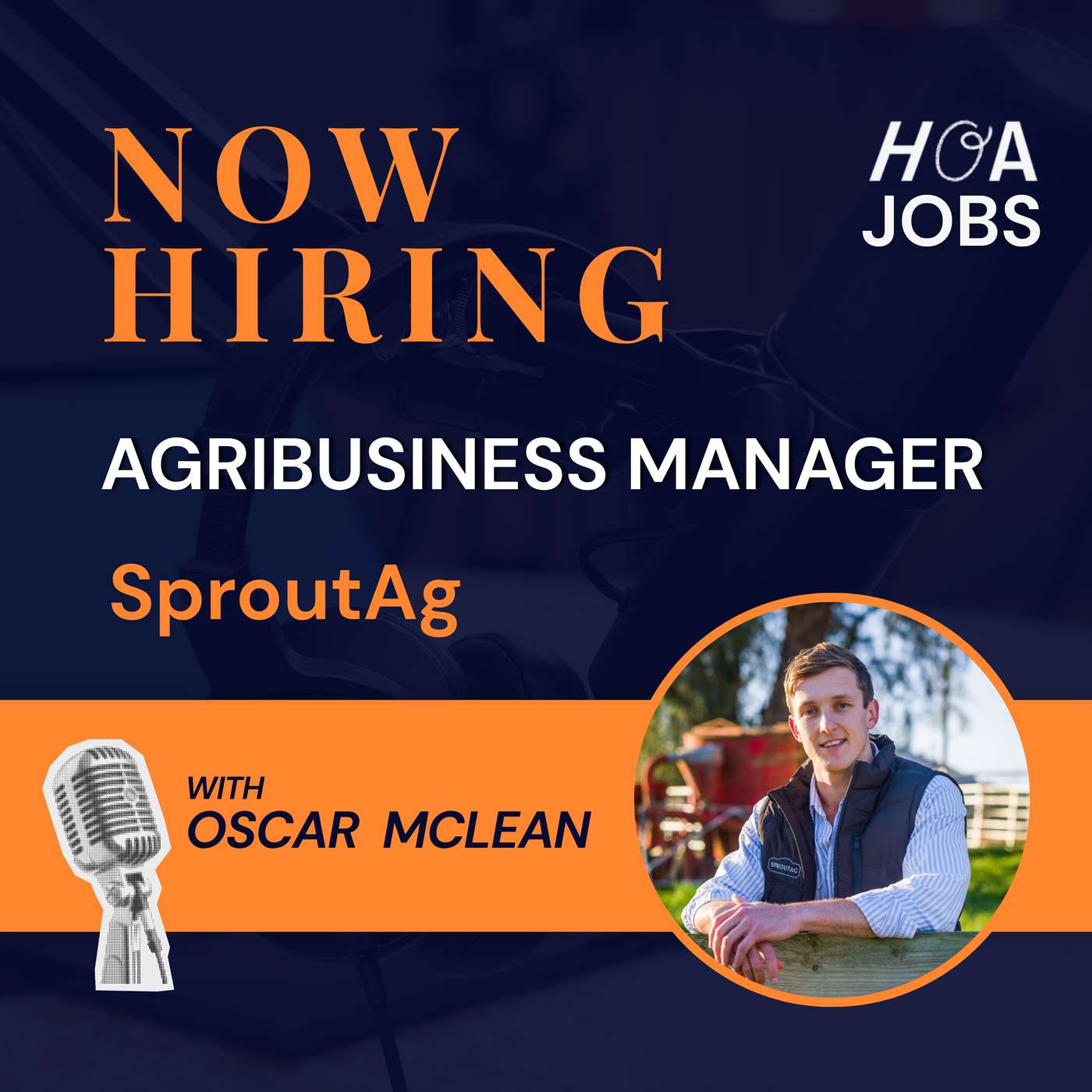 SproutAg: Building the Future of Agribusiness Finance with Oscar McLean 30.06.2026 26minIn this episode of Humans of Agriculture, Oli Le Lievre is joined by SproutAg Senior Agribusiness Manager, Oscar McLean, alongside Humans of Agriculture Talent Specialist, Zoe Burgess, to explore the opportunities available as SproutAg continues its rapid growth across regional Australia.After starting his career in agtech before moving into agricultural banking, Oscar shares the journey that led him to SproutAg and why helping farmers navigate increasingly complex finance decisions has become such a rewarding career. He explains how the business works alongside farming enterprises to provide independent finance, debt advisory and business planning services that help clients achieve their long-term goals.The conversation also provides an inside look at what it's like to work at SproutAg. Oscar explains what an Agribusiness Manager does day-to-day, the type of people who thrive in the business, and why attitude, curiosity and a willingness to learn matter more than ticking every box on a job description.As SproutAg continues to expand across New South Wales, Queensland, Victoria, South Australia and beyond, Oscar shares why now is an exciting time to join the business, the career pathways available, and how ambitious people can grow alongside one of Australia's fastest-growing agribusiness advisory firms.Whether you're already working in agricultural banking, finance or agribusiness, or you're looking for your next career move, this episode offers a genuine insight into the people, culture and opportunities behind SproutAg's continued growth.Key insights from the conversation:Oscar's career journey from Marcus Oldham to banking and into SproutAgWhy independent agribusiness finance and advisory is one of agriculture's fastest-growing sectorsWhat an Agribusiness Manager does day-to-dayThe type of people SproutAg is looking to recruitWhy attitude, curiosity and a willingness to learn matter more than having every technical skillCareer pathways and progression opportunities as SproutAg continues to expand across AustraliaWhy now is an exciting time to join the business, including its recent acquisition and ambitious growth plansWhat makes Tamworth and regional Australia great places to build a career and lifestyleInterested in learning more? We have a full job description and additional information available on our Careers page: https://humansofagriculture.com/careers/job-board/agribusiness-manager-70hqOr connect with Zoe Burgess for a confidential conversation about the opportunities available with SproutAg.Chapters:00:00 Introduction to SproutAg and Recruitment Opportunities02:13 Oscar McLean's Career Journey and Insights05:01 Understanding SproutAg's Business Model07:38 Role of Agribusiness Manager: Responsibilities and Expectations11:26 Growth and Expansion of SproutAg14:26 Career Pathways and Opportunities at SproutAg17:59 Selling Tamworth: A Regional Hub for Agriculture20:56 Encouragement for Potential Candidates Rabobank Partner info:This Humans of Agriculture podcast is proudly brought to you by Rabobank.At Rabobank, support goes beyond banking. That's why they’ve created RaboElevate, a platform designed to help farmers, producers and agribusiness leaders expand their networks and prepare for generations to come.Through RaboElevate, you'll gain access to industry-leading insights, practical learning opportunities, business management programs, events and connections with experts and fellow producers from across the agricultural sector.Whether you're looking to strengthen your business skills, stay ahead of industry trends or connect with like-minded people, RaboElevate is designed to support your professional and business development. Visit rabobank.com.au/elevate to learn more
 -
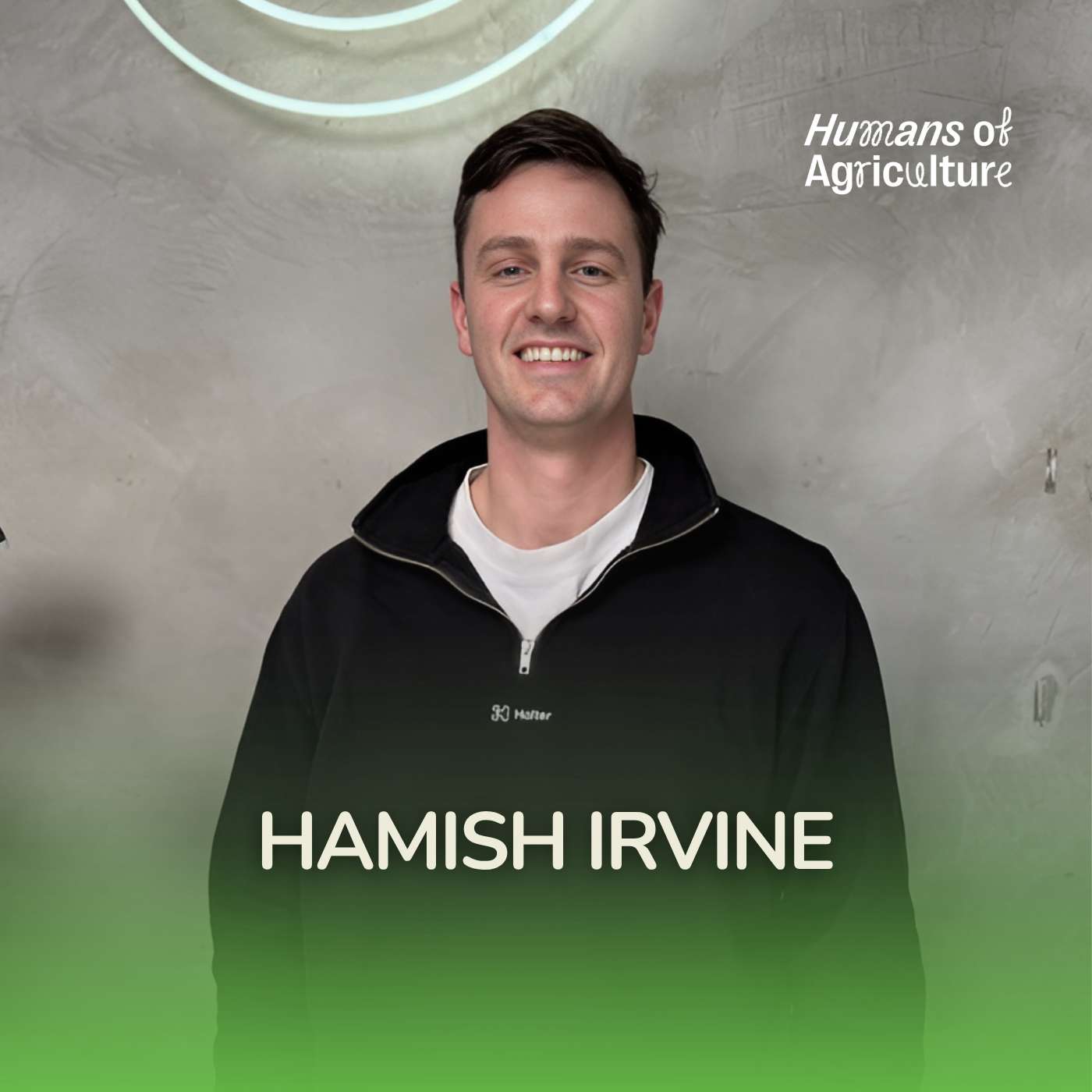 How Halter Is Replacing Fences on Aussie Farms with Hamish Irvine 23.06.2026 54minIn this episode of Humans of Agriculture, Oli sits down with Hamish Irvine, Head of Southern States at Halter Australia, to explore the technology, leadership and mindset driving one of agriculture’s fastest-growing companies.Growing up on a mixed farming operation in western New South Wales, Hamish always imagined a future on the land. But after drought forced a change in direction, his career took him through the meat industry, global supply chains and commercial leadership before landing at Halter, the virtual fencing and livestock management company now transforming grazing systems across Australia and New Zealand.This conversation goes beyond the technology itself. Hamish shares the lessons that shaped his career, what it takes to build high-performing teams, and why feedback, accountability and culture are critical in fast-growing businesses. He also unpacks how Halter is helping farmers rethink labour, pasture management and livestock performance through virtual fencing and real-time animal insights.From career progression and leadership to innovation and the future of livestock farming, this is a conversation about embracing change and creating impact.Key insights from the conversation:How growing up on a family farm and experiencing drought shaped Hamish’s career journeyWhy stepping outside traditional agriculture career pathways can create unexpected opportunitiesThe lessons learned from building a career across meat processing, sales and agribusiness leadershipWhat high-performance culture looks like in practice and why feedback is central to successHow Halter uses virtual fencing and animal insights to transform livestock managementThe three biggest drivers of value for farmers: pasture utilisation, labour efficiency, and animal healthWhy adopting new technology requires trust, clear outcomes and a willingness to changeHow innovation is reshaping the future of livestock farming and creating new opportunities across agricultureThe importance of leadership, ownership and accountability in building successful teamsWhy agriculture needs more people focused on solving industry challenges rather than following traditional career pathsChapters:00:00 Introduction to Halter and Hamish Irvine02:05 Career Path and Early Experiences04:37 The Importance of Diverse Experiences08:37 Reflections on Career Choices10:37 Leadership and Team Building at Halter12:17 Transitioning to Halter: Embracing Change20:13 High-Performance Culture at Halter26:56 The Art of Feedback and Communication30:18 The Birth of Halter: A Journey from Dairy Farming to Tech Innovation34:37 Expanding Horizons: Halter's Growth in Australia37:36 Understanding Farmer Needs: The Halter Approach39:59 Building Trust: Overcoming Skepticism in Agriculture43:45 Transformational Technology: The Future of Farming46:42 Bridging Agriculture and Technology: The Ideal Candidate48:07 The Future of Agriculture: Opportunities and Challenges Rabobank Partner info:This Humans of Agriculture podcast is proudly brought to you by Rabobank.At Rabobank, support goes beyond banking. That's why they’ve created RaboElevate, a platform designed to help farmers, producers and agribusiness leaders expand their networks and prepare for generations to come.Through RaboElevate, you'll gain access to industry-leading insights, practical learning opportunities, business management programs, events and connections with experts and fellow producers from across the agricultural sector.Whether you're looking to strengthen your business skills, stay ahead of industry trends or connect with like-minded people, RaboElevate is designed to support your professional and business development. Visit rabobank.com.au/elevate to learn more
 -
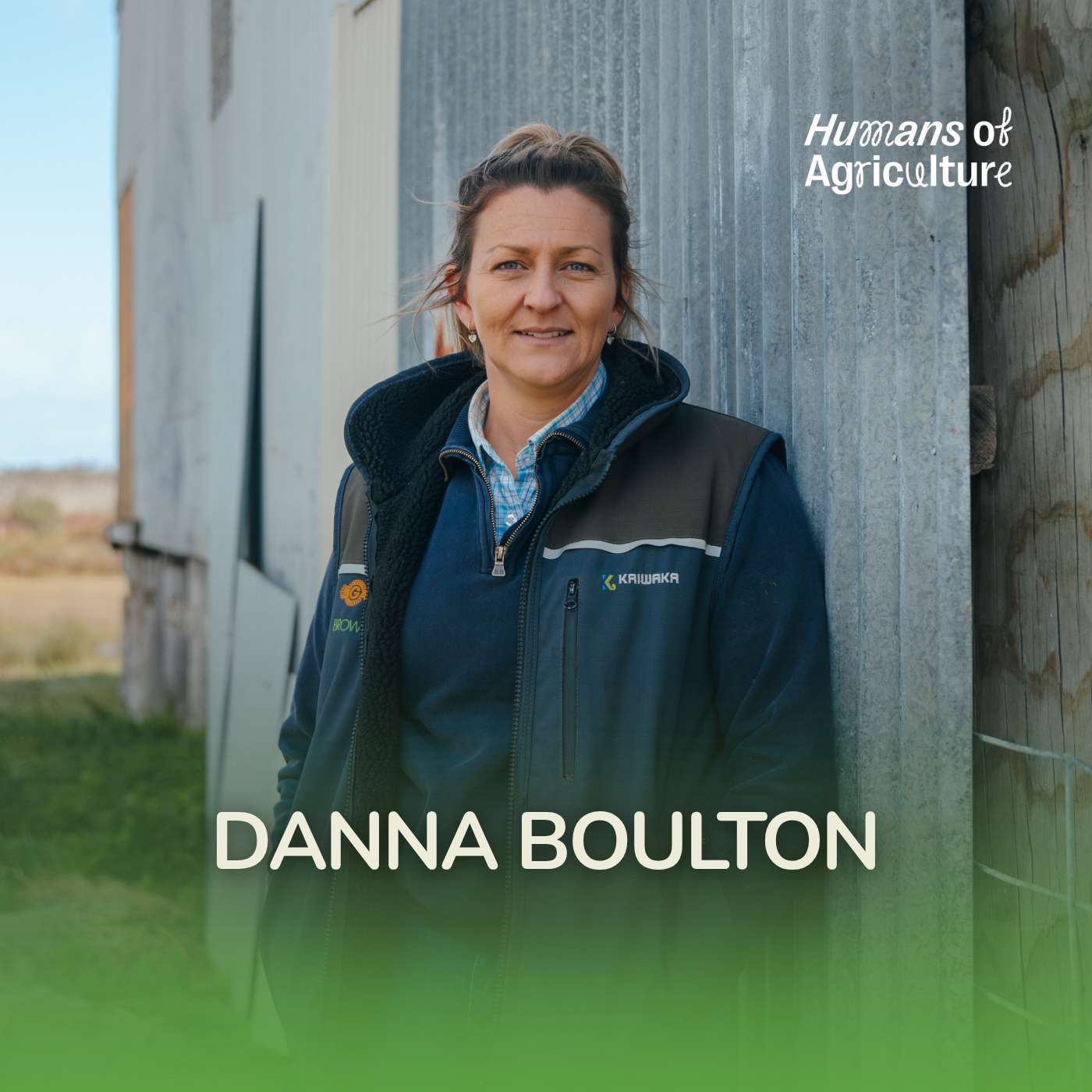 They Said She’d Have to Marry a Farmer… She Became One Instead with Danna Boulton (RIC Partner episode) 16.06.2026 25minIn this episode of Humans of Agriculture, Oli heads to the windswept coastline of Seaspray in Gippsland to sit down with first-generation farmer Danna Boulton.Growing up just down the road on her family’s dairy farm, Danna always dreamed of farming - but like many young Australians, the pathway to ownership wasn’t straightforward. After building a career as a teacher, making sacrifices, studying the land market for years, and leaning on the right support networks, she found her opportunity.Today, Danna is three years into running her own beef operation on “the island” at the Honeysuckles - a unique coastal property she now calls home. With support from her family, a rural financial counsellor, her bank, and a RIC AgriStarter Loan, she’s been able to take that leap into ownership and build a business from the ground up.This episode explores patience, persistence, and the reality of doing it on your own - while also highlighting the importance of community, financial support, and backing yourself when the opportunity finally comes. RIC is the Australian Government’s farm business lender providing low-interest loans to help farmers establish a first farm business and support with succession arrangements.Key insights from the conversation:Non-linear pathways into farming and first-generation ownershipThe power of patience and studying the market over timeMaking sacrifices to build a deposit and create opportunityThe role of support networks - family, advisors, and communityUsing finance to reduce pressure and enable sustainable growthLearning to ask for help and manage risk on your ownChapters:00:00 Introduction to Farming Life02:23 Growing Up on a Dairy Farm05:11 Transitioning from Teaching to Farming08:09 Navigating Financial Challenges in Farming10:51 Acquiring Land and Starting a Farm13:59 Support Systems in Farming16:37 Challenges of Solo Farming19:34 Advice for Aspiring Farmers Rabobank Partner info:This Humans of Agriculture podcast is proudly brought to you by Rabobank.At Rabobank, support goes beyond banking. That's why they’ve created RaboElevate, a platform designed to help farmers, producers and agribusiness leaders expand their networks and prepare for generations to come.Through RaboElevate, you'll gain access to industry-leading insights, practical learning opportunities, business management programs, events and connections with experts and fellow producers from across the agricultural sector.Whether you're looking to strengthen your business skills, stay ahead of industry trends or connect with like-minded people, RaboElevate is designed to support your professional and business development. Visit rabobank.com.au/elevate to learn more
Podcasts similaires


Populaire dans
Ce podcast figure aussi dans les classements de podcasts de ces pays.


