
Philosophy Overdose
Philosophy Overdose
0
Philosophy Overdose is a collection of public and academic philosophy lectures and interviews, focusing mainly on analytic philosophy with occasional continental philosophy. The channel seeks out thought-provoking material that is often rare and features famous philosophers, sometimes offering translations from German and French. It is entirely non-commercial and intended for educational purposes, aiming to spread good philosophy content. Topics span epistemology, ethics, metaphysics, philosophy of mind, and many other branches of philosophy.
Épisodes
-
 5 Idealisms and their Refutations - Kant's Critique of Pure Reason (Dan Robinson) 04.10.2026 49minDan Robinson gives the 5th lecture in a series of 8 on Immanuel Kant's Critique of Pure Reason. The very possibility of self-awareness (an "inner sense" with content) requires an awareness of an external world by way of "outer sense". Only through awareness of stable elements in the external world is self-consciousness possible.This series looks at German Philosopher Immanuel Kant's seminal philosophical work 'The Critique of Pure Reason'. The lectures aim to outline and discuss some of the key philosophical issues raised in the book and to offer students and individuals thought provoking Kantian ideas surrounding metaphysics. Each lecture looks at particular questions raised in the work such as how do we know what we know and how do we find out about the world, dissects these questions with reference to Kant's work and discusses the broader philosophical implications. Anyone with an interest in Kant and philosophy will find these lectures thought provoking but accessible.This is series of lectures was given in 2011 at Oxford. Note, the audio has been improved. All 8 lectures: https://www.youtube.com/playlist?list=PLhP9EhPApKE_OdgqNgL0AJX9-gwr4tmLw#philosophy #kant #epistemology #metaphysics #empiricism #skepticism #historyofphilosophy Learn more about your ad choices. Visit megaphone.fm/adchoices
 -
 Death by Thomas Nagel 04.10.2026 25minA reading of Thomas Nagel's 1970 article on death. The voice is AI, but modeled on Bryan Magee. #philosophy #death #ethics Learn more about your ad choices. Visit megaphone.fm/adchoices
 -
 Rawls vs Nozick (Ronald Dworkin) 04.10.2026 26minRonald Dworkin gives a very brief, introductory overview of John Rawls' "A Theory of Justice" and Robert Nozick's "Anarchy, State, and Utopia" in an interview with Bryan Magee from 1977. Although both wrote very influential works of political philosophy, they came to quite different conclusions. Rawls famously put forward a novel argument for his position which made use of a thought experiment involving a hypothetical contract. Unlike other social contract theories though, Rawls added the further twist that the bargainers must be ignorant about certain facts about themselves which could bias them in their own favor (e.g. their race, gender, class, age, talents, etc.). In this way, ignorance is used as a device to guarantee impartiality in deciding how societies should be structured. After all, one cannot rig things to benefit oneself at the expense of others if one doesn't know what one's personal interests are or what one's position in society will be. Rawls argued that behind this so-called "veil of ignorance" people would agree to two principles, the most interesting being the difference principle, which states that economic inequalities can only be justified if they are to the benefit of the worst off in society. However, such a view was rejected by Nozick, who argued from a starting point of absolute rights of property which cannot be violated without one's consent. Despite such a strong principle, Nozick argued that there can still be a kind of minimal state, what he called a "night-watchman state", which protects property and person. One way to think of the difference in views between Rawls and Nozick (albeit this may be overly simplistic and even misleading in certain respects) is that while Nozick privileges liberty and rights over equality and fairness, Rawls instead privileges that of equality and fairness. (My Summary)This clip is of Ronald Dworkin discussing the political thought of John Rawls and Robert Nozick in a 1977 interview with Bryan Magee. It is an upload from the previous channel.The full interview can be found here: https://www.youtube.com/watch?v=gySLm3Z1OvA 00:00 John Rawls12:13 Robert Nozick#philosophy #politicalphilosophy #politicaltheory #rawls #bryanmagee #historyofphilosophy Learn more about your ad choices. Visit megaphone.fm/adchoices
 -
 Intro to the Philosophy of Mathematics (Ray Monk) 04.10.2026 41minA good introduction to the philosophy of mathematics by Ray Monk. He considers the issue of the nature of mathematical truth - what mathematics is actually about - and discusses the views of Plato, Aristotle, Kant, Frege and Russell. What is mathematics about? Is mathematics something discovered or is it something invented or constructed by us? If numbers and mathematical objects are mere mental constructs, something invented by us, then why does mathematics work so well and seem to describe the world? On the other hand, if mathematical entities are "out there" in some sense waiting to be discovered, then what is their status and how do we get knowledge of them? After all, you can't see or touch numbers and other mathematical objects. And unlike ordinary empirical truths, mathematical truths seem to have a quite different and special status: they are a priori, necessary, eternal, universal, and absolutely certain. And this is why from the time of Plato onward, people have regarded mathematical truths as an ideal. In this talk, some of the ways in which philosophers have tried to account for the special nature of mathematical truth. (My Summary)Another good introduction to the philosophy of mathematics: https://www.youtube.com/watch?v=XyXWnGFKTkgMore advanced talk on philosophy of mathematics: https://www.youtube.com/watch?v=ucPhfzCvKnE#philosophy #epistemology #mathematics #kant #historyofphilosophy #metaphysics #philosopher #wittgenstein Learn more about your ad choices. Visit megaphone.fm/adchoices
 -
 Sidgwick's Ethics - Peter Singer (2017) 04.10.2026 51minIn this talk, Peter Singer discusses and defends Henry Sidgwick's consequentialist ethics. This was the Routledge lecture in philosophy given at the University of Cambridge in 2017 under the title 'The Point of View of the Universe: Defending Sidgwick's Ethics'. Professor Singer discusses various forms of utilitarianism, some of the main arguments against each, as well as some of the responses. Read more about utilitarianism and consequentialism: https://iep.utm.edu/consequentialism-utilitarianism/ Uploaded 24-04-25Sidgwick's Methods of Ethics: http://www.laits.utexas.edu/poltheory/sidgwick/me/index.html #philosophy #ethics #utilitarianism #moralphilosophy #metaethics #petersinger Learn more about your ad choices. Visit megaphone.fm/adchoices Learn more about your ad choices. Visit megaphone.fm/adchoices
 -
 Creativity in Science - Ernest Nagel (1968) 04.10.2026 1h 21minAudio recording of a public lecture by professor Ernest Nagel on the nature of creativity, particularly in connection with science. This talk was given at the Cooper Union Forum in 1968. Uploaded 11-12-25#philosophy #science #philosophyofscience #historyofscience #psychology Learn more about your ad choices. Visit megaphone.fm/adchoices Learn more about your ad choices. Visit megaphone.fm/adchoices
 -
 Fallibilism's Payoff - Catherine Elgin 04.10.2026 55minCatherine Elgin discusses fallibilism in a 2016 lecture at the University of Edinburgh. Elgin's talk "True Enough": https://youtu.be/P5pKJGXuCNEUploaded 24-07-25#philosophy #epistemology #skepticism #science Learn more about your ad choices. Visit megaphone.fm/adchoices Learn more about your ad choices. Visit megaphone.fm/adchoices
 -
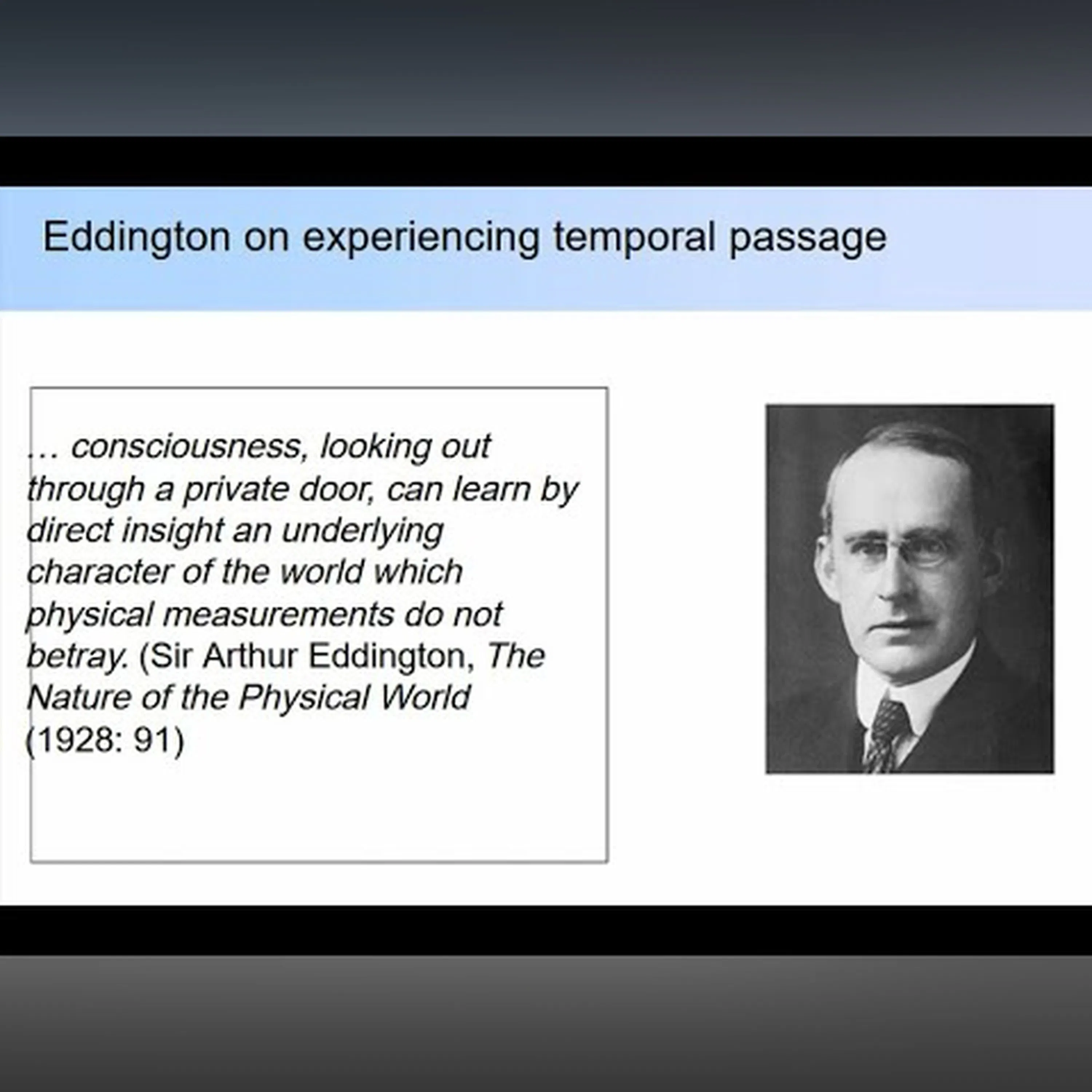 Does Time Really Pass? (Simon Prosser on the Illusion of Passage) 04.10.2026 52minWe are all familiar with the notion that time passes, but what does this mean? In this talk, Dr Simon Prosser argues that time does not pass. He begins by outlining some philosophical theories of temporal passage (A-theories of time, including presentism and the growing block view), along with a class of theories according to which time does not objectively pass (the B-theory of time, what's called eternalism or the block universe). He then goes over traditional problems for the notion of passage, including McTaggart's argument, the issue of the rate of passage, and the argument that passage is incompatible with modern physics (particularly with Einstein's special theory of relativity). He then goes on to argue that, despite appearances to the contrary, it is not actually possible to experience time passing. But because the best reason for thinking that time passes is our experience of it, we no longer have any good reason for thinking that time actually passes. If this is right, then it is an important project for philosophers and psychologists to explain why it seems to us that time passes when it doesn't really do so.Uploaded 05-07-21This was given at Durham University in 2012.Read more about the nature of time and some of the philosophical issues which arise: https://iep.utm.edu/time/00:00 Introduction01:39 A-Series and B-Series04:35 The A-Theory of Time05:34 The B-Theory of Time08:05 The Ontology of the A and B Theories11:13 Four Arguments Against Passage11:44 McTaggart's Paradox15:23 The Rate of Passage17:27 Einstein's Theory of Relativity20:07 Final Argument20:58 Could we Build a Device that detects Passage?23:07 Why No Physical Device can detect Passage25:25 Eddington on Experiencing Passage29:42 The Impossibility of Experiencing Passage39:56 Time does not Pass43:55 Summary#philosophy #time #philosophyoftime #metaphysics #epistemology #historyofphilosophy Learn more about your ad choices. Visit megaphone.fm/adchoices Learn more about your ad choices. Visit megaphone.fm/adchoices
 -
 The Virtual and The Real (David Chalmers) 04.10.2026 59minDistinguished philosopher Dr. David Chalmers discusses some of the philosophical issues that arise regarding virtual reality technology in a lecture back in 2017 at the Community Library in Idaho. Uploaded 12-12-25#philosophy #epistemology #davidchalmers #metaphysics #virtualreality Learn more about your ad choices. Visit megaphone.fm/adchoices Learn more about your ad choices. Visit megaphone.fm/adchoices
 -
 Cavell and Skepticism - Hilary Putnam (2005) 04.10.2026 9minA clip of Hilary Putnam discussing philosophical skepticism and the work of Stanley Cavell which comes from a 2005 conference celebrating the work of Hilary Putnam at the ENS (École Normale Supérieure) in Paris. Uploaded 31-12-25#philosophy #epistemology #skepticism #historyofphilosophy Learn more about your ad choices. Visit megaphone.fm/adchoices Learn more about your ad choices. Visit megaphone.fm/adchoices
 -
 Prerequisites of Language Acquisition - Noam Chomsky (1964) 04.10.2026 1h 49minNoam Chomsky discusses language and the innate structures of the mind in a 1964 lecture at UC Berkeley and sponsored by the Philosophy Colloquium. Uploaded 09-07-2500:00 Lecture 1:10:24 Q and A Source: https://cla.berkeley.edu/item/?bndlid=26712#philosophy #chomsky #epistemology #language #linguistics #psychology #mind Learn more about your ad choices. Visit megaphone.fm/adchoices Learn more about your ad choices. Visit megaphone.fm/adchoices
 -
 The Absurdity of Moral Relativism and Subjectivism - A Polemic 04.10.2026 14minSkeletons will dance, positions will be refuted. This is a re-upload from the previous channel. It was made in 2016. You may also like the following: https://youtu.be/DFHPH3m-KR8Uploaded 11-06-21#philosophy #relativism #ethics #postmodernism #historyofphilosophy Learn more about your ad choices. Visit megaphone.fm/adchoices Learn more about your ad choices. Visit megaphone.fm/adchoices
 -
 Words and Philosophy - Hugh Mellor (1978) 04.10.2026 37minAudio recording of a series of six short ratio talks by Hugh Mellor back in 1978 on the use of words in philosophy. Among other things, he dispells the myth that important issues can be settled merely by definitions. He goes on to consider the abuse of words, as well as logical argument, jargon, and the liar paradox. Uploaded 22-08-25These talks were given by D. H. Mellor (David Hugh Mellor) and originally broadcast on BBC Radio 3 in 1978. 00:00 It All Depends What You Mean 05:15 Define Your Terms 10:18 Fictional Documentaries 15:19 What's Wrong With Jargon 20:08 On Being Illogical 25:07 The Liar Paradox #philosophy #language #epistemology #philosophyoflanguage #rationality Learn more about your ad choices. Visit megaphone.fm/adchoices Learn more about your ad choices. Visit megaphone.fm/adchoices
 -
 Wittgenstein on Rules and Private Language 04.10.2026 5minA reupload of something that I put together awhile back. The audio is from: https://youtu.be/v_hQpvQYhOIUploaded 14-06-21Some relevant quotes:"But how can a rule show me what I have to do at this point? Whatever I do is, on some interpretation, in accord with the rule...Any interpretation still hangs in the air along with what it interprets, and cannot give it any support. Interpretations by themselves do not determine meaning." Wittgenstein"This was our paradox: no course of action could be determined by a rule, because any course of action can be made out to accord with the rule." Wittgenstein"To think one is obeying a rule is not to obey a rule. Hence it is not possible to obey a rule 'privately': otherwise thinking one was obeying a rule would be the same thing as obeying it." Wittgenstein#philosophy #wittgenstein #bryanmagee #language #searle Learn more about your ad choices. Visit megaphone.fm/adchoices Learn more about your ad choices. Visit megaphone.fm/adchoices
 -
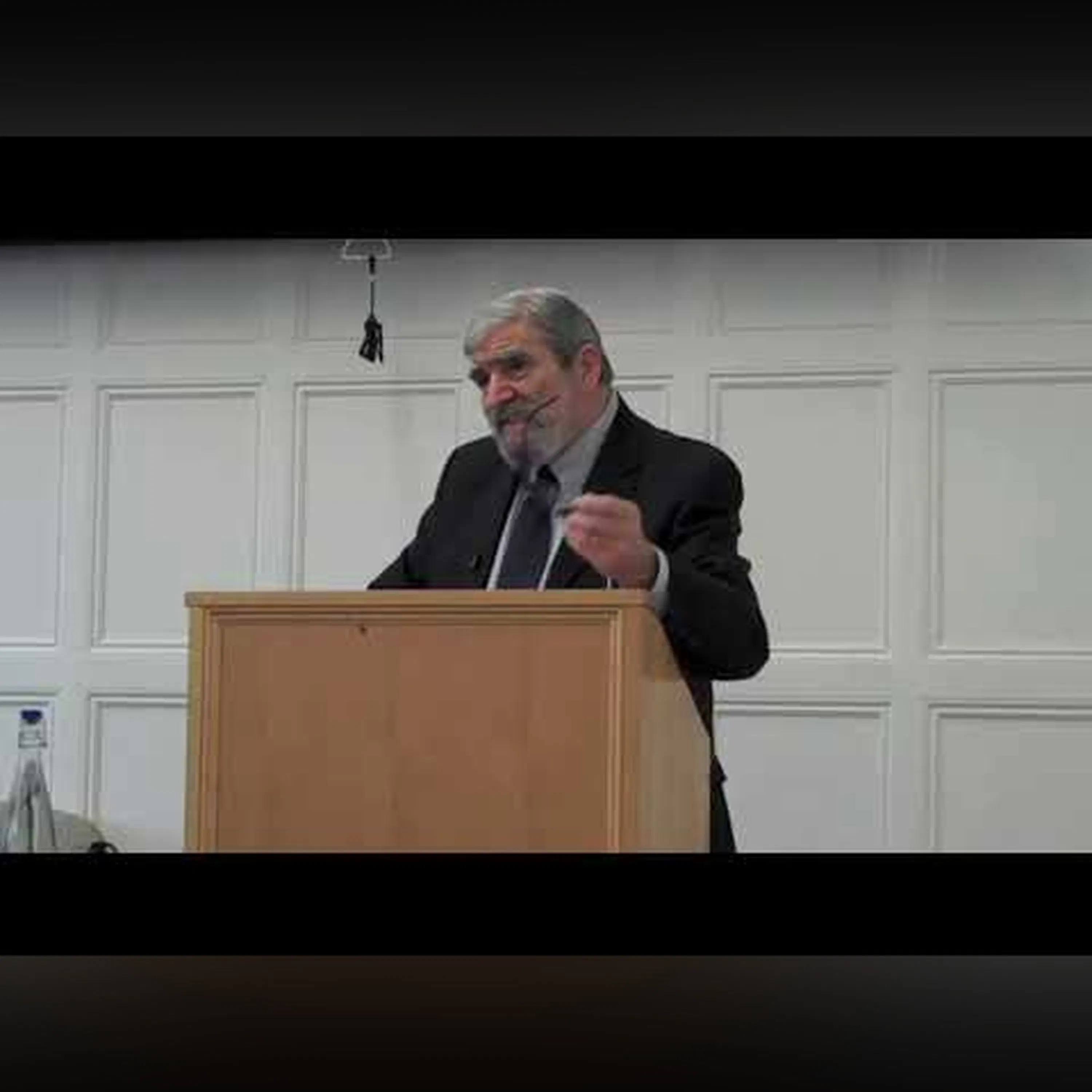 3 Space, Time and the "Analogies of Experiences" - Kant's Critique of Pure Reason (Dan Robinson) 04.10.2026 55minDan Robinson gives the 3rd lecture in a series of 8 on Immanuel Kant's Critique of Pure Reason. Kant's so-called "Copernican" revolution in metaphysics begins with the recognition of the observer's contribution to the observation. Thus, to the extent that Hume's empiricism restricts knowledge to experience, empiricism succeeds only by accepting the a priori grounding of experience itself.Uploaded 04-06-21This series looks at German Philosopher Immanuel Kant's seminal philosophical work 'The Critique of Pure Reason'. The lectures aim to outline and discuss some of the key philosophical issues raised in the book and to offer students and individuals thought provoking Kantian ideas surrounding metaphysics. Each lecture looks at particular questions raised in the work such as how do we know what we know and how do we find out about the world, dissects these questions with reference to Kant's work and discusses the broader philosophical implications. Anyone with an interest in Kant and philosophy will find these lectures thought provoking but accessible.This is series of lectures was given in 2011 at Oxford. Note, the audio has been improved. All 8 lectures: https://www.youtube.com/playlist?list=PLhP9EhPApKE_OdgqNgL0AJX9-gwr4tmLw#philosophy #kant #epistemology #metaphysics #empiricism #skepticism #historyofphilosophy Learn more about your ad choices. Visit megaphone.fm/adchoices Learn more about your ad choices. Visit megaphone.fm/adchoices
 -
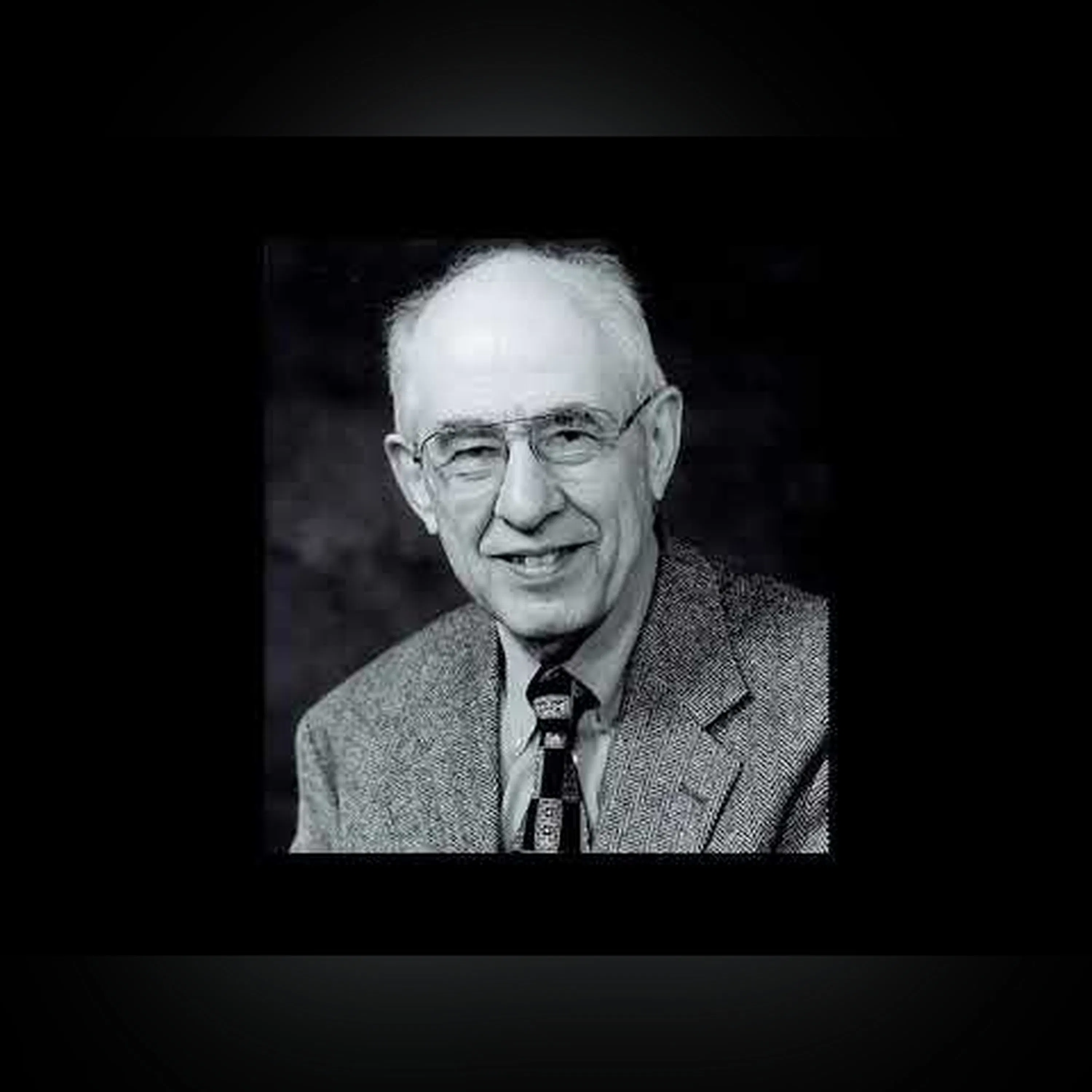 Philosophy and Our Mental Life - Hilary Putnam (1973) 04.10.2026 1h 15minAudio recording of a 1973 lecture by Hilary Putnam as part of a symposium on "Computers and the Mind" at the University of California (Berkeley). Uploaded 16-06-21The question which troubles laymen, and which has long troubled philosophers, even if it is somewhat disguised by today's analytic style of writing philosophy, is this: Are we made of matter or soul-stuff? To put it as bluntly as possible, are we just material beings, or are we "something more"? In this talk, Hilary Putnam argues that this whole question rests on false assumptions. His purpose is not to dismiss the question, however, so much as to speak to the real concern which is behind the question. The real concern is, he thinks, with the autonomy of our mental life. People are worried that we may be debunked, that our behavior may be exposed as really explained by something mechanical. In this talk, part of what Hilary Putnam wants to do is to argue that this can't happen. Mentality is a real and autonomous feature of our world. But even more important is the fact that this whole question has nothing to do with our substance. Strange as it may seem to common sense and to sophisticated intuition alike, the question of the autonomy of our mental life does not hinge on and has nothing to do with that all too popular, all too old question about matter or soul-stuff. We could be made of Swiss cheese and it wouldn't matter. 00:00 Searle Intro 01:47 Lecture #philosophy #philosophyofmind #consciousness #philosophyofscience #mind Learn more about your ad choices. Visit megaphone.fm/adchoices Learn more about your ad choices. Visit megaphone.fm/adchoices
 -
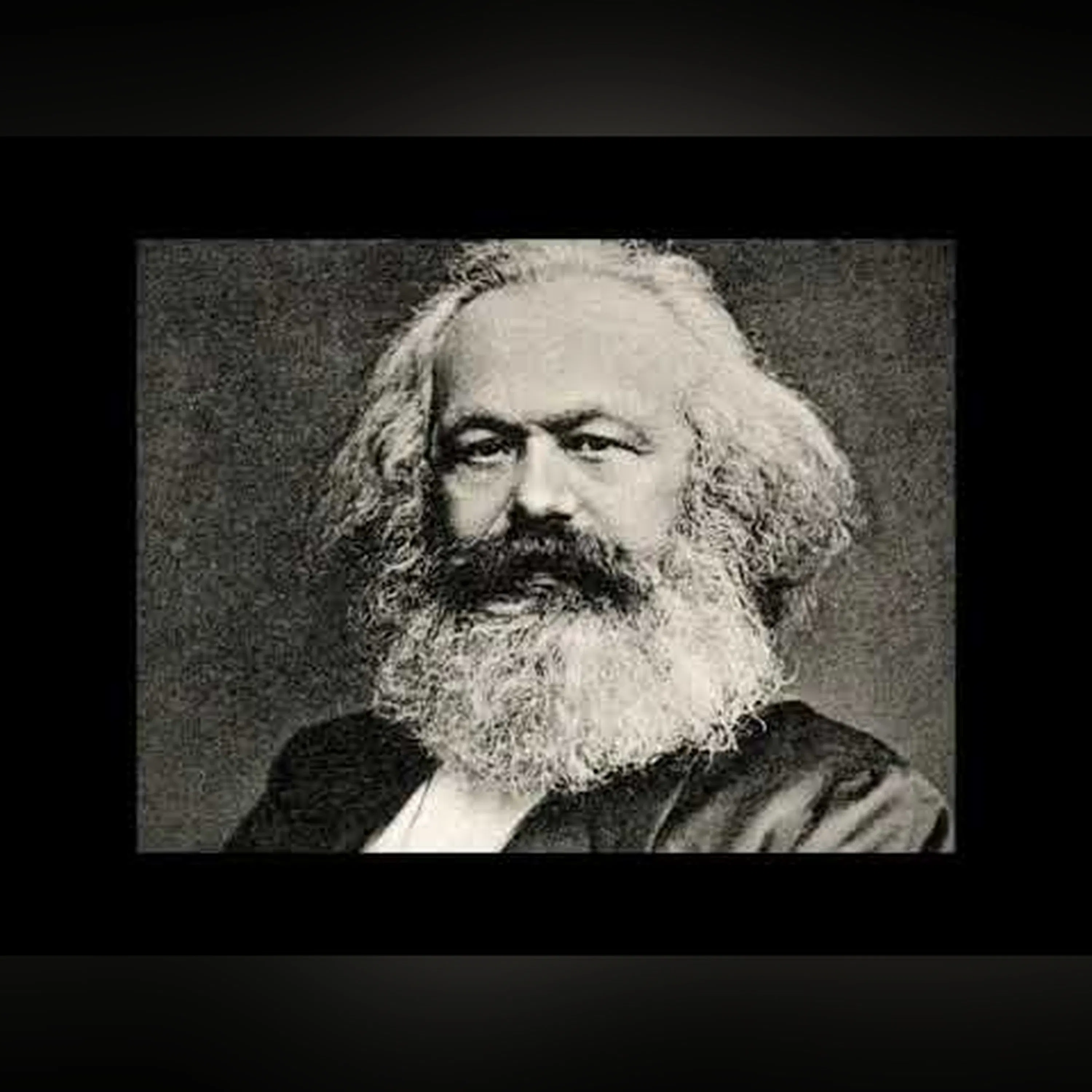 Marx on Alienation 04.10.2026 19minOne important reason Marx thought the revolution was inevitable was that in a capitalist society the labor force was alienated. But what is alienation? Jonathan Wolff briefly explains what Marx meant by alienated labor, as well as Marx's controversial vision of what non-alienated labor might be like. This comes from an episode of Philosophy Bites from a few years back: http://www.philosophybites.com/Uploaded 08-07-21#philosophy #marx #politicalphilosophy Learn more about your ad choices. Visit megaphone.fm/adchoices Learn more about your ad choices. Visit megaphone.fm/adchoices
 -
 Wittgenstein vs Socrates on Definitions and Explanations (James Klagge) 04.10.2026 55minWittgenstein described some of his views as being the opposite of Socrates'. Socrates famously sought essential definitions for concepts such as Truth, Justice, Knowledge, Goodness, Beauty, etc. This search for the definition or essential nature of things (i.e. the necessary and sufficient conditions for a given concept) is the very paradigm of philosophical or conceptual analysis. But according to Wittgenstein, such abstract terms do not have or do not need to have an underlying essence which all the particular instances have in common. We understand the meaning of such terms enough to be able to use them, even if we cannot spell out their precise conditions. Indeed, things of the same kind need not share any underlying universal or common nature, but only a variety of overlapping similarities, which Wittgenstein famously called "family resemblances". In this way, Wittgenstein was something of a nominalist, rejecting essentialism. So too, while Socrates was always looking for deeper explanations, Wittgenstein was quite skeptical of this sort of intellectualism. For although the unexamined life is not worth living, the endlessly examined life is something that isn't even livable. Uploaded 10-06-21This talk was given by James Klagge at the Wittgenstein Archive at Bergen, University of Bergen, Norway, March 6, 2012. It is a re-upload. #philosophy #wittgenstein #socrates #plato #historyofphilosophy #epistemology Learn more about your ad choices. Visit megaphone.fm/adchoices Learn more about your ad choices. Visit megaphone.fm/adchoices
 -
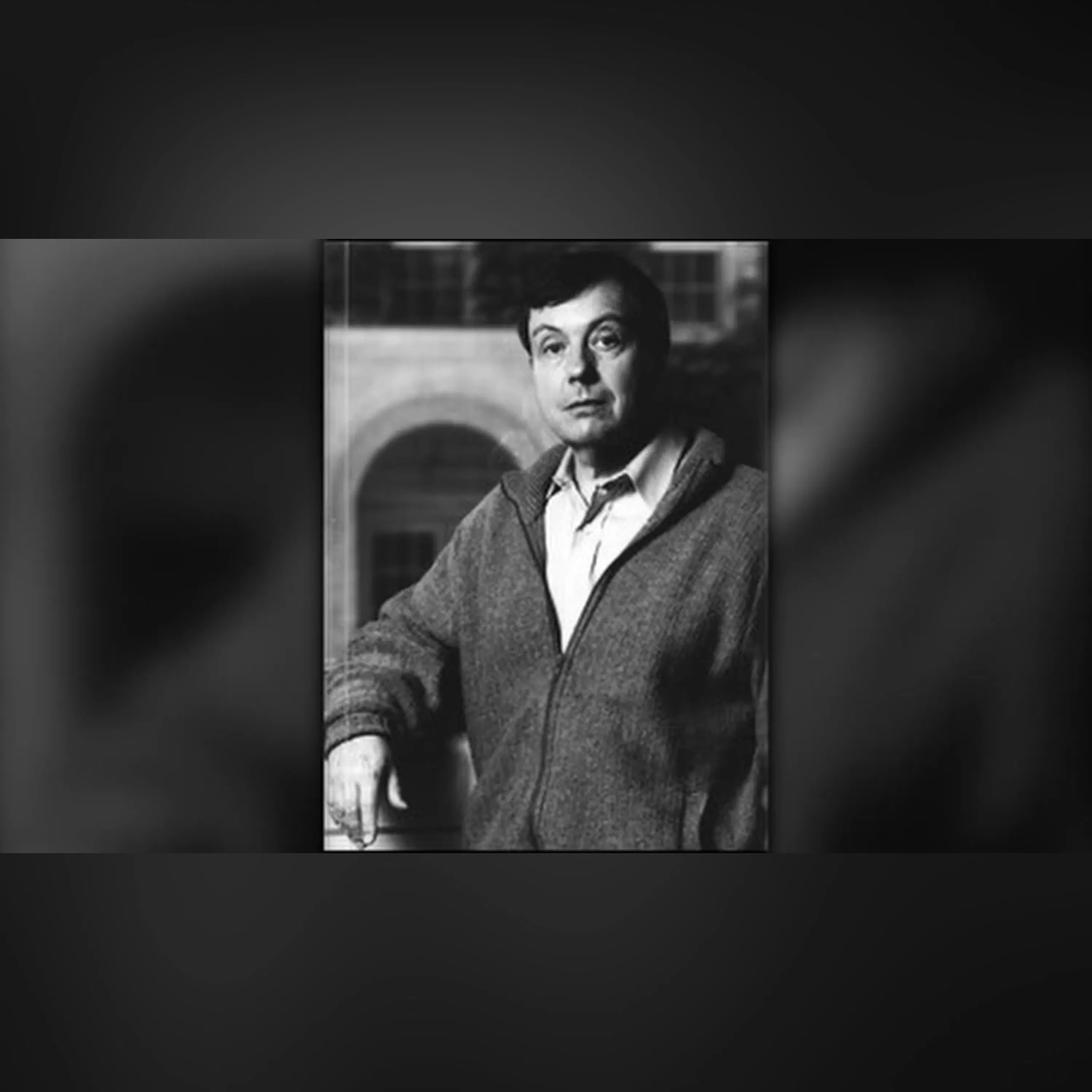 The Hiddenness of God (Peter van Inwagen) 04.10.2026 53minAudio recording of a lecture by Peter van Inwagen on the problem of divine hiddenness at Calvin College back in 2004. This was the second of his Jellema lectures. His first lecture can be found here: https://youtu.be/nNEweeN32QI Uploaded 18-02-26#philosophy #philosophyofreligion #agnosticism #atheism #theism #epistemology Learn more about your ad choices. Visit megaphone.fm/adchoices Learn more about your ad choices. Visit megaphone.fm/adchoices
 -
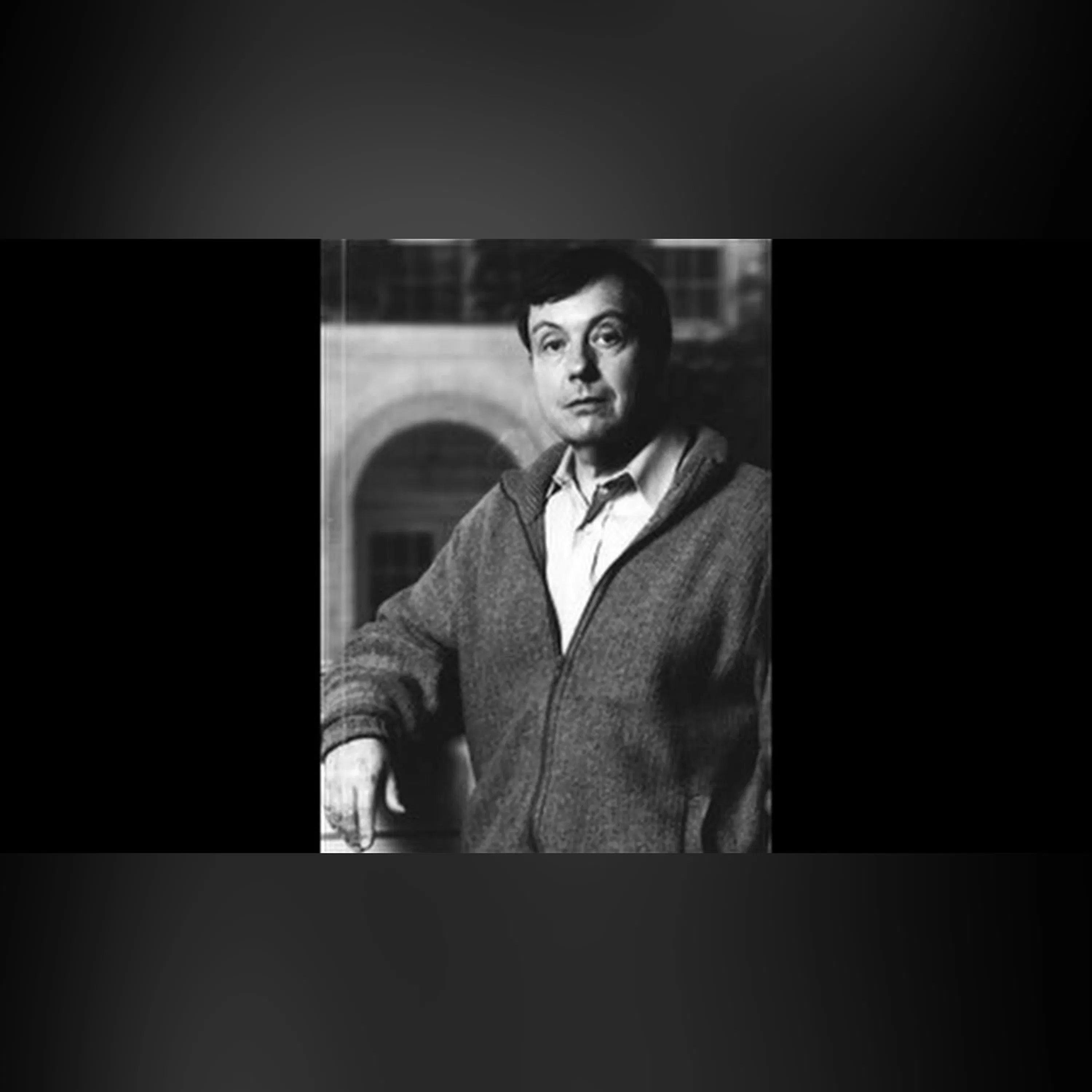 Is God an Unnecessary Hypothesis? 04.10.2026 54minAudio recording of a lecture by Peter van Inwagen on whether God is an unnecessary hypothesis at Calvin College back in 2004. This was the first of his Jellema lectures. His second lecture can be found here: https://youtu.be/izD-w3CCN98 Uploaded 27-07-25#philosophy #philosophyofreligion #agnosticism #atheism #theism #epistemology Learn more about your ad choices. Visit megaphone.fm/adchoices Learn more about your ad choices. Visit megaphone.fm/adchoices
Podcasts similaires


Populaire dans
Ce podcast figure aussi dans les classements de podcasts de ces pays.
