
Hotel Bar Sessions
Leigh M. Johnson, Jennifer Kling, Bob Vallier
0
Hotel Bar Sessions is a podcast where real philosophy happens, hosted by Leigh M. Johnson, Jennifer Kling, and Bob Vallier. The show features informal, engaging discussions on philosophical topics, often recorded in a hotel bar setting. It aims to make philosophy accessible and enjoyable for a broad audience.
Epizódok
-
 David Foster Wallace's "This Is Water" 02.10.2026 54pFor the final "deep dive" of Season 16, the HBS co-hosts have selected an unusual text to ground our conversation, namely, a commencement speech by novelist David Foster Wallace entitled "This is Water" (delivered at Kenyon College in 2005). In it, Wallace provides a uncannily accurate (if disheartening) description of the mundaneness of everyday "adult" life, then uses it as a springboard to issue his call for each of us to resist the exact manner of thoughtlessness it inspires. We have a choice, Wallace argues. We could, rather, train our attention and imagination on the specific people with whom we share all of the events that constitute "life before death" and, in doing so, free ourselves from the kind of default solipsism that makes us miserable. Wallace's essay is not only a reflection on vicissitudes of human life, but also on the liberatory power of education-- specifically, liberal arts education-- that is perhaps even more urgent to hear now, in our late-capitalist attention economy, than it was almost twenty years ago when he originally delivered it. The essay opens with a joke about how fish don't know what water is. Because it is the very milieu in which they exist, it remains ever at the level of "the given," that is, it never appears as something to reflect upon. If we are the fish, what is our "water"? Can we change the water, or only how we swim in it? Grab a drink and join us in this episode as we practice paying attention and keep reminding ourselves that "this is water."Content note: The final segment of this episode includes discussion of suicide. If you or someone you know is struggling with depression or other mental health issues, help is available. In the US, call or text 988 or chat at 988lifeline.org. Outside the US, findahelpline.com lists crisis services by country.Full episode notes available at this link:https://hotelbarpodcast.com/podcast/fish---------------------SUBSCRIBE to the podcast now to automatically download new episodes!SUPPORT Hotel Bar Sessions podcast on Patreon here! (Or by contributing one-time donations here!)BOOKMARK the Hotel Bar Sessions website here for detailed show notes and reading lists, and contact any of our co-hosts here.Hotel Bar Sessions is also on Facebook, YouTube, BlueSky, Instagram, and TikTok. Like, follow, share, duet, whatever... just make sure your friends know about us! ★ Support this podcast on Patreon ★
 -
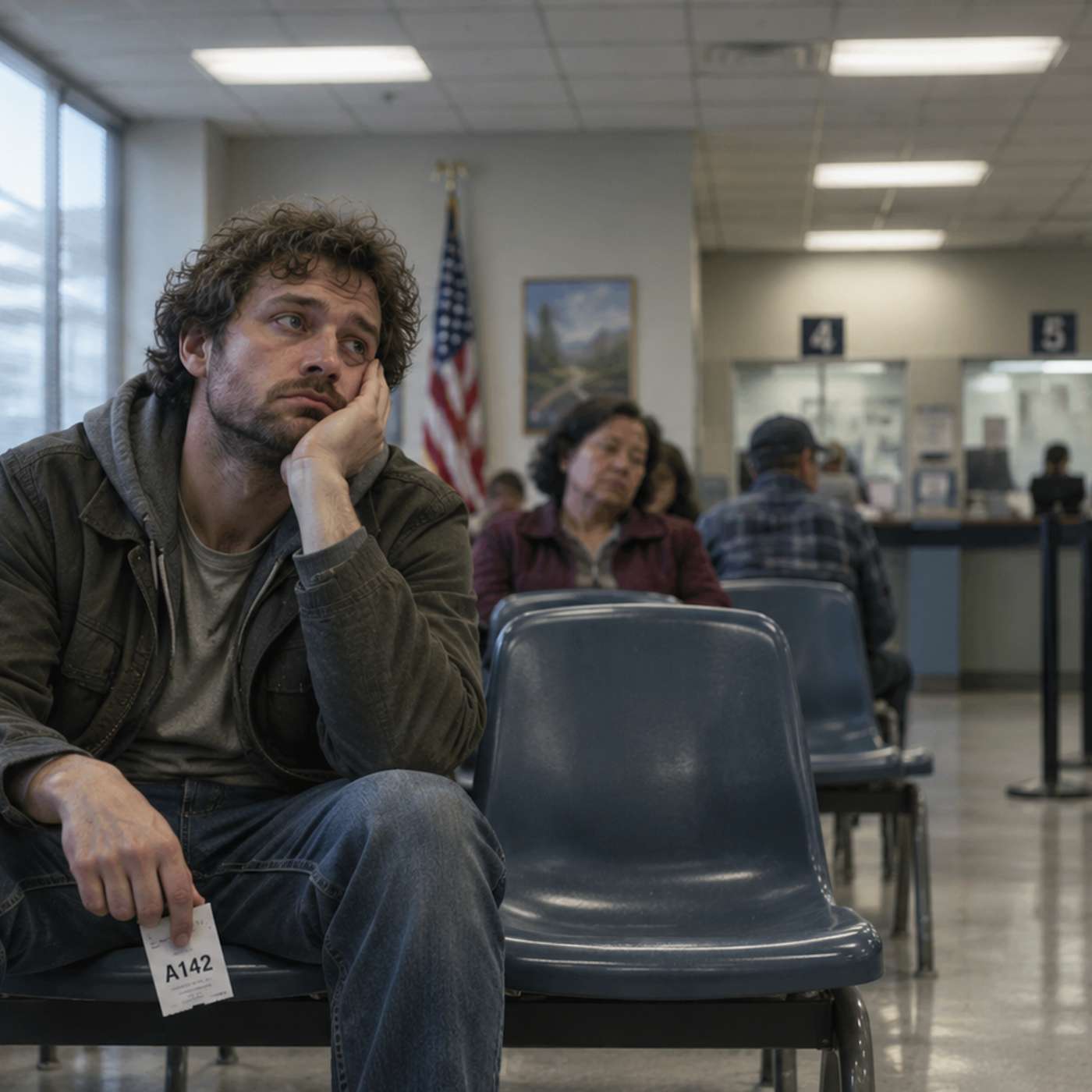 Boredom 25.09.2026 54pWe've talked about the attention economy more than once on this podcast, and the diagnosis hasn't changed: nearly everything around us is built to capture our attention and then sell it. What we haven't asked is what all that scrambling is supposed to be rescuing us from. The answer, it turns out, is boredom. Nobody pays cash to be bored and no app is designed to deliver it, yet a small but noticeable number of young people are now trading smartphones for flip phones and forming "Luddite clubs," as if boredom were something you had to go out of your way to find. Boredom appears to be unbearable and endangered at the same time.So what, if anything, is worth defending in it? Is the boredom of the DMV waiting room the same thing as the boredom of a committee meeting, or the boredom of a long walk with nothing to look at? If boredom really does free up the mind for reflection and imagination, doesn't that mean we've stopped being bored the moment the good stuff starts? And when people praise the restful, restorative kind of boredom, are they describing an experience available to everyone, or a luxury only some of us can afford?No guest this week, just three co-hosts who turn out to disagree about nearly all of it. Bob comes to the defense of boredom by way of Heidegger's "profound boredom" and Kierkegaard's advice to rotate your pleasures like crops. Jen keeps returning to Aquinas and the medieval worry that boredom is a failure to train one's own mind, which makes it something closer to a vice. Leigh confesses that she is allergic to the whole thing and cannot find anything good in boredom that isn't secretly a description of its cure. Along the way you'll hear about racing raindrops on a school bus window, camp kids left to their own devices, Dorian Gray, and why immortality might be the most boring thing imaginable.Grab a drink and join us as we spend an hour trying to say something interesting about the one thing nobody can sell you.Full episode notes available at this link:https://hotelbarpodcast.com/podcast/episode-239-boredom/---------------------SUBSCRIBE to the podcast now to automatically download new episodes!SUPPORT Hotel Bar Sessions podcast on Patreon here! (Or by contributing one-time donations here!)BOOKMARK the Hotel Bar Sessions website here for detailed show notes and reading lists, and contact any of our co-hosts here.Hotel Bar Sessions is also on Facebook, YouTube, BlueSky, Instagram, and TikTok. Like, follow, share, duet, whatever... just make sure your friends know about us! ★ Support this podcast on Patreon ★
 -
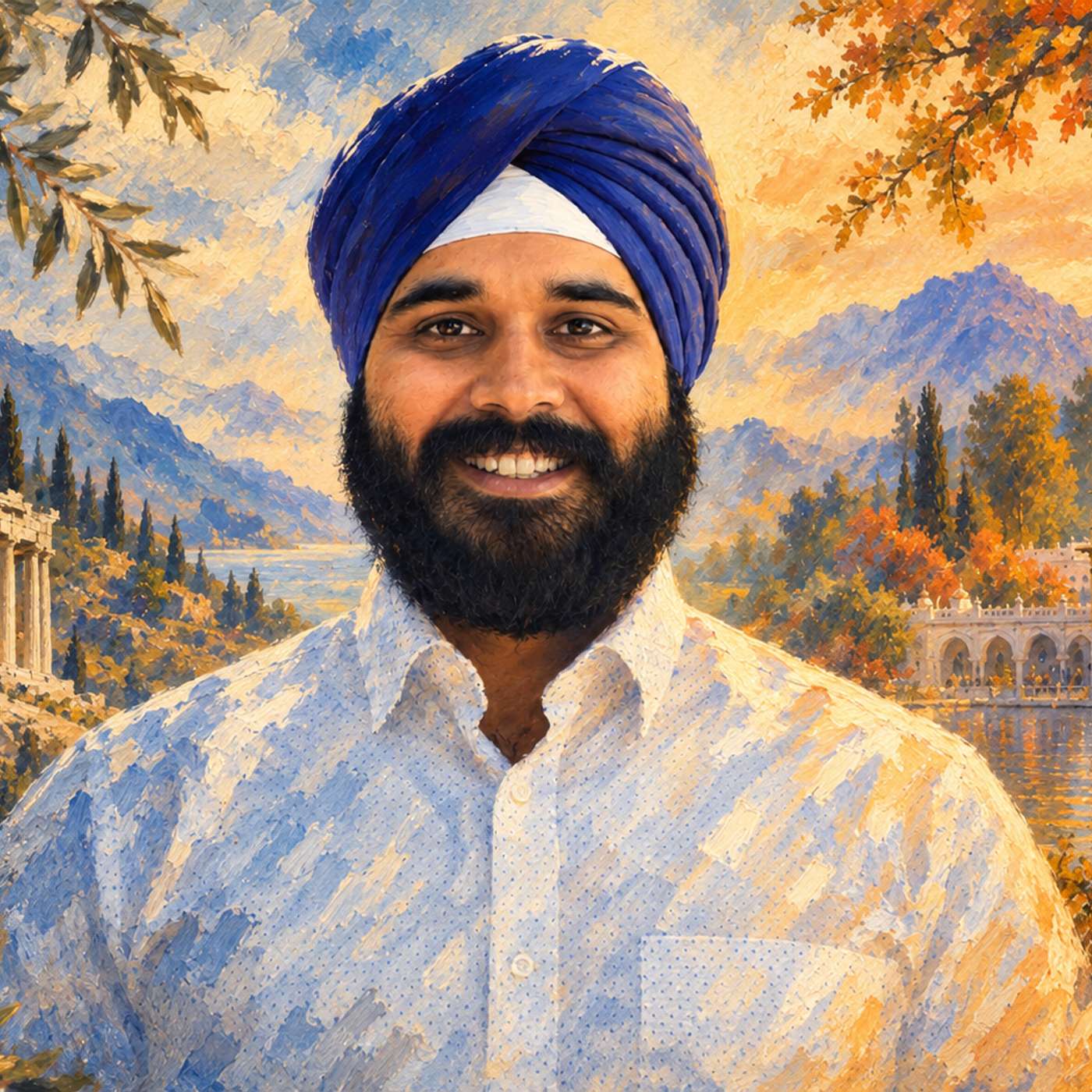 Sikh Ethics (wtih Keshav Singh) 18.09.2026 55pOver the past several decades, Anglophone philosophy has been trying to remember that it wasn't born in Athens. Syllabi now include Confucius and the Buddha, journals run special issues on Africana and Indigenous thought, and "global philosophy" has become a recognized field. Yet, one of the world's largest religious traditions, with a scripture that is entirely philosophical poetry meant to be sung, has been almost completely absent from that expanded conversation. Sikhism gets left out not because it lacks a systematic ethics, but because almost no one working in Anglophone philosophy has bothered to look.This week the HBS co-hosts are joined by Dr. Keshav Singh, Assistant Professor of Philosophy at the University of Alabama at Birmingham and author of the new (and open-access) Cambridge Element Sikh Ethics. Keshav works in ethics and epistemology, and his recent research uses the tools of analytic philosophy to reconstruct Sikh moral thought on its own terms rather than forcing it into categories the Western tradition already decided were the important ones. He walks us through the two levels of reality, the three terms he refuses to translate (hukam, haumai, sachiara), the "Five Thieves"(vices), and why running off to a mountaintop to seek enlightenment would be, by Sikh lights, a moral failure.Grab a drink and join us as we find out why truth is higher than everything, but truthful living is higher still.Full episode notes available at this link:https://hotelbarpodcast.com/podcast/sikhethics---------------------SUBSCRIBE to the podcast now to automatically download new episodes!SUPPORT Hotel Bar Sessions podcast on Patreon here! (Or by contributing one-time donations here!)BOOKMARK the Hotel Bar Sessions website here for detailed show notes and reading lists, and contact any of our co-hosts here.Hotel Bar Sessions is also on Facebook, YouTube, BlueSky, Instagram, and TikTok. Like, follow, share, duet, whatever... just make sure your friends know about us! ★ Support this podcast on Patreon ★
 -
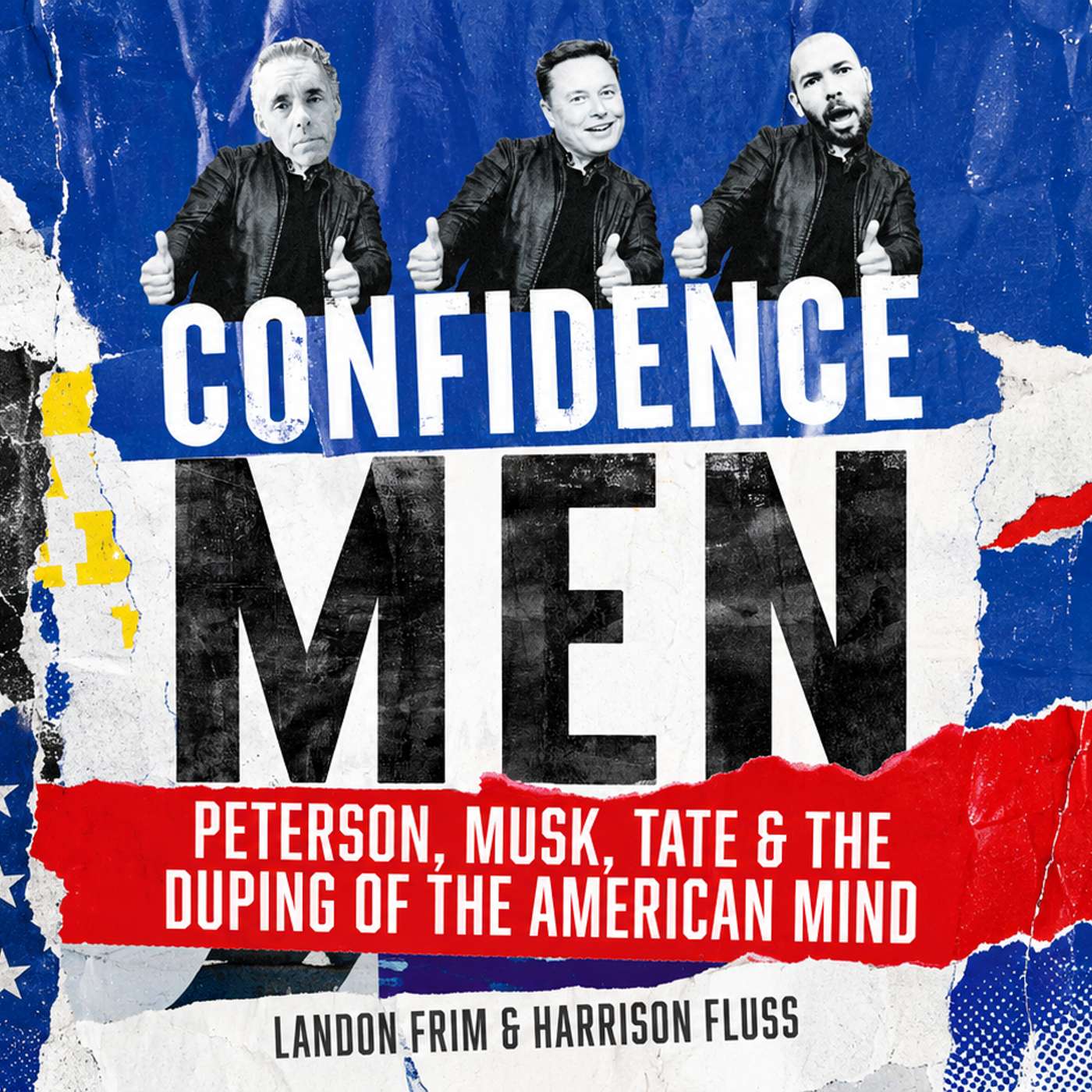 Confidence Men (with Landon Frim) 11.09.2026 1ó 6pCon men: From the sophists of ancient greece to the current grifter in chief, philosophy has been at odds with them for millennia, and given their success, it seems like it’s been a losing battle. Some of their success is because, as one famous grifter remarked, there’s a sucker born every minute. We’ve seen then in many guises–snake oil salesmen, televangelists, self-help gurus–but there are three today–Jordan Peterson, Elon Musk, and Andrew Tate–who’ve not only taken the grift to new levels, but also, in so doing, revealed the grift–or rather, disclosed the bad metaphysics and bad politics that make the con possible. This disclosure is precisely what is analyzed in a new book by philosophers Landon Frim and Harrison Fluss--Confidence Men: Peterson, Musk, Tate and the Duping of the American Mind (Penguin 2026). We’re delighted to be joined today by Landon, who helps us understand better what con men are, why they are more than mere liars but rather “enemies of the truth,” why they are most frequently con men, what their philosophical worldview is, the role capitalism plays in the con, and what “good metaphysics” and “good politics” are needed to undermine their efforts and mitigate the conditions of possibility for their continued success.Full episode notes available at this link:https://hotelbarpodcast.com/podcast/conmen---------------------SUBSCRIBE to the podcast now to automatically download new episodes!SUPPORT Hotel Bar Sessions podcast on Patreon here! (Or by contributing one-time donations here!)BOOKMARK the Hotel Bar Sessions website here for detailed show notes and reading lists, and contact any of our co-hosts here.Hotel Bar Sessions is also on Facebook, YouTube, BlueSky, Instagram, and TikTok. Like, follow, share, duet, whatever... just make sure your friends know about us! ★ Support this podcast on Patreon ★
 -
 Fashion 04.09.2026 55pYou are wearing an outfit right now. Maybe you chose it deliberately this morning, or maybe you grabbed it off the floor, but either way it is currently saying things about your class, your gender, your politics, your relationship to the very idea of caring how you look. Roland Barthes argued that this is what separates fashion from “mere clothing.” Fashion is clothing that has become a language, and the fashion industry is the institution that keeps everyone manufacturing new meanings each season so that garments become obsolete long before they wear out. The genius of the system is that it sells this obligation as “taste,” as “freedom.” Your closet feels like self-expression, while functioning as a subscription service. If fashion is a language, can anyone refuse to speak it? The jeans-and-hoodie crowd, the Amish, and the uniform-wearers of the world would like a word, and one of your three co-hosts (Leigh) is firmly among them.This episode also asks why the same hoodie signifies differently on different bodies, what hair straightening reveals about assimilation and power, how gay men built an entire covert semiotics out of ties and handkerchiefs before Stonewall, and who is actually paying the price, in labor and in landfill, for clothes designed to die young.Grab a drink and join us as two fashion-literate philosophers try to convince their unfashionable friend that nobody, no matter how committed they may be to their hoodie, ever really opts out.Full episode notes available at this link:https://hotelbarpodcast.com/podcast/fashion---------------------SUBSCRIBE to the podcast now to automatically download new episodes!SUPPORT Hotel Bar Sessions podcast on Patreon here! (Or by contributing one-time donations here!)BOOKMARK the Hotel Bar Sessions website here for detailed show notes and reading lists, and contact any of our co-hosts here.Hotel Bar Sessions is also on Facebook, YouTube, BlueSky, Instagram, and TikTok. Like, follow, share, duet, whatever... just make sure your friends know about us! ★ Support this podcast on Patreon ★
 -
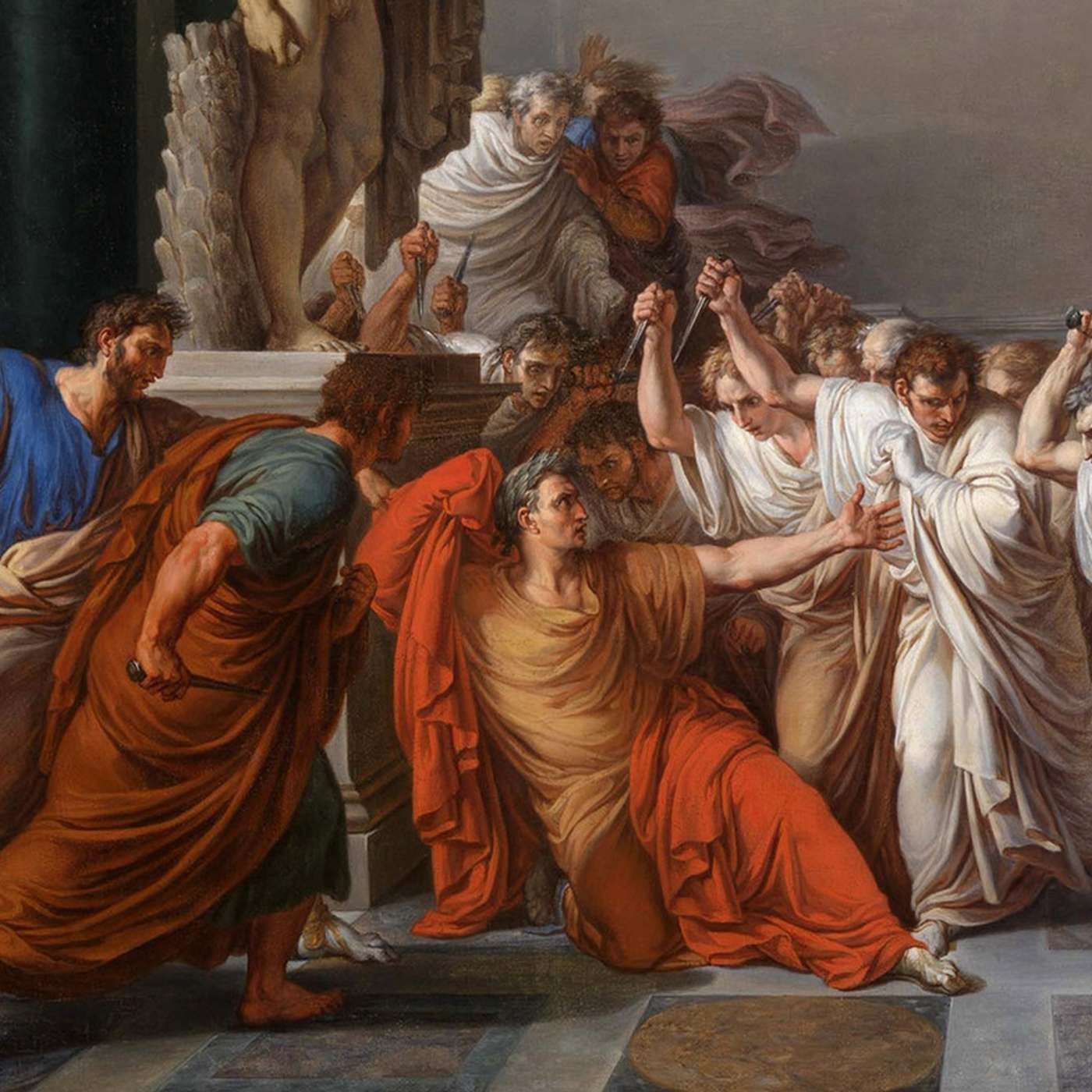 Betrayal 28.08.2026 55pThere are plenty of ready-to-hand moral sanctions for lies told and promises broken. We know how those wrongs work, we know what the apologies sound like, and we know, more or less, how to move on from them. Betrayal is different. Ask anyone who has been betrayed and they'll tell you: the apology did nothing, the explanation did nothing, and the well-meaning friend who said "you should have known better" only made it worse. Something more is wronged in a betrayal than any rule of the relationship, and that something reaches backward as well as forward. Every remembered kindness becomes suspect. So does your own judgment about where to put your trust next time.In this episode, the HBS co-hosts try to name that surplus wrong, and they don't agree on what they find. Is betrayal something that happens in the world, or is it a feeling that only the betrayed person can author? Can you be betrayed by someone who told you it was coming, or by someone forced to do it? What about the self-betrayals we're ordered into, or the ones our own bodies commit? Grab a drink and join us as we pick up where our conversation on trust left off and figure out why nobody wants their last words to be "Et tu, Brute?"Full episode notes available at this link:https://hotelbarpodcast.com/podcast/betrayal---------------------SUBSCRIBE to the podcast now to automatically download new episodes!SUPPORT Hotel Bar Sessions podcast on Patreon here! (Or by contributing one-time donations here!)BOOKMARK the Hotel Bar Sessions website here for detailed show notes and reading lists, and contact any of our co-hosts here.Hotel Bar Sessions is also on Facebook, YouTube, BlueSky, Instagram, and TikTok. Like, follow, share, duet, whatever... just make sure your friends know about us! ★ Support this podcast on Patreon ★
 -
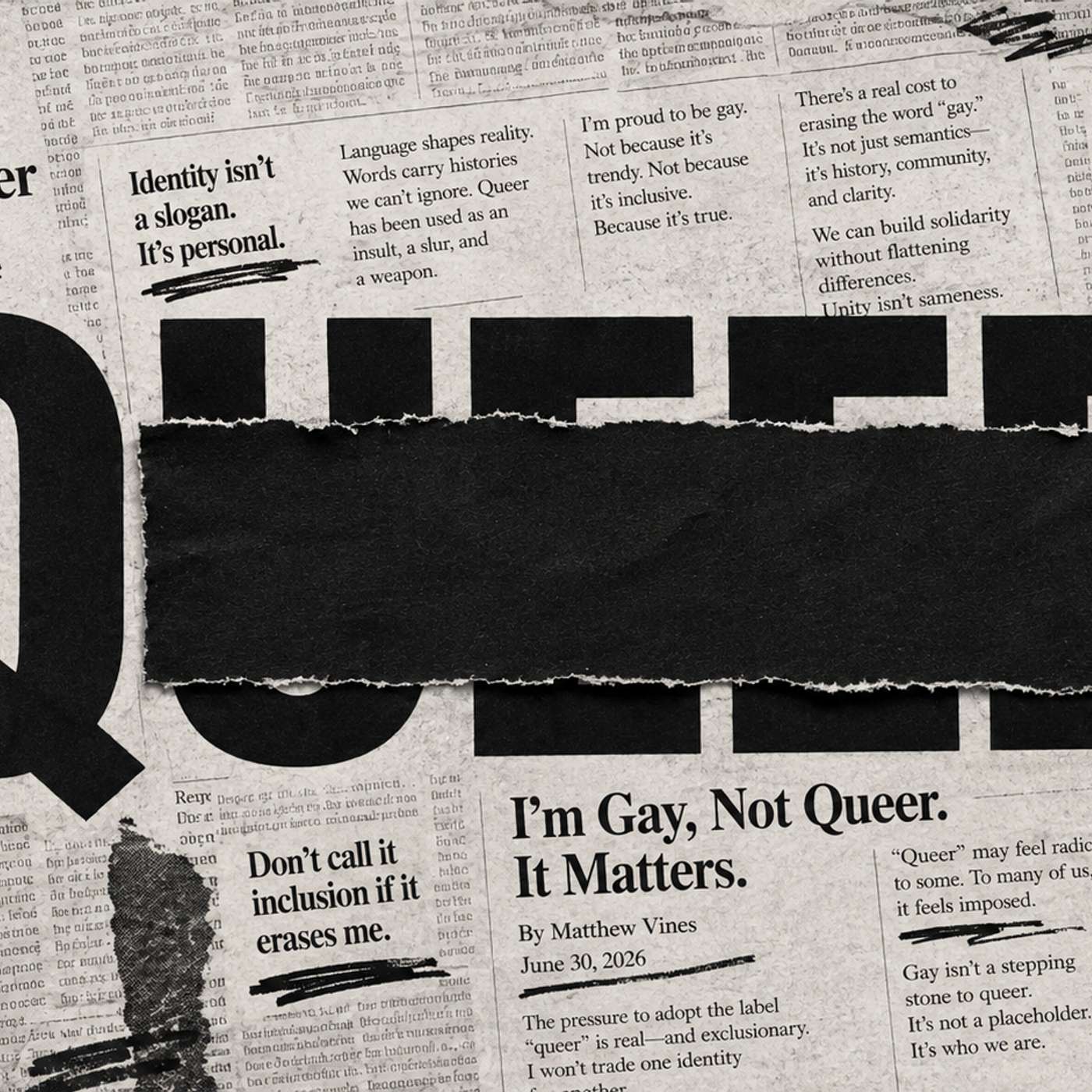 The Q Word 21.08.2026 56pAt the beginning of April, the Wall Street Journal published an op-ed from Ben Appel titled "I'm Gay, but That Doesn't Make Me Queer." On the last day of Pride Month 2026, the New York Times followed with an op-ed by Matthew Vines titled "I'm Gay, Not Queer. It Matters." Both were written by white, cisgender gay men, and both made the same argument: the hard-won gains of the gay rights movement are now endangered by queer people, queer politics, queer theory, and maybe even the word "queer" itself. Most public responses treated this as a quarrel over vocabulary, as if the authors had merely declined a label that others remain free to adopt, but what the op-eds actually proposed is a trade, in which some letters of the alphabet community purchase their safety by cutting loose the people who make "normal" nervous.The HBS co-hosts are not inclined to take that deal. But refusing it requires answering some hard questions: what does "queer" name, exactly, when it can function as a slur, an identity, a coalition, and a verb? Who gets to decide when a wound-word has been reclaimed, and who is still entitled to flinch at it? If queering something means exposing the instability of the categories we call normal, what happens when we point that lens at politics itself? Grab a drink and join us as we take the bait, talk back to the op-eds, and explain why normal was never all that normal to begin with.Full episode notes available at this link:https://hotelbarpodcast.com/podcast/theqword---------------------SUBSCRIBE to the podcast now to automatically download new episodes!SUPPORT Hotel Bar Sessions podcast on Patreon here! (Or by contributing one-time donations here!)BOOKMARK the Hotel Bar Sessions website here for detailed show notes and reading lists, and contact any of our co-hosts here.Hotel Bar Sessions is also on Facebook, YouTube, BlueSky, Instagram, and TikTok. Like, follow, share, duet, whatever... just make sure your friends know about us! ★ Support this podcast on Patreon ★
 -
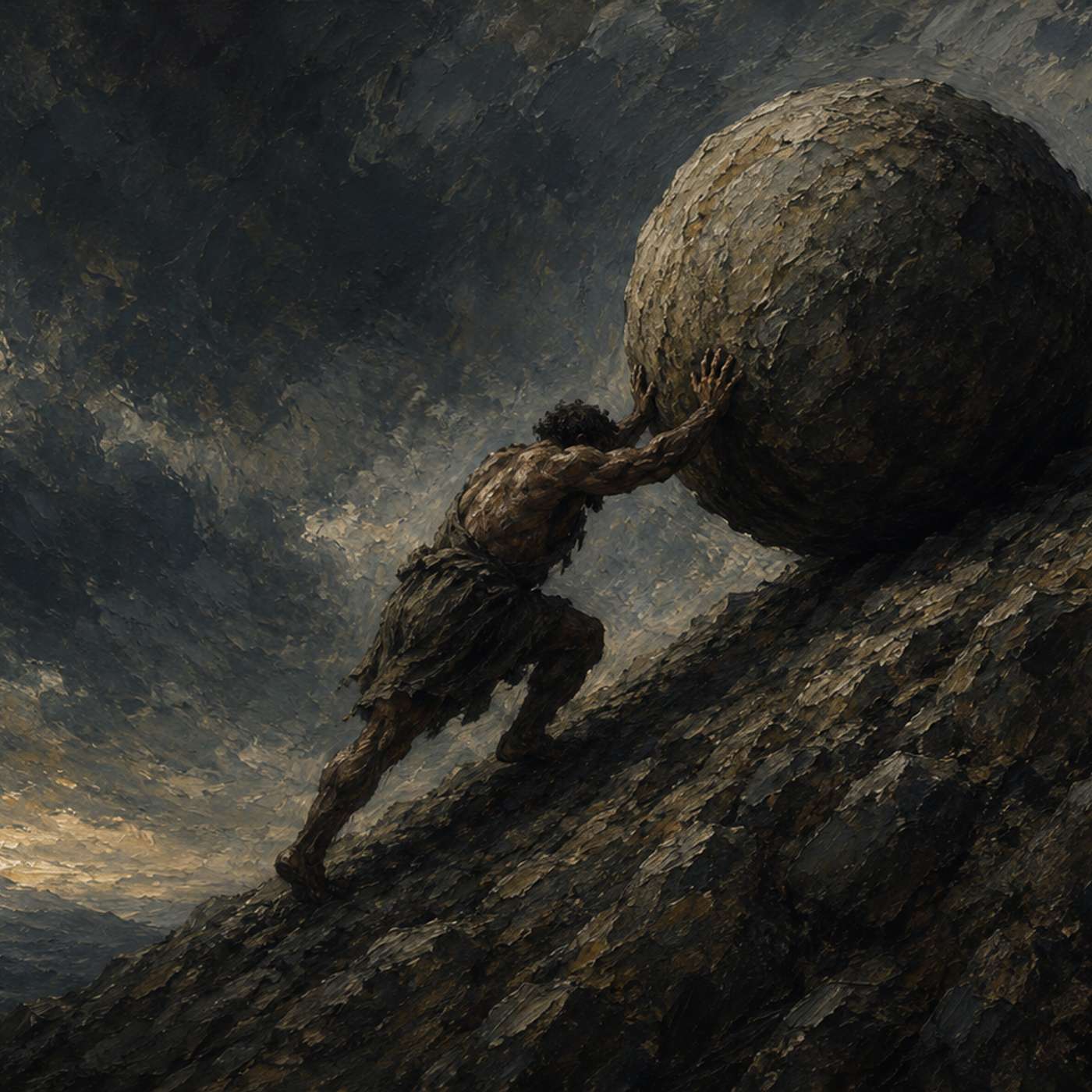 Failure 14.08.2026 1óWe live in an age with a curiously cheerful relationship to failure. But that optimism was built for a world that no longer quite exists. For three generations now, doing everything right-- getting an education, holding down a full-time job, following the sensible plan-- has stopped reliably buying a house or a secure retirement. When a single failure can be genuinely ruinous, the advice to dust yourself off and "fail fast, fail forward, fail better" starts to sound like a privilege reserved for those who can already afford it.So what actually is failure? Who who sets the standard? Is failure really as generative as we like to tell ourselves, or is that a comforting story that only holds up when the stakes are low? Can a person fail at life, or only in it? And if our failures have become so devastating that no one dares risk them, is the fix a better attitude toward failing, or a world that stops punishing people so severely for it?This week, we take seriously the possibility that our growing dread of failure is a rational response to a world that has made failing unaffordable. The real answer, we suggest, may be less about how to fail better and more about how to build a world where other people's failures aren't so ruinous.Grab a drink and join us as we fail our way through Beckett, Nietzsche, Kierkegaard, and Camus toward some clearer sense of what it means to fall short — and toward imagining Sisyphus, if not happy, then at least clear-eyed.Full episode notes available at this link:https://hotelbarpodcast.com/podcast/failure---------------------SUBSCRIBE to the podcast now to automatically download new episodes!SUPPORT Hotel Bar Sessions podcast on Patreon here! (Or by contributing one-time donations here!)BOOKMARK the Hotel Bar Sessions website here for detailed show notes and reading lists, and contact any of our co-hosts here.Hotel Bar Sessions is also on Facebook, YouTube, BlueSky, Instagram, and TikTok. Like, follow, share, duet, whatever... just make sure your friends know about us! ★ Support this podcast on Patreon ★
 -
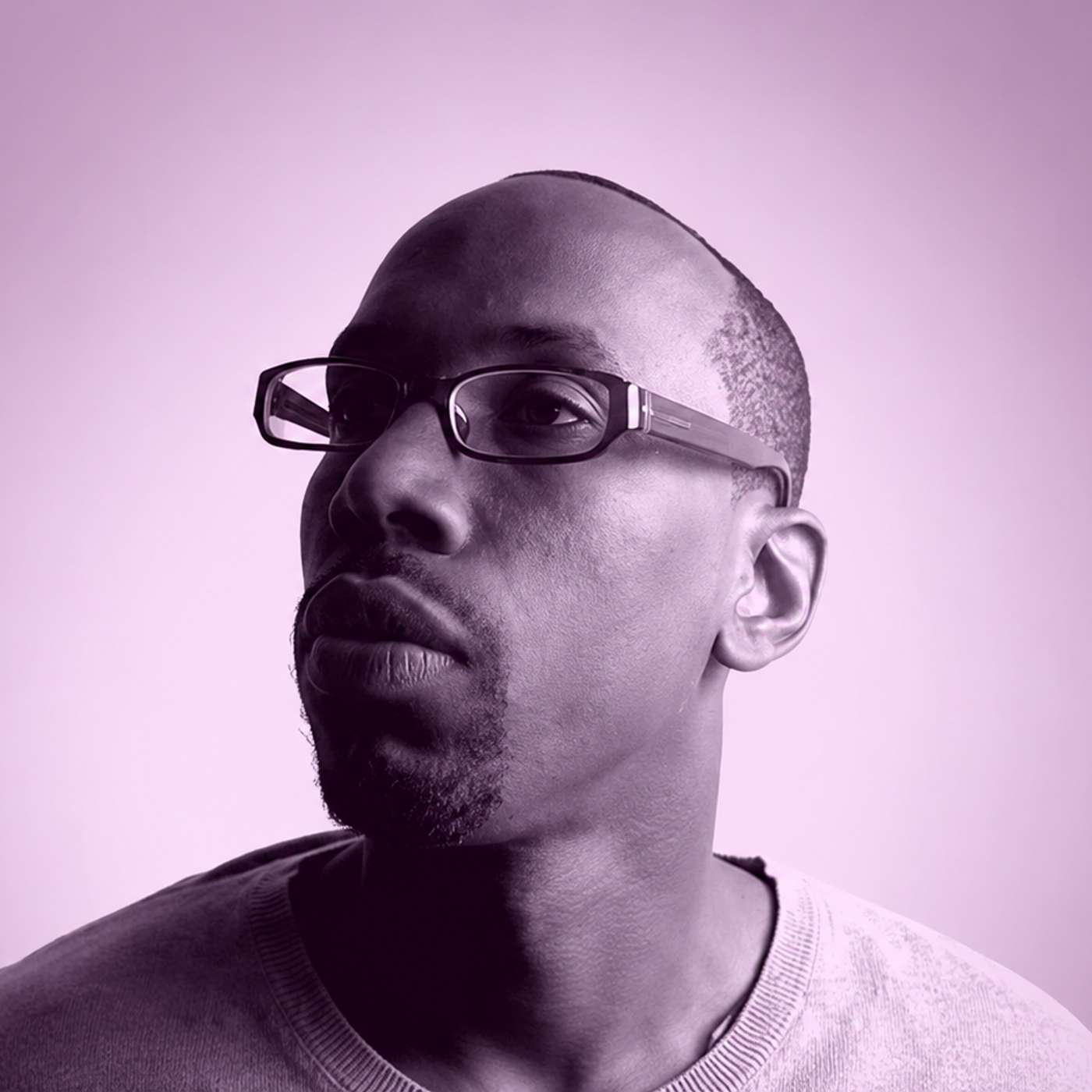 Multi/Race/Less/Ness (with Jon Ivan Gill) 07.08.2026 56pOur guest for this episode, Jon Ivan Gill (Gustavus Adolphus College), argues in his recent book, Multi/Race/Less/Ness (Bloomsbury, 2025) that race is trauma. Not that race "causes" trauma, but rather that the assignment of metaphysically fixed and static racial categories to people is itself a trauma. Gill contends that we are coerced to accept the limitations imposed by racial categories, which not only severely restrict our life possibilities, but cause us to fundamentally misapprehend the dynamic, ever-changing, and ever-evolving reality of human being and human identity, which is always in flux.In an innovative reformulation of well-worn race-abolitionist positions, Gill rejects racial categories as "useless abstractions" and refuses to adopt them as identifiers. While acknowledging that he cannot stop others from identifying him racially, he recommends to the rest of us what he calls "multi/race/less/ness," a dynamic category (inspired by Whitehead's process philosophy) that provides more breathing room for navigating the often suffocating metaphysics of race. Grab a drink and join us for this frank and substantive exchange, with many significant disagreements unpacked along the way about what is and is not worth preserving in the category of "race," and how.Full episode notes available at this link:https://hotelbarpodcast.com/podcast/multiracelessness---------------------SUBSCRIBE to the podcast now to automatically download new episodes!SUPPORT Hotel Bar Sessions podcast on Patreon here! (Or by contributing one-time donations here!)BOOKMARK the Hotel Bar Sessions website here for detailed show notes and reading lists, and contact any of our co-hosts here.Hotel Bar Sessions is also on Facebook, YouTube, BlueSky, Instagram, and TikTok. Like, follow, share, duet, whatever... just make sure your friends know about us! ★ Support this podcast on Patreon ★
 -
 Trust 31.07.2026 1ó 3pSurveys say we're living through a "trust crisis," and some version of that has been true since at least the '70s. Confidence in the press, in the courts, in public health agencies, in elected officials, in one another has been down, and still going down. At this point, mistrust reads as our default civic posture. And yet here we all are, getting through our days by handing out trust more or less constantly and mostly without noticing. We tell a friend something we'd rather nobody else knew. We take what the pharmacist gives us without looking it up. We drive over the bridge, trusting that it will hold. So what is trust? A calculation about how somebody is likely to behave, or something closer to a relationship that can absorb being let down without collapsing? What separates trusting a person from merely depending on one? And why does betrayal land as a different order of injury than disappointment, when the practical damage can be identical? Whenever the day arrives that we are post-Trump, and it will arrive, plenty of us are going to demand that our institutions and, in some cases, our own friends and relatives earn our trust back. It's worth working out ahead of time what we'd actually be asking for. A change in their behavior? Or a decision on our part to lower our guard? Because for a lot of people, distrust is hard-won knowledge about how things really go, and being told that it's a lapse in civic virtue tends to land badly. Grab a drink and join us as we try to work out whether trust is something you decide to give or something that happens to you.Full episode notes available at this link:https://hotelbarpodcast.com/podcast/trust---------------------SUBSCRIBE to the podcast now to automatically download new episodes!SUPPORT Hotel Bar Sessions podcast on Patreon here! (Or by contributing one-time donations here!)BOOKMARK the Hotel Bar Sessions website here for detailed show notes and reading lists, and contact any of our co-hosts here.Hotel Bar Sessions is also on Facebook, YouTube, BlueSky, Instagram, and TikTok. Like, follow, share, duet, whatever... just make sure your friends know about us! ★ Support this podcast on Patreon ★
 -
 The Right to Die 24.07.2026 1ó 1pWhen Leigh's cat Sugar was dying of congestive heart failure, the vet's office offered her something almost no human being will ever be offered: the chance to hold her, to tell her she was loved and thank her, and to be present while a doctor helped her die without pain, without fear, and not alone. Afterward, Leigh's first thought was, I hope my death is this good. Most of us won't get one. We will die in a hospital bed, wired to machines, running up a bill somebody we love will inherit — and almost nobody says that's what they want. Meanwhile, the last year of an American life is the most profitable one, and a dignified death has quietly become a luxury good. Is there — should there be — such a thing as a "right to die," the dark companion of the right to life we all assume we already have? We already honor a patient's refusal of life-sustaining treatment; we let people sign DNRs, decline resuscitation, have the respirator removed. Is there any principled reason to honor that autonomy everywhere except the one place a person tries to use it? What is the "sound mind" requirement actually screening for, given that wanting to die was long treated as disqualifying all by itself? And can we talk seriously about dying with dignity inside a system that barely guarantees anyone the right to live with dignity?Grab a drink — no hemlock cocktails, please — and join us as we ask what it would take to receive the deaths we already afford our pets.Content note: this episode discusses death, dying, end-of-life decision-making, euthanasia, and suicide throughout, at times in personal terms. In the U.S., the 988 Suicide & Crisis Lifeline is available by call or text. Full episode notes available at this link:https://hotelbarpodcast.com/podcast/righttodie---------------------SUBSCRIBE to the podcast now to automatically download new episodes!SUPPORT Hotel Bar Sessions podcast on Patreon here! (Or by contributing one-time donations here!)BOOKMARK the Hotel Bar Sessions website here for detailed show notes and reading lists, and contact any of our co-hosts here.Hotel Bar Sessions is also on Facebook, YouTube, BlueSky, Instagram, and TikTok. Like, follow, share, duet, whatever... just make sure your friends know about us! ★ Support this podcast on Patreon ★
 -
 Rules 17.07.2026 57pWhat's the difference between a rule that describes the world and one that governs it? Leigh, Jen, and Bob start with a complaint about Robert's Rules of Order and end up in the deep end: the categorical imperative, the social contract, the rule of law, and what it would mean to live without any rules at all. Full episode notes available at this link:https://hotelbarpodcast.com/podcast/rules---------------------SUBSCRIBE to the podcast now to automatically download new episodes!SUPPORT Hotel Bar Sessions podcast on Patreon here! (Or by contributing one-time donations here!)BOOKMARK the Hotel Bar Sessions website here for detailed show notes and reading lists, and contact any of our co-hosts here.Hotel Bar Sessions is also on Facebook, YouTube, BlueSky, Instagram, and TikTok. Like, follow, share, duet, whatever... just make sure your friends know about us! ★ Support this podcast on Patreon ★
 -
 Gilles Deleuze and the Philosophy of Sense (with Nathan Widder) 10.07.2026 1ó 1pGilles Deleuze is multifaceted and his works seemingly heteroclite, which has made it difficult to assess what a “Deleuzian” philosophy may be, even if there are a host of philosophical concepts that bear his signature. Most secondary works on him tend to approach him through one of his works on the canonical philosophers, arguing, for example, that Deleuze is and always was a Nietzschean or a Bergsonian or a Spinozist. But these seem to miss what it means to be properly “Deleuzian.”What would it mean to read Deleuze “conceptually” and systematically across all of his works? Is there some unifying thread that not only gathers together his philosophical concerns, but also shows us how to read all of his monographic works from start to finish and reveal what a Deleuzian philosophy is?Our guest today, Nathan Widder of Royal Holloway University, proposes a possible way to navigate this dilemma. For Nathan, the concept that constitutes this guiding thread is the concept of sense. From his earliest published work–an essay reviewing Hyppolite’s Logic and Existence–to his two magni opei (Difference and Repetition, and the aptly named The Logic of Sense), the concept of sense is, according to Nathan, the organizing conceptual principle that drives all of Deleuze’’s analyses and animates his philosophical questioning. So, what is the concept of sense in the work of Deleuze? What does he mean by it, and how does it organize his philosophical project? These are the questions we tackle in this week’s episode – and if you’’e worried that you do not know much about Deleuze, worry no more, because neither did we. But thanks to Nathan and his new book Deleuze and the Logic of Sense (SUNY Press, 2026) we all learned a lot – and so will you.Full episode notes available at this link:https://hotelbarpodcast.com/podcast/deleuze---------------------SUBSCRIBE to the podcast now to automatically download new episodes!SUPPORT Hotel Bar Sessions podcast on Patreon here! (Or by contributing one-time donations here!)BOOKMARK the Hotel Bar Sessions website here for detailed show notes and reading lists, and contact any of our co-hosts here.Hotel Bar Sessions is also on Facebook, YouTube, BlueSky, Instagram, and TikTok. Like, follow, share, duet, whatever... just make sure your friends know about us! ★ Support this podcast on Patreon ★
 -
 Disorienting Cisgender (with Perry Zurn) 03.07.2026 56pWe are living through the most intense public argument about gender in living memory, and somehow managing to conduct it without agreeing on what the most basic terms mean. The word cisgender — or just cis — is either standard vocabulary on HR onboarding documents and medical intake forms or, depending on where you live and who holds power at the moment, possibly a slur, possibly banned from government buildings, possibly both at once. The word has been around for thirty years, but its history is largely unknown to the people who argue or legislate against it. What most people are currently fighting about today is a simplified, mainstream version of the concept that traveled a long way from its origins before arriving in the culture war.In this episode, we sit down with Perry Zurn, Provost Associate Professor of Philosophy in the Department of Philosophy and Religion at American University. Zurn's new book, Cisgender: Disorienting a Category (Duke University Press, 2026), is the first sustained philosophical and historical account of how the term cis entered the gender lexicon, where it came from, what it was supposed to do, and what it has actually done. Drawing on unplumbed archives, interviews with early trans community figures, and parallel conversations in Argentina and Brazil that predate the American discourse, Zurn argues that cis is more useful as a name for a set of norms and privileges than as a description of any person's inner life. Moreover, the category, when pressed hard enough, begins to unravel in philosophically generative ways.Grab a drink and join us as we pull apart a word everyone uses, almost no one can define, and that is more radical, more contested, and far more philosophically interesting than the version currently being banned from Twitter.Full episode notes available at this link:https://hotelbarpodcast.com/podcast/cisgender---------------------SUBSCRIBE to the podcast now to automatically download new episodes!SUPPORT Hotel Bar Sessions podcast on Patreon here: https://www.patreon.com/cw/hotelbarsessions (Or by contributing one-time donations here: https://hotelbarpodcast.com/donate/)BOOKMARK the Hotel Bar Sessions website (hotelbarpodcast.com) for detailed show notes and reading lists, and contact any of our co-hosts through our "Contact Us" page on the website!Hotel Bar Sessions is also on Facebook, YouTube, BlueSky, Instagram, and TikTok. Like, follow, share, duet, whatever... just make sure your friends know about us! ★ Support this podcast on Patreon ★
 -
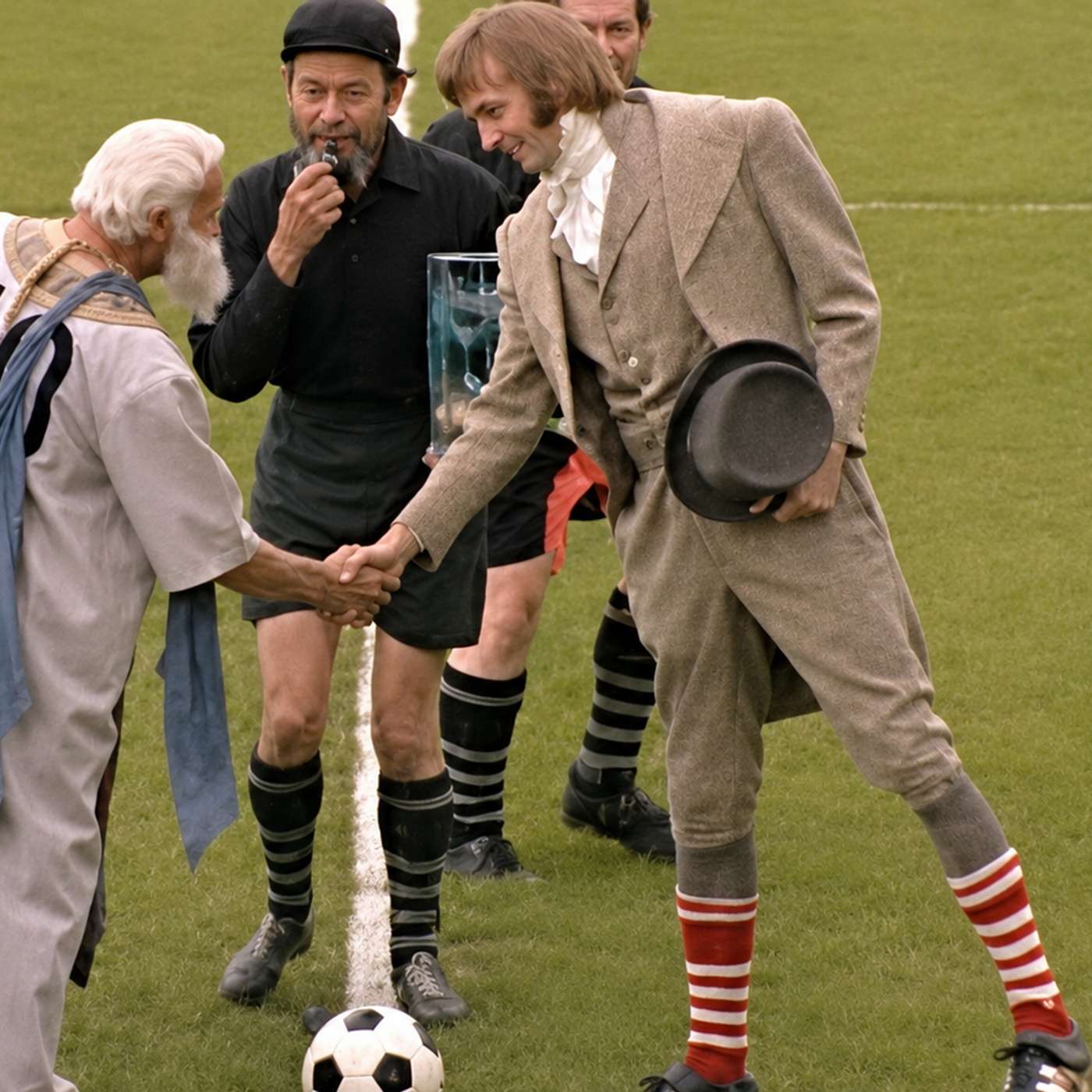 Sports 26.06.2026 58pSports are one of the few remaining arenas of public life where tens of millions of people voluntarily agree to care about the same thing at the same time. As the World Cup reminds us every four years, sports can build identities, drive economies, organize civic loyalties, and transform old geopolitical wounds into something that at least resembles a game. Whether you played Little League, follow your city's team with religious devotion, or find the whole spectacle baffling, sports have philosophical stakes that run deeper than the scoreboard.What actually makes something a sport — and does the answer matter? What does that tell us about fairness, rules, and what it means to win? Can fandom build genuine community, or is it just tribalism? And when institutions like the NCAA funnel the passions sports inspire into donor pipelines and broadcast deals, what gets lost and who gets exploited?Grab a drink and join us as we step onto the field with Aristotle, Iris Marion Young, William James, and Bernard Suits to find out whether the philosophy of sport is worth playing.Full episode notes available at this link:https://hotelbarpodcast.com/podcast/sports---------------------SUBSCRIBE to the podcast now to automatically download new episodes!SUPPORT Hotel Bar Sessions podcast on Patreon here! (Or by contributing one-time donations here!)BOOKMARK the Hotel Bar Sessions website here for detailed show notes and reading lists, and contact any of our co-hosts here.Hotel Bar Sessions is also on Facebook, YouTube, BlueSky, Instagram, and TikTok. Like, follow, share, duet, whatever... just make sure your friends know about us! ★ Support this podcast on Patreon ★
 -
 MINIBAR: Mythos, Fable, Farce (with Leigh M. Johnson) 19.06.2026 30pIn the spring of 2026, Anthropic released to the public what it described as its most capable AI model to date... and then the U.S. government shut it down seventy-two hours later. That subsequent sequence of events, both strange and almost operatic in its timing, is the kind of thing we might genuinely call "unprecedented." It was also a crystalline illustration of something philosophers have been decrying for decades, namely, the difference between performing ethical responsibility and actually exercising it.What does it mean to reason morally about the risks of a technology about which we do not yet fully understand its potential future impacts? Given that a very small number of decisionmakers will shape the conditions of life for everyone else for the next several decades, what do they owe to the people who will bear the consequences of those decisions without having had any say in them? When "ethical AI" has become a brand strategy rather than a careful, historically-informed and theoretically-grounded practice, how do we hold anyone accountable for the gap between what they say and what they do?Grab a drink and join our co-host Leigh M. Johnson as she asks us to consider exactly how sloppy the current "AI ethics" discourse is, what moral reasoning actually requires. and why the people who most need to be doing it seem to be the ones least interested in the task.Full episode notes available at this link:https://hotelbarpodcast.com/podcast/mythosfablefarce---------------------SUBSCRIBE to the podcast now to automatically download new episodes!SUPPORT Hotel Bar Sessions podcast on Patreon here! (Or by contributing one-time donations here!)BOOKMARK the Hotel Bar Sessions website here for detailed show notes and reading lists, and contact any of our co-hosts here.Hotel Bar Sessions is also on Facebook, YouTube, BlueSky, Instagram, and TikTok. Like, follow, share, duet, whatever... just make sure your friends know about us! ★ Support this podcast on Patreon ★
 -
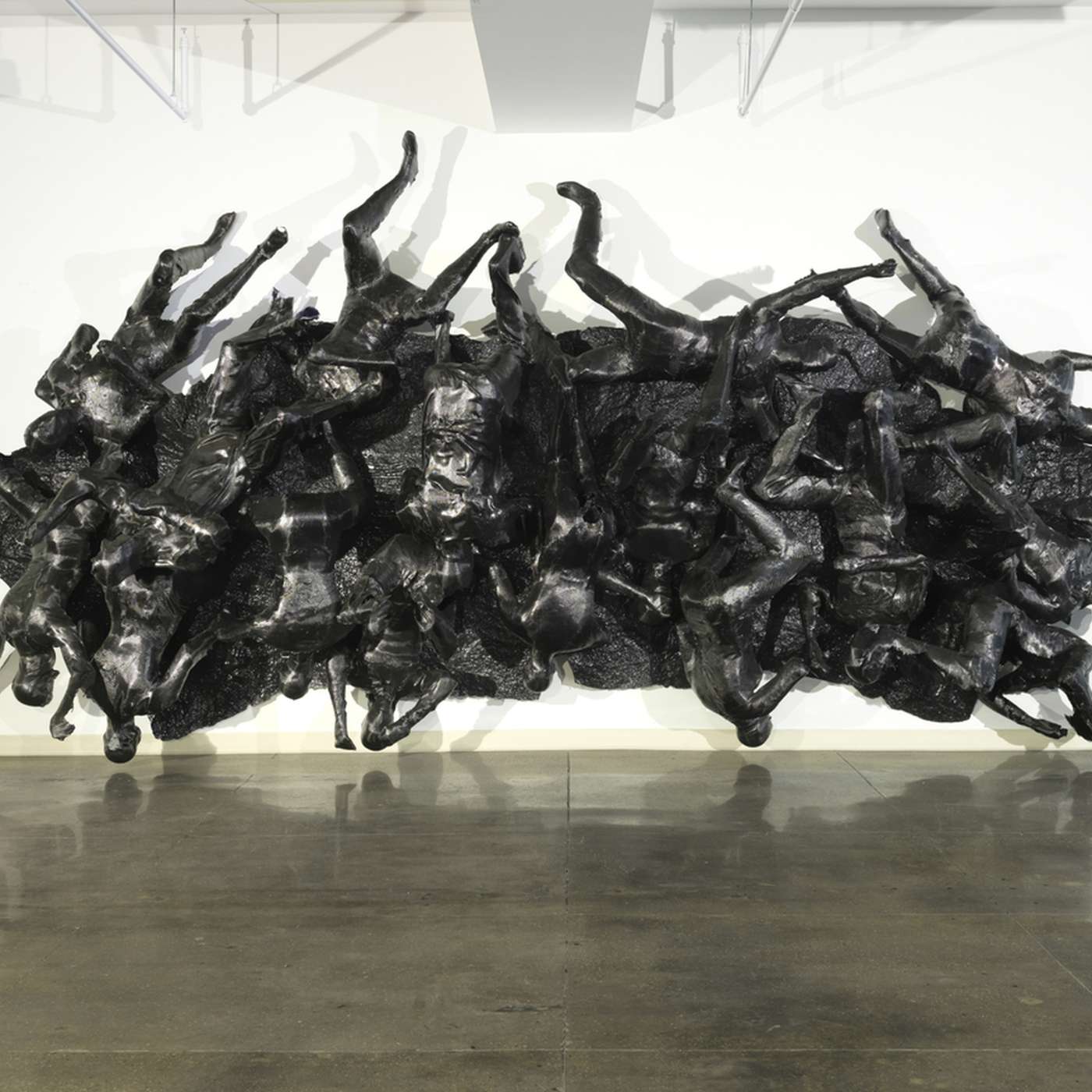 MINIBAR: Art and Phenomenology (with Bob Vallier) 14.06.2026 35pWe tend to think of art as something you look at — a canvas on a wall, an object behind velvet rope, something that holds still while you decide what you think of it. But a tradition in contemporary art has spent the better part of sixty years insisting that this picture is wrong. The artwork isn't the object. It's your body moving through the space it creates. In this minibar episode, Bob Vallier draws on his work in phenomenology to make the case that some of the stranger, more provocative, and occasionally illegal-by-contemporary-standards experiments in post-war art are best understood not as aesthetic puzzles to be solved but as invitations to notice something you're always already doing: being a body in a world that pushes back. Full episode notes available at this link:https://hotelbarpodcast.com/podcast/artandphenomenology---------------------SUBSCRIBE to the podcast now to automatically download new episodes!SUPPORT Hotel Bar Sessions podcast on Patreon here! (Or by contributing one-time donations here!)BOOKMARK the Hotel Bar Sessions website here for detailed show notes and reading lists, and contact any of our co-hosts here.Hotel Bar Sessions is also on Facebook, YouTube, BlueSky, Instagram, and TikTok. Like, follow, share, duet, whatever... just make sure your friends know about us! ★ Support this podcast on Patreon ★
 -
 MINIBAR: Hanlon's Razor (with Jennifer Kling) 06.06.2026 16pThe HBS co-hosts are diligently at work prepping for Season 16 so, in the meantime, enjoy this "Minibar" episode from Jennifer Kling explaining the merits and demerits of employing Hanlon's Razor in our everyday lives! Full episode notes available at this link:https://hotelbarpodcast.com/podcast/hanlons-razor---------------------SUBSCRIBE to the podcast now to automatically download new episodes!SUPPORT Hotel Bar Sessions podcast on Patreon here! (Or by contributing one-time donations here!)BOOKMARK the Hotel Bar Sessions website here for detailed show notes and reading lists, and contact any of our co-hosts here.Hotel Bar Sessions is also on Facebook, YouTube, BlueSky, Instagram, and TikTok. Like, follow, share, duet, whatever... just make sure your friends know about us! ★ Support this podcast on Patreon ★
 -
 REPLAY: Food (with Bob Valgenti) 29.05.2026 1ó 2pWhile our co-hosts are on a short break between seasons, enjoy this REPLAY episode of one of our favorite conversations from Season 15 with Dr. Robert T. Valgenti, philosopher and professor at the Culinary Institute of America, who dropped by the hotel bar to chat with us about food, the “gastronomic event,” the ethics and politics of cooking and eating, and what it means to be human. Bon appétit! Full episode notes available at this link:https://hotelbarpodcast.com/podcast/food---------------------SUBSCRIBE to the podcast now to automatically download new episodes!SUPPORT Hotel Bar Sessions podcast on Patreon here! (Or by contributing one-time donations here!)BOOKMARK the Hotel Bar Sessions website here for detailed show notes and reading lists, and contact any of our co-hosts here.Hotel Bar Sessions is also on Facebook, YouTube, BlueSky, Instagram, and TikTok. Like, follow, share, duet, whatever... just make sure your friends know about us! ★ Support this podcast on Patreon ★
 -
 Foucault's "Panopticism" 22.05.2026 58pWhat does it mean to say that visibility is a trap? Why does the simple awareness that we might be watched work on us so effectively that we end up policing ourselves better than any guard ever could? And if disciplinary power now operates through every camera in every pocket and every satellite overhead, is there anywhere left that isn't already inside the panopticon?For the final episode of Season 15, we close out the season with a deep dive into Michel Foucault's "Panopticism" from Discipline and Punish. Bob walks us through the architectural innovation at the heart of Foucault's argument: Jeremy Bentham's prison design, in which a single guard tower makes every prisoner visible while keeping the guard himself unseen. From there the conversation turns to what panopticism looks like in our own moment — Princeton's recent return to exam proctors, Elon Musk's brief tenure at DOGE and the IRS data he walked away with, the meta-glasses recording strangers on the street, and the hundred thousand satellites now orbiting overhead. Jen presses on why disciplinary power is scarier than sovereign power, precisely because it arrives dressed as benevolence. Leigh asks whether digging in on privacy in the digital age is already a losing bet that concedes too much to the logic of surveillance.Grab a drink and join us as we ask who exactly is watching the watchers... and whether any tolerated margin of criminality is left in which to hide.Full episode notes available at this link:https://hotelbarpodcast.com/podcast/foucault---------------------SUBSCRIBE to the podcast now to automatically download new episodes!SUPPORT Hotel Bar Sessions podcast on Patreon here! (Or by contributing one-time donations here!)BOOKMARK the Hotel Bar Sessions website here for detailed show notes and reading lists, and contact any of our co-hosts here.Hotel Bar Sessions is also on Facebook, YouTube, BlueSky, Instagram, and TikTok. Like, follow, share, duet, whatever... just make sure your friends know about us! ★ Support this podcast on Patreon ★
Hasonló podcastok


Népszerű itt:
Ez a podcast ezeknek az országoknak a podcast-listáin is szerepel.


