
Architecture Business Club with Jon Clayton
Jon Clayton
0
Architecture Business Club is a podcast for architecture business owners, hosted by Jon Clayton, a Chartered Architectural Technologist based in the UK. Each week, the show features interviews with inspiring people from architecture and business, sharing actionable tips on improving workflows, saving time, and increasing profitability. Topics include mindset, money, business strategy, sales, marketing, productivity, systems, client experience, outsourcing, software, and technology. Episodes are short, helpful, and actionable, typically lasting 30-40 minutes for interviews and up to 20 minutes for solo episodes.
Epizódok
-
 How To Avoid Miscommunication Problems In Architecture with Usman Yaqub | 125 11.06.2026 30pAvoiding Costly Miscommunication in Architecture: Clearer Client Communication with Usman YaqubJon Clayton hosts Architecture Business Club with guest Usman Yaqub, president of the Chartered Institute of Architectural Technologists and director at Studio Yaqub Architecture, to discuss how miscommunication and technical jargon damage projects and client relationships. Usman explains that clients, contractors, planners, engineers, and consultants view the same project through different lenses—emotional investment, buildability and program, or compliance and policy—so communication must be adapted to what “success” means for each audience and to reduce “scope canyons” between silos. He shares examples where stakeholders misunderstood milestones and where “planning approval” was wrongly assumed to mean ready-to-build, stressing the need to confirm understanding. Practical tactics include using relatable explanations, storytelling, and visual tools like drawings, BIM, and visualisations, plus framing meetings to invite questions.Today’s GuestUsman Yaqub is the current President of The Chartered Institute of Architectural Technologists & Director at Studio Yaqub Architecture. He’s an Associate Lecturer at The University of the West of England and holds positions with a number of charities and not for profit organisations. He also established the popular online CPD series - CPD in 43.—Episode Highlights00:00 Introduction01:12 Meet Usman Yaqub02:11 Different Lenses Different Goals03:33 Keeping Clients Emotionally Engaged05:10 Bridging Scope Canyons06:19 Jargon That Backfires06:58 Simplicity Shows Expertise08:04 Making The Process Accessible10:09 Miscommunication Stories10:46 Milestones And Expectations11:59 Planning Approval Confusion13:12 Spotting When They Don't Get It14:50 Planning Vs Building Regs Explained16:25 Bookending Meetings For Clarity18:28 Tailoring To Each Audience22:05 Storytelling And Visual Tools23:57 Biggest Communication Advice24:59 Final Thoughts And Where To Connect—Key TakeawaysThink about who you are talking toEveryone you work with sees a project differently. A client cares about how it will change their life. A contractor cares about how to build it. A planner cares about rules and policy. When you understand what matters to each person, you can talk to them in a way that makes sense for them — and things go much more smoothly.Simple words show more skill than big onesUsing jargon might make you feel clever, but it can leave people confused and too embarrassed to say so. The real skill is taking something complex and explaining it in plain language. If someone walks away understanding you, that is a much better result than if they walk away impressed but lost.Good communication means checking understanding, not just sharing informationSaying something clearly is only half the job. You also need to make sure the other person has understood it the same way you meant it. Watch for small signs — hesitation, odd questions, or repeated words — that tell you there may be a gap. Ask "what questions do you have?" instead of "do you have any questions?" to give people a proper chance to speak up.—Subscribe on YouTube (for upcoming video episodes!) 📺Send a Voicemail to the show (we listen to every message!) 📢Connect with Usman Yaqub on LinkedIn 🤝Learn more about Studio Yaqub Architecture 🖥️Follow or Connect with Jon on LinkedIn 🤝—👇 And if you enjoyed this episode…Please leave a 5-star review or rating wherever you listen to podcasts, and don’t forget to hit the subscribe button so you never miss an episode.
 -
 Navigating Home Design Costs with Michael Sweebe | 124 28.05.2026 41pFixing Budget Misalignment in Residential Projects.A conversation with Michael Sweebe on Build Cost Estimation. Host Jon Clayton interviews residential architect Michael Sweebe of Sweebe Architecture about the common problem of homeowners’ design goals outpacing their budgets and the lack of early tools to define scope and estimate costs. Mike shares how his childhood experience in an unsuitable apartment shaped his focus on homes as expressions of memory, identity, and aspiration, and how 20 years in commercial practice led him to residential work. He explains how a COVID-era, space-by-space cost spreadsheet helped him give live ballpark project costs, preventing clients from spending money on drawings they couldn’t afford to build. That approach evolved into Scopify, a free homeowner app (beta) that estimates “soup to nuts” build costs by U.S. postal code and delivers pre-qualified leads to architects, reducing unbillable qualification time.Today’s GuestMichael Sweebe is a practicing architect & the founder of Sweebe Architecture. Mike’s practice specialises in residential architecture & interior design – designing homes that bring families closer together. Mike is also the founder of Scopify – a new app helping homeowners to estimate & control their build costs from the outset & to connect them with the best service providers.—Episode Highlights00:00 Introduction01:01 Meet Michael Sweebe01:36 What We Will Cover02:08 A Childhood Home Mismatch03:00 Drawing Plans At Age Nine04:19 Finding Purpose Early05:41 From Uni To Real Practice06:40 Why Homeowners Matter More08:42 Residential Brand Mindset09:44 Residential Project Pitfalls10:23 No Tools For Early Costing12:16 Chicken and Egg Problem13:14 Building Without Architectural Guidance14:46 COVID Spreadsheet Solution15:47 Space By Space Estimating16:47 Why Homeowners Think In Rooms18:15 Live Pricing Saves Projects20:24 Stop Gatekeeping Cost Info21:51 Limits Of One To One Help22:29 Sales Funnel Sparks Scopify24:52 Scaling Impact Nationwide26:47 Scopify Beta Overview27:28 Homeowner Experience And Pricing28:12 Postal Code Cost Algorithm29:15 40 40 20 cost rule30:00 Qualified Leads For Architects30:54 Beta Results And Conversions34:05 Homeowners Know 85 Percent Of What They Want34:54 How To Try Scopify35:23 Key Takeaway36:16 Must Have Business Resource39:11 Where To Find Michael Sweebe—Key TakeawaysHelp homeowners understand costs before they hire anyone.If you work in architecture or home design, one of the biggest problems you will see is that homeowners have no idea what things cost. When they find out late in the process, it can kill the whole project. You can save everyone a lot of time and money by giving people a rough idea of costs right at the start — before they pay for drawings or sign any contracts.Think about spaces the way the people living in them do.When you are working with homeowners, remember that their home is about more than just building materials and square footage. It is about who they are, what they care about, and what kind of life they want to live. If you keep that in mind, you will do better work and build stronger relationships with your clients.Technology can help you reach more people and save time.If you are a small practice, you can only help so many clients on your own. But if you use the right tools — like an app that lets homeowners self-qualify before they even speak to you — you can spend your time with people who are actually ready to go ahead. That means less unpaid time in meetings that go nowhere, and more clients who are a good fit for your work.—Subscribe on YouTube (for upcoming video episodes!) 📺Send a Voicemail to the show (we listen to every message!) 📢Learn more about Scopify 🖥️Test the Scopify app 🖥️Learn more about Sweebe Architecture 🖥️Curious about podcasting? Click here to book a chat with Jon 🎧Follow or Connect with Jon on LinkedIn 🤝—👇 And if you enjoyed this episode…Please leave a 5-star review or rating wherever you listen to podcasts, and don’t forget to hit the subscribe button so you never miss an episode.
 -
 Marketing & Lead Generation Tips For Small Businesses | 123 07.05.2026 11pTop Marketing & Lead Generation Episodes for Architecture PracticesJon Clayton introduces a roundup of Architecture Business Club episodes focused on improving marketing and lead generation for architecture practices beyond a website portfolio and occasional Instagram posts. Jon highlights the most popular marketing and lead generation episode to date, shares a “hidden gem,” and reveals one of his personal favourites.—Episode Highlights00:00 Introduction01:32 Most Popular Marketing & Lead Generation Episode To Date02:42 The Right Way For Architecture Firms To Use LinkedIn03:53 A Hidden Gem From Our Marketing & Lead Generation Episodes05:05 How To Use Pinterest To Build Know, Like & Trust06:19 A Personal Favourite From Our Marketing & Lead Generation Episodes07:39 Strategic Marketing System For Small Firms09:47 Wrap Up —Key TakeawaysShow who you are, not just what you buildOn LinkedIn, you might think sharing photos of your finished projects is enough. But clients want to know you. They want to see your personality, understand how you work, and feel they can trust you. Try sharing why you love what you do or a little about your process — that personal touch can make a big difference.Pinterest can help you reach clients earlyPinterest is not really a social media platform — it works more like a search engine. If you post helpful content there, people can find you while they are still deciding which architectural designer to hire. Over time, they get to know your work, trust your brand, and when they are ready, they come back to you.A lean marketing system can work for small firmsYou do not need a big team to market well. Start by getting clear on who your dream client is, create a simple core offer, and set up a way to bring in leads. Even a small "gateway offer" — like a paid strategy session — can help turn first conversations into paying work and grow your business step by step.—Get to grips with LinkedIn in this popular podcast episodeLearn how to leverage Pinterest in your architecture practiceBuild an effective marketing system for your micro-sized business—Subscribe on YouTube (for upcoming video episodes!) 📺Send a Voicemail to the show (we listen to every message!) 📢Curious about podcasting? Click here to book a chat with Jon 🎧Follow or Connect with Jon on LinkedIn 🤝—👇 And if you enjoyed this episode…Please leave a 5-star review or rating wherever you listen to podcasts, and don’t forget to hit the subscribe button so you never miss an episode.
 -
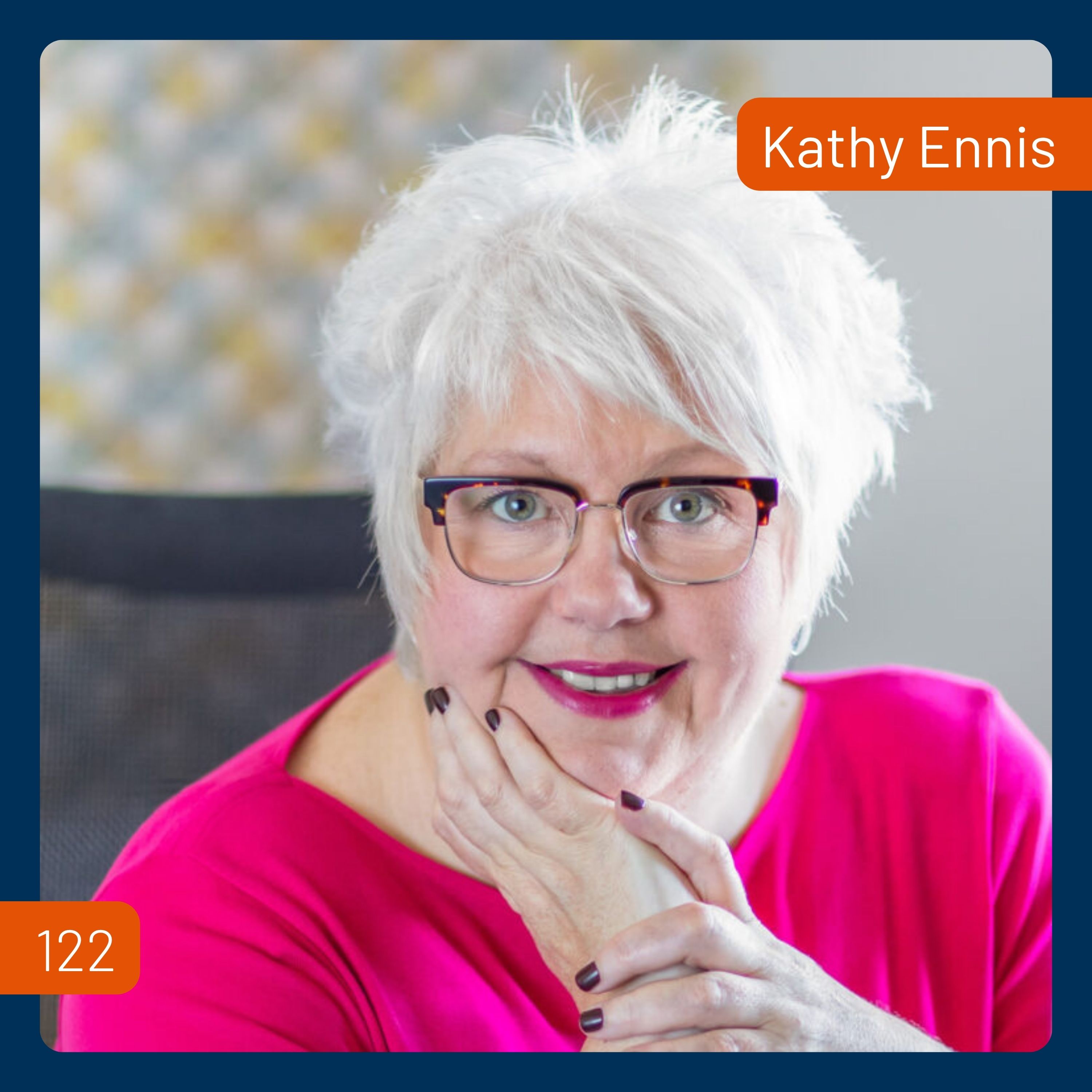 Solopreneur's Guide To Business Mastery with Kathy Ennis | 122 23.04.2026 50pHost Jon Clayton welcomes Kathy Ennis of Little Piggy Ltd to Architecture Business Club to discuss why many solopreneurs and micro business owners struggle and what drives success. Kathy explains that talented people often rely on passion and “window dressing” marketing without learning core business skills, especially planning and cashflow forecasting. She outlines her five “Ps”: people (start with psychographics and choose who you want to buy from you), product (for services, productise offers into clear packages and entry levels), price (set targets based on business costs, salary, tax and profit, then align pricing with customer and offer), promotion (balance brand and sales marketing; go beyond social media with networking, lead magnets and email), and productivity (allocate time to run the business, build systems, and outsource).—Today’s GuestKathy Ennis is the founder of LittlePiggy and an award-winning Business Mentor who specialises in working with Solopreneurs, Freelancers and Side-Hustlers to build businesses that actually work and bring them the success they deserve.After 20 years in the corporate world, Kathy launched her own business in 2000 at 40, knowing nothing about business. It didn't all go to plan – redundancy, a financial crisis, and even pension fraud tested her resolve – but she learned, adapted and built something sustainable. Those hard-won lessons became the foundation of everything she now teaches.With over 26 years of running her own businesses, Kathy knows that talent and passion aren't enough. You need the business fundamentals. That's why she developed her 5Ps framework – People, Products, Price, Promotion and Productivity. It's a practical, proven approach that takes clients from assumptions and guesswork to clear strategy and consistent profit.Kathy works one-to-one with business owners and delivers training through organisations including Enterprise Nation and Visionnaires, where she tutors and coaches on start-up and business growth programmes. She previously tutored on the York St John University MBA programme and runs the Women Talk Business programme for the Business and IP Centre Norfolk. She's also a regular public speaker and workshop facilitator.What sets Kathy apart is her straight-talking, no-fluff approach. She doesn't coach people on their feelings about business, she teaches them what they don't know. Because running a business is a skillset, and it's one you can learn.—Episode Highlights00:00 Introduction00:49 Meet Kathy Ennis02:15 Why Solopreneurs Start03:49 Passion vs Profit Gap04:22 Planning Builds Profit05:21 Architecture Iceberg Analogy07:15 Unsexy Business Basics08:54 Five Ps Framework10:30 Know Your People11:01 Psychographics Over Demographics12:28 Choose Who Buys13:47 Productising Services19:40 Packages To Upsell & Downsell25:35 The Golden Triangle Of Pricing26:28 Turnover Not Salary27:42 Tiered Offers Math28:45 Supermarket Pricing Analogy29:36 Spreadsheet Stress Test30:17 Packages Versus Capacity31:16 Avoid Salary Replacement Trap33:26 Unemotional Numbers Mindset34:47 Reevaluate Offer And Audience35:21 Brand Versus Marketing36:10 Beyond Social Media37:52 Lead Magnets And Email39:49 Productivity For Solopreneurs41:33 Outsource To Build A Team44:14 Final Takeaways And Wrap —Key TakeawaysRunning a business is a skill you can learnJust because you are great at what you do does not mean you automatically know how to run a business. Kathy points out that most solopreneurs are brilliant at their craft but do not understand the basics of business. The good news is that business skills can be learned. Once you start learning things like pricing, planning, and knowing your customers, you put yourself on much firmer ground.Know your numbers before you set your pricesDo not just think about what you want to take home as a salary. You need to work out how much it costs to run your business, pay yourself, cover tax, and have a little left over to reinvest. Once you know that total number, you can work backwards to figure out your prices and how many clients you need. Using a simple spreadsheet to do this takes the emotion out of it and helps you make clear, sensible decisions.Plan your marketing and do not rely on social media aloneMany small business owners rely too heavily on posting on Instagram or LinkedIn and hope that their work will speak for itself. Kathy says you need a proper marketing strategy that includes email, face-to-face networking, and things that bring people to you, like a free resource or a short introductory chat. The more people know you and what you do, the more likely they are to refer others to you.—Subscribe on YouTube (for upcoming video episodes!) 📺Send a Voicemail to the show (we listen to every message!) 📢Connect with Kathy Ennis on LinkedIn 🤝Visit Kathy’s website 🖥️Curious about podcasting? Click here to book a chat with Jon 🎧Follow or Connect with Jon on LinkedIn 🤝—👇 And if you enjoyed this episode…Please leave a 5-star review or rating wherever you listen to podcasts, and don’t forget to hit the subscribe button so you never miss an episode.
 -
 Get More People To See Your Content (Repurpose It!) with Annette Mashi | 121 09.04.2026 39pHost Jon Clayton interviews Annette Mashi on Architecture Business Club about repurposing existing website content—case studies, portfolios, photos, and blog posts—so more people see it across platforms and are driven back to the website. Annette explains a top-down process: start with a large piece (e.g., an energy-efficiency case study), turn it into a blog, then break it into topic-specific newsletters and short LinkedIn posts that link back to the blog. They discuss finding content ideas in everyday client conversations and frequently asked questions, using AI tools like ChatGPT as a starting point while editing for voice and avoiding generic language, and why LinkedIn builds awareness, email newsletters nurture leads over long sales cycles, and blogs provide depth and a content library. Annette emphasises client-focused benefits over “we” messaging and highlights the value of a supportive professional network.—Today’s GuestAnnette Mashi creates magic with words. She gives visibility to female architects, interior designers, and women in the construction industry. She positions them as experts, demonstrates the value they provide, and helps them stand out from their competition so they attract clients they love and win their dream projects.—Episode Highlights00:00 Introduction00:43 Introducing Annette Mashi01:13 Why Repurpose Content02:05 Multi Platform Sharing02:30 Driving Website Traffic03:14 Channels To Use03:31 Top Down Process03:57 Case Study Example04:22 Turning A Case Study Into A Blog04:45 Turning A Blog Into A Newsletter05:02 LinkedIn Snippets05:27 Main Course Analogy05:56 No Reinventing Wheel06:14 Repurpose Podcasts Too06:52 Guest Appearance Content07:09 Ask For Transcripts07:49 Finding Content Ideas08:27 Marketing Team Analogy10:48 Client Questions Content12:30 Social Proof Framing13:05 AI Repurposing Pitfalls14:21 Use AI As Tool17:19 ChatGPT Tells18:18 Content Ecosystem Package19:49 Awareness Building Content20:11 Nurturing Content20:44 Why You Need To Nurture Leads21:44 Email Newsletter Opportunity22:15 How Often To Send Your Email Newsletter24:13 Flow Analogy25:12 Results From Just Eight Blogs Per Year25:39 Building A Content Library26:42 Long Term Benefits From Content28:09 Linking Content Together29:46 Putting It Into Practice30:55 Getting Started With Content Repurposing32:11 Sharing Your Process32:31 Content Marketing Book Recommendations33:28 Benefits Vs Features34:29 A Simple Exercise: We Vs You35:26 The Resource Annette Mashi Can't Live Without37:15 Closing And Connect—Key TakeawaysYou already have more content than you thinkYou don't need to start from scratch. Look at what you've already got — a case study, a project photo, a blog post. You can take one big piece of content and break it into smaller pieces for LinkedIn, your newsletter, and your website. It's like getting more meals from one big cook-up. Stop letting good work sit there unseen.You need to share your content in more than one placePutting something on your website and hoping people will find it doesn't work. You need to share it across different places — social media, email, your blog. Each place does a different job. LinkedIn helps new people find you. Your email list keeps people warm over time. Your blog shows them how you think and what you can do. Together, they bring people closer to hiring you.You should email your list at least once a monthMost designers — around 85% — don't send regular emails. That means if you do, you're already ahead of the crowd. People often take a year or more before they're ready to hire an architect. Sending a monthly email keeps you in their minds. Even if they don't read every word, they see your name and remember you're there. That matters a lot when they're finally ready to get started.—Subscribe on YouTube (for upcoming video episodes!) 📺Send a Voicemail to the show (we listen to every message!) 📢Connect with Annette Mashi on LinkedIn 🤝Visit Annette Mashi’s Website 🖥️Curious about podcasting? Click here to book a chat with Jon 🎧Follow or Connect with Jon on LinkedIn 🤝—👇 And if you enjoyed this episode…Please leave a 5-star review or rating wherever you listen to podcasts, and don’t forget to hit the subscribe button so you never miss an episode.
 -
 What is Succession Planning & Why Does It Matter with Kevin Crawford | 120 26.03.2026 33pJon Clayton hosts Architecture Business Club with guest Kevin Crawford, an architecture practice leader with 20+ years’ experience who implemented a succession plan at Crawford Architecture via a transition to employee ownership. They define succession planning as future-proofing the business, protecting legacy, and ensuring continuity if the owner retires, can’t work, or dies, noting many practices delay it until it becomes urgent. Kevin shares how waiting until his father was around 70 created pressure and highlights why planning matters for owners, families, staff career paths, valuation, and avoiding rushed sales to the wrong buyer. They discuss that succession planning applies to all firms, including sole practitioners, and stress the need to take time away from day-to-day work, use structured planning (including ideas from the book “Traction”), clarify roles, communicate a shared vision, and maintain discipline.Today’s GuestKevin Crawford is an architecture practice leader with over 20 years of experience running and growing a practice, before putting a succession plan in place through a transition to employee ownership. Today, he’s the founder of Designing Success and co-founder of ASC and Pilotis, where he helps architecture practice leaders design better businesses — gaining more clarity, time and freedom, while strengthening the person behind the practice.—Episode Highlights00:00 Introduction00:46 Meet Kevin Crawford01:20 Why This Topic Now01:40 Defining Succession Planning02:15 Planning For Inevitability02:49 Family Firm Backstory03:58 New Ventures Plan From Day One04:33 Ostrich To Eagle Mindset05:18 Forced Change And Complexity05:39 Most Firms Delay This06:23 Reactive Industry Trap06:52 Hamster Wheel Workaholism07:27 Two Year Transition Journey08:03 Balancing Three Stakeholders08:29 Protecting The Legacy08:48 Choosing Employee Ownership09:36 Others Still Ignore It10:18 Why Succession Matters10:42 Time With Family Motivation12:34 Shared Vision And Culture Shift13:53 Risks Of Leaving It Late15:28 Is Succession Planning Relevant To Small Firms16:33 Buying Time To Plan20:25 Consequences Of Ignoring It22:36 Collaboration Over Competition24:24 Where To Start Today24:49 Frameworks And Reflection26:21 Discipline And Weekly Structure27:41 Key Takeaways29:26 Employee Ownership Realities30:31 Must Have Business Resource30:51 Project Management Game Changer32:02 Connect With Kevin—Key TakeawaysDon't put it off — start thinking about succession planning now.It's easy to say "I'll deal with it later," but Kevin learned the hard way that waiting too long makes everything harder. His dad was 70 before they started planning, and by then it was stressful for the whole family. Even if you're not ready to act right now, you should at least start thinking about what happens to your business when you're no longer running it.You need to make time to work on your business, not just in it.Kevin used to think working longer hours was the answer. He'd start at 4am and work until midnight. But that didn't help him plan for the future — it just kept him stuck on the hamster wheel. The real change came when he stepped away from the day-to-day and gave himself proper time to think. You need to block out time in your week to focus on the bigger picture, even if it's just a couple of hours on a Friday.Succession planning matters no matter how big or small your practice is.You might think this only applies to large firms, but Kevin says it's just as important for sole practitioners. If your business depends entirely on you, what happens if you can't work? Who looks after your projects and your clients? Having a plan in place protects you, your team, and the legacy you've built — whether you're a one-person studio or a team of twenty.—Subscribe on YouTube (for upcoming video episodes!) 📺Send a Voicemail to the show (we listen to every message!) 📢Connect with Kevin Crawford on LinkedIn 🤝Curious about podcasting? Click here to book a chat with Jon 🎧Follow or Connect with Jon on LinkedIn 🤝—👇 And if you enjoyed this episode…Please leave a 5-star review or rating wherever you listen to podcasts, and don’t forget to hit the subscribe button so you never miss an episode.
 -
 Navigating Our 100+ Episodes: A Guide to Discovering Hidden Gems | 119 12.03.2026 14pJon Clayton marks Architecture Business Club’s 100+ episodes (nearing 120) and explains how new listeners can quickly find relevant content using newly added episode categories on architecturebusinessclub.com. He lists key themes including business strategy and growth, marketing and lead generation, personal brand, sales and pricing, systems and automations, mindset and wellbeing, career journeys, content/PR/podcasting, industry events, community, and team collaboration. Spotlighting the Business Strategy and Growth category, he highlights the most downloaded episode. He also recommends a lesser-known “hidden gem”, and shares his personal favourite.—Episode Highlights00:00 Why This Episode Exists00:50 The Back Catalogue Problem01:41 New Website Categories02:03 All Episode Themes Overview02:58 Why Categorising Matters04:00 Business Strategy & Growth Episodes04:16 Most Popular Business Strategy & Growth Episode06:28 Hidden Gem in Business Strategy & Growth08:50 Personal Favourite Of Mine11:59 Wrap Up—Key TakeawaysYou can break big goals into smaller partsInstead of planning your whole year at once, divide it into 90-day chunks. This makes it easier to see where you're going and change direction if you need to. It's like planning a road trip in stages rather than trying to map out everything at once.You will make mistakes, and that's okayWhen you run a business, you'll mess things up sometimes. You might waste money or make poor choices. The important thing is to learn from what went wrong and move forward. Don't be too hard on yourself about it.You need to create urgency to get people to buyIf your service is available all the time, people will think they can buy it later and they'll forget about it. You should use special launches or limited-time offers to give people a reason to act now instead of putting it off.—Subscribe on YouTube (for upcoming video episodes!) 📺Send a Voicemail to the show (we listen to every message!) 📢Curious about podcasting? Click here to book a chat with Jon 🎧Follow or Connect with Jon on LinkedIn 🤝—👇 And if you enjoyed this episode…Please leave a 5-star review or rating wherever you listen to podcasts, and don’t forget to hit the subscribe button so you never miss an episode.
 -
 How To Avoid Structural Issues In Home Extensions with Sam Dean | 118 26.02.2026 51pArchitecture Business Club host Jon Clayton interviews structural engineer Sam Dean of Porthouse Dean about common structural design pitfalls in home extensions and how to avoid spiraling costs. They discuss ground conditions as a major uncertainty (especially clay), the influence of nearby large trees and desiccation, and the use of low-cost desktop geological reports based on British Geological Survey borehole data to flag risk. They cover ceiling downstands and why beam position is often a cost-and-aesthetics decision between homeowner, architect, and builder, with installation complexity increasing when first-floor joists run into the beam. Sam explains cantilever “rules of thumb” and how corner bifold-door cantilevers can drive up steel and foundation demands, sometimes requiring columns and large foundations due to uplift forces. They address adding an extra storey and the case for trial holes. They also highlight risks of building onto existing, undocumented steelwork from previous extensions, which can force intrusive investigation or replacement when later loft conversions are planned. Sam explains how the architectural design can affect structural costs and outlines what to expect from a good structural engineering service. They touch on AI-generated architectural information, Sam’s launch of an AI review service, and he shares the software tool his business can’t work without.Today’s GuestSam Dean. He started out as a materials scientist and structural engineer, spent a year in the nuclear industry, then teamed up with his friend Chris Porthouse to start PorthouseDean structural engineering. Sam then got hooked on building business systems and automations - to cut out the boring stuff and let his team do better work. When he’s not solving process problems – he’s cycling to work, playing and watching football, or baking crusty bread and homemade pizzas.—Episode Highlights00:00 Introduction00:39 Introducing Sam Dean01:38 Managing Risk with Groundworks03:08 The Clay Problem04:08 Trees Near Extensions: The Hidden Foundation Cost Driver04:30 When Is a Site Investigation Worth It? Practical Triggers05:10 Low-Cost Desktop Geology Reports: A Smart Early Warning05:49 Designers Missing Key Site Info (Like Trees)06:59 Case Study: The 20m Oak That Shows Up Too Late07:55 Using Maps + Clay Likelihood to Spot Risk Early08:48 Removed Trees Still Matter: Clay Desiccation Explained10:32 Ceiling Downstands vs Flush Beams: Set Expectations Early11:33 “Where Do I Put the Beam?” Why Engineers Don’t Always Decide12:13 Joist Direction Changes Everything (and Can Add Thousands)13:01 Goalpost Frames & Rear Wall Openings: What’s Cost-Neutral?14:00 Builder vs Client vs Architect: Who’s Steering the Decision?14:37 Protecting the Homeowner: Budget Trade-Offs in Plain English15:36 When Architects Aren’t On Site: How Design Intent Gets Lost18:06 Roles, Responsibility & the Principal Designer Confusion19:38 Why Small Projects Are So Cost-Driven (and Getting Worse)21:07 Cantilevers 101: The Rule of Thumb That Saves Your Budget23:12 Corner Bifolds + Floating Roofs: The Cantilever Trap25:23 Engineering Workarounds: Columns, Anchors & Uplift Forces27:34 Adding a Storey: Foundation Reality Checks29:32 Building on Existing Steelwork: The Missing Calculations Problem33:37 Prevention Playbook: Trial Holes, Checks, and Lightweight Options36:46 Quick Wins to Avoid Spiraling Costs (Wind Posts, Pillars, Layout)41:45 What Great Structural Engineering Service Looks Like46:49 The Rise of AI48:55 The One Piece of Software Sam Can't Live Without50:18 Final Thoughts—Key TakeawaysCheck the Ground Early to Avoid Big SurprisesLearn what's under the ground before you start building. Clay soil can be a big problem. If there are large trees near your building site (especially within 20 metres), they can make the situation worse. The tree roots dry out the clay, which means you might need to dig much deeper foundations. This can cost thousands extra. Even if you remove a tree, the clay takes about three years to go back to normal. You can get a cheap report to check if clay is likely on your site or dig trial holes, which can help you plan ahead.Think About Where Beams Go Before You BuildHelp your client decide if they want the steel beam to show below the ceiling or to hide it inside the ceiling. If you hide it and the floor joists run into the beam, the builder may need to cut the joists and fix them to the side of the beam. This may cost more money. You should talk about this early with your client and builder. It's a trade-off between how it looks and how much it’ll cost.Plan Cantilevers Carefully to Keep Costs DownA cantilever is when part of your building sticks out without support underneath. There's a simple rule of thumb: if you want one metre sticking out, you need two metres anchored back inside the building. If you don't follow this rule, you might need heavier, more expensive beams. Corner bifold doors with cantilevers look great, but to keep costs reasonable, make one side shorter (say 1 to 1.5 metres) with the other side being longer (up to 3 metres for example).—Subscribe on YouTube (for upcoming video episodes!) 📺Send a Voicemail to the show (we listen to every message!) 📢Connect with Sam Dean on LinkedIn 🤝Learn more about PorthouseDean 🖥️Curious about podcasting? Click here to book a chat with Jon 🎧Follow or Connect with Jon on LinkedIn 🤝—👇 And if you enjoyed this episode…Please leave a 5-star review or rating wherever you listen to podcasts, and don’t forget to hit the subscribe button so you never miss an episode.
 -
 Building Confidence Through Mentorship with Joshua Ayettey | 117 12.02.2026 33pIn this episode of Architecture Business Club, Jon Clayton introduces Joshua Ayettey, a chartered architect and founder of JADC Studio and Scattered Hub, a mentorship community for aspiring architects. Joshua discusses his personal struggles through architectural training, leading to his passion for mentoring and creating Scattered Hub. The group focuses on providing support, confidence boosts, and guidance to new graduates navigating the architectural field. The conversation covers the group's organic growth, its impact on members, and Joshua's inspiration and future aspirations for Scattered Hub. This episode also highlights practical advice for building community groups and the importance of tackling failures positively.Today’s GuestJoshua Ayettey is a chartered architect and creative problem solver who is passionate about improving the way people live through good design and mentoring the next generation of problem solving designers. He’s also the founder of JADC Studio and Scattered Hub.—Episode Highlights00:00 Introduction00:31 Our Guest: Joshua Ayettey01:07 Joshua's Background and Scattered Hub01:45 Organic Growth of Scattered Hub02:02 Mentoring Journey and Early Struggles03:09 Helping Others and Building Confidence04:54 Founding JADC Studio05:45 Formalising Scattered Hub06:08 Personal Struggles and Mental Health07:37 Failures as Catalysts for Growth08:27 Jon's Struggles That Led To This Show09:20 Setting Up the Group and Formal Arrangements10:13 Creating a Peer-to-Peer Platform11:38 Expanding Beyond Architecture13:01 Community and Collaboration14:12 Wins and Success Stories14:22 Building Confidence and Self-Esteem17:16 Personal Motivation and Influences20:09 Future Vision for Scattered Hub20:49 Collaborative Projects and Ecosystem24:17 Encouragement to Test Ideas26:14 Final Thoughts and Takeaways27:25 Encouraging Young People in Architecture28:56 Resource Recommendations and Learning29:40 AI and Future of Architecture31:39 Connecting with Joshua Online—Key TakeawaysDon't Be Afraid to FailYou can learn a lot from your failures, even if you can't see it at the time. Joshua failed his final year and had to repeat it. He also failed his part three exam the first time. But these failures taught him important lessons that helped him later. When you fail, it doesn't mean you should give up. It means you're learning something that will help you in the future.Help Others Along Your JourneyWhen you're struggling with something, you can still help other people who are facing similar problems. Joshua struggled during his training, but he still helped other students with their work. By helping others, you build confidence in yourself and create a positive effect that spreads to more people. You don't need to wait until you're perfect to start helping others.Surround Yourself with the Right PeopleWhen you're going through tough times, you need people around you who can support you and remind you of your strengths. Joshua almost quit everything, but people around him helped him see that he was being too hard on himself. Find people who reflect where you want to be and who can help you see things clearly when you're struggling.—Subscribe on YouTube (for upcoming video episodes!) 📺Send a Voicemail to the show (we listen to every message!) 📢Connect with Joshua Ayettey on LinkedIn 🤝Learn more about Joshua Ayettey’s practice 🖥️Curious about podcasting? Click here to book a chat with Jon 🎧Follow or Connect with Jon on LinkedIn 🤝—👇 And if you enjoyed this episode…Please leave a 5-star review or rating wherever you listen to podcasts, and don’t forget to hit the subscribe button so you never miss an episode.
 -
 What Does Burnout Mean & How Can I Avoid It with Anna Wolas | 116 29.01.2026 35pJon Clayton discusses the issue of burnout with career and wellbeing coach Anna Wolas. The conversation digs into what burnout is, how to recognise its signs, and how it differs from stress. Anna explains the reoccurring nature of burnout and its connection to a misalignment between personal values and external expectations. She also outlines common causes of burnout, such as organisational changes, unrealistic workloads, and lack of recognition. Anna shares her DCP framework (Discover, Create, Perform) that helps professionals recover from burnout, prevent it in the future, and activate their full potential. Through practical strategies and real-life success stories, this episode aims to equip architects and business leaders with the tools they need to thrive in their careers without succumbing to burnout.Today’s GuestAnna Wolas is a Career & Wellbeing Coach who helps architects and leaders achieve (& earn) more. Anna's approach helps reduce stress, prevent burnout, and create a sustainable, values-driven definition of success.—Episode Highlights00:00 Introduction01:22 Understanding Burnout02:02 The Burnout Cycle05:30 Burnout vs. Stress06:27 Healthy Stress Management09:27 Signs of Burnout09:45 Physical Symptoms of Burnout10:04 Psychological Symptoms of Burnout10:32 Behavioural Symptoms of Burnout11:00 Occupational Symptoms of Burnout11:25 Personal Symptoms of Burnout11:51 Common Causes of Burnout11:56 Organisational Factors12:42 Personal Factors13:07 Lack of Recognition13:47 Fear-Based Performance14:15 Conflict in Relationships14:34 Overcoming Burnout14:55 Ineffective Solutions To Burnout18:45 Effective Strategies For Burnout18:55 The DCP Framework19:34 Step 1: Discover22:32 Step 2: Create25:00 Step 3: Perform28:03 Success Stories Of The DCP Framework28:11 Case Study: High-Level Professional29:15 Achieving Clarity30:55 Promotion and Beyond31:55 Main Takeaways32:21 Act Now33:32 Final Thoughts—Key TakeawaysBurnout is a cycle, not just tirednessYou need to understand that burnout isn't the same as feeling stressed. Stress can actually help you get things done if you have time to rest afterwards. But burnout happens when stress goes on for too long without recovery. It keeps coming back again and again if you don't fix the real problem. Burnout means you're living by other people's rules and goals instead of your own. When this happens over and over, your body and mind get worn out.Spot the warning signs earlyYou can notice burnout in five main areas of your life. Physical signs include feeling tired all the time, headaches, and sleep problems. Mental signs include brain fog, forgetting things, and feeling hopeless. You might also get more emotional, angry, or eat differently. At work, you lose your passion and make more mistakes. In your personal life, your relationships suffer and you feel like you're not doing well anywhere. The sooner you spot these signs, the easier it is to fix the problem.Quick fixes don't work - you need a proper planTaking holidays, doing more exercise, or waiting for a project to finish won't solve burnout on their own. Even changing jobs won't help if you don't fix the real causes. You need a proper strategy that helps you understand yourself, create healthy boundaries, and use your real skills and strengths. Don't wait to deal with burnout - the longer you leave it, the harder it becomes to fix.—Connect with Anna Wolas on LinkedIn 🤝Learn more about Anna Wolas’s work 🖥️Curious about podcasting? Click here to book a chat with Jon 🎧Follow or Connect with Jon on LinkedIn 🤝—👇 If you enjoyed this episode…Please leave a 5-star review or rating wherever you listen to podcasts, and don’t forget to hit the subscribe button so you never miss an episode.
 -
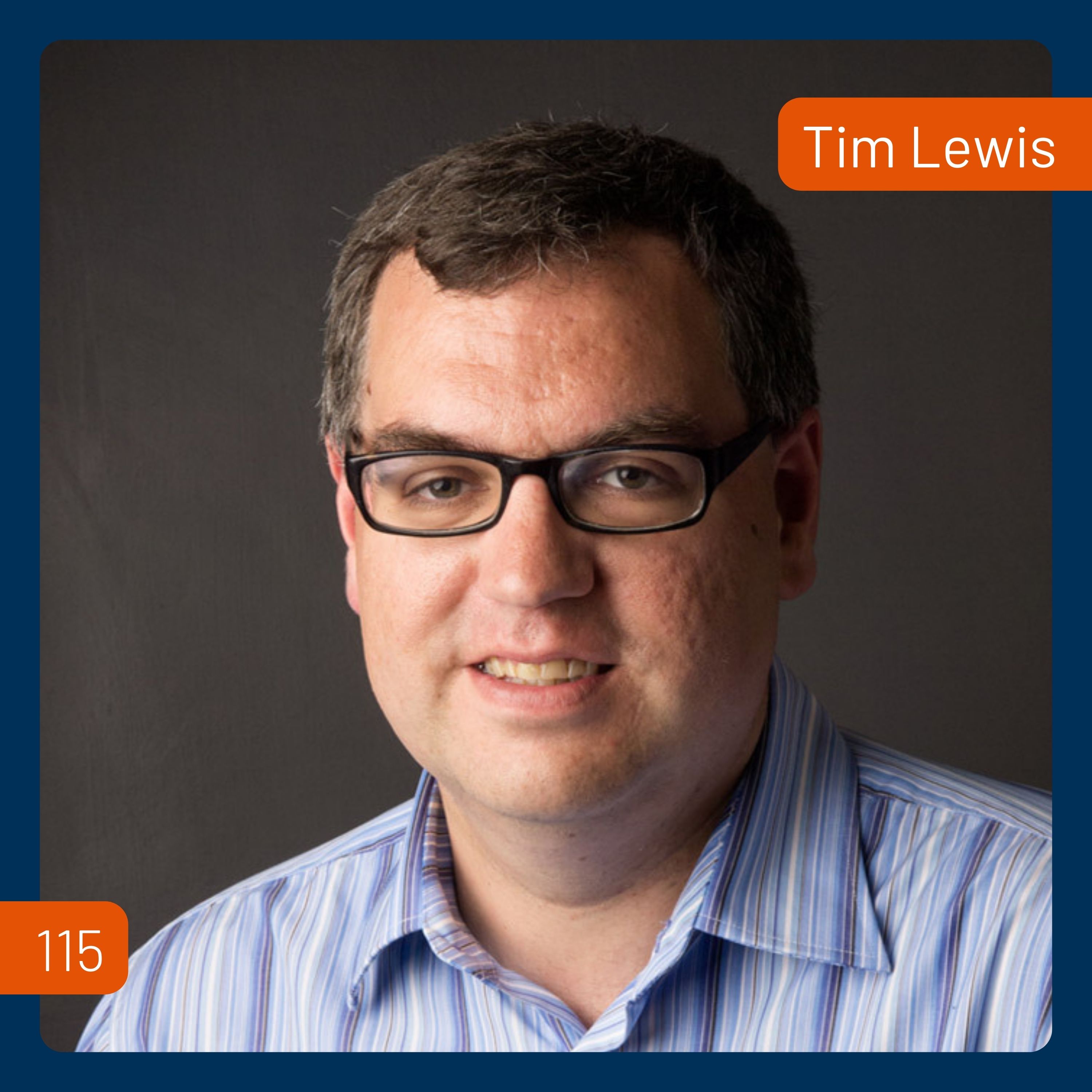 The Difference Between AI and Automation with Tim Lewis | 115 15.01.2026 33pJon Clayton welcomes Tim Lewis, a seasoned podcaster and content creator who's been exploring AI and automation. Together, they discuss the distinctions between AI and automation, practical applications in day-to-day business, and the benefits of locally hosted AI over cloud-based tools. They also address common fears about AI replacing jobs. Gain valuable insights on leveraging AI for tasks like image and video generation, project management, and client presentations. Tim shares various tools and strategies to enhance productivity and maintain privacy when using AI. Learn how AI can help you build a better, more efficient business.Today’s GuestTim Lewis is a long term podcaster and content creator. Tim’s background is in books and publishing, but he’s recently deep dived into AI Automation and AI Image and Video Generation, and how it can be used to help small business owners in their day to day work.—Episode Highlights00:00 Introduction00:54 Meet Tim Lewis: AI and Automation Expert01:40 What's The Difference Between AI and Automation Tools?03:10 Practical Examples of AI in Automation04:19 AI's Role in Simplifying Tasks06:37 There's More To AI Than ChatGPT07:35 Use Cases for AI Tools for Architects10:23 Advanced AI Tools for Visualisation12:18 Organizing Information with AI14:22 Locally Hosted AI vs. Cloud-Based AI16:51 Privacy and Security in AI22:59 Using AI for Client Presentations24:26 Should We Be Worried About AI Replacing Us28:55 Embracing AI and Automation29:43 Additional AI Tools and Resources30:38 Connecting with Tim Lewis31:12 Conclusion and Final Thoughts—Key TakeawaysAI and automation are different tools that work togetherAI is like a computer programme that thinks a bit like a human. It can look at a picture and tell you what's in it, or help you create images and videos. Automation is different - it's about setting up steps that happen automatically, like "when I get an email, add it to a spreadsheet." The exciting part is when you put them together. AI can now do the thinking parts that used to need a person, which makes automation much more powerful.You can use AI for more than just writingMost people think AI is only good for writing text, but that's just the start. You can use AI to create pictures and videos from your sketches, organise your notes and research, and even make presentations faster. For example, if you draw a simple building sketch, AI can turn it into a realistic image showing what it would look like in real life. This is really helpful if you work with designs or need to show ideas to clients.AI won't replace you, but someone using AI mightYou don't need to worry about robots taking your job. But you should pay attention to other business owners who are learning to use AI tools. They can work faster, finish projects quicker, and offer better prices because AI helps them save time. The key is to start learning about these tools now, so you can use them to do the boring tasks faster and spend more time on the important work you enjoy.—Subscribe on YouTube (for upcoming video episodes!) 📺Send a Voicemail to the show (we listen to every message!) 📢Connect with Tim Lewis on LinkedIn 🤝Visit Tim Lewis's Website 🖥️Curious about podcasting? Click here to book a chat with Jon 🎧Follow or Connect with Jon on LinkedIn 🤝—👇 And if you enjoyed this episode…Please leave a 5-star review or rating wherever you listen to podcasts, and don’t forget to hit the subscribe button so you never miss an episode.—Next EpisodeNext time Jon is joined by Anna Wolas to learn how you can thrive in your career without burnout.
 -
 2025 Reflections and Exciting Plans for 2026 | 114 01.01.2026 9pJon Clayton reflects on the challenges and achievements of 2025, highlighting milestones in his podcasting journey and personal life. Jon shares his Christmas break activities, introduces a new service aimed at enhancing your online presence, and outlines exciting updates for the Architecture Business Club in 2026, including fortnightly episodes, YouTube content, and potential sponsorships. He invites listeners to contribute their thoughts and challenges to shape future content, all while offering a special gift to kick-start the New Year.—Episode Highlights00:00 Introduction02:05 Personal Highlights of 202502:48 Christmas Break Activities03:34 Exciting New Service Announcement03:50 What's New for Architecture Business Club in 202605:41 Special Gift for the New Year07:42 Engage with Us and Share Your Challenges08:21 Wrapping Up and What's Next—Key TakeawaysIt is good to look back and learn from the past year. Jon shares both the hard times and the happy moments from 2025 - it’s normal to have ups and downs.Trying new things and making changes can help you grow. This show is adding video episodes, changing how often episodes come out, and offering new services - being open to change can bring new opportunities.Staying connected with your audience is important. Jon invites you to share your challenges and ideas, and encourages you to subscribe and join in, so you can be part of this community.—Subscribe on YouTube (for upcoming video episodes!) 📺Send a Voicemail to the show (we listen to every message!) 📢Curious about podcasting? Click here to book a chat with Jon 🎧Follow or Connect with Jon on LinkedIn 🤝—👇 And if you enjoyed this episode…Please leave a 5-star review or rating wherever you listen to podcasts, and don’t forget to hit the subscribe button so you never miss an episode.—Next EpisodeJon is joined by Tim Lewis to explore the difference between AI and Automation.
 -
 Merry Christmas and Podcast Highlights of 2025 | 113 25.12.2025 5pJon Clayton delivers a brief special episode to thank listeners for their support. He shares notable statistics from 2025, including the release of 52 episodes, the 100th episode celebration in September, and record downloads in October. He also recounts the top three episodes of the year based on download numbers, highlighting listener favourites. Jon encourages you to take a break from the podcast to enjoy the festive season.—Episode Highlights00:00 Introduction and Holiday Greetings00:35 Podcast Achievements and Milestones01:29 Top Episodes of 202502:57 Future Plans and Guest Invitations03:54 Holiday Sign-Off and Advice—Key TakeawaysKeep Going, Even When It’s HardIf you keep working on something, like making a podcast every week, you can reach big goals. You might even do better than most people if you don’t give up.People Like to Hear Real StoriesWhen you share true stories about your life or work, others want to listen. You can help people by telling them what you have learned and what you have gone through.Take Time for Family and FriendsIt’s good to stop working sometimes and spend time with people you care about. You should enjoy special days, like Christmas, with your family and friends.—Subscribe on YouTube (for upcoming video episodes!) 📺Send a Voicemail to the show (we listen to every message!) 📢Curious about podcasting? Click here to book a chat with Jon 🎧Follow or Connect with Jon on LinkedIn 🤝—👇 And if you enjoyed this episode…Please leave a 5-star review or rating wherever you listen to podcasts, and don’t forget to hit the subscribe button so you never miss an episode.—Next EpisodeTune in next week for a New Year's episode previewing 2026.
 -
 How To Get More Done (Without Burnout!) with Louise Miller | 112 18.12.2025 32pIn this episode of Architecture Business Club, hosted by Jon Clayton, productivity mentor Louise Miller joins to discuss a new definition of productivity that focuses on doing what's important rather than doing more in less time. Key topics include the importance of creating space over relying on systems, how productivity begins before taking action, and why recognising capacity can prevent burnout. The episode also explores practical strategies like taking a pause to reassess goals and the benefits of changing environments. Louise's insights are aimed at helping business owners achieve more with a sense of fulfilment and well-being.Today’s GuestLouise Miller is a productivity mentor, the founder of Make It Happen Club and host of the Unfrazzle podcast. She’s on a mission to change the world by helping her clients change the world. She partners with coaches, consultants and community-builders who have a big, exciting vision, helping them land their ideas in reality, reach more people and make a bigger impact, whilst being kind to themselves along the way.—Episode Highlights00:00 Introduction to Productivity00:42 Meet Louise Miller01:30 Challenging Traditional Productivity02:26 The Importance of Doing What's Important03:21 The Busy Trap04:34 Productivity Before Action04:45 The Treehouse Analogy09:32 The Progress Cycle10:56 Space vs. Systems11:47 The Chaos of Systems14:23 The Emotional Weight of Productivity15:52 The Vicious Cycle of To-Do Lists17:04 Six Pillars of Productivity17:44 The Life-Friendly Approach19:01 The Rhythm of Productivity19:30 The Neuroscience of Productivity22:50 The Real Reasons for Not Getting Things Done25:23 The Power of the Treehouse29:49 Final Thoughts and Resources—Key TakeawaysPrioritise Space and Reflection Over Constant ActionTrue productivity is not about relentless activity or doing more in less time, but about creating space to pause, reflect, and make intentional choices. Taking time to step back. Louise’s “treehouse” analogy allows for clarity, better decision-making, and prevents the cycle of busywork and burnout.Focus on What’s Important, Not Just What’s UrgentProductivity isn’t simply ticking off tasks. Instead, it’s about identifying and working on what truly matters, rather than being caught up in the “busy trap”. This means aligning your actions with your values and long-term goals, and letting go of tasks that do not serve your bigger purpose.Systems Are Secondary to Self-Awareness and CapacityWhile productivity systems and tools can be helpful, they are not a cure-all. If you’re overwhelmed or unclear, new systems will only organise your chaos. The real key is self-awareness: understanding your own needs, capacity, and life context, and building a rhythm of regular reflection. Productivity is personal. Experiment to find what works for you, and don’t feel broken if someone else’s method doesn’t fit.—Subscribe on YouTube (for upcoming video episodes!) 📺Send a Voicemail to the show (we listen to every message!) 📢Connect with Louise Miller on LinkedIn 🤝Take Louise’s Productivity Quiz 🖥️Curious about podcasting? Click here to book a chat with Jon 🎧Follow or Connect with Jon on LinkedIn 🤝—👇 And if you enjoyed this episode…Please leave a 5-star review or rating wherever you listen to podcasts, and don’t forget to hit the subscribe button so you never miss an episode.—Next EpisodeNext time, Jon shares a short Christmas message.
 -
 How To Use AI To Free Up Your Time with Bryon McCartney | 111 11.12.2025 52pWant to streamline your least favourite tasks? In this episode of Architecture Business Club, host Jon Clayton explores innovative ways to leverage AI for automating routine and time-consuming tasks in architecture. Joined by Bryon McCartney, CEO of Archmark, the discussion covers identifying tasks AI can optimise, the Teach framework for deciding what to automate, and practical tips for training AI to match your unique tone. Bryon shares insights on creating efficient workflows using AI, recounts his experiences enhancing his agency's profitability through AI integration, and underscores the importance of starting small for those new to AI. Additionally, the episode details Bryon's approach to building an AI-powered advisory board and a successful workshop using AI tools, emphasising the role of AI in freeing up time for creative and strategic work.Today’s GuestToday's guest is Bryon McCartney, CEO of Archmark, a leading business coaching, branding, and marketing firm working exclusively with architecture firms. Bryon has more than 35 years of experience and has led digital marketing initiatives for Calvin Klein, General Motors Europe, Lipton Foods, and many others. He has founded and led six successful creative service firms since 2002 and has helped more than 5,000 architects transform their practices. He's the only Business Made Simple, Small Business Flight School, and StoryBrand certified coach serving the architecture industry, and he's on a mission to help 10,000 firm leaders by 2030.—Episode Highlights00:00 Introduction: Tackling Your To-Do List with AI00:47 Welcome to Architecture Business Club01:06 Meet Bryon McCartney: Transforming Architecture Firms01:51 The Power of AI in Architecture05:42 Identifying Tasks for AI Automation06:04 Streamlining Meeting Notes and Emails with AI11:20 The TEACH Framework for AI Automation14:37 Treating AI Like a Summer Intern20:17 Balancing Instructions for AI21:14 Five-Step Formula for Writing AI Prompts22:59 Creating a Blog Post with AI24:39 Structuring Your AI Prompts25:15 Avoiding Common AI Pitfalls26:11 AI's Impact on Agency Profitability26:32 Early Experiences with AI27:13 Adopting AI Tools in Business28:07 Streamlining Client Onboarding with AI29:54 AI-Powered Workshops and Presentations31:29 Efficiency Gains and Profitability Boost31:49 Using AI in Podcast Production32:40 Building an AI Advisory Board35:38 Getting Started with AI39:10 Choosing the Right AI Tools41:00 Creating AI-Powered Workshops46:05 Final Thoughts on AI Integration50:15 Connecting with Bryon McCartney—Key TakeawaysView AI as a powerful tool to free up your time by automating repetitive and routine tasks. By letting AI handle admin, meeting notes, and standard email responses, you can focus more on creative and strategic work that you truly enjoy.You need to approach AI like you would a summer intern: provide clear instructions, context, and feedback. AI is not a magic solution; it requires you to define what a good result looks like and to iterate, refining your prompts and expectations as you go.You will benefit most from AI if you start small, choosing tasks you know well and can clearly explain. As you build confidence, you can gradually integrate AI into more areas of your work and life, ultimately gaining a competitive edge and improving your efficiency.—Subscribe on YouTube (for upcoming video episodes!) 📺Send a Voicemail to the show (we listen to every message!) 📢Connect with Bryon McCartney on LinkedIn 🤝Learn more about our guest’s services 🖥️Curious about podcasting? Click here to book a chat with Jon 🎧Follow or Connect with Jon on LinkedIn 🤝—👇 And if you enjoyed this episode…Please leave a 5-star review or rating wherever you listen to podcasts, and don’t forget to hit the subscribe button so you never miss an episode.—Next EpisodeNext time Jon chats with Louise Miller about productivity.
 -
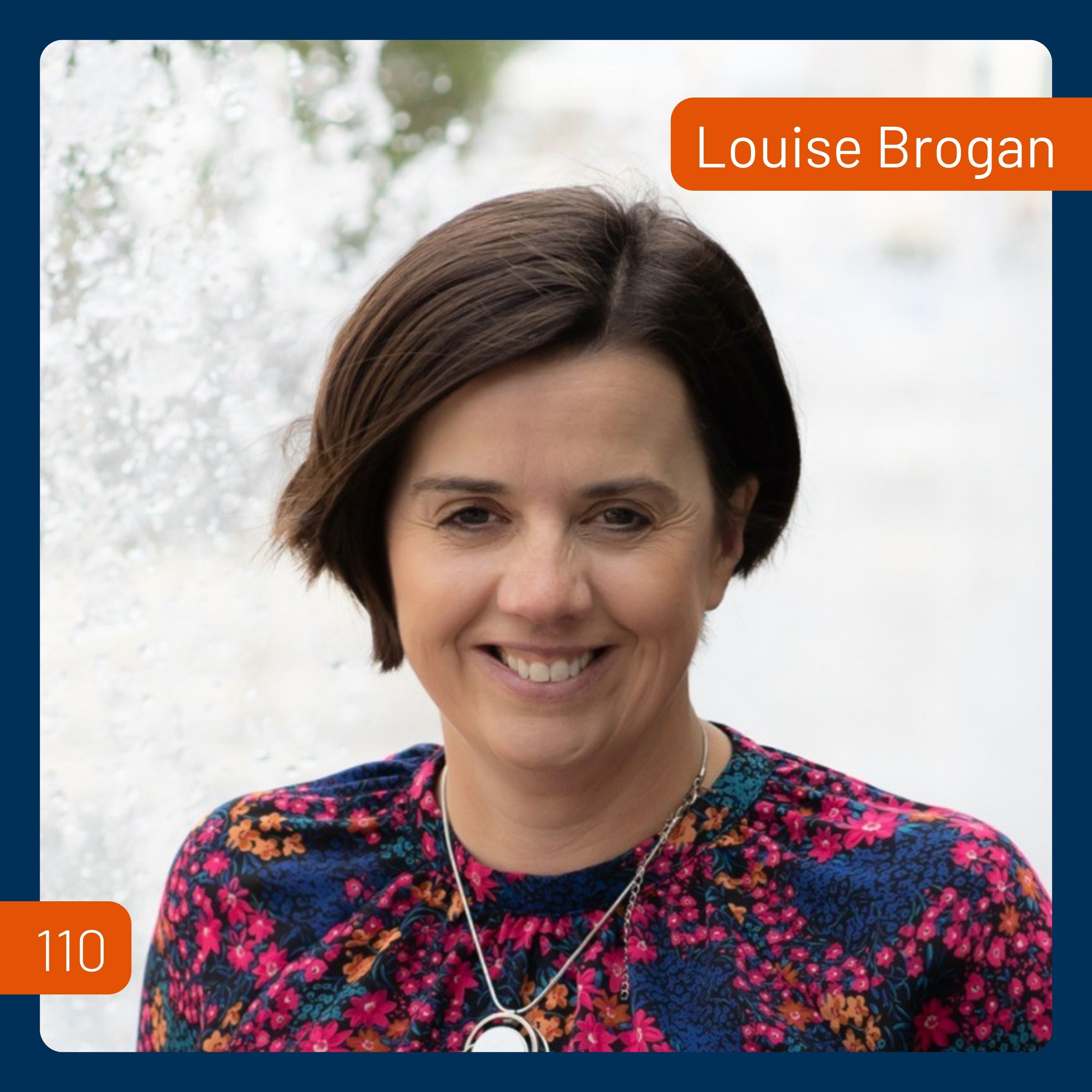 What is a Linkedin Company Page & Do I Really Need One with Louise Brogan | 110 04.12.2025 30pJon Clayton and guest Louise Brogan discuss the importance and strategic use of LinkedIn company pages. You’ll learn the distinct roles of LinkedIn profiles and company pages, how to properly set up and manage a company page, and the type of content to post. Louise shares valuable insights on leveraging a company's LinkedIn page to boost visibility, attract talent, and enhance credibility. The episode also covers how small business owners and larger teams can optimise their LinkedIn presence and the reasons behind these strategies.Today’s GuestLouise Brogan is a Consultant, YouTuber, Podcaster and International speaker. Louise works with small businesses and professionals who want to raise their visibility on LinkedIn and YouTube. She is also a Small Business Champion in the UK. Her proudest work moments are meeting the King at Buckingham Palace in recognition of her work and getting her coveted silver play button for YouTube.—Episode Highlights00:00 Introduction to LinkedIn Company Pages01:23 Understanding LinkedIn Profiles vs. LinkedIn Company Pages02:08 Creating a LinkedIn Company Page03:19 The Importance of Company Branding07:40 SEO Benefits of LinkedIn Company Pages08:03 Optimising Your LinkedIn Company Page08:50 LinkedIn's AI and Algorithm Updates10:04 Filling Out Your Company Page Details10:18 The Value of Company Values13:49 Posting on Your LinkedIn Company Page14:38 LinkedIn Company Page Content Strategy for Solopreneurs16:36 Balancing LinkedIn Personal Profiles and LinkedIn Company Pages17:38 Leveraging Your Team for LinkedIn Success18:25 Client Success Stories22:43 Project-Based Content Ideas for LinkedIn24:38 Employee Advocacy on LinkedIn25:25 LinkedIn Training and Workshops26:00 Final Thoughts and Key Takeaways28:39 Free Resources and Conclusion—Key TakeawaysEstablish a LinkedIn Company Page for Professional CredibilityEven if you are a sole trader or a small business, having a LinkedIn company page is essential. It allows you to showcase your brand, display your logo, and provide a professional 'shop front' for potential clients and collaborators. This increases your chances of being discovered by your target audience and lends credibility to your business.Maintain Consistent and Strategic PostingRegularly update your company page, ideally once a week or at least fortnightly, to demonstrate that your business is active and engaged. Share project updates, company news, and team achievements. Remember to write posts from the company’s perspective, which differs from the more personal tone used on individual profiles.Empower and Involve Your Team in AdvocacyEncourage your team members to engage with and share company page content on their own LinkedIn networks. Explain the purpose and benefits of this advocacy, as it amplifies your reach and can generate more leads and business opportunities. Providing guidance and training ensures everyone understands how to contribute effectively.—Subscribe on YouTube (for upcoming video episodes!) 📺Send a Voicemail to the show (we listen to every message!) 📢Connect with Louise Brogan on LinkedIn 🤝Get Louise’s Free LinkedIn Success Guide 🖥️Curious about podcasting? Click here to book a chat with Jon 🎧Follow or Connect with Jon on LinkedIn 🤝—👇 And if you enjoyed this episode…Please leave a 5-star review or rating wherever you listen to podcasts, and don’t forget to hit the subscribe button so you never miss an episode.—Next EpisodeJon chats with Bryon McCartney to learn how to teach AI to do your least favourite tasks.
 -
 What PERSONAL BRAND really is & why it matters for Small Businesses with Christine Gritmon | 109 27.11.2025 34pJon discusses the importance of personal branding with expert Christine Gritmon. Christine breaks down what personal branding is, why it matters, especially for solopreneurs and small business owners, and shares her five-part Inside Out personal branding methodology: Purpose, Passion, Person, Personality, and Personal Brand. The conversation delves into the significance of authenticity, how to make a memorable impression, and offers practical exercises for identifying and leveraging your unique gifts. The episode concludes with actionable tips for starting to develop an authentic personal brand today.Today’s GuestWe’re joined by Christine Gritmon - Christine reconnects solopreneurs, freelancers, and small business owners with their purpose and passions for a more aligned personal brand that’s joyful, authentic, and impossible to ignore! She’s spoken on stages worldwide and is a frequent expert guest on podcasts, live streams, chats, and blog posts, as well as hosting her own podcast, Let’s Talk About Brand.—Episode Highlights00:00 Introduction00:42 Meet Christine Gritmon01:15 What really is Personal Branding?02:03 Personal Branding Misconceptions04:11 Why Personal Branding Matters So Much05:40 Building Trust Through Branding06:13 The Power of Authenticity11:44 The Inside Out Branding Framework12:05 Purpose and Passion15:25 Identifying Your Gifts20:42 How You Show Up In The World21:57 The Role of Personality23:50 Expanding Your Personal Brand24:38 Jon's Gift28:24 Leading with Your Gifts29:35 Christine's Personal Branding Evolution30:30 The Flexibility of Personal Branding31:15 Embracing Your Unique Gifts32:22 Final Takeaways on Personal Branding32:52 Connecting with Christine Gritmon—Key TakeawaysBe authentic and true to yourselfYour personal brand should come from who you really are, not from trying to fit into someone else’s idea of success. When you show your true self, people are more likely to trust you and remember you.Lead with your unique giftsEveryone has something special to offer. Focus on the skills and qualities that make you different, and use them in your work. This not only helps you stand out, but also makes your brand flexible if you change direction in the future.Your personal brand goes further than you doA strong personal brand can open doors and create opportunities, even when you are not in the room. The impression you leave with others can travel far, helping your reputation and bringing new connections your way.—Subscribe on YouTube (for upcoming video episodes!) 📺Send a Voicemail to the show (we listen to every message!) 📢Click here to connect with Christine on LinkedIn 🤝Click here to learn more about Christine Gritmon 🖥️Ready to start podcasting? Click here to book a chat with Jon 🎧Follow or Connect with Jon on LinkedIn 🤝—👇 And if you enjoyed this episode…Please leave a 5-star review or rating wherever you listen to podcasts, and don’t forget to hit the subscribe button so you never miss an episode.—Next EpisodeNext time Jon chats with Louise Brogan about getting more from your LinkedIn company page.
 -
 How (& Why) The Architecture Business Club Podcast Is Changing | 108 20.11.2025 17pIn this episode of the Architecture Business Club podcast, host Jon Clayton reflects on the podcast's impact and announces several upcoming changes aimed at broadening its audience and improving content delivery. Key changes include the transition to both audio and video formats, a shift to fortnightly episode releases, and a tighter editing process to focus on core topics. Jon also discusses the possibility of releasing video versions of past episodes and explores securing a long-term sponsor that aligns with the show's mission. Listeners are encouraged to provide feedback on these updates and suggest potential sponsorship partners.—Episode Highlights00:00 Introduction01:01 New Audio and Video Formats02:01 Content and Format Adjustments05:25 Editing and Production Process07:05 Release Schedule Update08:48 Focus on Interview-Based Episodes10:57 Exploring New Podcast Ideas11:27 Sponsorship and Ads15:22 Summary and Conclusion—Key TakeawaysThe importance of adaptability: The episode demonstrates how being flexible and open to change can help you overcome unexpected challenges and seize new opportunities.Effective communication is key: Clear, honest, and timely communication between all parties involved helps to prevent misunderstandings and ensures that everyone is aligned towards common goals.Continuous learning drives progress: Embracing a mindset of ongoing learning and self-improvement allows for personal and professional growth, keeping individuals and organisations competitive in a rapidly evolving environment.—Subscribe on YouTube (for upcoming video episodes!) 📺Send a Voicemail to the show (we listen to every message!) 📢Curious about podcasting? Click here to book a chat with Jon 🎧Want to meet people like you? Click here to join our community waitlist 🤝Follow or Connect with Jon on LinkedIn 🤝—👇 And if you enjoyed this episode…Please leave a 5-star review or rating wherever you listen to podcasts, and don’t forget to hit the subscribe button so you never miss an episode.—Next EpisodeNext time Jon chats with Christine Gritmon about personal branding.
 -
 Why Podcast Guesting Should Be Part Of Your Marketing Strategy with Nathalie Doremieux | 107 13.11.2025 41pJon is joined by Natalie Doremieux, a membership and tech strategist with over 10 years of experience. They delve into the numerous benefits of podcast guesting for business growth. Natalie shares her expertise on why podcast guest appearances are valuable, the importance of having a podcast guesting strategy, and how to find the right podcasts to guest on. Listeners will also learn effective strategies to repurpose guest appearances for maximum value. Additionally, they discuss building trust, connecting with the audience, and crafting a compelling narrative to achieve business objectives. Tune in to discover how you can leverage podcast guesting to enhance visibility, build trust, and align with your business goals.Today’s GuestNathalie Dorémieux is a membership and tech strategist with over 10 years experience helping coaches and course creators design high-retention programs that drive real results. In 2025, she co-created Podcast LeadFlow, a tool that turns podcast episodes into high-quality lead magnets using smart automations and AI. Nathalie’s work blends strategy, tech, and a human-first approach - with a dash of French flair.—Episode Highlights00:00 Introduction to Podcast Guesting00:30 Welcome to Architecture Business Club00:49 Meet Natalie Doremieux01:40 Why Be a Podcast Guest?03:02 Building Trust Through Podcasting04:05 The Importance of a Podcast Guesting Strategy07:15 Defining Your Podcast Guest Strategy08:30 Connecting with Your Audience10:32 Finding the Right Podcasts To Guest On15:29 The Power of Networking16:03 Researching Podcast Guest Opportunities16:35 Making a Good Impression as a Podcast Guest19:56 Crafting Your Message as a Podcast Guest23:31 Sharing Your Unique Approach as a Podcast Guest28:40 Leveraging Podcast Appearances31:38 Repurposing Podcast Content35:13 The Value of Podcasting36:59 Getting Started with Podcasting38:49 Commitment and Podcast Seasons40:28 Final Thoughts and Connection—Key TakeawaysHaving a clear podcast guesting strategy is essential for aligning your appearances with your business goals and reaching your ideal audience.Building trust and authentic connections through podcast guesting is far more effective than simply promoting your expertise; sharing your story and values helps you stand out.The value of podcast guesting extends beyond the interview itself—repurposing your appearances and treating them as lead-generating assets can significantly boost your business growth.—Click here to take your next step after listening 🖥️Click here to connect with Nathalie 🤝Ready to start podcasting? Click here to book a chat with Jon 🎧Follow or Connect with Jon on LinkedIn 🤝—👇 And if you enjoyed this episode…Please leave a 5-star review or rating wherever you listen to podcasts, and don’t forget to hit the subscribe button so you never miss an episode.
 -
 Embracing Nature: Nicla Diceglie's Journey To Bold Biophilic Design | 106 06.11.2025 43pJon interviews Nicla Diceglie, founder of Nicla D Interiors. Nicla shares her transformative journey from a stressful career as a project manager in London to embracing bold biophilic design inspired by her own battle with depression. She discusses the importance of nature and colour in creating spaces that nurture and restore well-being. The conversation touches on the therapeutic benefits of nature, the challenges of starting a new business during COVID-19, and the unique aspects of bold biophilic design. Nicla also shares her love of travel, architecture, and some of her favourite places around the world. Tune in to learn how embracing biophilic design can enhance your health, happiness, and personal growth.Today’s GuestNicla Diceglie is the founder of Nicla D. Interiors. After experiencing the healing power of nature and colour in her own life, Nicla founded Nicla D. Interiors to help others create bold biophilic spaces that support happiness, health, and personal growth. Nicla helps people turn their homes into joyful, nature-inspired sanctuaries - spaces that heal, energise, and make them happier and healthier.—Episode Highlights00:00 Introduction00:56 Meet Nicla Diceglie: Founder of Nicla D Interiors03:34 Nicola's Journey: From Italy to London05:06 The Turning Point: Leaving the Job08:06 Embracing Nature: The Healing Power of the Outdoors09:37 Starting Fresh: A New Career in Interior Design14:49 Launching Nicla D Interiors19:34 Challenges of Starting a Business During COVID21:46 Finding Your Passion and Alignment22:49 Introduction to Biophilic Design27:03 The Journey to Biophilic Design31:43 Benefits of Biophilic Design37:09 A Day in the Life of a Biophilic Designer39:07 Final Thoughts and Takeaways40:23 Favourite Travel Destinations42:08 Connect with Nicla42:51 Closing Remarks—Key TakeawaysSpending time in nature can improve your mood and well-being. Even simple activities like walking in the park or adding plants to your home can make a positive difference.The spaces where you live and work should help you feel comfortable and happy. Bright colours, natural light, and personal touches can turn any space into a place that supports your health.It is possible to change your career or life direction if you are not satisfied. Following your interests and passions can lead to a more fulfilling and enjoyable life.—Click here to connect with Nicla on Instagram 🤝Click here to learn more about Nicla D Interiors 🖥️Curious about podcasting? Click here to book a chat with Jon 🎧Want to meet people like you? Click here to join our community 🤝Follow or Connect with Jon on LinkedIn 🤝—👇 And if you enjoyed this episode…Please leave a 5-star review or rating wherever you listen to podcasts, and don’t forget to hit the subscribe button so you never miss an episode.—Next EpisodeNext time Jon is joined by Nathalie Doremieux to learn how to get the most value from your podcast guest appearances.
Hasonló podcastok


Népszerű itt:
Ez a podcast ezeknek az országoknak a podcast-listáin is szerepel.

