
Future Knowledge
Internet Archive & Authors Alliance
0
Future Knowledge explores the intersection of technology, culture, and information policy with leading authors, scholars, and experts. From copyright and open access to AI and digital preservation, we discuss the big issues shaping knowledge and creativity in the digital age. This podcast is brought to you by the Internet Archive and Authors Alliance.
Epizódok
-
 Open for Whom? 23.09.2026 44pAs AI reshapes how information is created and accessed, libraries, publishers, and educators are confronting a new question: open for whom? In this live discussion, we explore the tensions between open knowledge and AI—from the strain on library infrastructure and concerns about AI training to the challenges facing Open Educational Resources. How can we address legitimate concerns about AI while preserving broad access to knowledge? Joining the conversation are Chris Bourg of MIT Libraries, Lisa Petrides of ISKME, and Charles Watkinson of University of Michigan Press.This conversation was recorded on 9/10/2026. Watch the full video recording at: https://archive.org/details/open-for-whomCheck out all of the Future Knowledge episodes at https://archive.org/details/future-knowledge
 -
 The Fight for the Public Record 09.09.2026 44pThe public record is the foundation of an informed democracy, but in the digital age, it is more fragile than ever. In this timely conversation, Merrilee Proffitt (Democracy’s Library at the Internet Archive), James Jacobs (Stanford University), and Christopher Marcum (Federation of American Scientists) examine the growing challenges of preserving government information in the digital age. As government websites, scientific datasets, public health guidance, and other public records can be altered, removed, or lost with unprecedented speed, they explore the critical role libraries, archives, and civil society organizations play in safeguarding trustworthy public knowledge.This conversation was recorded on 6/23/2026.Check out all of the Future Knowledge episodes at https://archive.org/details/future-knowledge
 -
 Big Fiction 26.08.2026 45pIn Big Fiction, author and Emory University professor Dan Sinykin examines how decades of mergers and acquisitions have transformed the publishing industry, and how those changes have shaped what it means to be an author. Sinykin explores the rise of the “Big Five” publishing houses, the pursuit of blockbuster titles, and what the consolidation of publishing means for the books we read and the culture they create. Joining Sinykin in conversation is humanities scholar Ted Underwood.Grab your copy of Big Fiction: https://cup.columbia.edu/book/big-fiction/9780231192941/ This conversation was recorded on 5/9/2024.Check out all of the Future Knowledge episodes at https://archive.org/details/future-knowledge
 -
 Reclaiming Fair Use 12.08.2026 43pIn Reclaiming Fair Use, copyright scholars Patricia Aufderheide and Peter Jaszi argue that fair use is not merely an exception to copyright law, but one of its core principles, enabling creativity, scholarship, journalism, education, and cultural participation. In this discussion they explain how fair use works in practice, dispel common misconceptions, and show how creators, educators, librarians, filmmakers, and others can confidently exercise their rights. Joining Aufderheide and Jaszi in conversation is co-host Dave Hansen from Authors Alliance.Grab your copy of Reclaiming Fair Use: https://press.uchicago.edu/ucp/books/book/chicago/R/bo28242133.html This conversation was recorded on 9/24/2024.Check out all of the Future Knowledge episodes at https://archive.org/details/future-knowledge
 -
 Vanishing Culture #6: What We've Learned with Vida Vojić & Alice Bridgwood 05.08.2026 29pWhat does it mean to preserve culture in an age of disappearing websites, platform-controlled media, and fragile digital memories? In the final episode of our special six-part series on Vanishing Culture, Future Knowledge hosts Dave Hansen and Chris Freeland sit down with musician and series host Vida Vojić and producer Alice Bridgwood to reflect on the conversations, ideas, and lessons that emerged throughout the series.Read Vanishing Culture for free at the Internet Archive or purchase in print: https://archive.org/details/vanishing-culture-2026
 -
 Vanishing Culture #5: A Language Worth Saving with Peter Scholing 29.07.2026 27pLanguages can vanish just as easily as books, websites, or archives, and when they do, entire ways of understanding the world can disappear with them. In the fifth episode of our special six-part series on Vanishing Culture, host Vida Vojić speaks with Peter Scholing of Biblioteca Nacional Aruba and the Coleccion Aruba digital heritage platform about the importance of preserving Papiamento, Aruba’s creole language, and the cultural heritage it carries.Read Vanishing Culture for free at the Internet Archive or purchase in print: https://archive.org/details/vanishing-culture-2026
 -
 Vanishing Culture #4: Keeping African Folktales Alive with Helen Nde & Laura Gibbs 22.07.2026 27pFolktales are living records of culture, identity, and collective memory. In the fourth episode of our special six-part series on Vanishing Culture, host Vida Vojić speaks with writer and researcher Helen Nde, founder of Mythological Africans, and folklorist Laura Gibbs about the importance of preserving African folklore in the digital age. Together, they explore how stories help communities understand themselves, pass down knowledge across generations, and make sense of a changing world.Read Vanishing Culture for free at the Internet Archive or purchase in print: https://archive.org/details/vanishing-culture-2026
 -
 Vanishing Culture #3: Saving Queer Memory with Brooke Palmieri 15.07.2026 23pQueer history has often been overlooked, erased, or excluded from traditional archives. In the third episode of our special six-part series on Vanishing Culture, host Vida Vojić speaks with writer, artist, and archivist Brooke Palmieri about the vital role queer archives play in preserving memory, identity, and community. Drawing on his work with CAMP BOOKS and his research into LGBTQ+ history, Brooke explores why archives matter—not just as collections of records, but as tools for helping people understand where they come from and imagine new futures.Read Vanishing Culture for free at the Internet Archive or purchase in print: https://archive.org/details/vanishing-culture-2026
 -
 Vanishing Culture #2: The Stories Hidden in Cookbooks with Katie Livingston 08.07.2026 18pWhy preserve a cookbook? In the second episode of our special six-part series on Vanishing Culture, host Vida Vojić speaks with Katie Livingston, a doctoral researcher at Stanford University who studies domestic culture and women’s literature. Through the lens of family cookbooks, recipe collections, and food traditions, Katie explores why everyday cultural artifacts deserve preservation and what they can teach us about history, identity, and community.Read Vanishing Culture for free at the Internet Archive or purchase in print: https://archive.org/details/vanishing-culture-2026
 -
 Vanishing Culture #1: What We Stand to Lose with Luca Messarra 01.07.2026 19pAs more of our cultural heritage moves online, a troubling question is emerging: what happens when the things we create, share, and cherish simply disappear? In the first episode of our special six-part series on Vanishing Culture, host Vida Vojić speaks with author and humanities scholar Luca Messarra, author of the Internet Archive’s Vanishing Culture, about the growing threat of cultural loss in the digital age.Read Vanishing Culture for free at the Internet Archive or purchase in print: https://archive.org/details/vanishing-culture-2026
 -
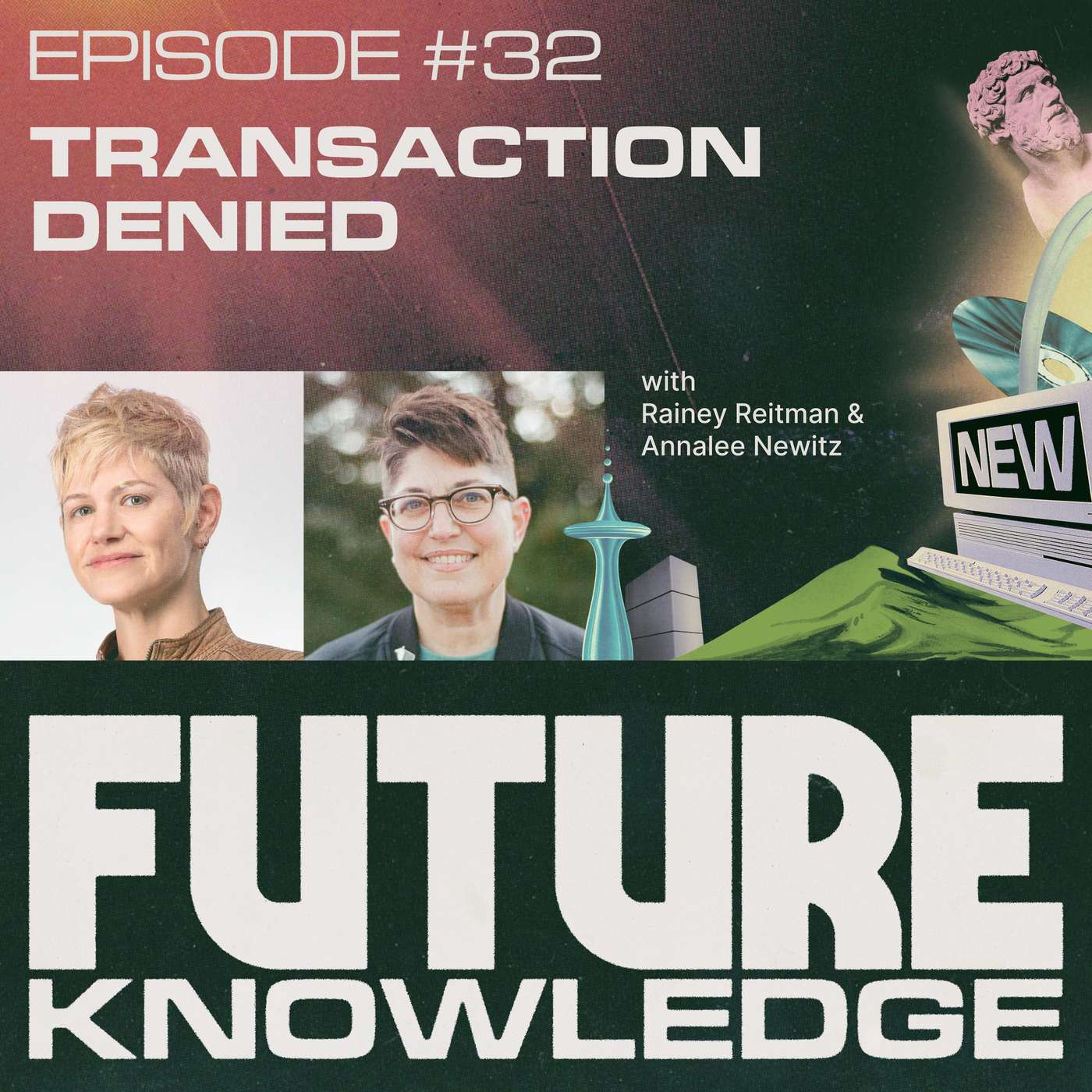 Transaction Denied 17.06.2026 34pIn Transaction Denied: How Financial Institutions Silence Dissent and Undermine Democracy, author Rainey Reitman examines the growing phenomenon of financial censorship, in which banks, payment processors, and credit card networks can restrict access to financial services based on speech, identity, or perceived risk. From voting rights organizations and educators to adult content creators and cannabis entrepreneurs, Reitman shares stories of individuals and communities who have found themselves excluded from the financial system, and explores what these cases reveal about power, free expression, and democratic participation in the digital age. Joining Reitman in conversation is author and journalist Annalee Newitz.Grab your copy of Transaction Denied: https://www.betterworldbooks.com/product/detail/transaction-denied-big-finance-s-power-to-punish-speech-9780807019115/new This conversation was recorded on 6/3/2026.Check out all of the Future Knowledge episodes at https://archive.org/details/future-knowledge
 -
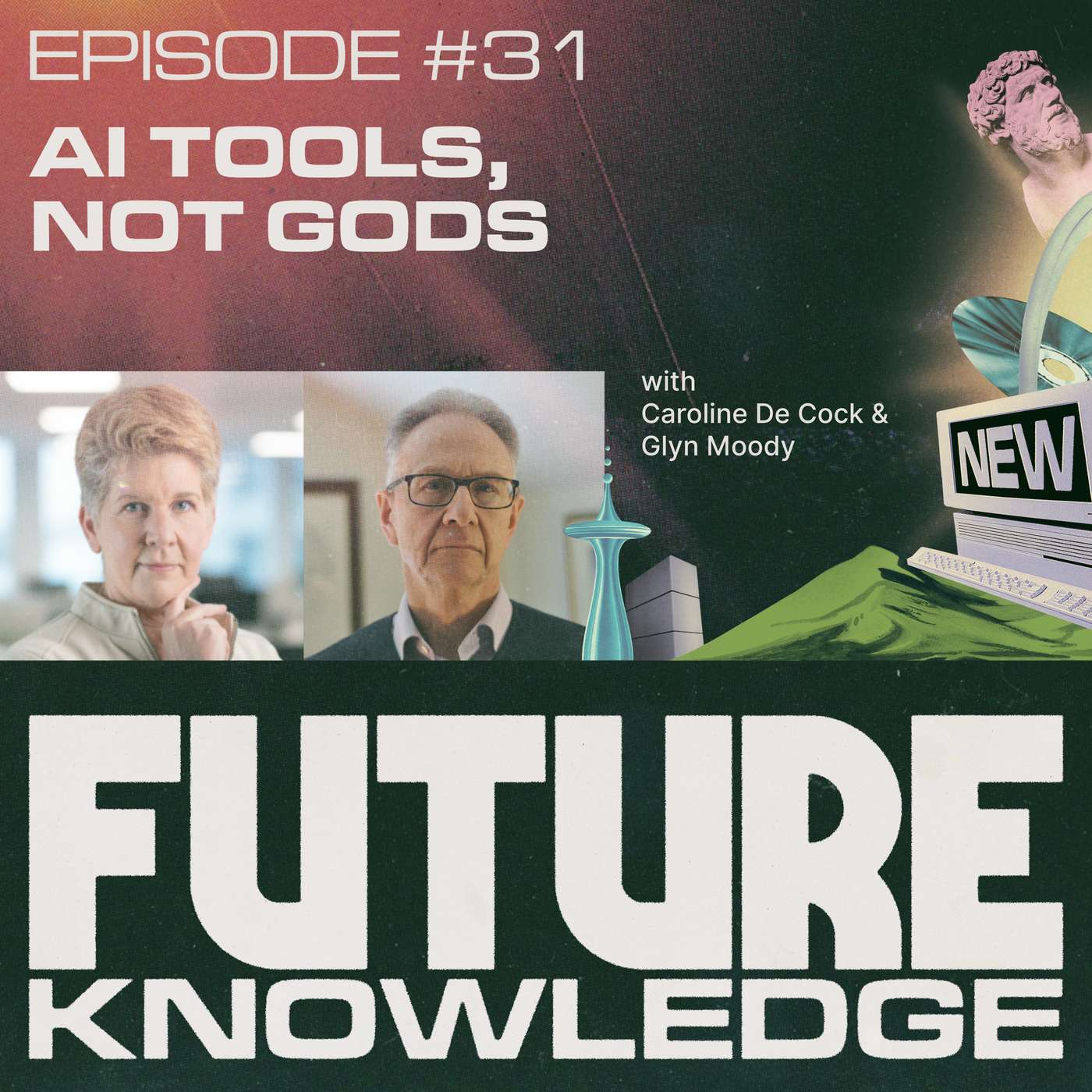 AI Tools, Not Gods 03.06.2026 48pIn AI Tools, Not Gods, policy researcher Caroline De Cock examines how myths about artificial intelligence—framing it as an all-knowing mind or an unstoppable force—have come to shape public policy and public understanding. By unpacking the narratives that dominate conversations about AI, De Cock argues for a clearer, evidence-based approach that recognizes AI for what it is: a set of human-built tools that must be governed with accountability and care. Tech writer Glyn Moody (Walled Culture) speaks with De Cock about cutting through the hype surrounding AI.Grab your copy of AI Tools, Not Gods: https://archive.org/details/ai-tools-not-gods-book This conversation was recorded on 2/10/2026. Watch the full video recording at: https://archive.org/details/ai-tools-not-gods-book-talk Check out all of the Future Knowledge episodes at https://archive.org/details/future-knowledge
 -
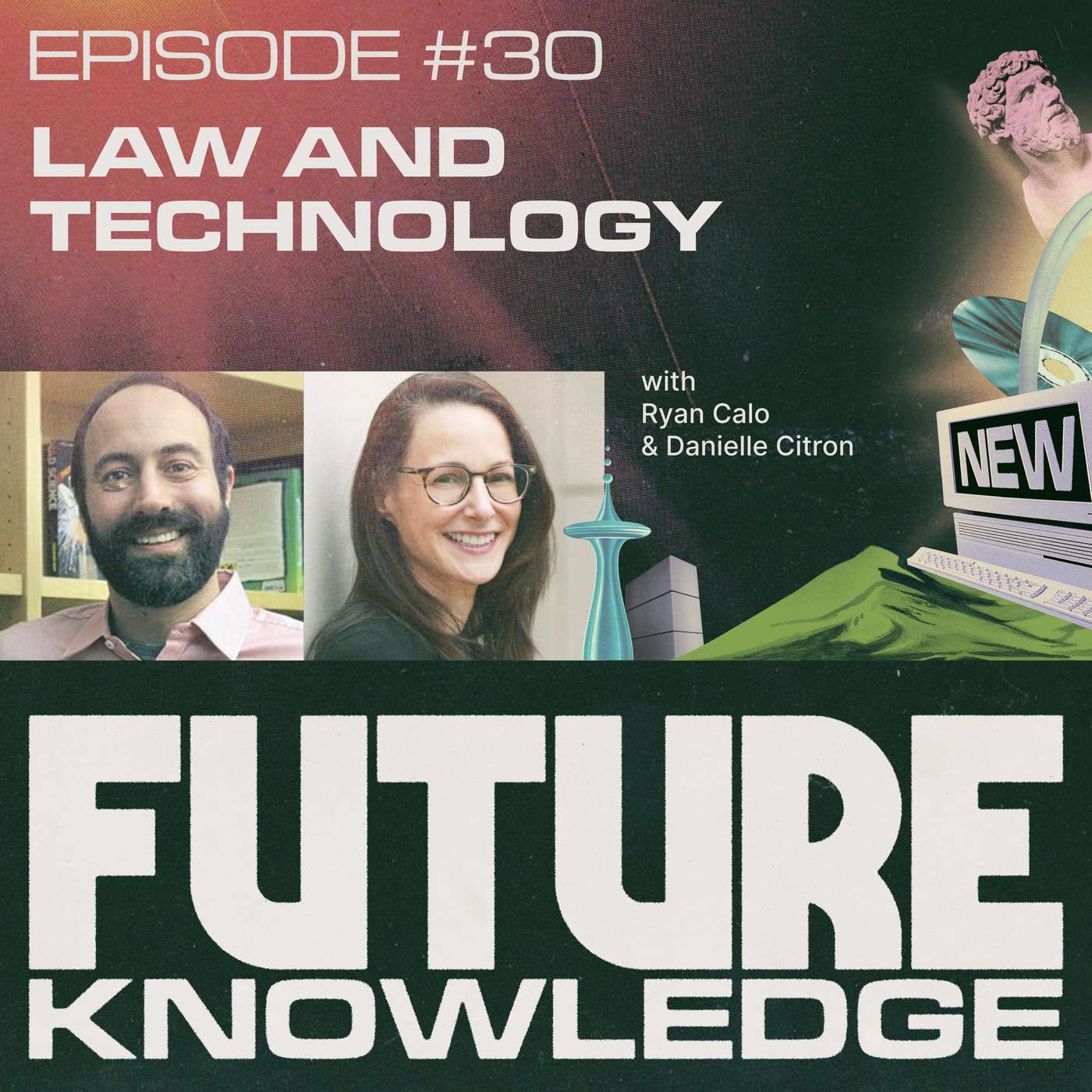 Law and Technology 20.05.2026 45pIn Law and Technology, legal scholar Ryan Calo explores one of the defining challenges of our time: how societies can govern rapidly evolving technologies before those technologies reshape laws, rights, and institutions. Rather than treating each new innovation as a completely unique problem, Calo argues for a more durable framework for thinking about technology policy that helps lawmakers, courts, and the public respond thoughtfully to developments ranging from facial recognition to generative AI. Legal scholar Danielle Citron joins Calo for a conversation about regulation, accountability, and what it means to build laws that can keep pace with technological change.Grab your copy of Law and Technology: https://www.law-and-technology.com This conversation was recorded on 3/26/2026. Watch the full video recording at: https://archive.org/details/law-and-technology Check out all of the Future Knowledge episodes at https://archive.org/details/future-knowledge
 -
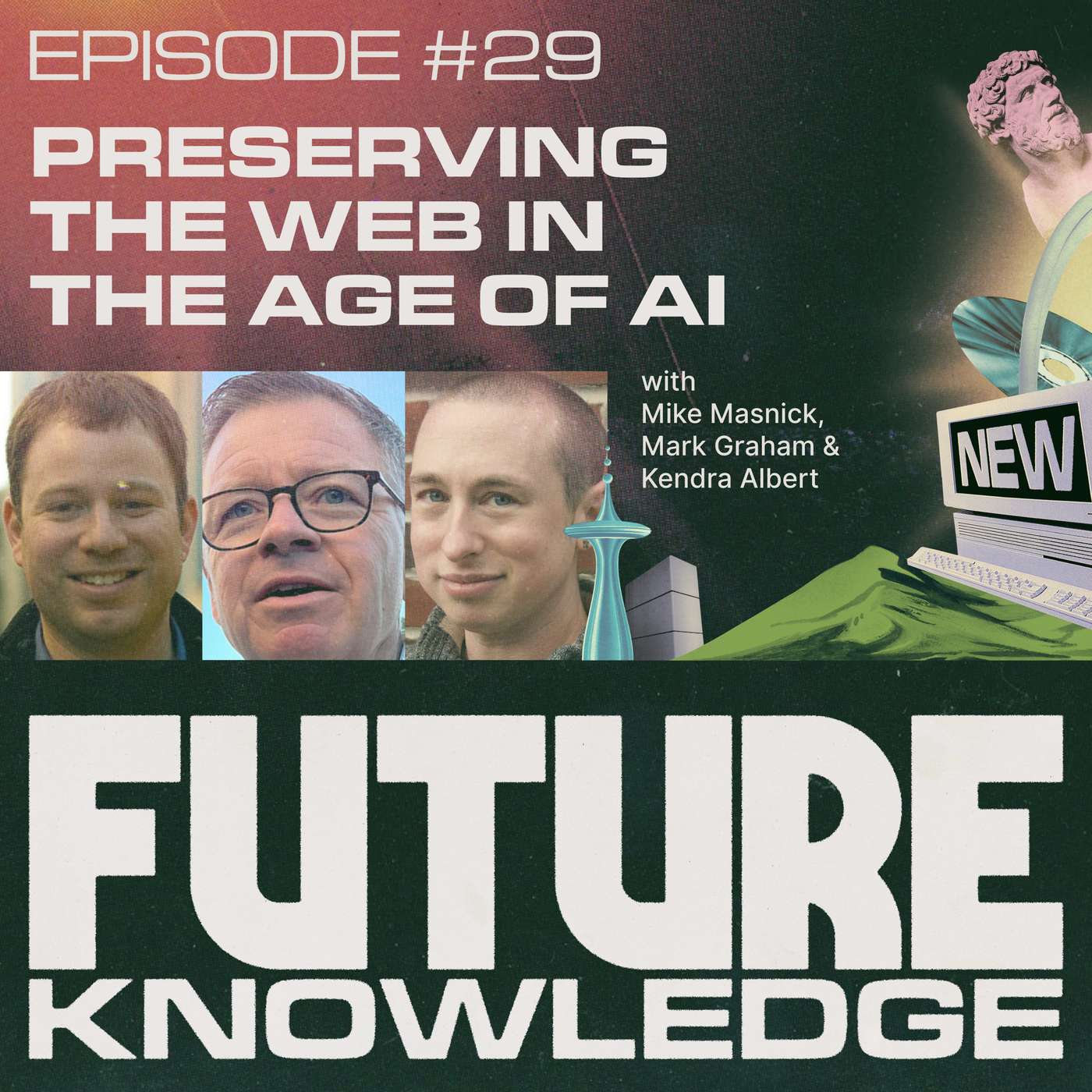 Preserving the Web in the Age of AI 06.05.2026 49pAs artificial intelligence reshapes how information is created, accessed, and controlled, a quieter crisis is emerging: the potential loss of the web’s historical record.In this episode, tech writer Mike Masnick, Mark Graham of the Internet Archive, and public interest tech and media lawyer Kendra Albert come together for a timely conversation on what it means to preserve the web in the age of AI.As publishers move to block AI scraping, they’re also increasingly restricting access to archiving tools like the Wayback Machine, raising urgent questions about who gets to access the past, and whether it will remain accessible at all. If preserving the web is increasingly treated as a threat, what happens to our collective memory? And what will it take to ensure that knowledge remains accessible in an AI-driven world?This conversation was recorded on 4/28/2026. Watch the full video recording at: https://archive.org/details/preserving-the-web-in-the-age-of-aiCheck out all of the Future Knowledge episodes at https://archive.org/details/future-knowledge
 -
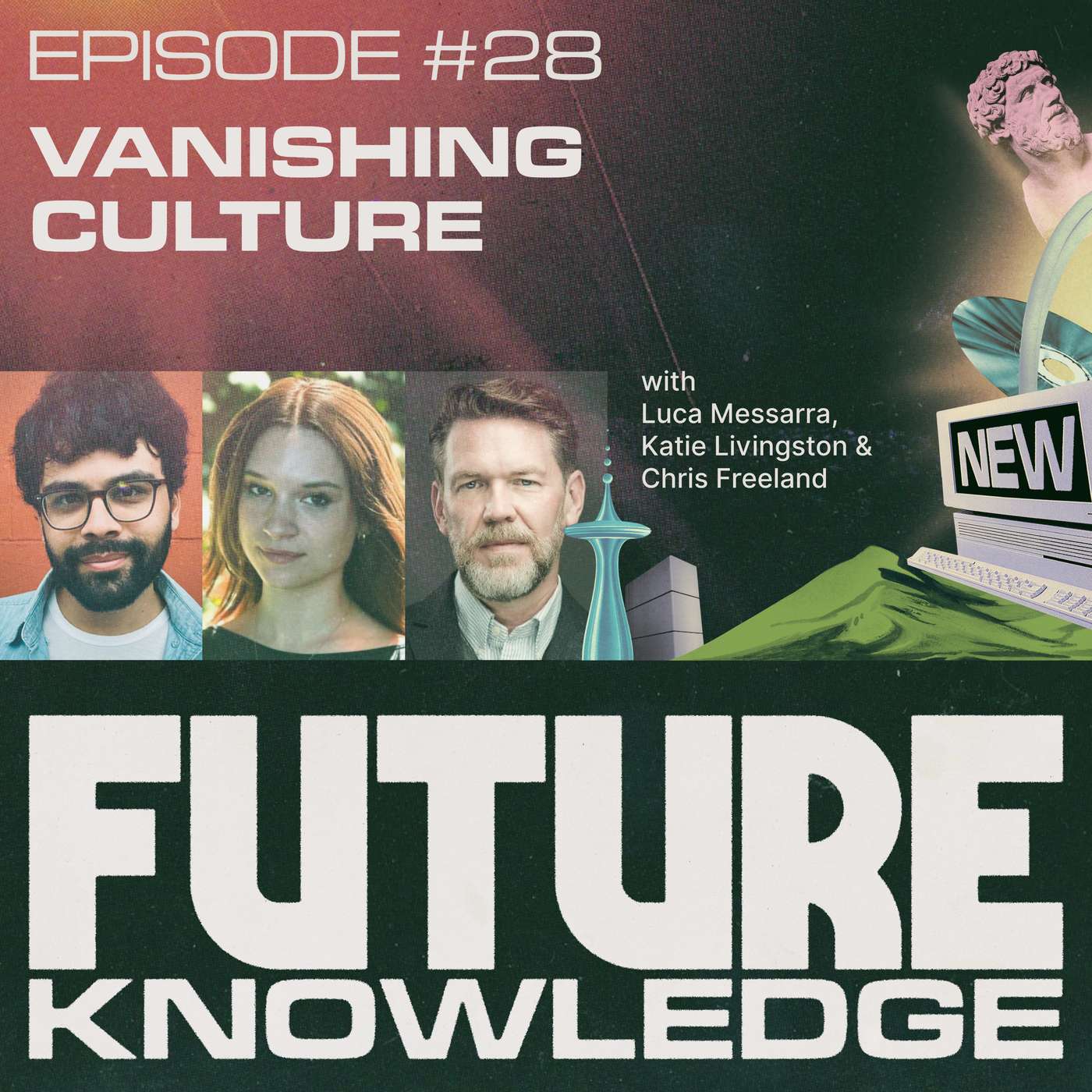 Vanishing Culture 29.04.2026 37pIn Vanishing Culture, editors Luca Messarra, Chris Freeland and Juliya Ziskina bring together voices exploring what it means to lose access to our shared cultural record in the digital age. From disappearing websites and delisted music to fragile licensing agreements and platform shutdowns, the book traces how corporate control, technological change, and neglect are reshaping what survives... and what vanishes.In this episode, Messarra and Freeland are joined by contributor Katie Livingston to discuss the forces driving cultural loss today, the stakes for libraries and public memory, and what it will take to build a more durable, accessible digital future.Read Vanishing Culture for free at the Internet Archive: https://archive.org/details/vanishing-culture-2026 Purchase in print from Better World Books or your favorite local bookstore: https://www.betterworldbooks.com/product/detail/vanishing-culture-a-report-on-our-fragile-cultural-record-9798995425014/newThis conversation was recorded on 4/17/2026.Check out all of the Future Knowledge episodes at https://archive.org/details/future-knowledge
 -
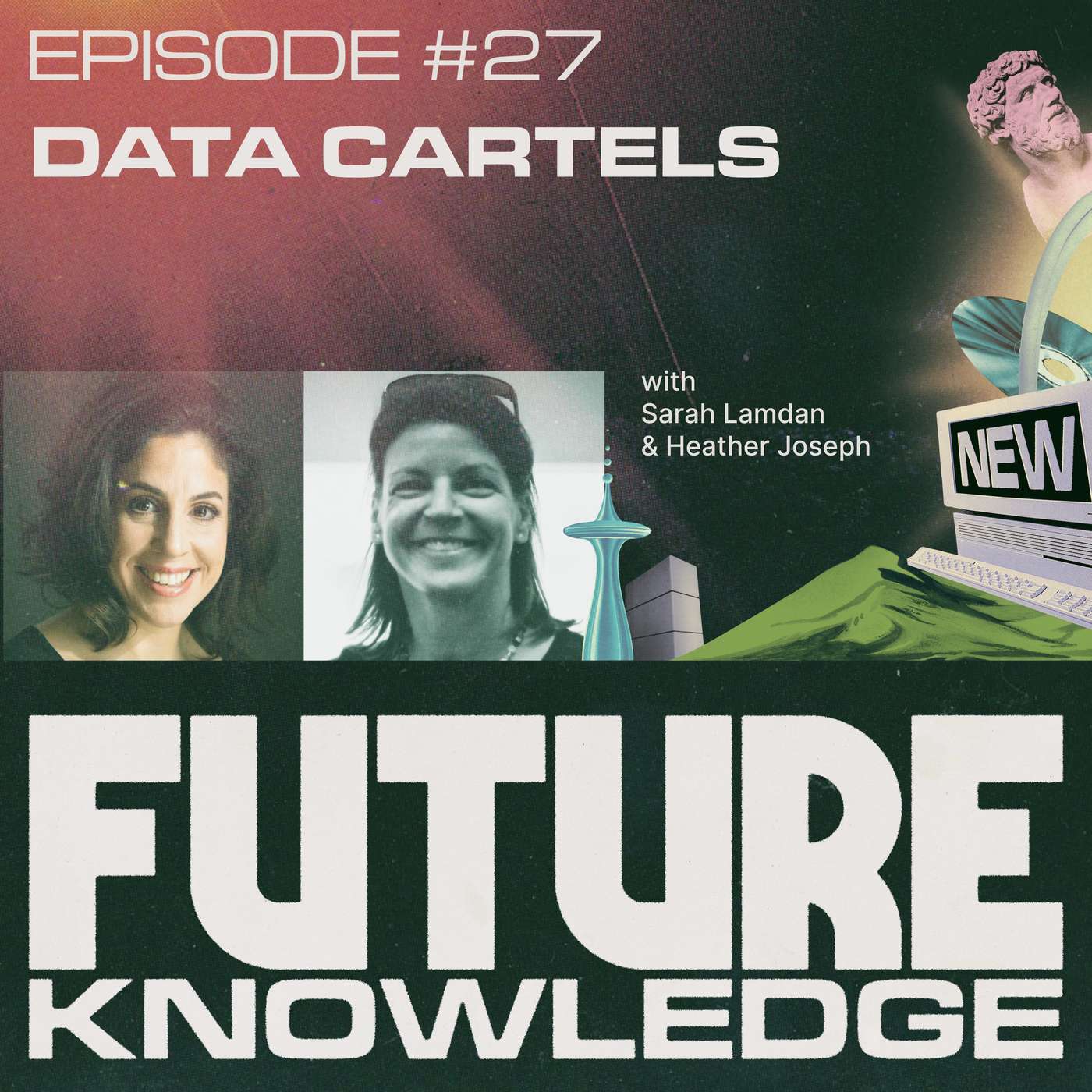 Data Cartels 22.04.2026 39pIn Data Cartels, legal scholar Sarah Lamdan exposes the shadowy industry built around collecting, packaging, and selling our personal data. She reveals how powerful companies hoard information and use aggressive tactics to maintain control—turning data into a commodity that can deepen inequality and restrict the democratic flow of knowledge. Heather Joseph, executive director of the Scholarly Publishing and Academic Resources Coalition (SPARC) speaks with Lamdan about the hidden power structures behind the data economy.Grab your copy of Data Cartels: https://www.sup.org/books/title/?id=33205This conversation was recorded on 11/30/2022. Watch the full video recording at: https://archive.org/details/book-talk-data-cartels Check out all of the Future Knowledge episodes at https://archive.org/details/future-knowledge
 -
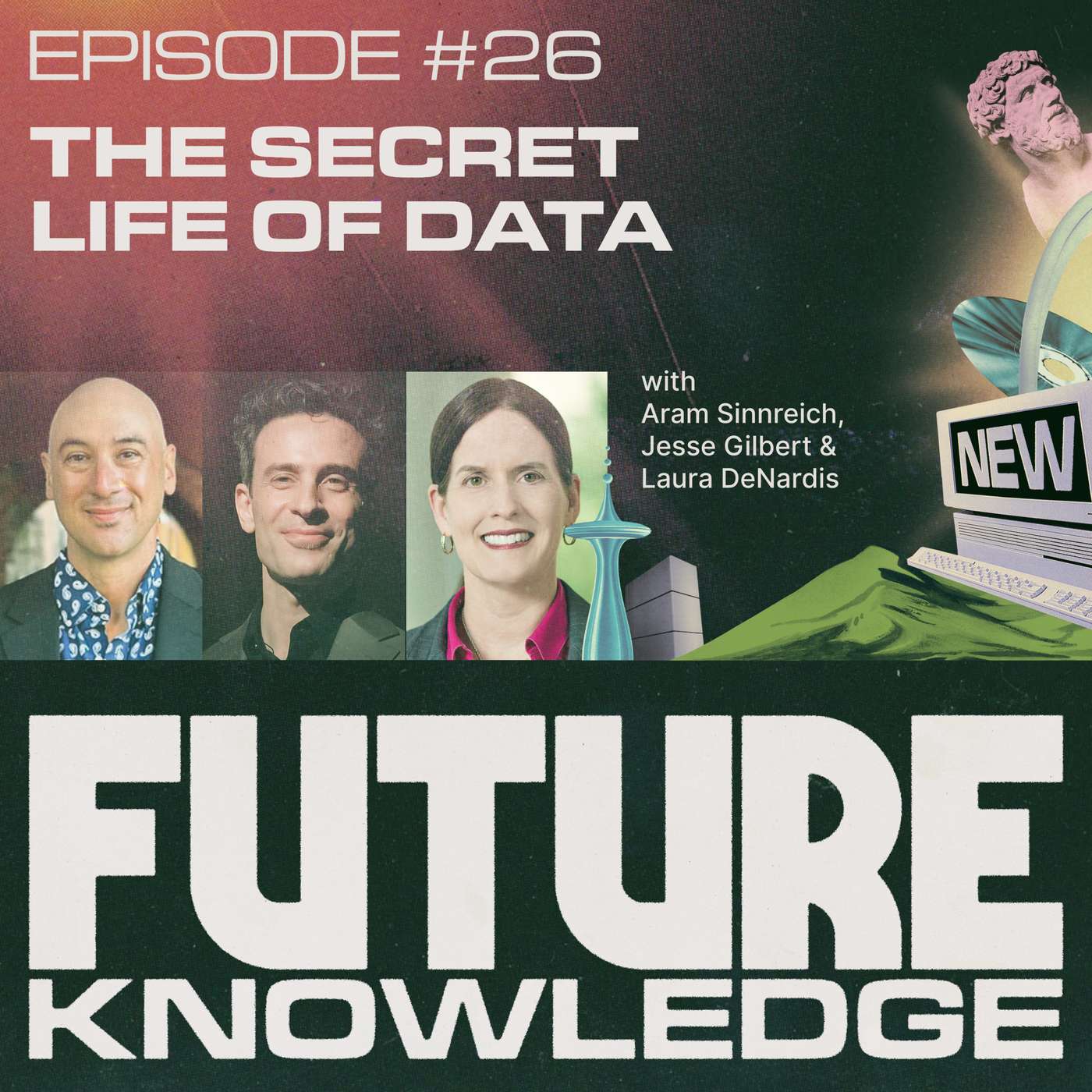 The Secret Life Of Data 08.04.2026 40pIn The Secret Life of Data, authors Aram Sinnreich and Jesse Gilbert explore how the information we generate every day—email addresses, phone numbers, browsing habits, even biometric data—circulates through vast digital systems that shape our lives in ways we rarely see. Their book examines the hidden infrastructures of data collection, surveillance, and algorithmic decision-making, revealing how these systems influence culture, power, and identity in a networked world. Internet governance scholar Laura DeNardis speaks with Sinnreich and Gilbert.Grab your copy of The Secret Life of Data: https://mitpress.mit.edu/9780262048811/the-secret-life-of-data/This conversation was recorded on 4/18/2024. Watch the full video recording at: https://archive.org/details/the-secret-life-of-dataCheck out all of the Future Knowledge episodes at https://archive.org/details/future-knowledge
 -
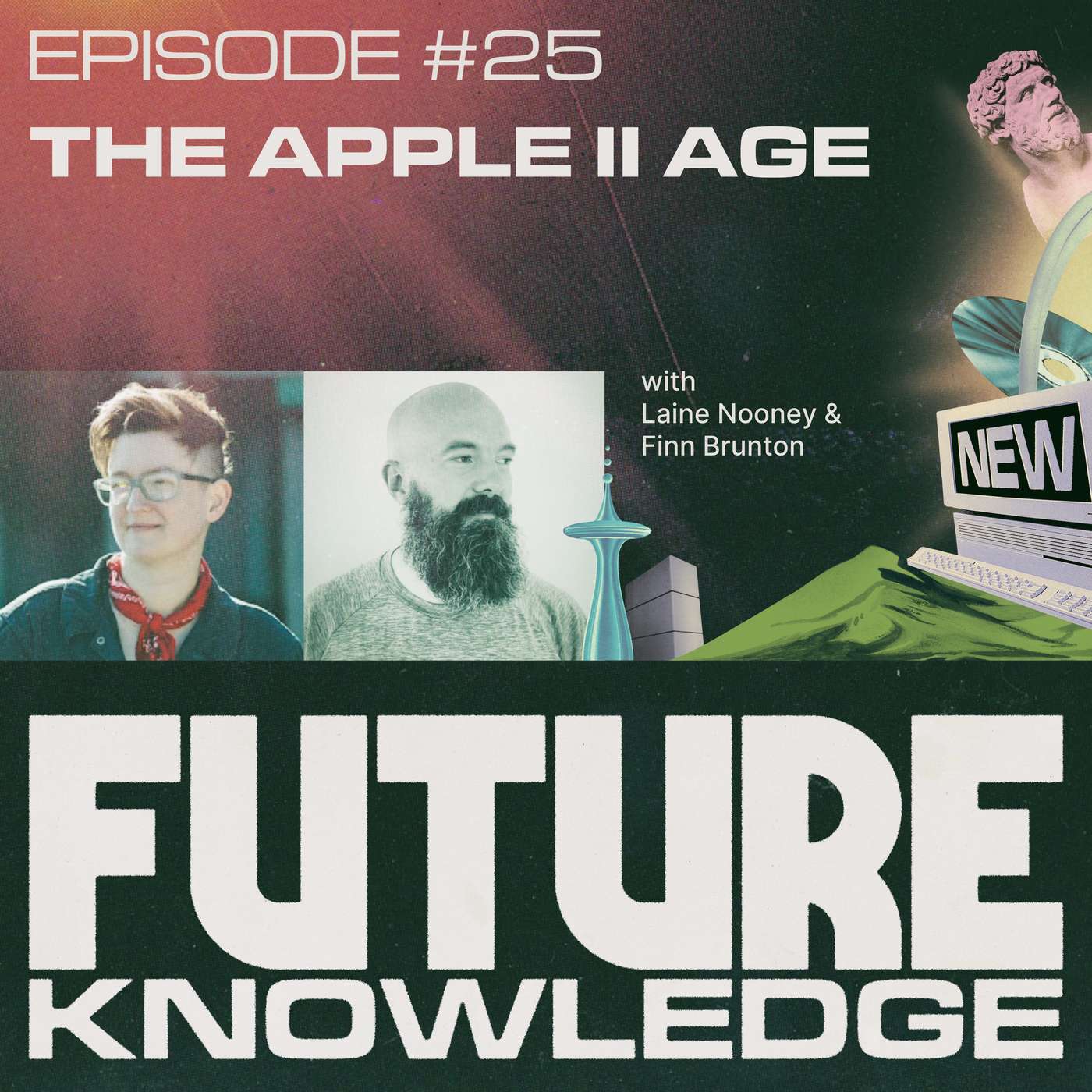 The Apple II Age 01.04.2026 58pIn The Apple II Age, historian Laine Nooney tells the story of the computer that helped launch Apple, and reshape personal computing. Introduced in 1977, the Apple II became a cultural phenomenon not just because of its hardware, but because of the vibrant software ecosystem that grew around it, from classroom staples like The Print Shop to early games and creative tools that defined a generation’s first encounters with computers. Historian Finn Brunton speaks with Nooney about how the Apple II helped create the culture of personal computing and the broader historical impact of this influential machine.Grab your copy of The Apple II Age: https://press.uchicago.edu/ucp/books/book/chicago/A/bo195231688.htmlThis conversation was recorded on 7/13/2023. Watch the full video recording at: https://archive.org/details/the-apple-ii-ageCheck out all of the Future Knowledge episodes at https://archive.org/details/future-knowledge
 -
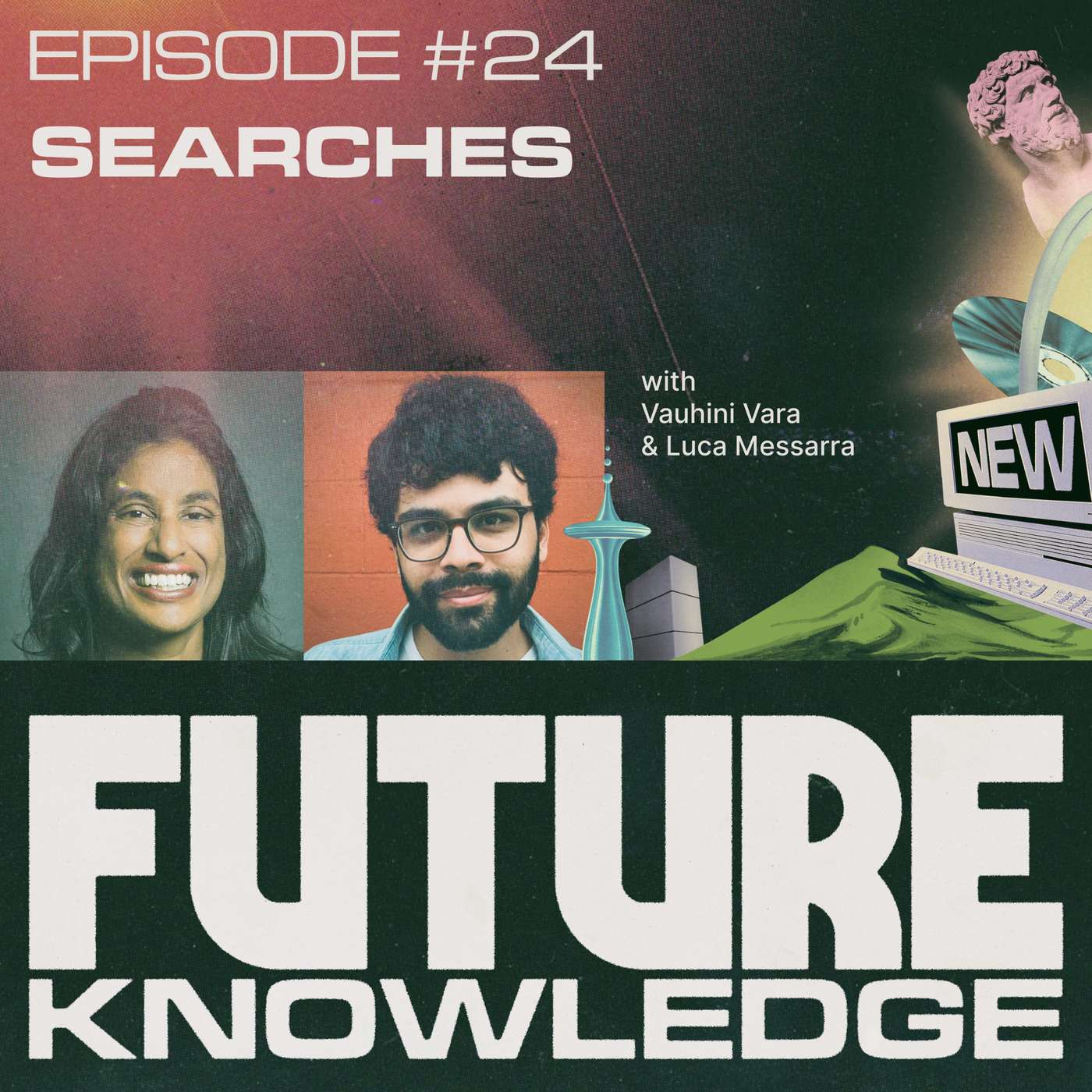 Searches 25.03.2026 43pIn Searches: Selfhood in the Digital Age, journalist Vauhini Vara explores how the technologies we use to understand the world—search engines, social platforms, and now AI systems—are also reshaping how we understand ourselves. Drawing from her own experience using chatbots to write about her sister’s death, Vara reflects on what happens when our most human questions, memories, and emotions are filtered through systems designed to analyze and monetize them. Humanities scholar Luca Messarra speaks with Vara about the promises and limits of machine understanding.Grab your copy of Searches: Selfhood in the Digital Age: https://www.vauhinivara.com/searchesThis conversation was recorded on 2/26/2026. Watch the full video recording at: https://archive.org/details/searches-book-talk Check out all of the Future Knowledge episodes at https://archive.org/details/future-knowledge
 -
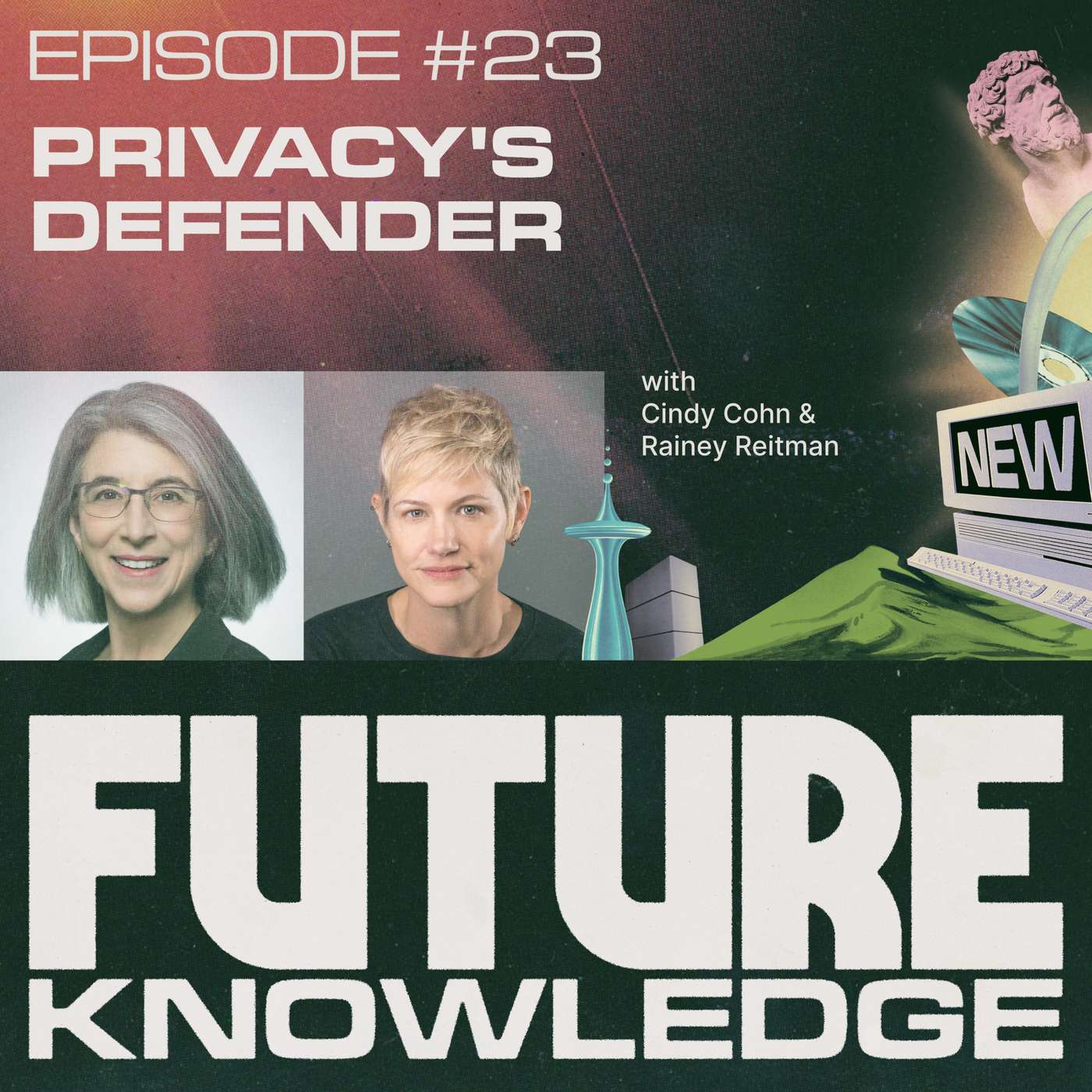 Privacy's Defender 11.03.2026 34pFor more than three decades, Cindy Cohn, the executive director of the Electronic Frontier Foundation (EFF) has been at the center of the fight to protect privacy, free expression, and innovation online—taking on the NSA’s mass surveillance programs, defending encryption, and pushing back against efforts to weaken digital security in the name of safety. In her new book, Privacy's Defender, she reflects on the landmark cases that shaped the modern internet, the values that guide EFF’s work, and why privacy is not about hiding wrongdoing, but about preserving human autonomy and democracy in a networked world. Rainey Reitman, co-founder of the Freedom of the Press Foundation, leads our conversation.Grab your copy of Privacy's Defender: https://mitpress.mit.edu/9780262051248/privacys-defender/ This conversation was recorded on 02/23/2026.Check out all of the Future Knowledge episodes at https://archive.org/details/future-knowledge
Hasonló podcastok


Népszerű itt:
Ez a podcast ezeknek az országoknak a podcast-listáin is szerepel.


