
People Who Read People: A Behavior and Psychology Podcast
Zachary Elwood
0
This show helps you understand human behavior and psychology to better navigate personal and professional life and connect with people. Host Zachary Elwood, author of the Reading Poker Tells trilogy, interviews a wide range of guests including law enforcement, researchers, sports analysts, and mental health experts. The podcast emphasizes patience, nuance, and questioning simplistic assumptions. With over 200 episodes, it offers deep insights into real-world human behavior.
Epizódok
-
 She’s certified by Joe Navarro in body language: How has it helped her? 27.09.2026 44pOn this podcast I sometimes explore the “behavior expert” industry. One thing I'm curious about is the value people say that they’ve received from “behavior expert” trainings and certifications. This is a talk with Gallia Winkler, a psychological coach and a behavioral student of Joe Navarro’s; she’s been certified in his Body Language Expert Program. I ask her about what drives her interest in nonverbal behavior, what value she believes she’s gotten from Navarro's teachings, and how those teachings have helped her in her personal and professional life.
 -
 A critical look at Paul Ekman, Joe Navarro, and the entire "behavior expert" industry 20.09.2026 1ó 54pA talk with former CIA officer Kent Clizbe about the exaggerated, irresponsible claims made by many self-described “behavior experts,” focusing especially on Paul Ekman, Joe Navarro, microexpressions, and attempts to detect deception from body language. We discuss why facial expressions and physical movements cannot be interpreted through a universal dictionary, how cultural and individual differences make behavioral judgments especially difficult, and why nervousness or discomfort is rarely meaningful evidence of guilt or deception in high-stakes situations. We examine the failed TSA SPOT program, the influence of shows like “Lie to Me” (which was loosely based on Paul Ekman’s work), and the lack of convincing real-world, high-stakes examples supporting “behavior expert” claims. We also explore how behavioral hunches can contribute to tunnel vision, false confessions, and wrongful convictions; why games like poker can offer a more constrained and useful setting for behavioral reads; and why the most actionable information in high-stakes situations usually comes from what people say, what they leave out, and how their claims compare with known facts.
 -
 Army Psy-Op veteran talks influence, blowback, psy-op myths, and more 28.08.2026 1ó 28pA talk with an Army Psychological Operations soldier about what military psy-op work really involves—and how different the reality is from many people's ideas about the nature of that work. We discuss his psy-op work in Afghanistan, why credibility and truth are usually much more persuasive and effective than deception, and fascinating historical operations involving surrender appeals, staged intelligence, and Vietnam’s eerie “ghost tapes.” We also explore the legal and ethical limits on influencing Americans, how social media has blurred those boundaries, how foreign influence campaigns exploit political polarization, and why “PSYOP” has become an all-purpose label for conspiracy theories. Finally, we examine the red flags that can help you identify self-proclaimed-but-deceptive military-persuasion experts (like Chase Hughes) who fabricate and exaggerate their credentials and experience to sell their psychology- and behavior-focused training and products.
 -
 Can computers spot lies better than humans?, with Bennett Kleinberg 11.08.2026 1óCan machines spot a lie better than we can? I talk with psychology researcher Bennett Kleinberg, whose work brings together psychology, machine learning, natural-language processing, and deception detection. We explore why humans are bad at identifying lies, which verbal clues may reveal deception—and why nervousness is often misleading. Bennett explains how liars use detail and how level of detail can be a clue to deception, the fact that deception usually involves a good amount of truth in the mix and what that means, and what happens when human judgment is combined with AI. We also discuss the risks of the mysterious black-box nature of some machine learning systems, and how smarter, research-informed interviewing techniques could transform criminal investigations. For more details and a transcript, see this episode’s entry at www.behavior-podcast.com.
 -
 Inside a Scientology e-meter auditing session, with Chris Shelton 01.08.2026 1ó 23pFormer Scientologist Chris Shelton spent thousands of hours using the e-meter to "audit" fellow members of the Church—but what does the device actually measure, and why do Scientologists trust it as an infallible guide to the truth? Chris takes us inside a typical auditing session, explaining the personal questions auditors ask, the needle movements they watch for, and what they believe those reactions reveal. We compare the e-meter with the polygraph, explore how relentless questioning can produce false memories and confessions, and examine how auditors can sincerely believe they are helping even when their methods become coercive or abusive. If you’re interested in Scientology, interrogation, or behavior reading, this is a fascinating look at how a simple machine can acquire enormous power through belief. For more on this topic, check out Chris’s podcast Speaking of Cults.
 -
 How Pete Blair scored 100% in a deception detection study 24.07.2026 1ó 3pIn a 2014 deception detection study, Pete Blair made 33 judgments—and got all 33 right. That paper was titled “Expertise in deception detection involves actively prompting diagnostic information rather than passive behavioral observation.” I ask Pete about what the factors were in him getting 100% accuracy in that study, and we talk about the interplay between verbal and nonverbal behavior. Pete talks about the importance of context and domain knowledge in making high-confidence judgments, and he discusses how such insights will sometimes be based on aspects that we aren’t consciously aware of.
 -
 Behaviorally, poker and interrogations are very different 10.07.2026 49pZach Elwood, author of influential books on poker tells and host of the People Who Read People podcast, joins The Deductionist podcast for a wide-ranging conversation about what we can and can't learn from human behavior. Drawing on his years studying poker tells and consulting for high-stakes players, Zach explains why reading behavior in structured games like poker is fundamentally different from reading people in real-world situations like interrogations, negotiations, or everyday conversations. The discussion explores why nonverbal behaviors are almost always far less informative than what people say (and what they don’t say), why we can be drawn to overconfident behavior “experts" who promise certainty in uncertain situations, and how context and environment can dramatically change the meaning of behavior. We also discuss why some law enforcement professionals claim that understanding nonverbal behavior is hugely important in their work, while others claim it has close to zero impact. Sometimes, people are talking past each other, and thinking about entirely different aspects of behavior.
 -
 Understanding defenses of the polygraph, with David Goldberg 01.07.2026 1ó 19pPolygraphs are a controversial tool in criminal investigations: critics argue they're too unreliable to trust, while proponents say that, even if they’re not perfect, they nonetheless can play a valuable role in helping uncover the truth. I talk with veteran polygraph examiner David Goldberg (executiveprotectiongrp.com), who has conducted more than 20,000 examinations over a 30-year career and who believes that, in the hands of a highly skilled examiner, polygraphs are far more accurate than most people realize. We discuss why he thinks innocent people should see nothing to fear when taking a polygraph, how experienced examiners distinguish deception from nervousness, how hiring processes use polygraphs, and why he sees interviewer skill—not the technology—as the biggest factor in accuracy. David talks about the granular details of how a polygraph examination is conducted, and the strategies he uses. Along the way, we explore the broader question that underlies so many debates about the polygraph and other uses of behavior analysis: when can information that's less than 100% reliable still be useful for making important decisions?
 -
 The push for science-based interrogation approaches, with Maria Hartwig and Christian Cory 20.06.2026 53pIn real or fictional criminal interrogation scenes, you've probably seen the approach where police barge in and confront the suspect with the evidence, trying to get them to crack and give a confession. In this talk, Maria Hartwig and Christian Cory explain why that doesn’t work well, and why a strategic use of evidence (SUE) approach, involving planning out the reveal of evidence, gets much better results. Maria is a well known researcher and trainer of criminal interviewing, and Christian is a 26 year law enforcement veteran. I talk to them about their and others' attempts to promote more science-based approaches to interviewing and interrogation. They are Co-Directors at the Aletheia Project (project-aletheia.org), which brings together researchers and law enforcement practitioners to improve interview techniques. We talk about their view that "old school" interrogations are built around a misguided "confession obsession," why bad ideas and exaggerated claims about nonverbel behavior and lie detection are so persistent and popular, and the downsides of lying to suspects about evidence. We talk about what the science really says about micro-expressions, and we explore why people seem so drawn to false, exaggerated ideas about reading behavior.
 -
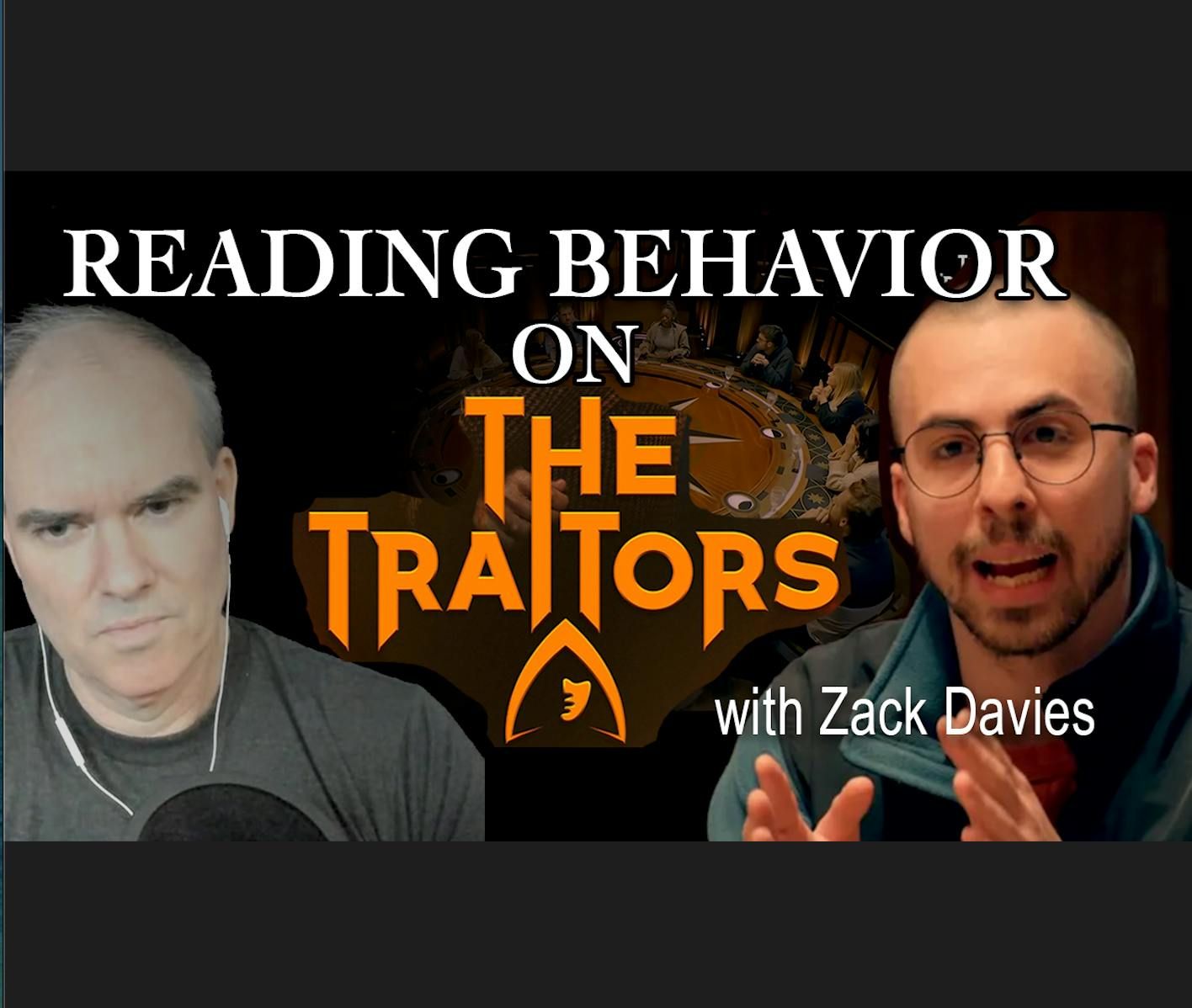 Reading behavior in The Traitors and other social deduction games, with Zack Davies (UK season 2) 13.06.2026 1óZack Davies was a standout contestant on the popular reality TV show The Traitors (UK, season 2). The Traitors is what is called a social deduction game, similar to the games Werewolf and Mafia. In this talk we examine psychological factors and behavioral clues that can shape players' perceptions and decisions in this game. We discuss how friendships and rivalries can negatively affect people’s judgment. We talk about behavioral clues; for example, why it is that unusually expressive, exuberant behavior is a clue that someone is a Faithful (i.e., a “good guy”). We talk about social deduction game strategy, deception, group psychology, unconscious bias, and how to make tough judgments when there’s little actual information or evidence to go on. Zack shares behind-the-scenes stories from the show, including the intense stress of life in the castle, and a panic attack that never made it on TV. Whether you're a fan of The Traitors or just interested in human behavior, you’ll probably find a lot to like in this episode.
 -
 How digital investigators expose lies and find truth, with OSINT pro Craig Silverman 05.06.2026 58pHow do digital/open-source investigators uncover hidden truths and expose lies? World-renowned digital sleuth Craig Silverman shares important lessons he's learned from years spent exposing scammers, fake-news operators, fraud networks, and online deception. We discuss: the techniques investigators use to track anonymous people through seemingly insignificant clues; why stepping away from a case can be more productive than obsessively chasing leads; and how confirmation bias can derail even experienced investigators. Craig recounts the story of how he identified the anonymous creator behind the influential fake-news site True Pundit, along with other investigations that uncovered sophisticated fraud schemes that made millions of dollars. We also explore the modern explosion of misinformation, fake credibility, and AI-generated deception, and why investigative skills are becoming an increasingly valuable skill—not just for journalists, but for anyone trying to make sense of today's confusing information landscape.
 -
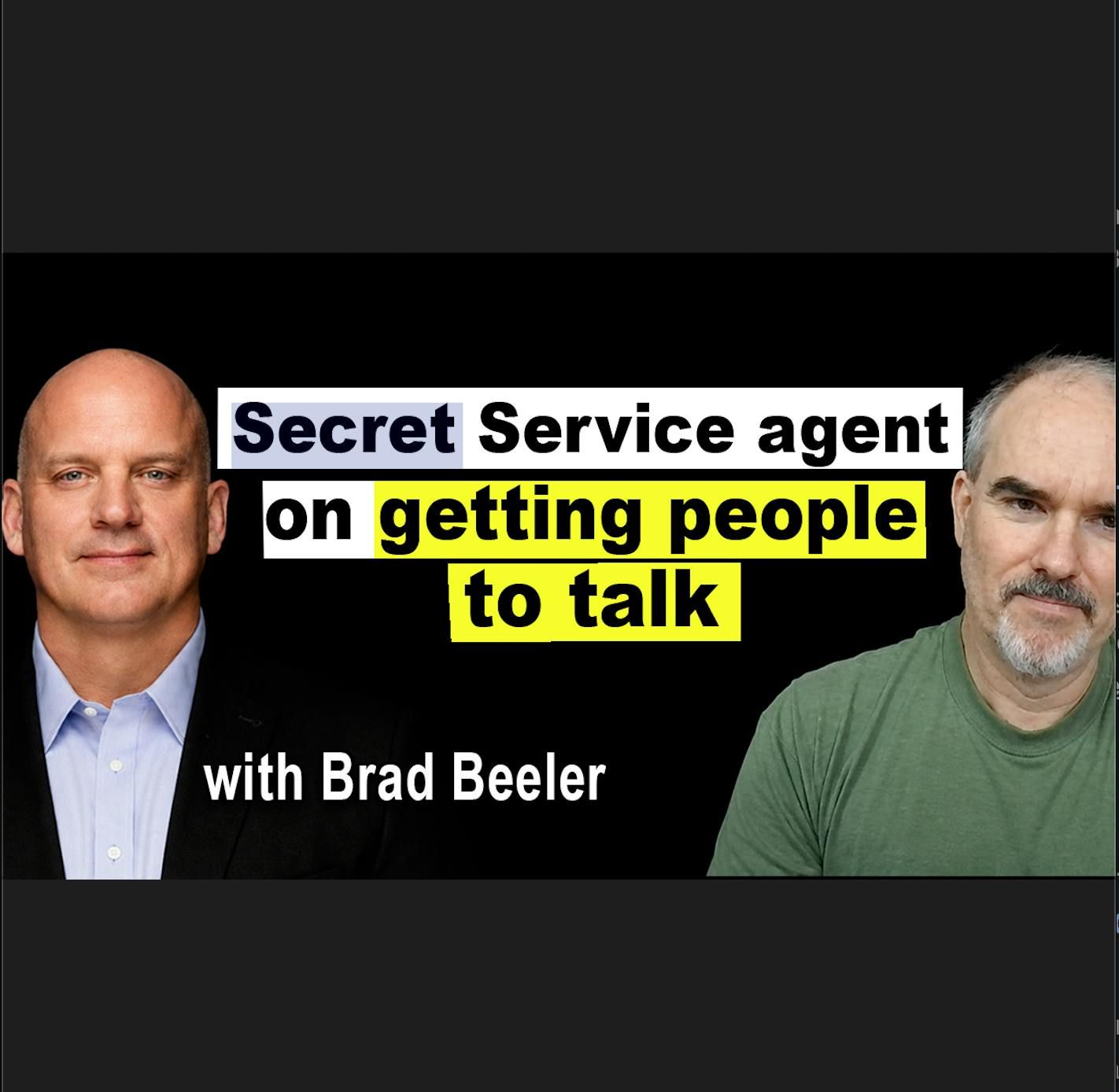 Secret Service agent on building rapport, reading people, and polygraphs | Brad Beeler 30.05.2026 1ó 6pHow much can we really learn from people's words and behavior—and where do we risk fooling ourselves? In this talk, former Secret Service agent and polygraph examiner Brad Beeler explores the practical realities of interrogations, deception detection, statement analysis, and reading people in high-stakes situations. We discuss why confirmation bias is such a threat to good investigations, why many popular body-language claims are overstated, and how investigators might make use of subtle behavioral clues without becoming wrongly overconfident in them. Brad shares stories from criminal investigations, explains how experienced interviewers think about truth and deception, and offers a polygraph examiner’s take on the controversial subject of polygraphs. We also talk about the importance of rapport-building and listening to what people are actually trying to communicate.
 -
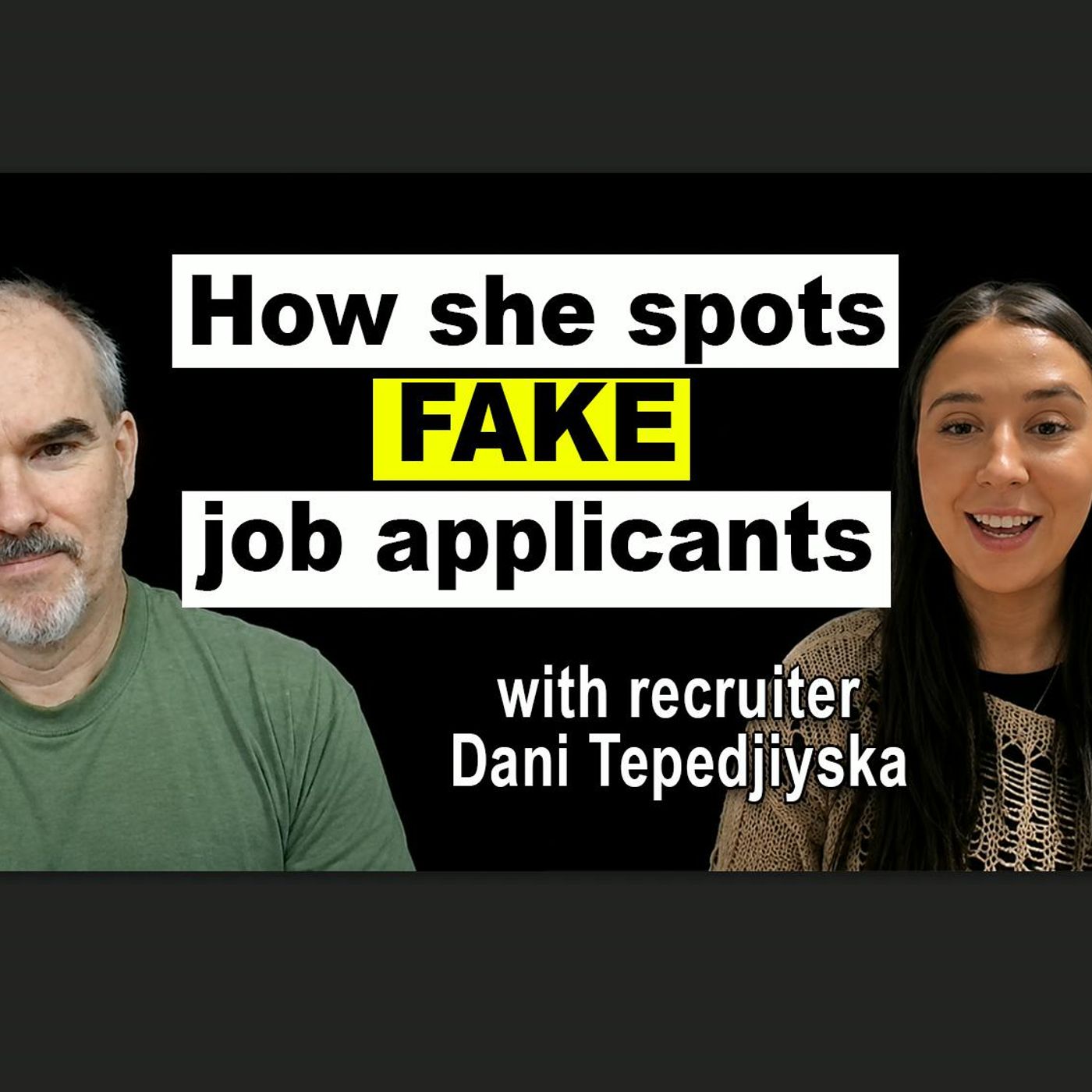 How recruiters spot fake, deceptive job applicants, with Dani Tepedjiyska 15.05.2026 53pWhat if some job applicants aren’t actually trying to get jobs — but are instead trying to infiltrate companies? Dani Tepedjiyska, who works with the recruitment firm Michael Page, describes a strange and growing world of fake resumes, organized applicant networks, AI-assisted interviews, and suspicious staffing firms that may be helping fraudulent actors gain access to banks and other financial institutions. We talk about the real-world signs she’s seen while interviewing deceptive candidates — from people secretly receiving answers during interviews to applicants who suddenly crack under simple follow-up questions. We also explore how AI tools are making this kind of fraud much easier, why remote work creates new vulnerabilities, and how some infiltrators may be playing a very long game. Along the way, Dani shares practical insights for job seekers about how recruiters analyze applicant resumes and behavior, and tips on optimal LinkedIn strategies.
 -
 Interrogation trainer shares what really works (and why "reading people" doesn't) 05.05.2026 1ó 3pMany people think police interrogations often involve reading body language and catching “tells” of deception. Interrogation trainer Mark Anderson explains how much of what’s taught about using nonverbal behavior in high-stakes interviews is based on myth, not science—and how a faulty focus on “reading people” can actually damage interviews. We dig into why stress behaviors don’t signal guilt, how confirmation bias warps investigations, and why “reading people” is far less useful than most believe. Instead, Mark lays out what actually works: deep listening, better questioning, managing conversations, and building real rapport—even with people who’ve done serious harm. Along the way, he shares stories from his career that show how empathy and curiosity can unlock information in surprising ways. If you’re interested in psychology, communication, or the reality behind interrogations, this episode might challenge some of your basic assumptions.
 -
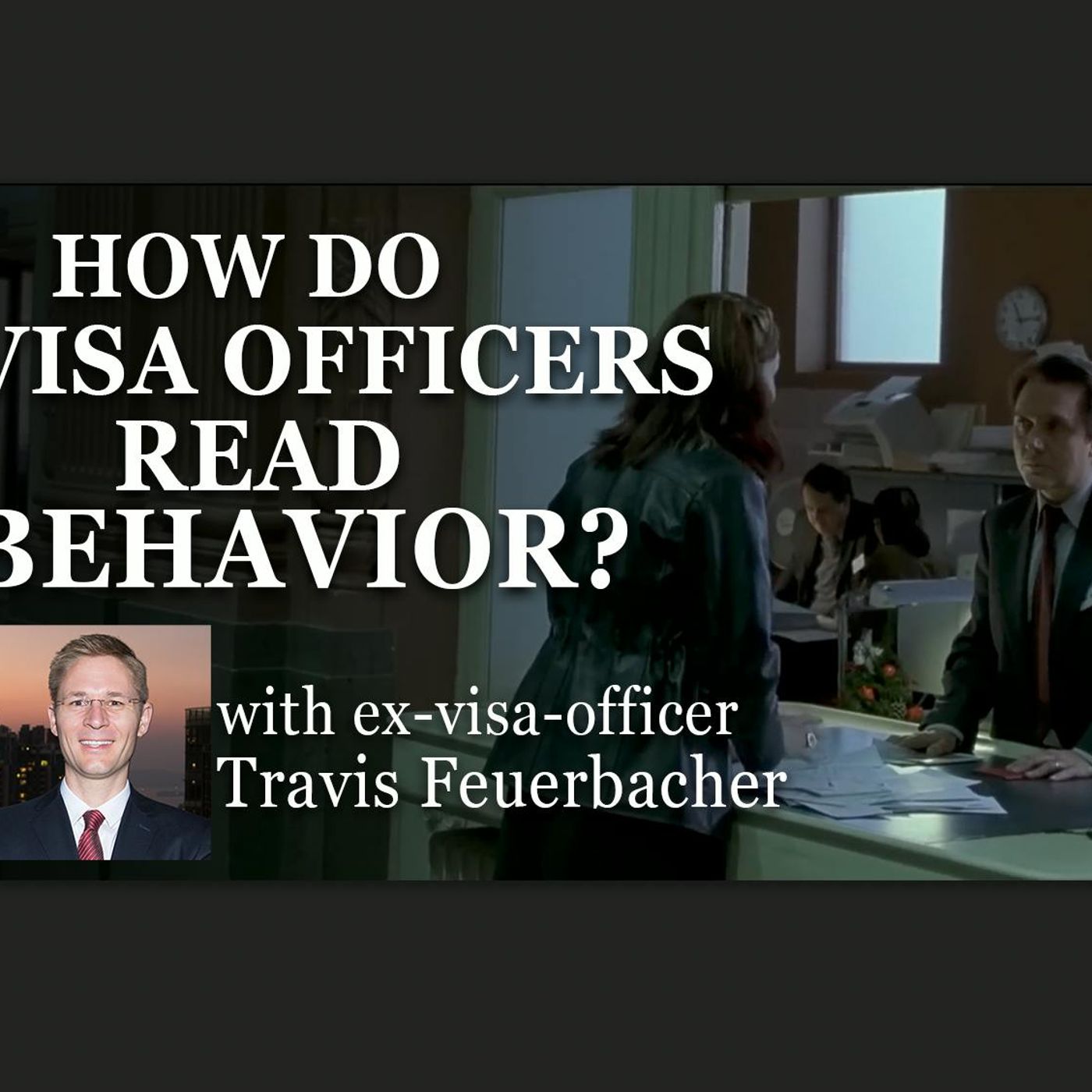 How do visa officers read behavior?, with Travis Feuerbacher 26.04.2026 54pVisa officers make life-changing decisions in minutes—often after just a brief conversation through a glass window. I talk with former U.S. visa officer Travis Feuerbacher (ZFvisa.com) about what really goes into those rapid judgments. How much do behavior and “gut feelings” actually matter? Can anyone reliably read honesty or deception under that kind of pressure? And what happens when cultural differences, personality differences, or just plain anxiety get mistaken for something more suspicious? We explore the hidden psychology behind visa interviews, the limits of reading people in high-stakes situations, and why the system can force snap judgments—whether they’re fair or not. Travis also talks about a time he caught an applicant trying to deceive him.
 -
 Are you seeking status without even knowing it? Cards Against Humanity's David Pinsof thinks so 21.04.2026 1ó 12pWhat if much of human behavior—from everyday interactions to politics and culture—is driven by hidden “status games” we’re all playing without realizing it? In this talk with Cards Against Humanity co-creator and evolutionary psychologist David Pinsof, we explore his provocative idea that status-seeking is a fundamental human motive—but one wrapped in a paradox: we all want status, yet seeking it too openly makes us lose it, forcing us to pursue it in subtle, strategic, and often unconscious ways. We also talk about another interesting idea of David’s on the nature of humor: it’s possible that David may have solved the long-standing mystery of what humor is and why we laugh. Along the way, we talk about our capacity for self-deception, how his ideas might relate to mental illness, the Cards Against Humanity origin story, and more.
 -
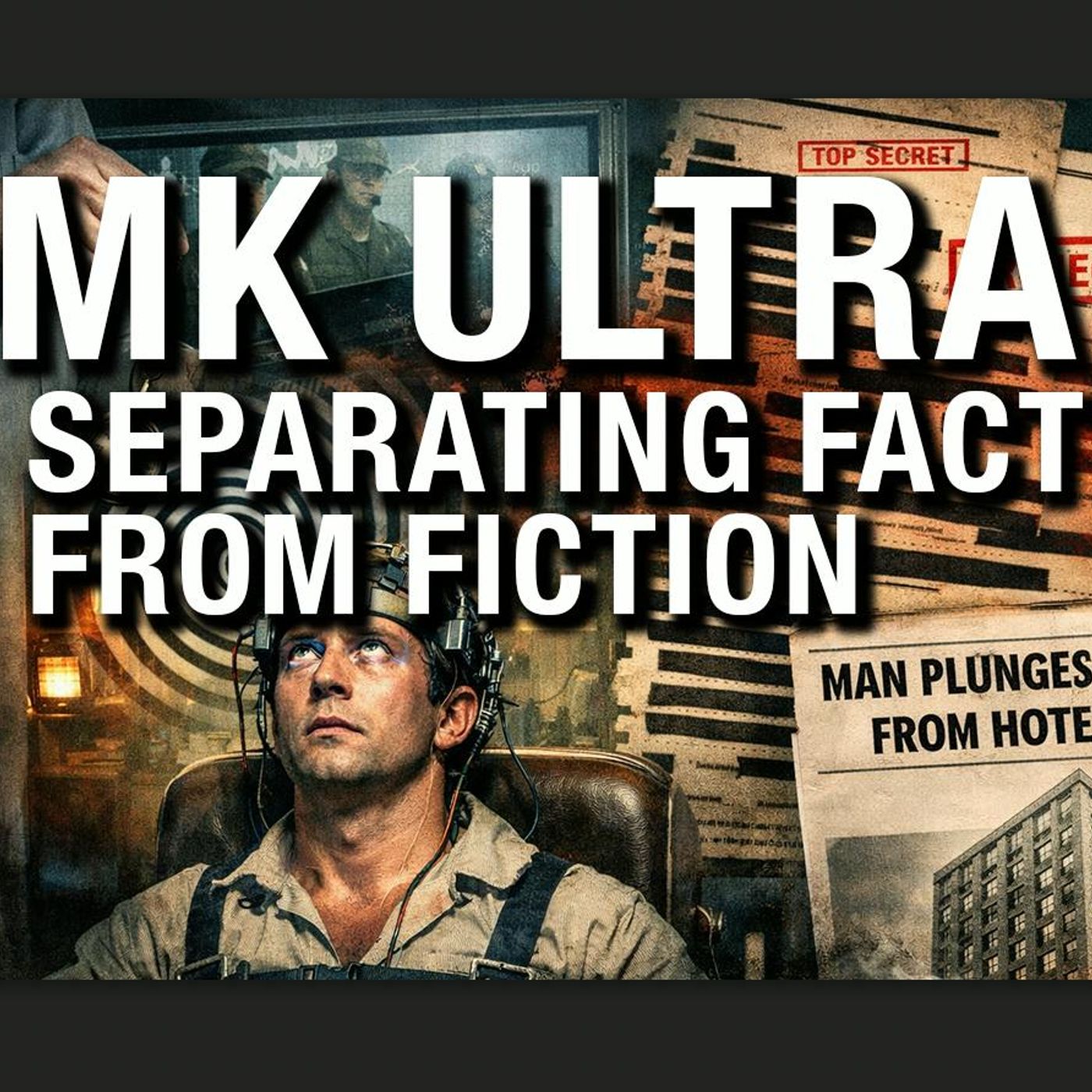 MK Ultra: Fact vs fiction, with Stephen Kinzer 31.03.2026 47pDid MK Ultra actually accomplish anything impressive in brainwashing- and mind-control-related areas? Did the US government, as some people claim, create "Manchurian candidates," who would kill on command? In this episode, I talk with Stephen Kinzer, author of “Poisoner in Chief,” a book about the head of MK Ultra, Sidney Gottlieb. We discuss the strange, disturbing reality of MK Ultra—and the many exaggerations made about it over the years. While pop culture and deceptive gurus (like Chase Hughes) spread tales of the program achieving amazing and scary psychological control, Kinzer describes a disorganized and amateurish series of experiments that harmed many people but failed to demonstrate anything impressive. We explore why MK Ultra has become a perfect canvas for all sorts of paranoid ideas and wild speculations, and why the lack of evidence of anything approaching actual mind control hasn’t stopped people from confidently claiming otherwise. If you’ve ever wondered what’s real—and what’s myth—about MK Ultra, you'll probably appreciate this talk.Topics discussed: the myths versus the realities of the MK Ultra program; what makes MK Ultra such a perfect case for people to imagine and believe all sorts of things; what Operation Mockingbird was and its relation to MK Ultra; the hypnotist George Estabrooks and his wild claims of mind control; the idea that Sirhan Sirhan was brainwashed to kill RFK; the likelihood of large plots succeeding in the modern age; the more realistic and banal ways that governments try to “control people’s minds” by persuading and shifting opinions in the modern age; and more.
 -
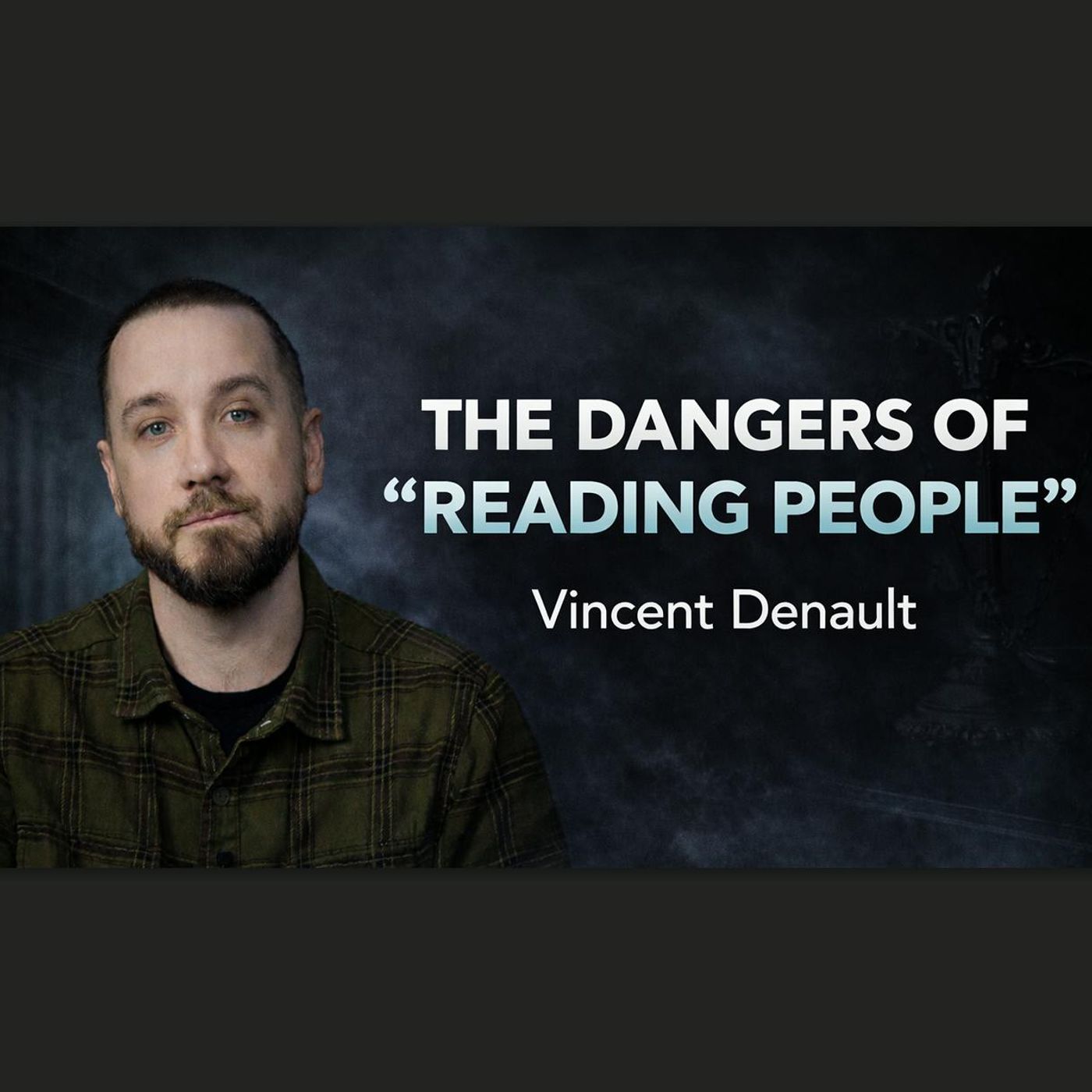 From body language bullshit to behavior science, with Vincent Denault 12.03.2026 1ó 1pVincent Denault once believed he was learning how to read people’s hidden thoughts through analyzing body language. As a young lawyer in Quebec, he attended behavior analysis and “synergology” trainings that promised the ability to detect lies and determine hidden thoughts from small gestures and movements. But after digging into the research, he realized much of what he’d been taught wasn't true. In this talk, Vincent describes that journey and we explore how body-language myths spread through trainings, media, and YouTube behavior “experts.” We also discuss his research on how judges use behavior to assess witness credibility, his views on Paul Ekman, and his views on how bad-behavior-information spreaders protect themselves from criticism and responsibility. Along the way, we examine why nonverbal behavior still matters in human interaction—just not in the reliable lie-detection ways many people assume.
 -
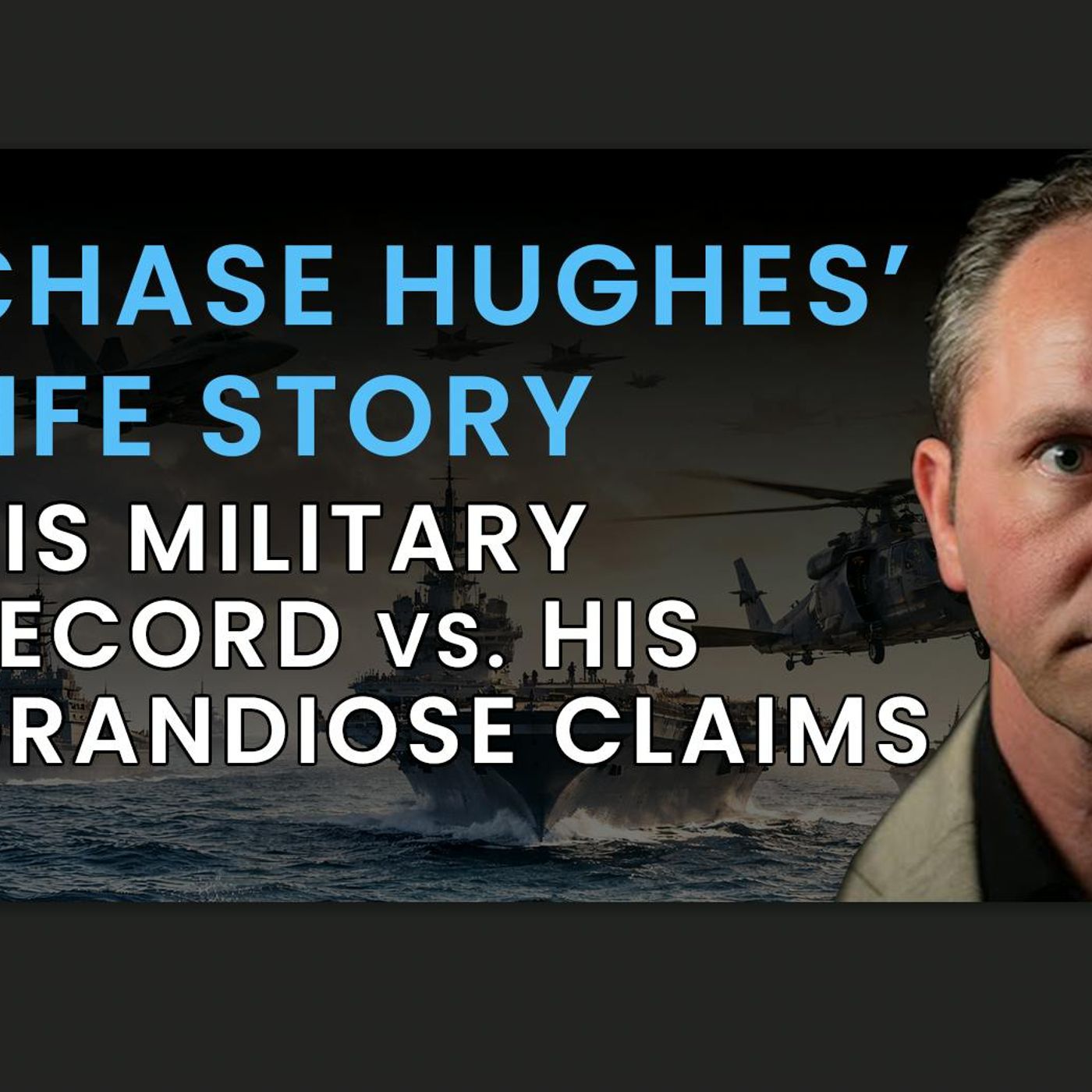 Con man Chase Hughes' actual military record versus his grandiose claims 03.03.2026 1ó 23pHow does someone who makes wildly grandiose claims about mind control, interrogation mastery, neuroscience credentials, and secret military psychology operations gain more than 1.5 million YouTube subscribers—and land appearances on shows like Joe Rogan and Diary of a CEO—without anyone vetting his story? I’m joined by ex-CIA officer and fraud-exposer Kent Clizbe (kentclizbe.com), and we take a hard look at Chase Hughes’ actual Navy record and compare it to his many lies, exaggerations, and ambiguous statements about his credentials. We dig into the specific stages of Chase’s military career, his claims of Harvard and Duke neuroscience education, his belief that we live in a simulation (and that psychedelics have helped see the code of that simulation), his pick-up artist background, and his grandiose claims about his psychological knowledge. If you’re interested in how cults of personality and false gurus work—and how even experienced professionals and major platforms can help these people on their rise to popularity—this deep dive into Hughes’ background and the psychology of modern con artistry is one you won’t want to miss.
 -
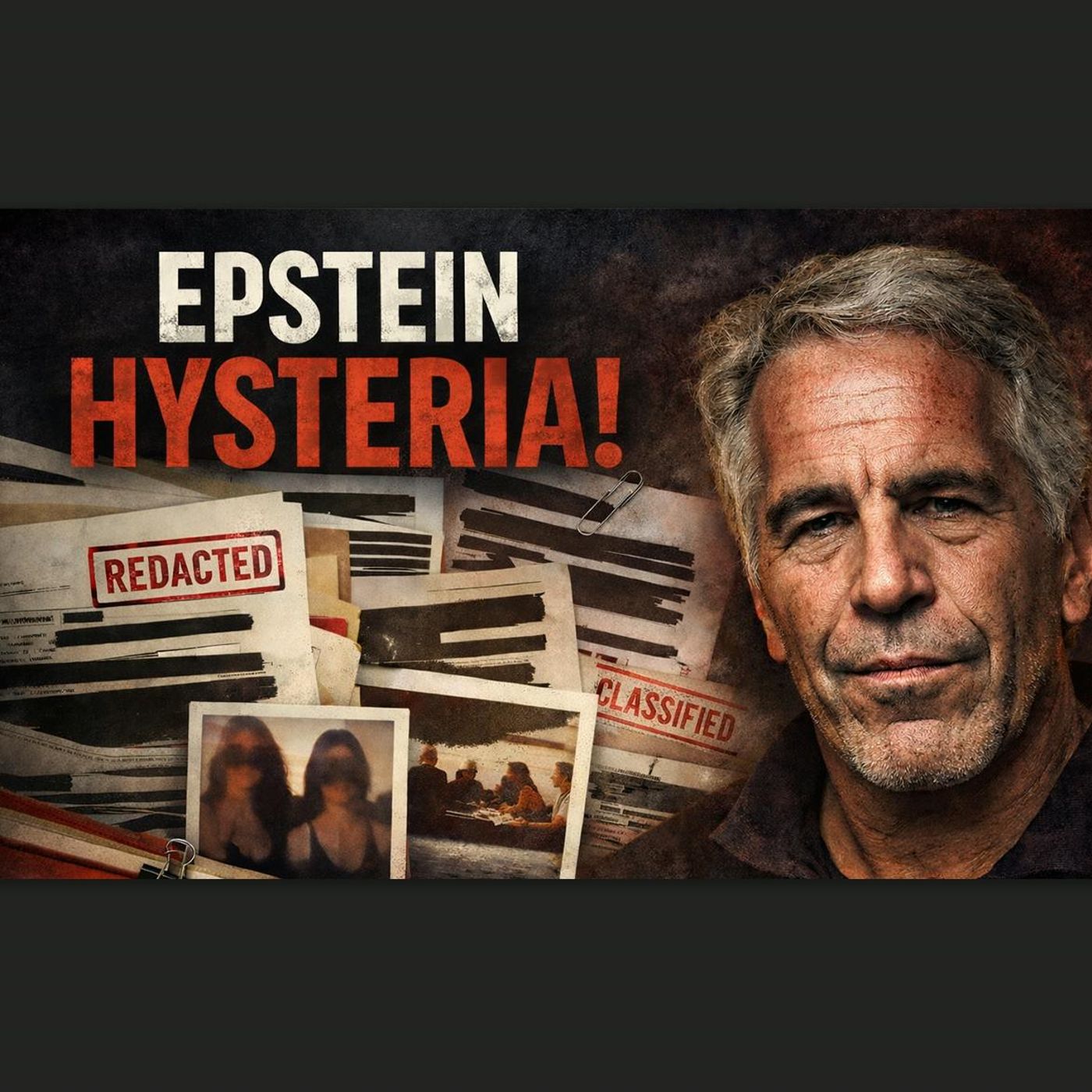 Epstein Hysteria! Moral panic and dumb overreactions from Kyle Kulinski, others 26.02.2026 26pThe Epstein files release has resulted in many people seeming to lose their minds: engaging in moral panic, having hysterical overreactions, filtering for worst-case interpretations of ambiguous data, images, and emails. Using a video from the political influencer Kyle Kulinski (who has 2M+ YouTube subscribers) as a case study, I examine how ambiguous snippets—like an audio clip of people seemingly talking about killing deer — get instantly, emotionally interpreted by Kyle and others as highly suspicious evidence of criminal wrongdoing. Why are smart, influential people speaking with absolute certainty about what pixelated photos and ambiguous recordings and emails tell us? Why are people claiming to find evidence of cannibalism in the files? What does all this catastrophizing and ultra-pessimistic thinking tell us about our toxic political polarization problem, and our tendency to assume the worst when our perceived enemies are involved? If you’re concerned about paranoid, conspiracy-minded thinking, and how that ties into our political divides, this episode will help you understand why emotional reasoning is so rampant, and why it’s important to fight against it, when we see others doing it, and within ourselves — not just for the sake of society, but for our own mental health.
Hasonló podcastok


Népszerű itt:
Ez a podcast ezeknek az országoknak a podcast-listáin is szerepel.


