
BackTable Urology
BackTable
0
The BackTable Urology Podcast is a resource for practicing urologists to learn tips, techniques, and practical advice from their peers in the field. Listen here or on the streaming platform of your choice.
Epizódok
-
 Ep. 332 The Basics of Advanced Prostate Cancer Management for Urologists with Dr. Kristen Scarpato and Dr. Jason Hafron 29.09.2026 48pWhat does a urologist actually need to know to confidently manage advanced prostate cancer in the clinic? On this episode of BackTable Urology, host Dr. Ruchika Talwar interviews Dr. Kristen Scarpato, director of the advanced prostate cancer clinic at Vanderbilt University Medical Center, and Dr. Jason Hafron, chief medical officer of the Michigan Institute of Urology. They break down how the landscape has shifted, why more patients stay in urology for treatment, and how to select and monitor therapy based on disease state, comorbidities, and patient goals. --- Get the BackTable apphttps://www.backtable.com/app --- This podcast is supported by Bayer https://www.bayer.com --- Timestamps 00:00 - Introduction02:41 - Shift to Urology-Led Advanced Prostate Management07:07 - Sorting Therapies by Disease State10:33 - Treatment Intensification and Doublet Therapy17:54 - ARPI Selection and the Four Ps Framework25:46 - Managing Financial Toxicity29:30 - Monitoring, Labs, and Imaging34:11 - Red Flags and Comanagement36:49 - When to Refer to Medical Oncology41:11 - Future Directions and Practice Economics46:33 - Closing Remarks --- More about this episode The discussion covers sorting therapies by disease state rather than drug class, doublet and triplet intensification, the nuances of choosing between abiraterone, enzalutamide, apalutamide, and darolutamide, and Dr. Hafron’s “four Ps” framework for drug selection. Dr. Scarpato addresses financial toxicity, surveillance protocols, and red flag symptoms. Both guests share their referral triggers for medical oncology, approaches for oligometastatic disease and metastasis-directed therapy, and practical tips for running an advanced prostate cancer clinic. --- Resources Advanced Prostate Cancer: AUA/SUO Guidelinehttps://www.auanet.org/guidelines-and-quality/guidelines/advanced-prostate-cancer Trial Design and Objectives for Patients With Prostate Cancer: Recommendations From the Prostate Cancer Working Group 4 (JCO)https://ascopubs.org/doi/10.1200/JCO-25-02834 ARACOG (AFT-47): Darolutamide vs Enzalutamide and Cognitive Function, ClinicalTrials.gov NCT04335682https://clinicaltrials.gov/study/NCT04335682 ARASENS: Darolutamide and Survival in Metastatic, Hormone-Sensitive Prostate Cancer (NEJM)https://www.nejm.org/doi/full/10.1056/NEJMoa2119115 PSMAddition: 177Lu-PSMA-617 Plus Standard of Care in mHSPC, ClinicalTrials.gov NCT04720157https://clinicaltrials.gov/study/NCT04720157 Medicare Plan Finder, referenced on air for comparing Part D out-of-pocket drug costshttps://www.medicare.gov/plan-compare/ --- BackTable Urology is the go-to podcast for urologists, urologic oncologists, and urogynecologists. Download the free BackTable app to get early access to new episodes, cases, and courses curated by physicians in your specialty. ► https://www.backtable.com/app
 -
 Ep. 331 Transitioning an Independent Practice to an Academic Urology Program with Dr. Javier Castillo 24.09.2026 1ó 5pHow can private practice and academic residency programs work together to shape the next generation of urologists? On this episode of BackTable Urology, Dr. Jose Silva interviews Dr. Javier Castillo about launching an academic residency within a busy private urology group in Puerto Rico. They highlight the business, training, and research challenges involved, as well as the innovations that make real collaboration possible. Dr. Castillo also reflects on why building character in trainees is just as important as teaching surgical skill. --- Get the BackTable apphttps://www.backtable.com/app --- Timestamps 00:00 - Introduction04:04 - Launching a Residency and Building the Practice08:13 - Teaching in the OR and Progressive Responsibility13:58 - Clinic, Administration, and Resident Training16:38 - Expanding BPH Treatment Options25:21 - Creating a Research Culture and AI Projects32:42 - AI Uroflow Project and Follow Up40:21 - BPH Case Workup and Shared Decision-Making47:11 - Patient Goals and Procedure Selection55:43 - Sacral Neuromodulation and New Technologies01:00:19 - Teaching Character and Mentorship01:03:07 - Closing Remarks --- More about this episode The conversation explores how to teach residents in the OR while maintaining efficiency, build a research culture, and leverage advanced technologies like AI-driven home uroflowmetry. Dr. Castillo and Dr. Silva discuss individualized BPH treatment, expanding procedural options, and aligning care with patient goals. The episode closes with practical lessons on mentorship, character, and the strategies that make a residency program thrive for both trainees and patients. --- BackTable Urology is the go-to podcast for urologists, urologic oncologists, and urogynecologists. Download the free BackTable app to get early access to new episodes, cases, and courses curated by physicians in your specialty. ► https://www.backtable.com/app
 -
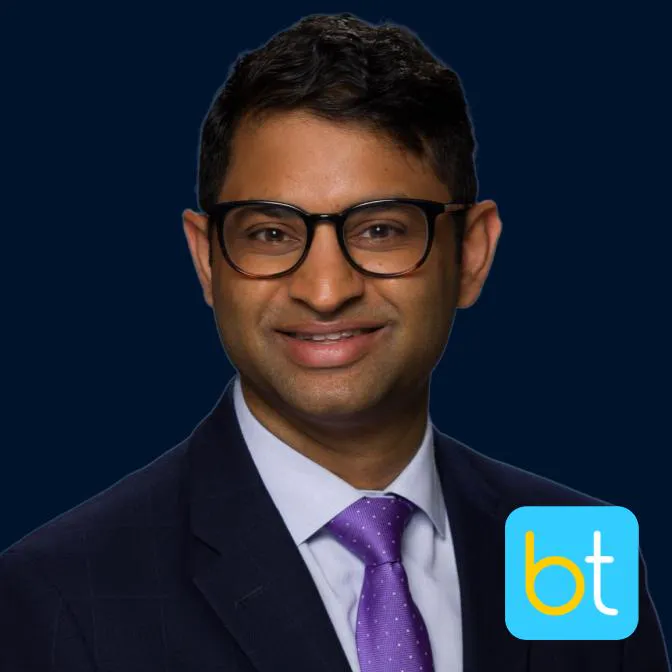 Ep. 330 Establishing a Comprehensive Cancer Survivorship Practice with Dr. Hiren Patel 22.09.2026 1ó 4pHow can reconstructive urologists improve quality of life for cancer survivors beyond the initial cure? On this episode of BackTable Urology, Dr. George Koch interviews Dr. Hiren Patel about building a comprehensive survivorship practice that addresses the long-term needs of patients following genitourinary cancer treatment. They discuss moving beyond post-prostatectomy ED and incontinence to include management of radiation sequelae, immunotherapy effects, and urethral strictures, as well as the role of patient-centered communication, care coordination, and technology. --- Get the BackTable apphttps://www.backtable.com/app --- Timestamps 00:00 - Introduction04:26 - Redefining Survivorship11:29 - Why Survivorship Practices Matter17:53 - Workup and Aligning Care21:05 - Managing Active Cancer Scenarios27:20 - Building a Survivorship Program30:12 - Growing Referrals and Optimizing Workflow39:24 - System Support and Research Gaps44:04 - Tech Advances in Reconstruction48:50 - Single-Port Retroperitoneal Case59:55 - Tips, Tricks, and Wrap-Up --- More about this episode The conversation covers patient expectation setting, logistics of establishing a survivorship clinic, aligning care with patient goals, and multidisciplinary collaboration with oncology and primary care. Dr. Patel highlights strategies to reduce ER visits and system burden, the importance of continuity, and advances such as single-port robotic retroperitoneal ureteral reconstruction. The episode concludes with practical tips on trust-building, workflow optimization, and advocating for survivorship programs within larger health systems. --- BackTable Urology is the go-to podcast for urologists, urologic oncologists, and urogynecologists. Download the free BackTable app to get early access to new episodes, cases, and courses curated by physicians in your specialty. ► https://www.backtable.com/app
 -
 Ep. 329 Surgical Approaches to Bladder Outlet Obstruction with Dr. John DiBianco 15.09.2026 1óWith so many treatment options for bladder outlet obstruction, how do you select the best approach for each patient? On this episode of BackTable Urology, host Dr. Jose Silva is joined by Dr. John DiBianco for a practical discussion on evaluating lower urinary tract symptoms and matching patients with the right intervention. They emphasize confirming that symptoms are truly due to benign prostatic hyperplasia (BPH) before proceeding, and walk through triggers for intervention, including quality-of-life impact, UTIs, renal impairment, high post-void residual, bladder stones, and retention. --- Get the BackTable apphttps://www.backtable.com/app --- Timestamps 00:00 - Introduction03:24 - Complex BPH Referrals and Symptom Assessment06:07 - Deciding When to Operate11:12 - Imaging and Prostate Sizing14:27 - When to Use Cystoscopy and Urodynamics16:43 - Incorporating Patient Preferences21:53 - Medical Therapy and Pills23:45 - Decision Aids and Personal Experience27:13 - Managing HoLEP Complications and Leakage32:57 - Advances in HoLEP Technique36:07 - TURP Indications and Outcomes38:36 - Special Considerations: Radiation and UroLift39:58 - ThULEP vs. HoLEP41:17 - Redo Surgery Strategies43:52 - Counseling Through Case Scenarios56:16 - Future Directions in BPH Treatment59:05 - Wrap Up and Credits --- More about this episode The conversation covers everything from surveillance and imaging-based prostate sizing to when to use cystoscopy and urodynamics for complex or high-risk patients. Drs. Silva and DiBianco compare procedure options like HoLEP, TURP, GreenLight, UroLift, PAE, iTind, and aquablation, highlighting how factors like prostate size, morphology, history, and patient goals drive decision-making. They discuss durability, redo surgery issues, management of radiation patients, and postoperative care including leakage management and pelvic floor therapy. The episode wraps up with future directions in BPH procedures and practical counseling tips for patient satisfaction. --- Resources Love this episode? Check out BackTable.com and search “BPH” to get more information on a variety of the surgical options discussed in this episode, including HoLEP, Aquablation, PAE, and more! Further resources include the BackTable App, which has a course on treating Benign Prostatic Hyperplasia. --- BackTable Urology is the go-to podcast for urologists, urologic oncologists, and urogynecologists. Download the free BackTable app to get early access to new episodes, cases, and courses curated by physicians in your specialty. ► https://www.backtable.com/app
 -
 Ep. 328 Shared Decision-Making in Overactive Bladder Care with Dr. Jannah Thompson 08.09.2026 56pCan shared decision-making and patient support change the treatment journey for overactive bladder? On this episode of BackTable Urology, host Dr. Suzette Sutherland and OAB expert Dr. Jannah Thompson discuss how patient education, clear counseling, and ongoing follow-up improve care for patients with overactive bladder and urge incontinence. They cover practical strategies for building an effective OAB care pathway, staff training for better patient navigation, and proactive approaches that increase adherence and access to advanced therapies. --- Get the BackTable apphttps://www.backtable.com/app --- This podcast is supported by Medtronic Pelvic Healthhttps://urgencyisreal.com/ --- Timestamps 00:00 - Introduction04:00 - Shared Decision-Making06:51 - Clinic Efficiency10:38 - Expanding OAB Therapy Options12:27 - Long-Term OAB Care17:41 - Building an OAB Program18:18 - Staff Training and Follow-Up25:32 - OAB Navigator Implementation27:14 - Navigation Outcomes28:39 - Scaling with Staff and Epic30:35 - Algorithm Resources34:08 - Neuromodulation Advances38:37 - New Tibial and Battery-Free Devices40:56 - Quality of Life in OAB Care46:11 - Access and Adoption51:22 - Streamlining Therapy Discussions52:47 - Closing Remarks --- More about this episode The conversation explores the diverse landscape of OAB treatment options, the evolving role of neuromodulation, and how new technologies are enabling more personalized care. Dr. Thompson shares insights on empowering staff as part of the clinical team, leveraging patient navigators to boost follow-up and advanced therapy uptake, and the importance of integrating patient preferences and lifestyle factors into every decision. They emphasize that quality of life, not just symptom control, should be central to OAB management, and discuss how to engage patients as partners throughout their treatment journey. --- Resources Patient navigation for overactive bladder improves access to carehttps://link.springer.com/article/10.1007/s00192-019-04085-7 --- BackTable Urology is the go-to podcast for urologists, urologic oncologists, and urogynecologists. Download the free BackTable app to get early access to new episodes, cases, and courses curated by physicians in your specialty. ► https://www.backtable.com/app
 -
 Ep. 327 Clinical Approaches to Testicular Cancer Management with Dr. Sean Kern and Dr. Sam Funt 01.09.2026 48pWhat are the key considerations for choosing between surveillance, surgery, and chemotherapy in testicular cancer? On this episode of BackTable Urology, host Dr. Rich Matulewicz is joined by Dr. Sean Kern and Dr. Sam Funt for an in-depth discussion on clinical approaches to testicular cancer. They start with a real-world case, reviewing initial evaluation, imaging, tumor markers, and counseling on fertility, body image, and hypogonadism. The conversation highlights how nuanced patient selection influences decisions between surveillance, surgical intervention, and adjuvant chemotherapy. --- Get the BackTable apphttps://www.backtable.com/app --- Timestamps 00:00 - Introduction01:40 - Initial Case Workup and Counseling06:28 - Why Testicular Cancer Happens09:17 - Management Considerations with Post-Orchiectomy Pathology19:21 - RPLND Benefits and Drawbacks23:39 - Surveillance Schedule and Long Term Follow Up28:17 - Second Tumor Risk30:36 - Evolving Seminoma Treatment37:57 - RPLND Selection Factors40:10 - Adjuvant Chemo Debate and Pathology46:06 - Closing Takeaways --- More about this episode The episode explores postoperative management, including long-term surveillance, risk of a second tumor, and strategies for lifelong follow-up. The doctors discuss evolving practice in the management of low-volume stage II seminoma, the increasing use of RPLND to reduce chemo and radiation exposure, and the importance of extended patient counseling over multiple visits. The discussion emphasizes individualized care, the role of new diagnostics, and the need for reassurance and support throughout the treatment journey. --- Resources Society of Urologic Oncology https://suonet.org/home.aspx --- BackTable Urology is the go-to podcast for urologists, urologic oncologists, and urogynecologists. Download the free BackTable app to get early access to new episodes, cases, and courses curated by physicians in your specialty. ► https://www.backtable.com/app
 -
 Ep. 326 Strategies for Surgical Training During High-Stakes Operations with Dr. Kelvin Moses 27.08.2026 50pHow can high-stakes surgical cases be optimized for teaching while ensuring patient safety and trainee growth? On this episode of BackTable Urology, Dr. Ruchika Talwar interviews Dr. Kelvin Moses about intentional strategies for surgical education, especially during complex urologic oncology operations. They discuss workflows that prioritize preoperative planning, structured debriefs, and progressive autonomy for trainees, as well as the importance of psychological safety and open communication with patients and families. --- Get the BackTable apphttps://www.backtable.com/app --- Timestamps 00:00 - Introduction02:19 - Teaching In High Stakes Cases07:57 - Rethinking See One, Do One, Teach One10:24 - Assessing Trainee Readiness14:29 - Preop Preparation 16:06 - Teaching Cues in the OR 17:42 - Tips for Trainees21:40 - Intentional Teaching24:02 - Teaching Rare and Complex Cases26:40 - Anticipating Complications and Debrief After Disaster33:09 - Psychological Safety In the OR37:41 - Reflections on Past, Current, and Future Training Models43:56 - Patients And Trainees46:51 - Takeways --- More about this episode The conversation explores practical intraoperative teaching cues, tips for trainees such as visualization, recording cases, and repetition, and methods for relating rare cases to more common procedures. Dr. Moses reflects on the strengths and challenges of past, present, and future training models, including the debate over whether surgical education has gone “too soft.” The episode emphasizes the value of mentorship, transparency with patients, and the need to continually adapt surgical training for the next generation. --- BackTable Urology is the go-to podcast for urologists, urologic oncologists, and urogynecologists. Download the free BackTable app to get early access to new episodes, cases, and courses curated by physicians in your specialty. ► https://www.backtable.com/app
 -
 Ep. 325 Navigating the PSA Maze in Urology with Dr. Tarik Benidir 25.08.2026 45pIs an elevated prostate-specific antigen (PSA) the beginning or the end of the prostate cancer workup? On this episode of BackTable Urology, Dr. Ruchika Talwar interviews Dr. Tarik Benidir to explore the “PSA problem,” explaining why PSA is biologically useful but clinically imprecise, often leading to false positives, unnecessary biopsies, and detection of indolent disease. They discuss a rational, patient-centered approach to elevated PSA, including when to repeat the test, how to interpret results in the context of age, race, family history, and prostate size, and the use of PSA density and age-adjusted norms instead of rigid cutoffs. --- Get the BackTable apphttps://www.backtable.com/app --- This podcast is supported byCleveland Diagnosticshttps://www.isopsa.com/ --- Timestamps 00:00 - Introduction04:03 - Why PSA Can Be Misleading06:43 - Approach to Elevated PSA and Initial Workup09:51 - MRI, PSA Density, and Biomarker Testing14:31 - Guidelines, Diagnostics, and When to Biopsy20:16 - Comparing 4K, IsoPSA, and Other Biomarkers25:23 - Choosing Between Transperineal and Transrectal Biopsy28:42 - Management Considerations for Elderly and Comorbid Patients33:09 - Active Surveillance, Recurrence, and Long-Term Monitoring40:47 - Key Takeaways and Closing Remarks --- More about this episode The conversation highlights the role of reflex biomarkers, MRI scans, and selective biopsy strategies to reduce unnecessary procedures and focus on identifying clinically significant cancers. Dr. Benidir explains how to weigh MRI results, when to use biomarkers, and how to approach decisions in elderly or comorbid patients. They also discuss new biopsy modalities, active surveillance, and future directions for optimizing PSA-based screening and management. --- BackTable Urology is the go-to podcast for urologists, urologic oncologists, and urogynecologists. Download the free BackTable app to get early access to new episodes, cases, and courses curated by physicians in your specialty. ► https://www.backtable.com/app
 -
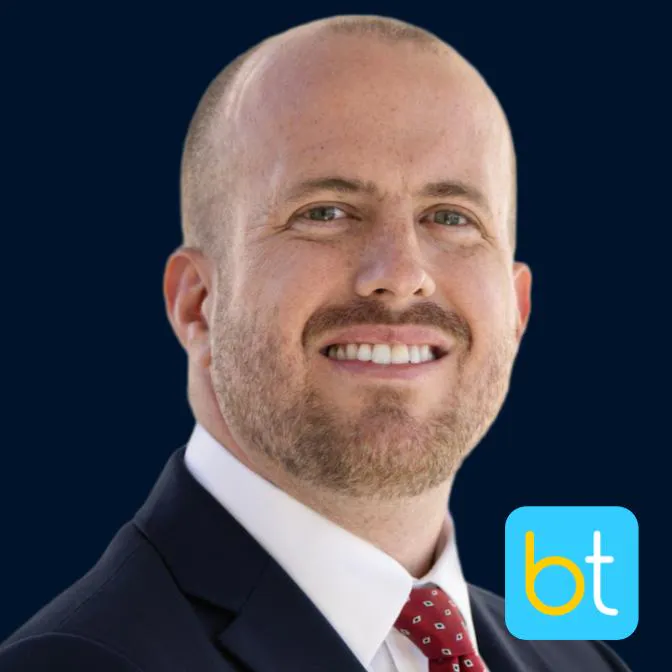 Ep. 324 Recurrent UTI: Diagnostics & Management Strategies with Dr. Glenn Werneburg 18.08.2026 41pWhat should you do differently when a UTI becomes a recurring problem? In this episode of the Backtable Podcast, host Dr. Anjali Kapur is joined by physician-scientist Dr. Glenn Werneburg to discuss the latest approaches to recurrent urinary tract infections, including key updates from the 2025 AUA, CUA, and SUFU guidelines. They use real clinical cases to explore diagnosis, prevention, antibiotic selection, and the management of complex patients. --- Get the BackTable apphttps://www.backtable.com/app --- This podcast is supported by Medtronichttps://www.medtronic.com/en-us/e/patients-caregivers/urinary/overactive-bladder.html --- Timestamps 00:00 - Introduction04:05 - Case One: Recurrent UTIs05:19 - Workup Basics08:50 - Non-Antibiotic Prevention11:42 - Antibiotic Prophylaxis Options15:16 - Case Two: Asymptomatic Bacteriuria 19:14 - Case Three: Complex Patients19:58 - Male vs. Female UTIs21:22 - Neurogenic Bladder Workup22:52 - Elderly Patients and ID Consults25:01 - Case Four: Transplant ESBL25:23 - Machine Learning for Antibiotics 29:49 - Catheter Biofilms31:55 - Embedded Bladder Reservoirs35:23 - Recurrent UTI Vaccine36:23 - Future of Recurrent UTIs39:04 - Wrap Up --- More about this episode The doctors define recurrent UTI and outline the standard workup, including history, physical and pelvic exam, urinalysis, urine culture, and antibiotic sensitivities. They also review occasions where additional testing may be warranted. The discussion covers interpretation of urinalysis, non-antibiotic prevention options, and antibiotic prophylaxis strategies, with consideration of antibiotic resistance and microbiome disruption. They address asymptomatic bacteriuria and when treatment is indicated, along with management considerations for men, patients with neurogenic bladder or CIC, and elderly patients. Dr. Werneburg also discusses his work with machine learning tools to predict antibiotic susceptibility earlier, catheter biofilms, the concept of embedded bladder bacteria reservoirs, and his multidisciplinary complex UTI clinic. --- Resources Recurrent Uncomplicated Urinary Tract Infections in Women: AUA/CUA/SUFU Guideline (2025)https://www.auanet.org/guidelines-and-quality/guidelines/recurrent-uti --- BackTable Urology is the go-to podcast for urologists, urologic oncologists, and urogynecologists. Download the free BackTable app to get early access to new episodes, cases, and courses curated by physicians in your specialty. ► https://www.backtable.com/app
 -
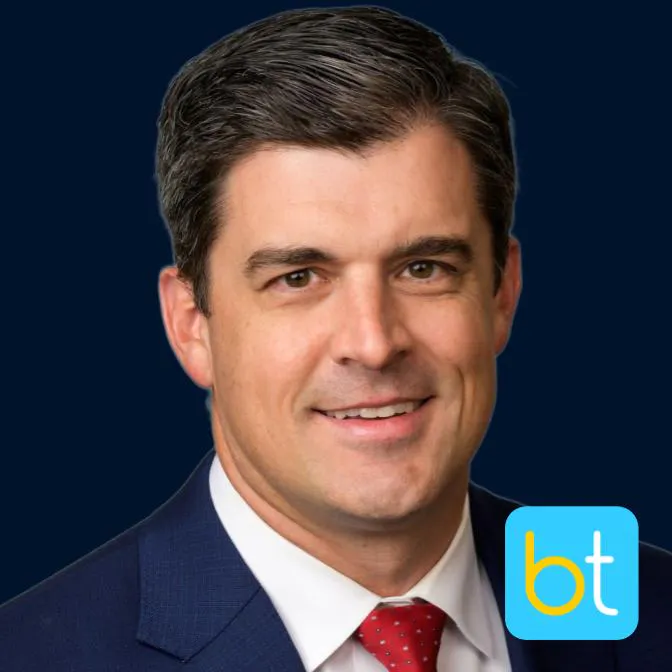 Ep. 323 Managing Intermediate-Risk Bladder Cancer with Dr. Charles Peyton 11.08.2026 38pRecurrent low-grade, intermediate-risk bladder cancer presents a unique treatment challenge: recurrence is common, progression is uncommon, and the burden of repeated procedures can add up quickly. On this episode of the BackTable Urology Podcast, Dr. Ruchika Talwar interviews Dr. Charles “Chas” Peyton about how to manage intermediate-risk bladder cancer patients while balancing disease control and quality of life. They discuss the cumulative impact of repeated TURBTs and explore the evolving role of office-based treatments and chemoablative therapies as alternatives to the traditional treatment cycle. --- Get the BackTable app https://www.backtable.com/app --- Timestamps 00:00 - Introduction05:58 - Comparing Office Ablation and OR TURBT08:26 - TURBT Impact on Quality of Life11:37 - Uncovering Hidden Patient Burdens and Costs14:44 - Integrating Chemoablation into Practice18:20 - ENVISION QoL Study Setup22:04 - Comparing TURBT Preferences27:40 - Counseling Risk-Averse Patients29:10 - Community Adoption Advice31:59 - Upcoming Clinical Trials35:28 - Biomarkers and Expanding Access36:23 - Final Thoughts and Closing Remarks --- More about this episode The conversation covers practical strategies like office-based surveillance and fulguration for small recurrences, identifying triggers for returning to the OR, and recognizing the hidden burdens of TURBT complications such as hematuria, incontinence, and unplanned ER visits. Dr. Peyton reviews the role of chemoablative options for selected patients, discusses trial data on patient-reported outcomes, and addresses the mixed evidence, high costs, and need for individualized decision-making. The episode also explores new intravesical and FGFR-targeted therapies, underscores the importance of cost-conscious adoption and biomarkers, and considers how management approaches must evolve, especially in community practice settings. --- BackTable Urology is the go-to podcast for urologists, urologic oncologists, and urogynecologists. Download the free BackTable app to get early access to new episodes, cases, and courses curated by physicians in your specialty. ► https://www.backtable.com/app
 -
 Ep. 322 Social Media's Role in Urologic Education with Dr. Rena Malik & Dr. Fenwa Milhouse 06.08.2026 50pHow can you use social media to educate, empower, and inspire as a physician while staying true to your professional values? On this episode of BackTable Urology, guest host Dr. Maheetha Bharadwaj talks with Dr. Rena Malik and Dr. Fenwa Milhouse about building an authentic online presence that educates, inspires, and connects. The conversation highlights the power of visibility, the challenges of professional boundaries and misinformation, and the potential for social media to expand both patient outreach and career opportunities. --- Get the BackTable apphttps://www.backtable.com/app --- Timestamps 00:00 - Introduction04:17 - Getting Started on Social Media12:24 - Finding Your Niche17:04 - Being a Woman in Urology18:40 - Impact On Patient Care23:59 - Doctor-Patient Boundaries28:33 - Social Media Pitfalls38:53 - Creator Monetization45:58 - Advice for New Creators --- More about this episode They share insights from years of content creation, including tips for getting started, finding your niche, and balancing clinical work with online engagement. The discussion covers issues unique to women in urology, the impact of social media on patient care and doctor-patient boundaries, how to avoid burnout, and strategies for monetization and staying true to your message. The episode wraps up with practical advice for new creators and reflections on the privilege and responsibility of inspiring future urologists. --- BackTable Urology is the go-to podcast for urologists, urologic oncologists, and urogynecologists. Download the free BackTable app to get early access to new episodes, cases, and courses curated by physicians in your specialty. ► https://www.backtable.com/app
 -
 Ep. 321 Exploring Hypospadias: Treatment Approaches and Patient Care with Dr. Vinaya Bhatia 04.08.2026 41pHypospadias can be surgically corrected early in life, but many patients drop out of care before puberty or adulthood, leaving important urinary and sexual health concerns unaddressed. On this episode of BackTable Urology, Dr. Arthi Hannallah and Dr. Nicco Passoni talk with Dr. Vinaya Bhatia about improving lifelong engagement for people with hypospadias. They highlight advances in surgical technique, the role of research, and how digital tools like the WYSH platform help keep patients and families connected to care. --- Get the BackTable apphttps://www.backtable.com/app --- Timestamps00:00 - Introduction04:22 - Hypospadias Overview and Symptom Chronology09:14 - Not A One Size Fits All: Developing WYSH13:28 - Reengaging Families and Patients20:04 - Adult Urology Sequelae25:08 - Demystifying Surgery and Improving Training34:00 - Centers of Excellence Debate36:56 - Future Goals and Wrap Up --- More about this episodeThe discussion covers the development and impact of the WYSH platform, strategies for supporting long-term follow-up, and the learning curve of hypospadias surgery. Dr. Bhatia shares insights on better training, the creation of centers of excellence, and the importance of ongoing research and family engagement to improve quality of life at every stage. --- ResourcesWorldwide Yearly Screening for Hypospadias: https://clinicaltrials.gov/study/NCT06966375 --- BackTable Urology is the go-to podcast for urologists, urologic oncologists, and urogynecologists. Download the free BackTable app to get early access to new episodes, cases, and courses curated by physicians in your specialty.► https://www.backtable.com/app
 -
 Ep. 320 Gem-iDRS for BCG Unresponsive Bladder Cancer: A Deep Dive with Dr. Sarah Psutka 31.07.2026 50pCan a drug-eluting bladder device change the treatment algorithm for BCG-unresponsive non–muscle invasive bladder cancer (NMIBC)? In this episode of BackTable Urology, Dr. Ruchi Talwar interviews Dr. Sarah Psutka to explore the emerging role of a novel intravesical device that delivers sustained gemcitabine therapy for patients refusing or ineligible for cystectomy. They highlight new FDA-approved treatment options, real-world workflow considerations, and the clinical potential for continuous intravesical chemotherapy in a crowded therapeutic landscape. --- Get the BackTable apphttps://www.backtable.com/app --- This podcast is supported by Johnson & Johnson https://www.inlexzohcp.com/ --- Timestamps 00:00 - Introduction02:40 - Why Focus on TAR-20005:35 - Device Basics07:05 - Dosing Schedule Explained11:17 - SUNRISE-01 Trial Results15:07 - Patient Selection and Contraindications20:52 - Indications for Device Removal23:26 - Clinic Workflow Learning Curve25:56 - Tips for Insertion and Device Deployment28:52 - Cystoscopy Findings and Surveillance Protocol32:16 - Treatment Sequencing38:43 - Future Trial and Research Directions45:16 - Biomarkers, AI, and Personalizing Care46:35 - Cost, Supportive Care, and Patient Burden48:42 - Closing Thoughts --- More about this episode The conversation dives into patient selection, preparation, and side effect management for TAR-200, as well as the key findings from the SUNRISE-01 trial. Dr. Psutka discusses dosing schedules, when to remove the device, and how to handle complications like UTI, hematuria, and LUTS. The episode also covers surveillance protocols, the impact on clinic operations, and the importance of balancing vigilant cancer surveillance with patient burden. Finally, they touch on future directions, including biomarkers, AI-assisted pathology, and optimizing the timing of cystectomy and supportive care for a more personalized approach to NMIBC. --- Resources TAR-200 for Bacillus Calmette-Guérin–Unresponsive High-Risk Non–Muscle-Invasive Bladder Cancer: Results From the Phase IIb SunRISe-1 Studyhttps://ascopubs.org/doi/10.1200/JCO-25-01651 SUO 2024: SunRISe-5: A Phase III, Randomized, Open-label Study of TAR-200 Compared with Intravesical Chemotherapy After Bacillus Calmette-Guerin in Recurrent, High-risk, Non-muscle Invasive Bladder Cancer SUO 2024: SunRISe-5: A Phase III, Randomized, Open-label Study of TAR-200 Compared with Intravesical Chemotherapy After Bacillus Calmette-Guerin in Recurrent, High-risk, Non-mushttps://www.urotoday.com/conference-highlights/suo-2024/suo-2024-bladder-cancer/156723-suo-2024-sunrise-5-a-phase-iii-randomized-open-label-study-of-tar-200-compared-with-intravesical-chemotherapy-after-bacillus-calmette-guerin-in-recurrent-high-risk-non-muscle-invasive-bladder-cancer.htmlcle Invasive Bladder Cancer Gemcitabine Intravesical System Plus Cetrelimab or Cetrelimab Alone as Neoadjuvant Therapy in Muscle-Invasive Bladder Cancer: SunRISe-4 Primary Analysis and Biomarker Resultshttps://ascopubs.org/doi/10.1200/JCO-25-02382 INLEXZO - SunRISe-3 Studyhttps://www.jnjmedicalconnect.com/products/inlexzo/medical-content/inlexzo-sunrise-3-study --- BackTable Urology is the go-to podcast for urologists, urologic oncologists, and urogynecologists. Download the free BackTable app to get early access to new episodes, cases, and courses curated by physicians in your specialty. ► https://www.backtable.com/app
 -
 Ep. 319 Reconstructive Techniques for Adult Buried Penis with Dr. Paul Rusilko 28.07.2026 1ó 16pThe definitive treatment for adult acquired buried penis is surgery, but successful treatment depends on having a well-coordinated network of patient support, multidisciplinary care teams, and reconstructive urologic surgery expertise. This episode of Backtable Urology overviews this multifaceted disease and dives into reconstructive surgery techniques, featuring Dr. George Koch and Dr. Paul Rusilko. --- Get the BackTable apphttps://www.backtable.com/app --- Timestamps 00:00 - Introduction04:10 - History of Buried Penis Treatment08:47 - Grafts Versus Flaps11:34 - Hidden Pathologies and Informed Consent13:46 - Research and Insurance Approval18:24 - Delayed Care and Disease Burden22:31 - Deciding When to Operate and Temporizing Procedures30:23 - Building Referral Networks33:13 - Future Directions36:42 - Infection Risk 41:15 - Technique Evolution45:57 - Preop Evaluation Essentials50:50 - Intraop Keys to Success and Graft Protection59:26 - Postop Pathway and Teamwork01:02:54 - W-Plasty Video Walkthrough01:13:52 - Wrap Up --- More about this episode The doctors explore the nuances of surgical treatment, emphasizing the importance of thorough preoperative counseling given the high likelihood of unexpected intraoperative findings and the need to adjust the surgical plan. Dr. Rusilko also discusses the broader burden of disease, including depression, strictures, occult penile cancer, and the high rate of postoperative complications, most of which are low grade. He stresses that earlier referral may improve patient care. The episode concludes with practical surgical tips, guidance on building a buried penis practice, strategies for setting realistic recovery expectations, and an in-depth case review of his novel W-plasty technique. --- Resources W-plasty: A novel procedure for the repair of adult-acquired buried penis https://doi.org/10.1016/j.urolvj.2023.100219 --- BackTable Urology is the go-to podcast for urologists, urologic oncologists, and urogynecologists. Download the free BackTable app to get early access to new episodes, cases, and courses curated by physicians in your specialty. ► https://www.backtable.com/app
 -
 Ep. 318 Exploring Neuromodulation: Sacral vs Tibial Approaches with Dr. Ken Peters and Dr. Tracey Wilson 21.07.2026 1óMore neuromodulation options mean more opportunities to personalize care. In this episode, Dr. Ken Peters and Dr. Tracey Wilson join Dr. Jannah Thompson to discuss the latest implantable tibial nerve stimulation and sacral neuromodulation technologies for OAB and UUI. They compare available devices, share practical insights on patient selection, and explore how shared decision making, advanced practice providers, and equitable access influence treatment adoption. --- Get the BackTable apphttps://www.backtable.com/app --- This podcast was developed in collaboration with Society of Urodynamics, Female Pelvic Medicine & Urogenital Reconstruction (SUFU) https://sufuorg.com/home.aspx --- Timestamps 00:00 - Introduction07:59 - Overview of Nerve Stimulation Therapies13:22 - Case #122:00 - Case #228:23 - Nuspera 34:21 - APPs in Practice39:21 - Reimbursement Roadblocks47:03 - Multimodal Therapy49:51 - Case #356:06 - Final Advice --- Resources Randomized trial of percutaneous tibial nerve stimulation versus Sham efficacy in the treatment of overactive bladder syndrome: results from the SUmiT trialhttps://www.auajournals.org/doi/10.1016/j.juro.2009.12.036 Neuspera Medical Announces 12-Month Pivotal Trial Results for the Company’s Integrated Sacral Neuromodulation System for Urinary Urge Incontinencehttps://neuspera.com/neuspera-medical-announces-12-month-pivotal-trial-results-for-the-companys-integrated-sacral-neuromodulation-system-for-urinary-urge-incontinence/ Racial and Socioeconomic Factors Influence Utilization of Advanced Therapies in Commercially Insured OAB Patients: An Analysis of Over 800,000 OAB Patientshttps://www.sciencedirect.com/science/article/pii/S0090429520305574?via%3Dihub --- BackTable Urology is the go-to podcast for urologists, urologic oncologists, and urogynecologists. Download the free BackTable app to get early access to new episodes, cases, and courses curated by physicians in your specialty. ► https://www.backtable.com/app
 -
 Ep. 317 Focal Therapy in Prostate Cancer Treatment with Dr. George R. Schade 16.07.2026 47pCan focal therapy truly “thread the needle” between active surveillance and radical prostate cancer treatment? In this episode of BackTable Urology, host Dr. Tiwa Akinsola is joined by Dr. George Schade from the University of Washington to explore focal therapy as a middle ground between active surveillance and radical treatments. Dr. Schade reviews non-radiation energy modalities including HIFU, TULSA/HI-DU, cryotherapy, and irreversible electroporation, highlighting patient selection, institutional experience, technical nuances, and quality-of-life outcomes from recent trials. --- Get the BackTable apphttps://www.backtable.com/app --- Timestamps00:00 - Introduction02:09 - Overview of Focal Therapy Modalities04:46 - Deciding Between HIFU and IRE06:56 - Evidence and Trials09:40 - Counseling Patients on Outcomes12:09 - Building a Focal Therapy Program16:12 - Navigating Insurance and Appeals21:48 - Managing Large Glands And TURP25:12 - Preop Workup Essentials and OR Workflow32:32 - Overcoming the Learning Curve35:52 - PostOp Recovery and Surveillance39:04 - Options for Managing Recurrence42:44 - Challenges with Repeat Ablation44:56 - Final Takeaways --- More about this episodeThe conversation covers candidate selection and confirmatory biopsy, perioperative technique and recovery, and ongoing surveillance with PSA, MRI, and biopsy. Dr. Schade also discusses challenges with insurance approvals, building a focal therapy practice, and options for managing recurrence, including repeat ablation, surgery, or radiation. The episode examines how to balance cancer control with quality of life and reviews the evolving evidence base supporting focal therapy’s role in prostate cancer treatment. --- Resources Irreversible Electroporation for Prostate Tissue Ablation in Patients with Intermediate-risk Prostate Cancer: Results from the PRESERVE Trial:https://www.sciencedirect.com/science/article/pii/S030228382500346X Focal therapy of localized prostate cancerhttps://pubmed.ncbi.nlm.nih.gov/35996758/ Focal Therapy for Prostate Cancer: Available Technologies, Patient Selection, Follow-Up Protocols and Reported Outcomeshttps://pubmed.ncbi.nlm.nih.gov/41339218/ --- BackTable Urology is the go-to podcast for urologists, urologic oncologists, and urogynecologists. Download the free BackTable app to get early access to new episodes, cases, and courses curated by physicians in your specialty.► https://www.backtable.com/app
 -
 Ep. 316 Bladder Cancer in the Community: Meeting Patients Where They Are with Dr. Adam J. Gadzinski 14.07.2026 48pAs bladder cancer treatment options expand, so do the challenges of delivering them in real-world practice. On this episode of BackTable Urology, community urologic oncologist Dr. Adam Gadzinski joins Dr. Ruchika Talwar to discuss how evolving therapies for non–muscle-invasive bladder cancer (NMIBC) are changing the landscape for both patients and providers. They explore the financial, logistical, and workflow hurdles to adopting new treatments in community settings, as well as the unique opportunities for expanding access through local clinical trials. --- Get the BackTable apphttps://www.backtable.com/app --- This podcast is supported by Urogenhttps://www.zusduri.com --- Timestamps 00:00 - Introduction02:51 - Delivering Bladder Cancer Care in the Community 09:08 - Navigating Treatment Choices 13:05 - Patient Expectations and Insurance Coverage19:01 - Ablation Strategies for Low and Intermediate Risk22:34 - Making Therapies Community Friendly27:12 - Launching Community Trials31:08 - Referrals and Community Practice Advice36:36 - Cystectomy Counseling Pearls44:46 - Closing Takeaways --- More about this episode The conversation covers decision-making for bladder-preserving therapies, radical cystectomy, and trimodal approaches, along with strategies for guiding patients through these complex choices. Dr. Gadzinski shares insights on navigating insurance, launching community trials, and sustaining practice growth while maintaining high-quality care. The episode also offers practical advice on referrals, patient counseling, and finding the right practice environment for long-term success in bladder cancer care. --- Resources Bladder Cancer Basics Handbookshttps://bcan.org/bladder-cancer-basics-handbook/ Wellprepthttps://wellprept.com/foundation --- BackTable Urology is the go-to podcast for urologists, urologic oncologists, and urogynecologists. Download the free BackTable app to get early access to new episodes, cases, and courses curated by physicians in your specialty. ► https://www.backtable.com/app
 -
 Ep. 315 Private Equity's Impact on Urology Practices with Dr. Benjamin Lowentritt 10.07.2026 48pWhat opportunities and challenges does private equity bring to urology practices, and how can physicians engage in ways that strengthen their practice and preserve clinical priorities? On this episode of BackTable Urology, Dr. Ruchika Talwar interviews Dr. Benjamin Lowentritt of Chesapeake Urology and United Urology Group to unpack the realities of private equity involvement in medicine. They discuss the motivations behind consolidation, the role of management services organizations, and strategies for building mutually beneficial partnerships while upholding physician autonomy and patient care. --- Get the BackTable apphttps://www.backtable.com/app --- Timestamps 00:00 - Introduction02:58 - Why Urology Drew Private Equity07:06 - Bad Headlines vs. Reality11:14 - MSOs and Contracts Explained15:24 - Timelines and After Private Equity22:47 - Efficiency and Autonomy Fears27:15 - Why Private Equity Gets Vilified31:23 - Young Urologist Job Market35:42 - Advice for New Grads40:26 - Urology in 2035 and Fair Critiques of Private Equity44:40 - Closing Thoughts --- More about this episode Dr. Lowentritt outlines the history of private equity in healthcare, noting that consolidation predated private equity and was driven by payer and hospital market power, reimbursement pressure, administrative burden, staffing, and capital needs. He distinguishes private equity’s role in hospitals from physician practice management, describing management services organization (MSOs) as structures that handle back-office functions and provide capital while preserving physician control over patient care and local governance. He also discusses private equity’s limited investment timeline, shaped by the ultimate goal of selling a profitable company, and potential end-states such as acquisition or public ownership, reflecting on his own experiences with United Urology’s acquisition. The conversation further explores recruiting new graduates, evolving partner tracks, mentorship, and maintaining physician leadership to preserve independent practice. --- Resources Dr. Benjamin Lowentritt is the current treasurer of LUGPA (Large Urology Group Practice Association) https://www.lugpa.org/, the Chesapeake Urology group (https://chesuro.com/), and United Urology Group (which was acquired by One Oncology https://www.oneoncology.com/UnitedUrologyGroup/). One Oncology eventually was acquired by Cencora (https://www.cencora.com/). Dr. Benjamin Lowentritt email: [email protected] --- BackTable Urology is the go-to podcast for urologists, urologic oncologists, and urogynecologists. Download the free BackTable app to get early access to new episodes, cases, and courses curated by physicians in your specialty. ► https://www.backtable.com/app
 -
 Ep. 314 Exploring PARP Inhibitor Combinations in Prostate Cancer with Dr. Rana McKay and Dr. Emmanuel Antonarakis 07.07.2026 51pWith multiple clinical trials evaluating PARP inhibitor combinations, how do clinicians determine the best approach for advanced prostate cancer? In this episode of BackTable Urology, Dr. Alan Tan is joined by Dr. Rana McKay and Dr. Emmanuel Antonarakis to discuss how evolving evidence, patient selection, timing, toxicity, and genetic testing are shaping the use of PARP inhibitor combinations in clinical practice. --- Get the BackTable apphttps://www.backtable.com/app --- This podcast is supported by an educational grant from Pfizer. --- Timestamps 00:00 - Introduction02:51 - PARPi Basics14:12 - Major Study Differences19:00 - Timing and Selection of PARPi Combinations26:39 - Case: Somatic BRCA2 loss and mHSPC35:51 - Case Continued: BRCA2 Reversion39:57 - BRCAAway Study42:59 - Takeaways from the 2026 APCCC --- More about this episode The conversation reviews lessons learned from major clinical trials, including PROpel, MAGNITUDE, TALAPRO-2, and AMPLITUDE, and addresses how these studies inform real-world treatment choices. The doctors dig into case examples, such as BRCA2 loss and reversion, and highlight practical strategies for using germline and somatic testing to personalize care. Key insights from the 2026 Advanced Prostate Cancer Consensus Conference are also shared, emphasizing the importance of precision medicine in this rapidly evolving field. --- Resources Study on Olaparib Plus Abiraterone as First-line Therapy in Men With Metastatic Castration-resistant Prostate Cancer (PROpel) https://clinicaltrials.gov/study/NCT03732820 A Study of Niraparib in Combination With Abiraterone Acetate and Prednisone Versus Abiraterone Acetate and Prednisone for Treatment of Participants With Metastatic Prostate Cancer (MAGNITUDE) https://clinicaltrials.gov/study/NCT03748641?tab=study Talazoparib + Enzalutamide vs. Enzalutamide Monotherapy in mCRPC (TALAPRO-2) https://clinicaltrials.gov/study/NCT03395197 A Study of Niraparib in Combination With Abiraterone Acetate and Prednisone Versus Abiraterone Acetate and Prednisone for the Treatment of Participants With Deleterious Germline or Somatic Homologous Recombination Repair (HRR) Gene-Mutated Metastatic Castration-Sensitive Prostate Cancer (mCSPC) (AMPLITUDE) https://clinicaltrials.gov/study/NCT04497844 BRCAAway: A randomized phase 2 trial of abiraterone, olaparib, or abiraterone + olaparib in patients with metastatic castration-resistant prostate cancer (mCRPC) bearing homologous recombination-repair mutations (HRRm) https://pubmed.ncbi.nlm.nih.gov/39115414/ --- BackTable Urology is the go-to podcast for urologists, urologic oncologists, and urogynecologists. Download the free BackTable app to get early access to new episodes, cases, and courses curated by physicians in your specialty. ► https://www.backtable.com/app
 -
 Ep. 313 Approaches to Pelvic Lymph Node Dissection in Contemporary Prostate Cancer Surgery with Dr. Kristen Greene 30.06.2026 35pIs pelvic lymph node dissection still necessary in the era of PSMA PET imaging? In this episode of BackTable Urology, Dr. Ruchi Talwar interviews Dr. Kirsten Greene about how advanced imaging is influencing decisions for radical prostatectomy. They examine the strengths and limits of PSMA PET, the risks and benefits of PLND, and why careful, evidence-based decision-making remains essential. --- Get the BackTable apphttps://www.backtable.com/app --- Timestamps 00:00 - Introduction03:12 - Risk Calculators and Consent04:39 - Nomograms vs. Complications09:57 - Endpoints That Matter11:38 - PSMA PET Strengths and Limits13:51 - Negative PET Decision-Making15:08 - Positive PET and Multimodal Care18:02 - Fluorescence Guided Surgery19:10 - Counseling on Complications22:27 - Preventing Lymphocele24:56 - How Lahey Wrap Works26:45 - Future Mapping and Therapy28:47 - Research Gaps and Dogma31:07 - Key Pearls and Wrap Up --- More about this episode Dr. Greene explains her approach using MSK and Briganti nomograms alongside PSMA PET, noting that PET scans may miss small nodal disease and quality varies between centers. She emphasizes PLND as a staging tool rather than a curative procedure, outlining potential complications like lymphocele, lymphedema, vascular and ureteral injury, and neuropraxia. The episode highlights her shared decision-making process, surgical techniques for limiting risk, and the importance of multimodal planning, especially for PET-positive nodal disease. Dr. Greene also shares practical tips for lymphocele prevention, including the use of metal clips and the Lahey wrap. --- Resources Different lymph node dissection ranges during radical prostatectomy for patients with prostate cancer: a systematic review and network meta-analysishttps://pubmed.ncbi.nlm.nih.gov/36872312/ Limited versus Extended Pelvic Lymph Node Dissection for Prostate Cancer: A Randomized Clinical Trial https://pubmed.ncbi.nlm.nih.gov/33865797/ --- BackTable Urology is the go-to podcast for urologists, urologic oncologists, and urogynecologists. Download the free BackTable app to get early access to new episodes, cases, and courses curated by physicians in your specialty. ► https://www.backtable.com/app
Hasonló podcastok


Népszerű itt:
Ez a podcast ezeknek az országoknak a podcast-listáin is szerepel.
