
Crisis in Perception
Crisis in Perception
0
Crisis in Perception is a long-form educational podcast that examines how we misunderstand the world around us. Each episode uses books as entry points to explore history, psychology, economics, science, and power structures. It reveals how systems actually work and why our perceptions often fail. The content is clear, evidence-based, and non-tribal.
Epizódok
-
 Hiding in Plain Sight: The Invention of Donald Trump and the Erosion of America — Elite Impunity 07.10.2026 59pWhat happens when misconduct remains visible, yet meaningful consequences repeatedly fail to arrive?Welcome to Crisis in Perception, where we examine the systems shaping our world.Using Hiding in Plain Sight: The Invention of Donald Trump and the Erosion of America by Sarah Kendzior as our lens, this Deep Dive investigates her argument that Trump’s rise was the culmination of decades of institutional erosion, political corruption, economic inequality, media spectacle, and transnational relationships rather than an isolated break from American history.At the center of the investigation is elite impunity: the process by which repeated failures of accountability can reshape incentives and expectations. Kendzior connects this pattern to Roy Cohn’s influence, dark money, weakening institutions, media incentives, normalcy bias, and what she sees as the increasing entanglement of political power with transnational networks.The episode asks a broader question that extends beyond any single political figure: what happens to a democratic system when violations remain visible, but the expectation of consequences steadily disappears?Central systems and tensions include elite impunity, institutional accountability, political incentives, media spectacle, normalcy bias, public exhaustion, and the tension between recognizing warning signs and becoming accustomed to them.📺 Watch on YouTube:https://youtu.be/JYyFSo6KoJk❤️ Support / Episode Post on Patreon:https://www.patreon.com/CrisisinPerception/posts/hiding-in-plain-171664080?utm_medium=clipboard_copy&utm_source=copyLink&utm_campaign=postshare_creator&utm_content=join_linkIf these ideas resonate, consider reading the work yourself or borrowing it from your local library. Supporting authors and libraries helps keep critical inquiry accessible.If you value systems-level analysis like this, please follow, rate, and share the project.This content was created using AI-assisted tools for research synthesis, structuring, and narration support. All analysis, framing, and editorial decisions are guided by human judgment as part of the Crisis in Perception project.
 -
 The Mouse That Roared: Disney and the End of Innocence — When Entertainment Teaches 06.10.2026 48pWhat changes when entertainment becomes one of the most powerful classrooms in everyday life?Welcome to Crisis in Perception, where we examine the systems shaping our world.In The Mouse That Roared: Disney and the End of Innocence, Henry A. Giroux examines Disney as more than an entertainment company. He asks what happens when a corporation with extraordinary cultural reach also functions as an educational force, shaping ideas about childhood, history, identity, consumerism, and citizenship.Giroux does not reduce Disney audiences to passive consumers, nor does he deny the genuine pleasure and imagination found in Disney culture. His concern is structural. Films, television, merchandising, theme parks, corporate workplaces, and projects such as Celebration, Florida form an interconnected cultural system capable of teaching values while appearing to offer only entertainment.This Deep Dive traces the tension between innocence and power, nostalgia and historical memory, consumer choice and democratic citizenship, and entertainment and public pedagogy. At the center is a larger question: when corporations become major educators outside the classroom, how should their cultural power be understood and evaluated?Central themes include public pedagogy, media concentration, corporate cultural power, consumer identity, childhood commercialization, historical memory, and democratic citizenship.📺 Watch on YouTube:https://youtu.be/x4MIt1OnjAo❤️ Support / Episode Post on Patreon:https://www.patreon.com/CrisisinPerception/posts/mouse-that-and-171626114?utm_medium=clipboard_copy&utm_source=copyLink&utm_campaign=postshare_creator&utm_content=join_linkIf these ideas resonate, consider reading the work yourself or borrowing it from your local library. Supporting authors and libraries helps keep critical inquiry accessible.If you value systems-level analysis like this, please follow, rate, and share the project.This content was created using AI-assisted tools for research synthesis, structuring, and narration support. All analysis, framing, and editorial decisions are guided by human judgment as part of the Crisis in Perception project.
 -
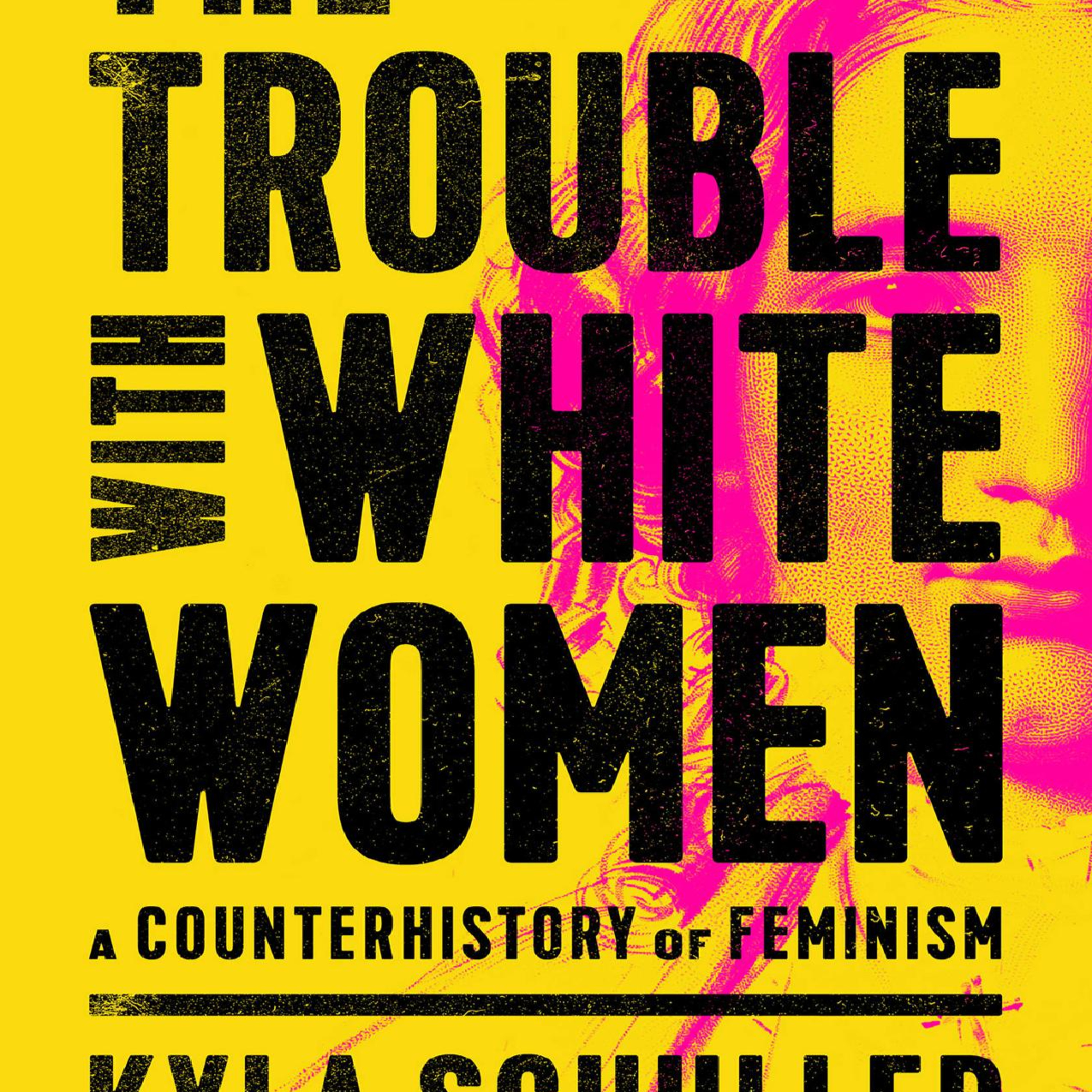 The Trouble with White Women: A Counterhistory of Feminism — Access or Transformation? 06.10.2026 24pWhat happens when representation changes, but the underlying structure of power does not?Welcome to Crisis in Perception, where we examine the systems shaping our world.In The Trouble with White Women: A Counterhistory of Feminism, Kyla Schuller reconstructs nearly two centuries of conflict over the meaning of feminist progress. She contrasts what she calls white feminism—a political framework focused on advancing women within existing hierarchies—with an intersectional feminist tradition that treats gender injustice as inseparable from racial, economic, colonial, sexual, and other structures of power.This Deep Dive examines the recurring tension between access and transformation. Through historical pairings including Elizabeth Cady Stanton and Frances E. W. Harper, Margaret Sanger and Dorothy Ferebee, Janice Raymond and Sandy Stone, and Sheryl Sandberg and Alexandria Ocasio-Cortez, Schuller argues that the outward language of feminism can change while deeper patterns of hierarchy, extraction, and exclusion persist.The central question is larger than feminism itself: when institutions become more diverse, how can we determine whether power has actually been redistributed—or whether the same structure is simply operating through a broader range of people?Central themes include representation, intersectionality, institutional power, reproductive justice, trans inclusion, coalition, individual advancement, and collective liberation.📺 Watch on YouTube:https://youtu.be/RzaYsioEsos❤️ Support / Episode Post on Patreon:https://www.patreon.com/CrisisinPerception/posts/trouble-with-of-171620909?utm_medium=clipboard_copy&utm_source=copyLink&utm_campaign=postshare_creator&utm_content=join_linkIf these ideas resonate, consider reading the work yourself or borrowing it from your local library. Supporting authors and libraries helps keep critical inquiry accessible.If you value systems-level analysis like this, please follow, rate, and share the project.This content was created using AI-assisted tools for research synthesis, structuring, and narration support. All analysis, framing, and editorial decisions are guided by human judgment as part of the Crisis in Perception project.
 -
 Take Back Higher Education: Race, Youth, and the Crisis of Democracy in the Post–Civil Rights Era 06.10.2026 27pWhat happens when higher education is reorganized around market value rather than its wider civic purpose?Welcome to Crisis in Perception, where we examine the systems shaping our world.Using Take Back Higher Education: Race, Youth, and the Crisis of Democracy in the Post–Civil Rights Era by Henry A. Giroux and Susan Searls Giroux as our lens, this episode investigates the university as both an educational institution and a potential democratic public sphere.Writing in the post-9/11 United States, Giroux and Giroux argue that higher education should do more than prepare students for employment. It can also cultivate critical judgment, public engagement, intellectual independence, and the ability to participate meaningfully in democratic life.The investigation centers on neoliberal corporatization: the process through which market incentives increasingly influence university priorities, labor, funding, curriculum, and institutional identity. As public investment weakens and commercial pressures grow, students may be treated increasingly as consumers and education as a private economic purchase.This creates a deeper structural tension between education as a public good and education as a commodity. The episode examines how declining public support, corporate influence, unequal access, changing faculty labor, and post-9/11 pressures surrounding dissent can interact to reshape what universities are expected to accomplish.Central systems include market incentives, institutional dependence, public funding, democratic participation, inequality, and the feedback loop between privatization and declining expectations of public responsibility.📺 Watch on YouTube:https://youtu.be/GsOYlSgBn9g❤️ Support / Episode Post on Patreon:https://www.patreon.com/CrisisinPerception/posts/take-back-higher-171619947?utm_medium=clipboard_copy&utm_source=copyLink&utm_campaign=postshare_creator&utm_content=join_linkIf these ideas resonate, consider reading the work yourself or borrowing it from your local library. Supporting authors and libraries helps keep critical inquiry accessible.If you value systems-level analysis like this, please follow, rate, and share the project.This content was created using AI-assisted tools for research synthesis, structuring, and narration support. All analysis, framing, and editorial decisions are guided by human judgment as part of the Crisis in Perception project.
 -
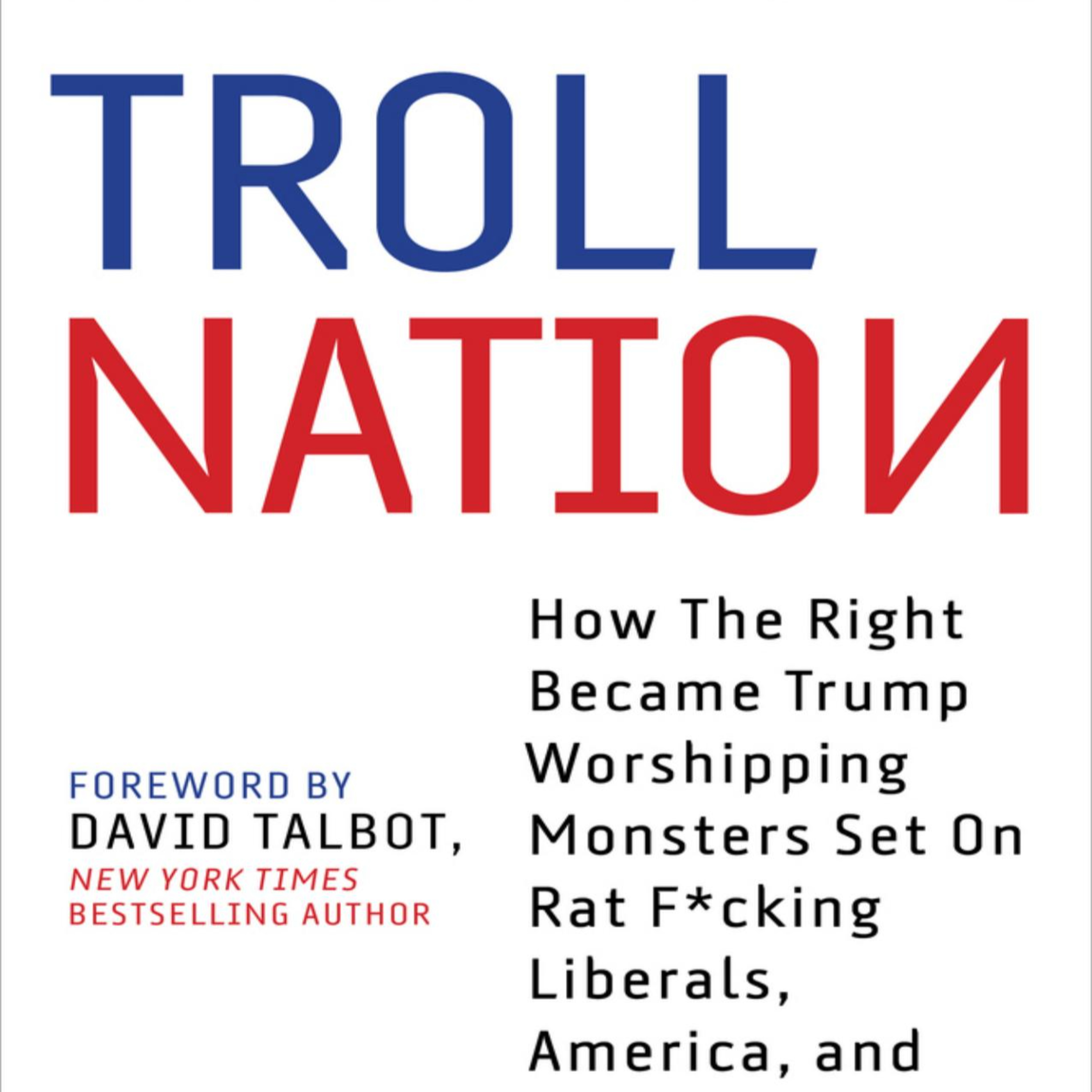 Troll Nation — When Outrage Becomes Political Identity 06.10.2026 36pWhat happens when political conflict begins rewarding people not for solving problems, but for making an opposing group angry?Welcome to Crisis in Perception, where we examine the systems shaping our world.Using Troll Nation: How The Right Became Trump-Worshipping Monsters Set On Rat F*cking Liberals, America, and Truth Itself by Amanda Marcotte as our lens, this episode investigates her argument that Trump-era conservatism intensified a political culture organized around provocation, resentment, and hostility toward perceived progressive enemies.Marcotte connects Gamergate, Milo Yiannopoulos, birtherism, “political correctness,” conspiracy theories, and attacks on the media to a broader transformation in political identity. The systems question is larger than any single personality: what happens when outrage itself creates social and political rewards?The investigation traces a reinforcing loop in which provocation generates backlash, backlash can be reframed as censorship or persecution, perceived victimhood strengthens group identity, and media attention rewards further provocation. It also examines the tension between policy outcomes and symbolic victories, asking why people may support actions with material costs when those actions also signal loyalty and defeat an opposing tribe.Central systems include negative partisan identity, outrage incentives, media reinforcement, perceived victimhood, and political polarization.📺 Watch on YouTube:https://youtu.be/wl935dqiTVM❤️ Support / Episode Post on Patreon:https://www.patreon.com/CrisisinPerception/posts/troll-nation-171566763?utm_medium=clipboard_copy&utm_source=copyLink&utm_campaign=postshare_creator&utm_content=join_linkIf these ideas resonate, consider reading the work yourself or borrowing it from your local library. Supporting authors and libraries helps keep critical inquiry accessible.If you value systems-level analysis like this, please follow, rate, and share the project.This content was created using AI-assisted tools for research synthesis, structuring, and narration support. All analysis, framing, and editorial decisions are guided by human judgment as part of the Crisis in Perception project.
 -
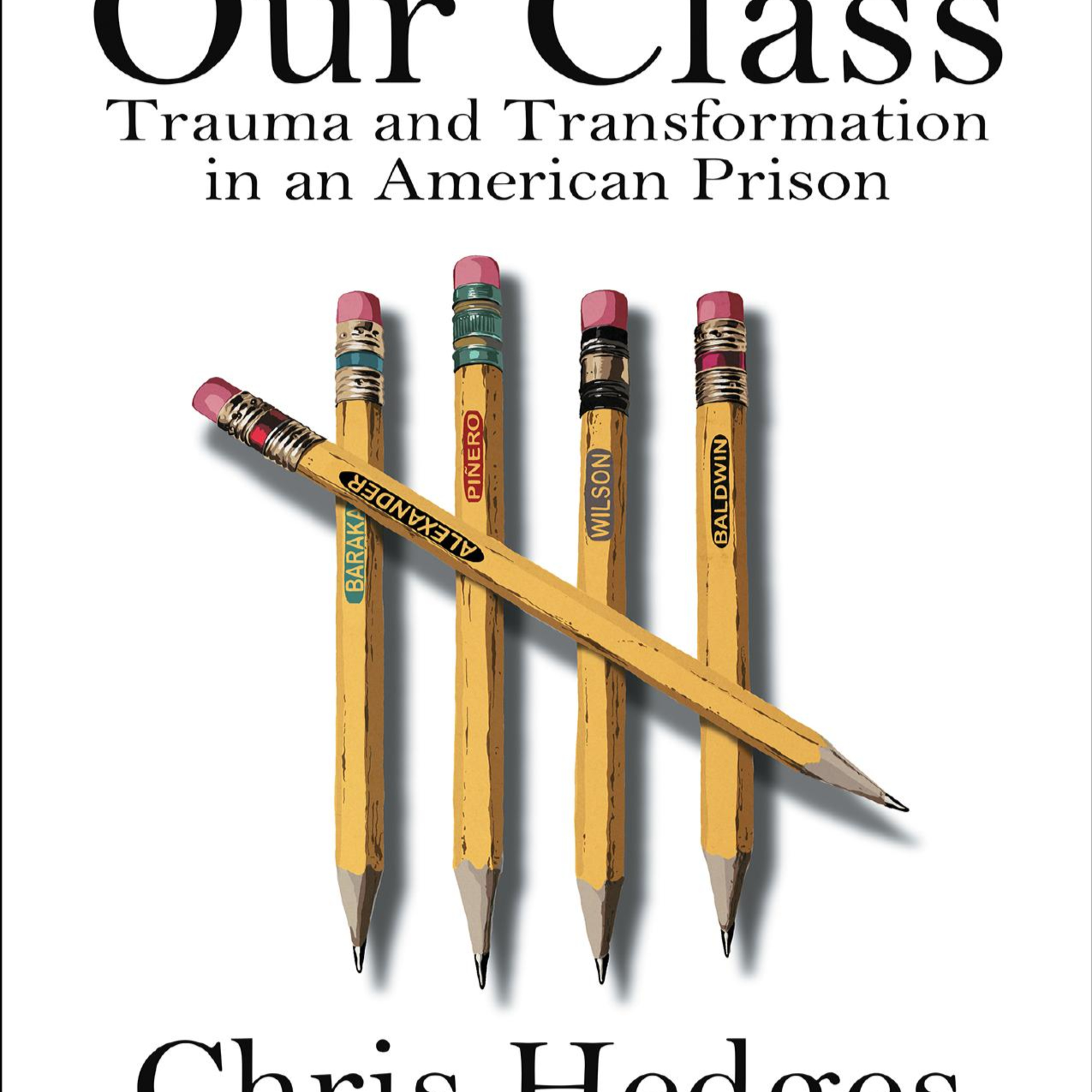 Our Class: Trauma and Transformation in an American Prison — When Prison Becomes Identity 06.10.2026 44pWhat happens when punishment does more than restrict freedom—when it also teaches society, and eventually the prisoner, to see a human being as a permanent criminal identity?Welcome to Crisis in Perception, where we examine the systems shaping our world.In Our Class: Trauma and Transformation in an American Prison, Chris Hedges recounts his years teaching inside New Jersey prisons and the class that eventually created the play Caged.This Deep Dive examines mass incarceration as a system that can shape identity as well as impose punishment. Poverty, racialized policing, plea bargaining, long sentences, family separation, institutional control, stigma, and trauma interact in ways that can reduce people to the label “criminal” while reinforcing public assumptions about who deserves dignity, trust, and belonging.The investigation also traces the counter-system that emerged in Hedges’s classroom. Through literature, history, theater, collective writing, and human relationships, the men increasingly understood themselves not only as prisoners but as students, thinkers, writers, and creators.Central systems and tensions include institutional dehumanization, criminal labeling, social control, trauma, identity formation, education, artistic expression, and the tension between punishment and personhood.📺 Watch on YouTube:https://youtu.be/2UXplGrFiro❤️ Support / Episode Post on Patreon:https://www.patreon.com/CrisisinPerception/posts/our-class-trauma-171565892?utm_medium=clipboard_copy&utm_source=copyLink&utm_campaign=postshare_creator&utm_content=join_linkIf these ideas resonate, consider reading the work yourself or borrowing it from your local library. Supporting authors and libraries helps keep critical inquiry accessible.If you value systems-level analysis like this, please follow, rate, and share the project.This content was created using AI-assisted tools for research synthesis, structuring, and narration support. All analysis, framing, and editorial decisions are guided by human judgment as part of the Crisis in Perception project.
 -
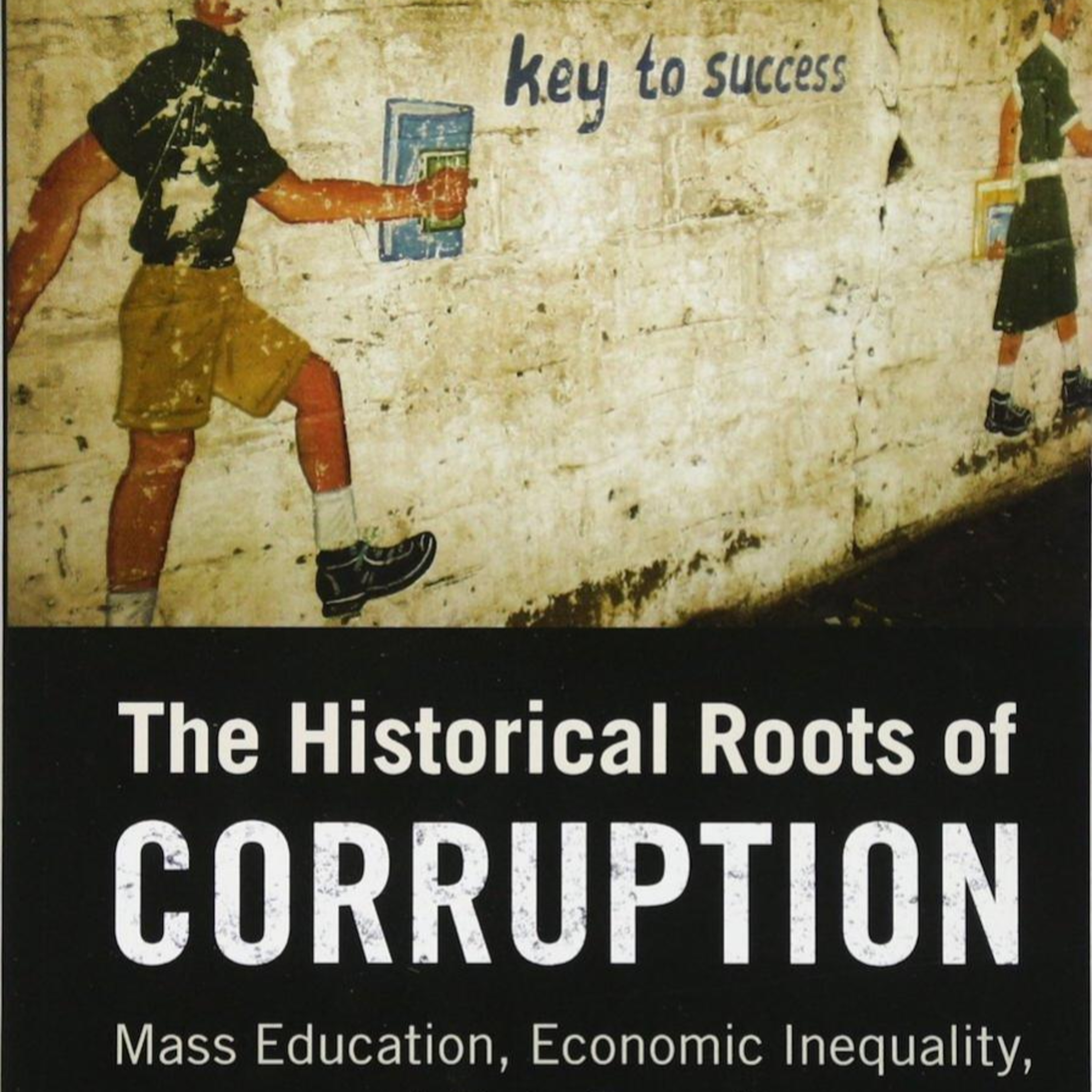 The Historical Roots of Corruption — Why Corruption Survives for Generations 06.10.2026 49pWhy can corruption remain entrenched for generations even after leaders, laws, and political institutions change?Welcome to Crisis in Perception, where we examine the systems shaping our world.Using The Historical Roots of Corruption: Mass Education, Economic Inequality, and State Capacity by Eric M. Uslaner as our lens, this investigation examines the historical conditions that allow corruption to persist.Uslaner argues that widespread education is deeply connected to economic equality, political independence, trust, and the capacity of citizens to challenge dishonest leadership. Without those foundations, societies can become caught in an inequality trap in which dependence, mistrust, corruption, and unequal power reinforce one another.The episode examines why historical levels of education remain strongly associated with contemporary corruption and contrasts this explanation with alternatives based on geography, historical technology, democracy, and formal institutions.At the center of the investigation are path dependence, clientelism, economic inequality, state capacity, trust, and the possibility that long-term structural change may matter more than short-term anti-corruption campaigns alone.📺 Watch on YouTube:https://youtu.be/su0-I7CnB9I❤️ Support / Episode Post on Patreon:https://www.patreon.com/CrisisinPerception/posts/historical-roots-171565342?utm_medium=clipboard_copy&utm_source=copyLink&utm_campaign=postshare_creator&utm_content=join_linkIf these ideas resonate, consider reading the work yourself or borrowing it from your local library. Supporting authors and libraries helps keep critical inquiry accessible.If you value systems-level analysis like this, please follow, rate, and share the project.This content was created using AI-assisted tools for research synthesis, structuring, and narration support. All analysis, framing, and editorial decisions are guided by human judgment as part of the Crisis in Perception project.
 -
 Doctors at War: Life and Death in a Field Hospital — When Success Feels Dysfunctional 05.10.2026 47pWhat happens when an institution becomes extraordinarily good at repairing the damage produced by a system its own workers may struggle to make sense of?Welcome to Crisis in Perception, where we examine the systems shaping our world.Doctors at War: Life and Death in a Field Hospital by Mark de Rond takes us inside Camp Bastion’s trauma hospital in Afghanistan, where military doctors and nurses treated devastating battlefield injuries with remarkable effectiveness.This Deep Dive examines the organizational paradox at the heart of the book: exceptional outcomes emerging from an environment filled with boredom, rivalry, exhaustion, dark humor, emotional detachment, camaraderie, and profound moral uncertainty.We trace how technical mastery, professional identity, routines, teamwork, and coping mechanisms allowed people to continue functioning under extraordinary pressure—and why judging an institution only by its measurable outcomes can conceal the human costs that make those outcomes possible.Central themes include organizational resilience, professional identity, trauma, coping, institutional culture, unequal systems of care, and the tension between effectiveness and human cost.📺 Watch on YouTube:https://youtu.be/7EBvqtTgAGc❤️ Support / Episode Post on Patreon:https://www.patreon.com/CrisisinPerception/posts/doctors-at-war-171518286?utm_medium=clipboard_copy&utm_source=copyLink&utm_campaign=postshare_creator&utm_content=join_linkIf these ideas resonate, consider reading the work yourself or borrowing it from your local library. Supporting authors and libraries helps keep critical inquiry accessible.If you value systems-level analysis like this, please follow, rate, and share the project.This content was created using AI-assisted tools for research synthesis, structuring, and narration support. All analysis, framing, and editorial decisions are guided by human judgment as part of the Crisis in Perception project.
 -
 The Will to Resist: Soldiers Who Refuse to Fight in Iraq and Afghanistan — When Obedience Breaks 05.10.2026 49pWhat happens when the people expected to carry out a policy begin to believe that obedience itself is causing harm?Welcome to Crisis in Perception, where we examine the systems shaping our world.Using The Will to Resist: Soldiers Who Refuse to Fight in Iraq and Afghanistan by Dahr Jamail as our lens, this investigation examines dissent within the U.S. military during the wars in Iraq and Afghanistan.Jamail documents a spectrum of resistance among soldiers and veterans: quiet mission avoidance, public criticism, conscientious objection, AWOL, organized antiwar activism, and refusal of particular missions. His reporting reveals how repeated deployments, combat trauma, perceived mission failure, institutional neglect, economic pressures, unit loyalty, and moral conflict can interact inside a system built around hierarchy and obedience.At the center is a structural tension with implications far beyond the military. Institutions require coordination and discipline, but they also need ways to detect mistakes. When questioning authority carries severe personal costs, important information from people closest to a system’s consequences can remain hidden until problems become much harder to correct.Central systems include military hierarchy, institutional incentives, economic dependence, unit cohesion, suppression of dissent, peer networks, and internal error correction.📺 Watch on YouTube:https://youtu.be/WN_jTJ0NMkY❤️ Support / Episode Post on Patreon:https://www.patreon.com/CrisisinPerception/posts/will-to-resist-171517433?utm_medium=clipboard_copy&utm_source=copyLink&utm_campaign=postshare_creator&utm_content=join_linkIf these ideas resonate, consider reading the work yourself or borrowing it from your local library. Supporting authors and libraries helps keep critical inquiry accessible.If you value systems-level analysis like this, please follow, rate, and share the project.This content was created using AI-assisted tools for research synthesis, structuring, and narration support. All analysis, framing, and editorial decisions are guided by human judgment as part of the Crisis in Perception project.
 -
 Friendly Fascism: The New Face of Power in America — How Power Hides in Plain Sight 05.10.2026 46pWhat if democracy can retain its familiar institutions while meaningful political power becomes increasingly concentrated?Welcome to Crisis in Perception, where we examine the systems shaping our world.Using Friendly Fascism: The New Face of Power in America by Bertram Gross as our lens, this investigation examines his warning about a possible form of modern corporatist authoritarianism that would look very different from the dictatorships of the twentieth century.Gross describes a potential Big Business–Big Government partnership in which power becomes concentrated without requiring elections, legislatures, political parties, or constitutional rhetoric to disappear. Rather than presenting this as an inevitable future or a coordinated conspiracy, he traces systemic pressures that can encourage institutional consolidation during periods of crisis.The episode examines information management, technological monitoring, political co-optation, professional incentives, consumer rewards, weakened countervailing institutions, and the gradual substitution of symbolic participation for meaningful influence.At the center of Gross’s argument is a distinction between formal democracy and substantive democracy. The presence of elections tells us something about a political system—but not necessarily who possesses the greatest capacity to shape consequential decisions.Central systems and tensions include concentrated institutional power, information management, incentives for system acceptance, weakened countervailing power, and the struggle between political participation and oligarchic control.📺 Watch on YouTube:https://youtu.be/Afq8J3prKF8❤️ Support / Episode Post on Patreon:https://www.patreon.com/CrisisinPerception/posts/friendly-fascism-171514835?utm_medium=clipboard_copy&utm_source=copyLink&utm_campaign=postshare_creator&utm_content=join_linkIf these ideas resonate, consider reading the work yourself or borrowing it from your local library. Supporting authors and libraries helps keep critical inquiry accessible.If you value systems-level analysis like this, please follow, rate, and share the project.This content was created using AI-assisted tools for research synthesis, structuring, and narration support. All analysis, framing, and editorial decisions are guided by human judgment as part of the Crisis in Perception project.
 -
 Loving This Planet: Leading Thinkers Talk About How to Make a Better World — Who Pays the Cost? 05.10.2026 50pWhat if many environmental crises become difficult to solve because the people receiving the benefits are not the same people who eventually bear the costs?Welcome to Crisis in Perception, where we examine the systems shaping our world.Using Loving This Planet: Leading Thinkers Talk About How to Make a Better World by Helen Caldicott as our lens, this Deep Dive explores a recurring pattern across the book’s interviews with scientists, journalists, environmental advocates, and other public thinkers.Water scarcity, fossil-fuel dependence, nuclear danger, pollution, and ecological degradation can appear to be independent problems. The deeper investigation asks whether they also reveal a common institutional mechanism: short-term benefits can remain concentrated while environmental, health, and financial consequences are shifted onto the public, ecosystems, distant communities, or future generations.The episode traces externalized costs, commons governance, political and economic incentives, infrastructure lock-in, information asymmetry, institutional feedback, and the tension between short-term advantage and long-term ecological resilience. It also examines Caldicott’s recurring argument that independent information, public education, and organized citizen participation can make hidden consequences harder to ignore.📺 Watch on YouTube:https://youtu.be/fXWtQarcCTM❤️ Support / Episode Post on Patreon:https://www.patreon.com/CrisisinPerception/posts/loving-this-talk-171466385?utm_medium=clipboard_copy&utm_source=copyLink&utm_campaign=postshare_creator&utm_content=join_linkIf these ideas resonate, consider reading the work yourself or borrowing it from your local library. Supporting authors and libraries helps keep critical inquiry accessible.If you value systems-level analysis like this, please follow, rate, and share the project.This content was created using AI-assisted tools for research synthesis, structuring, and narration support. All analysis, framing, and editorial decisions are guided by human judgment as part of the Crisis in Perception project.
 -
 Fascism on Trial: Education and the Possibility of Democracy — How Authoritarianism Becomes Normal 05.10.2026 33pHow can a democracy recognize authoritarian danger if the cultural institutions that help citizens remember, question, and judge are being weakened at the same time?Welcome to Crisis in Perception, where we examine the systems shaping our world.Using Fascism on Trial: Education and the Possibility of Democracy by Henry A. Giroux and Anthony R. DiMaggio as our lens, this episode investigates the authors’ argument that contemporary fascism can emerge through evolving combinations of authoritarian politics, white supremacy, organized lying, political violence, historical erasure, attacks on critical education, and neoliberal power.Rather than treating fascism as something recognizable only after a dictatorship has fully consolidated, the investigation examines the processes that can change what citizens perceive as normal. Public education, media, political language, historical memory, social atomization, and economic power interact in ways that can either strengthen or weaken democratic agency.Central systems and tensions include public pedagogy, propaganda, historical memory, authoritarian normalization, political violence, neoliberalism, civic agency, and the tension between education as critical inquiry and education as ideological control.📺 Watch on YouTube:https://youtu.be/TKYS6iVBrnE❤️ Support / Episode Post on Patreon:https://www.patreon.com/CrisisinPerception/posts/fascism-on-trial-171458819?utm_medium=clipboard_copy&utm_source=copyLink&utm_campaign=postshare_creator&utm_content=join_linkIf these ideas resonate, consider reading the work yourself or borrowing it from your local library. Supporting authors and libraries helps keep critical inquiry accessible.If you value systems-level analysis like this, please follow, rate, and share the project.This content was created using AI-assisted tools for research synthesis, structuring, and narration support. All analysis, framing, and editorial decisions are guided by human judgment as part of the Crisis in Perception project.
 -
 On Critical Pedagogy — How Education Shapes Power and Democratic Agency 05.10.2026 35pWhat if education shapes not only what we know, but what we learn to accept as normal, authoritative, and possible?Welcome to Crisis in Perception, where we examine the systems shaping our world.Using On Critical Pedagogy by Henry A. Giroux as our lens, this episode investigates education as a formative system connecting knowledge, power, institutional authority, identity, and democratic agency.Giroux rejects the idea that pedagogy is merely a neutral technique for delivering information. He examines how standardization, testing, market-oriented accountability, job training, and technical rationality can narrow the purposes of education while pushing questions of history, ethics, civic responsibility, and power to the margins.The investigation also moves beyond schools through Giroux’s concept of public pedagogy. Media, popular culture, and other cultural institutions can function as teaching systems that shape identities, desires, political assumptions, and perceptions of what kinds of social arrangements are possible.At the center of the episode is a structural tension: education as a market commodity versus education as a democratic public good. Giroux’s alternative emphasizes schools as democratic public spheres, teachers as public intellectuals, students as critical agents, and what he describes as a politics of educated hope.Central systems and tensions include institutional incentives, standardization, knowledge and authority, public pedagogy, democratic agency, and the conflict between market utility and civic purpose.📺 Watch on YouTube:https://youtu.be/k20uvaDaDFk❤️ Support / Episode Post on Patreon:https://www.patreon.com/CrisisinPerception/posts/on-critical-how-171458098?utm_medium=clipboard_copy&utm_source=copyLink&utm_campaign=postshare_creator&utm_content=join_linkIf these ideas resonate, consider reading the work yourself or borrowing it from your local library. Supporting authors and libraries helps keep critical inquiry accessible.If you value systems-level analysis like this, please follow, rate, and share the project.This content was created using AI-assisted tools for research synthesis, structuring, and narration support. All analysis, framing, and editorial decisions are guided by human judgment as part of the Crisis in Perception project.
 -
 Race, Politics, and Pandemic Pedagogy — How Crisis Teaches Us What to See 04.10.2026 34pA crisis can expose more than failing institutions. It can reveal the systems that teach people how to understand those failures.Welcome to Crisis in Perception, where we examine the systems shaping our world.Using Race, Politics, and Pandemic Pedagogy by Henry A. Giroux as our lens, this episode investigates Giroux’s argument that Covid-19 was not simply a medical emergency. It also became a political, racial, economic, and educational crisis through which struggles over power, responsibility, knowledge, and democratic agency became unusually visible.Giroux describes this process through the concept of “pandemic pedagogy”: political rhetoric, media systems, market ideology, racialized narratives, militarized language, and misinformation that shape how people interpret social problems. His central concern is that structural failures can disappear when inequality, public-health vulnerability, and institutional breakdown are reframed primarily as matters of individual responsibility.The episode examines weakened public institutions, racial and economic inequality, political misinformation, the carceral state, and the tension between individual responsibility and collective obligation. It also explores Giroux’s concept of critical pedagogy as a counter-model centered on historical consciousness, systems awareness, civic agency, and democratic solidarity.Giroux uses strongly contested political categories throughout the book. The investigation keeps those judgments attributed to him while examining the evidence and structural relationships supporting his argument.Central systems include pandemic pedagogy, neoliberal governance, racial inequality, media power, public health, militarization, and democratic agency.📺 Watch on YouTube:https://youtu.be/OYlICKw3Hjg❤️ Support / Episode Post on Patreon:https://www.patreon.com/CrisisinPerception/posts/race-politics-us-171420730?utm_medium=clipboard_copy&utm_source=copyLink&utm_campaign=postshare_creator&utm_content=join_linkIf these ideas resonate, consider reading the work yourself or borrowing it from your local library. Supporting authors and libraries helps keep critical inquiry accessible.If you value systems-level analysis like this, please follow, rate, and share the project.This content was created using AI-assisted tools for research synthesis, structuring, and narration support. All analysis, framing, and editorial decisions are guided by human judgment as part of the Crisis in Perception project.
 -
 The Public in Peril: Trump and the Menace of American Authoritarianism — How Democracy Hollows Out 04.10.2026 43pA democracy can preserve many of its visible institutions while losing the civic culture that allows those institutions to function democratically.Welcome to Crisis in Perception, where we examine the systems shaping our world.Using The Public in Peril: Trump and the Menace of American Authoritarianism by Henry A. Giroux as our lens, this investigation examines Giroux’s argument that Trumpism should be understood not only through the actions of Donald Trump, but through longer-running economic, political, cultural, and educational conditions.Giroux connects neoliberalism, inequality, declining public institutions, racialized state violence, manufactured ignorance, media spectacle, and political alienation into a broader account of democratic erosion. In this model, insecurity and abandonment weaken solidarity; diminished civic literacy obscures structural causes; fear and spectacle redirect anger toward scapegoats; punitive institutions expand; and those outcomes further weaken democratic participation.The investigation also examines Giroux’s emphasis on education and democratic public spheres as potential counterforces. For Giroux, critical thinking, historical memory, civic courage, solidarity, and interconnected social movements are not secondary cultural concerns—they are part of the infrastructure required for democratic life.Central systems include democratic legitimacy, neoliberal political economy, civic education, media spectacle, racialized punishment, fear, social atomization, and the feedback loops connecting them.📺 Watch on YouTube:https://youtu.be/BghhLKjOPXk❤️ Support / Episode Post on Patreon:https://www.patreon.com/CrisisinPerception/posts/public-in-peril-171419145?utm_medium=clipboard_copy&utm_source=copyLink&utm_campaign=postshare_creator&utm_content=join_linkIf these ideas resonate, consider reading the work yourself or borrowing it from your local library. Supporting authors and libraries helps keep critical inquiry accessible.If you value systems-level analysis like this, please follow, rate, and share the project.This content was created using AI-assisted tools for research synthesis, structuring, and narration support. All analysis, framing, and editorial decisions are guided by human judgment as part of the Crisis in Perception project.
 -
 America on the Edge: Henry Giroux on Politics, Culture, and Education — Public Pedagogy and Power 04.10.2026 35pWhat if democracy can be weakened before its formal institutions disappear—because the systems that educate citizens have already changed what people expect from public life?Welcome to Crisis in Perception, where we examine the systems shaping our world.Using America on the Edge: Henry Giroux on Politics, Culture, and Education by Henry A. Giroux as our lens, this episode investigates the relationship between democratic citizenship and the institutions that shape political perception.Writing primarily about the United States of the early 2000s, Giroux links the growth of authoritarian tendencies to market fundamentalism, militarization, religious certainty, concentrated media power, and the weakening of education as a democratic public sphere. His broader concept of public pedagogy asks us to see schools, media, popular culture, political rhetoric, and other institutions as systems that continually teach people how to understand citizenship and authority.The investigation follows a reinforcing pattern: weakened public institutions can reduce critical participation; reduced participation makes concentrated power more difficult to challenge; and concentrated power can further reshape the institutions through which citizens learn about the world.Central themes include public pedagogy, citizenship versus consumerism, fear and surveillance, militarization, media power, critical education, and Giroux’s concept of educated hope.📺 Watch on YouTube:https://youtu.be/M5TB6gtlN5g❤️ Support / Episode Post on Patreon:https://www.patreon.com/CrisisinPerception/posts/america-on-edge-171418385?utm_medium=clipboard_copy&utm_source=copyLink&utm_campaign=postshare_creator&utm_content=join_linkIf these ideas resonate, consider reading the work yourself or borrowing it from your local library. Supporting authors and libraries helps keep critical inquiry accessible.If you value systems-level analysis like this, please follow, rate, and share the project.This content was created using AI-assisted tools for research synthesis, structuring, and narration support. All analysis, framing, and editorial decisions are guided by human judgment as part of the Crisis in Perception project.
 -
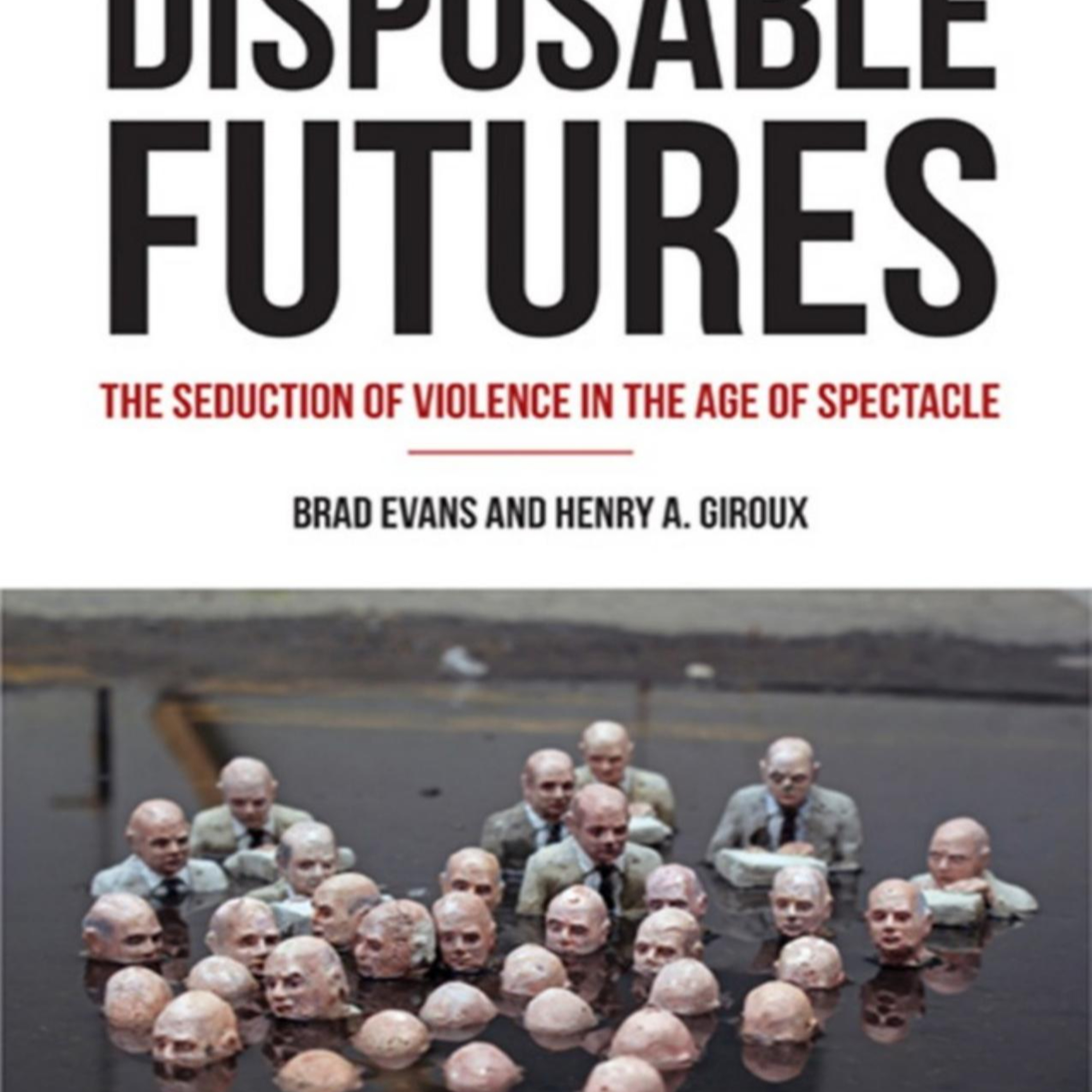 Disposable Futures: The Seduction of Violence in the Age of Spectacle — How Violence Becomes Normal 04.10.2026 43pWhat happens when violence becomes less an exceptional event than a condition people are taught to accept?Welcome to Crisis in Perception, where we examine the systems shaping our world.Using Disposable Futures: The Seduction of Violence in the Age of Spectacle by Brad Evans and Henry A. Giroux as the lens, this episode investigates the authors’ argument that neoliberalism produces a politics of disposability in which insecurity, punishment, surveillance, militarization, and social abandonment become increasingly normalized.The investigation moves beyond visible acts of violence to examine the systems that make them easier to tolerate. Evans and Giroux argue that structural problems are frequently individualized, vulnerable populations are blamed for conditions shaped by larger institutions, and media spectacle can transform suffering into entertainment while removing the historical and political context needed to understand it.At the center of the episode are the politics of disposability, spectacle as public pedagogy, the normalization of insecurity, militarization and punishment, and the authors’ turn toward critical pedagogy, imagination, dignity, and nonviolent collective resistance.📺 Watch on YouTube:https://youtu.be/4WTPHsc1YXQ❤️ Support / Episode Post on Patreon:https://www.patreon.com/CrisisinPerception/posts/disposable-of-in-171416921?utm_medium=clipboard_copy&utm_source=copyLink&utm_campaign=postshare_creator&utm_content=join_linkIf these ideas resonate, consider reading the work yourself or borrowing it from your local library. Supporting authors and libraries helps keep critical inquiry accessible.If you value systems-level analysis like this, please follow, rate, and share the project.This content was created using AI-assisted tools for research synthesis, structuring, and narration support. All analysis, framing, and editorial decisions are guided by human judgment as part of the Crisis in Perception project.
 -
 Animals in Translation: Using the Mysteries of Autism to Decode Animal Behavior — What Animals See 03.10.2026 54pWhat if behavior that looks irrational from the outside makes perfect sense from inside another creature’s perceptual world?Welcome to Crisis in Perception, where we examine the systems shaping our world.Using Animals in Translation: Using the Mysteries of Autism to Decode Animal Behavior by Temple Grandin and Catherine Johnson as our lens, this episode investigates how human perceptual filters can obscure the sensory details shaping animal behavior.Grandin draws on decades of work with livestock, animal handling, autism, and behavioral science to show how shadows, reflections, sounds, unfamiliar objects, changes in lighting, and other seemingly minor details can radically alter an animal’s response. When humans overlook those signals, fear can be misread as stubbornness or stupidity, leading to interventions that increase stress and reinforce the original misunderstanding.The investigation also examines behaviorism, emotion, cognition, Alex the parrot, and Grandin’s argument that animals may possess specialized forms of intelligence that conventional human-centered tests fail to recognize.Central systems include sensory perception, environmental design, behavioral feedback loops, cognitive filtering, and specialized intelligence.📺 Watch on YouTube:https://youtu.be/qR_vjRPcO4A❤️ Support / Episode Post on Patreon:https://www.patreon.com/CrisisinPerception/posts/animals-in-using-171348584?utm_medium=clipboard_copy&utm_source=copyLink&utm_campaign=postshare_creator&utm_content=join_linkIf these ideas resonate, consider reading the work yourself or borrowing it from your local library. Supporting authors and libraries helps keep critical inquiry accessible.If you value systems-level analysis like this, please follow, rate, and share the project.This content was created using AI-assisted tools for research synthesis, structuring, and narration support. All analysis, framing, and editorial decisions are guided by human judgment as part of the Crisis in Perception project.
 -
 Slouching Towards Bethlehem — What Happens When the Social Web Breaks? 03.10.2026 41pWhat happens when inherited rules lose their authority before new forms of belonging are ready to replace them?Welcome to Crisis in Perception, where we examine the systems shaping our world.Using Slouching Towards Bethlehem by Joan Didion as our lens, this episode investigates the social fragmentation running beneath her portraits of 1960s California.Didion moves through Haight-Ashbury, suburban Southern California, celebrity culture, morality, family, migration, and reinvention. Beneath these different settings is a recurring structural question: how do people construct identity, obligation, and community when the relationships and shared expectations that once organized social life begin weakening?The investigation focuses on social norm transmission—the informal web of family, neighborhood, history, language, and community through which people learn how society works. In Haight-Ashbury, Didion encounters young people attempting to build community in what she sees as a social vacuum. In “Some Dreamers of the Golden Dream,” transplanted Californians search for new lives while mass media, consumer aspiration, romance, and reinvention provide increasingly powerful cultural scripts.At the center is a difficult tradeoff between freedom and belonging. Escaping inherited constraints can create genuine autonomy, but weakening the structures that transmit social expectations can also leave individuals more dependent on commercial culture, subcultures, ideology, or other substitute systems for meaning.Central themes include social atomization, cultural transmission, mass-media influence, community, mobility, historical memory, and the tension between personal freedom and social cohesion.📺 Watch on YouTube:https://youtu.be/01T1KsNgPXU❤️ Support / Episode Post on Patreon:https://www.patreon.com/CrisisinPerception/posts/slouching-what-171347654?utm_medium=clipboard_copy&utm_source=copyLink&utm_campaign=postshare_creator&utm_content=join_linkIf these ideas resonate, consider reading the work yourself or borrowing it from your local library. Supporting authors and libraries helps keep critical inquiry accessible.If you value systems-level analysis like this, please follow, rate, and share the project.This content was created using AI-assisted tools for research synthesis, structuring, and narration support. All analysis, framing, and editorial decisions are guided by human judgment as part of the Crisis in Perception project.
 -
 The White Album — When the Stories That Organize Reality Stop Working 03.10.2026 45pWe rely on stories to turn scattered events into something coherent. But what happens when the story itself stops explaining what we see?Welcome to Crisis in Perception, where we examine the systems shaping our world.Using The White Album by Joan Didion as our lens, this episode investigates narrative as a system for organizing perception. Across essays about personal disorientation, political movements, institutional behavior, media performance, cultural change, and California itself, Didion repeatedly examines the gap between the stories people construct and the reality those stories are supposed to explain.The investigation moves beyond the late 1960s alone. It asks why human beings and institutions depend on narratives, how those narratives direct attention and establish meaning, and why contradictory evidence can become difficult to recognize once a particular script has taken hold.At the center is a fundamental tension: stories help us navigate complexity, but their coherence can also tempt us to mistake the model for the world.Central themes include narrative formation, perception, institutional models, cultural scripts, uncertainty, ideology, and the difficulty of revising explanations when reality stops cooperating.📺 Watch on YouTube:https://youtu.be/G39D-wGNgvo❤️ Support / Episode Post on Patreon:https://www.patreon.com/CrisisinPerception/posts/white-album-when-171347079?utm_medium=clipboard_copy&utm_source=copyLink&utm_campaign=postshare_creator&utm_content=join_linkIf these ideas resonate, consider reading the work yourself or borrowing it from your local library. Supporting authors and libraries helps keep critical inquiry accessible.If you value systems-level analysis like this, please follow, rate, and share the project.This content was created using AI-assisted tools for research synthesis, structuring, and narration support. All analysis, framing, and editorial decisions are guided by human judgment as part of the Crisis in Perception project.
Hasonló podcastok


Népszerű itt:
Ez a podcast ezeknek az országoknak a podcast-listáin is szerepel.
