
Teach Different
Teach Different
0
Teach Different is a podcast built around real conversations about ideas that matter. Each episode uses a three-step method to examine quotes from influential thinkers and explores themes such as anger, civic responsibility, kindness, and humility. The show aims to help listeners become critical thinkers and problem solvers. It encourages thinking outside the cave and developing wise leadership for society.
Epizódok
-
 “One Finger Cannot Lift a Pebble”: Why Asking for Help Matters 01.10.2026 22pIn this episode, hosts Steve and Dan Fouts explore the profound meaning behind a Native American proverb, 'One finger cannot lift a pebble.' Using the 4-step Teach Different Method, they discuss the importance of interdependence, humility, and the limitations of individual effort through engaging metaphors and real-life examples. Episode Chapters: 00:00 - Introduction and episode overview00:27 - Native American quotes and their significance01:53 - The four moves: claim, counterclaim, essential question, storytelling02:30 - Exploring the meaning of 'One finger cannot lift a pebble'03:24 - Literal and metaphorical interpretations of the proverb05:36 - The futility of doing things alone07:26 - Examples of interdependence in life and sports10:42 - When to do things alone versus with support13:05 - The importance of asking for help and trusting others17:26 - Humility, overconfidence, and the limits of individual strength19:18 - The beauty and ambiguity of Native American quotes20:27 - Using silence and storytelling prompts in conversationsImage Source: Michael Barera, CC BY-SA 4.0 <https://creativecommons.org/licenses/by-sa/4.0>, via Wikimedia Commons
 -
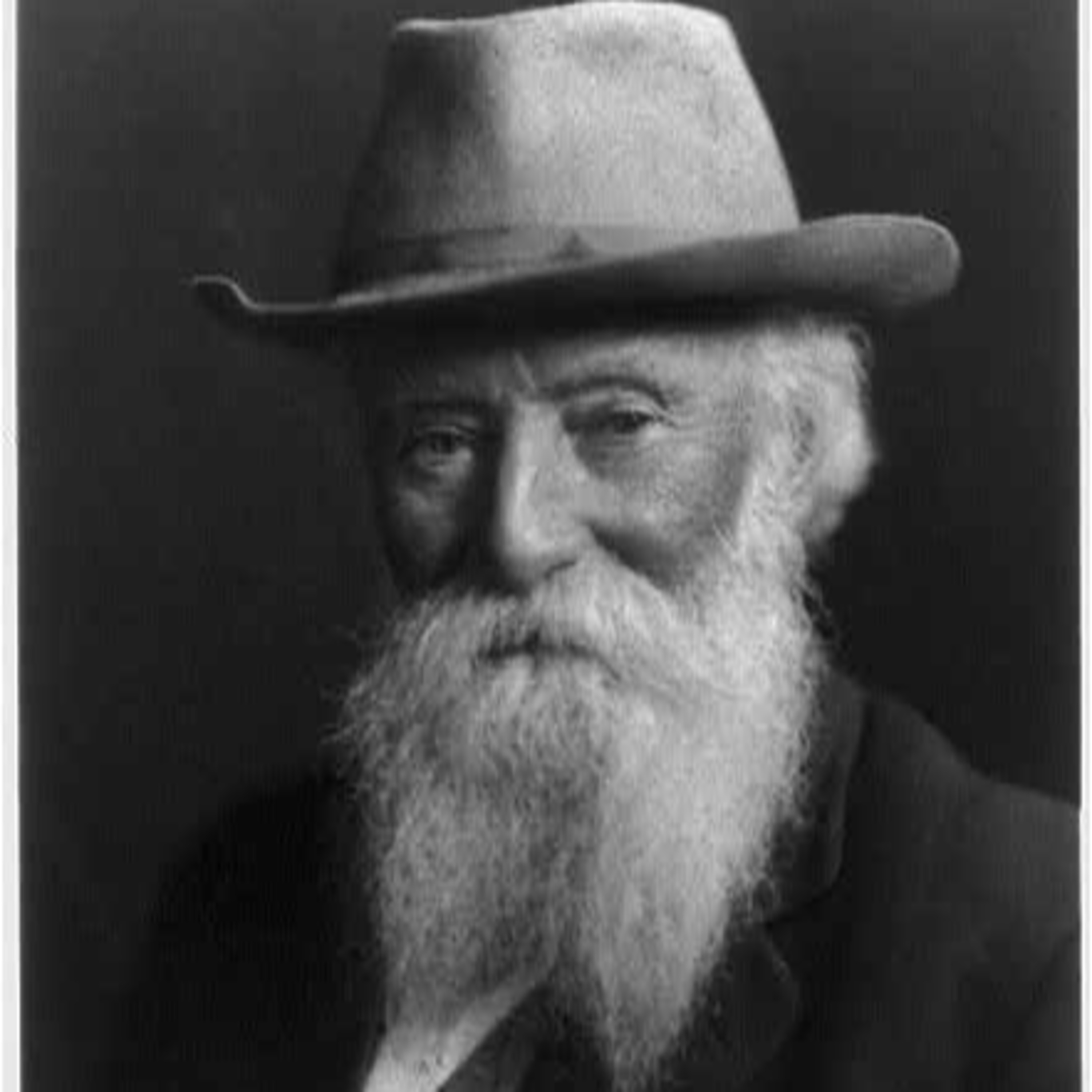 “Leap and the net will appear” - Teach Different with John Burroughs 24.09.2026 18pIn this episode, Steve and Dan Fouts explore the profound quote by John Burroughs, “Leap and the net will appear.” By using the Teach Different Method, they discuss risk-taking, support systems, and self-confidence. They also share some personal stories to unpack the power of taking leaps of faith. Chapters00:00 - Introduction to the metaphor 'Leap and the net will appear'02:00 - Risk-taking as faith and trust in support systems04:00 - Support networks in education and personal growth05:51 - Building self-confidence as a personal net07:54 - The role of kindness and authenticity in support09:00 - Support in sports and everyday life10:49 - When falling is part of learning and growth13:04 - Deciding when a leap is worth taking15:00 - Self-confidence and perseverance as internal nets15:56 - Encouraging others to take their leapsImage Source: https://picryl.com/media/john-burroughs-1837-1921
 -
 “All dreams spin out from the same web.” Teach Different with attributes to the Hopi Tribe 16.09.2026 22pIn this episode, Dan and Steve Fouts explore a quote attributed to the Hopi Tribe stating, “All dreams spin out from the same web.” Using the Teach Different Method, they unpack the claim of the quote, noting that all human dreams and desires originate from a shared web, reflecting our universal connection and common aspirations. They dive into some counterclaims about different dreams from difference which sparks some essential questions on what is a dream and what is a web? Listen to learn how to apply the Teach Different Method and engage in conversations and explore complex ideas.Chapters:00:00 - Introduction to the concept of dreams and the web02:01 - Interpreting the metaphor: Dreams from the same web04:11 - Personal stories and the web of shared desires07:28 - The impact of environment and life circumstances on dreams10:37 - Counterclaims: Different webs, different dreams12:58 - Universal human needs and the web of human flourishing14:42 - Personal reflection on dreams and overcoming fears16:42 - The threat of sameness and the desire for individuality18:54 - Moments of collective unity in adversity20:34 - The value of conversation and storytelling in understanding the webImage source: Michael Barera, CC BY-SA 4.0 <https://creativecommons.org/licenses/by-sa/4.0>, via Wikimedia Commons
 -
 “If you judge people, you have no time to love them.” Teach Different with Anonymous Author 09.09.2026 43pIn this episode, Dan and Steve Fouts are joined by Lisa Hofer, an expert in family connection and mental health. Together they explore the profound relationship between judging and loving through unpacking a quote from an anonymous author: “If you judge people, you have no time to love them.” They dive into a discussion on how boundaries, judgment, and love intertwine and how understanding these dynamics can foster deeper relationships.Chapters00:00 - Introduction to the episode and guest Lisa Hofer02:43 - Lisa explains her work in family connection and mental health05:02 - The Teach Different method: Four moves and storytelling07:02 - The anonymous quote: If you judge people, you have no time to love them07:50 - Lisa's interpretation of the quote and boundaries09:20 - Judging behavior versus judging person12:00 - The role of curiosity in love and judgment14:30 - Judgment as an expression of love and boundaries16:33 - The importance of judging actions, not people19:25 - Religious and cultural perspectives on judgment and love22:38 - Protection, safety, and the capacity to love23:07 - The example of Anne Frank and universal goodness27:10 - How to stay open to love despite differences30:36 - The definition of judgment: Neutral, positive, or negative33:17 - Judging as part of parenting and love37:43 - Love, communication, and the dance of boundaries41:36 - Summary and closing thoughts
 -
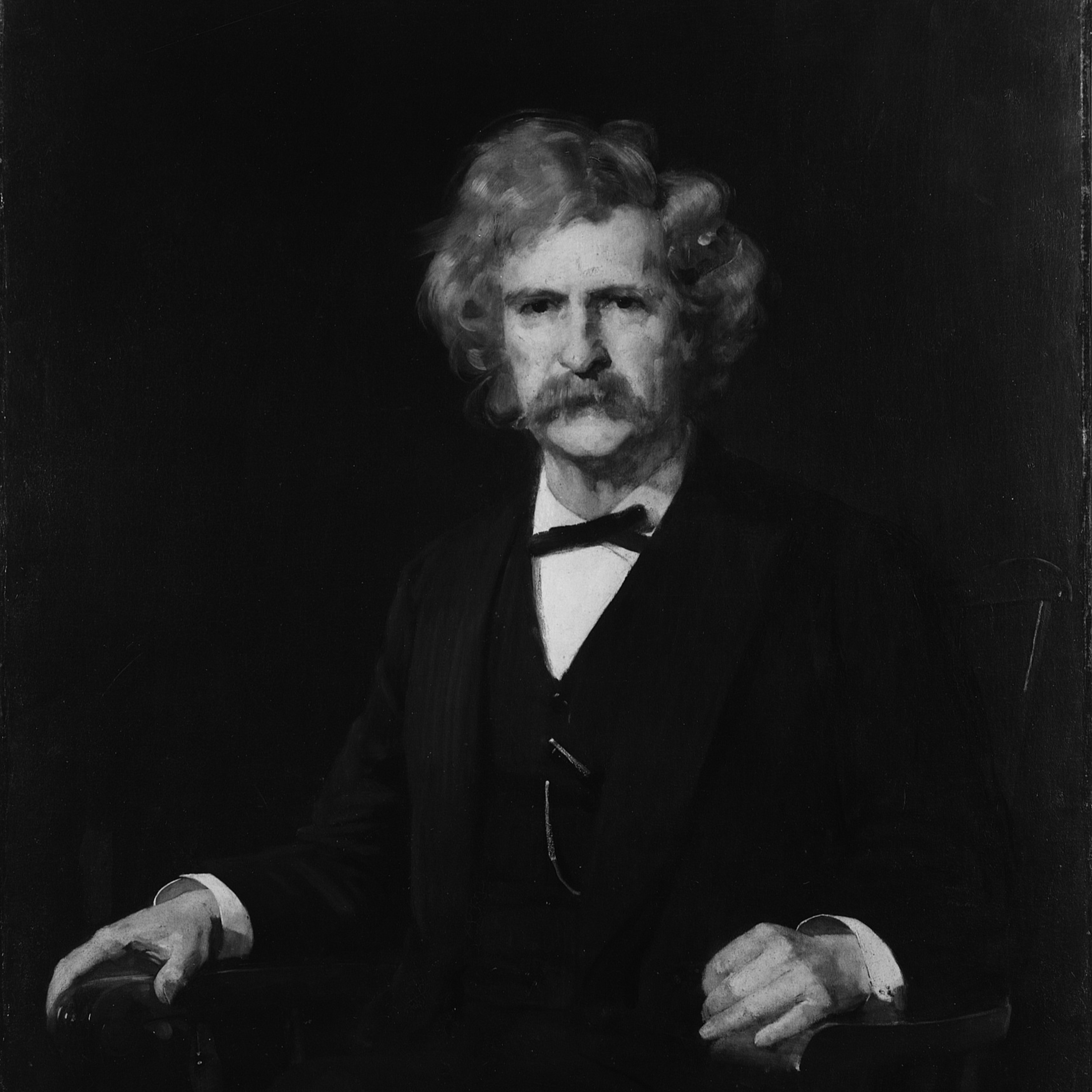 “Whenever you find yourself on the side of the majority, it is time to pause and reflect.” Teach Different with Mark Twain 05.08.2026 21pIn this episode of the Teach Different podcast, hosts Steve and Dan Fouts explore a quote by Mark Twain, “whenever you find yourself on the side of the majority, it is time to pause and reflect.” They discuss the psychology behind groupthink, the importance of critical thinking, and the potential dangers of majority opinion. The conversation also touches on practical applications of these ideas in educational settings, particularly in discussions about peer pressure and democracy. Throughout the episode, the hosts emphasize the value of reflection and the need to consider counterclaims in order to foster deeper understanding and critical thinking skills. The episode wraps up with some essential questions for further discussion. If you enjoyed this episode please let us know by contacting us through our website www.teachdifferent.com and stand a chance to get access to all our program materials. We would love to hear from youEpisode Chapters00:00 - Introduction to Teach Different and Mark Twain's Quote04:05 - Exploring Groupthink and Majority Opinion10:10 - The Psychology Behind Following the Majority12:42 - The Tyranny of the Majority and Critical Thinking18:57 - Counterclaims and the Importance of Reflection22:19 - Practical Applications and ConclusionImage Source: Charles Noel Flagg, CC0, via Wikimedia Commons https://upload.wikimedia.org/wikipedia/commons/d/d8/Mark_Twain_MET_ap17.96.jpg
 -
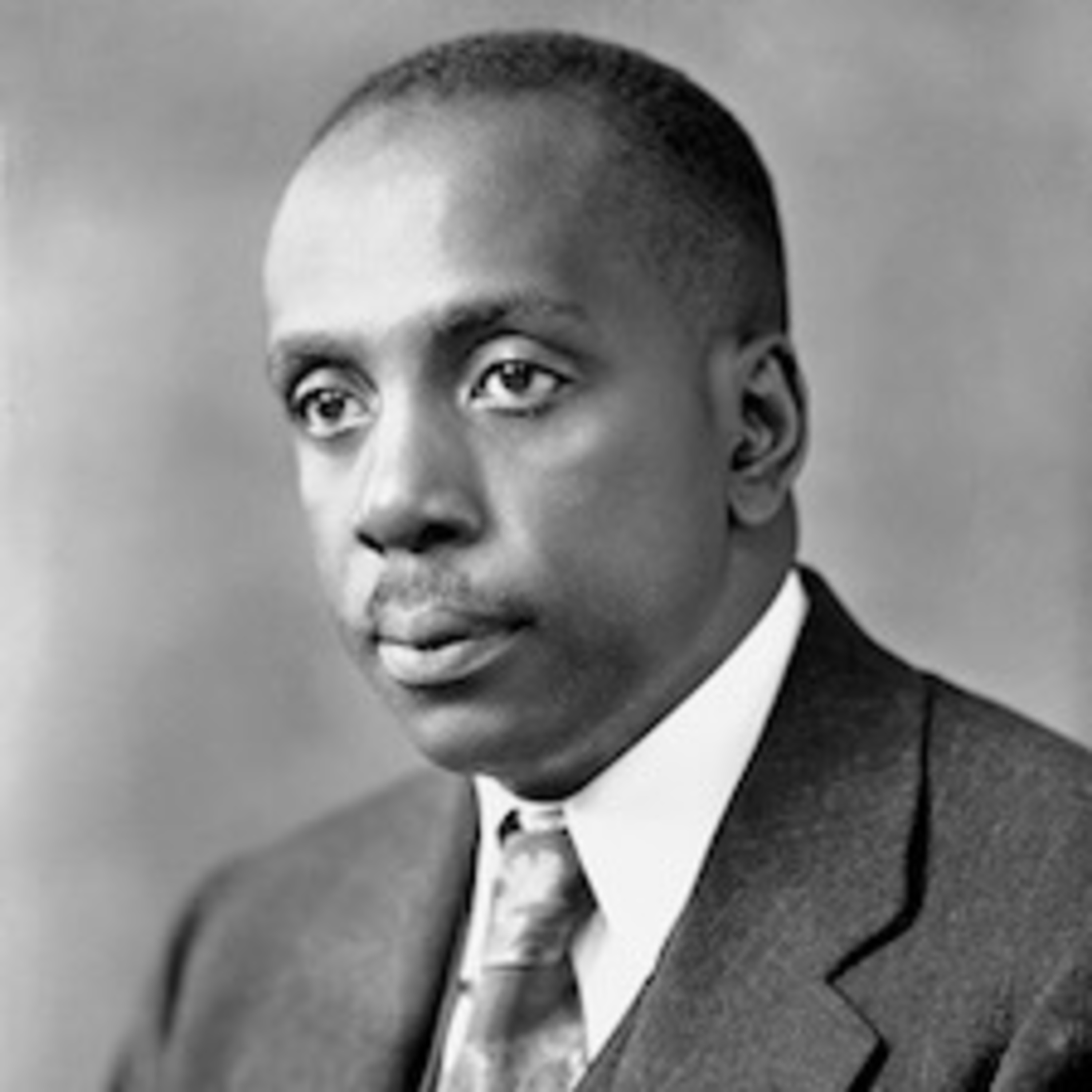 “Don't ask what the world needs. Ask what makes you come alive and go do it, because what the world needs is people who have come alive” - Teach Different with Howard Thurman 08.07.2026 26pIn this episode, Steve and Dan Fouts explore the profound quote attributed to Howard Thurman: 'Don't ask what the world needs, Ask what makes you come alive and go do it, because what the world needs is people who have come alive.' They explore the meaning of coming alive, its connection to purpose, courage, and social justice, and how self-knowledge can lead to a more fulfilled and impactful life. Check out teachdifferent.com for more resources on the Teach Different Method. If you are a teacher or parent, join our certificate programme by reaching out to us on our website. We look forward to hearing from you! Episode Chapters 00:55 - The Power of Coming Alive06:42 - Self-Knowledge and Purpose15:21 - Teaching and Self-Actualization21:12 - Courage and Civil DisobedienceImage Source: By Addison N. Scurlock - Smithsonian Online Virtual Archives NMAH.AC.0618.S04.01, Fair use, https://en.wikipedia.org/w/index.php?curid=69597951
 -
 “I never lose. I either win or learn.” - Teach Different with Attribute to Nelson Mandela 01.07.2026 19pIn this episode, Steve and Dan Fouts explore a quote attributed to Nelson Mandela: “I never lose, I either win or learn.” They discuss the claim of the quote, emphasizing how reframing setbacks as learning opportunities can lead to resilience, growth, and long-term success. They explore the counterclaim, stating that accepting failure can motivate future success. Lastly, they provide some essential questions for deeper exploration.Episode Chapters:00:00 - Understanding Winning and Learning02:37 - Personal Experiences with Failure05:38 - Historical Examples of Resilience08:12 - The Debate on Winning and Losing11:19 - Emotional Acknowledgment of Loss14:02 - The Complexity of Grief16:36 - Global Perspectives on Winning and LearningImage Source: https://ndla.no/r/engelsk-2/i-am-prepared-to-die-by-nelson-mandela/9c1529573a
 -
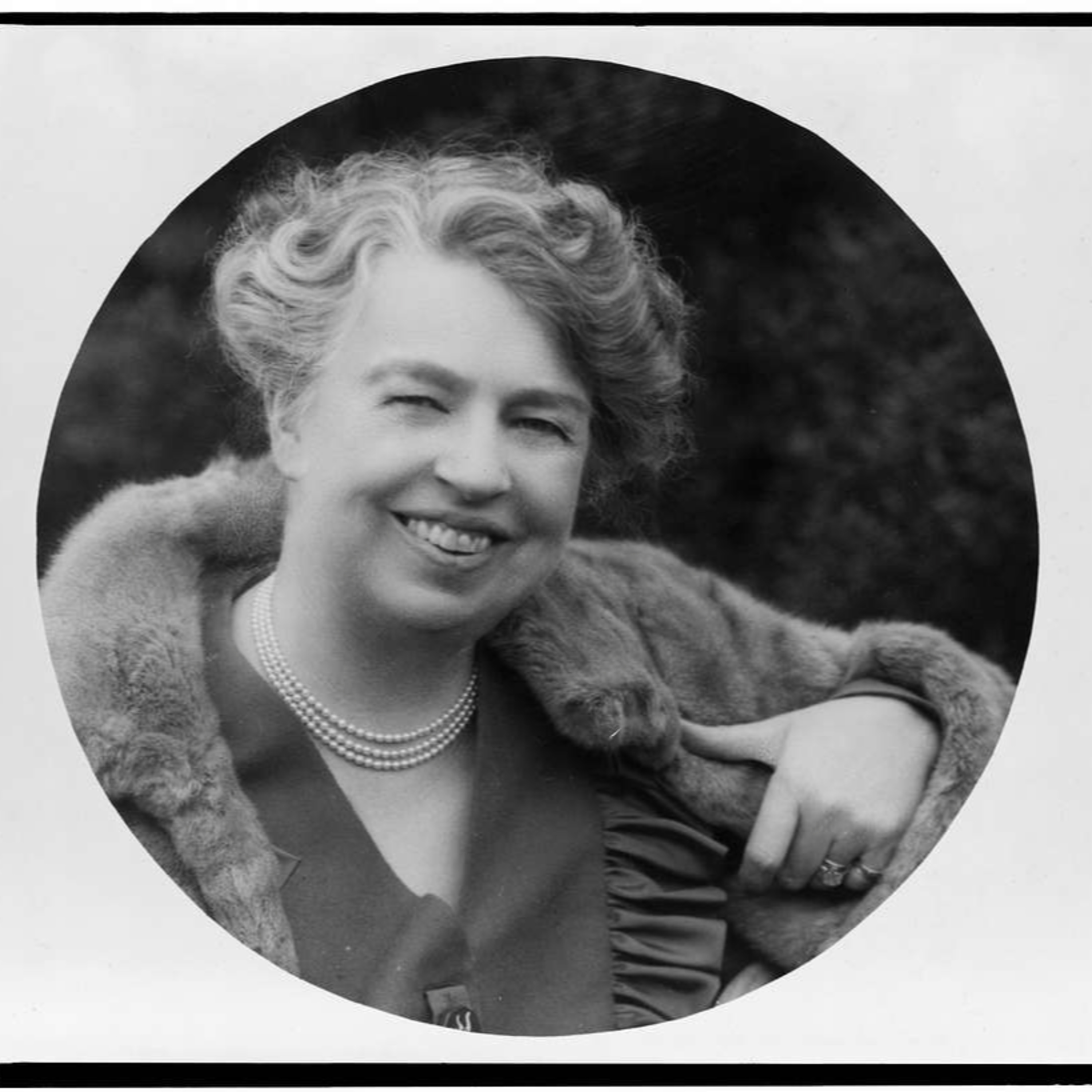 “Justice cannot be for one side alone, but must be for both.” Teach Different with Eleanor Roosevelt 27.05.2026 20pThis episode explores Eleanor Roosevelt's profound quote: “Justice cannot be for one side alone, but must be for both.” Using the Teach Different Method, Dan and Steve Fouts unpack the claims, counterclaims, and essential questions presented by the quote. This discussion investigates the meaning of justice, balance, and shared understanding in various contexts. Chapters: 00:00 - Exploring Justice: An Introduction02:35 - Eleanor Roosevelt's Perspective on Justice05:42 - The Balance of Justice: Examples and Implications08:42 - Counterclaims and the Complexity of Justice11:49 - The Role of Conflict in Achieving Justice14:26 - Negotiation and Reconciliation in Justice17:24 - Conclusion: The Pursuit of Justice for AllImage Source: https://itoldya420.getarchive.net/amp/media/eleanor-roosevelt-head-and-shoulders-portrait-facing-front
 -
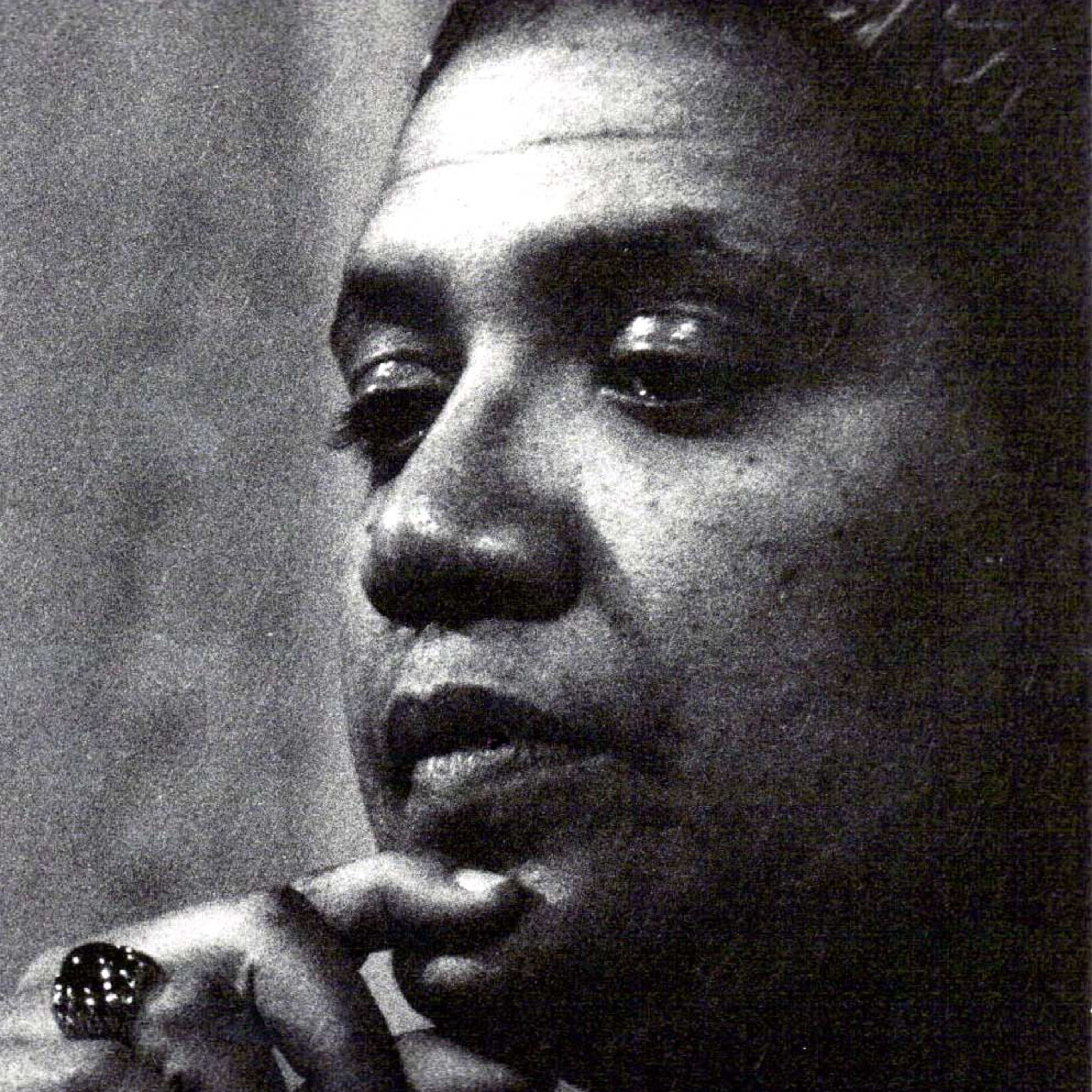 “My response to racism is anger.” - Teach Different with Audre Lorde 07.05.2026 20pThis episode of the Teach Different Podcast explores complex emotions and responses to racism through Audre Lorde’s quote: “My response to racism is anger.” Steve, Bully, and Jarvis discuss the claim of the quote, stating that anger can be a natural response to racism. They explore some counterclaims, citing different responses one might have towards racism that aren’t anger. Lastly, they pose some essential questions for further consideration when looking at issues of racism.Chapters00:00 - Introduction to the Teach Different Podcast01:19 - Exploring Racism Through Audre Lorde's Quote04:45 - Personal Experiences with Racism06:46 - Emotional Responses to Racism08:48 - Navigating Racism in Professional Environments11:37 - Transforming Anger into Empowerment14:42 - Personal Experiences with Racism18:01 - Finding Humor in Ignorance18:39 - Counterclaims and Perspectives on Racism20:23 - Teach Different Intro.mp4Image Source: K. Kendall, CC BY 2.0 <https://creativecommons.org/licenses/by/2.0>, via Wikimedia Commons
 -
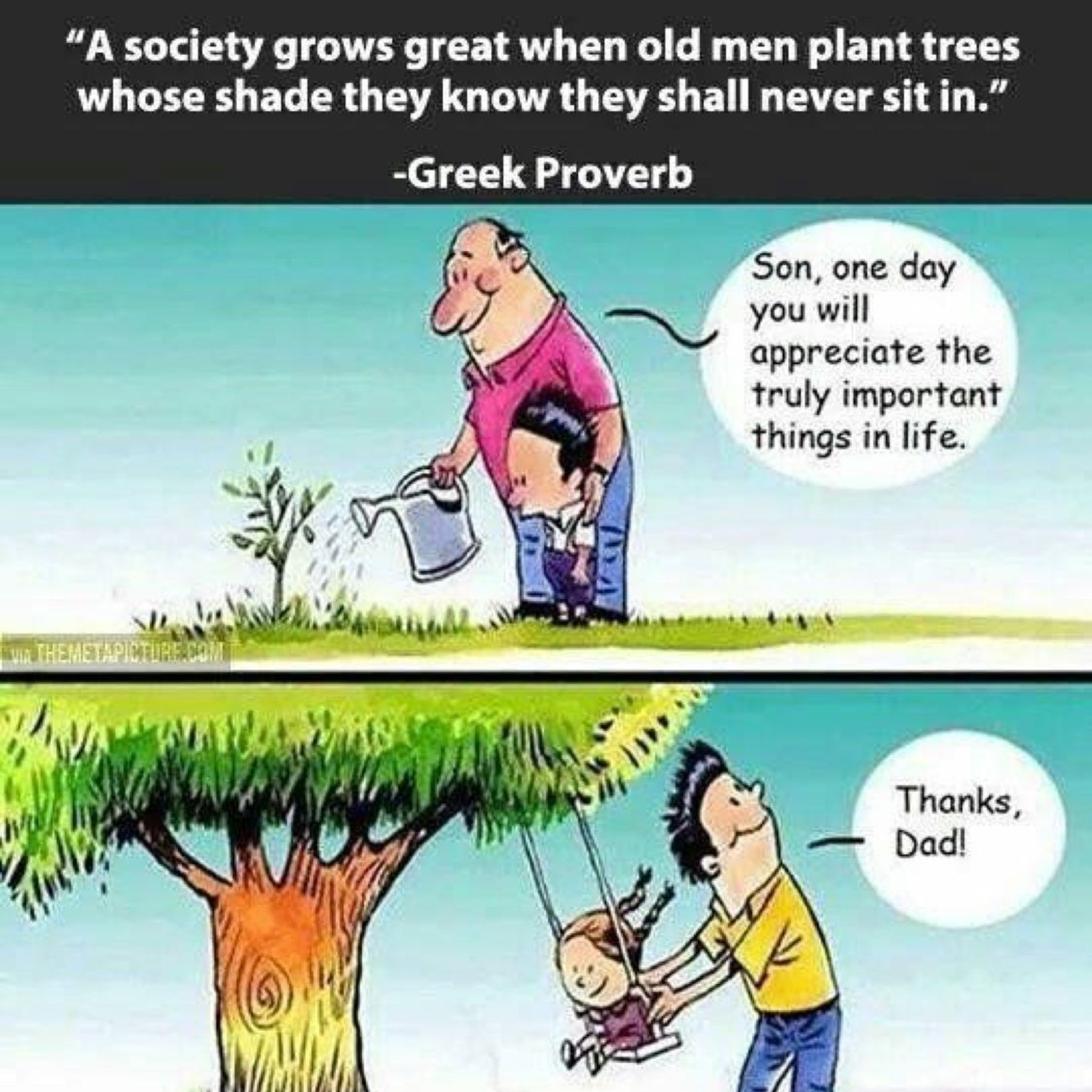 “A society grows great when old men plant trees whose shade they know they shall never sit in.” - Teach Different with a Greek Proverb 29.04.2026 29pThis episode explores the concept of societal greatness through the lens of sacrifice, altruism, and civic responsibility. Using a Greek proverb “A society grows great when old men plant trees whose shade they know they shall never sit in,” as a starting point, Dan and Steve Fouts debate different perspectives on taxes, community service, and what it means to build a thriving society. They use the Teach Different Method to unpack the claim, counterclaim, and essential questions, unpacking the meaning of societal greatness and sacrifice. Chapters00:00 - The Importance of Civil Conversations00:52 - Taxation: Fairness and Societal Impact02:58 - Understanding Sacrifice in Society07:16 - Counterclaims: Individualism vs. Altruism12:34 - Philanthropy and Wealth Distribution19:50 - The Role of Duty in Society25:46 - Sacrifice and the Health of SocietyImage source: https://www.flickr.com/photos/ahhhnice/28079169829/
 -
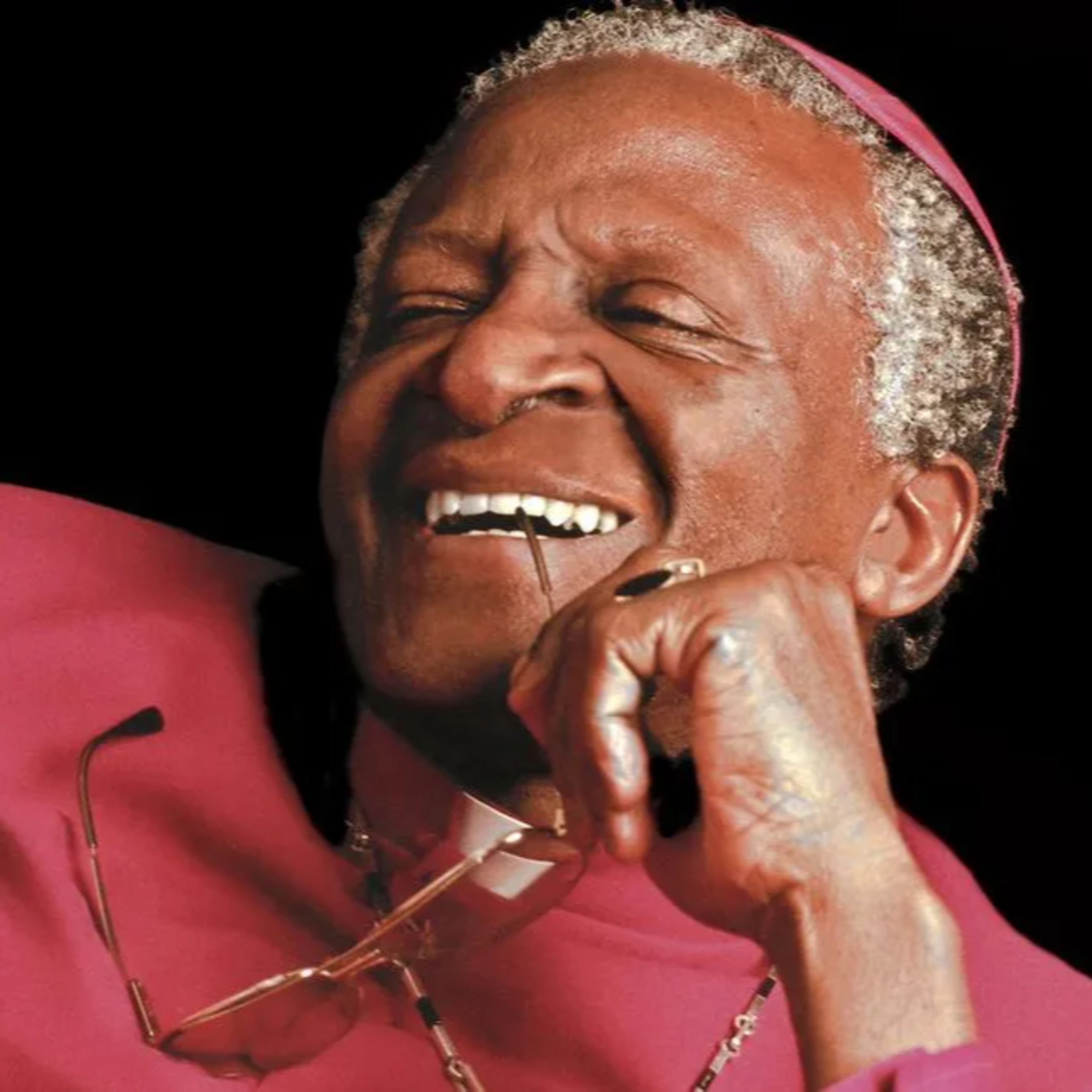 “My humanity is caught up in yours.” - Teach Different with Archbishop Desmond Tutu 22.04.2026 34pThis episode Steve, Bully, Tr33, and Jarvis explore a quote from Archbishop Desmond Tutu: “My humanity is caught up in yours.” Using the Teach Different Method, they unpack the claims and counterclaims of the quote. This conversation explores the profound interconnectedness of humanity, the nature of scarcity, and the societal implications of empathy, judgment, and human value. Essential questions are posed, challenging listeners to reflect on how we treat each other and the true meaning of humanity in a complex world.Episode Chapters00:00 - Understanding Humanity Through Conflict02:06 - The Interconnectedness of Our Actions05:05 - Empathy and Competition in Society07:50 - Judgment and Generalization in Humanity11:05 - Scarcity and Value: A Philosophical Inquiry16:50 - Counterclaims: Humanity in Conflict19:53 - Minding Our Own Business vs. Empathy24:54 - The Disrespect of Humanity27:11 - The Cycle of Violence and Mockery28:05 - Survival Mode and Systemic Issues29:46 - The Power of Mediation and Intellect31:15 - Interconnectedness of Society33:02 - The Cost of Living and Healthcare34:24 - The Burden of Medical ExpensesImage Source: https://sahistory.org.za/node/122068
 -
 “You don't win a war by talking to the enemy.” - Teach Different with Margaret Thatcher 15.04.2026 36pThis week on the Teach Different Podcast host, Steve Fouts, and his guests, Jarvis, Tr33, and Bully, discuss a powerful quote by Margaret Thatcher: “You don’t win a war by talking to the enemy.” Using the Teach Different Method, they unpack the claim of the quote, stating that there is no talking during a war, only violence. The only way to win is to conquer your opponent. They explore the counterclaim, discussing the origins of negotiation and how that can contribute to conflict resolution. Essential questions are posed, such as what is a war and can you win it by talking to the enemy? Episode Chapters: 00:00 - Podcast kickoff02:09 - Meet the guests04:50 - Thatcher quote setup06:11 - Debating war and talk11:19 - What counts as war16:32 - Iran conflict perspectives19:11 - Defense vs oppression20:20 - Who Started It21:02 - Victim Versus Bully23:09 - Middle East Land Dispute24:02 - Counterclaim Talk Wins25:24 - Negotiation As Strategy29:30 - War Goals And Motives32:15 - Power Plays And Distrust34:32 - Wrap UpImage Source: Unknown photographer, CC BY-SA 3.0 <http://creativecommons.org/licenses/by-sa/3.0/>, via Wikimedia Commons
 -
“When you run after a coward for too long, you meet its courage.” - Teach Different with Unknown Author 02.04.2026 24pIn this episode Dan and Steve Fouts use the Teach Different Method to explore the psychological dynamics of courage and cowardice through a provocative quote, “when you run after a coward for too long, you meet its courage.” They unpack the claim and counterclaim of the quote, as well as geopolitical insights into the Iran-Israel conflict. They pose some essential questions for further exploration. Chapters: 00:00 - Introduction to the Conflict02:47 - Understanding the Quote05:50 - Pressure and Courage Dynamics08:48 - The Iran Conflict and Perceptions of Cowardice11:43 - Counterclaims and Historical Examples14:49 - The Nature of Courage17:51 - Psychological Aspects of Conflict20:48 - Conclusion and Reflections
-
“The right to swing my fist ends where the other man's nose begins.” - Teach Different with Unknown Author 18.03.2026 26pThis week’s episode tackles the complex issues surrounding social media, misinformation, and the limits of free speech. Grounded by a thought provoking quote by an unknown author “The right to swing my fist ends where the other man’s nose begins,” Steve and Dan Fouts explore ethical questions about harm, responsibility, and regulation in the digital age, providing a nuanced perspective on societal challenges.Episode Chapters: 00:00 - Navigating Social Media Challenges03:06 - The Right to Swing My Fist05:59 - Limits of Free Speech and Expression08:48 - The Role of Corporations in Social Media11:24 - Misinformation and Its Consequences14:26 - Counterclaims and Ethical Considerations17:35 - Exploring Justifications for Violence and Censorship20:11 - Personal Responsibility in the Digital Age23:14 - Concluding Thoughts on Freedom and ResponsibilityResources: Teach Different Method: https://teachdifferent.com/teach-different-method/Teach Different Certificate Program: https://teachdifferent.com/certificate-program/
-
 “All of humanity's problems stem from man's inability to sit quietly in a room alone.” - Teach Different with Blaise Pascal 11.03.2026 40pThis week’s episode explores the impact of social media and technology on youth mental health, attention span, and human connection. Through a deep dive into a quote by French philosopher Blaise Pascal and insights from guests, Jarvis, Tr33, and Bully, we examine how being alone and digital connectivity shape our lives.Chapters:00:00 - The Value of Solitude and Reflection09:20 - Exploring Solutions for Humanity09:53 - The Impact of Social Media on Youth12:18 - The Dual Nature of Technology15:43 - Attention Span and Connection18:46 - AI's Role in Human Interaction20:19 - The Counterclaim: Is Connection Always Good?31:53 - Defining True Aloneness35:44 - The Creator's Perspective on TechnologyImage Source: Gérard Edelinck, CC BY 2.0 <https://creativecommons.org/licenses/by/2.0>, via Wikimedia Commons
 -
 “If you fall behind, run faster. Never give up, never surrender, and rise up against the odds.” Teach Different with Rev. Jesse Jackson 05.03.2026 29pIn this episode, Steve Fouts and Jesse Risley, a seasoned social studies teacher from Illinois, explore a powerful quote from the late Reverend Jesse Jackson: “If you fall behind, run faster. Never give up, never surrender, and rise up against the odds.” They unpack the claim of the quote, emphasizing the power of perseverance. They then explore the counterclaim, suggesting that there is power in knowing when to quit. Lastly, they present some thought-provoking essential questions for further discussion. Chapters: 00:00 - Exploring Jesse Jackson's Quote on Perseverance 02:47 - Personal Experiences with Perseverance in Teaching 08:59 - The Impact of COVID-19 on Students 14:05 - Counterclaims: When to Know When to Quit 21:33 - The Worth of Perseverance and Essential Questions 26:03 - The Role of Quotes in Education and Student Engagement Image Source: AFGE, CC BY 2.0 <https://creativecommons.org/licenses/by/2.0>, via Wikimedia Commons
 -
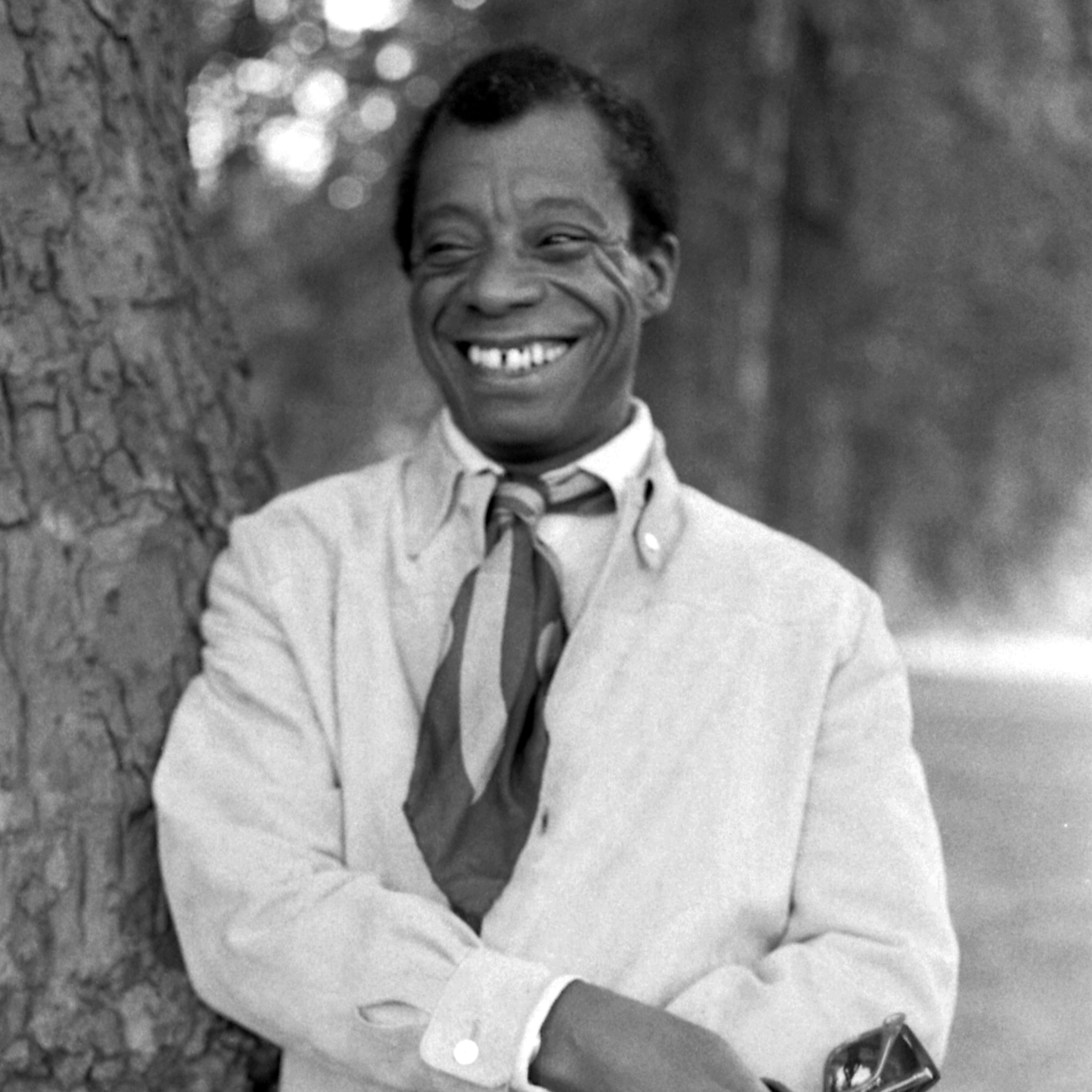 "People pay for what they do, and still more for what they have allowed themselves to become, and they pay for it very simply by the lives they lead." - Teach Different with James Baldwin 25.02.2026 17pIn this week’s episode, Steve and Bully explore a powerful quote by James Baldwin: “People pay for what they do, and still more what they have allowed themselves to become, and they pay for it very simply by the lives they lead.” Using the Teach Different Method, they unpack the claim, counterclaim, and essential questions that this quote inspires. They speak on personal responsibility, the consequences of actions, and the impact of environment and intention. The conversation dives into how our choices shape our lives and legacies, with reflections on civil rights leaders and personal accountability.Episode Chapters:00:00 - Exploring the Legacy of James Baldwin02:35 - Understanding Baldwin's Quote on Accountability07:30 - The Complexity of Actions and Consequences12:44 - The Role of Intention in Our Actions14:21 - Reflections on Conscience and EmpathyResources: James Baldwin's Works (Notes of a Native Son, Fire Next Time, Go Tell It on a Mountain) - https://www.amazon.com/s?k=James+Baldwin&ref=nb_sb_noss_2 Civil Rights Leaders - Jesse Jackson - https://en.wikipedia.org/wiki/Jesse_Jackson Teach Different Program at Rivers Casino - https://teachdifferent.org
 -
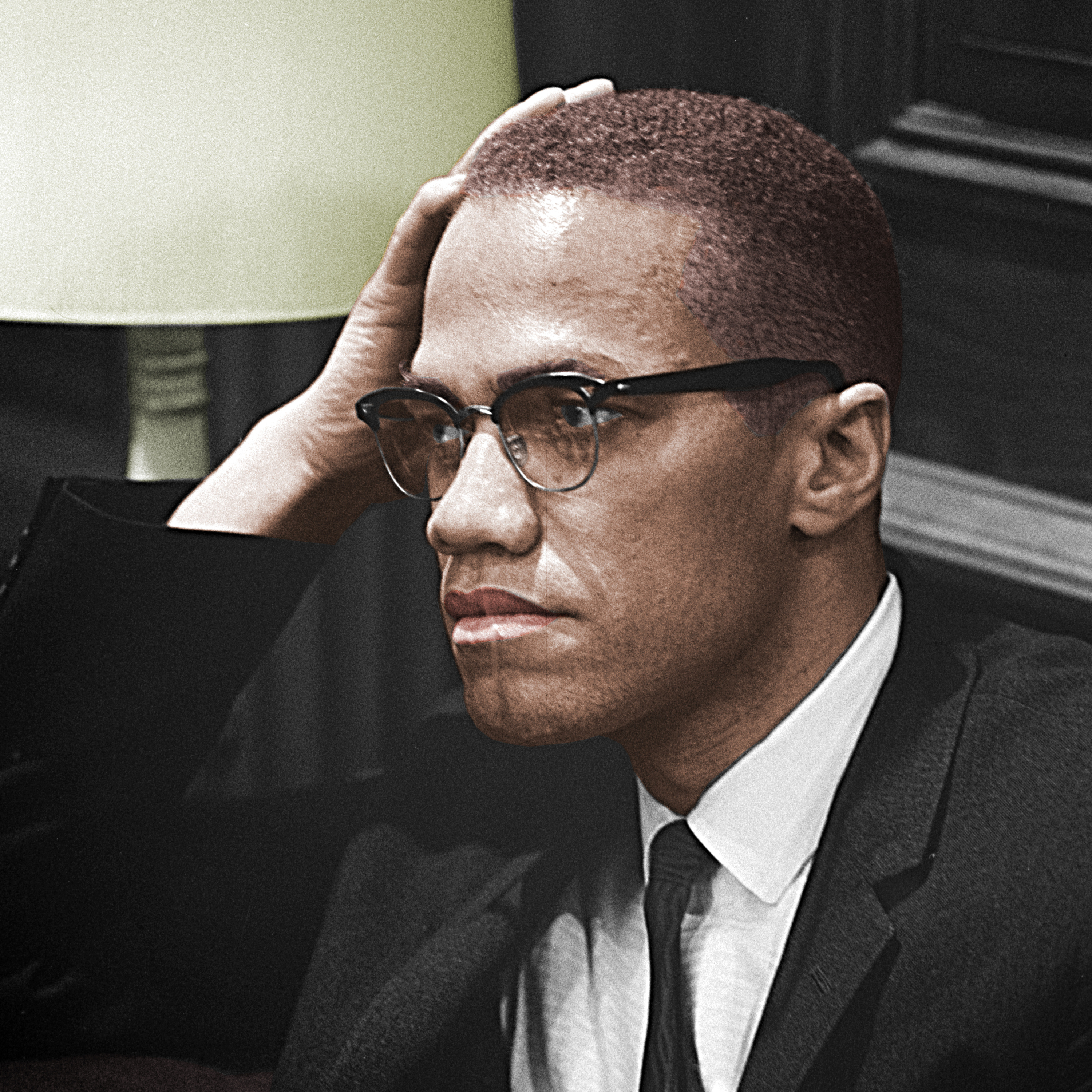 “Be peaceful, be courteous, obey the law, respect everyone, but if someone puts his hand on you, send them to the cemetery.” - Teach Different with Malcom X 19.02.2026 39pIn this episode of the Teach Different podcast, hosts Steve and Dan Fouts, along with guest Candace Fikis, explore a provocative quote by Malcolm X using the Teach Different Method. They discuss its implications for civil disobedience, the justification of violence, and the role of law in protests. They dive into the complexities of teaching controversial topics in the classroom, emphasizing the importance of creating a safe space for students to engage in discussions about current events and societal issues. The conversation highlights the need for educators to address these topics thoughtfully and encourages students to think critically about the methods of protest and the historical context surrounding them.Episode Chapters:00:00 - Introduction and Context Setting02:07 - Exploring Malcolm X's Quote05:21 - Diverging Perspectives on Protest and Violence13:06 - Consequences of Approaches to Injustice13:34 - Exploring the Complexity of Protest and Law16:23 - The Moral vs. Manmade Law Debate18:21 - Student Protests: Rights and Responsibilities22:36 - Counterclaims and Perspectives on Violence25:07 - Historical Context of Violence in Leadership27:45 - Current Events and the Role of Citizens32:48 - Teachers' Responsibilities in Discussing Controversial TopicsImage Source: Marion S. Trikosko (color by emijrp), Public domain, via Wikimedia Commons
 -
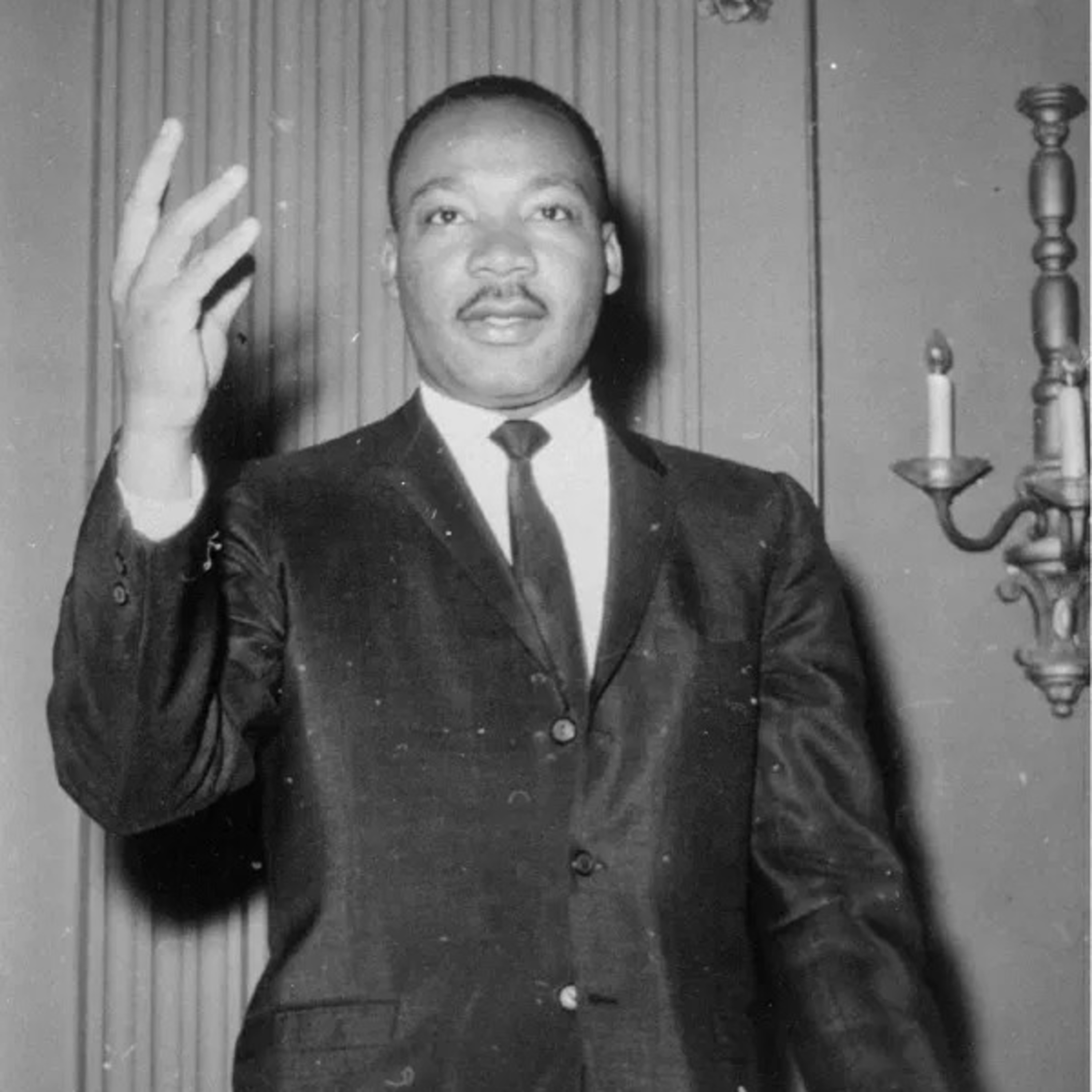 “Returning violence for violence multiplies violence, adding deeper darkness to a night already devoid of stars.” - Teach Different with Martin Luther King Jr. 11.02.2026 37pIn this episode of the Teach Different podcast, host Steve and guest Bully discuss the principles of nonviolence inspired by a quote by Martin Luther King Jr: “Returning violence for violence multiplies violence, adding deeper darkness to a night already devoid of stars.” Using the Teach Different Method, they explore the mission of the Institute of Nonviolence in Chicago, Bully's personal experiences with violence and loss, and the importance of community support. The conversation unpacks the challenges of navigating violence, the impact of personal trauma, and the necessity of positive influences in the community. They also address counterclaims regarding the need for protection in violent situations, emphasizing that nonviolence does not equate to weakness. Lastly, they pose some essential questions for further exploration. Chapters 00:00 - Introduction to Nonviolence and MLK's Influence 14:23 - The Institute of Nonviolence: Mission and Impact 25:06 - Exploring MLK's Quote on Violence 26:10 - Personal Reflections on Violence and Loss 30:59 - The Importance of Community and Positive Influence 40:03 - Counterclaims: Navigating Violence and Protection Image Source: https://www.georgiaencyclopedia.org/articles/arts-culture/martin-luther-king-jr-1929-1968/martin-luther-king-jr_002/
 -
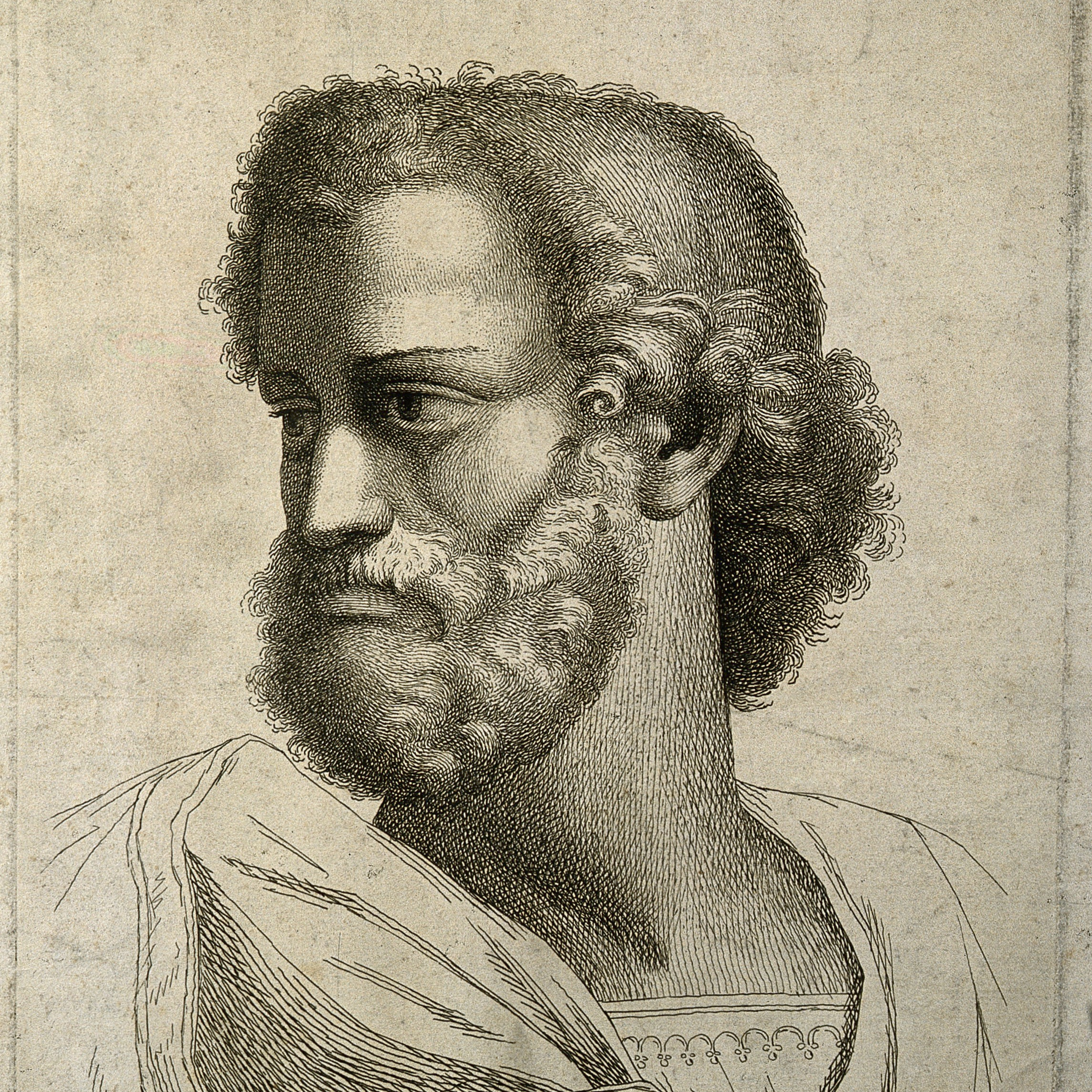 “He who has overcome his fears will truly be free.” - Teach Different with Aristotle 04.02.2026 45pIn this episode of the Teach Different podcast, hosts Steve, Tr33, and Jarvis explore the profound relationship between fear and freedom, drawing on personal experiences and philosophical insights. They discuss how overcoming fear can lead to personal growth and empowerment, while also addressing the complexities of true freedom beyond just the absence of fear. The conversation touches on the importance of organization in activism, the moral implications of standing up against oppression, and the need for discipline in movements for change. Through their dialogue, they emphasize the significance of courage in the face of adversity and the necessity of thoughtful action in social justice efforts. Episode Chapters: 00:00 - Introduction to Fear and Freedom 02:10 - Understanding Fear Through Personal Experience 09:29 - The Impact of Fear on Growth 10:53 - Facing Fears: The Path to Freedom 17:52 - The Power of Acceptance 21:30 - The Complexity of Freedom and Fear 24:32 - Overcoming Fear and Its Implications 29:10 - The Nature of Freedom 29:36 - Courage in the Face of Danger 38:15 - The Fight for Justice and Humanity 42:13 - A Call to Action for Protesters Image Source: https://upload.wikimedia.org/wikipedia/commons/3/3d/Aristotle._Line_engraving_by_P._Fidanza_after_Raphael_Sanzio_Wellcome_V0000205.jpg
Hasonló podcastok


Népszerű itt:
Ez a podcast ezeknek az országoknak a podcast-listáin is szerepel.
