
Science Weekly
The Guardian
1
Twice a week, the Guardian brings you the latest science and environment news.
Epizódok
-
 Is collagen all hype? 15.09.2026 18pCollagen powders, gummies and pills have boomed in popularity in recent years boosted by claims that they smooth wrinkles, promote glossy hair and help with joint pain. Amid the noise it can be hard to figure out whether there’s any actual science behind the promise of looking younger for longer. Luckily Dr Xand van Tulleken has spent the past three years writing Make me well: a quest to understand the confusing world of wellness, and his chapter on collagen dives deep into the evidence. He tells Madeleine Finlay what collagen does in the body, how we can get it without splashing out on expensive supplements, and why getting to the truth behind wellness claims can be so hard. Help support our independent journalism at <a href="https://www.theguardian.com/sciencepod">theguardian.com/sciencepod</a>
 -
 Live episode: how AI is reshaping our minds 13.09.2026 1ó 22pIn this episode of Science Weekly, recorded in front of an audience at the London podcast festival on 3 September, Ian Sample hears from Michael Safi, the host of the Guardian’s chart-topping podcast about artificial intelligence, Black Box. In series two, Black Box: the chatbots, Michael meets people who have become convinced they have made scientific breakthroughs, cured diseases or invented new technologies using AI chatbots. Ian, Michael and Science Weekly’s co-host Madeleine Finlay explore the phenomenon labelled ‘AI psychosis’ and ask what it reveals about a technology now used by more than a billion people. Help support our independent journalism at <a href="https://www.theguardian.com/sciencepod">theguardian.com/sciencepod</a>
 -
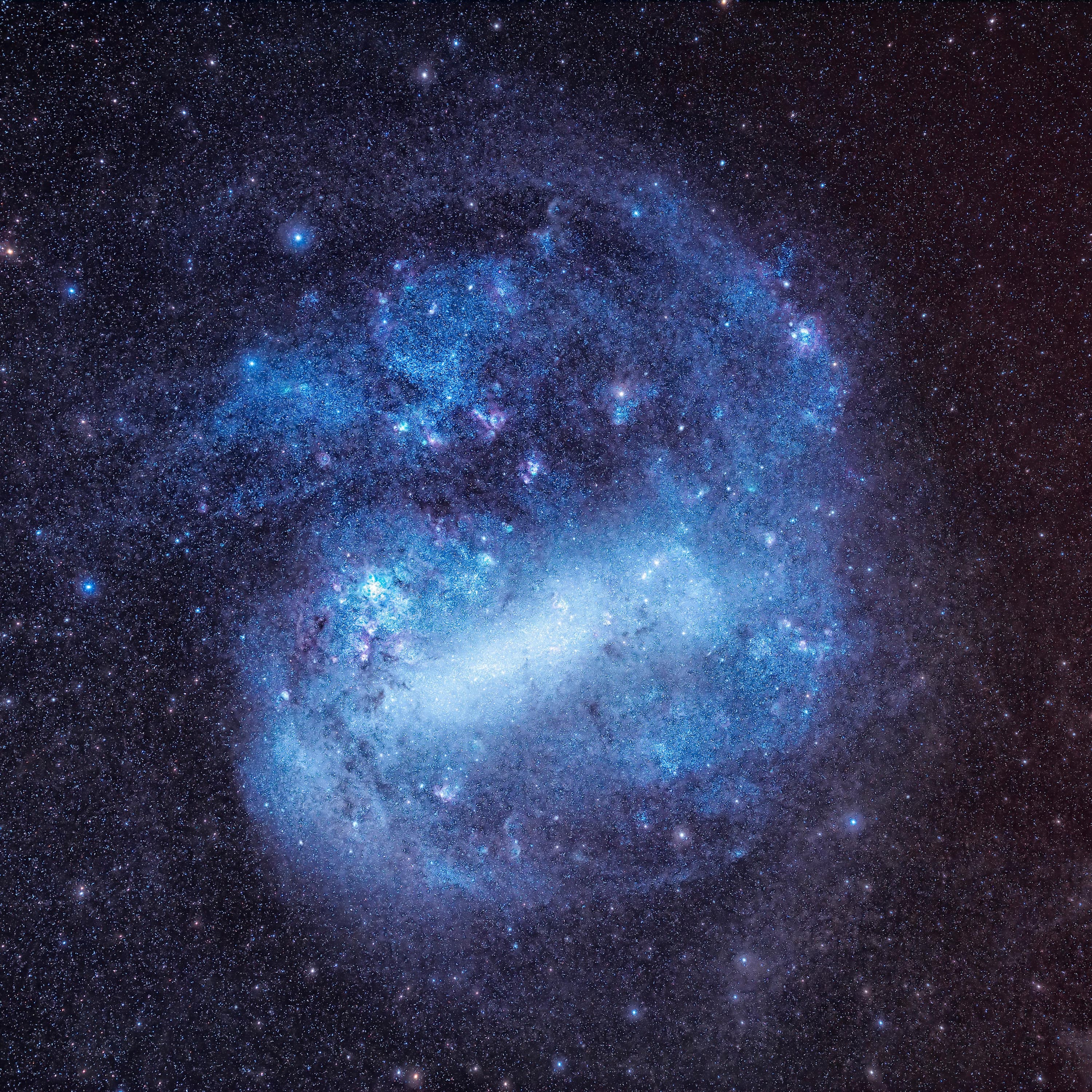 ‘One of the biggest discoveries in science’: have scientists found dark matter? 10.09.2026 16pFor decades physicists have been puzzling over the enigma of dark matter. We think it makes up 85% of the matter in the universe, but the mysterious substance cannot be seen or detected, and we know about it mainly through observations of the gravitational effects it has on other things. But now scientists believe they may be a step closer to detecting it. Science editor Ian Sample explains to Madeleine Finlay why, if confirmed, the finding could completely transform our understanding of the universe. And Dr Samuel Eriksen, senior research associate at the University of Bristol, and first author of the research paper, explains how the finding has been received in the physics community. Help support our independent journalism at <a href="https://www.theguardian.com/sciencepod">theguardian.com/sciencepod</a>
 -
 Are rich people really worse behaved? Here’s the science 08.09.2026 18pWho’s more likely to steal sweets from a child? According to science, it’s the rich. A study seemingly confirming our suspicions about the moral behaviour of the wealthy was one of the winners of the 2026 Ig Nobel prizes, which honour research that makes you laugh and then think. Science editor Ian Sample tells Madeleine Finlay what the researchers think could be behind the phenomenon, and they explore some of the other awards, including one for a surprising quality we look for in our friends and another for a biomechanical definition of kissing. Help support our independent journalism at <a href="https://www.theguardian.com/sciencepod">theguardian.com/sciencepod</a>
 -
 Introducing Black Box: The Chatbots 06.09.2026 39pFrom the Guardian Investigates team: Across the world, hundreds of people have come to believe they have made extraordinary scientific discoveries with AI chatbots such as ChatGPT, Claude and Gemini. Others say their AI has ‘awakened’ or is leading them to a higher spiritual realm. The Guardian journalist Michael Safi begins investigating a phenomenon labelled ‘AI psychosis’, travelling to the US to meet two people who have been on weird journeys with their chatbots. Help support our independent journalism at <a href="https://www.theguardian.com/sciencepod">theguardian.com/sciencepod</a>
 -
 There’s a quick way to slow climate change. Why isn’t everyone doing it? 03.09.2026 13pMethane is a potent greenhouse gas that traps more than 80 times as much heat than carbon dioxide over a 20-year period and causes 25% of global heating today. We definitely don’t want this gas spewing needlessly into the atmosphere, but in 2023 that’s exactly what environment editor Damian Carrington found was happening when he reported on 1,000 super-emitting methane leaks across the globe. Now Turkmenistan, the worst country for mega-leaks, has begun to plug them. Damian tells Madeleine Finlay why some experts call stopping leaks the climate ‘emergency brake’ and reveals which countries are still failing to act. Help support our independent journalism at <a href="https://www.theguardian.com/sciencepod">theguardian.com/sciencepod</a>
 -
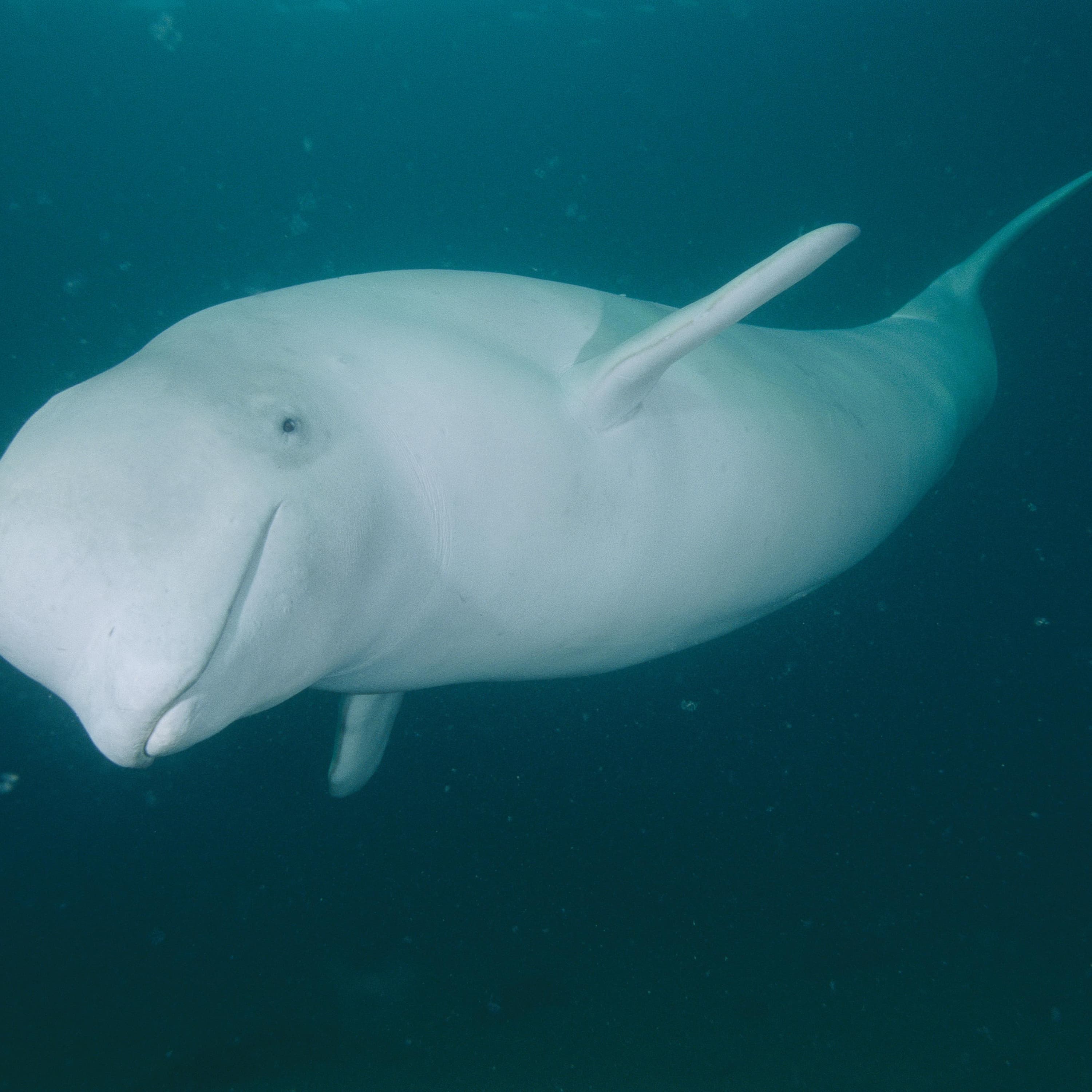 Could humans ever communicate with whales? 01.09.2026 17pEver since the earliest known recording of whale song was made in 1949, researchers have been captivated by the wails, rumbles, clicks, grunts and squeals of their communication. As technology improves, scientists are decoding the intricate patterns that make different species’ vocalisations distinctive. Madeleine Finlay hears from Emma Bryce, a journalist who has spent months investigating human efforts to understand whale song. She explains how this knowledge could help us better protect whales from human-made harms. Credits: 1. Copyright 1978 National Geographic Society and 1977 Capitol Records, Inc. Commentary by Dr Roger Payne 2. Valeria Vergara/Raincoast Conservation Foundation 3. Footage courtesy of Raincoast Conservation Foundation - Obtained for research under SARA permit XMMS 4 2026 4. Video by Amanda Cotton/Project CETI 5. Footage courtesy of Valeria Vergara and GREMM. Obtained for research under SARA permits QUE-MM02-2016 and QUE-LEP-001-2018 6. Project CETI 7. Project CETI. Help support our independent journalism at <a href="https://www.theguardian.com/sciencepod">theguardian.com/sciencepod</a>
 -
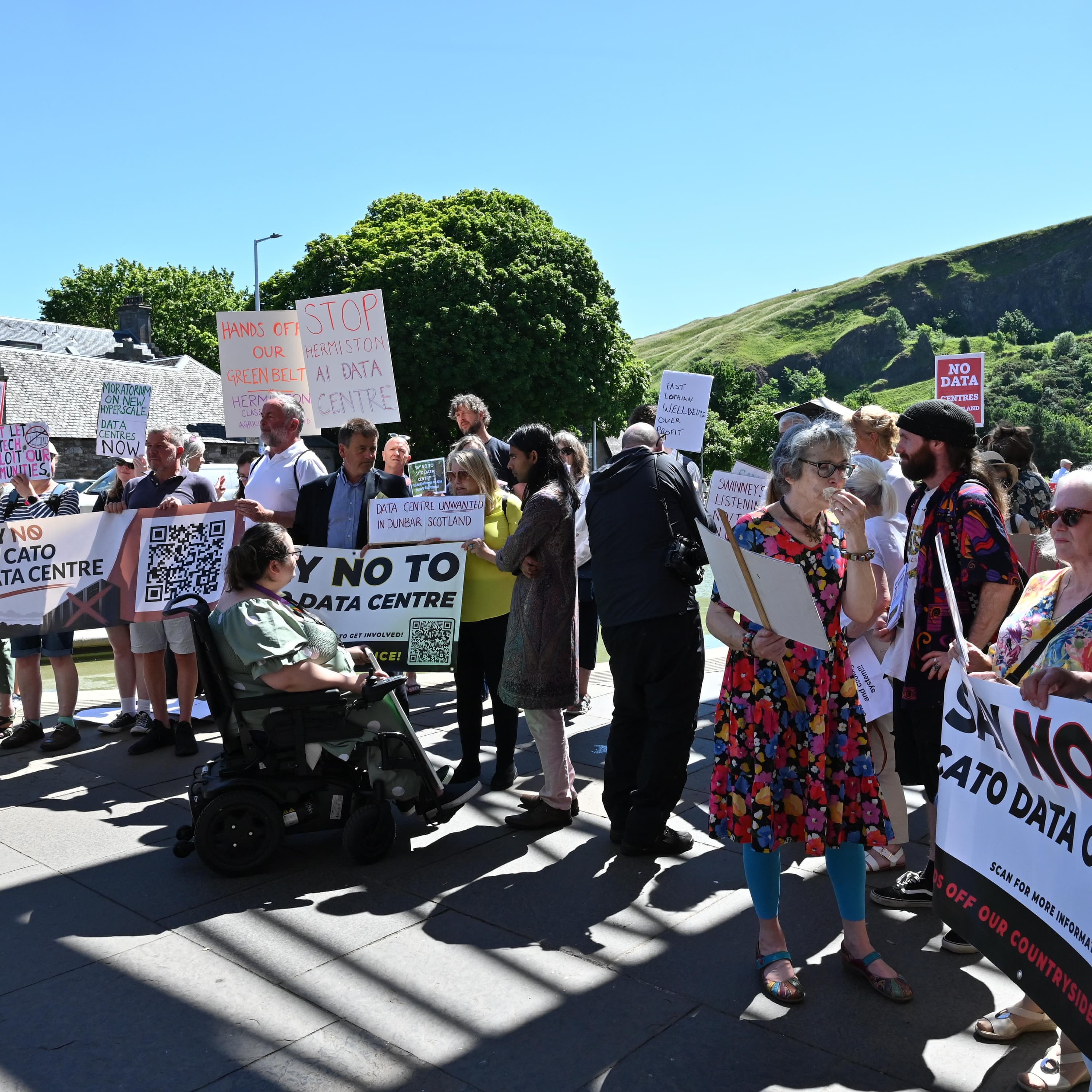 Everyone hates datacentres. Do we really need them? 27.08.2026 16pAI companies have promised us world-shifting technology. But there’s a cost: loud, unsightly datacentres that drain environmental resources. As the government pushes their rapid growth, can local communities do anything to push back? Madeleine Finlay speaks to the Guardian’s global technology reporter Aisha Down about the backlash to datacentres across the UK and around the world. Help support our independent journalism at <a href="https://www.theguardian.com/sciencepod">theguardian.com/sciencepod</a>
 -
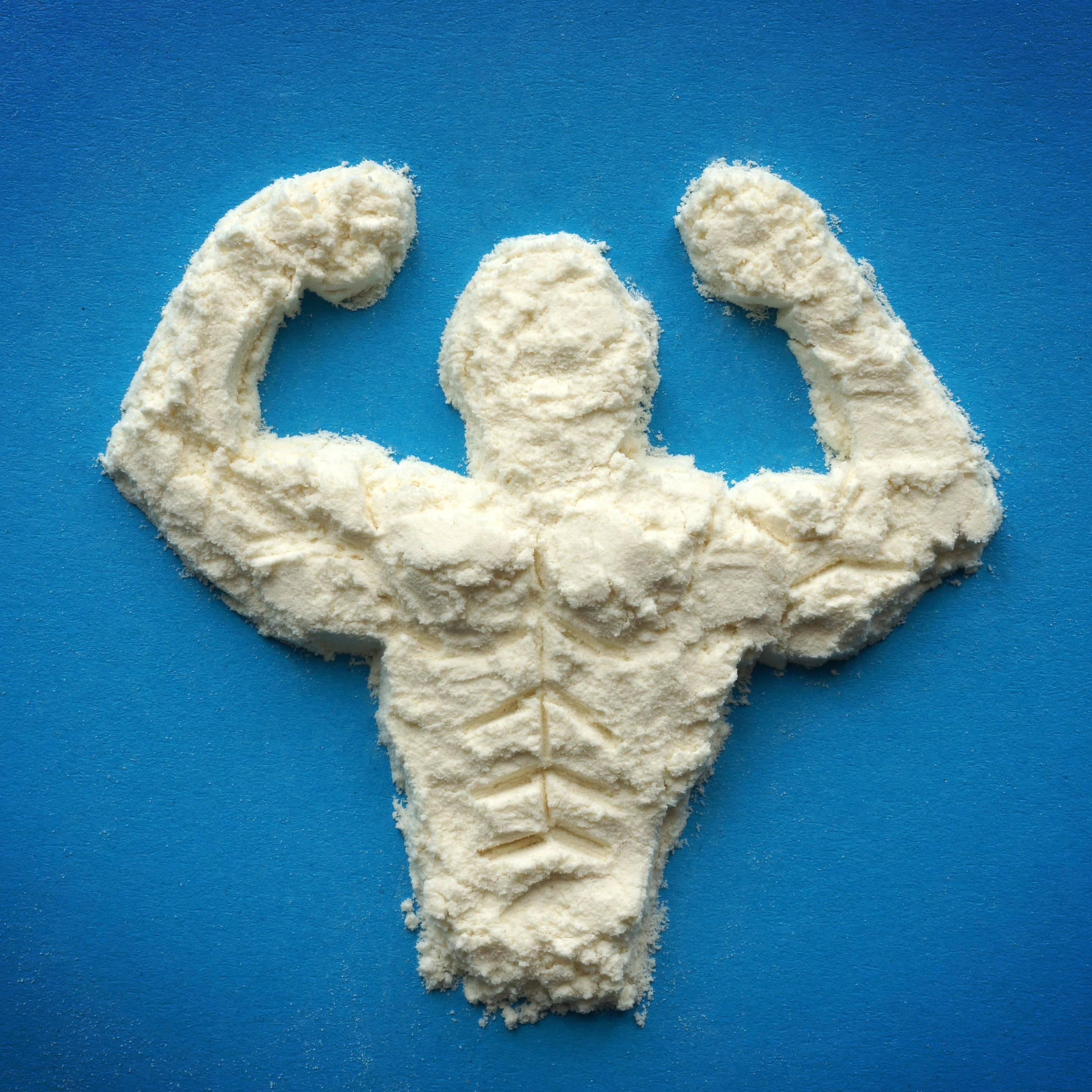 Creatine: is there truth behind the hype? 25.08.2026 15pCreatine has become the go-to supplement for anyone wanting to give their fitness a boost and build muscle. It’s even made it out of the gym, with influencers touting its cognitive benefits. But what’s the science behind creatine, and does the evidence stack up? Madeleine Finlay hears from science editor Ian Sample and Dr Justin Roberts, professor of nutritional physiology at Anglia Ruskin University. Help support our independent journalism at <a href="https://www.theguardian.com/sciencepod">theguardian.com/sciencepod</a>
 -
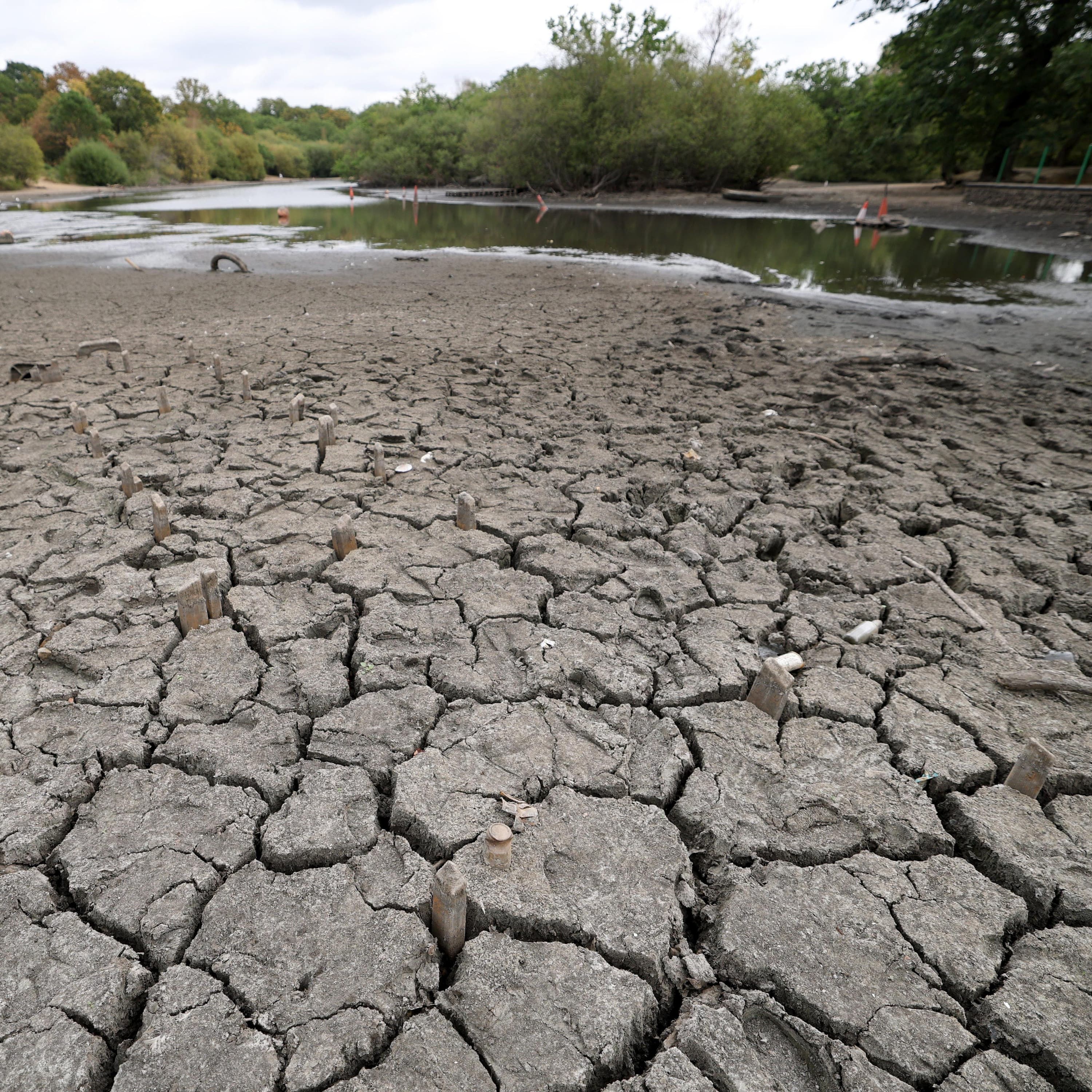 It’s finally raining. Will it be enough to end the drought? 20.08.2026 15pAfter a summer that has seen England and Wales experience the driest July since records began, rain is finally on the horizon. But with reservoirs at ‘exceptionally low’ levels, will there be enough rain to replenish stocks? Madeleine Finlay hears from Dr Anna Murgatroyd, a lecturer in hydrology at Newcastle University, about how much rain we need to see us through next summer, why we’re now at increased risk of floods, and what we can all be doing to take better care of our water supplies. Help support our independent journalism at <a href="https://www.theguardian.com/sciencepod">theguardian.com/sciencepod</a>
 -
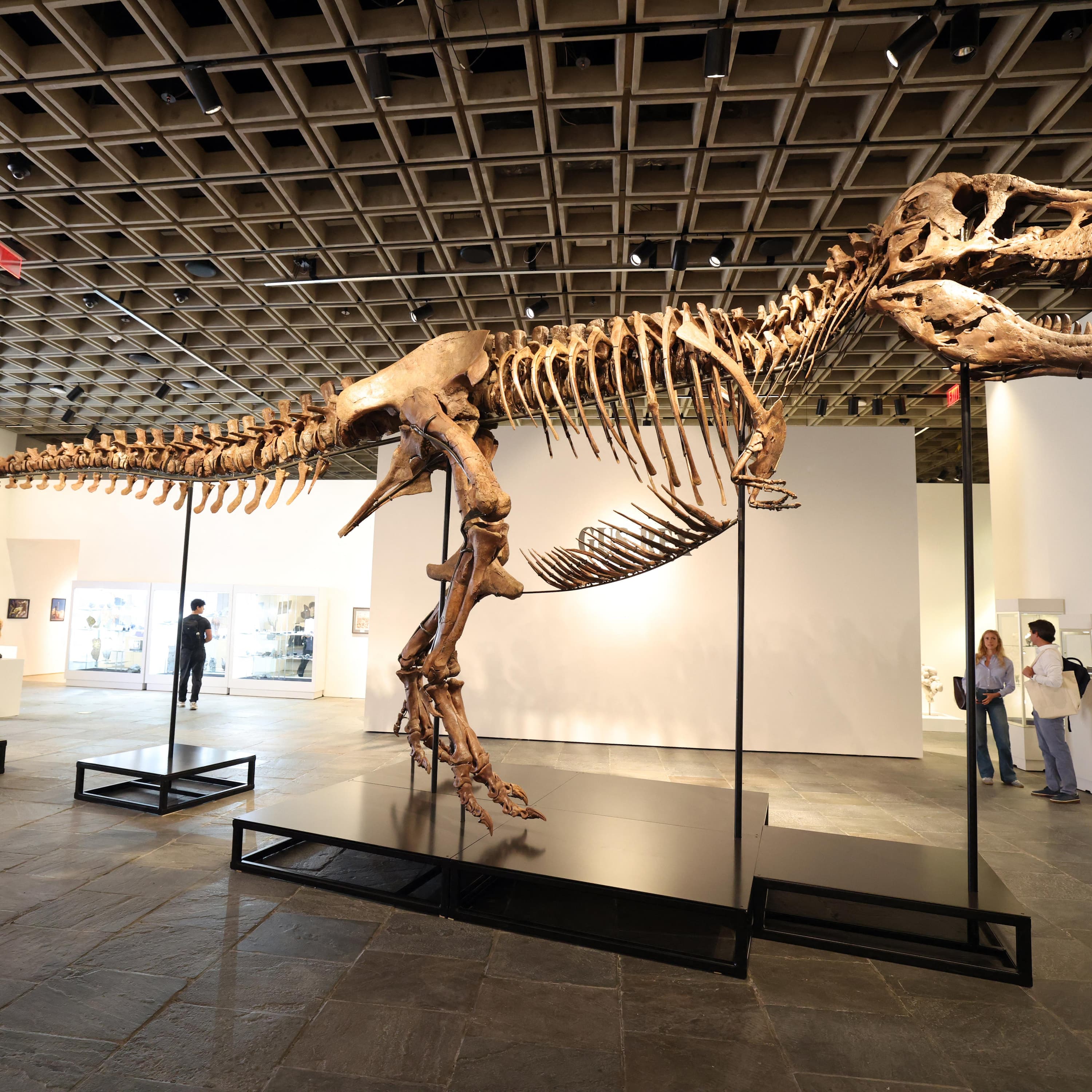 The ultra rich are collecting fossils, and that’s bad for science 18.08.2026 14pOne of the UK’s best fossil collections has been sold overseas in what experts have called a loss to the nation. The collection, which is now on display at the Natural History Museum in Abu Dhabi, was gathered on Dorset’s Jurassic Coast. As dinosaur fossils sell to private collectors for increasingly large sums, scientists are worried that domestic museums are being priced out of the market, and in turn scientists are missing out on the opportunity to make new observations. To find out how fossils became big business and what it could mean for research, Madeleine Finlay hears from science correspondent Nicola Davis. Help support our independent journalism at <a href="https://www.theguardian.com/sciencepod">theguardian.com/sciencepod</a>
 -
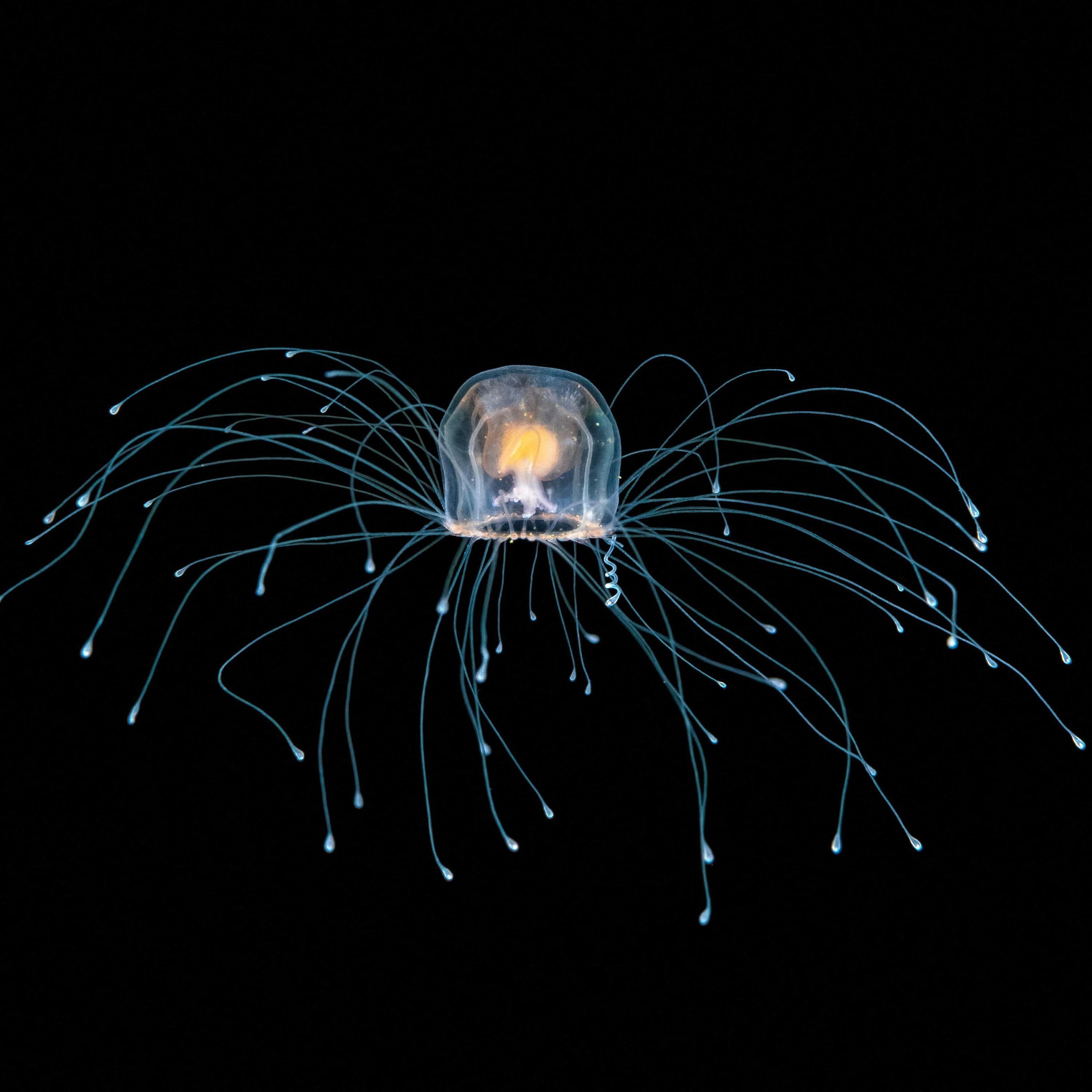 The immortal jellyfish and other mindblowing invertebrates 13.08.2026 15pEach year the Guardian runs a competition to find the invertebrate of the year. To find out more about the 2026 nominees science editor Ian Sample hears from climate reporter Petra Stock, environment reporter Oliver Milman and Science Weekly co-host Madeleine Finlay. They each nominate an incredible invertebrate that you might never have heard of, and argue why their choice should be crowned the winner. Vote for your favourite now and the winner will be crowned on 17 August. Help support our independent journalism at <a href="https://www.theguardian.com/sciencepod">theguardian.com/sciencepod</a>
 -
 We’re reading less. And it’s making us stupid 11.08.2026 19pBooks have never been trendier, but studies show that as more and more things compete for our frazzled attention spans, we’re reading less and less. This is a problem because reading has a wealth of cognitive benefits that we’re in danger of missing out on. To find out why declining literacy could affect everything from memory to IQ, Madeleine Finlay speaks to the Guardian’s science editor, Ian Sample. She also hears from Prof Falk Huettig, an experimental psychologist at the Max Planck Institute for Psycholinguistics and author of The Perks of Being a Bookworm. Help support our independent journalism at <a href="https://www.theguardian.com/sciencepod">theguardian.com/sciencepod</a>
 -
 Four types of thinker, the cyclosporiasis outbreak, and the UK’s biggest telescope threatened 06.08.2026 22pMadeleine Finlay is joined by Ian Sample, Guardian science editor, to discuss three eye-catching science stories including an investigation that has identified four distinct types of thinker. Also on the agenda is the unprecedented cyclosporiasis outbreak in the US which has now been linked to two fatalities, and the funding cuts that threaten the iconic Jodrell Bank world heritage site, home to the Lovell telescope. Help support our independent journalism at <a href="https://www.theguardian.com/sciencepod">theguardian.com/sciencepod</a>
 -
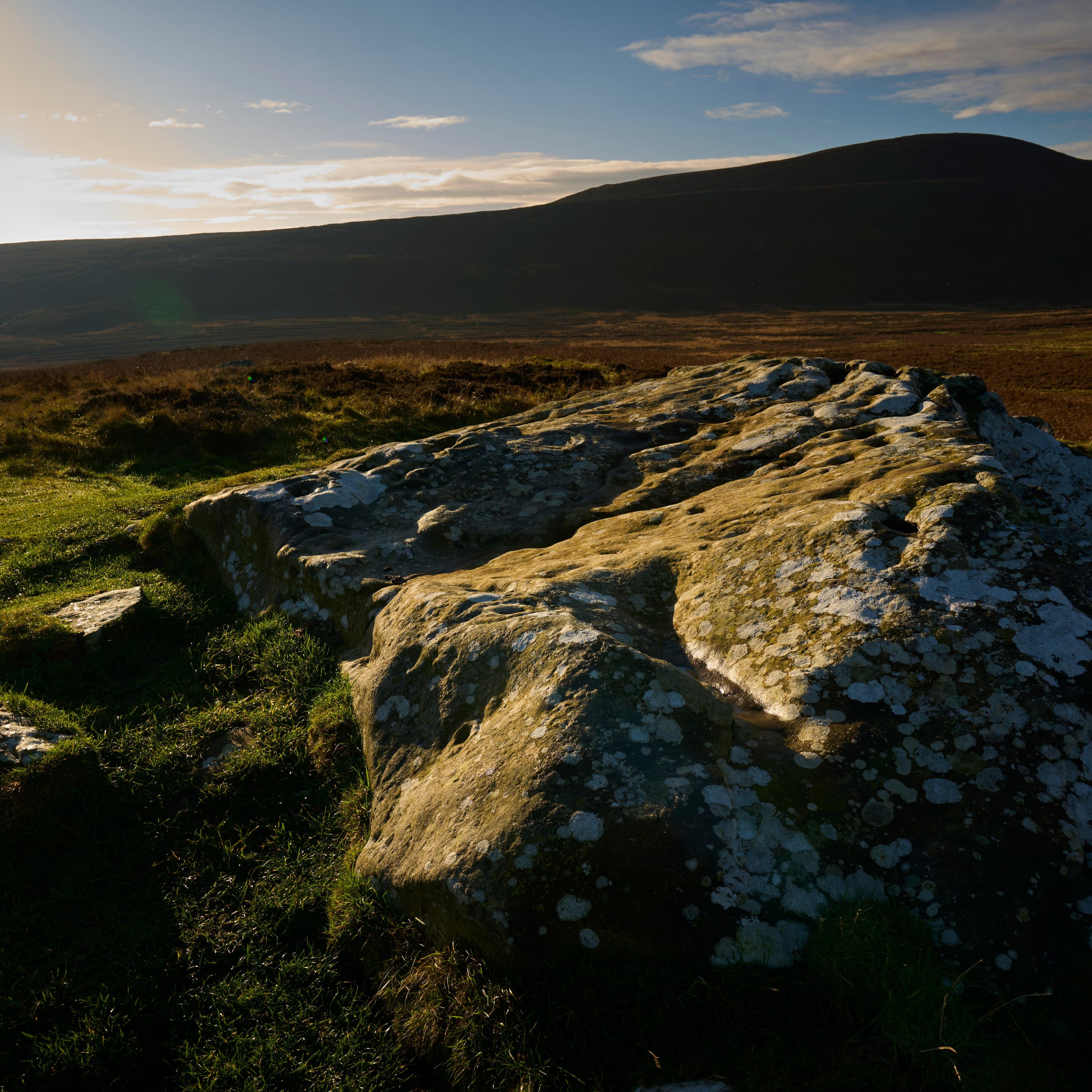 The fight to save a historic English landscape 04.08.2026 16pMadeleine Finlay travels to the Rothbury estate in Northumberland, in north-east England. It’s a piece of land that has been in the same family for 700 years, but now it has been put up for sale and the UK’s Wildlife Trusts are trying to raise £30m to secure it intact. To find out what makes the area so special, Madeleine speaks to Katy Barke, the head of nature recovery for Northumberland Wildlife Trust. She also hears from Sam Turner, a professor of archaeology at Newcastle University, who is trying to work out how the land has been used across the centuries. This work will inform the strategy for nature recovery on the site. And Rosie Pearce, a farm liaison officer, explains how the project could bring more wildlife-friendly farming practices to the estate. Help support our independent journalism at <a href="https://www.theguardian.com/sciencepod">theguardian.com/sciencepod</a>
 -
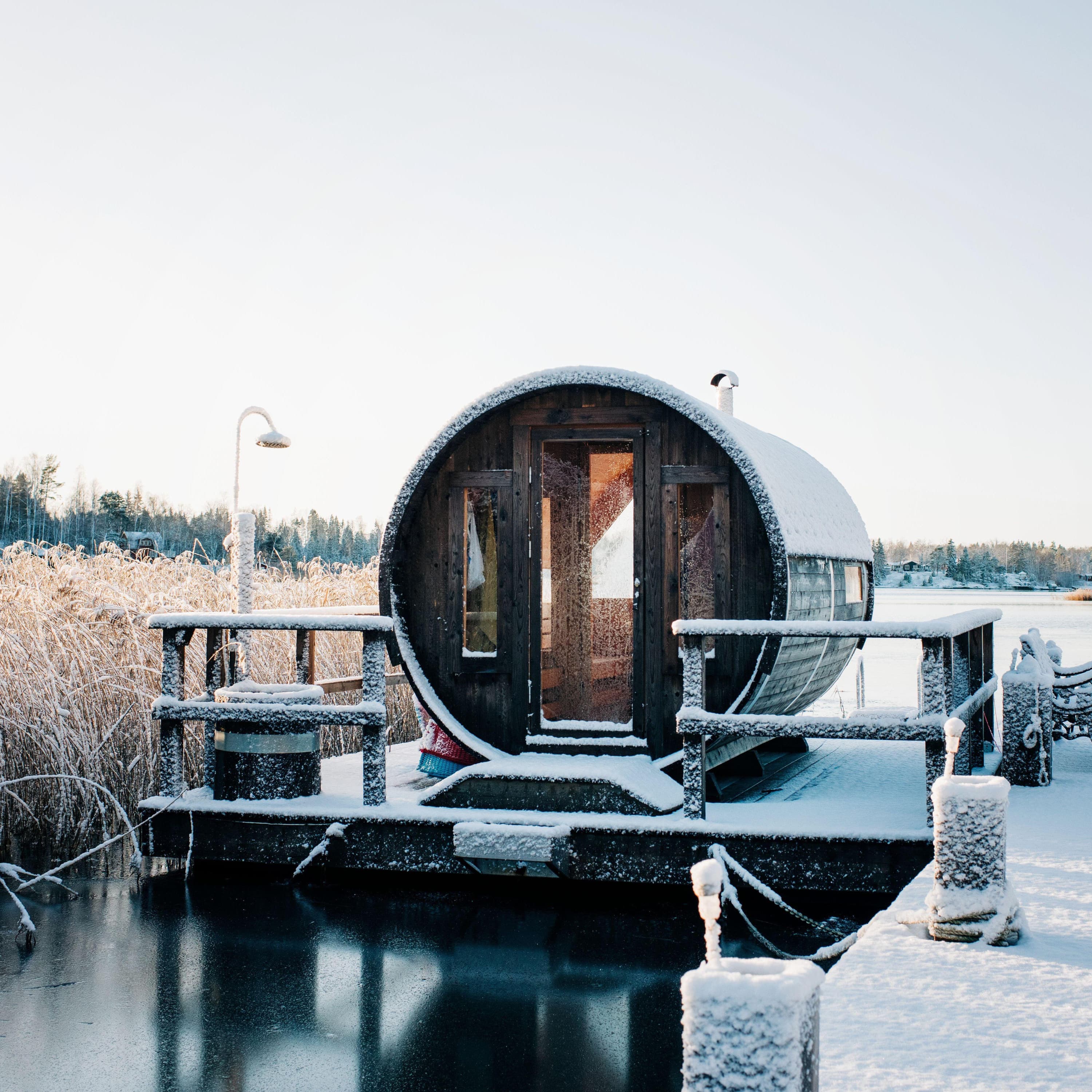 Revisited: Saunas and cold plunges, where does the evidence stand? 30.07.2026 16pSaunas and cold plunge pools are popping up everywhere in the UK, bringing fiery heat and icy cold to a beach, city farm or park near you. Their users will be ready with all the reasons why it’s good for both the mind and the body. But what’s the evidence for the benefits of sauna and cold plunge? In this episode from April, Madeleine Finlay hears from Ian Sample and Dr Heather Massey, associate professor at the University of Portsmouth’s extreme environments laboratory. Help support our independent journalism at <a href="https://www.theguardian.com/sciencepod">theguardian.com/sciencepod</a>
 -
 Revisited: The surprising science of dreams and nightmares 28.07.2026 22pIn this episode from January 2026, Ian Sample puts listeners’ questions about dreams and nightmares to Dr Michelle Carr, the director of the Dream Engineering Laboratory in Montreal’s Centre for Advanced Research in Sleep Medicine, and the author of the book Into the Dream Lab. They look at why we dream, what we can learn by examining our dreams, and what we can do when dreams turn into nightmares. Carr gives her top tips for taking charge of our dreams and trying to influence their content. Help support our independent journalism at <a href="https://www.theguardian.com/sciencepod">theguardian.com/sciencepod</a>
 -
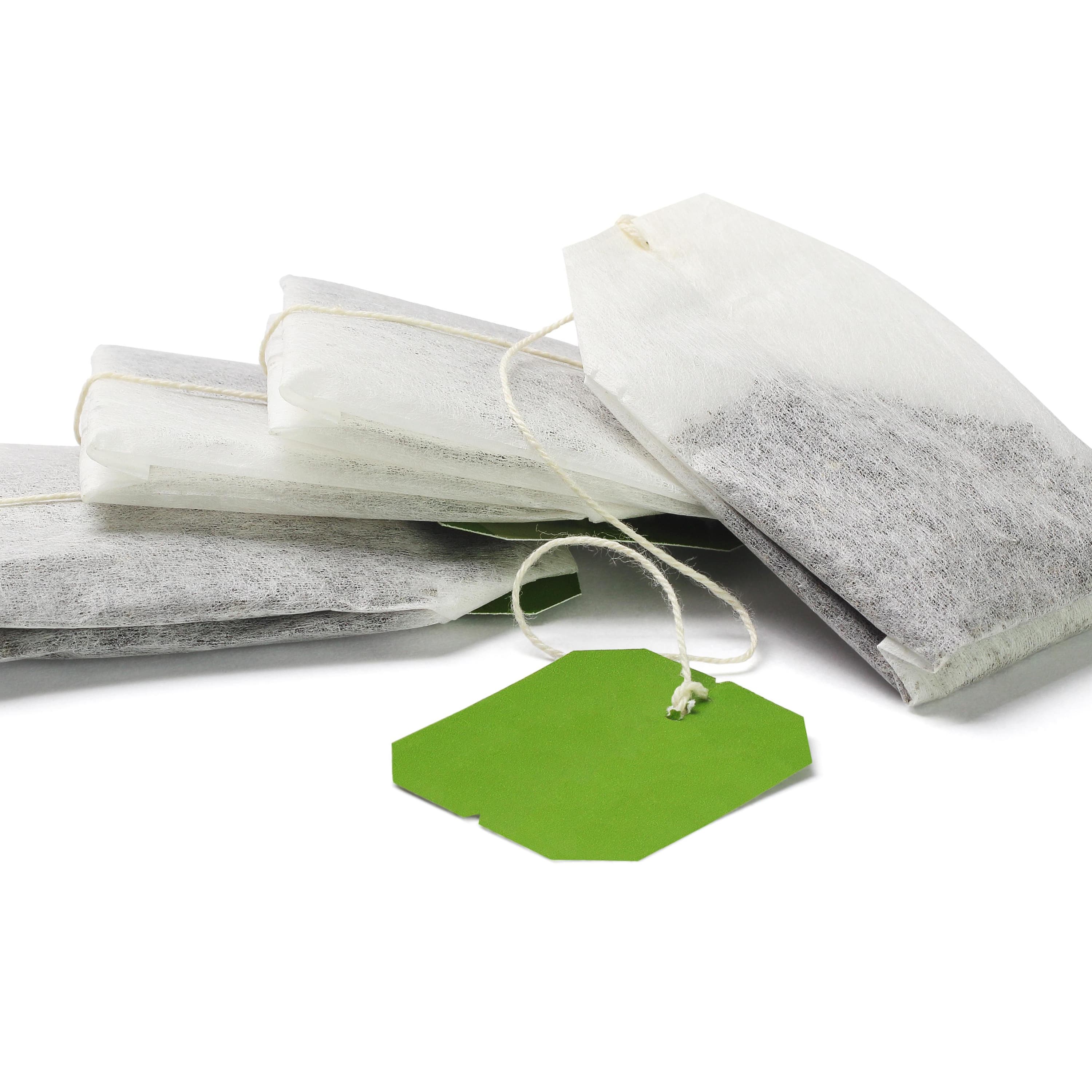 Revisited: A Scottish tea mystery, episode three – a bag for life 23.07.2026 20pScience correspondent Nicola Davis investigates the strange story of Tam O’Braan and his attempts to grow tea in Scotland. In episode three of this mini-series first broadcast in October 2025, all of O’Braan’s lies come to a head and it is revealed where he was sourcing the tea being supplied to hotels and shops. At trial, O’Braan takes the stand and the Scottish growers finally get some answers. But what remains today of the Scottish tea industry that O’Braan instigated?. Help support our independent journalism at <a href="https://www.theguardian.com/sciencepod">theguardian.com/sciencepod</a>
 -
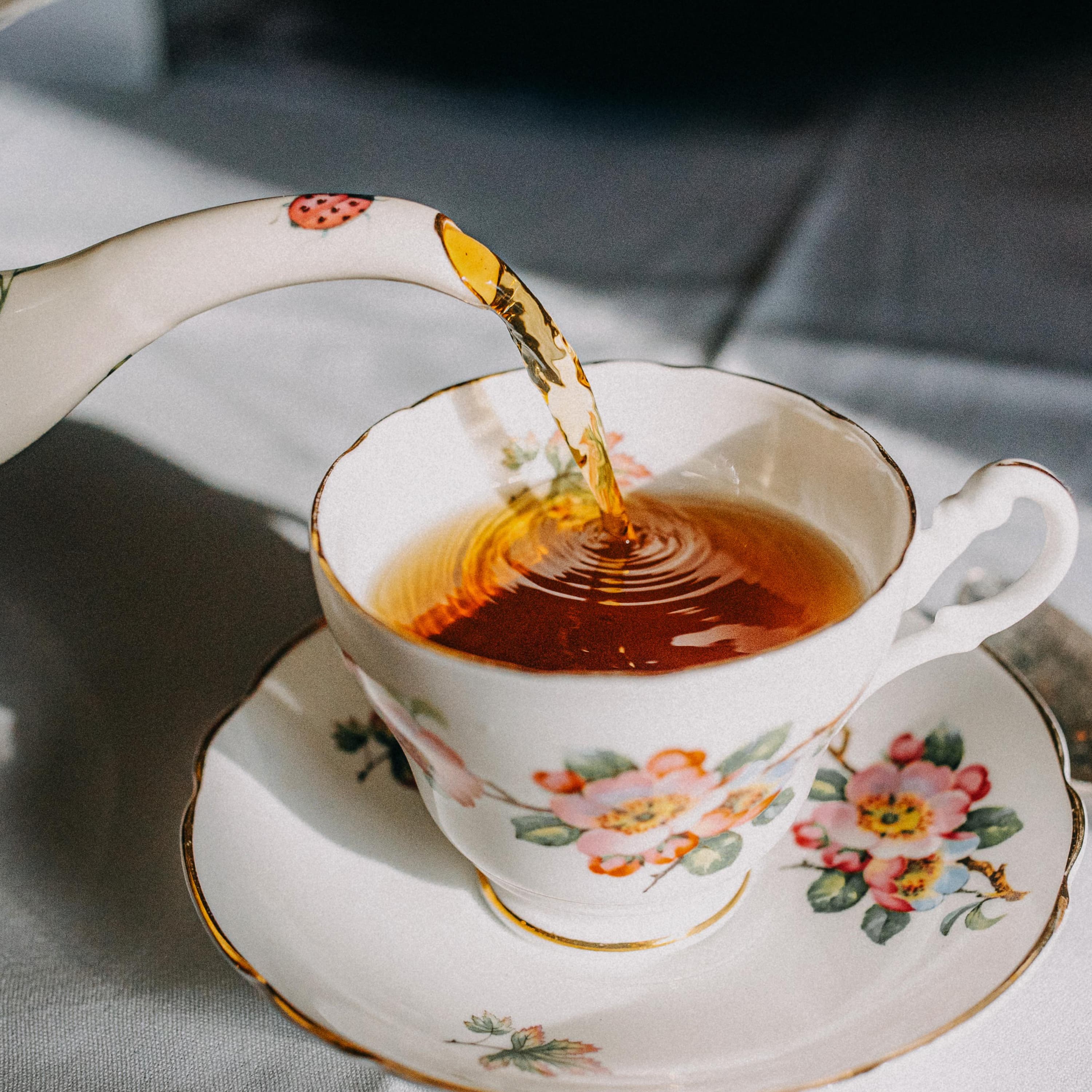 Revisited: A Scottish tea mystery, episode two – the list 22.07.2026 23pScience correspondent Nicola Davis investigates the strange story of Tam O’Braan and his attempts to grow tea in Scotland. In episode two of this mini-series first broadcast in October 2025, Nicola hears how O’Braan’s network of Scottish tea growers began to have suspicions about exactly what he was selling and where it came from, and how cutting-edge science helped provide some answers. Help support our independent journalism at <a href="https://www.theguardian.com/sciencepod">theguardian.com/sciencepod</a>
 -
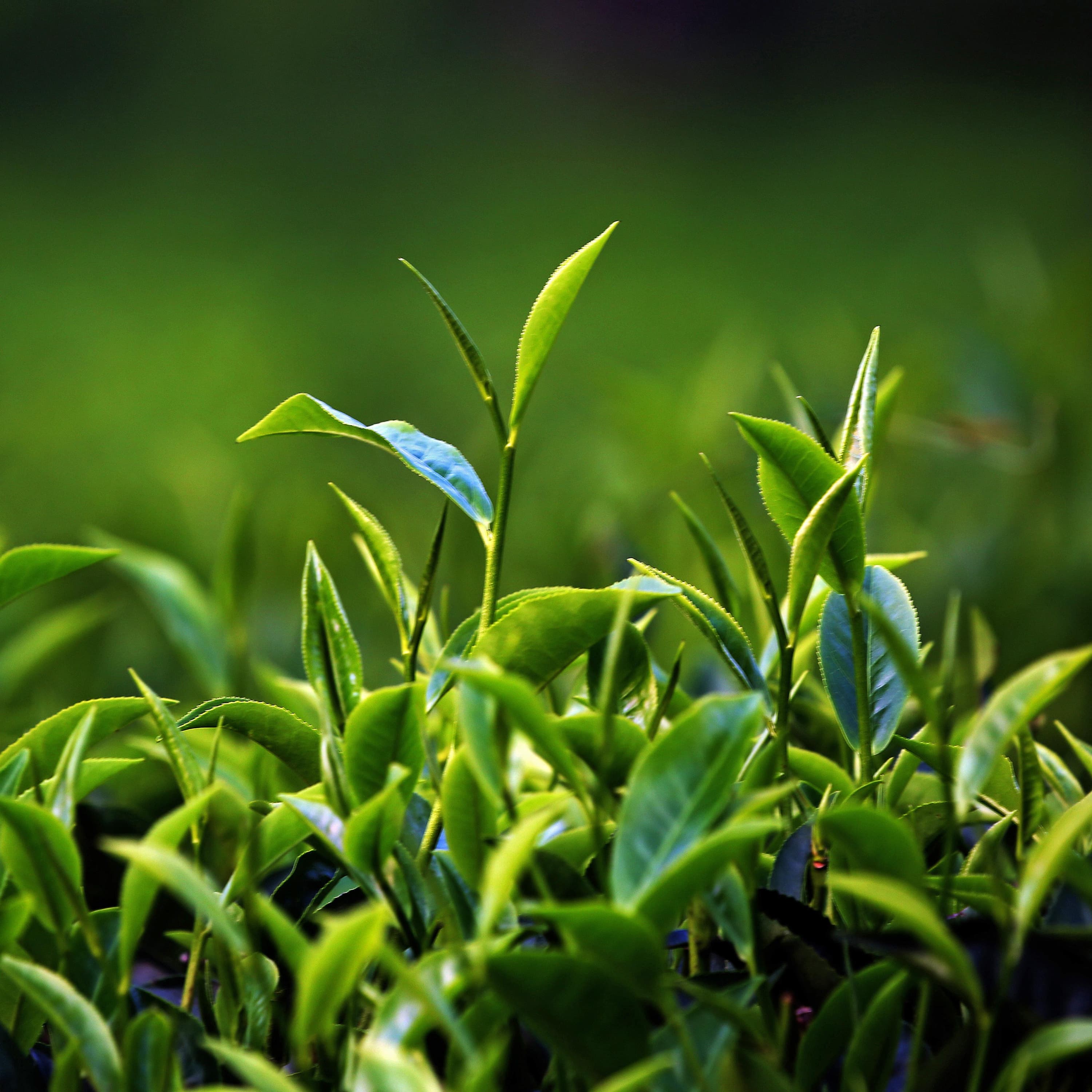 Revisited: A Scottish tea mystery, episode one – green shoots 21.07.2026 22pScience correspondent Nicola Davis investigates the strange story of Tam O’Braan and his attempts to grow tea in Scotland. In episode one of this mini-series first broadcast in October 2025, Nicola looks back on her first meeting with O’Braan while working on a feature about tea plantations in the UK. He was selling his award-winning Scottish-grown tea to some of the UK’s finest hotels, but something didn’t quite add up. And Nicola wasn’t the only person taking an interest in his story. Help support our independent journalism at <a href="https://www.theguardian.com/sciencepod">theguardian.com/sciencepod</a>
Hasonló podcastok


Népszerű itt:
Ez a podcast ezeknek az országoknak a podcast-listáin is szerepel.
-
 Litvánia
-
 Örményország
-
 Üzbegisztán
-
 Málta
Málta
-
 Csád
Csád
-
 Jamaica
-
 Indonézia
-
 Bermuda
-
 Kazahsztán
-
 Luxemburg
-
 Tádzsikisztán
-
 Mauritius
-
 Bulgária
-
 Srí Lanka
-
 Szerbia
-
 Szlovénia
-
 Moldova
-
 Belize
-
 Ecuador
-
 Észtország
-
 Görögország
-
 Honduras
-
 Omán
Omán
-
 Burkina Faso
-
 Antigua és Barbuda
-
 Ghána
Ghána
-
 Izland
-
 Montenegró
-
 Ciprus
-
 Törökország
-
 Sierra Leone
-
 Trinidad és Tobago
-
 Bahrein
-
 Észak-Macedónia
-
 Kenya
Kenya
-
 Seychelle-szigetek
-
 Afganisztán
-
 Új-Zéland
-
 Magyarország
-
 Argentína
-
 Kamerun
-
 Finnország
-
 Mozambik
-
 Paraguay
-
 Madagaszkár
-
 Libanon
-
 Azerbajdzsán
-
 Horvátország
-
 Írország
-
 Maldív-szigetek
-
 Albánia
-
 Tanzánia
-
 Libéria
-
 Egyesült Királyság
-
 Dominikai Köztársaság
-
 Algéria
-
 Jordánia
-
 Barbados
-
 Saint Lucia
-
 Lettország
-
 Botswana
-
 Zöld-foki Köztársaság
-
 Grenada
-
 Guyana
-
 Marokkó
-
 Nepál
Nepál
-
 Mauritánia
-
 Mongólia
-
 Costa Rica