
The Thomistic Institute
The Thomistic Institute
0
The Thomistic Institute promotes Catholic truth by strengthening the intellectual formation of Christians at universities, in the Church, and in the wider public square, with the thought of St. Thomas Aquinas as its touchstone. The podcast features lectures and talks from conferences, campus chapters events, intellectual retreats, livestream events, and more. Founded in 2009, it is part of the Pontifical Faculty of the Immaculate Conception at the Dominican House of Studies in Washington, DC.
Episodi
-
 Art that reveals Nature: A Thomistic Account of Scientific Experiments and Instruments - Fr. Thomas Davenport, O.P. 18.09.2026 46minFr. Thomas Davenport argues against the Thomist intuition that artifice obscures nature, showing from Aquinas's account of art and artifacts that artificial forms are accidental forms rooted in the natural active and passive powers of substances, so that scientific instruments and experiments reveal rather than distort the natures they investigate.This lecture was given on July 18th, 2026, at Dominican House of Studies.For more information on upcoming events, visit us at thomisticinstitute.org/upcoming-events.About the Speaker:Fr. Thomas Davenport, O.P., is professor of philosophy at the Pontifical University of St. Thomas Aquinas in Rome, where he teaches philosophy of nature and epistemology. He has written and spoken on the relationship of faith and science in a variety of venues, including being a main contributor to the Thomistic Evolution project. He was ordained to the priesthood in 2017 and is working on his second PhD in philosophy. Keywords: Active and Passive Powers, Anjan Chakravarthy, Aquinas, Artificial Form, Assisting Cause, Causal Properties, Nancy Cartwright, Nomological Machine, Scientific Instruments, Semi-Realism
 -
 The Mystery of Beauty - Dr. Sarah E. Maple 17.09.2026 47minDr. Sarah E. Maple asks how we acquire an organic vision of beauty that is not merely material or visual, arguing from Aquinas's formal criteria of beauty (proportion, integrity, clarity) and Hans Urs von Balthasar's theological aesthetics (form and splendor, beholding and enrapture) that beauty belongs first to the human person, and that the artist's vocation is grounded in wonder, self-gift, and the sincerity of the body, culminating in a spirituality of artistic service.This lecture was given on April 21st, 2026, at University of Georgia.Support the Thomistic Institute Campus Chapter Program here: truth.thomisticinstitute.org/podAbout the Speaker:Dr. Sarah E. Maple is a Visiting Research Scholar at Blackfriars Hall, Oxford, within the University’s Centre for Theology and the Arts. She is a painter, theologian, and professor whose work emphasizes the intersection of creative bodily expression, the sacred imagination, and the interior life of the artist. Sarah wrote her doctoral dissertation at the University of St. Andrews’ Institute for Theology, Imagination and the Arts (2017), and read for her MTS at the Pontifical John Paul II Institute. She lectures graduate students in theology and art at both the University of Notre Dame and St Joseph’s Seminary. She is also a Visiting Research Scholar at The William G. Congdon Foundation.Keywords: Aquinas, Balthasar, Clarity, Formal Criteria Of Beauty, Integrity, John Paul II, Proportion, Self Gift, Theology Of The Body, Wonder
 -
 The War on Beauty - Fr. Gabriel Torretta, O.P. 16.09.2026 1h 5minFr. Gabriel Torretta argues that beauty has become a "forbidden word" for our age due to the effects of German Idealism and Modernism; as a remedy, he proposes a recovery grounded in the Christian metaphysical tradition (Eriugena, Aquinas, Augustine), in which beauty is the attractive power by which God draws all things to himself and which requires an asceticism of the gaze.This lecture was given on April 28th, 2026, at University of Washington.Support the Thomistic Institute Campus Chapter Program here: truth.thomisticinstitute.org/podAbout the Speaker:Gabriel Torretta, O.P., is assistant professor of Theology at Providence College. He is a church historian whose work focuses on the history of Christian ideas of beauty and art, with a particular focus on the eighth and ninth centuries. He recently completed his PhD at the University of Chicago Divinity School, with a dissertation entitled “‘Beautiful as the Moon’: Discourses of Beauty in the Carolingian Era.” His current projects explore the cultural and theological legacy of ninth-century thinkers like Theodulf of Orléans, Hrabanus Maurus, and John Scottus Eriugena.Keywords: Adorno, Aquinas, Asceticism Of The Gaze, Augustine, Bouguereau, Divine Beauty, Eriugena, Lucian Freud, Roger Scruton, Worship Of Beauty
 -
 On the Via Pulchritudinis: Pope Benedict XVI’s Meditations on Art and Prayer - Fr. Alan O'Sullivan, O.P. 15.09.2026 42minFr. Alan O'Sullivan provides an introduction to Pope Benedict XVI's thought on the "via pulchritudinis" — the way of beauty — arguing that authentic beauty wounds the heart and draws it toward the transcendent Logos, is inseparable from truth, goodness, and prayer, and is indispensable for the Church's liturgy and evangelization against a false, self-absorbing beauty.This lecture was given on July 18th, 2026, at Glencomeragh House.Support the Thomistic Institute Campus Chapter Program here: truth.thomisticinstitute.org/podAbout the Speaker:Fr. Alan O’Sullivan, O.P. (Trinity College) is currently the chaplain of Trinity College, Dublin. He is a member of the Irish province of the Order of Preachers who studied at Blackfriars, Oxford.Keywords: Beauty, Benedict XVI, Dostoevsky, Logos, Magnificat, Paul Claudel, Prayer, Saints, Via Pulchritudinis, Wound Of Beauty
 -
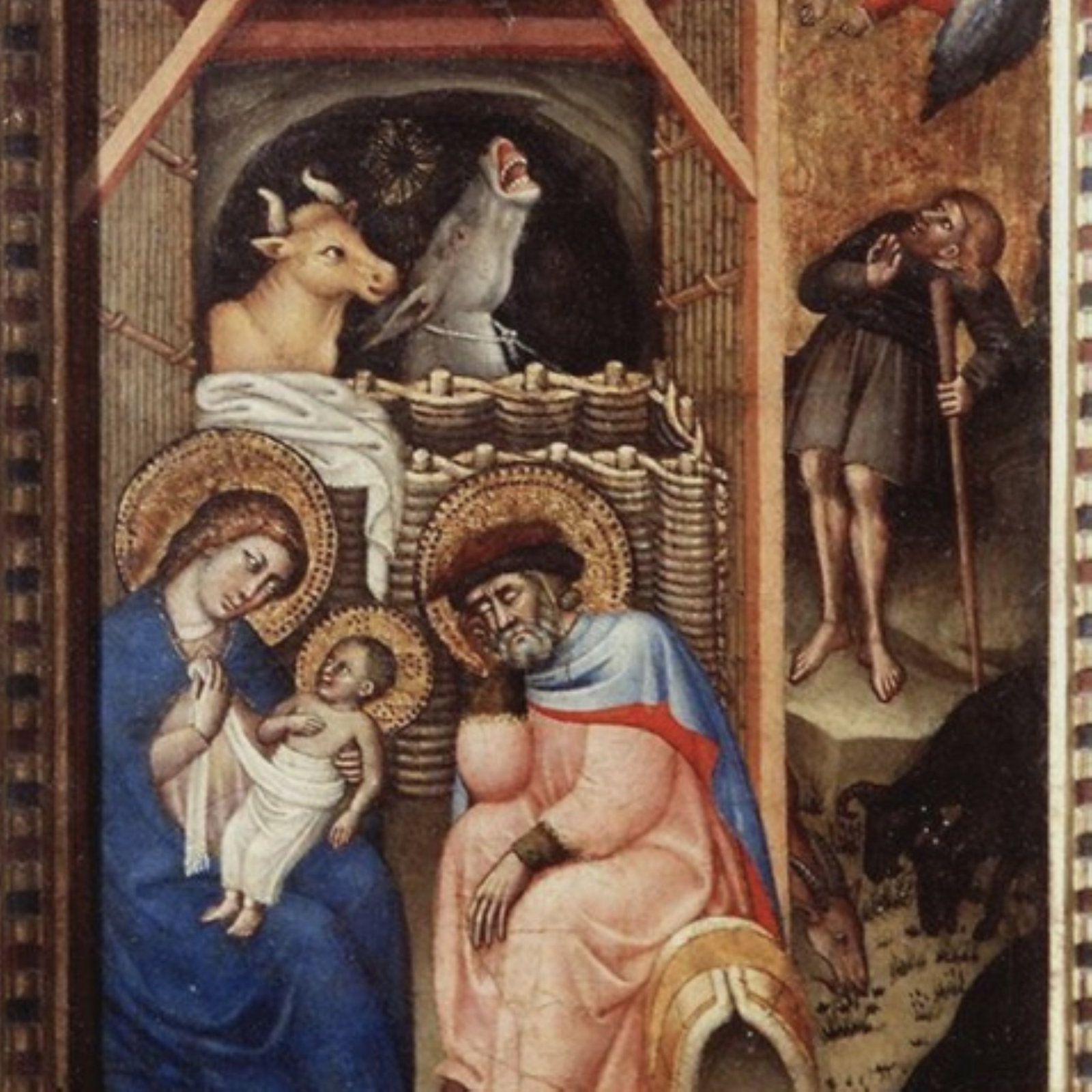 Purifying the Imagination: Iconoclasm and the Incarnation - Fr. Irenaeus Dunlevy, O.P. 14.09.2026 51minFr. Irenaeus Dunlevy argues that the Exodus prohibition on graven images was a purification of Israel's imagination from false imaginings of the invisible God, and that the Incarnation opens a new, positive use of sacred images — the face of Christ and the icons of his saints — by which the imagination is fed and purified for contemplation, a truth vindicated by Saint John Damascene and the Second Council of Nicaea against the iconoclasts.This lecture was given on July 19th, 2026, at Glencomeragh House.Support the Thomistic Institute Campus Chapter Program here: truth.thomisticinstitute.org/podAbout the Speaker:Fr. Irenaeus Dunlevy, OP is a Coordinator for Campus Outreach at the Thomistic Institute in Washington, DC. He has served as a parochial vicar at St. Pius V Church in Providence, RI, as well as an adjunct professor and assistant chaplain at Providence College. He originates from Columbus, OH, studied architecture in Virginia and Switzerland, and practiced in the DC area before entering the Order of Preachers in 2013. He was ordained a priest in 2020 at the Dominican House of Studies during the quarantine. In his work with the Thomistic Institute, he has given talks on the virtue of penance, loving God with the mind, and the intersection of theology and architecture. He often travels the country visiting Thomistic Institute Campus Chapters, leading seminars that help students grasp Thomistic concepts. Additionally, he coordinates the TI's intellectual retreat programming, which affords students time to pray and integrate into their lives Thomistic theology and philosophy.Keywords: Aquinas, Dulia, Iconoclasm, Incarnation, John Damascene, Latria, Purification Of The Imagination, Sacred Images, Second Council Of Nicaea, Veneration Of Images
 -
 Iconoclastic and Incarnational Church Architecture - Fr. Irenaeus Dunlevy, O.P. 11.09.2026 1h 5minFr. Irenaeus Dunlevy argues that church architecture is "incarnational" when it corresponds to a true cosmological vision of reality ordered through and toward the Logos and embodies the principles revealed to Moses on Sinai, and "iconoclastic" when, in its modernist self-referentiality, it rejects that order and fails to communicate the body and head of Christ made present in the liturgy.This lecture was given on July 19th, 2026, at Glencomeragh House.Support the Thomistic Institute Campus Chapter Program here: truth.thomisticinstitute.org/podAbout the Speaker:Fr. Irenaeus Dunlevy, OP is a Coordinator for Campus Outreach at the Thomistic Institute in Washington, DC. He has served as a parochial vicar at St. Pius V Church in Providence, RI, as well as an adjunct professor and assistant chaplain at Providence College. He originates from Columbus, OH, studied architecture in Virginia and Switzerland, and practiced in the DC area before entering the Order of Preachers in 2013. He was ordained a priest in 2020 at the Dominican House of Studies during the quarantine. In his work with the Thomistic Institute, he has given talks on the virtue of penance, loving God with the mind, and the intersection of theology and architecture. He often travels the country visiting Thomistic Institute Campus Chapters, leading seminars that help students grasp Thomistic concepts. Additionally, he coordinates the TI's intellectual retreat programming, which affords students time to pray and integrate into their lives Thomistic theology and philosophy.Keywords: Aquinas, Cosmological View, Hermeneutic Of Fracture, Iconoclasm, Incarnational Architecture, Le Corbusier, Logos, Maximus The Confessor, Pantheon, Sacred Architecture
 -
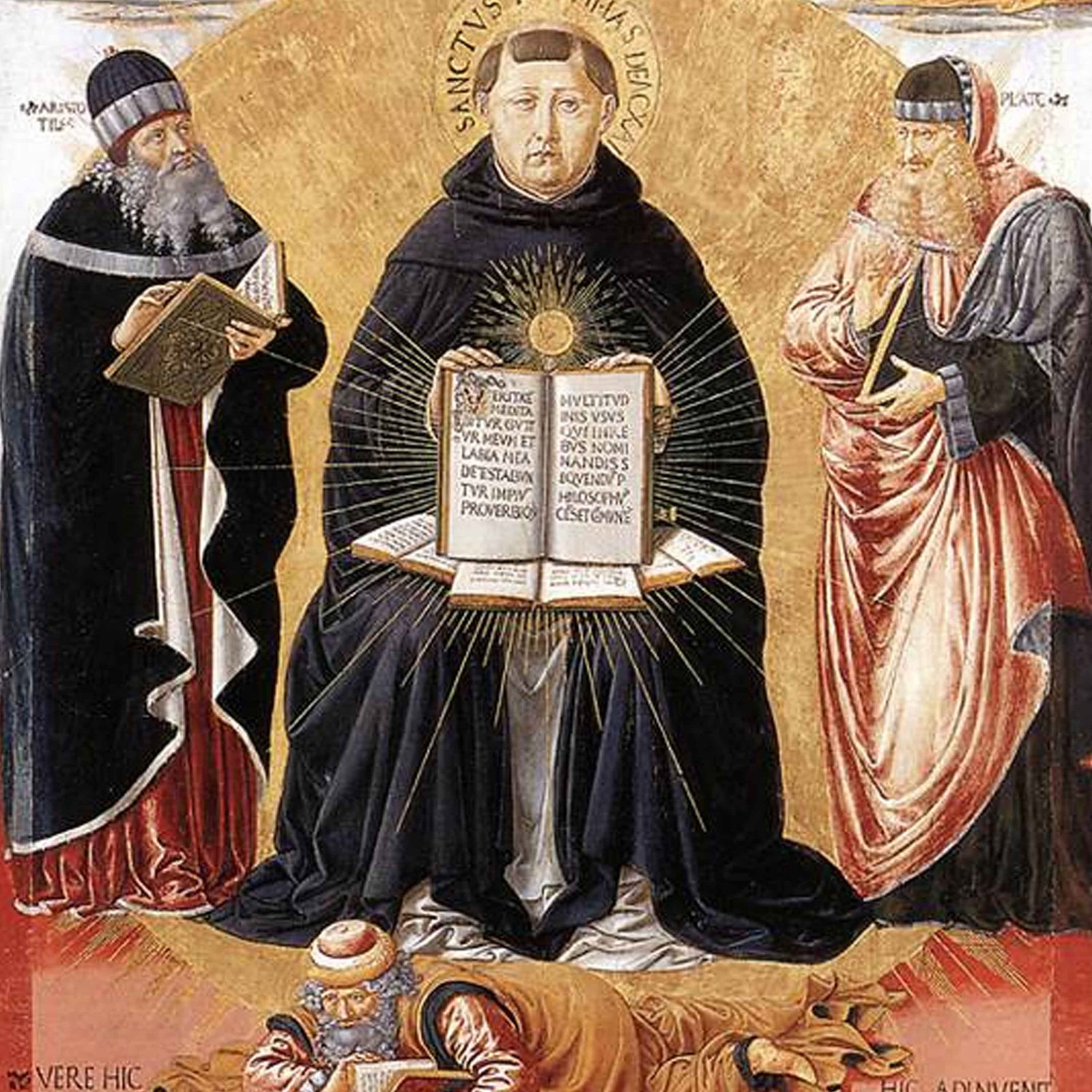 Aquinas on Conscience as the Application of Knowledge to Practice - Fr. David Goodill, O.P. 10.09.2026 42minFr. David Goodill explains that, for Aquinas, conscience is not a power of the soul but an act of the intellect rooted in the natural habit of synderesis and formed by the virtues, above all prudence, so that it reflects the deepest interiority of the person.This lecture was given on July 24th, 2026, at Stonyhurst College.Support the Thomistic Institute Campus Chapter Program here: truth.thomisticinstitute.org/podAbout the Speaker:Fr. David is Dean of Degrees, Lector, Fellow, and Provincial Bursar. He studied Philosophy in Cambridge and Manchester before entering the Dominican Order. He has a doctorate in Moral Theology from the University of Fribourg, Switzerland, and maintains interests in both Moral Philosophy and Moral Theology. He was Prior of Oxford, and has served Blackfriars Hall and Studium as Hall Bursar, Vice-Regent, Senior Tutor and Acting Regent. He is a visiting lecturer in moral theology at St Joseph’s University, Macau.Publications: ‘Original Sense: Augustine and Wittgenstein on Religion and Origins’ in Augustine and Wittgenstein (2018); ‘Elizabeth Anscombe on Just War’ in The Moral Philosophy of Elizabeth Anscombe (2016); Nature as Guide: Wittgenstein and the Renewal of Moral Theology (CUA Press, 2022).Keywords: Aquinas, Conscience, Free Choice, Intellect, Justice, Prudence, Summa Theologiae, Synderesis, Virtue, Will
 -
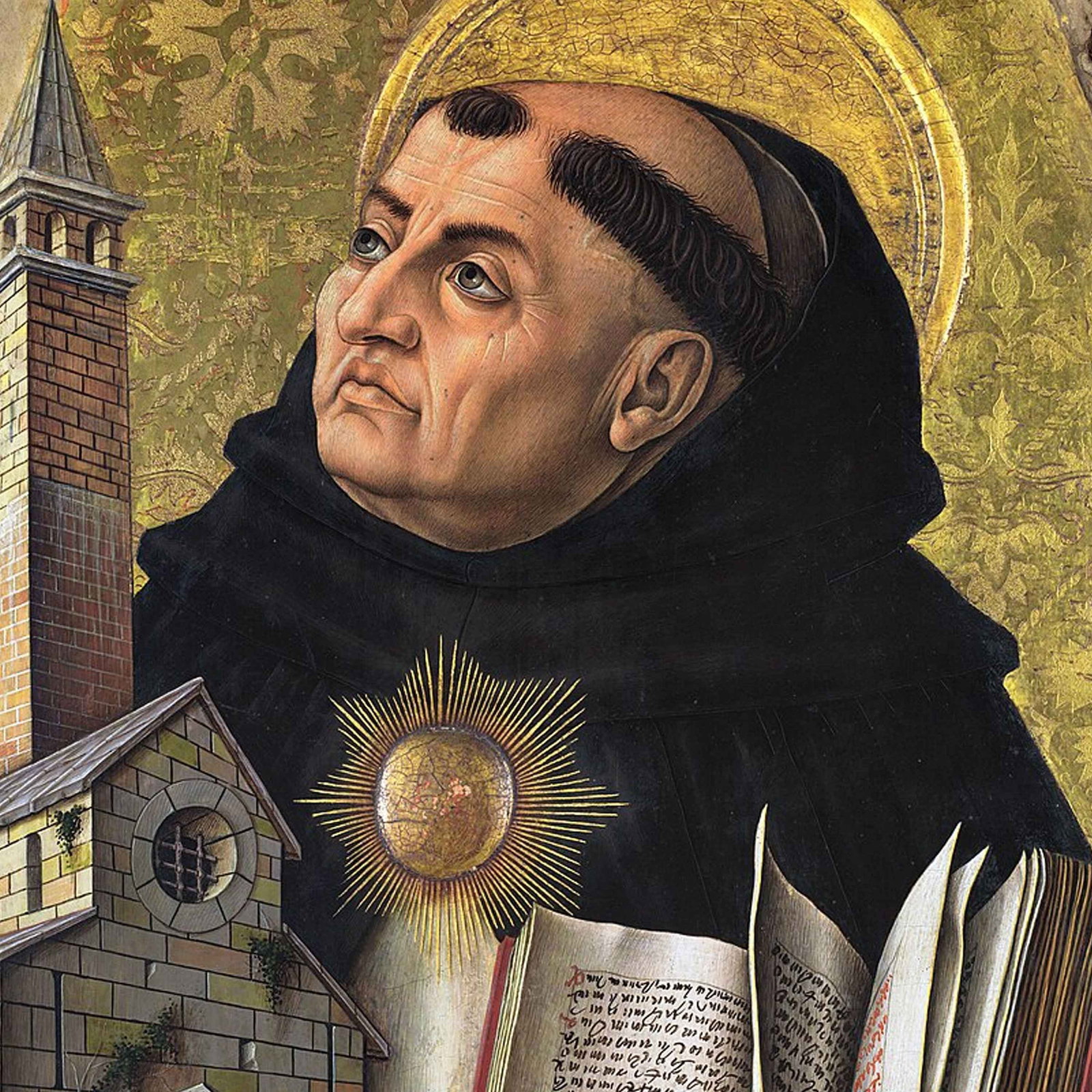 Aquinas on Conscience and the Inner Act of the Will - Fr. David Goodill, O.P. 09.09.2026 47minFr. David Goodill expounds Aquinas's treatment of conscience in Summa theologiae I-II, q.19, arguing that conscience is the inner act of the will and that, even when erring, it binds the agent, such that right formation of conscience through virtue, law, and grace is essential.This lecture was given on July 24th, 2026, at Stonyhurst College.Support the Thomistic Institute Campus Chapter Program here: truth.thomisticinstitute.org/podAbout the Speaker:Fr. David is Dean of Degrees, Lector, Fellow, and Provincial Bursar. He studied Philosophy in Cambridge and Manchester before entering the Dominican Order. He has a doctorate in Moral Theology from the University of Fribourg, Switzerland, and maintains interests in both Moral Philosophy and Moral Theology. He was Prior of Oxford, and has served Blackfriars Hall and Studium as Hall Bursar, Vice-Regent, Senior Tutor and Acting Regent. He is a visiting lecturer in moral theology at St Joseph’s University, Macau.Publications: ‘Original Sense: Augustine and Wittgenstein on Religion and Origins’ in Augustine and Wittgenstein (2018); ‘Elizabeth Anscombe on Just War’ in The Moral Philosophy of Elizabeth Anscombe (2016); Nature as Guide: Wittgenstein and the Renewal of Moral Theology (CUA Press, 2022).Keywords: Aquinas, Conscience, Erring Conscience, Grace, Intention, Moral Species, Object Of The Act, Prudence, Summa Theologiae, Virtue
 -
 Conscience First, and to the Pope Afterwards - Prof. Lewis Ayres 08.09.2026 32minProf. Lewis Ayres presents Newman's account of conscience as, not a private inner voice, but the echo of God's voice within the human being, that although refracted by sin and therefore requiring long formation in humility and obedience, is an entry into true fraternity.This lecture was given on July 24th, 2026, at Stonyhurst College.Support the Thomistic Institute Campus Chapter Program here: truth.thomisticinstitute.org/podAbout the Speaker:Lewis was born in the UK, and studied Classics at St Andrews in Scotland, and Theology at Oxford. He has taught in the UK, in Ireland and in the US. He is currently Professor of Catholic and Historical Theology at Durham University in the UK, and McDonald Agape Chair in Early Christian Theology at the Angelicum University in Rome. He is interested in two main areas of Catholic thought: early Christian thought (on Christ, on the Trinity and on Biblical Interpretation), and modern Catholic thought (especially the idea of development in doctrine, the idea of Tradition, The second Vatican Council, Biblical Interpretation). He and his wife (Medi Ann Volpe) co-edited the Oxford Handbook of Catholic Theology.Keywords: Conscience, False Conscience, Gladstone, Humility, Letter To The Duke Of Norfolk, Newman, Papal Infallibility, Ratzinger, True Conscience, Voice Of God
 -
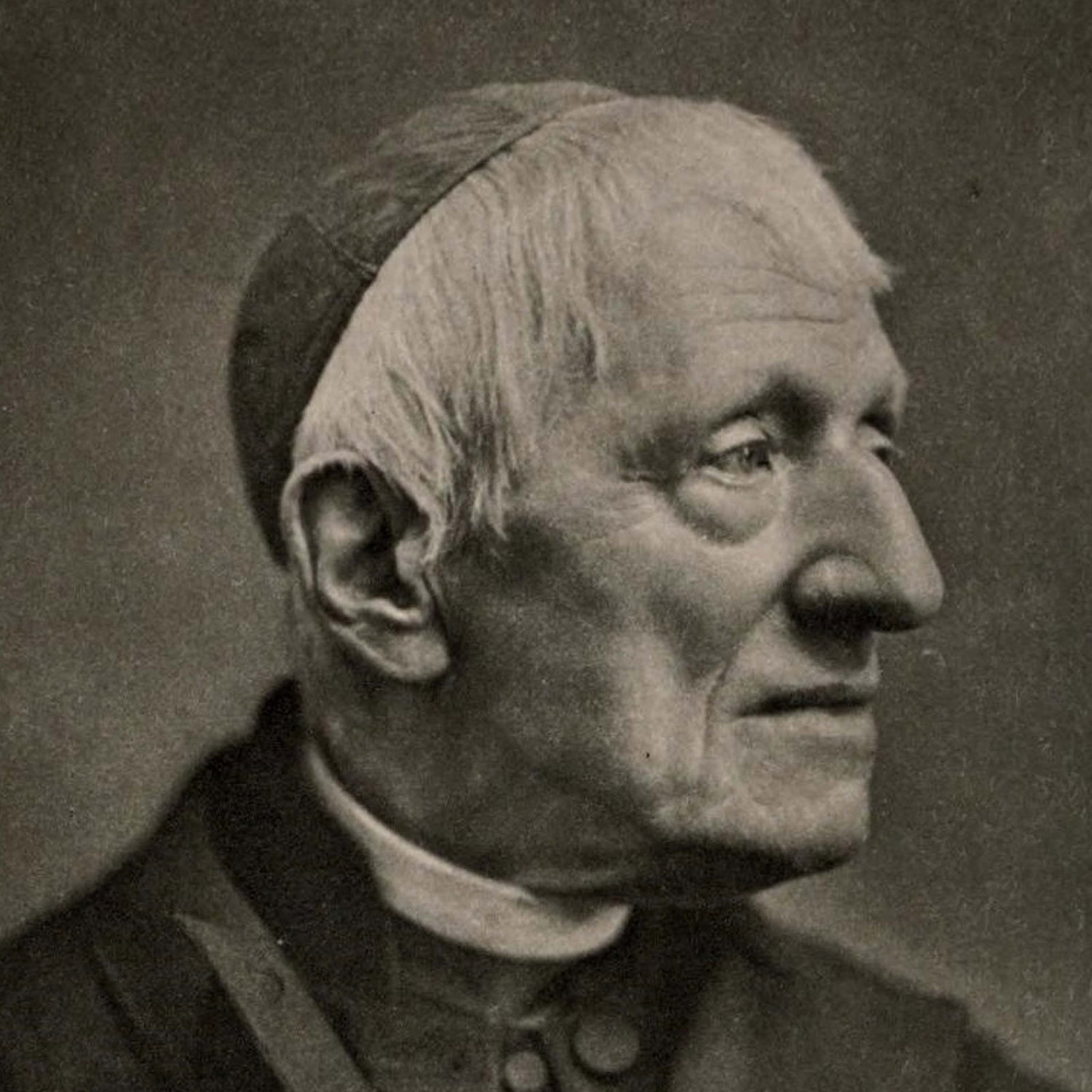 Newman Against Hitler: Reflections on Ratzinger - Prof. Lewis Ayres 07.09.2026 35minProf. Lewis Ayres draws on Newman's Essay in Aid of a Grammar of Assent and Essay on the Development of Doctrine to argue that conscience must be educated through a long process of moral and doctrinal formation, and that the young Ratzinger draws the same connections between consceince and the community and worship of the Church.This lecture was given on July 25th, 2026, at Stonyhurst College.Support the Thomistic Institute Campus Chapter Program here: truth.thomisticinstitute.org/podAbout the Speaker:Lewis was born in the UK, and studied Classics at St Andrews in Scotland, and Theology at Oxford. He has taught in the UK, in Ireland and in the US. He is currently Professor of Catholic and Historical Theology at Durham University in the UK, and McDonald Agape Chair in Early Christian Theology at the Angelicum University in Rome. He is interested in two main areas of Catholic thought: early Christian thought (on Christ, on the Trinity and on Biblical Interpretation), and modern Catholic thought (especially the idea of development in doctrine, the idea of Tradition, The second Vatican Council, Biblical Interpretation). He and his wife (Medi Ann Volpe) co-edited the Oxford Handbook of Catholic Theology.Keywords: Callista, Conscience, Development Of Doctrine, Dogmatic Principle, Eucharist, Formation Of Conscience, Grammar Of Assent, Lectio Divina, Newman, Ratzinger
 -
 Imagination and Conscience - Prof. Medi Volpe 04.09.2026 30minProf. Medi Volpe argues that conscience is formed through the imagination, which is nurtured and filled by stories, so that discerning right action is less a matter of weighing propositions than of recognizing one's part in a larger story.This lecture was given on July 25th, 2026, at Stonyhurst College.Support the Thomistic Institute Campus Chapter Program here: truth.thomisticinstitute.org/podAbout the Speaker:Medi Ann Volpe is a Catholic moral theologian and mother of four children, including a daughter with Down Syndrome. She is the Director of Research at Wesley House, Cambridge and teaches theology and ethics at Durham University (UK) . Her first book, Rethinking Christian Identity (Wiley-Blackwell, 2013), brings contemporary theological themes into conversation with voices from the classical Christian tradition. More recently, her work has explored the intersection of ecclesiology and spiritual formation, with a special interest in discipleship and Christian identity of children as well as people with intellectual disabilities. She has published in journals and handbooks, including the International Journal of Systematic Theology, Modern Theology, and the Oxford Handbook of Catholic Theology (which she co-edited with Lewis Ayres). She also serves on the board of the Journal of Disability and Religion. For the last several years, Volpe has been writing and speaking about the kind of Church we must be if we are truly to honour the weaker members. Her current book project (Living as the Body of Christ) considers ecclesiology from the perspective of disability.Keywords: Aquinas, Conscience, Frodo Baggins, Imagination, Lord Of The Rings, MacIntyre, Magnificat, Newman, Storytelling Animal, The Great Tale
 -
 Conscience in Everyday Life - Prof. Medi Volpe 03.09.2026 38minProf. Medi Volpe argues that conscience is not an abstract faculty but an everyday moral sense that must be awakened and nurtured, and that grace works through ordinary channels — stories, scripture, friends, and even our failures — to form us, little by little, into people who listen and obey.This lecture was given on July 26th, 2026, at Stonyhurst College.Support the Thomistic Institute Campus Chapter Program here: truth.thomisticinstitute.org/podAbout the Speaker:Medi Ann Volpe is a Catholic moral theologian and mother of four children, including a daughter with Down Syndrome. She is the Director of Research at Wesley House, Cambridge and teaches theology and ethics at Durham University (UK) . Her first book, Rethinking Christian Identity (Wiley-Blackwell, 2013), brings contemporary theological themes into conversation with voices from the classical Christian tradition. More recently, her work has explored the intersection of ecclesiology and spiritual formation, with a special interest in discipleship and Christian identity of children as well as people with intellectual disabilities. She has published in journals and handbooks, including the International Journal of Systematic Theology, Modern Theology, and the Oxford Handbook of Catholic Theology (which she co-edited with Lewis Ayres). She also serves on the board of the Journal of Disability and Religion. For the last several years, Volpe has been writing and speaking about the kind of Church we must be if we are truly to honour the weaker members. Her current book project (Living as the Body of Christ) considers ecclesiology from the perspective of disability.Keywords: Aquinas, Conscience, Grace, Lord Of The Rings, Maximilian Kolbe, Moral Awakening, Newman, Pippin, Saruman, Tolkien
 -
 Aquinas' Epistemology with Reflections from a Friar-Medical Doctor - Fr. Chris Gault, O.P. 02.09.2026 53minFr. Chris Gault, O.P. lays out Aquinas's epistemology of moderate realism, in which all knowledge begins with the senses and the agent intellect abstracts universal forms from phantasms, and defends it against skepticism, ancient and modern, including the claim that artificial intelligence cannot truly know.This lecture was given on July 18th, 2026, at Glencomeragh House.Support the Thomistic Institute Campus Chapter Program here: truth.thomisticinstitute.org/podAbout the Speaker:Fr. Chris Vincent Gault, OP, was born and raised in Belfast in the north of Ireland, where he studied medicine at Queen's University Belfast. Qualifying as a doctor in 2013, he began to train as an emergency physician, before leaving medicine after 3 years to enter the Irish Province of the Order of Preachers. Ordained as a Dominican priest in July 2024, and after having completed his studies at the Pontifical University of St. Thomas Aquinas (Angelicum) in Rome, he was assigned to the convent of St. Mary of the Isles in Cork, where he now resides and ministers, particularly to the youth and young adults of that city.Keywords: Agent Intellect, Aquinas, Blindsight, Chinese Room Argument, Epistemology, Moderate Realism, Phantasm, Sensory Experience, Universals, Visual Agnosia
 -
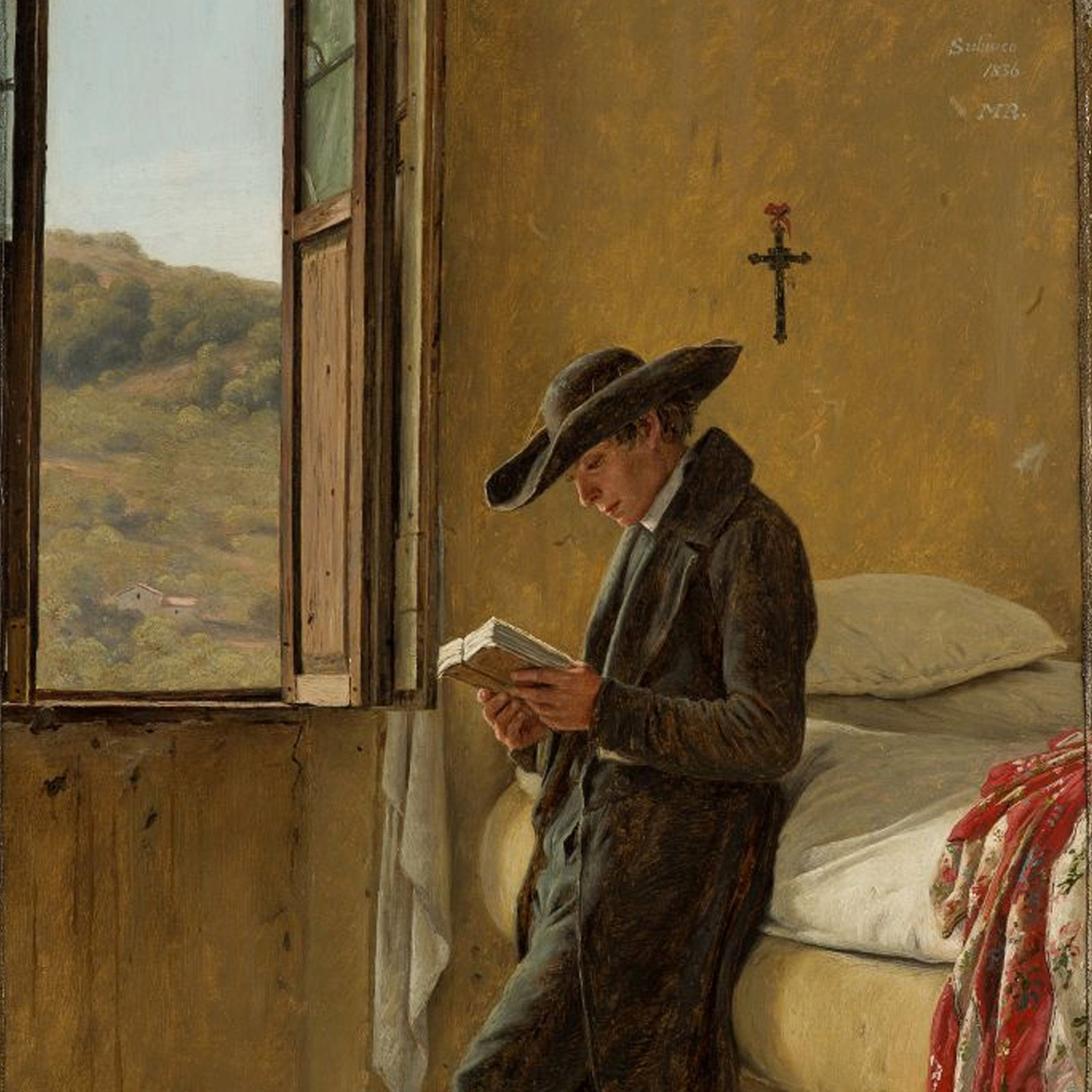 Sanctity and the Discipline of Study - Fr. Ambrose Little, O.P. 01.09.2026 47minFr. Ambrose Little, O.P. argues that the natural human desire to know, though it draws the mind toward the contemplation of God, can only reach its fulfillment when purified and redirected by grace and the theological virtues, so that every discipline of study becomes a path of sanctity.This lecture was given on June 26th, 2026, at Dominican House of Studies.Support the Thomistic Institute Campus Chapter Program here: truth.thomisticinstitute.org/podAbout the Speaker:Fr. Ambrose Little is the director of the Thomistic Institute. He is originally from Connecticut and entered the Dominican Order in 2007 and was ordained a priest in 2013. Before entering the Dominican Order, he graduated from The Catholic University of America with a BA in philosophy. After ordination, he completed a Licentiate in Philosophy at The Catholic University of America and then taught for two years at Providence College. After completing his Ph.D. in philosophy at the University of Virginia in the summer of 2021, he started teaching at the Pontifical Faculty of the Immaculate Conception. He specializes in the philosophies of Aristotle and St. Thomas Aquinas, with an emphasis on their study of nature and the soul. He also studies topics at the intersection between philosophy and science.Keywords: Aquinas, Aristotle, Contemplation Of God, Desire To Know, Grace, Infused Virtues, Miraculous Catch, Sanctity, Socrates, Theological Virtues
 -
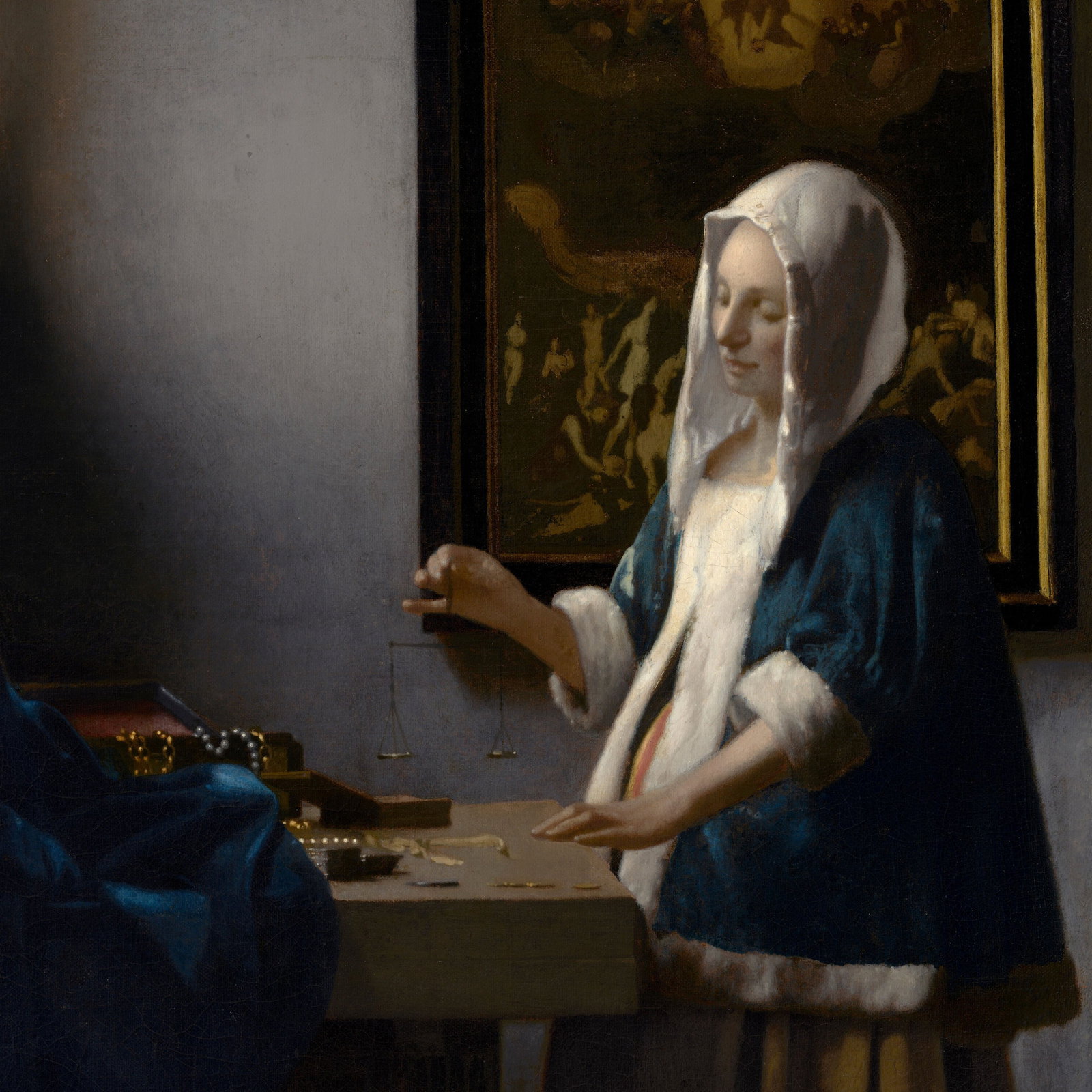 Justification According to St. Thomas - Prof. Erik Dempsey 28.08.2026 49minProf. Erik Dempsey explains St. Thomas Aquinas’s account of justification as God’s free gift of grace, which heals sin, moves human freedom, and forms believers in faith working through charity.This lecture was given on March 21st, 2026, at Dominican House of Studies.For more information on upcoming events, visit us at thomisticinstitute.org/upcoming-eventsAbout the Speaker:Professor Erik Dempsey an Associate Professor of Instruction in the Departments of Government, Classics, and Religious Studies, and is the Assistant Director of the Thomas Jefferson Center for the Study of Core Texts and Ideas. He has taught at the University of Texas at Austin for over ten years, during which time he has offered classes in the history of political philosophy, on the Bible and its interpreters, on American political thought, on classical philosophy and literature, and others. His favorite classes to teach are Jerusalem and Athens, a class comparing the political, moral, and theological ideas of the Hebrew Bible to Aristotle's, and the Question of Relativism, a class on what he considers the central quandary of our time. He writes primarily about Aristotle and Thomas Aquinas, and he is currently studying John Locke's commentaries on St. Paul's epistles. Last but not least, he is an Eagle Scout.Keywords: Baptism, Charity, Faith and Works, Grace, Holy Spirit, Incarnation, Justification, Merit, Original Sin, St. Thomas Aquinas
 -
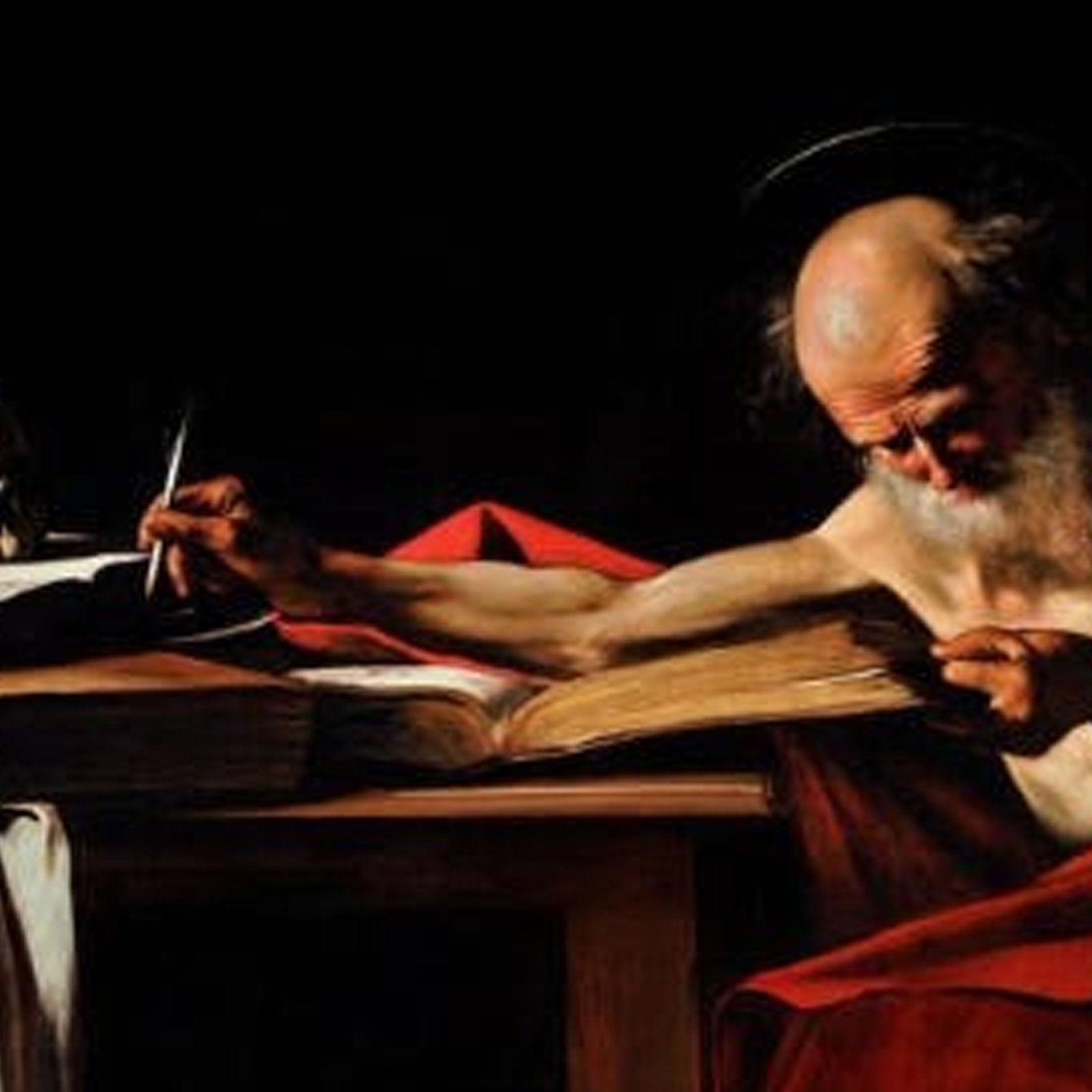 Shakespeare and Aquinas on Kinds of Knowing - Sr. Maria Frassati Jakupcak, O.P. 27.08.2026 39minSr. Maria Frassati Jakupcak shows how Shakespeare’s Measure for Measure exposes the limits of abstract knowledge and reveals why some truths can only be known through love, experience, and particular relationship.This lecture was given on April 11th, 2026, at Dominican House of Studies.For more information on upcoming events, visit us at thomisticinstitute.org/upcoming-eventsAbout the Speaker:Sr. Maria Frassati Jakupcak is a member of the Dominican Sisters of Mary, Mother of the Eucharist and an Assistant Professor of English at the University of St. Thomas in Houston. Her dissertation was on player-dramatists present in William Shakespeare's plays, though she has published on Tolkien and Belloc as well. In addition to her academic work, her devotional writing regularly appears in Magnificat.Keywords: Abstract Knowledge, Aquinas, Connaturality, Love, Measure For Measure, Particulars, Shakespeare, Theater, Truth, Universals
 -
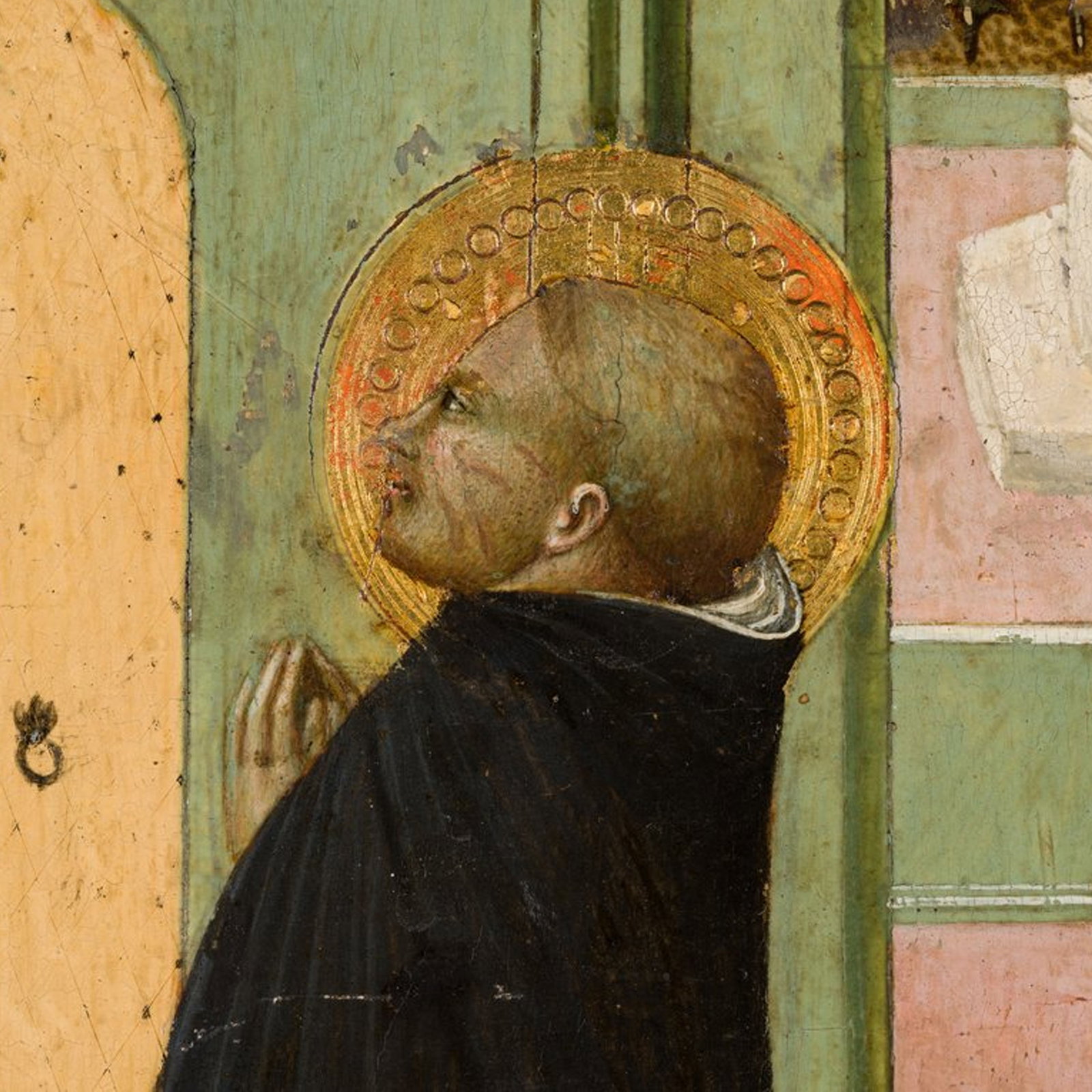 Shakespeare and Aquinas on Prudence, Part Two - Fr. Jordan Zajac 26.08.2026 55minFr. Jordan Zajac takes Shakespeare’s most morally charged characters and Aquinas’s deepest insights on love, hatred, and prudence to show why holiness sometimes means not just loving the good, but fiercely refusing what corrupts it.This lecture was given on April 10th, 2026, at Dominican House of Studies.For more information on upcoming events, visit us at thomisticinstitute.org/upcoming-eventsAbout the Speaker:Fr. Jordan is from New Bedford, MA and graduated from Providence College in 2004, majoring in English and minoring in Political Science. He went on for an MA at the University of Virginia and a PhD at The University of Massachusetts-Amherst. It was during doctoral studies that he discovered a calling to religious life and the priesthood. Upon completion of his PhD in 2013, he entered the Order of Preachers. After studying Philosophy and Theology at the Dominican House of Studies (Washington, DC), he served as associate chaplain at PC (2019-2020) and was ordained a priest here on campus in May, 2020. He has taught in the English Department since August, 2020.Keywords: Aquinas, Charity, Cordelia, Hate, Holy Hatred, King Lear, Prince Hal, Prudence, Shakespeare, Virtue
 -
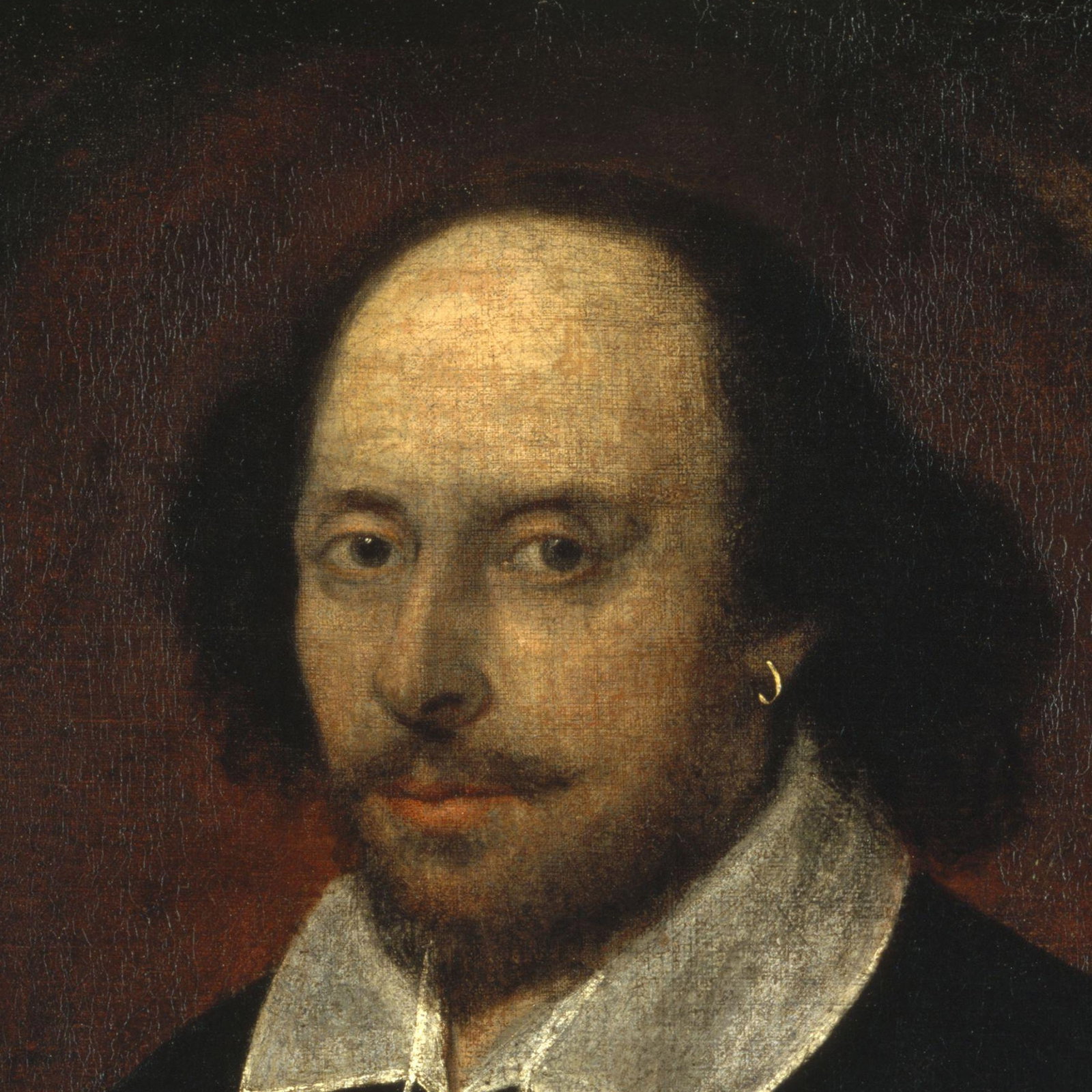 Shakespeare and Aquinas on Prudence, Part One - Fr. Jordan Zajac 25.08.2026 48minFr. Jordan Zajac uses Shakespeare’s Macbeth and Aquinas’s account of prudence to show how a person can know the good, reject it in imagination, and still fall into action through an inner collapse of judgment and will.This lecture was given on April 10th, 2026, at Dominican House of Studies.For more information on upcoming events, visit us at thomisticinstitute.org/upcoming-eventsAbout the Speaker:Fr. Jordan is from New Bedford, MA and graduated from Providence College in 2004, majoring in English and minoring in Political Science. He went on for an MA at the University of Virginia and a PhD at The University of Massachusetts-Amherst. It was during doctoral studies that he discovered a calling to religious life and the priesthood. Upon completion of his PhD in 2013, he entered the Order of Preachers. After studying Philosophy and Theology at the Dominican House of Studies (Washington, DC), he served as associate chaplain at PC (2019-2020) and was ordained a priest here on campus in May, 2020. He has taught in the English Department since August, 2020.Keywords: Aquinas, Choice, Command, Imprudence, Macbeth, Passion, Prudence, Shakespeare, Tragedy, Will
 -
 The Priesthood of Christ and Your Beatitude - Fr. Thomas Aquinas Pickett, O.P. 24.08.2026 54minFr. Thomas Aquinas Pickett, O.P., explains how Christ’s eternal priesthood fulfills the human desire for beatitude by reconciling humanity to God through his self-offering and drawing believers into the life of heaven.This lecture was given on March 28th, 2026, at St. Albert's Priory.For more information on upcoming events, visit us at thomisticinstitute.org/upcoming-eventsAbout the Speaker:Fr. Thomas Aquinas Pickett, O.P. is an Assistant Professor of Theology at the Dominican School of Philosophy and Theology. His research interests include St. Thomas Aquinas, the priesthood and religious life, and virtue ethics. He delights in leading students through the insights of St. Thomas Aquinas so that they may develop their confidence in and love of sacred doctrine. Keywords: Beatitude, Christ The High Priest, Grace, Jesus Christ, Melchizedek, Priesthood Of Christ, Sacrifice, Sanctifying Grace, St. Thomas Aquinas, Supernatural Happiness
 -
 St. Leo the Great on Love of the Poor and the Weak - Fr. Andrew Hofer, O.P. 24.08.2026 50minFr. Andrew Hofer, O.P., presents St. Leo the Great’s theology of mercy, showing how love for the poor and weak flows from Christ’s Incarnation, affirms the dignity of every human person, and calls Christians to become merciful as God is merciful.This lecture was given on May 3rd, 2026, at Massachusetts Institute of Technology.For more information on upcoming events, visit us at thomisticinstitute.org/upcoming-eventsAbout the Speaker:Fr. Andrew Hofer, O.P., (Ph.D. Notre Dame) is professor of patristics and ancient languages at the Pontifical Faculty of the Dominican House of Studies where he serves as the director of the doctoral program. He authored Christ in the Life and Teaching of Gregory of Nazianzus (Oxford University Press, 2013) and The Power of Patristic Preaching: The Word in Our Flesh (Catholic University of America, 2023). He co-authored A Living Sacrifice: Guidance for Men Discerning Religious Life (Vianney Vocations, 2019). Editor-in-chief of the academic journal The Thomist, Hofer is editor or co-editor of several volumes including The Oxford Handbook of Deification, The Cambridge Companion to Augustine's Sermons, and Thomas Aquinas and the Greek Fathers. He enjoys speaking with students about their theological and spiritual questions.Keywords: Almsgiving, Beatitudes, Christian Mercy, Dignity Of The Human Person, Incarnation, Love Of The Poor, Matthew 25, Mercy, St. Leo The Great, Weakness
Podcast simili


Popolare in
Questo podcast compare anche nelle classifiche dei podcast di questi paesi.


