
The John Batchelor Show
John Batchelor
0
The John Batchelor Show is a hard news-analysis radio program covering current events, world history, global politics, and natural sciences. Based in New York City for two decades, the show has traveled widely to report from the Middle East, South Caucasus, Arabian Peninsula, and East Asia.
Episodi
-
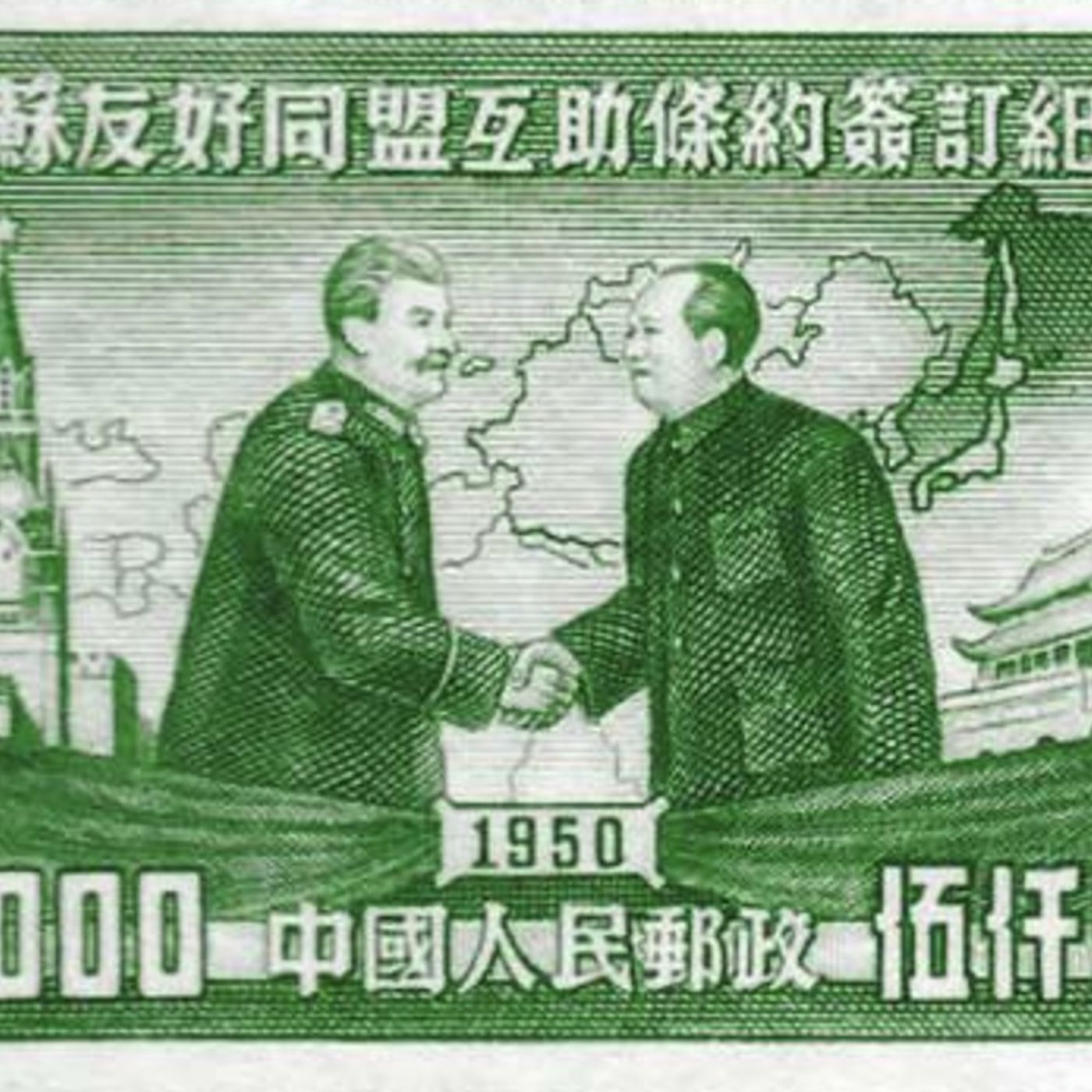 1. American imperial strategy, drawing comparisons between potential U.S. diplomacy toward Russia and Richard Nixon's opening to China 21.09.2026 20min1955In The Londinium Chronicles, Gaius (John Batchelor) and Germanicus (Michael Vlahos) explore the intersections of Roman history and modern geopolitics.Germanicus and Gaius Debate American Strategy In Rainy Autumn LondiniumGaius and Germanicus: Gathered at their expanded Londinium wine bar on a rainy autumn evening in 92 AD, the hosts reflect on municipal regulations, building codes, and upcoming gladiator games before analyzing modern geopolitical parallels. The discussion focuses on American imperial strategy, drawing comparisons between potential U.S. diplomacy toward Russia and Richard Nixon's historic opening to China during the Vietnam War. Germanicus explains that the U.S. has exhausted its initial policy options regarding the Ukrainian conflict, leaving Washington inclined to offer Russia economic incentives and territorial concessions to secure a peacetime transition. Such an agreement could facilitate a 40 percent drawdown of American troops in Europe, shift strategic burdens onto a stagnant European Union, and enlist Moscow as a mediating influence regarding Iran. In exchange, Vladimir Putin seeks a neutral, military-free Ukrainian buffer state to guarantee Russian security against European aggression. Reflecting on historical precedent, Gaius cites Queen Boudicca's catastrophic accommodation with Rome, warning that financial and development deals with an empire inevitably erode national sovereignty. However, Germanicus notes that unlike ancient Rome or modern peer competitors, contemporary America lacks the military doctrine, industrial capacity, and political fortitude required to prevail in prolonged peer conflicts. Consequently, Germany and Japan remain national security satellites following decades of post-war subjugation. (1)
 -
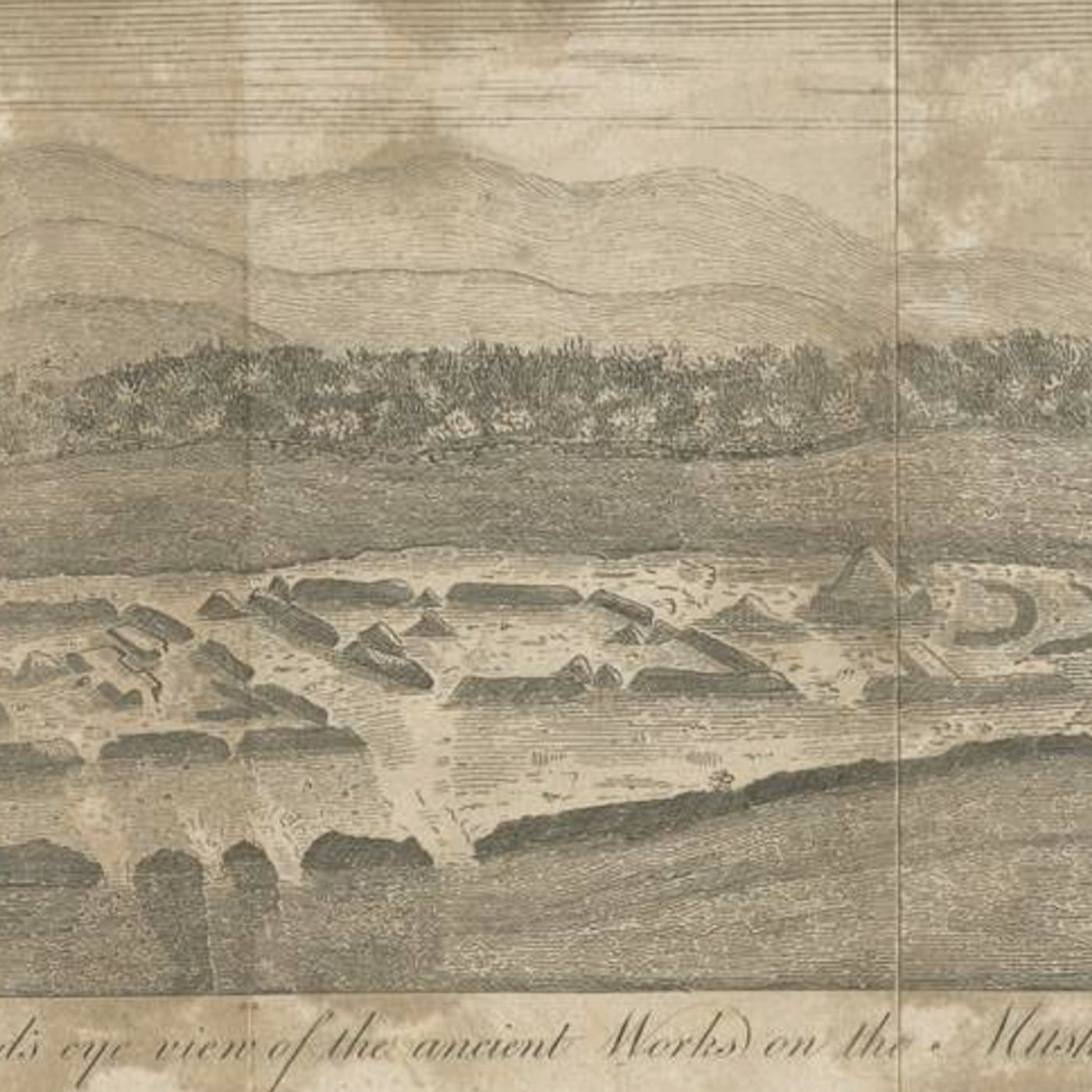 2. Revolutionary Mythmaking Transforms Controversial Frontier Figures -ROBERT-PARKINSON 21.09.2026 37min1805 MARIETTA OHIORevolutionary Mythmaking Transforms Controversial Frontier FiguresRobert G. Parkinson, Part Two: In 1775, Michael Cresap led Maryland riflemen on the "Beeline March" to Boston. Sick with malaria, Cresap died in New York, where patriots staged a lavish funeral that transformed the controversial frontiersman into a revolutionary hero. Meanwhile, Logan was murdered around 1780 by his nephew Todkahdos, who deemed Logan's oratorical influence too dangerous amidst ongoing frontier conflict. Thomas Jefferson published Logan's speech in Notes on the State of Virginia to refute European claims of American degeneracy, falsely elevating Logan as a classic hero while vilifying Cresap. Attorney Luther Martin fought for years to rehabilitate Cresap's reputation. Later popularized in McGuffey Readers, Logan's Lament reinforced the "vanishing Indian" narrative, culminating in early 20th-century monument battles between the Cresap and Logan families. (2)
 -
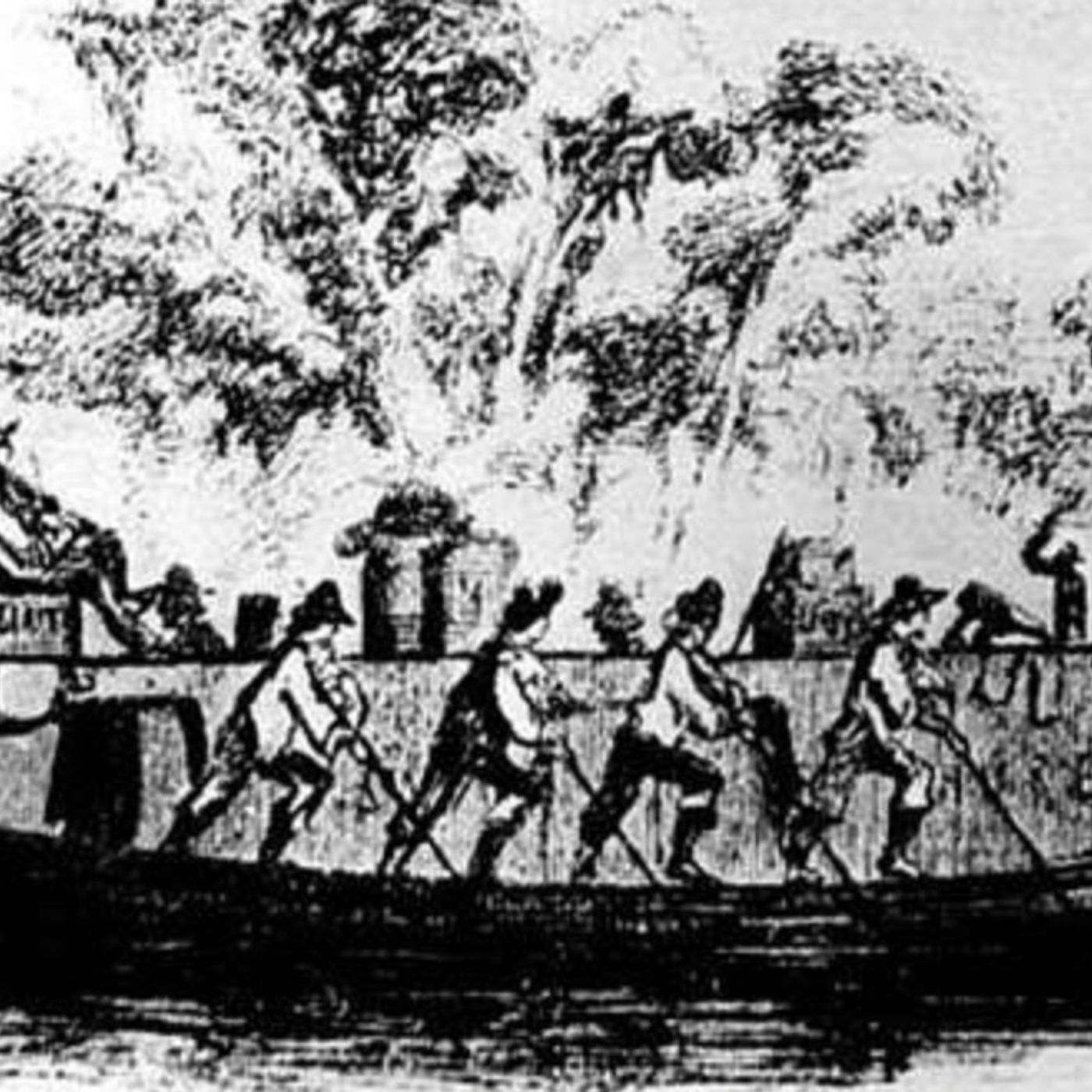 1. Yellow Creek Massacre Triggers Frontier Bloodshed - ROBERT-PARKINSON 21.09.2026 37min1799 OHIO RIVERYellow Creek Massacre Triggers Frontier BloodshedRobert G. Parkinson, author of Heart of American Darkness: Bewilderment and Horror on the Early Frontier, Part One: In April 1774, settlers murdered eight Mingo men, women, and children at Baker's Bottom near Yellow Creek. Mingo Chief James Logan wrongly blamed Colonel Thomas Cresap and his son Michael for the massacre, though neither was present. Speculation over the Ohio River country by Virginia elites like George Washington and the Cresap family, combined with boundary disputes between Pennsylvania and Virginia, created power vacuums on the frontier. Following the brutal murders—which included Logan's mother, brother, and pregnant sister—Logan launched retaliatory raids across the region, killing nearly twenty settlers. After Lord Dunmore's War forced native groups to sue for peace, Logan delivered his famous "Logan's Lament" via translator John Gibson, declaring his personal vengeance satisfied and offering peace. (1)
 -
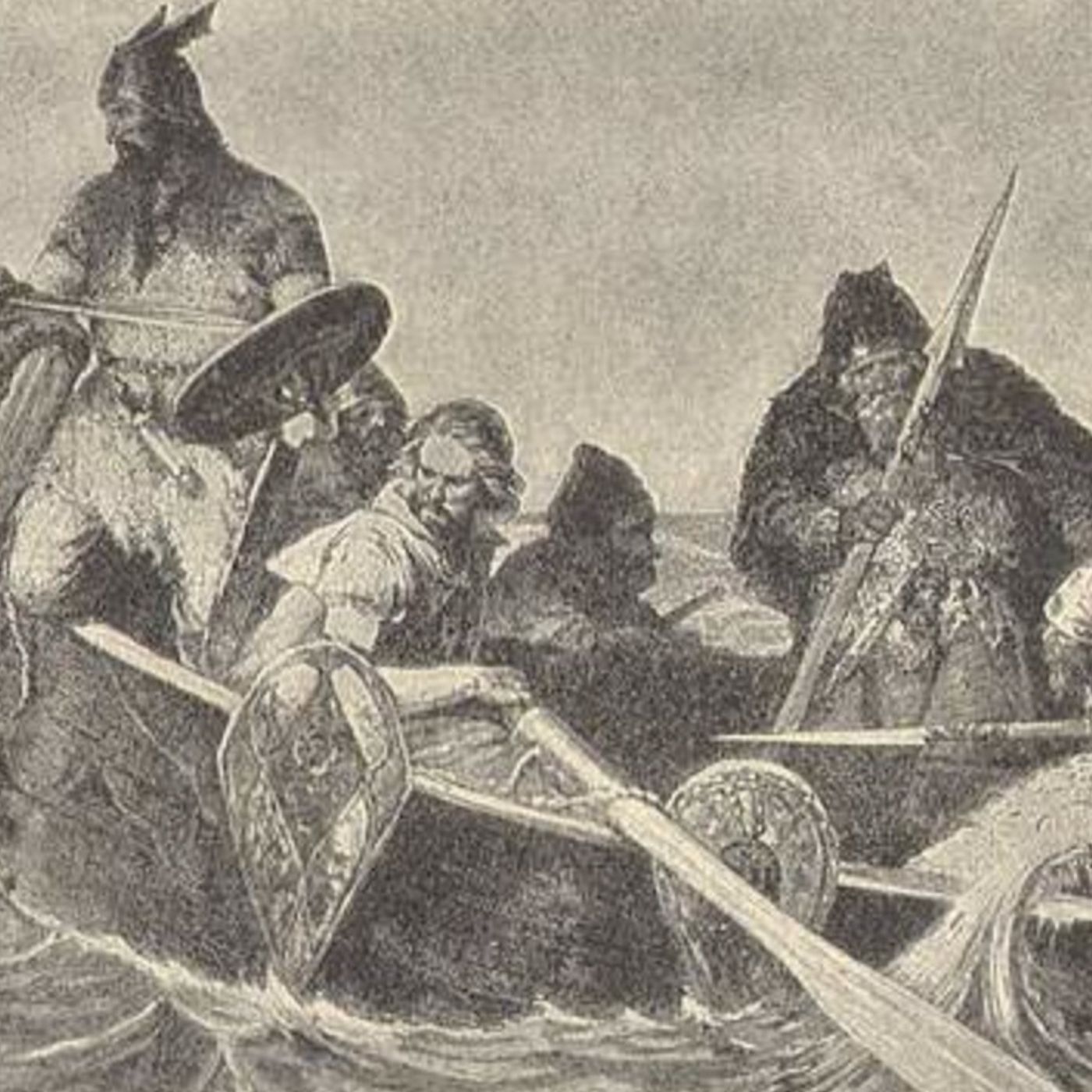 Norse Voyages Traversed Atlantic To America - MARTYN WHITTOCK 21.09.2026 37min1904 VIKINGSNorse Voyages Traversed Atlantic To AmericaMartyn Whittock, author of American Vikings: How the Norse Sailed into the Lands and Imaginations of America: Eighth-century Norse expansion was fueled by population growth, royal ambitions, and an Islamic silver shortage resulting from Caliphate shifts to Baghdad. The Norse expanded across Britain to Iceland in the 870s and Greenlandunder Erik the Red in the 980s. Around 1000 AD, Leif Erikson ventured west, sighting Helluland, Markland, and Vinland. Excavations at L'Anse aux Meadows in Newfoundland confirm an 11th-century Norse base camp where timber was felled in 1021 AD. Butternut wood and wild grapes indicate explorations extended south toward New Brunswick or New England. Although sagas record trade and violent conflicts with indigenous "Skraelings," small population numbers prevented permanent colonization. The Maine penny highlights regional trade networks, while Whittock critiques alt-right groups who misappropriate Vinland legends for modern racial ideologies. (1)This episode includes AI-generated content.
 -
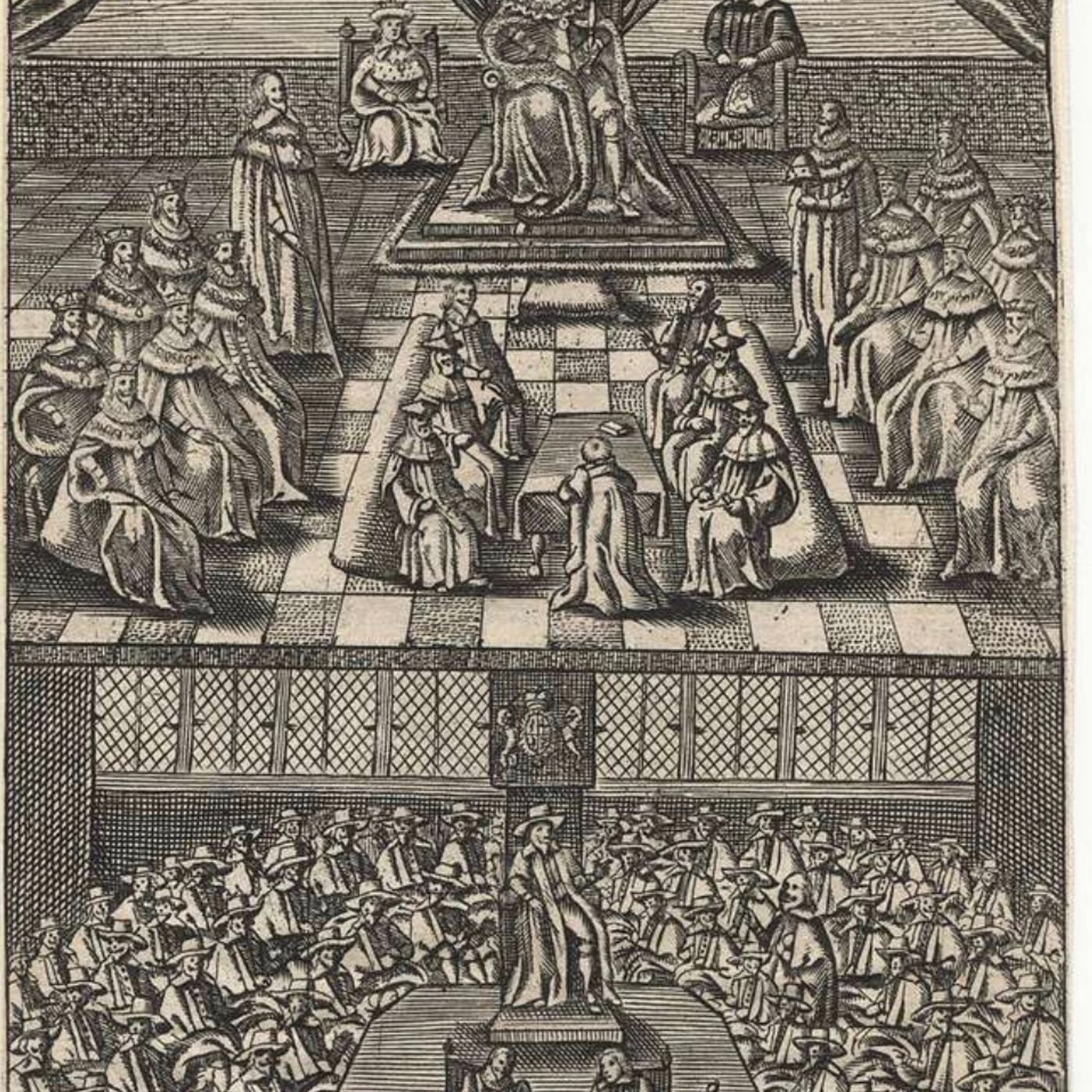 2. Royal Arrest Attempt Triggers English War - JONATHAN HEALEY 21.09.2026 37min1642 HOUSES DURING CHARLES IRoyal Arrest Attempt Triggers English WarJonathan Healey, Part Two: On January 4, 1642, King Charles I attempted to arrest five MPs and Lord Mandeville for treason. Pushed by Queen Henrietta Maria, Charles personally entered the House of Commons with armed cavaliers. However, Lady Carlisle had leaked the plot, enabling the members to escape by boat down the Thames into London. Hostile crowds surrounded Charles's coach, throwing pamphlets with the biblical call "To your tents, O Israel." Fearing for their safety, Charles and Henrietta Maria fled Whitehall for Hampton Court. The Queen departed for continental Europe to raise funds and troops, while Charles established a royalist court in York. Parliament passed the radical Militia Ordinance without royal assent, claiming sovereign control over the military. When the governor of Hull barred Charles from accessing his armory, both sides began mobilizing armed forces, plunging England into civil war. (2)
 -
 1. Parliament Challenges King Charles During Crisis - JONATHAN HEALEY 21.09.2026 37min1940 BLACKOUT PARLIAMENT Parliament Challenges King Charles During CrisisJonathan Healey, author of The Blood in Winter: England on the Brink of Civil War, 1642, Part One: In October 1641, King Charles I backed "The Incident," a failed plot in Edinburgh to arrest Scottish Covenanter leaders Argyll and Hamilton, forcing Charles to make major constitutional concessions to the Scottish Parliament. Returning to London, Charles confronted the Long Parliament, which had forced the execution of his key minister, the Earl of Strafford, via a Bill of Attainder under intense crowd pressure. Power shifted toward the parliamentary Junto led by John Pym in the House of Commons and Lord Mandeville in the House of Lords. Pym skillfully managed debates and coordinated reformist strategy alongside Puritans who opposed Charles's High Church religious policies and arbitrary taxation. Tensions peaked during late-night debates illuminated by candles over the Grand Remonstrance, a document detailing royal misrule. Despite fierce royalist opposition, Parliament passed the Remonstrance to rally popular public support. (1)
 -
 2. Postwar Reconstruction And Contntal Expansion Conflicts - ALAN TAYLOR 21.09.2026 37min1900 MEXICO CITYPostwar Reconstruction And Contntal Expansion ConflictsAlan Taylor, Part Two: In Canada, gregarious politician John A. Macdonald teamed with Thomas D'Arcy McGee and engineered Queen Victoria's selection of Ottawa as the capital to resolve regional rivalry. Following the American Civil War's destruction, President Benito Juárez's Mexican forces, backed by covert United States munitions, successfully ousted Emperor Maximilian's French-backed regime. In the United States, President Andrew Johnson issued thousands of pardons to former Confederates, allowed Southern states to enact restrictive Black Codes, and narrowly avoided removal following impeachment. Grant's administration demobilized federal troops, leaving freed Black citizens vulnerable to violence. Out West, the United States military brutally forced Native Americans onto reservations and into boarding schools to eradicate indigenous culture. Simultaneously, three hundred thousand Chinese railroad workers faced intense racial hostility and were explicitly denied American citizenship despite their labor contributions. (2)
 -
 1. Antebellum Struggles Reshape Nineteenth Century Nations - ALAN TYLOR 21.09.2026 37minBLACKFEET.Antebellum Struggles Reshape Nineteenth Century NationsAlan Taylor, author of American Civil Wars: A Continental History, 1850–1873, Part One: Jane Maria Eliza McManus, educated in New York and associated with Aaron Burr, advocated for Manifest Destiny and expanding southern slaveholding society into the Caribbean and Mexico to "whiten" America. Her expansionist vision contrasted sharply with Jane Swisshelm, an abolitionist and feminist journalist who operated a newspaper in St. Cloud, Minnesota, clashing with local political bosses. Meanwhile, Harriet Tubman navigated runaways along the Underground Railroadinto Canada to escape federal fugitive slave laws. Harriet Beecher Stowe's novel Uncle Tom's Cabin generated widespread empathy across the North. National politics fractured following Stephen Douglas's Kansas-Nebraska Act, which promoted popular sovereignty and sparked border violence in Kansas. Extremes widened as John Brown executed broadsword attacks at Pottawatomie. In Mexico, Melchor Ocampo led the Liberal Party against Conservatives in a devastating civil war over church power, land reform, and constitutional rights. (1)
 -
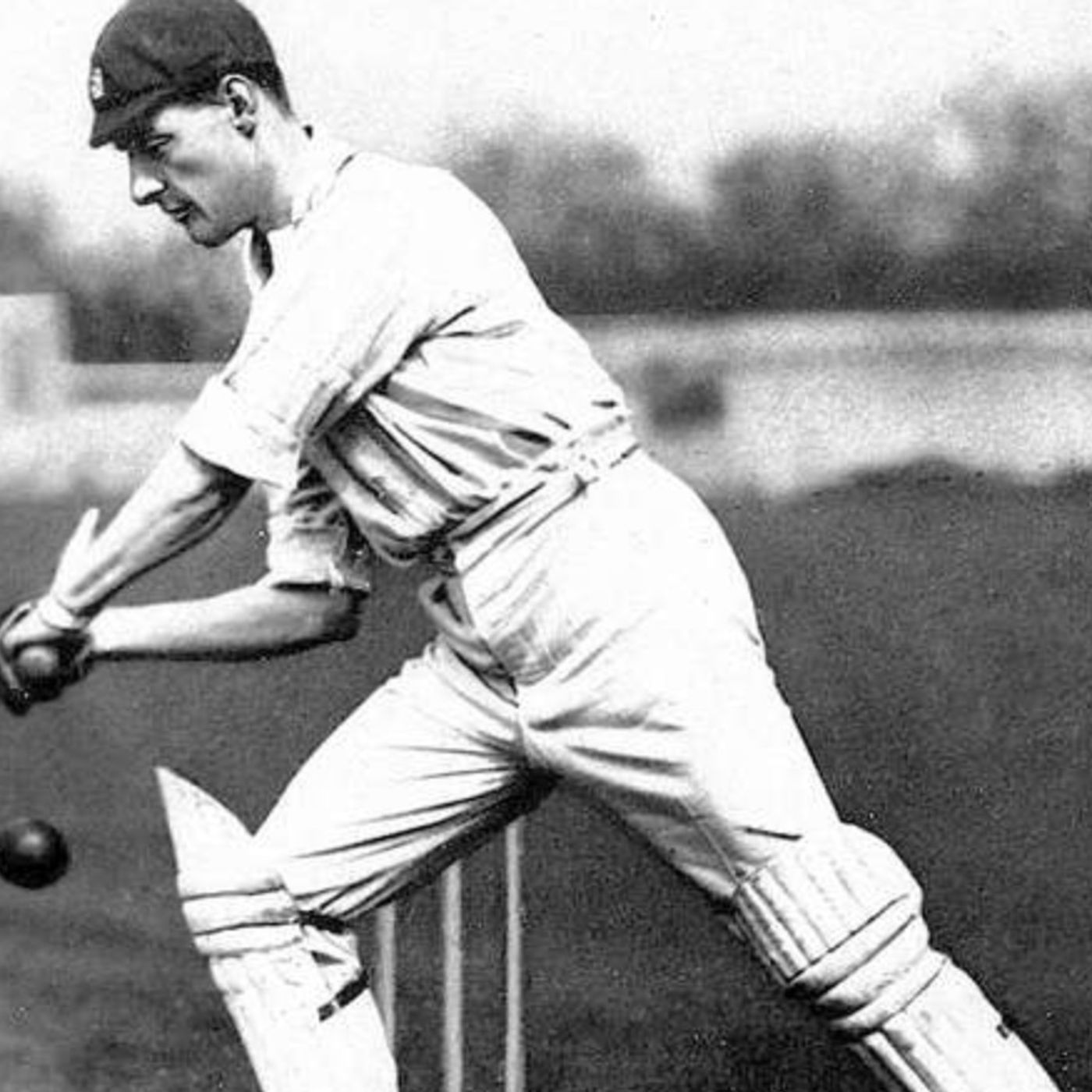 3. England Reaches Top T20 Cricket Ranking - JEREMY ZAKIS 20.09.2026 5min1920 LEONARD BATESEngland Reaches Top T20 Cricket RankingOld Trafford, securing the number one world ranking. Though pundits expected Sri Lanka to win, England dominated using highly aggressive "Bazball" tactics. Named after coach Brendon McCullum, Bazball emphasizes rapid, high-energy offensive gameplay, hitting balls over boundaries, bowling fast, and applying psychological pressure on opponents to disrupt traditional strategy. While physically demanding over long matches, this strategy has proven highly effective in short-format T20 games. Although Australian T20 performance currently lags behind, England's bold tactical style receives notable praise from local cricket supporters today. (3)
 -
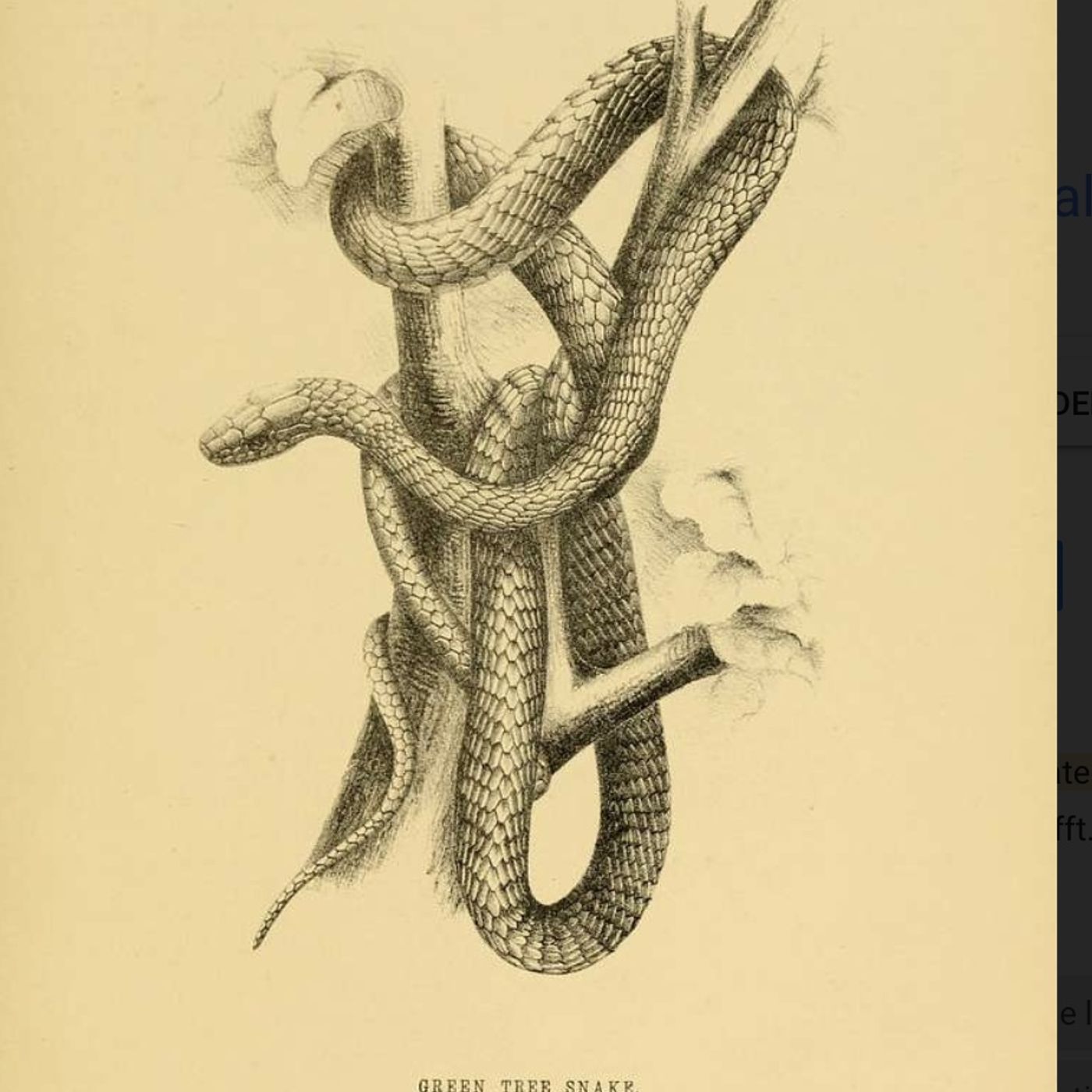 2. Early Snake Activity Spike Across Australia - JEREMY ZAKIS 20.09.2026 13minAUSTRALIA SNAKES.Early Snake Activity Spike Across AustraliaJeremy Zakis reports venomous snakes have emerged a month earlier than expected, with Brisbane becoming a major epicenter. A young boy notably relocated a python off a public path, illustrating increased public comfort with reptile encounters due to extensive school education and media warnings. Snakes often enter homes seeking dry warmth, squeeze through narrow cracks, and nest near soft plush toys. Because brown snakes live in family units within a one-mile radius, nearby family members usually remain close. Queensland's humid weather encourages indoor sightings compared to Sydney. Meanwhile, intense suburban bird dogfights break out between aggressive local cockatoos, magpies, and miner birds. (2)
 -
 1. Australian EL NINO Forecast Growing Uncertainty - JEREMY ZAKIS 20.09.2026 9min1936 SPAINAustralian Weather Forecast Signals Growing UncertaintyJeremy Zakis reports Australia's Bureau of Meteorology has revised its El Niño forecast from catastrophic to significantly milder. The primary ocean warming is positioned further east toward the Americas, while the Indian Ocean Dipole delivers unexpected moisture from the west. This atmospheric moisture counterbalances dry conditions, potentially bringing heavier spring rainfall across the continent. However, early bushfire alerts remain active, particularly in the Northern Territory. Emerging spring storms may trigger lightning strikes on dry undergrowth, creating heightened fire hazards. Despite unpredictable long-term climate models, current weather in New South Wales remains warm, clear, and ideal for popular local weekend beach outings right now. (1)
 -
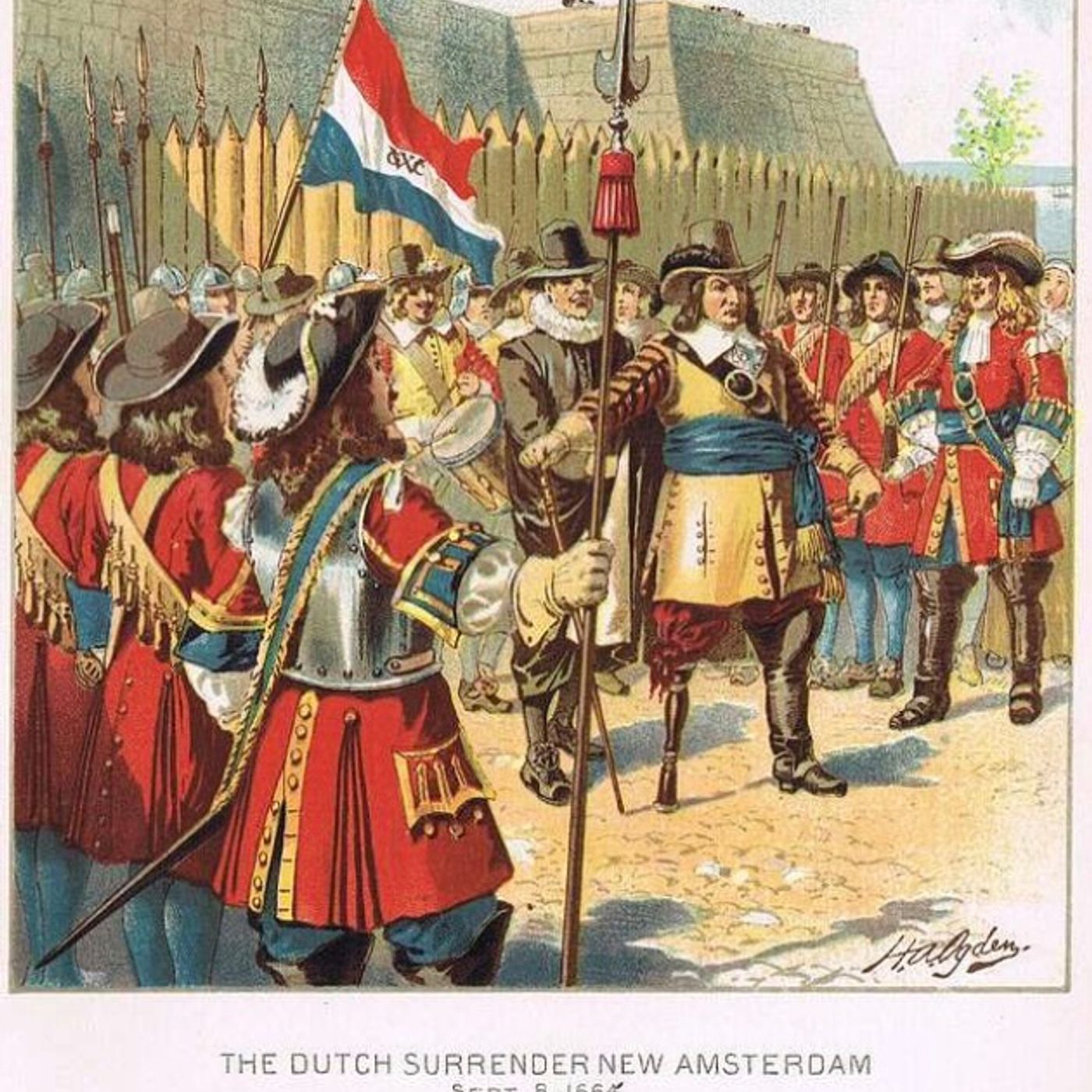 2. Peaceful Bloodless Transfer Creates New York - RUSSELL-SHORTO 20.09.2026 37minPeaceful Bloodless Transfer Creates New YorkRussell Shorto, Part Two: Shorto describes the diplomatic negotiations between Richard Nicolls and Peter Stuyvesantin August 1664. Prioritizing the welfare of the colony and its inhabitants over bloodshed, Stuyvesant agreed to the Articles of Capitulation, resulting in a peaceful merger rather than a violent conquest. The English renamed the settlement New York, retaining control through the 1667 Treaty of Breda. Shorto notes the historical irony that while England captured New Amsterdam, Dutch financial systems, tolerance, and commercial practices deeply influenced the British Empire, culminating in the 1688 Glorious Revolution when Dutch leader William of Orange assumed the English throne. (2)
 -
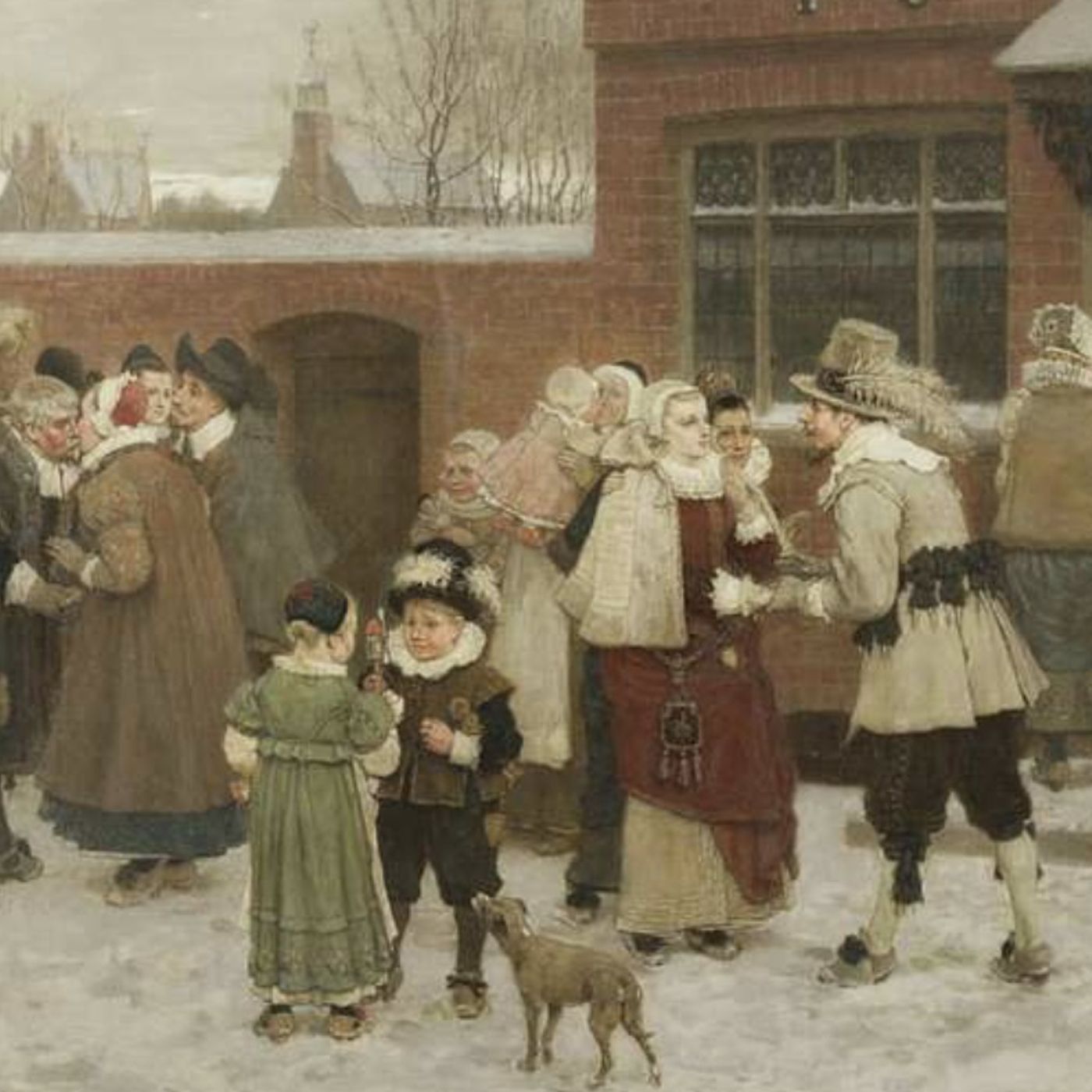 1. English Fleet Threatens Dutch New Amsterdam - RUSSELL-SHORTO 20.09.2026 37min1636 NEW AMSTERDAMEnglish Fleet Threatens Dutch New AmsterdamRussell Shorto, Part One: Shorto explores the 1664 confrontation between English forces and Dutch New Netherland. Royalist officer Richard Nicolls was dispatched with four warships by James, Duke of York, to capture the colony and assert royal authority over New England Puritans. Shorto highlights the diverse, polyglot population of New Amsterdam, including freed African landowner Dorothea Angola and early French settlers Catalina Trico and Joris Rapalje. Director-General Peter Stuyvesant rushed back to defend Manhattan upon learning of the approaching English fleet, setting the stage for a tense standoff framed by the legacy of the English Civil War. (1)
 -
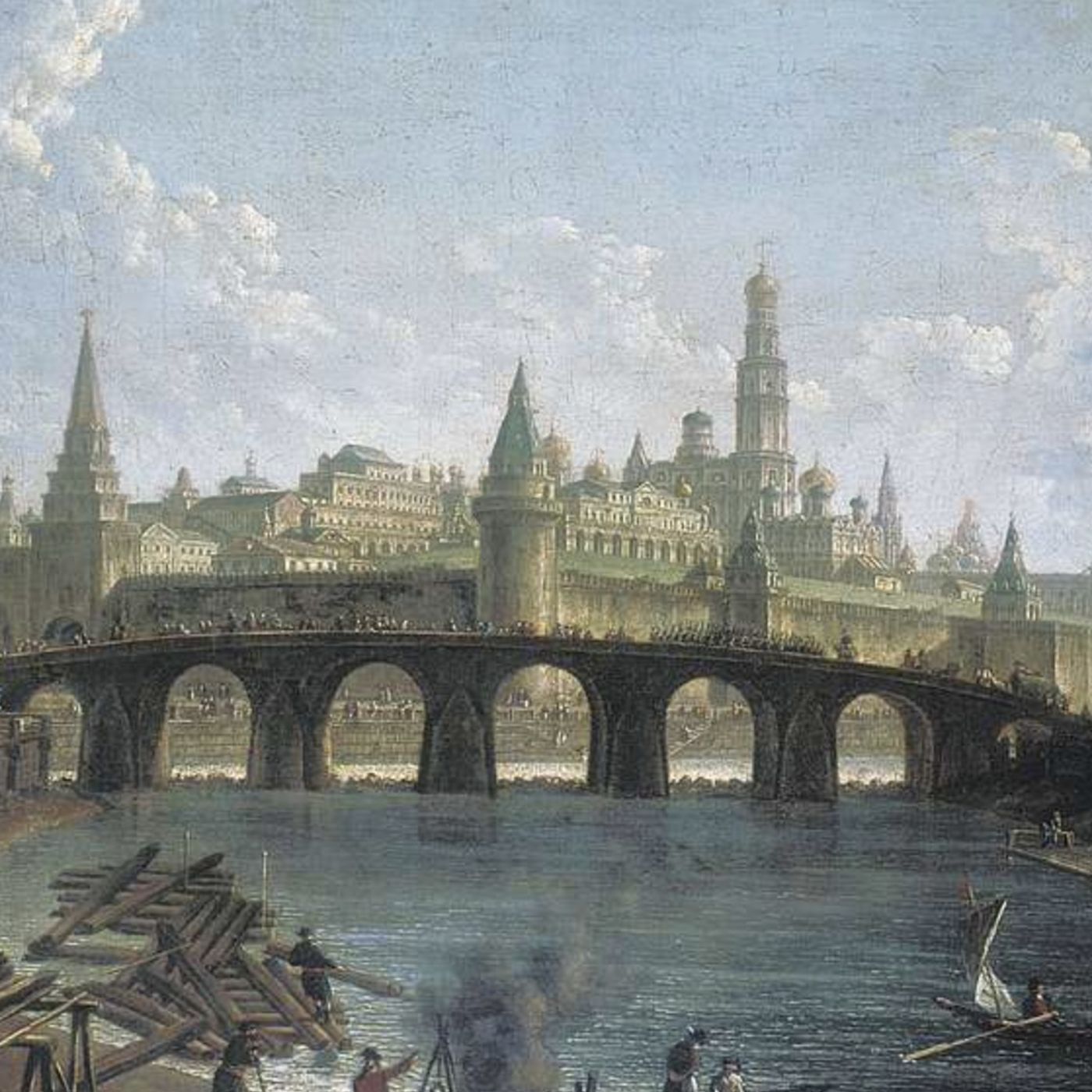 2. ANALYZING Putinism And Preserving Democratic Power - MICHAEL MCFAUL 20.09.2026 37min1800 KREMLINAnalyzing Putinism And Preserving Democratic PowerMichael McFaul, Part Two: McFaul analyzes Vladimir Putin's aggressive, anti-Western ideology, characterizing Putin as a risktaker who expanded conflict through invasions in Georgia, Crimea, and Ukraine. McFaul contends that Western nations made strategic errors by failing to impose sufficient deterrence and expanding NATO earlier. To counter rising global autocracy, he advocates maintaining peace through military strength, upholding human rights, and reinforcing democratic alliances. McFaul emphasizes that democratic nations maintain superior economic, military, and ideational advantages over autocratic regimes, urging domestic political reform, smart immigration policies, and international support to help Ukraine succeed. (2)
 -
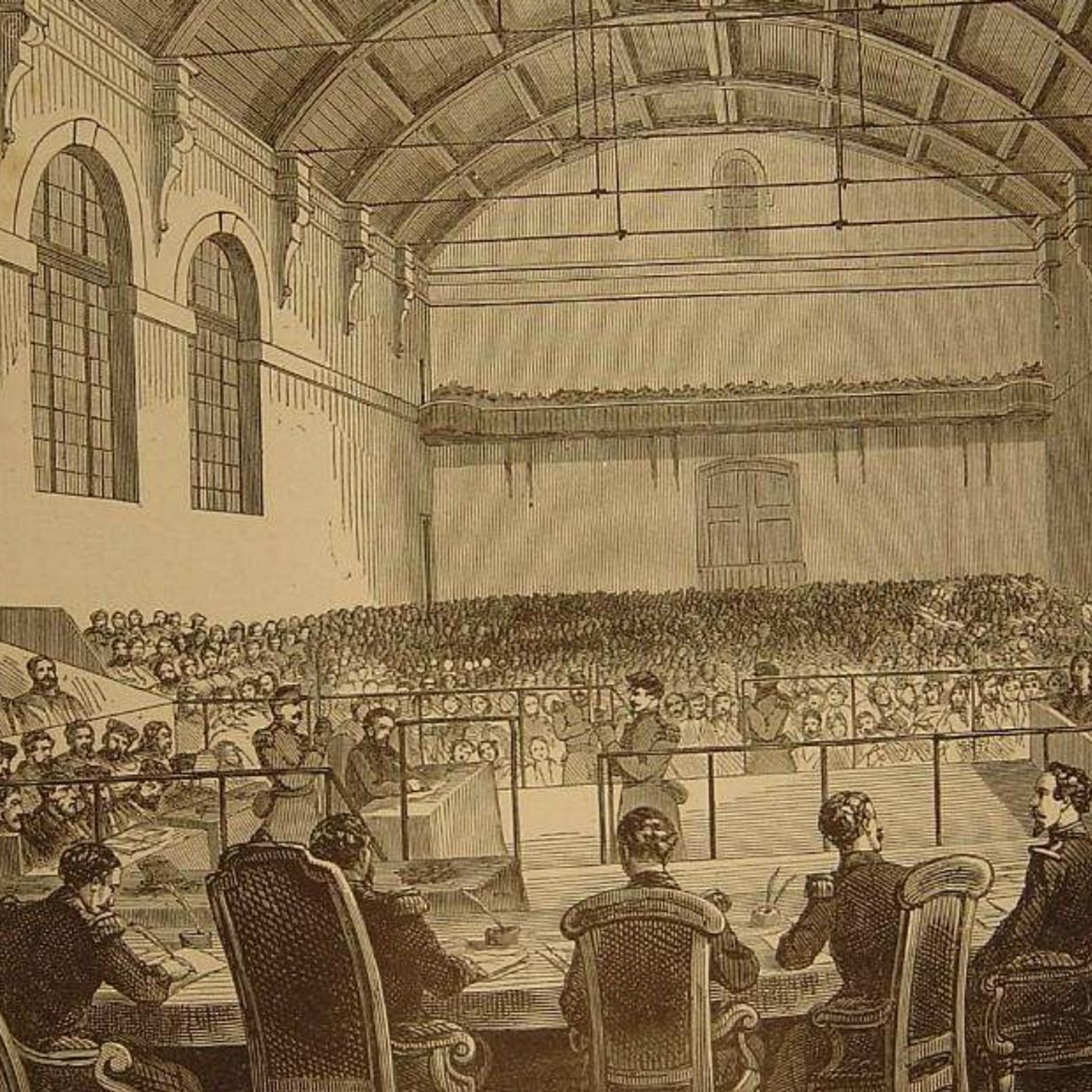 1. Cold War Lessons And Russian Collapse - MICHAEL MCFAUL 20.09.2026 37min1871 FRANCO PRUSSIA WAR Cold War Lessons And Russian CollapseMichael McFaul, author of Autocrats vs. Democrats: China, Russia, America, and the New Global Disorder, Part One: Former ambassador McFaul examines global superpower dynamics, drawing lessons from critical Cold War events like the 1962 Cuban Missile Crisis. He contrasts the capabilities of the Soviet Union with the revolutionary ideological drive of Maoist China. Reflecting on the 1989 Tiananmen Square crackdown, McFaul critiques American policy for prioritizing economic engagement over human rights principles. Having witnessed the street-level democratic revolution in Moscow in 1990 and 1991, McFaul argues that the United States correctly engaged with Boris Yeltsin but failed to make long-term economic and political investments to consolidate Russian democratic institutions. (1)
 -
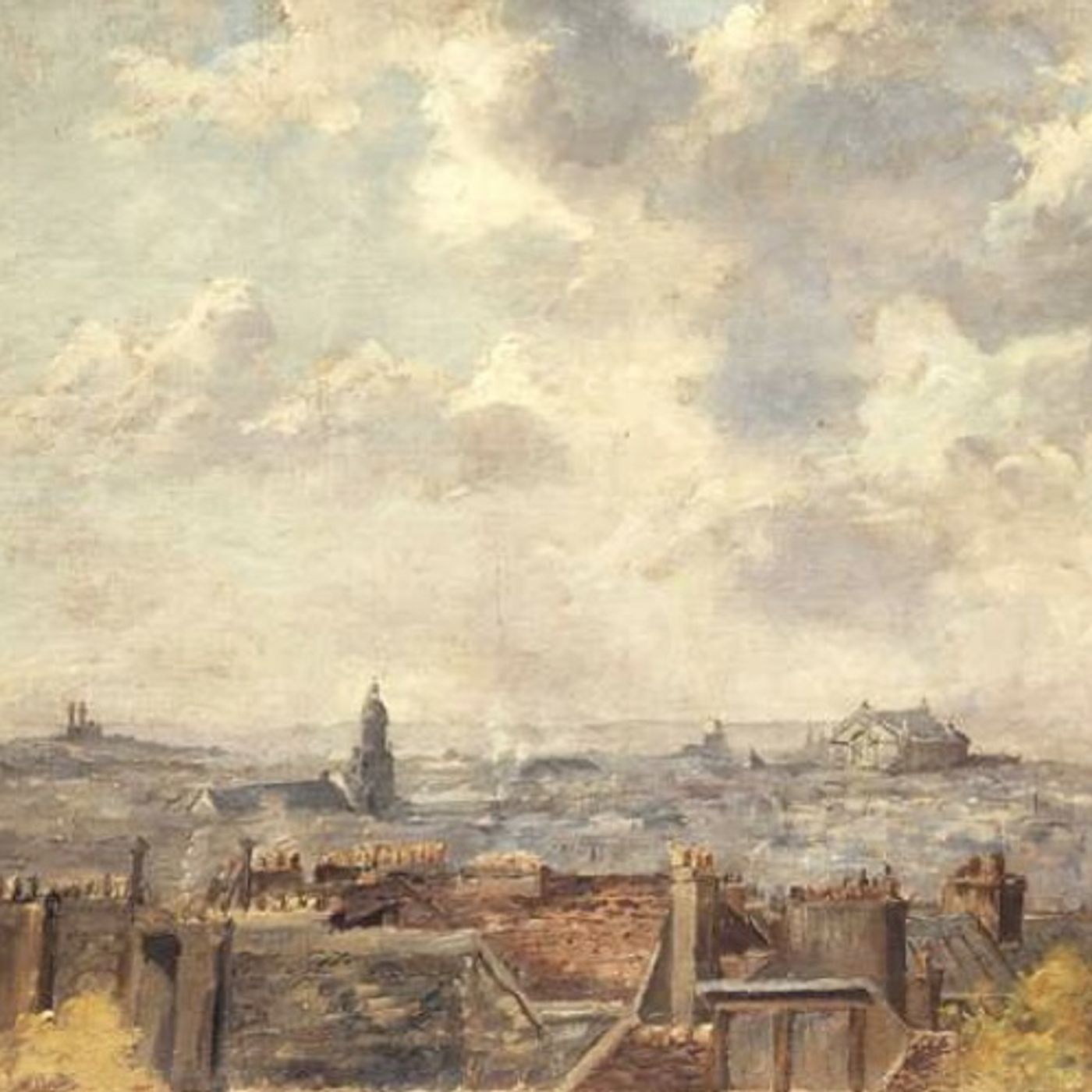 French Resistance Operates From Hotel Lutetia - Jane Rogoyska Part 2 20.09.2026 45minFrench Resistance Operates From Hotel LutetiaJane Rogoyska, Part Two: As Nazi forces occupied France in 1940, refugees in Marseilles sought escape routes across the Pyrenees into neutral Spain. While writer Heinrich Mann successfully escaped with assistance from American Varian Fry, philosopher Walter Benjamin committed suicide after being denied entry at the Spanish border. In Paris, writer Samuel Beckett joined the French Resistance, which faced infiltration from Abwehr officers operating out of the Hôtel Lutetia and double agents like priest Robert Alesch. Following the 1944 liberation of Paris, the Hôtel Lutetia was transformed into a reception center processing returning concentration camp survivors. (2)
 -
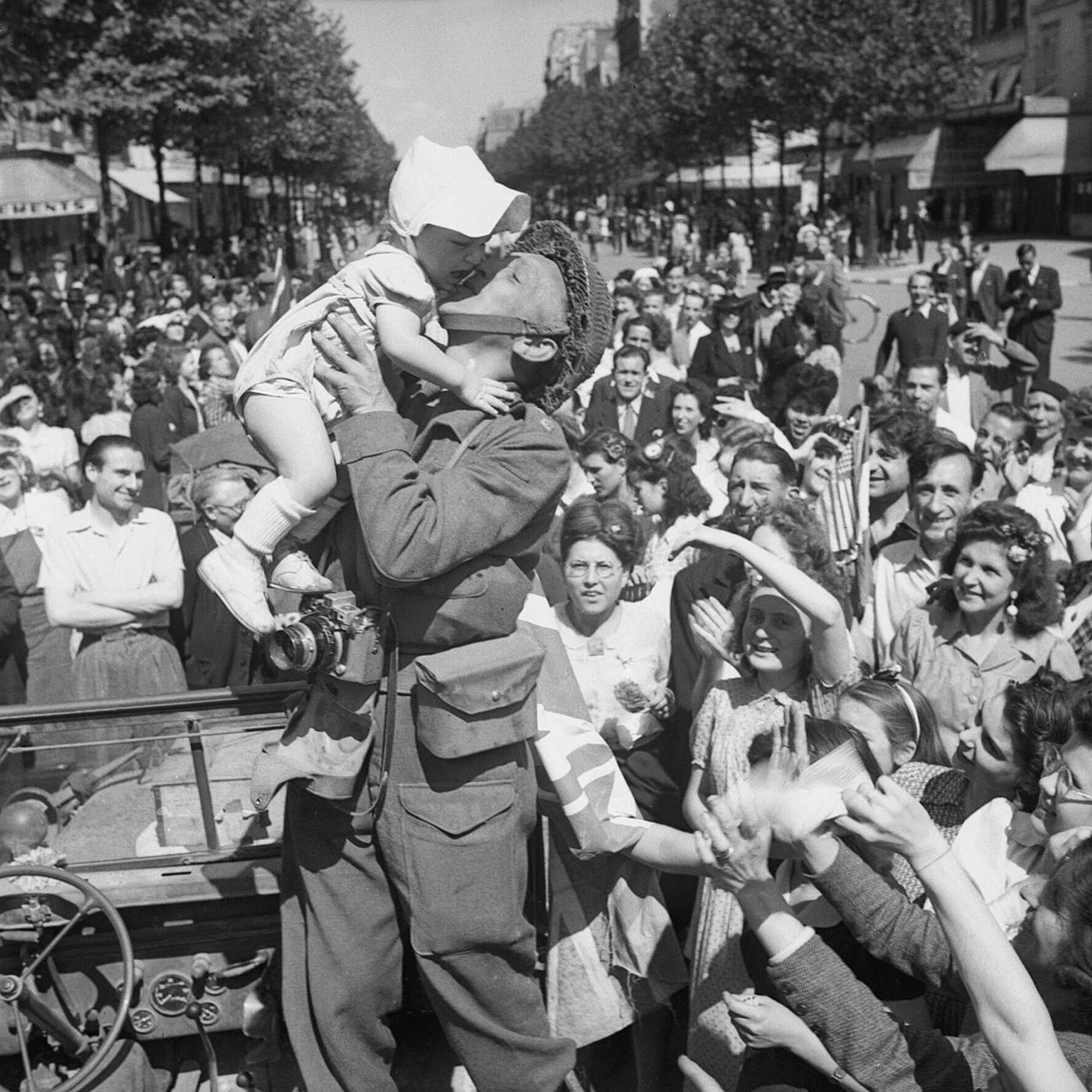 Anti Fascist Writers Flee Nazi Germany - Jane Rogoyska _ Part 1 20.09.2026 34min1944 LIBERATED PARISAnti Fascist Writers Flee Nazi GermanyJane Rogoyska, author of Hotel Exile: Paris in the Shadow of War, Part One: Rogoyska details how the 1933 Reichstagfire prompted Adolf Hitler to suspend civil liberties and initiate widespread persecution of political opponents. Prominent German writers, intellectuals, and anti-fascists, including Heinrich Mann, Lion Feuchtwanger, and Anna Seghers, fled Germany to seek refuge in France. In Paris, exile life centered around locations like the Hôtel Lutetia, where activist Willi Münzenberg organized anti-fascist political efforts. Despite hopes of returning home, the refugees faced growing French hostility, strict administrative regulations, and rising anti-Semitism. Following the outbreak of war in 1939, French authorities interned German exiles as enemy aliens. (1)
 -
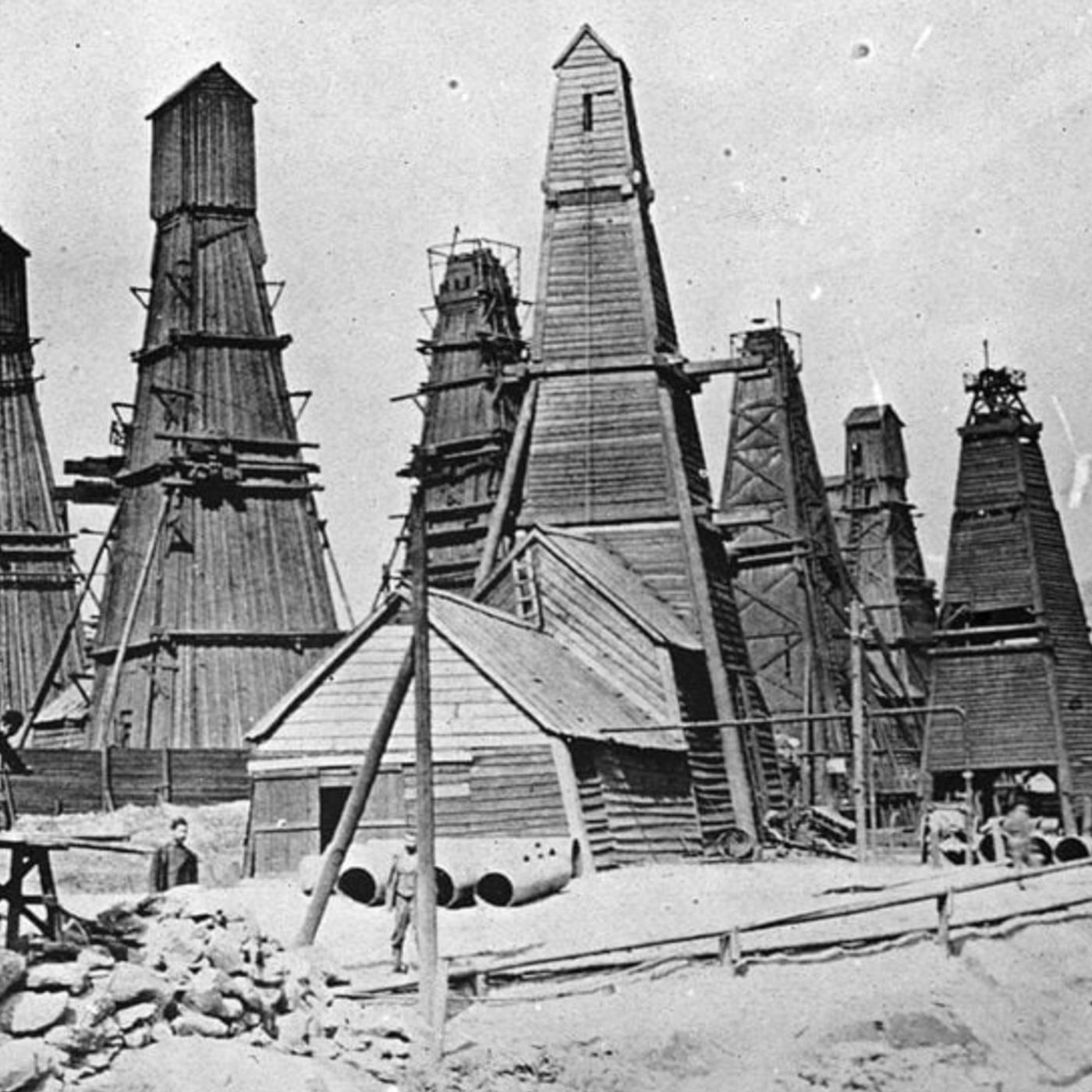 CONTENTS OF THE JOHN BATCHELOR SHOW, 9-18-2026. 19.09.2026 11minCAPTION 1900 BAKU.California Coastline Destruction And Economic ShiftsJeff Bliss highlights severe coastal erosion along Southern California beaches during El Niño storms, noting how homeowners unsuccessfully battle nature despite strict Coastal Commission permit restrictions. Fuel prices in California have reached record highs, with low-grade gasoline exceeding six dollars per gallon and diesel climbing over eight to ten dollars, forcing gas stations to update tote boards. Meanwhile, Mayor Karen Bass discussed jurisdiction confusion between state and city lands during the Pacific Palisades fire. In Las Vegas, the old Royal Resort was demolished to make way for a parking lot. Furthermore, major entertainment companies like Paramount and tech firms are exiting California for business-friendly states like Tennessee. (1)Navigating Canada Trade Relations With AmericaConrad Black examines Canada's evolving trade dynamics following the Prime Minister's address to the European Parliament advocating for broader international partnerships. While expanding trade with Europe is positive, Black emphasizes Canada's deep economic vulnerability, given that nearly half of its GDP is tied to trade with the United Statescompared to just three percent for America. President Trump's rhetoric suggests America could produce goods domestically, threatening Canadian market access. To maintain competitiveness, Black supports internal economic reforms, such as reducing federal civil service numbers, offering corporate tax cuts, and bolstering industries like filmmaking. Ultimately, Canada must expand global trade while maintaining strong American relations. (2)Congress Must Aid Fed Against InflationVeronique de Rugy argues that the Federal Reserve cannot defeat inflation solely by raising interest rates without fiscal assistance from Congress. Higher interest rates increase national debt service payments, which have surged from $250 billion to over one trillion dollars, fueling further inflation through government borrowing. Drawing historical parallels to Paul Volcker in the 1980s, she highlights how monetary tightening requires legislative spending cuts and structural tax or Social Security reforms. With the US debt-to-GDP ratio now exceeding 100% and the Social Security trust fund facing depletion by 2032, Congress must exercise fiscal responsibility rather than relying on endless borrowing. (3)Inflation Drives Divided Spending In PennsylvaniaJim McTague shares observations on inflation while traveling across Lancaster County, Pennsylvania, illustrating a bifurcated K-shaped economy. High gasoline prices, averaging over $4.20 to $4.39 per gallon, are heavily squeezing lower-income families and reducing convenience store spending. Conversely, wealthier residents and affluent tourists continue spending heavily at specialty venues, such as Groff's butcher shop in Elizabethtown and boutique stores in Lititz. While local meat suppliers and pretzel shops report booming demand, even prosperous shoppers are beginning to display subtle penny-pinching habits on expensive goods like artisanal chocolates, reflecting widespread pressure from sustained energy costs. (4)Borgotaro Celebrates Porcini Mushrooms And CultureLorenzo Fiori explores Borgotaro in the Italian province of Parma, calling it the capital of porcini mushrooms owing to its rich forests, varying altitudes, and unique microclimate. He describes local culinary highlights, recommending pairings of dark and light porcini varieties preserved in olive oil alongside authentic Parmigiano Reggiano cheese, Parma ham, and ciabatta bread. Fiori highlights government initiatives encouraging travelers to visit smaller historic towns to relieve over-tourism pressures in major cities like Rome and Florence. Despite recent hot weather across Europe, localized late-afternoon thunderstorms, high humidity,...
 -
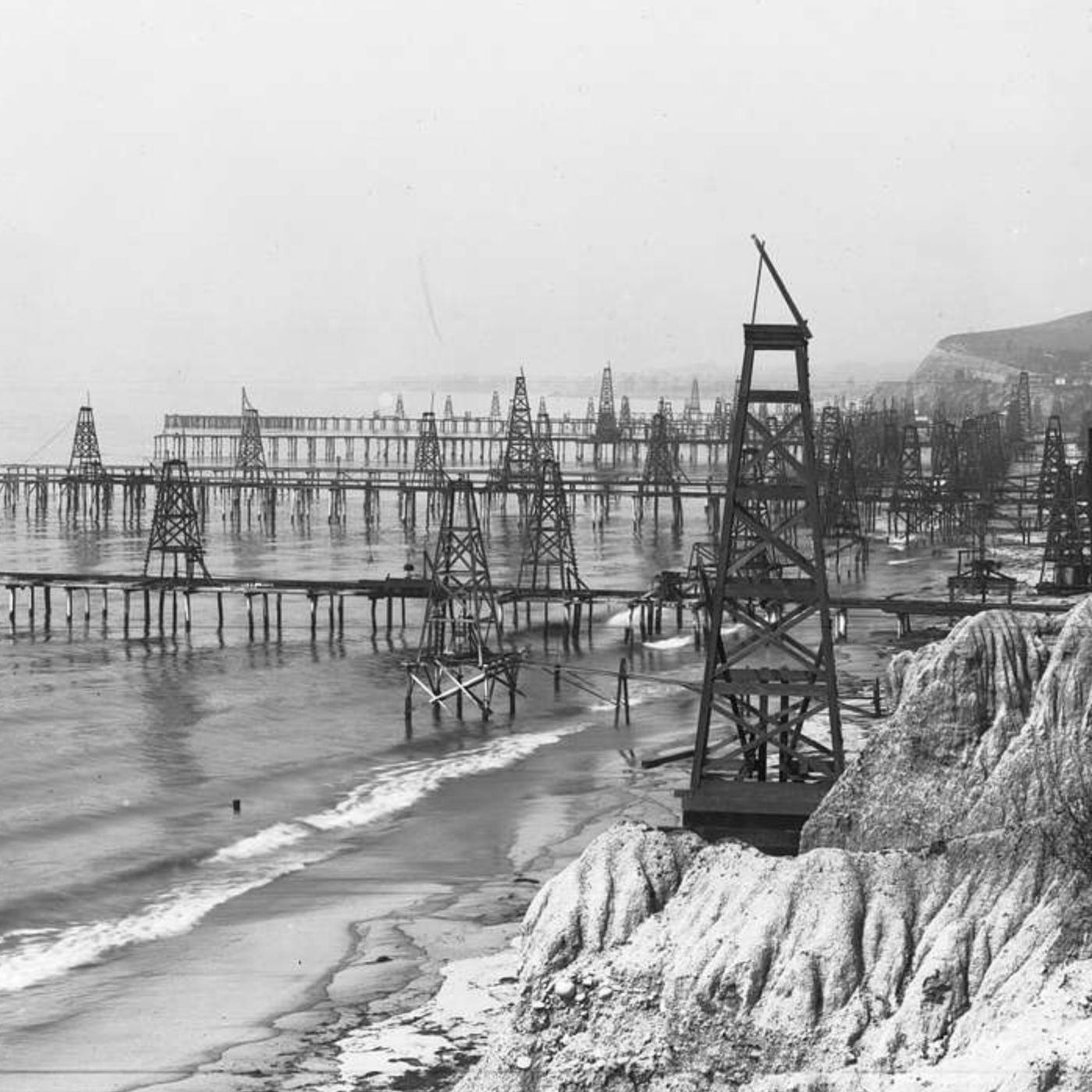 STREAMING MAKING OF THE JOHN BATCHELOR SHOW WITH JEFF BLISS, GERMANICUS, 9-18 19.09.2026 58minCAPTION 1903 SANTA BARBARA Live Streaming weekdays 8-9 AM ET on The John Batchelor Show Substack pageCalifornia Erosion, Vegas Reinvention, and the Raiding-Force RepublicJeff Bliss and Michael Vlahos ("Germanicus") join John Batchelor. Bliss explores the multifaceted challenges currently facing California, ranging from severe coastal erosion caused by El Niño storms to the economic strain of record-high fuel prices. The dialogue highlights a growing trend of "creative destruction," noting how businesses and iconic industries like Paramount are fleeing the state for more favorable environments such as Tennessee. Shifting focus to Las Vegas, the speakers describe a city in a constant state of architectural reinvention, driven by the pragmatic demands of the convention industry. Germanicus provides a broader geopolitical analysis, suggesting the United States is transitioning from a dominant global superpower to a specialized "raiding force." Ultimately, the broadcast portrays a nation grappling with internal decay and a shifting international status, as domestic crises begin to overshadow traditional foreign policy objectives.
 -
 10. Commercial Space Operations Advance Rapidly Worldwide - BOB ZIMMERMAN 091826 19.09.2026 19minOCTOBER 1957Commercial Space Operations Advance Rapidly WorldwideBob Zimmerman reviews commercial space developments, beginning with SpaceX's upcoming Starship 14 orbital test flight designed to deploy 26 Starlink version 3 satellites. While an oxidizer valve leak postponed a Dragon crew mission to the space station, SpaceX is phasing out Falcon 9 rideshare flights, creating new opportunities for competitors like Avio's Vega C rocket. Additionally, orbital tug startup Impulse Space raised significant new capital, and NASAtransferred Wallops Island management to Kennedy Space Center to expand commercial orbital launches. Finally, Zimmerman notes Artemis lunar lander delays into 2027 and ground-based telescope confirmation of a massive young exoplanet. (10)
Podcast simili


Popolare in
Questo podcast compare anche nelle classifiche dei podcast di questi paesi.


