
How We Survive
Marketplace
0
How We Survive is an award-winning podcast from Marketplace that explores the messy business of climate solutions. Each season takes listeners on an adventure to places like Miami, the Arizona desert, and a sinking island, examining innovative and sometimes disturbing ways people are navigating climate change. Previous seasons have covered the lithium extraction economy, Miami's vulnerable real estate market, and the U.S. military's greenhouse gas emissions. The podcast also features a spin-off series called Burning Questions that provides practical advice on climate-safe living, sustainable food choices, and maintaining hope.
Episodi
-
 Prologue: Tracking a Catastrophe 19.10.2022 21minA powerful hurricane was churning toward the southwest coast of Florida. It looked like it was going to be bad. So we hopped on a plane and headed first to Boston where we embedded with a team of catastrophe modelers who were tracking the disaster and calculating the potential losses.The number they came up with is staggering high: $100 billion. And only $63 billion of that is insured.We then visited Gasparilla Mobile Home Estates in Placida, Florida to see what these data points looked like on the ground, and talk to people who lost everything.
 -
 Selling Miami 19.10.2022 34minWhether you live on the coast or not, sea-level rise will have profound impacts on all of us. So we packed up our bags and headed to Miami, a city that is considered one of the most vulnerable coastal cities in the world. How Miami responds will serve as a test case for how other places around the country survive the effects of climate change. Experts say seas here could rise by 5 feet or more by 2100, eventually leaving whole parts of the city underwater. So if the city is doomed, why isn’t the housing market acting like it? From multimillion-dollar waterfront mansions to a flood-prone block miles from the beach, we went on the hunt for answers.
 -
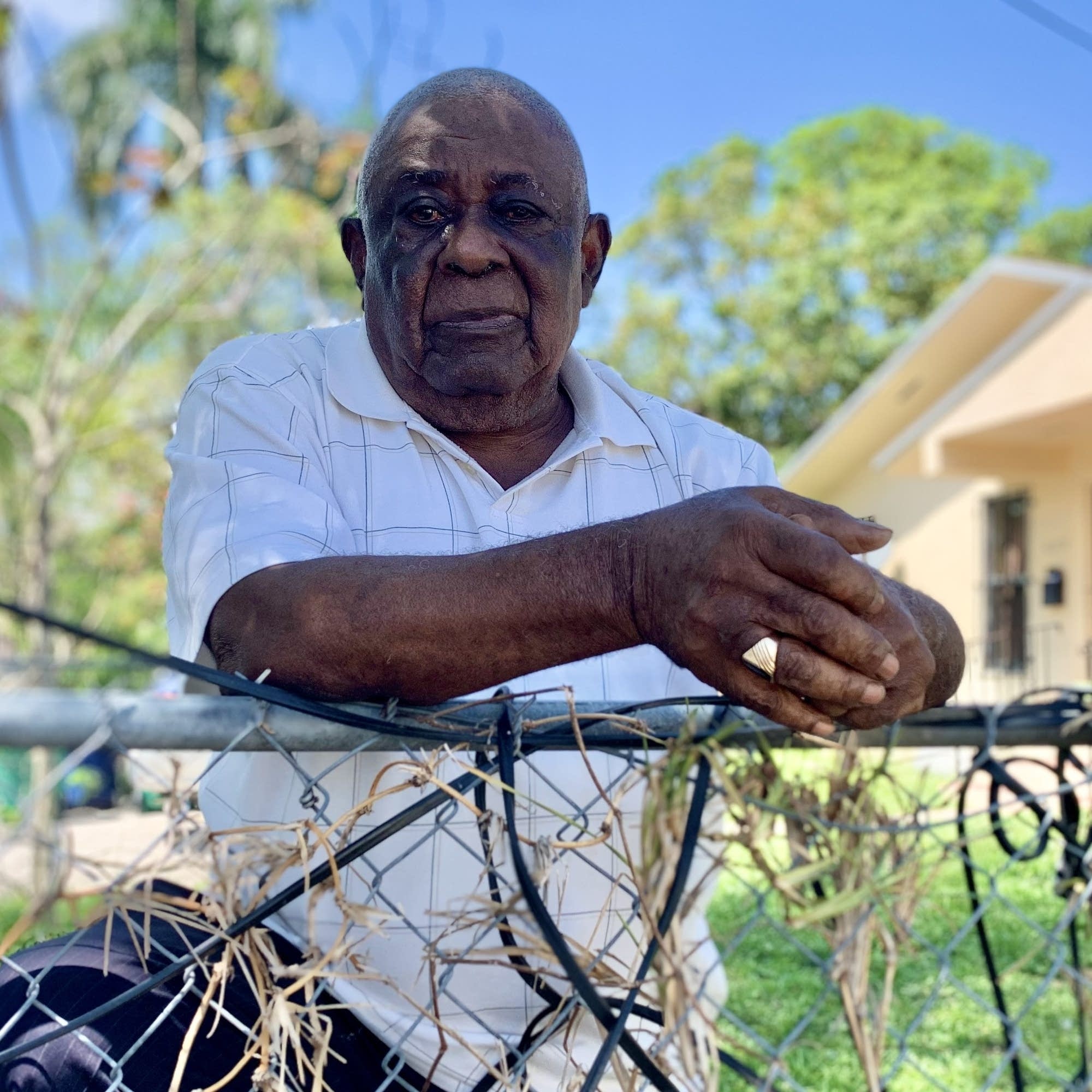 Little River 26.10.2022 32minThe Little River community in Miami is known for frequent flooding during heavy rains, high tides and storms. And when the neighborhood floods, sewage can spill into the yard; toilets back up. Even though it floods, the housing market here is hot. Long-time residents face displacement. This episode looks at flooding and flipping and how the two are related.
 -
 Almost Midnight, from "The Midnight Rebellion" 05.08.2026 19minFrom WBUR, here's a new kind of story, one that's all about the big questions and decisions we face. “The Midnight Rebellion” is a pick-your-own-path podcast set 100 years in the future, where the stakes are nothing less than the planet itself. It's fiction rooted in real science, built for the kids in your life (ages 7 and up) — and the whole family. You're listening to Chapter 1 of The Midnight Rebellion. Each chapter ends with a choice. YOU decide what’s next. Choose wisely. And if you liked what you heard, listen to the rest and follow The Midnight Rebellion wherever you get your podcasts.
 -
 Your geoengineering questions, answered! 01.07.2026 17minThis season, we explored large-scale climate interventions that could be our last hope. One intervention in particular, solar geoengineering, made a lot of listeners’ heads spin. (We’re right there with you.)This episode, we answer some of your most pressing questions about solar geoengineering. We get into whether solar sunshades could harm crops, what international efforts around solar geoengineering look like, and what would happen if a powerful country went rogue and put sulfur dioxide into the stratosphere. Plus, we look at a solution to some of these more extreme solutions: decarbonizing.
 -
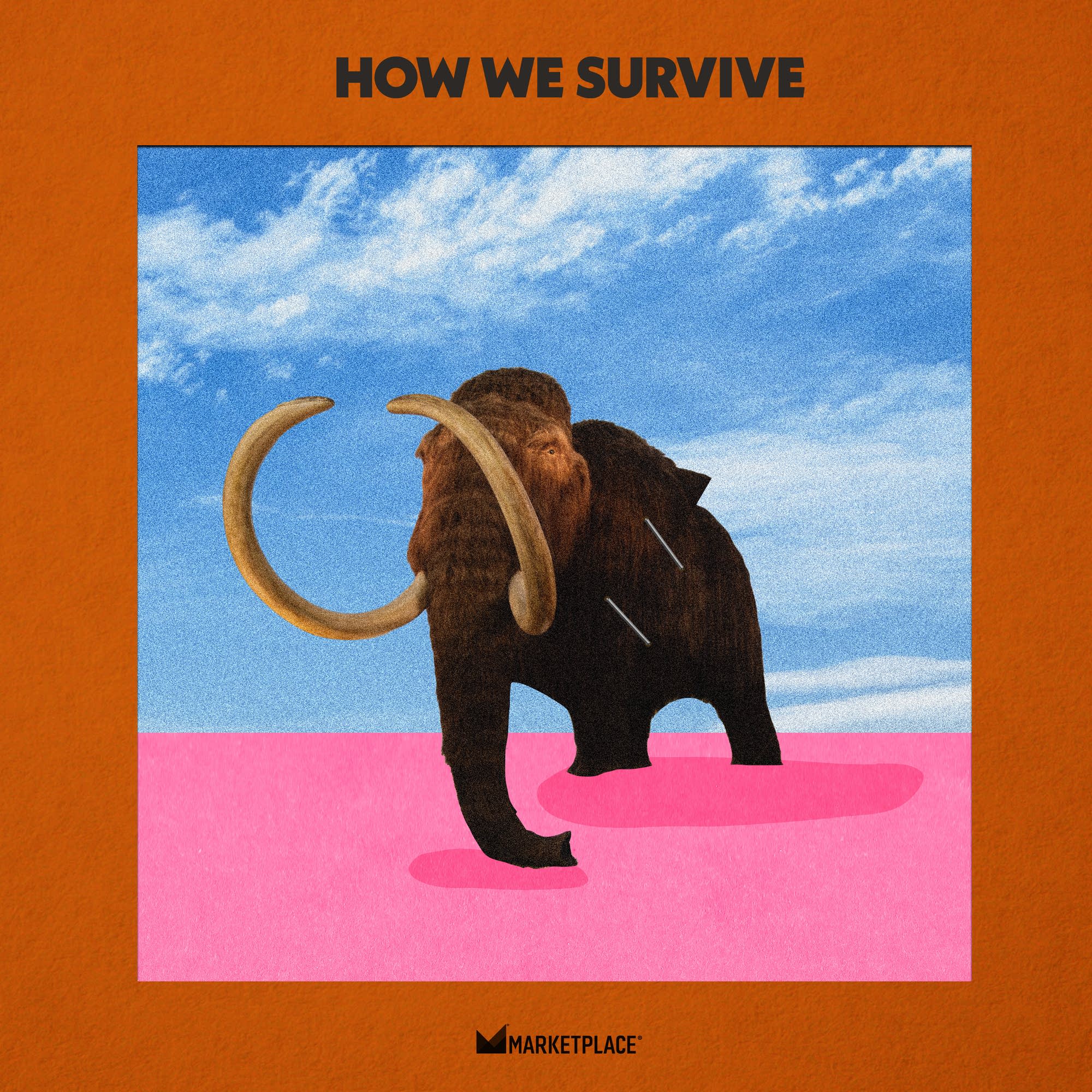 Should we mess with nature? 24.06.2026 22minAll season, we’ve been unpacking the controversial ways we’re messing with nature to save the planet. In this episode, we explore the wildest intervention to date: de-extinction. We take a tour of Colossal Labs, the $10 billion Dallas startup betting it can reverse-engineer extinction itself, to see how they plan to turn pigeons into dodos and Asian elephants into woolly mammoths. But whether it’s bringing back the woolly mammoth from extinction or shooting sulfur dioxide into the stratosphere, just because we can mess with nature, does that mean we should? After the tour, host Amy Scott chats with Pulitzer Prize-winning environmental journalist Elizabeth Kolbert to find out.
 -
 A Carbon Burial at Sea 17.06.2026 28minWe can't avoid catastrophic warming without also capturing and storing carbon dioxide — both the carbon we've already emitted and the carbon we continue to emit through industries that are tough to decarbonize, like steel, petrochemicals, and cement.Europe is a leader in Carbon Capture and Storage (CCS), with a goal of storing at least 50 million tons of captured CO2 a year by the end of this decade.So this episode, we team up with Germany-based reporter Sam Baker from the DW podcast “Living Planet.” We follow carbon dioxide from its source at a cement plant, all the way to its final resting place under the North Sea. And we look beyond the hype to see if Carbon Capture and Storage could be a real climate solution. Or just another way for the fossil fuel industry to keep on drilling.
 -
 How conspiracy theories impact geoengineering efforts 15.06.2026 24minAcross the country, anti-geoengineering bills are being proposed in state legislatures. These bills would ban the intentional release of chemicals into the atmosphere for the purpose of affecting sunlight or weather, and could impact future research into stratospheric aerosol injection — or even cloud seeding. But, unlike environmentalists that are advocating against the potential use of geoengineering as a climate solution, the bills’ proponents think that it’s already happening. Their proof? You can see it in the sky, they say: just look up.In this episode of “How We Survive,” Amy Scott talks with producer Rachel Kahn about how a once-fringe conspiracy theory could impact the future of geoengineering.
 -
 Make It Rain 10.06.2026 32minCan a technology used for war help prevent an environmental catastrophe in the making?Cloud seeding is a technique where particles, usually silver iodide, gets dispersed into clouds to help generate more rain or snow and it’s been around for 80 years. During the Vietnam War, the U.S. used cloud seeding in a top secret mission called Operation Popeye, to prolong the monsoon season in Vietnam. It’s since been deployed by state governments and private companies to bring more water to arid places. The only problem? It was hard to verify just how well it worked, which meant it was hard to make any money doing it. Until now. We tag along with a team of cloud seeders in Utah as they race to try to save the Great Salt Lake, and build a rainmaking empire.
 -
 Novel Solutions 03.06.2026 24minTalk to enough experts about geoengineering and the conversation eventually turns to termination shock. That’s the idea that if we were to start cooling the planet and then suddenly stop, the resulting “shock” of heat could be catastrophic. It’s also the title of a novel by bestselling sci-fi writer Neal Stephenson, who explores the science, politics, and unintended consequences of trying to engineer the earth’s climate. In this episode, we sit down with Stephenson to talk about what sci-fi can teach us about real-world climate solutions. But first: a climate idea so ambitious it sounds like it came straight from the pages of science fiction.
 -
 How to Dim the Sun 27.05.2026 36minCould dimming the sun be the key to cooling things down before the climate crisis worsens? Some scientists say yes, that we can cool the Earth by launching tons of sulfur dioxide into the stratosphere. It’s a type of solar geoengineering that was once seen as preposterous, meant to exist only in the pages of a sci-fi novel. But now, it’s a reality. To find out for ourselves, we travel to Northern California, where two entrepreneurs are launching sulfur-filled balloons from the top of stacked shipping containers. Later, we talk with scientists on both sides of this issue to find out if solar geoengineering could help prevent catastrophic tipping points or introduce a whole new slew of cascading consequences. Clarification (June 18, 2026): This episode has been updated to more accurately reflect David Keith's relationship to the carbon removal company he founded.
 -
 "How We Survive" returns May 27 20.05.2026 2minThe climate crisis is escalating. We have to decarbonize our economy, but we’re moving too slowly. So, what’s the backup plan?This season of “How We Survive” is about engineering nature: large-scale interventions that could be our last hope. We’ll explore technology being developed that could alter our weather patterns, transform our planet, and possibly save us all from the worst outcomes of the climate crisis. Or lead to catastrophic, unintended consequences. On our hunt for solutions, we tag along with entrepreneurs trying to launch sulfur into the stratosphere, venture to the Utah mountains where there’s a serious endeavor to create more rain and snow, find out how (and why) scientists are trying to resurrect extinct animals. Join us for the new season of “How We Survive,” starting May 27.
 -
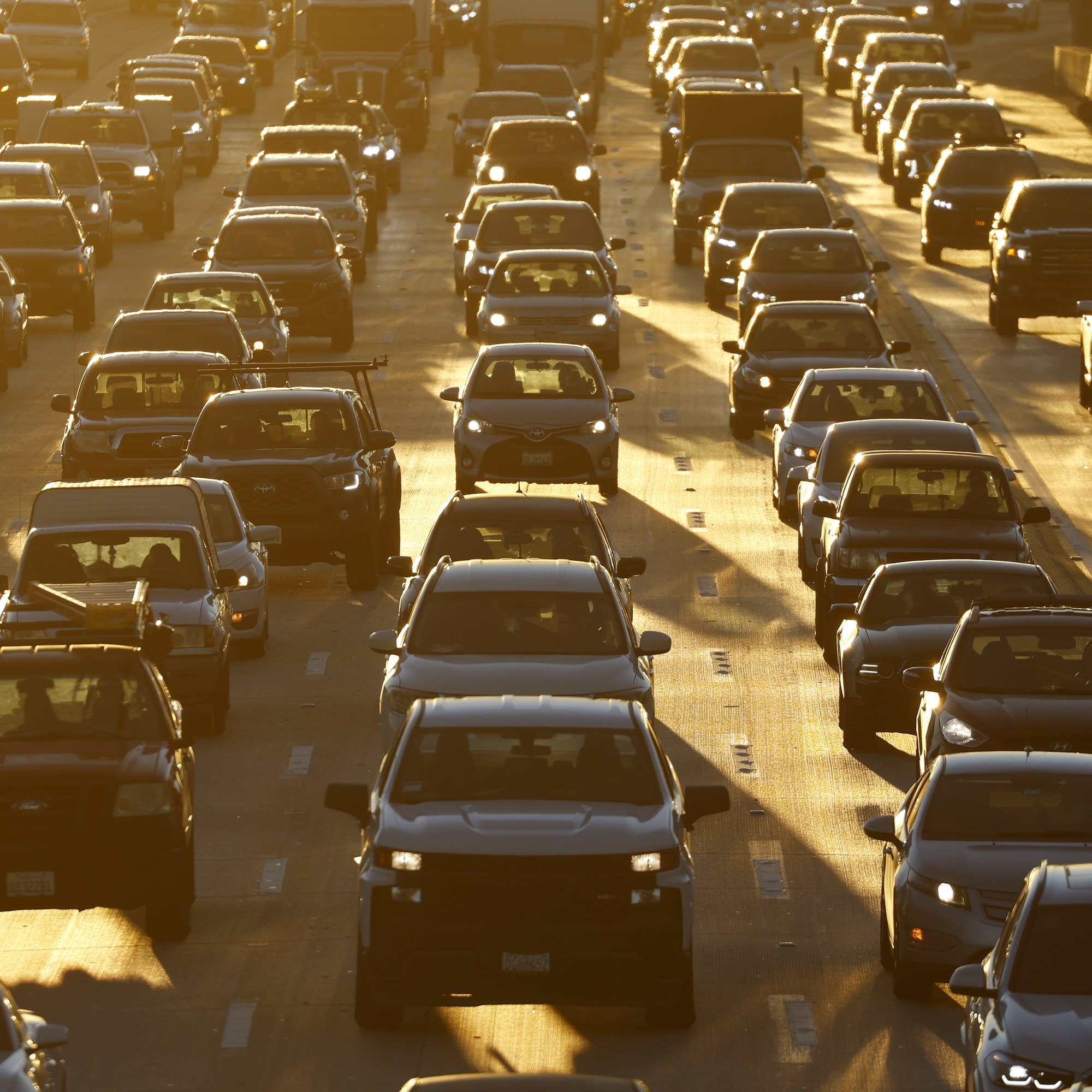 Burning Questions: The EPA repealed the endangerment finding. Who are the economic winners and losers? 24.02.2026 17minEarlier this month the Trump administration revoked the endangerment finding, which gave the federal government a legal basis for regulating greenhouse gas emissions. The move is already being disputed in court. If the repeal is successful, who are the economic winners and losers?“How We Survive” host Amy Scott talks with Stanford professor Chris Field to unpack the history and legal implications of the endangerment finding and how its repeal – though framed as saving Americans money – could lead to higher costs and a competitive disadvantage for the U.S. Later in the episode we turn to one specific winner (or loser, depending on who you ask): the U.S. auto industry. Amy talks with Rachel Muncrief from the International Council on Clean Transportation to find out if market forces and global competition will continue to push carmakers to innovate on cleaner vehicles or if this could seriously slow progress.
 -
 Feeding the Family (bonus episode) 26.11.2025 52minWe’re dropping into your feeds today to share this special bonus episode. For many people gathering around the table this holiday season, things feel a little different. Maybe it’s the cost of ingredients that’s on your mind, or cuts to USDA funding that have left your food bank running low. Or maybe it’s the simple reality of a packed schedule – there’s a lot to cook, and so little time. In this special from Marketplace, we bring listeners a collection of stories on the business and economics of food. Our reporters take us across the country to farms, home kitchens, and restaurants. We visit a refugee farmer in Houston, a chocolate-making lab in California, and stop for a bite at an award-winning restaurant in Portland.
 -
 Is grass-fed beef more nutritious? How can I waste less food? Is insect protein tasty? 12.11.2025 24minThroughout the season, we asked you all what questions you had about food, solutions and climate change, and you did not disappoint! In this episode, we find answers to your most pressing questions, like whether grass-fed beef is more nutritious than grain-fed, if cell-cultivated meat is considered an ultra-processed food, and we find out what’s going on with insect protein (of course, a taste test is involved). Plus some tips for reducing food waste.
 -
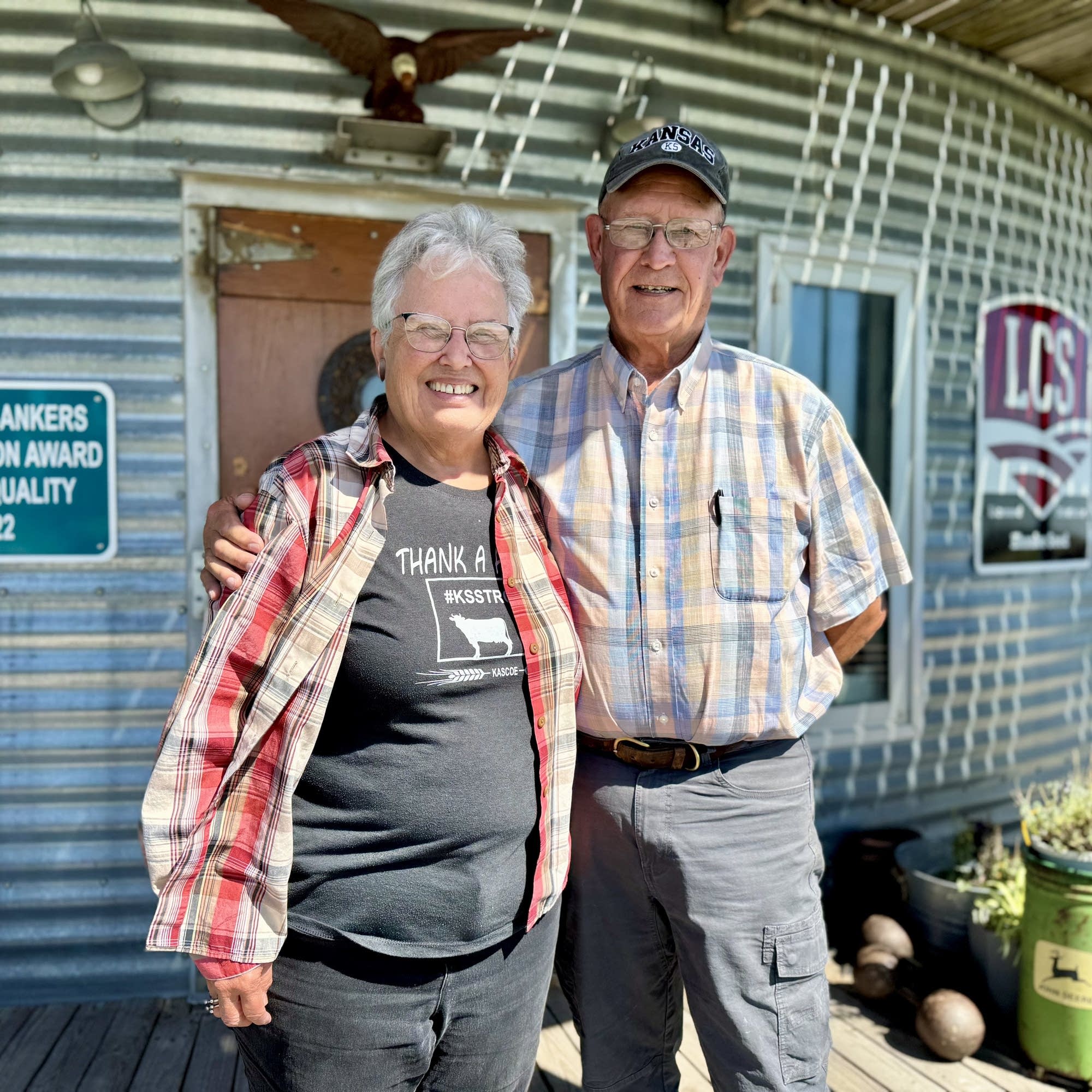 The Dry Line 05.11.2025 33minThe 100th meridian is the longitudinal boundary separating the humid East and the arid West. Researchers say the dry line is moving east because of climate change, threatening some of our cheapest and most reliable crops, like wheat and corn. In this episode, Amy drives across Kansas to talk to farmers on both sides of the dry line to see how they’re adapting to climate change. And we hear from a scientist who’s trying to breed crops that will thrive in a hotter, drier world.
 -
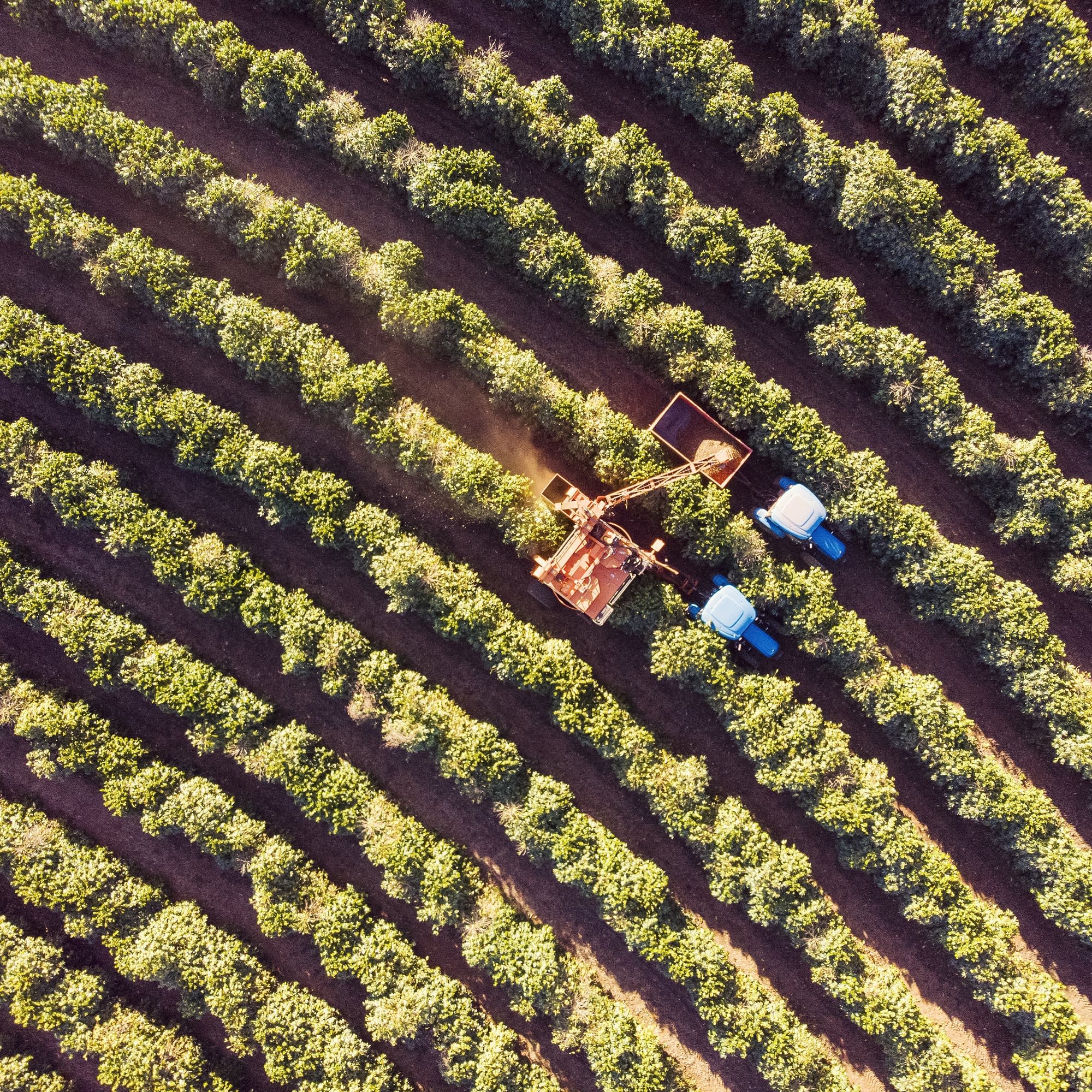 What the World’s Farmers Can Teach Us About Climate Resilience 29.10.2025 22minClimate change is transforming how the world grows and eats. In this episode, host Amy Scott talks with New York Times international climate correspondent Somini Sengupta about what she’s learned from farmers adapting to extreme weather. From drought-resistant crops to regenerative practices, Sengupta shows how communities on the front lines of climate change are finding new ways to survive and feed their families — and what their stories can teach us about building a more resilient global food system.
 -
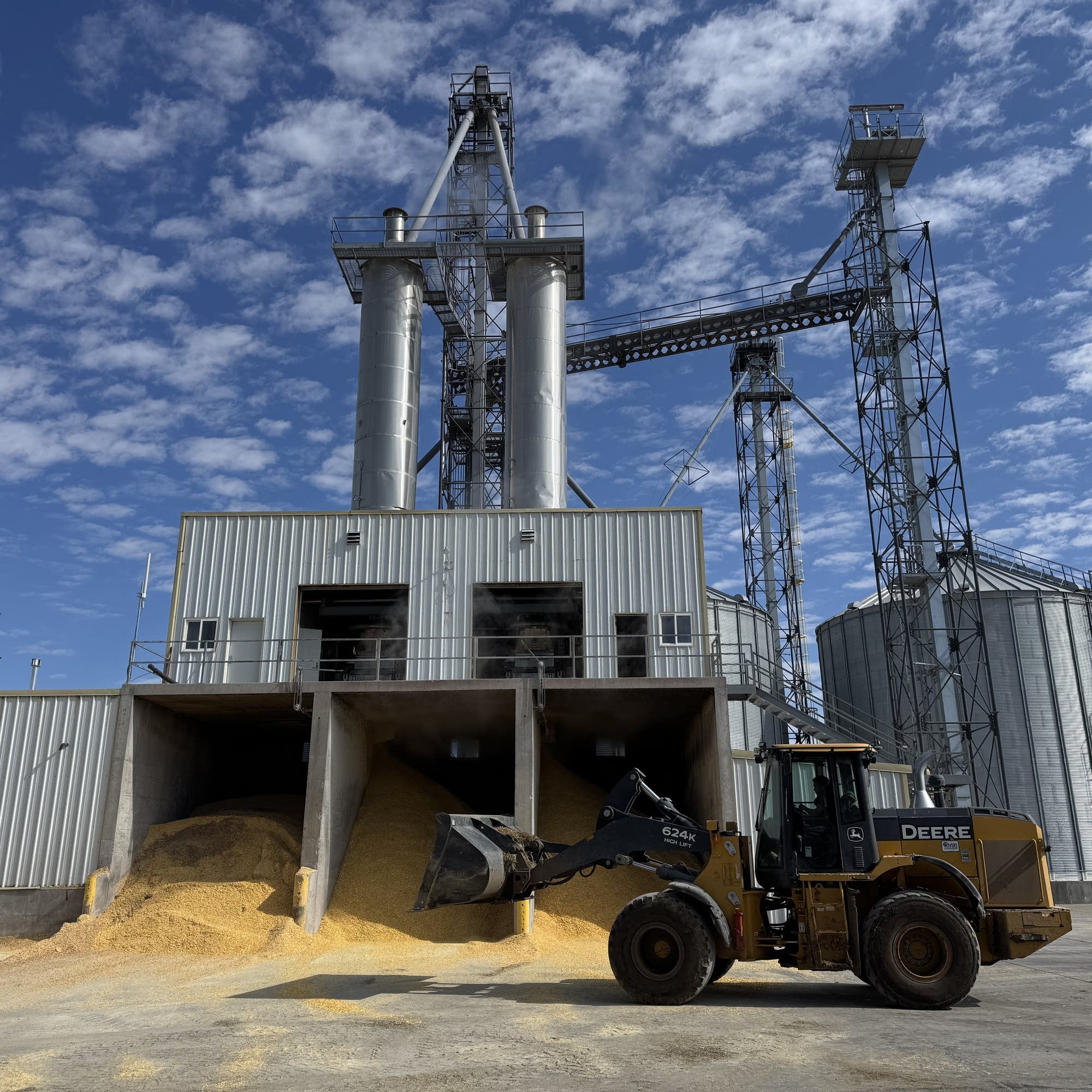 The Land Problem 22.10.2025 33minAbout a third of the greenhouse gases cooking our planet come from our food. Agriculture and livestock production are incredibly taxing on the planet. To curb the impact, we need to drastically reduce the amount of land we use to make food, while at the same time making more food for a growing population. How are we going to do that? In this episode we go fishing with an eccentric rancher in Northern California and hop over to Colorado to get a rare peek into the demonized factory farm industry on our hunt for answers.
 -
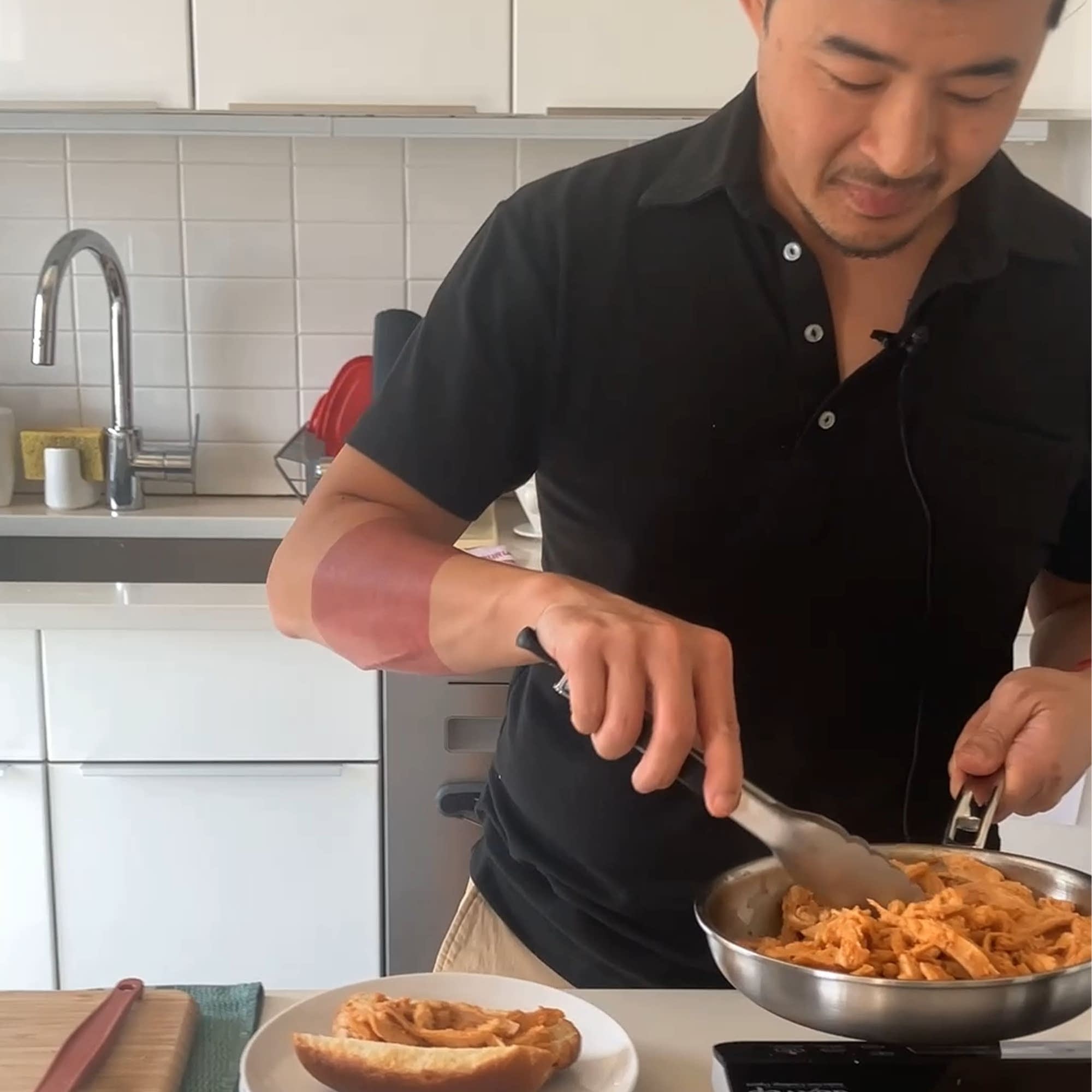 The Uncanny Valley of Meat 17.10.2025 32minIf you have ever bitten into a plant-based burger and felt dissatisfied, or even grossed out, you’re not alone. In this episode, we explore the uncanny valley of meat and dive deep into what makes meat so … meaty. Plus, “The Splendid Table” host Francis Lam joins Amy Scott for a taste test of cultivated meat and shares his go-to recipes for climate-friendly proteins.
 -
 Food Tour of the Future 15.10.2025 29minClimate change is changing what we eat. As the planet heats up, foods like salmon, chocolate and coffee might be harder to come by and more expensive to buy. In this episode, the “How We Survive” team goes on a food tour around Northern California to find out how tech entrepreneurs are finding new ways to make all sorts of foods that are under threat from the impacts of the climate crisis.
Podcast simili


Popolare in
Questo podcast compare anche nelle classifiche dei podcast di questi paesi.


