
Seizing Life
CURE Epilepsy
0
Seizing Life is a podcast and videocast from CURE Epilepsy. It aims to inspire empathy and share personal stories about epilepsy. The show provides information on epilepsy research and care, and offers hope in the search for a cure. Host Kelly Cervantes speaks with doctors, researchers, people living with epilepsy, and their loved ones.
Episodi
-
 Former NINDS Director Dr. Walter Koroshetz on Current Challenges and Promise in Epilepsy Research 02.09.2026 47minOn this month’s episode of Seizing Life, Kelly speakswith neurologist, neuroscientist, and former Director of the National Institute of Neurological Disorders and Stroke (NINDS) Dr. Walter Koroshetz about the state of epilepsy research, the critical role of federal funding, especiallyfor early-career scientists, and the advances bringing new hope to people and families impacted by epilepsy. Dr. Koroshetz shares insights from his decades-long careerin neurology and neuroscience, including his leadership at NINDS. He explains how epilepsy research has improved our understanding of seizures and led to the identification of hundreds of genetic causes of epilepsy, opening the door tomore precise and potentially curative therapies. The conversation explores the promise of genomic therapies, gene editing, closed-loop brain stimulation, andtechnologies emerging from the BRAIN Initiative, a partnership between federal and non-federal partners with a common goal of accelerating the development of innovative neurotechnologies. The second half of the episode focuses on the currentresearch landscape with an eye towards the potential future impacts on epilepsy research. Dr. Koroshetz outlines the research roles of government, institutions, industry, and nonprofit organizations, and explains how they do and don’t collaborate with one another. He shares his view of the currentfederal funding situation, explains the history and effects of flat budgets in government funding, and reveals what he sees as the biggest threat to the scientific workforce and our country’s role as a leader in research. Finally, Dr. Koroshetz offers his advice for young scientists and what he sees as themost promising areas of epilepsy research that will improve the lives of patients and families living with epilepsy in the coming years. ABOUT CURE EPILEPSYCURE Epilepsy is the leading, non-governmentalfunder of epilepsy research. Since its inception in 1998, CURE Epilepsy has raised more than $100 million to fund epilepsy research and other initiatives that will lead the way to cures for the epilepsies. CURE Epilepsy funds grants for young and established investigators and to–date has awarded more than 300 cutting-edge projects in 18 countries around the world. Our mission is to fund breakthrough research that will transform the lives of people living with epilepsy as we lead the search for a cure. LEARN MORE ABOUT EPILEPSYVisit the “Understanding Epilepsy” section ofCURE Epilepsy’s website:https://www.cureepilepsy.org/for-patients/understanding/ STAY CONNECTED WITH CURE EPILEPSYSign up for our newsletter for the latest in epilepsy researchnews: https://www.cureepilepsy.org/subscribe/Follow us on Facebook: https://www.facebook.com/CUREforEpilepsy/Follow us on Twitter: https://twitter.com/cureepilepsy/Follow us on Instagram: https://www.instagram.com/cureepilepsy/INCREASE YOUR IMPACTShare your story: https://www.cureepilepsy.org/personal-stories/Help us find a cure: https://www.cureepilepsy.org/get-involved/donate/
 -
 Epilepsy, Identity, and AI: Processing the Impacts of an Adult-Onset Diagnosis 05.08.2026 35minIn this episode of Seizing Life, Katie Czyz talksabout being diagnosed with adult-onset epilepsy at age 39 after more than a decade of symptoms initially mistaken for panic attacks. Katie describes the focal aware seizures she experienced for years without realizing they were seizures, the mix of relief and grief that came with finally receiving adiagnosis, and the challenges of finding a treatment plan while managing medication side effects, memory loss, brain fog, and the emotional impact of epilepsy. Katie also shares how she turned to artificial intelligence(AI)—not as a replacement for medical care, therapy, or human connection, but as a form of “cognitive scaffolding” to help organize her thoughts, process emotions, and prepare for difficult conversations with loved ones and her therapist. She discusses the personal essay she wrote for the New York Times’ Modern Love column, the response she received from people living with epilepsy and their caregivers, and why sharing her story helped others recognize theoften-hidden experience of focal seizures.This conversation explores the symptoms and impacts ofadult-onset epilepsy, the mental health effects of diagnosis and treatment, and both the promise and limitations of AI as a tool for those navigating chronic illness. CURE Epilepsy does not endorse using AI in place of professional mental health support or medical advice. ABOUT CURE EPILEPSYCURE Epilepsy is the leading, non-governmentalfunder of epilepsy research. Since its inception in 1998, CURE Epilepsy has raised more than $100 million to fund epilepsy research and other initiatives that will lead the way to cures for the epilepsies. CURE Epilepsy funds grants for young and established investigators and to–date has awarded more than 300 cutting-edge projects in 18 countries around the world. Our mission is to fund breakthrough research that will transform the lives of people living with epilepsy as we lead the search for a cure. LEARN MORE ABOUT EPILEPSYVisit the “Understanding Epilepsy” section ofCURE Epilepsy’s website:https://www.cureepilepsy.org/for-patients/understanding/ STAY CONNECTED WITH CURE EPILEPSYSign up for our newsletter for the latest in epilepsy researchnews: https://www.cureepilepsy.org/subscribe/Follow us on Facebook: https://www.facebook.com/CUREforEpilepsy/Follow us on Twitter: https://twitter.com/cureepilepsy/Follow us on Instagram: https://www.instagram.com/cureepilepsy/
 -
 Nicole Teeny on Epilepsy, Endurance, and Running with Horses 01.07.2026 43minWriter, filmmaker, and podcast creator Nicole Teeny joinsKelly to share her journey with adult-onset epilepsy and the deeply personalstory behind her ESPN 30 for 30 audio documentary, GIRL v. HORSE.Epilepsy entered Nicole Teeny’s life in her early thirties,upending her life, work, creativity, and passion for running. Nicole discusses the shock of her first tonic-clonic seizure, the long process of diagnosis and finding a medication that helped control her seizures while allowing her to feel like herself, as well as the emotional impact of epilepsy on her identity and relationship to her own body.When epilepsy interrupted Nicole’s professional life it alsoderailed her running routine, an activity that she had long depended on for both physical and mental well-being. As Nicole struggled to gain seizure control through a series of medications, she also set an audacious goal for herself: running a 50-mile endurance race against horses. With support from her wife, family, and doctors, Nicole found ways to train safely, confront uncertainty, and reclaim a sense of connection to her body. In this inspiring conversation, she details how preparing for the race helped her learn to livewith epilepsy by focusing on “controlling the controllables,” and explains how the experience became a four-part ESPN documentary series. Nicole’s story is a powerful reminder of the resilience ofpeople living with epilepsy, the importance of community and support, and the urgent need for continued epilepsy research to improve treatments and ultimately lead us to a cure. ABOUT CURE EPILEPSYCURE Epilepsy is the leading, non-governmental funder of epilepsyresearch. Since its inception in 1998, CURE Epilepsy has raised more than $100 million to fund epilepsy research and other initiatives that will lead the way to cures for the epilepsies. CURE Epilepsy funds grants for young and established investigators and to–date has awarded more than 300 cutting-edge projects in 18 countries around the world. Our mission is to fund breakthrough research that will transform the lives of people living with epilepsy as we lead the search for a cure.LEARN MORE ABOUT EPILEPSYVisit the “Understanding Epilepsy” section of CURE Epilepsy’swebsite:https://www.cureepilepsy.org/for-patients/understanding/ STAY CONNECTED WITH CURE EPILEPSYSign up for our newsletter for the latest in epilepsy researchnews: https://www.cureepilepsy.org/subscribe/Follow us on Facebook: https://www.facebook.com/CUREforEpilepsy/Follow us on Twitter: https://twitter.com/cureepilepsy/Follow us on Instagram: https://www.instagram.com/cureepilepsy/INCREASE YOUR IMPACTShare your story: https://www.cureepilepsy.org/personal-stories/Help us find a cure: https://www.cureepilepsy.org/get-involved/donate/
 -
 Epilepsy and Medical Trauma: Recognizing, Accepting, and Healing 03.06.2026 40minOn this month’s episode of Seizing Life®, Kelly Cervantes speaks with neuropsychologist Dr. James Jackson about medical trauma and the often-overlooked emotional toll of living with epilepsy.Dr. James Jackson, psychologist and neuropsychologist at Vanderbilt University Medical Center, and author of the recently published Reclaiming Your Life from Medical Trauma, discusses this relatively new term and explains how it can present in both patients and their family members. Growing up the son of a father living with epilepsy, Dr. Jackson understands personally the psychological and emotional impacts it can have on those living with the disorder as well as those who love them. He shares how seizures, hospital stays, ongoing uncertainty, and even everyday medical experiences can leave lasting effects on patients, caregivers, and entire families. He explains why epilepsy-related trauma is unique, and how it can show up as anxiety, avoidance, shame, or PTSD-like symptoms, and offers insights on recognizing warning signs and seeking support. Based on his work with patients and caregivers as well as his own personal experiences, Dr. Jackson encourages early mental health support, sharing his approach of Acceptance and Commitment Therapy to help patients begin to heal and move towards building a rich, meaningful life even in the presence of fear and uncertainty.As those in the epilepsy community know, epilepsy doesn’t just impact the individual living with it, it touches everyone around them. This episode provides insights, enrouragement, and support for those struggling with epilepsy’s “hidden” emotional and psychological effects.
 -
 Subtle Seizures, Big Impact: A Young Woman’s Personal Epilepsy Journey 06.05.2026 35minIn this episode of Seizing Life®, Skylar Swatt sharesher epilepsy journey. From a stroke that caused seizures at birth to the onset of “mini-seizures” when she was a child which eventually resulted in a tonic clonic seizure and an epilepsy diagnosis in her teens, Skylar details her journey and the mental health impacts of her diagnosis and treatment.Skylar Swatt’s story begins at birth, when she suffered astroke that caused 15 seizures in her first few hours of life. Though doctors were able to get the seizures under control, after several years of seizure freedom they returned but were mistakenly identified as muscle spasms in her jaw. Skylar recounts how these jaw twitches went undiagnosed throughoutchildhood, until she experienced her first grand mal (or tonic clonic) seizure at age 14. She and her family began to push for answers—initially facing dismissal and frustration within the healthcare system. Through persistence, Skylar eventually found a neurologist who listened, explained her conditionclearly, and helped her make sense of what her brain and body had been experiencing all along.Beyond seizure control, Skylar opens up about the emotionalside effects of anti-seizure medications, including anxiety and depression, and how epilepsy affected her education, social life, and major life transitions such as starting college and navigating adulthood. She also discusses the importance of self-advocacy, mental health support, routine, and finding compassionate care.
 -
 Welcome to Seizing Life, a podcast about epilepsy and those who live with it 10.04.2026Seizing Life® is a CURE Epilepsy podcast and videocast aiming to inspire empathy, offer helpful stories, and give hope as we search for a cure for epilepsy. Listen as neurologists, researchers, and those living with epilepsy share stories, insights, and advances in treatment and care with our host, Kelly Cervantes.
 -
 Putting the Heart in Brain Surgery: A Pediatric Neurosurgeon’s Philosophy of Care 01.04.2026 35minPediatric neurosurgeon Dr. Howard Weiner shares his philosophy of care that places the human element at the center of the patient/provider relationship, infusing technical skill with compassion, communication, and connection.
 -
 Living, Working, and Dating with Adult-Onset Epilepsy 04.03.2026 36minLandis Wiedner shares her journey with adult-onset epilepsy after being diagnosed at the age of thirty-two. She describes how seizures impacted her life and work, explains how a stay in and epilepsy monitoring unit led to a life-changing medication change, and shares her experiences dating with epilepsy.
 -
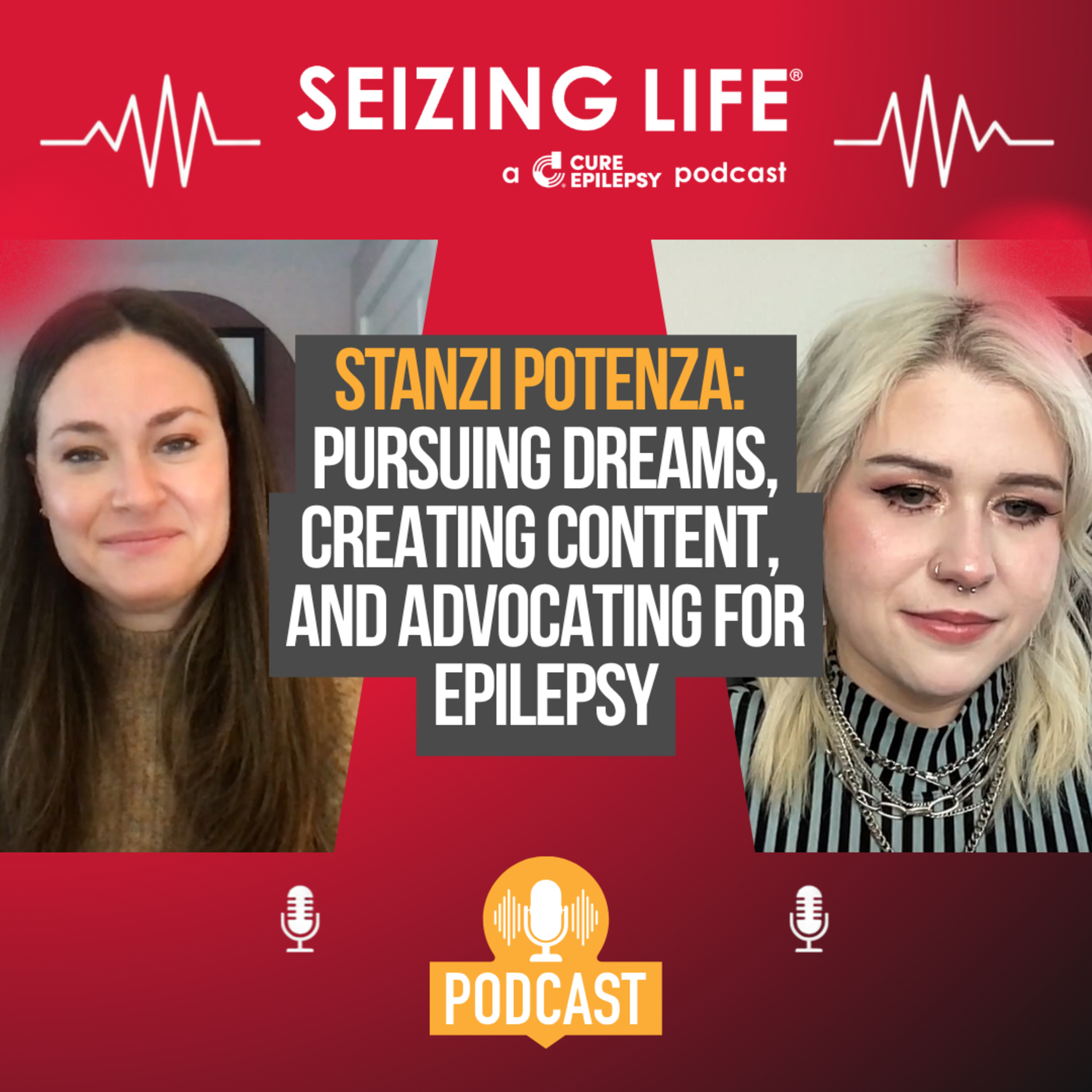 Stanzi Potenza: Pursuing Dreams, Creating Content, and Advocating for Epilepsy 04.02.2026 40minComedian, actress, and podcaster Stanzi Potenza shares her experiences growing up and living with epilepsy while pursuing her dreams of a career in entertainment.
 -
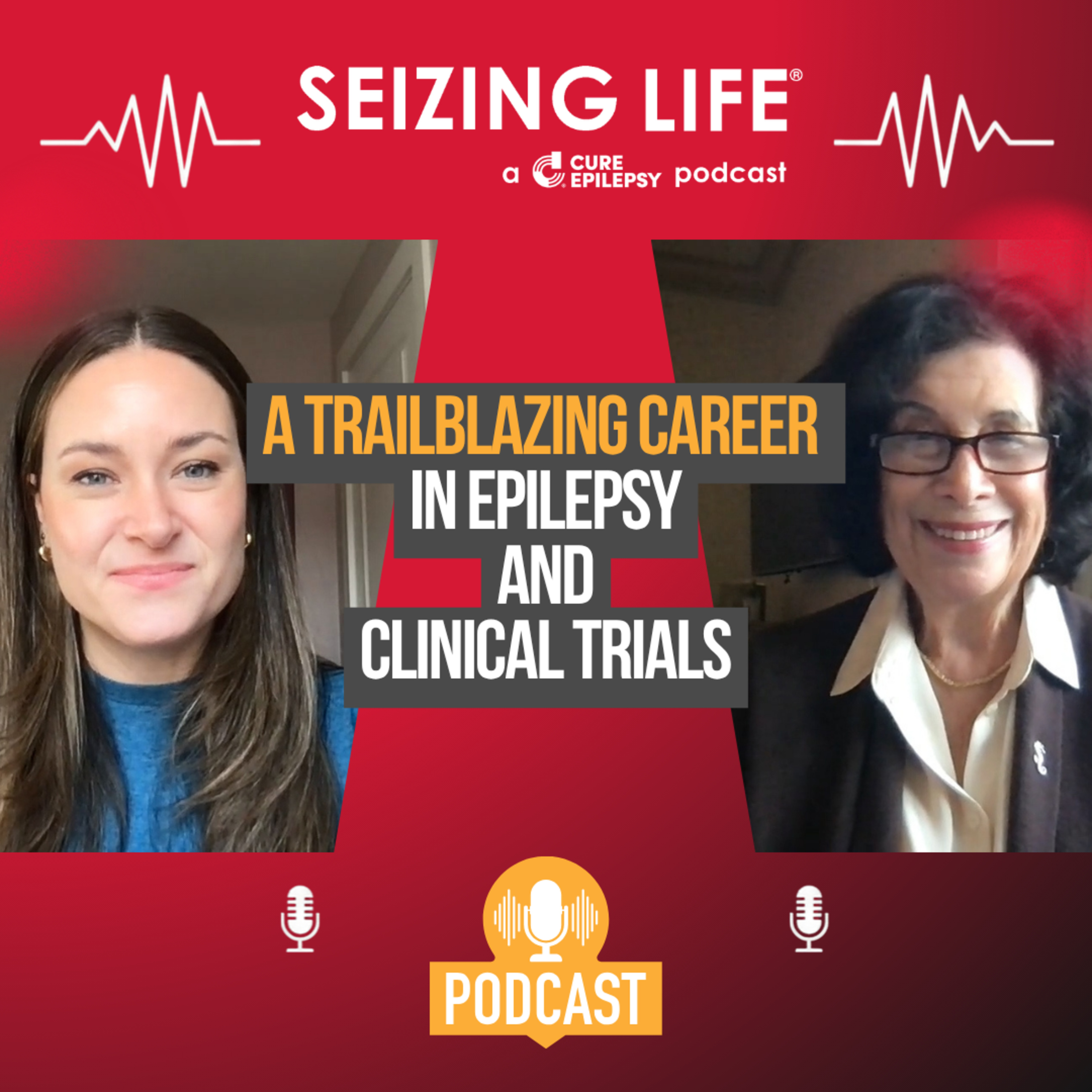 A Trailblazing Career in Epilepsy and Clinical Trials 07.01.2026 29minDr. Elinor Ben-Menachem, epileptologist, researcher and professor at Sweden’s University of Gothenburg, shares insights and experiences from her 40-plus years working with clinical trials and providing care to refractory epilepsy patients.
 -
 Epilepsy for Dummies: Your New Handbook for Better Understanding Epilepsy 03.12.2025 30minJournalist Lauren Aguirre and Dr. Elizabeth Thiele, the authors of the recently published “Epilepsy for Dummies,” discuss their collaboration and explain why their perspectives as epilepsy patient/parent and provider were essential in creating a reliable resource for those living with epilepsy and those who love them.
 -
 A Mother and Neurologist Shares Her Son’s Amazing Journey From Traumatic Birth to Seizure Freedom 05.11.2025 41minDr. Kendra Cagniart shares her son’s journey with epilepsy, from a traumatic birth in which he arrived in status epilepticus through his current period of seizure freedom at the age of 9. This is an amazing and ultimately hopeful journey of a young boy living with epilepsy.
 -
 Turning the Tragedy of SUDEP into Hope: The Story of the Joanna Sophia Foundation 01.10.2025 39minIn honor of SUDEP Action Day on Wednesday, October 15th, we speak with Maria Teresa Ioannou of the Joanna Sophia Foundation who tragically lost her nine-year-old daughter Joanna Sophia to SUDEP in 2018.
 -
 On the Brink of Breakthrough: How an Arthritis Med Could Stop Seizures 03.09.2025 54minDr. Olivia Hoffman, post-doctoral researcher in Dr. Avtar Roopra’s lab at the University of Wisconsin-Madison, discusses one of the most exciting discoveries in epilepsy research in recent years, a repurposed drug that has shown remarkable promise in eliminating seizures and restoring cognition in mice.
 -
 10 Years of Ella’s Race: Raising Awareness & Finding Hope in Fundraising for Epilepsy Research 02.07.2025 38minLongtime CURE Epilepsy Champion and current board member Shalee Cunneen comes back to the podcast to share her family’s journey with epilepsy and fundraising efforts for a new CURE Epilepsy research initiative.
 -
 Advocating for a National Plan for Epilepsy in Uncertain Times 04.06.2025 45minDr. Dan Lowenstein discusses the current efforts to push Congress to adopt a National Plan for Epilepsy, explaining who is behind it, what it is, and what it could mean to the epilepsy community.
 -
 Using Basketball to Fight Stigma and Empower Kids Living with Epilepsy 07.05.2025 30minMike Simmel shares his epilepsy journey, explains how his passion for basketball helped him navigate the impacts of epilepsy, and recounts how a personal experience with epilepsy stigma inspired him to help kids with epilepsy and other challenges.
 -
 Music Therapy for Neurologic Conditions: Understanding How It Works 02.04.2025 25minDr. Connie Tomaino, music therapist and co-founder of the Institute for Music and Neurologic Function, discusses how music therapy is used to treat neurologic conditions and explains what we know about the power of music to heal the brain.
 -
 Despite Medical Training, A Young Doctor’s Epilepsy Goes Undiagnosed for a Decade 05.03.2025 33minThis month on Seizing Life® Dr. Kelly Tyson shares her decade-long journey to an epilepsy diagnosis. Despite numerous visits to various medical experts through the years and majoring in neuroscience in college, Kelly was never referred to a neurologist, nor did she recognize the “episodes” she experienced as seizures. Kelly details how she managed these episodes through college, graduate school, and medical school, and reveals the surprising way that she came to realize she was having seizures.
 -
 Joey’s Song Musicians: Rocking for Epilepsy Research is Personal 05.02.2025 47minThis month Seizing Life® goes on location at the Joey’s Song Freezing Man Festival to speak with Kay Hanley and John Cowsill, two musicians with personal connections to epilepsy who participated in the multiday music festival to raise money for epilepsy research.
Podcast simili


Popolare in
Questo podcast compare anche nelle classifiche dei podcast di questi paesi.
