
Inevitable
an MCJ podcast
0
Inevitable is an MCJ podcast hosted by Cody Simms. Each week, Simms talks with experts from different fields about the innovations driving the transition of energy and industry. The show was previously known as My Climate Journey. It explores the people, technologies, and systems shaping a lower-carbon future.
Episodi
-
 The Future of the Grid: Ben Eidelson Live at Climate Week NYC 20.10.2026 28minIn this live episode of Inevitable from Climate Week NYC, Cody Simms explores the history and future of the electric grid with Ben Eidelson of Stepchange. Eidelson traces the evolution of the grid from J.P. Morgan and Pearl Street through the AC/DC debate, the rise of utilities, and Samuel Insull’s development of a scalable utility business model. The conversation then connects that history to today’s grid challenges, including transmission constraints, rapidly growing data center loads, batteries, renewable energy, and the need to modernize the infrastructure connecting increasingly digital and DC-based resources to the grid.
-
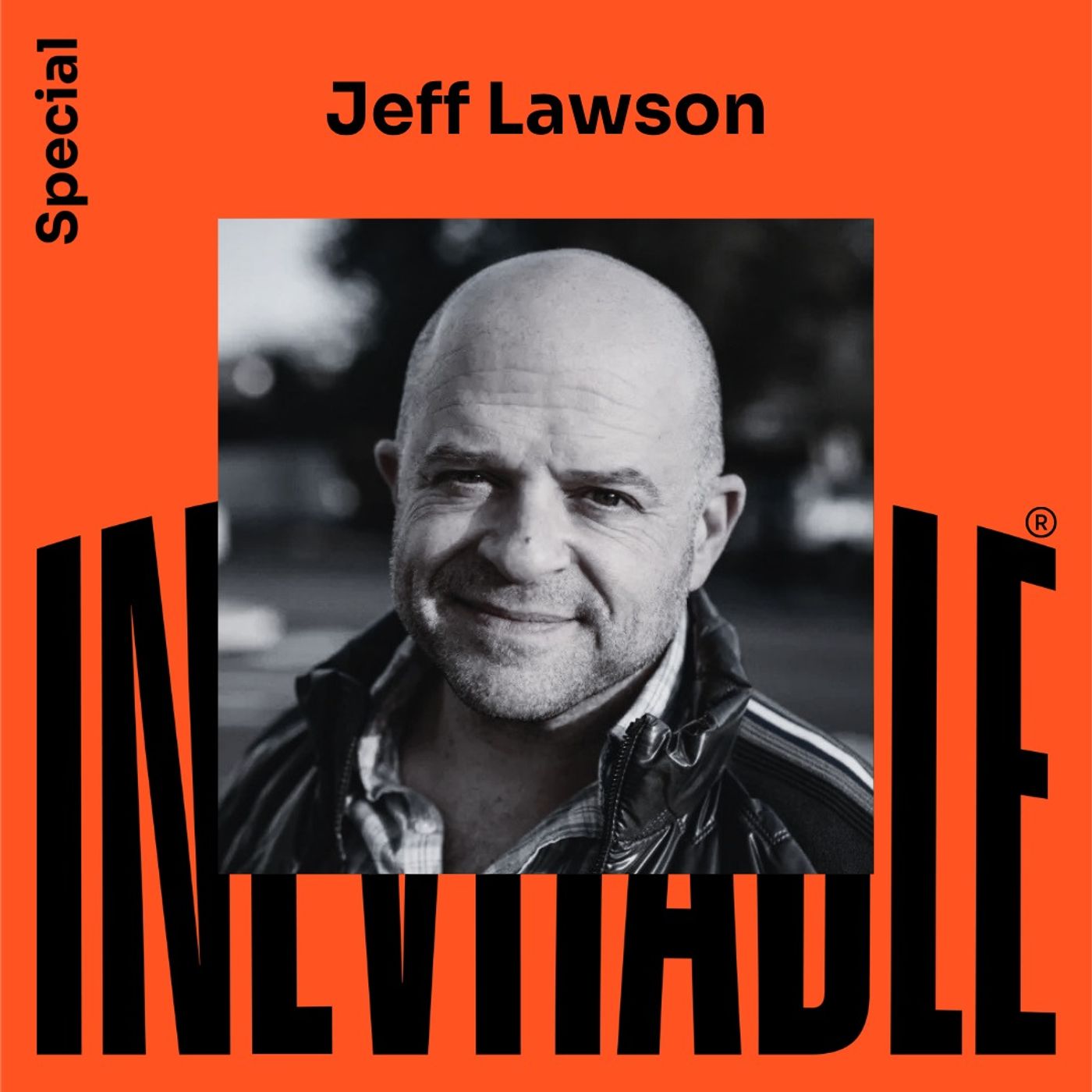 From Twilio to Fusion with Jeff Lawson 14.10.2026 30minJeff Lawson is the co-founder and CEO of Inertia, a fusion energy company working to commercialize inertial confinement fusion using advanced lasers and mass-manufactured fusion fuel targets. Lawson previously co-founded and led Twilio, scaling the company from an idea into a public company, and is now applying his product and company-building experience to one of energy’s most technically challenging problems. In this live episode of Inevitable from Climate Week NYC, Lawson explains why he believes the breakthrough at Lawrence Livermore National Laboratory demonstrated that the fundamental physics of fusion can work, while the remaining challenge is largely one of commercialization, manufacturing, and scale. The conversation explores how Inertia is approaching the laser and fusion-target supply chains, why Lawson believes factory economics can transform the cost of fusion, and how lessons from software, semiconductors, SpaceX, and consumer technology are influencing the company’s approach to experimentation and manufacturing.
-
 Uplift: Making Temporary Housing Deployable Anywhere 29.09.2026 45minCharlie Nitschelm is the co-founder and CEO of Uplift, a company building affordable, rapidly deployable temporary housing. Uplift’s first product is a 90-square-foot, off-grid home designed for one to two people that can be transported fully assembled, placed with a standard forklift, and self-level without a foundation or skilled labor for deployment. In this episode of Inevitable, Nitschelm explains how his experience at SpaceX and Starlink, followed by an intensive period of studying homelessness, poverty, and other social challenges, led him to think about housing as a problem that could benefit from a fundamentally different architecture. The conversation explores how Uplift is designed to work immediately after deployment, including its approach to power, water, sanitation, connectivity, and remote monitoring. Nitschelm also discusses the company's manufacturing ambitions and its potential applications in workforce housing, disaster response, global shipping, ADUs, and affordable housing developments.
-
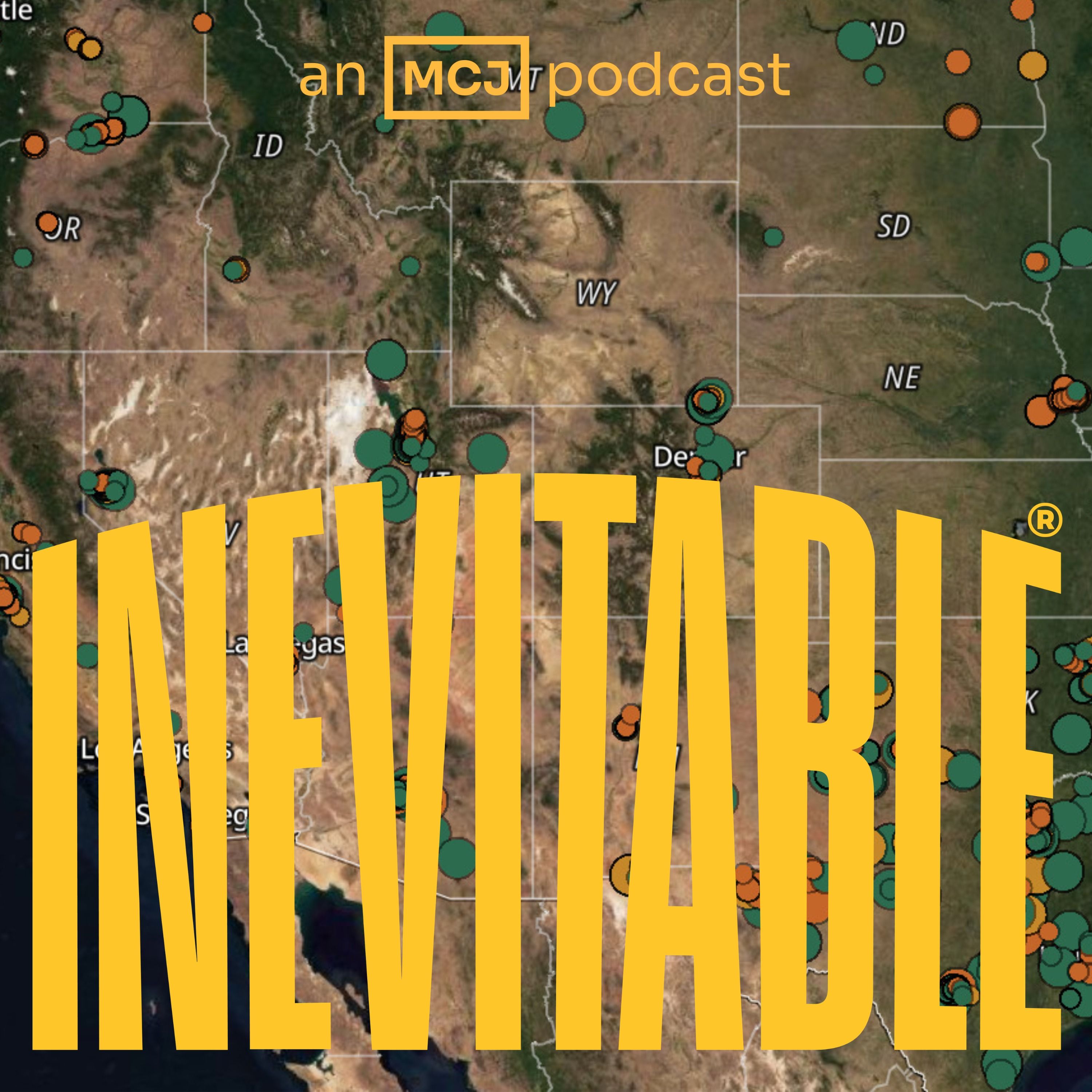 Michael Thomas: Inside America's Off-Grid Data Center Boom 16.09.2026 58minMichael Thomas is the founder and CEO of Cleanview, a data and research platform tracking more than 10,000 clean energy projects and thousands of data center projects across the country. Back for his third appearance on Inevitable, Thomas has spent the past year investigating the explosive growth of AI infrastructure and the increasingly extreme measures companies are taking to get power online. In this episode of Inevitable, Thomas explains how the AI boom has transformed the data center market and why companies are increasingly building their own power generation rather than waiting years for grid interconnection. He breaks down the rise of off-grid and “behind-the-meter” data centers, including xAI’s Colossus, Meta’s rapid-deployment data centers, and Amazon’s massive natural gas project in Texas. The conversation also explores the economics driving the race to power, the environmental and political backlash against data centers, and whether building gas generation today will accelerate or undermine the transition to cleaner energy. Thomas shares what his research reveals about electricity prices, water use, local pollution, and the growing public distrust of Big Tech. Finally, Thomas discusses the tension between AI growth, U.S. competitiveness, and climate goals—and why he sees providing objective information about these projects as one of the most important roles he can play.
-
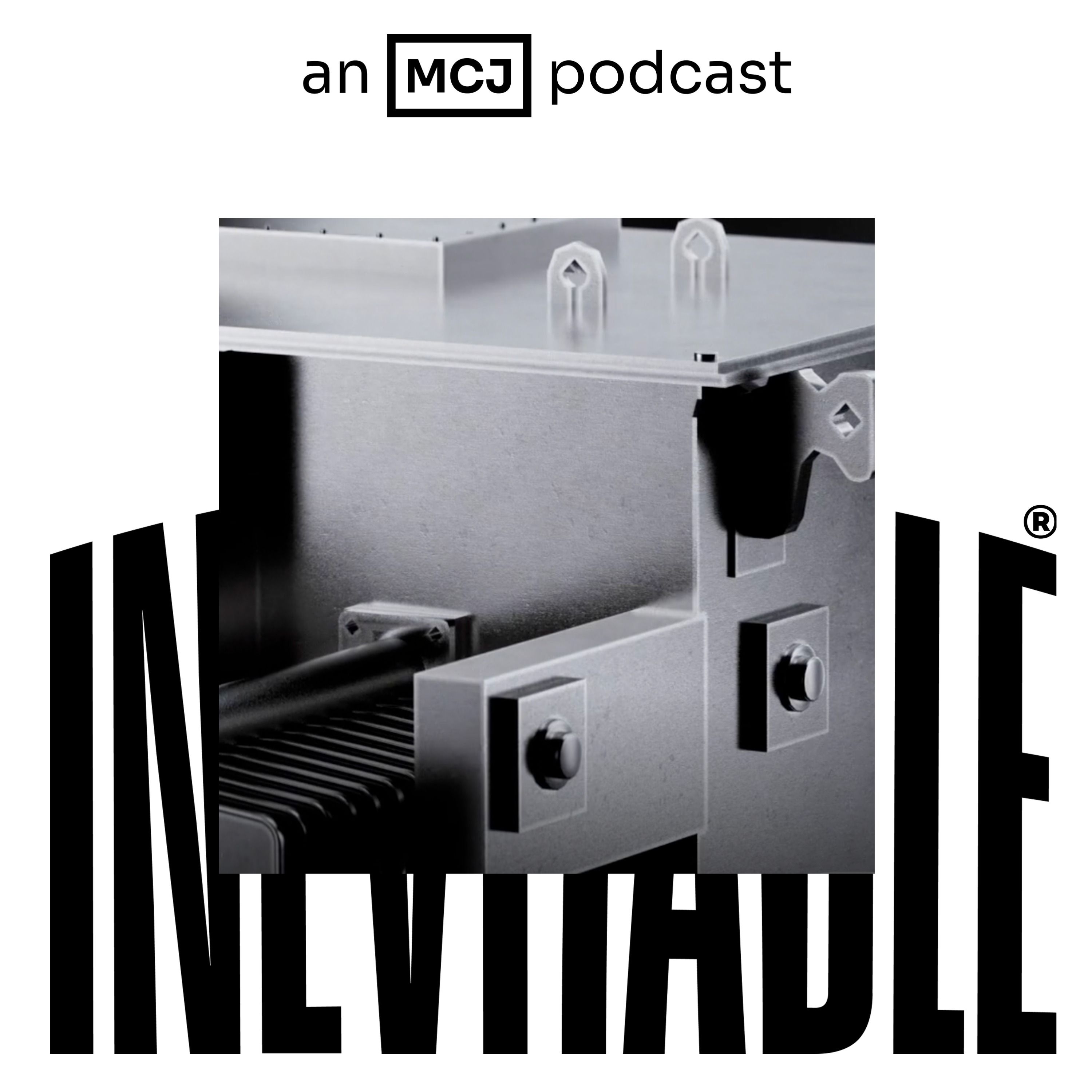 Turning Data Centers Into Grid Assets with ON.energy 08.09.2026 43minAlan Cooper is co-founder and CEO of ON.energy, a Miami-based company building battery-backed power systems for AI data centers. Its flagship product, AI UPS, sits between the grid and a data center, creating a buffer that isolates the grid from the massive volatility of AI workloads while providing uninterrupted power to the entire campus. In this episode of Inevitable, Cooper explains how a career spanning oil and gas, geothermal, battery storage, and grid services ultimately led to ON.energy's focus on AI infrastructure. He breaks down why gigawatt-scale AI data centers create a fundamentally different challenge for the grid, and how ON.energy's series-connected battery architecture can act as an electrical "firewall" between the grid, onsite generation, and the data center. The conversation explores ON.energy's evolution from a battery storage project developer into a technology company, its proprietary hardware and software stack, and the role of power controls in making massive data center projects more resilient and easier to interconnect. Cooper also discusses the company's path to market, extensive technical validation, business model, and largely bootstrapped approach to growth. Finally, Cooper argues that data centers don't have to be a liability for the grid. With the right infrastructure and regulatory framework, he believes they can become active grid participants—and potentially make the energy system more robust.
-
 Fourier Is Solving Long-Duration Storage with On-Site Hydrogen 01.09.2026 36minSiva Yellamraju is the co-founder and CEO of Fourier, a company building modular, on-site hydrogen systems for long-duration energy storage and distributed hydrogen production. Fourier’s approach combines lithium-ion batteries for short-duration needs with hydrogen storage for longer durations, packaged into a single system designed to operate like a microgrid. In this episode of Inevitable, Yellamraju explains why hydrogen has long been considered promising for multi-day, seasonal, and even multi-year energy storage, but has struggled because of the cost and complexity of transporting it. He argues that producing hydrogen where it is needed can remove that transportation challenge and unlock a different cost curve for long-duration storage. The conversation explores Fourier’s modular “hydrogen blade” architecture, its first storage deployment in Gujarat, India, and the growing demand for alternatives to diesel generators as data centers require increasingly large amounts of backup power. Yellamraju also discusses why levelized cost of storage matters more than round-trip efficiency, India’s potential role in energy manufacturing, and his transition from software and data centers into building physical energy infrastructure. Note: Fourier is an MCJ portfolio company.
-
 Willie Phillips, Former FERC Chairman: The Grid Is America's Economic Nervous System 25.08.2026 48minWillie Phillips is the former chairman of the Federal Energy Regulatory Commission (FERC) and now a partner at Holland & Knight. During his time at FERC, Phillips helped lead major reforms to transmission planning and the electric grid’s interconnection process. He now advises the companies and utilities he once regulated, giving him a unique perspective on how developers can navigate the regulatory system. In this episode of Inevitable, Phillips explains how FERC works, what companies routinely get wrong when engaging with regulators, and why early participation and pre-filing conversations can dramatically improve the odds of success. He also breaks down the Supreme Court’s overturning of the Chevron doctrine and how his team designed Order 1920 around reliability and existing legal precedent. The conversation then turns to the bigger challenge facing the U.S. grid: rapidly growing electricity demand from AI, data centers, electrification, and industrial activity. Phillips argues that the grid was not built for this moment and that the country needs faster, more coordinated planning while preserving the role of states and regional authorities. Finally, Phillips discusses large loads, behind-the-meter generation, vertically integrated utilities, and the possibility that hyperscalers could become major power generators. He argues that regulators, utilities, and technology companies have an opportunity to work together to build the infrastructure needed for the next era of the American economy.
-
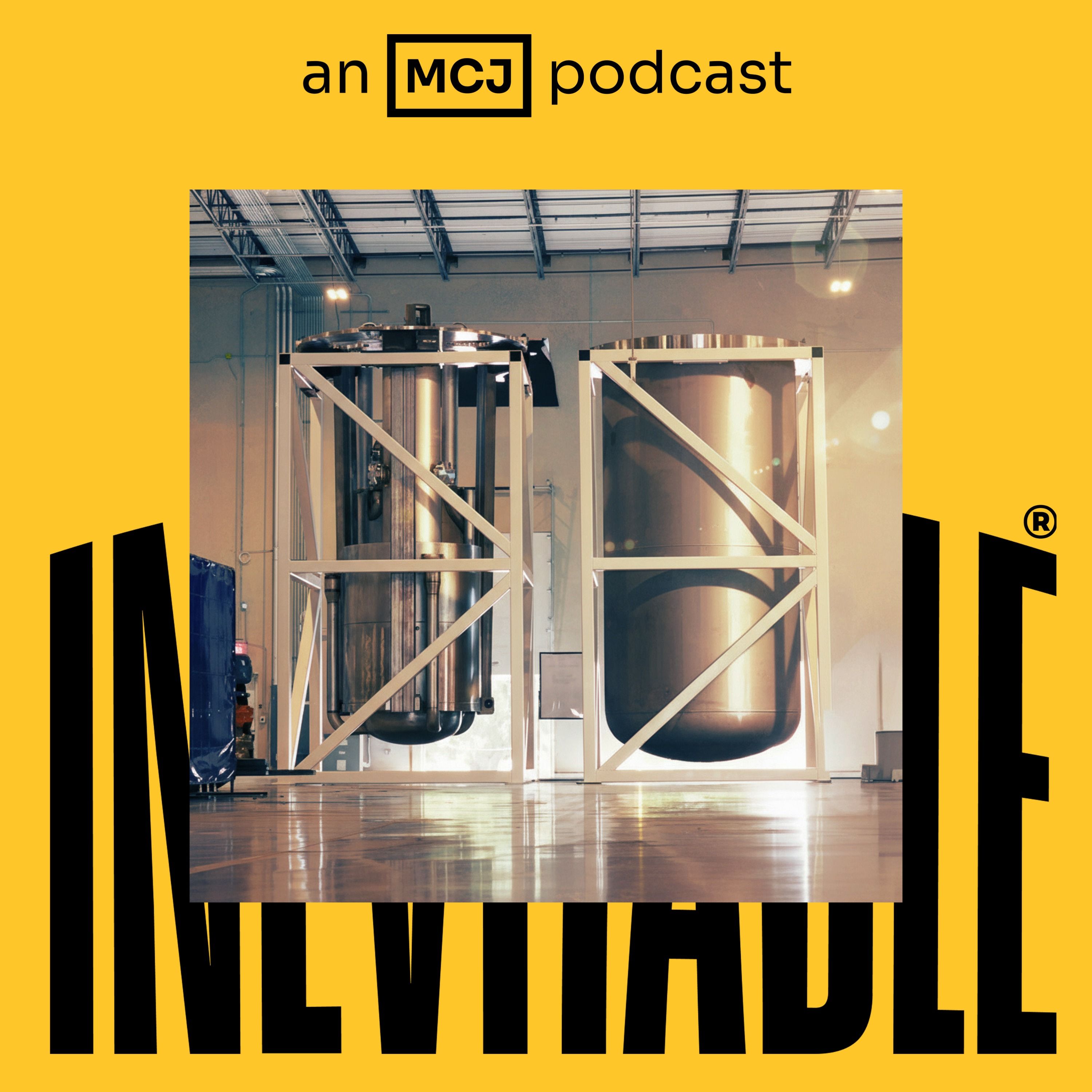 Aalo Atomics on Beating the Odds to Reach Criticality 18.08.2026 45minYasir Arafat is the co-founder and CTO of Aalo Atomics, a company developing factory-manufactured modular nuclear power plants designed for AI data centers. Before founding Aalo, Yasir led the MARVEL microreactor program at Idaho National Laboratory. In this episode of Inevitable, Yasir explains how Aalo became one of four U.S. nuclear startups to achieve criticality by the July 4, 2026 deadline. He breaks down what criticality means, why the milestone matters, and how the team went from a small startup to sustaining a nuclear fission chain reaction in less than a year. The conversation explores why Yasir believes nuclear's biggest challenges are speed and economics rather than safety or reliability, and how Aalo is trying to address both through factory-based manufacturing. Yasir also shares how the company built its own reactor building in 36 days, tested its full-scale reactor systems, developed scalable fuel assembly manufacturing, and partnered with Idaho National Laboratory to learn how to operate a real reactor. Finally, Yasir outlines Aalo's path from its zero-power Critical Test Reactor to Aalo-X, a full-powered reactor designed to generate electricity and power a co-located AI data center, and ultimately to the company's commercial Aalo Pod. The discussion also covers DOE demonstration pathways, future NRC licensing, the resurgence of nuclear innovation, and why Yasir believes multiple reactor technologies and companies will be needed to scale nuclear energy. Note: Aalo Atomics is an MCJ portfolio company.
-
 How Overstory Cuts Outages and Wildfire Risk for Utilities 11.08.2026 45minFiona Spruill is CEO of Overstory, a company helping electric utilities reduce power outages and wildfire risk using satellite imagery, aerial data, and AI-powered vegetation intelligence. Since joining as employee number 10 and later stepping into the CEO role, Spruill has helped Overstory evolve from a vegetation mapping startup into a resilience platform serving many of North America's largest utilities. In this episode of Inevitable, Spruill explains why vegetation management is one of the largest operating expenses for utilities and how improving grid resilience starts with better risk prioritization—not simply collecting more data. The conversation explores how Overstory combines satellite imagery, computer vision, and customer data to help utilities identify vegetation threats, wildfire fuels, and infrastructure risks before disasters occur. Spruill also discusses selling into the utility industry, the growing importance of resilience as climate risks expand beyond the western U.S., and how the company navigated an extraordinary leadership transition following the loss of co-founder and CEO Indra den Bakker. Note: Overstory is an MCJ portfolio company
-
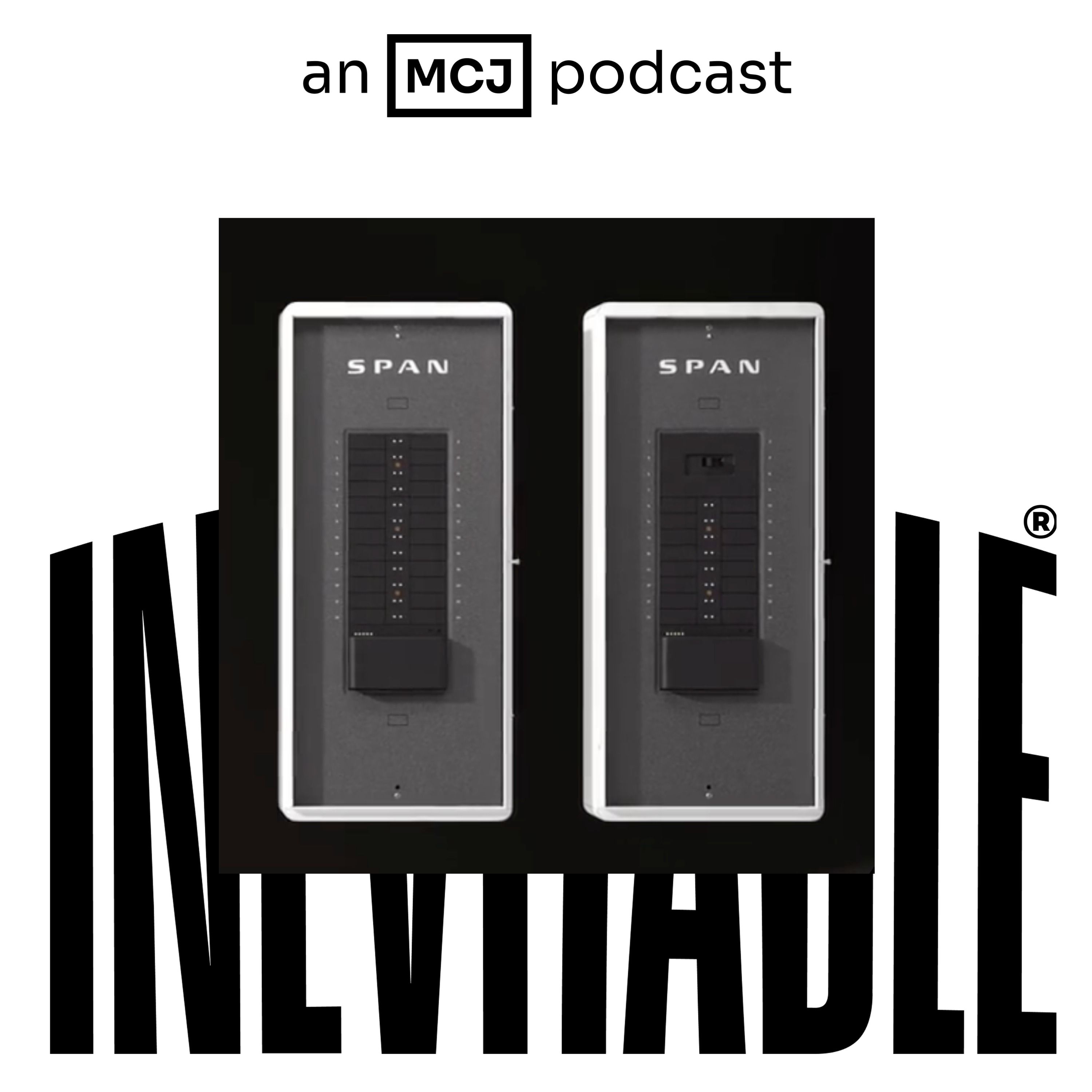 Turning Unused Home Power into a Controllable Resource with SPAN 04.08.2026 37minArch Rao is Founder and CEO of SPAN, the company behind the smart electrical panel that has expanded into utility grid management with SPAN Edge and distributed AI infrastructure with XFRA. What began as a smarter way to manage home electricity has evolved into a platform designed to digitize the electric grid, enable mass electrification, and unlock new AI compute capacity using existing residential infrastructure. In this episode of Inevitable, Rao explains why SPAN's vision has grown beyond the home electrical panel, how utilities are using software-defined power management to avoid expensive infrastructure upgrades, and why distributed AI inference could become a new class of digital utility. He also discusses the intersection of electrification, grid modernization, and AI demand, arguing that the next major energy transition is the digitization of the electric grid itself. Note: SPAN is an MCJ portfolio company
-
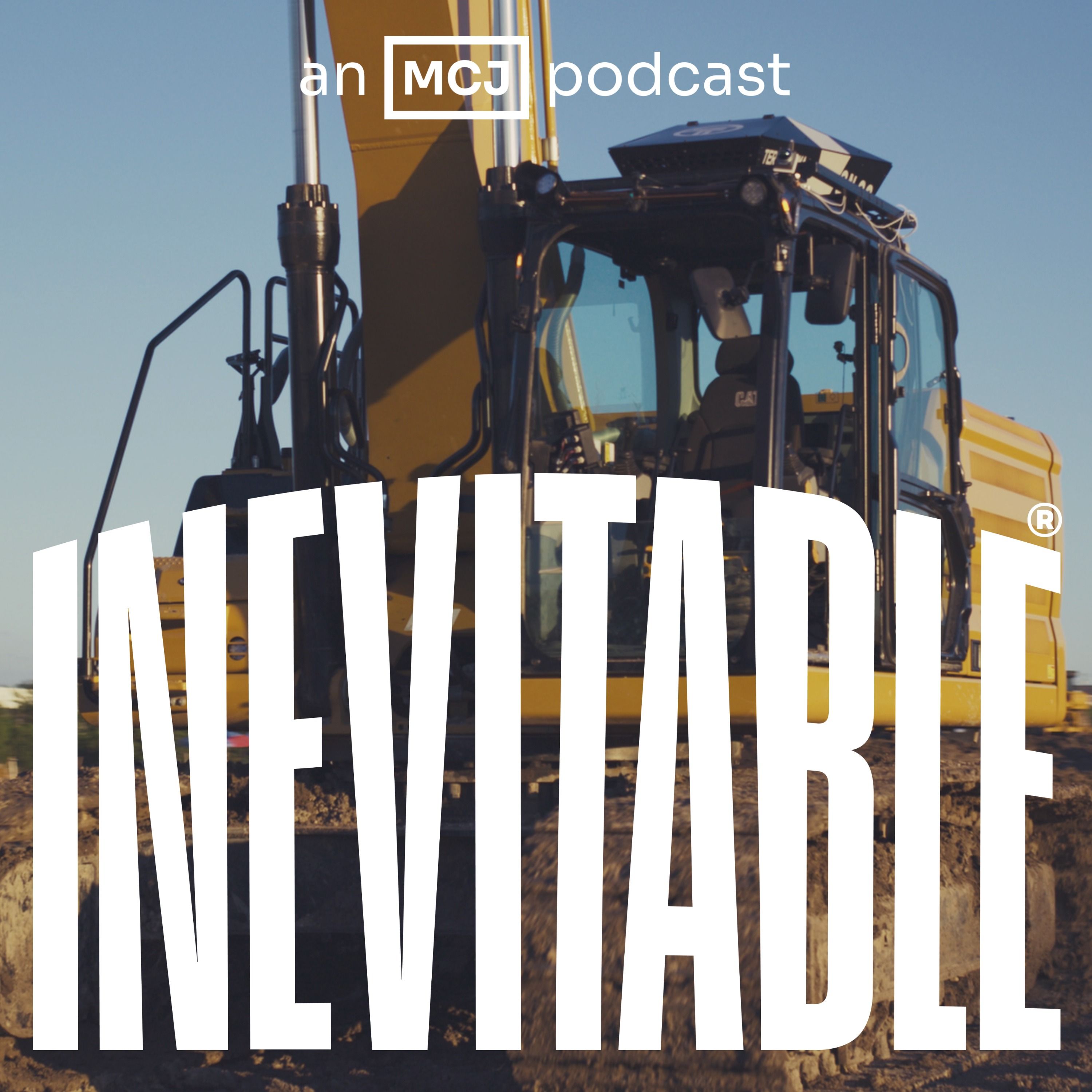 Faster, Safer, Cheaper: How TerraFirma Is Rebuilding Construction 28.07.2026 44minNoah Schochet is the co-founder and CEO of TerraFirma, a construction technology company rethinking how infrastructure gets built. Founded by two former SpaceX engineers, TerraFirma combines robotics, remote operations, and software into a construction business that performs projects directly rather than selling technology. By vertically integrating its tools with field operations, the company aims to make construction dramatically faster, safer, and more affordable while addressing labor shortages and enabling the next generation of infrastructure. In this episode, Noah shares how his experience building Starship at SpaceX inspired TerraFirma, why he believes construction—not autonomy—is the real bottleneck to civilization-scale progress, and why robotics companies should focus more on delivering outcomes instead of products. He also explains TerraFirma's remote-operated construction model, its approach to rapid iteration, and why the future of construction still depends on people empowered by better technology.
-
 Prefabricated Nuclear Power Plants with Blue Energy 21.07.2026 50minJake Jurewicz is the Co-founder and CEO of Blue Energy, a nuclear power plant developer. Blue Energy starts with proven, light water reactors and builds everything around them — prefabricating standardized nuclear plants as massive modules in shipyards and fab yards, then barging them to site. It pairs that with a patented gas-to-nuclear approach that energizes the plant on gas turbines first and converts to nuclear later. The goal is to make nuclear cheap enough and fast enough to build that private lenders will finance it, rather than the taxpayers and ratepayers who've carried almost every plant built so far. The company recently announced a collaboration with GE Vernova on a 2.5-gigawatt gas-plus-nuclear project in Texas, built around GE Vernova Hitachi's BWRX-300 reactor, with backing from VXI Capital, At One Ventures, and Engine Ventures. The why now is straightforward: AI data centers are pulling on the grid harder than anything in a generation, firm clean power is scarce, and the cost and speed of building nuclear have been the thing holding it back. Jake's bet is that the fix lives in how you build and finance the plant, rather than in the reactor itself.
-
 Koloma's Bet on Buried Hydrogen for Farmers 14.07.2026 48minPete Johnson, Co-founder and CEO of Koloma, joins Inevitable to break down geologic hydrogen — naturally occurring hydrogen found deep underground — and why he believes it could be the first new primary energy source since nuclear power in the 1950s. Koloma has raised more than $400 million from Khosla Ventures, Breakthrough Energy Ventures, Amazon's Climate Pledge Fund, Osaka Gas, and Mitsubishi Heavy Industries, and holds roughly 20 million acres of exploration rights across the U.S. Midcontinent, the Philippines, Australia, and Canada. Pete explains why Koloma's first commercial target isn't power generation but ammonia and fertilizer production in the U.S. Midwest, where farmers pay a $150-per-ton premium on imported ammonia. He walks through the geology of where natural hydrogen forms, how Koloma's 25-year proprietary subsurface dataset shapes its exploration strategy, what it actually takes to prove a commercial-scale discovery, and how he separates genuine clean-hydrogen economics from tax-credit-driven projects.
-
 How Mainspring Energy Turns Fuel Into Power Without Combustion 07.07.2026 30minShannon Miller is Co-founder and President of Mainspring Energy, a company developing a new category of power generation technology called the linear generator. Mainspring’s systems generate electricity through a low-temperature, flameless chemical reaction that converts fuel directly into electrical power. Shannon has been at this for about 15 years. She started the company on technology she developed while earning her PhD in mechanical engineering at Stanford, and took it from a lab experiment through commercial deployment to hundreds of megawatts in development and running in the field. Mainspring closed a $258 million Series F in 2025, led by General Catalyst and has raised more than $800 million to date. In this episode of Inevitable, Shannon explains how Mainspring’s technology differs from traditional gas turbines and fuel cells, why modular and fuel-flexible generation is becoming increasingly valuable, and how the growth of data centers is reshaping energy infrastructure. The conversation explores the urgent demand for faster power deployment, the advantages of dispatchable generation, the role of hydrogen and other future fuels, and why flexibility may become one of the most important characteristics of the future electric grid. Episode recorded on June 2, 2026 (Published on July 7, 2026).
-
 The Electric Motorcycle That's Actually a Utility Company with Zeno 23.06.2026 42minMichael Spencer is the Founder and CEO of Zeno, an electric mobility company building electric motorcycles, battery-swapping infrastructure, and distributed energy systems across East Africa. Drawing on experience from nearly a decade building businesses in East Africa and four years at Tesla during its hypergrowth era, Spencer is applying lessons from EV charging infrastructure to one of the world's largest transportation markets: two- and three-wheel vehicles. In this episode of Inevitable, Spencer explains why electrifying motorcycles in emerging markets may be one of the most efficient ways to reduce transportation costs and emissions. He discusses how Zeno combines hardware, software, and energy infrastructure to create a business that looks like an electric vehicle company on the surface but increasingly operates like a distributed utility. The conversation explores lessons from Tesla’s Supercharger network, why Kenya became Zeno’s launch market, how battery swapping and AI-powered infrastructure management drive capital efficiency, and why building hard-tech businesses may become even more valuable in an AI-driven world. Spencer also shares his vision for turning Zeno’s charging network into a distributed renewable energy platform capable of serving both mobility and grid customers. Note: Zeno is an MCJ portfolio company Episode recorded on June 8, 2026 (Published on June 23, 2026)
-
 Space Solar: 24/7 Clean Power with Overview Energy 16.06.2026 51minMarc Berte is the Co-founder and CEO of Overview Energy, a startup developing space-based solar power systems designed to turn existing solar farms into around-the-clock power generators. By placing satellites in geosynchronous orbit, collecting near-continuous sunlight, and beaming energy back to Earth as safe near-infrared light, Overview aims to dramatically increase the utilization of solar infrastructure already deployed around the world. In this episode of Inevitable, Marc explains how space solar works and how Overview’s approach differs from decades of prior space solar concepts. He talks about the economics of “photon fuel,” the company’s gigawatt-scale agreement with Meta, and the concept of “supply response”—delivering power exactly where and when grids need it most. The conversation explores the manufacturing challenges of deploying thousands of satellites, the role of defense and energy security applications, and why the long-term value of solar assets could change dramatically if space-based power delivery becomes commercially viable. Finally, he shares one of the more unconventional engineering stories you'll hear this year: how 75 pounds of Otter Pops helped cool Overview’s airborne power-beaming demonstration system. Episode recorded on June 1, 2026 (Published June 16, 2026)
-
 The Domestic Premium: Can American Manufacturing Compete? 10.06.2026 36minEdward Shenderovich is the Founder and CEO of Roebling, a software platform that helps industrial companies evaluate, design, and finance manufacturing projects before breaking ground. After initially setting out to solve bottlenecks in biomanufacturing, Shenderovich and his team uncovered a broader challenge: the economics of scaling physical infrastructure are often poorly understood until it's too late. In this episode of Inevitable, Cody and Edward explore whether the US is making the same mistake with domestic manufacturing that climate tech once made with the “green premium.” If consumers were unwilling to pay more for cleaner products, will they pay more for American-made ones? The conversation examines China's long-term manufacturing strategy, the gap between scientific breakthroughs and industrial scale-up, and why engineering—not invention—is often the missing link in commercial success. Edward argues that national security, data sovereignty, and AI infrastructure may become the forces that justify renewed domestic investment in manufacturing and energy systems. They also discuss the lessons learned from the recent biomanufacturing boom and bust, why many bioindustrial companies struggled to achieve economic viability, and how AI can help bridge the gap between R&D and large-scale industrial deployment. Finally, Edward shares how Roebling is using AI-powered techno-economic analysis to help companies build factories that can actually compete on cost and performance. Episode recorded on May 28, 2026 (Published on June 9, 2026).
-
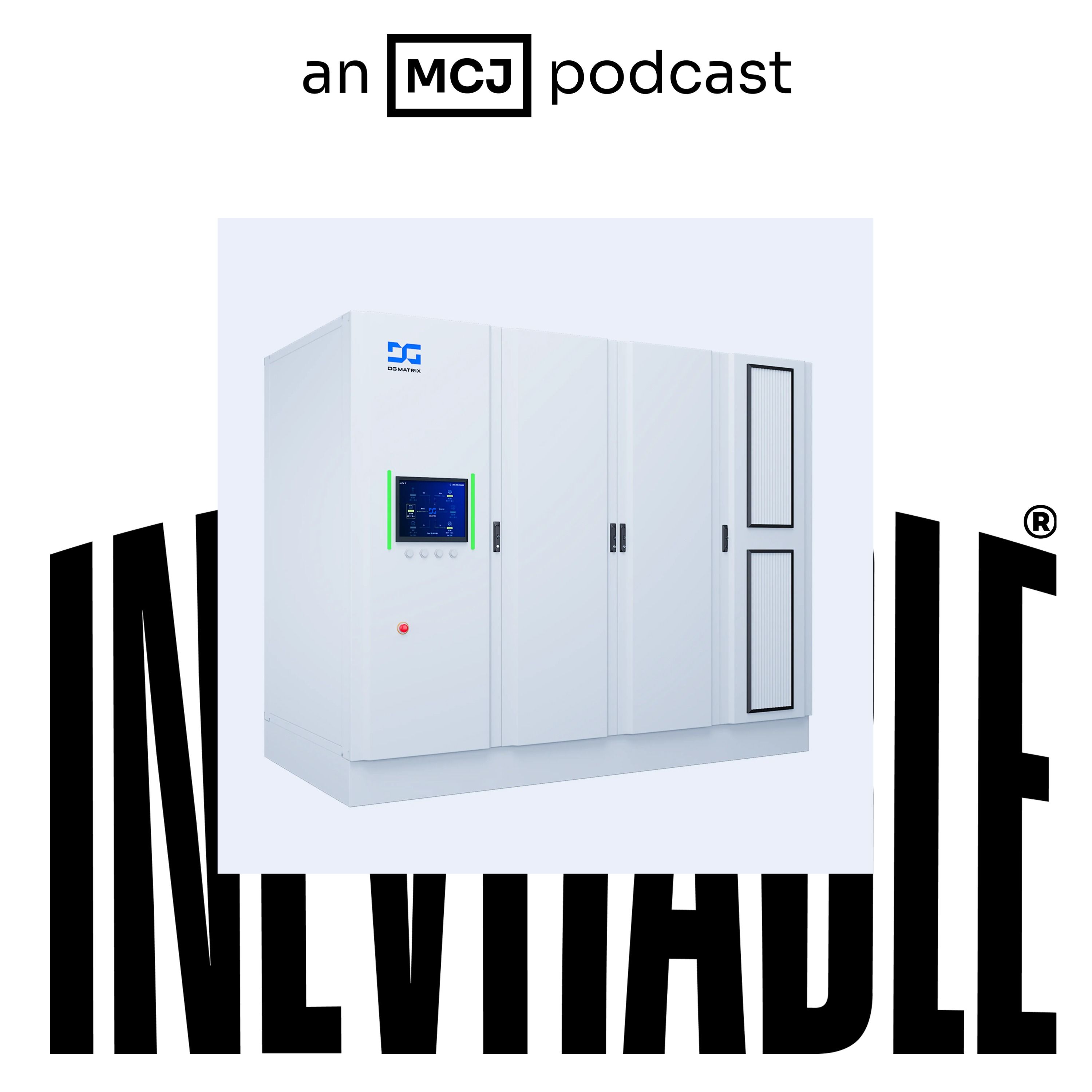 Collapsing 30 Feet of Power Infrastructure Into Four with DG Matrix 27.05.2026 50minHaroon Inam is Co-founder and CEO of DG Matrix, a company that makes the world's most compact Power Router, aggregating distributed energy for GenAI datacenters, microgrids, fleet electrification, and associated systems. As AI workloads drive unprecedented electricity demand and legacy grid infrastructure struggles to keep pace, DG Matrix has commercialized the world’s first multi-port solid-state transformer to meet the energy needs. In this episode, Inam explains why transformer bottlenecks, distributed generation, and 800V DC architectures are reshaping the future of power delivery for AI infrastructure. He discusses DG Matrix’s product strategy, manufacturing scale-up plans, and the role of software-defined power systems in next-generation data centers. Finally, Inam shares his take on the future of distributed microgrids and “cellular power” and how to scale power electronics manufacturing. DG Matrix recently closed a $60 million Series A led by Engine Ventures that MCJ is proud to have participated in.
-
 Lessons from Peter Carlsson after the Rise and Fall of Northvolt 19.05.2026 37minPeter Carlsson is Co-founder and former CEO of Northvolt, the European battery manufacturing company that raised more than $13 billion to build a homegrown battery supply chain for Europe, before filing for bankruptcy at the end of 2024. Before Northvolt, Carlsson spent more than a decade at Ericsson building global supply chains and later served as VP of Supply Chain at Tesla during the launch of the Model S. In this live episode of Inevitable from the AENU Summit in Berlin, Carlsson reflects on the rise and fall of Northvolt, the realities of competing with China’s electro-industrial stack, and what Europe still gets right in manufacturing and innovation. Peter breaks down why batteries became strategically essential to Europe, what operational challenges slowed Northvolt’s scale-up, and how changing EV markets, policy shifts, and financing pressures compounded those problems. Carlsson also mentions his new ventures: Aris Machina, an agentic operating system for manufacturing and Sonder Labs, a sodium-ion battery company focused on building chemistry and supply chains less dependent on China. He talks about AI-driven manufacturing, industrial automation, battery geopolitics, and where Europe can still compete in the next generation of energy and hardware systems.
-
 New Mexico's $72B Bet on Clean Energy 13.05.2026 55minRob Black is Cabinet Secretary of the New Mexico Economic Development Department, and Bruce Brown is Head of Strategic Climate Initiatives at the New Mexico State Investment Council, the state’s $72B sovereign wealth fund. Together, they are driving one of the most ambitious state-level strategies in the U.S. to turn energy wealth into long-term climate innovation and economic growth. The conversation also features MCJ portfolio founders building in the state: Carrie von Muench, Co-founder of Pacific Fusion, developing modular fusion energy systems, and Carl Hoiland, Co-founder and CEO of Zanskar Geothermal, using AI to discover and scale geothermal resources. Together, our guests explore how sovereign capital, policy, and startups intersect—from funding venture managers and attracting hyperscale projects to enabling first-of-a-kind (FOAK) infrastructure. The episode highlights what it actually takes to build (climate) companies in a new geography, and how New Mexico is positioning itself as a hub for advanced energy and climate tech. This episode of Inevitable was recorded in front of a live audience at the SVB Experience Center during SF Climate Week.
Podcast simili


Popolare in
Questo podcast compare anche nelle classifiche dei podcast di questi paesi.
