
One Minute Remaining - Stories from the inmates
Jack Laurence
0
In 'One Minute Remaining', host Jack Laurence interviews inmates serving lengthy prison sentences for crimes ranging from arson to murder. The show allows them to tell their stories and share their accounts of the events leading to their incarceration, without trying to prove innocence or guilt. Listeners can support the show and get bonus content via the OMR Family. A hotline is available for questions or comments that may be featured in future episodes.
Episod
-
 Traveontaye Berry: The Witness Who Hid Key Evidence | 52 Years in Just 2 Hours P3 23.09.2026 31minAs police investigated the murder of Carl Green Jr., they interviewed Myleka Avery, one of the women inside the Freeport apartment that 16-year-old Traveontaye Berry ran from shortly before his arrest.In Part 3 of 52 Years in Just 2 Hours, we hear Myleka's police interview and her account of what happened inside the apartment that night.Like her flatmate Mikelle Brown, Myleka's account evolves as the interview progresses. Investigators question her about who had been inside the apartment, what she had seen and what happened in the chaotic moments surrounding the shooting.But as the questioning continues, the interview takes an important turn. Myleka eventually admits that she had concealed evidence connected to the case.We hear that admission in her own words and examine what it meant for the investigation that would ultimately lead to Traveontaye Berry being convicted of first-degree murder and sentenced to 52 years in prison.Trae maintains that he did not kill Carl Green Jr.EARLY AND AD FREE ACCESS: for as little as $1.69 a week!Apple + HEREPatreon and find us on Facebook here. Hosted on Acast. See acast.com/privacy for more information.
 -
 Traveontaye Berry: What the Eyewitness Told Police | 52 Years in Just 2 Hours P2 21.09.2026 30minAfter 16-year-old Traveontaye Berry was arrested for the murder of Carl Green Jr. in Freeport, Illinois, police began interviewing people who were inside a nearby home on the night of the shooting. One of those witnesses was Mikelle Brown.In Part 2 of 52 Years in Just 2 Hours, we hear Mikelle's police interview and examine what she told investigators in the hours after the murder.During the interview, Mikelle says she believes multiple people had run through the house that night — an account that officers question and ultimately appear to dismiss as they try to establish who was there and what happened.We also hear Mikelle say she doesn't know Trae, something Trae disputes. He says he knew both of the girls who were inside the house that night.As the investigation into Carl Green Jr.'s murder begins to take shape, we hear the evidence as police heard it and start examining the accounts that would become important in the case against Traveontaye Berry.Trae maintains that he did not kill Carl Green Jr.EARLY AND AD FREE ACCESS: for as little as $1.69 a week!Apple + HEREPatreon and find us on Facebook here. Hosted on Acast. See acast.com/privacy for more information.
 -
 Traveontaye Berry: Convicted of Murder at 16 | 52 Years in Just 2 Hours P1 16.09.2026 32minTraveontaye Berry was just 16 years old when he was arrested for the murder of Carl Green Jr. in Freeport, Illinois. Trae says he did not commit the crime. He would later be convicted of first-degree murder and sentenced to 52 years in prison.But before the arrest, the trial and the decades-long prison sentence, Trae was a kid being raised by his mother and grandmother who dreamed of one day playing professional football.In Part 1 of 52 Years in Just 2 Hours, Trae takes Jack back through his childhood — the people who raised him, the influence of his older cousins, hanging around the wrong crowd and the trouble that eventually saw him spend time in juvenile detention.He talks about his dreams of playing football and why he eventually walked away from the sport, before taking us through the events of the night that would change the course of his life forever.By the end of that night, Carl Green Jr. had been shot and killed and 16-year-old Traveontaye Berry was under arrest for his murder.Trae has maintained that he was not the person who killed Carl Green Jr.EARLY AND AD FREE ACCESS: for as little as $1.69 a week!Apple + HEREPatreon and find us on Facebook here. Hosted on Acast. See acast.com/privacy for more information.
 -
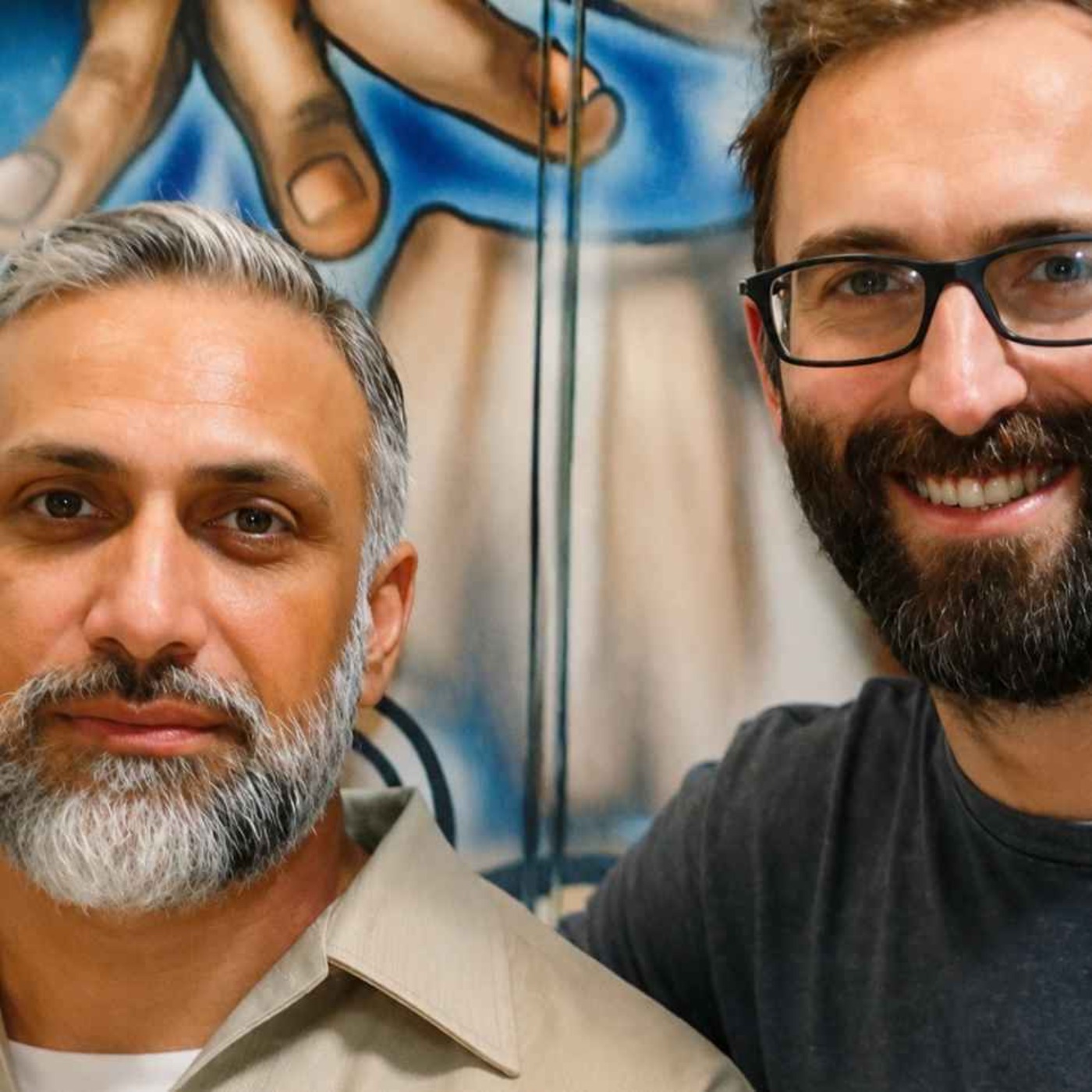 Fighting by writing - Tariq Maqbool 14.09.2026 19minToday I catch up with Tariq MaQbool, a man who was once looking at life behind bars with no way of getting home. However a recent commutation by the governor means that he could be going home in just four years time. However the fight is not over, Tariq is in a battle with the system on multiple fronts and he's not going to give up. EARLY AND AD FREE ACCESS: for as little as $1.69 a week!Apple + HEREPatreon and find us on Facebook here. Hosted on Acast. See acast.com/privacy for more information.
 -
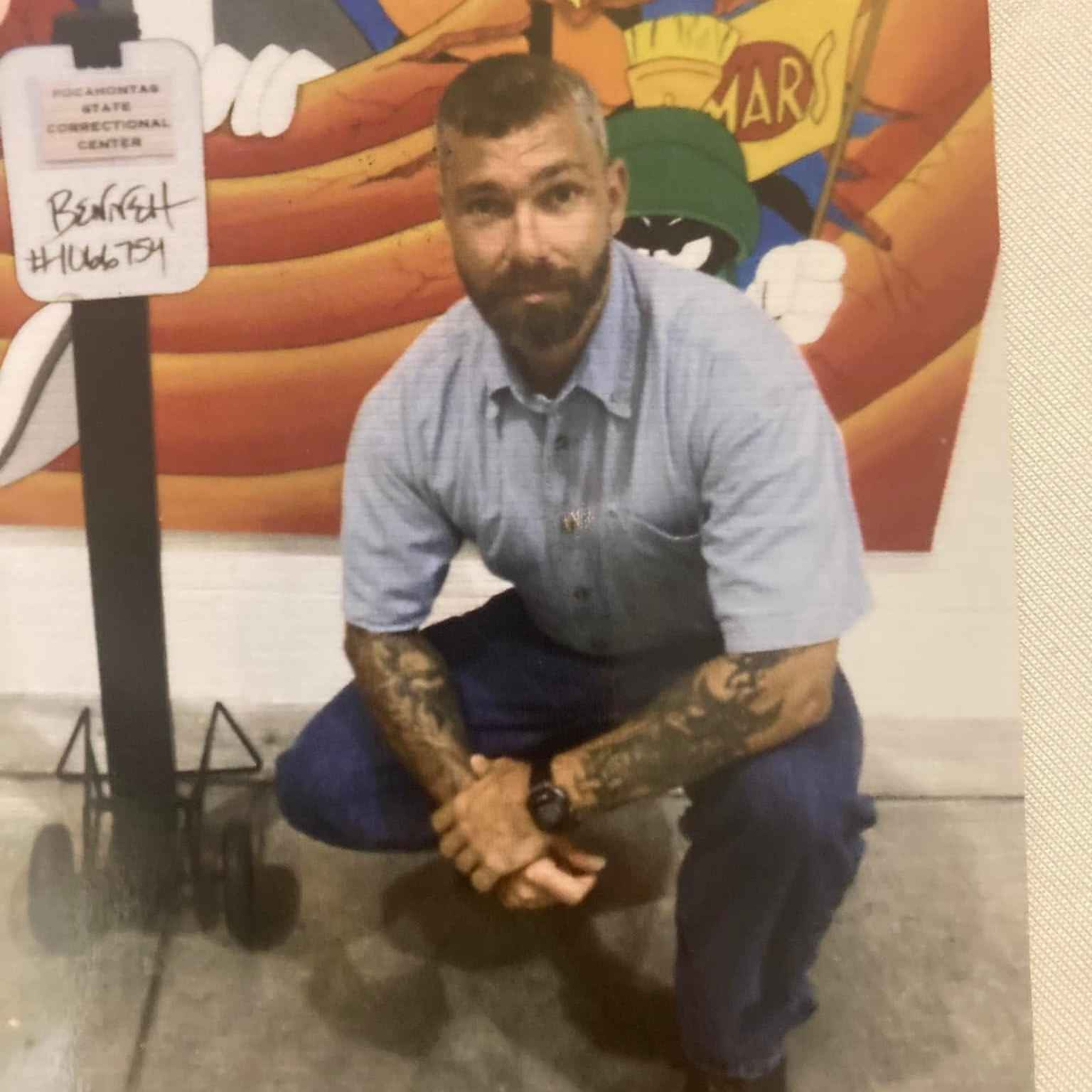 Unconditional Love 09.09.2026 38minWe recently covered the story of Christopher Bennette, a man convicted for murder, the murder of his abuser. Chris has spent decades fighting his conviction after being convinced to take a plea deal of 1800 years behind bars.Chris's story went viral during COVID after a friend uploaded it online. The producers of the hit daytime TV show Dr Phil saw his story and had him on the show to talk to the doctor.Chris says the only good thing to come out of that show was the lady who has become the love of his life and his biggest advocate on the outside and today I sit down for a chat with Chris's other half.EARLY AND AD FREE ACCESS: for as little as $1.69 a week!Apple + HEREPatreon and find us on Facebook here. Hosted on Acast. See acast.com/privacy for more information.
 -
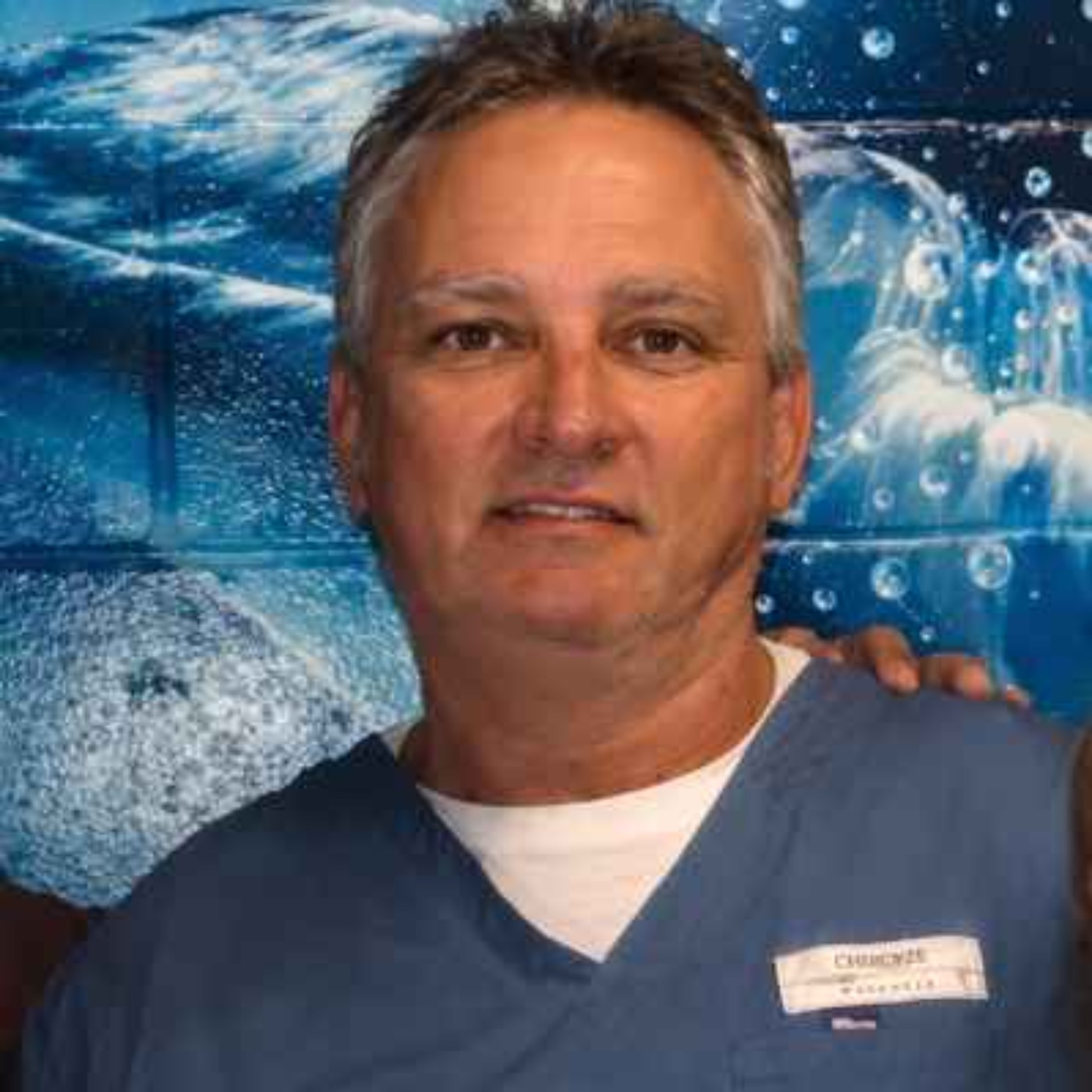 A lifeline - David Talley 07.09.2026 22minToday I catch up with a man who I'm asked about regularly. David Talley was handed a sentence fit for a murderer yet no one in his case died, no one was even harmed yet he was condemned to die behind bars.David has spent years fighting to get a resentencing hearing in his case without any luck. At the end of the day when it comes to the 'Justice System' it's all about money. If you want help it doesn't come cheap and so far David hasn't had enough money to get the help he needs. Recently I got word that a relative of David's who came into some inheritance had come forward and said they wanted to use some of that to help him in his situation. So now David has money and an attorney who believes he can get David back in front of a judge.EARLY AND AD FREE ACCESS: for as little as $1.69 a week!Apple + HEREPatreon and find us on Facebook here. Hosted on Acast. See acast.com/privacy for more information.
 -
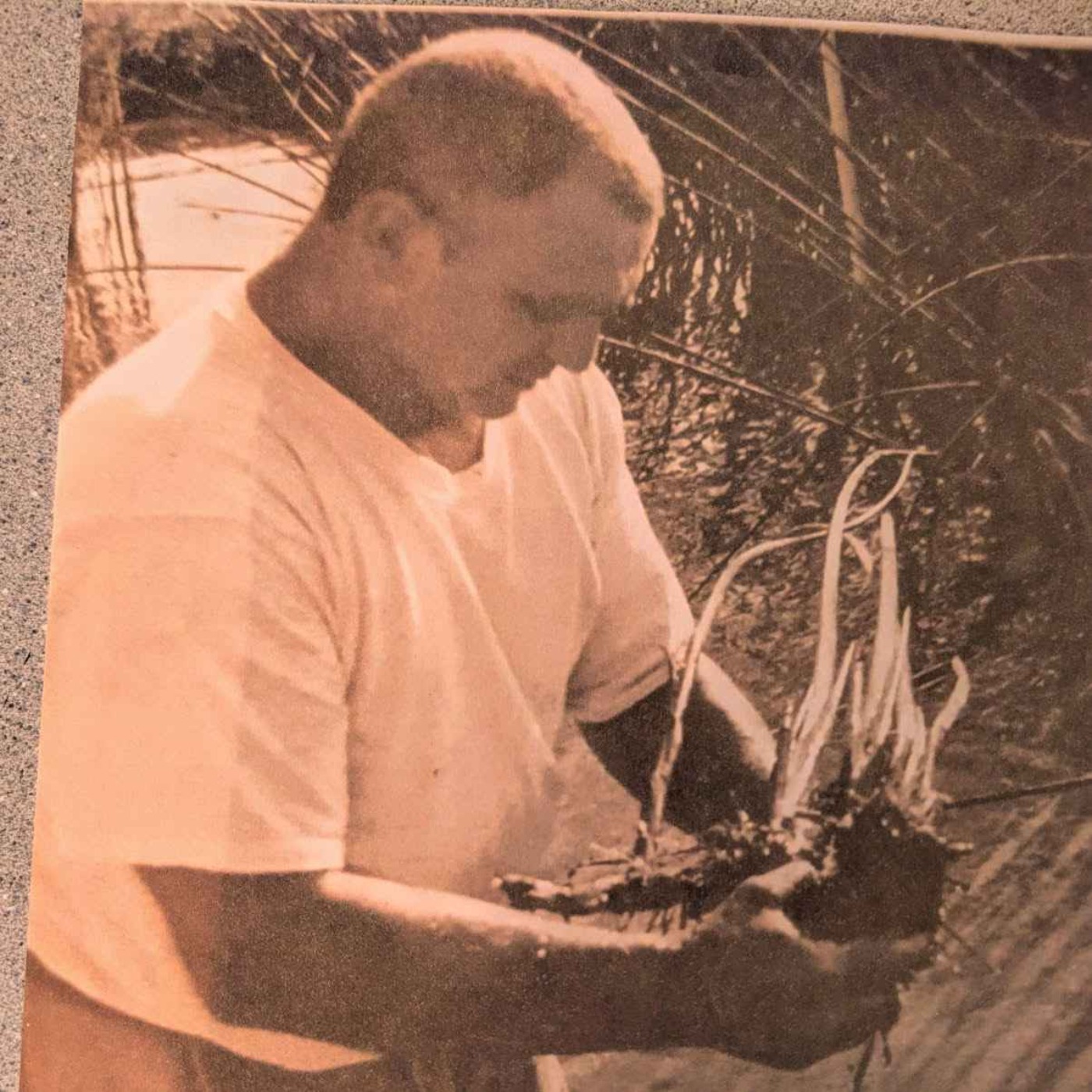
 How we've changed - Tony Duke. 02.09.2026 14minAs One Minute Remaining is set to tunr four I had an oppotnity recently to reflect on the last four years and how much this show has evolved and changed as have I.Four years ago I set out to make an interesting podcast about teh Amercian criminal justice system with stories from those who have found themselves on the wrong side of the law. I could never have known how it would change or change me! Recently on a call with Tony Duke I realised just how much both of those things have happened over the last four years.So this episode is a bit different to the norm! Just a case of thank you.EARLY AND AD FREE ACCESS: for as little as $1.69 a week!Apple + HEREPatreon and find us on Facebook here. Hosted on Acast. See acast.com/privacy for more information.
 -
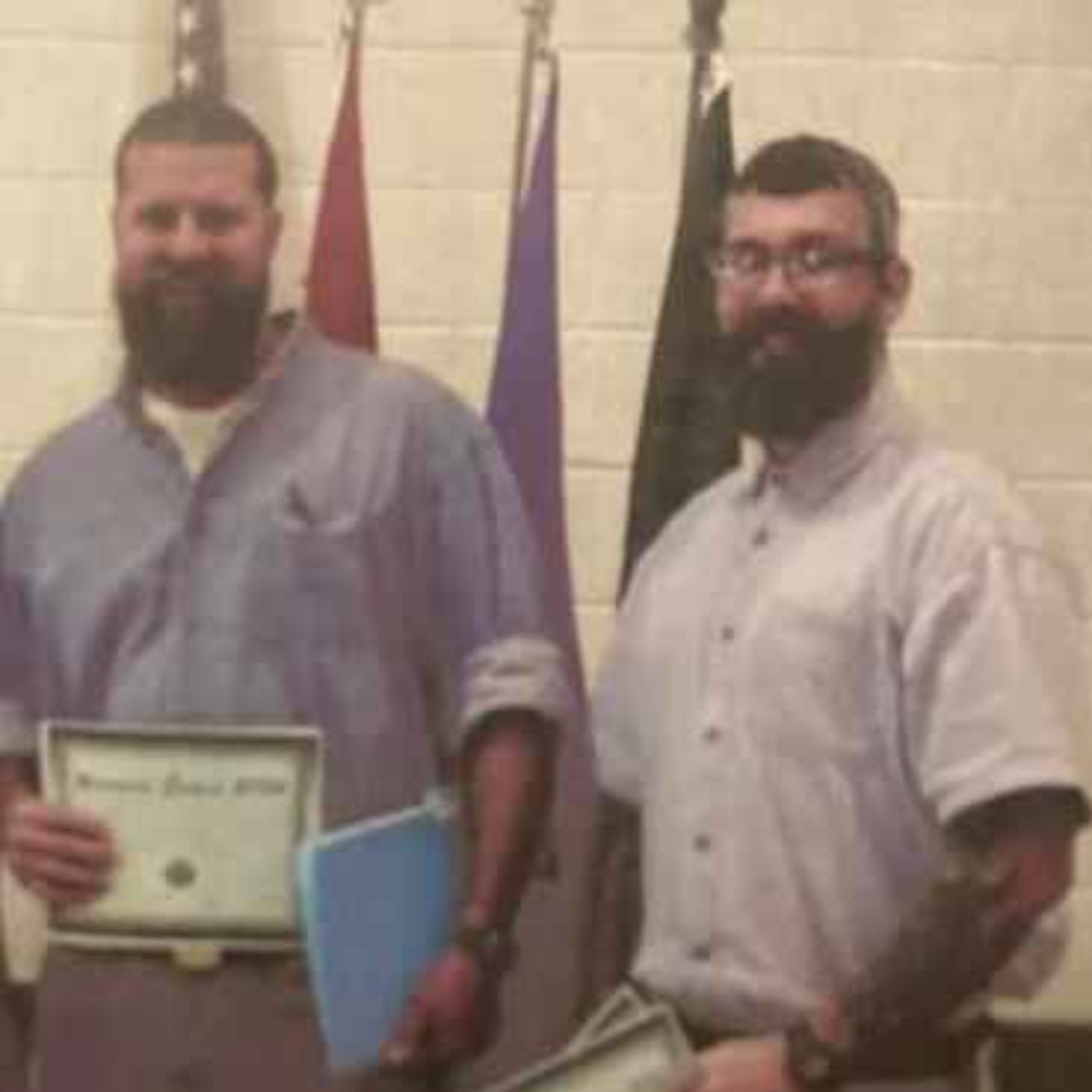
 A glimmer of hope? Dwight Bergeron 31.08.2026 19minToday I catch up with Dwight Bergeron a man who has been incarcerated in the state of Louisiana for 34 years for a crime his supposed victims say never happened.Earlier this year another man who had been sitting on Louisianas death row for 30 years was exonerated, could this mans case hold the key to getting Dwight back into court?EARLY AND AD FREE ACCESS: for as little as $1.69 a week!Apple + HEREPatreon and find us on Facebook here. Hosted on Acast. See acast.com/privacy for more information.
 -
 What the attorney thinks - Christopher Bennette 26.08.2026 32minIn the summer of 2003, in the small Virginia town of Craigsville, an 18 year old boy shot and killed the man the town knew as a former rescue squad captain and a pillar of the community. Christopher Bennett never denied it. He confessed, took a plea deal to avoid the death penalty, and was handed three consecutive life sentences totalling 1,800 years.But behind that front door, Chris and his siblings say, was a man the town never saw. Years of abuse. Children told to pray for help that never came. And a report of what was happening to his little sisters, made just one day before the shooting.Over this series, Jack chats with Chris from inside Buckingham Correctional Center about his childhood, that night, the sentence designed to outlive him, and a family still fighting to bring him home.---------------------------------------------------------------------------------------------------------------------------------------------------------------------------------------------------------------------------This series contains discussion of child sexual abuse, physical abuse and domestic violence. If you or someone you know needs support, help is available.Australia1800RESPECT (sexual assault and domestic violence, 24/7): 1800 737 732Blue Knot Foundation (adult survivors of childhood trauma): 1300 657 380Bravehearts (child sexual abuse support): 1800 272 831Kids Helpline (ages 5 to 25, 24/7): 1800 55 1800Lifeline (crisis support, 24/7): 13 11 14United StatesChildhelp National Child Abuse Hotline (24/7): 1-800-422-4453RAINN National Sexual Assault Hotline (24/7): 1-800-656-4673National Domestic Violence Hotline (24/7): 1-800-799-7233988 Suicide and Crisis Lifeline (24/7): call or text 988United KingdomNSPCC Helpline (adults concerned about a child): 0808 800 5000Childline (for anyone under 19, 24/7): 0800 1111NAPAC (adult survivors of childhood abuse): 0808 801 0331Rape Crisis England and Wales (24/7): 0808 500 2222Samaritans (24/7): 116 123International For domestic violence services in other countries, visit hotpeachpages.net for a directory of helplines and agencies worldwide.If a child is in immediate danger, call emergency services: 000 in Australia, 911 in the US, 999 in the UK.EARLY AND AD FREE ACCESS: for as little as $1.69 a week!Apple + HEREPatreon and find us on Facebook here. Hosted on Acast. See acast.com/privacy for more information.
 -
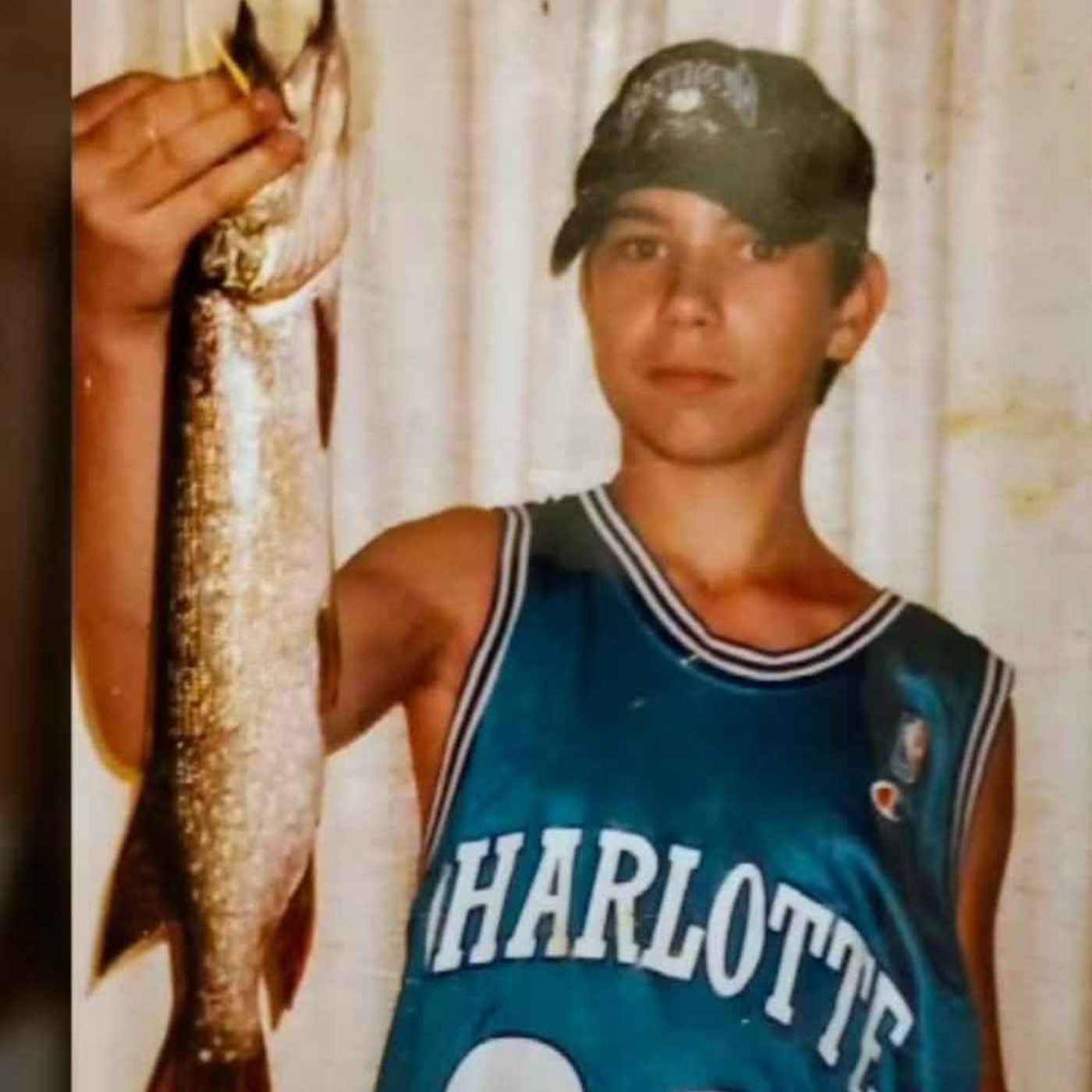
 Christopher Bennett: He Says He Wouldn't Stop Himself | No One Was Coming P7 24.08.2026 49minChristopher Bennett is serving three consecutive life sentences totalling 1,800 years for killing his stepfather, Vincent McDorman. More than two decades later, Chris answers a confronting question: if he could go back and stop himself from committing the crime, would he?In the final part of No One Was Coming, Jack speaks with Chris from inside Buckingham Correctional Center about the life he has lived since entering prison as a teenager and how he views the decisions he made in July 2003 today.Chris reflects on his sentence, his family, the years he has spent behind bars and whether he has regrets about what happened that night.And when asked whether, knowing everything he knows now, he would stop his 18-year-old self from killing Vincent McDorman, Chris gives an answer that brings his story full circle.This is the final part of No One Was Coming: The Christopher Bennett Story.---------------------------------------------------------------------------------------------------------------------------------------------------------------------------------------------------------------------------This series contains discussion of child sexual abuse, physical abuse and domestic violence. If you or someone you know needs support, help is available.Australia1800RESPECT (sexual assault and domestic violence, 24/7): 1800 737 732Blue Knot Foundation (adult survivors of childhood trauma): 1300 657 380Bravehearts (child sexual abuse support): 1800 272 831Kids Helpline (ages 5 to 25, 24/7): 1800 55 1800Lifeline (crisis support, 24/7): 13 11 14United StatesChildhelp National Child Abuse Hotline (24/7): 1-800-422-4453RAINN National Sexual Assault Hotline (24/7): 1-800-656-4673National Domestic Violence Hotline (24/7): 1-800-799-7233988 Suicide and Crisis Lifeline (24/7): call or text 988United KingdomNSPCC Helpline (adults concerned about a child): 0808 800 5000Childline (for anyone under 19, 24/7): 0800 1111NAPAC (adult survivors of childhood abuse): 0808 801 0331Rape Crisis England and Wales (24/7): 0808 500 2222Samaritans (24/7): 116 123International For domestic violence services in other countries, visit hotpeachpages.net for a directory of helplines and agencies worldwide.If a child is in immediate danger, call emergency services: 000 in Australia, 911 in the US, 999 in the UK.EARLY AND AD FREE ACCESS: for as little as $1.69 a week!Apple + HEREPatreon and find us on Facebook here. Hosted on Acast. See acast.com/privacy for more information.
 -
 Christopher Bennett: “We Have No Defence” — The 1,800-Year Plea Deal | No One Was Coming P6 19.08.2026 30minChristopher Bennett says his own defence lawyers weren't planning to present a defence after he was charged with killing his stepfather, Vincent McDorman. Facing the possibility of the death penalty, Chris was instead being pushed towards a plea agreement.In Part 6 of No One Was Coming, Chris describes what he says was happening behind the scenes as his case moved towards court and why he came to believe that going to trial was never really an option.He recalls his defence team's approach to the case, what was said in court, and the pressure he faced as an 18-year-old deciding whether to risk the death penalty or accept a deal that would ensure he spent the rest of his life in prison.Christopher ultimately accepted the plea agreement and received three consecutive life sentences — a sentence totalling 1,800 years.This is Part 6 of No One Was Coming: The Christopher Bennett Story.---------------------------------------------------------------------------------------------------------------------------------------------------------------------------------------------------------------------------This series contains discussion of child sexual abuse, physical abuse and domestic violence. If you or someone you know needs support, help is available.Australia1800RESPECT (sexual assault and domestic violence, 24/7): 1800 737 732Blue Knot Foundation (adult survivors of childhood trauma): 1300 657 380Bravehearts (child sexual abuse support): 1800 272 831Kids Helpline (ages 5 to 25, 24/7): 1800 55 1800Lifeline (crisis support, 24/7): 13 11 14United StatesChildhelp National Child Abuse Hotline (24/7): 1-800-422-4453RAINN National Sexual Assault Hotline (24/7): 1-800-656-4673National Domestic Violence Hotline (24/7): 1-800-799-7233988 Suicide and Crisis Lifeline (24/7): call or text 988United KingdomNSPCC Helpline (adults concerned about a child): 0808 800 5000Childline (for anyone under 19, 24/7): 0800 1111NAPAC (adult survivors of childhood abuse): 0808 801 0331Rape Crisis England and Wales (24/7): 0808 500 2222Samaritans (24/7): 116 123International For domestic violence services in other countries, visit hotpeachpages.net for a directory of helplines and agencies worldwide.If a child is in immediate danger, call emergency services: 000 in Australia, 911 in the US, 999 in the UK.EARLY AND AD FREE ACCESS: for as little as $1.69 a week!Apple + HEREPatreon and find us on Facebook here. Hosted on Acast. See acast.com/privacy for more information.
 -
 Christopher Bennett: His Lawyers Gave Him Two Choices — Life or Death | No One Was Coming P5 17.08.2026 30minChristopher Bennett was facing the death penalty for killing his stepfather, Vincent McDorman. Now represented by court-appointed lawyers, Chris says the 18-year-old was confronted with two possible outcomes: spend the rest of his life in prison or risk being sentenced to death.In Part 5 of No One Was Coming, the focus turns to Christopher's defence and the legal strategy being developed as his case moved towards court.Chris describes his relationship with his attorneys, what they told him about the case against him, and the enormous pressure of making decisions that would determine whether he lived or died.The path being laid out would ultimately lead Chris towards a plea agreement — and a sentence of three consecutive life terms totalling 1,800 years.This is Part 5 of No One Was Coming: The Christopher Bennett Story.---------------------------------------------------------------------------------------------------------------------------------------------------------------------------------------------------------------------------This series contains discussion of child sexual abuse, physical abuse and domestic violence. If you or someone you know needs support, help is available.Australia1800RESPECT (sexual assault and domestic violence, 24/7): 1800 737 732Blue Knot Foundation (adult survivors of childhood trauma): 1300 657 380Bravehearts (child sexual abuse support): 1800 272 831Kids Helpline (ages 5 to 25, 24/7): 1800 55 1800Lifeline (crisis support, 24/7): 13 11 14United StatesChildhelp National Child Abuse Hotline (24/7): 1-800-422-4453RAINN National Sexual Assault Hotline (24/7): 1-800-656-4673National Domestic Violence Hotline (24/7): 1-800-799-7233988 Suicide and Crisis Lifeline (24/7): call or text 988United KingdomNSPCC Helpline (adults concerned about a child): 0808 800 5000Childline (for anyone under 19, 24/7): 0800 1111NAPAC (adult survivors of childhood abuse): 0808 801 0331Rape Crisis England and Wales (24/7): 0808 500 2222Samaritans (24/7): 116 123International For domestic violence services in other countries, visit hotpeachpages.net for a directory of helplines and agencies worldwide.If a child is in immediate danger, call emergency services: 000 in Australia, 911 in the US, 999 in the UK.EARLY AND AD FREE ACCESS: for as little as $1.69 a week!Apple + HEREPatreon and find us on Facebook here. Hosted on Acast. See acast.com/privacy for more information.
 -
 Christopher Bennett: The Police Interrogation and Confession | No One Was Coming P4 12.08.2026 30minAfter shooting and killing his stepfather, Vincent McDorman, 18-year-old Christopher Bennett was questioned by police in Virginia and confessed to the killing. In Part 4, we hear how the police interrogation unfolded and what Chris told investigators.With Vincent McDorman dead and Chris now in police custody, attention turned from what happened inside the family home to the criminal investigation and the case being built against him.Chris takes Jack through his memories of the police interrogation, his confession and the decisions he made in the immediate aftermath of the shooting — decisions that would ultimately lead towards a plea deal and three consecutive life sentences totalling 1,800 years.This is Part 4 of No One Was Coming: The Christopher Bennett Story.---------------------------------------------------------------------------------------------------------------------------------------------------------------------------------------------------------------------------This series contains discussion of child sexual abuse, physical abuse and domestic violence. If you or someone you know needs support, help is available.Australia1800RESPECT (sexual assault and domestic violence, 24/7): 1800 737 732Blue Knot Foundation (adult survivors of childhood trauma): 1300 657 380Bravehearts (child sexual abuse support): 1800 272 831Kids Helpline (ages 5 to 25, 24/7): 1800 55 1800Lifeline (crisis support, 24/7): 13 11 14United StatesChildhelp National Child Abuse Hotline (24/7): 1-800-422-4453RAINN National Sexual Assault Hotline (24/7): 1-800-656-4673National Domestic Violence Hotline (24/7): 1-800-799-7233988 Suicide and Crisis Lifeline (24/7): call or text 988United KingdomNSPCC Helpline (adults concerned about a child): 0808 800 5000Childline (for anyone under 19, 24/7): 0800 1111NAPAC (adult survivors of childhood abuse): 0808 801 0331Rape Crisis England and Wales (24/7): 0808 500 2222Samaritans (24/7): 116 123International For domestic violence services in other countries, visit hotpeachpages.net for a directory of helplines and agencies worldwide.If a child is in immediate danger, call emergency services: 000 in Australia, 911 in the US, 999 in the UK.EARLY AND AD FREE ACCESS: for as little as $1.69 a week!Apple + HEREPatreon and find us on Facebook here. Hosted on Acast. See acast.com/privacy for more information.
 -
 Christopher Bennett: The Night He Killed His Stepfather | No One Was Coming P3 10.08.2026 28minIn July 2003, 18-year-old Christopher Bennett shot and killed his stepfather, Vincent McDorman, in Craigsville, Virginia. In Part 3, Chris describes in his own words what happened inside the house and the events that led to the shooting.Chris says he had become increasingly concerned about what was happening to his younger sisters inside the family home. After years of alleged abuse and failed attempts to get help, events reached a breaking point.In this episode, Chris takes Jack through that night — what he says he discovered, the confrontation that followed, and the moment he picked up a rifle and shot Vincent McDorman.This is Part 3 of No One Was Coming: The Christopher Bennett Story.---------------------------------------------------------------------------------------------------------------------------------------------------------------------------------------------------------------------------This series contains discussion of child sexual abuse, physical abuse and domestic violence. If you or someone you know needs support, help is available.Australia1800RESPECT (sexual assault and domestic violence, 24/7): 1800 737 732Blue Knot Foundation (adult survivors of childhood trauma): 1300 657 380Bravehearts (child sexual abuse support): 1800 272 831Kids Helpline (ages 5 to 25, 24/7): 1800 55 1800Lifeline (crisis support, 24/7): 13 11 14United StatesChildhelp National Child Abuse Hotline (24/7): 1-800-422-4453RAINN National Sexual Assault Hotline (24/7): 1-800-656-4673National Domestic Violence Hotline (24/7): 1-800-799-7233988 Suicide and Crisis Lifeline (24/7): call or text 988United KingdomNSPCC Helpline (adults concerned about a child): 0808 800 5000Childline (for anyone under 19, 24/7): 0800 1111NAPAC (adult survivors of childhood abuse): 0808 801 0331Rape Crisis England and Wales (24/7): 0808 500 2222Samaritans (24/7): 116 123International For domestic violence services in other countries, visit hotpeachpages.net for a directory of helplines and agencies worldwide.If a child is in immediate danger, call emergency services: 000 in Australia, 911 in the US, 999 in the UK.EARLY AND AD FREE ACCESS: for as little as $1.69 a week!Apple + HEREPatreon and find us on Facebook here. Hosted on Acast. See acast.com/privacy for more information.
 -
 Christopher Bennett: He Says He Killed to Protect His Sister | No One Was Coming P2 05.08.2026 29minChristopher Bennett and his siblings say they endured years of abuse inside their Virginia family home at the hands of their stepfather, Vincent McDorman. Chris says what was happening to his younger sister would ultimately lead to the events of July 2003.In Part 2 of No One Was Coming, Chris takes us inside his childhood and describes the man he says existed behind closed doors — very different from the former rescue squad captain and pillar of the community known around Craigsville.Chris talks about the abuse he and his siblings allege they suffered, the attempts to get help, and the events that were building towards the night he would eventually shoot and kill his stepfather.This is Part 2 of the Christopher Bennett story.---------------------------------------------------------------------------------------------------------------------------------------------------------------------------------------------------------------------------This series contains discussion of child sexual abuse, physical abuse and domestic violence. If you or someone you know needs support, help is available.Australia1800RESPECT (sexual assault and domestic violence, 24/7): 1800 737 732Blue Knot Foundation (adult survivors of childhood trauma): 1300 657 380Bravehearts (child sexual abuse support): 1800 272 831Kids Helpline (ages 5 to 25, 24/7): 1800 55 1800Lifeline (crisis support, 24/7): 13 11 14United StatesChildhelp National Child Abuse Hotline (24/7): 1-800-422-4453RAINN National Sexual Assault Hotline (24/7): 1-800-656-4673National Domestic Violence Hotline (24/7): 1-800-799-7233988 Suicide and Crisis Lifeline (24/7): call or text 988United KingdomNSPCC Helpline (adults concerned about a child): 0808 800 5000Childline (for anyone under 19, 24/7): 0800 1111NAPAC (adult survivors of childhood abuse): 0808 801 0331Rape Crisis England and Wales (24/7): 0808 500 2222Samaritans (24/7): 116 123International For domestic violence services in other countries, visit hotpeachpages.net for a directory of helplines and agencies worldwide.If a child is in immediate danger, call emergency services: 000 in Australia, 911 in the US, 999 in the UK.EARLY AND AD FREE ACCESS: for as little as $1.69 a week!Apple + HEREPatreon and find us on Facebook here. Hosted on Acast. See acast.com/privacy for more information.
 -
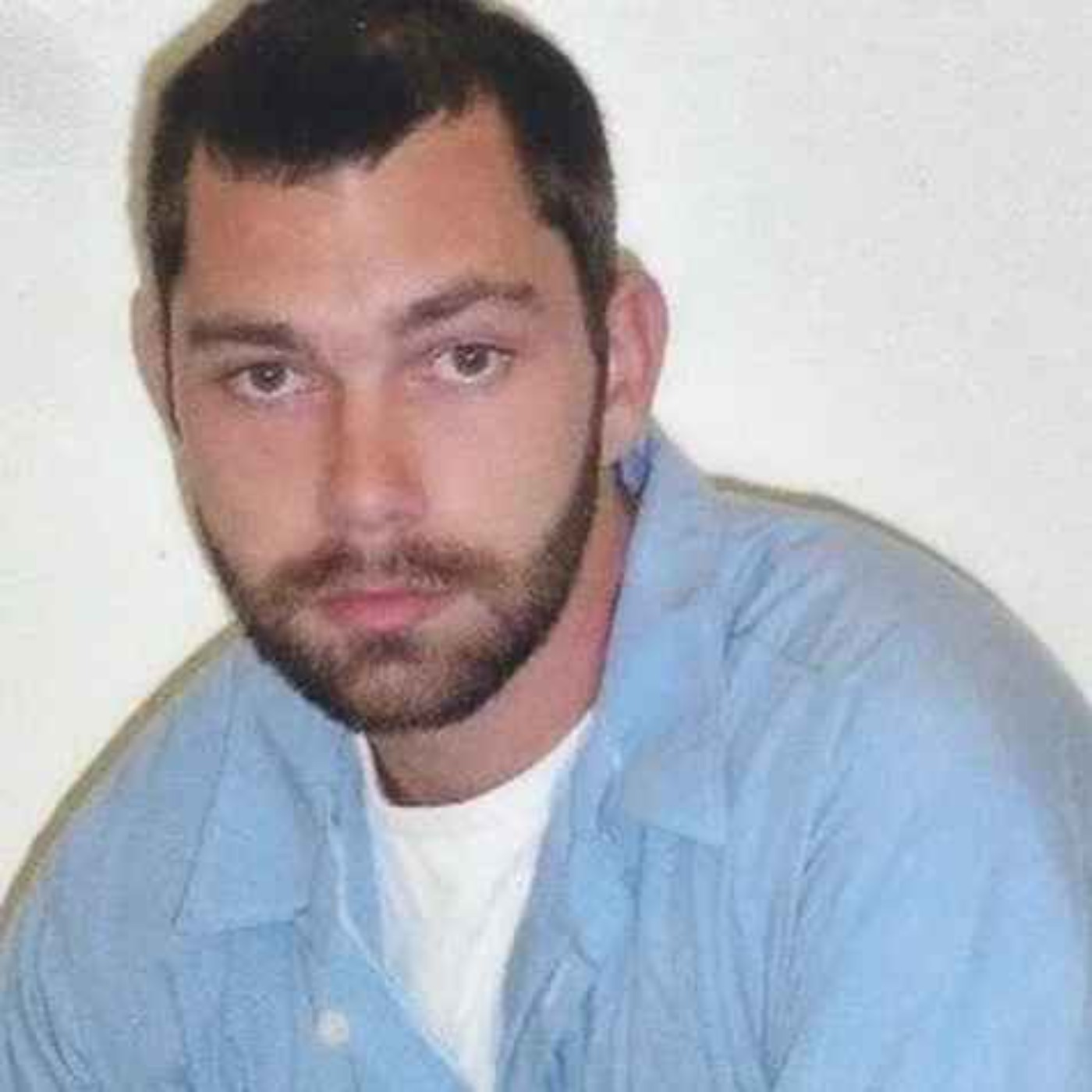 Christopher Bennett: Sentenced to 1,800 Years | No One Was Coming P1 03.08.2026 33minIn the summer of 2003, in the small Virginia town of Craigsville, 18-year-old Christopher Bennett shot and killed his stepfather, Vincent McDorman. Christopher never denied killing him. He confessed, took a plea deal to avoid the death penalty, and was handed three consecutive life sentences totalling 1,800 years.But behind that front door, Chris and his siblings say, was a man the town never saw. Years of abuse. Children told to pray for help that never came. And a report of what was happening to his little sisters, made just one day before the shooting.Over this series, Jack chats with Chris from inside Buckingham Correctional Center about his childhood, that night, the sentence designed to outlive him, and a family still fighting to bring him home.---------------------------------------------------------------------------------------------------------------------------------------------------------------------------------------------------------------------------This series contains discussion of child sexual abuse, physical abuse and domestic violence. If you or someone you know needs support, help is available.Australia1800RESPECT (sexual assault and domestic violence, 24/7): 1800 737 732Blue Knot Foundation (adult survivors of childhood trauma): 1300 657 380Bravehearts (child sexual abuse support): 1800 272 831Kids Helpline (ages 5 to 25, 24/7): 1800 55 1800Lifeline (crisis support, 24/7): 13 11 14United StatesChildhelp National Child Abuse Hotline (24/7): 1-800-422-4453RAINN National Sexual Assault Hotline (24/7): 1-800-656-4673National Domestic Violence Hotline (24/7): 1-800-799-7233988 Suicide and Crisis Lifeline (24/7): call or text 988United KingdomNSPCC Helpline (adults concerned about a child): 0808 800 5000Childline (for anyone under 19, 24/7): 0800 1111NAPAC (adult survivors of childhood abuse): 0808 801 0331Rape Crisis England and Wales (24/7): 0808 500 2222Samaritans (24/7): 116 123International For domestic violence services in other countries, visit hotpeachpages.net for a directory of helplines and agencies worldwide.If a child is in immediate danger, call emergency services: 000 in Australia, 911 in the US, 999 in the UK.EARLY AND AD FREE ACCESS: for as little as $1.69 a week!Apple + HEREPatreon and find us on Facebook here. Hosted on Acast. See acast.com/privacy for more information.
 -
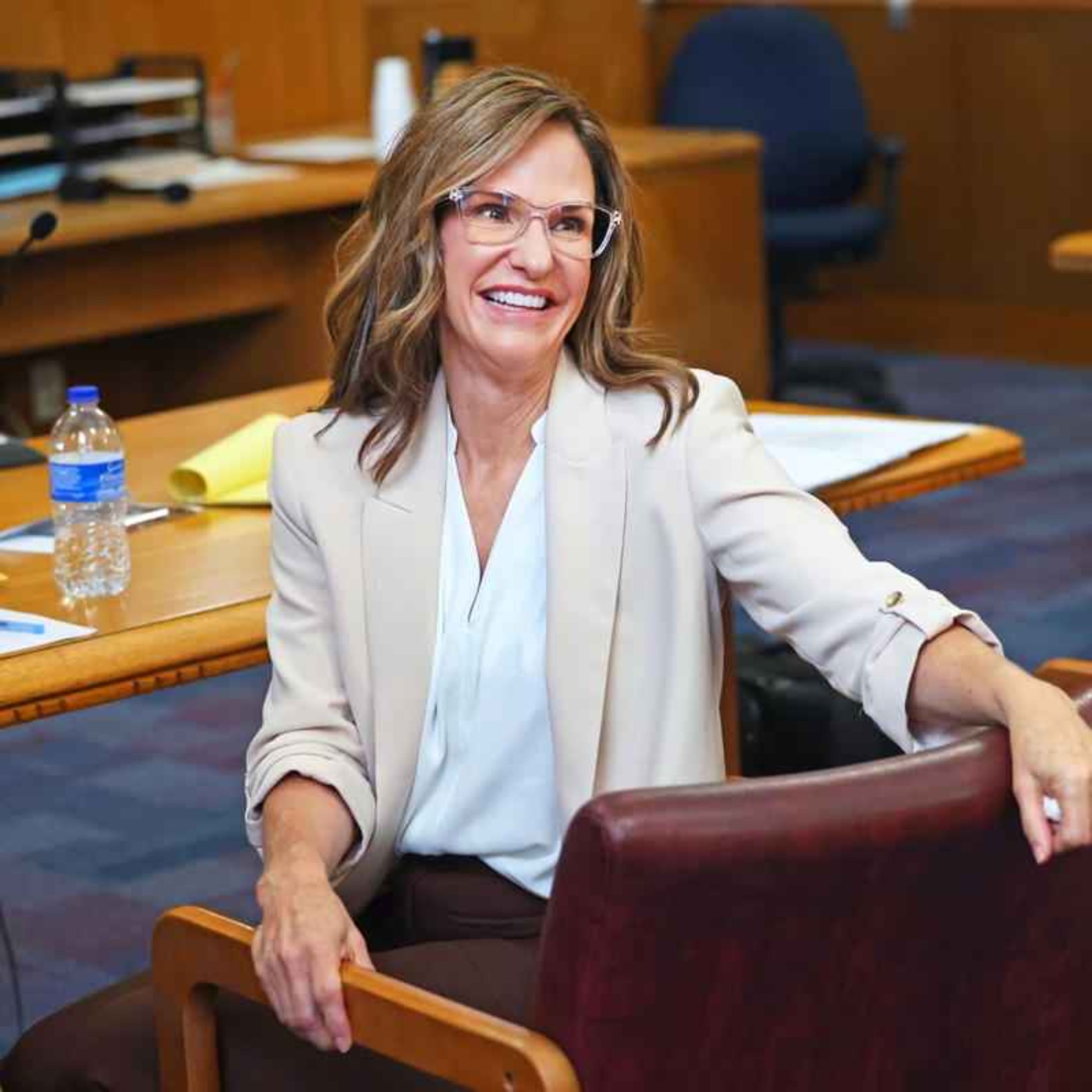 Every Parent's Camera Roll P7 - Kelly Nichols 29.07.2026 26minWe recently covered the story of Kelly Nichols, who was accused of creating child pornography involving her own two daughters. Those two girls, now grown women, have said that nothing happened, that they had a wonderful childhood, and that they felt nothing but love and safety.Throughout their parents' trial, and the sentencing and appeal hearings that followed, they were referred to as 'the victims'. Yet both have said that the only thing they are victims of is the system itself. A system that claimed to be fighting for them, but would not listen to a word they had to say.Today, they finally get the chance to have a voice, and to set the record straight about their parents in their own words.Kelly and Doug Nichols and their two daughters are, seemingly, your normal all-American family. Kelly grew up on a farm in rural Illinois; she has a strong faith and even stronger family values. She and Doug met when the pair were in their early twenties, dated for four years, and then got married. Doug worked in IT, while Kelly enjoyed a long and happy career as a dental hygienist, respected and loved by her patients and by the community.As the family grew, they did all the things young, busy families do. They went on adventures and holidays, the girls played sports, and they attended church every Sunday. And, like almost all families, they documented the years through pictures and videos, especially of their two young daughters. Treasured family memories. Memories that would one day land them both in prison, arrested, tried and convicted of possessing and producing child pornography.It all started when allegations were made against Kelly's husband, Doug. Allegations he denies. Allegations we cannot go into, as they are still making their way through the court system. These allegations had nothing to do with Kelly, but they would be the catalyst for what came next.As part of the complaint, the person making the allegations told police that if they took Doug's phone and computer, they would find evidence to back up her claims. So they did. But they found nothing. What they did find, however, while searching through the computer and phone, was those very family memories: thousands of pictures and videos of the two kids. As police went through the files, they said they found what they deemed to be images and videos of a sexual nature.They took what they had found to a grand jury, and very quickly this supposedly normal all-American family were having their lives dissected and pulled apart online, their faces plastered across the internet under headlines like "Decatur Couple Arrested on Child Porn and Sex Charges."This is a case where we can truly say: it could happen to you.EARLY AND AD FREE ACCESS: for as little as $1.69 a week!Apple + HEREPatreon and find us on Facebook here. Hosted on Acast. See acast.com/privacy for more information.
 -
 Every Parent's Camera Roll P6 - Kelly Nichols 27.07.2026 34minKelly and Doug Nichols and their two daughters are, seemingly, your normal all-American family. Kelly grew up on a farm in rural Illinois; she has a strong faith and even stronger family values. She and Doug met when the pair were in their early twenties, dated for four years, and then got married. Doug worked in IT, while Kelly enjoyed a long and happy career as a dental hygienist, respected and loved by her patients and by the community.As the family grew, they did all the things young, busy families do. They went on adventures and holidays, the girls played sports, and they attended church every Sunday. And, like almost all families, they documented the years through pictures and videos, especially of their two young daughters. Treasured family memories. Memories that would one day land them both in prison, arrested, tried and convicted of possessing and producing child pornography.It all started when allegations were made against Kelly's husband, Doug. Allegations he denies. Allegations we cannot go into, as they are still making their way through the court system. These allegations had nothing to do with Kelly, but they would be the catalyst for what came next.As part of the complaint, the person making the allegations told police that if they took Doug's phone and computer, they would find evidence to back up her claims. So they did. But they found nothing. What they did find, however, while searching through the computer and phone, was those very family memories: thousands of pictures and videos of the two kids. As police went through the files, they said they found what they deemed to be images and videos of a sexual nature.They took what they had found to a grand jury, and very quickly this supposedly normal all-American family were having their lives dissected and pulled apart online, their faces plastered across the internet under headlines like "Decatur Couple Arrested on Child Porn and Sex Charges."This is a case where we can truly say: it could happen to you.EARLY AND AD FREE ACCESS: for as little as $1.69 a week!Apple + HEREPatreon and find us on Facebook here. Hosted on Acast. See acast.com/privacy for more information.
 -
 Every Parent's Camera Roll P5 - Kelly Nichols 22.07.2026 29minKelly and Doug Nichols and their two daughters are, seemingly, your normal all-American family. Kelly grew up on a farm in rural Illinois; she has a strong faith and even stronger family values. She and Doug met when the pair were in their early twenties, dated for four years, and then got married. Doug worked in IT, while Kelly enjoyed a long and happy career as a dental hygienist, respected and loved by her patients and by the community.As the family grew, they did all the things young, busy families do. They went on adventures and holidays, the girls played sports, and they attended church every Sunday. And, like almost all families, they documented the years through pictures and videos, especially of their two young daughters. Treasured family memories. Memories that would one day land them both in prison, arrested, tried and convicted of possessing and producing child pornography.It all started when allegations were made against Kelly's husband, Doug. Allegations he denies. Allegations we cannot go into, as they are still making their way through the court system. These allegations had nothing to do with Kelly, but they would be the catalyst for what came next.As part of the complaint, the person making the allegations told police that if they took Doug's phone and computer, they would find evidence to back up her claims. So they did. But they found nothing. What they did find, however, while searching through the computer and phone, was those very family memories: thousands of pictures and videos of the two kids. As police went through the files, they said they found what they deemed to be images and videos of a sexual nature.They took what they had found to a grand jury, and very quickly this supposedly normal all-American family were having their lives dissected and pulled apart online, their faces plastered across the internet under headlines like "Decatur Couple Arrested on Child Porn and Sex Charges."This is a case where we can truly say: it could happen to you.EARLY AND AD FREE ACCESS: for as little as $1.69 a week!Apple + HEREPatreon and find us on Facebook here. Hosted on Acast. See acast.com/privacy for more information.
 -
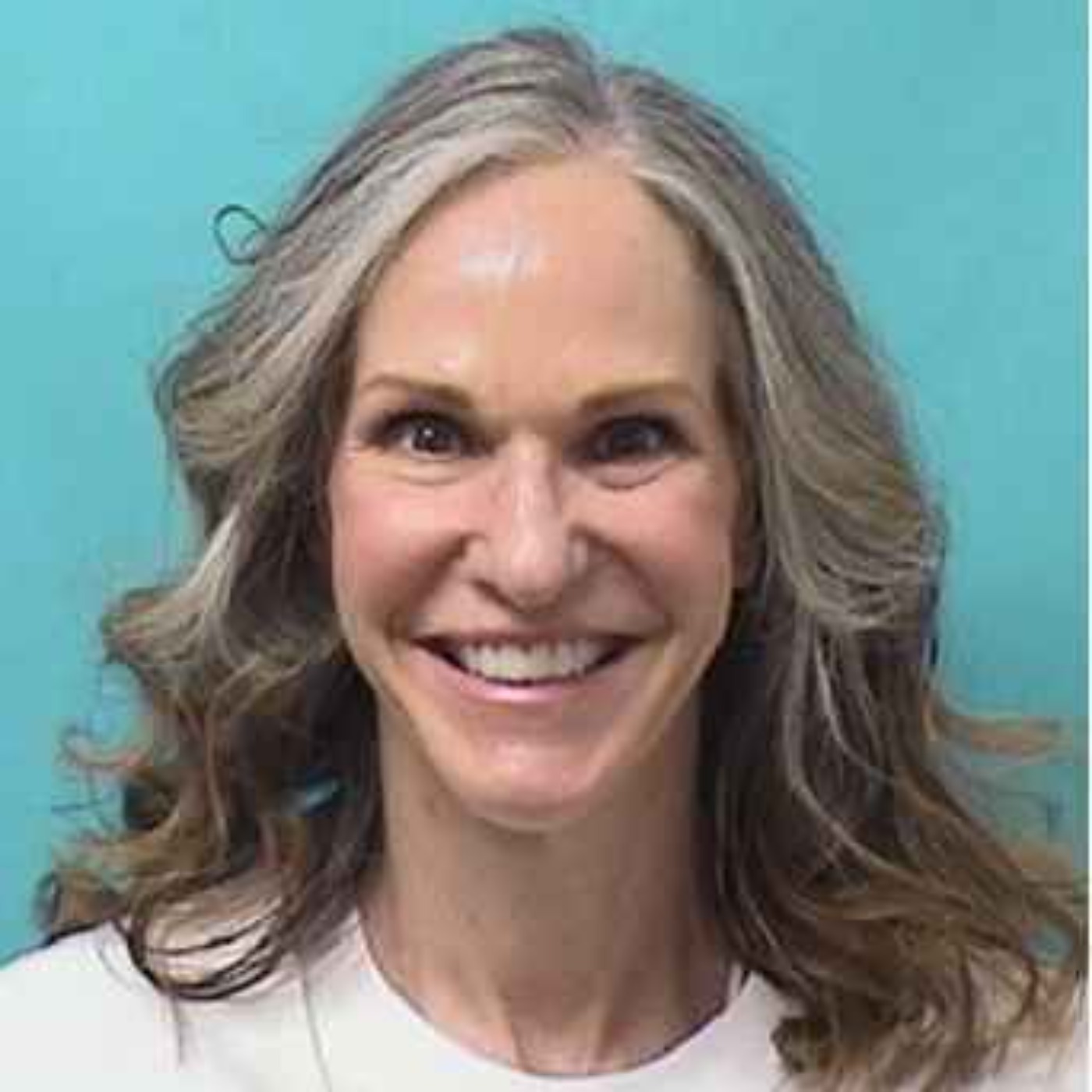 Every Parent's Camera Roll P4 - Kelly Nichols 20.07.2026 32minKelly and Doug Nichols and their two daughters are, seemingly, your normal all-American family. Kelly grew up on a farm in rural Illinois; she has a strong faith and even stronger family values. She and Doug met when the pair were in their early twenties, dated for four years, and then got married. Doug worked in IT, while Kelly enjoyed a long and happy career as a dental hygienist, respected and loved by her patients and by the community.As the family grew, they did all the things young, busy families do. They went on adventures and holidays, the girls played sports, and they attended church every Sunday. And, like almost all families, they documented the years through pictures and videos, especially of their two young daughters. Treasured family memories. Memories that would one day land them both in prison, arrested, tried and convicted of possessing and producing child pornography.It all started when allegations were made against Kelly's husband, Doug. Allegations he denies. Allegations we cannot go into, as they are still making their way through the court system. These allegations had nothing to do with Kelly, but they would be the catalyst for what came next.As part of the complaint, the person making the allegations told police that if they took Doug's phone and computer, they would find evidence to back up her claims. So they did. But they found nothing. What they did find, however, while searching through the computer and phone, was those very family memories: thousands of pictures and videos of the two kids. As police went through the files, they said they found what they deemed to be images and videos of a sexual nature.They took what they had found to a grand jury, and very quickly this supposedly normal all-American family were having their lives dissected and pulled apart online, their faces plastered across the internet under headlines like "Decatur Couple Arrested on Child Porn and Sex Charges."This is a case where we can truly say: it could happen to you.EARLY AND AD FREE ACCESS: for as little as $1.69 a week!Apple + HEREPatreon and find us on Facebook here. Hosted on Acast. See acast.com/privacy for more information.
Podcast serupa


Popular di
Podcast ini turut muncul dalam senarai podcast negara-negara ini.


