
Hardiness with Dr Paul Taylor
Paul Taylor
0
Host Dr Paul Taylor, a psychophysiologist, neuroscientist, exercise scientist, and nutritionist, interviews experts from around the world on cutting-edge research and practices related to improving hardiness in your mind, body, and brain to become your best self.
Episod
-
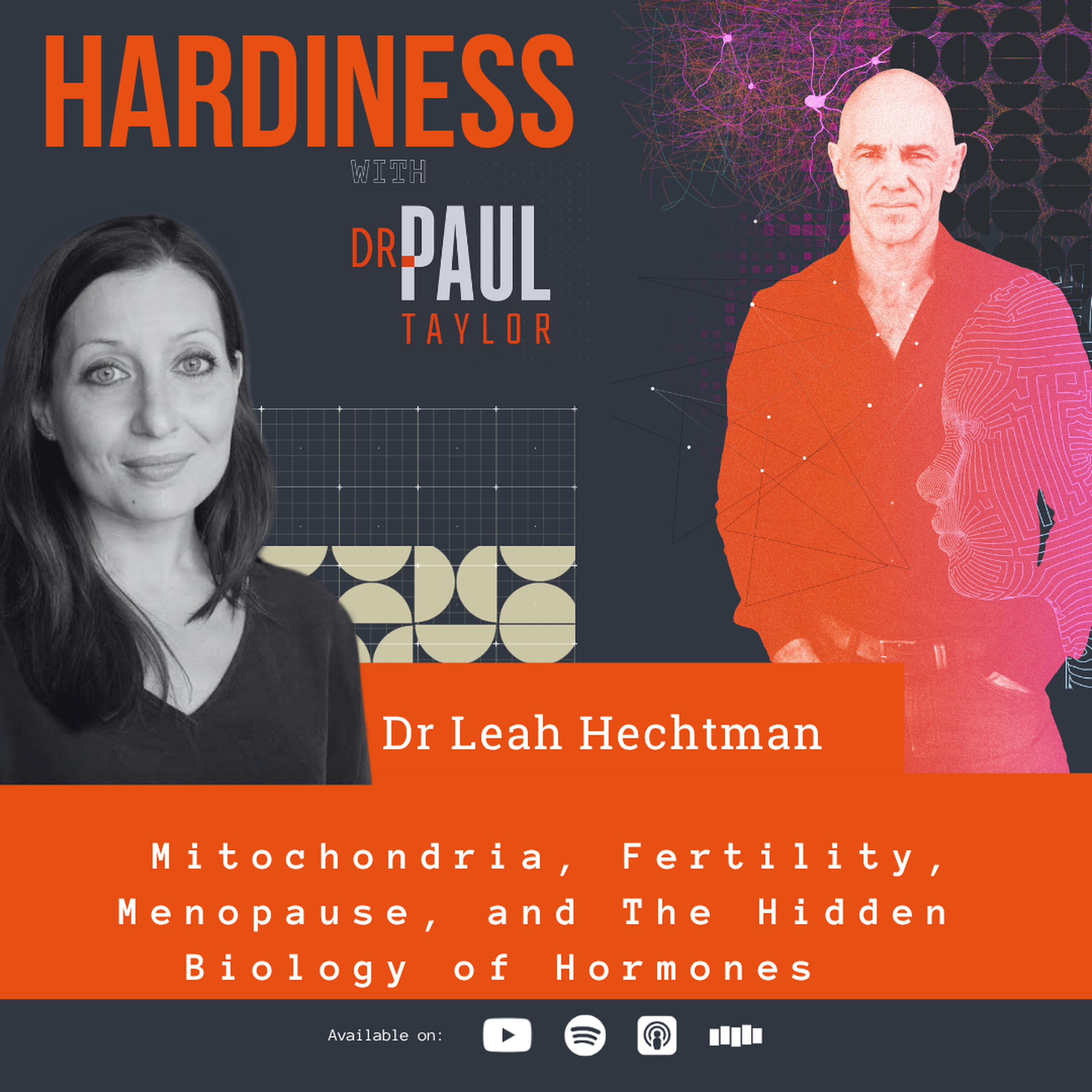 Mitochondria, Fertility, Menopause, and The Hidden Biology of Hormones with Dr Leah Hechtman 25.09.2026 1jThis conversation with Dr Leah Hechtman explores how mitochondria influence far more than energy production, including fertility, aging, brain health, and hormone regulation. It also unpacks the differences between male and female reproductive biology, the effects of hormonal contraception, and what hormone replacement may mean for longevity. Leah brings a rare mix of clinical experience, genetics training, ovarian biology research, and fertility expertise, making this a practical and provocative discussion for anyone interested in reproductive health and healthy aging. Key topics Leah explains why mitochondria are far more than the “powerhouse of the cell” and describes them as central regulators of physiology, aging, and even signalling patterns tied to trauma and emotion. We discuss maternal inheritance of mitochondria and why the egg, not the sperm, carries the major mitochondrial legacy that shapes offspring health. Leah breaks down how the oocyte actively selects sperm, using signalling, electrical charge, and mitochondrial function to influence which sperm succeeds and what genetic material is accepted. The discussion covers declining sperm counts, including the claim that global sperm quality has fallen sharply over recent decades, along with the challenge of changing reference ranges and assay variability. Leah shares why semen analysis can function as an early longevity marker for men, reflecting health roughly 2.5 to 3 months earlier and sometimes revealing issues long before other markers do. The conversation explores the aging trajectory in women and men, including how ovarian mitochondrial loss contributes to menopause and how men experience a slower decline in testicular function and testosterone production. We discuss hormonal contraception, especially starting the pill too early, and Leah outlines concerns about disruption of the brain-ovary axis, amygdala changes, and effects on mood, perception, and identity. Leah and Paul examine menopause, andropause, and hormone replacement therapy, including why timing, formulation, and individual context matter more than one-size-fits-all messaging. The episode also covers DHEA, testosterone, cholesterol, stress, and why hormone decline can open the “gates” to disease processes that hormones were helping keep in check. Leah explains how microbiome health, environmental toxins, nutrition, hydration, and lifestyle all affect reproductive health in both men and women, including sperm quality, implantation, and miscarriage risk. The conversation closes with Leah’s excitement about emerging research in embryology, reproductive biology, and the growing recognition that men’s health needs more attention. Timestamps 04:09 - Why mitochondria are much more than cellular “powerhouses”06:04 - Maternal inheritance of mitochondria and why mum matters so much07:04 - How the oocyte selects sperm and what the egg is “looking for”11:17 - Sperm count decline and why reference ranges can mislead12:36 - Semen analysis as a longevity marker for men15:05 - Why sperm testing reflects health from months earlier17:41 - Female mitochondrial aging and the crossover into menopause19:11 - Male mitochondrial and testicular decline with age20:09 - Why regular ejaculation may improve sperm quality21:18 - How starting the pill too early may disrupt the brain-ovary axis22:15 - The amygdala, mood changes, and the effects of hormonal contraception25:35 - Bioidentical versus synthetic hormones and why it matters27:22 - Hormonal contraception and mate selection, smell, and genetics29:00 - What menopause and andropause look like biologically33:35 - HRT myths, timing, and the importance of body-identical hormones36:19 - How women and men produce testosterone, estrogen, and progesterone38:29 - Testosterone therapy in men and its fertility implications40:49 - Why some clinicians are considering testosterone earlier in men42:27 - DHEA, energy, stress, sleep, and the hormone cascade44:08 - Why baseline testing around 35 can be useful for both sexes45:24 - How stress, hydration, and even the blood draw setting affect hormone results48:41 - The Y chromosome, aging, and why men feminize over time50:52 - Environmental toxins, nutrition, and sperm health55:03 - Microbiome health and its role in fertility, implantation, and miscarriage56:14 - Caesarean birth, microbiome transfer, and downstream health effects58:14 - What Leah is most excited about in the next wave of research “The mitochondria is how we transmit emotional patterns, neurological patterns, trauma patterns.” Action items If you are trying to conceive, consider both partners’ health, not just the woman’s. Treat semen analysis as a meaningful health marker, not only a fertility test. Pay attention to sleep, hydration, stress, nutrition, and environmental exposure before testing hormones or sperm. For women, avoid assuming all contraceptive or hormone decisions are biologically neutral. For men, think about testosterone, DHEA, and semen quality as part of broader longevity planning. Resources Website - https://drleahhechtman.com/ LinkedIn - https://www.linkedin.com/in/dr-leah-hechtman-phd-7828607/?isSelfProfile=false X - https://x.com/lhechtman Facebook - https://www.facebook.com/LeahHechtman YouTube - https://www.youtube.com/channel/UCR07U_vqfe8Haa7GO7AEDpA/playlists Instagram - https://www.instagram.com/drleahhechtman/ Support the Podcast If you found this conversation valuable, consider subscribing and leaving a review on your preferred podcast platform. Your feedback helps us continue to bring you insightful discussions on important health topics.See omnystudio.com/listener for privacy information.
 -
 The Protein Tug-of-War: Does Eating Less Protein Really Switch On Autophagy? Wisdom Wednesdays 22.09.2026 15minSee omnystudio.com/listener for privacy information.
 -
 Who Are You Showing Up For? 20.09.2026 6minn this episode, Carly unpacks why the instinct to rescue the people we love is often more about our own discomfort than their growth, what love looks like when you treat it as a verb instead of a feeling, and why real commitment sometimes means holding back rather than stepping in. It's a personal, practical episode about showing up for the people in your life, and what that actually looks like in action. Key takeaways Real growth often comes from struggle, not from being protected from it. The urge to rescue someone you love can be more about easing your own discomfort than helping them. Love as a verb means letting people fall and encouraging them to get back up, not clearing every obstacle out of their path. Commitment isn't about being a perfect parent, partner, or friend. It's about showing up again and again, including the days you have to hold back. How you show up for the people in your life, kids, friends, partners, is one of the biggest differences you get to make. Carly is a counsellor and coach who specialises in building psychological hardiness, which is the ability to navigate challenge, stay engaged, and take meaningful action under pressure. Her work integrates modern psychology with Eastern and Stoic approaches, helping people build resilience, live with purpose, and respond to life’s challenges with greater clarity, courage and steadiness.See omnystudio.com/listener for privacy information.
 -
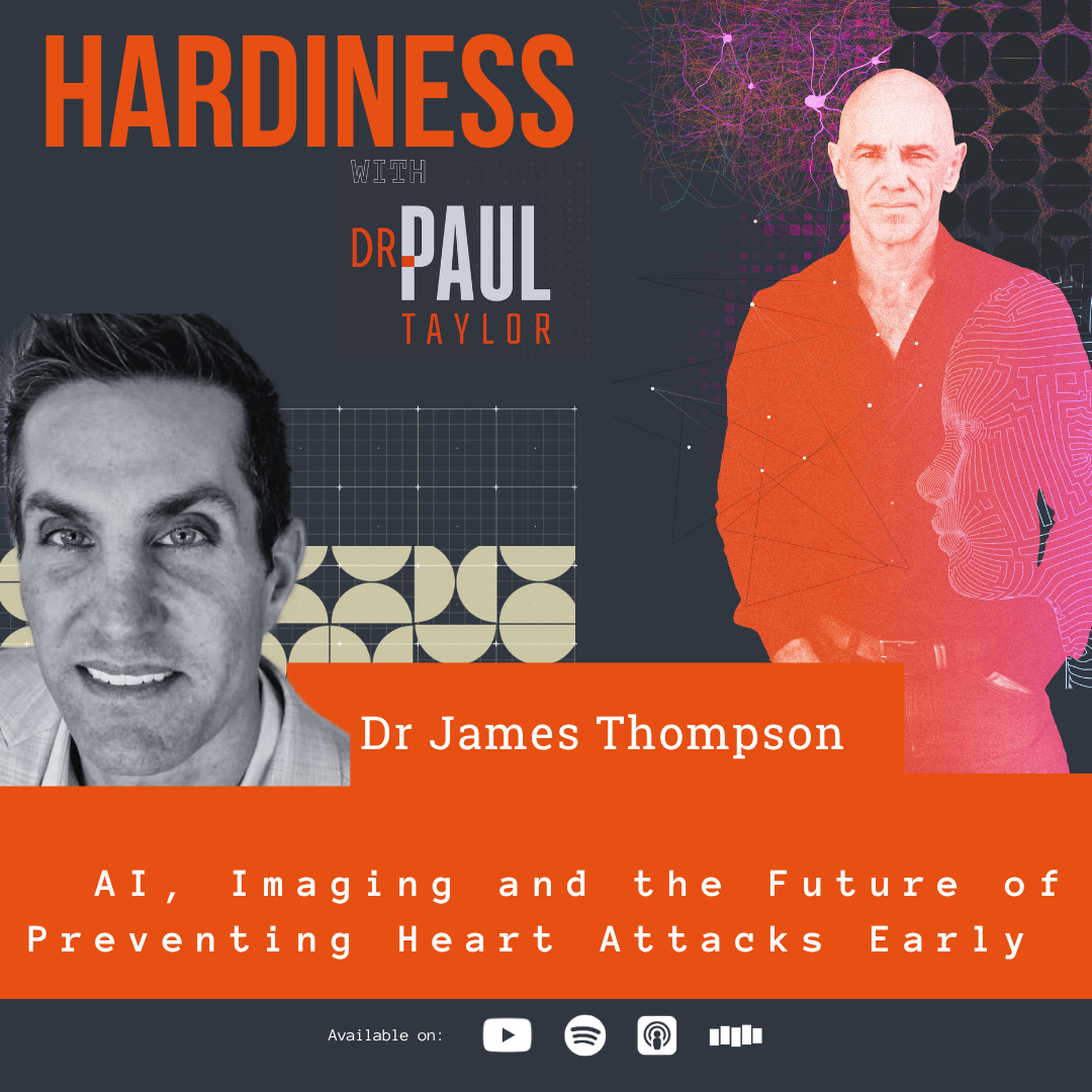 AI, Imaging, and the Future of Preventing Heart Attacks Early with Dr James Thompson 18.09.2026 1j 17minDr James Thompson joins me for a practical conversation about why heart disease still leads as a global killer, why cholesterol and calcium scoring have limits, and how advanced imaging is changing prevention. We also cover exercise, lifestyle, and the role AI is starting to play in cardiac imaging. Heart disease often starts silently years before a scan or cholesterol test raises the alarm. Dr. James Thompson reveals why a zero-calcium score can still miss dangerous plaque, and why the future of prevention may depend on looking much earlier, and much deeper. We break down the limits of total cholesterol, LDL, and calcium scoring, then show how APO B, LP little A, CT coronary angiography, and cardiac MRI change the picture. If you have ever been told you are "fine" because your cholesterol is normal or your calcium score is low, this conversation will make you rethink what that actually means. Key topics Heart disease remains the biggest killer Dr Thompson explains why cardiovascular disease is still the number one public health issue and why it affects men and women differently, especially after menopause. Why cholesterol is only part of the picture They discuss why total cholesterol and LDL can miss risk, and why APO B and Lp(a) can be more useful markers in specific cases. What a calcium score can and cannot tell you A calcium score detects calcified plaque in the coronary arteries, but it can miss non-calcified, high-risk plaque. The problem with false reassurance A zero calcium score does not always mean zero disease, especially in younger people or those with early, vulnerable plaque. Why CT coronary angiography is more revealing Dr Thompson explains how contrast-enhanced CTA can show the actual coronary arteries, plaque burden, plaque composition, and flow-related risk. How CT imaging works in practice They cover heart-rate control, breath-holding, EKG gating, IV contrast timing, and why coronary CTA is technically demanding but highly informative. MRI of the heart brings different strengths Cardiac MRI is described as the best tool for tissue characterization, function, fibrosis, and flow, while CT still wins for spatial resolution of the coronary arteries. Exercise and movement are part of prevention Paul and Dr Thompson connect imaging with lifestyle, arguing that inactivity is not neutral and that movement is fundamental to cardiovascular health. AI is accelerating cardiac imaging Dr Thompson explains how AI is helping quantify plaque, flow, and inflammation, and why radiology is one of the main areas where AI is already being applied. Why early detection matters The conversation repeatedly returns to prevention, especially for people in their 30s, 40s, and 50s who may feel well but already have disease. Timestamps (01:36) Dr Thompson’s background in radiology and cardiovascular imaging(06:43) Why no imaging test is perfect and what each modality does best(09:16) Why MRI found the injury that X-ray and ultrasound missed(11:49) Cholesterol as a screening tool and its limitations(16:45) APO B and Lp(a) as more useful markers for some patients(18:18) What a calcium score actually measures(20:31) Why calcified plaque is different from vulnerable non-calcified plaque(23:27) Why a zero calcium score can still miss dangerous disease(29:53) How calcium scoring lost ground to contrast CT angiography(33:14) What contrast-enhanced CTA reveals about plaque burden and composition(35:04) How coronary CTA is performed, including heart-rate control and breath-holding(37:49) How AI is being layered onto CT imaging(40:25) Why CTA can see both inside and outside the coronary artery(41:37) The heart as a pump and why the coronary arteries are so important(44:08) Why stenting and bypass are not perfect solutions(46:19) Exercise as prevention and inactivity as an active problem(49:22) The Dallas bed rest study and how quickly the heart can decondition(53:23) Why vigorous exercise may be far more protective than light movement(55:06) What “lung burn” means in Dr Thompson’s training language(57:18) What cardiac MRI adds beyond CT(60:36) Paul’s own cardiac imaging story and how MRI found scar tissue(63:55) Why coronary CTA is now a class 1A test for low-risk patients with no known disease(69:48) What’s next for AI, plaque characterization, and inflammation imaging(74:23) Why prevention is cheaper, easier, and more effective than late-stage treatment Action items Ask your doctor whether your current heart-risk assessment is enough for your age, family history, and symptoms. Consider whether cholesterol alone is giving you a false sense of reassurance. If you have questions about calcium scoring or CTA, discuss the difference with a clinician who understands cardiac imaging. Treat exercise and daily movement as non-negotiable parts of heart prevention. If you are in your 30s, 40s, or 50s, do not assume heart disease is a problem for later in life. Resources Website - https://drjamesthomps.com/ LinkedIn - https://www.linkedin.com/in/drjamesthomps/ X - https://x.com/DrJamesThomps Facebook - https://www.facebook.com/drjamesthomps YouTube - https://www.youtube.com/@gamingcardiaccta Instagram - https://www.instagram.com/drjamesthomps Support the Podcast If you found this conversation valuable, consider subscribing and leaving a review on your preferred podcast platform. Your feedback helps us continue to bring you insightful discussions on important health topics.See omnystudio.com/listener for privacy information.
 -
Fascinating research on how breathwork can clean your brain: Wisdom Wednesdays 15.09.2026 18minSee omnystudio.com/listener for privacy information.
-
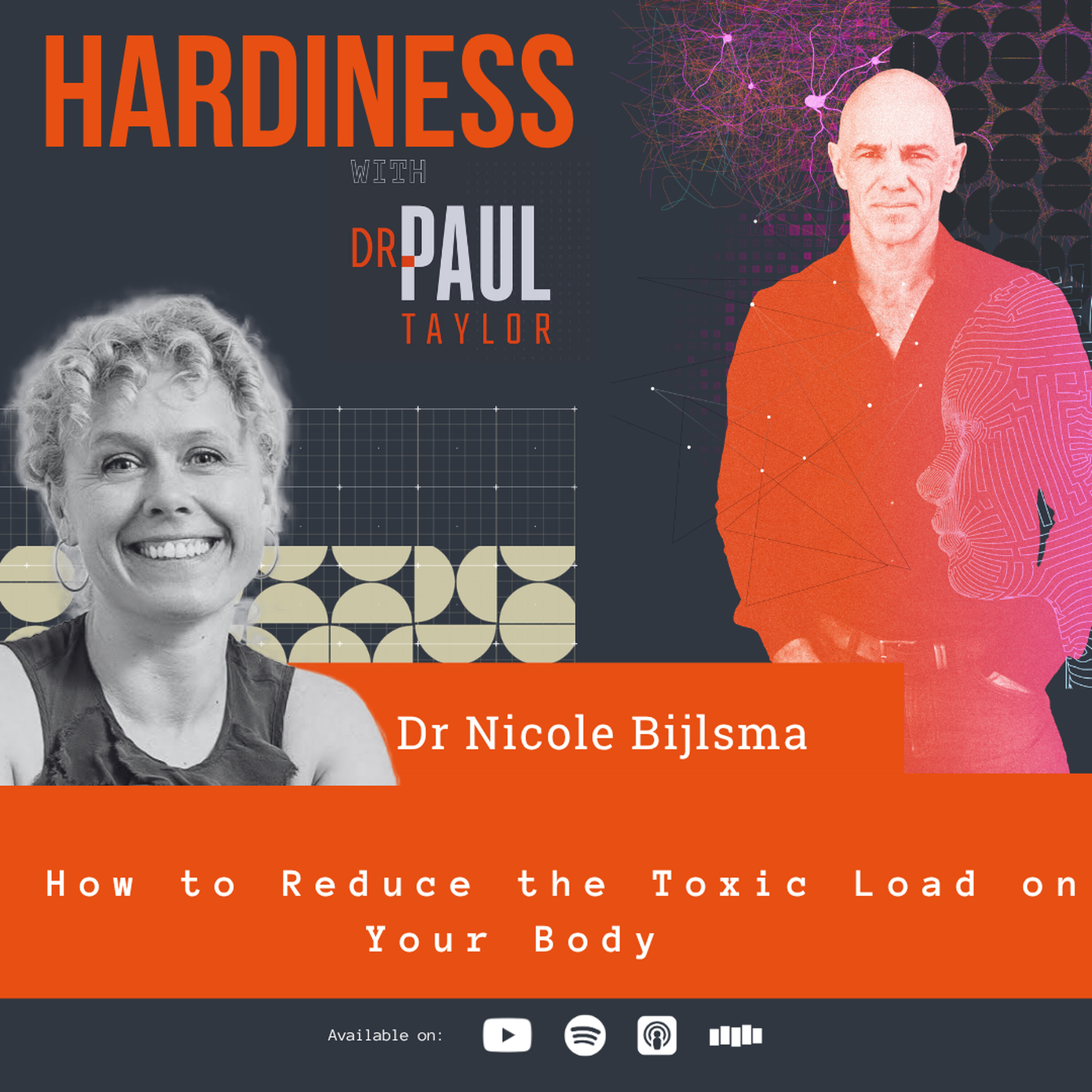 How to reduce the toxic load on your body, with Dr Nicole Bijlsma 11.09.2026 1j 1minDr. Nicole Bijlsma explains why the built environment matters for health, from mould and air quality to electromagnetic fields and chemical exposures. She shares practical, high-impact changes for bedrooms, water, skincare, cleaning, and home setup that can reduce everyday exposure and support better sleep, immunity, and wellbeing. We discuss why old homes and new homes each have different risks, how Wi-Fi and electrical wiring can affect sleep, and why water filtration is a non-negotiable if you want to reduce chlorine, PFAS, and fluoride exposure. Nicole also covers the biggest chemical exposures on skin, the most useful cleaning swaps, and why over-sanitising may be backfiring on allergy risk. Key topics Nicole shares how personal health issues led her into building biology and why she started training people to assess homes for environmental hazards. The difference between old homes and new homes, including condensation, mould, poor maintenance, tight building envelopes, and off-gassing from imported furnishings. Why carpets can act like a reservoir for dust, pest debris, asbestos, lead paint, and chemicals, especially for infants crawling on the floor. The three EMF categories Nicole prioritises - radio frequencies, AC magnetic fields, and dirty electricity. Why a Wi-Fi router in the bedroom is a major issue, and why hardwiring or powering routers down at the wall is the best fix. Why the bedroom is the top health priority, and how to set it up for better sleep by removing Wi-Fi devices, phones, extenders, and boosters. Why inverter and solar battery placement matters, and why distance is the main defense against magnetic fields. Why reverse osmosis is the best option for drinking water when fluoride is a concern, while whole-house filtration helps with chlorine, sediment, PFAS, and many other contaminants. Nicole shares why alkaline water is not her recommendation, and why stomach acid matters for digestion, protein breakdown, and nutrient absorption. The biggest chemical exposures on the body, especially perfumes, aftershaves, artificial fragrances, and air fresheners. Why jojoba oil, rose hip oil, wool, hemp, cotton, and fragrance-free basics are the safer everyday choices for skin and home use. Timestamps00:32 - The personal health story that led to building biology01:54 - Discovering environmental triggers in the home03:21 - Training clinicians to look at air quality and built-environment hazards04:07 - Old homes versus new homes: where the risks differ05:54 - Maintenance, roof leaks, drainage, and rising damp in older houses06:50 - Why carpets collect dust, toxins, and biological debris07:28 - Why infants are the highest-risk group on carpeted floors08:25 - Tight new homes, hidden condensation, and off-gassing from furnishings10:59 - Natural materials and Australian-made products for lower exposure11:35 - The EMF problem in the bedroom12:44 - Why a router in the room can be a major radio-frequency exposure14:30 - Sleep, melatonin, and why hardwiring beats Wi-Fi15:32 - How to measure Wi-Fi properly with the right meter16:24 - Inverters, batteries, and magnetic fields from solar systems17:45 - Dirty electricity and why some people become electrically sensitive20:30 - Bedroom setup: no Wi-Fi devices, no extenders, no boosters21:20 - Building a master switch system to shut down bedroom fields22:47 - Why phones in the bedroom are a bad idea23:29 - The bedroom first rule: sleep before everything else24:55 - Timer switches and reducing router exposure26:00 - Electricity coming into the house and the importance of distance27:09 - The inverse square law and why bed position matters28:19 - Why shielding does not solve magnetic field exposure29:04 - Water as a major chemical exposure30:27 - PFAS and fluoride in water supplies32:48 - Why chlorine is a problem for the gut microbiome33:18 - What a basic but effective water filter should remove34:10 - Reverse osmosis, remineralisation, and why alkaline water is controversial36:40 - Skin exposure: why chlorine affects eczema and skin irritation37:32 - Whole-house filtration versus point-of-use RO40:26 - Skincare, moisturizers, deodorants, and sunscreen41:22 - Why jojoba and rose hip oil are better skin options42:19 - Parabens, detergents, and reducing cosmetic load43:18 - Sunscreen controversy and why covering up often works better46:29 - Perfume, phthalates, and why fragrance is a major exposure48:43 - Cleaning the home with detergent, microfiber, and HEPA filtration50:11 - Why white vinegar works well in the dishwasher rinse-aid compartment51:35 - Detoxification: sweat, sauna, and exercise52:50 - Why some chemicals need plasma donation or binders54:44 - The need for supervision when using binders55:41 - Why mould deserves its own conversation56:06 - Allergies, pet dander, and the role of dust mites58:17 - Birth, breastfeeding, microbes, and why farm exposure lowers allergy risk59:29 - Why over-cleaning and sanitizers can raise allergy risk61:00 - Where to find Dr. Nicole B and her training61:42 - Healthy Home, Healthy Family and the upcoming updated edition Action items Remove Wi-Fi enabled devices, extenders, boosters, and phones from the bedroom. Put the router on a timer or power it down at the wall overnight. Move the bed away from the wall closest to the meter panel or incoming electrical supply. Prioritise whole-house water filtration, and add reverse osmosis at the kitchen sink if fluoride is a concern. Switch to fragrance-free personal care and cleaning products. Use microfiber cloths, detergent, and a sealed HEPA vacuum for routine cleaning. Favor natural materials like wool, hemp, cotton, and jojoba-based skin care where possible. Reduce over-sanitising at home and let kids get normal outdoor dirt exposure. Resources Website: https://www.buildingbiology.com.au/ Instagram - https://www.instagram.com/homehealthdoc/ Facebook - https://www.facebook.com/nicolebijlsma1/?fref=ts Support the Podcast If you found this conversation valuable, consider subscribing and leaving a review on your preferred podcast platform. Your feedback helps us continue to bring you insightful discussions on important health topics. See omnystudio.com/listener for privacy information.
 -
Not all cholesterol particles carry the same risk - here's what to really look out for: Wisdom Wednesdays 08.09.2026 10minSee omnystudio.com/listener for privacy information.
-
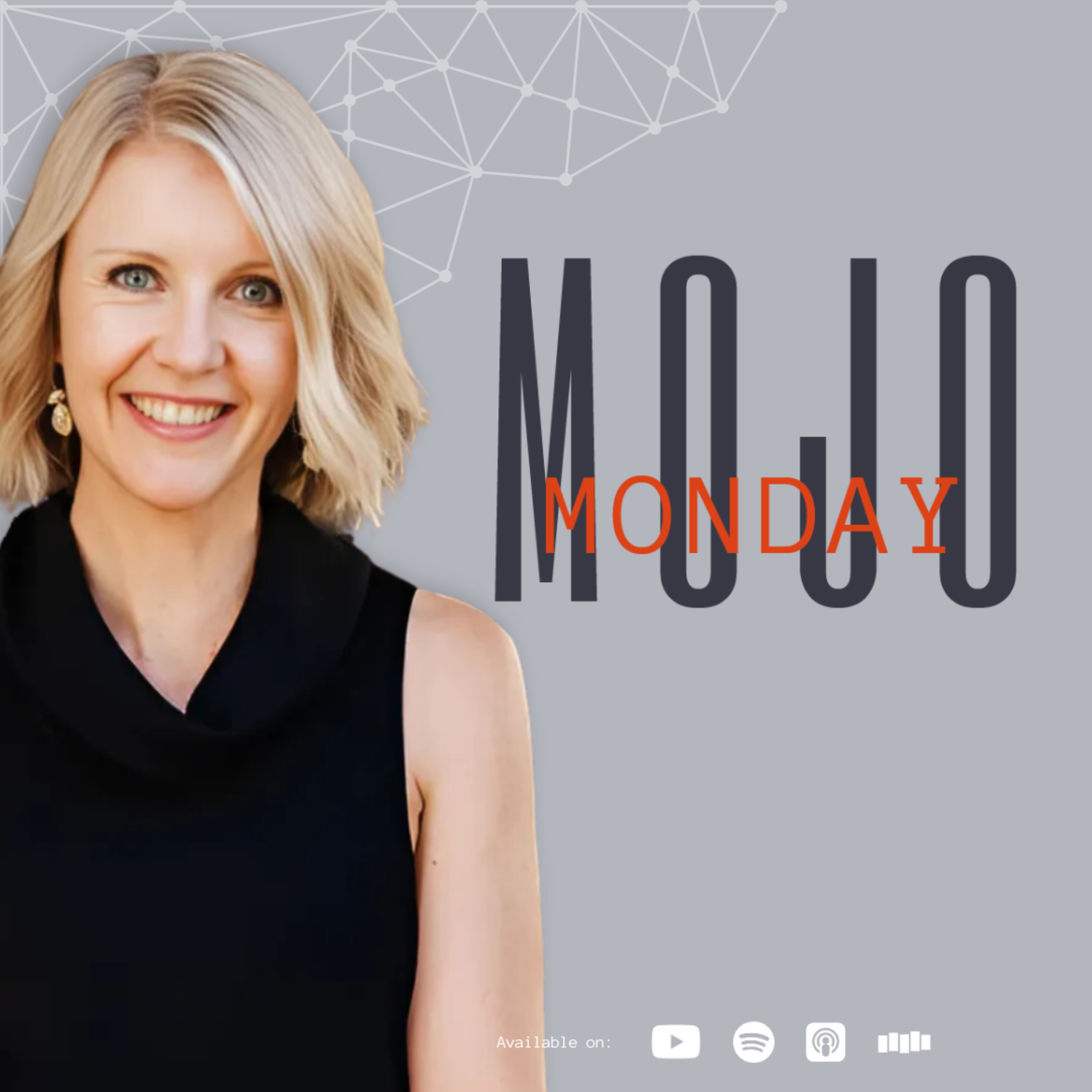 A Thirty Thousand Day Life With Carly Taylor 06.09.2026 4minA birthday, a bit of simple maths, and an idea borrowed from Gregg Krech of Vermont's ToDo Institute, whose own birthday falls the same week as Carly's. What happens when you put an actual number on the days you've got left. Carly is a counsellor and coach who specialises in building psychological hardiness, which is the ability to navigate challenge, stay engaged, and take meaningful action under pressure. Her work integrates modern psychology with Eastern and Stoic approaches, helping people build resilience, live with purpose, and respond to life’s challenges with greater clarity, courage and steadiness. See omnystudio.com/listener for privacy information.
 -
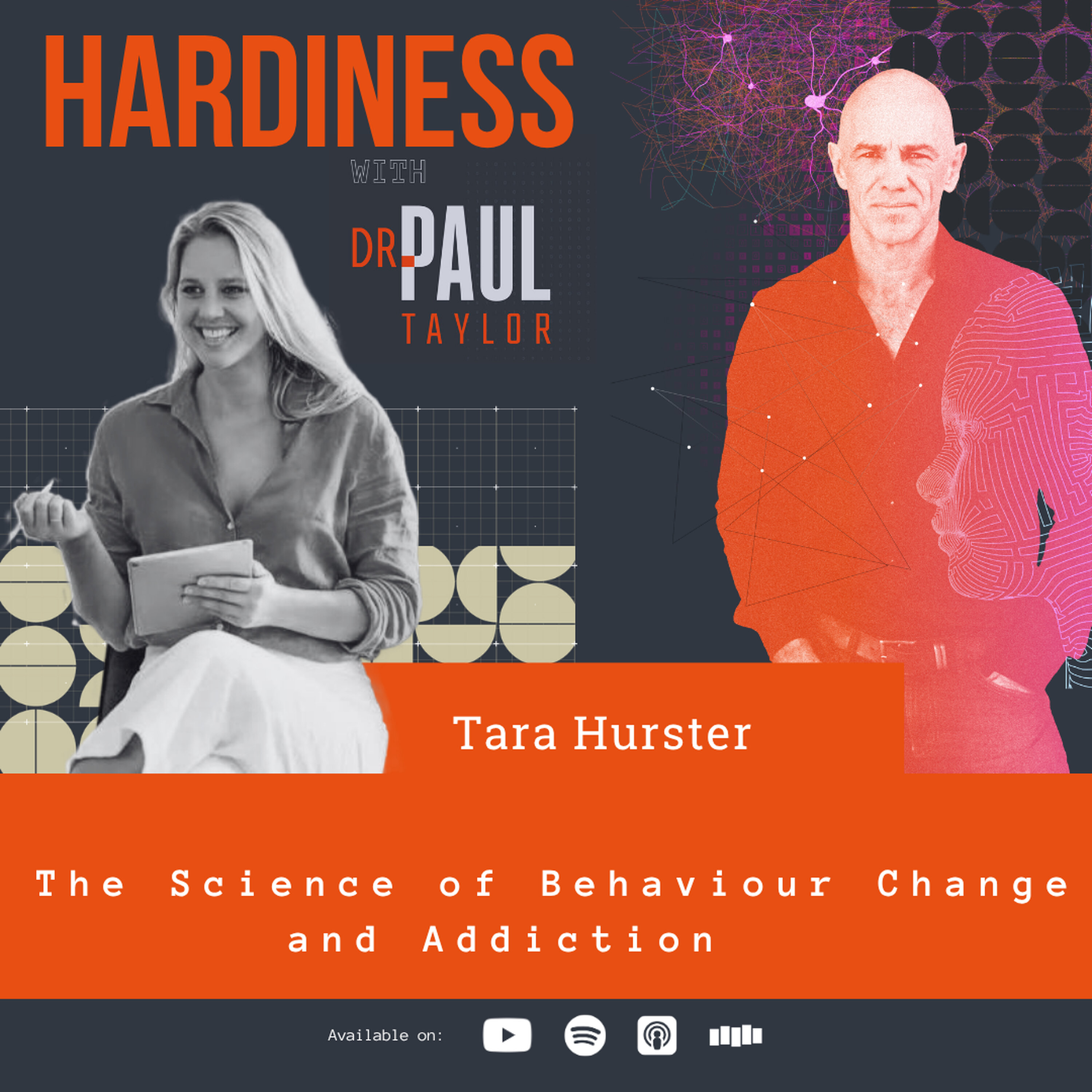 The science of behaviour change and addiction, with Tara Hurster 04.09.2026 1j 4minMost addiction advice is built for rock bottom. Tara Hurster says that misses the vast majority of people - the high-functioning drinkers, gamblers, and users who still have jobs, houses, and families, but know something is off. If you’ve ever wondered where “just a bit too much” becomes a real problem, this conversation gives you a clearer answer than shame ever could. Paul speaks with Tara Hurster, psychologist and founder of The TARA Clinic, about the low-to-high risk continuum of addiction, the 12 DSM criteria, and why “stopping” is not the same as changing. . Her approach is practical, non-judgmental, and built around helping people make real choices with real tools - not just white-knuckle their way through. Tara breaks down how tolerance, repeated failed attempts to cut down, negative consequences, and defensiveness can all signal a deeper issue, even when life still looks functional from the outside. You’ll discover: Why addiction can be invisible in high performers and professionals How the stages of change model explains denial, preparation, action, and maintenance The “stop you swap” trap and why focusing only on abstinence creates a void Why relapse is better understood as recycling, and relapse as a lesson How identity, values, and stress management drive the behaviours people keep repeating Time Stamps 01:15 - Risk continuum and the question of where addiction begins02:12 - The clearest signs: tolerance, failed attempts, and consequences03:28 - Why questioning a behavior is already a signal worth taking seriously04:23 - Stages of change and why defensiveness matters05:34 - Why stopping is not the same as changing06:32 - “If you stop, you swap” and finding the driver behind the behavior08:34 - The myth that addiction only looks like rock bottom09:49 - Only two DSM criteria are needed over 12 months10:54 - Tara reads the DSM style addiction criteria in plain English13:25 - Why The Tara Clinic uses the criteria as education, not self diagnosis14:07 - Why Tara does not align with the 12 step model15:29 - Tara’s personal story: bullying, tallness, and smoking in year six17:02 - Why stopping smoking can coincide with a change stage, not just willpower18:02 - Recovery as a long term redefinition of stress and distress19:19 - How addiction looks from the outside versus the inside20:56 - Minimizing the problem and the brain’s self protection mechanisms21:27 - The brain’s threat response and why stress drives habitual behavior24:41 - Being the expert in your own life and using lifestyle as a mirror25:33 - Hello Sunday Morning and the power of noticing hangover regret26:25 - Tara’s non prescriptive approach: helping clients see their own choices27:06 - Why smart people often struggle more with change28:22 - How education works in pre-contemplation without shame29:25 - Why shame and guilt can push people backwards30:21 - The survival wiring behind addictive behavior31:50 - Early stage support and why community matters32:35 - Preparation stage and why The Tara Clinic starts there33:22 - The danger of stopping before change has actually happened34:16 - Dry drunk thinking and the limits of willpower35:47 - Real change means new routines, people, and environments36:11 - Why lapse and relapse are reframed as lesson and recycling37:35 - Can moderation work after addiction? Tara’s non absolute answer38:14 - Choice, agency, and not becoming another external force39:23 - Different substances and how the method of use changes the effect42:22 - Why ice is the hardest substance to manage socially43:26 - Ice detox, brain recovery, and the physical versus neurological timeline45:23 - The recurring “wobbles” in recovery from ice use47:32 - Why early recovery for ice effectively starts after a much longer practice period48:43 - Common drivers: pressure, stress, identity, and relief50:16 - Why Tara avoids labels and focuses on language, thought, and identity53:57 - Values work and why goals and values are not the same thing55:25 - Tara’s core values: justice, nonconformity, and safety56:26 - Why value incongruence creates major stress in work and life57:52 - Questions to ask yourself: have I questioned this, and what happens if I pause it?59:37 - Reality pants, judgment pants, and honest behavior tracking60:04 - How to track patterns in drinking and spot triggers61:37 - Using patterns to find gaps in knowledge, skills, and awareness62:32 - Where to go next: The Tara Clinic, Smart Recovery, and the ADIS phone line Resources Website - https://www.thetaraclinic.com/ LinkedIn - https://www.linkedin.com/in/tarahurster/ Instagram - https://www.instagram.com/thetaraclinic/ Facebook - https://www.facebook.com/thetaraclinic SMART Recovery – https://smartrecoveryaustralia.com.au/ ADIS phone line: 1800 250 015 available 24/7 The National Alcohol & Other Drug Hotline is a free and confidential phone service that provides counselling, advice, and information for those struggling with addiction. Call 1800 250 015. Support the Podcast If you found this conversation valuable, consider subscribing and leaving a review on your preferred podcast platform. Your feedback helps us continue to bring you insightful discussions on important health topics. See omnystudio.com/listener for privacy information.
 -
Stunning new research on the impact of exercise intensity on our biology: Wisdom Wednesdays 03.09.2026 18minSee omnystudio.com/listener for privacy information.
-
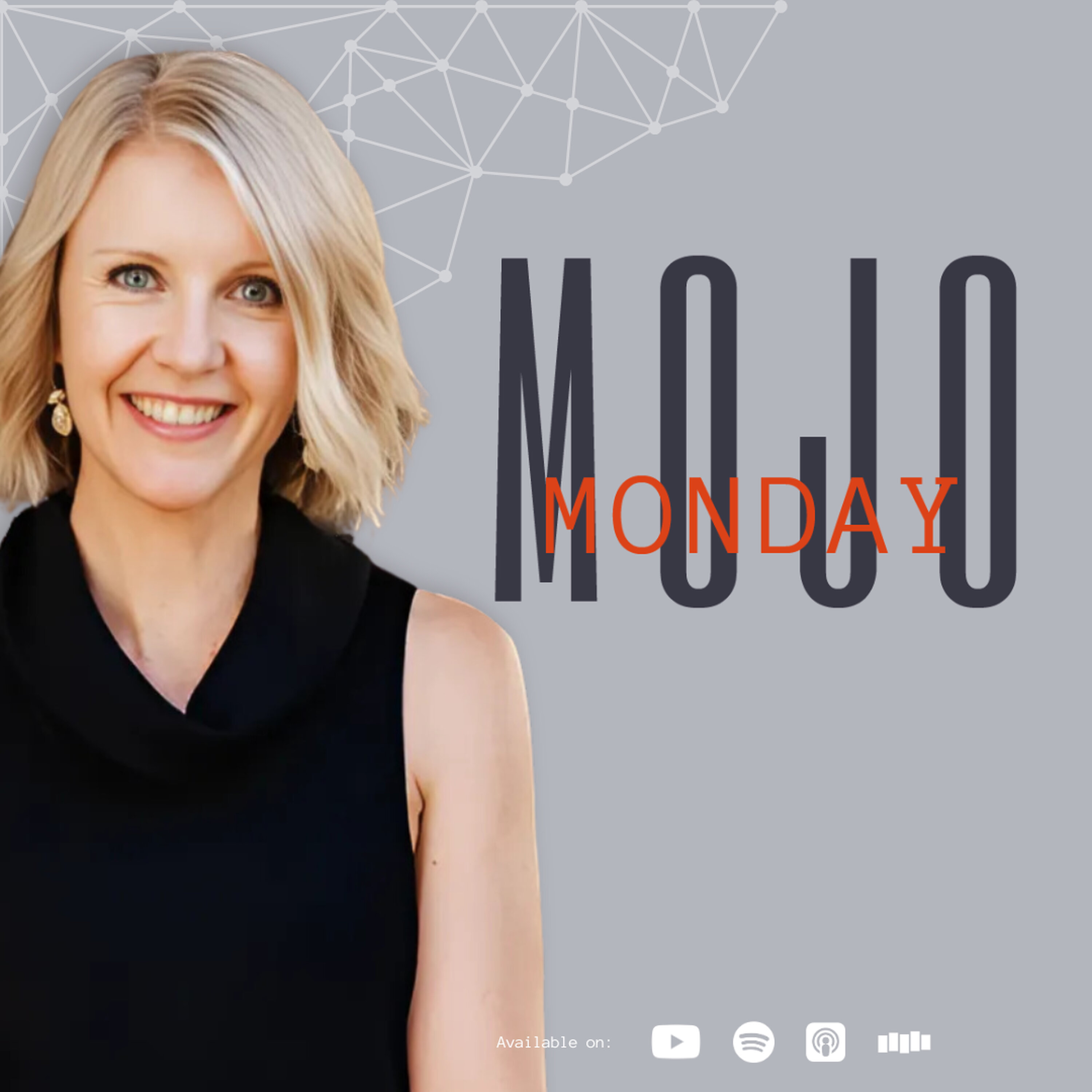 The Best Stressed-Out Mum I Can Be With Carly Taylor 30.08.2026 6minThis week Carly turns to something we all wrestle with, accepting our own human nature. She shares a personal example of what she's been struggling with lately, and the small shift in thinking that took the sting out of it. Carly is a counsellor and coach who specialises in building psychological hardiness, which is the ability to navigate challenge, stay engaged, and take meaningful action under pressure. Her work integrates modern psychology with Eastern and Stoic approaches, helping people build resilience, live with purpose, and respond to life’s challenges with greater clarity, courage and steadiness. See omnystudio.com/listener for privacy information.
 -
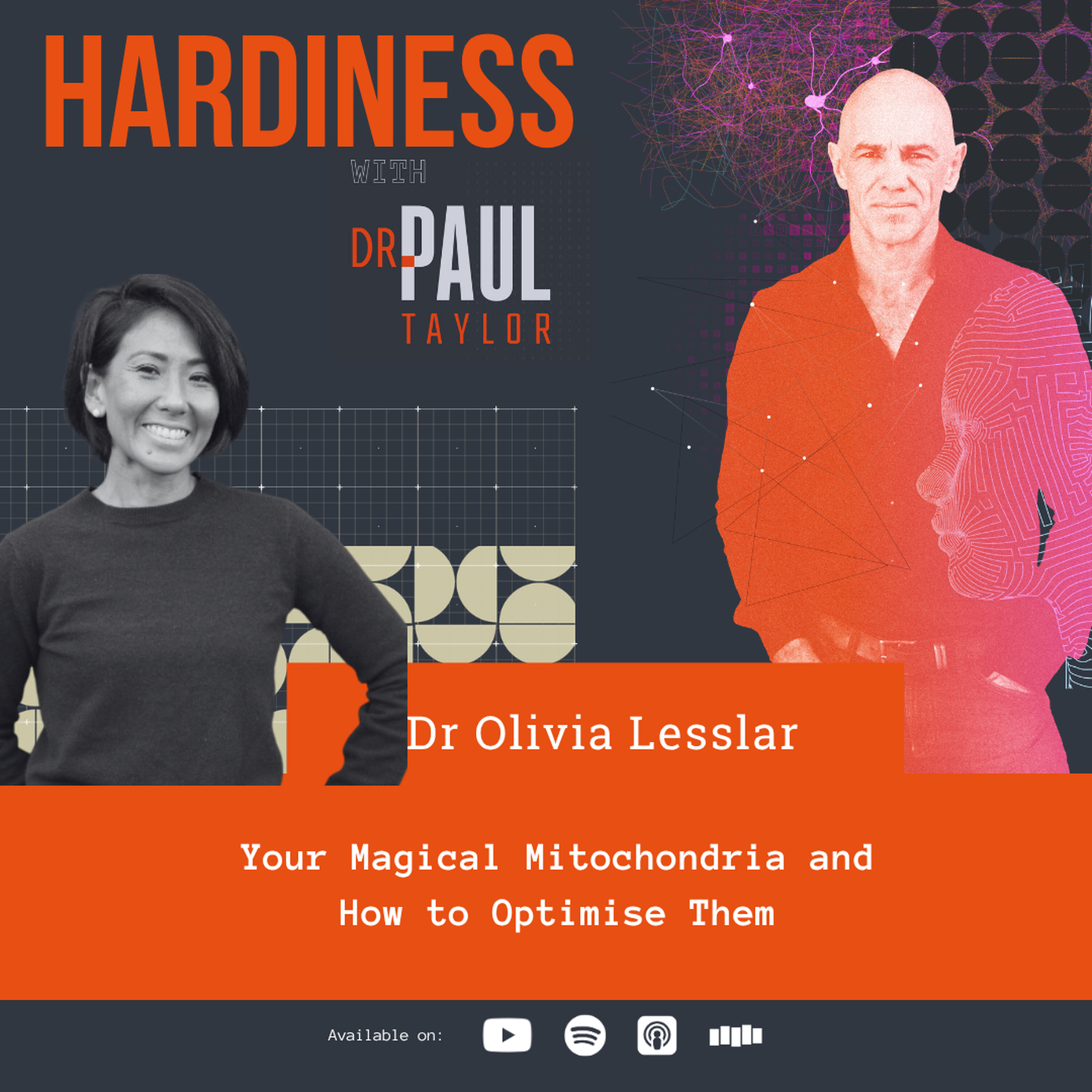 Your Magical Mitochondria - and How to Optimise Them, with Dr Olivia Lesslar 28.08.2026 58minYour anxiety might be a signal, not the problem. Dr. Olivia Lesslar and I break down why chronic stress, mitochondrial dysfunction, and the body’s threat-detection systems can leave you exhausted, inflamed, and stuck in survival mode - and what to do about it. If you’ve been told your symptoms are “just stress,” this conversation will feel like a revelation. Olivia explains how the mind-body connection shows up in complex chronic illness, why mitochondria act like cellular decision-makers, and how the cell danger response can push the body into energy-conserving hibernation when it senses threat. Olivia also shares her framework for adaptive versus maladaptive responses, her thoughts on mitochondrial support nutrients like B vitamins, minerals, iron, copper, zinc, and ubiquinol, and why more is not always better when it comes to longevity tools, supplements, or training. She explains how light, heat, and frequency may be used to support healing in everything from wounds to neurodegenerative disease. You’ll discover: Why your brain, muscles, and mitochondria compete for finite resources How exercise can help or hurt depending on volume, recovery, and intensity The real science behind photo biomodulation, red light, near infrared, and sauna use Why sun exposure, sleep, and circadian timing change how your body handles stress How PEMF and hyperbaric oxygen therapy are being used in complex chronic conditions Why breath work can either calm your nervous system or send you into overdrive Time Stamps 00:00 - Introducing Dr Olivia Lesslar and her work in complex chronic illness 03:02 - Threat detection, stress appraisal, and why cortisol matters 05:40 - What mitochondria are and why they do more than make energy 10:48 - The cell danger response and how cells shift into repair mode 14:57 - Hormesis and why some stress can build resilience 16:07 - Muscle, mitochondria, and the problem with no ceiling on training 19:26 - Extreme exercise theory and the risks of too much volume 23:23 - What photo biomodulation is and how red light affects physiology 25:36 - Healing use cases for red and near infrared light 30:32 - Red light versus near infrared and when each is used 32:25 - Near infrared, heat shock proteins, and neurodegenerative disease 34:57 - Gut-brain axis applications and Parkinson’s research 36:36 - Mitochondrial support supplements and why personalization matters 41:05 - What PEMF is and why Olivia takes it seriously 47:11 - HBOT, pressure levels, and why more oxygen is not always better 52:43 - Breath work, nervous system control, and practical daily breathing Resources Website - https://www.drolivialesslar.com/ LinkedIn - https://www.linkedin.com/in/drolivialesslar/ Instagram - https://www.instagram.com/drolivialesslar/?hl=en If you found this conversation valuable, consider subscribing and leaving a review on your preferred podcast platform. Your feedback helps us continue to bring you insightful discussions on important health topics.See omnystudio.com/listener for privacy information.
 -
The Alcohol & Health Story Isn’t as Simple as You Think: Wisdom Wednesdays 25.08.2026 22minSee omnystudio.com/listener for privacy information.
-
 Four Stoic Steps to Reduce Your Struggle 23.08.2026 7minThis week's Mojo Monday looks at four Stoic steps for cutting down unnecessary suffering, starting with Epictetus's dichotomy of control: sorting what's actually within your control from what isn't, redirecting your attention toward your own response, pivoting into useful action once you've accepted the facts, and taking the view from above for perspective. It also unpacks the difference between rumination and genuine processing, and includes a reflection on ego, injustice, and why choosing not to react can be its own kind of strength. Carly is a counsellor and coach who specialises in building psychological hardiness, which is the ability to navigate challenge, stay engaged, and take meaningful action under pressure. Her work integrates modern psychology with Eastern and Stoic approaches, helping people build resilience, live with purpose, and respond to life’s challenges with greater clarity, courage and steadiness.See omnystudio.com/listener for privacy information.
 -
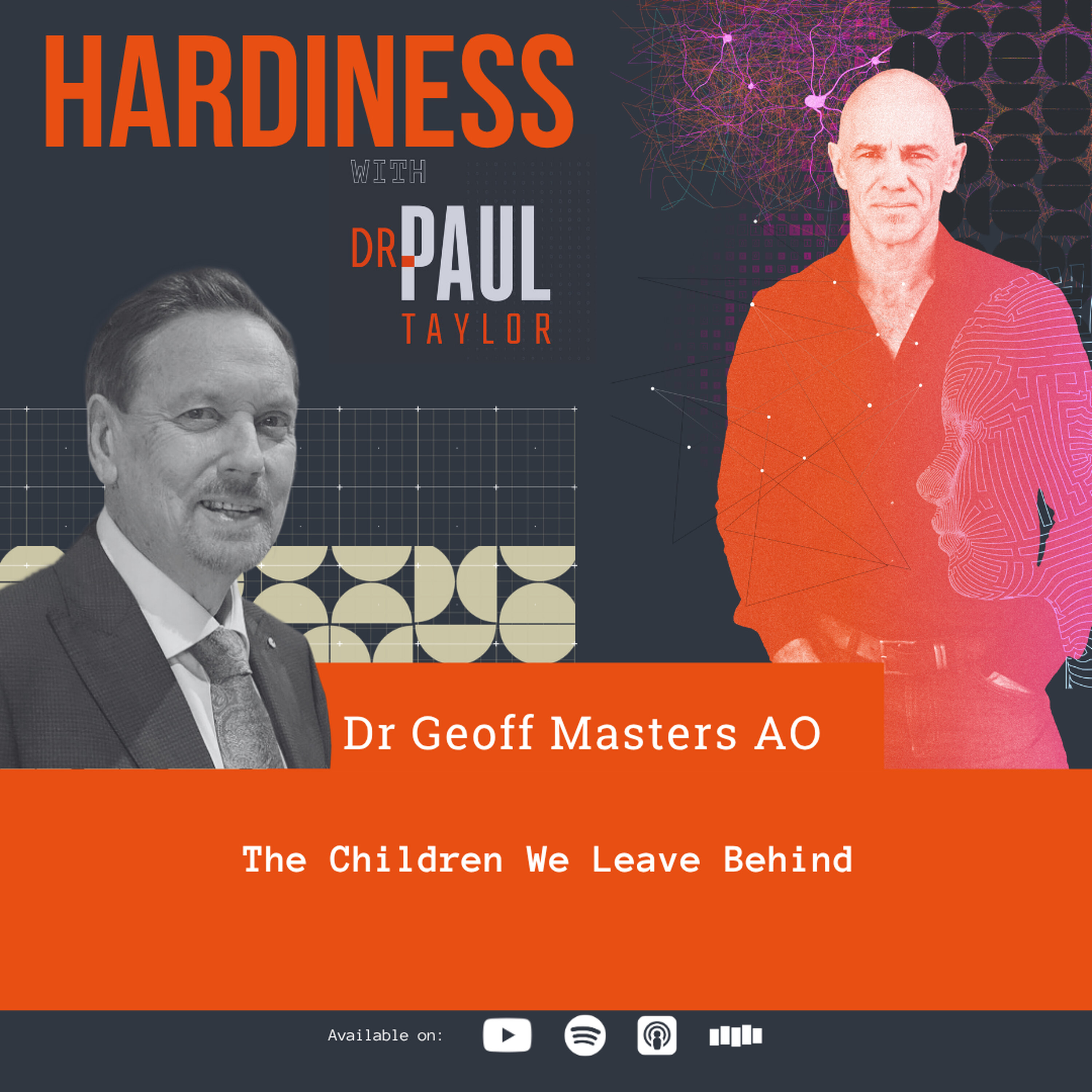 The Children We Leave Behind with Dr. Geoff Masters AO 21.08.2026 49minThe education system is sending kids the wrong message about learning, ability, and success - and it’s leaving far too many behind. Dr. Geoff Masters reveals why age-based schooling, narrow assessment, and one-size-fits-all teaching are failing students, and what a smarter redesign could look like. Geoff is the former head of the Australian Council for Educational Research, explains the hidden lessons schools teach children: that learning is for pleasing others, that the body is separate from the mind, that learning happens alone, and that progress is just a sequence of disconnected content chunks. He shows how those assumptions shape disengagement, frustration, and the belief that some kids are simply “good” or “bad” learners. You’ll discover: Why 40 to 50 percent of students are disengaged in the middle years Why the top 10 percent in a year level can be five to six years ahead of the bottom 10 percent Why that makes the current model nearly impossible for one teacher to meet. Geoff also breaks down how assessment should change from “how well did you learn what I just taught?” to “where are you up to now, and what comes next? “We also unpack what schools can borrow from Finland, Hong Kong, and Wales, including multi-year learning spans, progression steps, and greater teacher autonomy. Geoff and I explore why scripted lessons and rigid standardisation often backfire, how teacher expectations shape student outcomes, and why rebuilding self-efficacy starts with showing children the progress they are already making. Key Takeaways 00:30 - From science teacher to educational research leader01:27 - How educational research shapes policy and school systems02:18 - Why The Children We Leave Behind was written04:39 - What the system teaches students about learning05:45 - Learning as cognitive only, and the body being left out06:52 - Learning as isolated and competitive rather than social07:52 - The problem with treating learning as disconnected content chunks09:45 - Why the early years handle learning better than the senior years10:52 - University, relevance, and preparation for the real world12:03 - What schools teach students about their ability as learners13:53 - Disengagement in the middle years and the loss of agency15:13 - Why age is a poor proxy for learning needs17:09 - Why the system needs redesign, not just small fixes19:23 - Moving from age-based grouping to individual learning pathways20:29 - Why assessment should measure progress, not just completion22:40 - Building self-efficacy by making progress visible23:30 - Teacher expectations and their impact on student outcomes25:16 - Why this is a whole-school and system-level challenge26:56 - How much autonomy schools actually have27:25 - Rethinking learning across year spans instead of single year levels29:37 - Examples from Finland and three-year schooling phases31:41 - Wales and progression steps instead of year-level lockstep32:46 - Why Finland’s teacher preparation and autonomy matter34:15 - The downside of scripted lessons and excessive prescription35:58 - Standardisation versus true evidence-based teaching37:19 - What parents can do to support engagement and growth38:44 - Whether learning styles are real and how schools should respond40:22 - If education were redesigned from scratch41:20 - Music, proficiency levels, and learning as a continuum42:46 - Organising mathematics around proficiency levels43:41 - Using growth data to guide teaching and communicate progress44:58 - Why teacher quality and pay need to rise together47:48 - What society values, and why education needs a new starting point Resources Geoff’s book: The Children We Leave Behind LinkedIn - https://www.linkedin.com/in/geoff-masters-a8526a88/ Institute for Educational Reform: https://educationalreform.org.au/who-we-are/ Support the Podcast If you found this conversation valuable, consider subscribing and leaving a review on your preferred podcast platform. Your feedback helps us continue to bring you insightful discussions on important health topics.See omnystudio.com/listener for privacy information.
 -
Here's a surprisingly effective, easy-to-do longevity and mental health practice the won't cost a cent: Wisdom Wednesdays 18.08.2026 15minSee omnystudio.com/listener for privacy information.
-
 Emotions and Waves With Carly Taylor 16.08.2026 7minCarly is a counsellor and coach who specialises in building psychological hardiness, which is the ability to navigate challenge, stay engaged, and take meaningful action under pressure. Her work integrates modern psychology with Eastern and Stoic approaches, helping people build resilience, live with purpose, and respond to life’s challenges with greater clarity, courage and steadiness.See omnystudio.com/listener for privacy information.
 -
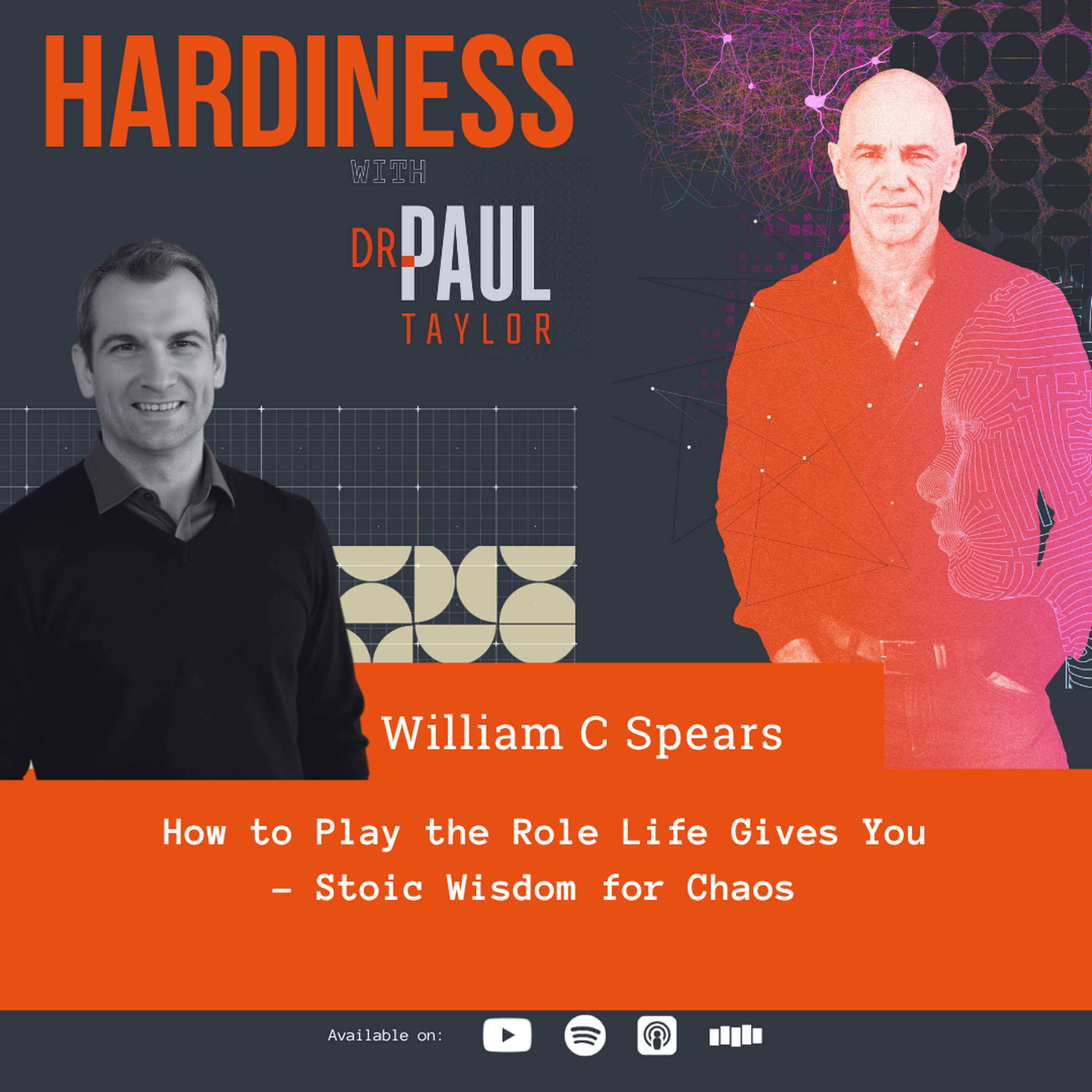 How to Play the Role Life Gives You - Stoic Wisdom for Chaos with William C Spears 14.08.2026 55minStoicism is not soft self-help - it's the philosophy that helped prisoners survive torture, submariners survive confinement, and warriors keep their heads when everything else is falling apart. William C. Spears shows why this ancient mindset still matters on the ocean floor, on the battlefield, and in your everyday life. I chat with William C. Spears, an active-duty US Navy submarine officer and author of Stoicism as a Warrior Philosophy, to explore why stoicism resonates so deeply in military life. From the brutal reality of hot bunking and months underwater to the moral pressure of captivity, William explains why the Stoics were right about freedom, duty, and character - even when you have zero control over the situation around you. You’ll discover: Why the submarine environment is the ultimate test of composure and team culture How Vice Admiral James Stockdale turned Epictetus into a survival framework in the Hanoi Hilton The Stoic meaning of honour, and why it matters when nobody is watching How the four cardinal virtues - wisdom, courage, temperance, and justice - work together in real life Why the dichotomy of control is more than a slogan when your options are limited by pressure, fear, or fate William also breaks down how to apply Stoicism outside the military, whether you're facing parenting stress, illness, grief, work pressure, or just trying to be the kind of person others can rely on. This conversation makes the case that virtue isn't abstract philosophy - it's practical training for being a better human under pressure. Time Stamps 07:18 The Influence of Stoicism in the Military 18:14 The Dichotomy of Control in Submarine Operations 27:51 The Essence of Stoic Virtue 29:58 Understanding Virtue in Stoicism 35:46 The Cardinal Virtues Explained 38:42 Applying Stoicism in Daily Life 43:53 Choosing the Hard Path 46:39 The Warrior Mindset Beyond the Battlefield 51:39 Playing Your Role in Society Resources William’s Book: Stoicism As A Warrior Philosophy Website: https://williamcspears.com/ X: htttps://X.com@WilliamCSpears Instragram: https://www.instagram.com/william.c.spears/ Substack: https://williamcspears.substack.com/ Support the Podcast If you found this conversation valuable, consider subscribing and leaving a review on your preferred podcast platform. Your feedback helps us continue to bring you insightful discussions on important health topics. See omnystudio.com/listener for privacy information.
 -
Your water bottle is influencing your response to stress: Wisdom Wednesdays 11.08.2026 9minSee omnystudio.com/listener for privacy information.
-
 Choose Growth Over Discomfort With Carly Taylor 09.08.2026 4minCarly is a counsellor and coach who specialises in building psychological hardiness, which is the ability to navigate challenge, stay engaged, and take meaningful action under pressure. Her work integrates modern psychology with Eastern and Stoic approaches, helping people build resilience, live with purpose, and respond to life’s challenges with greater clarity, courage and steadiness.See omnystudio.com/listener for privacy information.
Podcast serupa


Popular di
Podcast ini turut muncul dalam senarai podcast negara-negara ini.

