
The KIPS Podcast with Tyler Valencia
KIPS Fitness
0
The KIPS Podcast with Tyler Valencia offers practical advice for fitness professionals, including personal trainers, group exercise instructors, and strength coaches. Through interviews with industry experts, it covers emerging trends, training techniques, and business strategies. Episodes also explore specialized topics like marketing, communication, and program design to help listeners grow their careers.
Afleveringen
-
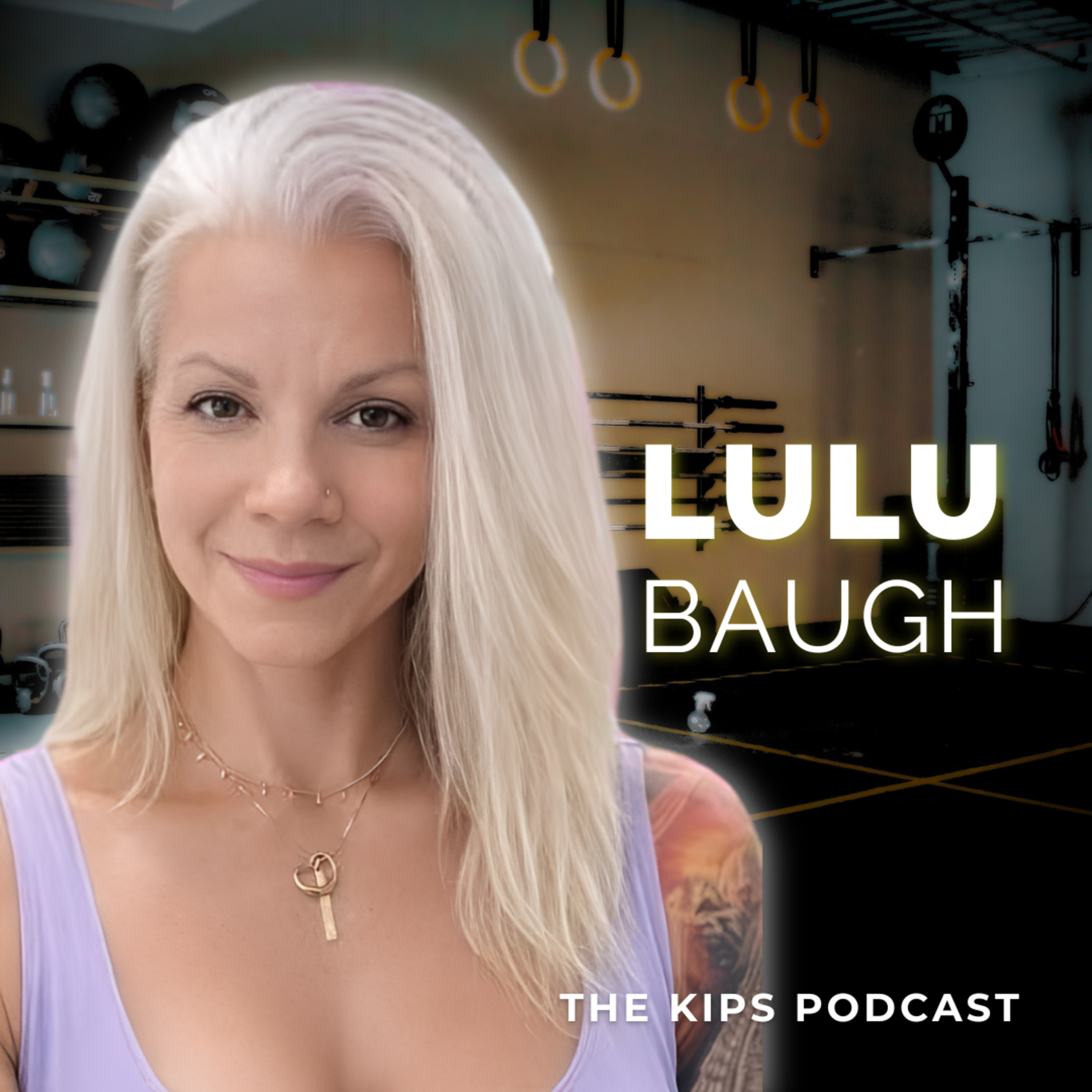 Beyond the Comfort Zone: The Mindset of High-Performance Trainers feat. Lulu Baugh (EP 153) 14.09.2026 43minBeing a high-performance personal trainer isn't just about advanced exercise science—it demands courage, self-identity, and the willingness to consistently push outside your comfort zone. In a fitness landscape dominated by low-cost corporate chains and flashy online trends, how do independent coaches build authentic brands and scale physical spaces that actually last? In this episode of the KIPS Podcast, host Tyler Valencia, Ph.D.(c), sits down with Lulu Baugh, founder and owner of Lulu B Fit. Lulu shares the real-world operational challenges of transitioning from an individual trainer to an independent gym owner. Discover why competing on price is a race to the bottom, how to turn casual social media followers into paying clients, and the essential systems needed to prevent operational burnout. Plus, Lulu delivers rapid-fire insights on rookie gym owner financial mistakes, the biggest misconceptions about the Miami market, and her non-negotiable daily standard of professionalism.⏱️ Podcast Chapters:(00:00) - Intro: The Personal Side of High Performance (01:34) - Defining the High-Performance Personal Trainer (04:35) - Stepping Outside the Comfort Zone: Lulu's Fitness Journey (14:07) - From Solo Coach to Facility Owner: Knowing When to Scale (19:45) - The Burnout Trap: Protecting Personal Energy & Systems (26:20) - Developing an Authentic Brand in a Crowded Market (32:09) - Social Media Reality: Converting Followers into Foot Traffic (35:33) - Defending Value vs. Discounting: Lessons from the Miami Market (37:21) - Quick Hits: Rookie Mistakes, Professional Standards & Survival TraitsJoin our email list - CLICK HERE.KIPS on Instagram -CLICK HERE. KIPS Education Courses -CLICK HERE. 🔗 Connect with Lulu Baugh:Instagram: https://www.instagram.com/lulubfit/Facebook: https://www.facebook.com/profile.php?id=100057441070595Website: https://lulubefit.com/
 -
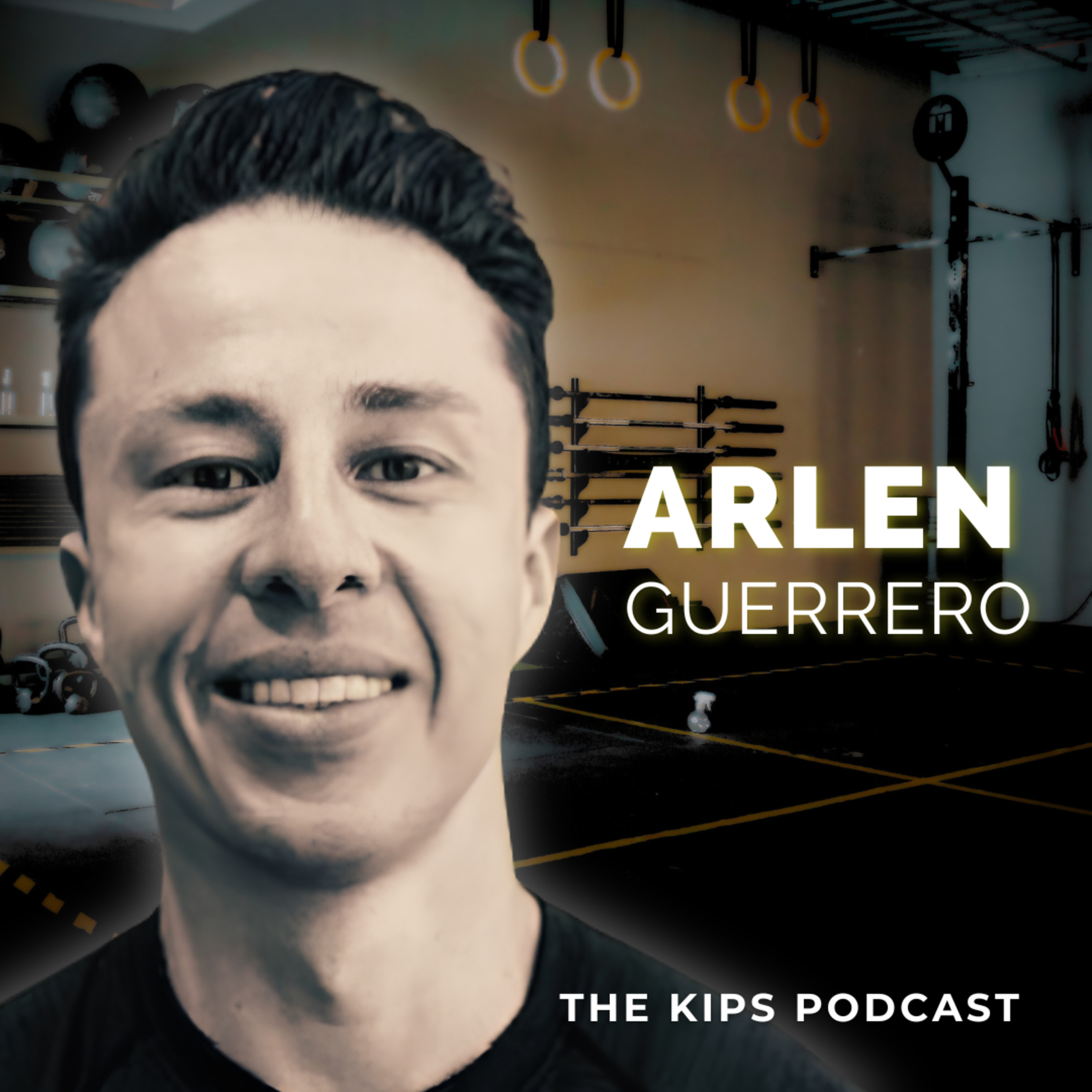 Being a High Performance Personal Trainer feat. Arlen Guerrero (EP 152) 11.08.2026 42minStepping onto a luxury gym floor as a personal trainer presents an immediate reality check: technical exercise science is only a baseline filter. Building a full book of business and achieving multi-year client retention demands elite soft skills, emotional intelligence, and hospitality. In this episode of the KIPS Podcast, host Tyler Valencia, Ph.D.(c), connects with Arlen Guerrero, Director of Education at Equinox. Arlen provides an inside look at how high-expectation fitness environments operate, mapping out what truly separates elite coaches from those who struggle. We explore the "culture shock" of moving from academic textbooks to high-end floors, identify the subtle time-wasting traps that stall career progression, and reveal the exact tipping point where programming must yield to active listening and hospitality. Plus, Arlen shares actionable quick-hit insights on handling late-arriving clients, crafting powerful 30-second session check-ins, and building weekly habits for continuous coaching evolution.Join our email list - CLICK HERE.KIPS on Instagram -CLICK HERE. KIPS Education Courses -CLICK HERE. Connect with Arlen Guerrero on Instagram - CLICK HERE. Connect with Arlen Guerrero on LinkedIn - CLICK HERE. Podcast Chapters:(00:00) - Intro: Defining the High-Performance Trainer(04:52) - Establishing a Personal Trainer Brand(08:24) - The Mindset Behind Full Client Books & Multi-Year Retention(13:28) - The Tipping Point: Exercise Science vs. Hospitality & Soft Skills(16:01) - Culture Shock: Moving from Textbooks to the Luxury Floor(24:34) - Do You Have to Be Competitive to Succeed in Fitness?(33:06) - The Non-Negotiable "X-Factor" Trait for Elite Coaches(35:54) - Quick Hits: Degrees, 30-Second Check-ins & Handling Late Clients(37:16) - Weekly Habits of Top-Tier Personal Trainers
 -
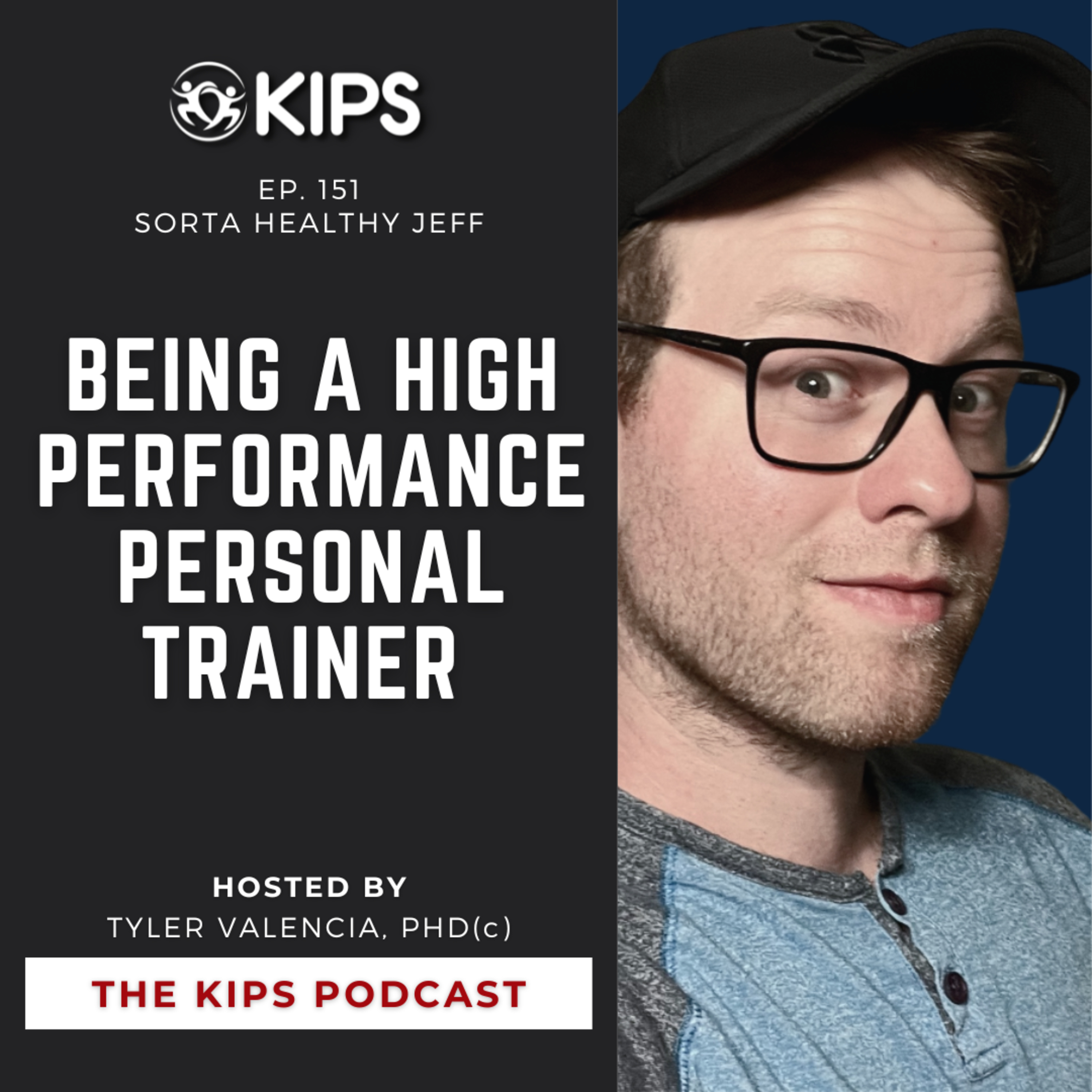 Being a High Performance Personal Trainer feat. Sorta Healthy Jeff (EP 151) 09.07.2026 40minEarning your fitness credential is gratifying, but turning that piece of paper into a highly profitable career requires moving beyond textbook anatomy and treating your floor presence as a true enterprise. Why do some trainers build packed, premium client lists while others struggle to make a living wage? In this episode of the KIPS Podcast, host Tyler Valencia, Ph.D.(c), sits down with industry specialist Jeff from Sorta Healthy to map out the exact traits, habits, and skills required to become a high-performance personal trainer. We deconstruct what it truly means to operate as a fitness professional, challenge the myth that you need a cutthroat, competitive personality to win clients, and reveal the absolute number-one quality shared by all successful personal trainers. Jeff shares an unfiltered look at his early career struggles, highlighting the critical lessons every coach must learn to survive their first year. We also expose the hidden time-wasting traps—specifically the areas where trainers focus too much energy that do NOT actually contribute to career advancement—and list the 3 core skills you must master in year one. What we unpack in our Quick Hits segment:Advanced Degrees: Where a college diploma actually helps your income trajectory. The Certification Truth: T/F on whether an accredited certification guarantees success on the floor. The 2026 Digital Blueprint: T/F on the absolute necessity of a social media marketing strategy in 2026. Hiring Manager Secrets: The precise traits that make an owner feel 100% confident a new trainer will succeed.Join our email list - CLICK HERE.KIPS on Instagram -CLICK HERE. KIPS Education Courses -CLICK HERE. Follow @SortaHealthyTrainerEducationJeff’s Instagram - CLICK HERE. Podcast Chapters(00:00) - Podcast Welcome & Guest Intro: Sorta Healthy Jeff(02:15) - What Does it Actually Mean to Be a Fitness Professional(11:54) - Revealed: The #1 Quality Found in All Successful Personal Trainers(23:03) - The Stagnation Traps: Areas Trainers Waste Time on That Don't Advance Careers(26:09) - Key Hiring Tips for Personal Trainers(32:01) - Quick Hits: Where Do Advanced Degrees Actually Help Trainers(35:40) - True or False: Do You Need an Accredited Cert to Be Successful(37:16) - True or False: The Social Media Marketing Mandate in 2026(39:48) - Hiring Manager Secrets: Key Traits That Prove a New Trainer Will Succeed
 -
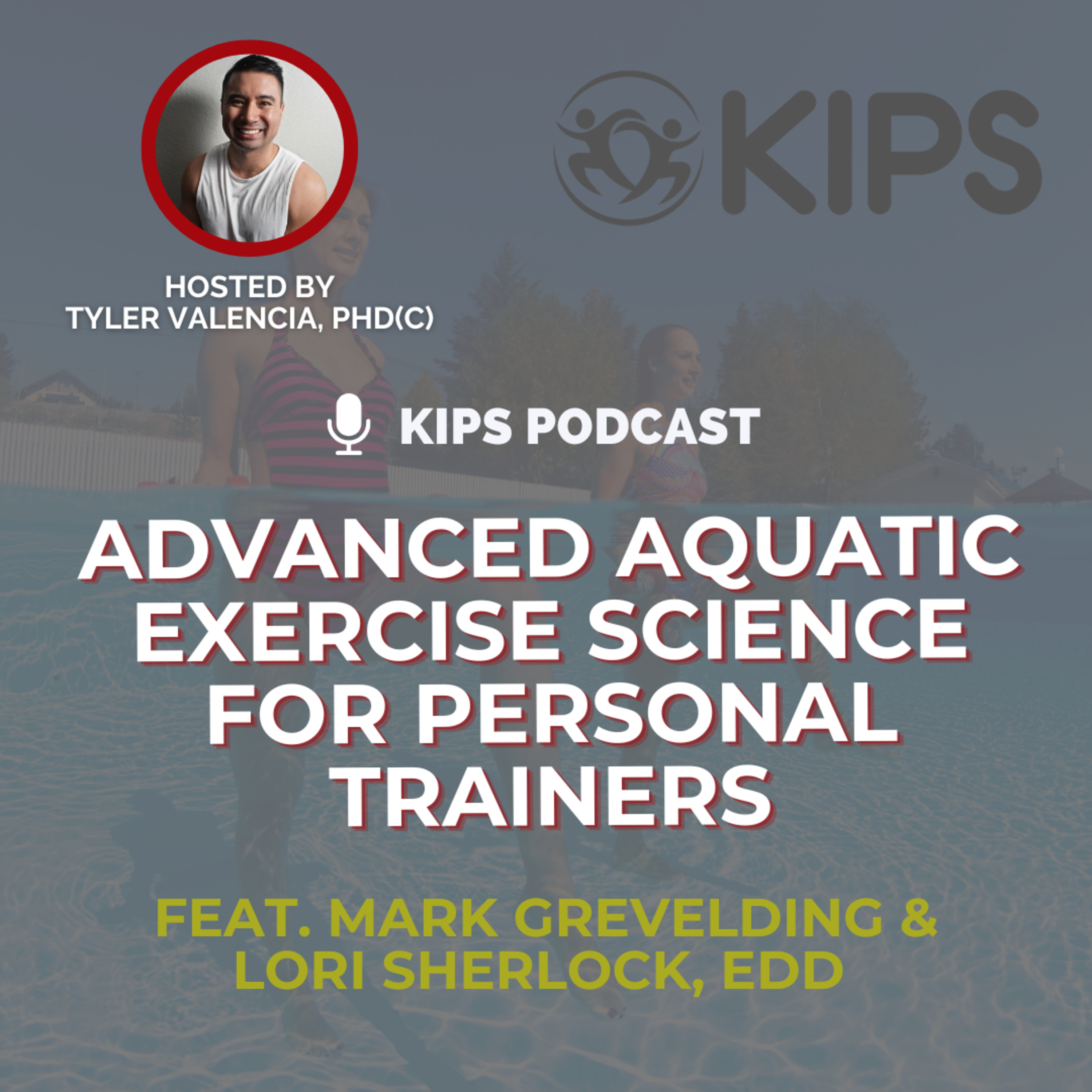 Advanced Aquatic Exercise Science for Personal Trainers feat. Mark Grevelding & Lori Sherlock, EdD 30.06.2026 48minWater fitness continues to battle the unfair stereotype that it is strictly for the elderly or for low-intensity rehab. But through the lens of advanced exercise physiology, the pool is an elite training ground for active recovery, metabolic conditioning, and athletic adaptation. In this episode of the KIPS Podcast, we explore advanced aquatic exercise science. We are joined by Dr. Lori Sherlock, EdD, a professor of exercise physiology who leads the nation's only aquatic therapy program, and Mark Grevelding, founder of PoolFit.tv and the 2011 AEA Global Award for Aquatic Fitness Professional of the Year.Discover how hydrostatic pressure fundamentally shifts heart rate zones, how land-based personal trainers can utilize wearables in the water, and the exact strategic scripts required to partner with local HOAs, community centers, or boutique hotels to lease lane space. We also audit the absolute medical contraindications that require a hard stop before introducing clients to pool workouts.What we cover in this episode:The Physiological Shift: Tracking altered heart rate zones and water kinetics via wearables. The Athlete Pitch: Position pool programming as a premium active recovery tool for younger, high-paying demographics. The Real Estate Play: Sourcing pool access by leasing lane spaces from boutique hotels and HOAs. Safety Protocols: Screening for absolute and relative medical contraindications to safeguard your business.Join our email list - CLICK HERE.KIPS on Instagram -CLICK HERE. KIPS Education Courses -CLICK HERE. ⏱️ Video Chapters:(00:00) - Podcast Introduction: Shattering the Aquatic Stereotype(03:25) - Meet Dr. Lori Sherlock: Aquatic Therapy & Exercise Physiology(04:30) - Meet Mark Grevelding: Fitmotivation.com & AEA Instructor(06:16) - The Elevator Pitch for Incorporating Aquatic Workouts(07:37) - Pitching High-Paying, Younger Demographics & Students(11:12) - Pool Equipment: Water is Your Best Tool(16:43) - The "No Pool" Blueprint: How to Lease Lane Space from HOAs & Hotels(19:58) - The Kinesiology of Pool Workouts: Heart Rates & Wearables(27:51) - Medical Screening: Absolute and Relative Contraindications
 -
 The Neural Core: Integrating the Nervous System into Pelvic Floor Training (feat. Valerie Brown, DPT) 27.05.2026 39minThink core training is just about planks, crunches, and building visible six-pack muscles? True stability goes far deeper. Exceptional core functionality relies on the central nervous system to perfectly coordinate intra-abdominal pressure, deep stabilizers, and pelvic floor health.In this episode of the KIPS Podcast, host Tyler Valencia, PhD(c), and Valerie Brown, DPT, break down the functional mechanics of the "deep core canister." We explore how the nervous system governs reflexive stabilization timing and why traditional coaching cues might actually be causing your clients structural harm.Discover a modern, evidence-based approach to deep core programming that bridges the gap between neural motor control and practical gym floor application to ensure true structural longevity for your clients.What we cover in this episode:The Missing Link: How the central nervous system controls and patterns the deep abdominal wall and pelvic base.The Abdominal Hollowing Myth: Why telling clients to "suck it in" alters normal pelvic function and breathing.Engineered Precision Cueing: How to coach 360-degree diaphragmatic respiration to seamlessly trigger pelvic activation.Practical Programming: Selecting and scaling exercises that challenge deep core stability reflexively under load.About Valerie Brown, DPTDr. Valerie Brown, DPT, is a pelvic health physical therapist with expertise in neurologic and orthopedic rehabilitation, focusing on pelvic floor function, nervous system regulation, and trauma-informed care. Her work connects rehabilitation, performance, and embodiment—helping clients not only reduce symptoms but also enhance resilience, movement, and body awareness. Committed to helping women find Pleasure, Power & Purpose, Val created the Vital Axis Method™—a framework based on Structure, Sensation, and Sovereignty.Join our email list - CLICK HERE.KIPS on Instagram -CLICK HERE. KIPS Education Courses -CLICK HERE. 🎙️Podcast Chapters🎙️(00:00) - KIPS Podcast Welcome(00:43) - Valerie Brown’s Background(00:55) - What’s in this episode?(02:16) - Defining the Core(04:14) - Trainers Interested in Pelvic Floor Health(08:11) - Strained Nervous System Symptoms(12:14) - What is HRV?(15:04) - What is core bracing?(18:46) - Client Buy-in(21:30) - Prepping the Nervous System(23:30) - Vagal Nerve Stimulation(27:59) - Foot-Hip Connection to Core(34:05) - Weak Pelvic Floor
 -
 Shannon Hudson | Punch Up Your Profits: Why Kickboxing is the Top-Grossing Specialization in 2026 13.04.2026 34minAs a kickboxing instructor, you have the opportunity to enhance your longevity in the fitness industry. Kickboxing is rapidly becoming one of the top-grossing specializations, appealing to a diverse client base that ranges from beginners to seasoned athletes. By incorporating kickboxing into your training repertoire, you can engage clients like never before, fostering their motivation and commitment to their fitness journeys.Shannon Hudson, the CEO of Striking Brands (the parent company of 9Round Kickboxing and I Love Kickboxing), shares his insights on the effectiveness of kickboxing workouts and how trainers can improve client retention. With years of experience in the fitness industry, Shannon has dedicated his career not only to mastering the art of kickboxing but also to empowering others to teach it.What is kickboxing?Kickboxing at the gym is a dynamic and engaging fitness program that combines elements of martial arts with high-intensity cardio, making it a favorite among various fitness enthusiasts. Its popularity has surged, particularly among women, as it provides a powerful workout that emphasizes strength, endurance, and coordination. In 2026, kickboxing is expected to be among the top-grossing specializations, attracting a diverse audience from beginners to seasoned athletes.As a personal trainer, incorporating kickboxing into your program can enhance client engagement and retention. Clients often report increased motivation and enjoyment from kickboxing classes, leading to longer commitment to the classes. Kickboxing is also highly effective for burning calories and improving overall fitness levels. Its ability to combine functional strength training with cardiovascular conditioning makes it an excellent choice for clients looking to break through plateaus and achieve their fitness goals while having fun.Connect with Shannon Hudson:Instagram: CLICK HERE. Striking Brands: CLICK HERE. Join our email list - CLICK HERE.KIPS on Instagram -CLICK HERE. KIPS Education Courses -CLICK HERE. Podcast Chapters(00:00) - KIPS Podcast Welcome(01:15) - Teach Group Fitness(02:56) - Shannon Hudson’s Background(10:34) - Do you need a martial arts background?(13:20) - Teaching to a Group(16:51) - Certification Demands(19:02) - Kickboxing’s Popularity(21:47) - Who takes kickboxing classes?(24:19) - How much does it cost to teach kickboxing?(28:12) - What are the different types of kickboxing?
 -
 Desi Bartlett, EdD | Thrive Over 40: Coaching Women Through Menopause and Beyond 09.03.2026 34minJoin us for an enlightening episode of the KIPS Podcast featuring Dr. Desi Bartlett, a leading expert in women's health and fitness, as we delve into the unique challenges and solutions for training women over 40. In this episode, we explore crucial topics such as strength training, hormone replacement therapy (HRT), and strategies for overcoming common obstacles, including joint stiffness and visceral fat gain. Dr. Bartlett shares her extensive experience and insights, highlighting how trainers can implement personalized exercise plans that cater to the hormonal changes and fitness goals of this demographic. Learn about protein timing, the importance of heavy resistance for bone density, and the impact of high-intensity training on cortisol levels. Whether you’re a personal trainer or a woman navigating fitness after 40, this episode offers valuable advice and practical tips to enhance health and well-being. Don’t miss out—follow and join the conversation! Follow Dr. Bartlett on Instagram and Facebook for more insights!Topics included in this episode:Hormone replacement therapy (HRT) for women over 40Strength training guidelines Coaching women going through hot flashes and experiencing brain fogHow to develop content for social media that attracts this demographicDr. Bartlett's IG - CLICK HERE. Dr. Bartlett's FB - CLICK HERE. Join our email list - CLICK HERE.KIPS on Instagram -CLICK HERE. KIPS Education Courses -CLICK HERE. Podcast Chapters(00:00) - KIPS Podcast Welcome(01:06) - Client-Trainer Relationship(01:59) - Dr. Desi Bartlett’s Background(03:33) - Market for Training Women Over 40(05:02) - Marketing to Women Over 40(07:06) - Lifting Heavy Weights(10:14) - Sleep Performance(13:39) - Hormone Replacement Therapy(16:06) - Nutrition Coaching(18:26) - Creatine Supplementation(21:23) - Weight Loss Conversations(23:02) - Strength Training Guidelines(25:18) - GL-P1 for Women Over 40(28:43) - Mental Coaching Tips(31:00) - Wearables (32:39) - Supplement Recommendations
 -
 Ruben P. Thickstun | Leveraging Social Media to Build Your Fitness Career 17.02.2026 38minJoin us for an enlightening episode of the KIPS Podcast featuring Ruben P. Thickstun, where we dive deep into the transformative power of social media for fitness professionals in 2026! Learn how to effectively market your fitness business and grow your online presence with practical strategies and innovative content ideas. Ruben shares his wealth of experience as a senior fitness specialist and the 2024 IDEA Trailblazer of the Year, offering insights into the latest social media trends that can help you attract more clients and engage your audience. Discover the best platforms for fitness engagement, avoid common social media mistakes, and learn how to create compelling content that resonates with your target market. Plus, we’ll cover the importance of community interaction and the benefits of collaboration with other fitness influencers. Don’t miss this opportunity to elevate your fitness career through social media!Ruben's IG - CLICK HERE.Join our email list - CLICK HERE.KIPS on Instagram -CLICK HERE. KIPS Education Courses -CLICK HERE. Podcast Chapters(00:00) - KIPS Podcast Welcome(01:18) - Leveraging Social Media(03:00) - Who is Ruben P. Thickstun(06:05) - Where to start with social media?(07:09) - Changes in Social Media(17:41) - Common Mistakes(21:04) - What’s still relevant?(25:42) - Social Media Collaborations(33:44) - Brand Accounts(35:52) - How often to post?
 -
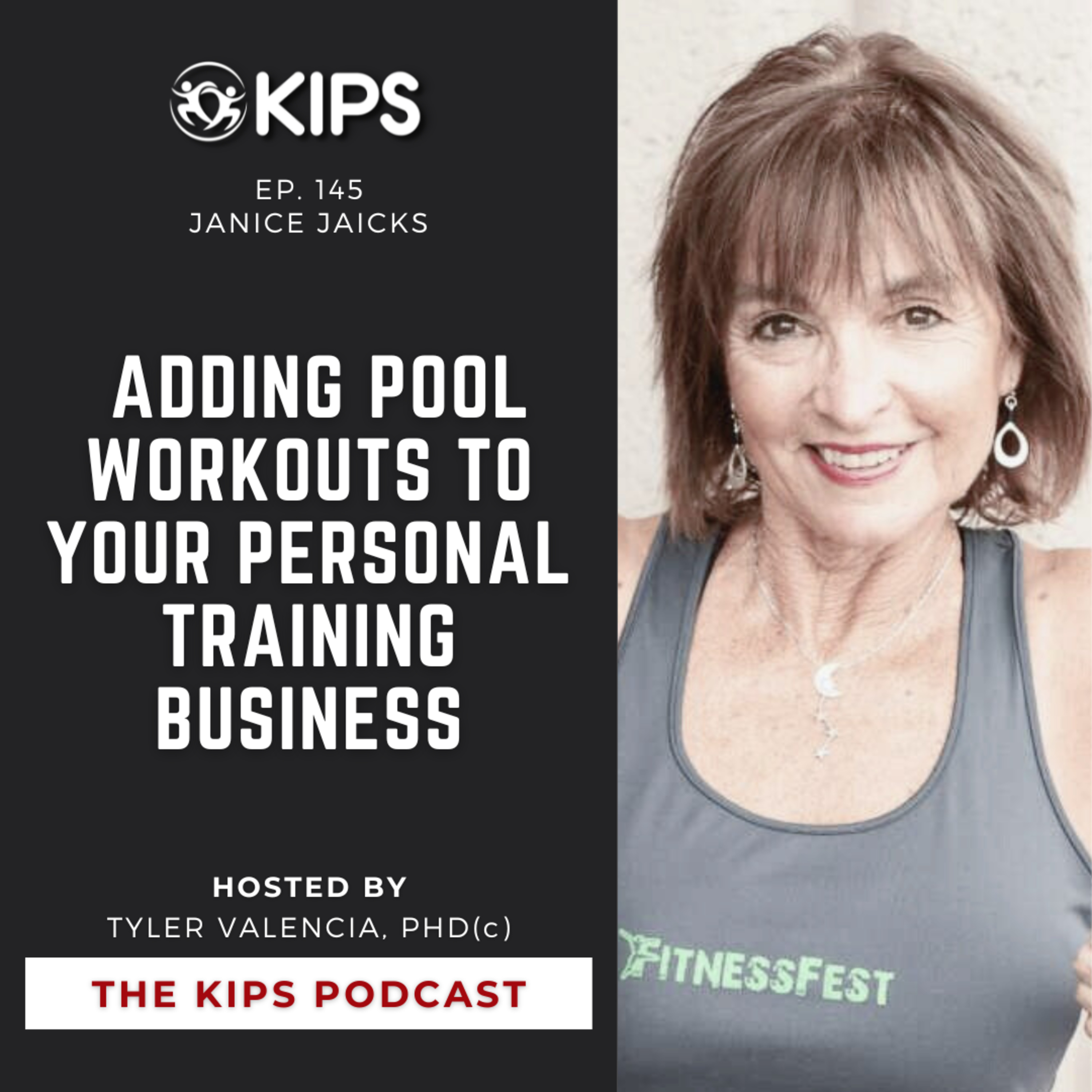 Janice Jaicks | Effectively Adding Pool Workouts to Your Personal Training Business 19.01.2026 38minTraining clients in the pool is one of the most underrated strategies for attracting personal training clients. This unique environment offers a refreshing alternative to traditional land-based workouts, tapping into the therapeutic and invigorating properties of water. With its natural resistance and low-impact benefits, aquatic exercise caters to a diverse range of clients, including those with injuries or mobility limitations. By incorporating pool sessions, trainers not only enhance their service offerings but also create a fun, engaging atmosphere that appeals to both novice and experienced clients. Embracing aquatic training can set personal trainers apart in a competitive market.Returning guest Janice Jaicks shares her over three decades of experience training clients in the pool. Janice is the owner of the Phoenix-based fitness conference, FitnessFest, but is also an aquatics professional. She owns an aquatic-based training business in the Phoenix metropolitan area and sells aquatic-based education for fitness instructors.Safety Precautions for Pool WorkoutsWhen training clients in the pool, safety is paramount to prevent accidents and injuries. One key precaution is ensuring clients wear appropriate water shoes. Water shoes provide grip and protect feet from rough pool surfaces or hidden debris, greatly reducing the risk of slips and falls. Slippery surfaces are common around and inside pools, so it's crucial to keep the pool deck clean and dry whenever possible, and to remind clients to walk carefully when entering or exiting the water. As a personal trainer, always try out exercises in the pool before introducing them to clients. This allows you to assess the difficulty, identify potential risks, and understand the movement mechanics in a water environment. Testing exercises first ensures they are suitable for your clients’ abilities and enables you to demonstrate them with confidence, further promoting safe practices and building trust during aquatic training sessions.Benefits of Pool WorkoutsTraining clients in the pool offers numerous health benefits due to the water's unique properties. Aquatic exercise provides natural resistance, which helps improve muscular strength and endurance without the need for heavy weights (Chodzko-Zajko et al., 2009). Water's buoyancy reduces joint impact, making it an ideal environment for clients with arthritis, injuries, or mobility limitations (Nagle & Sanders, 2010). Additionally, water-based workouts enhance cardiovascular fitness because moving through water increases heart rate and circulation (Takeshima et al., 2002). Pool training also supports flexibility and balance, as the water's resistance and support allow for a greater range of motion and stability during exercise. Furthermore, exercising in water can boost mental well-being by reducing stress and promoting relaxation. Overall, aquatic training is a versatile and effective approach to improving physical health and wellness for a diverse range of clients.FitnessFest Website - CLICK HERE. Fitness on Instagram - CLICK HERE. Join our email list - CLICK HERE.KIPS on Instagram - CLICK HERE. KIPS Education Courses - CLICK HERE. Podcast Chapters(00:00) - KIPS Podcast Welcome(01:47) - Render More Personal Training Sessions(03:26) - Who is Janice Jaicks?(06:26) - Aqua Fitness Basics for Trainers(13:00) - Pool Safety Precautions(21:22) - Stages of Learning in the Pool(25:07) - Overhead Presses in the Pool(29:41) - Aqua Fitness Education
 -
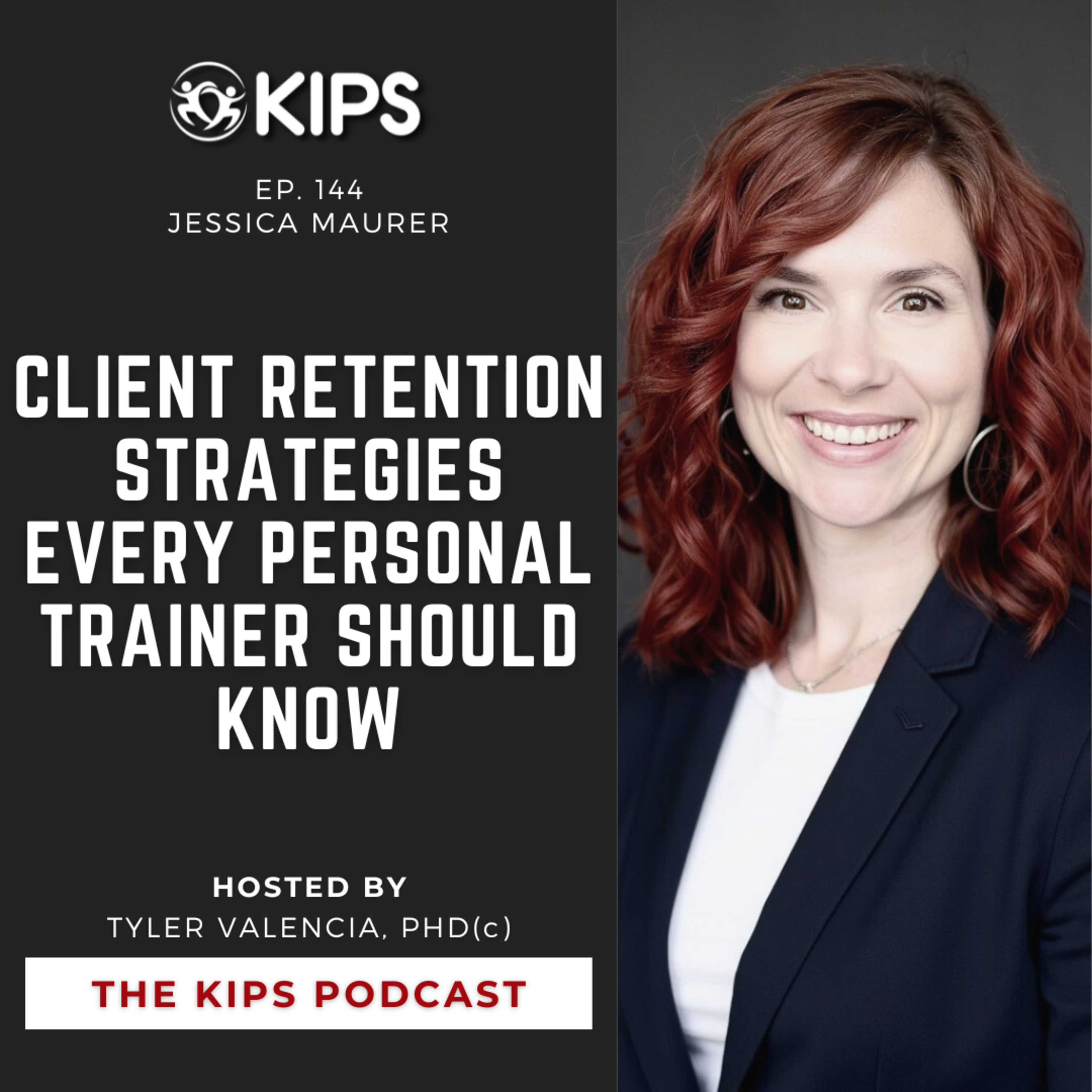 Jessica Maurer | Top Client Retention Strategies Every Personal Trainer Should Know 04.12.2025 37minEnhancing client retention as a personal trainer is crucial, as it can determine whether your monthly income grows or if you risk exiting the fitness industry. Maintaining consistent clients provides a steady income, easing the challenge of constantly finding new clients. This stability helps with financial planning and growth opportunities. Additionally, building long-term relationships builds trust, allowing you to design personalized training plans that suit individual goals and preferences. This customization leads to better results, increased client satisfaction, and loyalty. Happy clients are also more likely to refer friends and family, helping you grow your business through word-of-mouth. Finally, fostering a strong client community boosts engagement and motivation, creating a positive, supportive training environment for everyone. Focusing on retention ensures long-term success and professional fulfillment.Jessica Maurer, a business consultant and fitness presenter, discusses key strategies for client retention and highlights the significance of personal touches in training. With more than 20 years of experience, she has conducted workshops, delivered keynote speeches, and offered consulting services across various industries and international platforms. Jessica is also a prolific author whose work impacts how fitness and wellness experts approach physical and mental health.What is client retention?Client retention for personal trainers refers to the ability to keep clients engaged and committed to their fitness journey over a sustained period. It involves creating strong relationships, providing consistent support, and delivering personalized training experiences that meet clients' individual needs and goals. Effective retention strategies may include regular communication, feedback, and motivation, as well as adapting programs based on clients' progress. Ultimately, high client retention signifies a successful trainer-client partnership, leading to improved client outcomes and a stable, thriving business for trainers. It highlights the importance of client satisfaction and loyalty in the competitive fitness industry.Follow Jessica on IG - CLICK HERE. More about Jessica - CLICK HERE. Join our email list - CLICK HERE.KIPS on Instagram - CLICK HERE. KIPS Education Courses - CLICK HERE. Podcast Chapters(00:00) - KIPS Podcast Welcome(01:07) - Personal Trainer Soft Skills(02:24) - Jessica Maurer’s Career Background(07:36) - Client Retention Strategies(10:33) - Identifying Your Client Avatar(13:01) - Client’s Outside Your Scope of Practice(14:56) - Building Client Relationships(28:17) - Incentives & Word-of-Mouth(32:29) - Technology for Client Retention(34:51) - Community is Key!
 -
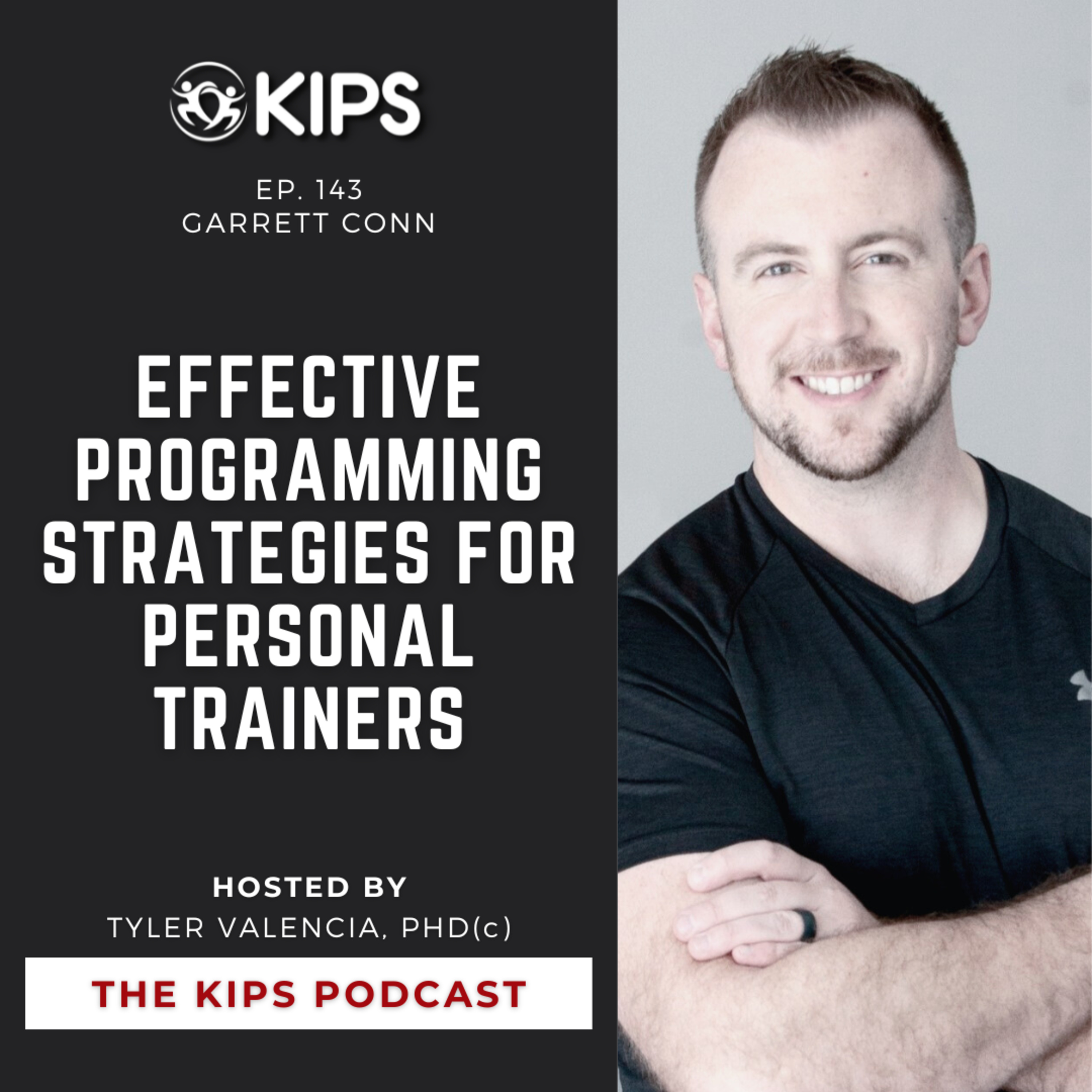 Garrett Conn | Effective Programming Strategies for Personal Trainers 24.11.2025 34minCreating effective training programs is vital for personal trainers to optimize client success and satisfaction. A well-structured program addresses individual goals like weight loss, muscle gain, or athletic improvement, while considering clients' needs, limitations, and preferences (Smith & Jones, 2021). This is especially important in niche markets, such as training older adults or athletes, where understanding specific physiological and psychological factors ensures safe and effective programming (Johnson, 2020). In an era of information overload and diverse training trends, trainers must develop evidence-based programs combining strength, conditioning, and recovery to boost motivation, reduce injury risk, and encourage long-term adherence. Continuous education and adapting to new research further cement the trainer's role as a knowledgeable guide (Brown, 2021).Guest Garrett Conn joins the KIPS Podcast to share his insights on program design and how new trainers can improve this essential skill. Garrett Conn owns Conn Human Performance, with over 12 years of experience in human performance and strength & conditioning. He guides clients in athletics, injury recovery, or fitness through support, education, and enjoyment.What is program design?Program design for personal trainers refers to the structured approach to creating personalized fitness regimens tailored to clients' individual needs, goals, and capabilities. It involves assessing each client’s current fitness level, understanding their specific objectives—such as weight loss, muscle gain, or improved athletic performance—and incorporating various training modalities to enhance overall effectiveness (Smith, 2020). A well-designed program also considers factors such as exercise selection, progression, frequency, and recovery, ensuring that clients remain engaged while achieving their goals. Essential elements of program design include the principles of progressive overload, specificity, and individualization, allowing trainers to adapt programs as clients progress and their needs evolve (Johnson & Lee, 2021). Ultimately, effective program design fosters a supportive environment that not only enhances client satisfaction but also promotes long-term adherence to fitness routines (Thompson, 2019).Learn about Garrett - CLICK HERE.Follow Garrett - CLICK HERE.Join our email list - CLICK HERE.KIPS on Instagram -CLICK HERE. KIPS Education Courses -CLICK HERE. Podcast Chapters(00:00) - KIPS Podcast Welcome(00:49) - Reality of Trainer Programming(01:37) - Garrett Conn’s Career Background(04:34) - Overlooked Program Aspects(12:19) - Knowing Your Gym’s Equipment(16:05) - Understand Your Programming(20:10) - Balance, Endurance, and Flexibility(22:39) - What about nutrition?(26:00) - Variability vs Progressive Overload
 -
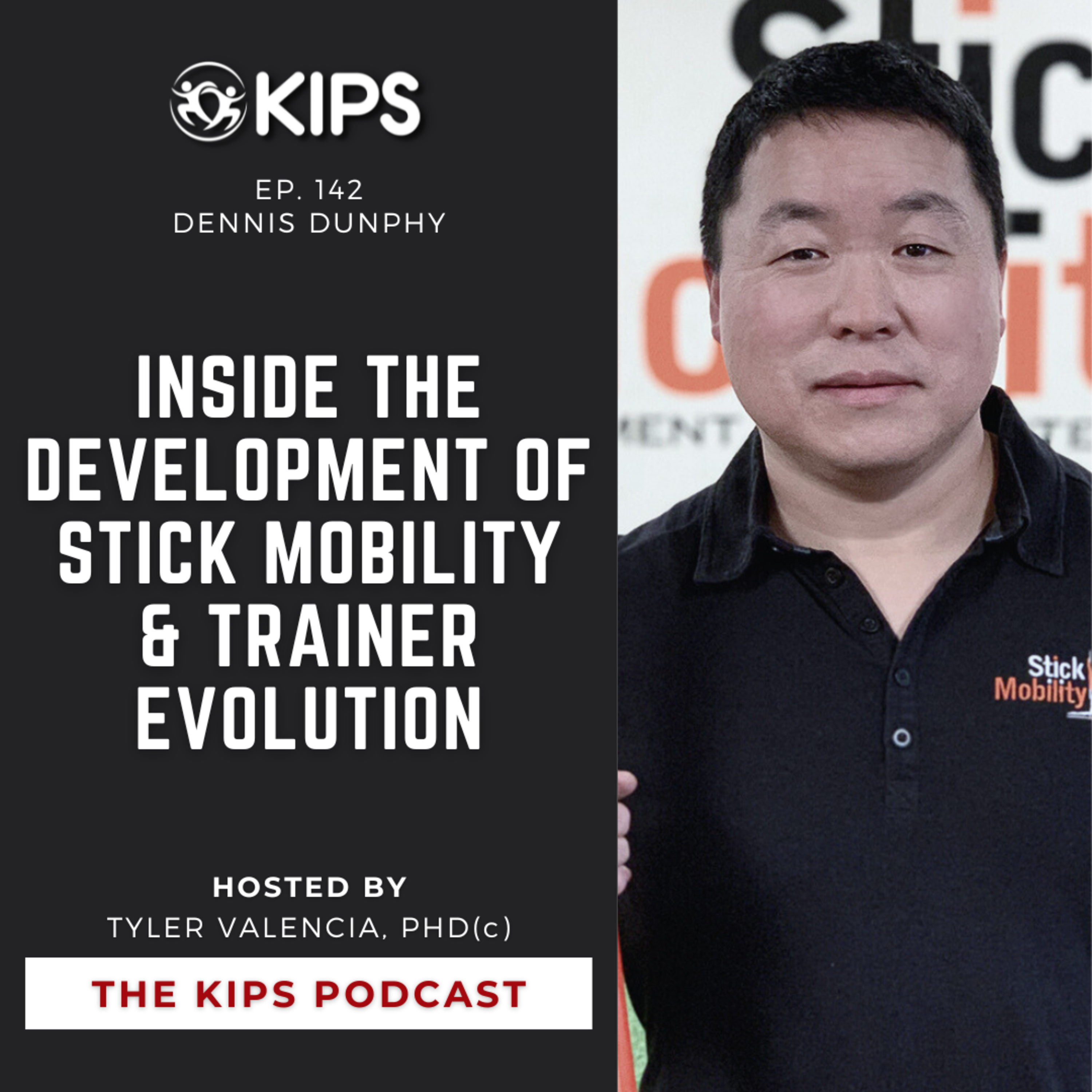 Dennis Dunphy | Inside the Development of Stick Mobility & Trainer Evolution 10.11.2025 38minBecoming a successful personal trainer goes beyond just knowledge of fitness; it requires a multifaceted approach that includes responsible business practices, authenticity, and a commitment to continuous education. As a trainer, understanding the nuances of running your own business is crucial for long-term success and client retention. Authenticity fosters trust and rapport with clients, enabling more meaningful connections and more effective training outcomes. Additionally, valuing education ensures you stay up to date on the latest techniques and trends, allowing you to provide the best possible services. Together, these elements create a solid foundation for a thriving career in the fitness industry.Dennis Dunphy is joining the KIPS Podcast to share insights into how he co-founded Stick Mobility, the evolution of his career as an established personal trainer, and tips for managing the administrative duties of running a trainer business. Dennis Dunphy and Neal Valera co-founded Stick Mobility out of their passion for creating a system that combines stretching, mobility, and strength using the Stick Mobility Training Stick. Designed for athletes, injury recoverers, or those looking to maintain flexibility and strength with age, it promotes long-term mobility and well-being.What is Stick Mobility?Stick Mobility is a comprehensive training system that integrates stretching, mobility, and strength using a specialized Training Stick. Created by fitness pioneers Neal Valera and Dennis Dunphy, this innovative approach enhances movement patterns and promotes long-term mobility, making it an invaluable tool for personal trainers (Stick Mobility, n.d.). Incorporating Stick Mobility into training regimens provides numerous benefits, including improved flexibility, strength, and joint stability (Stick Mobility, n.d.). By using the Training Stick, trainers can facilitate greater kinesthetic awareness and help clients track their mobility progress over time. Moreover, Stick Mobility can be effectively integrated into various training programs, complementing strength and conditioning to reduce injury risk and boost athletic performance. This system empowers trainers to offer clients a holistic approach to fitness, ensuring they can achieve greater freedom of movement both now and in the future.Stick Mobility IG - CLICK HERE.Stick Mobility Facebook - CLICK HERE.Stick Mobility YouTube - CLICK HERE.Stick Mobility Website - CLICK HERE. Join our email list - CLICK HERE.KIPS on Instagram -CLICK HERE. KIPS Education Courses -CLICK HERE. Podcast Chapters(00:00) - KIPS Podcast Welcome(01:18) - Business of a Personal Trainer(01:54) - Find a Mentor(02:57) - Dennis Dunphy’s Career Background(07:24) - Trainer Business Tips(13:28) - Trainer Evolution(16:14) - Trainer-Client Relationship (19:17) - Discussing Mobility Training(21:41) - Education vs Experience(33:13) - Mobility Myths
 -
 Michelle Blakely | Sales Without the Sleaze 27.10.2025 37minSales skills are essential for personal trainers, as they directly impact the capacity to attract and retain clients. In a competitive fitness industry, the ability to effectively communicate the value of services can set a trainer apart from the rest. Proficiency in sales not only helps trainers articulate their offerings and drive home the benefits of their programs but also fosters trust and rapport with potential clients. Michelle Blakely, a former personal trainer turned business consultant, shares her insights on making sales feel genuine and integrated into your routine as a personal trainer. Michelle has spent over 12 years developing solutions at her training company, Blakely FIT, earning a top trainer reputation and being named the city’s best twice by the Chicago Reader. As a nationally recognized expert, she writes for trade publications like PFP and Club Industry, speaks at events such as the NSCA, and is consulted by media including Prevention, Good Housekeeping, and Oprah.com.Why isn’t sales a key component of a CPT program?Since sales are a key part of a personal trainer's role, why isn’t it emphasized more in fitness industry training? First, it’s hard to evaluate sales skills through a standardized test. People can’t easily show their personalities and soft skills, which are essential to sales. Second, sales skills are better learned through hands-on practice with real clients who can give useful feedback.Understanding and overcoming client objections can improve the chances of closing sales, while personalized pitches based on a client's background make services more relevant and appealing. Also, strong sales skills help trainers follow up effectively, keeping potential clients interested without seeming pushy. In the end, a trainer's ability to sell their expertise leads to steady business growth, so they can focus on what they love—helping clients reach their fitness goals.Five Tips to Improve Your Personal Trainer Sales SkillsImproving sales skills is crucial for personal trainers looking to grow their business and better serve their clients. Here are several tips to enhance those skills:1. Understand Your Audience: Take the time to know your potential clients. Assess their fitness goals, backgrounds, and concerns. Tailoring your pitch to meet their specific needs will make your services more appealing.2. Build Rapport: Establishing a personal connection is vital. Use active listening and show genuine interest in your clients’ stories and challenges. The stronger the relationship, the more likely they are to trust you and invest in your services.3. Highlight Value: Focus on communicating the benefits of your training programs rather than just the features. Explain how your services can help clients achieve their goals, improve their health, or enhance their quality of life.4. Handle Objections Gracefully: Anticipate common objections and prepare thoughtful responses. Addressing concerns about pricing, time commitments, or past failures can ease potential clients’ apprehensions and facilitate a smoother decision-making process.5. Follow Up: After initial consultations, don’t hesitate to follow up with potential clients. A personalized message can keep you top-of-mind and demonstrate your commitment and investment in their success. By honing these skills, personal trainers can significantly boost their client acquisition and retention rates.Schedule a Call with Michelle - CLICK HERE.Michelle's Website - CLICK HERE.Join our email list - CLICK HERE.KIPS on Instagram -CLICK HERE. KIPS Education Courses -CLICK HERE. Podcast Chapters(00:00) - KIPS Podcast Welcome(00:20) - Your Seller Profile(03:02) - Michelle Blakely’s Background(05:24) - Confidence as a Seller(09:11) - Setting Your Pricing(16:41) - Adjusting Your Price Structure(20:59) - Fitness Consultation Advice(34:38) - Trainer Sales Myths
 -
 Lisa Dougherty | Understanding the Value of Medical Fitness 06.10.2025 41minMedical fitness is a specialized niche that focuses on integrating exercise and rehabilitation within clinical care, targeting individuals with chronic conditions or those recovering from injuries. Personal trainers can significantly advance their careers by gaining expertise in medical fitness, enabling them to design tailored exercise programs that meet the unique needs of their clients. This knowledge not only enhances their credibility but also facilitates collaboration with healthcare professionals, improving communication around client fitness requirements. As the demand for personalized fitness solutions grows, trainers with medical fitness qualifications can attract a broader clientele, positioning themselves for career growth and advancement in a competitive market.Lisa Dougherty, founder of the MedFit Network, discusses the importance of medical fitness for personal trainers on the KIPS Podcast. A former securities professional, she launched MFN in 2013, serving as a membership group and online directory for fitness and healthcare providers focused on prevention and rehabilitation for those with chronic conditions.What is medical fitness?Medical fitness is a specialized branch of fitness that integrates exercise, health, and rehabilitation within the context of medical and clinical care. It is designed to help individuals manage chronic conditions, recover from injuries, and enhance their overall well-being through personalized exercise programs. For personal trainers, understanding medical fitness is crucial, as it allows them to collaborate more effectively with healthcare professionals, such as physicians and physical therapists, to create safe and effective fitness plans for clients with specific health needs (Woods et al., 2020). By focusing on medical fitness, trainers can differentiate themselves in a competitive industry, broaden their skill sets, and address the diverse needs of clients, ultimately leading to enhanced client outcomes and satisfaction. Embracing this field not only fulfills a moral obligation to protect client health but also opens new opportunities for career advancement within niche markets (American Council on Exercise, 2021).Join our email list - CLICK HERE.KIPS on Instagram -CLICK HERE. KIPS Education Courses -CLICK HERE. Podcast Chapters(00:00) - KIPS Podcast Welcome(00:39) - Trainer Business Fundamentals(02:38) - Lisa Dougherty’s Background(06:35) - What is medical fitness?(11:30) - Popular Areas of Medical Fitness(13:42) - Marketing Your Training(19:05) - Value of Mentorship(21:19) - Emphasize Business Skills(25:36) - Common Trainer Mistakes(29:09) - Personal Trainer Longevity(30:30) – Medical Fitness Myths
 -
 Sorta Healthy Jeff | Unlocking Gym Opportunities: How Personal Trainers Can Get Hired 19.09.2025 39minFor many, becoming a certified personal trainer is a tough reality to handle, and it can be a harsh awakening. One of the main reasons we see so many new trainers leaving the fitness industry before their first year is that they don't fully understand what the job entails. As a personal trainer, you need to possess strong customer service skills to deliver a professional and personalized experience. So, what does it take for a new trainer to succeed in this career? Returning guest Sorta Healthy Jeff, owner of a gym in Plantsville, CT, and creator of the YouTube channel Sorta Healthy Trainer Education, shares his top tips for personal trainers during the hiring process and tips for implementing semi-private training. His channel has over 90,000 subscribers.Semi-Private Training & Its BenefitsSemi-private training is a fitness model that combines elements of personal training with the benefits of group sessions, typically involving two to four clients training simultaneously under the guidance of a personal trainer. This format enables trainers to deliver personalized instruction while creating a motivating environment for participants (Mackenzie, 2021).One of the primary benefits of semi-private training is the cost-effectiveness for clients. By sharing the trainer’s time with a small group, clients can experience individualized programming at a lower rate than traditional one-on-one sessions (Smith, 2022). This affordability can attract a wider clientele and enhance retention rates, as clients are often more motivated when training alongside peers.Additionally, semi-private sessions foster social interaction, accountability, and camaraderie among participants, which can lead to increased motivation and a greater commitment to fitness goals (Jones & Taylor, 2020). The trainer’s ability to deliver tailored feedback remains intact, allowing for adjustments to routines based on individual needs while maintaining a supportive group dynamic. This model not only enhances the training experience for clients but also allows personal trainers to maximize their earnings potential by working with multiple clients simultaneously.What Personal Trainers Do Two essential professional skills for personal trainers are customer service and effective communication. As a personal trainer, you're representing a brand that promotes a healthy lifestyle, and you need to act professionally in public (or online) to build trust. This means communicating clearly to teach new exercises, explain their benefits, and schedule future sessions.While certification courses cover the basics, these skills often take experience to master. Recognizing that you’re in a service industry and need to excel in these areas can help new personal trainers develop the outward appearance that draws in new clients.Follow @SortaHealthyTrainerEducationJeff’s Instagram - CLICK HERE. Join our email list - CLICK HERE.KIPS on Instagram -CLICK HERE. KIPS Education Courses -CLICK HERE. Podcast Chapters(00:00) - KIPS Podcast Welcome(00:41) - Is personal training a good job?(01:39) - Being a full-time trainer.(04:08) - Sorta Healthy Jeff’s YouTube Channel(06:55) - Getting to know your gyms.(13:06) - Common Interview Mistakes(14:13) - Simulated Training Sessions(21:55) - Semi-Private Training(29:03) - Common Trainer Mistakes(35:56) - Personal Trainer Myths
 -
 Jeff Lim | From Classes to Community: The Secrets of Effective Group Fitness 03.09.2025 48minTeaching group fitness is essential for the success of both gym businesses and new fitness professionals. These classes attract many new members, with about 70% joining gyms for engaging group activities (International Health, Racquet & Sportsclub Association [IHRSA], 2021). As fitness trends evolve, the demand for inclusive and innovative group classes increases, underscoring their importance in gym programs (Les Mills, 2022). Fitness instructors who focus on delivering quality group fitness experiences not only improve individual health but also support the overall growth and success of their gyms. In this episode of the KIPS Podcast, Jeff Lim shares his journey to teaching group exercise and becoming an EōS Fitness Instructor of the Year. Jeff teaches a variety of formats, from dance-related classes to active aging, bringing his energetic style to hundreds of participants each week.New Members Join for a Solid Group Exercise ScheduleMany new gym members are drawn to fitness facilities primarily due to the allure of group exercise classes. As mentioned, approximately 70% of gym-goers cite group classes as a key reason for their membership decisions (IHRSA, 2021). These classes foster a sense of camaraderie and motivation that individual workouts often lack when joining a new gym. According to a study by the American Council on Exercise, participants in group fitness reported increased enjoyment and adherence to their exercise routines, primarily due to the social environment these classes create (ACE, 2020). The structured nature of group classes provides new members with guidance and support, making them feel more competent and engaged. As fitness trends continue to evolve, the popularity of interactive group experiences grows, underscoring their importance in attracting and retaining members in gyms nationwide (Les Mills, 2022). In response, clubs are deliberately improving their group class options to reach a wider audience.Building a strong sense of community within a group exercise class is essential for both participant engagement and retention. Here are some tips for instructors:Facilitate Introductions: At the beginning of each class, especially in new sessions, encourage participants to introduce themselves. This fosters connections and makes everyone feel welcome.Create a Welcoming Environment: Personalize your space with encouraging messages or visuals that promote inclusivity. A positive atmosphere helps participants feel at ease and ready to engage.Stay Engaged Beyond Class: Use social media or group chats to share tips, challenges, or upcoming events. This keeps the community feeling alive outside the gym and encourages continued connection.Encourage Team-Based Activities: Incorporate partner or group exercises into your classes. Working in pairs or smaller groups encourages participants to interact and support each other.Celebrate Achievements: Acknowledge personal and group milestones—whether it's completing a challenge or attending a certain number of classes. Celebrating successes fosters a sense of belonging and motivation.By implementing these strategies, instructors can create a vibrant community that enhances the overall group fitness experience.Contact Jeff - CLICK HERE.Jeff on IG - CLICK HERE.Join our email list - CLICK HERE.KIPS on Instagram -CLICK HERE. KIPS Education Courses -CLICK HERE. Podcast Chapters(00:00) - KIPS Podcast Welcome(00:43) - Fitness Branding(03:54) - Jeff Lim’s Background(09:15) - Benefits of Choreographed Classes(11:55) - Evolution of a Group Fitness Instructor(13:44) - How to practice your group fitness class?(16:03) - Benefits of Class Feedback(18:34) - Social Media Tips(21:59) - Being Authentic(26:43) - Branching Out(33:08) - Branding Yourself as a Fit Pro(37:00) - Online Group Fitness Classes(41:16) - Three Myths of Group Exercise
 -
 Sanna Rönkkö | How to Become a Les Mills Presenter (TAP Team) 11.08.2025 46minAre you a Les Mills instructor wondering how to take the next big step in your career? In this episode of the KIPS Podcast, Les Mills National Presenter Sanna Rönkkö shares her journey to the TAP Team and exactly what it takes to join. Standing for Trainers, Assessors, & Presenters, the TAP Team is responsible for facilitating certification workshops, training existing instructors, and evaluating future Les Mills professionals. It is one of the most prestigious positions within the organization and a massive opportunity to elevate your credibility in the fitness community. Sanna, a highly accomplished fitness expert, REEBOK athlete, certified STOTT PILATES instructor, and NPC Figure Competitor, breaks down the realities of this role. We discuss how instructors should approach their initial training, top networking strategies, and how Master Trainers navigate difficult questions and student assessments. If you are passionate about fitness and education, this episode is your blueprint for success.Sanna on Facebook - CLICK HERE. Follow Sanna on IG - CLICK HERE. Join our email list - CLICK HERE.KIPS on Instagram -CLICK HERE. KIPS Education Courses -CLICK HERE.
 -
 Josh Leve | Gym Retention Strategies to Master 07.08.2025 50minIn the competitive landscape of gym ownership and management, member retention has emerged as a critical focus. While attracting new clients is essential, retaining existing members is often the key to long-term success and profitability. Effective retention strategies not only boost your bottom line but also foster a strong community and enhance member satisfaction. In this podcast episode, Josh Leve discusses tried-and-true techniques and technology-based methods to elevate your gym’s member experience. We’ll explore the importance of personalization, leveraging technology, and fostering engagement through community events. Join us as we uncover actionable strategies you can implement today to keep your members coming back and thriving in their fitness journeys.Josh Leve, founder and CEO of the Fitness Business Association (FBA) and its SUCCEED! Virtual Conferences. With nearly 60 industry partnerships and major certifying organizations, the FBA’s success has led to Josh being featured in top fitness publications and as a speaker at IHRSA, Athletic Business, Mindbody BOLD, Club Industry, NSCA, NASM, EMPOWER!, ZUMBA, and others.Community Driven EventsAs a gym owner or manager, fostering a community-driven environment is essential for enhancing member retention and attracting new clients. Creating a strong sense of belonging within your gym not only keeps current members engaged but also showcases the unique value your facility offers to potential newcomers. Hosting regular community events, such as fitness challenges, workshops, or social gatherings, can cultivate camaraderie among members and encourage them to invite friends.Incorporating member feedback into your programming ensures you are meeting their needs and preferences, making them feel valued. Moreover, leveraging social media to share success stories and community highlights is a powerful marketing tool that attracts prospective members. When individuals see an active, supportive community, they are more likely to envision themselves as part of it. By prioritizing community and connection, you not only enhance retention but also build a thriving gym culture that effortlessly attracts new members.Join our email list - CLICK HERE.KIPS on Instagram -CLICK HERE. KIPS Education Courses -CLICK HERE. Podcast Chapters(00:00) - KIPS Podcast Welcome(00:40) - Being “on” as a Fit Pro(02:35) - Josh Leve’s Background(07:16) - What is HFA or IHRSA?(09:35) - Using Technology for Retention(19:08) - Elevating Your Member Experience(30:21) - Effective Summer Gym Events(36:16) - Marketing Your Gym Online(37:55) - Why Community is Key!(39:40) - Gym Referral Programs(43:37) - Three Myths of Gym Retention
 -
 Kathleen Ferguson | Hit the Ground Running as a New Personal Trainer 16.07.2025 40minMarketing for becoming a personal trainer often depicts the profession as flexible and joyful, implying that completing an online program can make you an “elite’ trainer instantly. In reality, the education required to start in the fitness industry is at the basic level necessary to meet safety standards for personal training. Being a personal trainer isn’t a terrible job, but it does demand hard work and stepping outside your comfort zone to develop new interpersonal skills and gain client training experience. Starting your career on the right path is a key focus of the education provided by KIPS, and in this episode, our guest, Kathleen Ferguson, shares important insights to help ensure your career as a personal trainer isn’t a quick one.Kathleen Ferguson shares valuable insights on advancing as a personal trainer and offers practical advice for those seeking to elevate their careers in the field. A proud USC graduate and experienced leader, Kathleen has over 15 years of experience in building business strategies and partnerships in the health, fitness, and wellness sectors. Recently, she recognized a notable market gap for specialized support services for health, fitness, and wellness coaches, prompting her to establish Coach360.Short Term -> Experience | Long Term -> EducationGaining experience in the first few months of employment as a personal trainer is crucial for long-term career development. This initial phase presents an opportunity to apply knowledge gained during your CPT to real-world scenarios, thereby bridging the gap between theory and practice. By working with clients, you learn to tailor fitness programs to meet individual needs, understand different body types, and manage various fitness levels.Early exposure to diverse clients and training environments enhances your adaptability, helping you to develop effective communication and motivational skills. As you encounter challenges, problem-solving becomes second nature, allowing you to refine your coaching techniques and enhance client retention. For example, you might enter a training session with a well-planned program and a rotation of exercises, but upon starting, you realize that other members are already using the equipment and need to adjust. This quick on-the-spot adjustment becomes second nature with experience and more hands-on training.Fitness Trends in 2025As the fitness industry evolves, personal trainers must stay informed about emerging trends, such as longevity, GLP-1 medications, and fitness trackers, to provide the best service for their clients. The concept of longevity emphasizes the importance of maintaining health and vitality as we age, prompting trainers to incorporate strategies that promote sustainable fitness routines and holistic well-being. Additionally, fitness trackers are reshaping how clients engage with their health. By understanding how to integrate technology into training plans, trainers can encourage accountability and adapt workouts based on real-time data. Embracing these trends not only enhances client outcomes but also positions trainers as knowledgeable and adaptable professionals in an ever-changing landscape.Kathleen's IG - CLICK HERE.Coach360 - CLICK HERE.Join our email list - CLICK HERE.KIPS on Instagram -CLICK HERE. KIPS Education Courses -CLICK HERE. Podcast Chapters(00:00) - KIPS Podcast Welcome(01:32) - Is personal training competitive?(02:02) - Ask the Head Trainer(03:06) - Talk with Your Fitness Manager(04:42) - Kathleen Ferguson’s Background(10:46) - Trainer Mentorship(14:31) - Not All Gyms are Equal(18:45) - Onboarding Trainer Programs(21:38) - CPT Programs(21:38) - Value of Experience or Education(26:00) - Should I start part-time?(28:01) - Trainer Trends(34:23) - Myths About the Fitness Industry
 -
 Debra Atkinson, MS, CSCS | Menopause Movement: Strategies for Personal Trainers 25.06.2025 39minWhen working with women experiencing menopause, personal trainers must recognize the physiological and psychological changes that accompany this life stage. Menopause is characterized by hormonal fluctuations, particularly in estrogen levels, which can lead to various symptoms such as hot flashes, mood swings, and changes in body composition (Freeman et al., 2014). Understanding these changes is crucial for trainers, as menopausal clients often face challenges related to weight management, muscle loss, and motivation (Kelsey et al., 2016). Debra Atkinson, MS, CSCS, is a pioneer in the menopausal training and education niche, having cultivated a brand (Flipping 50) and programs starting in 2013.Debra shares insights into the approach during the fitness consultation, covering both the physical and emotional aspects of menopause, and how trainers can adapt their fitness programs to meet clients' needs. This mindset as a personal trainer empowers women to navigate this transition effectively and fosters a positive trainer-client relationship, enhancing success and satisfaction in their fitness journey. Throughout this episode, Debra emphasizes that empathy and education are key to helping clients achieve health and wellness goals during this transformative time.What is menopause?Menopause is a natural biological process marking the end of a woman's reproductive years, typically between ages 45 and 55 (Harlow et al., 2012). Characterized by a significant decrease in ovarian hormone production, particularly estrogen and progesterone, menopause leads to the cessation of menstruation. It can result in various physical and psychological symptoms, including hot flashes, mood swings, and sleep disturbances (Freeman et al., 2014). Understanding menopause is essential for personal trainers, as they can better support clients through this transition by addressing potential changes in body composition, energy levels, and overall well-being (Kelsey et al., 2016).Physiological Changes of MenopauseMenopause is a significant physiological transition for women, typically occurring between the ages of 45 and 55. It results in hormonal changes that impact overall health and fitness (Harlow et al., 2012). The most notable physiological change during menopause is a decrease in estrogen levels, which can lead to several changes in body composition, including increased abdominal fat deposition and decreased lean muscle mass (Kelsey et al., 2016).Conversation > Exercise; During the Fitness ConsultationAdopting a conversation-based approach during fitness consultations with a potential menopausal client can lead to more effective outcomes. In this circumstance, the trainer creates an environment where clients feel heard, valued, and understood by prioritizing dialogue over exercise demonstration. This method allows trainers to gather essential insights into clients’ goals, motivations, and concerns, ultimately helping to tailor personalized fitness plans that address individual needs (Biddle et al., 2015).Debra's website - CLICK HERE.Debra's IG - CLICK HERE.Join our email list - CLICK HERE.KIPS on Instagram -CLICK HERE. KIPS Education Courses -CLICK HERE. Podcast Chapters(00:00) - KIPS Podcast Welcome(01:20) - Fitness Consultation for Women Over 50(02:52) - Debra Atkinson’s Career Insight(06:17) - Motivational Strategies for Women Over 50(11:11) - Mastering the Fitness Consultation(13:32) - Programming for Women Over 50(17:27) - Hormone Replacement Therapy(22:24) - Nutrition for Menopause(23:22) - Weight Gain for Women(24:38) - Male Trainers & Fitness Education(26:58) - Common Emotional Symptoms(36:51) - Three Myths of Training Women Over 50
Vergelijkbare podcasts


Populair in
Deze podcast verschijnt ook in de podcastlijsten van deze landen.
