
When Unicorns Don't Fly
Rooh
0
When Unicorns Don't Fly is a podcast about childhood and adolescent mental health, covering depression, trauma, loneliness, identity, family, shame, resilience and healing. It is hosted by author Rooh, who brings together honest conversations, lived experiences and psychological insight. The show aims to help listeners understand what children often cannot put into words. It speaks to anyone who grew up hurting, and to anyone who wants to learn how to truly see a child.
Afleveringen
-
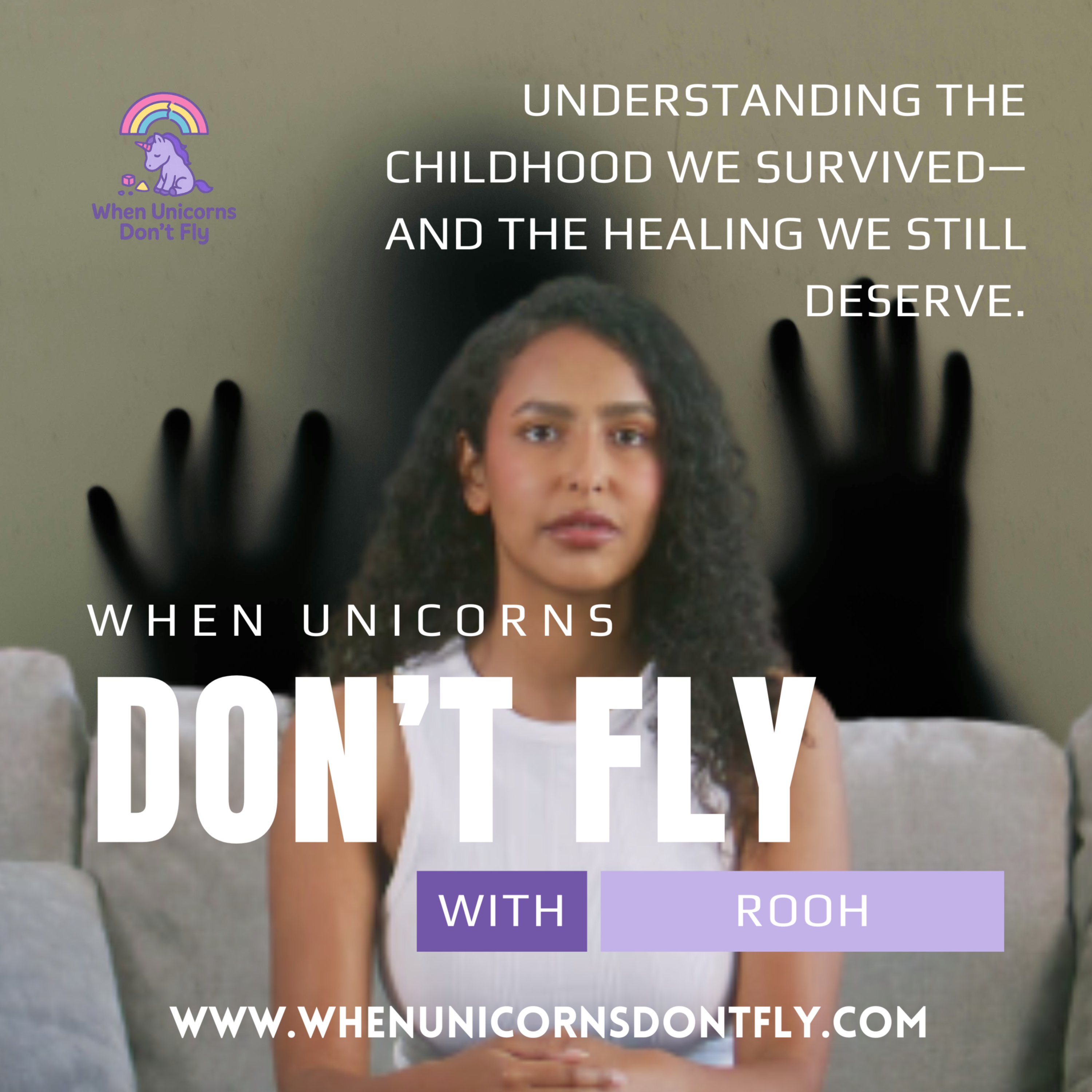 EP - 02 "रोना बंद करो!" कहना क्यों गलत है? 13.09.2026 18minबच्चा गिर गया। टेस्ट में नंबर कम आए। खेल में किसी ने साथ नहीं लिया। और आँसू निकल आए।हमारी पहली प्रतिक्रिया अक्सर होती है—“रोना बंद करो।”“कुछ नहीं हुआ।”“इतनी सी बात पर क्यों रो रहे हो?”लेकिन क्या हम बच्चे को सच में शांत कर रहे हैं, या अनजाने में उसे यह सिखा रहे हैं कि उसकी भावनाएँ गलत हैं?When Unicorns Don’t Fly के इस एपिसोड में हम बात कर रहे हैं उन छोटे-छोटे वाक्यों की, जो हम बच्चों से रोज़ कहते हैं—अक्सर बिना बुरी नीयत के, लेकिन जिनका असर हमारी सोच से कहीं ज़्यादा हो सकता है।बच्चे को रोने से रोकने के बजाय हम उसे यह महसूस करा सकते हैं कि उसकी भावना देखी जा रही है, समझी जा रही है और उसे महसूस करना सुरक्षित है।इस एपिसोड में जानिए “रोना बंद करो” के बजाय कहने वाली पाँच आसान बातें:• “मैं देख रही हूँ कि तुम बहुत परेशान हो। मैं यहीं हूँ।”• “हाँ, जो हुआ उससे दुखी होना समझ में आता है।”• “तुम अपना समय लो। मैं कहीं नहीं जा रही।”• “तुम्हें गले लगना है या थोड़ी देर अकेले रहना है?”• और सबसे ज़रूरी—बच्चे की भावना को छोटा करने के बजाय उसे महसूस करने की जगह देना।क्योंकि बच्चे को हर बार तुरंत खुश करना ज़रूरी नहीं है।उसे यह जानना ज़रूरी है कि उदास होना भी ठीक है। रोना भी ठीक है। और मुश्किल भावनाओं के बीच भी वह अकेला नहीं है।और अगर कभी थकान, गुस्से या जल्दबाज़ी में आपके मुँह से “रोना बंद करो” निकल भी जाए—तो इसका मतलब यह नहीं कि आप एक बुरे माता-पिता हैं।आप वापस जाकर कह सकते हैं:“मुझे वो बात नहीं कहनी चाहिए थी। तुम्हारी feelings परेशानी नहीं हैं। मेरा दिन मुश्किल था।”बच्चों को ऐसे माता-पिता की ज़रूरत नहीं है जो हर बार बिल्कुल सही शब्द बोलें।उन्हें ऐसे बड़े चाहिए जो गलती के बाद वापस आएँ, सुनें और रिश्ता ठीक करें।यह एपिसोड When Unicorns Don’t Fly के “For the Grown-Ups” पिलर का हिस्सा है—क्योंकि बच्चों की मानसिक सेहत सिर्फ बच्चों को समझने से नहीं, बल्कि उनके आसपास के बड़ों को भी समझने से बेहतर होगी।बच्चे को रोने से रोकना हमारा लक्ष्य नहीं होना चाहिए।उसे यह सिखाना हमारा लक्ष्य होना चाहिए कि उसकी भावनाओं के लिए इस दुनिया में जगह है।🎙️ When Unicorns Don’t Fly — बच्चों और किशोरों की मानसिक सेहत को समझने की एक कोशिश।Author: Roohनए एपिसोड हिंदी और English में।
 -
EP 02 - Trading today's tears for tomorrow's silence 11.09.2026 36minThis episode explores how adults can shift from automatic, invalidating responses—such as saying "Stop crying" or "You're fine"—toward supportive emotional coaching that validates children's big feelings. It examines why adults often react with panic, exhaustion, or urgency during emotional meltdowns, and breaks down the long-term emotional consequences of suppressing a child's distress.Key Themes & TakeawaysWhy Automatic Phrases Backfire: Telling a child "It’s not a big deal" or "You’re fine" serves as a correction of their internal experience. Over time, this teaches children that showing their feelings is ineffective or inconvenient, risking immediate tears being traded for long-term silence and communication barriers.Practical Replacement Phrases:The Power of Repair: Acknowledges that perfect execution isn't required. When an adult snaps or slips into old habits, circling back with an explicit apology (e.g., “I shouldn’t have said that... I was just having a hard moment too”) builds genuine safety and models healthy relationship repair.Building Long-Term Resilience: Emphasises that small, consistent shifts teach children that their emotions are allowed, seen, and survivable, laying the foundation for strong emotional intelligence and trust
-
EP 01 — बच्चों में डिप्रेशन के छिपे चेहरे | हिंदी 04.09.2026 14minEP 01 — बच्चों में डिप्रेशन (अवसाद) के छिपे चेहरे | हिंदीक्या हो अगर कमरे में सबसे ज़्यादा हँसने वाला बच्चा ही अंदर से सबसे ज़्यादा दुखी हो?क्या हो अगर जो बच्चा बार-बार कहता है, “मैं ठीक हूँ,” असल में बिल्कुल ठीक न हो?बच्चों में डिप्रेशन हमेशा उदासी की तरह दिखाई नहीं देता।कभी यह गुस्से में छुप जाता है।कभी चुप्पी में।कभी पढ़ाई में अचानक गिरावट के पीछे।कभी हर चीज़ में परफेक्ट बनने की कोशिश में।कभी बहुत ज़्यादा सोने में।कभी दोस्तों और परिवार से दूर हो जाने में।और कभी उस बच्चे के पीछे, जिसके बारे में सब कहते हैं—“इसे तो कोई परेशानी ही नहीं है।”बच्चे हमेशा यह नहीं बता पाते कि उनके अंदर क्या चल रहा है। उन्हें शायद खुद भी समझ नहीं आता कि वे इतना खाली, अकेला या थका हुआ क्यों महसूस कर रहे हैं।इसलिए वे अपने दर्द को छुपाना सीख लेते हैं।एक बच्चा जो सबको हँसाता है।एक बच्चा जो कभी शिकायत नहीं करता।एक बच्चा जो हमेशा अच्छे नंबर लाता है।एक बच्चा जो बहुत गुस्सा करता है।एक बच्चा जो कहता है, “मुझे किसी की ज़रूरत नहीं।”लेकिन इन चेहरों के पीछे क्या चल रहा है?यहीं से हमारी पहली बातचीत शुरू होती है।When Unicorns Don’t Fly में हम बच्चों और किशोरों की उस दुनिया को समझने की कोशिश करेंगे, जिसे अक्सर बड़े देख नहीं पाते—डिप्रेशन, अकेलापन, डर, शर्म, परिवार, पहचान, भावनात्मक दर्द और उससे बाहर निकलने की कोशिश।इस एपिसोड में हम समझेंगे कि बच्चों का दर्द अक्सर उनके व्यवहार के पीछे क्यों छुप जाता है—और क्यों हमें सिर्फ यह पूछने के बजाय कि,“इस बच्चे को क्या हो गया है?”कभी यह भी पूछना चाहिए:“इस बच्चे के साथ ऐसा क्या हुआ है?”क्योंकि हर परेशान बच्चा “मुश्किल बच्चा” नहीं होता।हर गुस्सा करने वाला बच्चा बदतमीज़ नहीं होता।और हर चुप रहने वाला बच्चा ठीक नहीं होता।कभी-कभी बच्चा टूटता नहीं है।वह बस इतना कुछ अकेले सह रहा होता है कि उसके पंख उड़ना भूल जाते हैं।Welcome to Episode 1 of When Unicorns Don’t Fly.आइए, उन चेहरों के पीछे छुपे बच्चे को देखना सीखें।www.whenunicornsdontfly.com
-
EP 01 - The Hidden Masks of Childhood Depression 04.09.2026 38minWhat if the happiest child in the room is the one who is hurting the most?What if the child who laughs the loudest has learned that laughter is safer than telling the truth?What if the teenager who suddenly becomes angry isn't rebellious—but overwhelmed?What if the child who stops talking isn't rude—but afraid?What if the straight-A student isn't simply ambitious—but terrified of disappointing everyone?And what if the child everyone calls “lazy” is actually exhausted from fighting a battle nobody can see?Childhood depression rarely arrives wearing a label.It doesn't always look like sadness.Sometimes, it looks like a perfect report card.Sometimes, it looks like a slammed bedroom door.Sometimes, it looks like sleeping all afternoon.Sometimes, it looks like anger.Sometimes, it looks like perfectionism.Sometimes, it looks like a child who says, “I'm fine,” so convincingly that everyone stops asking.Children don't always have the language to explain what is happening inside them. They don't necessarily know that the emptiness has a name. They may not understand why getting out of bed feels impossible, why things they once loved suddenly feel meaningless, or why they feel desperately alone even when surrounded by people who love them.So they create masks.The funny child.The difficult child.The high-achieving child.The quiet child.The independent child.The child who needs nothing.The child who seems to have everything.And sometimes, the better the mask works, the longer nobody notices the pain underneath it.This is where we begin.When Unicorns Don't Fly is a podcast about childhood and adolescent mental health—but more importantly, it is about learning to see what we have been taught to overlook.In this first episode, we explore the hidden masks of childhood depression: how emotional pain can disguise itself as behaviour, achievement, anger, withdrawal or silence—and why adults so often respond to the mask instead of asking what is underneath it.Because perhaps the question shouldn't always be:“What's wrong with this child?”Perhaps we should ask:“What happened to this child?”And perhaps the most dangerous thing isn't that a child is hurting.Perhaps it's that they can become very, very good at hiding it.The unicorn doesn't always stop flying dramatically.Sometimes, it simply flies a little lower every day.Until one day, it doesn't fly at all.Welcome to Episode 1 of When Unicorns Don't Fly.Let's learn how to recognise the masks—and, more importantly, how to see the child behind them.www.whenunicornsdon'tfly.com
Vergelijkbare podcasts


Populair in
Deze podcast verschijnt ook in de podcastlijsten van deze landen.
