
But Why: A Podcast for Curious Kids
Vermont Public
0
But Why is a podcast where kids ask the questions and we find the answers. It covers a wide range of topics from nature and words to the end of the world. Kids can submit their questions via smartphone recording to be featured on the show.
Episoade
-
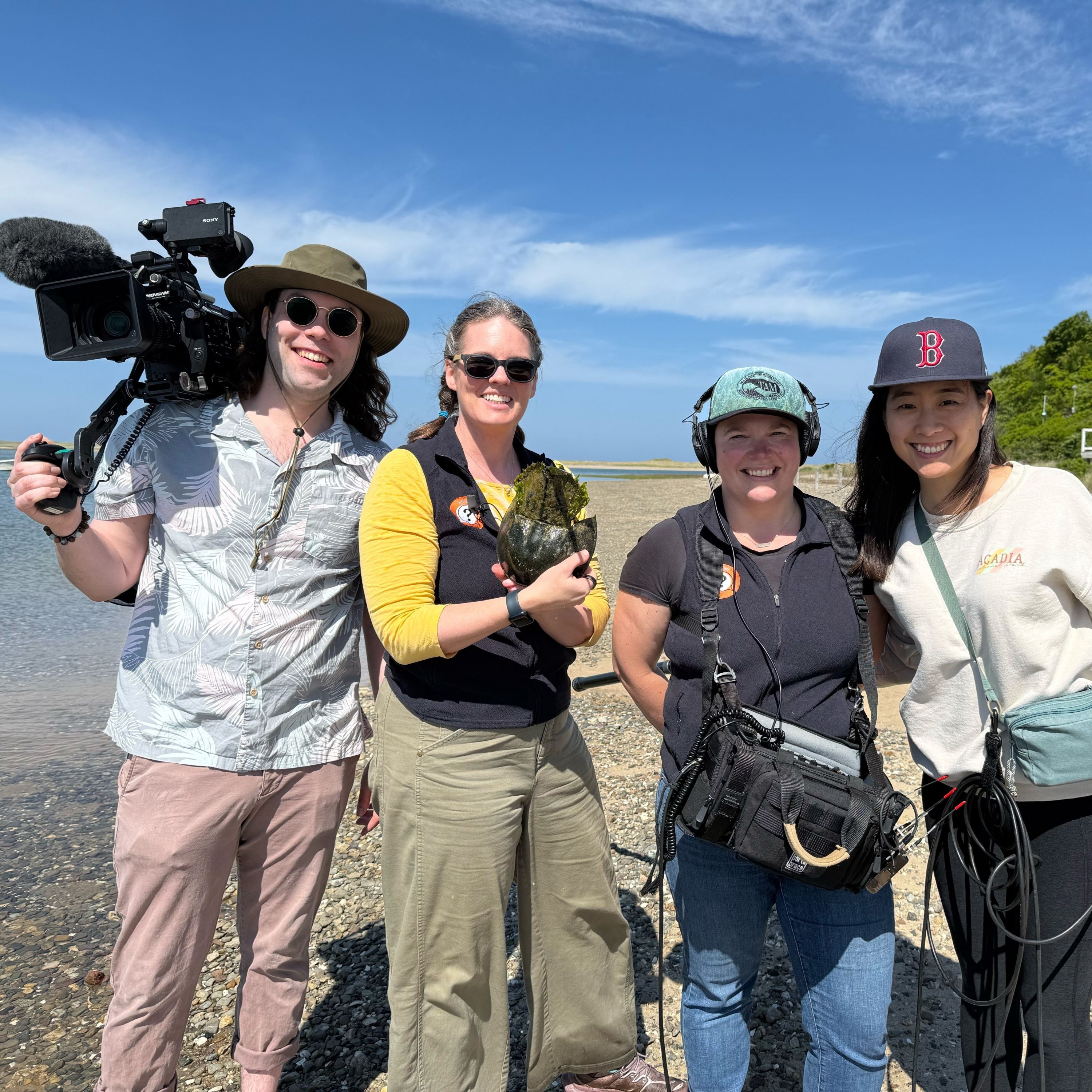 300th Episode: What’s your favorite? 18.09.2026 36minThis is But Why’s 300th episode! It’s safe to say we’ve answered several thousand questions from kids all over the world. We asked our listeners to tell us about their favorite episodes and today we’re hearing from all of you! We also hear a bit from a few of the podcasts you have on repeat! Download our learning guides: PDF | Google Slide | Transcript
 -
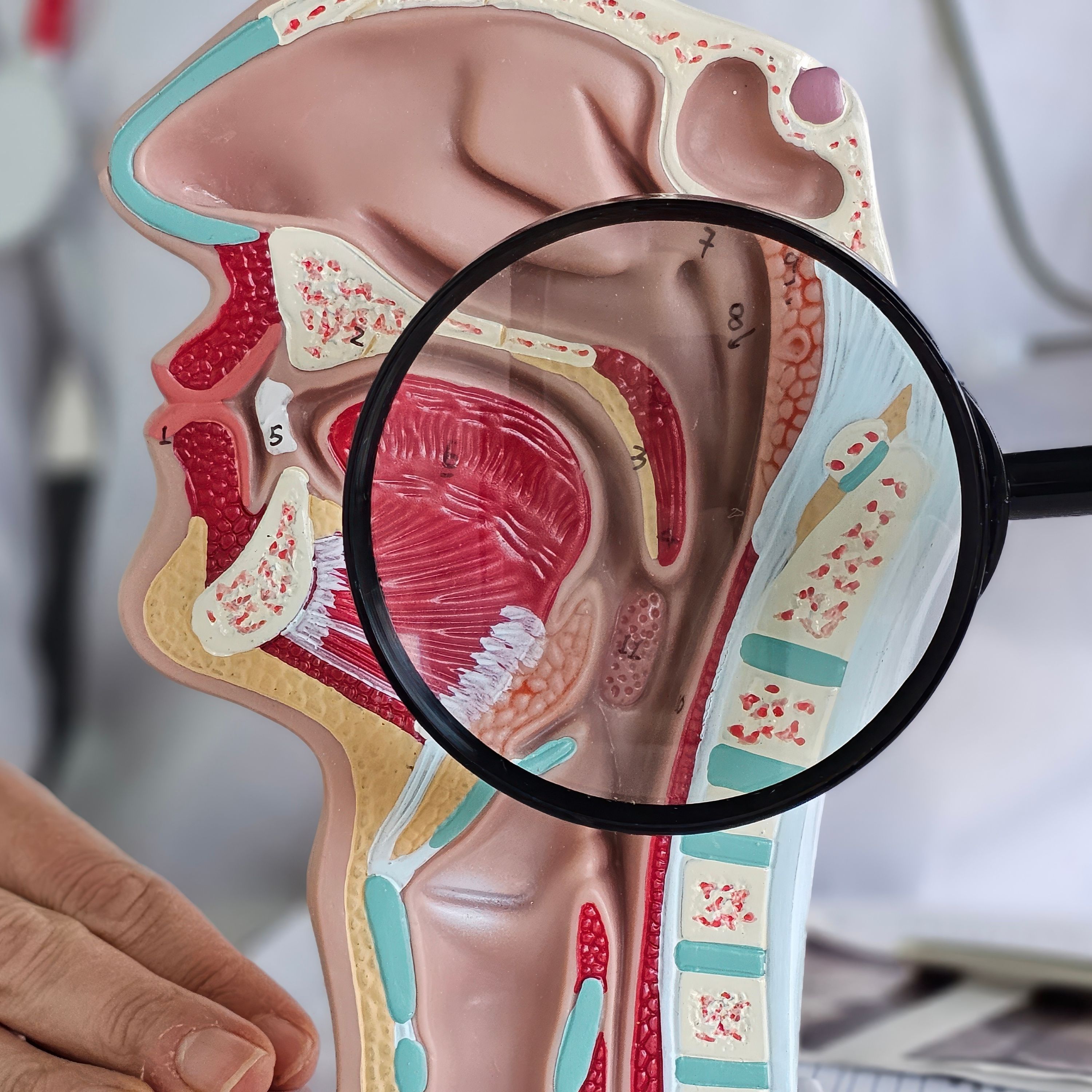 Why does my voice sound weird when it’s recorded? 04.09.2026 25minHow does our body make our voice? How do voice boxes work? What makes our voices so different? Why are boys' voices often lower than girls' voices? Why does your voice sound different when you are sick? Why does your voice sound weird when you listen to a recording of yourself? Answers to questions about voices with Dr. Anne Hseu, an otolaryngologist (ear, nose and throat doctor) at Boston Children’s Hospital. Download our learning guides: PDF | Google Slide | Transcript
 -
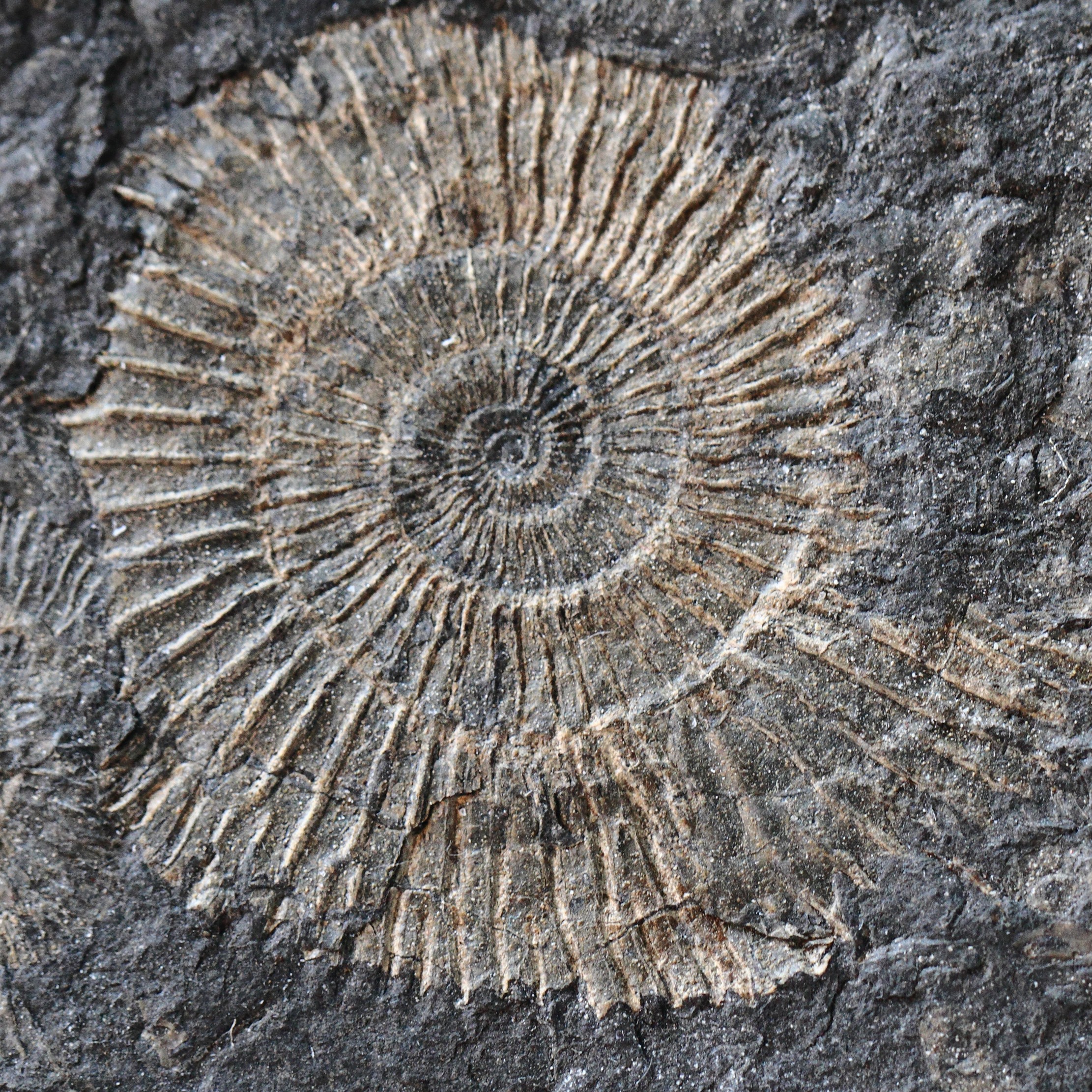 What are fossils? 21.08.2026 30minWhat is a fossil? How are they formed? Where are they found? What’s the oldest fossil, and what’s the biggest? When you think of a fossil you might be picturing a full dino skeleton preserved at a museum. But fossils come in many different shapes and sizes. We taped this episode all about fossils in front of a live audience at the South Burlington Public Library in Vermont, with special guest Charlotte Mehrtens, a retired geology professor from the University of Vermont. Download our learning guides: PDF | Google Slide | Transcript
 -
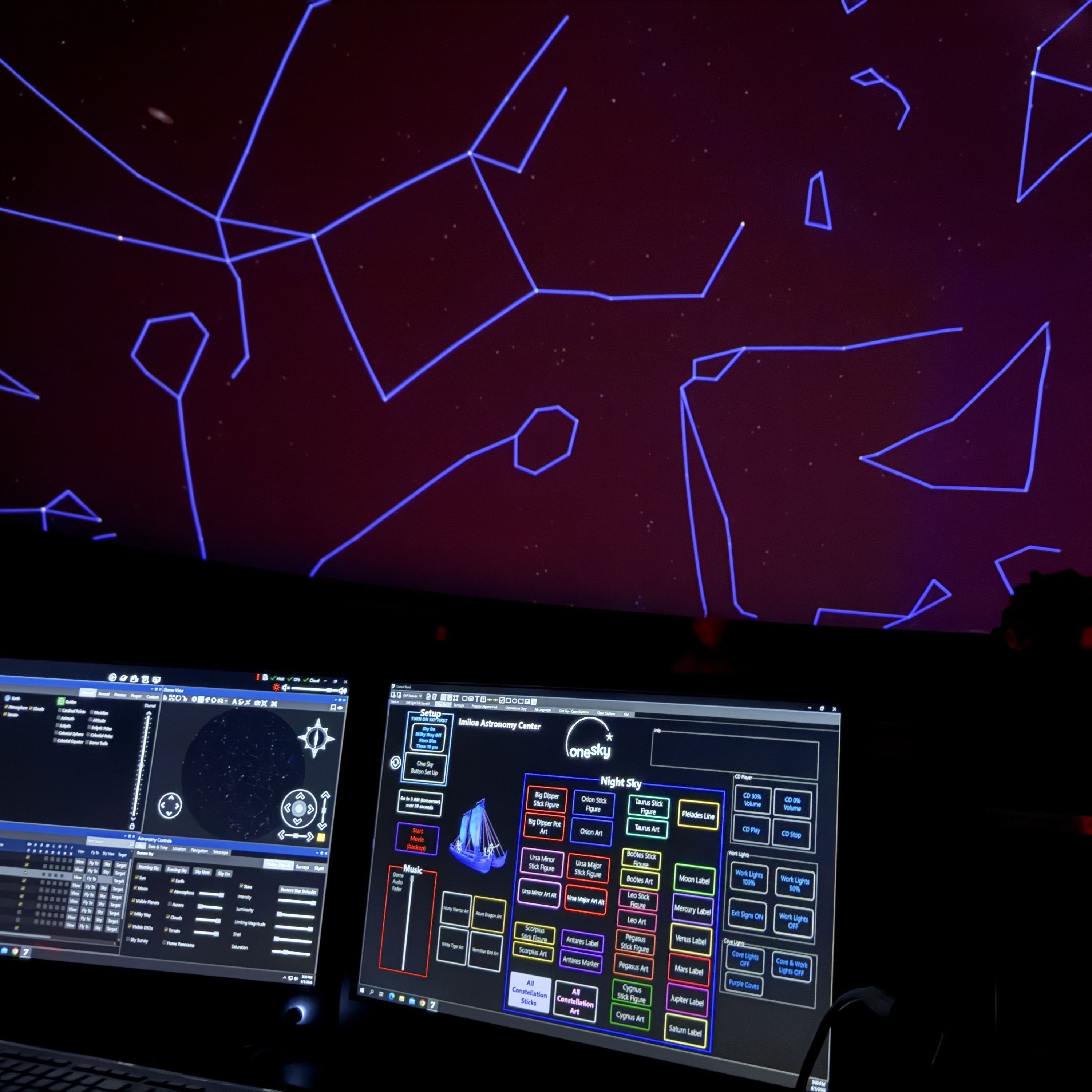 Where do constellations come from? 07.08.2026 47minHow are constellations formed? How many stars are there? What are stars made of? Why are there stars in the sky? Why are stars white? Why are some stars red? Why do stars twinkle? Why do we only see the stars at night? Why is the north star always facing north? We answer your questions about the stars and astronomy with Talia Sepersky of the Museum of Science in Boston. Download our learning guides: PDF | Google Slide | Transcript
 -
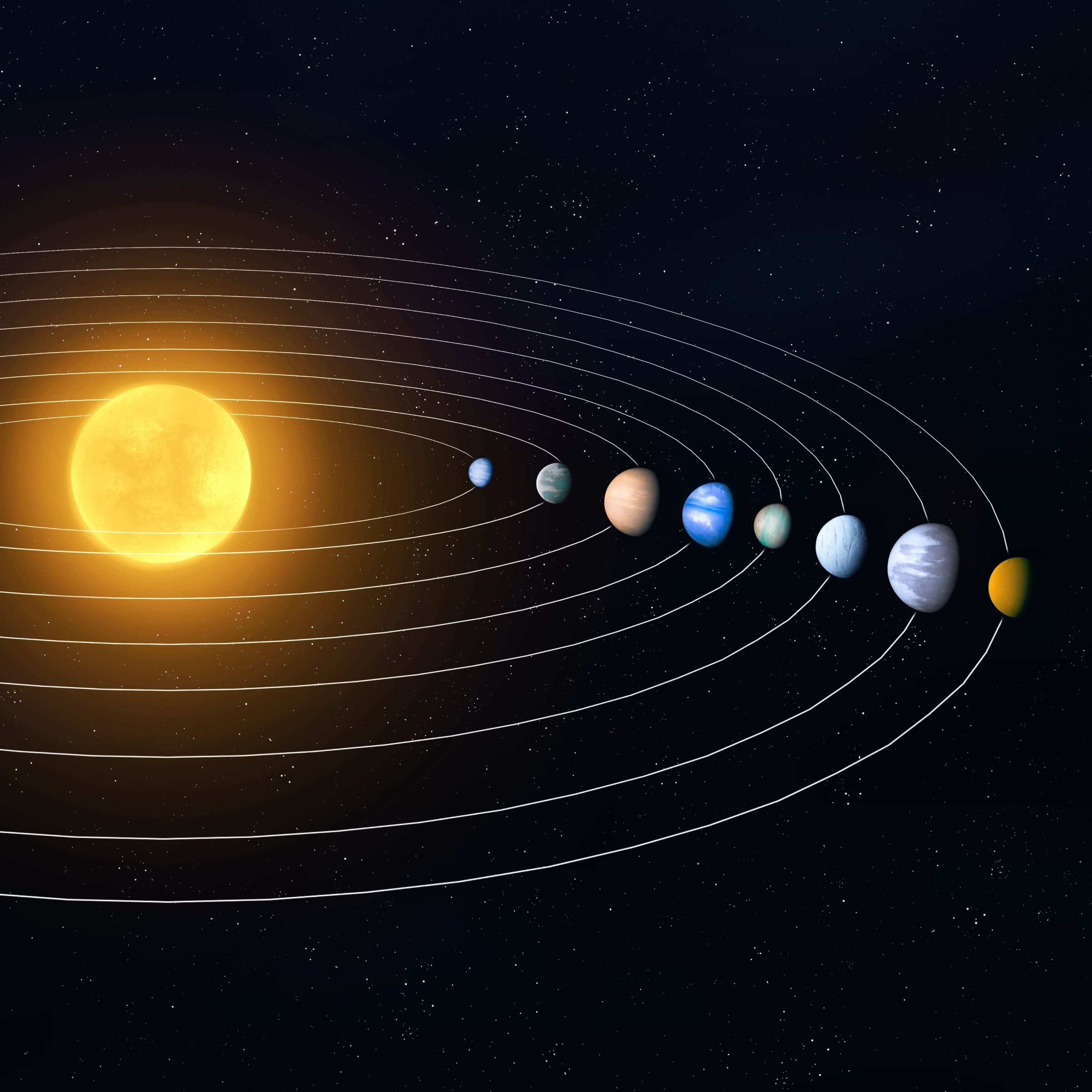 Why does space have so many planets? 24.07.2026 46minJoin us on a tour of our solar system with John O’Meara, chief scientist at the W.M. Keck Observatory in Hawaii. We’ll answer all of your questions about planets! How were the planets in our solar system made? Why are some planets made of gas and others are made of rock? How do planets stay in space? Why is Venus the hottest planet if it's not the closest to the sun? Why is Earth more like Mars than Venus? Why do dust storms happen on Mars? Why is the storm on Jupiter red? Why does Saturn have rings? What is a dwarf planet? Download our learning guides: PDF | Google Slide | Transcript
 -
 Do animals play? 10.07.2026 34minHave you ever seen your dog play with another dog? Have you seen squirrels chasing each other in the woods? Are they playing or are they doing something else? We look at the behavior of animals with Marco Wendt, Wildlife Ambassador for the San Diego Zoo Wildlife Alliance and host of Amazing Wildlife: A San Diego Zoo Podcast. Also in this episode: Why do pigs like to play in the mud? Why do elephants like to play in the mud? Why do hamsters like to play? Is it okay for animals to live at the zoo? Download our learning guides: PDF | Google Slide | Transcript
 -
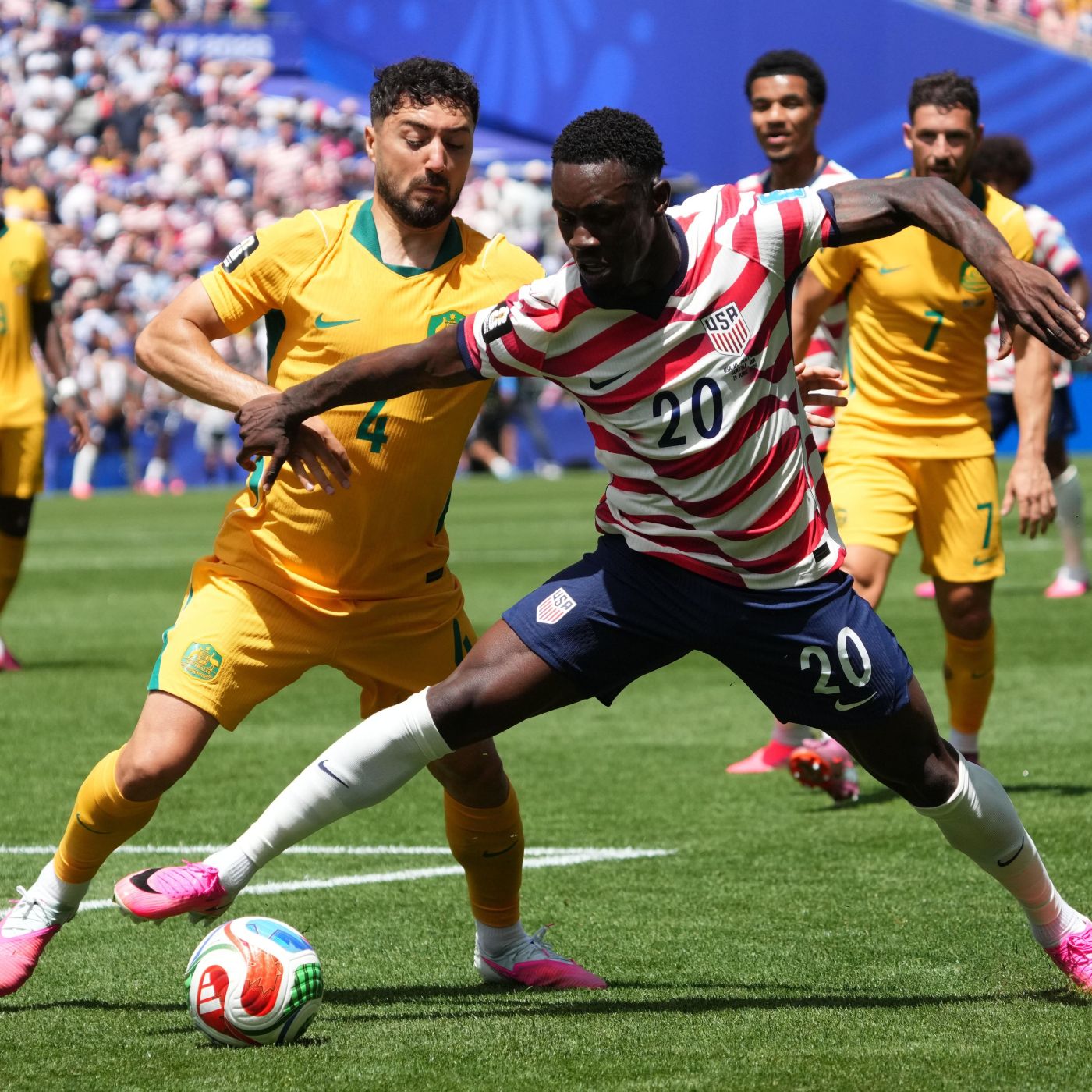 When was the first World Cup? 26.06.2026 28minRight now, the 2026 FIFA men’s World Cup is happening across 16 cities in the United States, Canada and Mexico and it’s time to learn a little bit about soccer…or should we say football? That’s one conundrum we’ll be tackling: why is it called soccer in some countries and football in others? We’ll also look at World Cup questions like where the first tournament was played and what makes the trophy so special. Plus: what are the basic rules of the game? Why are soccer balls often black and white? How come goalkeepers are allowed to use their hands? And what does offside actually mean? In this episode, we meet up with Meg Linehan, women’s sports lead for The Athletic at a Vermont Green FC training session and ask her all your soccer-related questions. Download our learning guide: PDF | Google Slide | Transcript
 -
 How are video games made? 12.06.2026 26minHow are video games made? Who invented the concept? Why do games have levels? Who invented them? Why are game consoles so expensive? Why do people like playing these games so much and do they turn your brain to mush? What do you do if you can’t make yourself stop playing? In this episode, we talk with Patrick Klepek, writer and editor of Crossplay, a newsletter focused on video games and parenting. Download our learning guide: PDF | Google Slide | Transcript
 -
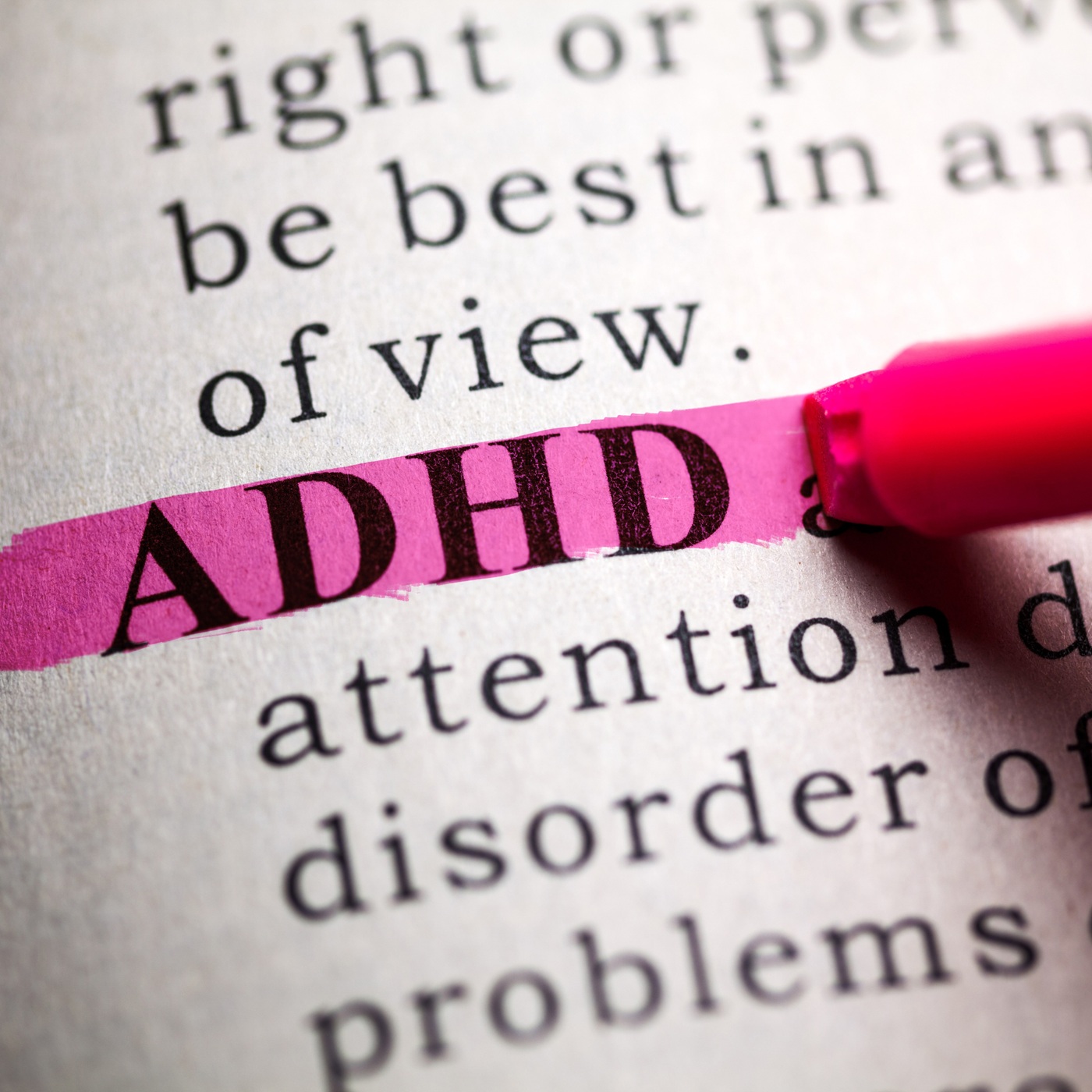 What is ADHD? 29.05.2026 27minWhat is ADHD? How does ADHD affect the brain? Why do only some people have it? How can we control our brains? An estimated 11 percent of U.S. kids are diagnosed with the neurological condition known as ADHD, so you may have it or have a friend or classmate with this unique way of thinking. In this episode we explore how you can learn to balance the strengths and challenges of ADHD with Dr. Liz Angoff, author of the Brain Building Book. Download our learning guides: PDF | Google Slide | Transcript
 -
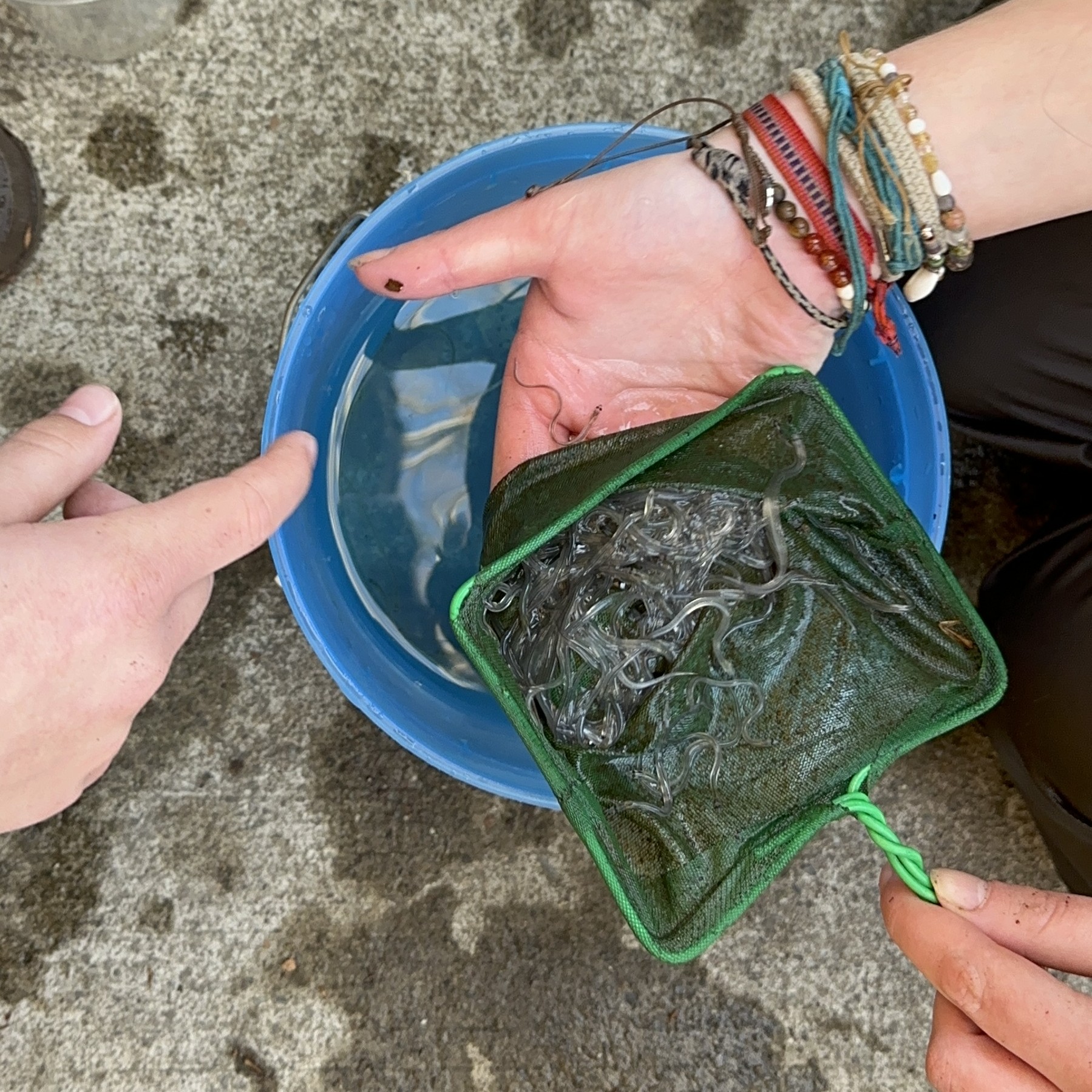 What are eels? 15.05.2026 23minWhat are eels? And why are some eels electric? We head to Poughkeepsie, New York to learn about eels with Chris Bowser, Hudson River estuary educator with the New York Department of Environmental Conservation. Plus we learn about electric eels. Electric eels have captured the imagination of many people, but they’re not actually considered eels by the scientific community. They’re a type of knife fish, more closely related to catfish and carp. But they are electric! So we’ll tackle why they’re electric and how they create electricity. David de Santana, of the Smithsonian Museum of Natural History, tells us what it’s like to study electric eels in the Amazon. Download our learning guides: PDF | Google Slide | Transcript
 -
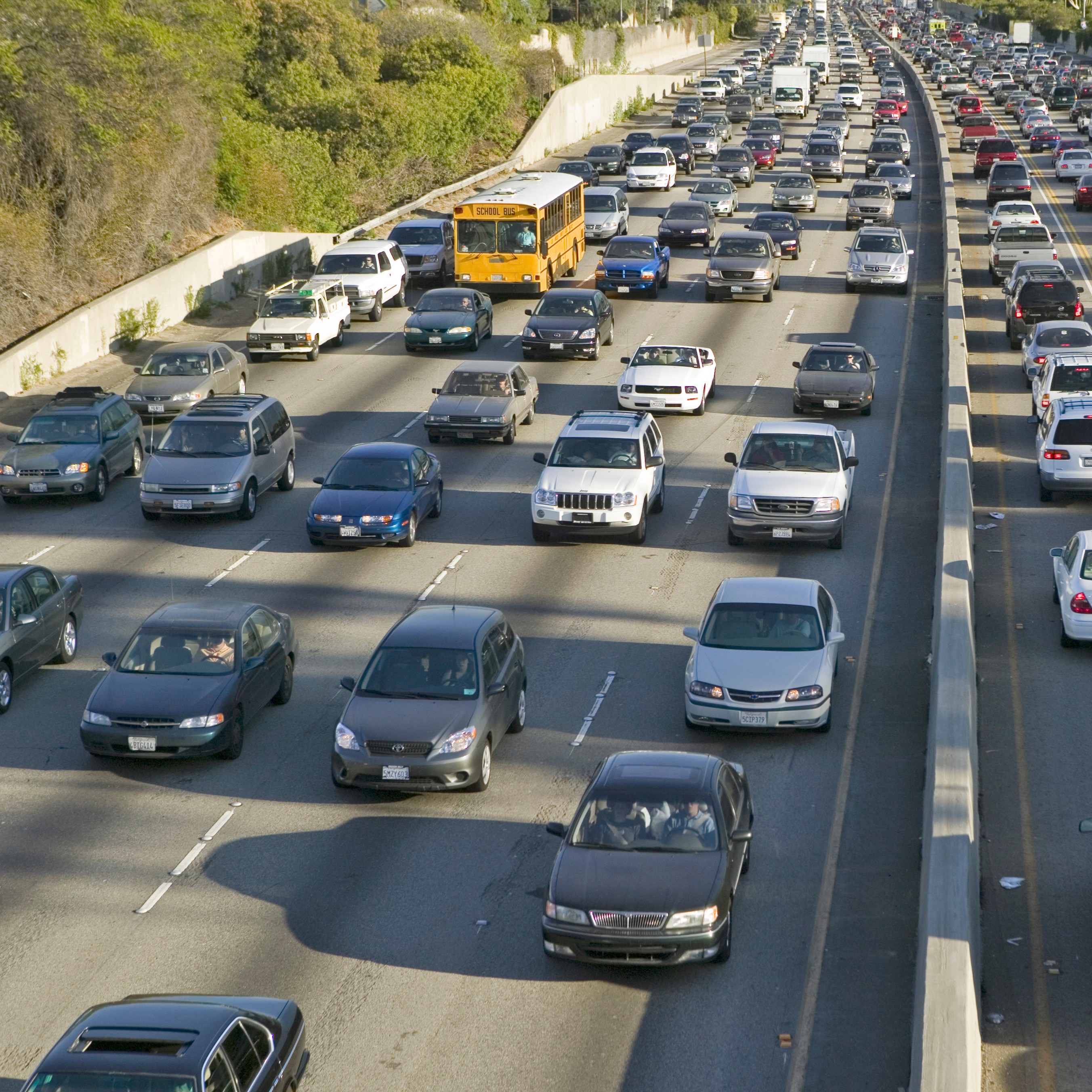 Why does green mean go and red mean stop? 01.05.2026 36minWhy is there traffic? How do traffic lights work? How do they know when to turn red and green? Why does green mean go and red mean stop? Why are cars able to go faster than they are allowed to go with the speed limit? Why do we drive on the right side of the road in the United States? Why are some roads bigger than others? Answers to your traffic questions with Mike Knodler, professor and director of the Transportation Center at the University of Massachusetts. Download our learning guides: PDF | Google Slide | Transcript
 -
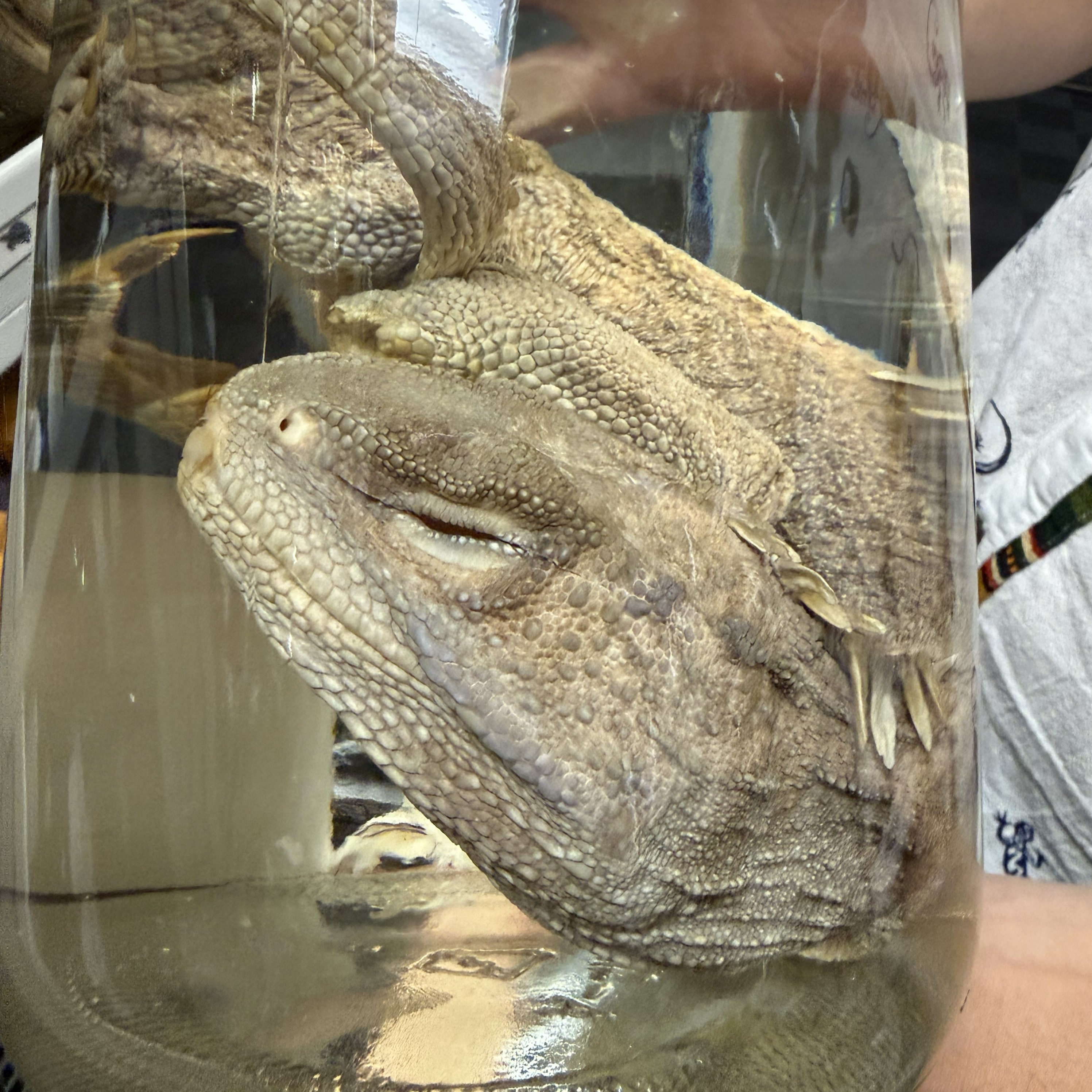 Are Komodo dragons really dragons? 24.04.2026 20minCan’t get enough of lizards? We’re back with a bonus episode answering more of your lizard questions with Adam Clause of the San Diego Natural History Museum. This week, chameleons, Komodo dragons, iguanas, monitor lizards and tuatara! How do chameleons change color? Why are Komodo dragons called dragons and are they endangered? How many babies do monitor lizards have? Why do iguanas have dewlaps? (And what’s a dewlap?!) Why are iguanas green? What is a tuatara? Download our learning guides: PDF | Google Slide | Transcript
 -
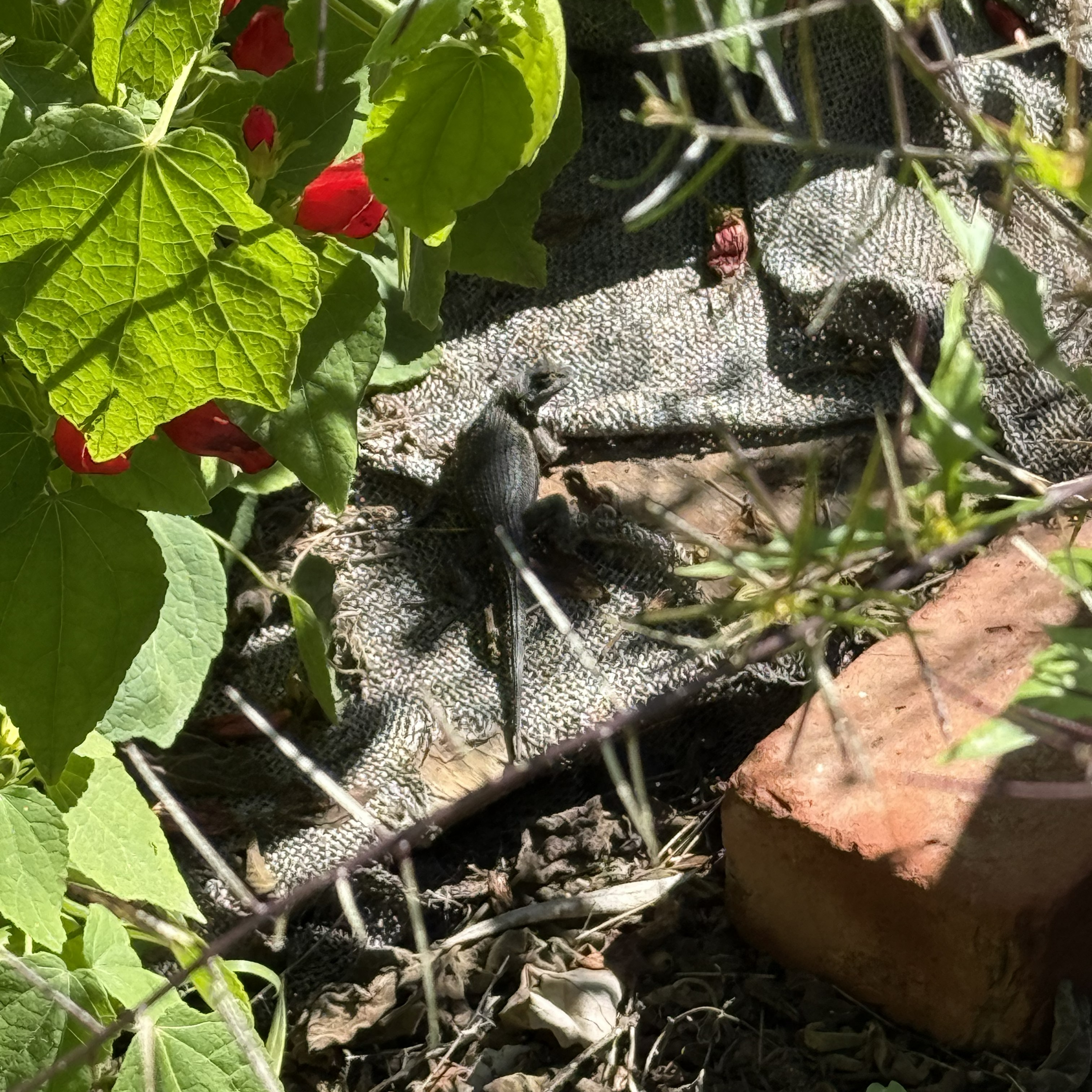 How do lizards grow their tails back? 17.04.2026 35minDeep in the basement of the San Diego Natural History Museum, there are thousands of jars filled with preserved reptiles and amphibians. In this episode, But Why takes a tour with collections manager Adam Clause to answer your questions about lizards! How do lizards climb walls? Do lizards hibernate? Do they sleep? Why are lizards cold blooded? How do lizards grow back their tails if they break off? Why do geckos lick their eyes? Do lizards poop and pee? Download our learning guides: PDF | Google Slide | Transcript
 -
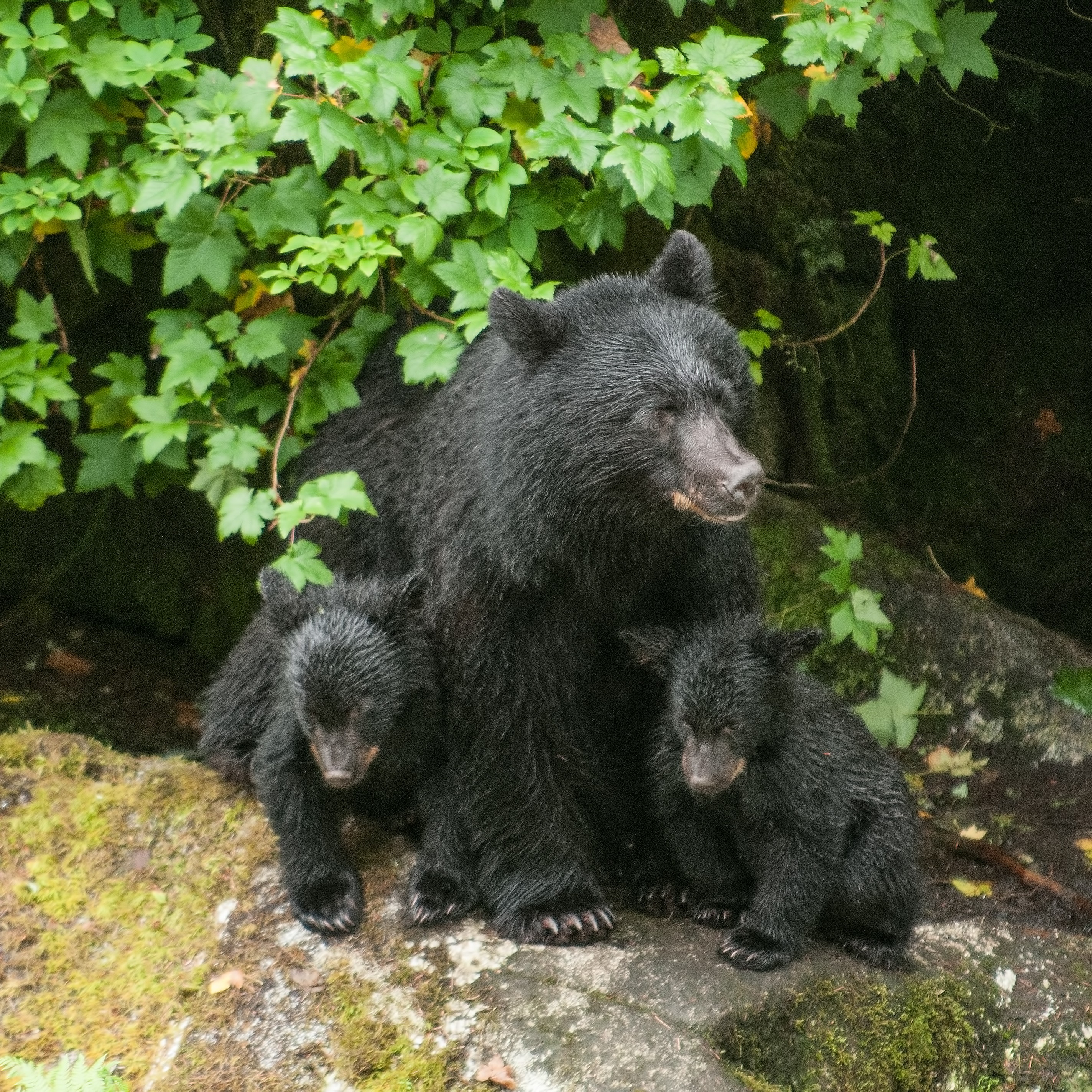 But Why turns 10! 03.04.2026 22minBut Why turns ten years old on April 1, 2026! To celebrate this milestone, we’re listening back to our very first episode. We’ve got owls and turtles and bears. Naturalist Mary Holland gets into the details about hibernation–including the questions you may not even have thought to ask, like what about poop? Then we meet a barred owl named Chapin, who is cared for by Outreach for Earth Stewardship in Shelburne, Vermont. Download our learning guides: PDF | Google Slide | Transcript Download and print Hibernating Bear and "Om Nom" Bear, coloring pages by Lauren Turmel.
 -
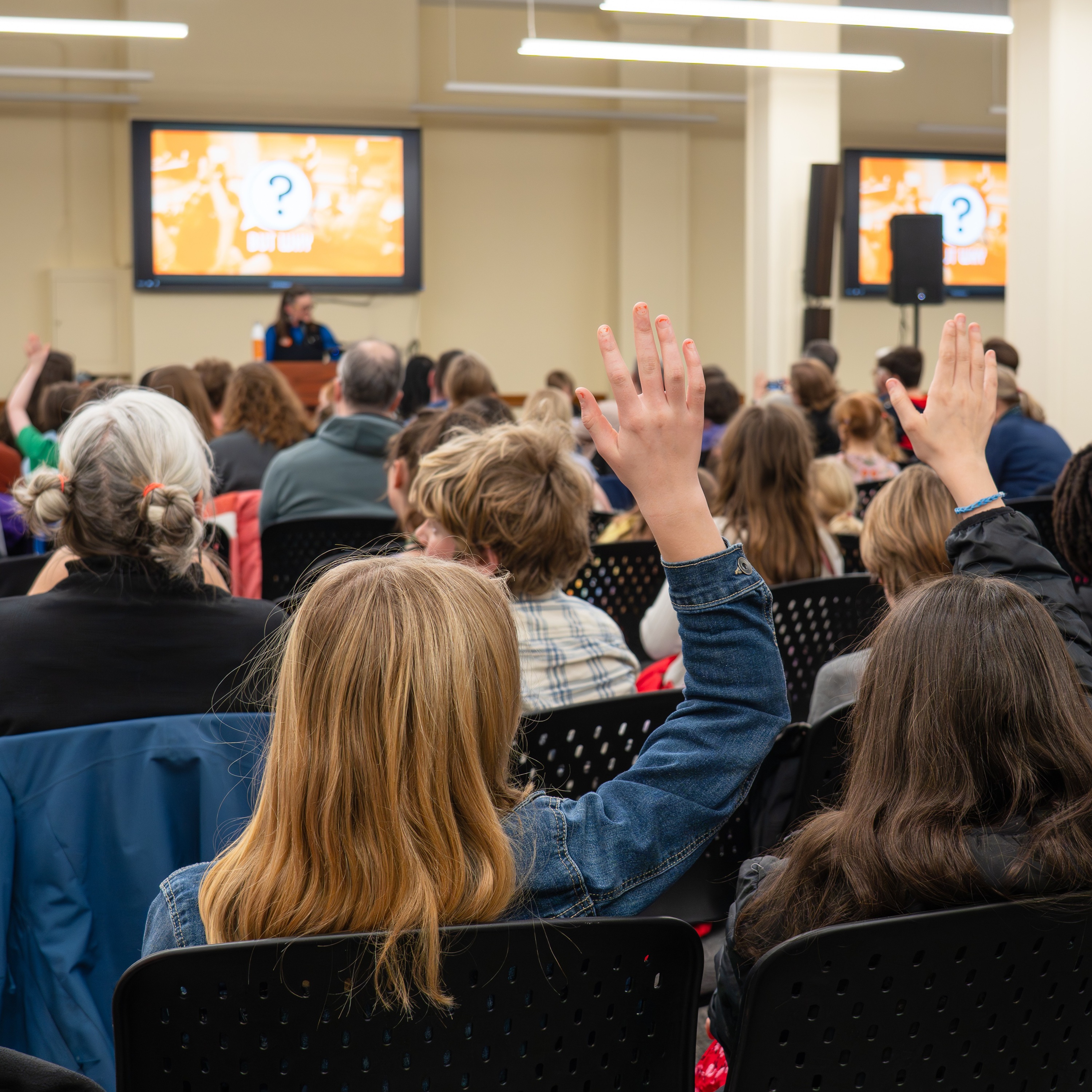 What's it like to be a Kid Governor? 20.03.2026 26minIn the United States, voters in each state elect a governor every two or four year terms. The governor is the top official in the state government. But did you know five U.S. states also elect a Kid Governor? It’s a part of a civics education program that helps kids learn about democracy while focusing on a community issue that’s important to them. But Why recently hosted Vermont’s Kid Governor and cabinet for a kid press conference and in this episode, we’ll listen in on that event. Plus we’ll hear from kid governors in Connecticut and Nebraska about what they hope to accomplish in their terms. Download our learning guides: PDF | Google Slide | Transcript
 -
 How do we know life is not a dream? 06.03.2026 32minSome questions are so big they’re existential, meaning that they get right to the heart of human existence. These are also sometimes called philosophical questions, so for this episode we called up a professor of philosophy, Scott Hershovitz, who teaches at the University of Michigan. He’s also written a book about how adults and kids can have philosophical discussions together. It’s called Nasty, Brutish and Short: Adventures in Philosophy with My Kids. Download our learning guides: PDF | Google Slide | Transcript
 -
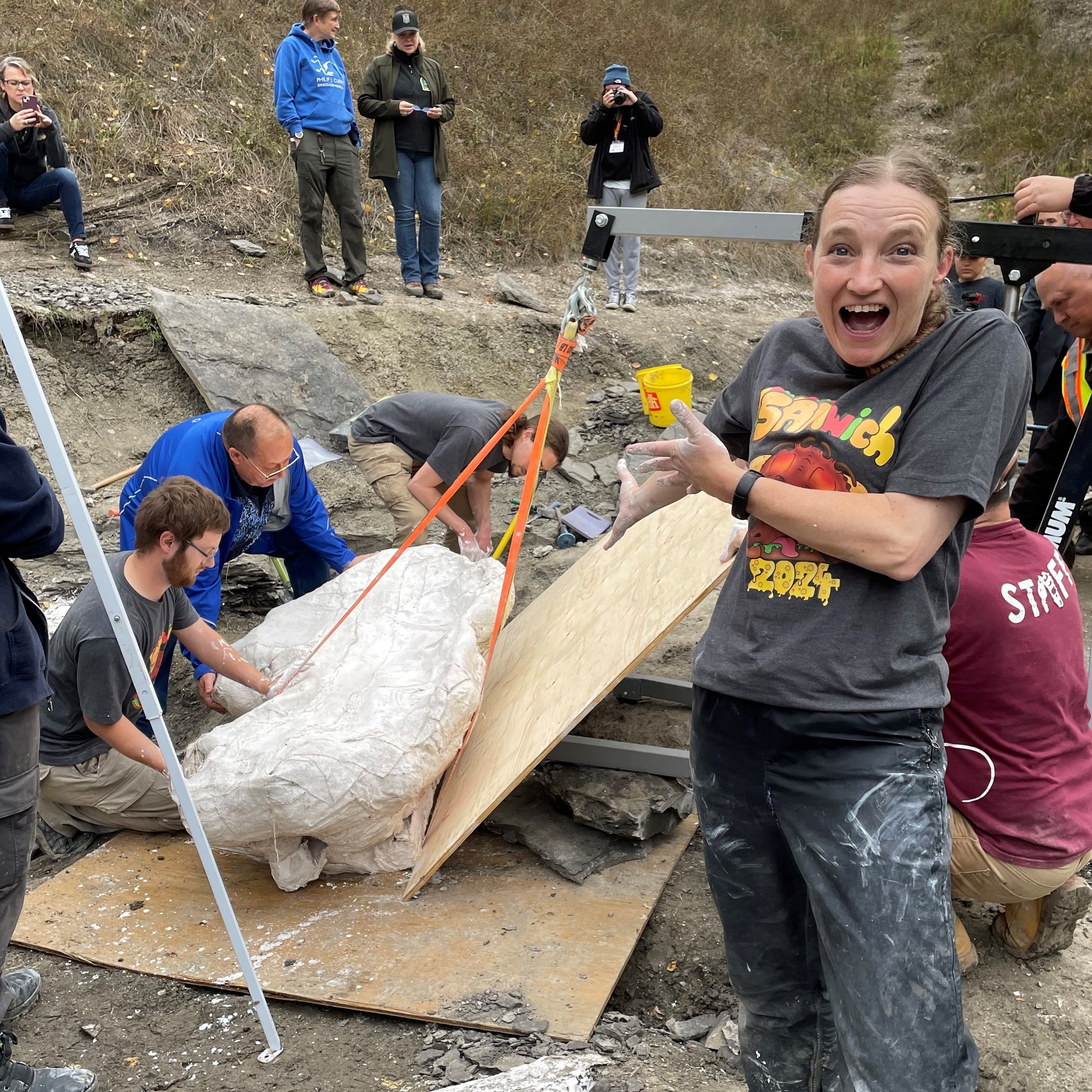 How did bird dinosaurs survive the meteor? 20.02.2026 29minWhy did the dinosaurs go extinct? Many of you have learned about the meteorite that scientists say hit the earth 66 million years ago and killed off many dinosaur species. But some dinosaurs survived, and the birds you see flying around today are their direct descendants! In this episode we trace the connection between modern birds and prehistoric dinosaurs. Other questions include: Were any dinosaurs mammals? How did bird dinosaurs survive? Are crocodiles related to dinosaurs? Did dinosaurs have feathers? How do we know? Did all dinosaurs lay eggs? Our guest is Dr. Emily Bamforth, curator of the Philip J. Currie Dinosaur Museum in Alberta, Canada. Download our learning guides: PDF | Google Slide | Transcript
 -
 Why are brothers and sisters so annoying? 06.02.2026 18minWhy are brothers and sisters so annoying? Why do siblings often look a lot alike? Why do siblings fight? Can your sister be your best friend? Why do we fight with our siblings even if we love them? But Why takes a look at the sibling relationship with Susan Dominus, author of The Family Dynamic. Download our learning guides: PDF | Google Slide | Transcript
 -
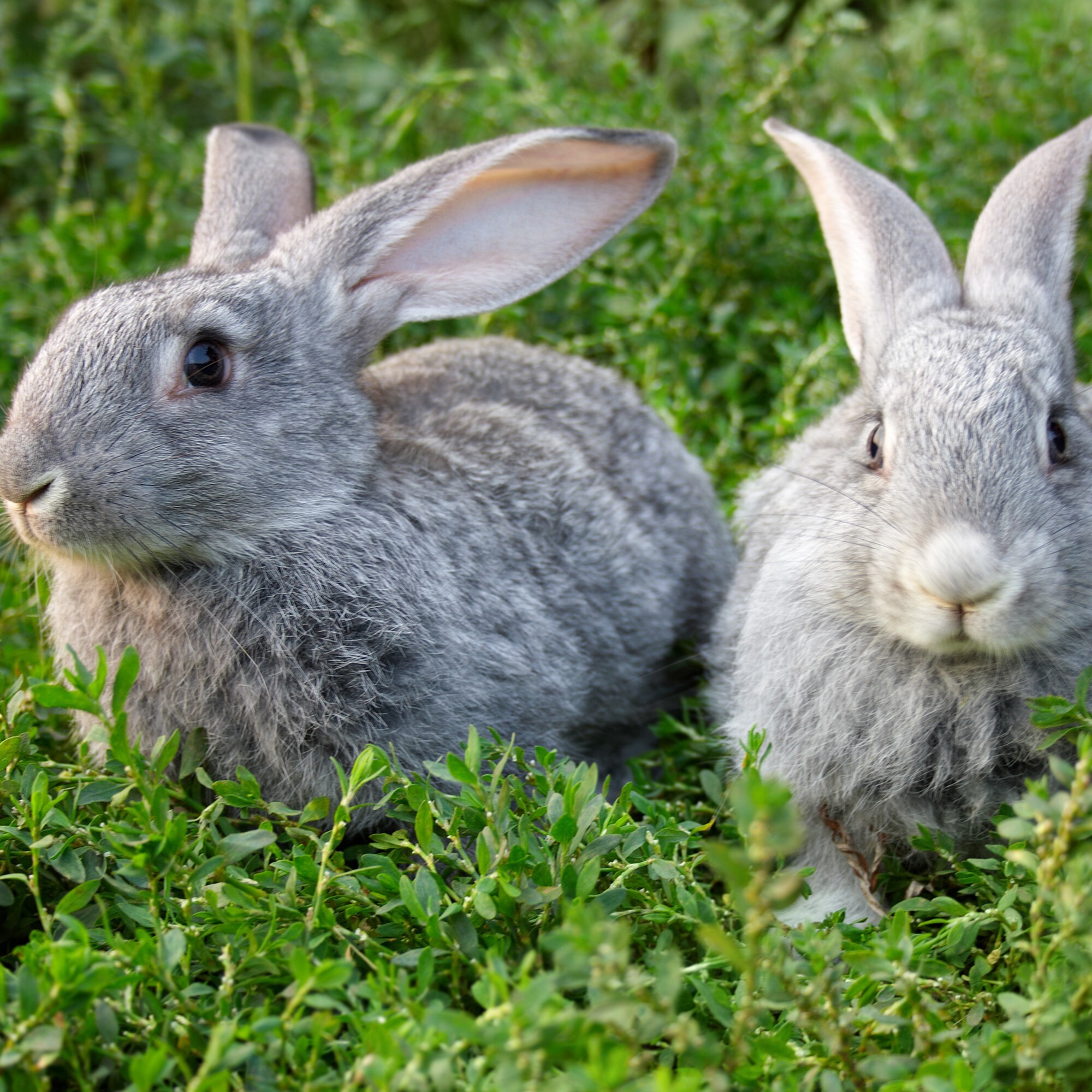 Do bunnies come out at night? 23.01.2026 25minWhy are rabbits called bunnies? Why do they have fur? Why do bunnies have puffball tails? Why do rabbits have eyes on the sides of their heads? Why do rabbits hop? Our guest is Margo DeMello, professor of anthrozoology at Carroll College in Montana. She’s also a rabbit rescuer and rehabilitator who is currently caring for 12 rabbits in her home! Download our learning guides: PDF | Google Slide | Transcript
 -
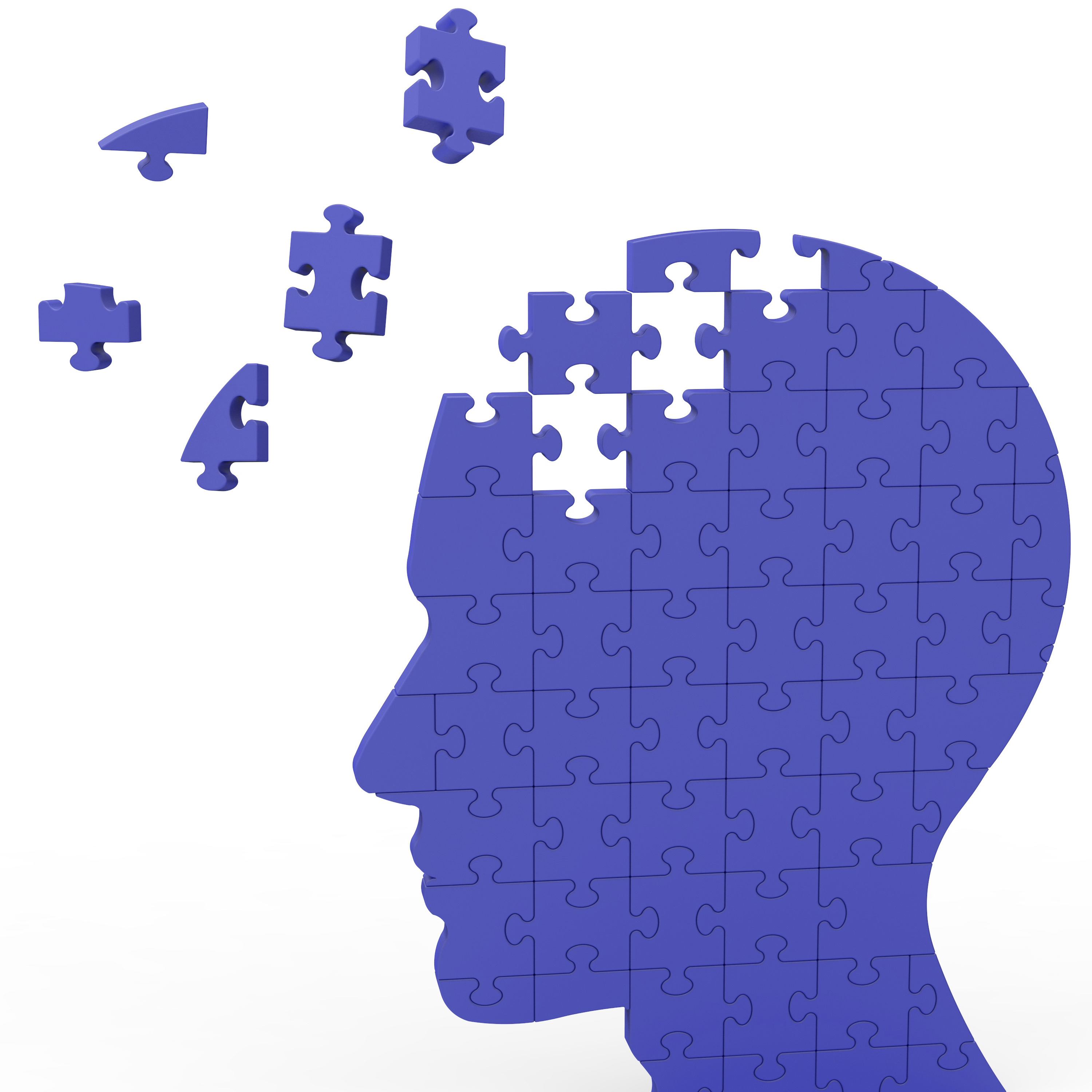 Why can’t we remember being babies? 09.01.2026 31minHow does memory work? Why can’t we remember things that happened when we were babies? Why do we forget? Why are some people forgetful? Why do elephants have such good memories. What’s this episode about? I forgot! Oh yeah, how does our memory work! Our guest is Dr. Nick Turk-Browne, professor of psychology at Yale University. Download our learning guides: PDF | Google Slide | Transcript
Post de radio

Podcasturi similare


Popular în
Acest podcast apare și în topurile de podcasturi din aceste țări.
-
 Mauritius
-
 Serbia
-
 Vietnam
-
 Malaysia
-
 Estonia
-
 Laos
Laos
-
 Namibia
-
 Coreea de Sud
-
 Oman
Oman
-
 Guatemala
-
 Argentina
-
 Malta
Malta
-
 Macedonia de Nord
-
 Moldova
-
 Nepal
Nepal
-
 Myanmar
-
 Croația
-
 Bahamas
-
 Hong Kong
-
 Eswatini
-
 Slovenia
-
 Singapore
-
 Panama
-
 Islanda
-
 Kazahstan
-
 Luxemburg
-
 Malawi
-
 Taiwan
-
 Kuweit
-
 Iordania
-
 Guyana
-
 Thailanda
-
 Letonia
-
 China
China
-
 Bermuda
-
 Brunei