
Deep Seed - Regenerative Agriculture
Raphael Esterhazy
0
The Deep Seed Podcast explores regenerative agriculture, soil health, and ecosystem restoration. Host Raphaël interviews farmers, innovators, and experts pioneering sustainable farming practices. Topics include agroecology, agroforestry, carbon farming, no-till farming, holistic grazing, crop rotation, and food forests. The podcast aims to inspire and educate listeners about building a more resilient food system.
Episoade
-
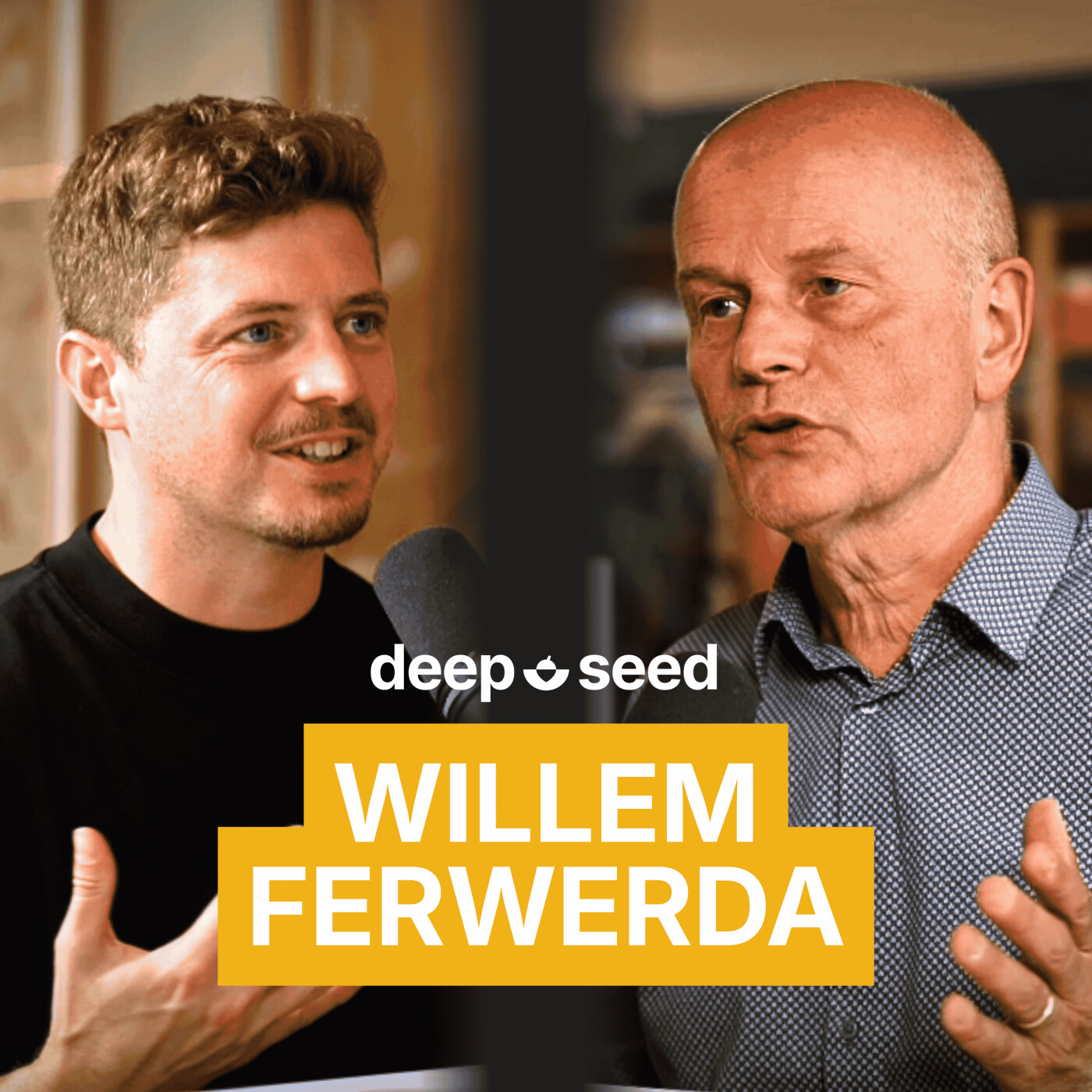 The 20-Year Plan to Restore Nature at Scale [WILLEM FERWERDA] 16.09.2026 1h 14minWhat does it actually take to restore nature? Not just on individual farms or through isolated projects, but across entire landscapes?For more than a decade, ecologist and Commonland founder Willem Ferwerda has been working on exactly that question.In this episode, Willem takes us inside the thinking behind Commonland and the Four Returns framework: a long-term approach to landscape restoration that brings together ecology, agriculture, communities, business and finance.We explore why restoring ecosystems requires thinking in decades; why technical knowledge is often not the biggest barrier to change; what Willem learned from decades working in conservation around the world; and why farmers and landowners can become what he beautifully describes as “islands of hope” within degraded landscapes.We also get into the economics of regeneration: long-term finance, the role of farmers and communities, and why our economies ultimately need to operate within the ecological systems on which they depend.At its heart, this is a conversation about moving from loss to return: restoring not only biodiversity, soil and water, but livelihoods, communities, purpose and hope. 💚This episode is part of a special Deep Seed series produced in collaboration with Commonland, exploring what it really takes to restore landscapes at scale.✨ WILLEM FERWERDAEcologist, conservationist and founder of Commonland.https://www.linkedin.com/in/willem-ferwerda-1540135/✨ COMMONLANDA global organisation working with partners around the world to support large-scale, long-term landscape restoration through the Four Returns framework.https://commonland.com/Hosted on Ausha. See ausha.co/privacy-policy for more information.
 -
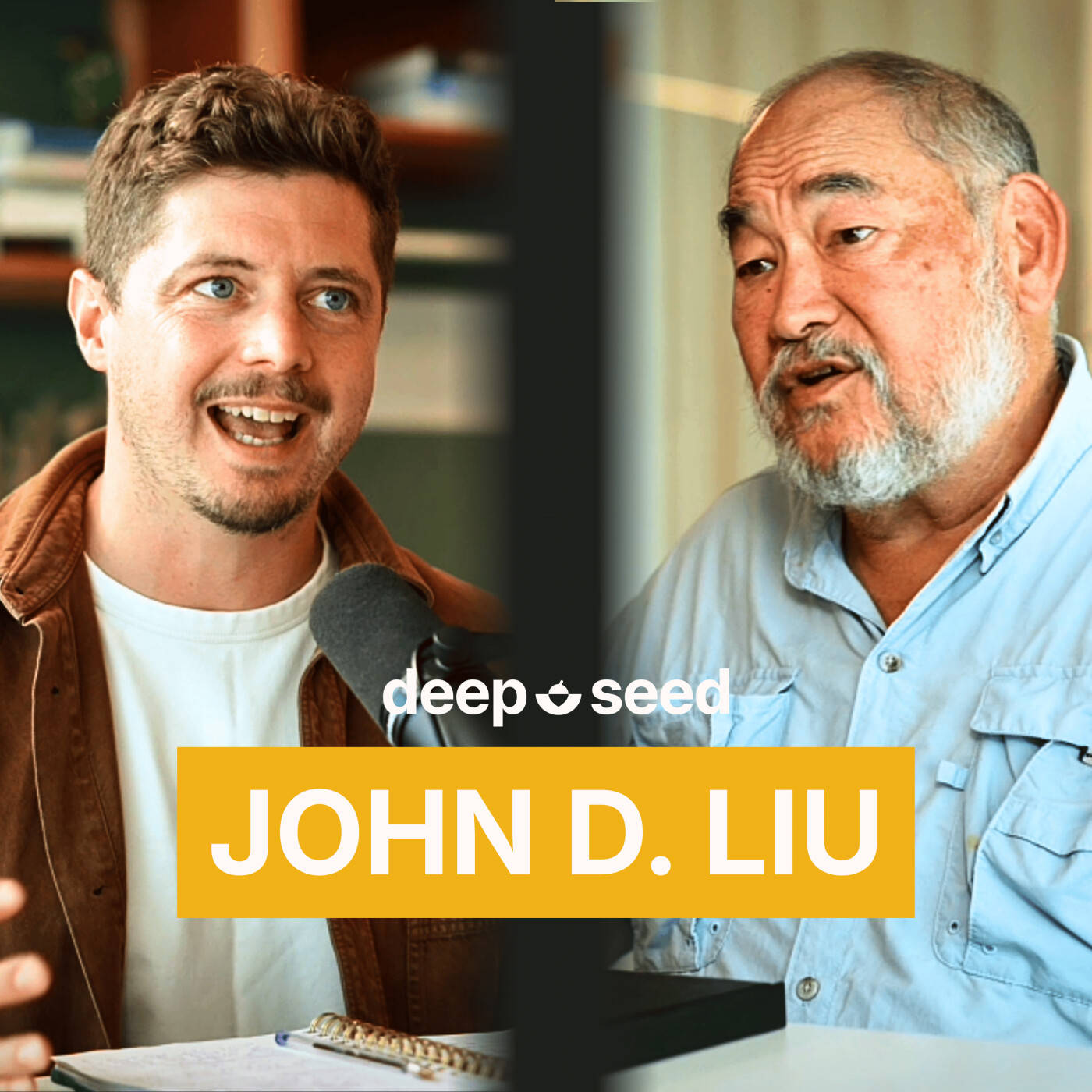 How China Brought 4 Million Hectares Back to Life | John D. Liu 09.09.2026 1h 35minWhat if humanity already knows how to restore the ecosystems we have degraded?For more than three decades, filmmaker and ecologist John D. Liu has documented some of the world’s most ambitious efforts to bring damaged landscapes back to life.His work documenting the restoration of China’s Loess Plateau showed him something that would shape the rest of his life: large-scale ecological degradation is not necessarily irreversible.So if restoration is possible, why aren’t we doing it everywhere?In this conversation, John takes us from the Loess Plateau to the possibility of restoring the Sinai Peninsula. We explore how vegetation, soil, biodiversity and the water cycle interact, why degraded landscapes struggle to retain water, and what happens when ecological function becomes the starting point for how we manage land.But John’s argument goes much further than ecosystem restoration.We discuss why our economic system often rewards extraction rather than ecological health, why GDP is such an incomplete measure of wealth, whether perennial polycultures and regenerative agriculture could reshape our food system, and what it would mean to organise human civilisation around restoring the living systems on which we depend.John also reflects on ageing, responsibility, his friendship with Jane Goodall, the creation of the Ecosystem Restoration Communities movement, and his work as an Ecosystem Ambassador for Commonland.At 73, after decades spent documenting both ecological destruction and extraordinary recovery, John remains convinced of something profoundly hopeful:Humans don’t have to be a destructive force on this planet. We can become a restorative one.This episode was produced in partnership with Commonland, a global organisation working to enable large-scale landscape restoration through its holistic Four Returns approach.⎯⎯⎯🎙️ JOHN D. LIUJohn D. Liu is a filmmaker, ecologist and ecosystem restoration advocate whose documentaries have helped bring global attention to the potential of large-scale landscape restoration.✨ COMMONLANDCommonland works with communities around the world to restore degraded landscapes and create thriving futures for people and nature through its Four Returns approach.https://commonland.com/✨ THE DEEP SEEDThe Deep Seed explores the people, ideas and solutions helping regenerate our food systems and ecosystems.Through long-form conversations with farmers, scientists, entrepreneurs and leading thinkers, we explore regenerative agriculture, soil health, ecosystem restoration, biodiversity and how we can build a healthier relationship with the living world.🔔 Follow The Deep Seed for more conversations on regenerative agriculture, soil health, ecosystem restoration, biodiversity and the future of food.Hosted on Ausha. See ausha.co/privacy-policy for more information.
 -
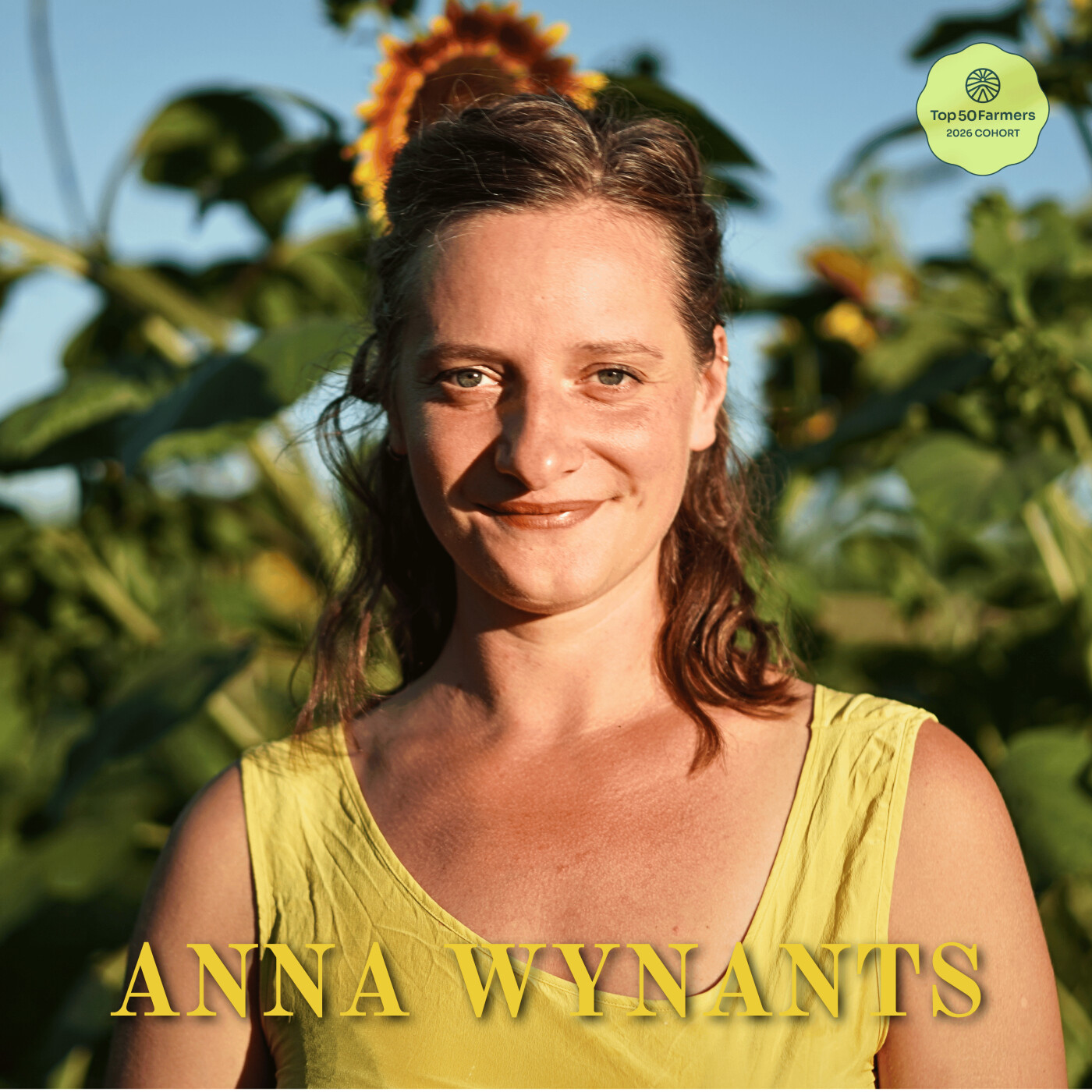 From Soil to Plate: The Chef Who Became a Farmer 20.08.2026 34minA few years ago, Anna Wynants decided to combine her two biggest passions: farming and cooking.She opened ‘De Keukentafel’, which is both a small organic regenerative farm and a fine dining restaurant.Every morning, she walks into the gardens with her coffee to see what’s thriving, what’s ripe, and which ingredients are ready to find their way onto the menu.For a creative chef like her, it’s like paradise: a whole range of fresh and delicious ingredients to choose from. She then expertly and lovingly harvests, transforms and elevates these ingredients to create beautiful, original and delicious dishes. I had the pleasure of trying some of her food, and it’s truly exceptional.I left De Keukentafel deeply inspired by both the place and the person behind it. I hope this conversation leaves you feeling the same.✨TOP 50 FARMERSAnna is one of 50 farmers selected for Top 50 Farmers 2026, a farmer-first accelerator program designed to empower, connect, and elevate regenerative farmers across Europe. This episode was produced in collaboration with Top 50 Farmers to bring you an example of how regeneration is being pursued in many contexts and many ways. Discover more - www.top50Farmers.com✨DE KEUKENTAFELhttps://www.de-keukentafel.com/✨DEEP SEED PODCASTFollow us for more stories about regenerative pioneers, scientists and experts (click on the ‘subscribe’ button under the video)Email us at [email protected] on Ausha. See ausha.co/privacy-policy for more information.
 -
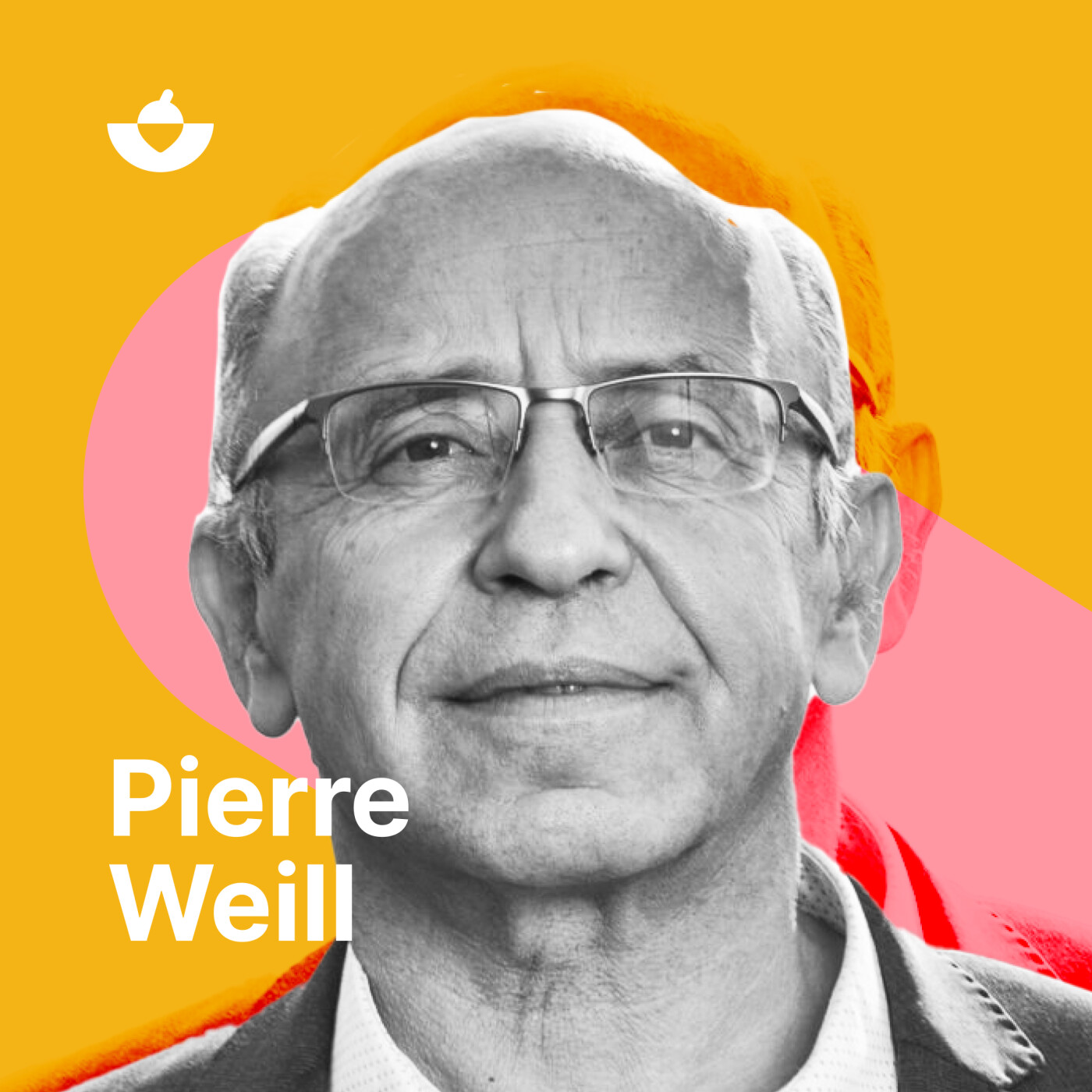 🇫🇷 Pierre Weill - la santé humaine commence dans les sols! 30.06.2026 1h 53minEt si notre santé ne commençait pas dans l’assiette… mais bien plus bas, dans les sols ?Dans cet épisode, je reçois Pierre Weill, agronome, auteur de Une seule santé et pionnier d’une approche qui relie santé des sols, santé des plantes, santé animale, alimentation humaine et santé publique.On parle de One Health, de densité nutritionnelle, d’agroécologie, de maladies chroniques, d’oméga-3, de polyphénols, de goût, de prévention, mais aussi d’un sujet essentiel : comment créer un nouveau contrat entre agriculteurs, citoyens, scientifiques, entreprises et décideurs pour produire une alimentation qui régénère les écosystèmes au lieu de les épuiser.Pierre explique pourquoi une tomate peut avoir le même nombre de calories qu’une autre, mais pas du tout la même richesse en micronutriments. Pourquoi la vie du sol influence la qualité nutritionnelle des aliments. Pourquoi la diversité est une clé fondamentale du vivant. Et pourquoi la transition agricole ne peut pas reposer uniquement sur les épaules des agriculteurs.DANS CET EPISODE• Le concept de One Health : pourquoi la santé des sols, des plantes, des animaux et des humains est indissociable.• Pourquoi la densité nutritionnelle de nos aliments est l’un des grands enjeux de santé publique du XXIᵉ siècle.• Comment les pratiques agricoles influencent directement la qualité nutritionnelle de notre alimentation.• Pourquoi les maladies chroniques explosent et quel rôle joue notre alimentation.• Les preuves scientifiques derrière les bénéfices de l’agriculture régénérative.• Peut-on produire une alimentation plus saine sans la rendre inaccessible ?• Comment reconnaître des aliments réellement nutritifs en tant que consommateur.• Pourquoi la santé pourrait être le moteur le plus puissant pour accélérer la transition agricole.PARTENAIRES DE CET EPISODE🌱 Regenacterre accompagne les agriculteurs qui souhaitent faire évoluer leurs pratiques vers une agriculture plus régénérative. À travers du conseil technique, des formations et un accompagnement de terrain, leur objectif est d’aider les fermes à restaurer la santé des sols, renforcer leur résilience, améliorer leur rentabilité et produire une alimentation de meilleure qualité, tout en régénérant les écosystèmes.🌾 Cultivae est une coopérative qui développe des filières agricoles régénératives en Wallonie. Elle accompagne les agriculteurs dans leur transition et travaille à mieux valoriser leurs productions en créant des débouchés pour des aliments issus de pratiques favorables aux sols, à la biodiversité et au climat. Son ambition est de faire émerger une économie capable de récompenser les agriculteurs qui régénèrent le vivant.🌿 Le GAL Culturalité est un Groupe d’Action Locale qui rassemble citoyens, agriculteurs, entreprises, associations et pouvoirs publics autour de projets de développement territorial. Son objectif est de renforcer la vitalité économique, sociale et environnementale de la région en soutenant des initiatives locales innovantes, notamment dans les domaines de l’agriculture, de l’alimentation, de la biodiversité et de la transition écologique.🔔 Abonnez-vous à Deep Seed pour explorer les liens entre agriculture régénérative, santé des sols, biodiversité, alimentation, climat et transformation de nos systèmes alimentaires.Hosted on Ausha. See ausha.co/privacy-policy for more information.
 -
 The Joy and Wonder of Being a Regenerative Farmer [Naomi Oakley & Gunnar Thelin] 20.05.2026 1h 4minIn this episode of Deep Seed, regenerative farmers Naomi Oakley and Gunnar Thelin explore what modern agriculture could become if we stopped treating nature as a machine and started listening to living systems again.This is not another conversation about agricultural policy, carbon markets, subsidies or food system bureaucracy.It is a deeply human conversation about regenerative farming, biodiversity, grazing animals, soil health, ecosystem restoration, community, belonging… and joy.For Naomi, farming is the privilege of waking up every morning to work alongside animals, landscapes and local communities she deeply loves. For Gunnar, regenerative agriculture is rooted in a profound feeling of connection to place: the understanding that the land does not belong to us — we belong to the land.Together, they discuss how regenerative grazing systems can restore ecosystems, improve water cycles, increase biodiversity, rebuild soil health and strengthen climate resilience, while also giving farmers back something many have lost: meaning, dignity and hope.This episode explores:• regenerative agriculture and holistic grazing• biodiversity and ecosystem restoration• soil regeneration and water retention• rewilding vs regenerative farming• how cows and grazing animals shape landscapes• why observation matters more than rigid agricultural recipes• farmer mental health, purpose and community• the role of farmers in solving climate and ecological crises• why many young people are rediscovering farming and land stewardshipAt the heart of the conversation is a powerful idea: farmers are not simply producers trapped inside industrial systems. They are observers, experimenters and caretakers of living ecosystems.Naomi and Gunnar speak honestly about how modern agriculture often disconnects farmers from nature, from their communities and even from themselves. Against that, they offer another path: one rooted in curiosity, humility, ecological intelligence and relationship with the living world.It is hopeful without being naïve.A conversation about farming, yes — but also about how humans might find their way back to meaning, resilience and connection in an increasingly fractured world.🌿 SOIL CAPITAL This episode was made in partnership with Soil Capital - a company accelerating the transition to regenerative agriculture by financially rewarding farmers who improve soil health www.soilcapital.com 👨🏼🌾 EARA The conversation was recorded during a gathering organised by the European Alliance for Regenerative Agriculture (EARA), a growing network of farmers from across Europe working to regenerate soils, ecosystems, rural communities and food systems.Hosted on Ausha. See ausha.co/privacy-policy for more information.
 -
 Why the Food System is Breaking and How to Fix it [IVO DEGN] 29.04.2026 44minLet me ask you this: do you think Europe can feed itself in 20–30 years under current conditions?In this episode of the Deep Seed Podcast, I sit down with Ivo Degn (Re:source) to unpack a reality very few people are willing to face:Europe’s food system is becoming more fragile, more volatile, and less resilient every year.We talk about rising food insecurity, collapsing soil health, fertiliser dependency on fossil fuels, ageing farmers with no one to replace them, and a system that was never designed for the world we now live in.This conversation reframes regenerative agriculture from a “nice idea” to a serious response to food system risk.Because at the end of the day, agriculture is not just another sector. It is the foundation of civilisation.—In this deep-dive masterclass, we explore:• Why the modern agrifood system depends on assumptions that no longer hold• How climate volatility (droughts, floods, shifting baselines) is destabilising food production• Why fertiliser, energy and geopolitics are tightly linked• The hidden structural barriers blocking regenerative agriculture in Europe• Why farmers are often trapped in a system they know isn’t working• How soil biology, biodiversity and regenerative practices are emerging as a viable alternative• What needs to change at a system level to unlock the transition—If you care about food security, climate change, regenerative agriculture, soil health, biodiversity, the future of Europe, or simply where your food comes from, this is one of the most important conversations you can listen to right now.—🎙 ABOUT THE GUEST Ivo Degn is part of Re:source, working at the intersection of food systems transformation, regenerative agriculture, and systemic change across Europe.🌱 ABOUT DEEP SEED Deep Seed explores the future of food, farming, and ecosystems — through long-form conversations with the people shaping the regenerative transition.👨🏼🌾 SOIL CAPITAL The official partner of the Deep Seed podcast. Soil Capital is a company that accelerates the transition to regenerative agriculture by financially rewarding farmers who improve soil health and biodiversity ❤️ www.soilcapital.comHosted on Ausha. See ausha.co/privacy-policy for more information.
 -
 What If Kindness Is the Missing Piece in Regenerative Agriculture? 31.03.2026 41minWhat if restoring our soils isn’t just a scientific challenge… but an emotional, even spiritual one? What if the future of farming depends as much on beauty, connection, and intention as it does on data, yields, and carbon? In this powerful episode of the Deep Seed Podcast, landscape architect Marian Boswall takes us on a journey that starts with dead soil… and leads to a completely new way of seeing land, food, and life itself. This is not your typical conversation about agriculture. It’s deeper. Slower. More human. And, honestly, more hopeful. 🌍 Why You Should Watch This Episode If you care about: · Regenerative agriculture · Soil health & soil microbiology · Sustainable farming & food systems · Biodiversity & ecosystem restoration · Nutrient density & human health …this episode will expand how you think about all of them. Because regeneration isn’t just about techniques. It’s about how we relate to the land... and to each other! 🧠 What You’ll Learn · The fundamentals of soil health, composting, and the soil food web · Why nutrient density starts in the soil (and affects your gut health) · How biodiversity and agroecology can transform farms and landscapes · Why beauty, design, and even energy matter in regenerative systems · How anyone (yes, even in a city) can contribute to regeneration · The risks of greenwashing in the regenerative agriculture movement · Why beavers might be some of the best ecosystem engineers on Earth 🌱 A Different Perspective on Regenerative Agriculture Most conversations around regenerative agriculture focus on carbon, metrics, and productivity. This one adds something we don’t talk about enough: care, intention, and connection. Marian shares how landscapes can heal people, not just produce food. Farmers can reconnect with the food they grow Small actions (like compost or a balcony garden) can scale into ecosystem restoration “We don’t just grow food—we grow the conditions for life.” 🎙️ About the Guest Marian Boswall is an award-winning landscape architect, agroecology coach, and author. Her work bridges regenerative agriculture, ecology, and human wellbeing, helping design landscapes that restore both ecosystems and the people living within them. 🌿 SOIL CAPITAL This episode was made in partnership with Soil Capital, a company accelerating the transition to regenerative agriculture. www.soilcapital.comHosted on Ausha. See ausha.co/privacy-policy for more information.
 -
 The Crops That Could Save Our Food System (but we ignore them...) 24.03.2026 1h 4minWhat if the future of food isn’t high-tech… but ancient wisdom?We’ve built a global food system on just four crops... and it’s starting to crack! The real question is: what happens when it breaks?In this episode of the Deep Seed Podcast, Professor Sayed Azam-Ali (University of Nottingham, Crops For the Future) reveals why the key to resilient, nutritious, and truly sustainable food systems might already exist—hidden in so-called “forgotten crops.”We unpack how modern agriculture became dangerously dependent on a handful of commodity crops like wheat, rice, maize, and soy—and why this lack of diversity is driving soil degradation, biodiversity loss, climate vulnerability, and hidden hunger.But this isn’t just a problem story. It’s a roadmap for transformation.You’ll discover:Why crop diversity is the foundation of regenerative agriculture and food system resilienceHow underutilised crops like Bambara groundnut and fonio can outperform industrial staples in harsh climatesThe hidden link between ultra-processed food, micronutrient deficiency, and chronic diseaseWhy global supply chains (COVID, Ukraine, Suez Canal) exposed the fragility of our food systemHow indigenous knowledge and farmer-led innovation hold critical solutions we’re at risk of losingWhat needs to change—from seed systems and subsidies to consumer behavior and food cultureWe also dive into the bigger picture:Can regenerative agriculture scale without cultural change?What role should corporations, governments, and consumers really play?And why “cheap food” might be the most expensive mistake we’ve ever madeThis conversation sits at the intersection of agroecology, climate change, nutrition, and food sovereignty—and challenges everything we think we know about what we should grow and eat.Because the future of farming might not be about producing more……but about growing differently.“We cannot fix the food system by tweaking it. We have to transform it.”⸻🌿 SOIL CAPITAL - this episode was made in partnership with Soil Capital www.soilcapital.com❤️ Episode hosted by Federica UrsoHosted on Ausha. See ausha.co/privacy-policy for more information.
 -
 The Farming System Is Broken... And Farmers Know It! [DAVID WHEATLEY] 17.03.2026 1h 14minWhat happens when a farmer publicly admits that modern agriculture might be broken?In this episode, British farmer David Wheatley joins the Deep Seed Podcast to share the unfiltered reality of modern farming. After losing almost everything in a devastating farm fire and facing years of financial losses during COVID, David started posting honest videos about life on his farm — and unexpectedly built an audience of millions.Today, his content offers a rare window into the real economics of agriculture: volatile weather, rising input costs, global commodity markets, and the constant risk farmers face every season.David is a fourth-generation farmer from Cambridgeshire, UK, managing around 450 acres of arable crops, orchards and flowers. In this conversation we go beyond the viral videos to explore the deeper forces shaping farming today — and the new opportunities emerging through direct-to-consumer food systems, social media, and regenerative agriculture.You’ll hear:• how David nearly lost his farm after years of financial losses• why many farmers feel trapped in a system where “the more you grow, the less you get paid”• how social media unexpectedly became a lifeline for his farm• why he sells flowers and apples directly to consumers instead of supermarketsWe also discuss David’s heritage orchards with over 250 apple varieties, why he refuses to certify them organic even though they are grown without sprays or fertilisers, and how customers are rediscovering what real food tastes like.The conversation also explores David’s first experiments with regenerative agriculture, cover crops, direct drilling, biodiversity and diversified farming systems, and the real risks farmers face when transitioning away from conventional agriculture.This episode is for anyone interested in:• regenerative agriculture• sustainable farming• soil health and biodiversity• the future of food systems• farm economics and agricultural policy• food security and resilienceAt its heart, this conversation reminds us that the future of agriculture may depend on rebuilding the relationship between farmers, land and the people who eat the food.⎯👨🏼🌾 About the guestDavid Wheatley is a UK farmer, flower grower and orchard keeper known for sharing the unfiltered reality of modern farming with hundreds of thousands of followers online. His work highlights the economic pressures farmers face while exploring new ways to produce and sell food outside the traditional agricultural system.Instagram: @petitepeonysWebsite: petitepeonys.co.uk⎯🌿 This episode was made in partnership with Soil Capitalwww.soilcapital.com❤️ Special thanks to Federica Urso for the research and preparation of this episode.Hosted on Ausha. See ausha.co/privacy-policy for more information.
 -
 How This Regenerative Farmer Cut Costs and Increased Profits [JAMES BUCHER] 03.03.2026 1h 42minWhat happens when a former hedge fund trader walks away from finance… survives a near-fatal accident… and rebuilds his farm using regenerative agriculture?In this episode of the Deep Seed Podcast, James Butcher shares how he transformed his Suffolk farm from a high-input, chemical-dependent system into a diversified regenerative farming model using:Companion croppingLivestock integrationAgroforestryReduced synthetic nitrogenBiological soil health principlesAnd here’s the kicker:He slashed growing costs from £1,500–£2,000 per hectare to under £600 per hectare — while increasing resilience and, in some cases, yields.Including one wheat field that yielded 2 tonnes per hectare MORE after being grazed by sheep.Yes, really.⸻🌱 What You’ll Learn in This EpisodeWhy regenerative agriculture may be LESS financially risky than conventional farmingHow companion cropping reduces disease pressure without fungicidesThe economics of cutting synthetic nitrogen by more than 60%Why grazing sheep on standing wheat can increase yieldHow agroforestry improves biodiversity and long-term farm resilienceThe real psychological barriers preventing farmers from transitioningWhy lower input costs = lower financial risk in volatile marketsIf you care about soil health, biodiversity, food systems, climate resilience, carbon farming, or the future of sustainable agriculture — this conversation is for you.⸻🐑 The Regenerative Practices James Uses TodayWheat grown with clover, vetch, peas or beansLegumes fixing up to 100 kg nitrogen per hectareNo insecticidesNo fungicidesNo seed treatmentsHome-saved seedGrazing sheep across winter cerealsRed Poll cattle mob grazing2,500+ trees planted in an agroforestry systemFruit, nuts, coppice biomass & biodiversity stripsThis is regenerative agriculture in practice — not theory.⸻🌍 Why This Conversation MattersGlobal food systems are under pressure:Rising fertilizer costsCommodity price volatilityClimate-driven droughtsSoil degradationBiodiversity collapseJames’ story shows that regeneration isn’t just environmental — it’s economic.As Wendell Berry said: “The soil is the great connector of lives.”And rebuilding it may be the smartest financial decision a farmer can make.⸻👤 About James ButcherJames Butcher is a regenerative farmer in Suffolk, UK. After starting his career in finance, he returned to his family farm and led a full-system transition toward regenerative agriculture, agroecology, livestock integration, and agroforestry.His work focuses on soil health, biodiversity restoration, economic resilience, and long-term farm viability.⸻🌿 SOIL CAPITAL - this episode was made in partnership with Soil Capitalwww.soilcapital.com❤️ Special thanks to Federica Urso who did all the research for this episode and helped me craft the questionsHosted on Ausha. See ausha.co/privacy-policy for more information.
 -
 India’s Farming Revolution Is Led by Women 🇮🇳 [NITYA RAO] 24.02.2026 59minWhat if the future of regenerative agriculture won’t be decided in Europe… but in India, Africa, and the Global South?In this powerful Deep Seed mini-episode, we sit down with Professor Nitya Rao, leading gender and climate researcher and contributor to the Lancet Commission on Food Systems, to explore a perspective we rarely hear in the regenerative agriculture movement.Because here’s the uncomfortable truth:👉 Many smallholder farmers in India are already farming regeneratively — not because it’s trendy, but because they have no choice.👉 Women are carrying entire food systems on their backs — yet remain invisible in climate policy.👉 And if governments don’t act wisely, the Global South may repeat the same industrial agriculture mistakes that pushed us beyond planetary boundaries.⎯⎯🔎 In this episode, we explore:Why 90% of Indian farmers cultivate less than 5 hectares — and what that means for regenerative agricultureHow monocultures, fertilizer subsidies, and “yield at all costs” policies affect soil health and biodiversityThe hidden reality of male migration and how women are sustaining farming and food systemsWhy gender-blind climate policies fail — and what intersectionality really means in agricultureThe groundbreaking case of Andhra Pradesh’s community-based natural farming movementIndigenous knowledge, nutrient-dense traditional foods, and ecosystem restorationThe biggest blind spot in the regenerative agriculture movement: evidence, economics, and social realitiesProfessor Rao challenges us to ask a deeper question: "regenerative for whom?"Because sustainability isn’t just about carbon farming or agroecology techniques. It’s about livelihoods, labor, time, access to land, credit systems, and power dynamics.If we ignore that… we risk romanticizing regenerative farming instead of scaling it effectively.⎯⎯🌱 Why This Conversation MattersAccording to the Lancet Commission, global food systems contribute nearly 30% of greenhouse gas emissions and drive transgressions of multiple planetary boundaries — from nitrogen cycles to biodiversity loss.The Global South stands at a crossroads.Should countries increase industrial agriculture to raise yields?Or can they leapfrog directly into nature-based solutions and sustainable farming systems that protect soil microbiology, biodiversity, and long-term food security?As Professor Rao says:“This is a very good moment for governments to say: don’t go down that track. Let’s show a different pathway.”⎯⎯🎧 If You Care About:Regenerative agriculture beyond the Western lensAgroecology and smallholder farmingNutrient density and sustainable dietsClimate resilience and food systems transformationGender equity in agricultureIndigenous knowledge and ecosystem restorationThis episode will challenge and expand your perspective.⎯⎯🌿 SOIL CAPITAL - this episode was made in partnership with Soil Capitalwww.soilcapital.com❤️ Special thanks to Federica Urso who did all the research for this episode and helped me craft the questionsHosted on Ausha. See ausha.co/privacy-policy for more information.
 -
 Does Regenerative Agriculture Actually Work? Top Scientist Answers [LYNN DICKS] 17.02.2026 54minCan regenerative agriculture really restore biodiversity, rebuild soil health, increase farmer profits and still feed the world? Or is it just a powerful story we want to believe?In this evidence-based Deep Seed conversation, biodiversity scientist Professor Lynn Dicks shares groundbreaking real-world research from commercial farms in the UK and India — revealing what the science actually says about regenerative agriculture, agroecology, nature-based solutions, and the future of our food system.This episode is essential listening for farmers, policymakers, sustainability professionals, researchers, and anyone working to transform agriculture.🌱 What the Research ShowsThrough the UK-funded H3 Project (Healthy Soil, Healthy Food, Healthy People), Lynn and her team studied regenerative and conventional farms across England using real-world commercial data.They found:Increased soil carbon storageImproved soil health and earthworm densityHigher biodiversity in key beneficial speciesReduced synthetic fertilizer and pesticide useStrong potential for increased farm resilienceBut the story is nuanced. Pollinator numbers, for example, depend heavily on landscape-scale habitat — reminding us that biodiversity restoration requires thinking beyond individual fields.🌍 Biodiversity vs. Productivity — A False Trade-Off?We explore whether sustainable farming and high productivity can coexist.Topics include:Integrated Pest Management (IPM)Ecological intensificationCarbon farmingLandscape restorationLivestock systems and land useReducing chemical inputs without reducing yieldsThe true cost of foodA global meta-analysis discussed in this episode shows farmers could reduce insecticide use by 44% without yield loss simply by spraying only when thresholds are reached.That’s not ideology. That’s data.💰 Is Regenerative Agriculture Profitable?Profitability determines adoption.Evidence from regenerative farms in the UK, US, and India shows:Lower input costsReduced dependency on synthetic fertilizers and pesticidesComparable yieldsIncreased resilience to market shocksIn some cases, significantly higher profitsWe also discuss agricultural policy reform, biodiversity net gain, nature credits, and who should pay for ecosystem services and public environmental goods.🔑 Soil CapitalThis episode was made in partnership with Soil Capital - accelerating the transition to regenerative agriculture by financially rewarding farmers who improve soil health and biodiversity. wwwe.soilcapital.comHosted on Ausha. See ausha.co/privacy-policy for more information.
 -
 How Do We Really Scale Regenerative Agriculture? [ANDREW VOYSEY] 03.02.2026 1h 34minIn this episode of Deep Seed, I sit down with Andrew Voysey, Chief Impact Officer at Soil Capital, to go beyond slogans and dig into what it actually takes to scale regenerative agriculture in a world built for short-term output.We unpack why most farmers feel trapped, why markets alone won’t fix our food systems, and how credible impact measurement — paired with smart policy and aligned incentives — could unlock transition at scale.Whether you’re a farmer, a food-chain professional, a policymaker, an investor, or someone who eats food every day (which is all of us), this conversation reframes regenerative agriculture as economic reality rather than idealistic aspiration.In plain language and big ideas, we cover:Why soil is a hidden systemic lever - and why degraded soil is behind so many global crisesThe real reason farmers are stuck - risk, cashflow pressures, and fragile livelihoodsHow Soil Capital is forging real economic pathways - paying farmers for measurable impact, not just good intentionsWhy big companies actually care - resilience, supply-chain security, and risk managementBeyond carbon - how soil, biodiversity, water, and farm resilience can be credibly measured at scaleThe limits of markets - why policy and public finance still matterHeadwinds and opportunities - political shifts, economic pressures, and the resilient core of the transitionThis is not another “optimistic farming chat.” This is a real-world, systems-level, deeply practical conversation about how change actually happens when you remove the fantasy, face the bottlenecks, and structure incentives that work.If you care about food, climate, landscapes, rural economies, or simply how the world actually works beneath the headlines, this episode is for you! 🎯 Topics CoveredSoil health, market incentives, regenerative practices, impact measurement, carbon vs. beyond carbon, agricultural economics, supply chain resilience, policy, and systems transformation.—This episode was produced in partnership with Soil Capital, a company accelerating the regenerative transition by financially rewarding farmers who improve soil health & biodiversity.https://www.soilcapital.com/—Usefull Links:ANDREW VOYSEY: LinkedIn SOIL CAPITAL: https://www.soilcapital.com/THE DEEP SEED PODCAST - link —Follow Us• Instagram: @deep_seed_podcast• LinkedIn: https://www.linkedin.com/company/deep-seed• Email: [email protected] on Ausha. See ausha.co/privacy-policy for more information.
 -
 Why the Food System is About to Collapse [TIM BENTON] 27.01.2026 1h 33minOur food system is on the verge of collapse — but we can fix it.In this episode, we’re joined by Tim Benton, one of the world’s leading experts on food security, to unpack the deep systemic drivers behind the crisis… and what a truly regenerative future could look like.We cover:Why the food system is fundamentally unsustainableThe 3 “lock-ins” keeping us stuckHow planetary boundaries apply to farming and dietsThe myth of green growthWhat gives Tim hope — and what needs to change nowThis is one of the most powerful and important episodes we’ve recorded. If you care about the future of food, farming, or the planet, you need to hear this.🎙️ Guest: Tim Benton - Professor of Ecology, Chatham House Research Director, and former UK Food Security Champion💚 Official partner: Soil Capital - a company accelerating the transition to regenerative agriculture → www.soilcapital.com📬 Stay connected:Instagram → @deep_seed_podcastLinkedIn → Deep Seed PodcastWebsite → www.deepseedpodcast.comHosted on Ausha. See ausha.co/privacy-policy for more information.
 -
 True Cost of Cheap Food: How to Fix Our Broken Food System [ADELE JONES] 20.01.2026 1h 17minWhat if every bite of cheap food you eat is secretly costing society triple the price you paid at checkout?In this eye-opening episode, food systems expert Adele Jones (former Executive Director of the Sustainable Food Trust) pulls back the curtain on the true cost of our food. From soil health and ecosystem collapse to diet-related disease and skyrocketing healthcare costs, Adele explains how we’re already paying the true price of industrial farming. And it’s way more than what we spend at the supermarket! But it’s not all bad news. Adele lays out a hopeful, inspiring roadmap to a regenerative food system where farmers are rewarded for improving soil, boosting biodiversity, and producing truly nutrient-dense food. We cover groundbreaking concepts like True Cost Accounting, the Global Farm Metric, and why livestock farming might just be part of the solution.If you’ve ever wondered how to fix food, protect nature, and improve public health all at once: this episode is a must-listen! It’s one of the most mind-expanding conversations we’ve ever had.⎯⎯⎯🔍 Topics CoveredTrue Cost Accounting: the economic revolution hiding in plain sightHow food is much more expensive than it seems (but not at the checkout)Regenerative agriculture vs. conventional farmingWhy big food companies are (finally) waking up to soil and sustainabilityLivestock farming: villain or ecosystem ally?What if we paid farmers for nutrition per hectare instead of yield?Feeding Britain regeneratively: is it possible? (Yes!)Nutrient density, soil health, and the future of public healthLessons from Bhutan: what a happiness-first food system looks likeThe Global Farm Metric: a universal language for farm sustainabilityHow to make food and farming a political (and public) priority⎯⎯⎯Official partner: Soil Capital-> a company accelerating the regenerative transition by financially rewarding farmers who improve soil health & biodiversity.https://www.soilcapital.com/Usefull Links:ADELE JONES: https://www.linkedin.com/in/adelejones/SUSTAINABLE FOOD TRUST: https://sustainablefoodtrust.org/The Hidden Cost of UK FOOD - link Follow Us• Instagram: @deep_seed_podcast• LinkedIn: https://www.linkedin.com/company/deep-seed• Email: [email protected] on Ausha. See ausha.co/privacy-policy for more information.
 -
 Rewind #11 - Syntropic Agroforesty: Farming like a Forest [ANTONIO COELHO] 18.12.2025 16minIn one of the driest, most degraded landscapes in Europe, farmer and agroforester Antonio Coelho has built 60 cm of fertile topsoil, raised organic matter to 7.4%, and slashed irrigation by 85% - all in just six years! In this #REWIND episode, Antonio shares his deeply inspiring journey into entropic agroforestry, a form of regenerative agriculture that mimics forest ecosystems to grow food, restore land, and rebuild water cycles. He explains how complex, layered polycultures can outcompete monocultures - not just ecologically, but economically too - if we shift how we define productivity.You’ll learn:Why dense, multi-species systems don’t compete — they cooperateHow to retain water and thrive even with 8-month droughtsWhat it means to feed the soil first, not just the cropWhy economic models must account for real planetary costsHow biomass, pruning, and photosynthesis create energy loops that regenerate land over timeThis episode challenges conventional logic about competition, inputs, and profitability — and offers a bold, hopeful vision for the future of farming.🎧 Tune in now and see why this is Deep Seed’s most-watched episode on YouTube yet. To see Antonio’s farm and the system in action, head to our YouTube channel for the full visual experience.If you enjoy this episode, leave a rating or share it with someone who still thinks farming in the desert is impossible ❤️- This episode was made in partnership with Soil Capital - www.soilcapital.comHosted on Ausha. See ausha.co/privacy-policy for more information.
 -
 Rewind #10 - how to bring a river BACK TO LIFE with Regenerative Agriculture [SILVIA QUARTA] 16.12.2025 17minWhat if you could bring a dead river back to life by working with farmers, not against them? In this powerful #REWIND episode, Silvia Quarta shares the story of a forgotten valley in one of Europe’s driest regions, where springs stopped flowing, wells ran dry, and the river disappeared. But through radical listening, community trust, and regenerative agriculture, a new vision is starting to emerge. Rooted in hope, soil, and local food systems. This episode is about reimagining what rural life can be, and showing that farmers, shepherds, and citizens can become stewards of large-scale ecological restoration. 🌱 Topics covered: • Community-led ecosystem restoration • Water retention and soil regeneration • Rural resilience and land abandonment • Regenerative agriculture as a water solution • Local food systems and consumer connection • Working with farmers to restore landscapes • Building collective hope in degraded regions ⸻ This episode was made in partnership with Soil Capital ❤️ www.soilcapital.comHosted on Ausha. See ausha.co/privacy-policy for more information.
 -
 Rewind #9 - How to prove regenerative agriculture really works! [PETER FROHLICH] 12.12.2025 20minWhat if we stopped just talking about regeneration… and started measuring it? In this #REWIND episode, Peter Fröhlich, engineer, farmer, and co-founder of AgriPurpose, lays out a powerful, outcome-driven approach to regenerative agriculture. No fluff! Just clear, data-informed tools to guide land restoration at scale. Peter explains how satellite data, targeted soil testing, and simple metrics like biomass productivity, plant cover, and input efficiency can help farmers, funders, and policymakers align around real impact — not vague promises. This is regeneration with roots. Practical, radical, and full of hope. ⸻ 🧠 Topics covered: • Outcome-based regenerative agriculture • Soil health and biomass productivity • Remote sensing and satellite measurement • Regenerative indicators beyond labels • Ecosystem restoration through data • Lowering input costs through smarter design ⸻ This episode was made in partnership with Soil Capital, a company accelerating the transition to regenerative agriculture by financially rewarding farmers who improve soil health and biodiversity 💚 www.soilcapital.comHosted on Ausha. See ausha.co/privacy-policy for more information.
 -
 Rewind #8 - Why farmers are paid so little in the current system [NICOLAS VERSCHUERE] 11.12.2025 18minThis episode will change the way you think about farming, food, and fairness. When we talk about regenerative agriculture, we often focus on soil. But what about value? What about money, structure, and power in the food system?In this #REWIND episode, agronomist and regenerative ag pioneer Nicolas Verschuere unpacks how we can rebuild fair, functional value chains that truly reward farmers without making food more expensive. From launching a barley-to-beer cooperative in Belgium to scaling regenerative grains across Europe, this is a powerful look at what it takes to make regeneration viable and scalable.If you’ve ever wondered how we connect healthy soil to a healthy economy -> this one’s for you!🧠 Topics covered in this episode:How regenerative farmers can earn more — without consumer prices risingWhy farmers are paid so little in the current systemThe creation of a cooperative model for regenerative grainsBuilding fairer value chains for sustainable agricultureWhy most “premiums” never reach the farmerThe role of cooperation, shared infrastructure, and transparencyWhat it takes to scale regenerative agriculture in EuropeThe future of supply chains in a regenerative food system⎯This episode was made in partnership with Soil Capital - a company accelerating the transition to regenerative agriculture by financially rewarding farmers who regenerate their soil health and biodiversity ❤️www.soilcapital.comHosted on Ausha. See ausha.co/privacy-policy for more information.
 -
 Rewind #7 - The 4 Pillars of Regenerative Agriculture [NICOLAS VERSCHUERE] 10.12.2025 27minFarmers aren’t the problem... they’re the solution! In this eye-opening episode, agronomist Nicolas Verschuere dismantles common myths about soil health, tillage, and agrochemicals. He reveals what actually works to make farming more regenerative, resilient, and profitable.Drawing on decades of hands-on experience with European farmers, he explains why cover crops, minimal disturbance, and smarter input use are not about perfection but about progress. It’s practical, grounded, and surprisingly hopeful. If you’re curious about how we can heal soils without blaming farmers, this is a must-listen.🧠 Topics covered in this episode:The true role of tillage in regenerative agricultureWhy cover crops are essential for living soilsHow to reduce fertilizers and pesticides without going extremeWhy the real challenge is complexity, not ideologyWhat it takes to support farmers through meaningful changeThe power of diversity and agroecological systems to build resilience⎯This episode was made in partnership with Soil Capital - a company accelerating the transition to regenerative agriculture by financially rewarding farmers who regenerate their soil health and biodiversity.www.soilcapital.comHosted on Ausha. See ausha.co/privacy-policy for more information.


