
Kindergarten Cafe Podcast: Simple Tips for Teaching Kindergarten
Zeba McGibbon
0
The Kindergarten Cafe Podcast offers weekly tips and tricks for kindergarten teachers who are overworked or overwhelmed. Host Zeba McGibbon shares strategies to save time, work smarter, and support students with engaging lessons. The podcast covers everything from arrival to dismissal, providing fresh ideas for the classroom.
Episoade
-
 152. How I Teach Foundational Skills 17.09.2026 15minIf you have been wondering what small group instruction actually looks like in a real kindergarten classroom, not the idealized version, but the practical, flexible, works-for-actual-five-year-olds version, this episode is for you. I walk through exactly how I approach literacy and math instruction, including when to pull small groups, what happens in them, and how to work smarter instead of reinventing lessons every single week.In this episode, I share:why small groups do not need to look like traditional guided reading, and how staying flexible with the format serves kids betterwhen it makes sense to start pulling small groups, and why waiting until kids are truly independent first is the right callwhat a literacy small group looks like, from warm-up to hands-on letter practice to games that keep kids engagedwhy repeating the same activities over and over is not boring - it is actually one of the most effective things you can do for kids who need extra supporthow to target the exact missing skill in math by meeting kids just above where they currently are, using concrete materials and observation to guide the workwhy flexible grouping matters and how to adjust who is in a group based on progress rather than locking kids in for the whole yearYou do not need a new lesson every day or a perfectly structured table group to make small group time count. Meet kids where they are, repeat what works, and trust that consistent targeted practice is what moves the needle.Work with Zeba 1:1 CoachingSend Zeba a voice messageRelated Episodes:Why Students Fall Behind Early ~ Ep. 150Mistakes in Teaching Letters and Numbers ~ Ep. 151Differentiating Instruction in Kindergarten for Diverse Learners ~ Ep. 75Minimizing Disruptions During Kindergarten Small Groups ~ Ep. 117How I Launch Math and Literacy Centers ~ Ep. 148Resources:Math BundleLiteracy Bundle Kindergarten Essentials BundleSimple, yet Effective, Small Group Instruction in KindergartenConnect with Zeba:Instagram - @kindergartencafeFacebook - @kindergartencafeWebsite - www.kindergartencafe.orgTik Tok - @kindergartencafeMentioned in this episode:Alphabet Worksheet Bundlehttps://www.teacherspayteachers.com/Product/Alphabet-Worksheets-Bundle-Alphabet-Literacy-Centers-Letter-writing-sound-sort-11657590
 -
 151. Mistakes in Teaching Letters and Numbers 10.09.2026 18minSometimes students are not struggling because something is wrong. Sometimes it’s how the material is being taught, or because a curriculum is moving too fast for where they actually are. This episode is an honest look at the most common mistakes teachers make when teaching letters and numbers, and how to fix them before they create bigger gaps down the road.In this episode, I share:why moving to reading words and books before letters and sounds are solid is one of the fastest ways to make kids look like they are falling behind when they are really right on trackhow teaching letters too quickly or expecting mastery after one round of instruction sets kids up to strugglewhy hands-on learning matters more than worksheets, especially for students who are not picking up letters and sounds at the same pace as their peerswhy daily review, even just one to four minutes, is critical for helping all students hold onto what they have learnedhow focusing on math procedures and facts before kids understand what numbers actually mean creates gaps that follow them for yearswhy concrete manipulatives need to come before visual or abstract math, and what it looks like to slow down for the kids who need itwhy coverage does not equal mastery, and why it is always okay to stay with a skill longer than the curriculum says toStrong foundational skills save everyone time in the long run. Slowing down now is not falling behind, it is exactly what kindergartners need to move forward with confidence.Work with Zeba 1:1 CoachingSend Zeba a voice messageRelated Episodes:Kindergarten Small Groups for Teaching Letter Sounds ~ Ep. 106Essential Math Skills Every Kindergartener Needs ~ Ep. 66Exploring Counting Math Centers in Kindergarten Classrooms ~ Ep. 8Why Students Fall Behind Early ~ Ep. 150Resources:Math BundleLiteracy Bundle Kindergarten Essentials BundleConnect with Zeba:Instagram - @kindergartencafeFacebook - @kindergartencafeWebsite - www.kindergartencafe.orgTik Tok - @kindergartencafeMentioned in this episode:Alphabet Worksheet Bundlehttps://www.teacherspayteachers.com/Product/Alphabet-Worksheets-Bundle-Alphabet-Literacy-Centers-Letter-writing-sound-sort-11657590
 -
 150. Why Students Fall Behind Early 03.09.2026 18minKindergarten teachers know that kids arrive with wildly different backgrounds and levels of readiness, and it can be hard to know what to do when a student is already struggling in the fall. This episode is a practical guide to understanding which foundational skills matter at the start of the year, how to spot gaps early, and what to do about them before they grow.In this episode, I share:why kids not having foundational skills when they arrive is not a failure on anyone, and what your job is when that happenswhich literacy skills matter most in kindergarten, including letter names and sounds, phonological awareness, fine motor, and oral languagewhich math skills to prioritize early, like counting, one-to-one correspondence, subitizing, and cardinalitywhy observing students as they work tells you more than a formal assessment, and what to look forhow to give extra support and differentiation early without needing formal small groups in place yetwhen lack of progress after good instruction is the real signal to be concerned, not where a child startedKids do not fall behind overnight, and you do not have to wait for report cards to respond to what you are seeing. Observe early, support consistently, and trust that meeting kids where they are is exactly the right place to start.Work with Zeba 1:1 CoachingSend Zeba a voice messageRelated Episodes:Essential Math Skills Every Kindergartener Needs ~ Ep. 66Kindergarten Case Study: Supporting Kindergarteners With No Letter Knowledge ~ Ep. 105Resources:Tracking student progress easilyMath BundleLiteracy BundleConnect with Zeba:Instagram - @kindergartencafeFacebook - @kindergartencafeWebsite - www.kindergartencafe.orgTik Tok - @kindergartencafeMentioned in this episode:Kindergarten EssentialsGrab the year-long, mega-bundle kindergarten activities here: https://www.teacherspayteachers.com/Product/Kindergarten-Teacher-Essentials-Year-Long-Mega-Bundle-Kindergarten-Activities-8356704
 -
 149. Fixing a Classroom With No Routines 27.08.2026 15minIf you are a few weeks into school and your classroom already feels chaotic, or if routines you taught at the start of the year have slowly fallen apart, this episode is your reset plan. It is never too late to start over, and knowing exactly how to do it makes all the difference.In this episode, I share:how to figure out what went wrong with a routine so you can fix the problem instead of just getting more frustratedwhy stopping the class and starting a routine over from scratch is good teachingthe exact step-by-step process for resetting a routine, from explaining why it matters to modeling, practicing, and verbalizing what you want to seehow to use quick resets throughout the year to maintain routines before they fully fall apartwhen a routine that keeps breaking down is a sign that something needs to change, and how to figure out what that isA successful kindergarten classroom is not built before school starts or even on day one. It is built one intentional routine and one relationship at a time, and the work you are putting in right now will absolutely pay off by spring.Work with Zeba 1:1 CoachingSend Zeba a voice messageRelated Episodes:Why Your Routines Aren’t Working Yet ~ Ep. 1465 Routine Mistakes That Cause Year-Long Chaos ~ Ep. 147How I Launch Math and Literacy Centers ~ Ep. 148Connect with Zeba:Instagram - @kindergartencafeFacebook - @kindergartencafeWebsite - www.kindergartencafe.orgTik Tok - @kindergartencafeMentioned in this episode:Morning Meeting Classroom Community Bundlehttps://www.teacherspayteachers.com/Product/Morning-Meeting-Circle-Time-Activities-for-SEL-Classroom-Community-and-Routines-9429952
 -
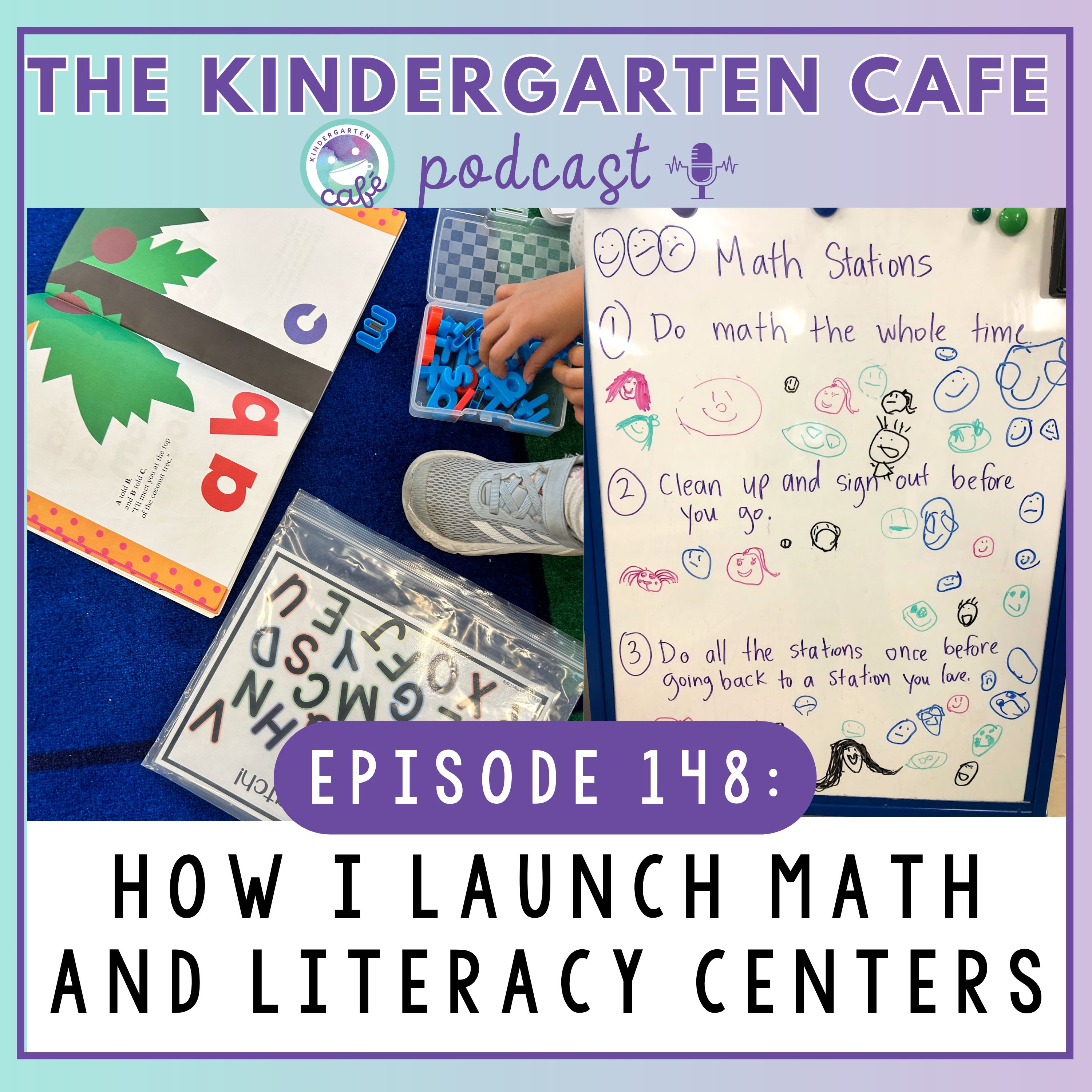 148. How I Launch Math and Literacy Centers 20.08.2026 18minIndependent centers do not just happen because you set out the materials and hope for the best. They happen because you took the time to launch them the right way, one step at a time. If you have ever felt like your centers were chaotic or kids just could not handle them, this episode walks you through exactly how to introduce math and literacy centers so students can actually be successful.In this episode, I share:why keeping academic tasks low demand during center launch lets students focus on routines instead of the activity itselfhow introducing one center at a time, whole class, builds the confidence kids need before working independentlywhy letting students freely explore materials before giving them specific tasks prevents a lot of behavior problems before they starthow to gradually move from whole class practice to choosing between centers so the shift to independence feels smoothwhat additional lessons need to happen alongside center launch, like voice levels, asking for help, cleaning up, and partner skillsWork with Zeba 1:1 CoachingSend Zeba a voice messageRelated Episodes:How to Effectively Manage Kindergarten Math Centers ~ Ep. 71Building Effective Literacy Centers with the Science of Reading ~ Ep. 78Best Storage Solutions for Centers in Kindergarten ~ Ep. 103Resources:“Introducing Math Manipulatives” packFirst Month of School BundleMath Bundle Literacy BundleSocial Emotional Lesson BundleLearning Partners LessonsRecess Curriculum PackConnect with Zeba:Instagram - @kindergartencafeFacebook - @kindergartencafeWebsite - www.kindergartencafe.orgTik Tok - @kindergartencafeMentioned in this episode:Kindergarten EssentialsGrab the year-long, mega-bundle kindergarten activities here: https://www.teacherspayteachers.com/Product/Kindergarten-Teacher-Essentials-Year-Long-Mega-Bundle-Kindergarten-Activities-8356704
 -
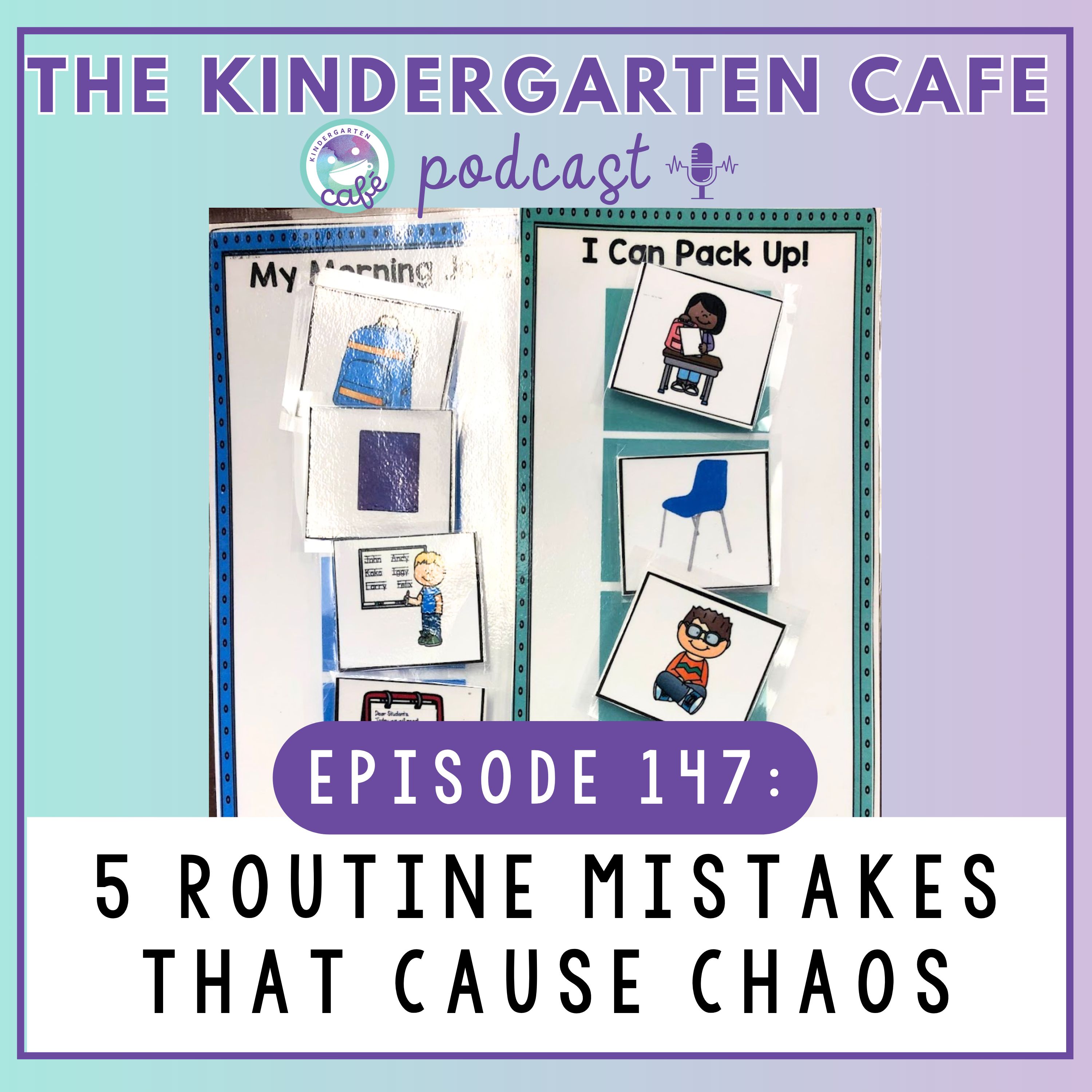 147. 5 Routine Mistakes That Cause Year-Long Chaos 13.08.2026 16minClassroom chaos rarely comes out of nowhere. Most of the time it can be traced back to specific mistakes made in the first weeks of school when routines were being introduced. If your classroom has felt harder to manage than it should, this episode breaks down the five most common routine mistakes and exactly how to avoid them.In this episode, I share:why "assume nothing, teach everything" and "go slow to go fast" are the two philosophies that should guide every routine decision you make at the start of the yearhow not modeling enough leaves students without a clear picture of what you expect, and how to fix that through intentional student modelingwhy moving too fast through routines sets kids up to struggle, and what it looks like to give a routine the time it needs to stickhow assuming independence too early undermines the work you have already put in, and why one good day does not mean they are ready to move onwhy not revisiting routines is one of the most common reasons they fall apart, and how narrating what you see keeps expectations fresh without starting from scratch every timewhy inconsistency is the biggest routine mistake of all, and how kids learn what they can get away with the moment you do not follow throughWork with Zeba 1:1 CoachingSend Zeba a voice messageResources:Back to School Pack & First Week Lesson PlansFirst Month of School BundleClassroom Community BundleConnect with Zeba:Instagram - @kindergartencafeFacebook - @kindergartencafeWebsite - www.kindergartencafe.orgTik Tok - @kindergartencafeMentioned in this episode:First Month of Kindergarten Success KitGrab your First Month of Kindergarten Success Kit today on TPT or on my website! First Month Survival Kit TPT - https://www.teacherspayteachers.com/Product/First-Month-of-Kindergarten-Success-Kit-9834168?st=5099a0e1f8b3c99dfd410a4162bb0d0c Website - https://kindergartencafe.org/first-month-survival-kit/
 -
 146. Why Your Routines Aren’t Working Yet 06.08.2026 19minIf you have taught a routine, practiced it, and still feel like it is just not sticking, there are a few things that could be happening. Routines in kindergarten take weeks and sometimes months to build, and understanding why they break down is the first step to actually fixing them. This episode gets into the reasons routines fall apart and exactly what to do about it.In this episode, I share:why routines take so much longer to stick in kindergarten than in any other grade, and why that is completely normalhow not breaking a routine into small enough steps is one of the most common reasons kids struggle, and what to do insteadwhy consistency matters more than creativity when it comes to routines, and how changing things up too soon works against youhow to set kids up for success before they even attempt a routine, including simple reminders and student modeling that make a real differencewhy narrating what students are doing correctly as they practice is one of the most powerful tools for cementing a routinehow to know when a routine is not working because of how it was taught versus when the routine itself needs to changewhat to do when you have tried everything and a routine still is not clicking, including how to start over the right wayWork with Zeba 1:1 CoachingSend Zeba a voice messageResources:Back to School Pack & First Week Lesson PlansFirst Month of School BundleClassroom Community BundleFavorite Professional Development BooksConnect with Zeba:Instagram - @kindergartencafeFacebook - @kindergartencafeWebsite - www.kindergartencafe.orgTik Tok - @kindergartencafeMentioned in this episode:First Month of Kindergarten Success KitGrab your First Month of Kindergarten Success Kit today on TPT or on my website! First Month Survival Kit TPT - https://www.teacherspayteachers.com/Product/First-Month-of-Kindergarten-Success-Kit-9834168?st=5099a0e1f8b3c99dfd410a4162bb0d0c Website - https://kindergartencafe.org/first-month-survival-kit/
 -
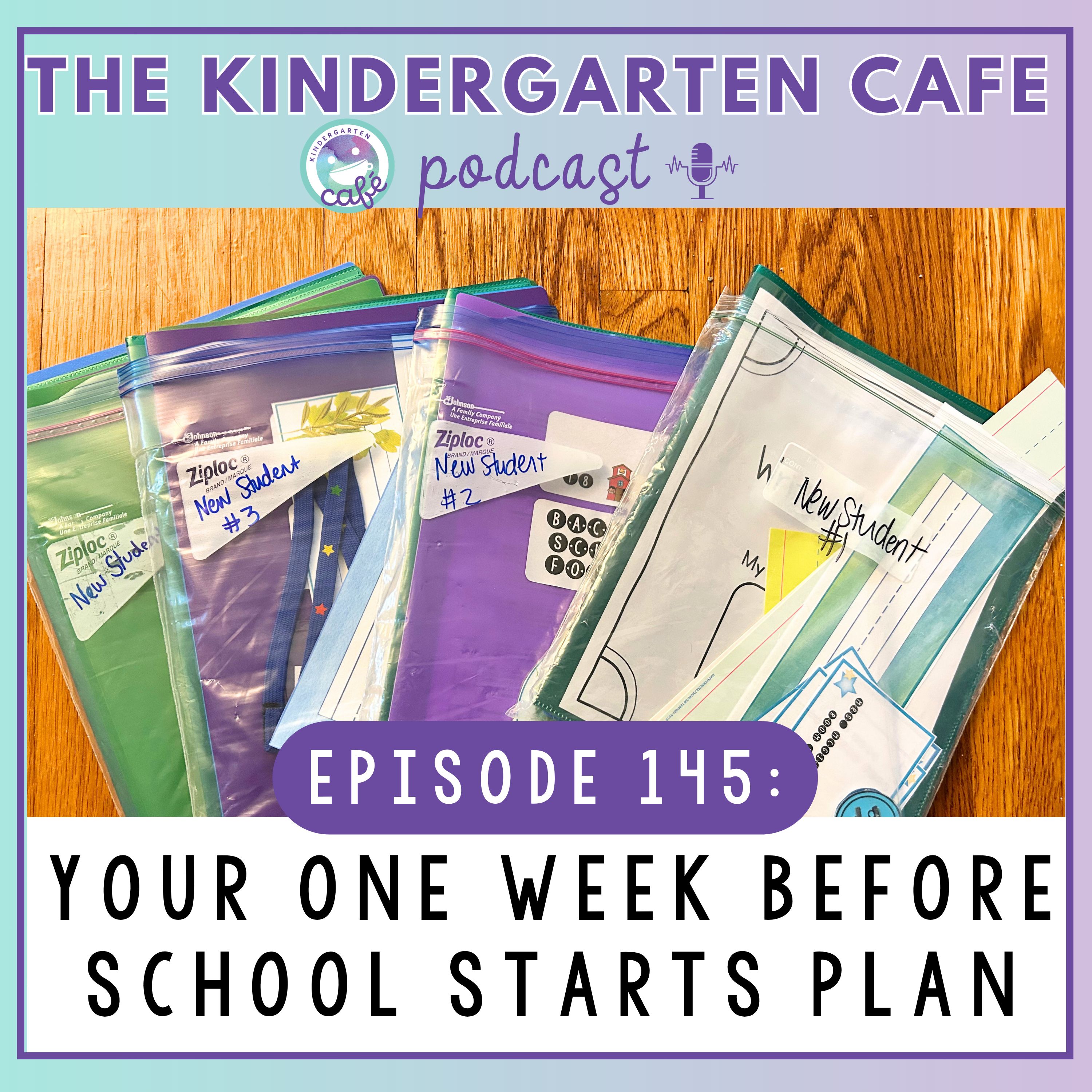 145. Your One Week Before School Starts Plan 30.07.2026 13minIf you have one week left before school starts and you are not sure whether to spend it laminating, decorating, or just trying to breathe, this episode wraps up our July miniseries with exactly what to prioritize in that final stretch. The short answer is that mental readiness matters just as much as the physical kind, and you do not need everything done to walk in ready.In this episode, I share:why your first week or two of lessons need to be fully finalized so you are not planning after an exhausting first dayhow to make sure family communication, arrival, dismissal, and bathroom routines are ready to go from day onewhich materials, like home school folders and labels, are worth prepping ahead versus what can wait, like introducing every supply at oncewhy decorations, extra laminating, and over-organizing can be skipped in that final week without anything sufferinghow spending this last week resting, reconnecting with PD reading, or revisiting favorite podcast episodes prepares you better than more physical prepwhy the mindset that "life is over once school starts" is worth recognizing and pushing back against before the year beginsYou do not need every single thing finished to walk into the first day ready. Use this last week to rest, get mentally excited, and trust that the rest will come together as you get to know your students and your classroom.Work with Zeba 1:1 CoachingSend Zeba a voice messageResources:First Month of Kindergarten Success Kit | Back to School Activities Mega BundleConnect with Zeba:Instagram - @kindergartencafeFacebook - @kindergartencafeWebsite - www.kindergartencafe.orgTik Tok - @kindergartencafeMentioned in this episode:First Month of Kindergarten Success KitGrab your First Month of Kindergarten Success Kit today on TPT or on my website! First Month Survival Kit TPT - https://www.teacherspayteachers.com/Product/First-Month-of-Kindergarten-Success-Kit-9834168?st=5099a0e1f8b3c99dfd410a4162bb0d0c Website - https://kindergartencafe.org/first-month-survival-kit/
 -
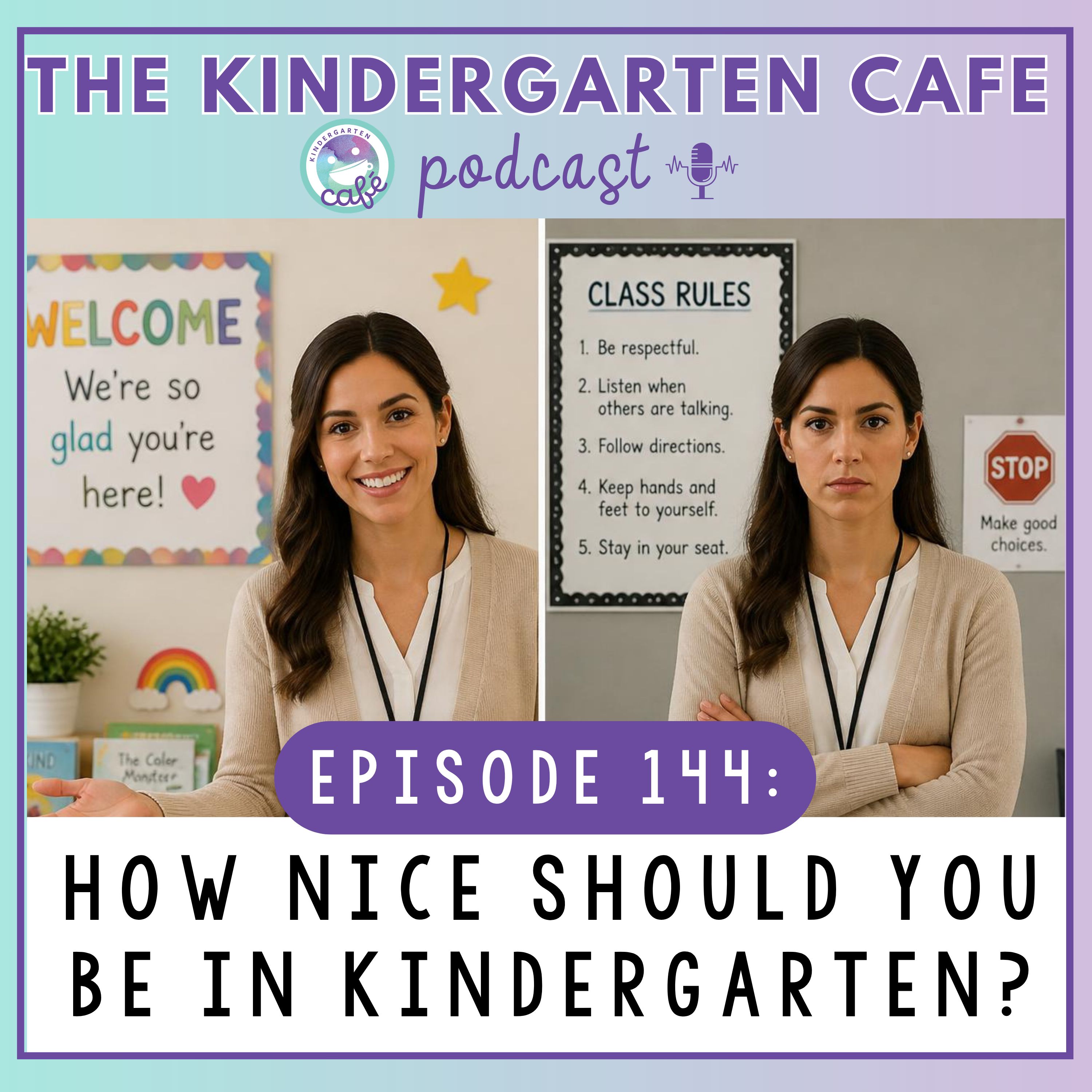 144. How Nice Should You Be in Kindergarten? 23.07.2026 18minIf you have ever heard the old advice "don't smile until November or December" and wondered if that is what good classroom management looks like, let me just say….I disagree. Fear-based classrooms do not build respect or learning, and you do not have to choose between being warm and being in control of your room.In this episode, I share:why fear-based classrooms fail and how building genuine, warm relationships with students is the real foundation for a successful yearhow being "warm but firm" works in practice, including how to stay consistent and follow through without yelling or becoming someone's friend instead of their teacherwhy calm, close, and direct redirection is more effective and more respectful than correcting students from across the roomhow to make sure any consequence you give is related, respectful, and realistic so students learn from it instead of learning what they can get away withwhy picking your battles on small things lets you focus your energy on what actually matters, like safety and respect between studentsYou do not have to be strict to be taken seriously, and you do not have to be cold to be respected. Be warm, be consistent, and trust that your kids can feel the difference between a teacher who cares and one who is just trying to control them.Work with Zeba 1:1 CoachingSend Zeba a voice messageRelated Episodes:Building Strong Classroom Management ~ Ep. 43Connect with Zeba:Instagram - @kindergartencafeFacebook - @kindergartencafeWebsite - www.kindergartencafe.orgTik Tok - @kindergartencafeMentioned in this episode:First Month of Kindergarten Success KitGrab your First Month of Kindergarten Success Kit today on TPT or on my website! First Month Survival Kit TPT - https://www.teacherspayteachers.com/Product/First-Month-of-Kindergarten-Success-Kit-9834168?st=5099a0e1f8b3c99dfd410a4162bb0d0c Website - https://kindergartencafe.org/first-month-survival-kit/
 -
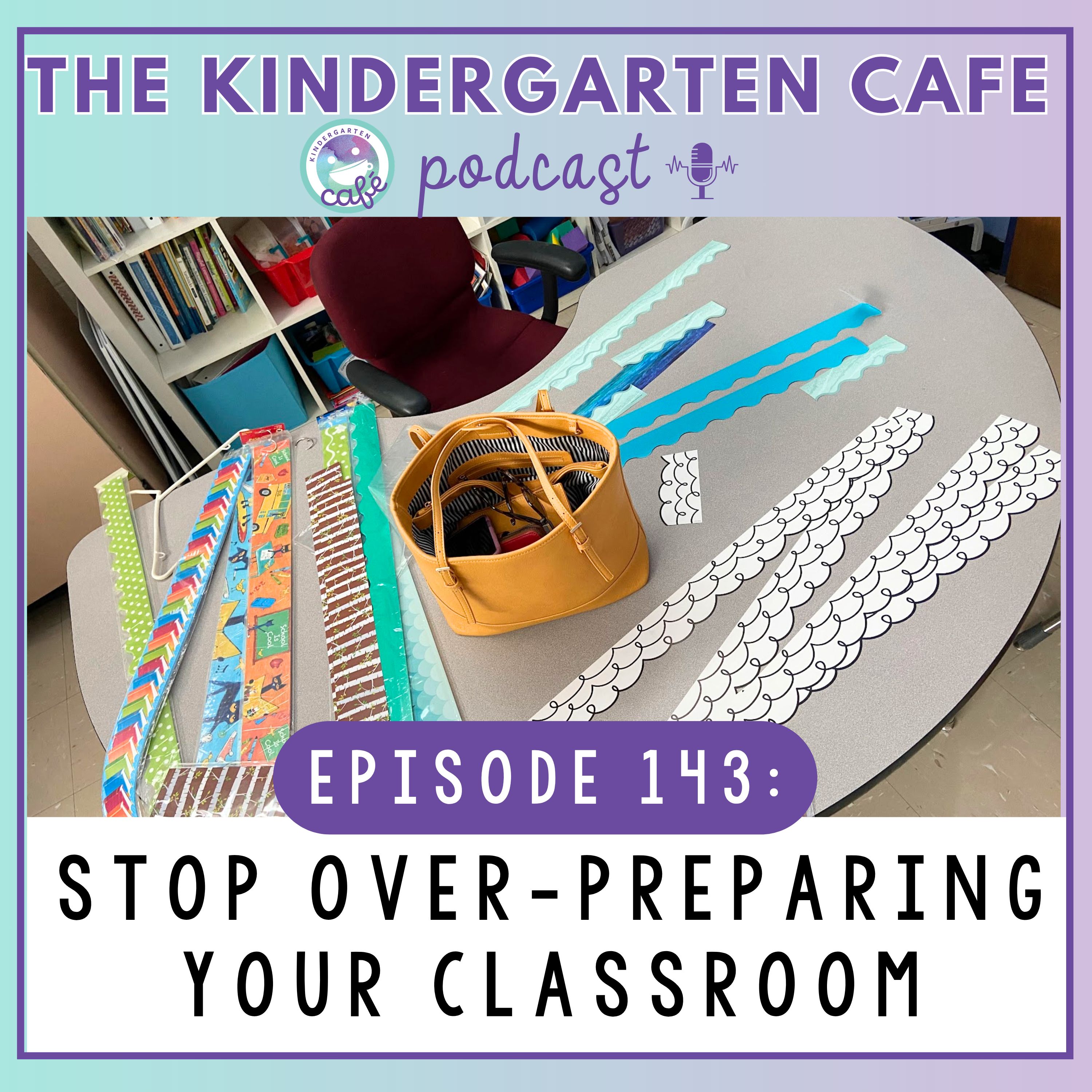 143. Stop Over-Preparing Your Classroom 16.07.2026 15minIf your summer has been spent working nonstop, prepping every center, and printing decorations right up until the last hour before school starts, and you still end up feeling exhausted instead of ready, this episode is for you. Overpreparing your classroom feels productive, but it is often not the thing that actually sets you up for a successful first day.In this episode, I share:why overpreparing your classroom can feel like control and confidence even when it is not actually preparing you to teachhow the pressure of seeing "perfect" classrooms on social media can push you to prepare the wrong things over the summerwhy having your first week of lessons planned matters far more than decorations, and what to focus on insteadwhat student materials need to be ready for day one versus what can wait, like folders you will not use right awaywhy closing off certain classroom areas until you can properly teach how to use them is a smart, intentional choicewhy bulletin boards, monthly copies, and intervention materials do not need to be finished before the first dayhow leaving room in your plans and your classroom lets you adjust based on what your students need once you get to know themwhy "prepared" does not mean "perfect," and how aiming for a good enough classroom takes real pressure off your summerYou do not have to have everything finished before the first day of school, and honestly, you should not. The classroom that works best is the one that grows with the kids in front of you, not the one that was perfectly ready before they ever walked in.Work with Zeba 1:1 CoachingSend Zeba a voice messageRelated Episodes:What To Do If You Can’t Get Into Your Classroom Yet ~ Ep. 91Resources:First Month of Kindergarten Success Kit | Back to School Activities Mega BundleConnect with Zeba:Instagram - @kindergartencafeFacebook - @kindergartencafeWebsite - www.kindergartencafe.orgTik Tok - @kindergartencafeMentioned in this episode:PD By the PoolSwim on over to pdbythepool.com and secure your spot today!!
 -
 142. What Actually Matters Before the First Day of School 09.07.2026 17minIf you have spent your summer feeling pressure to make your classroom Pinterest perfect, this episode is here to take that weight off your shoulders. A beautiful classroom is not the same as a kindergarten ready classroom, and what your students actually need before day one has nothing to do with matching bins or a coordinated theme.In this episode, I share:why students notice feeling safe, knowing what to expect, and having strong routines far more than they notice decorhow to think through classroom flow so kids can move between areas without traffic jams and you can keep an eye on every part of the roomwhy organizing materials for student independence should take priority over decorating, and how labels with visuals support thatwhy over-communicating with families matters more in kindergarten than in other grades, since school may be brand new for both kids and parentshow to break down key transitions like arrival, rug time, bathroom routines, centers, and dismissal so you can teach them step by stepwhy simple color schemes and bare walls actually help young children learn better than fully themed, decorated classroomswhy some of the "perfect" classrooms you see online are not designed with real kindergartners in mind, and why that is worth rememberingWork with Zeba 1:1 CoachingSend Zeba a voice messageRelated Episodes:What I’d Do First If I Were Moving Classrooms ~ Ep. 138Resources:PD By the PoolClassroom LabelsFirst Month of Kindergarten Success Kit | Back to School Activities Mega BundleConnect with Zeba:Instagram - @kindergartencafeFacebook - @kindergartencafeWebsite - www.kindergartencafe.orgTik Tok - @kindergartencafeMentioned in this episode:PD By the PoolSwim on over to pdbythepool.com and secure your spot today!!
 -
 141. Questions to Ask and Answer Before the School Year Starts 02.07.2026 13minIf summer break has you staring at a long list of things to fix, buy, or change in your classroom, and you are not sure where to even start, this episode will help you slow down before you dive in. Whether you are a brand new kindergarten teacher or a returning one, the most useful thing you can do this July is ask yourself the right questions first, so the time and energy you do put in actually moves the needle for next year.In this episode, I share:why new teachers should start by picturing what their classroom and routines should look like in the spring before planning how the year beginshow looking ahead to your curriculum and school-wide routines helps you set up your classroom and teach beginning-of-year routines that actually workwhy returning teachers should reflect on what worked, what didn't, and what kept causing problems before making any summer changeshow to identify the one or two areas worth improving this summer instead of trying to overhaul everything at oncewhy asking yourself whether something was "worth the squeeze" helps you simplify what is not sustainablewhat information about your students is important to gather before the year startswhy summer is also a time to rest and fill your own cup, not just plan for schoolWork with Zeba 1:1 CoachingSend Zeba a voice messageRelated Episodes:What I’d Do If I Were New to Kindergarten ~ Ep. 137Resources:PD By the PoolConnect with Zeba:Instagram - @kindergartencafeFacebook - @kindergartencafeWebsite - www.kindergartencafe.orgTik Tok - @kindergartencafeMentioned in this episode:PD By the PoolSwim on over to pdbythepool.com and secure your spot today!!
 -
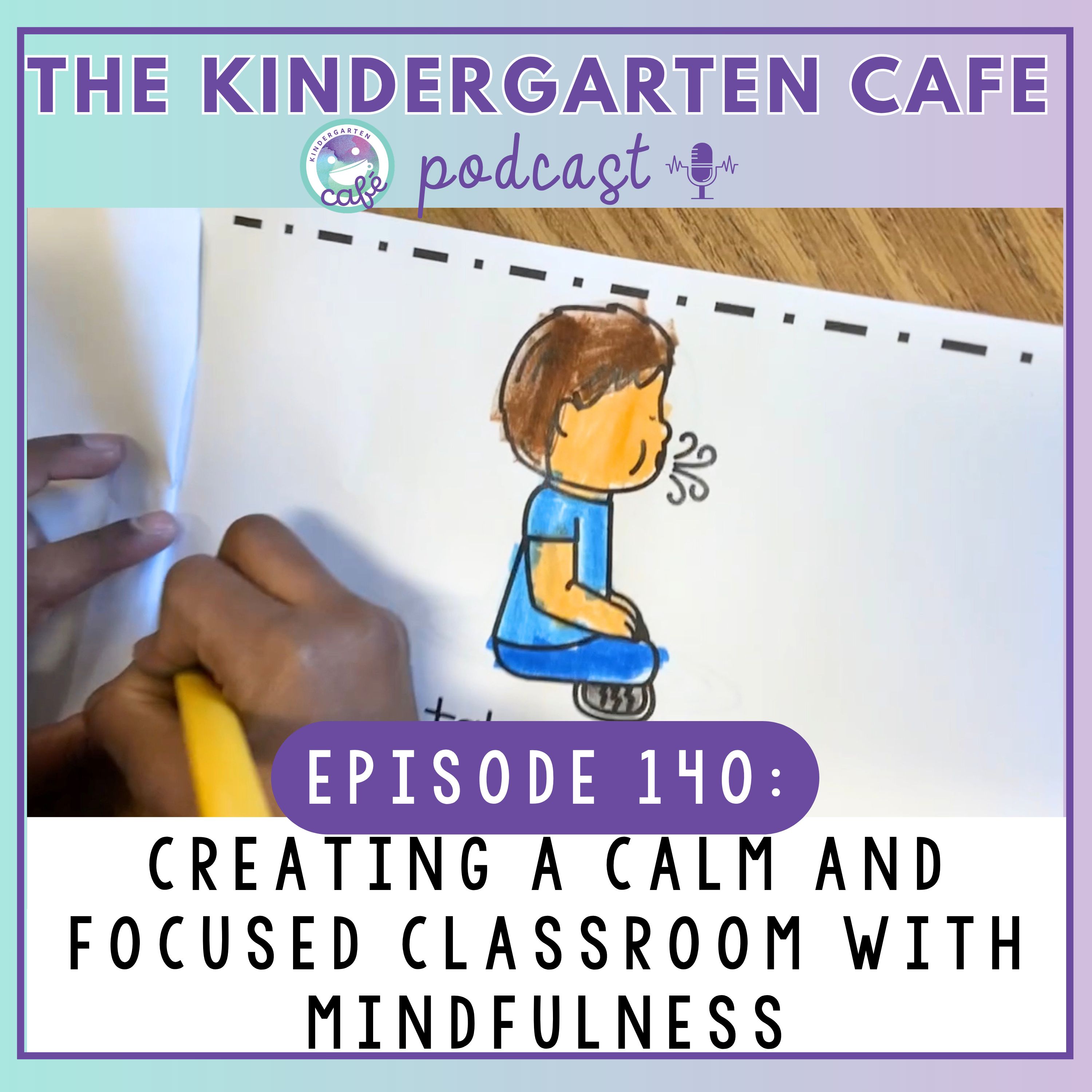 140. Creating A Calm And Focused Classroom With Mindfulness 25.06.2026 12minIf you find yourself constantly reminding your students to sit down, stop talking, or refocus and it feels like you are saying the same things on repeat all day, this episode is for you. What looks like a behavior problem is often a skill gap, and mindfulness gives you a practical, low-prep way to actually teach kids how to calm their bodies and reset so they are ready to learn.In this episode, I share:why mindfulness in kindergarten has nothing to do with long meditations and everything to do with short, repeatable moments that teach kids body awareness and self-regulationhow five-finger breathing works, why it is one of the most effective tools for helping kids reset after transitions, and how to teach it so students can eventually use it on their ownwhat a calm down corner can look like in a kindergarten classroom and how to use it as a teaching moment rather than a punishmentsimple mindfulness activities you can use during morning meeting, before and after lessons, and in transitions…including GoNoodle, Cosmic Kids Yoga, and sound awareness exerciseswhat to expect when you start using mindfulness consistently, and why starting with just one routine is exactly the right moveYour students are not trying to make your day harder. They just do not know yet how to manage big feelings, busy bodies, and tough transitions and you are exactly the right person to teach them.Work with Zeba 1:1 CoachingSend Zeba a voice messageRelated Episodes:Setting Up A Calm Down Corner For Your Classroom ~ Ep. 100Resources:Social Emotional Year Long BundleConnect with Zeba:Instagram - @kindergartencafeFacebook - @kindergartencafeWebsite - www.kindergartencafe.orgTik Tok - @kindergartencafeMentioned in this episode:PD By the PoolSwim on over to pdbythepool.com and secure your spot today!!
 -
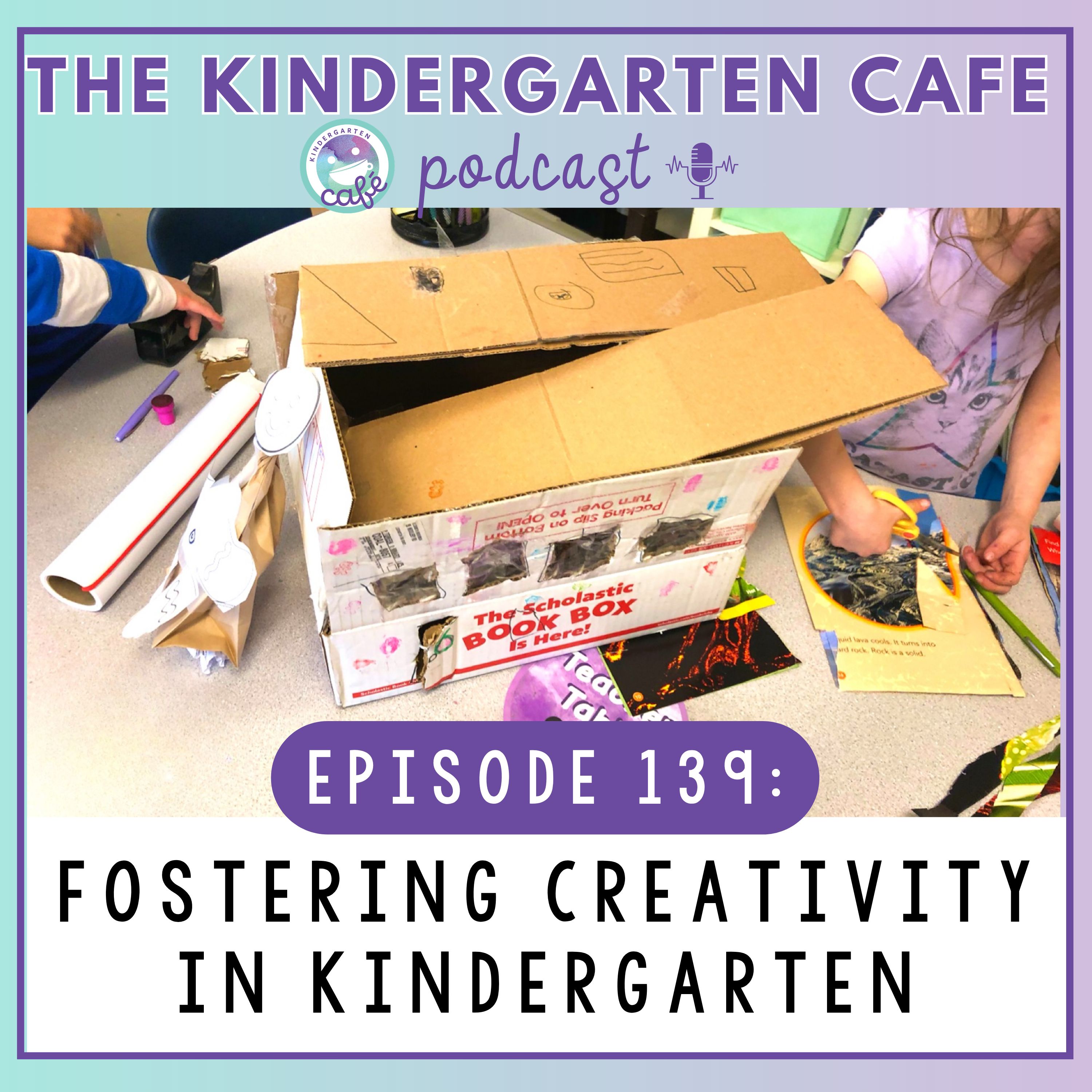 139. Fostering Creativity in Kindergarten 18.06.2026 14minIf you have been wanting to bring more creativity into your kindergarten classroom but are not sure where to start (or you love the idea of a creation station but the thought of managing the mess stops you every time) this episode is for you. Creativity in kindergarten is not about cute crafts where everyone's project looks the same. It is about giving kids space to think, invent, and surprise you, and this episode will show you how to make that actually work in a real classroom.In this episode, I share:why true creativity looks different from step-by-step crafts, and why that distinction matters for how you plan and set up your classroomhow open-ended materials like loose parts, blocks, and art centers build problem-solving, language, confidence, and independence in kindergarten studentswhat a “Beautiful Stuff” creation station is, how to set one up using recycled materials, and why it is one of the most engaging centers you can offerhow to introduce and manage a creation station so students can use it independently, clean it up responsibly, and keep coming back to it all yearwhy the fear of mess is one of the biggest things holding teachers back from creativity, and how to let go of just enough of it to make these centers thriveYou do not have to overhaul your whole classroom to bring more creativity in. Start with one area, make one shift, and watch what your students do with a little more space to try things their own way.Work with Zeba 1:1 CoachingSend Zeba a voice messageRelated Episodes:Loose Parts 101: Creative Play and Learning for Young Children ~ Ep. 79Resources:Purposeful Play BundleConnect with Zeba:Instagram - @kindergartencafeFacebook - @kindergartencafeWebsite - www.kindergartencafe.orgTik Tok - @kindergartencafeMentioned in this episode:Kindergarten Kick Start Summer Challenge Sign up now at kindergartencafe.org/summer-challenge.
 -
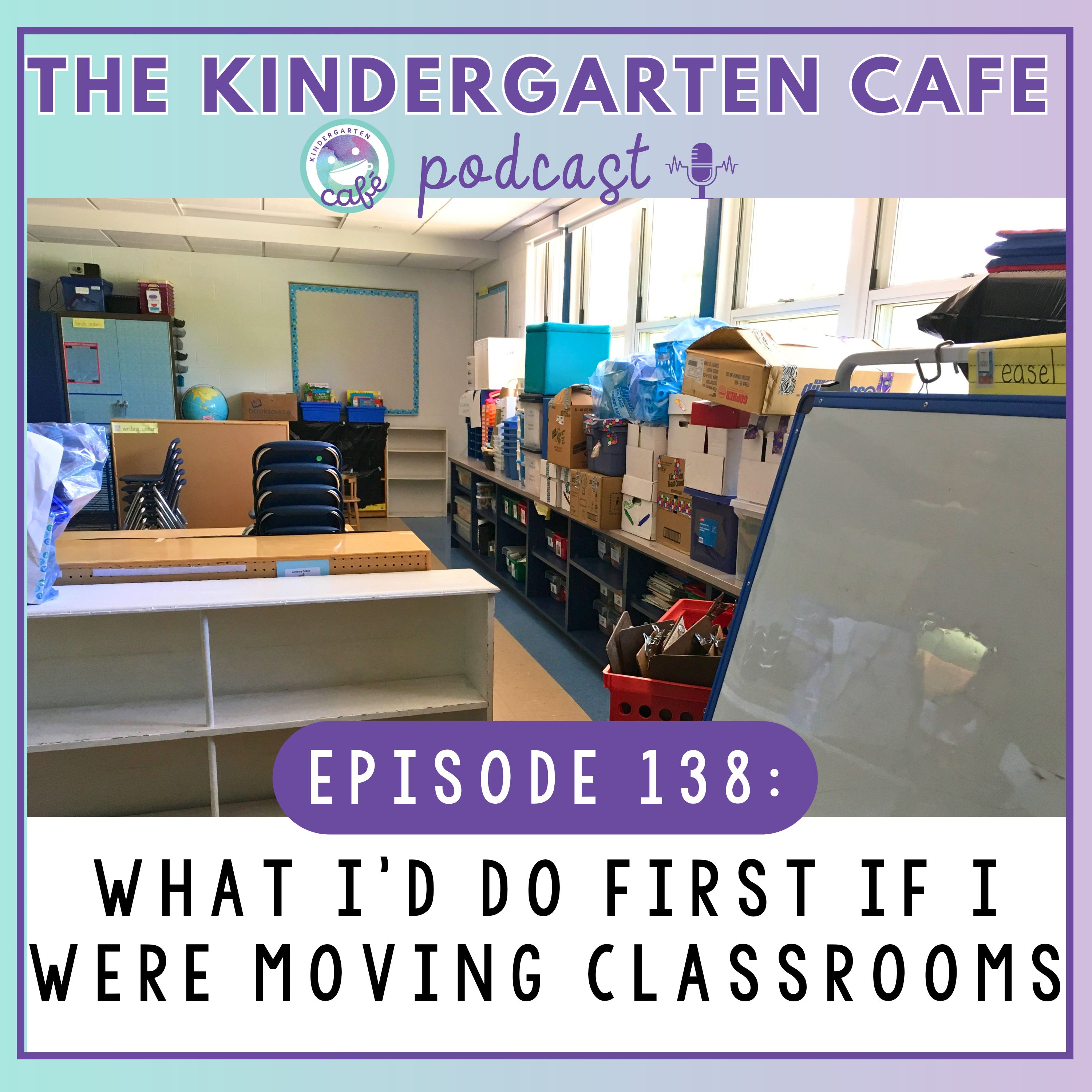 138. What I’d Do First If I Were Moving Classrooms 11.06.2026 10minMoving into a new classroom, whether you are changing schools, switching grades, or just getting a different room, can feel like a lot all at once. There is new furniture, new materials, and no roadmap for how any of it fits together yet. If you are standing in the middle of it all wondering where to even begin, this episode will walk you through exactly what to do first.In this episode, I share:why systems matter far more than aesthetics when you are setting up a new classroom, and why the decorating can waithow to think through your classroom layout by planning for traffic flow, independence, and transitions before you move a single piece of furniturehow to sort and evaluate inherited materials without getting rid of something you might need laterwhy your first year in a new room is not the time to buy a lot of new supplies, and how to identify what you really need once you are in the spacehow to set up storage so that kids can access what they need, you can find what you are looking for, and the room can keep evolving as you get to know your studentsYour classroom does not need to be perfect before the first day of school, and it is not supposed to be. The layout and the systems are your foundation…everything else can grow from there.Work with Zeba 1:1 CoachingSend Zeba a voice messageResources:PD BY THE POOLDone For You Classroom DecorationsConnect with Zeba:Instagram - @kindergartencafeFacebook - @kindergartencafeWebsite - www.kindergartencafe.orgTik Tok - @kindergartencafeMentioned in this episode:Kindergarten Kick Start Summer Challenge Sign up now at kindergartencafe.org/summer-challenge.
 -
 137. What I’d Do If I Were New to Kindergarten 04.06.2026 11minIf you will be brand new to teaching kindergarten next year, or switching to kindergarten from another grade, the excitement is probably mixed with a whole lot of "where do I even start?" Kindergarten is its own world, and no matter how many years you have in the classroom, nothing fully prepares you for it until someone who's been there walks you through it. This episode is that walk-through.In this episode, I share:why being new to kindergarten is genuinely different from being new to teaching, even if you have taught other grades beforehow seeing your classroom early and connecting with your grade level team gives you the information and support you need before the first day arriveswhy every curriculum assumes skills your students do not have yet, and what foundational routines you need to teach before lesson onehow planning only your first week of school is not just enough but the right move, and what that week should focus onwhy your routine plan needs to come before your classroom layout, and how to think through both without getting overwhelmedYou do not need to have everything figured out before the first day of kindergarten. You just need to know where to start.Work with Zeba 1:1 CoachingSend Zeba a voice messageResources:First-Year Kindergarten Teacher Survival GuidePD BY THE POOLConnect with Zeba:Instagram - @kindergartencafeFacebook - @kindergartencafeWebsite - www.kindergartencafe.orgTik Tok - @kindergartencafeMentioned in this episode:Kindergarten Kick Start Summer Challenge Sign up now at kindergartencafe.org/summer-challenge.
 -
 136. Did You Have a Hard Kindergarten Year? Let's Talk About Why 28.05.2026 18minIf this school year felt harder than expected, more exhausting than rewarding, or like you were constantly trying to keep up, this episode is an honest and encouraging conversation for kindergarten teachers.I talk directly to teachers who are ending the year drained and wondering why teaching kindergarten felt so hard. Whether it was your first year or your twentieth, I want you to know that struggling does not mean you are failing, it often means the systems around you are not working.From unrealistic expectations to academic pressure, behavior challenges, and trying to do too much at once, this episode unpacks why kindergarten can feel overwhelming and what teachers can shift moving forward.In this episode, I share:why so many kindergarten teachers are ending the year exhaustedhow outside pressures on teachers make the job heavier than everwhy kindergarten is becoming more academic than many children are ready forhow unrealistic expectations often lead to more behaviors in the classroomwhy kindergarten teachers carry both academic and social-emotional foundations for studentshow trying to “do it all” sets teachers up to feel constantly behindwhy some responsibilities can be simplified, reduced, or let go of altogethercommon habits that create unnecessary stress, like overplanning and constantly finding new activitieswhy repeating strong routines works better than chasing novelty every weekhow unclear systems for materials, transitions, and classroom management create daily frictionwhy children need consistent expectations and repetition more than endless new activitieshow building independence early saves teachers energy all year longpractical examples for helping students manage snack time, supplies, and simple routines on their ownhow to identify classroom “traffic jams” that cause chaos and stresswhy thinking backward from your end-of-year goal helps create stronger routines from day onehow small system changes can create a dramatically smoother yearThis episode is especially helpful for teachers who love kindergarten but know something has to change next year.If you’ve ever thought, “I love these kids, but I can’t keep teaching like this,” this episode will feel like someone finally saying the quiet part out loud.Work with Zeba 1:1 CoachingSend Zeba a voice messageResources:PD By the Pool - Private PodcastBack to School First Day and First Week Kindergarten Activities and Lesson PlansConnect with Zeba:Instagram - @kindergartencafeFacebook - @kindergartencafeWebsite - www.kindergartencafe.orgTik Tok - @kindergartencafeMentioned in this episode:Kindergarten Kick Start Summer Challenge Sign up now at kindergartencafe.org/summer-challenge.
 -
 135. End-of-the-Year Social Emotional Learning: Supporting Big Feelings Before Summer 21.05.2026 13minThe end of the school year can bring excitement, celebration, and fun, but it also brings a lot of feelings. In this episode, I talk about how to support students socially and emotionally as the school year comes to a close.Many children are processing more than adults realize. They may be excited for summer while also feeling sad about leaving their teacher, nervous about a new classroom, worried about losing routines, or unsure what summer will look like at home. Those mixed emotions often show up through behavior.I want to share practical ways to help students feel safe, understood, and emotionally supported during this big transition.In this episode, I share:why behavior changes at the end of the year are often a form of communicationcommon emotions students feel as the year wraps up, even if they cannot express them directlywhy kindergarten students often struggle more with transitions than older gradeshow strong teacher relationships can make saying goodbye especially emotionalwhy countdowns to the last day of school can increase anxiety and behaviorswhy I avoid saying things like “you’re almost first graders” too earlyhow to teach students about mixed emotions and the meaning of “bittersweet”how social stories can help children process worries about next year or summer breakwhy visiting first grade classrooms and meeting next year’s teachers can reduce fearhow keeping routines steady helps children feel secure during a changing seasonwhy adding fun theme days, novelty, movement, and choice helps regulate behaviorhow new materials during playtime can increase engagement and reduce conflictwhy it’s important to celebrate not only academic growth, but social and emotional growth toosimple ways to create closure through memory sharing, slideshows, and meaningful goodbyesThis episode is a helpful reminder that big feelings at the end of the year are normal. Students are not trying to be difficult…they are trying to navigate change. With the right support, teachers can help children leave feeling proud, calm, and ready for what comes next.Work with Zeba 1:1 CoachingSend Zeba a voice messageResources:End of the Year Kindergarten Theme DaysEnd of the Year Writing Prompts & Memory Book!Connect with Zeba:Instagram - @kindergartencafeFacebook - @kindergartencafeWebsite - www.kindergartencafe.orgTik Tok - @kindergartencafeMentioned in this episode:End of Year BundleGrab the bundle at www.kindergartencafe.org/may
 -
 134. Creating a Smooth Transition from Kindergarten to First Grade 14.05.2026 18minThe move from kindergarten to first grade is exciting, but for many students, it can also feel like a really big change. In this episode, I share how to support children emotionally, socially, and academically as they prepare for the transition to first grade.Some students are thrilled and ready. Others may feel nervous, anxious, or overwhelmed about leaving a classroom that has become their safe place all year. Teachers and parents may also have worries about whether a child is truly ready for what comes next.I break down practical ways to ease the transition for everyone involved while keeping the end of the year calm and positive.In this episode, I share:why the transition to first grade can feel much bigger than adults sometimes realizecommon differences between kindergarten and first grade that can create stress for studentshow to help children reflect on how much they’ve grown and why that builds confidence for next yearwhy independence skills practiced all year long are one of the best forms of first-grade preparationhow classroom visits and meeting first-grade teachers can reduce fear of the unknownwhy I avoid talking about being “almost first graders” too early in the yearhow countdown language can increase anxiety and behavior struggles for some studentswhen to use a personalized social story for students who are especially worried about the changehow memory books and celebrations help students process the end of kindergarten in a healthy waysimple ways teachers can prepare themselves now for next school year and reduce future stresshow cleaning toys and organizing materials can help both students and teachers transitionwhat teachers can do when they are worried about certain students moving on to first gradehow to communicate support strategies to next year’s teacher without labeling the child negativelyways to help families prevent the “summer slide” and keep learning going at homeThis episode is full of reminders that transitions affect every child differently. With the right support, encouragement, and preparation, students can leave kindergarten feeling proud of what they accomplished and ready for what comes next.Work with Zeba 1:1 CoachingSend Zeba a voice messageRelated Episodes:Stress-Free End-of-the-Year Tips ~ Ep. 32End of the Year Teacher Tips to Prepare for a Smooth Start Next School Year ~ Ep. 84Learn More:5 Easy things to prepare for next school yearResources:End of Year Kindergarten Summer Packet for First Grade ReadinessEnd of the Year Writing Prompts & Memory Book!End of Year Digital Social StoryBack to School First Day and First Week Kindergarten Activities and Lesson PlansConnect with Zeba:Instagram - @kindergartencafeFacebook - @kindergartencafeWebsite - www.kindergartencafe.orgTik Tok - @kindergartencafeMentioned in this episode:End of Year BundleGrab the bundle at www.kindergartencafe.org/may
 -
 133. Engaging End-of-Year Activities for Kindergarteners 07.05.2026 12minThe end of the year brings a very real energy shift in kindergarten. Kids are tired, routines start to feel old, and the big transition to summer or first grade can bring excitement for some students and a lot of anxiety for others. In this episode, I share how to keep the classroom fun and engaging at the end of the year without throwing out the structure that kids still need.I explain why end-of-year routines matter more than ever, especially for students who feel worried about change, and why adding novelty in thoughtful ways can help keep everyone regulated, motivated, and excited to come to school.In this episode, I share:why the end-of-year behavior shift happens and how to respond without abandoning your routineswhy I does not recommend a countdown to the last day of school, especially for anxious studentshow theme days can add excitement and novelty while still keeping your daily structure intactwhy movement breaks become even more important at the end of the year and how to use them proactivelyhow letting students take the lead as “teacher of the day” can build confidence, ownership, and engagementhow adding simple choices throughout the day helps students stay more invested in learningways to help children reflect on their kindergarten year through memory books and favorite momentshow to keep end-of-year celebrations simple, meaningful, and low-stress with a focus on celebrating growthThis episode is full of practical ideas for making the last stretch of kindergarten more joyful, more manageable, and a lot less chaotic. If you want your students to stay engaged while still feeling safe in the familiar rhythm of the day, this episode will give you plenty of ways to make that happen.Work with Zeba 1:1 CoachingSend Zeba a voice messageRelated Episodes:End of the Year Teacher Tips to Prepare for a Smooth Start Next School Year ~ Ep. 84End of the Year Celebrations in Kindergarten ~ Ep. 8310 Movement Breaks for the End of the Year ~ Ep. 35End-of-Year Magic: Unleashing Excitement with Theme Day Ideas ~ Ep. 82Stress-Free End-of-the-Year Tips ~ Ep. 32Resources:End of the Year Writing Prompts & Memory Book!End of the Year Kindergarten Theme Days | Last Week of School ActivitiesMay & June Kindergarten PlansConnect with Zeba:Instagram - @kindergartencafeFacebook - @kindergartencafeWebsite - www.kindergartencafe.orgTik Tok - @kindergartencafeMentioned in this episode:End of Year BundleGrab the bundle at www.kindergartencafe.org/may


