
The John Batchelor Show
John Batchelor
0
The John Batchelor Show is a hard news-analysis radio program covering current events, world history, global politics, and natural sciences. Based in New York City for two decades, the show has traveled widely to report from the Middle East, South Caucasus, Arabian Peninsula, and East Asia.
Episoade
-
 CONTENTS THE JOHN BATCHELOR SHOW 9-16 16.09.2026 9min1943 WAR EMERGENCY PIPELINECONTENTS THE JOHN BATCHELOR SHOW 9-16Global Diesel Shortage Spans Multiple ContinentsMichael Bernstam explains Ukrainian drone strikes against Russian refineries impact domestic Russian consumption rather than global markets because Moscow previously banned refined petroleum exports. The worldwide diesel crisis stems from losing 2.5 million barrels daily due to Middle Eastern supply disruptions, Strait of Hormuz closures, and pipeline attacks. With global refineries running at 96% to 98% capacity, facilities face severe quality mismatch issues because domestic shale crude yields less diesel than heavy Middle Eastern imports. Meanwhile, overall Russian oil production dropped by 1.5 million barrels per day. New United States congressional legislation permits potential 100% tariffs on purchasing nations. (1)America Deploys Operational Space Control WeaponsRick Fisher reports Air Force officials publicly confirmed that the United States deployed operational space control weapons capable of protecting joint military forces. A French Space Agency graphic recently detailed orbital assets operated by America, Russia, and China, including telemetry jamming, proximity operations, and kinetic collision satellites. These classified capabilities were maintained secretly across multiple congressional administrations to prevent a dangerous space arms race. Strategic tensions surrounding Iran or potential Russian aggression in Europe likely prompted this public disclosure. Importantly, these conventional defense systems fully comply with established Outer Space Treaty terms because the agreement exclusively bans nuclear weapons. (2)Canada Seeks EU Integration Amid RealignmentCharles Burton reports Canada is rapidly reorienting its economic and defense relationships away from dependency on the United States. European Commission President Ursula von der Leyen proposed opening associate membership to Canada, creating a unique alliance covering defense, trade, and personnel movement. Supported by former Prime Minister Stephen Harper, Canadian leaders are promoting infrastructure initiatives to redirect trade flows while granting Europeaccess to critical minerals. Polling indicates that over 70% of Canadians identify with European values, whereas USsympathy dropped to 16% due to trade unpredictability. Canada also quietly strengthened strategic military defense ties with China regarding security. (3)Hellscape Defense Strategy Deters Taiwan InvasionRebecca Grant reports the United States Indo-Pacific Command developed an offensive tactical framework named Hellscape to counter potential Chinese invasions of Taiwan. Designed by Admiral Samuel Paparo, Hellscape deploys swarms of cheap drones, loitering munitions like Damocles, and unmanned vehicles to confuse attacking Chinese forces. This strategy draws upon lessons from Ukrainian drone warfare to disrupt enemy spectrum operations and clear pathways for heavy precision weapons. Regional allies including Japan, Australia, and the Philippines are integrating into this defense architecture. To ensure deterrence succeeds, Taiwan must receive delayed military shipments of advanced electronic warfare systems for its fighter jets without delay. (4)Diplomatic Strains Impact Global Western AlliancesMary Kissel notes global polls indicate declining trust in American leadership as both the United States and China are perceived as international threats. Friction over tariffs and rhetoric pushed Canadian Prime Minister Mark Carney to pursue European Union associate membership and deeper ties with Beijing. In Ukraine, American requests asking Kyivto spare Russian oil refineries reflect a flawed moral equivalency that undermines deterrence against aggression. Meanwhile, escalating Middle Eastern instability and Houthi chokeholds along Red Sea shipping lanes threaten Saudienergy security,...
 -
 STREAMING MAKING JOHN BATCHELOR SHOW WITH CHANG, BURTON, GRANT, TOZZI, 9-16-2026 16.09.2026 57minCAPTION 1970 IRANSTREAMING MAKING JOHN BATCHELOR SHOW WITH CHANG, BURTON, GRANT, TOZZI, 9-16-2026Canada's European Pivot and the Pacific HellscapeTonight's broadcast outlines a shifting geopolitical landscape characterized by Canada's pivot away from the United States toward a new "associate membership" with the European Union. Experts discuss how this transition is fueled by a perception of American unreliability and an increasing desire for economic resilience against potential trade retaliations. The dialogue further explores the "hellscape" defense strategy in the Pacific, which utilizes massed drone technology to deter a potential Chinese invasion of Taiwan. Central to the discussion is the upcoming summit between the American and Chinese heads of state, with a focus on transnational repression and the fate of political prisoners like Jimmy Lai. Ultimately, the broadcast highlights a global trend where traditional allies are reevaluating their dependencies on both Washington and Beijing in favor of strategic autonomy.
 -
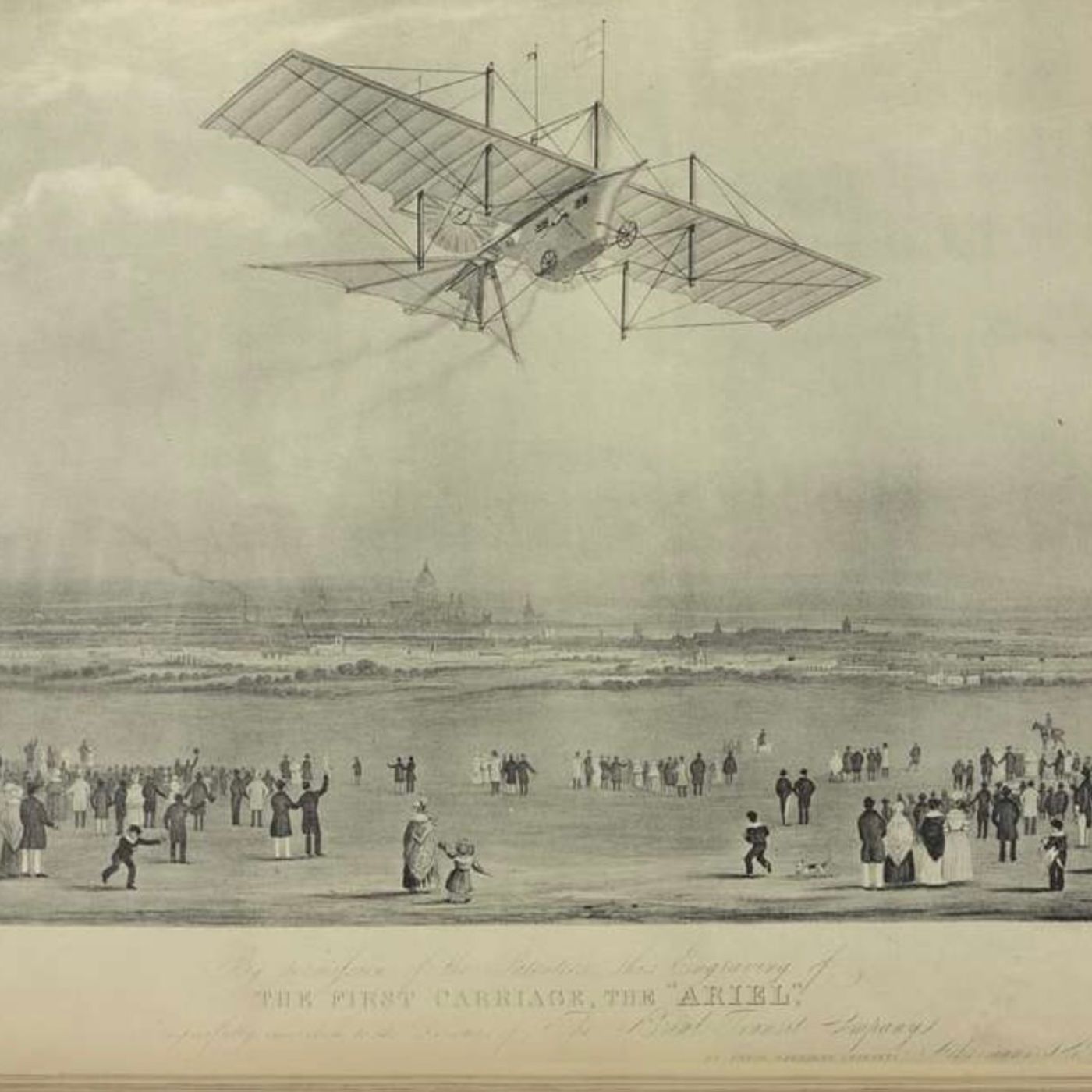 9. Commercial Space Programs Advance Amid Shakeups - BOB ZIMMERMAN 091626 16.09.2026 19minCAPTION 1922 FRANCECommercial Space Programs Advance Amid ShakeupsBob Zimmerman reports SpaceX is preparing Starship Super Heavy for an orbital test carrying commercial Starlinksatellites, while Amazon booked extra Ariane 6 launches to deploy its constellation. Meanwhile, NASA awarded Blue Origin a $700 million Mars communication satellite contract based on its Blue Ring orbital tug, prompting an unusual formal protest from Rocket Lab. Internationally, China is conducting an unannounced major organizational overhaul of its lunar program following recent mission failures. Additionally, American authorities arrested a Chinese tourist for flying drones over restricted Kennedy Space Center launchpads, and Djibouti joined the Artemis Accords as the newest member nation in global space.(9)
 -
 8. European Inflation Escalates Under Energy Pressures - SIMON CONSTABLE 091626 16.09.2026 17min1920 TOUR DE FRANCEEuropean Inflation Escalates Under Energy PressuresSimon Constable reports a severe heatwave in southern France damaged sunflower harvests while diesel prices soared to $9.20 per gallon, causing widespread agricultural and logistical distress. Rising European natural gas costs pushed electricity rates up 12% in one month, driving price hikes across essential agricultural commodities like corn and wheat. Meanwhile, public opposition against artificial intelligence data centers reflects underlying hostility toward wealthy technology figures rather than environmental impact. In the United Kingdom, escalating national debt service costs reached $127 billion annually, far surpassing the nation's $80 billion defense budget during severe ongoing international economic challenges facing European leadership in government circles. (8)
 -
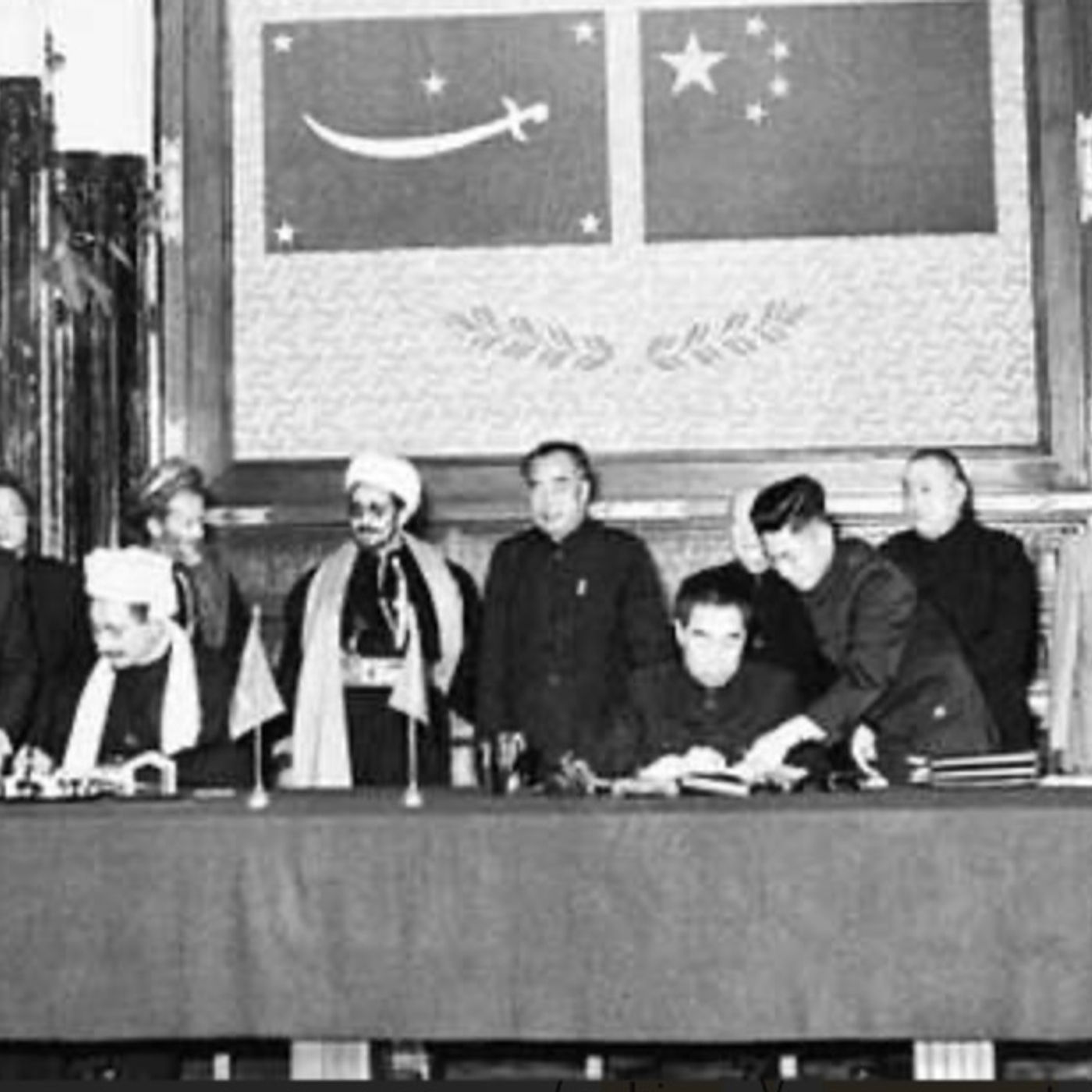 7. Historical Roots Shape Complex Yemen Conflict - GREGORY COPLEY 091626 16.09.2026 37min1954 YEMENGregory Copley explains the ongoing conflict in Yemen reflects deep historical, cultural, and tribal divisions stretching back to pre-Islamic Jewish roots. Mountainous North Yemen, led by Hashemite Zaydis, maintains historical claims as traditional guardians of Mecca and Medina predating Saudi control. Demonstrating sophisticated defense capabilities, North Yemeni forces recently downed a Royal Saudi strike jet. Meanwhile, Egypt refuses to reenter the conflict after its disastrous 1960s war, leaving Oman as the primary regional mediator. Additionally, Canada is strengthening economic ties with Europe and King Charles III to reassert national sovereignty independent of Washington trade policy pressure across global commercial sectors today. (1)
 -
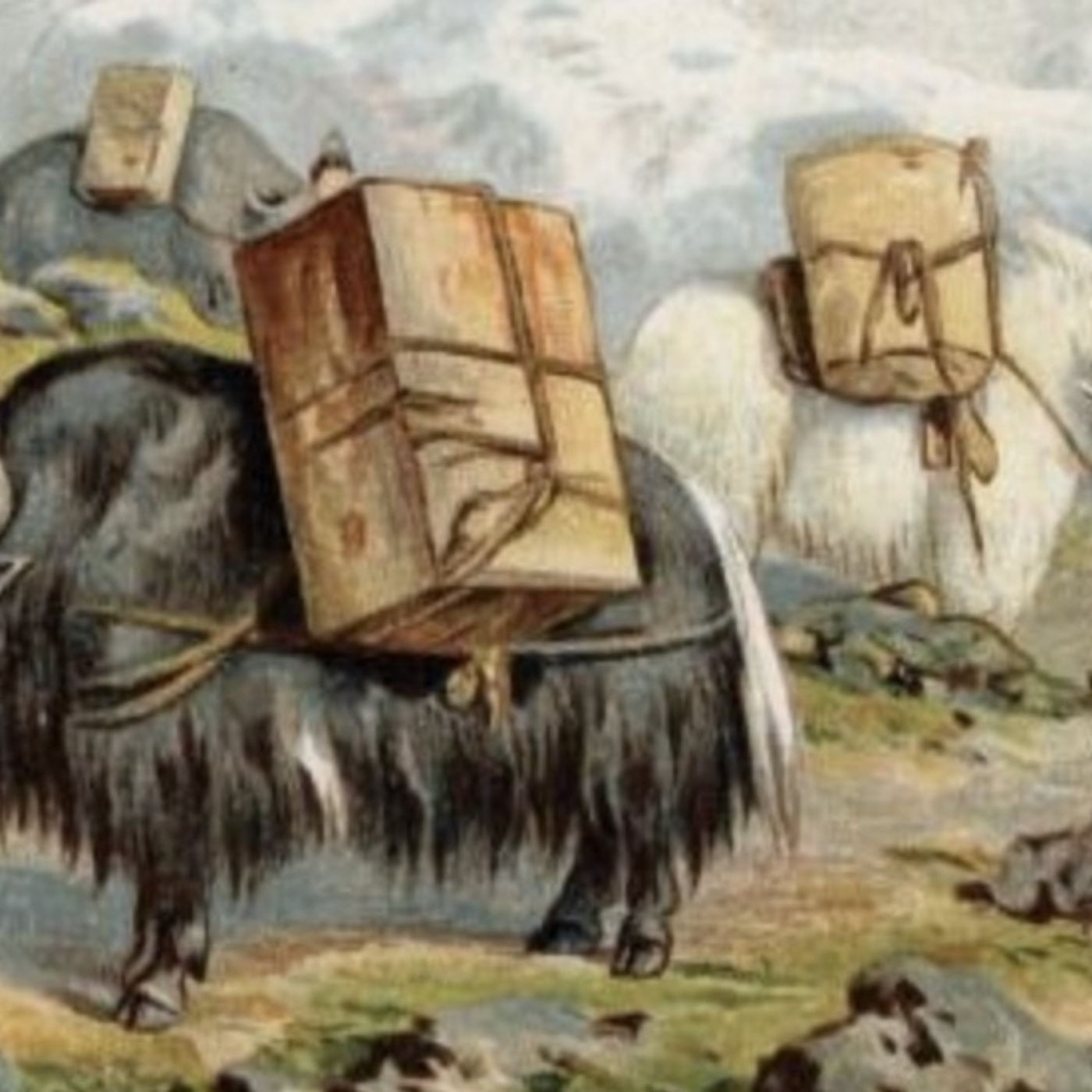 6. PIERO TOZZI & GORDON CHANG 091626 16.09.2026 19min1931 YAKS IN JACOAddressing Transnational Repression Before Summit MeetingPiero Tozzi, co-host Gordon Chang: Ahead of Chinese President Xi Jinping's summit in Washington, Tozzi urges increased protections against Beijing's transnational repression targeting dissidents, Tibetans, and Uyghurs on American soil. China operates clandestine police stations in cities like New York and Boston while using its United Frontapparatus to suppress peaceful protest movements. Grounded in a legalist Leninist governance ideology that demands complete cognitive control, Beijing recently enacted an ethnic unity law requiring families to teach love for the Communist Party. United States foreign policy must prioritize releasing prominent political prisoners, including Hong Kong Catholic publisher Jimmy Lai from solitary confinement in prison. (6)
 -
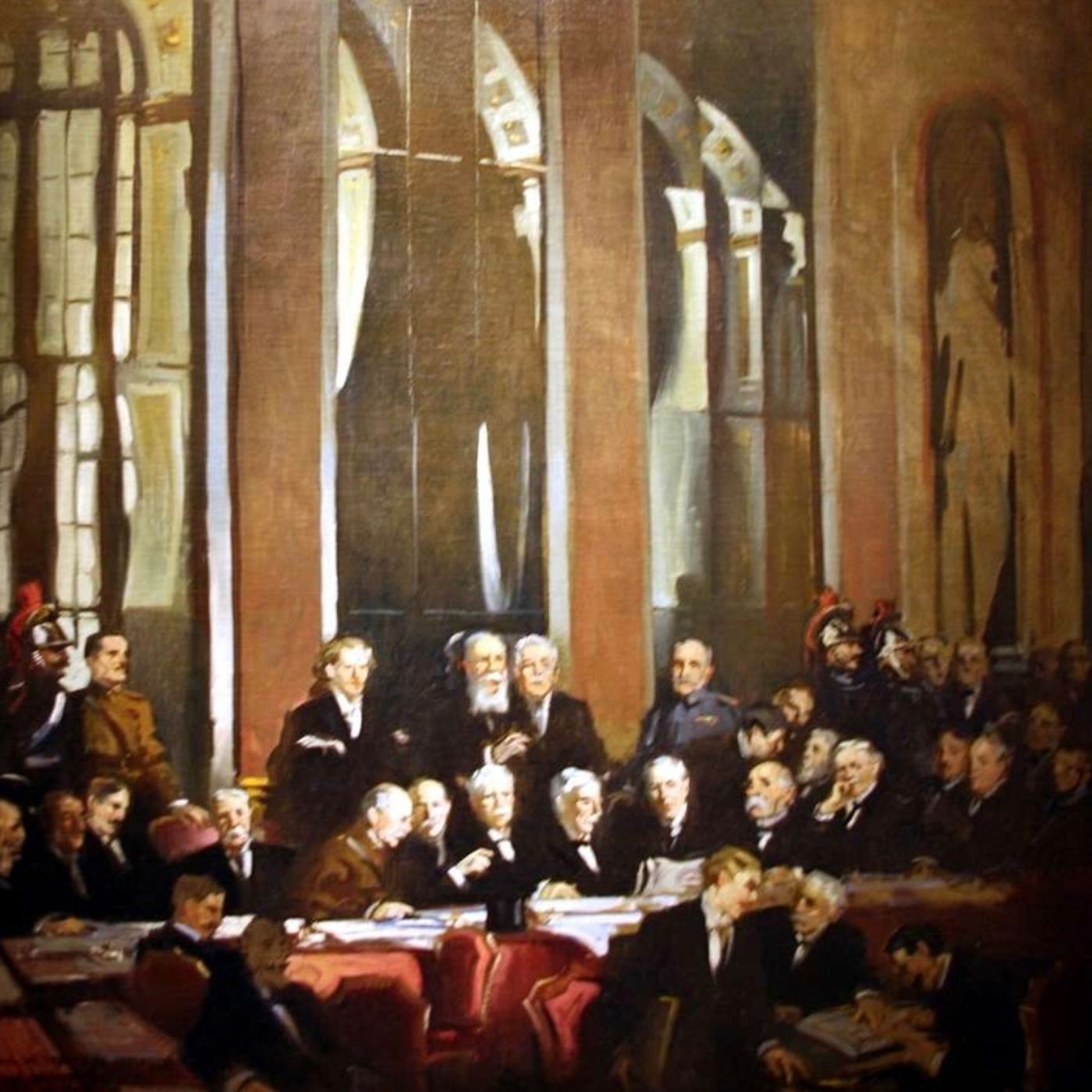 5. Diplomatic Strains Impact Global Western Alliances - MARY KISSEL 091626 16.09.2026 17minCAPTION 1919 VERSAILLES CONFERENCEDiplomatic Strains Impact Global Western AlliancesMary Kissel notes global polls indicate declining trust in American leadership as both the United States and China are perceived as international threats. Friction over tariffs and rhetoric pushed Canadian Prime Minister Mark Carney to pursue European Union associate membership and deeper ties with Beijing. In Ukraine, American requests asking Kyivto spare Russian oil refineries reflect a flawed moral equivalency that undermines deterrence against aggression. Meanwhile, escalating Middle Eastern instability and Houthi chokeholds along Red Sea shipping lanes threaten Saudienergy security, risking a shift where Gulf allies seek Chinese security partnerships if Washington fails to provide reliable military backing today. (2)
 -
 4. Hellscape Defense Strategy Deters Taiwan Invasion - REBECCA GRANT & GORDON CHANG 091626 16.09.2026 9minCAPTION 1954Hellscape Defense Strategy Deters Taiwan InvasionRebecca Grant reports the United States Indo-Pacific Command developed an offensive tactical framework named Hellscape to counter potential Chinese invasions of Taiwan. Designed by Admiral Samuel Paparo, Hellscape deploys swarms of cheap drones, loitering munitions like Damocles, and unmanned vehicles to confuse attacking Chinese forces. This strategy draws upon lessons from Ukrainian drone warfare to disrupt enemy spectrum operations and clear pathways for heavy precision weapons. Regional allies including Japan, Australia, and the Philippines are integrating into this defense architecture. To ensure deterrence succeeds, Taiwan must receive delayed military shipments of advanced electronic warfare systems for its fighter jets without delay. (4)
 -
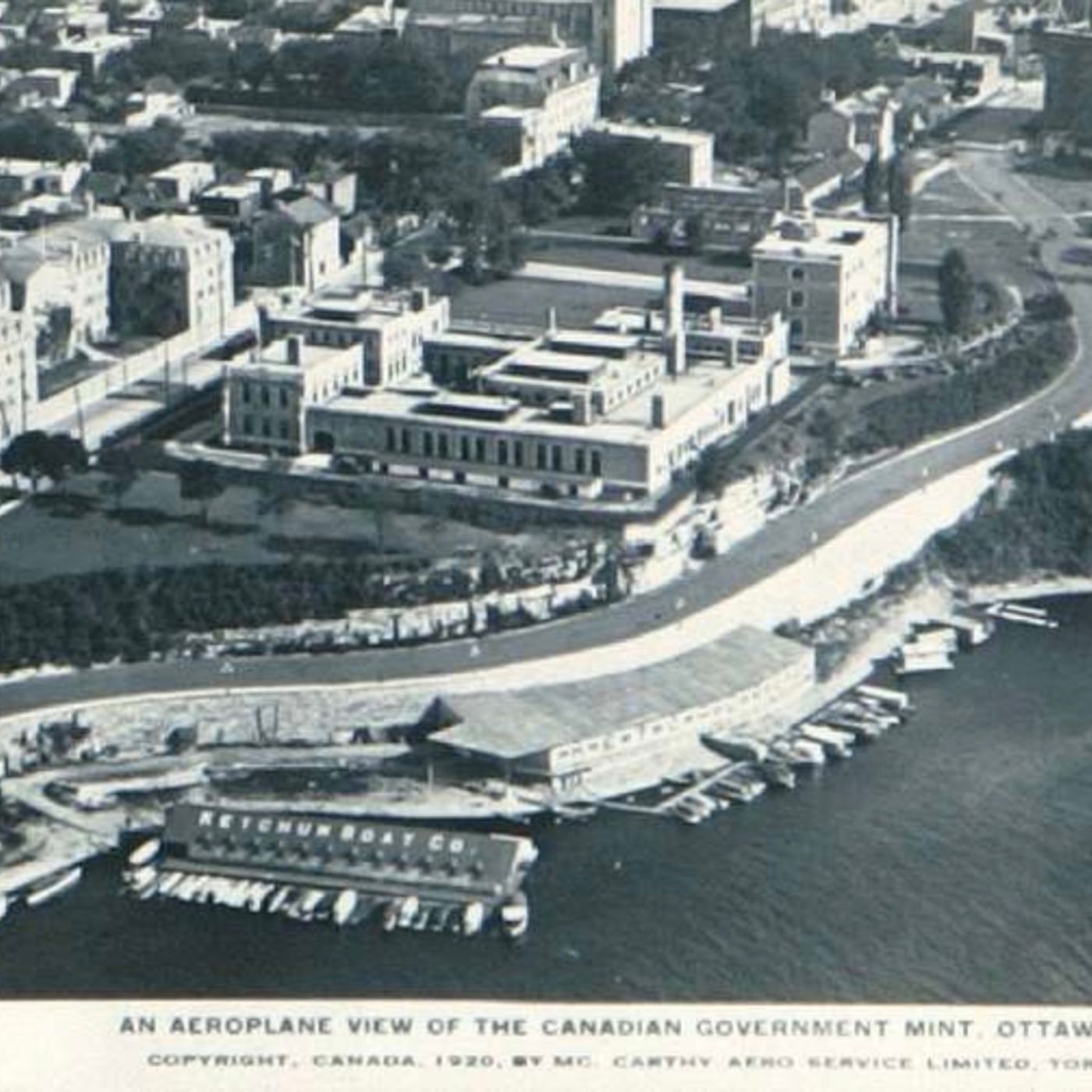 3.Canada Seeks EU Integration Amid Realignment - CHARLES BURTON & GORDON CHANG 091626 16.09.2026 10min1929 OTTAWACanada Seeks EU Integration Amid RealignmentCharles Burton reports Canada is rapidly reorienting its economic and defense relationships away from dependency on the United States. European Commission President Ursula von der Leyen proposed opening associate membership to Canada, creating a unique alliance covering defense, trade, and personnel movement. Supported by former Prime Minister Stephen Harper, Canadian leaders are promoting infrastructure initiatives to redirect trade flows while granting Europeaccess to critical minerals. Polling indicates that over 70% of Canadians identify with European values, whereas USsympathy dropped to 16% due to trade unpredictability. Canada also quietly strengthened strategic military defense ties with China regarding security. (3)
 -
 2. America Deploys Operational Space Control Weapons - RICK FISHER & DAVID LIVINGSTON 091626 16.09.2026 9minCAPTION NOVEMBER 1953America Deploys Operational Space Control WeaponsRick Fisher reports Air Force officials publicly confirmed that the United States deployed operational space control weapons capable of protecting joint military forces. A French Space Agency graphic recently detailed orbital assets operated by America, Russia, and China, including telemetry jamming, proximity operations, and kinetic collision satellites. These classified capabilities were maintained secretly across multiple congressional administrations to prevent a dangerous space arms race. Strategic tensions surrounding Iran or potential Russian aggression in Europe likely prompted this public disclosure. Importantly, these conventional defense systems fully comply with established Outer Space Treaty terms because the agreement exclusively bans nuclear weapons. (2)
 -
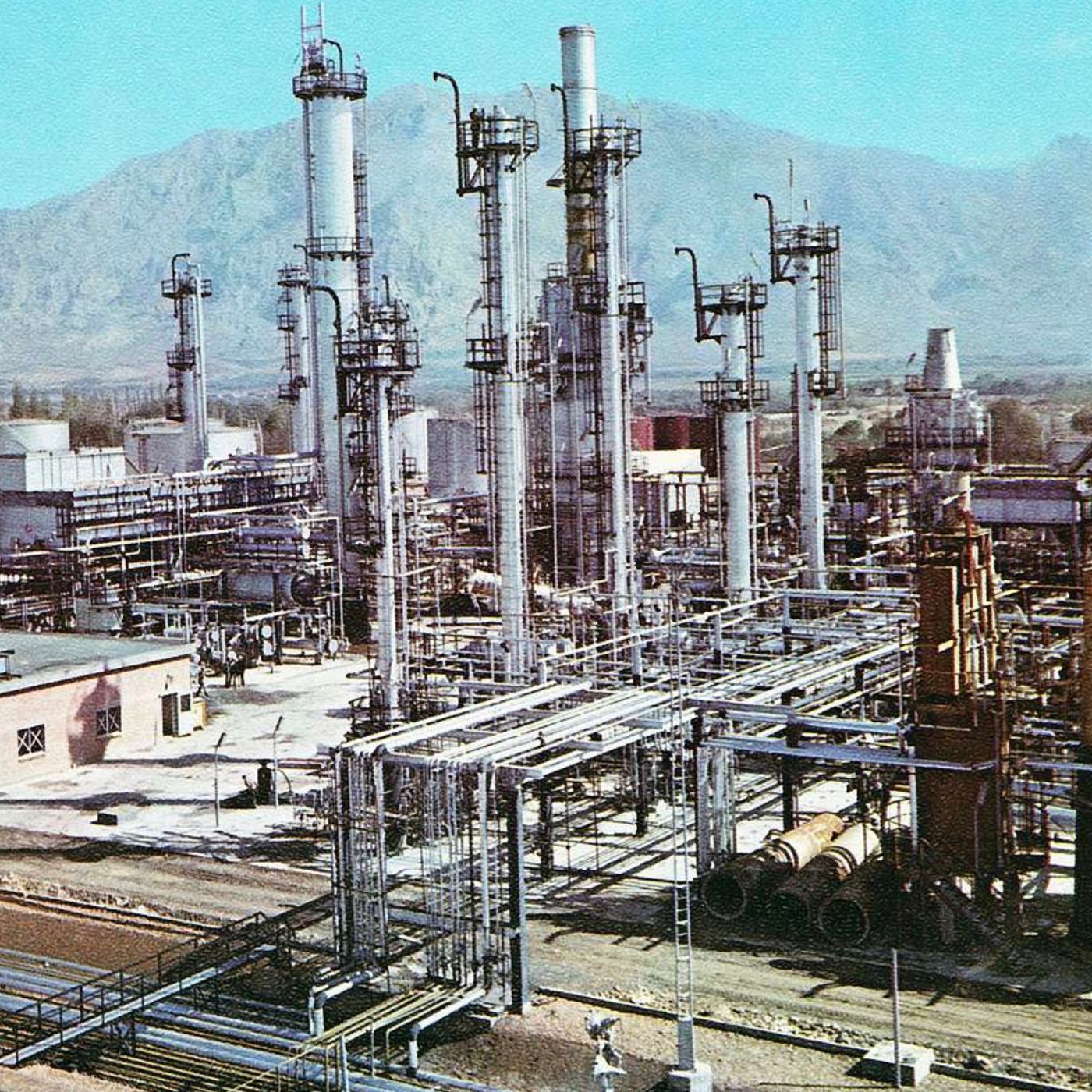
 1. Global Diesel Shortage Spans Multiple Continents - MICHAEL BERNSTAM 091626 16.09.2026 8minCAPTION 1943 WAR EMERGENCY PIPELINEGlobal Diesel Shortage Spans Multiple ContinentsMichael Bernstam explains Ukrainian drone strikes against Russian refineries impact domestic Russian consumption rather than global markets because Moscow previously banned refined petroleum exports. The worldwide diesel crisis stems from losing 2.5 million barrels daily due to Middle Eastern supply disruptions, Strait of Hormuz closures, and pipeline attacks. With global refineries running at 96% to 98% capacity, facilities face severe quality mismatch issues because domestic shale crude yields less diesel than heavy Middle Eastern imports. Meanwhile, overall Russian oil production dropped by 1.5 million barrels per day. New United States congressional legislation permits potential 100% tariffs on purchasing nations. (1)
 -
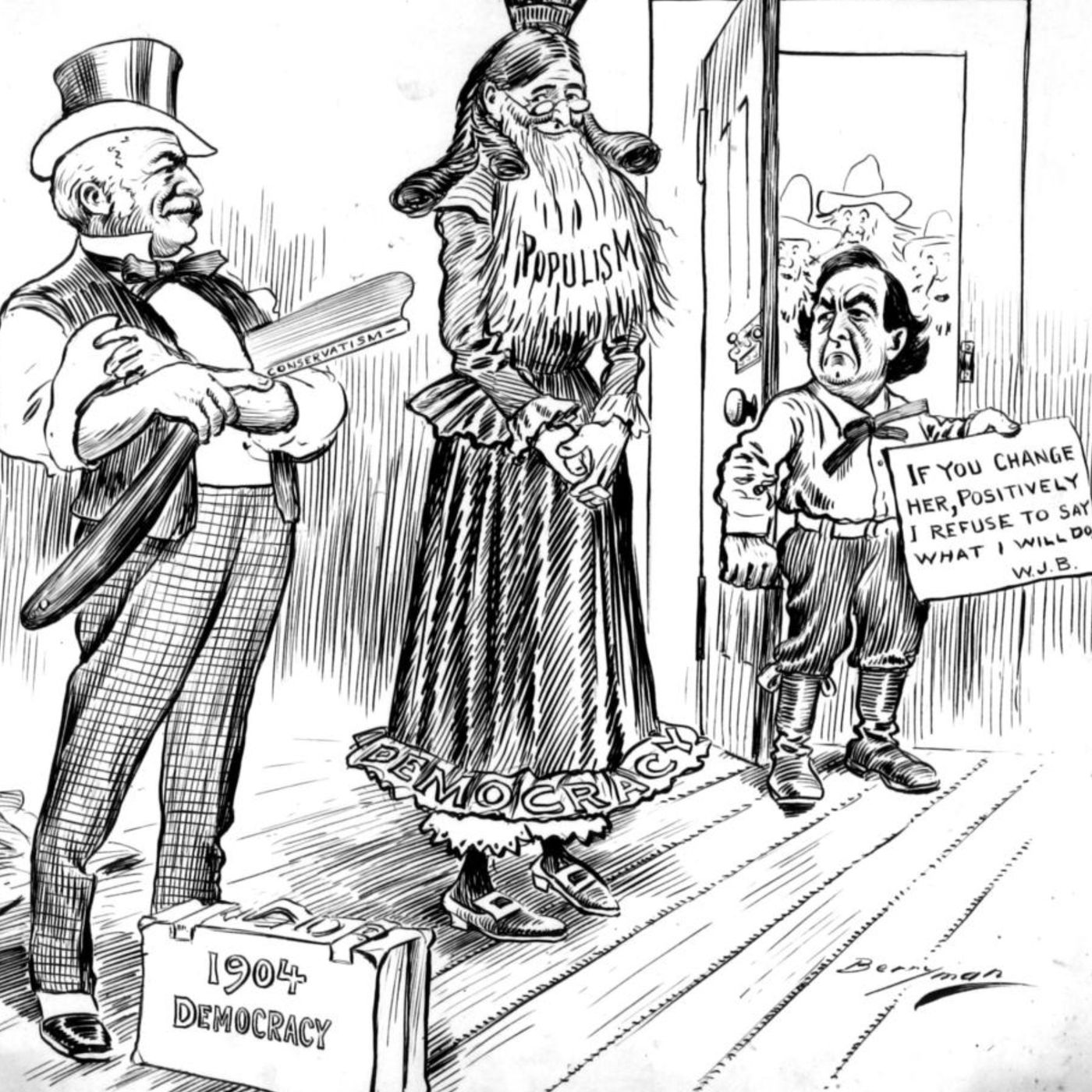 STREAMING-MAKING-JBS-SCHANZER-MCCOTTER-9-15 16.09.2026 58minCAPTION 1904 ELECTION POLITICSSTREAMING-MAKING-JBS-SCHANZER-MCCOTTER-9-15Global Conflicts and the Looming American MidtermsTonight's broadcast details a global landscape of escalating conflict, focusing primarily on the unraveling security of the Persian Gulf and the Red Sea. Analyst Jonathan Schanzer explains how Iran-backed Houthi rebels have disrupted international energy markets by seizing strategic ports and attacking Saudi Arabian infrastructure. This instability is mirrored in Lebanon, where the effectiveness of Israeli military strikes against Hezbollah is contrasted with the ongoing political paralysis of the Lebanese government. Domestically, the discussion shifts to the looming U.S. midterm elections, noting that President Trump's approval ratings remain low despite holding a Republican convention in Texas. The dialogue concludes by examining the disconnect between aggressive foreign policy challenges, such as the global diesel shortage and the war in Ukraine, and the economic concerns of the American electorate.
 -
 CONTENTS-JBS-9-15 15.09.2026 12minCAPTION 1914 BERLIN BANK RUNCONTENTS-JBS-9-15Federal Reserve Rate Hikes And AILiz Peek expects the Federal Reserve to hike interest rates by 25 basis points due to persistent inflation stuck between 3% and 3.5%. While U.S. economic fundamentals remain strong—with GDP growth exceeding 4% and robust consumer spending—rising diesel fuel prices over $6 per gallon are driving broader price increases across businesses. Refinery constraints and global energy pressures continue to exacerbate these cost headwinds. Regarding artificial intelligence, Peek argues that data center concerns and job loss fears are overstated, though emerging self-generating AI capabilities warrant self-regulation rather than Congressional intervention. (1)Iranian Proxy Warfare Disrupts Regional SecurityJonathan Schanzer analyzes how Iranian proxy strategy is disrupting regional security by targeting Persian Gulfenergy infrastructure. The Houthis have seized key Yemeni Red Sea territory including Mocha, while Iraqi militias shut down Saudi Arabia's East-West pipeline, restricting global oil flows. Desperate for military support, Saudi Arabia has engaged with regional partners and Israel. Meanwhile in Lebanon, the Israeli military continues dismantling Hezbollah's underground infrastructure, though political dysfunction in Beirut hampers government control over liberated areas. In Gaza, permanent stabilization remains tied to the difficult task of disarming Hamas through military power. (2)German Populism Politics And Monetary PolicyJoseph Sternberg examines the electoral rise of Germany's Alternative for Germany (AfD) party in Saxony-Anhalt, highlighting concerns over unpurged neo-Nazi elements within its leadership. While France's Marine Le Pen cleaned up her party's extremist image, the AfD retains radical elements, yet attracts frustrated voters in East Germany due to immigration and economic grievances. Sternberg also notes JD Vance's controversial alignment with European right-wing parties. Turning to economics, Sternberg discusses the Federal Reserve under Kevin Warsh considering a rate hike amid global bond selloffs, rising long-term yields, persistent inflation, and low-growth fiscal challenges in Britain. (3)European Energy Costs And German PoliticsJudy Dempsey and Thaddeus McCotter analyze European energy vulnerabilities and German political turmoil. Global diesel shortages and rising fuel prices are straining European economies and driving inflation, while U.S. aid to Ukrainehas dropped by 99%. President Trump requested Ukraine cease targeting Russian refineries, though Kyiv lacks sufficient air defenses. In Germany, Chancellor Friedrich Merz faces severe pressure over long-overdue economic reforms alongside electoral gains by the far-right AfD in Saxony-Anhalt and upcoming state elections. Meanwhile, Polandexperiences growing anti-Ukrainian sentiment, and Germany's military is shifting focus toward protecting Ukrainianinfrastructure. (4)Trump Family Ties To Russian OperativesCraig Unger details a ProPublica investigation revealing that Umar Kremlev, head of the International Boxing Association and associate of Vladimir Putin, funded hundreds of thousands of dollars for Donald Trump Jr.'s wedding parties. Kremlev has ties to Russian organized crime, Putin's security apparatus, and an organization linked to kidnapping Ukrainian children. Unger explains that Russian organized crime operates as an arm of state security. Reviewing historical ties dating back to 1980 KGB fronts and 2016 campaign contacts with GRU associates, Unger highlights major ethical and constitutional concerns regarding the Trump family's financial gains. (5)Nuclear Deterrence And Russian Coercive ThreatsPeter Huessy examines Vladimir Putin's routine use of nuclear threats as weapons of blackmail, coercion, and "reflexive control" to deter NATO involvement in...
 -
 8.Narrative History And The Western Tradition - ALLEN GUELZO 091526 15.09.2026 19minCAPTION 1620 JAMES I & CHARLES I TO BENarrative History And The Western TraditionAllen Guelzo, co-author with James Hankins of the two-volume The Golden Thread: A History of the Western Tradition, emphasizes the crucial role of narrative history. Guelzo notes a one-third decline in college history majors over fifteen years, driven by employment anxieties and hyper-professionalized academic specialization that neglects broader historical storytelling. Using historical examples like Gettysburg and Thermopylae, he illustrates how core civilizational ideas about freedom, human nature, and the pursuit of truth inspire human flourishing. Guelzo highlights the resilience of Western civilization, which routinely undergoes cultural renaissances following major historical crises. (8)
 -
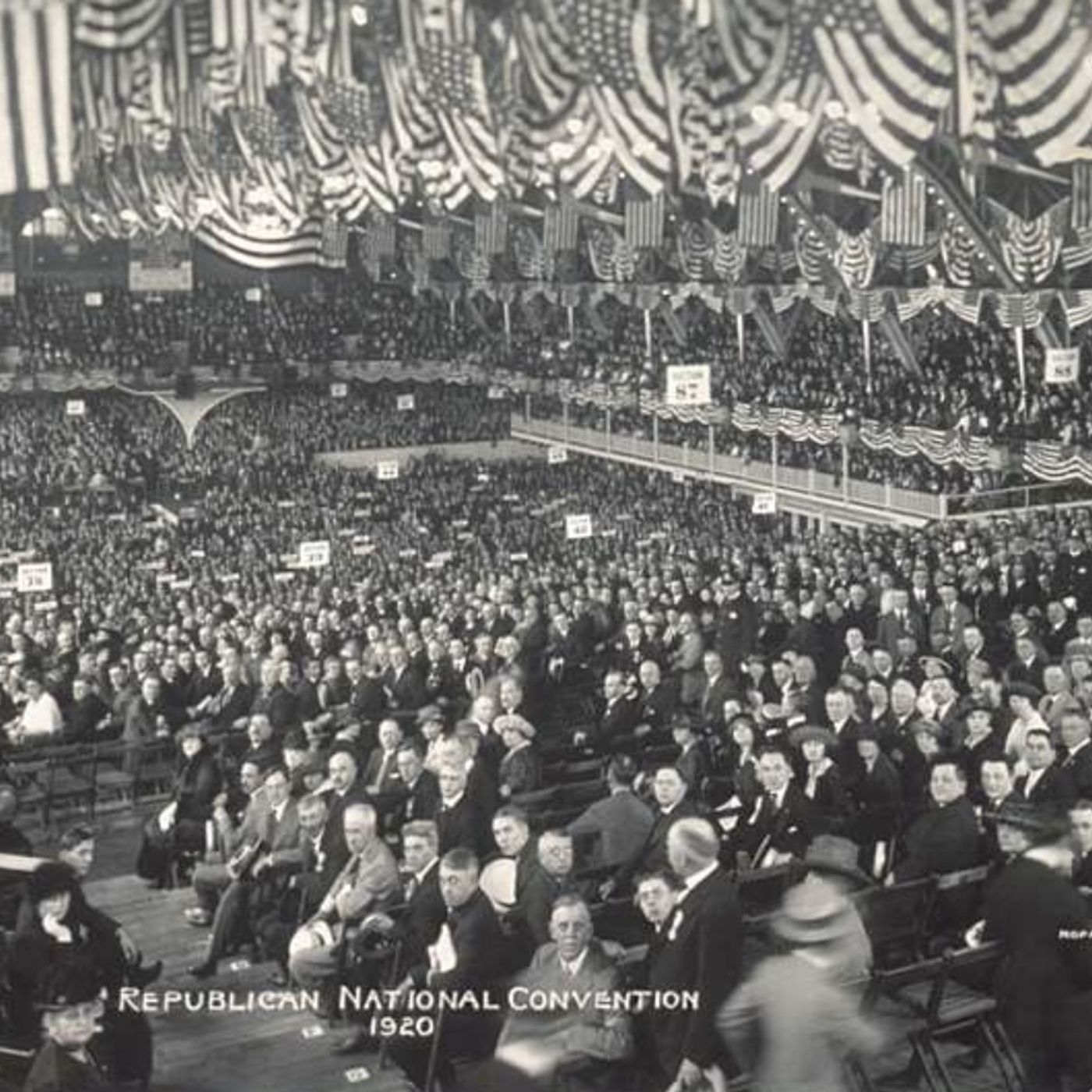 7. THADDEUS MCCOTTER 091526 15.09.2026 17minCAPTION 1920 REPUBLICAN NATIONAL CONVENTIONMidterm Politics Policies And Economic RealitiesThaddeus McCotter evaluates midterm election dynamics, pointing to low presidential approval ratings and a 7% gap favoring Democrats. He criticizes President Trump's proposed $5,000 dividend tied to maintaining a Republicanmajority as an un-Republican, redistributionist scheme that undermines fiscal discipline during high inflation. McCotter notes that combining cash injections with demands for Federal Reserve rate cuts will likely guarantee interest rate hikes. High gas ($4.59) and diesel ($6.09) prices continue fueling voter discontent. Furthermore, McCotter lambasts asking Ukraine to stop attacking Russian refineries as prioritizing campaign optics over existential defense realities. (7)
 -
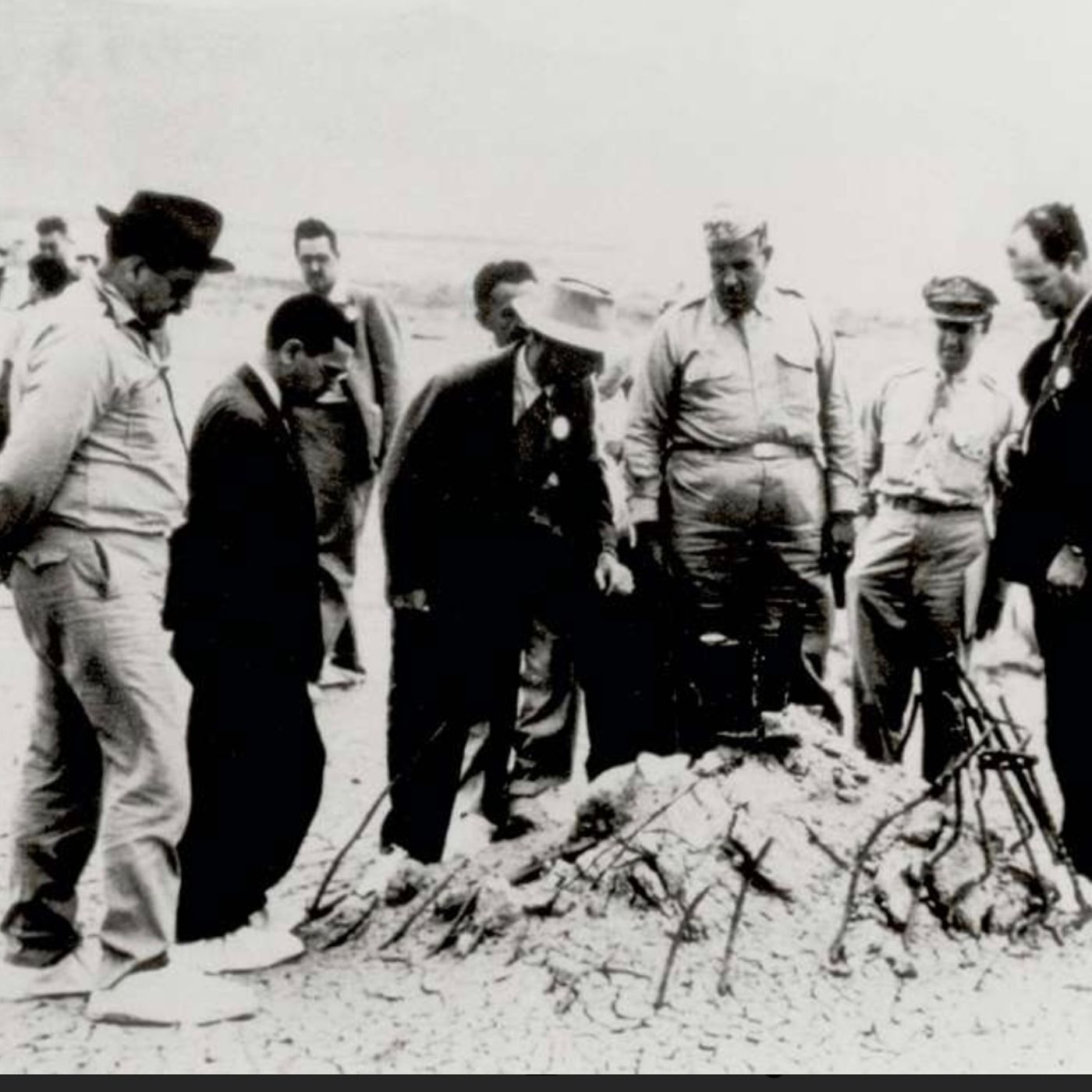 6. Nuclear Deterrence And Russian Coercive Threats - PETER HUESSY 091526 15.09.2026 19minCAPTION 1945 TRINITY TESTNuclear Deterrence And Russian Coercive ThreatsPeter Huessy examines Vladimir Putin's routine use of nuclear threats as weapons of blackmail, coercion, and "reflexive control" to deter NATO involvement in Ukraine. Grounded in a 1999 decree authorizing low-yield tactical nuclear weapons, Putin's rhetoric treats nuclear employment as a political instrument despite the catastrophic economic and human consequences of any nuclear detonation. Huessy emphasizes that nuclear use constitutes criminality rather than strategy. To counter Russian coercion, the U.S. maintains strong extended nuclear deterrence through visible bomber deployments in allied nations and modernizing sea-launched cruise missile systems to ensure long-term stability. (6)
 -
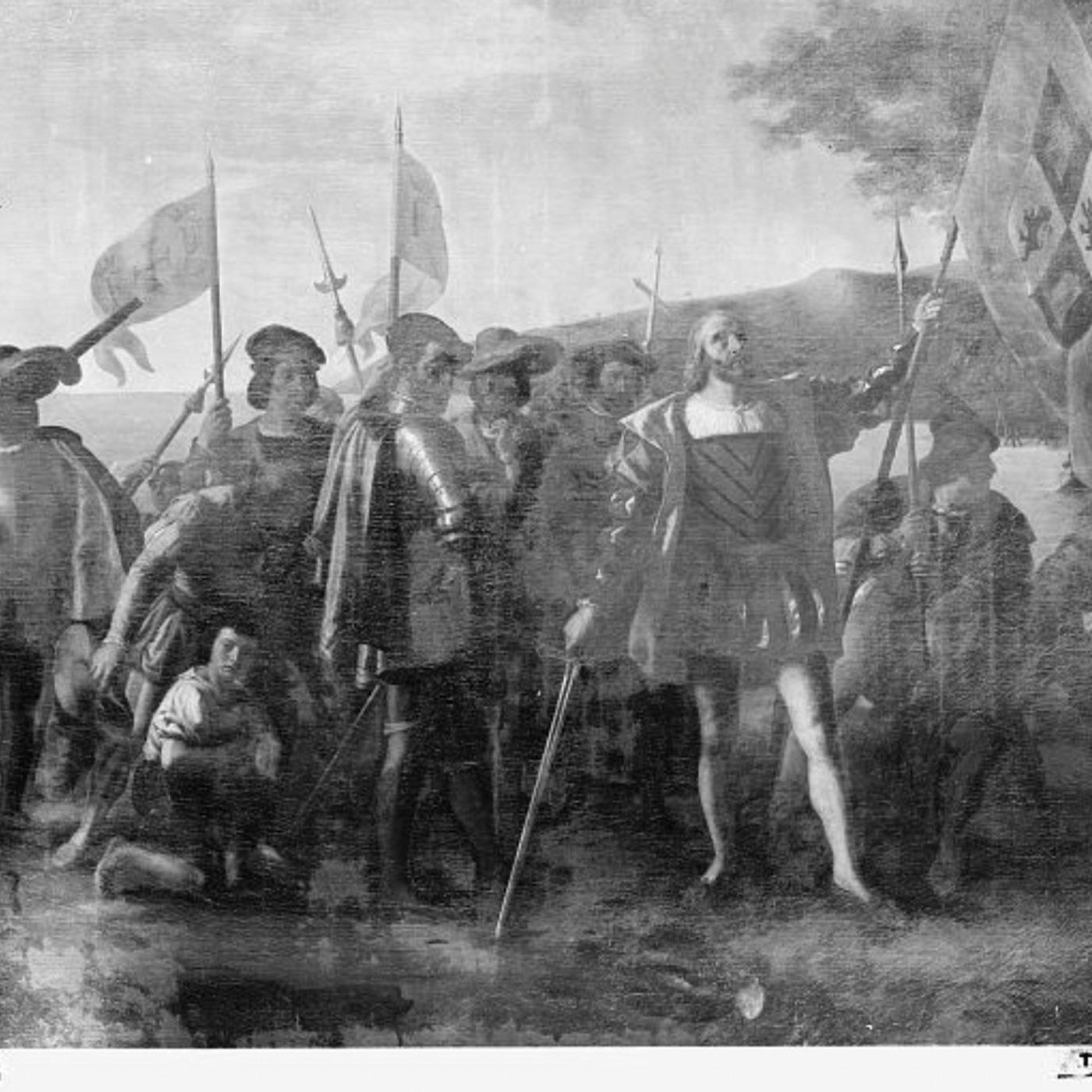 5. Trump Family Ties To Russian Operatives - CRAIG UNGER 091526 15.09.2026 17minCAPTION 1492 BAHAMAS Trump Family Ties To Russian OperativesCraig Unger details a ProPublica investigation revealing that Umar Kremlev, head of the International Boxing Association and associate of Vladimir Putin, funded hundreds of thousands of dollars for Donald Trump Jr.'s wedding parties. Kremlev has ties to Russian organized crime, Putin's security apparatus, and an organization linked to kidnapping Ukrainian children. Unger explains that Russian organized crime operates as an arm of state security. Reviewing historical ties dating back to 1980 KGB fronts and 2016 campaign contacts with GRU associates, Unger highlights major ethical and constitutional concerns regarding the Trump family's financial gains. (5)
 -
 4. European Energy Costs And German Politics - JUDY DEMPSEY & THADDEUS MCCOTTER 091526 15.09.2026 19minEuropean Energy Costs And German PoliticsJudy Dempsey and Thaddeus McCotter analyze European energy vulnerabilities and German political turmoil. Global diesel shortages and rising fuel prices are straining European economies and driving inflation, while U.S. aid to Ukrainehas dropped by 99%. President Trump requested Ukraine cease targeting Russian refineries, though Kyiv lacks sufficient air defenses. In Germany, Chancellor Friedrich Merz faces severe pressure over long-overdue economic reforms alongside electoral gains by the far-right AfD in Saxony-Anhalt and upcoming state elections. Meanwhile, Polandexperiences growing anti-Ukrainian sentiment, and Germany's military is shifting focus toward protecting Ukrainianinfrastructure. (4)
 -
 3. German Populism Politics And Monetary Policy - JOSEPH STERNBERG 091526 15.09.2026 17minCAPTION 1930 BERLINGerman Populism Politics And Monetary PolicyJoseph Sternberg examines the electoral rise of Germany's Alternative for Germany (AfD) party in Saxony-Anhalt, highlighting concerns over unpurged neo-Nazi elements within its leadership. While France's Marine Le Pen cleaned up her party's extremist image, the AfD retains radical elements, yet attracts frustrated voters in East Germany due to immigration and economic grievances. Sternberg also notes JD Vance's controversial alignment with European right-wing parties. Turning to economics, Sternberg discusses the Federal Reserve under Kevin Warsh considering a rate hike amid global bond selloffs, rising long-term yields, persistent inflation, and low-growth fiscal challenges in Britain. (3)
 -
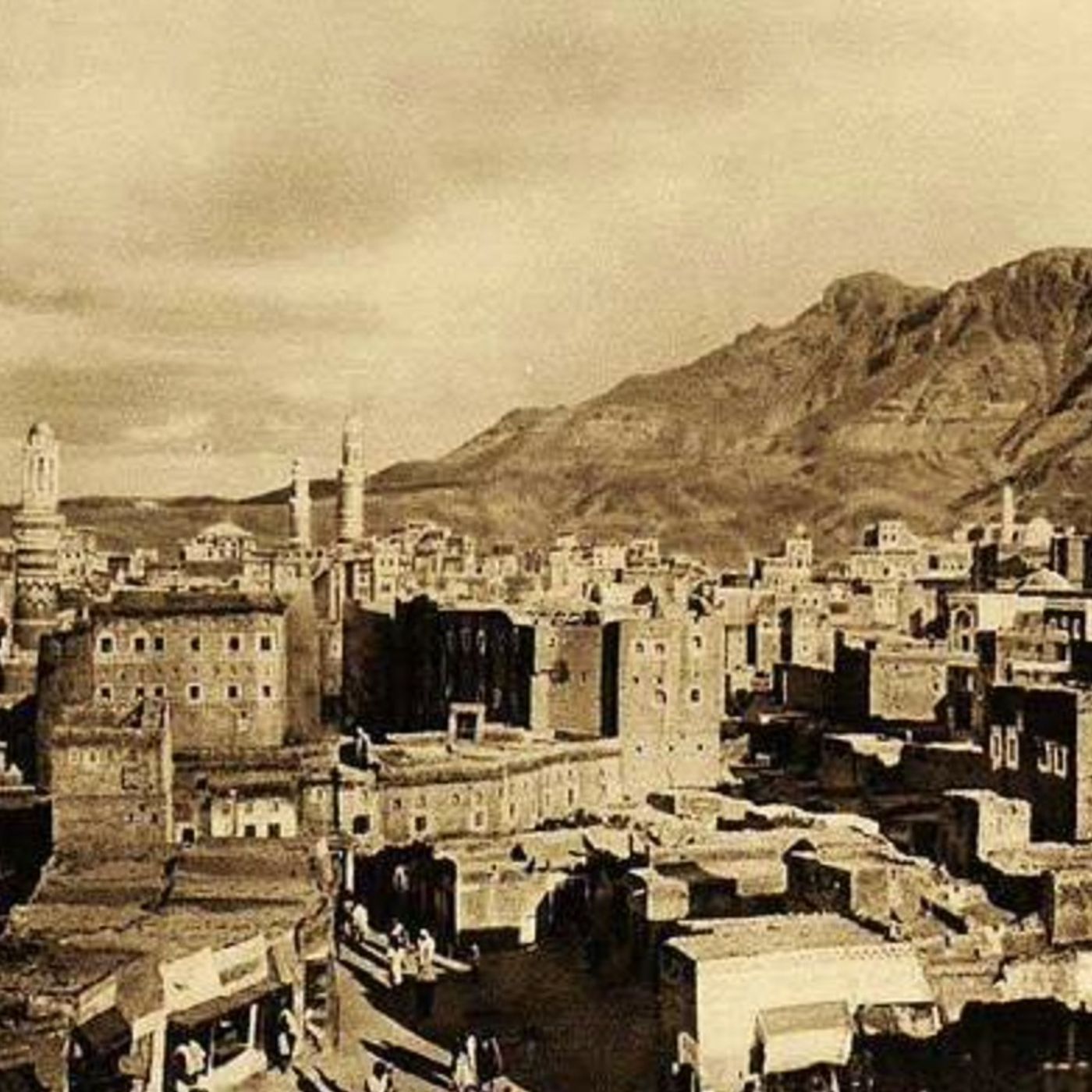 2. Iranian Proxy Warfare Disrupts Regional Security - JONATHAN SCHANZER 091526 15.09.2026 19minCAPTION 1926 SANA'AIranian Proxy Warfare Disrupts Regional SecurityJonathan Schanzer analyzes how Iranian proxy strategy is disrupting regional security by targeting Persian Gulfenergy infrastructure. The Houthis have seized key Yemeni Red Sea territory including Mocha, while Iraqi militias shut down Saudi Arabia's East-West pipeline, restricting global oil flows. Desperate for military support, Saudi Arabia has engaged with regional partners and Israel. Meanwhile in Lebanon, the Israeli military continues dismantling Hezbollah's underground infrastructure, though political dysfunction in Beirut hampers government control over liberated areas. In Gaza, permanent stabilization remains tied to the difficult task of disarming Hamas through military power. (2)
Podcasturi similare


Popular în
Acest podcast apare și în topurile de podcasturi din aceste țări.


