
Sales 101: The B2B Sales Classroom
Donald C. Kelly & Dr. Bj Allen
0
Sales 101: The B2B Sales Classroom helps college professors teach sales with confidence by bringing the latest insights from industry leaders, students, and educators. Hosted by Donald C. Kelly and Dr. B.J. Allen, co-authors of Professional Selling and Advanced Selling published by Stukent and used in over 90 universities, the show delivers ready-to-use assignments, strategies, and real-world examples to assist professors as they equip the next generation of sales professionals.
Episoade
-
 No Travel Budget, No Problem: How Virtual Sales Competitions Open Doors | Scott Hachey - 42 09.09.2026 21minEvery year, I hear from professors who've got students ready to compete and no way to get them there. Dr. Scott Hachey stopped waiting on a bigger budget and rebuilt the competition itself, and now schools that never had a shot at this are showing up to play.Episode BreakdownTen Years Selling Before He Ever Taught a ClassScott spent close to a decade in sales across agriculture, hospitality, and retail before finishing his PhD.Teaching a single sales course turned into a chance to bring that industry background straight into the classroom.He now teaches Professional Selling and Sales Management at Cal State Fullerton, and he's looking to grow the program from here.Building a Competition Around Access, Not Necessity Scott didn't launch his virtual competition because of the pandemic. He built it in 2025 to fix a permanent problem.Travel and hosting costs shut a lot of students out before they even get a chance to compete, especially students working jobs while they're in school.With his department chair, dean, and outside sponsors behind him, the competition is heading into its third year this spring.Inside a Competition Day In the weeks leading up to the event, students go through two to three online training sessions, with the sponsor joining to walk through the sales scenario.On competition day, each student gets their own time slot and a private Zoom link into a role-play room with a live buyer.About five judges watch each round with their cameras off, and students only interact with the buyer, never with the judges directly.Why This Format Reaches Students Others Miss The strongest response has come from schools with no dedicated sales program funding, often a single professor trying to give students real competition reps on their own.Scott connects it to his own career in agriculture sales, where he sold to buyers worldwide with no travel budget at all, phone and video selling weren't optional, they were the job.Even students used to in-person events have to relearn the basics on camera: checking the mic, confirming the camera's on, the small habits virtual selling demands.The Honest Limits of Going Virtual Scott doesn't dress up the rough patches. The first year included Zoom rooms shutting down mid-competition.He's upfront that virtual can't replace the hallway conversations and networking of an in-person event, and he still ranks in-person as the top-tier experience.Growing the format to more schools depends on university IT keeping pace, which rarely moves as fast as anyone teaching a live class would like.The Hockey Connection Behind the SponsorshipScott is originally from Canada, and his love of hockey led him directly to the LA Kings, headquartered close to Fullerton.What started with the Kings' AHL affiliate, the Ontario Reign, grew into a full partnership with the NHL organization.One Piece of Advice for Anyone Starting From Nothing Scott's advice to new sales professors: find others doing interesting work and reach out. He's found the sales education community quick to help.He's actively recruiting more schools, judges, and student teams for the next competition."We wanted to create a competition that would provide access to students who don't go to a school with a sales program." — Dr. Scott HacheyResourcesConnect with Dr. Scott Hachey on LinkedInLearn more about the CSUF Sales Leadership Center and the Titan-Mania Virtual Sales CompetitionInterested in our courseware? Check out Professional Selling and Advanced Selling and Sales Management, built with StukentVisit the Sales 101 podcast website for more episodes
 -
 Stop Ghosting Your Customers: The Follow-Up Framework That Wins Referrals | John Rickgram - 41 02.09.2026 27minshow notes
 -
 Step-by-Step Guide to Creating a College Sales Curriculum Your Students Will Love | Donald C. Kelly & Dr. BJ Allen - 40 26.08.2026 33minHave you ever tried to create a courseware for a sales class and just felt like you had no clue what to do?We've both been there.Knowing sales is one thing. Taking years of experience with prospecting, discovery, objections, and closing and turning all of that into a course students can actually follow is a completely different challenge.In this episode, Dr. BJ Allen and I sit down and work through the process together. We lay out four steps we would use to build a sales curriculum from the ground up, including some of the mistakes we've made along the way.Start With the Job You’re Preparing Students ForYou can’t teach everything about sales in one classroom. The first step is deciding what job you’re actually preparing your students to do.A course designed for BDRs and SDRs will need a different focus from one designed for account managers or sales executives.BJ explains how this decision helps professors narrow down their content instead of trying to fit years of sales experience into one semester.The goal isn’t to give students everything. It’s to give them enough to confidently take the next step.Build the Curriculum Around a Clear Sales ProcessA strong sales curriculum needs a foundation that gives students a clear path from one stage of the sales process to the next.Donald compares this foundation to the base of a barbecue sauce: once you have it, you can build everything else around it.The curriculum we built follows the sales pipeline, moving students from prospecting to discovery and through the rest of the sales process.BJ explains why taking pieces from different methodologies can create confusion when students don't understand how those pieces fit together.Sandler, MEDDIC, Challenger, and SPIN are discussed as examples of different approaches professors may use when building their foundation.Make Sales Education More PracticalSales is an applied discipline, so students need opportunities to practice what they learn instead of simply memorizing terminology.Guest speakers can bring industry experience into the classroom and give students another perspective on the concepts being taught.Role plays and case studies give students a chance to practice skills like prospecting, researching prospects, and handling real sales situations.One assignment used Apollo and LinkedIn to have students research companies, identify potential contacts, and create outreach sequences.One student used the assignment to reach out to someone in the industry and ultimately landed an internship.Turn Classroom Assignments Into Real Sales ExperiencePractical assignments can give students experience with the same tools and activities they'll encounter in an actual sales role.BJ shares an example that combines ICP research, prospect research, LinkedIn research, and video email into one assignment.Instead of treating each skill as a separate lesson, students have to connect the pieces and use them together.The approach also makes it easier for professors to see whether students understand the full sales process rather than just individual concepts.Even professors with limited resources can create meaningful practice through simple role plays, peer feedback, and real-world scenarios.Make Grading Easier Without Losing the PracticeOne of the mistakes new professors can make is creating assignments that are valuable for students but nearly impossible to grade efficiently.Clear grading criteria give students a better understanding of what they're expected to deliver and make the evaluation process more objective.The episode covers ways to build efficiency into grading, including teaching assistants, simulations, and assignments that test several skills at once.BJ also explains why professors need to think about the time required to grade an assignment before assigning it to an entire class.The Four Steps to Building a Sales CurriculumStep 1: Identify the job you're preparing students for.Step 2: Choose the foundation or sales process you'll build the curriculum around.Step 3: Bring real-world sales into the classroom through guest speakers, role plays, case studies, and practical tools.Step 4: Create assignments and grading systems that work for both students and professors.“They just need enough to get to the next step.” — Donald C. KellyWe also talk about the sales courseware we built, including digital videos and a simulation that gives students a chance to practice the sales process while making grading more manageable.If you're building a sales curriculum from scratch or trying to make an existing course more practical, listen to the full episode.ResourcesConnect with Patrick Carter on LinkedInInterested in our courseware? Check out Professional Selling and Advanced Selling and Sales Management, built with StukentVisit the Sales 101 podcast website for more episodes
 -
 This Is How You Open A Discovery Call | Donald C. Kelly & Dr. BJ Allen - 39 19.08.2026 25minHave you ever reached the middle of a sales call and realized you spent most of the meeting just trying to figure out what the buyer actually wanted?If the buyer isn't clear on why they're there, or the salesperson doesn't take control of the conversation, valuable time can disappear fast. And on a cold call, you may not even get enough time for a second sentence.In this episode, Dr. BJ Allen and I break down how to open discovery calls and prospecting calls with more clarity and relevance. We talk about setting the agenda, getting buyers prepared before the meeting, using trigger events to make cold calls more personal, and when social proof can actually help.Starting Discovery Calls With a Clear AgendaA discovery call should not take five or ten minutes just to figure out why everyone is there. The buyer should know the purpose of the meeting before it starts.A simple agenda can set the tone: why we're meeting, what we'll cover, and what we want to accomplish by the end.Asking the buyer if the agenda sounds right gives them ownership of the conversation instead of making them feel like they're there to be talked at.Coming prepared also gives you more time to focus on the customer's actual problem instead of explaining everything about yourself.Making the Buyer Part of the ConversationSending useful information before the call can help the buyer come prepared instead of expecting the salesperson to explain everything from scratch.A short self-serve demo can cover basic product information before the meeting, leaving more time to focus on the customer's specific use case.The goal is to make the conversation feel tailored to the buyer rather than like another standard sales presentation.Most importantly, the call should end with clarity about what happens next so neither side is left wondering where things stand.Using Trigger Events to Open Cold CallsA cold call becomes much stronger when there is a real reason for making it. A new sales leader, company expansion, acquisition, or new product launch can all create an opening.The trigger is only useful when it connects to a problem that person is likely dealing with.Instead of asking for ten seconds and launching into a pitch, lead with something that shows you understand what is happening in their world.That relevance can turn a cold call from a fishing expedition into a conversation worth having.When Social Proof Actually WorksSocial proof isn't automatically a good opener. The real question is whether the example is relevant to the person you're calling.A competitor's success can create that relevance and even introduce a sense of FOMO when the prospect is facing the same market pressure.AI can help sellers research competitors, case studies, testimonials, and other signals that reveal what matters to a prospect before making the call.The goal isn't to use AI to blast out another generic message. It's to use research to sound like someone who understands the customer's problem.“Use it to be able to make you sound as a consultant and as someone in tune with their problem.” — Donald C. KellyResourcesIf you're looking for sales courseware with an up-to-date textbook and an AI-based simulation, visit The Sales Evangelist.
 -
 How Do I Get Admin Buy-In Into Your Sales Program | Travis Simkins - 38 12.08.2026 28minYou believe your students need a sales program. Your dean needs a different reason to say yes.That's the gap we dug into with Dr. Travis Simkins, Department Chair of Marketing, Entrepreneurship, Sales & Analytics at Southern Utah University. Travis took his department from two and a half faculty members to sixteen in under three years, and he walked us through exactly how he got administration to say yes to a new sales major.Why SUU Built a Sales Program Travis explains how marketing at SUU used to be folded into other departments, with almost no dedicated faculty.He read an article from the B2B Institute that changed his thinking. It argued the next hundred years of marketing would be built on B2B, not B2C.That idea became the pitch he used to convince the university to give marketing its own home.Turning a Minor Into the Fastest-Growing Program on Campus Travis walks through how the Mesa department combined marketing, entrepreneurship, sales, and analytics under one roof.He shares how COVID actually helped the case for a sales major, because it proved marketing and sales careers could work remotely and pay well.Within three years, the department grew from two and a half faculty members to sixteen.How to Sell a New Major to Administration Travis breaks down the two things that move a department chair or provost: hard numbers and education.He talks about showing administrators real job listings and real starting salaries, not just enthusiasm.We also talk about how sales skills transfer across industries once a student learns the fundamentals.Building a Pipeline of Students Travis explains how paid student "sales ambassadors" recruit other students into the major.He shares how SUU built concurrent enrollment agreements with local high schools, so students can earn college sales credit before they graduate.These recruiting efforts are what took the minor from 50 students to 75, and kept it growing.Bringing Industry Partners Into the Classroom Travis describes the sales advisory board SUU built, made up of paying industry professionals who help shape the curriculum.He talks about "Sales Never Fails," a campus competition that gets local and regional companies involved as judges and sponsors.He also shares why SUU built a sales psychology course after watching a talented graduate burn out within a year.Managing the Space Between Faculty and Administration Travis reflects on the hardest part of being a department chair: balancing what faculty need with what administration wants.His advice for professors pitching a new program: bring data, bring a plan for measuring success, and make the case in terms your dean already cares about."The nice thing about sales is you can learn to be a better salesperson. Once you learn how to be a good salesperson, you can sell anything in any industry if you're trained on the specific knowledge." — Dr. Travis SimkinsResourcesLearn more about the Marketing, Entrepreneurship, Sales & Analytics Department at Southern Utah UniversityConnect with Dr. Travis Simkins or find him on LinkedInExplore the courseware Donald and BJ co-authored: Professional Selling and Advanced Selling and Sales ManagementVisit the Sales 101 podcast website for more episodes
 -
Students Still Have an Ugly Perspective of Sales | Farhad Sadeh - 37 05.08.2026 26minshow notes
-
Everything You Need To Know About B2C vs B2B Sales | Patrick Carter - 36 29.07.2026 29minWhat’s the real difference between B2C and B2B sales? Do students need to go into B2B to build a successful career? And are we teaching the right principles for both?These are the kinds of questions sales professors face in the classroom, especially when many students start their careers in B2C roles.We invited Patrick Carter, a retail sales leader, to break it down. He shares how he’s building and leading successful B2C sales teams and what professors should be preparing students for in today’s sales environment.Meet Patrick Carter Patrick Carter is a sales leader and enablement strategist with over 20 years of experience building high-performing retail sales teams and driving revenue growth. He focuses on creating the systems, playbooks, and coaching structures that help sales organizations scale.He’s known for a coaching-first leadership style that builds trust, improves individual performance, and creates a culture where accountability and growth go hand in hand.Patrick operates at both the strategic and day-to-day level, developing the vision while staying close enough to execution to know when to step in and when to let his team take the lead.B2B vs B2C: What’s the Real Difference?At its core, retail is business to consumers. You’re selling directly to the end user. Sounds simple, but it’s not.The biggest difference comes down to speed. In B2B, you might have weeks or months to build relationships. In retail, you may have minutes. Customers often walk in knowing exactly what they want, which means the real skill is how you respond in that moment.You’re Not Just an Order TakerPatrick makes one thing clear. The website already has the information. Your role is to bring knowledge.That means asking better questions, understanding what the customer actually needs, and guiding them beyond what they came in for.Anyone can process a transaction. A real salesperson builds trust fast and adds value early.Where the Real Money HappensRetail sales can be more lucrative than most people think. With the right skillset and experience, income can grow significantly over time.But it’s not just about the first sale. It’s about relationships. When customers trust you, they come back. They bring others. And that’s where long-term success is built.If you’re teaching sales, this episode may challenge how you think about preparing students for the real world.“Your job isn’t to sell products. Your job is to bring knowledge. The website already has the information.” — Patrick CarterResourcesWant to learn more about B2C sales and how to apply it in your classroom or career? Connect with Patrick Carter on LinkedIn and follow his insights.Connect with Dr. BJ Allen and Donald C. Kelly on LinkedIn to chat about this episode or ask any questions.
-
We Brought Real Sales Leaders into Class…Here’s What Changed | Kim Rugerio - 35 22.07.2026 25minI’m sure you’ve realized by now that the real sales world and classroom sales are nowhere near the same. So, how can you help your students bridge that gap and prepare them to succeed in the field? To help answer this, we invited Kim Ruggerio, sales professor at Arizona State University (ASU). She’s here to share insights on transforming sales education and better equipping your students for the real world.Meet Kim Ruggerio Kim Ruggerio is a trailblazer in sales education with over four decades of experience at industry leaders like AT&T and Verizon. After a successful corporate career, she brought her expertise to academia and launched Arizona State University’s first professional sales class nearly 18 years ago.Known for her dynamic, student-focused teaching style, Kim emphasizes confidence, creative outreach, and practical skills while encouraging students to engage with industry professionals and build valuable connections.Building a Practical Sales Curriculum (00:02:23 - 00:03:40)Kim highlights the importance of bringing real-world experience into the classroom, creating a course that students consistently value for its practical approach.Overcoming Self-Doubt and Building Confidence (00:03:41 - 00:05:35)She addresses common “sales reluctance” and structures her teams so students gain confidence early by reaching out to senior executives for interviews.The Team Interview Project (00:05:35 - 00:07:12)Students work in groups to secure and interview senior sales leaders, while Kim guides them to ask creative, meaningful questions that go beyond the basics.Breaking Sales Stereotypes and Facing Challenges (00:07:15 - 00:10:00)She discusses how these projects shift students’ perceptions of sales and helps them overcome confidence and outreach anxiety to be ready for real-world selling.Success Stories: Unique Interview Wins (00:10:07 - 00:12:56)Kim shares standout student achievements, including interviews and live performances with executives at major companies, some leading directly to job offers.The Power of Creative Outreach (00:12:56 - 00:15:12)She emphasizes research, personalization, and preparation, showing how thoughtful outreach leads to stronger connections and real opportunities.Research Techniques for Reaching Executives (00:15:13 - 00:17:24)Kim explains how students can use LinkedIn, company resources, and in-depth questions to go beyond information easily found online.Involving Industry Leaders in the Classroom (00:17:26 - 00:22:12)She highlights the value of advisory boards and guest speakers in providing mentorship, networking, and job opportunities for students.Preparing Students for Real-World Sales Careers (00:22:13 - 00:26:02)Kim shares examples of how her outcomes-focused approach results in career opportunities and executive-level connections for students.Key Lesson: Don’t Be Afraid to Aim Higher (00:24:02 - 00:26:07)She recounts a student’s interaction with a sales VP who encouraged them to reach out directly to the CEO, reinforcing the importance of aiming higher in professional ambitions.“If you’re not prepared to have a proper conversation with a client, you’re doing both yourself and your customer a disservice.” – Kim RuggerioResourcesReach out to Kim Ruggerio on LinkedIn, or send her an email at [email protected].
-
How to Design Sales Courses that Actually Prepare Students for the Field—Not Just the Final Exam | Rich Kuzmeski - 34 15.07.2026 21minIn this video, we sit down with Rich Kuzmeski to discuss his passion for sales and teaching. As a seasoned sales professional, Rich shares insights from his extensive experience in the field, offering valuable perspectives on how to sell effectively. This discussion is a must-watch for anyone interested in a sales career, providing foundational knowledge for sales success.We delve into how educators can actively prepare students for real-world sales challenges, moving beyond rote memorization and final exams. Rich Kuzmeki shares invaluable insights into experiential learning strategies that facilitate student success, enhancing both confidence and competency in the field of sales.Creating Engaging Role Plays for Practical Learning1. Role plays designed to mirror real-life scenarios empower students to create their own scripts, fostering ownership and individual learning. 2. Students research various industries thoroughly, refining their understanding and relevant questioning techniques necessary for success in sales. 3. Structured role plays focus on the discovery call process, allowing students to practice asking impactful questions rather than simply pitching a product. The Importance of Listening and Discovery in Sales1. Students often struggle with the fear of silence during sales calls, making it crucial to build their comfort with open-ended questioning and attentive listening. 2. Emphasizing a 70/30 listening-to-talking ratio teaches students that effective selling is rooted in understanding customer needs rather than just presenting. 3. By structuring prompts to encourage follow-up questions, students learn to drive conversations deeper, uncovering critical insights necessary for making meaningful connections. Extending Learning Beyond the Classroom1. Participation in internal and external sales competitions provides students with hands-on experiences that translate classroom knowledge into actionable skills in real-world situations. 2. Establishing connections with industry representatives and creating opportunities for networking prepares students for internships and jobs after graduation.3. Achievements in competitions bolster student resumes while enhancing the overall credibility of the sales program, attracting more prospective students and professionals to engage. Homework Challenge or Action Steps1. Challenge students to design their own sales role play based on a chosen industry, incorporating both questions and anticipated answers to practice smooth dialogue.2. Encourage educators to implement experiential learning techniques, such as guest speakers and live events, to enrich the educational experience beyond textbooks. "Be honest. It's way easier to remember the truth than it is to remember what you may or may not have made up." -Rich Kuzmeki.Timestamps00:00 - Introduction 01:20 - The Role of Role Plays in Sales Education 12:15 - Overcoming Challenges in Role Plays 22:30 - Extending Learning Through Competitions 34:40 - Closing Thoughts and Key Takeaways Resources● [Oklahoma State University Sales Center](https://business.okstate.edu/sales) ● [Sales Competitions Overview](https://business.okstate.edu/sales/competitions) Subscribe to our SubStack for more sales insights and assignments - https://sales101b2bsalesclassroom.substack.com/CreditsProduced by bluëmango | STUDIOS. Music by SoundStripe. Thanks for tuning in!
-
The Difference Between a Complaint vs. An Objection | Donald C. Kelly & Dr. BJ Allen - 33 08.07.2026 15minshow notes
-
 How To Have Difficult Sales Conversation as a New Seller | Donald C. Kelly & Dr. BJ Allen - 32 01.07.2026 22minshow notes
 -
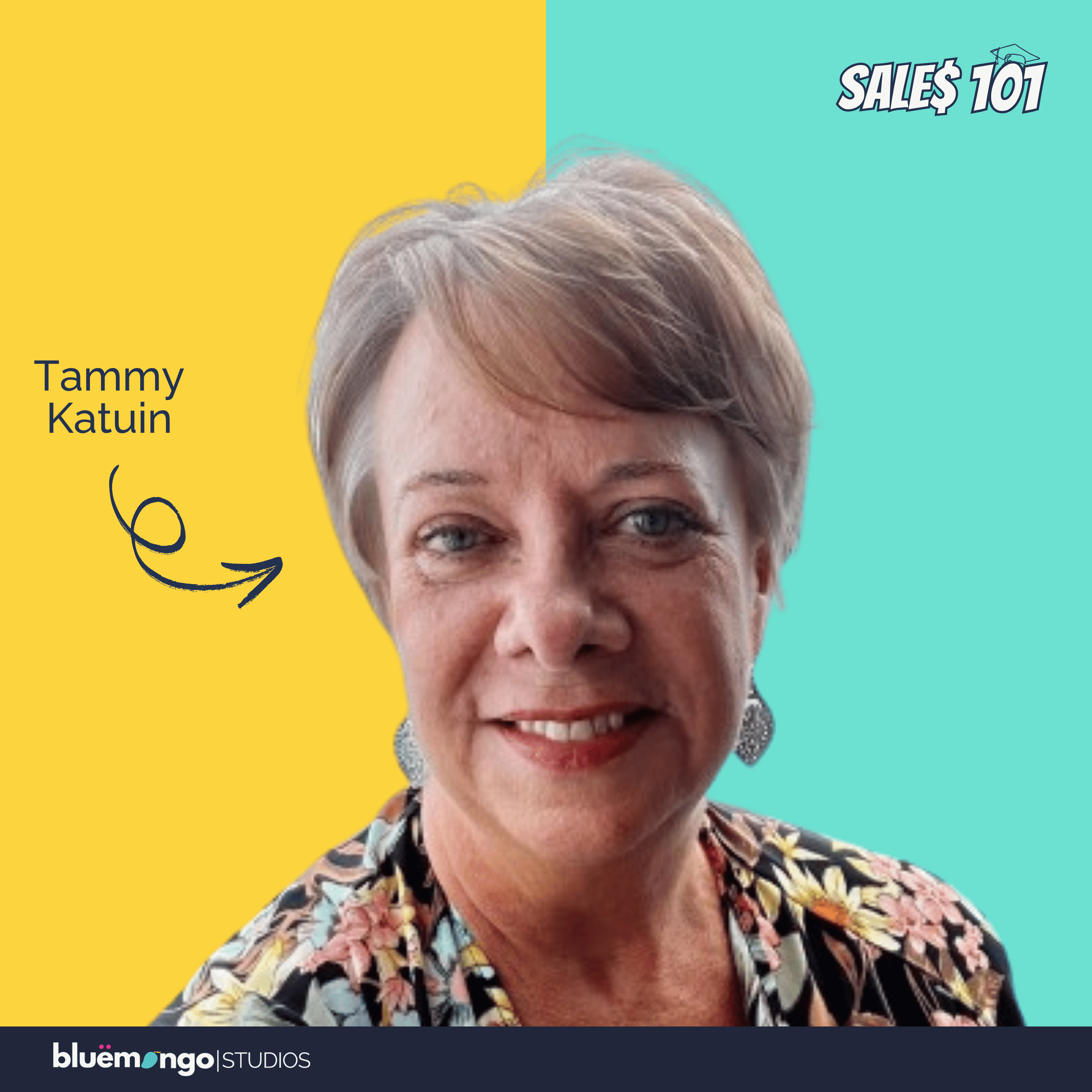 Stop Selling, Start Connecting | Tammy Katuin - 31 24.06.2026 27minSales is not just about closing deals. At its core, it is about building genuine connections and lasting relationships. Joining us is Tammy Katuin, a sales professor at Valley City State University, to share how she is helping students develop networking skills, build authentic relationships, and create a strong foundation for long-term success in sales.Meet Tammy KatuinTammy Katuin is an educator and sales professional at Valley City State University, where she teaches sales and consumer behavior with a focus on relationship building and authenticity. Drawing from her extensive sales experience, she helps students understand that lasting success comes from serving others and building genuine connections rather than simply closing deals. Through hands-on networking opportunities, mentorship, and career development tools like LinkedIn, Tammy is dedicated to preparing students for meaningful and successful careers.Why Relationships Matter in SalesTammy shares why the most effective sales professionals focus on helping people rather than simply closing deals, creating trust that extends far beyond a single transaction.She explains how genuine care and consistent follow-through are what separate great salespeople from the rest.Teaching Trust and AuthenticityOne aspect students often struggle with is building trust. Tammy discusses how she helps students develop confidence through networking opportunities, hands-on experiences, and meaningful conversations that push them outside their comfort zones.By modeling authenticity and investing in her students' success, she demonstrates the type of relationship-focused approach that leads to lasting professional growth.Balancing Technology and Human ConnectionTechnology continues to change the sales landscape, but the importance of human connection remains constant. The discussion explores how tools like AI and LinkedIn can support relationship-building efforts while reinforcing that trust, authenticity, and genuine engagement cannot be automated. Success comes from using technology to strengthen connections, not replace them.The Foundation of Lasting SuccessTrust is the foundation of every successful relationship. Whether working with clients, colleagues, or future employers, being reliable, open-minded, and genuinely invested in others creates opportunities that extend far beyond a single sale. The result is a sales approach built on connection, credibility, and long-term success."If you are in it for the long haul, then relationships are what you need to make so that you can get ongoing business from your clients, not just that one off." - Tammy KatuinResourcesProfessors interested in curriculum, simulations, lesson plans, and sales education tools can explore Stukent Sales Courseware.If you’re interested in learning from Tammy Katuin you can find her on LinkedIn.
 -
 Turning Your Sales Program Into a Business Magnet | Rob Hammond - 30 17.06.2026 24minHow can you get companies genuinely excited about partnering with your sales program? Rob Hammond, Director of the Center for Marketing and Sales Innovation at the University of South Florida, joins us to share how he builds meaningful partnerships between universities and businesses. Instead of treating companies as sponsors or one-time recruiters, he encourages educators to see them as long-term partners who actively contribute to student growth, workforce readiness, and lasting industry impact.Meet Rob Hammond Rob Hammond leads the University of South Florida sales program as Director of the Sales and Marketing Innovation Center.After a long career in industry, he brings a practical, product focused approach to sales education. He builds experiential learning opportunities, including top college sales competitions and strong business partnerships. His philosophy centers on real world connections between students and companies, helping students gain experience while organizations build lasting relationships and brands through meaningful campus engagement.Start with Your Value PropositionA key idea from this conversation is the importance of clearly defining the value of your program. Rob explains that students are the product, and employers are looking for graduates who can contribute from day one. When you communicate that value effectively, it becomes much easier to attract business partners who want to engage with your program.Create Opportunities for ConnectionRob also shares practical ways to connect students with employers through networking events, classroom visits, internships, sales competitions, and company site visits. These experiences allow students to apply what they learn in the classroom while helping employers build relationships with future talent. He refers to these interactions as “micro-collisions” that often lead to meaningful opportunities for both students and companies.Focus on Partnerships, Not TransactionsRob reminds us that successful programs are built on partnerships, not hiring quotas.Instead of focusing on how many students companies hire, the emphasis should be on helping organizations build their brand on campus and form genuine connections with students who are interested in their mission.“You have a high-quality product. Be unapologetic about it.” — Rob HammondResourcesProfessors interested in curriculum, simulations, lesson plans, and sales education tools can explore Stukent Sales Courseware.Connect with Rob Hammond on LinkedIn to follow his work in sales education and university–industry partnerships, or reach out directly via email at [email protected].
 -
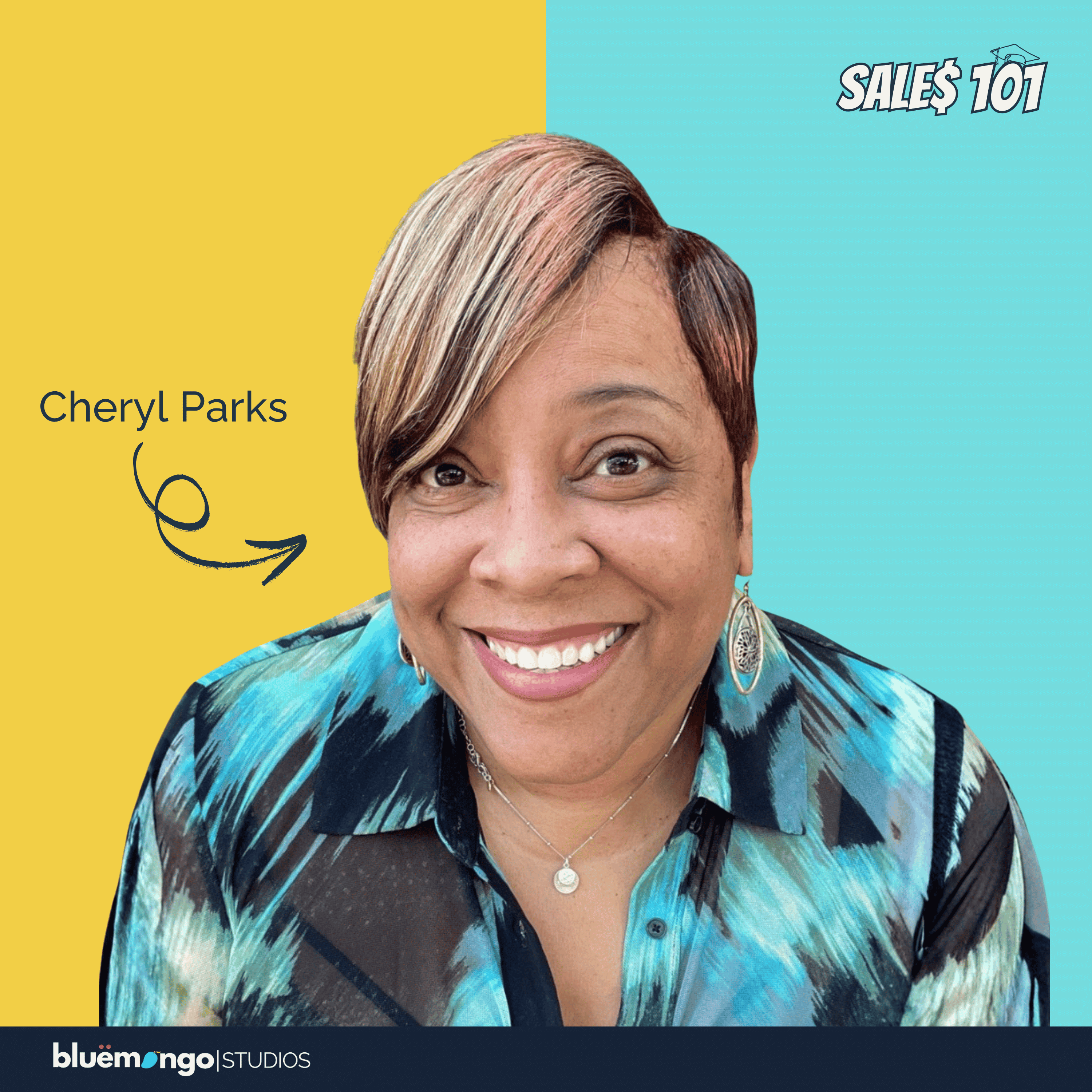 Before You Can Sell, You Must Know Yourself | Cheryl Parks - 29 10.06.2026 28minWhat if success in sales starts long before your first prospect call? Before mastering sales techniques, Cheryl Parks believes professionals must first understand who they are. She joins us to explore how self-awareness, personal strengths, and identity influence long-term success in sales.Meet Cheryl ParksCheryl Parks is a revenue growth advisor, sales leader, and strategic operator who helps founders, executives, and sales teams navigate growth with greater clarity, confidence, and execution. With more than 30 years of experience in B2B enterprise sales, she has sold over $25 million into Fortune 1000 organizations and coached leaders to achieve multi-million-dollar outcomes.Known for her journey from "the shyest girl in the room" to trusted advisor, Cheryl brings a practical, human-centered approach to sales and leadership. She helps organizations identify revenue opportunities, align teams, improve decision-making, and build scalable sales systems without sacrificing trust or connection.As Chief Revenue Officer at Digital Factory and founder of The Sales Growth Advisor, Cheryl works at the intersection of revenue strategy, leadership alignment, and AI-powered business transformation. She views AI as a tool that enhances human judgment, focus, and performance rather than replacing authentic leadership.Today, Cheryl speaks on sales, leadership, AI adoption, and revenue growth, helping professionals build sustainable, high-trust approaches to success in a rapidly changing business landscape.Sales Success Starts with Self-AwarenessCheryl shares practical ways students and new sales professionals can identify their strengths, personality traits, and selling style. From relationship-focused sellers to transactional sales experts, she explains why there is no single path to success in sales.We also explored how tools such as CliftonStrengths, DISC, Enneagram, Myers-Briggs, and even AI can help individuals better understand where they fit within the sales profession.Developing the Seller You Want to BecomeOne of Cheryl's most powerful messages is the importance of intentionally creating your future identity. Instead of "fake it until you make it," she advocates for acting like the person you aspire to become while remaining authentic.She also discusses the value of mentors, personal mantras, continuous learning, and surrounding yourself with positive influences that support your growth.Navigating Setbacks and GrowthSales careers come with challenges, rejection, and periods of self-doubt. Cheryl offers practical advice for evaluating setbacks, assessing your skills and motivation, and identifying when it's time to pivot, improve, or set new goals."Sales completely changed my life, literally. It helped me move forward and grow." — Cheryl ParksResourcesProfessors interested in curriculum, simulations, lesson plans, and sales education tools can explore Stukent Sales Courseware.Interested in developing your sales skills or growing your business? Reach out to Cheryl Parks and connect with her on LinkedIn for practical advice on sales, leadership, and personal growth.
 -
 What Is The Shadow Discovery Meeting & How You Should Teach It? | Donald C. Kelly & Dr. BJ Allen - 28 03.06.2026 20minSalesforce found that 80% of customers feel salespeople don’t bring enough value to the buying process. At the same time, most sellers think the deal keeps moving forward once the discovery call ends.What many fail to realize is that the real conversations are often happening behind the scenes. That’s why Dr. BJ Allen and I are breaking down the concept of the “shadow discovery” and how professors can better prepare students for the realities of modern enterprise selling.The Reality of Modern Buying CommitteesEnterprise selling has become far more complex than it used to be. Buying committees now often involve 8 to 11 stakeholders, and not every influential voice is officially part of the decision-making team.We also explain how buyers are doing more independent research before ever speaking with salespeople. Between AI tools, online reviews, and peer recommendations, many prospects already have strong opinions before the first sales conversation even happens.What Is A Shadow Discovery?A shadow discovery is the internal conversation prospects have when the salesperson is no longer in the room.These conversations can happen in meetings, Slack messages, Teams chats, or side conversations between executives after a discovery call. One negative opinion or unanswered concern during those moments can quickly stall a deal.Dr. Allen explains why students need to understand that selling is no longer just about the conversation happening directly with the prospect. It’s also about preparing for the conversations happening behind closed doors.How To Better Prepare Students For Enterprise SellingWe also share strategies professors can teach students to help them navigate modern buying committees more effectively.This includes identifying true internal champions, creating tailored content for different stakeholders, using business acumen to align with executive priorities, and helping champions confidently communicate value internally.Role plays and real-world sales scenarios can also help students better understand how multi-threading and internal selling actually work during complex deals.“Shadow discoveries are happening. It's a constant piece of the conversation and we need to make sure we're ready for it.” — Donald C. Kelly“Shadow discoveries influence purchasing decisions, and they’re problematic because the salesperson isn’t there.” — Dr. BJ AllenResourcesConnect with Dr. BJ Allen and Donald C. Kelly on LinkedIn to continue the conversation or share how you're applying these strategies in your classroom.
 -
 Before You Teach Sales This Semester, Listen to This | Donald C. Kelly & Dr. BJ Allen - 27 27.05.2026 20minWhat actually makes a sales class effective? Is it the lectures, the role plays, the assignments, or the real-world experience students walk away with?We’re breaking down how sales professors can better prepare for the next semester by creating a more practical and engaging learning experience for students. We also share how professors can better understand which lessons actually prepare students for real sales roles.Why Student Feedback Matters More Than You ThinkOne strategy you can try is giving students an assignment at the end of every semester where they explain the four most important things they learned in class and how they plan to apply those lessons in their careers.That feedback can help identify which concepts students actually find useful in the real world and which topics may need to be adjusted or removed.Dr. Allen also shares how often students mentioned time management and planning as lessons that had a major impact on them. While it may not seem like the most exciting topic, students repeatedly shared how helpful those planning strategies became in preparing them for real sales roles.Building a More Practical Sales ClassroomWe also share some of the challenges professors face when trying to balance academic concepts with practical sales training.Using role plays, prospecting exercises, and LinkedIn outreach activities can give students hands-on experience and help them better understand how sales actually works outside the classroom.Creating an effective sales class also means reducing the workload for professors while still giving students a personalized learning experience.Lesson plans, activity banks, simulations, grading tools, and role play exercises can make a major difference for professors teaching sales for the first time.How AI Is Changing Sales EducationDr. Allen explains how AI role play tools now allow students to practice discovery calls, receive instant feedback, and improve their skills in a low-pressure environment.Instead of relying only on live role plays or manual grading, AI simulations can create more consistency, repetition, and flexibility for both students and professors.“There’s nothing like having students tell you what they actually found useful for their career.” — Dr. BJ Allen“Hands-on activities help students better understand how sales actually works outside the classroom.” — Donald C. KellyResourcesProfessors interested in curriculum, simulations, lesson plans, and sales education tools can explore Stukent Sales Courseware.Interested in bringing AI role plays and sales simulations into your classroom? Try Copient AI.For additional sales education content, listen to The Sales Evangelist.Connect with Dr. BJ Allen and Donald C. Kelly on LinkedIn to continue the conversation or share how you're applying these strategies in your classroom.
 -
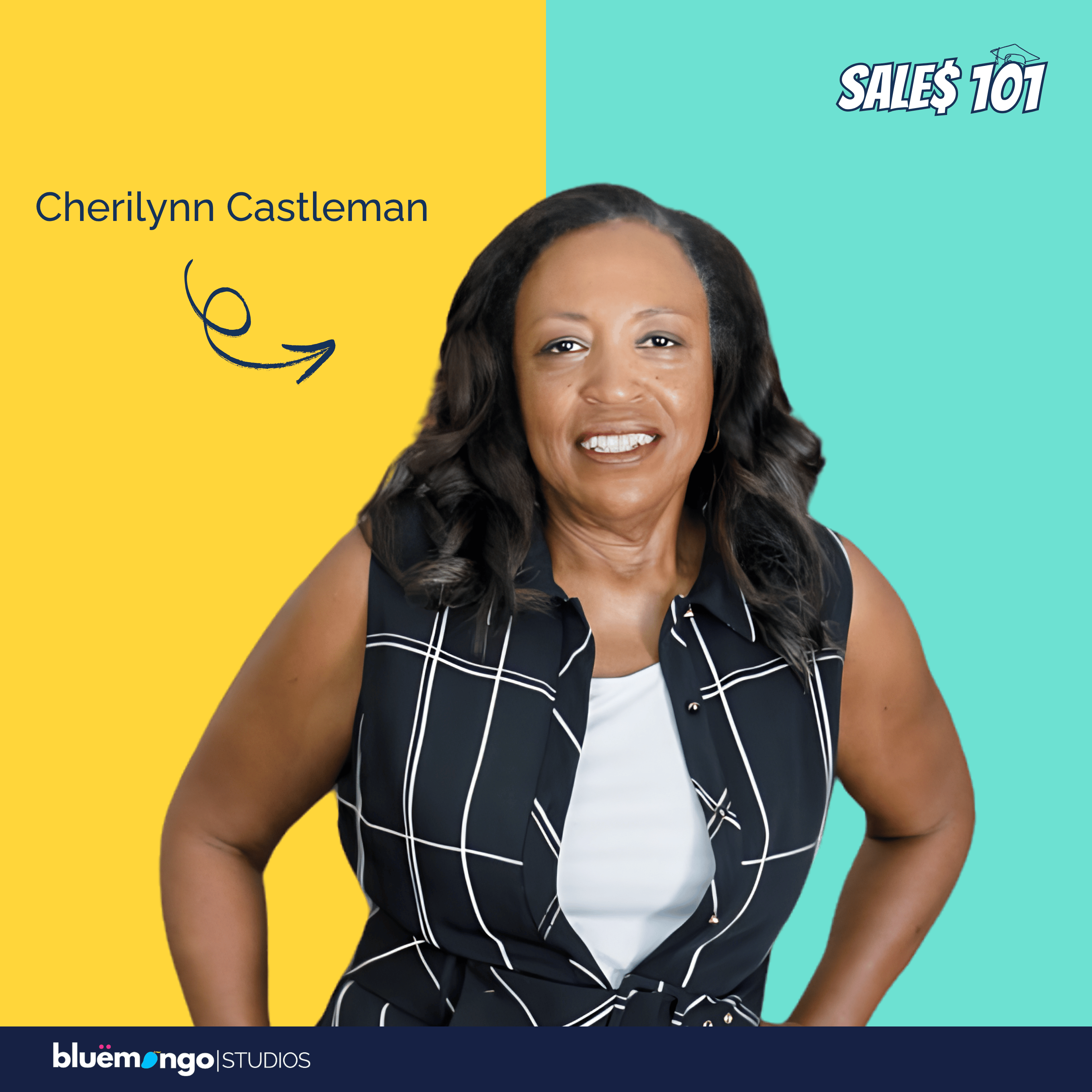 Stop Teaching AI Tools...Do This Instead! | Cherilynn Castleman - 26 20.05.2026 22minHow do you teach students to actually use AI effectively instead of just relying on random tools and prompts? We invited Cherilynn Castleman, a sales consultant and professor at Harvard University, to discuss how AI is reshaping sales education. She explains why professors should focus less on specific platforms and more on helping students develop true AI fluency.Meet Cherilynn CastlemanCherilynn Castleman is a sales consultant, AI strategist, and professor at Harvard University, where she teaches courses focused on AI adoption and AI fluency in sales.She helps sales professionals and organizations understand how to integrate AI into modern sales workflows while still building authentic human connection. Through her teaching, consulting, and content, Cherilynn focuses on helping people move beyond simply using AI tools and instead develop the confidence and clarity needed to succeed in an AI-driven sales environment.Why AI Fluency Matters More Than Learning ToolsOne of the biggest points Cherilynn shares is how quickly AI tools are changing. She explains that between 50 to 100 new AI sales tools are entering the market every single week. That means professors cannot realistically keep up by teaching tools alone.Instead, students need to understand how to think with AI, communicate with it effectively, and integrate it into their sales workflow.Cherilynn compares AI fluency to learning a second language. At first, it feels uncomfortable, but over time students develop confidence and clarity in how to use it naturally.Why Companies Are Struggling With AIEven though companies are heavily investing in AI, many are still not seeing results.Cherilynn shares that global AI spending is projected to reach $2.5 trillion in 2026, growing 44% year over year. Yet according to MIT research, 95% of organizations report seeing little to no ROI from their AI implementation.The reason? Most companies are focused on tools instead of teaching people how to actually use AI strategically.How AI Can Make Students Better SellersOne of the most interesting parts of the conversation focused on how AI can help students become stronger communicators and better sales professionals.Cherilynn explains how students can use AI to:personalize outreach fasterimprove discovery questionsresearch prospects and industriescreate stronger points of viewidentify weaknesses in their sales processInstead of replacing sellers, AI helps elevate them.Teaching Students to Build Better Buyer RelationshipsCherilynn also shares how AI can help students create stronger emotional connections with buyers by improving the quality of their discovery questions.She explains that 87% of B2B buyers want sales professionals to show up as trusted advisors. AI can help students prepare better questions, understand customer challenges, and communicate more strategically during conversations.“AI can help you build trust by improving the questions you ask and strengthening your connection with buyers. Develop a POV because your point of view is how you show up.” — Cherilynn CastlemanResourcesWant to learn more about AI fluency and the future of sales education? Connect with Cherilynn Castleman on LinkedIn and follow her insights on how AI is reshaping the way sales professionals learn, sell, and build stronger customer relationships.Connect with Dr. BJ Allen and Donald C. Kelly on LinkedIn to continue the conversation or share how you're applying these strategies in your classroom.
 -
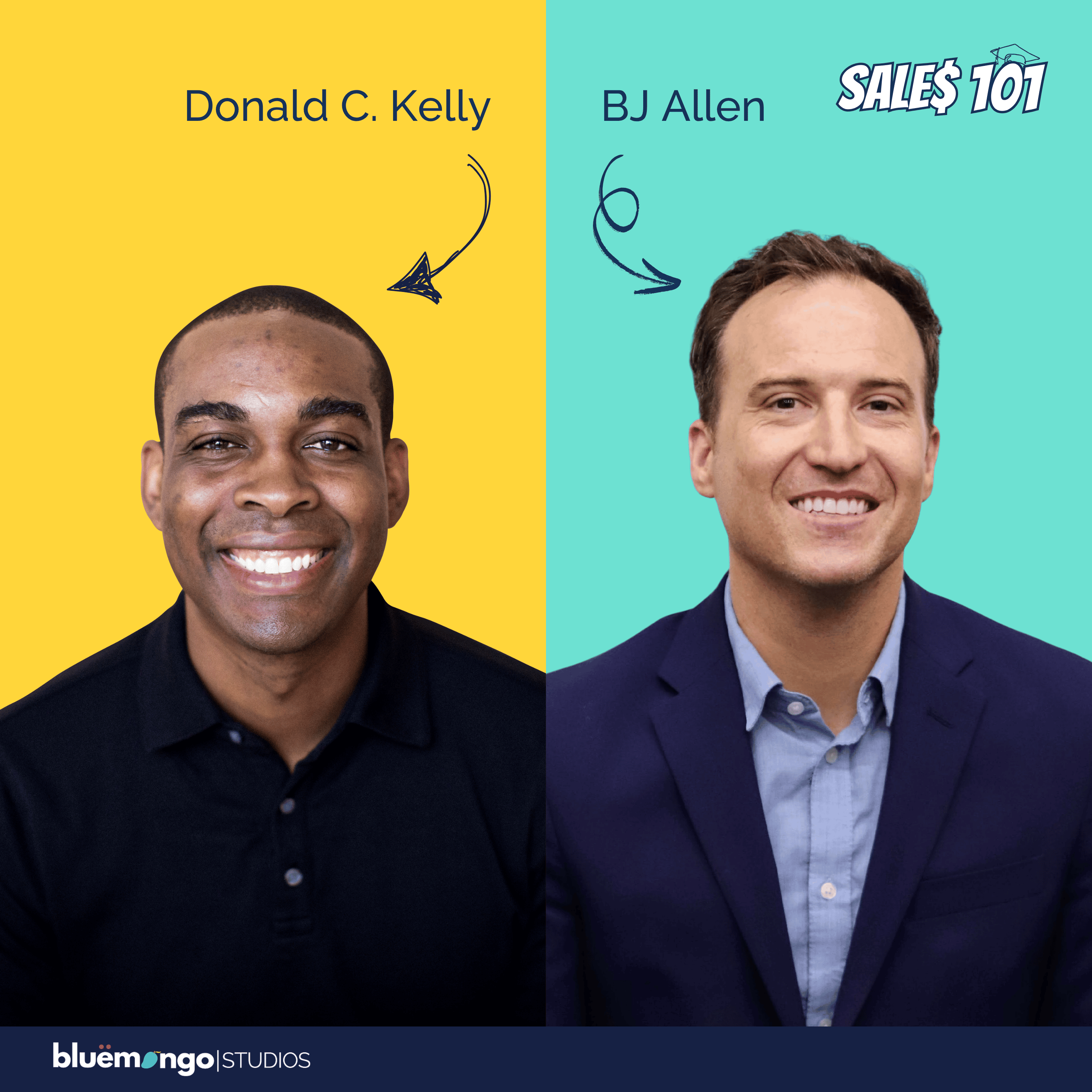 The Best Way To Utilize AI In Your Sales Class | Donald C. Kelly & Dr. BJ Allen - 25 13.05.2026 15minOver the last few years, AI has made its way into everything. So how do you actually bring it into your sales classroom in a way that prepares students for the real world? We partnered with Stukent to show you how to use it for roleplay in the classroom.Why AI Is Changing Sales EducationAI is not just a trend. It is already shaping how sales professionals work every day. The challenge for professors is figuring out how to bring that into the classroom in a way that feels practical and relevant.This is where AI roleplay comes in. Instead of relying only on student to student practice, professors can now create more realistic selling environments.Making Roleplay Feel RealOne of the biggest challenges in teaching sales is making roleplay feel authentic. Students know when it is just practice.With AI, that changes. The buyer responds in real time, asks questions, and even pushes back like a real prospect would.That means students are not just memorizing scripts. They are learning how to think, adapt, and respond in the moment.Better Experience for Students and ProfessorsAI roleplay does not just help students. It also makes things easier for professors.Instead of reviewing every interaction, AI can handle feedback and evaluation, reducing workload while still giving students a high quality experience.It also removes bias and creates a more consistent learning environment.Preparing Students for the Real WorldThe goal is simple. Help students feel what real selling is like before they step into their first role.With AI, you can adjust difficulty levels, simulate different buyer personalities, and create scenarios that reflect real sales conversations.“One of the best things about AI roleplay is you can adjust the difficulty. For beginners, it can be simple, but at advanced levels, it feels real. I’ve seen it hang up on students within 20 seconds, just like real life.” — Dr. BJ Allen ResourcesConnect with Dr. BJ Allen and Donald C. Kelly on LinkedIn to continue the conversation or share how you're applying these strategies in your classroom.Learn how you can bring AI into your classroom and more about Stukent here.
 -
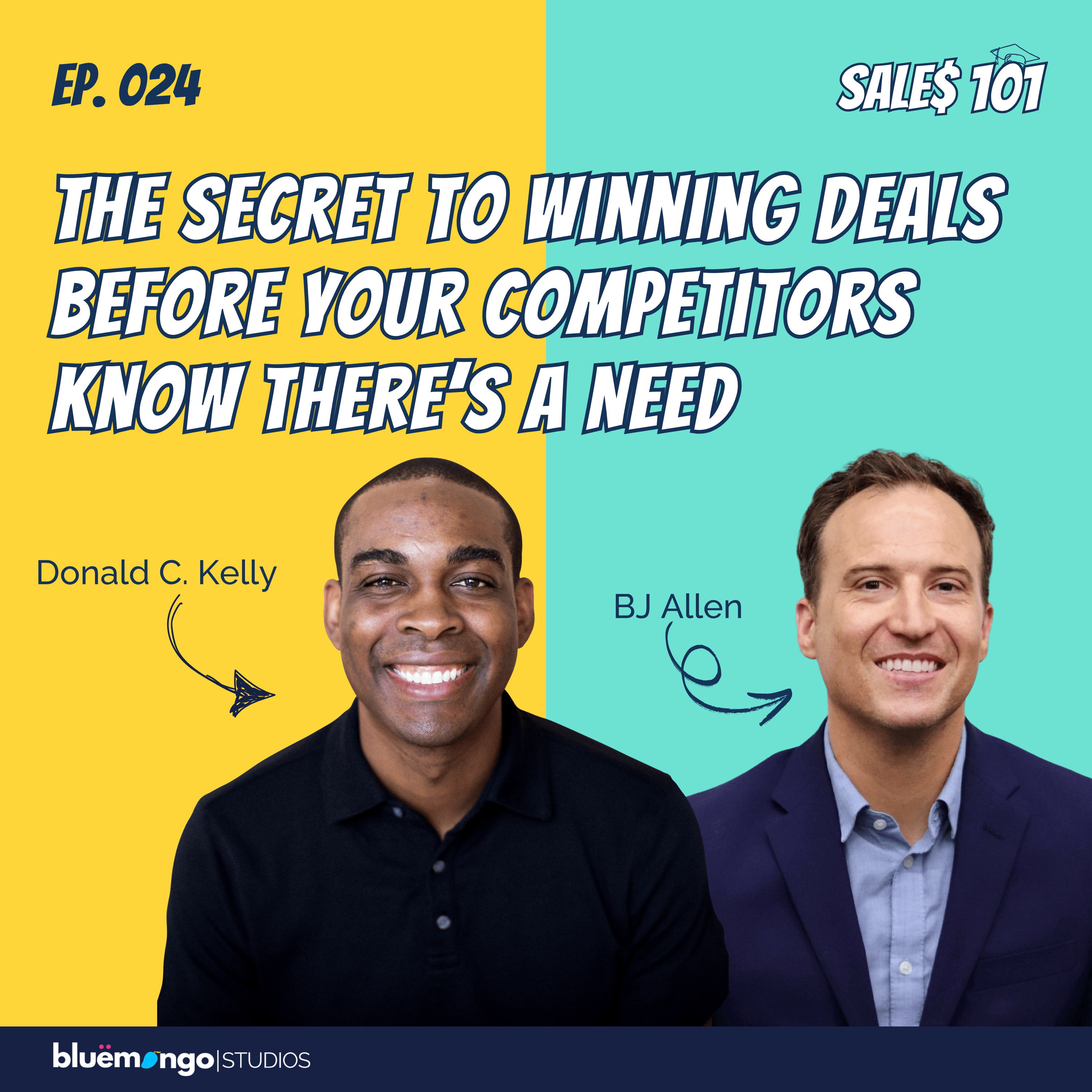 The Secret to Winning Deals Before Your Competitors Know There’s a Need | Donald C. Kelly & Dr. BJ Allen - 24 06.05.2026 20minBuyers are making decisions before they ever talk to a seller. If your students are not part of that process, they are already out of the running. How do you teach them to become the go-to seller in today’s buyer journey? We’re breaking down three strategies to help them stand out and stay top of mind.The Modern Sales ProblemThanks to technology, buyers now have a world of information at their fingertips. They are researching solutions, comparing options, and forming opinions long before they ever speak to a seller.By the time a conversation happens, many have already made internal decisions or narrowed their shortlist. If your students are not part of that early research phase, they are already at a disadvantage.It gets even tougher with Requests for Proposals (RFPs). Many are built around the features of a preferred solution or based on templates from past vendors, which quietly limits opportunities for new sellers to compete.Classroom Implementation StrategiesSo how do you actually prepare students for this shift? It starts with helping them show up earlier in the buyer’s journey.Build Subject Matter Expertise: Encourage students to use LinkedIn as more than a place for cold outreach. When they consistently share insights and engage with industry content, they start to build a presence. Over time, they become someone buyers recognize and trust before a conversation even happens.Bring the Buyer Into the Classroom: Let students hear directly from buyers. Invite guest speakers who can walk through how decisions are really made, who is involved, and what their research process looks like. It gives students a clearer picture of what is happening behind the scenes.Strengthen Discovery Skills: Teach students how to ask better questions during discovery. The goal is to understand what the buyer actually values and whether they have already been influenced by another solution. When students can uncover that early, they can position themselves more effectively without putting down the competition.“In this era, it’s no longer about being the best. It’s about being the best known in your space.” — Donald C. Kelly“It’s great for buyers to have context around what’s happening before they engage.” — Dr. BJ AllenResourcesConnect with Dr. BJ Allen and Donald C. Kelly on LinkedIn to continue the conversation or share how you're applying these strategies in your classroom.
 -
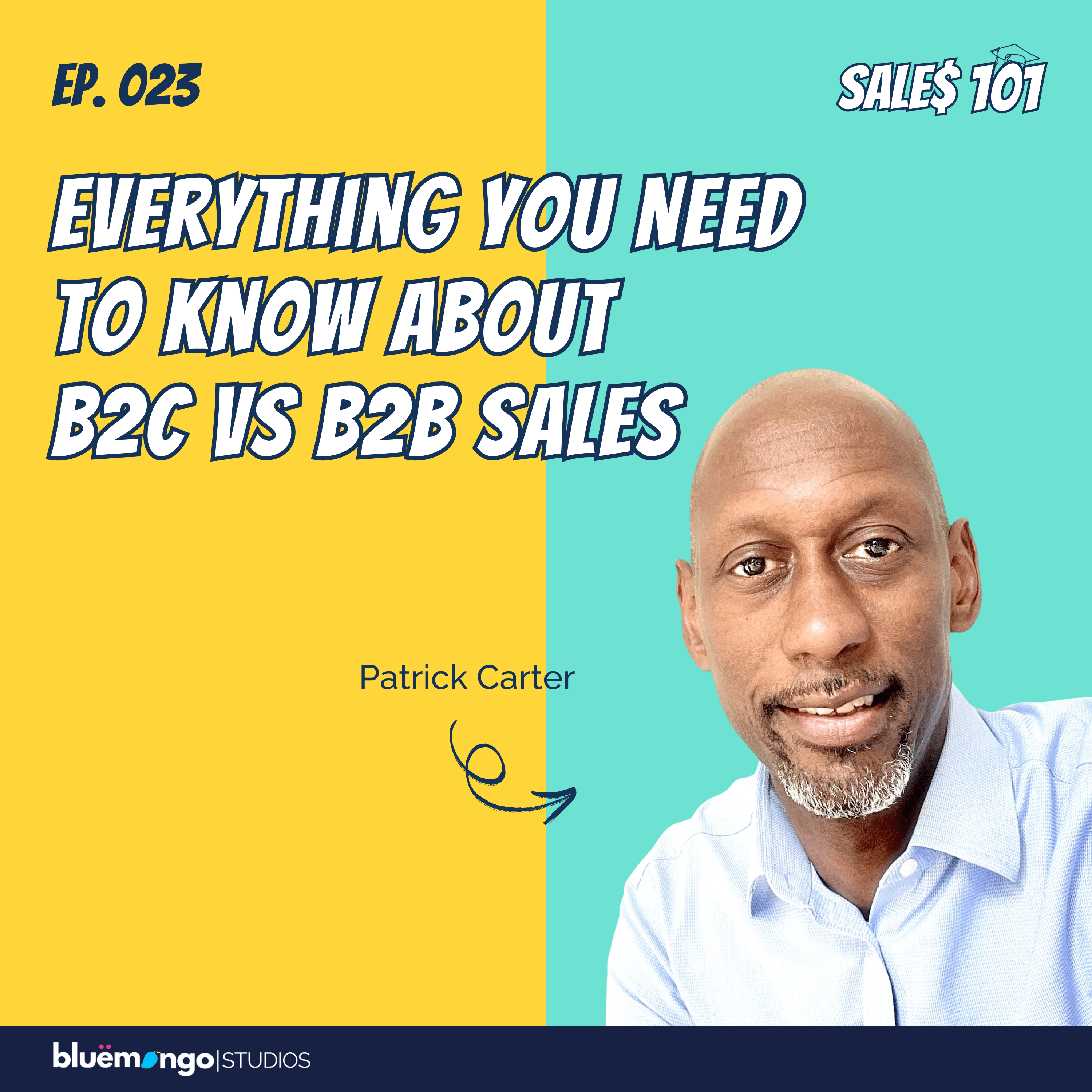 Everything You Need To Know About B2C vs B2B Sales | Patrick Carter - 23 29.04.2026 28minWhat’s the real difference between B2C and B2B sales? Do students need to go into B2B to build a successful career? And are we teaching the right principles for both?These are the kinds of questions sales professors face in the classroom, especially when many students start their careers in B2C roles.We invited Patrick Carter, a retail sales leader, to break it down. He shares how he’s building and leading successful B2C sales teams and what professors should be preparing students for in today’s sales environment.Meet Patrick Carter Patrick Carter is a sales leader and enablement strategist with over 20 years of experience building high-performing retail sales teams and driving revenue growth. He focuses on creating the systems, playbooks, and coaching structures that help sales organizations scale.He’s known for a coaching-first leadership style that builds trust, improves individual performance, and creates a culture where accountability and growth go hand in hand.Patrick operates at both the strategic and day-to-day level, developing the vision while staying close enough to execution to know when to step in and when to let his team take the lead.B2B vs B2C: What’s the Real Difference?At its core, retail is business to consumers. You’re selling directly to the end user. Sounds simple, but it’s not.The biggest difference comes down to speed. In B2B, you might have weeks or months to build relationships. In retail, you may have minutes. Customers often walk in knowing exactly what they want, which means the real skill is how you respond in that moment.You’re Not Just an Order TakerPatrick makes one thing clear. The website already has the information. Your role is to bring knowledge.That means asking better questions, understanding what the customer actually needs, and guiding them beyond what they came in for.Anyone can process a transaction. A real salesperson builds trust fast and adds value early.Where the Real Money HappensRetail sales can be more lucrative than most people think. With the right skillset and experience, income can grow significantly over time.But it’s not just about the first sale. It’s about relationships. When customers trust you, they come back. They bring others. And that’s where long-term success is built.If you’re teaching sales, this episode may challenge how you think about preparing students for the real world.“Your job isn’t to sell products. Your job is to bring knowledge. The website already has the information.” — Patrick CarterResourcesWant to learn more about B2C sales and how to apply it in your classroom or career? Connect with Patrick Carter on LinkedIn and follow his insights.Connect with Dr. BJ Allen and Donald C. Kelly on LinkedIn to chat about this episode or ask any questions.
Podcasturi similare


Popular în
Acest podcast apare și în topurile de podcasturi din aceste țări.
