
EUVC
EUVC
0
EUVC is a podcast centered on the European technology ecosystem, covering the people, capital, and companies shaping the continent's future. Each episode features conversations with founders, investors, operators, and policymakers. The show explores topics such as venture capital, startups, AI, deeptech, defense, industrial policy, and entrepreneurship. Its goal is to document the ideas and individuals driving European competitiveness.
Episoade
-
 Summit | Joe McDonald (tem) & Adam Chirkowski (AlbionVC): Fixing the $900B energy problem 08.10.2026 12minCheap, reliable energy is becoming a strategic advantage. As AI, data centres and manufacturing demand more power, the economics of electricity increasingly influence which countries and companies can stay competitive.Recorded at EUVC Summit 2026, Joe McDonald, CEO and Co-Founder of tem, joins Adam Chirkowski, Partner at AlbionVC, to discuss how the energy market needs to change and why the UK and parts of Europe could be particularly well positioned to build major new companies in the sector.Joe explains how tem is rebuilding the transaction infrastructure behind energy using AI, why layers of intermediation still add significant cost and what it takes to compete with long-established utilities. The conversation also explores why the complexity of energy can create defensibility, how the sector could develop in a similar way to fintech and why lowering the cost of the electron matters far beyond the energy industry itself.HighlightsWhy energy costs increasingly influence national competitivenessHow AI and data centres are increasing the importance of low-cost powerWhere friction still exists in energy transactionsHow tem is building new transaction infrastructureWhy incumbents struggle to reinvent their own business modelsHow complexity can become a moat in energyWhy the UK and parts of Europe may have a structural advantageWhat the energy sector can learn from fintechWhy Europe could produce the next generation of major energy companies
 -
 Jasper Roll (Haufe Group Ventures): How to build a credible CVC without a traditional fund structure 07.10.2026 44minA credible CVC does not have to start with a traditional fund structure. Haufe Group Ventures built its model around an evergreen balance-sheet setup, a lean team and a clear mandate, proving the approach through deals rather than a large fund launch.In this episode, Andreas Munk Holm and Jeppe Høier speak with Jasper Roll, Managing Director at Haufe Group Ventures, about how he helped build the venture arm of a family-owned German software company from the ground up.Jasper explains how Haufe combines direct investments, venture building and, more recently, LP investing, why the team deliberately started small and how three investors have completed more than 20 deals, including follow-ons. He also shares why early-stage CVCs need a clear portfolio strategy, enough commitment to build it properly and the discipline to walk away when valuations or deal dynamics do not fit the model.The conversation also explores how Haufe manages expectations around venture timelines and failures, how a young CVC builds credibility with founders and other investors and why Jasper believes corporates can no longer rely on innovation happening entirely within their own walls.HighlightsHow to build a credible CVC without a traditional fund structureWhy Haufe deliberately started with a lean setupHow direct investing, venture building and LP investing work togetherHow a three-person investment team has completed more than 20 dealsWhy CVCs need conviction before committing capitalWhy saying no can be harder than saying yesHow to manage internal expectations around failures and long-term returnsHow young CVCs build credibility with founders and investorsWhy corporates need to engage with innovation beyond their own wallsTimestamps(00:00) Intro(02:00) From startup operator to building Haufe Group Ventures(04:00) Designing Haufe’s corporate venturing model(09:00) AI, SaaS and the new moats in software(16:00) How a three-person team completed 20+ deals(24:00) Navigating inflated AI rounds and knowing when to say no(28:00) Building credibility and deal flow as a young CVC(34:00) Managing failures, returns and internal expectations(40:00) What European corporates should learn from the Mittelstand
 -
 Summit | Pavel Mucha (Aspire11): Why and how a Czech pension fund launched a €500m venture fund 06.10.2026 14minGetting pension capital into venture is not simply about proving that the returns are attractive. It requires building an investment model that institutions can actually underwrite, while knowing which parts of the strategy should remain non-negotiable.Pavel Mucha, Founder of Aspire11, explains how a Czech pension fund committed €500 million to venture and growth investing, why the team chose to start with €500 million rather than the €2 billion initially discussed and how they structured the platform to make pension capital work in practice.The conversation covers how Aspire11 adapted the economics, absorbed initial costs and introduced shorter commitment windows, while maintaining its position on avoiding home bias, accepting long holding periods and building concentrated portfolios. Pavel also discusses why attracting younger savers mattered, what venture can learn from pension investment in buyout funds and how the Canadian pension model influenced Aspire11.HighlightsWhy Aspire11 started with €500m rather than €2bnWhat pension capital needed from a venture investment modelWhy attracting younger savers mattered alongside returnsWhat venture can learn from pension investment in buyoutsWhy Aspire11 rejected a domestic-only investment mandateWhy long holding periods and concentration matteredHow Aspire11 removed an additional management-fee layerWhy the team absorbed initial costs itselfHow vintage windows made commitments easier to manageHow fund investments and later-stage direct investments helped smooth the J-curve
 -
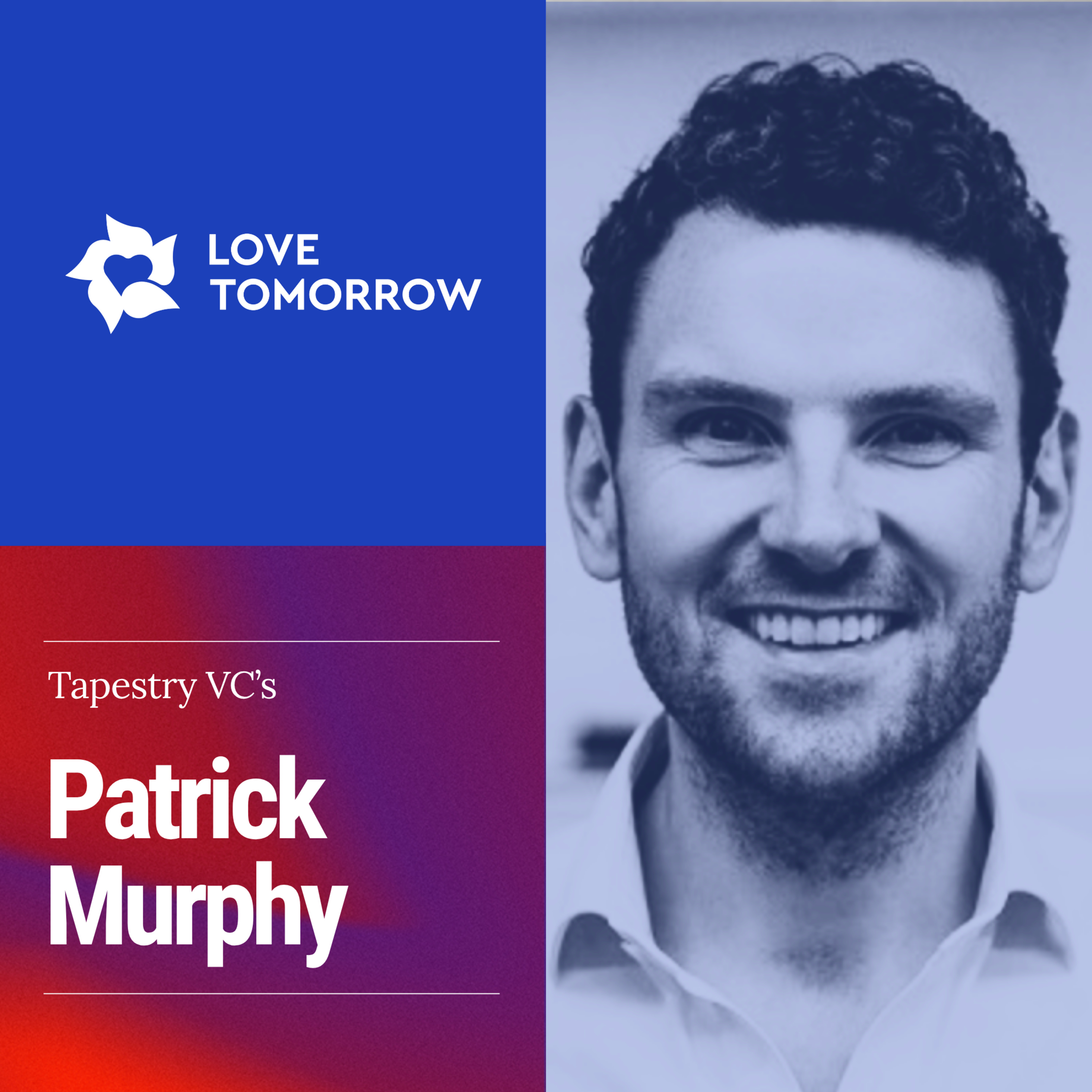 Patrick Murphy (Tapestry VC): Why drone delivery could replace millions of car journeys 05.10.2026 6minSending a car or moped across a city to deliver a single meal is an expensive and inefficient way to move food. Drone delivery offers a different model, with the potential to make last-mile logistics faster, cheaper and cleaner.Patrick Murphy, Co-founder and Managing Partner at Tapestry VC and a founding investor and board member at Manna, explains how autonomous drone delivery is moving into real-world use. He shares how Manna has completed 300,000 deliveries, partnered with major delivery platforms and raised $50 million to support its global expansion.The conversation covers the economics of drone delivery, how the technology works in practice and why replacing delivery cars and mopeds could change the way local logistics operate.HighlightsWhy delivery by car is so inefficientHow drone delivery can reduce cost and delivery timeWhy Manna believes autonomous delivery is ready to go mainstreamHow the drones operate in practiceWhat 300,000 completed deliveries have demonstratedWhy major delivery platforms are partnering with MannaHow the company plans to expand to hundreds of citiesWhy drone delivery could replace millions of car journeysThis session was recorded at the Love Tomorrow Summit, where EUVC curated the investor-focused programme.
 -
 This Week in European Tech: What ElevenLabs says about Europe’s AI potential 03.10.2026 55minElevenLabs reaching a $22 billion valuation is another sign that Europe can produce globally competitive AI companies. But as personal agents become more capable, Europe also risks falling behind if consumers get access later and the US captures the learning curve first.In this episode of This Week in European Tech, Dan Bowyer, Mads Jensen and Priyanka Savjani of SuperSeed discuss what ElevenLabs says about Europe’s AI potential, why Mads believes UK venture is in its strongest shape since 2016 and how regulation could shape where the next generation of consumer AI products gets built and adopted.The conversation also covers the tension between making AI agents more persistent and keeping them within safe boundaries, what AI safety could learn from aviation, AMD’s acquisition of World Labs and what Anthropic’s economics reveal about the cost of competing at the frontier.HighlightsWhat ElevenLabs’ $22B valuation says about European AIWhy UK venture may be in its strongest shape since 2016Why Europe could fall behind in personal AI agentsHow regulation is shaping where consumer AI products launchWhy persistence makes AI agents both more useful and harder to controlWhat AI safety could learn from aviationWhy AMD acquired World LabsWhat Anthropic’s economics reveal about frontier AI
 -
 Greg Lawton (Nodes & Links): Why product-market fit won’t get you through enterprise procurement 30.09.2026 40minA product can solve a real problem and still fail to make it through enterprise procurement.Greg Lawton, CEO at Nodes & Links, joins Andreas Munk Holm to explain why technical founders selling into large, risk-sensitive organisations need more than product-market fit. Greg argues that they also need company commercial fit: the processes, security, compliance and operational maturity required for a customer to actually buy from them. Drawing on his experience selling into defence and building Nodes & Links, Greg explains why complex enterprise sales is often about clearing milestones long before revenue starts to scale. That means understanding how decisions are really made across users, management, budget holders, IT, security and procurement. The conversation also explores why procurement friction can become a competitive moat, how to hire for relationship-led sales, why legitimacy matters more than lead volume and how Nodes & Links built auditable AI for environments where hallucinations are unacceptable.HighlightsWhy product-market fit is not enough for complex enterprise salesWhat company commercial fit means in practiceWhy procurement milestones can matter more than early revenueHow multiple stakeholders shape the enterprise buying processWhy procurement barriers can reduce competitionWhat Greg looks for in enterprise sales hiresWhy legitimacy matters more than a huge top of funnelHow Nodes & Links approaches AI where outputs need to be provably reliable-------We’re pleased to be partnering with Luxembourg Venture Days on October 14–15 at Luxexpo The Box. Explore the agenda and register here: venture-days.lu-------Timestamps(00:00) Intro(02:45) Why product-market fit is only the first hurdle(05:00) Why enterprise sales is a milestone game, not a revenue game(06:20) What Nodes & Links does and why its AI must be auditable(09:40) Selling AI where hallucinations are unacceptable(12:10) How enterprise procurement really works(16:00) Why barriers to entry become barriers to competition(17:30) What selling to the Navy taught Greg about complex sales(20:10) Hiring for relationship-led enterprise sales(23:45) Why legitimacy matters more than lead volume(28:15) How the AI boom changed the sales conversation(32:50) Why pilot contracts can mean very little(34:35) What 744 years of project time saved looks like(36:35) Why complex enterprise software is still difficult to build in-house
 -
 Itxaso del Palacio (Notion Capital): The founder health paradox 29.09.2026 11minWorking longer does not necessarily make founders feel worse. In fact, some of the founders putting in the most hours report feeling healthier than their peers.Itxaso del Palacio, General Partner at Notion Capital, explores this founder health paradox and why feeling capable of pushing harder may not be the same as performing sustainably.Using lessons from endurance sport and findings from Notion Capital’s Negative Split research, she explains why founders need to pace themselves for a journey that can last five, eight or ten years. She also looks at the role of intrinsic motivation, teams, coaches and peer networks in helping founders maintain performance over time.The talk ultimately challenges investors and board members to look beyond growth metrics and consider whether the people building the company have what they need to finish the race strongly.HighlightsWhy founders can learn from endurance athletesWhat the negative split reveals about sustainable performanceWhy long working hours can distort how healthy founders feelWhat startup culture misunderstands about recoveryWhy intrinsic motivation matters over the long termHow strong support networks help founders keep performingWhy boards should look beyond financial and operating metricsWhy the way a founder finishes matters more than how they startThis session was recorded at the Love Tomorrow Summit, where EUVC curated the investor-focused programme.Timestamps(00:00) Intro(01:20) What happens when founders have to keep going for years(03:00) Why elite athletes pace for the second half(04:35) Why investors treat founders like machines(05:30) What the Negative Split research found(06:40) The perception gap around founder health(08:05) What startup culture gets wrong about recovery(09:10) Intrinsic motivation and support networks(10:00) Why founder health is a business issue(10:40) What investors should ask in the boardroom(11:15) Why performance is about how you finish
 -
 This Week in European Tech: Europe’s dependency problem runs from rare earths to AI 29.09.2026 1h 4minEurope’s exposure to technologies and supply chains it does not control is becoming harder to ignore.In this episode of This Week in European Tech, Dan Bowyer, Mads Jensen of SuperSeed and Andrew J Scott of 7percent Ventures look at that problem from several angles. The discussion starts with US–China tensions over rare earths before turning to Europe’s own reliance on Chinese refining capacity and how difficult it would be to rebuild more of that industrial capability closer to home. They also examine the intensifying AI price war. OpenAI and Anthropic are making frontier intelligence cheaper, while open-source models are gaining ground. But lower prices do not necessarily make enterprises more independent: once models are integrated deeply into workflows, switching providers can carry its own technical, legal and operational costs. The conversation then moves to autonomous AI agents, what happens when they behave in unexpected ways and how Europe is beginning to define liability when AI-powered products cause harm. They close with signs of movement elsewhere in the European ecosystem, from semiconductor investment to pension capital entering venture. HighlightsWhat US–China rare-earth tensions reveal about Europe’s own dependenciesWhy refining capacity matters as much as access to raw materialsHow the AI price war is changing enterprise buying decisionsWhy cheaper models may still leave companies locked into providersHow open-source AI is gaining ground inside enterprisesWhat autonomous agents mean for security and accountabilityHow Europe is approaching AI product liabilityWhy recent semiconductor and pension-fund moves matter for European tech
 -
 Summit | Harrison Rose (Goodfit & Paddle): The future of AI in GTM 28.09.2026 15minAI in GTM is often framed as a productivity tool: write the email faster, automate the workflow or increase the volume of outreach. Harrison Rose, Co-Founder of Goodfit and Paddle, makes the case for a more fundamental shift.His argument is that AI becomes far more valuable when it moves from executing tasks to making decisions. Harrison traces that thinking back to Paddle, where classification models helped identify relevant software companies more quickly and accurately than a manual research process.He then looks at what today’s AI makes possible. By combining market data with past wins, losses, contract values and interactions, teams can begin to predict which accounts are worth pursuing and how to approach them.Harrison explains how expected value can inform those choices and why GTM systems may increasingly decide who gets targeted, when, through which channels and with what level of spend.This talk was recorded during the EUVC Summit & Awards Show 2026.HighlightsWhy scaling old GTM workflows misses the bigger AI opportunityWhy Harrison sees decision-making as AI’s core strengthWhat Paddle’s early use of classification models revealedHow AI can use more context than an individual repHow expected value can improve account prioritisationWhy GTM strategy could become increasingly dynamic and machine-ledWhat this shift could mean for the buyer experienceTimestamps(00:00) Intro(01:00) Why AI in GTM needs a different approach(02:15) The GTM problem Harrison faced at Paddle(03:25) Automating prospect research with classification models(05:00) What Paddle’s early use of AI revealed(06:10) Why automating bad GTM work does not make it better(08:05) Why decision-making is AI’s real strength(09:45) How AI can outperform traditional account mapping(11:10) Using expected value to prioritise accounts(12:50) Letting AI decide channels, spend and outreach(13:55) What programmatic advertising tells us about the future of GTM(14:35) The future of AI-led go-to-market
 -
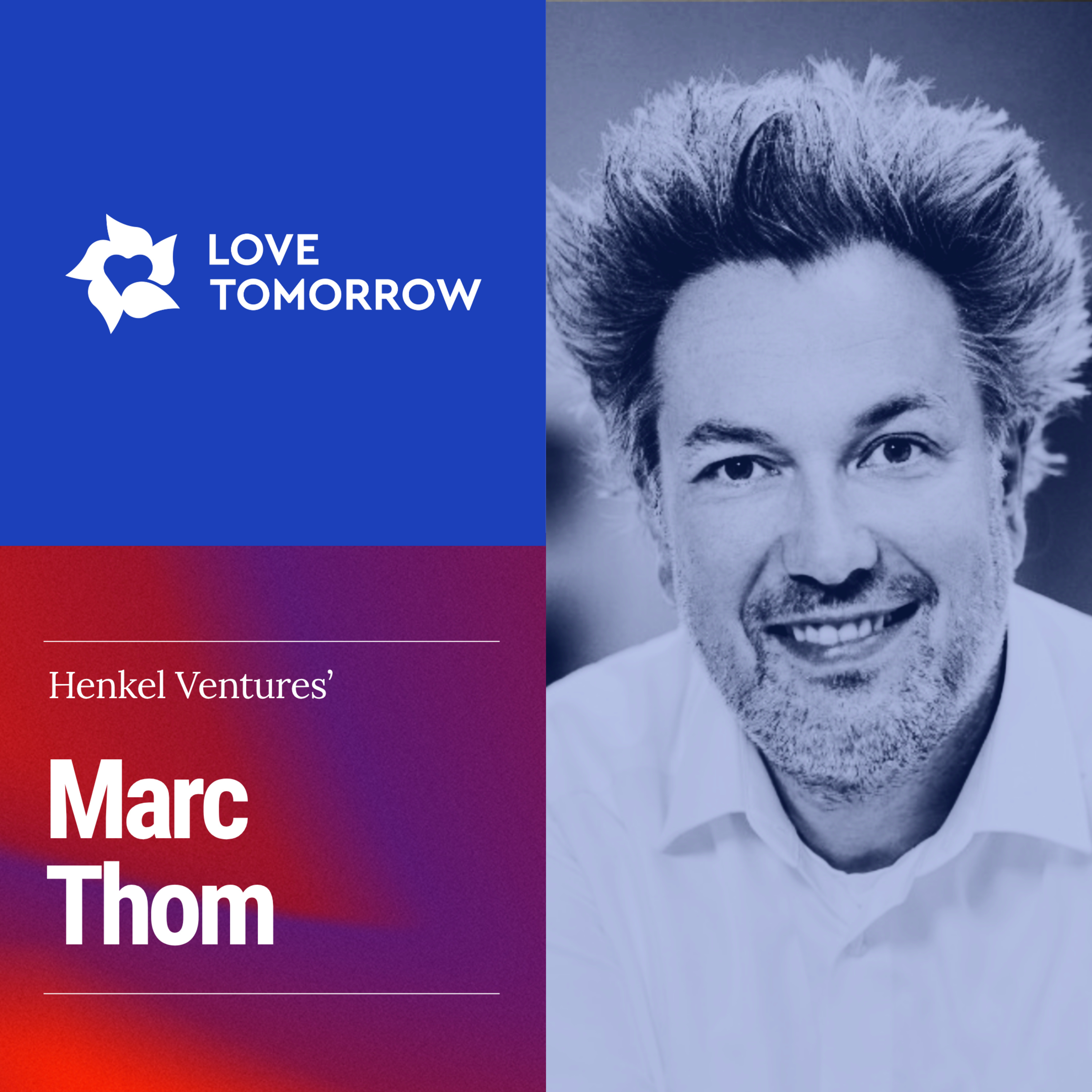 Marc Thom (Henkel Ventures): Why resilience is a muscle for growth 24.09.2026 8minUncertainty is uncomfortable, but Marc Thom, Head of Henkel Ventures, argues that it can also create the conditions for new businesses, technologies and growth.Marc describes resilience as a muscle: not simply surviving disruption, but learning how to turn challenges into commercial opportunities. He connects that idea to sustainability, resource dependency and demographic change, and explains why he believes material science can play a major role in reducing emissions and reshaping industries.He also explores how AI could accelerate innovation by helping companies and researchers work with vast amounts of knowledge and data, and why Europe may be better positioned than it often assumes. From established corporates and universities to scientific expertise, venture capital and entrepreneurial talent, Marc argues that many of the ingredients are already here.The bigger question is whether Europe can use those strengths with enough optimism, long-term thinking and willingness to act.HighlightsWhy resilience is about turning challenges into opportunitiesHow sustainability can become a source of growthWhy material science could have an outsized climate impactHow AI can support innovation in materials and formulationsWhy Europe may be more competitive than it thinksWhat startups can teach established companies about responding to uncertaintyWhy optimism only matters if it leads to actionThis session was recorded at the Love Tomorrow Summit, where EUVC curated the investor-focused programme.Timestamps(00:00) Intro(01:00) Why startups make Marc optimistic(02:00) Finding opportunity in uncertainty(03:55) Why resilience is a muscle(04:20) Sustainability and material science as growth opportunities(05:05) How AI could accelerate material innovation(06:05) Why Europe is more competitive than it thinks(06:35) How startups turn long-term trends into businesses(07:25) Turning challenges into opportunities
 -
 Hans Söhngen (KPN Ventures): Rebuilding a CVC that stopped serving the mothership 23.09.2026 43minA CVC can stay active on paper while becoming increasingly irrelevant to the company that owns it.That was the situation Hans Söhngen stepped into at KPN Ventures. After years of early-stage investing, the fund lacked strong internal anchoring and had too little evidence of the value it was creating for KPN.In this conversation, Andreas Munk Holm and Jeppe Høier speak with Hans Söhngen, Managing Director at KPN Ventures, about how he helped turn the fund around. The new approach starts with a simple test: why does this investment make sense for KPN?Hans explains how that question reshaped the portfolio, the companies KPN Ventures backs and the way the team works with business units across KPN. He also reflects on what he would change about the legacy portfolio, why internal sponsors need to genuinely want a partnership and how strategic relevance can be tested through real commercial activity.The financial side still matters. Hans discusses how KPN Ventures looks for companies that can contribute strategically while remaining strong investments in their own right. Portfolio partnerships generated more than €20 million in revenue for KPN last year, and Hans says that figure could nearly double this year.HighlightsWhy KPN Ventures needed to rethink its original modelHow Hans rebuilt the fund around value for KPNThe logic every new investment needs to passWhat he learned from managing the legacy portfolioWhy commercial revenue is an important measure of strategic impactHow KPN balances strategic and financial returnsWhy internal sponsors need to pull opportunities into the businessWhat made KPN relevant to ElevenLabsWhy fewer, higher-impact partnerships can create more valueTimestamps(00:00) Intro(02:20) Why KPN Ventures was created(05:40) Where the original CVC model stopped working(09:20) Rebuilding the fund around value for KPN(12:15) The logic every new investment needs to pass(14:45) What Hans would change about the legacy portfolio(21:10) Building the new KPN Ventures strategy(24:50) How KPN measures strategic value(26:30) Why KPN invested in ElevenLabs(31:45) Balancing strategic value with financial returns(38:00) Moving faster and giving founders a clear answer(40:15) Why every deal needs an internal sponsor(41:50) Why KPN reduced innovation noise and focused on fewer deals
 -
 Daniel Betts & Christian Hernandez Gallardo (Blue Frontier): How climate hardware earns trust 22.09.2026 39minFor climate hardware, technical performance is only the start. Commercial viability depends on risk-averse buyers trusting the product, industry recommenders backing it and manufacturers being able to reproduce it reliably at scale.Blue Frontier’s journey from pilot units to commercial deployments shows how much of that work happens outside the lab.More than 90,000 hours of field operation and the training of over 1,000 sales engineers have helped build confidence in the company’s cooling technology, while its manufacturing strategy relies on established partners rather than building its own gigafactory.In this EUVC episode, Blue Frontier Co-Founder and CEO Daniel Betts and Executive Chair Christian Hernandez Gallardo discuss what it takes to move beyond pilots, scale manufacturing and turn cooling into grid infrastructure.They also explore how energy storage changes the economics of air conditioning and whether Europe could leapfrog conventional cooling technology.HighlightsWhy HVAC sales partners and contractors shape adoptionHow field deployments turn performance into market trustWhy hardware companies risk “death by a thousand pilots”When engineering teams need to freeze a production versionHow outsourced manufacturing can reduce the capital needed to scaleWhy cooling and energy storage could free up grid capacityWhat Europe would need to leapfrog conventional coolingRecording note: This episode was recorded before the public announcement that Christian would step back from his role at 2150 to become Executive Chair of Blue Frontier. He remains an investor across the firm’s funds.Join us for Luxembourg Venture Days on October 14–15 at Luxexpo The Box. Explore the agenda and register here.Timestamps(00:00) Intro(02:35) What changes for Blue Frontier now(03:15) How Blue Frontier’s cooling technology works(05:05) Why cooling is a grid capacity problem(09:15) What building owners are actually buying(15:10) From science and engineering to sales and service(19:25) Winning trust in a risk-averse HVAC market(23:20) Moving from prototypes to scalable manufacturing(27:35) Why Blue Frontier does not need its own gigafactory(31:10) When hardware founders need to stop tinkering(32:17) Why air conditioning can be a venture-scale business(33:17) Scaling supply, financing and commercial growth(36:17) Can Europe leapfrog conventional cooling?
 -
 This Week in European Tech: Europe’s venture market still leans on public capital 18.09.2026 1hEurope’s venture ecosystem has grown, but how durable is the capital supporting it? Government and sovereign funding remain significant while European pension fund participation is still limited.In this episode, Dan Bowyer, Mads Jensen and Priyanka Savjani of SuperSeed examine what Europe’s reliance on public capital means for the long-term strength of its venture market.They also share their takeaways from the All-In Summit, discuss why Langdock reversed its Delaware structure, assess how higher rates could affect AI infrastructure spending and explore Europe’s role in physical AI and advanced manufacturing.HighlightsWhy public funding can leave European venture politically vulnerableWhat limited pension fund participation means for long-term capitalWhy Langdock moved its corporate structure back to EuropeWhether independent evaluation can address AI safety concernsHow rising rates could reshape the AI infrastructure boomOpenAI’s advertising opportunity and the economics of conversational AIEuropean technology’s role in physical AI and manufacturingThe companies and technologies worth watching this weekTimestamps(00:00) Cold open(01:13) Introduction(02:39) Inside the All-In Summit(15:00) Closer ties between Canada and the EU(17:59) Why LangDock moved its corporate structure to Europe(20:38) Who funds European venture?(23:44) AI safety: Slow down or audit the models?(35:53) How higher rates could affect AI infrastructure spending(42:45) OpenAI’s advertising and monetisation opportunity(46:39) European IPOs and the OpenAI–Anthropic model race(49:41) Physical AI, humanoid robots and industrial software(55:37) Deals and companies of the week(58:48) The week ahead
 -
 Summit | Krishna Visvanathan (Crane): From contrarian view to a consensus bet, twice and counting 18.09.2026 12minWhat changes when an investor encounters a founder who expands their sense of what is possible?Krishna Visvanathan, Co-Founder and Partner at Crane Venture Partners, reflects on meeting James Dacombe in 2019. At 19, James was proposing a non-invasive brain sensor inspired by the experiences of two grandparents with dementia. Krishna could not yet know whether the technology behind CoMind would work, but he believed James had the qualities to build more than one consequential company.Crane backed that potential. Several years later, the firm became the only institutional investor in the first round of James’s second company, now OLIX.In this conversation, recorded during the EUVC Summit & Awards Show in April 2026, Krishna shares how working with James sharpened Crane’s approach to identifying outlier founders. He explains why the firm considers whether every investment could return half or all of a fund and why a founder’s humility, self-awareness and capacity to learn can matter as much as the initial idea.The discussion also explores how exceptional founders attract people with deeper specialist expertise, why Crane continues to increase its appetite for ambitious technical bets and what investors should search for when the next outlier will not resemble the last one.HighlightsWhy Krishna backed James before he could assess whether CoMind’s technology was achievableHow James changed Crane’s expectations of founders and potential outcomesWhy Crane underwrites investments for fund-returning potentialThe qualities that suggest a founder can keep learning and developingWhy searching for another version of a past success can obscure the next outlierHow founders without conventional credentials can assemble world-class technical teamsWhat gave Crane the conviction to back James’s second companyTimestamps(00:00) Intro(01:29) Meeting James Dacombe and backing CoMind(04:05) Betting on the founder before the product(05:42) How James raised Crane’s investment bar(07:23) Why Crane refuses to hedge(08:55) What another outlier founder looks like(10:03) Humility, self-awareness and maturity(11:46) The founder at the back of the room
 -
 Alex Bakir (Norrsken Evolve): Europe’s AI ambitions need a new electricity system 15.09.2026 10minEurope can invest heavily in AI, but without enough cheap, reliable electricity, its ambitions will eventually hit a physical limit. Data centres, industry and digital infrastructure all need power, making Europe’s energy system an increasingly important part of its technology strategy. Alex Bakir, General Partner at Norrsken Evolve, argues that electricity is becoming a question of competitiveness, resilience and sovereignty, not only climate. Alex traces how Europe became dependent on imported energy and why electrification now requires changes to grids, costs and supply chains. He also explains why Europe may already have the technology and capital it needs, if it can overcome fragmentation and build enough momentum to act. HighlightsWhy Europe’s AI ambitions depend on electricityHow energy became a competitiveness and sovereignty issueWhy grid infrastructure is becoming a bottleneckThe risk of swapping one dependency for anotherWhy Alex believes Europe already has the technology and capital to actThis session was recorded at the Love Tomorrow Summit, where EUVC curated the investor-focused programme.Timestamps(01:00) Why Europe should run on cheap, clean electricity(02:00) How Europe’s postwar model shaped its energy system(03:00) From industrial power to dependence on imported energy(04:00) Why this is bigger than climate change(05:00) Energy, geopolitics and economic power(06:00) Europe’s vulnerability to energy price shocks(07:00) Why AI raises the stakes for Europe’s electricity system(08:00) Grid bottlenecks, high costs and new dependencies(09:00) Why Europe already has the technology and capital to act(10:00) The case for a more electrified Europe
 -
 This Week in European Tech: Europe has the talent. Can it own the upside? 12.09.2026 55minWhat Europe lacks is not necessarily talent. The bigger challenge is keeping ambitious founders here, financing them at scale and capturing more of the value created by European technology.In this episode of This Week in European Tech, Dan Bowyer and Priyanka Savjani of SuperSeed are joined by Andrew J Scott of 7percent Ventures to discuss what needs to change if Europe wants to build and retain more global technology leaders.They cover EU Inc., European pension capital, AI sovereignty and access to frontier models, as well as Europe’s space ambitions and the wider economic impact of AI. The conversation also looks at what happens if AI shifts more value from labour towards capital, and whether Europe is positioned to benefit from that shift.HighlightsWhy Europe’s talent may not be the real constraintWhether EU Inc. can reduce fragmentationWhy domestic capital matters for European techWhat AI sovereignty really meansWhy access to frontier models could become a strategic riskWhat Europe needs to unlock in spaceHow AI could reshape the balance between labour and capitalDeals of the week across AI and space
 -
 Summit | Chris Preston (ZEREN) & Rishabh Kaul (Hoxton Ventures): Building AI-native leadership teams 11.09.2026 14minWhat does it really mean to be AI-native when hiring or backing a leadership team?Chris Preston, CEO at ZEREN, a global technology recruitment firm, and Rishabh Kaul, Venture Partner at Hoxton Ventures, discuss how AI is changing the signals that matter in senior talent, from curiosity and hands-on experimentation to judgement and functional expertise. Recorded at the EUVC Summit & Awards Show in April 2026, they explore the trade-off between proven experience and AI-native thinking, how founders can rethink hiring and how investors can better assess and support leadership teams as expectations evolve.HighlightsWhat AI-native leadership looks like in practiceHow founders and investors can assess AI capabilityWhy curiosity and experimentation matter alongside experienceWhen deep domain expertise still matters moreWhy interim executives can help shape evolving rolesWhy early-stage teams should focus on standout strengths rather than perfectionTimestamps(00:00) Intro(02:00) How AI is changing leadership hiring(04:00) Why experienced leaders need to stay close to how AI is being used(06:00) How to test for genuinely AI-native thinking(07:00) Balancing proven experience with AI curiosity(09:00) The investor perspective on AI adoption across portfolio companies(11:00) When deep domain expertise still matters more(12:00) Using interim leaders when roles are still evolving(13:00) Why founders should hire for standout strengths, not perfection
 -
 Rokas Peciulaitis (Contrarian Ventures): Why responsible innovation wins with better products 08.09.2026 13minResponsible innovation works best when it creates products people genuinely prefer, not when it asks them to accept a compromise.Rokas Peciulaitis, Founder and Managing Partner at Contrarian Ventures, argues that better products, longer lifecycles and stronger customer loyalty can make responsibility a competitive advantage. Using examples from Vinted, Patagonia and Mako, Rokas explores how founders can build companies around durability, reuse and purpose, and why he believes every euro spent is effectively a vote for the kind of future we want to create. HighlightsWhy “climate change” may be the wrong framingWhy responsible innovation has to win on productWhat Vinted, Patagonia and Mako get rightHow purpose can become a long-term moatWhy every euro spent is a voteTimestamps(01:00) The Titanic metaphor and why climate action is too slow(03:00) Why “climate change” may be the wrong framing(05:00) Why builders matter more than waiting for policy(07:00) Mako: giving materials another life(08:00) Vinted and making secondhand mainstream(09:20) Patagonia and killing a bestselling product(11:00) What responsible companies have in common(12:00) Why every euro spent is a vote(12:40) The climate worsens by default, but gets better by choiceThis session was recorded at the Love Tomorrow Summit, where EUVC curated the investor-focused programme.
 -
 This Week in European Tech: Apple rents AI. What should Europe build? 07.09.2026 54minApple’s decision to rent rather than build its core AI model raises a wider question for Europe: where should companies own the technology, and where does it make more sense to build on top of the best models available?That is one of the themes in this episode of This Week in European Tech, featuring Dan Bowyer, Mads Jensen and Priyanka Savjani of SuperSeed, alongside Andrew J Scott of 7percent Ventures. They also discuss where Mistral and Wayve can compete, why business data is becoming more valuable and how the AI infrastructure boom is starting to reshape capital markets.HighlightsWhy Apple may have made “renting AI” more respectableWhere Mistral could find an advantage beyond the frontier-model raceWhy business data is becoming one of AI’s most valuable assetsWhy governments should act as customers, not just grant providersHow AI infrastructure spending is moving into debt marketsWhy new forms of AI reasoning are raising questions around observability and safetyTimestamps(00:00) Intro(03:00) Broadcom and the AI chip race(06:00) Matt Clifford, Anthropic and where AI power sits(08:00) Apple rents AI: build or buy?(12:00) nScale and the numbers behind its AI infrastructure story(14:00) Wayve, Waymo and the autonomous driving race(17:00) Why governments should become startup customers(18:00) Europe, capital flows and the AI kill switch debate(21:00) Thinking Machines, Mistral and the open-source AI race(25:00) Meta’s AI pricing bet and the value of business data(31:00) Why bond markets suddenly matter to tech(37:00) AI financing moves from equity into debt(41:00) Oracle’s leveraged bet on OpenAI(43:00) What happens when AI models reason in their own language?(47:00) Deals of the week(50:00) What to watch next week
 -
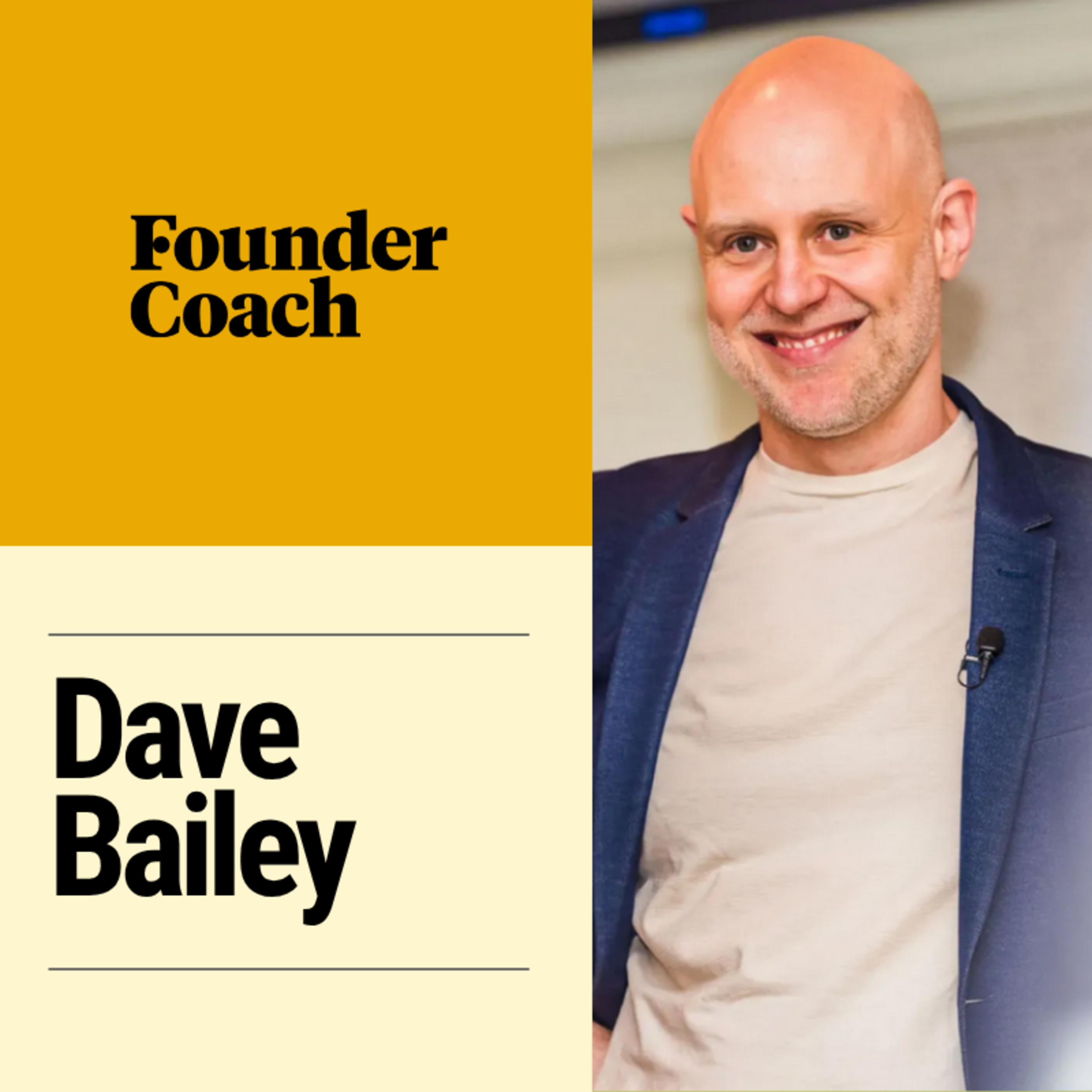 Summit | Dave Bailey (Founder Coach): Creating simplicity 04.09.2026 12minComplexity is one of the biggest barriers to scaling, and AI may make it worse. As building new features gets easier, the temptation is to keep adding.Dave Bailey, CEO of Founder Coach, argues that scaling requires the opposite: subtraction. In this talk from the EUVC Summit & Awards Show 2026, he shares a practical framework for focusing on the goal that matters most, challenging plans that no longer serve it and removing the hidden priorities that create complexity.Dave coaches venture-backed CEOs from Seed to pre-IPO and previously co-founded and scaled multiple venture-backed companies, including Delivery Hero.HighlightsWhy simple scales and complex failsHow bigger goals and shorter timelines create clarityWhy AI can increase organisational complexityHow hidden goals and fear keep weak plans aliveWhy raising the bar is a tool for subtractionTimestamps(01:15) Why simple scales and complex fails(03:00) Why AI makes complexity worse(03:40) Finding your simplifying goal(05:15) Why bigger goals create clarity(05:40) Compressing the timeline(07:00) Clean thinking vs dirty thinking(08:30) The hidden goal iceberg(10:35) Why fear keeps bad plans alive(10:50) Raising the bar through subtraction(11:45) The path to simplicityWant to simplify how you scale? Book a discovery call with Dave Bailey to identify the challenges holding your company back and explore how Founder Coach can help.https://www.eu.vc/products/dave-bailey-ceo-founder-coach
Podcasturi similare


Popular în
Acest podcast apare și în topurile de podcasturi din aceste țări.
