
Monumental Movement Podcast
monumentalmovement
0
This podcast explores music as a cultural force and historical thread, moving beyond simple entertainment. Each episode delves into avant-garde composition, underground movements, and experimental genres such as electronica, post-industrial textures, ambient minimalism, folk mutations, and noise-based practices. The show traces the historical context, aesthetic frameworks, and technological shifts behind these works, making them accessible to producers, sound artists, researchers, and curious listeners. It offers a globally-minded journey through the edges of contemporary sound.
Episoade
-
 Lone Star Static: The Texas Noise Scene Evolution 19.09.2026 19minThis episode explores the historical development and cultural significance of the Texas noise music scene, tracing its evolution from the late 1990s to the modern era. Unlike the urban art scenes of the coasts, this regional movement emerged from geographic isolation and private experimentation, blending abrasive sounds with the state’s vast, arid landscapes. The text highlights influential figures like Charalambides, who bridged folk and drone, and the aggressive, performance-based harsh noise of Black Leather Jesus. Over time, the movement shifted from pure destruction toward structural sound design, incorporating ambient textures and field recordings into its vocabulary. Ultimately, the source frames these sonic expressions as a form of Southern literature, where noise serves as a profound reflection on solitude and existence.【Related Column】Noise Desert: From the 2000s Texas Scene to the Presenthttps://monumental-movement.jp/en/Colum-Texas-Noise/
 -
 The Alchemy of the Imperfect: Why Ugly Becomes Beautiful 19.09.2026 54minThis episode examines the cultural evolution of aesthetics, specifically exploring why elements once dismissed as unattractive or defective often become celebrated as beautiful over time. By analyzing diverse fields such as Brutalist architecture, noise music, and punk fashion, the text argues that beauty is not an inherent trait but a context-dependent judgment shaped by history and social rebellion. The author highlights how perceived flaws, such as concrete textures, audio distortion, and industrial decay, gain value by providing a sense of authenticity and human presence that polished, mass-produced items lack. Ultimately, the essay suggests that imperfection and "ugliness" serve as essential catalysts for expanding the boundaries of human expression. This transformation occurs as society begins to value the narrative and process behind an object rather than just its surface appearance.【Related Column】なぜ醜いものは美しくなるのかhttps://monumental-movement.jp/column-why-ugly-things-become-beautiful/
 -
 Why Angine de Poitrine Feels Aggressive Without Just Getting Louder 18.09.2026 41minThis episode examines the musical philosophy and linguistic nuances associated with the project Angine de Poitrine. One text explains that musical aggression is achieved through psychological pressure rather than mere volume, utilizing unconventional intervals and rhythmic tension to defy listener expectations. By resisting easy resolution, the music creates a sense of instability and resistance that captures the brain's attention. Meanwhile, the second source offers a guide on the Québécois pronunciation of the name, highlighting specific regional vowel shifts. Together, these documents illustrate how the project uses structural complexity and cultural identity to establish a unique sonic presence.
 -
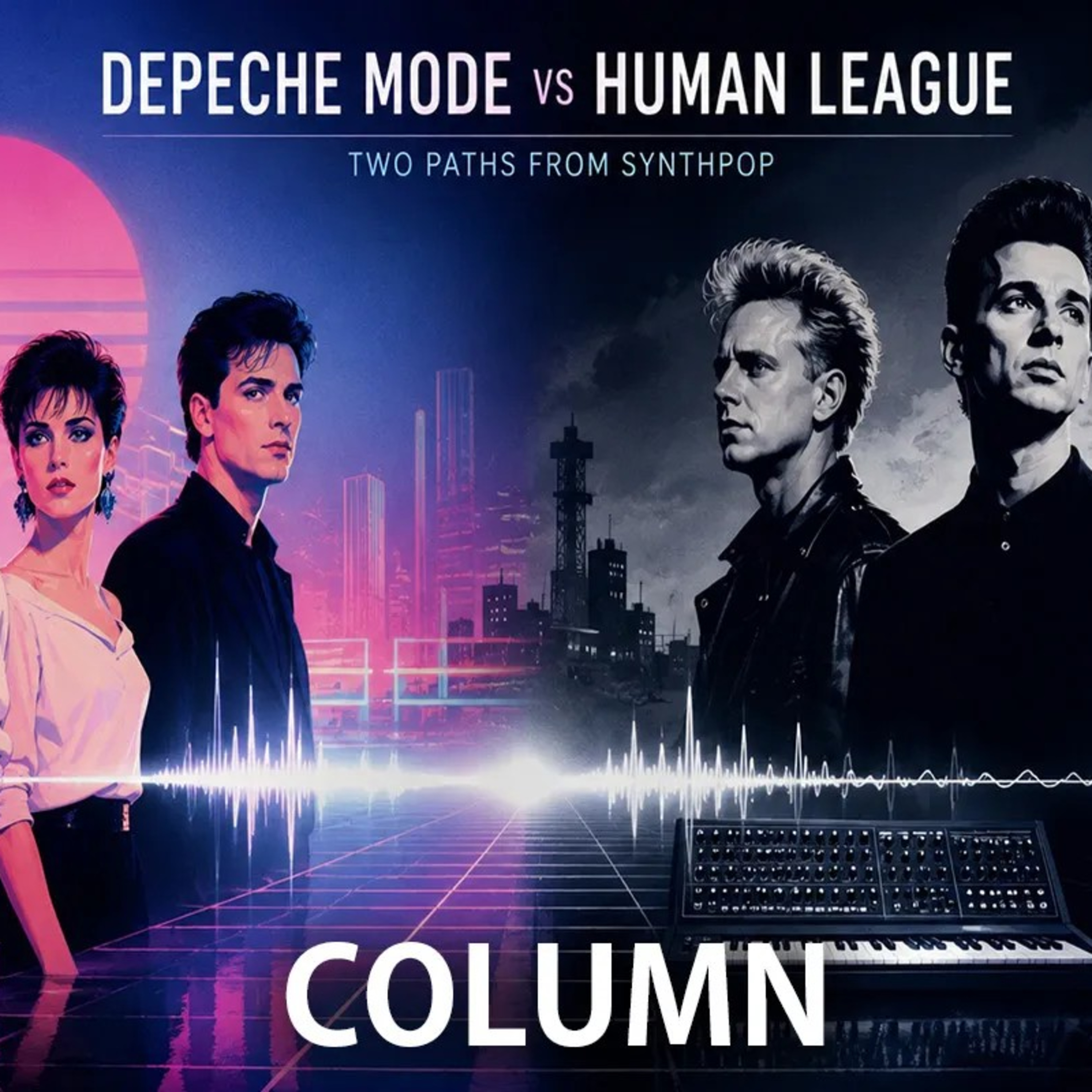 Synth-Pop Divided: Depeche Mode and The Human League - The Parallel Evolutions of 80s Electronic Music 18.09.2026 17minThis episode examines the divergent paths of 1980s British electronic music through a comparative study of Depeche Mode and The Human League. While both groups emerged from the same synth-pop movement, the author illustrates how The Human League moved toward a pop-centric democratization of machine music, blending industrial roots with accessible melodies. In contrast, Depeche Mode is described as evolving into a darker, more introspective entity that prioritized emotional depth and sonic weight over traditional pop structures. This analysis explores their distinct approaches to vocal delivery, sound design, and social themes, showing how they reshaped the relationship between humans and technology. Ultimately, the source argues that these two bands created a dual legacy that continues to define the bright and dark spectrums of modern electronic music.【Related Column】シンセポップの二つの進化系統:Depeche ModeとHuman Leagueが描いた80年代電子音楽の分岐と統合https://monumental-movement.jp/column-depache-mode-human-league/
 -
 The Spiral of Style: Why Culture Constantly Repeats Itself 18.09.2026 24minThis episode examines the cyclical nature of cultural revivals across various fields like music, fashion, and design, arguing that we do not simply copy the past but reinterpret it through a modern lens. It explains how specific decades, such as the 70s, 80s, and 90s, return to the mainstream once they have achieved enough temporal distance to be viewed as distinct aesthetics rather than outdated trends. Technology plays a pivotal role in this process by transforming former technical limitations, such as film grain or low-fidelity audio, into desirable artistic choices. Furthermore, the text highlights how digital archives and social media have collapsed linear time, allowing multiple historical eras to coexist as a shared global mood. Ultimately, the author suggests that these repetitions are a form of creative recycling where the current generation selects specific symbols from the past to construct a new cultural identity.【Related Column】Why We Keep Repeating the Past — なぜ私たちは過去を繰り返すのかhttps://monumental-movement.jp/column-why-the-past-keeps-coming-back/
 -
 The Acceleration of the Next: Density, Music, and Society 18.09.2026 41minThis episode examines why modern life feels increasingly accelerated, arguing that "speed" is defined less by physical velocity than by the shrinking intervals between events. In the realm of music, songs have become shorter and more information-dense to prevent listeners from skipping on streaming platforms or TikTok. This trend extends to digital labor, where workers face constant interruptions from notifications, and social media, where infinite scrolling creates a cycle of endless consumption. The text suggests that the economy of attention forces industries to prioritize rapid delivery and frequent transitions over deep engagement. Ultimately, the author posits that as automated information becomes instantaneous, the ability to choose slowness and focus on a single experience becomes a luxury.【Related Column】Why Everything Is Becoming Faster — なぜ、すべてが速くなっているのかhttps://monumental-movement.jp/column-why-everything-is-becoming-faster/
 -
 Why a Two-Person Band Can Be Easier — and Harder — to Take Around the World 18.09.2026 24minThis episode explores the unique operational challenges and logistical strategies of the musical duo Angine de Poitrine. While a two-person lineup suggests simplicity, the band utilizes a highly complex technical rig to compensate for their small size, turning their performances into a feat of touring engineering. This setup allows them to deliver a dense sound through looping and multi-instrumentalism, though it increases the individual responsibility and risk for each member. Additionally, the text clarifies the Québécois pronunciation of the band's name and suggests a shift toward a narrative-focused presentation style. Ultimately, the project is defined by the paradox of efficiency, where having fewer people requires a much more deliberate and demanding system of design.
 -
 The Science of Sound: Optimizing Physical Performance through Music 17.09.2026 21minThis episode explores the scientific connection between music and physical performance, positioning sound as an essential tool for enhancing exercise efficiency. It details how rhythmic synchronization optimizes body movements and energy usage while lowering the perception of effort through dopamine release and sensory distraction. The text categorizes specific musical traits, such as BPM and genre, that best suit different activities like strength training, cardio, or high-intensity intervals. By contrasting mainstream and underground tracks, the source provides a practical framework for designing playlists that mirror the phases of a workout. Ultimately, the author argues that music acts as a invisible piece of athletic equipment capable of heightening focus and physical output.【Related Column】 筋肉と音の相互作用:トレーニング効率を高める音楽の科学https://monumental-movement.jp/column-muscle-music-relation/
 -
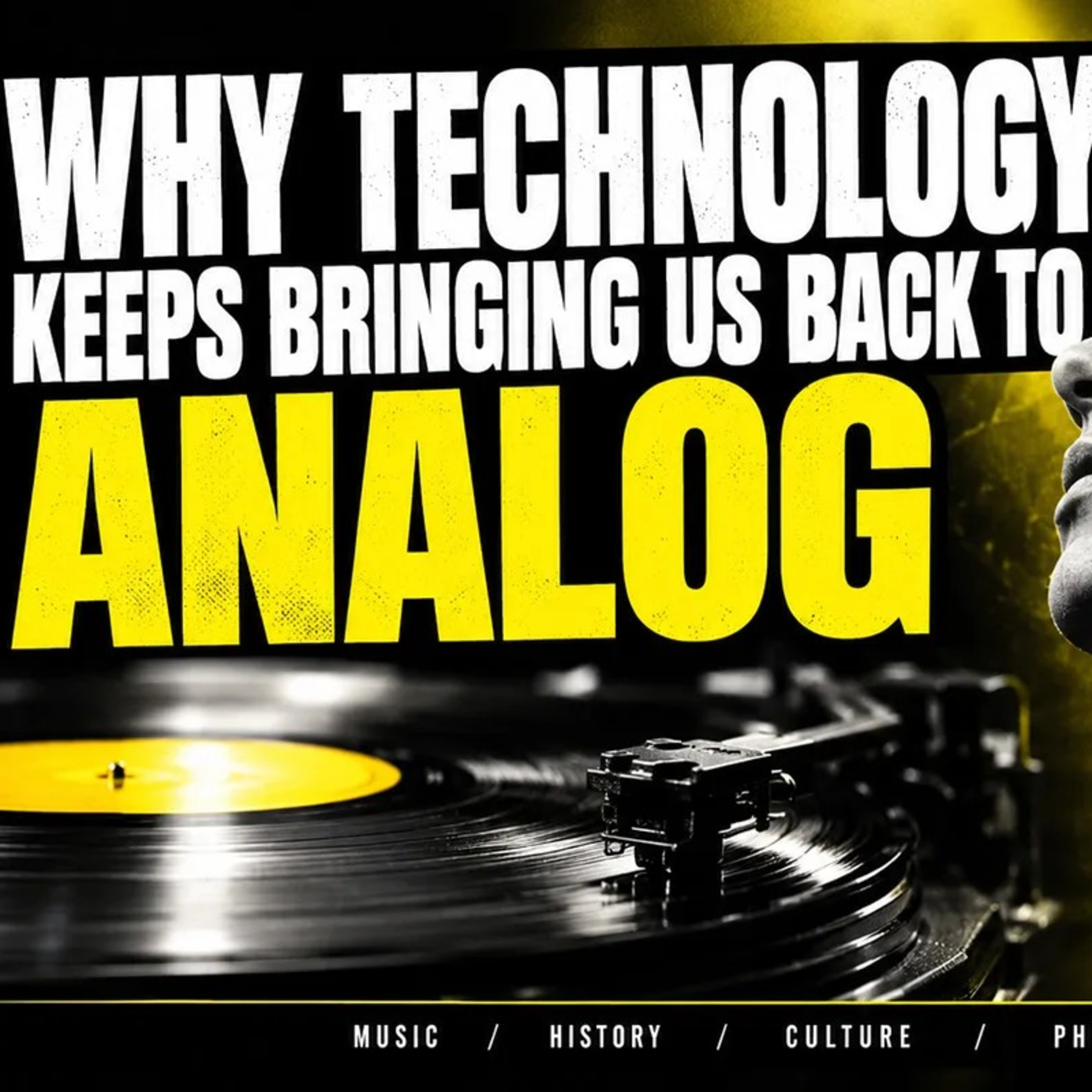 The Digital Spiral: Why Technology Returns Us to Analog 17.09.2026 46minThis episode explores the paradoxical resurgence of analog technology in an increasingly digital world, framing it as a cyclical evolution rather than a simple regression. While digital advancements prioritize efficiency, speed, and mass accessibility, the source argues that these very successes create a void in physical sensation and intentional experience. Consumers are rediscovering items like vinyl records, film cameras, and mechanical watches because they offer a sense of ownership, tactile friction, and deliberateness that digital files cannot replicate. This "analog return" is characterized not by the abandonment of modern tools, but by a hybrid lifestyle where people consciously choose "inconvenient" mediums for their unique cultural and emotional value. Ultimately, the source suggests that technology does not move in a straight line; instead, it functions as a spiral that periodically brings us back to the human need for bodily engagement and tangible history.【Related Column】なぜテクノロジーは私たちをアナログへ連れ戻すのかhttps://monumental-movement.jp/column-why-technology-keeps-bringing-us-back-to-analog/
 -
 Angine de Poitrine Isn't Weird — Your Ears Are 17.09.2026 31minThis episode explores the musical philosophy and cultural context of the band Angine de Poitrine, focusing on how their sound challenges the listener's learned expectations. Rather than viewing the music as inherently strange, the text argues that "weirdness" is simply a reaction to the violation of subconscious rules regarding rhythm, pitch, and performance. By breaking traditional conventions, the group forces the audience to confront their own internalized definitions of normalcy, eventually leading to a shift in their musical perception. Additionally, the sources provide technical guidance on the Québécois pronunciation of the band's name to ensure linguistic accuracy. Ultimately, the material suggests that this music serves as a mirror for the listener, revealing that musical familiarity is a learned behavior rather than a universal constant.
 -
 Keiichi Koike: The Visual Rhythm of Manga as Music 16.09.2026 19minThis episode explores the unique career and artistic philosophy of Japanese manga creator Keiichi Koike, framing his visual style as a form of rhythmic music. Beginning with his record-breaking debut at the Tezuka Awards, the text traces his evolution through international collaborations and the publication of influential works like SPINOZA and ULTRA HEAVEN. The author emphasizes how Koike uses intricate line work and innovative panel layouts to mimic auditory sensations, effectively translating altered states of consciousness into a graphic medium. By comparing his technical precision to musical structures like repetition and variation, the source situates Koike within a broader cultural context alongside legendary artists like Katsuhiro Otomo and Moebius. Ultimately, the text argues that reading Koike’s work is less a literary act and more a sensory experience where silence and noise are composed entirely of ink and paper.【Related Column】Music-like manga artist Keiichi Koike - Visual rhythm played by lineshttps://monumental-movement.jp/en/column-keiichi-koike-music/
 -
 Why Nação Zumbi's Rhythm Refused to Die 16.09.2026 47minThis episode provides a comprehensive history and linguistic guide for Nação Zumbi, a pivotal Brazilian band that spearheaded the Manguebeat movement in Recife. The texts detail how the group, led by the visionary Chico Science, revolutionized music by connecting regional traditions like maracatu with global influences such as rock, hip-hop, and electronic music. Beyond their 1990s origins, the material explores the band’s resilience and evolution following the accidental death of their original frontman in 1997. By focusing on rhythmic innovation rather than rigid genres, the band established a method of cultural synthesis that remains influential decades later. Additionally, the sources include practical pronunciation assistance to help international audiences correctly articulate the band's name. This overview portrays the group not as a relic of the past, but as a dynamic entity that continues to bridge local identity with futuristic sounds.【Related Column】Nação Zumbi — The Rhythm That Refused to Diehttps://monumental-movement.jp/column-nacao-zumbi/
 -
 Why Angine de Poitrine Is More Interesting As A Band Than As A Genre: The Artist as a Platform for New Listening 16.09.2026 36minThese sources examine the avant-garde musical project Angine de Poitrine, focusing on their rejection of traditional genre classifications. Rather than labeling the band through standard categories like rock or math rock, the text encourages listeners to view them as a experimental laboratory that challenges musical norms. By questioning fundamental assumptions regarding instrumentation, rhythm, and performer identity, the group prioritizes creative possibility over predictable categorization. Additionally, the provided notes offer guidance on the Québécois pronunciation of the band's name and suggest a narrative-driven approach for future media content. Ultimately, the material argues that the band’s value lies in their artistic methods rather than their placement within a specific musical niche.
 -
 The Perpetual Pulse: Why Underground Music Always Returns 15.09.2026 22minThis episode examines the cyclical nature of underground music and its essential role as a laboratory for cultural innovation. It defines the underground not as a specific genre, but as a transitional state where experimental sounds emerge within marginalized communities before gaining mainstream visibility. As these movements face commercialization and saturation, a natural reaction occurs among younger generations who return to hidden spaces to foster new, authentic scenes. Historically, this pattern has fueled the evolution of jazz, punk, and techno, and it continues today through global digital networks. Ultimately, the source argues that underground culture is indispensable because it provides the creative freedom necessary to birth the future of music.【Related Column】Why does music that was born underground come back again and again?https://monumental-movement.jp/en/column-why-underground-music-always-comes-back/
 -
 Why Armand Van Helden Could Make Any Song a Dancefloor Hit 15.09.2026 32minThis episode explores the career of Armand Van Helden, a pivotal figure who transformed house music from a club-oriented genre into a global pop phenomenon. The text traces his artistic journey from his multicultural upbringing and early hip-hop influences to his emergence in the Boston club scene. It highlights his revolutionary approach to sampling and remixing, arguing that his ability to reconstruct existing music for the dancefloor defined his unique style. Key milestones are examined, including his breakthrough with "Witch Doktor," his chart-topping hits like "You Don't Know Me," and his collaborative project Duck Sauce. Ultimately, the profile illustrates how Van Helden’s thirty-year legacy is built on bridging genres and treating music as an ever-evolving material for the DJ culture.【Related Column】Armand Van Helden — ハウスを世界規模のポップ現象へ変えたサンプリングとリミックスの革命https://monumental-movement.jp/column-armand-van-helden/
 -
 What Happens When Angine de Poitrine Gets Too Big?: The Paradox of Underground Success 15.09.2026 22minThe provided text explores the paradox of success facing the underground band Angine de Poitrine as they transition from a local experimental act to an international sensation. Initially, the group thrived on the artistic freedom found in small settings, allowing them to innovate without the burden of maintaining a specific image. However, the author suggests that mass recognition often transforms unique experimentation into a rigid brand expectation, trapping artists in their own past successes. The primary concern is that once an audience becomes accustomed to a band's eccentricities, those quirks can become a predictable formula rather than genuine expression. Ultimately, the source argues that the band's greatest challenge will be maintaining their unpredictable identity while under the scrutiny of global fame. The narrative concludes that for avant-garde musicians, the risk of repetition is far more dangerous than the possibility of failure.
 -
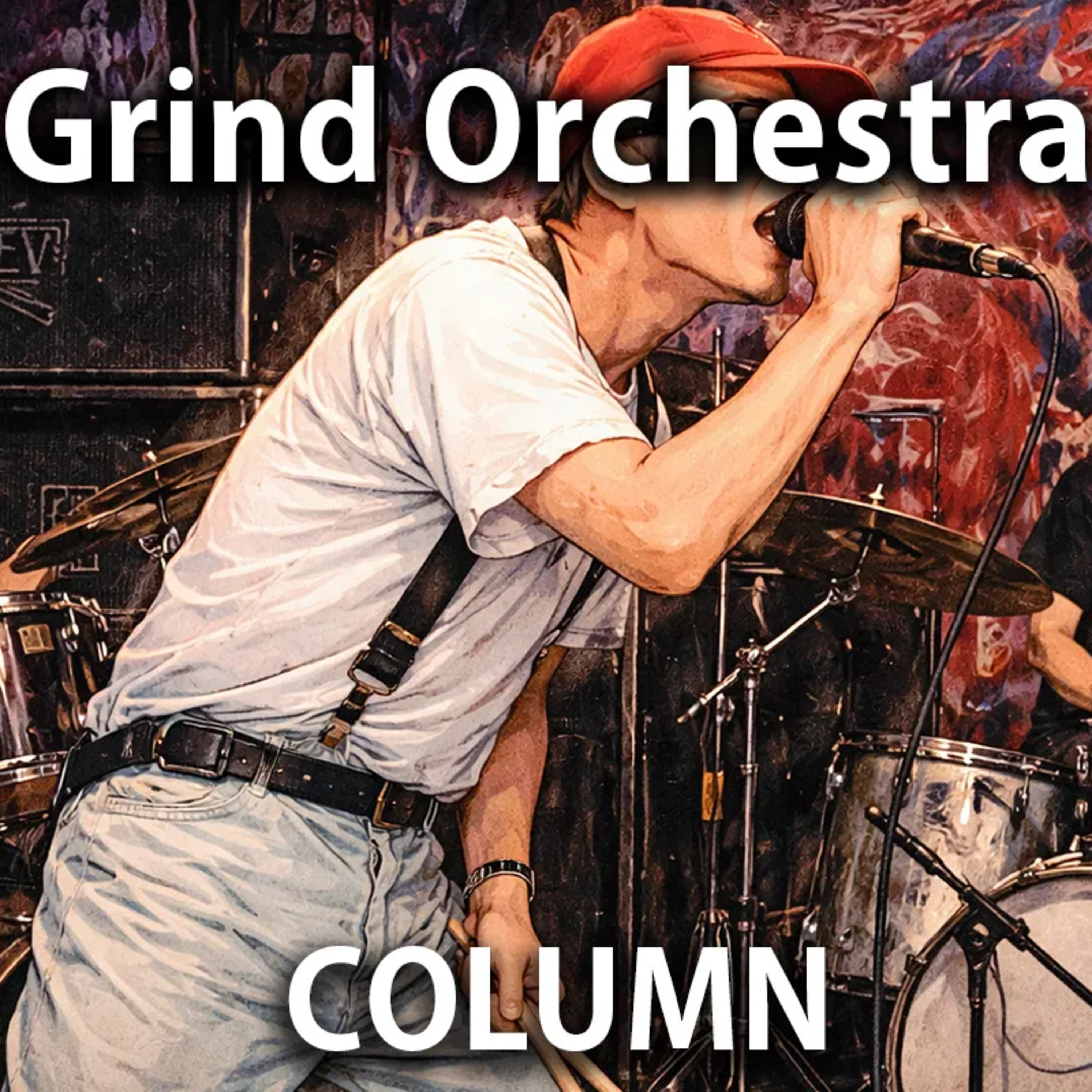 How Grind Orchestra Blurs the Line Between Hardcore and Noise: Japanese Underground 14.09.2026 22minThis episode outlines the history and musical philosophy of Grind Orchestra, an experimental Japanese collective founded in 1994 by former Boredoms member Toyohito Yoshikawa. Emerging from the Kansai alternative scene, the group is characterized by a unique structure that prioritizes improvisational noise and physical rhythm over traditional song formats. Their early work featured a distinctive lineup of four percussionists and electronic instruments to create a dense, chaotic, and avant-garde version of pop music. Over time, the ensemble integrated melodic elements, further evolving their sound as documented through various recordings and live performances on the Tag Rag label. Ultimately, the source highlights the group’s significant role in redefining the boundaries between hardcore punk and experimental soundscapes.【Related Column】Grind Orchestra — A group of sounds that transcend boundaries and their structurehttps://monumental-movement.jp/en/column-grind-orchestra/
 -
 Why Skinny Puppy Made Industrial Music Sound Terrifying 14.09.2026 34minThis episode provides an extensive retrospective on Skinny Puppy, the influential Canadian band that defined the electro-industrial genre. Founded in 1982 in Vancouver, the group utilized experimental techniques like sampling, distorted vocals, and theatrical performances to explore dark societal themes including animal rights and environmental decay. The text outlines their evolution from underground electronic pioneers to major inspirations for mainstream acts like Nine Inch Nails. It also details their complex history of collaborative side projects, internal struggles, and the tragic loss of key member Dwayne Goettel. Spanning over four decades, the overview concludes with their 2023 Final Tour, cementing their legacy as artists who transformed uncomfortable noise into a profound medium for social critique.【Related Column】Skinny Puppy — 恐怖を音楽に変えたバンクーバーの電子工房https://monumental-movement.jp/column-skinny-puppy/
 -
 Why 3 Mustaphas 3 Sound Like Music From Everywhere 14.09.2026 23minThis episode explores the history and artistic philosophy of 3 Mustaphas 3, a groundbreaking British band that emerged in London during the early 1980s. While they famously adopted the fictional persona of an exiled Balkan family from the imaginary town of Szegerely, the group was actually composed of seasoned musicians who blended global traditions with modern sensibilities. Their expansive repertoire integrated diverse influences from Middle Eastern melodies and African rhythms to Japanese lyrics, effectively predating and expanding the "world music" genre. The text highlights how their slogan, "Forward in all directions!", reflected a commitment to simultaneous musical exploration across multiple cultures rather than simple imitation. By utilizing electric instruments alongside traditional ones, they successfully transitioned folk music from static museum pieces into dynamic, danceable club sounds. Ultimately, the source frames the band as a visionary collective that used humor and mythology to demonstrate how distinct global cultures can coexist within a single creative groove.【Related Column】3 Mustaphas 3 — 世界音楽という言葉より先に、世界を混ぜていたバンドhttps://monumental-movement.jp/column-3-mustaphas-3/
 -
 The Third Member: The Most Important Member of Angine de Poitrine Isn't Human 14.09.2026 37minThe avant-garde musical project Angine de Poitrine is defined by a unique perspective that treats their customized hardware as a vital, non-human third member of the group. Rather than serving as a neutral tool, their integrated double-neck system and microtonal fretwork impose specific physical constraints that dictate how the music is composed. This setup fosters a specialized feedback loop where the instrument's limitations force the performers to develop unconventional techniques and ideas. Consequently, the band's distinctive sound emerges not from creative freedom, but from the complex relationship between the musicians and their technical requirements. This synergy makes their style nearly impossible to replicate because the music is a direct byproduct of their bespoke equipment's rules. Ultimately, the source argues that the technological system is the most essential element in shaping the band's identity.
Podcasturi similare


Popular în
Acest podcast apare și în topurile de podcasturi din aceste țări.
