
It's Me. Your Brain. | The mind behind your decisions
Virginia Palm | Augment Mind
0
It's Me. Your Brain. is a neuroscience and psychology podcast that explores decision-making, stress, mental health, brain health, and clear thinking in a fast-paced, AI-driven world. The show dives into attention, emotional regulation, cognitive performance, and how modern work environments affect our brains under pressure. Hosted by Virginia Palm, founder of Augment Mind, it offers grounded insights into the mind behind your choices, avoiding hacks and hustle culture.
Episoade
-
 The Confidence Paradox 19.09.2026 17minWhy the people who know the least often sound the surest - and what that costs you as a leaderPicture a meeting. Someone speaks with total certainty, no hedging, no "I think," just a flat statement delivered like fact. In that same room, someone else (usually the person who's actually spent years on this exact subject) speaks far more carefully. "It depends." A pause before answering something that looks simple.Most rooms trust the confident one. In the moment, certainty reads as competence. But how sure someone sounds and how much they actually know are not the same thing.That's not a personality quirk. It's a well-documented pattern in how the brain judges its own competence, and once you see it, you can't unsee it in your next meeting, your next hire, your next promotion decision.In this episode, Virginia Palm unpacks the real finding behind David Dunning and Justin Kruger's famous 1999 study — a result that's been badly flattened by internet culture into a joke about incompetent people, when the actual mechanism is far more useful. She traces it into the neuroscience of metacognition, drawing on research from Stephen Fleming and colleagues at UCL showing that judging your own competence and actually being competent run on separate systems in the brain. Then she turns it toward leadership: what happens when confidence gets used as a shortcut for competence in the rooms where you decide who to trust, who to promote, and whose plan to back.You'll learn:What the Dunning-Kruger effect actually shows, and what the popular version gets wrongWhy real expertise often sounds like more doubt, not lessThe specific brain mechanism behind judging your own competence, and why it's separate from being competentHow confidence quietly distorts hiring, promotion, and who gets heard in meetingsA practical way to start reading confidence and competence as two different signals, starting with your next meetingThe most confident voice in the room is not always the one who's seen the most. Learning to hear the difference is a skill, and it starts with noticing which one you're currently rewarding.This episode is brought to you by Augment Mind, we explain the biology, measure it in your organisation, and build a roadmap around what we actually find. Learn more at augment-mind.com
 -
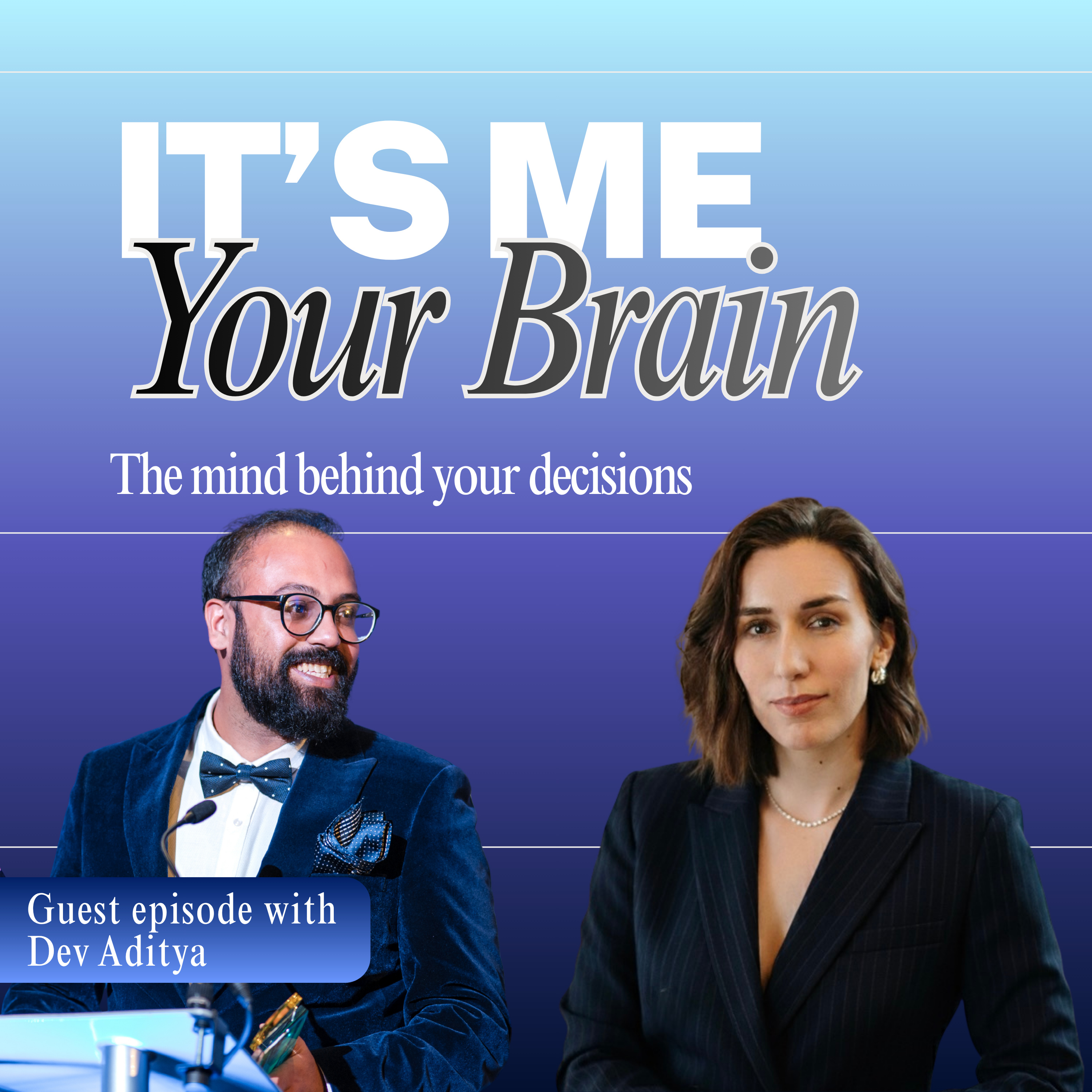 What Grit Actually Does to Your Brain - Guest Episode with Dev Aditya 09.09.2026 32min600 investor calls. 600 no's. At some point in that stretch, most people would take any money, on any terms, just to make the calls stop. Dev didn't. He turned down a term sheet because it would have built the wrong thing, when the wrong money was the only money on offer.Dev Aditya co-founded an AI teacher that ran offline in refugee camps eighteen months before ChatGPT existed, and had to explain what that even meant to people who didn't believe him. He's since built a company operating across 24 countries without VC funding, doing field work in Kenya and Burundi along the way. He's also neurodiverse, and has built deliberate cognitive systems around it, mental rehearsal before he speaks, watching himself back, a kind of hyper-personalised training applied to his own thinking. Describing his ability to pitch any product to any room with ten seconds' notice, he called it "muscle memory, but for the brain." He'd named neuroplasticity without knowing its name.In this conversation, Virginia and Dev trace what six hundred rejections actually do to a brain that keeps going anyway, why sustained motivation isn't willpower in the motivational-poster sense, but a trained connection between the prefrontal cortex and the limbic system, and how repeated exposure to difficulty can inoculate the nervous system against a setback rather than break it. They also get into Dev's "muscle memory" moment: neuroplasticity, and the brain quite literally restructuring itself through repeated mental rehearsal - the same mechanism elite athletes have used for decades.This isn't a founder success story, and it isn't a product showcase. It's a conversation about what it costs, neurologically, to build something the world isn't ready for yet, and what's actually happening in the brain of someone who does it anyway.You'll learn:Why sustained motivation isn't willpower and what's happening between the prefrontal cortex and the limbic system when someone keeps going after repeated failureWhat "stress inoculation" is, and why six hundred rejections can train a nervous system rather than break itWhy the brain doesn't cleanly distinguish a vividly imagined action from a real one and what that means for mental rehearsal under pressureHow neuroplasticity restructures the brain through repetition, and why "muscle memory for the brain" is biology, not metaphorWhat it looks like to build a cognitive operating system around being neurodiverse, rather than around "overcoming" itIf you've ever kept going through a stretch where progress wasn't visible, this episode is about what that's doing to your brain, and why it isn't an accident when it works.About DevDev Aditya is an AI expert from London, UK. He led the team at Otermans Institute that built the first Digital Human AI teacher (OIAI), aiming to upskill 750 million learners globally by 2030. His AI teachers have taught in 24 countries, from universities to schools, corporates to marginalised learners directly. He's also developed a specialist teaching and learning LLM, OIMISA-7B. He was awarded by the UK Prime Minister for his work, and named a Young Global Innovator and Under 30 Social Entrepreneur (Mint). Innovate UK recognised his AI research and provided national-level funding. He has previous experience at The Alan Turing Institute and Brunel University of London, and his work now operates across four continents. His latest achievement is converting his AI products to run fully offline on Edge AI, for which he was named Young Innovator of the Year Europe by AIconics at the AI Summit London 2025. His AI system runs Africa's largest and fastest AI literacy programme, mentioned at the UN General Assembly in 2025.Website: https://www.portfolio.oiedu.co.uk/LinkedIn: https://www.linkedin.com/company/oiedu/Instagram: https://www.instagram.com/oiedu19
 -
 The Reset You Actually Get: Why September Works on Your Brain - If You Use It Right 29.08.2026 20minYou've just sat back down at your desk. The inbox looks impossible, the calendar's already filling up, and underneath it, a quiet thought: I should be more motivated than this.That story isn't just wrong, it's costing you the exact week your brain is actually on your side.In this episode, Virginia Palm breaks down what's really happening in your brain during the return from a break: why this specific week gives you a real, documented boost in motivation, why that boost quietly expires if you don't use it, why the fog and dread of the first few days back isn't laziness but a predictable brain network processing everything you left unresolved, and why deciding on one thing now works better than planning everything later. Drawing on research tracking Google searches, gym visits, and goal commitments around calendar landmarks, and brain-imaging research on what the mind does when it's not focused on a task, this episode explains why none of this is a willpower problem, and what to actually do about it, especially if people are looking to you to set the tone this week.You'll learn:Why coming back from a break gives your brain a real, short-lived motivation boost, and why most people let it pass without using itThe "fresh start effect": why New Year's Day, birthdays, and returning from a holiday all work on your brain the same wayWhy the fog and dread of the first few days back isn't laziness, but a predictable brain network handing back everything you left unresolvedWhy deciding on one thing now protects it more than waiting to decide later wouldA simple three-question audit to use the reset window before it closes, for you, and for the people you leadThis isn't about forcing a fresh start. It's about understanding the window you're actually in this week, and using it before it closes.🔗 Learn more about our work at Augment Mind:augment-mind.com
 -
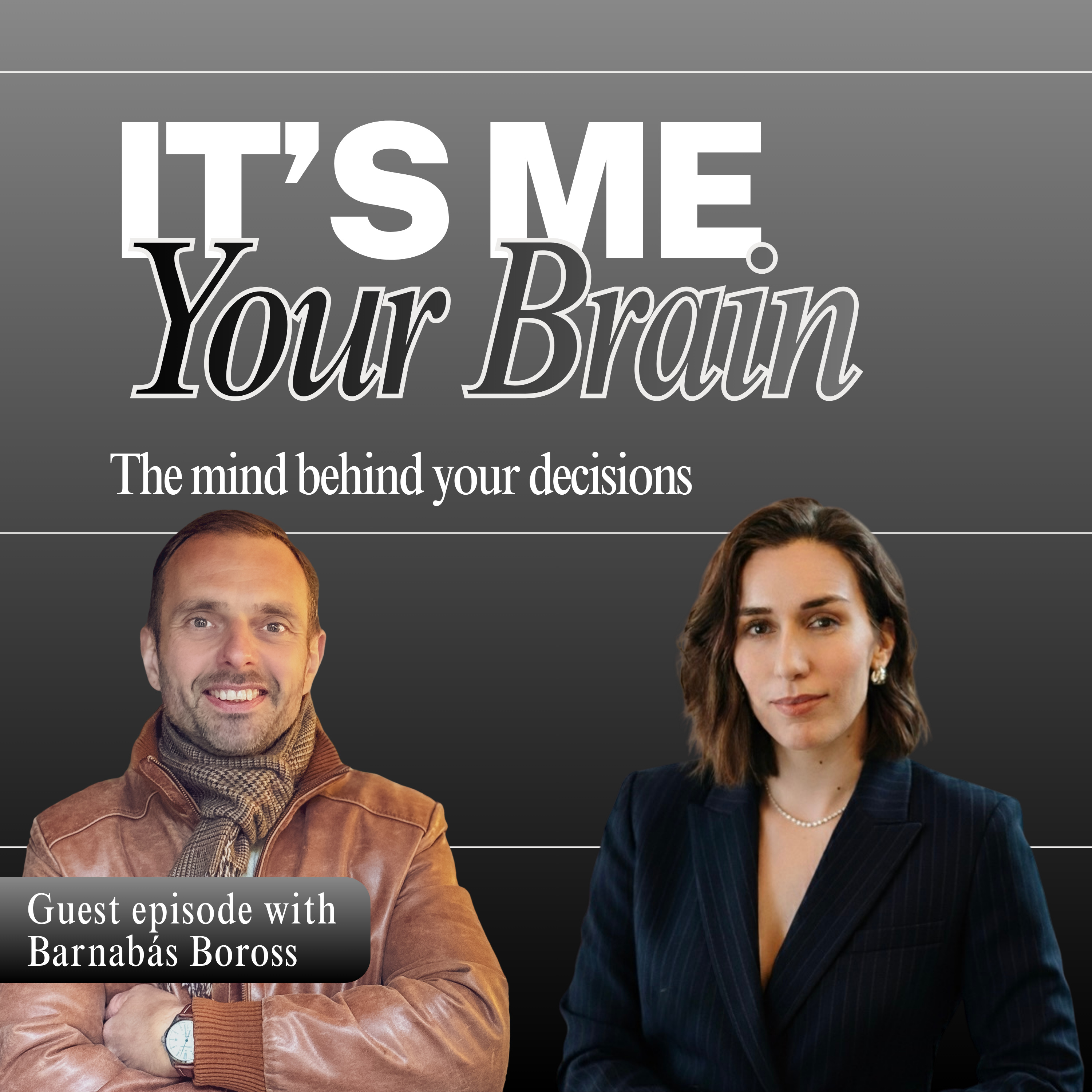 Do you listen to your body, or does it have to shout? - Guest Episode with Barnabás Boross 18.08.2026 32minEvery time your body sends a signal and you push through anyway - stay later, skip the walk, override the tiredness - you're making a quiet decision about which of you is in charge. Most people only notice that relationship when it breaks down. This episode is about what it looks like to build it deliberately, before the breakdown.Barnabás has been moving every single day for thirty years. Not to stay fit, and not through willpower, through something closer to identity. Built from a coach's rule at 14, a decade as a paramedic and air ambulance medic in Hungary, and a period of sustained pressure as a GM through COVID that took his health, his relationship, and his sense of self before it finally got his full attention. He moved to Switzerland chasing balance. He concluded, flatly, that balance doesn't exist, not the way we imagine it.In this conversation, Virginia and Barnabás trace what daily movement actually does to the brain - why the runner's high isn't endorphins (that's the outdated story), how consistent aerobic exercise restructures the cortisol response over time, and what happens structurally to the hippocampus after decades of near-daily movement. This isn't a fitness conversation, and it isn't a story about athletic performance. It's a conversation about the signal your body has been sending, and what it quietly costs when you've learned not to hear it.You'll learn:Why the runner's high is endocannabinoids, not endorphins, and why that changes how you think about stress and recoveryHow consistent aerobic exercise measurably lowers cortisol reactivity, not just in the moment, but recalibrated over timeWhat BDNF does to the brain over years, and why hippocampal volume actually changes with sustained movementThe one rule Barnabás's coach gave him at 14 - and why it's still the most useful thing he's ever been toldWhat "use it or lose it" really means for the ageing brain, and why his mother at 76 still proves it every dayIf you've ever felt your body saying something before your mind caught up with it - this episode explains what that signal is, where it comes from, and what it means when it goes quiet.About BarnabásBarnabás spent over a decade as a paramedic and air ambulance medic in Hungary before relocating to the UK, where he built a career in private healthcare and became General Manager of a nursing company — a role he held through the COVID pandemic. Now based in Switzerland, he runs his own business in Zurich while maintaining the thirty-year daily movement practice he began as a teenage athlete. He has been Hungarian athletics champion multiple times, competed against adults as a teenager, and runs to work every day.
 -
 Your Brain on Heat: What This Summer Is Actually Doing to Your Thinking 07.08.2026 13minYou've read the same email three times. The decision that should take two minutes is still sitting there at four in the afternoon. And underneath it, a quiet thought: I'm just being lazy today.That story isn't just wrong, it's making the week harder.In this episode, Virginia Palm breaks down four specific things heat does to a working brain: why it makes complex thinking so much harder while leaving routine tasks untouched, why you're often already dehydrated before you feel thirsty, why a foggy morning is often last night's bad sleep catching up with you, and why two people in the same room can be having completely different days depending on where they're sitting. Drawing on real research, including a study from a Boston heatwave and fieldwork on outdoor workers in Qatar, Greece, and Cyprus, this episode explains why none of this is a discipline problem, and what to actually do about it, especially if you're the one other people are looking to this week.You'll learn:Why heat hits complex thinking hard, but leaves routine tasks aloneThe dehydration threshold that affects your focus and memory, and why thirst warns you too lateWhy a foggy morning is often about last night's heat, not today'sWhy the same room can feel completely different depending on where you sitA simple way to lead a team through a heatwave without mistaking low capacity for low motivationThis isn't about pushing through. It's about understanding what your brain is actually doing this week, and working with it instead of against it.🔗 Learn more about our work at Augment Mind:augment-mind.com
 -
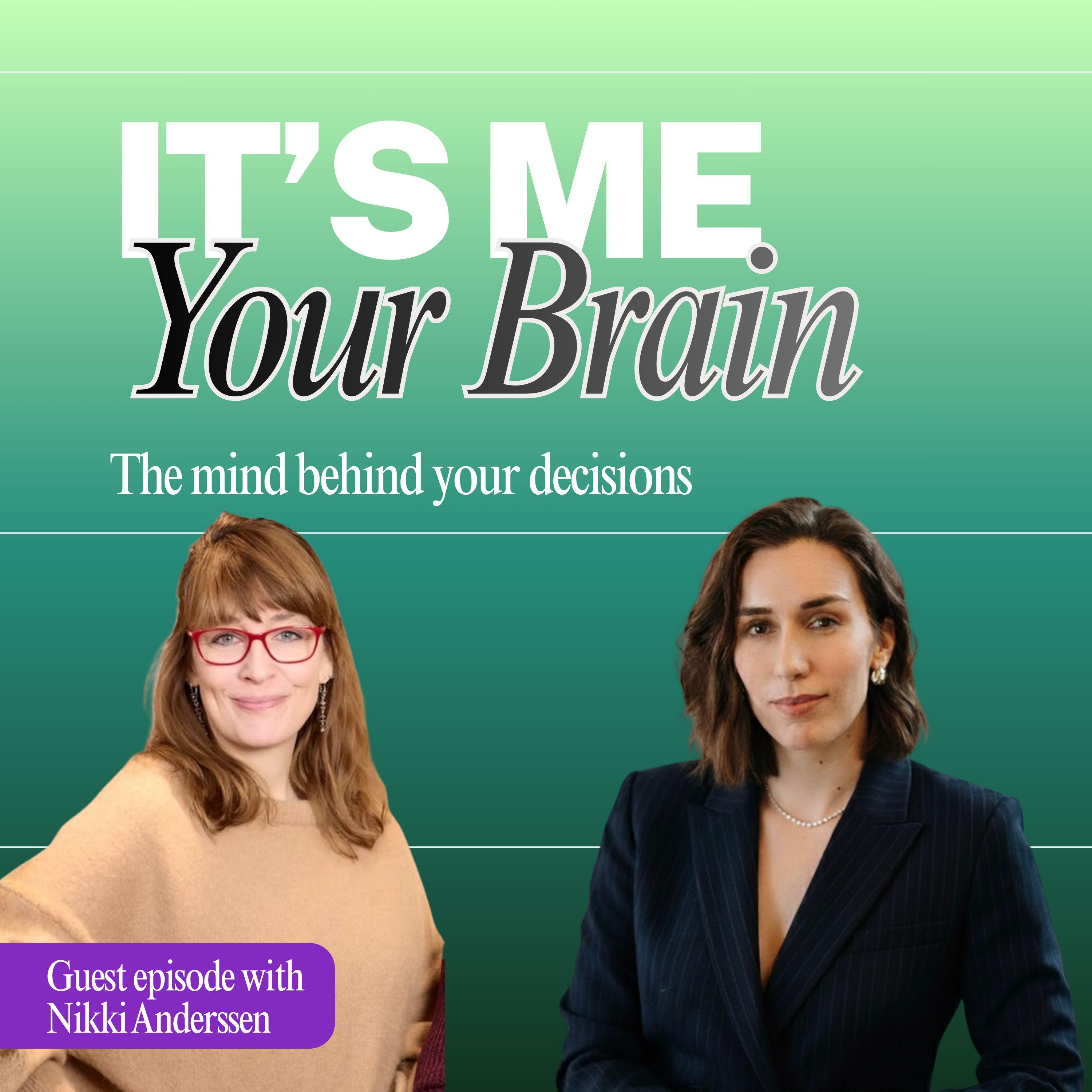 When the Alarm Won't Stop - Guest Episode with Nikki Anderssen 26.07.2026 42minNikki Anderssen spent fifteen years running live international news, thriving on exactly the kind of pressure most people spend their careers trying to avoid. Then, without warning, her body started failing her in ways that made no sense. She followed every protocol, eliminated every trigger, saw every specialist. And got smaller, not better, until the day she reacted to a handful of blueberries, and understood, all at once, that this was never about the food.This episode is about what happens when the brain's alarm system gets stuck in the on position, and what it actually takes to rewire it.In this episode:Why a nervous system built for pressure can stop telling the difference between real danger and no danger at allThe blueberry moment, and why it was never really about blueberriesWhat neuroplasticity actually requires: not willpower, but repetition under conditions of safetyWhy the people who look most "fine" under stress are often carrying the most of itWhat comes back, cognitively, once the nervous system stops rationing everything for survivalAbout Nikki: Nikki Anderssen is an international broadcast journalist and communications specialist with nearly twenty years across radio, TV, and digital media. After years of unexplained physical decline, she used neuroplasticity to rewire her nervous system out of chronic dysregulation, and went on to co-found Repair Circle EU, recognized among Berlin's leading social enterprises, where she's now building the digital backbone for Germany's circular economy in electronics repair.It's Me. Your Brain. - the mind behind your decisions.Find Nikki:LinkedIn: https://www.linkedin.com/in/nikki-anderssenRepair Circle EU: https://repaircircle.eu/enInstagram: https://www.instagram.com/repair.circle/
 -
 Halfway: What Six Months Has Actually Cost Your Brain 12.07.2026 25minA mid-year audit - for your own nervous system, and for the team you leadIt's July. Half the year is already gone. Maybe you're already sitting somewhere quieter than usual, the inbox further away than it normally is. Or maybe you're not there yet, still fully present in three meetings a day while mentally packing for a break that hasn't started. Either way, there's a particular kind of tired that shows up around now. Not sharp. Not one bad week you can point to. More like a low hum that's been running under everything for months.That's not just needing a holiday. That's accumulation, and it has a name.In this episode, Virginia Palm looks at what actually builds up in a brain and a nervous system over six months of sustained pressure — and, for the many listeners who lead teams, what that same accumulation looks like in the people they're responsible for. Drawing on Robert Sapolsky's research on allostatic load and Christina Maslach's landmark burnout model - the six specific mismatches between a person and their job that predict it - this episode reframes the mid-year point not as a vacation question, but as an audit: what's actually accumulated, individually and organisationally, and why a single week off was never going to clear it on its own.You'll learn:What allostatic load actually is - measurable, structural cost, not just a feelingWhy high performers are especially prone to carrying it undetected, because functioning isn't the same as recoveringChristina Maslach's six-factor model for burnout - workload, control, reward, community, fairness, and values - and why generic wellness initiatives fail to touch itWhy the people who look most resilient on your team are often carrying the most unaddressed loadA two-part mid-year audit - individual and organisational - you can run this weekThis isn't about squeezing more rest out of your summer. It's about understanding what the last six months actually cost, and why rest alone was never going to balance the accounts.If you're heading into the second half of the year wondering what it's already cost you, or you lead a team and suspect at least one person is quietly carrying more than they're showing - this episode gives you the language, and the audit, to find out.🔗 augment-mind.com
 -
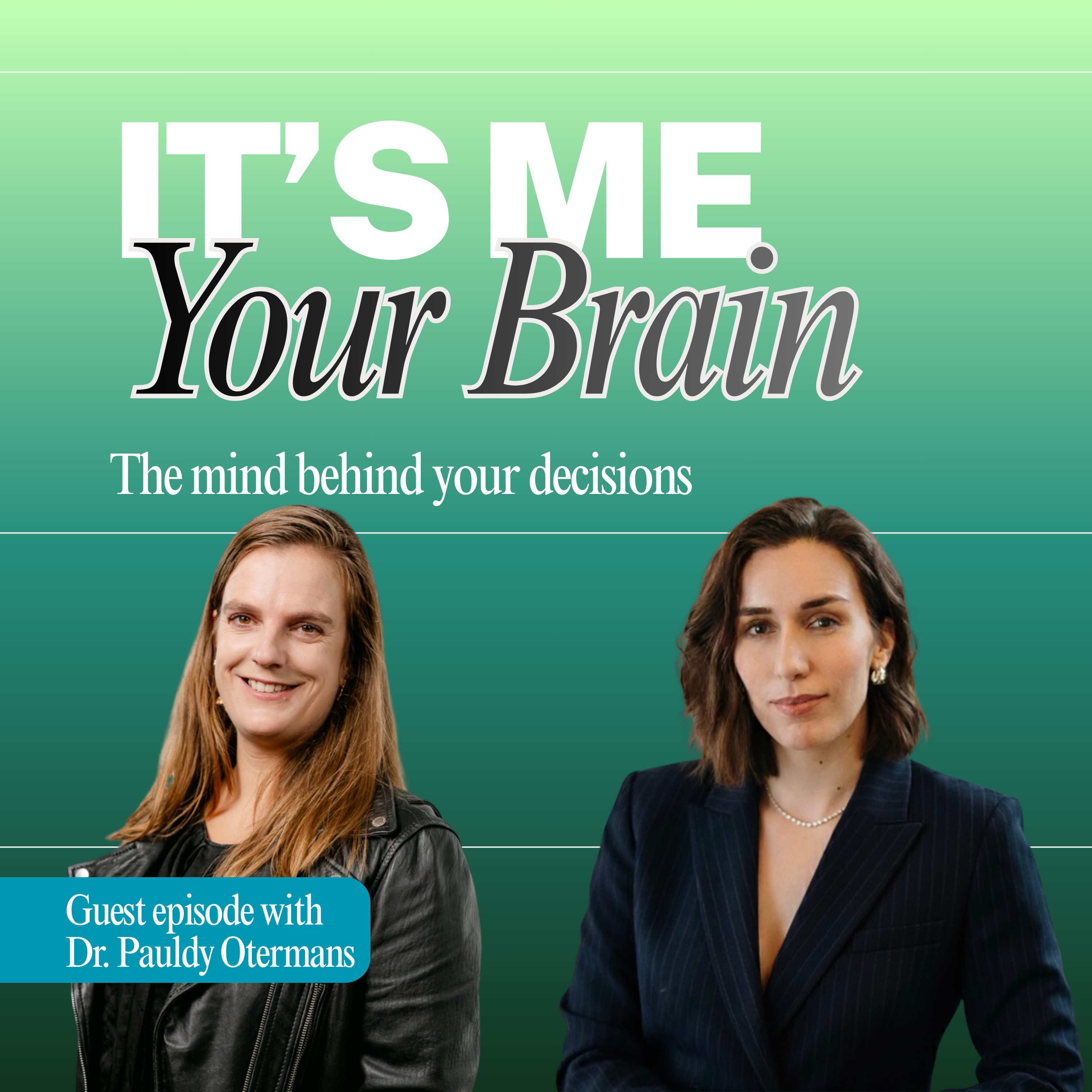 The Brain in the Age of AI - Guest Episode with Dr. Pauldy Otermans 05.07.2026 35minAre you using AI - or is it using you?Every time you hand a thinking task to AI without noticing, you're making a quiet choice about which mental muscles to keep training and which to let go quiet. Most people never make that choice consciously. This episode is about what happens when you do.Dr. Pauldy Otermans is a cognitive neuroscientist and psychologist who helped build one of the first AI-powered teachers in the world, and has spent years since asking a question research hasn't caught up with yet: what is AI actually doing to the human brain? In this conversation, Virginia and Pauldy trace why a fluent AI answer feels true even when it isn't, what happens to memory and thinking when we consistently offload cognitive effort, and why the skills AI can't automate - creativity, communication, critical thinking - are the ones leaders now have to protect on purpose.This isn't a conversation about EdTech, and it isn't a feature on Pauldy's company. It's a conversation about the brain at a genuine turning point - from someone honest enough to sit inside a question she doesn't yet have the full answer to.You'll learn:Why fluent, well-structured AI text feels more credible than it actually isWhat cognitive offloading does to memory, and why "use it or lose it" is literally trueThe Three C's: the human skills AI can't replace, and how to keep training themWhy neurodiversity is the real stress test for whether personalised learning worksWhat quietly changes in your thinking when a habit forms without you noticingIf you've ever caught yourself trusting an AI answer a little too fast - this episode explains exactly what's happening in your brain when you do.About Dr. Pauldy OtermansDr. Pauldy Otermans is a female tech leader in the UK. She is a neuroscientist and psychologist by academic background and a female leader of AI technology. She was awarded as the inspirational womxn in the Tech Industry by Hustle Awards, was named one of the ‘22 most influential women in the UK of 2022’ by Start-Up Magazine, and has been awarded by the UK Prime Minister in 2021, and globally for her work. Pauldy helped build the first digital human teachers powered by AI in 2021 called OIAI. The language model developed for OIAI is now also used to power Teddy AI which provides a conversational AI study buddy for all children aged 3-7 years. She was Topic Editor for Frontiers in AI and publishes regularly in peer-reviewed journals on AI in Education. She was named as one of Tech 100 women by KPMG in October 2025 and a Global Leader in AI by Women in Management 2025. Links:Website: https://www.portfolio.oiedu.co.uk/LinkedIn: https://www.linkedin.com/company/oiedu/Instagram: https://www.instagram.com/oiedu19/
 -
 Resting Wrong: Why One Break Won't Undo the Year You Just Had 24.06.2026 14minWhat's actually happening when you finally stop, and why your brain needs more than a holiday to recover from itIt's day one of your time off. The out-of-office is on, the laptop is closed. And then your hand finds your phone, not because anything's wrong, just to check. You close it again, and nothing settles. That night you're lying in bed replaying something from weeks ago. Your body is somewhere with nowhere to be. Your nervous system hasn't gotten the message.That's not a failure to relax. It's biology that hasn't caught up yet.In this episode, Virginia Palm looks at why almost a quarter of people take no time off at all, and why, for the people who do, one break often isn't enough to undo what the year actually cost. Drawing on Robert Sapolsky's research on allostatic load and a decade of evidence that the well-being benefits of a break fade within the first week back at work, this episode reframes rest as a frequency, not a once-a-year event, and explains why the guilt that follows you into a holiday is, neurologically, the thing undoing it.You'll learn:What allostatic load actually is, and why it's a measurable physical cost, not a feelingWhy a single break doesn't "clear the balance" of a hard year, according to the researchWhy guilt about resting activates the same threat circuitry as the overwork that caused itA three-question recovery audit to use before, during, and after this breakWhy frequency - not duration - is what actually determines whether rest worksThis isn't about trying to relax harder. It's about understanding why your nervous system doesn't believe you yet that it's safe to stop.If you've ever come back from time off feeling like it barely happened, this episode explains why, and what would actually need to change.To learn more about Augment Mind visit: www.augment-mind.com
 -
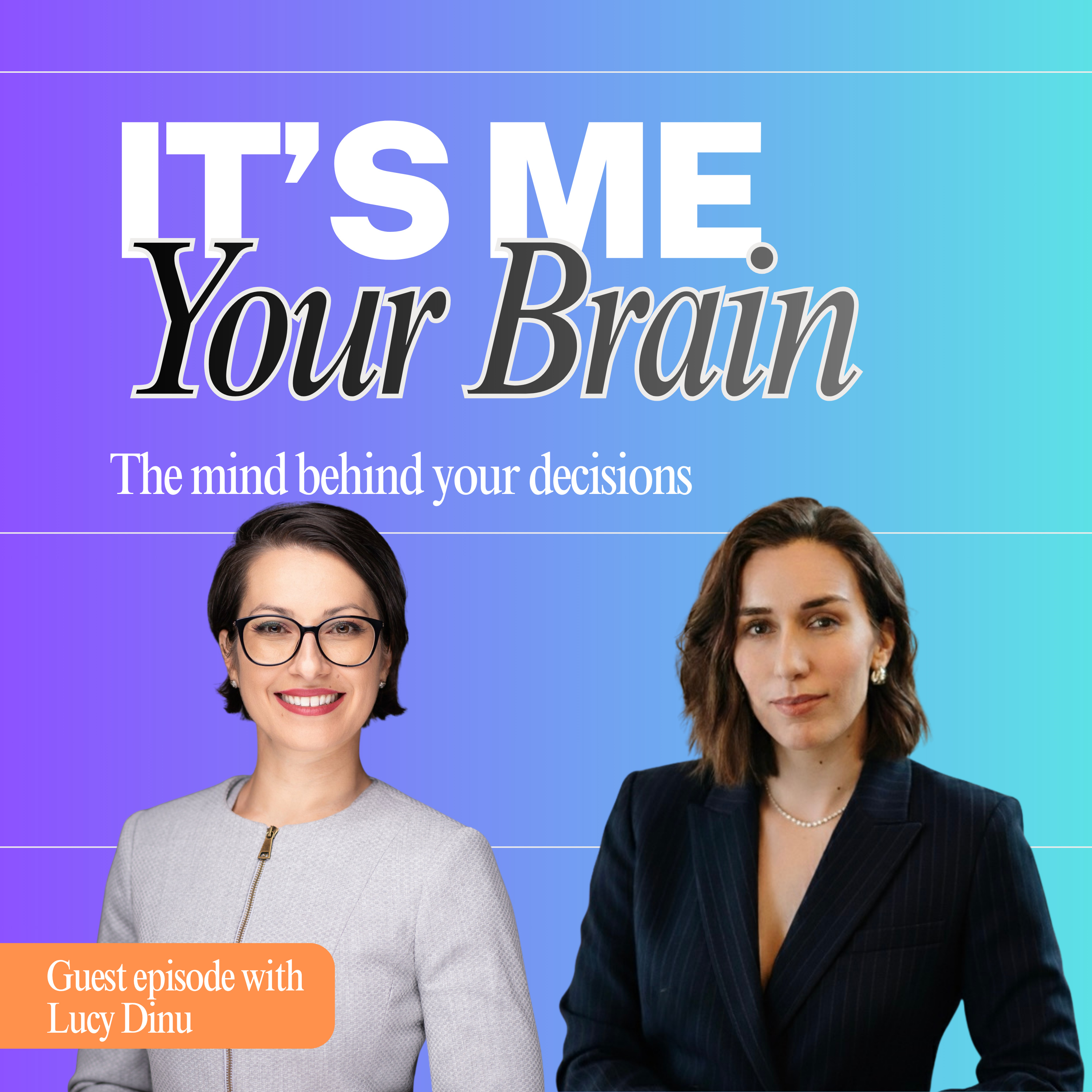 What You Lose When AI Remembers for You - Guest Episode with Lucy Dinu 14.06.2026 33minThe strategy built in minutes. The brief drafted before the meeting ended. The answer retrieved before the question was fully formed.Everything faster. Everything smoother. And somewhere in that efficiency, something quietly shifting.This episode is about what happens to the brain when AI takes the cognitive load, what gets offloaded, what stops being encoded, and what leaders need to deliberately protect before they notice it's gone.In this episode:What cognitive offloading actually is, and why the brain does it automaticallyWhy integrating AI changes not just how you work, but how you thinkWhat most executives aren't asking when they bring AI in, and what that's costing themThe difference between retrieving intelligence and building itWhat human judgement actually means when the tools get this goodVirginia Palm's guest is Lucy Dinu, founder and managing director of KHAIO, an AI architecture firm that helps executives architect AI integration, building both the technical structure and the human judgement that decides whether the rest of it holds. Her path runs from opening her own restaurant at 20 to over a decade leading global teams across 50 markets in pharma, finance, automotive, hospitality, and the public sector.Originally from Romania, she has lived in the Netherlands, dreams of living in Japan, but currently calls Stuttgart, Germany home.It's Me. Your Brain. | The mind behind your decisions.
 -
 Brain Capital - The Asset Nobody's Managing 07.06.2026 23minBrain Capital - The Asset Nobody's Managing. Why the Most Important Asset in Your Organisation Is the One Nobody Is MeasuringMost organisations manage their buildings, their technology, their financial capital with rigour and intention. The cognitive capacity of the people doing the thinking, the brains running every meeting, every decision, every strategy, is largely unmanaged, often actively depleted, and almost never measured.In January 2026, brain capital arrived at the main stage of the World Economic Forum in Davos. Not in the wellness tent. In the core economic agenda. The McKinsey Health Institute and the World Economic Forum published a landmark report arguing that in the AI era, investment in brain capital - brain health and brain skills, is not an optional wellbeing initiative. It is the most important infrastructure decision most organisations aren't making.In this episode, Virginia Palm, breaks down what brain capital actually is, why the numbers demand a boardroom conversation, what is depleting it in most high-performance environments - including an AI paradox most leaders haven't seen coming - and what building it looks like at the level of strategy, team design, and individual leadership.You'll learn:Why brain capital is defined as two interdependent components, brain health and brain skills, and why you cannot optimise one while neglecting the otherWhat $3.5 trillion, 12 billion working days, and 1 in 5 professionals actually tell us, and why these are economic figures, not health statisticsWhy the AI era creates a paradox: human cognitive skills become most valuable exactly when the conditions of work are most reliably depleting themWhat the five levers of brain capital investment look like at the level of a leadership team, and what most organisations are still missingWhy this is not a wellness conversation, and what it means to treat cognitive capacity as the strategic asset it isIf you manage anything - a team, a function, an organisation - this is the conversation your strategy is missing.🌐 www.augment-mind.com
 -
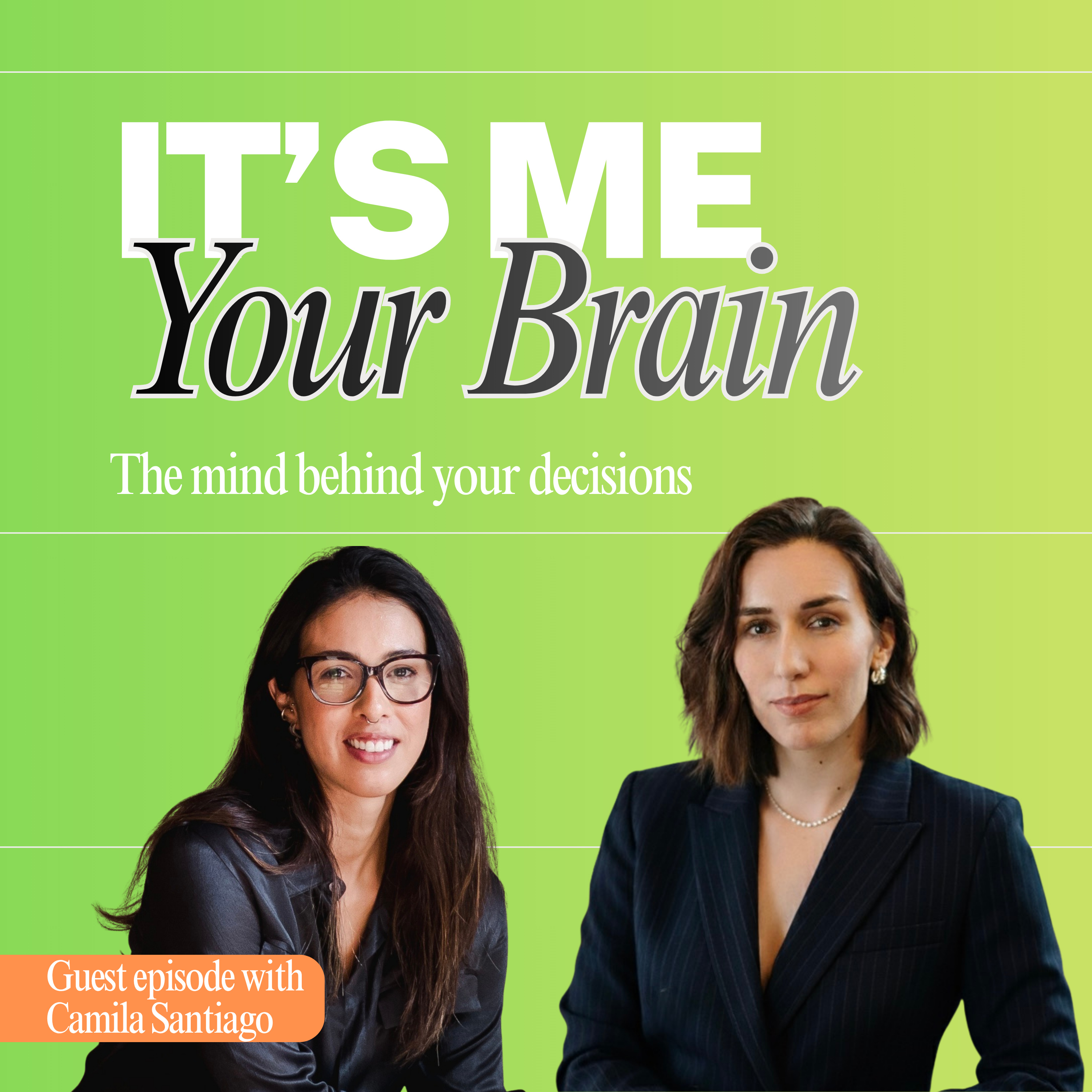 From the Outside: Successful. From the Inside: Dysregulated. - Guest Episode with Camila Santiago 24.05.2026 30minThe apartment in front of the ocean. The titles. The recognition. Everything on paper looking exactly right.And underneath it, something slowly, quietly, falling apart.This episode is about high-functioning burnout: what it looks like from the inside before it breaks, why the people closest to you don't see it, and why the system you need to read the warning signs is the same system being quietly degraded by them.In this episode:What it actually feels like to be performing well and dysregulated at the same timeWhy the signals were there, and why the brain couldn't receive themWhat happens when you do everything right and it still isn't enoughThe second collapse, and what it taught that the first one couldn'tWhat came back first when the body finally stoppedVirginia Palm's guest is Camila Santiago, a therapeutic mindfulness mentor and founder of The Grounded Way, where she works with companies, founders, and individuals, both remotely and in person, to navigate mental overload, decision fatigue, and high-performance pressure.Recognised as a Top 100 Women Voices on LinkedIn and ranked #2 in Workplace Wellbeing, she brings over a decade of mindfulness practice and firsthand experience of burnout in corporate environments to deliver practical, real-world tools for clearer thinking and more sustainable leadership. Originally from Brazil, she now lives in Bali, where her work is shaped by both structured practice and lived experience.Linkedin: https://www.linkedin.com/in/camilapsantiago/Website: www.thegroundedway.lifeEmail: [email protected]'s Me. Your Brain. | The mind behind your decisions.
 -
 You Know the Science. So Why Hasn't Anything Changed? 17.05.2026 16minYou Know the Science. So Why Hasn't Anything Changed? Why insight and behaviour change are two different neurological events, and what to do about itYou've read the books. You've been in the workshops. Something clicked. And then Monday arrived, and you were exactly the same person you were before.This isn't a motivation problem. It isn't a discipline problem. It's a neuroscience problem. And once you understand what's actually happening in the brain, the gap between knowing and changing stops feeling like a personal failing, and starts looking like a design problem. Design problems have solutions.In this Season 2 opener, Virginia explores why understanding something and changing something happen in completely different parts of the brain, and what the brain actually requires to build something genuinely new.In this episode: Why insight lands in the prefrontal cortex but automatic behaviour lives in the basal ganglia, and why those two don't automatically communicateHow the amygdala keeps old patterns running, even in people who are highly self-aware and genuinely motivated to changeWhat deliberate practice actually means neurologically, and why most leadership development misses it entirely The four conditions the brain needs to change: repetition, specificity, emotional salience, and safety Why high performers are often the most stuck, and what that says about the conditions they're operating inResearch referenced: Anders Ericsson; Deliberate Practice and Acquisition of Expert Performance (Academic Emergency Medicine, 2008) McKinsey & Company; What's missing in leadership development? Global executive surveyThe brain is not failing you. The conditions are failing your brain. Season 2 starts here.
 -
 Your Brain Was Never the Problem 10.05.2026 13minSixteen episodes. One argument underneath all of them.In this Season 1 finale, Virginia Palm names what the show has been building toward, and what it means for Season 2.In this episode: Why your brain was never the problem, and what actually wasThe thread that ran through every solo episode without being namedWhat Yasmina and Monika showed about what happens when you stop fighting your brain and start designing around itThe pattern Virginia didn't plan but kept finding across the seasonWhat's coming in Season 2, and why it's different from everything so farPlus: an honest note on why the show is moving to a fortnightly schedule.If you're new here, welcome. The episodes don't build on each other, so start wherever something catches your attention.It's Me. Your Brain. - The Mind Behind Your Decisions.
 -
 Your Nervous System Is the Room 03.05.2026 9minYour Nervous System Is the Room Why the state of your nervous system is the most powerful - and least measured - variable in your organisationThere's a kind of meeting everyone has sat in. The tension nobody names. The flatness where there should be energy. Everyone feels it and nobody says a word. Most leaders assume that's a communication problem, or a culture problem. The neuroscience says something different.In this episode, Virginia Palm explores co-regulation - the measurable biological phenomenon through which human nervous systems sync with each other - and what it means for anyone who leads people. When your nervous system is dysregulated, the people around you don't consciously notice. They simply become more vigilant, less willing to take risks, less able to access the kind of thinking that high performance requires. Not because of what you said. Because of what your biology broadcast.Grounded in research from interpersonal neurobiology, organisational neuroscience, and Amy Edmondson's work on psychological safety, this episode reframes brain health not as a wellness conversation but as a strategic one, and offers three questions every leader can use privately to start working with their nervous system rather than against it.You'll learn:What co-regulation is, and why your nervous system is never just your private experienceWhy psychological safety is a neurological state, not a policy or a value statementWhat the WHO and Gallup data actually show about dysregulated leadership and organisational outputWhy the brain reads biology before it reads languageThree questions to assess your own nervous system's impact on the rooms you runBrain health as strategic advantage isn't a metaphor. It's biology. And it starts with whoever is running the room.
 -
Brain Fog Isn't Laziness. It's Biology. 26.04.2026 15minBrain Fog Isn't Laziness. It's Biology.What's actually happening when your thinking goes offline - and how to work with itYou sit down to work. The task is in front of you. The time is there. And then... nothing. Not tiredness exactly. Something denser. You re-read the same sentence three times and it doesn't land. You're present, technically, but your thinking feels like it's happening behind glass. And the next voice in your head isn't curiosity. It's judgment: what is wrong with me today?That's not a discipline problem. It's a biology one.In this episode, Virginia Palm unpacks the four neurological mechanisms that actually produce brain fog, sleep debt and the glymphatic system that clears metabolic waste from your brain overnight; glucose regulation and why the prefrontal cortex is disproportionately fuel-hungry; chronic cortisol and its measurable effect on hippocampal function and working memory; and interoceptive load, the bandwidth tax of unprocessed body signals that almost no one talks about. Drawing on a 2024 study from Frontiers in Human Neuroscience that found more than one in four adults (28% of nearly 26,000 participants) experience brain fog as a regular feature of their cognitive life, this episode reframes the experience entirely: not as personal failure, but as a feature of how brains operate under modern conditions.You'll learn:Why the prefrontal cortex is the first system to go offline when sleep debt accumulates, and why losing 45 minutes a night across a working week is enough to do itWhat chronic cortisol actually does to working memory, and why "pushing through" makes the fog worse, not betterWhy self-criticism activates the brain's threat response, narrows prefrontal access, and biologically guarantees that judging yourself for being foggy will deepen the fogThe interoceptive load nobody names, how unprocessed body signals draw down the cognitive bandwidth you're trying to use for thinkingA three-question fog audit you can run in any moment to identify which mechanism is actually in play, and what to do instead of forcing the original taskThis isn't an episode about productivity hacks or optimisation. It's about understanding what your brain is actually asking for when the fog rolls in, and learning to respond to it correctly rather than against it.If you've ever sat at your desk, known what needed doing, and felt nothing, this episode explains exactly what was happening.
-
 The Execution Gap: Why Knowing Isn't Enough 20.04.2026 16minThe Execution Gap: Why Knowing Isn't Enough What's actually happening in the gap between what you know and what you doYou know what you're supposed to do. You've read the book, listened to the podcast, had the conversation with yourself on a Sunday night. And then Monday happens. By Wednesday evening you notice the gap - the quiet sigh, the small of course, the familiar note that something is off between what you meant and what you did. Most of us have been telling ourselves that gap is a character problem. It isn't.That's not a willpower failure. It's a translation problem between two parts of your brain that don't speak the same language.In this episode, Virginia Palm looks at what the execution gap actually is at the neurological level, tracing the handover between the prefrontal cortex (which holds the intention) and the basal ganglia (which runs the behaviour), and explaining why the quiet self-criticism that typically follows a missed intention is, biologically, the move that widens the gap rather than closing it. Grounded in a 2023 meta-analysis of nearly thirty thousand people showing that 47% of sincere intentions don't translate into action, this episode reframes a private, recurring frustration as a predictable feature of how the human brain changes, and points toward what actually closes the gap.You'll learn:What the execution gap actually is, and why it isn't a discipline problemWhy your knowing brain and your doing brain are not the same brainWhat 47% means, and why it reframes the gap as the norm, not the exceptionWhy self-criticism narrows the exact cognitive capacity you need to cross the gapWhy the people who seem to close the gap haven't out-willed you, they've out-designed youThis isn't about trying harder. It's about understanding your own biology well enough to stop working against it.If you've ever caught yourself on the other side of an intention you meant, this episode explains what's actually happening, and why it's much more ordinary than you think.Reference:Reference: Feil, Fritsch & Rhodes (2023), British Journal of Sports Medicine. Meta-analysis of 25 studies, ~29,600 participants.
 -
 The Leader Who Runs on KPIs and Finally Built One for Her Brain - Guest Episode with Monika Redzko-Otto 14.04.2026 39minThe Leader Who Runs on KPIs - and Finally Built One for Her BrainMonika Redzko-Otto is a CFO and COO working across Poland, Germany and Portugal. She runs finance and operations inside an automated industrial environment - machines moving at six metres per second, AI being introduced to teams that never had to think about cognitive load before. She tracks margins, KPIs, and operational metrics. She knows what good looks like in every system she manages.Except, until recently, one - her own brain.In this episode, Monika describes the moment brain fog started showing up mid-meeting. The freezing. The shame. The journey through doctors and scans that found nothing. And how she eventually did what she does with every system she manages - broke the problem into measurable parts and built a dashboard for her own cognitive performance.We talk about: Why high-complexity roles with constant context switching are among the heaviest loads a brain can carryWhat the glymphatic system has to do with that 3pm coffee cutoffWhy labelling everything "stress" is the cognitive equivalent of stamping a P&L line item "other"The three KPIs Monica now tracks for her own brain - and why they workThis is a conversation about precision. About what happens when a performance-driven leader turns the same rigour she applies to everything else onto herself.Take care of your cockpit.
 -
 Why Your Brain Resists Change - Even When You Want It 05.04.2026 18minWhy Your Brain Resists Change - Even When You Want ItThe neuroscience of why good intentions aren’t enough - and what actually isYou’ve made the decision. A real one. And then, almost without noticing, you don’t follow through. Not because you forgot. Because something in you quietly steered around it. And then comes the story: I don’t have enough willpower. I know what I should do and I just don’t do it.That story is not only inaccurate. It’s making the change harder.In this episode, Virginia Palm explores the neuroscience of why the brain resists change, even when we genuinely want it. Drawing on Peter Gollwitzer’s research at NYU (specific if-then plans make follow-through two to three times more likely) and Phillippa Lally’s habit formation research at University College London (66 days, not 21 - and one missed day doesn’t count against you), this episode explains three mechanisms that drive resistance: the brain’s prediction system, the dominance of automatic behaviour over conscious choice, and the underestimated role of identity in making change stick or fail.You’ll learn:Why the gap between deciding and doing is a design problem, not a willpower problemWhat the research actually says about how long habit formation takes, and why the popular myth is making your attempts harderThree neurological mechanisms that drive resistance, and how to recognise which one is most activeWhy identity is the lever most change attempts never touchA different way of relating to resistance, one that replaces self-criticism with something the brain can actually work withThis isn’t about trying harder. It’s about understanding what your brain is actually doing -and working with it instead of against it.If you’ve ever made a decision you genuinely meant and then not followed through - this episode explains exactly why. And what that means.
 -
 Smarter Together: The Neuroscience of Teams That Actually Think 29.03.2026 20minWhy collective intelligence isn't about who's in the room, it's about what the room makes possibleYou've been in that meeting. The one where something clicked - where the thinking built on itself and the group arrived somewhere none of them could have reached alone. You've also been in the other kind. Same people, same agenda, completely flat. The difference wasn't talent. It was conditions.That's not a leadership style problem. It's a neuroscience problem.In this episode, Virginia Palm explores the science of collective intelligence, what it actually is, what creates it, and what quietly destroys it. Drawing on Anita Woolley's landmark 2010 study published in Science (699 people across teams, finding that collective performance was predicted not by IQ but by equal participation and social sensitivity) and on hyperscanning neuroscience research showing that genuine cooperation produces measurable synchronisation of prefrontal brain activity across team members, this episode explains why some teams become more than the sum of their parts, and why most don't.You'll learn:What collective intelligence actually is, and why it can't be hired forThe three conditions that predict whether a team will think well togetherWhat happens in the brain during genuine collaboration - and why it's different from performing engagementWhy psychological safety is a neurological precondition, not a culture conceptThree practical conditions a leader can build to activate a team's collective intelligence before the thinking startsThis isn't about running better meetings. It's about understanding what a team actually is - and what it takes to make one think.If you've ever left a meeting wondering why a room full of smart people produced something so ordinary, this episode is for you.
Podcasturi similare


Popular în
Acest podcast apare și în topurile de podcasturi din aceste țări.
