
Sadler's Lectures
Lectures on classic and contemporary philosophical texts and thinkers by Gregory B. Sadler
0
This podcast features lectures by Gregory B. Sadler on classic and contemporary philosophical texts and thinkers. Sadler, known as the YouTube Philosophy Guy, has converted a selection of his extensive video lectures into audio format for portable listening. The episodes cover a wide range of philosophical topics and figures, drawing on his online teaching archive. The work is supported through Patreon and includes updates via his newsletter.
Episoade
-
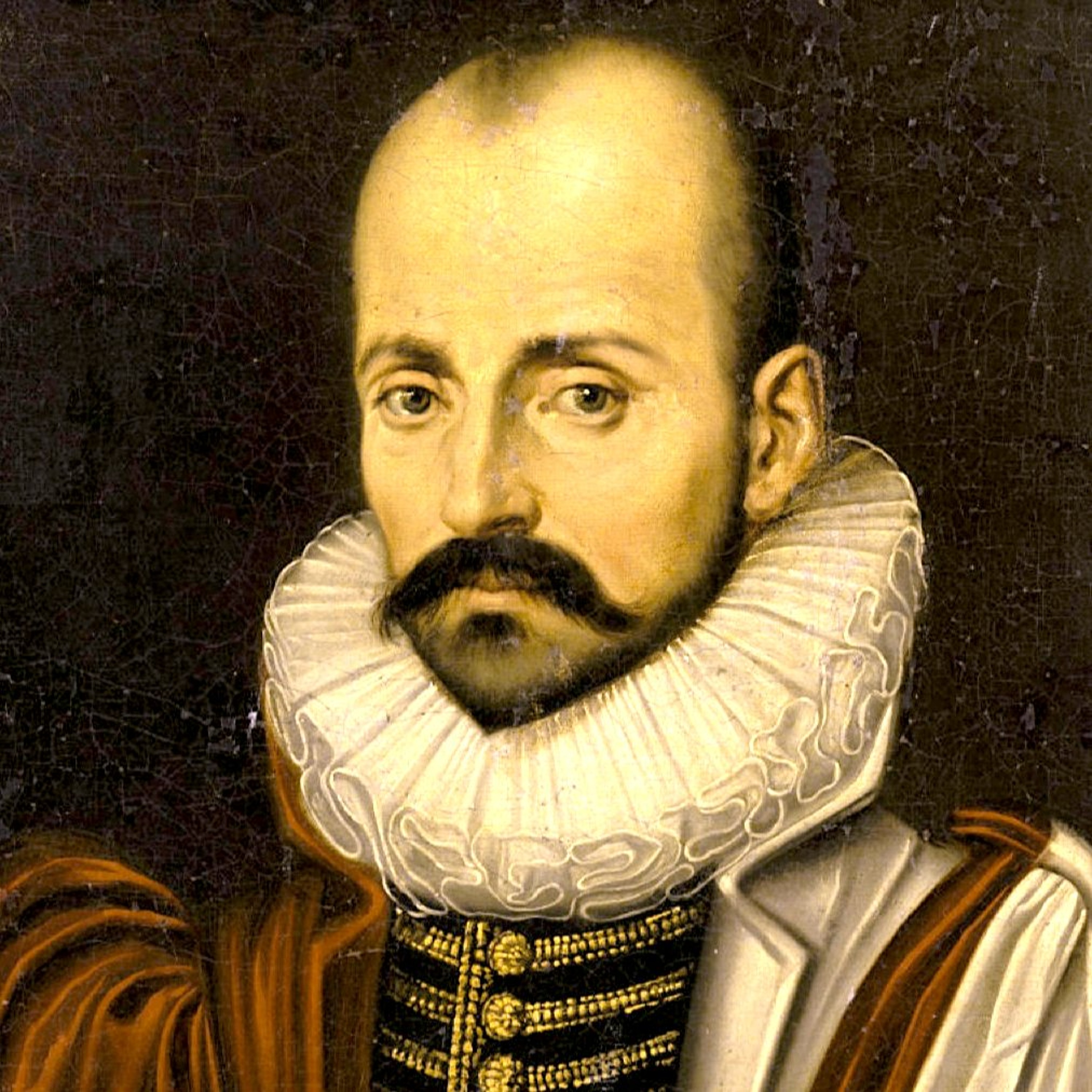 Michel de Montaigne, Essays - On Repenting - Why He Rarely Repents - Sadler's Lectures 16.09.2026 19minThis lecture discusses key ideas from the Renaissance-era philosopher, critic, and essayist Michel De Montaigne's work Essays, specifically his essay On Repentance (Du Repentir). This one focuses on Montaigne's own explanations about why he tends not to feel repentance, and has only a few regrets. A significant part of this stems from several somewhat unusual aspects of his own mindset. He acknowledges that he can desire to be completely different, even condemn himself objectively, but this shouldn't be called "repentance" any more than grieving that he isn't an ideal person (or someone close). To support my ongoing work, go to my Patreon site - www.patreon.com/sadler If you'd like to make a direct contribution, you can do so here - www.paypal.me/ReasonIO - or at BuyMeACoffee - www.buymeacoffee.com/A4quYdWoM You can find over 4,000 philosophy videos in my main YouTube channel - www.youtube.com/user/gbisadler You can find Montaigne's Essays here - amzn.to/4l3iKfH
 -
Michel de Montaigne, Essays - On Repenting - Vices, Sins, and Repentance - Sadler's Lectures 15.09.2026 22minThis lecture discusses key ideas from the Renaissance-era philosopher, critic, and essayist Michel De Montaigne's work Essays, specifically his essay On Repentance (Du Repentir). This one focuses on his discussions, running through much of the essay of the repentance that other people, from his observation of them, exhibit genuinely, exhibit in stereotyped or false ways, or don't exhibit at all. He also discusses the relationship between vices and sins or wrong actions, people's habits, judgements, and reason, and whether or not they feel repentance. To support my ongoing work, go to my Patreon site - www.patreon.com/sadler If you'd like to make a direct contribution, you can do so here - www.paypal.me/ReasonIO - or at BuyMeACoffee - www.buymeacoffee.com/A4quYdWoM You can find over 4,000 philosophy videos in my main YouTube channel - www.youtube.com/user/gbisadler You can find Montaigne's Essays here - amzn.to/4l3iKfH
-
Michel de Montaigne, Essays - On Repenting - Montaigne's Project - Sadler's Lectures 13.09.2026 12minThis lecture discusses key ideas from the Renaissance-era philosopher, critic, and essayist Michel De Montaigne's work Essays, specifically his essay On Repentance (Du Repentir). This one focuses on the remarks and reflections he provides about his more general project in writing and publishing his Essays. He tells us that he provides an account of the human being and the human condition, primarily by drawing upon his knowledge of his own self and his observations of other people and the world. In fact, any sufficiently reflective person can provide a locus for thinking through moral philosophy. At the same time, he affirms, we are all subject to variability and change, and his own soul is not entirely tested and established, but still in apprenticeship. To support my ongoing work, go to my Patreon site - www.patreon.com/sadler If you'd like to make a direct contribution, you can do so here - www.paypal.me/ReasonIO - or at BuyMeACoffee - www.buymeacoffee.com/A4quYdWoM You can find over 4,000 philosophy videos in my main YouTube channel - www.youtube.com/user/gbisadler You can find Montaigne's Essays here - amzn.to/4l3iKfH
-
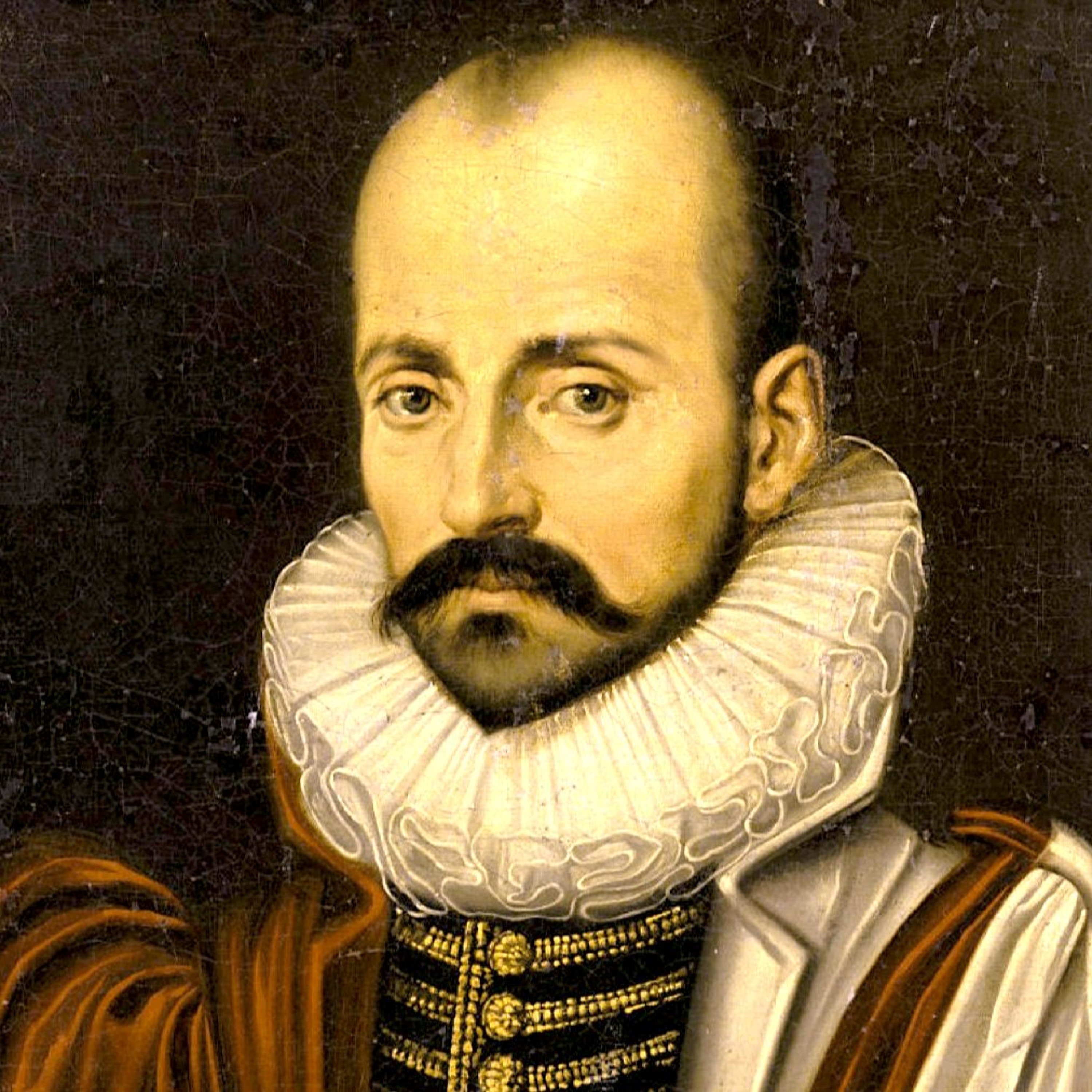 Michel de Montaigne, Essays - On Solitude - Motives For Solitude - Sadler's Lectures 11.09.2026 15minThis lecture discusses key ideas from the Renaissance-era philosopher, critic, and essayist Michel De Montaigne's work Essays, specifically his essay "On Solitude" (De la Solitude). It discusses the last portion of that essay, where he examines three main sets of motivations for retiring into solitude: religion, pleasure, and ambition. The first of these he acknowledges to be something great, but admits that it isn't something he can relate to. Pleasure is a legitimate reason for going into retirement, and Montaigne provides a number of principles and considerations for making one's solitude as pleasant as it can be. Ambition in his view is rather counter-productive, since you effectively bring the world and the esteem of others into your very retirement. To support my ongoing work, go to my Patreon site - www.patreon.com/sadler If you'd like to make a direct contribution, you can do so here - www.paypal.me/ReasonIO - or at BuyMeACoffee - www.buymeacoffee.com/A4quYdWoM You can find over 4,000 philosophy videos in my main YouTube channel - www.youtube.com/user/gbisadler You can find Montaigne's Essays here - amzn.to/4l3iKfH
 -
Michel de Montaigne, Essays - On Solitude - Solitude In Retirement - Sadler's Lectures 09.09.2026 17minThis lecture discusses key ideas from the Renaissance-era philosopher, critic, and essayist Michel De Montaigne's work Essays, specifically his essay "On Solitude" (De la Solitude). It discusses how people might best cultivate solitude in the later portions of their life, when they withdraw from many of their active involvements, duties, and relationships, and learn to be on their own. One needs to determine what occupations will be enjoyable for oneself and avoid those that will just bring troubles and cares. To support my ongoing work, go to my Patreon site - www.patreon.com/sadler If you'd like to make a direct contribution, you can do so here - www.paypal.me/ReasonIO - or at BuyMeACoffee - www.buymeacoffee.com/A4quYdWoM You can find over 4,000 philosophy videos in my main YouTube channel - www.youtube.com/user/gbisadler You can find Montaigne's Essays here - amzn.to/4l3iKfH
-
Michel de Montaigne, Essays - On Solitude - Solitude And Human Society - Sadler's Lectures 07.09.2026 15minThis lecture discusses key ideas from the Renaissance-era philosopher, critic, and essayist Michel De Montaigne's work Essays, specifically his essay "On Solitude" (De la Solitude). It discusses the first portion of the essay, where he tells us that nothing is more insociable and sociable as a human being, the one by our vice, and the other by our nature. Our vices prevent us from actually enjoying solitude from other human beings, since we are unable to be a good friend or companion to ourselves. Montaigne advocates learning how to be on our own by improving our own character. To support my ongoing work, go to my Patreon site - www.patreon.com/sadler If you'd like to make a direct contribution, you can do so here - www.paypal.me/ReasonIO - or at BuyMeACoffee - www.buymeacoffee.com/A4quYdWoM You can find over 4,000 philosophy videos in my main YouTube channel - www.youtube.com/user/gbisadler You can find Montaigne's Essays here - amzn.to/4l3iKfH
-
Michel de Montaigne, Essays - On Fear - Sadler's Lectures 05.09.2026 12minThis lecture discusses key ideas from the Renaissance-era philosopher, critic, and essayist Michel De Montaigne's work Essays, specifically his essay On Fear (De la Peur), in which he discusses that emotion, noting that he isn't a natural scientist, so that he won't be investigating the causes of fear, but taking a more phenomenological attitude towards the emotion. He notes that fear can take our judgement away or astray, and admits that what he fears the most is fear itself. He also discusses a number of characteristic effects of fear, which include flight, fight, and freezing, or even dying. To support my ongoing work, go to my Patreon site - www.patreon.com/sadler If you'd like to make a direct contribution, you can do so here - www.paypal.me/ReasonIO - or at BuyMeACoffee - www.buymeacoffee.com/A4quYdWoM You can find over 4,000 philosophy videos in my main YouTube channel - www.youtube.com/user/gbisadler You can find Montaigne's Essays here - https://amzn.to/4l3iKfH
-
Michel de Montaigne, Essays - On Sadness - Sadler's Lectures 01.09.2026 15minThis lecture discusses key ideas from the Renaissance-era philosopher, critic, and essayist Michel De Montaigne's work Essays, specifically his essay "On Sadness" (De la Tristesse), where Montaigne begins by noting that he does not like or value this emotion, but is also not often subject to it either. By contrast, it seems that many people in the world do value it and even associate it with wisdom, virtue, and conscience. Montaigne discusses several stories about people who at first do not express their sadness at a great loss befalling their family, but then do so with people they presumedly are less close to, and examines two explanations given for this. One is that the person hits a sort of saturation point with their capacity to deal with the emotion, and then they give way to tears and sadness. The other is that some losses are too great to even be expressed at the time. He also discusses several other emotions that can strongly affect us, in particular erotic love, joy, and shame. To support my ongoing work, go to my Patreon site - www.patreon.com/sadler If you'd like to make a direct contribution, you can do so here - www.paypal.me/ReasonIO - or at BuyMeACoffee - www.buymeacoffee.com/A4quYdWoM You can find over 4,000 philosophy videos in my main YouTube channel - www.youtube.com/user/gbisadler You can find Montaigne's Essays here - https://amzn.to/4l3iKfH
-
Michel de Montaigne, Essays - That Difficulty Increases Desire - Sadler's Lectures 31.08.2026 14minThis lecture discusses key ideas from the Renaissance-era philosopher, critic, and essayist Michel De Montaigne's work Essays, specifically his essay "That Difficulty Increases Desire" (Que Nostre Desir S'accroit par la Malaisance), which begins by invoking a principle and practice from the Skeptic school, that every argument, position, or "reason" has its contrary. Montaigne considers one position briefly, that our pleasure or joy in a good depends on our feeling of security in its possession, and then examines a number of reasons and examples for the opposed position, that our desire and appreciation of a good we are attracted to is enhanced by the difficulty in attaining it and our lack of security of its possession. This principle applies to warfare and crime, to sexuality and marriage, to religious institutions and movements, among other examples. To support my ongoing work, go to my Patreon site - www.patreon.com/sadler If you'd like to make a direct contribution, you can do so here - www.paypal.me/ReasonIO - or at BuyMeACoffee - www.buymeacoffee.com/A4quYdWoM You can find over 4,000 philosophy videos in my main YouTube channel - www.youtube.com/user/gbisadler You can find Montaigne's Essays here - https://amzn.to/4l3iKfH
-
Michel de Montaigne, Essays - On Democritus and Heraclitus - Sadler's Lectures 29.08.2026 15minThis lecture discusses key ideas from the Renaissance-era philosopher, critic, and essayist Michel De Montaigne's work Essays, specifically his essay "On Democritus and Heraclitus" It focuses upon his critical contrast of these two thinkers and the temperaments or attitudes towards life they represent, one of laughter and disdain, the other of sadness, compassion, and taking human affairs seriously. It ends with the claim that what is the specific property of human beings is being laughable and able to laugh. He also discusses several other matters, including his general approach in his Essays, and how we can look at the relations between our souls, external goods, and fortune To support my ongoing work, go to my Patreon site - www.patreon.com/sadler If you'd like to make a direct contribution, you can do so here - www.paypal.me/ReasonIO - or at BuyMeACoffee - www.buymeacoffee.com/A4quYdWoM You can find over 4,000 philosophy videos in my main YouTube channel - www.youtube.com/user/gbisadler You can find Montaigne's Essays here - https://amzn.to/4l3iKfH
-
Michel de Montaigne, Essays - Not Judging Us Happy Until After Death - Sadler's Lectures 28.08.2026 12minThis lecture discusses key ideas from the Renaissance-era philosopher, critic, and essayist Michel De Montaigne's work Essays, specifically his essay On Not Judging Us Happy Until After Death (Qu'Il ne Faut Juger de Nostre Heur, Qu'apres la Mort), in which he begins by considering the famous advice given by the Athenian wise man Solon to Croesus, king of Lydia until he was deposed by Cyrus of Persia, namely not to judge any person happy until after their death. Montaigne notes that many people do experience shifts in their condition due to fortune, and provides examples from history and his own era. Then he notes that because Solon was a philosopher, he likely did not mean the advice to focus solely on external goods that are really indifferents, and in the control of Fortune, since the happiness of a person really has to do with the condition of their soul. We can determine whether someone really is committed to their philosophy or not by what is revealed in their last day as they die. Some people redeem themselves by their way of dying, while others betray themselves. To support my ongoing work, go to my Patreon site - www.patreon.com/sadler If you'd like to make a direct contribution, you can do so here - www.paypal.me/ReasonIO - or at BuyMeACoffee - www.buymeacoffee.com/A4quYdWoM You can find over 3,000 philosophy videos in my main YouTube channel - www.youtube.com/user/gbisadler You can find Montaigne's Essays here - https://amzn.to/4l3iKfH
-
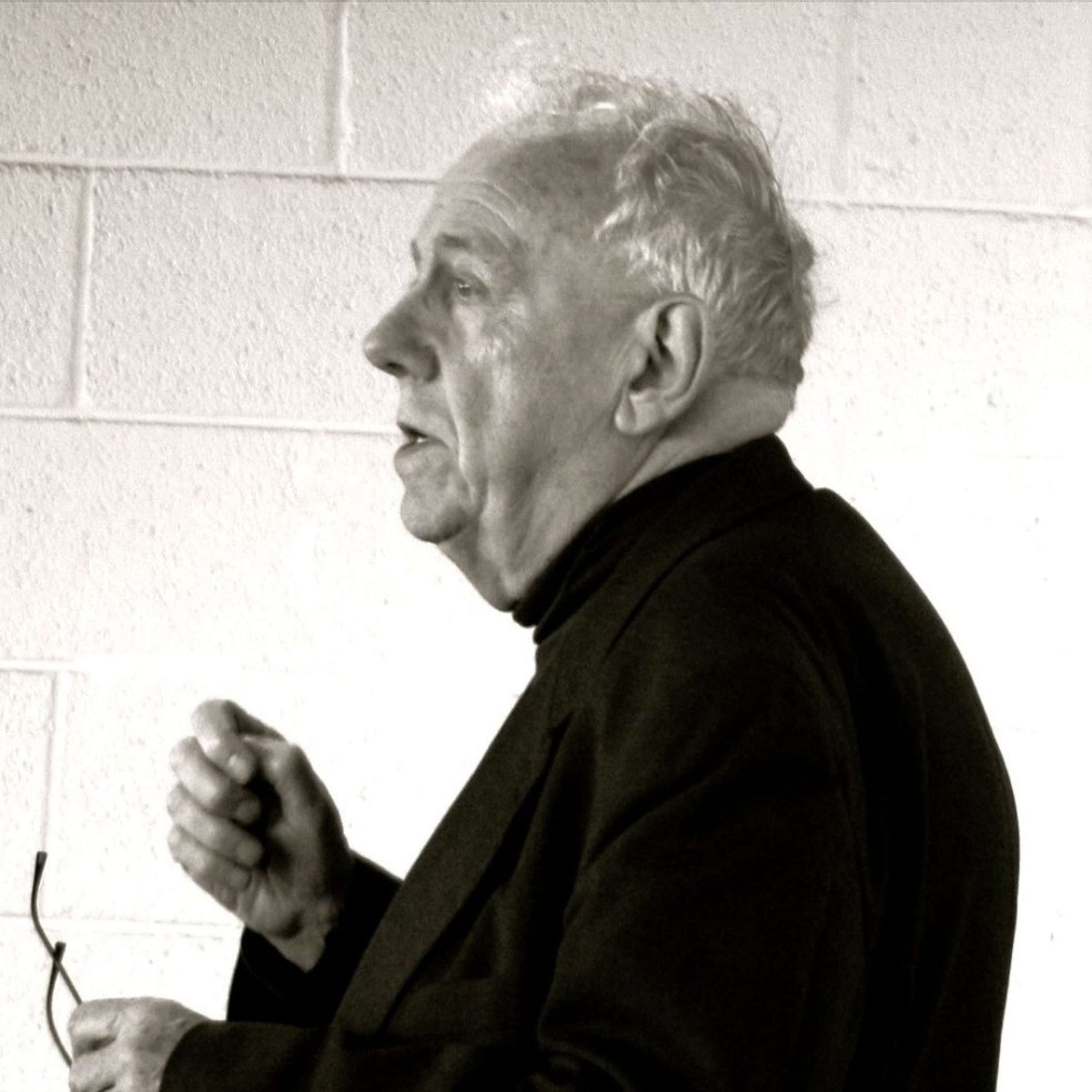 Alasdair MacIntyre, Is Patriotism A Virtue? - Implications Of Incompatibility 25.08.2026 16minThis lecture discusses key ideas from the 20th and 21st century philosopher and moral theorist, Alasdair MacIntyre's essay "Is Patriotism A Virtue?" It focuses upon the fifth and final part of the article, where MacIntyre discusses the implications of both liberal universal morality and the morality of patriotism being morally dangerous, having valid criticisms of each other, and being both in part wrong. To support my ongoing work, go to my Patreon site - www.patreon.com/sadler If you'd like to make a direct contribution, you can do so here - www.paypal.me/ReasonIO - or at BuyMeACoffee - www.buymeacoffee.com/A4quYdWoM You can find over 4,000 philosophy videos in my main YouTube channel - www.youtube.com/user/gbisadler
 -
Alasdair MacIntyre, Is Patriotism A Virtue? - Two Morally Dangerous Phenomena 24.08.2026 13minThis lecture discusses key ideas from the 20th and 21st century philosopher and moral theorist, Alasdair MacIntyre's essay "Is Patriotism A Virtue?" It focuses upon the fourth part of the work where he brings a morality of patriotism and a liberal universalist morality into dialectical engagement with each other. Looking earlier at criticisms liberal morality had levied against patriotism, he had called patriotism a "source of moral danger". Continuing on, it becomes clear that a liberal, universalizing morality is also such, so that both of them turn out to be "morally dangerous phenomena". To support my ongoing work, go to my Patreon site - www.patreon.com/sadler If you'd like to make a direct contribution, you can do so here - www.paypal.me/ReasonIO - or at BuyMeACoffee - www.buymeacoffee.com/A4quYdWoM You can find over 4,000 philosophy videos in my main YouTube channel - www.youtube.com/user/gbisadler
-
Alasdair MacIntyre, Is Patriotism A Virtue? - Morality, Criticism, and Patriotism 22.08.2026 18minThis lecture discusses key ideas from the 20th and 21st century philosopher and moral theorist, Alasdair MacIntyre's essay "Is Patriotism A Virtue?" It focuses upon he fourth part of the piece, where MacIntyre suggests that the morality of patriotism and liberal morality should be brought into dialectical engagement with each other. He begins by noting some of the criticisms that can be and typically are brought against proponents of patriotism by proponents of liberal, universalizing morality, which leads to the conclusion that patriotism can be a source of moral danger. To support my ongoing work, go to my Patreon site - www.patreon.com/sadler If you'd like to make a direct contribution, you can do so here - www.paypal.me/ReasonIO - or at BuyMeACoffee - www.buymeacoffee.com/A4quYdWoM You can find over 4,000 philosophy videos in my main YouTube channel - www.youtube.com/user/gbisadler
-
Alasdair MacIntyre, Is Patriotism A Virtue? - Patriotism And Particular Communities 20.08.2026 15minThis lecture discusses key ideas from the 20th and 21st century philosopher and moral theorist, Alasdair MacIntyre's essay "Is Patriotism A Virtue?" It focuses upon the third section, in which he outlines some of the central claims of what he calls the morality of patriotism. These have to do with the importance of particular communities as places where human beings learn moral conceptions and valuations, but also develop and are sustained as moral agents in robust senses. If these claims are correct then a case can be made for patriotism being a particularly important virtue To support my ongoing work, go to my Patreon site - www.patreon.com/sadler If you'd like to make a direct contribution, you can do so here - www.paypal.me/ReasonIO - or at BuyMeACoffee - www.buymeacoffee.com/A4quYdWoM You can find over 4,000 philosophy videos in my main YouTube channel - www.youtube.com/user/gbisadler
-
Alasdair MacIntyre, Is Patriotism A Virtue? - Patriotism And Liberal Morality 18.08.2026 12minThis lecture discusses key ideas from the 20th and 21st century philosopher and moral theorist, Alasdair MacIntyre's essay "Is Patriotism A Virtue?" It focuses upon his discussion of one common approach to morality in modernity that will inevitably construe patriotism however understood as a vice, rather than as a virtue, one he labels "liberal" morality, which requires moral agents to abstract from their particular roles, backgrounds, and societies, and adopt a disinterested perspective. It also frames itself as being a neutral arbiter between conflicting interests, views on moral matters, and ways of life. To support my ongoing work, go to my Patreon site - www.patreon.com/sadler If you'd like to make a direct contribution, you can do so here - www.paypal.me/ReasonIO - or at BuyMeACoffee - www.buymeacoffee.com/A4quYdWoM You can find over 4,000 philosophy videos in my main YouTube channel - www.youtube.com/user/gbisadler
-
Alasdair MacIntyre, Is Patriotism A Virtue? - Clarifying What Patriotism Is 16.08.2026 15minThis lecture discusses key ideas from the 20th and 21st century philosopher and moral theorist, Alasdair MacIntyre's essay "Is Patriotism A Virtue?" It focuses upon the first portion of the work, where MacIntyre notes that the task for the moral philosopher is to provide clarity about the incompatible claims and convictions people make about patriotism, virtue, and morality. He distinguishes patriotism properly called from two other sets of attitudes that are often mistaken for it, and then considers implications of patriotism being classed among loyalty-exhibiting virtues. To support my ongoing work, go to my Patreon site - www.patreon.com/sadler If you'd like to make a direct contribution, you can do so here - www.paypal.me/ReasonIO - or at BuyMeACoffee - www.buymeacoffee.com/A4quYdWoM You can find over 4,000 philosophy videos in my main YouTube channel - www.youtube.com/user/gbisadler
-
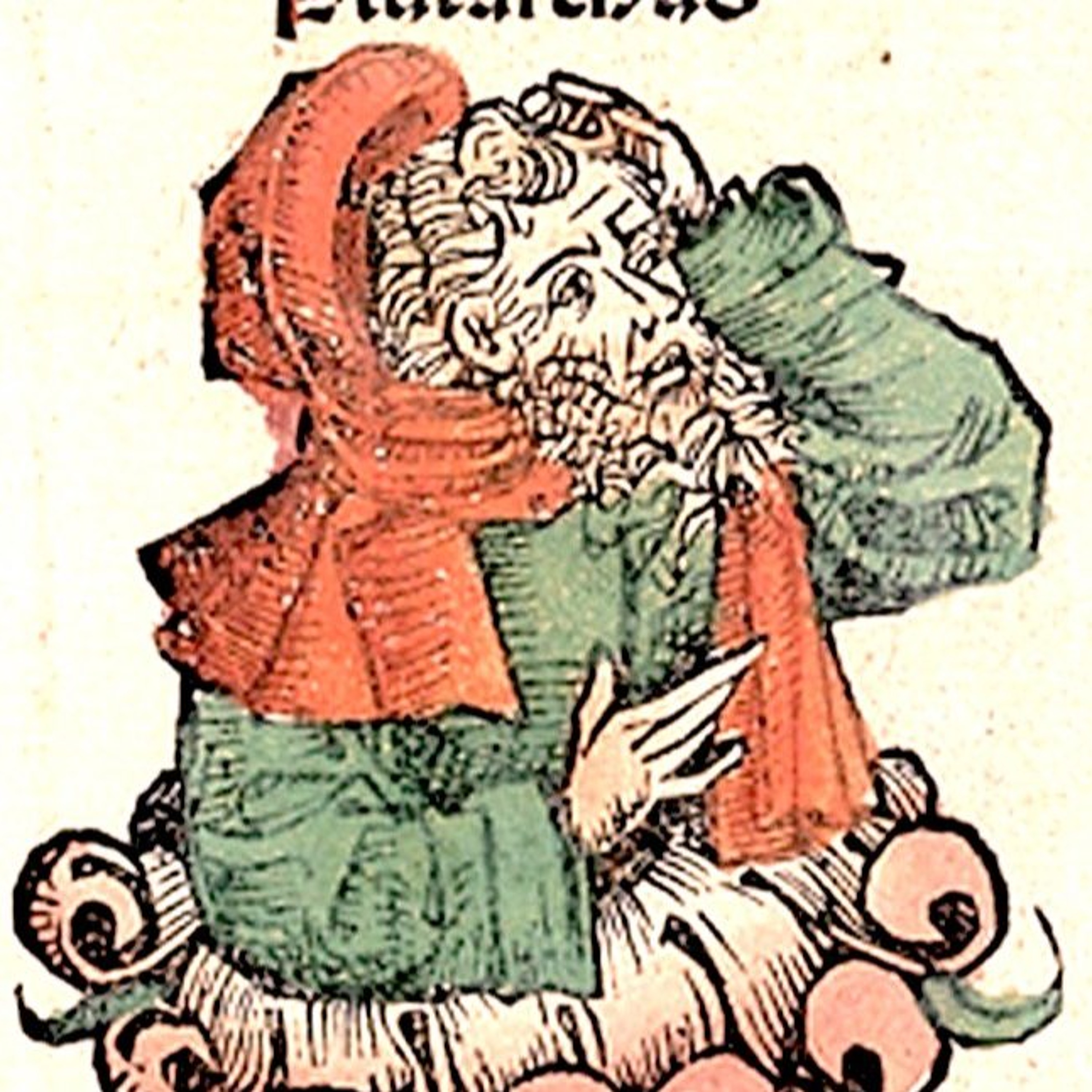 Plutarch, Can Virtue Be Taught? - Sadler's Lectures 14.08.2026 14minThis lecture discusses key ideas from the ancient philosopher and biographer Plutarch's short work Can Virtue Be Taught? In this work, Plutarch considers the arguments of those who claim that virtue, including justice and prudence, cannot be taught, and shows weaknesses to those arguments. Among the arguments that he makes in favor of virtue being able to be taught is his contention that if the other other, lesser skills should be able to be taught, the skill that rightly uses and orders all those others ought to be able to be taught You can find the copy of the text I am using for this sequence on Plutarch's Can Virtue Be Taught here - amzn.to/3gpyrS3 To support my ongoing work, go to my Patreon site - www.patreon.com/sadler If you'd like to make a direct contribution, you can do so here - www.paypal.me/ReasonIO - or at BuyMeACoffee - www.buymeacoffee.com/A4quYdWoM You can find over 4000 philosophy videos in my main YouTube channel - www.youtube.com/user/gbisadler (Amazon links are associate links. As an Amazon Associate I earn from qualifying purchases)
 -
Plutarch, On Virtue And Vice - Sadler's Lectures 13.08.2026 14minThis lecture discusses key ideas from the ancient philosopher and biographer Plutarch's short work On Virtue and Vice This episode focuses on his discussion why living pleasantly and happily requires a person to develop some level of moral virtue and to free themselves of their vices. This has to do in significant part with the fact that even the things that vicious people value and think will bring them happiness, for example wealth, property, power over other people, or positions, aren't really as pleasant as one thinks without virtue to manage them well. One reason for this is the poorly managed emotions that vice encompasses and perpetuates You can find the copy of the text I am using for this sequence on Plutarch's On Virtue and Vice here - amzn.to/3gpyrS3 To support my ongoing work, go to my Patreon site - www.patreon.com/sadler If you'd like to make a direct contribution, you can do so here - www.paypal.me/ReasonIO - or at BuyMeACoffee - www.buymeacoffee.com/A4quYdWoM You can find over 4000 philosophy videos in my main YouTube channel - www.youtube.com/user/gbisadler (Amazon links are associate links. As an Amazon Associate I earn from qualifying purchases)
-
Plutarch, On Moral Virtue - Right Amount And Use Of Emotions - Sadler's Lectures 10.08.2026 11minThis lecture discusses key ideas from the ancient philosopher and biographer Plutarch's short work On Moral Virtue This episode focuses specifically on his discussion at the end of the work that sets out how the rational part of the soul ought to use the emotions from the irrational part of the soul, rather than simply suppress or eliminate them. Plutarch names a number of specific emotions that can serve various virtues. What the reasonable part should do is to introduce order and proportion to the emotions, and that is what properly established laws have the potential to do as well. You can find the copy of the text I am using for this sequence on Plutarch's On Moral Virtue here - amzn.to/3gpyrS3 To support my ongoing work, go to my Patreon site - www.patreon.com/sadler If you'd like to make a direct contribution, you can do so here - www.paypal.me/ReasonIO - or at BuyMeACoffee - www.buymeacoffee.com/A4quYdWoM You can find over 4000 philosophy videos in my main YouTube channel - www.youtube.com/user/gbisadler (Amazon links are associate links. As an Amazon Associate I earn from qualifying purchases)
Podcasturi similare


Popular în
Acest podcast apare și în topurile de podcasturi din aceste țări.
