
Advantage Healthcare & Physiotherapy
Advantage Healthcare & Physiotherapy is an allied health and physiotherapy clinic based in Wynnum on Brisbane’s Bayside since 2004. In this podcast, senior physiotherapists discuss common injuries and treatments, as well as advanced practice areas including chronic pain, pelvic floor and women’s health physiotherapy, vestibular conditions such as BPPV, paediatric physiotherapy, sports physiotherapy, and occupational physiotherapy. Episodes also cover integration with other services like remedial massage and exercise physiology, and they answer questions patients regularly ask. The show explains conditions, assessment, and treatment options in clear, practical terms to help people better understand their health and the role physiotherapy can play in recovery and long-term management.
Episoade
-
 Does ongoing pain mean ongoing damage? Physiotherapy for chronic pain. 30.09.2026 7minWhen pain has been around for months or years, it's natural to read every flare-up as a sign that something is being damaged again. In episode 2 of our series on persistent and chronic pain, Senior Physiotherapist Charles Colen from Advantage Healthcare & Physiotherapy in Wynnum explains why that often isn't the case, and why it's still a mistake to swing the other way and dismiss pain altogether. Charles talks through why pain can carry on after the original injury has healed, how a movement can hurt without causing harm, and why a flare-up after going back to something you've been avoiding doesn't automatically mean you've reinjured yourself. He makes the point that symptoms are better judged by how they behave than by how intense they feel, and explains which changes are worth getting assessed. He also covers why "push through the pain" is usually poor advice, even though avoiding every uncomfortable movement tends to hold people back as well, and how a physio works out whether a painful movement is appropriate for you. He finishes with a simple way to trial an activity at home and read how your body responds over the following day, building capacity gradually rather than testing your limit every time. If you missed episode 1, it covers what chronic pain actually is and whether it's permanent, and it's the best place to start the series. Charles sees people with persistent and complex pain at our physio clinic in Wynnum on Brisbane's bayside. If your pain hasn't settled and you'd like it properly assessed, you can find out more or book online. Advantage Healthcare & Physiotherapy | Physio Wynnum https://advantagehealth.net.au/ Physiotherapy at our Wynnum clinic https://advantagehealth.net.au/physiotherapy/ 90 Tingal Rd, Wynnum QLD 4178 Chapters 0:00 Intro 0:12 Does ongoing pain always mean ongoing damage? 1:02 Why pain can continue after the tissue has healed 1:53 Can a movement hurt without causing injury? 2:38 Does a flare-up mean you've injured yourself again? 3:32 Should you push through the pain? 4:18 How a physio decides if a painful movement is OK 5:19 What to watch for when returning to activity on your own 6:21 One safe self-management step to try This episode is general information only and isn't a substitute for an individual assessment.
 -
 Understanding Chronic Pain: A Physiotherapy Perspective 25.09.2026 7minWhat does chronic pain actually mean, and why can pain continue after an injury has healed?In this first episode, Charles Colen, Senior Physiotherapist at Advantage Healthcare & Physiotherapy in Wynnum, Brisbane, explains how physiotherapists think about chronic or persistent pain.The episode covers:What chronic pain means and how it differs from acute painWhy persistent pain does not always begin with a clear injuryHow longer-term pain can affect movement, strength and physical capacityCommon activity patterns, including avoidance and the boom-and-bust cycleWhat a physiotherapist assesses when pain has continued for months or yearsWhy chronic pain does not necessarily mean someone cannot improveA simple way to identify a meaningful activity and establish a realistic starting pointCharles also explains why rehabilitation for persistent pain needs to consider what a person can currently do, what matters to them, and how their physical capacity has changed over time, rather than focusing only on pain intensity.This is Episode 1 of our chronic pain and persistent pain series. Later episodes will cover pacing, flare-ups, gradual progression and rebuilding activity.Learn more about physiotherapy at Advantage Healthcare & Physiotherapy:https://advantagehealth.net.au/physiotherapy/Advantage Healthcare & Physiotherapy90 Tingal Rd, Wynnum QLD 4178https://advantagehealth.net.au/ (00:00) - What is chronic pain? (00:36) - Does chronic pain always start with an injury? (01:22) - How is chronic pain different from a new injury? (02:22) - How does long-term pain change the body? (03:15) - What activity patterns are common with chronic pain? (04:22) - What does a physio assess for chronic pain? (05:25) - Is chronic pain permanent? (06:20) - How can you start managing chronic pain yourself?
 -
 Pelvic Floor Exercises - how to know you are doing them properly 18.09.2026 7minHow do you know if you’re actually using your pelvic floor muscles correctly?In this episode, Dimity Weaver, senior physiotherapist and pelvic floor physiotherapist at Advantage Healthcare & Physiotherapy in Wynnum, explains how the pelvic floor works, what a pelvic floor contraction should feel like, common mistakes to avoid, and why relaxation is just as important as contraction.Dimity also guides you through a pelvic floor activation exercise and explains when individual assessment may be useful.More information: https://advantagehealth.net.au/womens-health-physiotherapy/Advantage Healthcare & Physiotherapy90 Tingal Rd, Wynnum QLD 4178https://advantagehealth.net.au/
 -
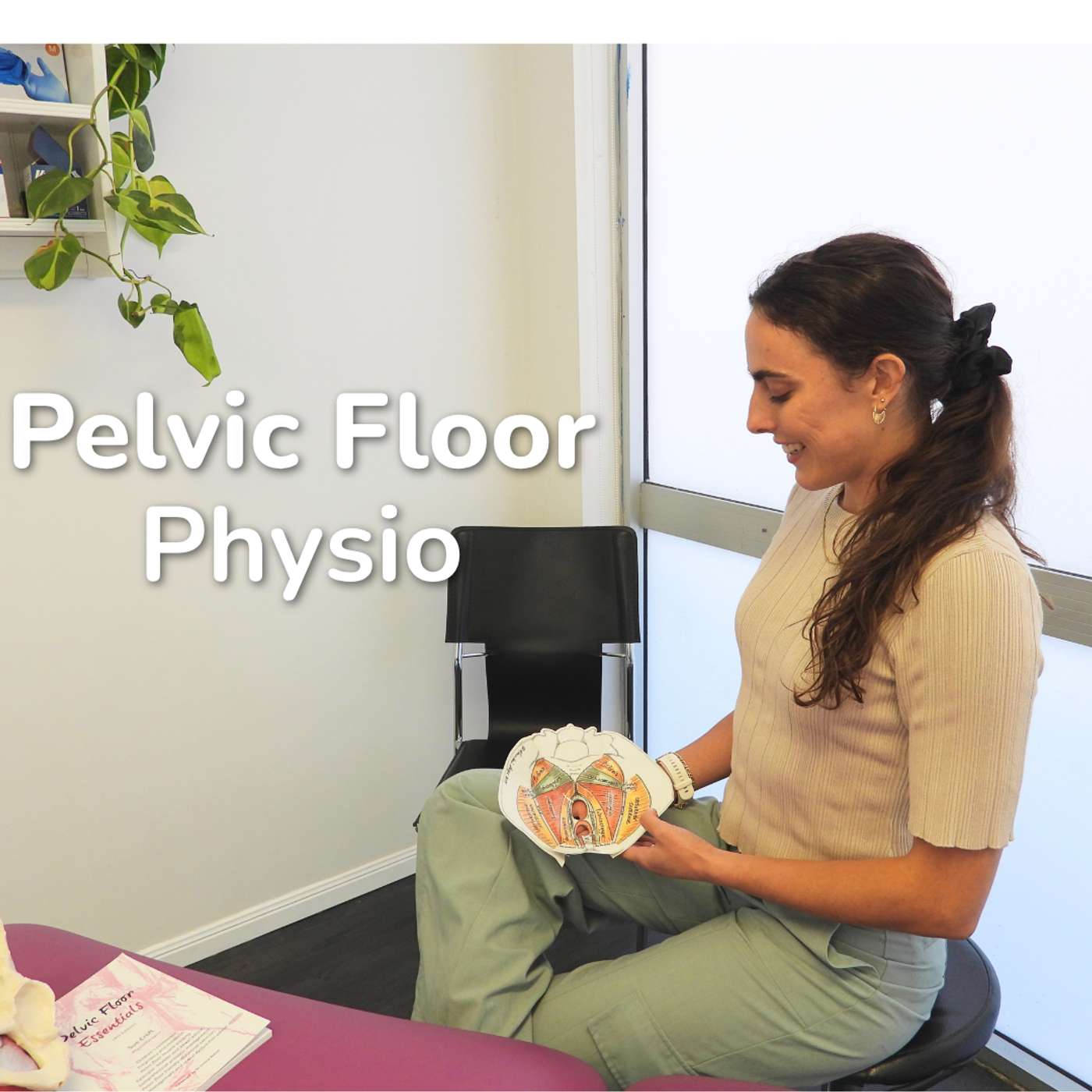 What is Pelvic Floor Physiotherapy? It's More Than Just Kegels 26.08.2026 7minIn this episode, Dimity from Advantage Healthcare & Physiotherapy explains what pelvic floor physiotherapy involves and why treatment is about much more than just Kegel exercises.We discuss some of the common reasons people see a pelvic floor physiotherapist, including bladder and bowel symptoms, pelvic pain, prolapse, pregnancy and postnatal concerns.Dimity also explains what happens during a women's health/pelvic floor physiotherapy assessment, how treatment is tailored to the individual, and why an internal examination can be useful but is not always required.Advantage Healthcare & Physiotherapy provides pelvic floor and women’s health physiotherapy in Wynnum, Brisbane Bayside.Learn more about pelvic floor physiotherapy:https://advantagehealth.net.au/womens-health-physiotherapy/Advantage Healthcare & Physiotherapy:https://advantagehealth.net.au/
Podcasturi similare


Popular în
Acest podcast apare și în topurile de podcasturi din aceste țări.
