
The Job Hunting Podcast
Renata Bernarde
0
The Job Hunting Podcast offers expert insights for professionals navigating the modern job market. Host Renata Bernarde is a career coach who left her own job in 2018 to help others improve their careers. The show explains how recruitment and selection really work, so listeners can make better decisions about career progression. Renata also shares her coaching framework through her program Job Hunting Made Simple.
Episoade
-
 How to Build a Portfolio Career Without Starting Over, with Kate Dillon 22.09.2026 51minEpisode 344 - Career change after 40 does not have to mean abandoning everything you have built. In this conversation with Kate Dillon, we explore portfolio careers, small career experiments, transferable career capital and how to create more professional options without making an unnecessary leap. There is a particular kind of career dissatisfaction I see frequently among experienced professionals. They are successful by conventional measures. They have seniority, expertise, a respectable salary and two or three decades of professional history behind them. Yet increasingly, they feel uneasy about the idea that the next ten or fifteen years of their working life should look much like the last ten or fifteen.The problem is that many people interpret this uneasiness as evidence that something dramatic needs to happen. They imagine leaving their employer, retraining completely, launching a consultancy, buying a business or finally pursuing the idea they have been quietly carrying around for years. Then reality intervenes. There is a mortgage, children at university, aging parents, a lifestyle built around a certain income, and a professional reputation that took a long time to establish.This is where the conversation about career change can become unnecessarily binary. Stay or leave. Corporate career or entrepreneurship. Employment or consulting. Security or freedom.My conversation with Australian lawyer, strategist and entrepreneur Kate Dillon offered a much more useful possibility: perhaps the next stage of an experienced professional's career does not require abandoning what came before. It may instead involve building outward from it.Read the full Blog on the Website Book a Free Introductory Consultation with Renata31 Days of Action for Job SeekersFind Your Talents: Learn About Your Strengths, and Watch Your Career GrowJoin 5,000+ Readers of The Job Hunting Newsletter: Subscribe NowLear More About Renata's career coaching and courses Timestamps to guide your listening:00:00 The myth that you have to pick a lane02:47 How she built a portfolio career (it wasn’t planned)06:31 The loss and public failure that freed her10:35 Planner or not? Vision without a rigid plan14:34 Why she built a business without quitting her job21:06 The smallest experiment before you leap25:35 Who to talk to (and the boss conversation to have)31:31 The money question no one warns you about37:02 “What do people pay you for?” and why you never start from scratch41:30 AI, and the hardest skill: unlearning47:02 Your next 12 months: where to startLinks mentioned in this episode:Kate’s diagnosticsFind my talents TalentPredix strenghts assessmentBook Mentioned: Do the Work, by Steven PressfieldEpisode 121 - Impostor Syndrome and Fear of SuccessEpisode 242 - The Role of Business Intelligence (BQ), Emotional Intelligence (EQ), and Social Intelligence (SQ) in Career AdvancementEpisode 287 - Hiring Makes No Sense Anymore: Why Recruitment and Hiring Feel Like a Burden and How Leaders Can Fix ThemEpisode 288 - How to Job Hunt During the Mid-Year SlowdownAbout the host, Renata BernardeHello, I'm Renata Bernarde, the Host of The Job Hunting Podcast. I'm also an executive coach, job-hunting expert, and career strategist. I teach corporate, non-profit, and public professionals the steps and frameworks to help them find great jobs, change, and advance their careers with confidence and less stress. Watch the Episodes on YouTubeFollow Renata on Social Media:LinkedInInstagramFacebookX / Twitter
 -
 Why Employers Ask About Salary So Early 08.09.2026 45minEpisode 243 - Salary is one of the most uncomfortable parts of the job search, especially when employers ask for expectations early in the process. In this episode, compensation consultant Matt McFarlane explains how companies think about pay, salary bands, job titles, negotiation, and what experienced professionals need to understand before naming a number.Few moments in a job search create as much discomfort as the salary question. It often appears too early, too bluntly, and too impersonally. A candidate is completing an online application, still unsure whether the role is a genuine fit, and suddenly a form asks for salary expectations or current compensation. For experienced professionals, especially those in their 40s, 50s, and 60s, that question can feel less like an administrative step and more like a trap.Read the full Blog on the WebsiteBook a Free Introductory Consultation with Renata31 Days of Action for Job SeekersFind Your Talents: Learn About Your Strengths, and Watch Your Career GrowJoin 5,000+ Readers of The Job Hunting Newsletter: Subscribe NowLear More About Renata's career coaching and courses Timestamps to guide your listening:0:00 The question that traps every job applicant0:47 Why nobody wants to talk about salary1:56 What employers really do with your number7:02 A smarter way to answer the salary question9:42 How companies build your pay package14:38 Why the top of the band is rarely offered18:21 Job titles, ego, and what they cost you22:29 Why startups hand out titles instead of money25:23 What startup hiring gets wrong (and right)30:55 The client who wrote his own job description34:07 Do employers expect you to negotiate?38:57 What you can negotiate besides salary39:47 Who fixes broken pay structures42:49 Inside the Startup People Summit44:34 Ask Matt your questions on LinkedInLinks mentioned in this episode:LinkedIn profile, Matt McFarlaneWatch the Replay of the Startup People Summit 2026FNDN’s website (Matt’s business)Podcast episode about salary negotiation (245)Podcast episode with startup founder Alex Naoumidis (47)Podcast episode with startup Chief People Officer, Emily Zhang (191)About the host, Renata BernardeHello, I'm Renata Bernarde, the Host of The Job Hunting Podcast. I'm also an executive coach, job-hunting expert, and career strategist. I teach corporate, non-profit, and public professionals the steps and frameworks to help them find great jobs, change, and advance their careers with confidence and less stress. Watch the Episodes on YouTubeFollow Renata on Social Media:LinkedInInstagramFacebookX / Twitter
 -
 Confidence Is Overrated. Here's What Actually Gets You Hired. 26.08.2026 33minEpisode 342 - What if confidence isn’t the thing holding you back? I’m sharing what I’m seeing in the job market right now, from executive presence and relatability to why being more human may be your biggest advantage in the age of AI.Confidence has become one of the most common explanations experienced professionals give me when their careers stall.“I need to be more confident.”“I’ve lost my confidence.”“I don’t think I come across confidently enough in interviews.”I hear versions of these statements every week from people with 15 or 20+ years of professional experience. They have managed teams, delivered complex projects, advised executives and built careers that demonstrate considerable competence. Yet when they enter a job search or begin aiming for a more senior role, confidence suddenly becomes the diagnosis. Increasingly, I think we may be diagnosing the wrong problem.The professionals who stand out today are not necessarily the people projecting the greatest certainty. Often, they are the ones who communicate with enough self-awareness to be credible, enough courage to be visible and enough humanity to be memorable. And in an employment market increasingly saturated with AI-assisted communication, those qualities may become considerably more valuable.Read the full Blog on the Website Book a Free Introductory Consultation with Renata31 Days of Action for Job SeekersFind Your Talents: Learn About Your Strengths, and Watch Your Career GrowJoin 5,000+ Readers of The Job Hunting Newsletter: Subscribe NowLear More About Renata's career coaching and courses Timestamps to guide your listening:0:00 The new luxury is not using AI1:06 Why today is off-script2:49 Three things I can't stop noticing4:18 Why relatable beats confident8:21 Confidence is overrated10:31 It's not really confidence they lack12:04 What executive presence actually is15:07 There's no one right way to command a room17:16 The worst thing you can do in an interview19:43 The new luxury: slowing down in an AI world21:27 The career privilege nobody talks about23:54 When AI writes everything, being human is scarce26:23 Why slow is the new status symbol30:19 Become more of yourselfLinks mentioned in this episode:LinkedIn post from the beginning of 2026Episode 118 - Generalist or Specialist: Chances Are, You May Be Misusing the Labels!The ONE Thing Executives Who Land Jobs Fastest All DoAbout the host, Renata BernardeHello, I'm Renata Bernarde, the Host of The Job Hunting Podcast. I'm also an executive coach, job-hunting expert, and career strategist. I teach corporate, non-profit, and public professionals the steps and frameworks to help them find great jobs, change, and advance their careers with confidence and less stress. Watch the Episodes on YouTubeFollow Renata on Social Media:LinkedInInstagramFacebookX / Twitter
 -
 How Financial Stress Shapes Your Career Decisions 11.08.2026 1hEpisode 341 - Financial stress can change how we assess risk, negotiate, job search and plan our next career move. Carrie Joy Grimes, founder and CEO of WorkMoney, joins me to discuss financial runway, career transitions, money anxiety and how to make better decisions when your income or employment suddenly feels uncertain. When experienced professionals lose their jobs, one of the first questions I ask is not about their resume, LinkedIn profile or network. I ask about money. How long can you afford to be out of work? The answer matters because a job search conducted with six months of financial runway can look very different from one conducted with six weeks.Financial stress has a way of turning a career decision into an emergency. Suddenly, the goal is no longer to find the right next role. It is to make the discomfort stop. That distinction came up repeatedly in my recent conversation with Carrie Joy Grimes, founder and CEO of WorkMoney, a U.S. nonprofit focused on helping working people improve their financial lives, and author of The Joy of Money: How to Do More With and Feel Better About Your Money, No Matter How Much You Have.“Financial stress isn't a thing that we walk around saying, ‘I'm financially stressed right now,’” Grimes told me. Instead, she described it as something that gradually weighs on us until we become accustomed to operating under pressure. That pressure can have consequences well beyond our bank accounts.Read the full Blog on the Website Book a Free Introductory Consultation with Renata31 Days of Action for Job SeekersFind Your Talents: Learn About Your Strengths, and Watch Your Career GrowJoin 5,000+ Readers of The Job Hunting Newsletter: Subscribe NowLear More About Renata's career coaching and courses Timestamps to guide your listening:01:03 Introduction and Context of Financial Stress02:31 Understanding Financial Stress and Its Impact05:11 Strategies for Managing Financial Stress08:22 Navigating Career Transitions and Financial Decisions12:51 The Role of Employers in Alleviating Financial Stress17:59 Adapting to a Changing Workforce and Financial Landscape21:15 The Importance of Financial Education and Support25:50 Conclusion and Final Thoughts on Financial Well-being33:18 Embracing Change: The Transition to Entrepreneurship36:36 Budgeting for Joy: Finding Freedom in Financial Choices38:41 The Reality of Financial Distress: Sharing Real Stories41:27 Overcoming Financial Anxiety: Understanding Your Worth45:22 Empowering Women: Negotiating and Understanding Value52:09 Building a Supportive Community: The Role of Organizations54:07 The Joy of Money: Understanding Your Relationship with FinancesLinks mentioned in this episode:Carrie Joy Grimes’ new book, The Joy of MoneyCarrie’s non profit organization, WorkMoneyAbout the host, Renata BernardeHello, I'm Renata Bernarde, the Host of The Job Hunting Podcast. I'm also an executive coach, job-hunting expert, and career strategist. I teach corporate, non-profit, and public professionals the steps and frameworks to help them find great jobs, change, and advance their careers with confidence and less stress. Watch the Episodes on YouTubeFollow Renata on Social Media:LinkedInInstagramFacebookX / Twitter
 -
 Career Visibility Without Becoming a LinkedIn Influencer 28.07.2026 48min👉 Ready to take the next step in your career? Book a free Career Coaching Introductory Meeting with me.👉 Join 5,000+ senior professionals getting actionable ideas to get your next job and take control of your career directly in their inboxThe people deciding your next role form an opinion about you before you ever apply. This conversation shows you how to shape it.My guest is Vanessa Errecarte: marketing lecturer at the UC Davis Graduate School of Management, consultant, and author of Valuable and Visible. She created one of the only for-credit MBA courses in personal branding in the United States, and she has a message for every senior professional who was taught that great work speaks for itself: the market stopped listening to silent excellence.We talk about why decades of strong work can disappear from view after a redundancy, how recruiters and hiring managers now discover senior candidates before a resume is ever read, and what separates real authority from empty visibility on LinkedIn. Vanessa explains why the advice to simply post more backfires, and why helping people publicly beats talking about yourself.You will also hear the practical layer: her formula for introducing yourself so people remember you, the difference between an influencer's job and yours, what AI can and cannot do for your thinking, and a minimum viable personal brand that takes 1 to 3 hours a week, starting with one LinkedIn post.In this episode, career coach Renata Bernarde and UC Davis marketing lecturer Vanessa Errecarte argue that personal branding is about creating value for others rather than promoting yourself: senior professionals get remembered, referred, and recruited when they publicly help their audience solve problems, because visibility without earned trust produces no career results.Your one thing this week: write one LinkedIn post using Vanessa's formula. Open with a short personal story, connect it to why it matters, then teach a framework of three to five steps your peers can use.As I say at the close of this episode, your expertise can be recognized, remembered and recommended through a little bit of work on your part. Subscribe so next week's episode finds you.Read the full Blog on the Website Book a Free Introductory Consultation with Renata31 Days of Action for Job SeekersFind Your Talents: Learn About Your Strengths, and Watch Your Career GrowJoin 5,000+ Readers of The Job Hunting Newsletter: Subscribe NowLear More About Renata's career coaching and courses Timestamps to guide your listening:00:00 Introduction to Personal Branding and Visibility03:06 The Shift in Career Progression and Recruitment05:55 The Importance of Genuine Authority in Visibility09:08 Navigating Personal and Professional Branding11:52 Building Trust Through Value15:03 Leveraging Personal Stories for Professional Growth17:46 The Role of AI in Personal Branding20:56 Overcoming the Visibility Trap23:57 The Challenge of Authenticity in Online Presence27:33 Creating Engaging Content28:30 The Impact of Viral Posts29:04 Building Trust and Authenticity31:57 Navigating Job Transitions36:06 Minimal Visibility Strategies39:31 Consistency in Personal Branding43:24 Leveraging Different Platforms46:17 The Human Element in Online Engagement50:11 The Importance of Real-Life ConnectionsLinks mentioned in this episode:Vanessa’s websiteLearn more and join Renata’s RB Career ClubAbout the host, Renata BernardeHello, I'm Renata Bernarde, the Host of The Job Hunting Podcast. I'm also an executive coach, job-hunting expert, and career strategist. I teach corporate, non-profit, and public professionals the steps and frameworks to help them find great jobs, change, and advance their careers with confidence and less stress. Watch the Episodes on YouTubeFollow Renata on Social Media:LinkedInInstagramFacebookX / Twitter
 -
 The 7 LinkedIn Questions My Clients Ask Most Often 14.07.2026 29minReady to take the next step in your career? Book a free Career Coaching Introductory Meeting with me.Episode 339 - I answer the seven LinkedIn questions my career coaching clients ask most often, from headlines and About sections to recruiter visibility, skills, posting, and making your profile support your next career move. Most experienced professionals know LinkedIn matters. They know recruiters use it, hiring managers check it, and that former colleagues, board contacts, clients, and professional peers may look them up before making an introduction.And yet, many still treat LinkedIn as a digital filing cabinet. A place to store job titles, dates, and old responsibilities. That is a missed opportunity.Your LinkedIn profile is designed to be a record of where you have worked. It is a positioning tool. It should help the right people understand who you are, what you are known for, what problems you solve, and where you may be heading next.This is especially important for professionals in their 40s, 50s, and 60s. By this stage, your career is usually more complex. You may have worked across sectors, held several leadership roles., and you may be changing direction. For example, you may be moving from executive work to board roles, from corporate to consulting, from one industry to another, or from full employment into a portfolio career. If that's the case, your career complexity can be valuable. But if your LinkedIn profile does not translate it clearly, it can become confusing.That is why Episode 339 of The Job Hunting Podcast focuses on the seven LinkedIn questions my clients ask me most often. These are not questions from people who lack experience. They are questions from people who often have a lot of experience, but are not sure how to make that experience visible, searchable, and relevant. Read the full Blog on the Website Book a Free Introductory Consultation with Renata31 Days of Action for Job SeekersFind Your Talents: Learn About Your Strengths, and Watch Your Career GrowJoin 5,000+ Readers of The Job Hunting Newsletter: Subscribe NowLear More About Renata's career coaching and courses Timestamps to guide your listening:00:00 The Importance of LinkedIn for Professionals06:05 Utilizing the Featured Section08:20 Choosing the Right Skills14:37 Crafting Your About Section20:53 Why Recruiters Aren't Finding You26:05 Positioning for Future OpportunitiesLinks mentioned in this episode:My LinkedIn Audit ServiceMy websiteAbout the host, Renata BernardeHello, I'm Renata Bernarde, the Host of The Job Hunting Podcast. I'm also an executive coach, job-hunting expert, and career strategist. I teach corporate, non-profit, and public professionals the steps and frameworks to help them find great jobs, change, and advance their careers with confidence and less stress. Watch the Episodes on YouTubeFollow Renata on Social Media:LinkedInInstagramFacebookX / Twitter
 -
 The 7 Career Questions My Clients Ask Most 30.06.2026 27minReady to take the next step in your career? Book a free Career Coaching Introductory Meeting with me.Episode 338 - I answer the seven career questions my clients ask most often about visibility, CVs, achievements, career change, age bias, role choice, and career storytelling. My clients don’t come to career coaching because they lack experience. They come because they are trying to make sense of that experience. They have done the work. They have led teams, managed complexity, navigated politics, influenced stakeholders, delivered projects, rebuilt systems, survived restructures, and made decisions under pressure.But when they sit down to explain what they want next, the story often becomes unclear. This is especially true for experienced professionals – those in their 40s, 50s, and 60s. By this stage, your career is rarely linear. You may have worked across sectors, changed functions, taken time out, held several leadership roles, been made redundant, moved countries, started consulting, returned to employment, or begun exploring board opportunities.Your experience may be rich. But rich experience can also be hard to explain. That is why Episode 338 of The Job Hunting Podcast focuses on the seven broader career questions my clients ask me most often.These are not LinkedIn questions. I will cover those in another episode. These are the bigger questions behind a job search, career transition, or professional reset. They are the questions that sit underneath the CV, the interview, the networking conversation, and the search strategy.And if there is one idea I want you to take from this episode, it is this: Your experience does not speak for itself. You need to translate it.Read the full Blog on the Website Book a Free Introductory Consultation with Renata31 Days of Action for Job SeekersFind Your Talents: Learn About Your Strengths, and Watch Your Career GrowJoin 5,000+ Readers of The Job Hunting Newsletter: Subscribe NowLear More About Renata's career coaching and courses Timestamps to guide your listening:00:00 Understanding the Translation Problem in Careers01:07 The Seven Key Career Questions02:01 Visibility in the Job Market05:25 Tailoring Your CV for Success08:38 Highlighting Achievements Over Responsibilities11:15 Navigating Career Changes14:02 Addressing Age and Experience Bias17:53 Choosing the Right Roles to Apply For20:10 Crafting a Clear Career StoryLinks mentioned in this episode:You can find more information about Renata's coaching services at renatabernarde.comAbout the host, Renata BernardeHello, I'm Renata Bernarde, the Host of The Job Hunting Podcast. I'm also an executive coach, job-hunting expert, and career strategist. I teach corporate, non-profit, and public professionals the steps and frameworks to help them find great jobs, change, and advance their careers with confidence and less stress. Watch the Episodes on YouTubeFollow Renata on Social Media:LinkedInInstagramFacebookX / Twitter
 -
 When You Want to Quit: The Job Search Mindset Shift 16.06.2026 35minReady to take the next step in your career? Book a free Career Coaching Introductory Meeting with me.Episode 337 - Job searching can test even the most experienced professionals. In this episode, I reflect on Sabalenka’s emotional loss at Roland Garros and explain why job seekers need to move from emotional reaction to strategic response after rejection, redundancy, long job searches, interviews, and career setbacks.There are moments in sport when we see more than performance.We see pressure, and the private battle that sits underneath public achievement.That happened recently at Roland Garros, when Aryna Sabalenka lost a match many expected her to win and later said she felt like she wanted to quit tennis. Reports from Reuters and Sky Sports captured the emotional weight of that moment. It was not polished or strategic. It was human.I was watching the interview with my father, and he said something that stayed with me. He observed that Sabalenka has the physical gifts of an elite tennis player. The strength, the talent, the training, the ability. But at that level, the difference is often mindset.That comment made me think about job seekers.Not because looking for work is the same as elite sport, of course. But because both can place people under intense pressure. Both require repeated performance under judgment. Both involve rejection, recovery, comparison, and the ability to reset after disappointment. Read the full Blog on the Website Book a Free Introductory Consultation with Renata31 Days of Action for Job SeekersFind Your Talents: Learn About Your Strengths, and Watch Your Career GrowJoin 5,000+ Readers of The Job Hunting Newsletter: Subscribe NowLear More About Renata's career coaching and courses Timestamps to guide your listening:00:00 The Emotional Side of Job Searching05:45 Mindset Matters in Job Search10:01 Navigating Redundancy and Emotional Responses17:17 Dealing with Rejection and Performance Feedback22:12 The Challenges of a Long Job Search28:00 Exploring Career Changes and New Directions32:47 Building Resilience in Job Search StrategiesLinks mentioned in this episode:Renata's website About the host, Renata BernardeHello, I'm Renata Bernarde, the Host of The Job Hunting Podcast. I'm also an executive coach, job-hunting expert, and career strategist. I teach corporate, non-profit, and public professionals the steps and frameworks to help them find great jobs, change, and advance their careers with confidence and less stress. Watch the Episodes on YouTubeFollow Renata on Social Media:LinkedInInstagramFacebookX / Twitter
 -
 Job Hunting in 2026: Mistakes to Avoid 02.06.2026 26minReady to take the next step in your career? Book a free Career Coaching Introductory Meeting with me.Episode 336 - If I were job hunting now, I would not apply at scale, outsource my voice to AI, or wait until I was unemployed to build visibility. This article explains five common mistakes experienced professionals should avoid and how to make the job search more strategic. If I were job hunting in 2026, I would not start by asking how many jobs I should apply for each week. I would ask a more useful question: what would genuinely improve my odds?That shift matters because the job search has become more efficient and more frustrating at the same time. Candidates can now use artificial intelligence to write resumes, tailor cover letters, prepare for interviews, research employers, and apply for more jobs in less time. Employers are also using AI to screen, sort, compare, and manage applicants. In theory, this should make hiring easier. In practice, it has made the process noisier.A 2026 Robert Half survey found that 67% of HR leaders say AI-generated applications are slowing hiring, 84% of HR teams report heavier workloads as AI-tailored applications increase, and 65% of hiring managers say AI-enhanced resumes make skills harder to verify. This is the paradox of the 2026 job search: job seekers can apply faster, but hiring managers are finding it harder to trust what they read.For experienced professionals, especially those in their 40s, 50s, and 60s, the answer is not to join the noise. The answer is to become sharper, more credible, and more strategic. There are five things I would not do if I were job hunting now.Read the full Blog on the Website Book a Free Introductory Consultation with Renata31 Days of Action for Job SeekersFind Your Talents: Learn About Your Strengths, and Watch Your Career GrowJoin 5,000+ Readers of The Job Hunting Newsletter: Subscribe NowLear More About Renata's career coaching and courses Timestamps to guide your listening:00:00 Introduction to Job Hunting Challenges00:50 Stop Applying at Scale06:39 The Role of AI in Job Applications10:11 Building Visibility Before Job Seeking14:08 Education vs. Real Career Problems18:27 Analyzing Job Search Data for ImprovementLinks mentioned in this episode:Renata's websiteAbout the host, Renata BernardeHello, I'm Renata Bernarde, the Host of The Job Hunting Podcast. I'm also an executive coach, job-hunting expert, and career strategist. I teach corporate, non-profit, and public professionals the steps and frameworks to help them find great jobs, change, and advance their careers with confidence and less stress. Watch the Episodes on YouTubeFollow Renata on Social Media:LinkedInInstagramFacebookX / Twitter
 -
 Job Searching Is a Numbers Game. Here’s How to Improve Your Odds. 19.05.2026 57minReady to take the next step in your career? Book a free Career Coaching Introductory Meeting with me.Episode 335 - Most job seekers focus on applying more. But in a tougher market, volume alone is not enough. Kyle Austin Young explains how “probability hacking” can help professionals improve their odds, de-risk career change, prepare better for interviews, and make smarter career decisions. Most professionals do not think about their careers in probabilities.They think in effort.They think, “I have worked hard.”They think, “I have good experience.”They think, “I am qualified for this role.”They think, “If I apply to enough jobs, something will happen.”And sometimes, something does happen.But in a tighter job market, hope is not a strategy. Volume is not always a strategy either. The experienced professionals I work with are often surprised to discover that the most important question is not, “How do I apply for more jobs?”The better question is: How do I improve the odds that the right opportunity will convert into an interview, an offer, and a good career decision?That question was at the centre of my conversation with Kyle Austin Young, the guest on Episode 335 of The Job Hunting Podcast. Read the full Blog on the Website Book a Free Introductory Consultation with Renata31 Days of Action for Job SeekersFind Your Talents: Learn About Your Strengths, and Watch Your Career GrowJoin 5,000+ Readers of The Job Hunting Newsletter: Subscribe NowLear More About Renata's career coaching and courses Timestamps to guide your listening:00:00 The Journey to Consulting and Writing10:32 Strategies for Career Success15:13 Building a Personal Brand20:10 Navigating Career Pivots27:15 Identifying Weak Links in Job Searches33:30 Navigating Job Hunting Strategies35:02 Building a Personal Brand37:26 Leveraging Social Media for Networking38:31 The Importance of a Portfolio39:28 Practicing Communication Skills41:41 Dealing with Rejection and Failure46:50 Learning from Setbacks49:25 Understanding Employer Needs55:31 Final Thoughts on Goal SettingLinks mentioned in this episode:Kyle's LinkedIn profileKyle's websiteKyle's book, Success Is A Numbers GameAbout the host, Renata BernardeHello, I'm Renata Bernarde, the Host of The Job Hunting Podcast. I'm also an executive coach, job-hunting expert, and career strategist. I teach corporate, non-profit, and public professionals the steps and frameworks to help them find great jobs, change, and advance their careers with confidence and less stress. Watch the Episodes on YouTubeFollow Renata on Social Media:LinkedInInstagramFacebookX / Twitter
 -
 How Headhunters Really Work 05.05.2026 50minEpisode 334 - Executive headhunter Gerard Miles explains how search firms identify, assess, and approach candidates, and what experienced professionals can do to become more visible, relevant, and memorable to the recruiters who matter.Many experienced professionals reach a point in their career where the job market starts to feel strangely opaque.Earlier in their careers, they could apply for advertised roles, hear back from recruiters, attend interviews, and move through a relatively visible hiring process. But at senior levels, the rules change.The hiring process is quieter. The shortlist may be built before a role ever becomes public. And the people being considered are often not actively looking.This is why so many senior executives become frustrated when they approach the job market the same way they did ten or twenty years ago. They update their resume, apply for roles online, wait for responses, and assume that if they are good enough, the market will find them.But executive recruitment does not work that way.In my conversation with Gerard Miles, a headhunter specialising in the games and entertainment sector and co-founder of Mission One, we discussed what really happens behind the scenes in senior hiring. And although Gerard works in a very specific niche, the lessons are not limited to gaming.Replace the word “gaming” with mining, education, retail, health, technology, financial services, or government, and the same principles apply.At the senior executive level, hiring is less about applications and more about relevance, reputation, timing, and trust. Read the full Blog on the Website Book a Free Introductory Consultation with Renata31 Days of Action for Job SeekersFind Your Talents: Learn About Your Strengths, and Watch Your Career GrowJoin 5,000+ Readers of The Job Hunting Newsletter: Subscribe NowLear More About Renata's career coaching and courses Timestamps to guide your listening:00:00 The Journey into Gaming and Entertainment06:52 Headhunting in the Gaming Sector12:25 Sourcing Candidates: The Headhunter’s Process18:33 Navigating the Hidden Job Market21:16 Patterns of Successful Candidates24:27 The Current State of Gaming and Entertainment31:15 Building Relationships with Headhunters39:17 Effective Networking Strategies42:00 Navigating Career Opportunities in 2026Links mentioned in this episode:Gerard's recruitment firm, Mission OneGerard's Podcast, Mission One: The Executive EdgeGerard's LinkedIn ProfileHalt and Catch FireAbout the host, Renata BernardeHello, I'm Renata Bernarde, the Host of The Job Hunting Podcast. I'm also an executive coach, job-hunting expert, and career strategist. I teach corporate, non-profit, and public professionals the steps and frameworks to help them find great jobs, change, and advance their careers with confidence and less stress. Watch the Episodes on YouTubeFollow Renata on Social Media:LinkedInInstagramFacebookX / Twitter
 -
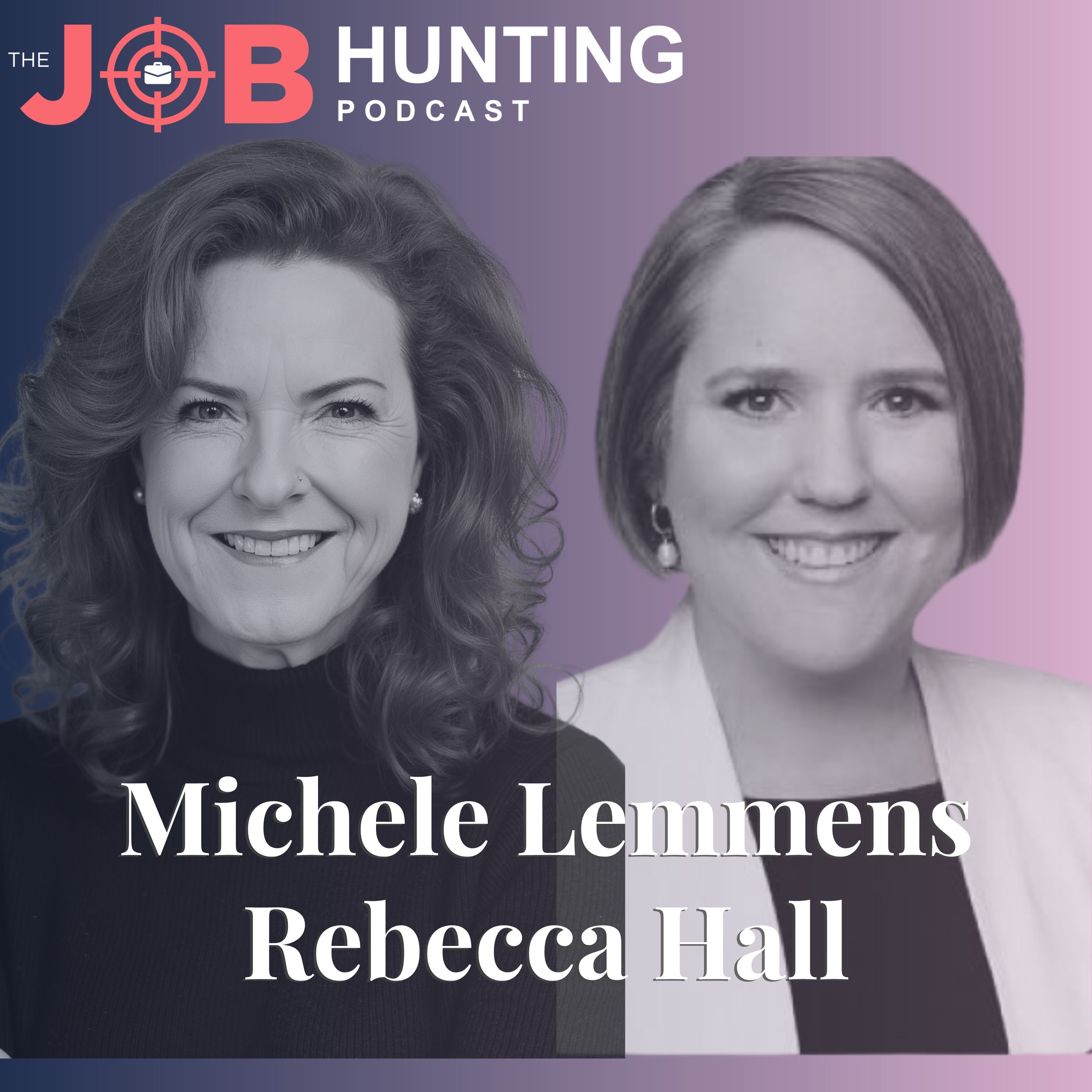 Why Workers Over 45 Are Being Left Behind 21.04.2026 1hEpisode 333 - Workforce participation drops sharply after 45, despite strong demand for experienced talent. In this episode, we explore the structural barriers, age bias, and outdated career models holding professionals back, and what individuals, employers, and governments can do to better support longer, more productive working lives.We have all fallen in love with NASA's crew for its Artemis II mission, the first crewed mission to orbit the Moon in more than half a century. What stood out to me was the composition of the team. Every astronaut selected was Generation Xer, in their 40s and 50s.When the stakes are high, we do not default to youth. We choose experience. That's what NASA did . They choose judgment. They choose people who have navigated complexity before and can do so again under pressure.And yet, in the labour market, we continue to behave as if the opposite were true.This contradiction sits at the heart of what has been described as the “longevity paradox”: We are living longer, healthier lives, but participating less in the workforce as we age. For the corporate professionals I work with, this is not an abstract concept. It is a lived experience, often emerging in their mid-40s and becoming more pronounced thereafter.This issue has become more personal for me recently. At the age of 54, I have just become a grandmother. It has prompted a different kind of reflection about time, work, and what the next decades should look like. Like many of my clients, I am not thinking about slowing down. I am thinking about how to work in a way that is sustainable, meaningful, and aligned with the realities of a longer life.The question is whether our institutions are prepared to support that. Read the full Blog on the Website Book a Free Introductory Consultation with Renata31 Days of Action for Job SeekersFind Your Talents: Learn About Your Strengths, and Watch Your Career GrowJoin 5,000+ Readers of The Job Hunting Newsletter: Subscribe NowLear More About Renata's career coaching and courses Timestamps to guide your listening:00:00 Introduction to the Longevity Economy Paradox06:14 Understanding Workforce Participation and Aging09:02 Personal Experiences with Career Transitions12:09 The Role of Technology and AI in the Workforce15:22 Challenges of Ageism in Recruitment18:09 Strategies for Job Seekers Over 5021:23 The Importance of Networking and Community Support24:16 Midlife Career Checkup: Questions to Reflect On26:57 Final Thoughts and Action Steps for ListenersLinks mentioned in this episode:Michele Lemmens' LinkedInRebecca Hall's LinkedInAbout the host, Renata BernardeHello, I'm Renata Bernarde, the Host of The Job Hunting Podcast. I'm also an executive coach, job-hunting expert, and career strategist. I teach corporate, non-profit, and public professionals the steps and frameworks to help them find great jobs, change, and advance their careers with confidence and less stress. Watch the Episodes on YouTubeFollow Renata on Social Media:LinkedInInstagramFacebookX / Twitter
 -
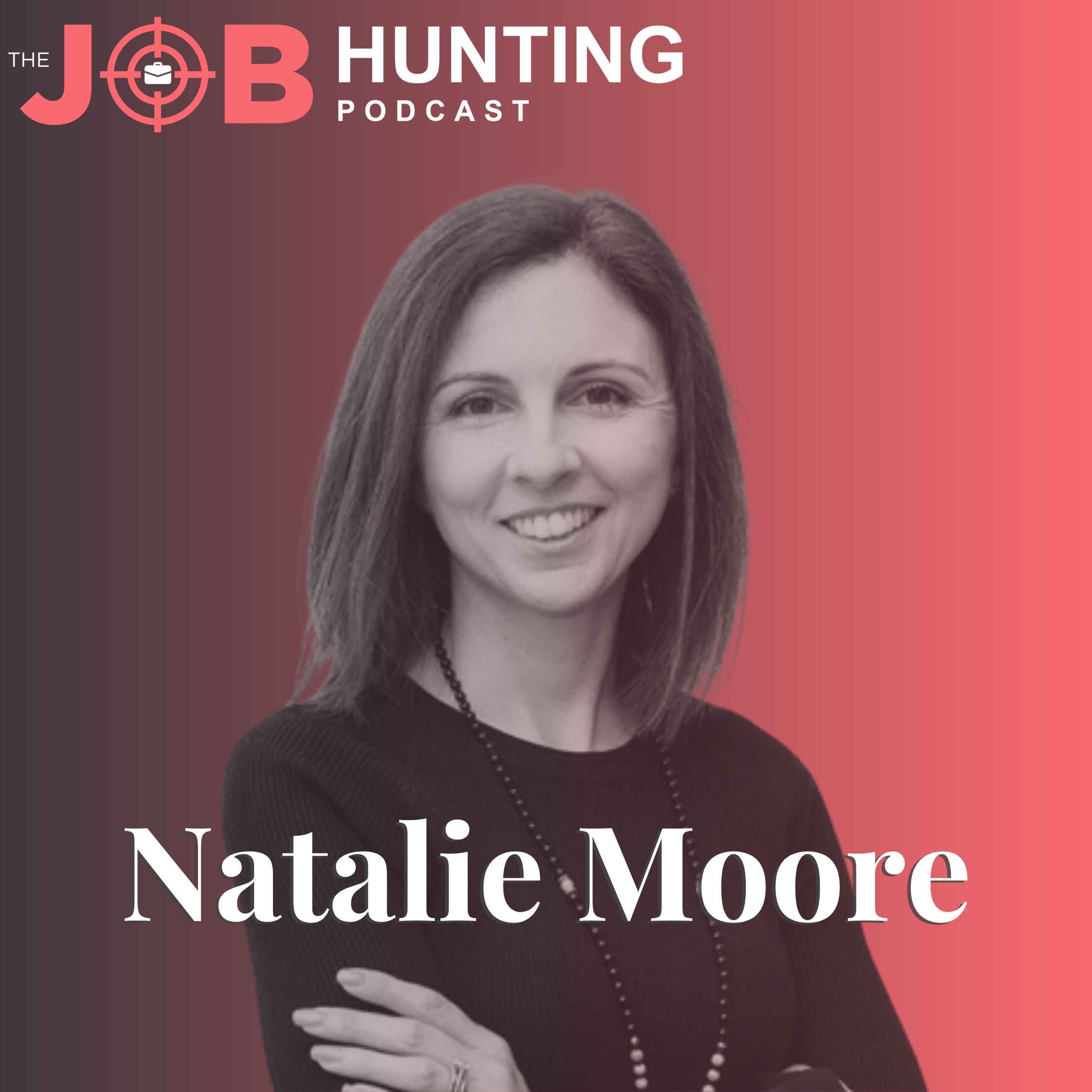 What Professionals Need Most in 2026 07.04.2026 46minEpisode 332 - Natalie Moore joins me to explore what leaders and professionals need most in 2026: courage, self-awareness, emotional intelligence, and space to think. We also discuss burnout, work design, hybrid work, and how career pivots can happen through small, intentional steps. The themes in this week's podcast episode are not really about personal reinvention in the lifestyle sense, but they're also not hot takes about work culture. They sit at the intersection, as so many issues do when it comes to career and our personal lives. How to we reinvent leadership, organisational design, career strategy, and human behaviour so we can cope with the new ways of working? That is where many of my clients live. They are not junior workers trying to “find their passion.” They are experienced corporate professionals, senior managers, and executives trying to make good decisions in a labour market that has become harder to read, less forgiving, and more emotionally demanding. Here is what I keep seeing in my coaching work. My clients are not simply struggling with job search mechanics. Yes, they need resumes, LinkedIn positioning, networking strategies, and interview preparation. But those are not the only things making this moment difficult. Many are also dealing with return-to-office mandates they did not choose, leadership cultures that speak the language of wellbeing without redesigning work, and AI-driven hiring processes that make the market feel more opaque than ever. LinkedIn reported in January that nearly two-thirds of people say finding a job has become more challenging, while U.S. applicants per open role have doubled since spring 2022. At the same time, 93% of recruiters say they plan to increase their use of AI in 2026. Those are not small shifts. They change how people experience work, how they think about security, and how they approach career planning. In my conversation with Natalie Moore on The Job Hunting Podcast (332), what emerged most clearly was that professionals who are coping best right now are not necessarily the most confident. They are the ones who are able to think clearly under pressure, notice when an environment is no longer working for them, and act with intention before their options narrow. Read the full Blog on the WebsiteBook a Free Introductory Consultation with Renata31 Days of Action for Job SeekersFind Your Talents: Learn About Your Strengths, and Watch Your Career GrowJoin 5,000+ Readers of The Job Hunting Newsletter: Subscribe NowLear More About Renata's career coaching and courses Timestamps to guide your listening:00:00 – Welcome Back: Natalie Moore Returns01:11 – Reinvention After Closing a Business03:10 – Headline Hopes for the End of 202606:42 – How Leaders Can Stop Reacting and Start Responding08:59 – True or False: Can Resilience Training Fix Burnout?09:47 – True or False: Will Good Workers Naturally Adapt to AI?10:55 – True or False: Do Career Pivots Require a Big Leap?12:42 – Three Questions to Ask When You Feel Flat at Work16:45 – What Stress and Burnout Really Look Like in High Performers21:45 – Listening to Your Body and Noticing Your Triggers24:03 – What We’re Leaving Behind in 202625:22 – Showing Up Differently in Business and on LinkedIn28:40 – Why Workplace Wellbeing Still Feels Surface-Level30:32 – Is It Time to Redesign the Workday?32:55 – When Training and Development Add to Burnout35:19 – The High-Performance Habits That Need to Go36:50 – Why White Space Matters at Work and in Job Search38:08 – Natalie’s Career Change Story and the Power of Slow Pivots39:21 – What Matters Most in 2026: Confidence, Courage, or Clarity?41:43 – AI, Human Work, and What Still Makes Us Valuable43:34 – The Human Capabilities Professionals Need Now45:44 – Final Thoughts and Where to Find NatalieLinks mentioned in this episode:Natalie Moore's LinkedIn ProfileFollow Josh Piterman on Instagram to find out when he's running breathwork workshops in MelbourneJosh Piterman Inside TimerEpisode 130 - Post-pandemic Stress and Other Factor Affecting Your Wellbeing at Work, with Natalie Moore and Lisa SaundersEpisode 72 - Systemic Gender Biases, Double Standards, Mental and Physical Dangers Affecting Women in the Workplace - with Hannah Piterman Ph.D.About the host, Renata BernardeHello, I'm Renata Bernarde, the Host of The Job Hunting Podcast. I'm also an executive coach, job-hunting expert, and career strategist. I teach corporate, non-profit, and public professionals the steps and frameworks to help them find great jobs, change, and advance their careers with confidence and less stress. Watch the Episodes on YouTubeFollow Renata on Social Media:LinkedInInstagramFacebookX / Twitter
 -
 Body Language for Interviews 24.03.2026 45minEpisode 331 - Your experience may speak for itself on paper, but in interviews your body language is speaking too. Linda Clemons shares practical ways to project confidence, warmth, and authority so experienced professionals can perform better in interviews, networking events, and high-stakes conversations. In Episode 331 of The Job Hunting Podcast, I speak with Linda Clemons about body language, executive presence, and the ways experienced professionals are often misread in interviews. Our conversation explores how stress shows up physically, why long tenure can mask unhelpful communication habits, and what candidates can do to present themselves with greater clarity, warmth, and authority.Experienced professionals often assume that interview performance is mainly determined by the strength of their track record and the quality of their answers. That assumption makes sense. After all, senior candidates are usually selected for interview because their credentials already suggest competence. Yet many still leave the process confused by the outcome. They feel they answered well, understood the brief, and showed relevant experience, but did not turn the opportunity into an offer. In many cases, the missing factor is not substance. It is presentation in the broadest sense of the word.This does not mean superficial polish or fake self-confidence. It means the interaction between verbal and nonverbal communication: posture, tone, pace, facial expression, emotional regulation, and the overall impression of steadiness. Employers do not assess these factors separately from capability. They fold them into their judgment of capability. For experienced professionals, especially those who have spent a long time inside one organisation, this creates a specific challenge. They may be highly competent, but no longer practised in making that competence clear to strangers in a short, high-pressure setting.That issue came through clearly in my conversation with Linda Clemons, a global expert in nonverbal communication and executive presence. One of her most useful observations is that people are constantly judging alignment. They listen to the words, but they also notice whether the rest of the person appears to support them. When language, tone, movement, and emotional state line up, credibility rises. When they do not, doubt enters the room, even if nobody says it out loud.Read the full Blog on the WebsiteBook a Free Introductory Consultation with Renata31 Days of Action for Job SeekersFind Your Talents: Learn About Your Strengths, and Watch Your Career GrowJoin 5,000+ Readers of The Job Hunting Newsletter: Subscribe NowLear More About Renata's career coaching and courses Timestamps to guide your listening:00:00 The Evolution of a Podcast Host01:14 Understanding Body Language and Nonverbal Communication04:04 The Impact of Posture on Communication06:55 Reading Nonverbal Cues in Real Life10:01 Preparing for Job Interviews12:56 Navigating Interview Dynamics16:01 The Importance of Presence in Communication18:17 Body Language and Interview Presence21:03 Navigating Behavioral Questions23:37 The Importance of Authentic Communication26:01 Understanding Communication Dynamics28:09 The TAP Framework: Truthful, Authentic, Purposeful30:33 Vulnerability in Leadership33:11 Emotional Barriers: Frozen, Flooding, and Flat38:00 The Impact of Long Tenure on Interview Performance43:35 Linda's Book and Final ThoughtsLinks mentioned in this episode:Linda Clemons LinkedIn ProfileLinda Clemons' BookAbout the host, Renata BernardeHello, I'm Renata Bernarde, the Host of The Job Hunting Podcast. I'm also an executive coach, job-hunting expert, and career strategist. I teach corporate, non-profit, and public professionals the steps and frameworks to help them find great jobs, change, and advance their careers with confidence and less stress. Watch the Episodes on YouTubeFollow Renata on Social Media:LinkedInInstagramFacebookX / Twitter
 -
 Behind the Hiring Curtain: What’s Really Happening 10.03.2026 1h 7minEpisode 330 - Patrick Dunlop, organisational psychologist and Future of Work professor, shares what he learned from studying recruiters, what’s overhyped, what’s still painfully manual, and how experienced candidates can move with confidence through modern selection processes.Spend enough time around job seekers and you will hear the same diagnosis: “Hiring is broken.”Spend enough time around recruiters and you will hear a different one: “We’re drowning.”Both can be true. What has changed in the last few years is not simply the technology inside recruitment. It’s the volume, the noise, and the mismatch between what candidates think is happening and what is actually happening inside organisations.In my conversation with Professor Patrick Dunlop, an organisational psychologist at Curtin University, one theme kept resurfacing: the biggest misunderstanding is not about AI. It’s about realism. Hiring varies wildly from one organisation to the next, and much of what candidates assume is “automated” is still surprisingly manual, uneven, and dependent on human judgement.What follows is a structured, evidence-informed way to think about modern hiring if you are an experienced professional, particularly in your 40s and beyond.Read the full Blog on the WebsiteBook a Free Introductory Consultation with Renata31 Days of Action for Job SeekersFind Your Talents: Learn About Your Strengths, and Watch Your Career GrowJoin 5,000+ Readers of The Job Hunting Newsletter: Subscribe NowLear More About Renata's career coaching and courses Timestamps to guide your listening:00:00 Understanding Assessment Tools00:52 The Importance of Job Analysis03:48 Designing Effective Assessment Processes06:53 The Role of Simulations and Case Studies09:59 Concerns About Psychometric Testing12:56 Faking in Assessments and Its Implications15:50 Cultural Differences in Assessment Responses26:44 Cross-Cultural Assessment in Personality Testing30:57 Candidate Experience and Recruitment Processes36:10 The Impact of AI on Job Applications39:04 Adapting to New Technologies in Job Search49:19 Future Trends in Recruitment and AssessmentLinks mentioned in this episode:Patrick Dunlop's LinkedIn ProfileAbout the host, Renata BernardeHello, I'm Renata Bernarde, the Host of The Job Hunting Podcast. I'm also an executive coach, job-hunting expert, and career strategist. I teach corporate, non-profit, and public professionals the steps and frameworks to help them find great jobs, change, and advance their careers with confidence and less stress. Watch the Episodes on YouTubeFollow Renata on Social Media:LinkedInInstagramFacebookX / Twitter
 -
 Executive Presence Without the Mould: Ageism, Culture, and Code-Switching 24.02.2026 58minEpisode 329 - We unpack what interviewers are really reacting to, how to show agility at any age, and how to stay authentic while adapting to different cultures and expectations. I understand why Brené Brown and Adam Grant can say “thumbs down” on executive presence and get a standing ovation. In their conversation on Dare to Lead, they frame executive presence as “party of one” and contrast it with leadership as a “collective capability.” It’s a compelling point, and a necessary correction for leaders who confuse charisma with competence or confuse performative confidence with real stewardship.But in my day-to-day work as a career coach for experienced corporate professionals, executives, and senior technical specialists, executive presence is not a fad, a buzzword, or an outdated corporate relic. It is a hiring variable. It’s the most searched term on my podcast’s website. And pretending otherwise leaves job seekers at the mercy of unspoken rules.That’s why I devoted Episode 329 of The Job Hunting Podcast to executive presence, alongside two experts who don’t treat it as a personality type or a costume: Dr. Alexa Chilcutt, executive coach and faculty lead for the Johns Hopkins Carey Business School’s Executive Education Business Communication Certificate, and Dr. Carl DuPont, Associate Professor of Voice at Johns Hopkins University’s Peabody Institute and Executive Education faculty at Carey.What I took from our discussion is this: executive presence is real because the question isn’t whether it exists. The question is whether we teach it responsibly, in a way that helps professionals be read accurately, without forcing them into a narrow mould.Read the full Blog on the WebsiteBook a Free Introductory Consultation with Renata31 Days of Action for Job SeekersFind Your Talents: Learn About Your Strengths, and Watch Your Career GrowJoin 5,000+ Readers of The Job Hunting Newsletter: Subscribe NowLear More About Renata's career coaching and courses Timestamps to guide your listening:My websiteMy InstagramSubscribe to my newsletterGroup coaching wait listWork with Renata: All my courses and coaching servicesAlexa Chilcutt, PhDCarl DuPont, DMAAlexa and Carl's websiteAlexa and Carl's book - for 25% discount, enter the code Pres26 at checkoutLinks mentioned in this episode:00:00 Introduction to Executive Presence01:51 Defining Executive Presence04:43 The Importance of Communication07:36 Challenging Traditional Views on Executive Presence09:54 Navigating Ageism in the Workplace12:52 Cultural Dissonance and Code Switching28:33 Authenticity vs. Performance in Executive Presence32:27 The Evolution of Personal Branding34:22 Navigating Cultural Expectations in Professional Appearance37:42 The Role of Voice in Executive Presence41:23 Embracing Diversity in Professional Narratives46:52 The Art of Communication: Finding Your Voice52:03 Overcoming Barriers to Executive PresenceAbout the host, Renata BernardeHello, I'm Renata Bernarde, the Host of The Job Hunting Podcast. I'm also an executive coach, job-hunting expert, and career strategist. I teach corporate, non-profit, and public professionals the steps and frameworks to help them find great jobs, change, and advance their careers with confidence and less stress. Watch the Episodes on YouTubeFollow Renata on Social Media:LinkedInInstagramFacebookX / Twitter
 -
 Two Sports Psychology Tools That Make Job Searching Easier 10.02.2026 43minEpisode 328 - I borrow two tools from elite sport psychology: the difference between thoughts and attention, and the difference between internal and external focus. You’ll learn how to stop fighting your nerves and start directing your attention.Job searching can feel deeply personal, but the mechanics of it are closer to a high-performance environment than most people want to admit. You are assessed in real time. You are compared, often invisibly, against other candidates. You are expected to communicate with clarity, confidence, and restraint while navigating uncertainty, rejection, and the emotional weight of change.For experienced corporate professionals and executives, this becomes even more complex. The stakes feel higher, the stories are longer, and the margin for error can seem smaller. Many of the people I work with are excellent at their jobs, yet they find the job search uniquely destabilising. That’s not because they are not capable. It’s because job hunting creates a different cognitive and emotional context than most leadership roles do.Read the full Blog on the WebsiteBook a Free Introductory Consultation with Renata31 Days of Action for Job SeekersFind Your Talents: Learn About Your Strengths, and Watch Your Career GrowJoin 5,000+ Readers of The Job Hunting Newsletter: Subscribe NowLear More About Renata's career coaching and courses Timestamps to guide your listening:00:00 The Competitive Nature of Job Hunting03:26 Understanding Thoughts vs. Attention19:27 Internal vs. External Focus in Job Search33:02 Applying Focus Techniques in Real ScenariosLinks mentioned in this episode:My InstagramSubscribe to my newsletterGroup coaching wait listReset Your Career online courseAll my courses and coaching services:Video with Alex Cohen that I mentioned on the podcastMovie WimbledonNetflix series Break PointAbout the host, Renata BernardeHello, I'm Renata Bernarde, the Host of The Job Hunting Podcast. I'm also an executive coach, job-hunting expert, and career strategist. I teach corporate, non-profit, and public professionals the steps and frameworks to help them find great jobs, change, and advance their careers with confidence and less stress. Watch the Episodes on YouTubeFollow Renata on Social Media:LinkedInInstagramFacebookX / Twitter
 -
 6 Coaching Tools for a Smarter Job Search 27.01.2026 24minEpisode 327 - I share six tools I use with experienced professionals who feel stuck in job search. You will leave with clearer direction, a simple decision filter, and practical ways to build momentum. January has a particular sound in my inbox. It is the quiet urgency of people who are either ready for change or exhausted from trying. Many are senior professionals with decades of achievement behind them, now facing a job search that feels unfamiliar, slower, and strangely impersonal. The temptation is to treat that discomfort as a personal flaw. Please, do not. Instead, treat it as a signal. If you feel overwhelmed right now, you are not broken. You are overloaded. And the overload is not only emotional. It is structural. As 2026 begins, multiple signals point to a labor market that is “stuck in place,” with slow hiring and slow firing, and a growing divide between sectors that are hiring and those that are simply holding. That “low-hire, low-fire” reality creates a special kind of psychological strain for corporate job seekers. You can do everything “right” and still hear nothing. You can have a strong resume and still feel invisible. You can be an excellent leader and still find yourself tweaking a LinkedIn headline at midnight, as if the correct adjective will unlock a recruiter’s calendar. This is the context in which mindset stops being motivational fluff and becomes a practical career asset. The market is sending a clear message: there is less room for vague positioning, passive applications, and comfort-zone job searching. The good news is that experienced professionals are unusually well equipped for this moment, once they stop trying to recreate the last chapter and begin designing the next one. Read the full Blog on the WebsiteBook a Free Introductory Consultation with Renata31 Days of Action for Job SeekersFind Your Talents: Learn About Your Strengths, and Watch Your Career GrowJoin 5,000+ Readers of The Job Hunting Newsletter: Subscribe NowLear More About Renata's career coaching and courses Timestamps to guide your listening:00:00 Welcome to 2026: A New Beginning00:11 Changing Your Mindset for Job Searching04:17 Six Mindset Tools for Career Success07:22 Designing Your Professional Character10:34 Outsmarting Your Internal Monster14:44 The Third Person Audit for Clarity18:54 Taking Action: From Ideas to Execution20:52 Podcast Changes and Future EngagementLinks mentioned in this episode:My websiteSubscribe to my newsletterGroup coaching wait listRB Lnkdn Club, a support group to grow your LinkedIn presenceWork with Renata: All my courses and coaching servicesVideo I mentioned on the podcastAbout the host, Renata BernardeHello, I'm Renata Bernarde, the Host of The Job Hunting Podcast. I'm also an executive coach, job-hunting expert, and career strategist. I teach corporate, non-profit, and public professionals the steps and frameworks to help them find great jobs, change, and advance their careers with confidence and less stress. Watch the Episodes on YouTubeFollow Renata on Social Media:LinkedInInstagramFacebookX / Twitter
 -
 7 Strategies to Navigate Career Uncertainty 19.01.2026 38minEpisode 326 - Navigate career uncertainty with strategies to stay relevant amid AI disruptions and global shifts.Rebroadcasting as Episode 326 during our holiday break, this episode (originally released as Episode 295) continues to be one of the most practical and impactful guides for professionals feeling threatened by uncertainty in the job market, especially from AI.The job market feels like it's operating in a dense fog. For many professionals, particularly those in mid-to-senior corporate roles, navigating a career today is less like following a GPS and more like learning to read a compass in the dark. This uncertainty is not just emotional, it’s systemic. We’ve seen a wave of redundancies ripple across different sectors. My own coaching clients, many of whom are experienced professionals, were affected. The catalyst? A perfect storm of geopolitical issues, reduced funding, and yes, artificial intelligence.Read the full Blog on the WebsiteBook a Free Introductory Consultation with Renata31 Days of Action for Job SeekersFind Your Talents: Learn About Your Strengths, and Watch Your Career GrowJoin 5,000+ Readers of The Job Hunting Newsletter: Subscribe NowLear More About Renata's career coaching and courses Timestamps to guide your listening:00:00 Navigating Job Search Challenges08:31 Facing Uncertainty in the Job Market17:00 The Fog of Uncertainty in 202536:44 Taking Action Amidst UncertaintyLinks mentioned in this episode:Reset Your CareerTalentPredixBook a consultation with meEpisode 23 - Adapting to Volatility, Uncertainty, Complexity and Ambiguity - with Janet SernackEpisode 59 - The Power of Self-Fidelity: How to Be True to Yourself and Thrive Professionally - With Author Cassandra GoodmanSubscribe to the newsletterAbout the host, Renata BernardeHello, I'm Renata Bernarde, the Host of The Job Hunting Podcast. I'm also an executive coach, job-hunting expert, and career strategist. I teach corporate, non-profit, and public professionals the steps and frameworks to help them find great jobs, change, and advance their careers with confidence and less stress. Watch the Episodes on YouTubeFollow Renata on Social Media:LinkedInInstagramFacebookX / Twitter
 -
 Burnout and Ambition: Why Rest Is a Smart Career Move 12.01.2026 20minEpisode 325 - In a world that celebrates hustle, rest can feel counterintuitive. But for ambitious professionals, learning to pause is not optional. It’s a strategic necessity.Rebroadcasting as Episode 325 during our holiday break, this episode (originally released as Episode 298) continues to be one of the most practical and impactful guides for professionals feeling burned out at work.If you’ve spent the last few months feeling more exhausted than usual, struggling to focus, or wondering why your motivation has gone missing despite a looming job application or promotion deadline, you’re not alone. In my coaching work with experienced professionals, these themes are everywhere. And they’re not the result of laziness, lack of ambition, or poor time management. They are the hallmarks of burnout, which is now a routine part of corporate life.Burnout isn’t new. But its spread among high-performing professionals is growing quieter, deeper, and more normalized than ever. The World Health Organization gave it official status as an “occupational phenomenon” in 2019, describing it as the result of chronic workplace stress left unmanaged. Yet the language around burnout still lags behind the reality: many professionals don’t realise they’re burning out until their relationships suffer, their health declines, or their job search stalls despite their best efforts.You don’t need to be working in a hospital during a pandemic to feel burned out. Today, it’s just as likely to show up in the corner office, the Zoom window, or the resume file named “final_final_FINAL.pdf”. From senior executives navigating hybrid workplaces to job seekers attempting to “optimize” every aspect of their applications, the common thread is emotional depletion disguised as diligence.And the real danger? Burnout thrives in silence.Read the full Blog on the WebsiteBook a Free Introductory Consultation with Renata31 Days of Action for Job SeekersFind Your Talents: Learn About Your Strengths, and Watch Your Career GrowJoin 5,000+ Readers of The Job Hunting Newsletter: Subscribe NowLear More About Renata's career coaching and courses Timestamps to guide your listening:00:00 Understanding Burnout02:02 Defining Burnout and Its Impact07:40 Strategies to Combat Burnout15:55 The Role of Rest in Career SuccessLinks mentioned in this episode:The Times articleThe Guardian articleWintering, by Katherine MayWork with meWrite us a review on Apple PodcastsAbout the host, Renata BernardeHello, I'm Renata Bernarde, the Host of The Job Hunting Podcast. I'm also an executive coach, job-hunting expert, and career strategist. I teach corporate, non-profit, and public professionals the steps and frameworks to help them find great jobs, change, and advance their careers with confidence and less stress. Watch the Episodes on YouTubeFollow Renata on Social Media:LinkedInInstagramFacebookX / Twitter
Podcasturi similare


Popular în
Acest podcast apare și în topurile de podcasturi din aceste țări.
