
eRadio SA
Eon Engelbrecht
0
eRadio is a feel-good digital radio station broadcasting from the Garden Route, South Africa. It offers a mix of music and positive content, aiming to uplift listeners. The station can be accessed online at www.eradiosa.com.
Epizode
-
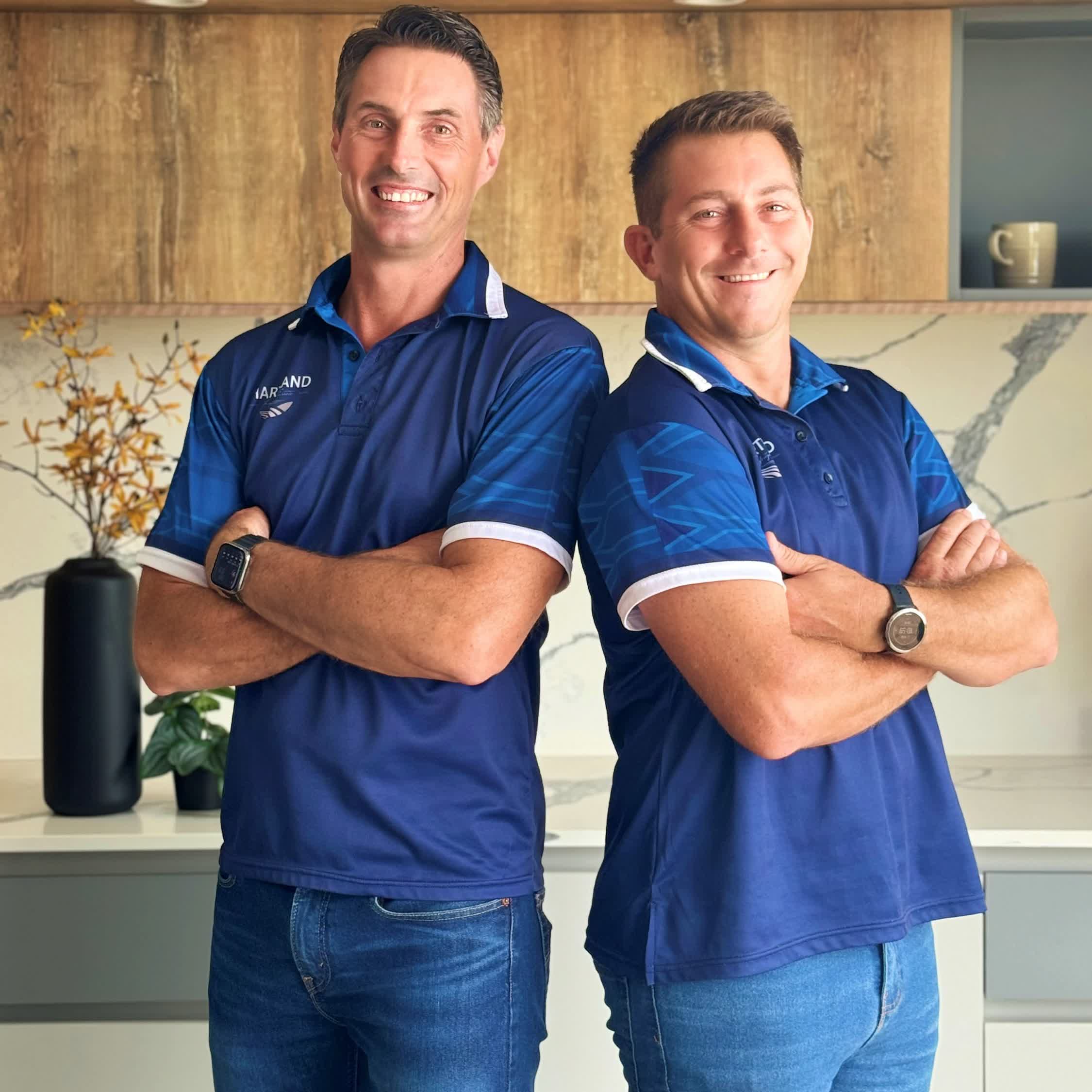 The Brothers at Hartland - Episode 1 - Meet The Brothers 31.07.2026 5minIn the debut episode of The Brothers @ Hartland Podcast, eRadio host Eon Engelbrecht introduces brothers John and Vaughn Harris.The conversation explores their backgrounds, what inspired the creation of The Brothers @ Hartland, and their long-term vision for building a thriving lifestyle community on the Garden Route.The brothers explain what makes Hartland stand out from other lifestyle estates, highlighting its diverse property options designed for everyone from first-time buyers and families to retirees and investors. They also give listeners a preview of what's to come in the series, including insights into the estate's lifestyle, amenities, investment opportunities, and future developments.For more information about Hartland Lifestyle Estate or to enquire about available properties:John Harris 📞 083 234 7525 ✉️ john@hartlandestate.co.zaVaughn Harris 📞 061 458 8606 ✉️ vaughn@hartlandestate.co.zaThe Brothers @ Hartland"Two Brothers, One Goal: Your Family's Future"
 -
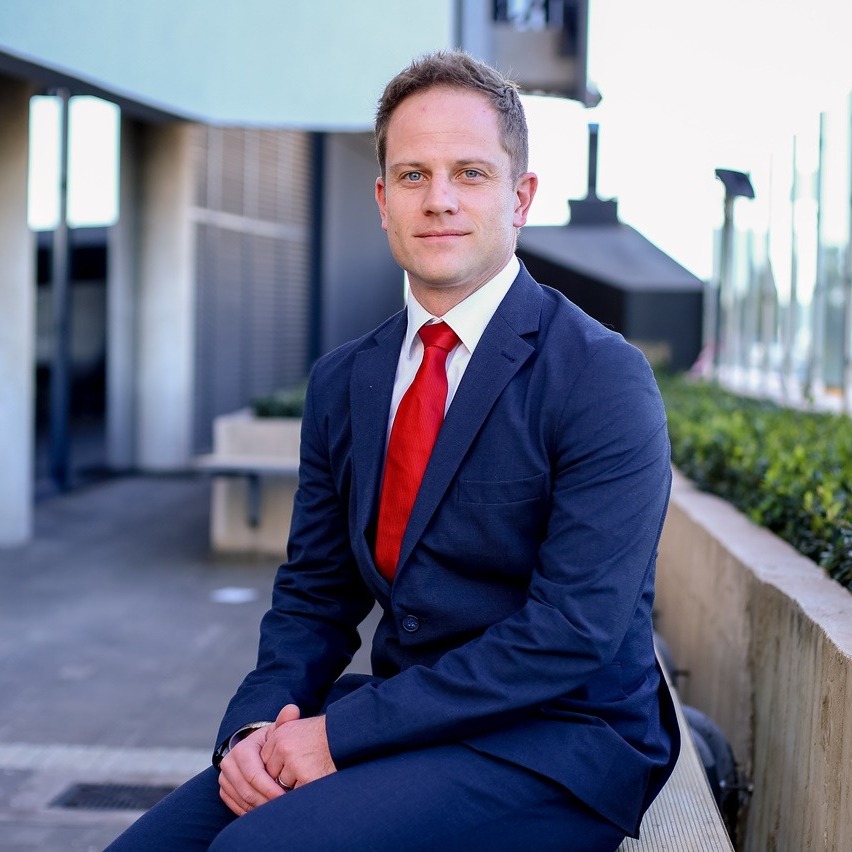 Your Money Maument with Mauritz Oberholzer - Financial Tips for your 30s 30.07.2026 3minThis week, financial advisor Mauritz Oberholzer shares some good Financial Tips for those in their 30's.Your Money Maument is aired on eRadio SA every Thursday and available as a podcast afterwards.For more information visit https://www.mauritzoberholzer.co.za/
 -
 The OPTISMILE Podcast 118 - The Psychology of the Smile 27.07.2026 31minIntroductionThis episode steps away from drills and cavities and into territory most dental practices never discuss openly: what a smile does to the person wearing it. Dr Clifford Yudelman and Eon Engelbrecht examine the psychological and social weight that teeth carry, drawing on decades of clinical observation alongside the research literature on facial expression, first impressions and social judgement.The conversation covers the association between dental appearance and self-esteem, the Duchenne smile and why guarded smiles read as insincere, the measurable effect of dental appearance on hiring decisions, the facial feedback hypothesis and the neurochemistry of smiling, and the halo effect. It also deals candidly with the other side of the coin: dental dysmorphia, the influence of social media filters, and the growing move away from uniformly white, uniformly straight teeth towards a more natural aesthetic.The clinical position throughout is consistent with the OptiSmile philosophy. Treatment is guided by health, function and long-term value rather than trends. Dr Yudelman is explicit that the goal is not perfect teeth but confidence, and he is openly critical of practitioners selling veneers as a default cosmetic solution. As he puts it, a confident smile should feel like relief, not a performance.Questions and AnswersQuestion 1 1:14 - 1:27How does the state of our teeth affect our self-esteem and our mental health?The smile sits at the centre of how we present ourselves, so dissatisfaction with our teeth affects confidence well beyond oral health. Psychological research shows a clear association between dental appearance, self-esteem, social anxiety and, in some cases, avoidance behaviour. This creates a feedback loop, because reduced smiling changes how others respond to us, which reinforces the negative self-perception.Question 2 5:14 - 5:22What is the Duchenne smile, and can you fake it if you are hiding your teeth?A Duchenne smile is a genuine smile involving both the mouth and the eyes, and it is read by others as authentic. It was clearly visible even through masks during COVID, because the eyes carry the signal. People hiding their teeth suppress mouth movement and produce a guarded smile, which others subconsciously interpret as discomfort or insincerity, and the research on facial expression shows inauthentic smiles are spotted quickly.Question 3 7:25 - 7:39How do bad teeth affect job prospects and professional perception?Hundreds of studies in social psychology and recruitment have shown that dental appearance influences perceptions of professionalism, competence and reliability. Research comparing identical CVs paired with different facial images found candidates with healthier smiles were rated more favourably in hiring scenarios. Dr Yudelman is clear that teeth do not need to be straight, but a black cavity, a broken front tooth or a visible side gap does affect how people read you, and even an inexpensive removable tooth can make a meaningful difference for interviews or front-of-house work.Question 4 11:55 - 12:03Is there a link between smiling and the release of feel-good hormones?Yes, and it works even with a forced smile. Smiling stimulates the release of neurotransmitters including dopamine, serotonin and endorphins, which are associated with mood regulation, stress reduction and general wellbeing. This is known as the facial feedback hypothesis, and it means people who avoid smiling out of insecurity are missing a natural mood benefit, so restoring a smile improves emotional wellbeing both socially and biochemically.Question 5 13:32 - 13:41How do people subconsciously judge us based on our teeth?Humans evolved to assess health rapidly from facial cues, and teeth historically signalled nutrition, disease and age. Modern studies show people subconsciously associate healthy teeth with youth, vitality and trustworthiness, and this applies to natural teeth that are not overly yellow, worn or decayed rather than to artificially perfect ones. Neglected teeth are linked, often unfairly, to assumptions about lifestyle and self-care, and these judgements are automatic rather than malicious.Question 6 16:08 - 16:27What about smiles that look too perfect, and what is dental dysmorphia?Excessively white or uniform teeth can actually cause distrust, which is where the old jibe about a secondhand car salesman comes from. Dr Yudelman regularly talks patients out of what he calls toilet seat white, aiming instead for a healthy natural shade. Dental dysmorphia is a distorted perception of one's own teeth, where a minor or non-existent imperfection causes real distress, and it sits within the broader category of body dysmorphic tendencies amplified by social media filters and unrealistic beauty standards.Question 7 21:31 - 21:48Can fixing a smile change a person's personality?It does not change the personality so much as unmask it. Many patients report becoming more outgoing, more expressive and more assertive after treatment, with reduced self-monitoring and reduced social anxiety. The mental energy previously spent hiding the teeth is freed up for connection and expression, and the change in behaviour is measurable. As Dr Yudelman puts it, the smile was never the problem; the barrier was.Question 8 23:54 - 24:09Why do some people cover their mouths when they laugh?It is a protective gesture, an unconscious attempt to hide a perceived vulnerability, and people adopt it when they feel exposed or judged. When the underlying dental insecurity is resolved, the covering stops and laughter becomes open again, which is a subtle but powerful marker of regained confidence. The practical advice here is direct: get a checkup, get a clean, get the front cavity fixed, and ask about affordable options such as bonding or a flipper rather than assuming the worst.Question 9 26:13 - 26:20What is the halo effect, and do people with nice smiles actually get treated better?The halo effect is the tendency to attribute additional positive traits to someone who possesses one positive characteristic, such as an attractive smile. Research shows people with healthy, attractive smiles are perceived as friendlier, more intelligent and more competent even when other variables are controlled. This does not mean life becomes perfect with better teeth, but it does mean dental investment can be a rational decision rather than a vain one, and a good clean and whitening arguably goes further than most other grooming spend.Question 10 27:35 - 27:44How does OptiSmile address the emotional side of dentistry?Emotional wellbeing is treated as part of clinical care. The practice uses a co-discovery approach, listening without judgement and often spending thirty to fifty minutes in conversation with a patient before any photograph or x-ray is taken. Treatment plans are guided by health, function and long-term value rather than trends or pressure, and patients are educated rather than sold to, which Dr Yudelman contrasts sharply with dentists marketing veneers as a default solution on social media.Closing ThoughtsThe central argument of this episode is that dentistry manages perception as well as pathology, and that the two are not in competition. A patient who avoids smiling is not merely unhappy about their appearance; they are losing social opportunity, biochemical mood benefit and the mental bandwidth consumed by constant self-monitoring. Framed that way, restorative and cosmetic work stops being vanity and becomes a legitimate health intervention.What distinguishes the position taken here from most cosmetic dental marketing is the insistence that the target is confidence rather than perfection. Straight, uniformly white teeth are not the goal, and the episode notes that the fashion is already turning away from them. A professional clean, whitening where appropriate, a repaired front tooth and a filled gap will deliver most of the psychological benefit at a fraction of the cost and without irreversible damage to healthy tooth structure.The closing message to listeners is practical. If you have not had a checkup in years, book one. Do not assume a broken tooth requires a crown, do not assume a missing tooth requires an implant you cannot afford, and do not assume medical aid will refuse to pay because the work looks cosmetic. Ask about conservative options first, and expect a dentist to talk to you before reaching for a drill.Further ResourcesDental Bonding at OptiSmilehttps://optismile.co.za/dental-solutions/dental-bonding/The conservative, repairable option discussed for chipped edges, worn teeth and small gaps, including why whitening is usually done before bonding rather than after.Invisalign Clear Aligners in Cape Townhttps://optismile.co.za/dental-solutions/invisalign-cape-town/Details of the aligner treatment referenced throughout the episode, including the case where straightening is done for functional reasons and the improved smile is the side effect.Injection Moulding Technique for Veneers and Bondinghttps://optismile.co.za/dental-solutions/injection-moulding-technique/The digitally designed technique mentioned for multi-tooth cases, which restores form without removing healthy tooth structure.WOW Teeth Whiteninghttps://optismile.co.za/dental-solutions/wow-teeth-whitening-cape-town/In-office and take-home whitening options, including the concept of a whitening endpoint and why chasing an unnaturally white shade is counterproductive.Teeth Cleaning, Scaling and Polishinghttps://optismile.co.za/dental-solutions/teeth-cleaning/The professional clean repeatedly named in this episode as the highest-value, lowest-cost starting point for anyone self-conscious about their smile.Dental Implants at OptiSmilehttps://optismile.co.za/dental-solutions/dental-implants/How missing teeth are replaced permanently, for listeners weighing an implant against the interim options discussed in the episode.Missing Teeth: Treatment Optionshttps://optismile.co.za/dental-problems/missing-teeth-2/Covers bridges, implants and removable options, relevant to the discussion about visible side gaps and the psychological cost of leaving them untreated.Explained: What Are Dental Veneers?https://optismile.co.za/blog/what-are-dental-veneers/Background on porcelain versus composite veneers, useful context for the episode's criticism of veneers being marketed as a default cosmetic solution.Disclaimer: The content provided in this podcast, "Save Your Money Save Your Teeth" on Medical Mondays, is for informational and educational purposes only. It is not intended to serve as dental or medical advice. The insights and opinions expressed by Dr. Clifford Yudelman and any guests are designed to foster a better understanding of dental health, preventive measures, and general well-being, but should not be interpreted as professional dental or medical recommendations. Dr. Clifford Yudelman does not diagnose, treat, or offer prevention strategies for any health conditions directly through this podcast. This platform is not a substitute for the personalized care and advice provided by a licensed dental or healthcare professional. We strongly encourage our listeners to consult with their own dental care providers to address individual dental health needs and concerns. The information shared here aims to empower listeners with knowledge about dental health but must not be used as a basis for making health-related decisions without professional guidance. Your dental care provider is the best source of advice about your dental and overall health. Please always seek the advice of your dentist or other qualified health professionals regarding any questions or concerns about your dental health.
 -
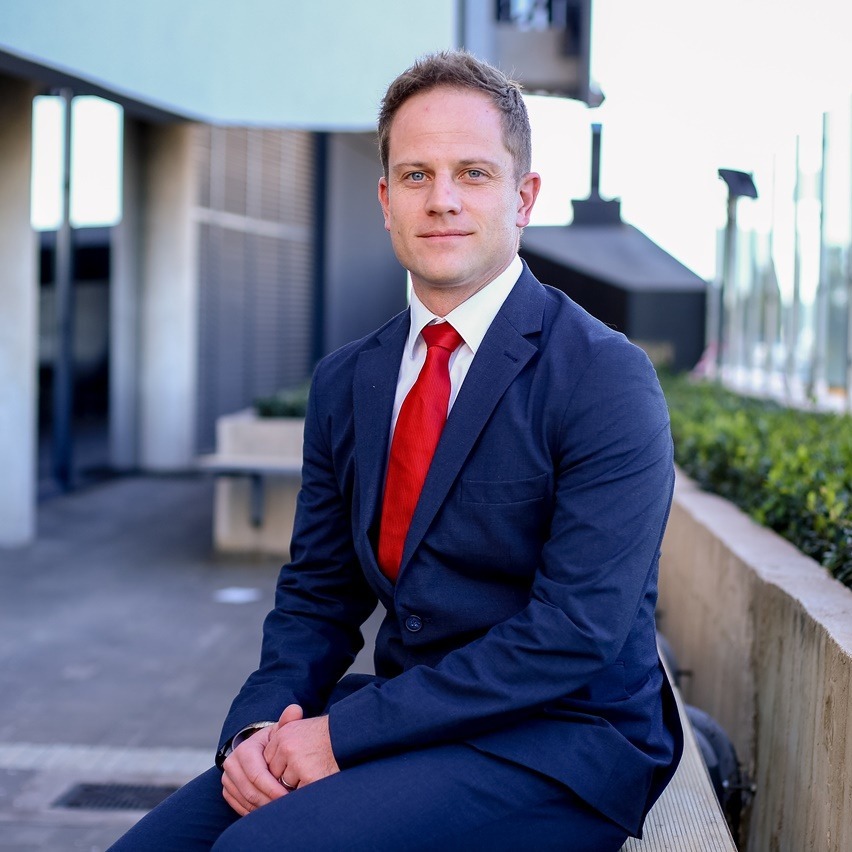 Your Money Maument with Mauritz Oberholzer - The truth about Personal Loans 22.07.2026 5minThis week, financial advisor Mauritz Oberholzer talks about Personal Loans and the risks they come with.Your Money Maument is aired on eRadio SA every Thursday and available as a podcast afterwards.For more information visit https://www.mauritzoberholzer.co.za/
 -
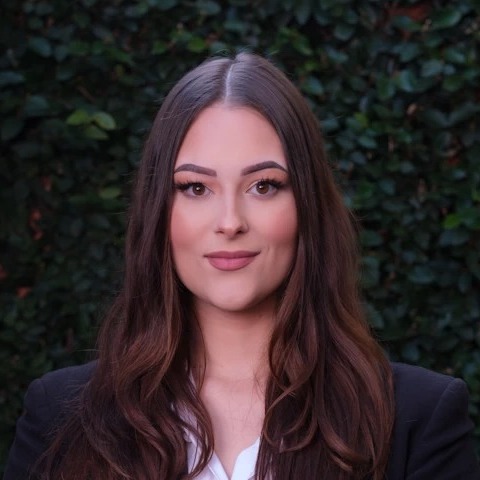 LEGAL TALK with Hahn & Hahn Attorneys: "Organic" - What does this really mean for South African food products? 22.07.2026 8minThis week we chat about what the term "organic" really means for South African food products, how organic produce is currently regulated, and whether any recent changes to the regulations affect consumers and producers. We are joined by Isabella Mazzone, Associate Attorney at Hahn & Hahn Attorneys' Department of Food & Consumer Law.Legal Talk is aired every Wednesday morning at 10:00 on eRadio and available as a podcast thereafter.
 -
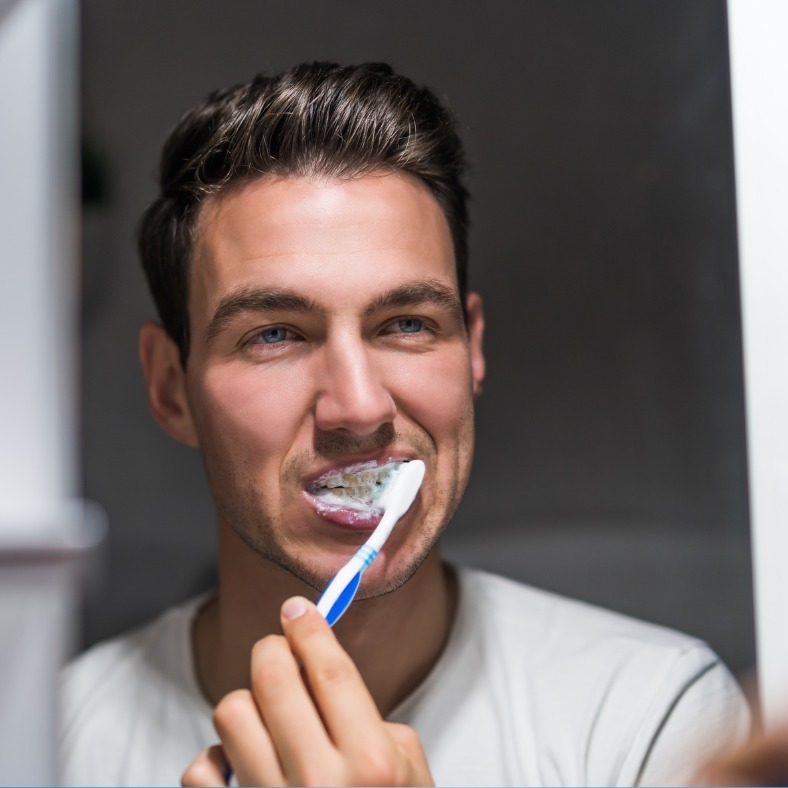 The OPTISMILE Podcast 117 - The Brushing Masterclass 20.07.2026 23minIntroductionBrushing is the one dental habit almost everyone believes they have already mastered, which is precisely why it goes uncorrected for decades. In this episode Dr Clifford Yudelman takes apart the assumption, and the picture that emerges is counterintuitive: the patients who brush hardest are often the ones with the most damage to show for it.The through-line is that force is the enemy and angle is the answer. Plaque causes disease in a specific place - the small sulcus where gum meets tooth - and a brush held flat and scrubbed vigorously never reaches it, while steadily abrading the enamel and gum tissue at the neck of the tooth. Dr Yudelman works through the modified Bass technique, the flick for the inside of the lower front teeth, the case for electric brushes and pressure sensors, why you should spit rather than rinse, and how to know when a brush head is finished. Along the way there is a digression into two-minute songs that is worth the price of admission on its own.Questions and AnswersQuestion 1 (1:37)Is there actually a wrong way to brush your teeth?Yes, though any brushing beats no brushing at all. Scrubbing too hard, brushing horizontally like you are polishing shoes, and missing the gum line entirely are the three habits that quietly cause damage. They abrade enamel, wear away gum tissue, and leave plaque undisturbed exactly where it does the most harm.Question 2 (3:40)Can you tell us about the modified Bass technique and why it is the gold standard?The bristles are angled at roughly 45 degrees towards the gum, so they slip gently under the gum margin using small, controlled vibrating motions. It targets plaque where it actually causes disease rather than just polishing the visible surfaces. It is genuinely difficult to do with a manual brush, which is one reason electric brushes are now preferred in many cases.Question 3 (6:01)So scrubbing is not a good thing. What happens if we do?Scrubbing feels productive but is biologically destructive, particularly without an extra soft brush. Over time it produces non-carious cervical lesions, the wedge-shaped notches at the gum line that catch a fingernail and sting on cold air or acidic drinks. Enamel lost this way does not regenerate, and brushing force predicts recession far more strongly than brushing frequency does.Question 4 (7:34)Can you explain the 45 degree angle rule?The angle aims the bristles into the gingival sulcus, the small space where the gum meets the tooth and where plaque accumulates. Held flat against the tooth, the bristles never reach it, and the result is inflammation, bleeding, and eventually bone loss. Changing the angle turns brushing from a quick freshen-up into genuine disease prevention.Question 5 (9:00)How do we brush the inside surfaces of the front teeth, the so-called flick?The lower front teeth are hard to reach, so the brush is held vertically and the bristles flick along the back surfaces. This gets into the narrow spaces without heavy pressure, which matters because that area is a common site for tartar build-up and gum disease. Small technique adjustments there produce disproportionately large benefits.Question 6 (10:13)Should we brush the gums, or just the teeth?You should be brushing the gums, but only as a consequence of the brush angle and only very gently. Healthy gums benefit from light stimulation, which improves circulation and plaque control. The goal is stimulation and cleaning, never abrasion.Question 7 (10:51)Two minutes seems to be the sweet spot. Do we need a timer?Two minutes is far longer than most people realise, and studies that observe people brushing find most manage under a minute. Electric brushes have built-in timers that signal every 30 seconds, which works out to roughly 15 seconds per quadrant, or one to two seconds per tooth. The last brush before bed is the one that needs to be genuinely thorough.Question 8 (13:22)With manual versus electric toothbrushes, does the technique actually change?The principles are identical, but a good electric brush removes much of the technical difficulty. You guide it slowly from tooth to tooth and let the brush do the work rather than scrubbing. Electric brushes are especially valuable for older patients and anyone with reduced dexterity, and pressure sensors that light up or stall the motor correct heavy-handed brushing automatically.Question 9 (16:19)Why should we spit but not rinse after brushing?Spitting without rinsing leaves fluoride sitting on the teeth, where it continues to strengthen enamel long after brushing ends. This matters most for people with a history of cavities. If you have been cavity-free for years and dislike the residue, a light rinse is acceptable, but try to leave a little toothpaste behind.Question 10 (17:45)How often should we really be changing our toothbrush?The general guideline is every three months, or sooner if the bristles start to splay, since worn bristles traumatise gums, clean poorly, and accumulate bacteria. Quality matters more than the calendar: a high-grade extra soft head can last considerably longer than a cheap one. Always choose the softest bristles available, and factor the cost of replacement heads in before buying an electric brush.Closing ThoughtsThe takeaway Eon lands on at the end is the right one: brushing better is not about brushing harder or longer. It comes down to angle, gentleness and consistency. Those three things are free, they take no extra time, and they are the difference between a brushing habit that protects your teeth for life and one that quietly wears them away.If there is one action to take from this episode, it is to look at your own toothbrush bristles today. If they are splayed, you are pushing too hard — and that tells you more about your technique than any amount of good intention does.Further ResourcesRelated reading from the OptiSmile website:Electric vs Manual Toothbrushes - https://optismile.co.za/blog/electric-vs-manual-toothbrushes/Secrets of Tooth Sensitivity and Cost-Saving Dental Care- https://optismile.co.za/blog/secrets-of-tooth-sensitivity-and-cost-saving-dental-care/Professional Dental Cleaning Explained - https://optismile.co.za/blog/professional-dental-cleaning-explained/How Oral Health Affects Your General Health - https://optismile.co.za/blog/how-oral-health-affects-your-general-health/Dental Health in a Nutshell - https://optismile.co.za/blog/dental-health-in-a-nutshell/Book an appointment or read more at https://optismile.co.zaDisclaimer: The content provided in this podcast, "Save Your Money Save Your Teeth" on Medical Mondays, is for informational and educational purposes only. It is not intended to serve as dental or medical advice. The insights and opinions expressed by Dr. Clifford Yudelman and any guests are designed to foster a better understanding of dental health, preventive measures, and general well-being, but should not be interpreted as professional dental or medical recommendations. Dr. Clifford Yudelman does not diagnose, treat, or offer prevention strategies for any health conditions directly through this podcast. This platform is not a substitute for the personalized care and advice provided by a licensed dental or healthcare professional. We strongly encourage our listeners to consult with their own dental care providers to address individual dental health needs and concerns. The information shared here aims to empower listeners with knowledge about dental health but must not be used as a basis for making health-related decisions without professional guidance. Your dental care provider is the best source of advice about your dental and overall health. Please always seek the advice of your dentist or other qualified health professionals regarding any questions or concerns about your dental health.
 -
 Your Money Maument with Mauritz Oberholzer - The truth about Risk 16.07.2026 4minThis week, financial advisor Mauritz Oberholzer unpacks the truth about investment risk and what it really means for your financial future.Your Money Maument is aired on eRadio SA every Thursday and available as a podcast afterwards.For more information visit https://www.mauritzoberholzer.co.za/
 -
 LEGAL TALK with Hahn & Hahn Attorneys: Foreign Employees and the Law - A guide for Employers 15.07.2026 5minForeign Nationals in the Workplace - Here's what South African Employers Need to Know. We are joined by Thabiso Tshukudu, Associate Attorney at Hahn & Hahn Attorneys.Legal Talk is aired every Wednesday morning at 10:00 on eRadio and available as a podcast thereafter.
 -
 The OPTISMILE Podcast 116 - Social Media & Dentistry - Trends vs Truth 13.07.2026 23minTikTok and Instagram have turned the mouth into a content category. Nail-file enamel contouring, oil pulling, charcoal scrubs, lemon juice and baking soda whitening, DIY elastic-band braces and unlicensed veneer technicians all circulate as harmless-looking hacks, and they are shared onward by people who never even opened the app. Some of it is merely a waste of money. Some of it causes permanent, irreversible damage.In this episode Dr Clifford Yudelman goes through ten of the most persistent social media dental trends and separates what is nonsense from what is actively dangerous. He explains what is physically happening to enamel and dentine when these hacks are applied, why unlicensed veneer work is a criminal offence in South Africa, why influencer veneers so often look like Chiclets, and how any listener can pressure-test a dental claim before it costs them their teeth or their money. It is a blunt episode, and deliberately so.Questions and AnswersQuestion 1 (2:13 - 2:32)People are filing their teeth with nail files on TikTok. Why could this possibly be disastrous?Dentists do sometimes trim, polish or contour a tooth, but it is done under a microscope, by someone who knows where the dentine sits and how much enamel there is to lose. A nail file drawn straight across the front teeth is guesswork on a structure that does not grow back. Social media trivialises what is, in reality, biologically irreversible damage.Question 2 (3:49 - 3:59)Does oil pulling actually whiten teeth or cure cavities?Some small studies suggest swishing coconut or sesame oil may reduce certain oral bacteria, but there is no high-quality evidence that it whitens teeth or treats cavities. Cavities are caused by acid dissolving minerals out of enamel, and oil cannot reverse that process. It is largely harmless and largely pointless, and it is no substitute for brushing with a fluoride toothpaste or using tooth mousse.Question 3 (6:10 - 6:35)What are the dangers of DIY charcoal scrubbing?Charcoal toothpastes, and especially the powders, are highly abrasive. They may lift some surface stain from tea or tobacco, but they scrape enamel away over time, exposing the softer dentine underneath, which increases sensitivity and eventually makes teeth look darker, not whiter. Laboratory studies have shown many of these products exceed safe abrasivity thresholds for daily use.Question 4 (8:02 - 8:11)Are unlicensed veneer technicians operating in South Africa?There is no such thing as a veneer technician. A dental technician may manufacture appliances in a laboratory but is not permitted to work inside anyone's mouth, and the Health Professions Council of South Africa restricts this strictly. People have been arrested and jailed for it. Anyone offering this service, or accepting it, is playing with fire.Question 5 (9:37 - 9:48)Is the lemon juice and baking soda whitening hack also nonsense?It is one of the most damaging things on the list. Lemon juice is highly acidic and baking soda is abrasive, so the combination strips enamel like a scouring product. Teeth may look slightly whiter once or twice, but done daily it produces sensitivity that can take months to settle and costs a great deal to repair.Question 6 (12:10 - 12:32)Can you really close a gap in your teeth with elastic bands or DIY braces?No, and it is genuinely dangerous. An elastic band stretched over two teeth simply transfers the space to the next teeth, and the band itself can work its way under the gum and destroy the supporting bone, causing tooth loss. Orthodontists do use elastics, but with specific strengths and widths, anchored to brackets, hooks or Invisalign buttons, under close control.Question 7 (13:40 - 14:01)Why do influencers' veneers sometimes look like Chiclets or piano keys?Because aesthetics has been prioritised over anatomy and proportion. Natural teeth vary in shape, length and translucency, and uniformly flat, opaque, oversized veneers ignore facial harmony and age-appropriate design. Worse, some dentists market veneers as a way to protect teeth, which is the opposite of the truth. The best tooth is one that is undrilled.Question 8 (16:58 - 17:09)How can consumers spot fake dental news on social media?The red flags are absolute claims, miracle cures, an absence of references, and above all the demonisation of mainstream dentistry by someone who claims to be the only one who knows the truth. Credible advice acknowledges limits, risks and alternatives, and invites questions rather than suppressing them. Ask whether the claim is supported by peer-reviewed research or endorsed by a recognised professional body, and use AI tools to check a screenshot or link against the evidence.Question 9 (19:04 - 19:13)Are the purple colour-correcting toothpastes also a scam?They are generally harmless, but the effect is a visual trick produced by the colour purple sitting on the tooth surface rather than any real change in tooth colour. Nothing is being whitened. It is simply a waste of money.Question 10 (19:38 - 19:44)Why should you never buy professional dental tools online?Dental treatment is not about the instruments. It is about diagnosis, sequencing and risk management, and the evidence consistently shows that self-treatment produces worse outcomes at higher cost. Scaling your own teeth with a hook bought online, or fitting your own veneer kit, is simply looking for trouble.Closing ThoughtsThe through-line of this episode is simple: enamel does not grow back, and biology does not reward shortcuts. If a dental trend sounds too good, too fast or too cheap to be true, it almost always is. Social media is entertainment, not a treatment plan, and the cost of confusing the two is usually paid in tooth structure that cannot be replaced.Dr Yudelman notes that every episode of this podcast carries references, and that his forthcoming consumer guide to dentistry, focused on keeping your teeth undrilled, is now in the final stages of editing. In the meantime, the safest defence against dental misinformation remains critical thinking, a proper diagnosis, and a dentist who is willing to show you the evidence.Further ResourcesInjection Moulding Technique for veneers and bonding: https://optismile.co.za/dental-solutions/injection-moulding-technique/Dental veneers in Cape Town: https://optismile.co.za/dental-solutions/dental-veneers/Injection moulded composite veneers: https://optismile.co.za/injection-moulded-composite-veneers/6 teeth whitening myths busted: https://optismile.co.za/blog/6-teeth-whitening-myths-busted/Teeth whitening tips and advice (podcast): https://optismile.co.za/blog/teeth-whitening-tips-and-advice/Tooth sensitivity and cost-saving dental care (podcast): https://optismile.co.za/blog/secrets-of-tooth-sensitivity-and-cost-saving-dental-care/Acid reflux and tooth erosion (podcast): https://optismile.co.za/blog/acid-reflux-tooth-erosion/Hollywood versus real life smiles: the truth about makeovers (podcast): https://optismile.co.za/blog/hollywood-vs-real-life-smiles-the-truth-about-makeovers/Digital smile design and emotional dentistry (podcast): https://optismile.co.za/blog/digital-smile-design-and-emotional-dentistry/10 smart questions to ask your dentist (podcast): https://optismile.co.za/blog/10-smart-questions-to-ask-your-dentist/Why South Africa is a top choice for dental tourism (podcast): https://optismile.co.za/blog/why-south-africa-is-a-top-choice-for-dentaltourism/Disclaimer: The content provided in this podcast, "Save Your Money Save Your Teeth" on Medical Mondays, is for informational and educational purposes only. It is not intended to serve as dental or medical advice. The insights and opinions expressed by Dr. Clifford Yudelman and any guests are designed to foster a better understanding of dental health, preventive measures, and general well-being, but should not be interpreted as professional dental or medical recommendations. Dr. Clifford Yudelman does not diagnose, treat, or offer prevention strategies for any health conditions directly through this podcast. This platform is not a substitute for the personalized care and advice provided by a licensed dental or healthcare professional. We strongly encourage our listeners to consult with their own dental care providers to address individual dental health needs and concerns. The information shared here aims to empower listeners with knowledge about dental health but must not be used as a basis for making health-related decisions without professional guidance. Your dental care provider is the best source of advice about your dental and overall health. Please always seek the advice of your dentist or other qualified health professionals regarding any questions or concerns about your dental health.
 -
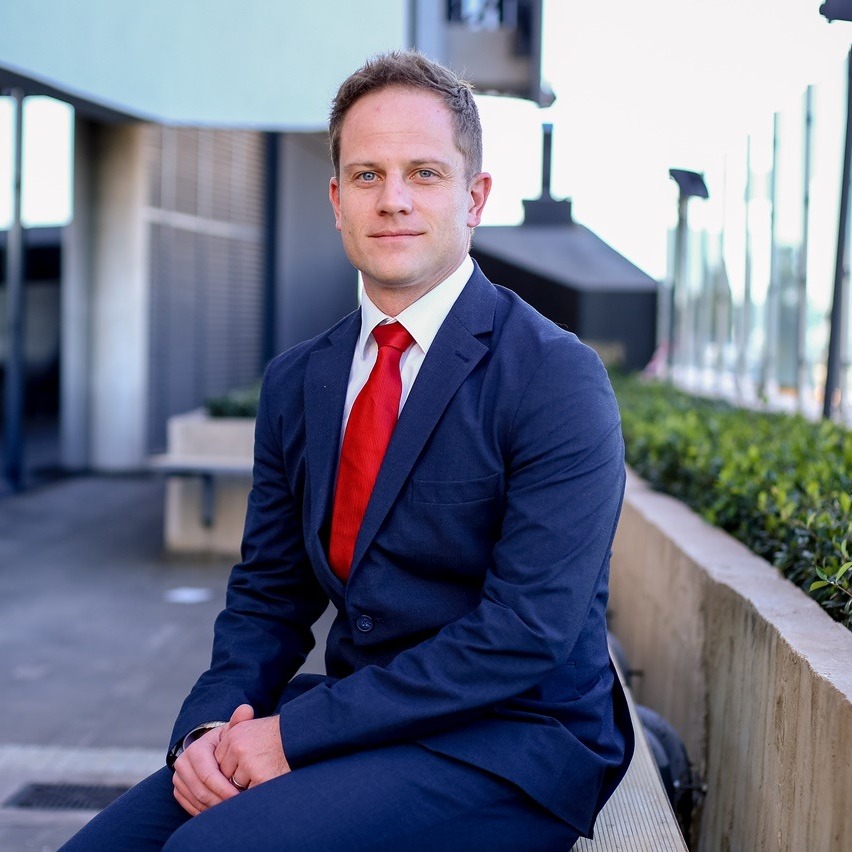 Your Money Maument with Mauritz Oberholzer - TAX FREE SAVINGS ACCOUNT (TFSA) VS RETIREMENT ANUITY (RA) 09.07.2026 4minThis week's financial segment features financial advisor Mauritz Oberholzer, who explains the key differences between a Tax-Free Savings Account (TFSA) and a Retirement Annuity (RA), outlining the benefits of each to help you decide which option may be the best fit for your financial goals.Your Money Maument is aired on eRadio SA every Thursday and available as a podcast afterwards.For more information visit https://www.mauritzoberholzer.co.za/
 -
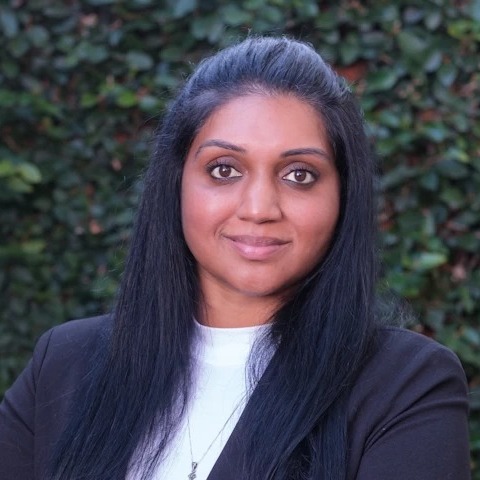 LEGAL TALK with Hahn & Hahn Attorneys: Emoluments Attachment Order Explained 08.07.2026 5minWhen debt repayments are deducted directly from a person's salary, both employees and employers need to understand the legal rules that apply. In this interview, we unpack what an emoluments attachment order is, when it can be used, and the legal safeguards that protect debtors from unfair deductions. We also discuss the responsibilities of employers, what courts must consider before authorising these orders, whether there are limits on salary deductions, and the key rights and obligations everyone should know. Nirvana Nothnagel of Hahn & Hahn Attorneys joins Eon. Legal Talk is aired every Wednesday morning at 10:00 on eRadio and available as a podcast thereafter.
 -
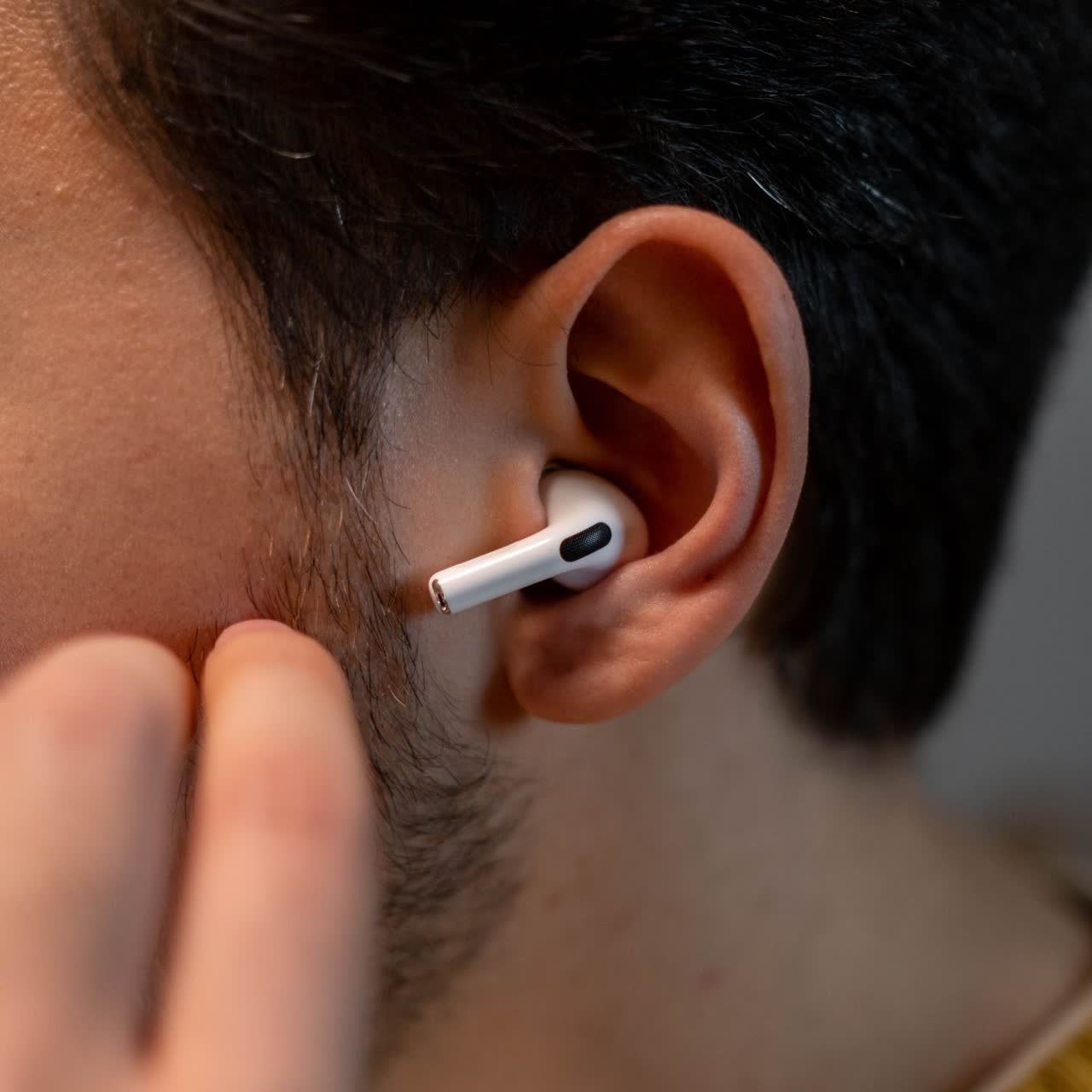 ICAN: Your Hearing is Part of Your Overall Health - with Minette Lister 07.07.2026 10minYour hearing is about far more than just your ears - it's an important part of your overall health and wellbeing. In this episode, we explore why hearing deserves the same routine attention as your eyesight and dental health. We discuss the many factors that can affect hearing, what audiologists really do beyond fitting hearing aids, and why having your own trusted audiologist can benefit you throughout your life. You'll also learn about other hearing and balance concerns audiologists can help with, and when you should book your very first hearing assessment. Minette Lister of ICAN joins Eon.To find an independent audiologist in your area, visit: www.independentaudiologists.co.za
 -
 The OPTISMILE Podcast 115 - Navigating Specialists - Who Does What? 06.07.2026 30minPeriodontist, endodontist, prosthodontist... does it ever feel like alphabet soup? In this episode of Save Your Money, Save Your Teeth, Eon Engelbrecht asks Dr Clifford Yudelman to untangle exactly who does what in dentistry: when a general dentist is all you need, when a specialist is worth every cent, and how getting the referral right can save you money, time and unnecessary treatment. Along the way, Dr Yudelman lifts the lid on failed root canals that could have been saved, the truth about referral kickbacks, and why there is no such thing as a specialist “cosmetic dentist”.Episode Questions and Key Answers1. What is the difference between a general dentist and a specialist? (1:25)A general dentist is trained to diagnose, prevent and manage most dental conditions for all age groups, from check-ups, x-rays and fillings to crowns, basic extractions and preventive care. A specialist has gone back to university for several more years of full-time postgraduate training in one field, and goes far deeper in that narrower scope. The two are complementary: the general dentist manages most of the care, and specialists are brought in when complexity or risk increases.2. When should I see an endodontist, instead of my regular dentist, for a root canal? (4:11)Endodontists specialise in the dental pulp and root canal system, and are the right choice for complex or calcified canals, retreatment of failed root canals, persistent infections and hard-to-diagnose pain. Their microscopes, CBCT imaging and additional technology deliver measurably higher success rates in complex cases. And a referral is never a failure: it means your dentist is protecting your tooth, with no kickbacks or commissions involved.3. What does a periodontist do, besides treating gum disease? (9:09)Periodontists look after the supporting structures of the teeth, the gums and bone, and their scope extends well beyond gum disease: gum grafting, crown lengthening, and highly specialised implant placement techniques such as partial extraction therapy. They protect the foundations, because without stable gums and bone everything else fails. Large cases involving crowns, bridges and implants often start in the periodontist's chair.4. Why would I need a prosthodontist for crowns or implants? (12:09)Prosthodontists are the specialists for large restorative cases: full-mouth rehabilitations, multiple implants and extensive crown work, sometimes 20 or more crowns in a single session. Dr Yudelman describes OptiSmile's own prosthodontist, Dr Steyn, who trained in Boston as implants were first emerging and handles cases such as a 13-implant full-mouth rebuild. Experience matters: it can be the difference between a result that lasts 15 to 20 years and one that fails within five.5. What is the difference between an orthodontist and a dentist who does Invisalign? (15:25)Orthodontists complete specialist university training in tooth and jaw movement and manage complex bites, skeletal discrepancies and growth-related problems, while many general dentists are certified to treat mild to moderate cases with Invisalign. Experience varies enormously: a dentist who has limited his practice to aligners for 20 years is a very different proposition from one who has done a short course. And despite what marketing may claim, there is no registered specialty called cosmetic dentistry.6. When do I need an oral surgeon versus a maxillofacial surgeon? (17:36)In South Africa the two are one and the same specialty, oral and maxillofacial surgery, covering extractions, impacted wisdom teeth, biopsies and minor surgical procedures. Individual surgeons may be more focused on areas such as facial trauma, reconstruction or cancer treatment, so it pays to be referred to the right surgeon for your particular problem.7. What is a paedodontist, and do they only see children? (18:51)Paediatric dentists specialise in treating children, including anxious and special-needs patients and complex developmental conditions, with training in child psychology, growth and behaviour management. Very young children who need extensive treatment usually require a general anaesthetic in hospital, which is core paediatric-specialist territory. In Cape Town, severe childhood cases can be seen by the specialists at the Red Cross Children's Hospital.8. Do you always need a referral to see a specialist? (21:24)Legally, no: patients can self-refer. But care works far better when it is coordinated, so the primary dentist understands the full picture, and research shows that multidisciplinary, coordinated care produces much better outcomes than uncoordinated specialist visits. As Dr Yudelman puts it, dentistry works best when it is played as a team sport.9. Why does OptiSmile have specialists in-house? (23:19)OptiSmile has a specialist prosthodontist in-house, alongside general dentists with deep special interests, such as Dr Harris in Invisalign and Dr Ruan, who teaches root canals to other dentists. The team meets every Tuesday to review complicated cases shoulder to shoulder at the screen, so patients get several experienced minds on their treatment plan rather than a single opinion.10. How do general dentists and specialists work together on complex cases? (24:55)Complex cases demand proper sequencing: gums treated first, teeth aligned next, and the restorative work of crowns, implants or bonding at the end, all planned together. The general dentist coordinates while the specialists contribute their expertise, which improves treatment longevity and lowers lifetime cost. Dr Yudelman also warns against self-proclaimed “experts” who take on major multi-specialty cases after a short course, with sometimes disastrous results.Closing ThoughtsThe takeaway from this episode is simple: dentistry works best as a team sport, with your general dentist coordinating the plan and the right specialist brought in at the right moment. Getting that referral right protects both your teeth and your wallet. Join Eon and Dr Yudelman next week, when they turn their attention to social media and dentistry. Until then, look after your teeth, and also your wallet.Further ResourcesProsthodontist in Cape Town (Dr Jurie Steyn): https://optismile.co.za/dental-solutions/prosthodontist-cape-town/Root Canal Treatment in Cape Town: https://optismile.co.za/dental-solutions/root-canal-treatment-cape-town/Orthodontics at OptiSmile: https://optismile.co.za/dental-solutions/orthodontics/Invisalign in Cape Town: https://optismile.co.za/dental-solutions/invisalign-cape-town/Meet the OptiSmile Team: https://optismile.co.za/about-us/Disclaimer: The content provided in this podcast, "Save Your Money Save Your Teeth" on Medical Mondays, is for informational and educational purposes only. It is not intended to serve as dental or medical advice. The insights and opinions expressed by Dr. Clifford Yudelman and any guests are designed to foster a better understanding of dental health, preventive measures, and general well-being, but should not be interpreted as professional dental or medical recommendations. Dr. Clifford Yudelman does not diagnose, treat, or offer prevention strategies for any health conditions directly through this podcast. This platform is not a substitute for the personalized care and advice provided by a licensed dental or healthcare professional. We strongly encourage our listeners to consult with their own dental care providers to address individual dental health needs and concerns. The information shared here aims to empower listeners with knowledge about dental health but must not be used as a basis for making health-related decisions without professional guidance. Your dental care provider is the best source of advice about your dental and overall health. Please always seek the advice of your dentist or other qualified health professionals regarding any questions or concerns about your dental health.
 -
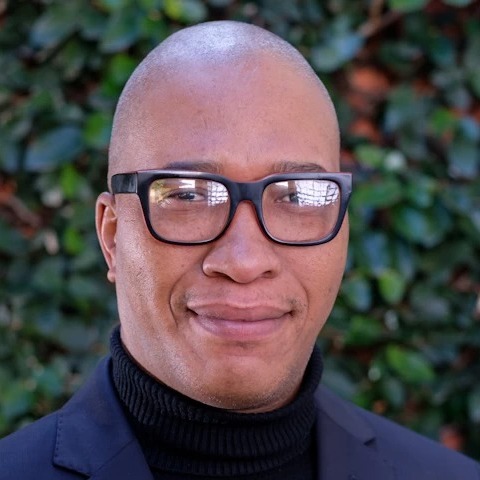 LEGAL TALK with Hahn & Hahn Attorneys: Protest Damage - Who Do You Claim From? 01.07.2026 5minProtests have been in the news a lot this week. Who do you claim from in the event that your property (movable or immovable) is damaged in a protest? We ask Thabiso Tshukudu of Hahn & Hahn Attorneys.Legal Talk is aired every Wednesday morning at 10:00 on eRadio and available as a podcast thereafter.
 -
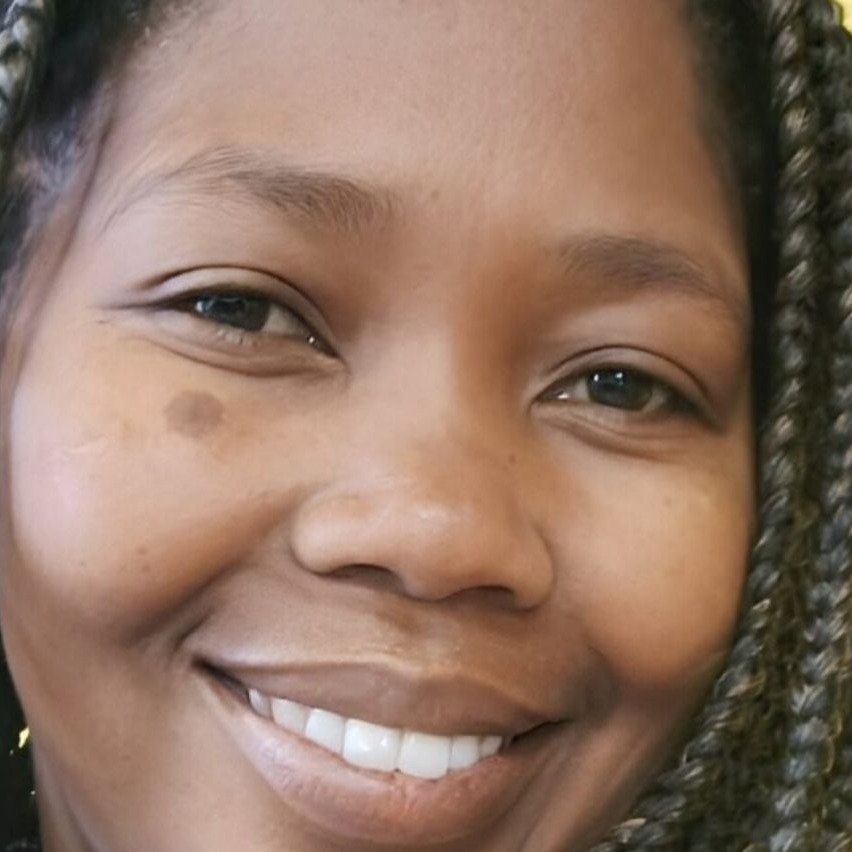 eRadio Charity Focus: SA Harvest talks about their Start Strong Mandela Day campaign 30.06.2026 8minZee Mapoma of SA Harvest joins Eon to talk about their Start Strong Mandela Day campaign, which aims to support babies and young children during the critical first 1,000 days of life. Find out how SA Harvest works with trusted community organisations to tackle food insecurity, why the campaign encourages long-term support rather than once-off donations, and how the Start Strong Bucket is helping vulnerable families build healthier futures.For more information or to become involved, visit https://saharvest.org/To have your NPO featured on eRadio SA, please email: eon@eradiosa.co.za
 -
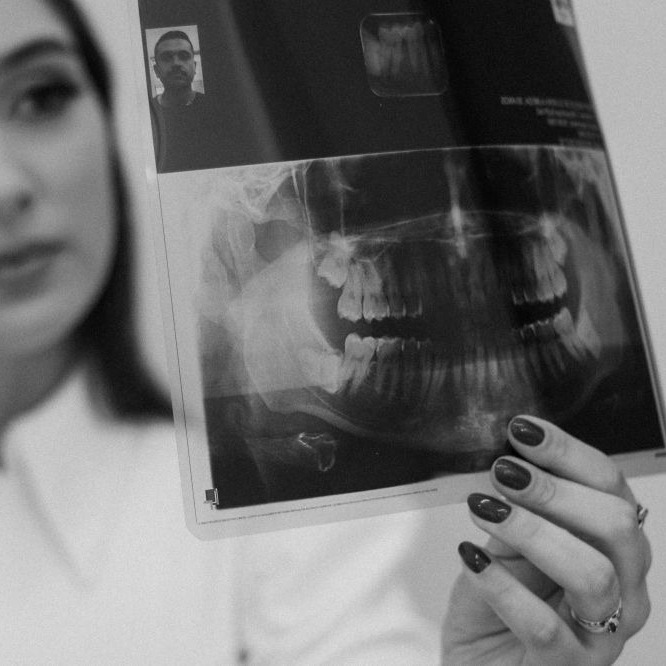 The OPTISMILE Podcast 114 - How to Read Your Own X-Rays (Co-Discovery) 29.06.2026 18minIn this episode, Dr Clifford Yudelman introduces co-discovery, the principle that a patient is an informed partner in their own care rather than a passive bystander. He walks through how to make sense of a dental x-ray: what the light and dark areas mean, how cavities, bone loss, abscesses, tartar and dense restorations appear, and where AI tools such as Diagnocat fit in. The aim throughout is to replace fear with clarity, because when patients can see what is happening in their own mouth, they understand it, trust it, and act on it sooner.Questions and AnswersQuestion 1. What is co-discovery, and what should I be looking for on my own x-ray? (1:04)Co-discovery, an idea from the American dentist Dr Bob Barclay in the 1950s, means the patient is an informed partner who understands the story their mouth is telling rather than diagnosing themselves. Start by orientating yourself: find the crowns, the roots and the surrounding bone. A healthy x-ray shows well-defined teeth and bone that hugs the roots closely, so once you know what normal looks like, abnormal findings make sense.Question 2. What is the difference between the white areas and the dark areas on an x-ray? (2:40)White areas are dense structures that block radiation: enamel, bone, and especially metal fillings or inlays. Dark areas are where the x-rays pass through easily, like the air between teeth, and they also flag less dense problems such as cavities or infection in the bone. With digital x-rays you can adjust the brightness to see these contrasts more clearly.Question 3. How does a cavity look on an x-ray compared to a healthy tooth? (4:34)A healthy tooth has a smooth, uniform outline with no dark shadows in the enamel, while a cavity usually shows as a dark triangle or shadow between the teeth or under an existing filling. Early decay can be subtle, and not all cavities show on x-rays, so the image only works alongside a clinical exam. Five shadows do not automatically mean five fillings.Question 4. Can I spot bone loss on my own x-rays? (6:02)Yes. In a healthy mouth the bone sits one or two millimetres below where the root meets the crown, so bone loss shows as a lowering of that level and a longer-looking root. Seeing it turns the abstract idea of gum disease into something visible, which makes patients far more likely to act.Question 5. How do you spot an abscess or infection at the root tip? (6:51)An abscess often appears as a dark circular or irregular area around the root tip, marking bone destruction from a chronic infection. Early ones can be missed on a flat 2D x-ray, which is why a CBCT often reveals a shadow that was not obvious before. Good diagnosis correlates the imaging with the symptoms, never a single snapshot.Question 6. What do bright white streaks or shapes usually mean? (7:42)Usually dense, man-made things: implants, crowns, posts and fillings, with white fillings slightly less opaque. A full crown can hide recurrent decay underneath, so we adjust how often we x-ray depending on how much restorative work is present. CBCT is excellent for roots and bone but is sensitive to metal, which is one area where AI helps cut through the streaking.Question 7. How can I tell if there's tartar or calculus on an x-ray? (9:18)Tartar is the chalky white build-up on teeth; above the gum it is mainly cosmetic and simply cleaned off. Below the gum it shows clearly on an x-ray, almost always alongside bone loss, and it is often invisible in the mirror, especially in smokers with healthy-looking gums. Seeing that hidden tartar and the bone it is destroying is what motivates people to act.Question 8. Why do some teeth look like they're floating? Does it mean they're loose? (10:41)A floating tooth has almost no bone around it, usually from very advanced gum disease in someone who has gone years without care. Most of these teeth cannot be saved. If two or three are floating, the rest are often not far behind.Question 9. How does AI help patients understand their x-rays better? (11:57)Software like Diagnocat colour-codes and flags abscesses, cavities and tartar, and even picks up wear or abfraction, supporting the conversation without replacing the dentist's judgment. Sometimes it catches what I would have missed, and sometimes I see what it missed. It has to be used responsibly, because turning up its sensitivity to claim a patient needs fifteen fillings is exactly the over-diagnosis to guard against.Question 10. Why is it important for patients to see the x-ray, not just be told what's wrong? (14:05)I take photos, a 3D scan and x-rays, run them through AI, then sit with the patient and look at everything together as part of a ninety-minute exam. This is discovering before diagnosing, and it lets us agree what genuinely needs treating and what can be left alone. Being told creates dependency, but seeing creates understanding, which helps patients accept care early while problems are still small.Closing ThoughtsCo-discovery turns the abstract into the visible. When patients sit down and look at their own x-rays, photographs and scans alongside the dentist, decisions become shared rather than imposed, treatment is accepted earlier while problems are still small, and anxiety drops. Being told creates dependency; seeing creates understanding, and that understanding is what protects a patient's teeth, health and finances over a lifetime. To learn more or to book a full examination, visit OptiSmile.co.za.Further ResourcesSecrets of Your Teeth Exposed Through Dental X-Rays - podcast companion on the types of dental x-ray and what each one reveals: https://optismile.co.za/blog/secrets-of-your-teeth-exposed-through-dental-x-rays/Are All These X-Rays Necessary? - on x-ray frequency, CBCT, and avoiding unnecessary imaging: https://optismile.co.za/blog/x-rays-dentist-gives-necessary/The Ultimate Guide to Dental Check-Ups - what a thorough check-up includes, x-rays, and AI-assisted review: https://optismile.co.za/blog/the-ultimate-guide-to-dental-check-ups/Digital Dentistry: AI, 3D Printing and the Future of Your Smile - how OptiSmile uses Diagnocat and digital scans to show patients their own findings: https://optismile.co.za/blog/digital-dentistry-ai-3d-printing-the-future-of-your-smile/Orthophos 3D X-Ray (CBCT) - the low-radiation 3D x-ray technology used at OptiSmile: https://optismile.co.za/dental-technology2/orthophos-3d-x-ray/Book an appointment - contact OptiSmile in Sea Point, Cape Town: https://optismile.co.za/contact-dentist-cape-town/OptiSmile - practice home, articles and online booking: https://optismile.co.za/Diagnocat - the AI dental imaging software referenced in this episode: https://diagnocat.comDisclaimer: The content provided in this podcast, "Save Your Money Save Your Teeth" on Medical Mondays, is for informational and educational purposes only. It is not intended to serve as dental or medical advice. The insights and opinions expressed by Dr. Clifford Yudelman and any guests are designed to foster a better understanding of dental health, preventive measures, and general well-being, but should not be interpreted as professional dental or medical recommendations. Dr. Clifford Yudelman does not diagnose, treat, or offer prevention strategies for any health conditions directly through this podcast. This platform is not a substitute for the personalized care and advice provided by a licensed dental or healthcare professional. We strongly encourage our listeners to consult with their own dental care providers to address individual dental health needs and concerns. The information shared here aims to empower listeners with knowledge about dental health but must not be used as a basis for making health-related decisions without professional guidance. Your dental care provider is the best source of advice about your dental and overall health. Please always seek the advice of your dentist or other qualified health professionals regarding any questions or concerns about your dental health.
 -
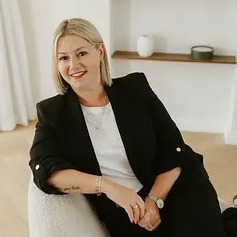 eRadio Business Focus: Mosaic Weddings 29.06.2026 6minThis week on eRadio Business Focus, we get to know Cara Lee Pearce, a Cape Town based Wedding Planning expert who is inspired by her couples unique love stories. She tells us more about her business, Mosaic Weddings.Visit her webpage here: https://mosaicweddings.co.za/Find her on Facebook: https://www.facebook.com/mosaicweddingsInstagram: https://www.instagram.com/mosaicweddingsPinterest: https://za.pinterest.com/mosaicweddings/Want us to feature your business? Email: advertising@eradiosa.co.za
 -
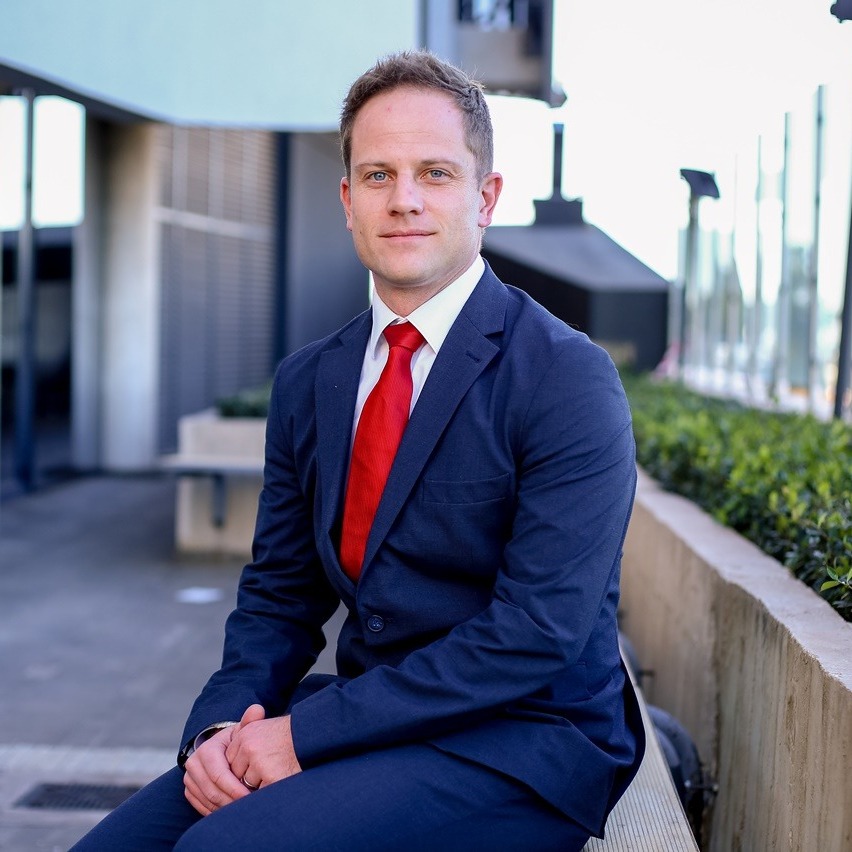 Your Money Maument with Mauritz Oberholzer - The dangers of stockpicking 25.06.2026 5minThis week financial advisor Mauritz Oberholzer talks about the dangers of stockpicking.Your Money Maument is aired on eRadio SA every Thursday and available as a podcast afterwards.For more information visit https://www.mauritzoberholzer.co.za/
 -
 LEGAL TALK with Hahn & Hahn Attorneys: Charged for Going Solar 24.06.2026 12minWe continue our discussion on Eskom's proposed charges for Solar users. Joining us is Merilynn Du Plessis, Senior Associate Attorney at Hahn & Hahn Attorneys.Watch the Webinar and Q&A session here: https://hahnlaw.co.za/video/daylight-robbery-hidden-cost-of-going-solarLegal Talk is aired every Wednesday morning at 10:00 on eRadio and available as a podcast thereafter.
 -
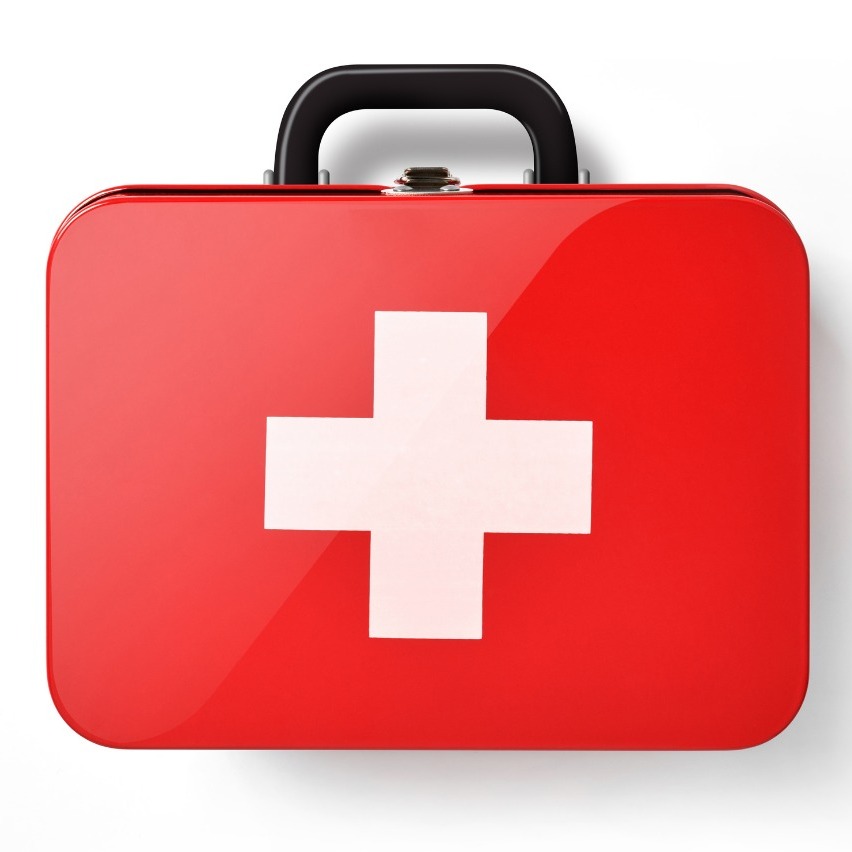 The OPTISMILE Podcast 113 - Your Dental Emergency Kit 22.06.2026 26minMost of us never think about a dental emergency until we are far from a dentist: on holiday, at sea, or somewhere remote, and a tooth breaks or a filling drops out. In this episode, Dr Clifford Yudelman of OptiSmile talks through a simple dental emergency kit, covering what to pack, how to use it, and how to tell a genuine emergency from something that can wait. The aim throughout is buying time safely until you can reach proper care.Questions and Summary Answers1. (1:27) What are the must-have dental items in a first-aid kit?A kit is about buying time safely, not replacing professional care. Pack a toothbrush and fluoride toothpaste, floss, orthodontic wax, temporary filling material, sugar-free gum, and basic pain relief in the form of Panado and ibuprofen. For toothache, two ibuprofen with each meal and two Panado in between will keep most pain manageable for three or four days until you reach a dentist.2. (4:19) What is temporary filling material and how do you use it?It is a soft, mouldable putty that seals a lost filling or cracked tooth for a short time. Rinse and gently clear any loose debris, dry the area, then press the material into the cavity with a clean finger; it sets with saliva. It will not restore strength, but it reduces cold sensitivity, stops food packing in, and has a mild antibacterial effect.3. (5:31) Can flying or diving make tooth pain worse?Yes. Pressure changes in flight, and more sharply when diving, can trigger tooth pain known as barodontalgia, which almost always signals an existing problem such as a deep filling, a hairline crack, or an untreated cavity. The best protection is a checkup before a long trip; if pain strikes, return to normal pressure, take ibuprofen or paracetamol, and avoid flying or diving again until the tooth is sorted.4. (7:12) What should you pack if a crown or bridge falls out on holiday?Protect the exposed tooth and save the crown by rinsing it and storing it in a container or Ziploc bag, never wrapped in tissue. Temporary dental cement from a pharmacy, or even denture adhesive, can sometimes hold it in place. Never use super glue or household adhesives, as a misaligned crown can leave you unable to bite and can damage the gums.5. (9:33) How do you store a knocked-out tooth?The best option is to put a knocked-out adult tooth straight back in, ideally within 20 to 30 minutes, after rinsing it gently with no scrubbing. If it cannot go back, store it in cold milk, Hank's Balanced Salt Solution, or inside the cheek; never use tap water, as the chlorine damages the root. Baby teeth should never be re-implanted.6. (15:24) What painkillers are best for dental pain?A combination of ibuprofen and paracetamol, sold in the US as Advil and Tylenol, controls most dental pain well. Opioids such as codeine and morphine are rarely necessary and carry real risks. Antibiotics do not treat pain and should only be used where there are clear signs of infection and a clinician has prescribed them.7. (16:49) Can orthodontic wax help with broken teeth, not just braces?Yes. A small piece of orthodontic wax pressed over a sharp edge eases a broken tooth, not just braces. You can even tuck a little inside a loose crown before pressing it back on; most squeezes out and the rest may help it hold for a while.8. (17:34) Can a teabag stop bleeding after an injury?There is truth to it. Tea contains tannic acid, which helps a clot form, so a damp, cooled teabag squeezed out and held over the bleeding area for 15 to 20 minutes can help. Bite gently and remove it slowly without disturbing the clot, and call a dentist if bleeding follows an extraction, as you may have lost the clot.9. (18:51) Can you pack antibiotics, or is that dangerous without a prescription?For seasoned remote travellers it can be sensible to carry antibiotics, but only with proper knowledge of when and how to use them. A dental infection needs a diagnosis, not guesswork, and pain alone does not mean an antibiotic is required. International guidelines strongly discourage unsupervised use because of the risk of antibiotic resistance.10. (20:34) How do you tell a real emergency from one that can wait?Do not wait if you have facial swelling spreading towards the eye or under the jaw, a fever with dental pain, difficulty swallowing or breathing, uncontrolled bleeding, or a knocked-out permanent tooth. On a cruise, the ship's doctor can give antibiotics and call ahead to the next port. If pain is controlled with painkillers it can usually wait, but swelling, fever, or breathing or vision problems mean you should get help immediately.In ClosingA few small items, a little knowledge, and a clear head can turn a holiday disaster into a minor inconvenience. Build your own dental emergency kit before your next trip, and have a checkup before you travel, particularly if you are flying long-haul or planning to dive.Further ResourcesEmergency Dentist at OptiSmilehttps://optismile.co.za/dental-solutions/emergency-dentist/The practice's emergency-care page, explaining how an urgent assessment works, what counts as urgent, and the conservative, tooth-preserving approach that decides what can safely wait.Your Guide to Common Dental Emergencieshttps://optismile.co.za/blog/common-dental-emergencies/A written guide to the most common emergencies, including a knocked-out tooth, cracked or chipped teeth, and a lost crown or filling, with the first steps to take for each.Expert Tips for Dental Emergencies (podcast)https://optismile.co.za/blog/expert-tips-for-dental-emergencies/An earlier episode on handling emergencies away from the chair, covering abscesses, swelling, the ibuprofen and Panado pain protocol, and the common mistakes that make things worse.Dental Habits and Emergencies: Stay Calm and Save (podcast)https://optismile.co.za/blog/dental-habits-emergencies-stay-calm-and-save/A companion episode on staying calm in a crisis, protecting a lost crown or a broken piece, controlling bleeding, and keeping after-hours costs down.Toothache Troubles: Managing Dental Pain and Costs (podcast)https://optismile.co.za/blog/toothache-troubles-managing-dental-pain-and-costs/A deeper look at managing dental pain, when a toothache crosses the line into an emergency, and how to find affordable care if you are caught short.Virtual Dental Consultations Explained (podcast)https://optismile.co.za/blog/virtual-dental-consultations-explained/Useful when you are far from help: how a free video consultation works for triage and second opinions, including for overseas and yacht-based patients who cannot reach a chair.Disclaimer: The content provided in this podcast, "Save Your Money Save Your Teeth" on Medical Mondays, is for informational and educational purposes only. It is not intended to serve as dental or medical advice. The insights and opinions expressed by Dr. Clifford Yudelman and any guests are designed to foster a better understanding of dental health, preventive measures, and general well-being, but should not be interpreted as professional dental or medical recommendations. Dr. Clifford Yudelman does not diagnose, treat, or offer prevention strategies for any health conditions directly through this podcast. This platform is not a substitute for the personalized care and advice provided by a licensed dental or healthcare professional. We strongly encourage our listeners to consult with their own dental care providers to address individual dental health needs and concerns. The information shared here aims to empower listeners with knowledge about dental health but must not be used as a basis for making health-related decisions without professional guidance. Your dental care provider is the best source of advice about your dental and overall health. Please always seek the advice of your dentist or other qualified health professionals regarding any questions or concerns about your dental health.
Radijska postaja

Podobni podkasti


Priljubljen v
Ta podkast je tudi v lestvicah podkastov teh držav.
