
Inclusive Education Project (IEP) Podcast
Inclusive Education Project
0
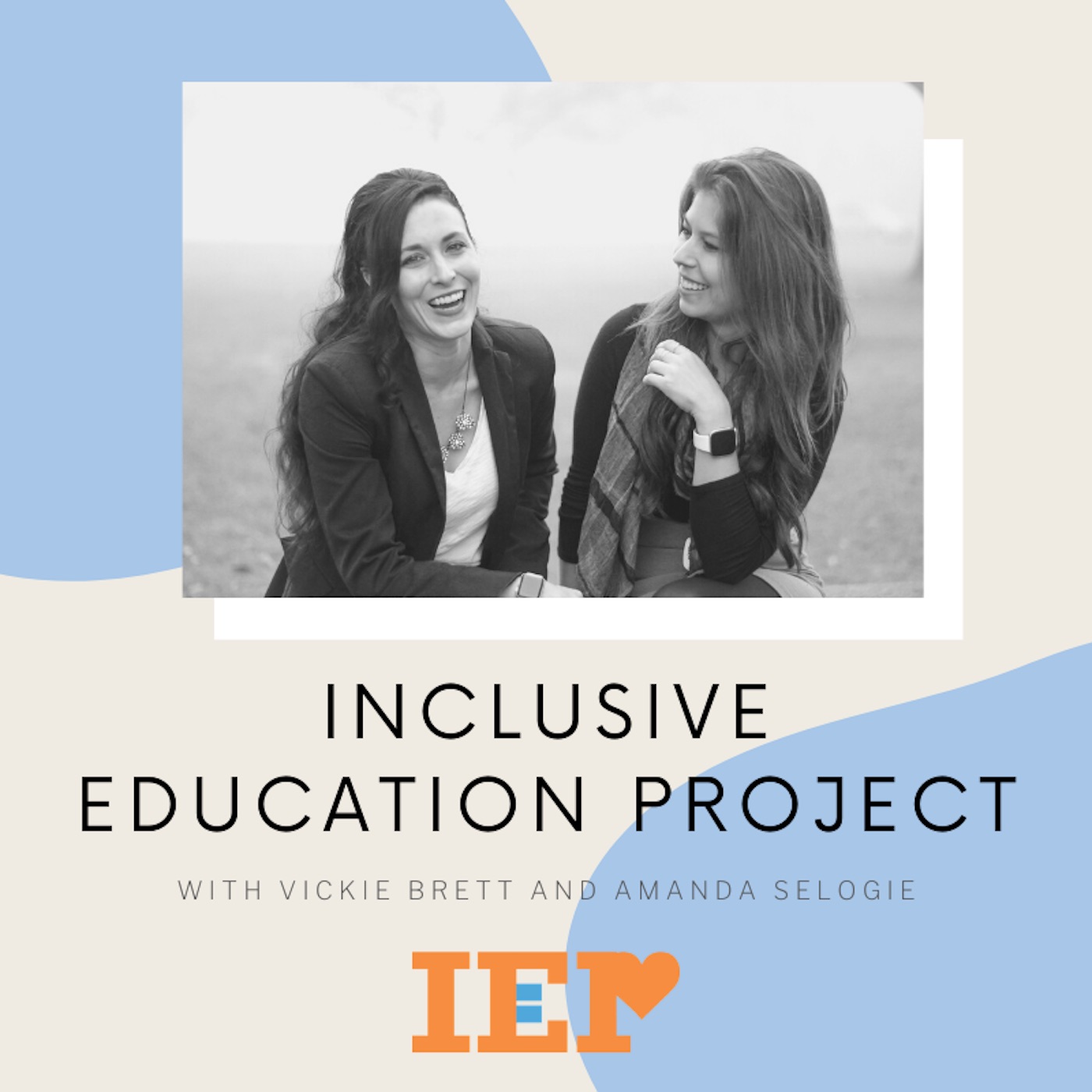
Disability rights is described as the next frontier in civil rights, with education seen as key to building an inclusive society and ensuring equal opportunity for all students. Hosted by special education and civil rights attorneys Amanda Selogie and Vickie Brett, the podcast offers a smart perspective on making educational systems and communities inclusive. Each week, the hosts discuss topics such as education reform, advocating for equal rights, and modern activism. The show also provides resources to help families navigate the educational playing field.
ตอน
-
 AI Is Here to Stay: What Parents & Teachers Need to Know with Jonathan Strecker 15.09.2026 30นาทีWith the start of a new school year, everyone involved in education feels a varying degree of anxiety and uncertainty. Today’s topic, the influence of AI in education, is relevant to everyone: parents, teachers, and students. AI has come to the forefront in recent years, along with debate about the pros and cons of screen time. An expert joins us today to explain how AI is changing the way children think and learn. Join us now!Dr. Jonathan Strecker is an educator, author, commentator, and public thinker who has a background in neuroscience and psychology. He has spent the past 30 years in education, and he is currently the Head of School at Valley School of Ligonier, a private school in Rector, Pennsylvania.Show Highlights:AI IS a disruptive technology. Will its impact be more positive or negative?An example of AI being used as “fake intelligence”AI can partner with learning as the brain primes itself through struggle.The value of boredom in helping the brain transition into creativityThe fascinating aspects of the ADHD mindA statistic: Increasing the connectedness in a group of students brings an 11% boost in intellect.This moment, right now, is as influential as any other in history.Success in reading, writing, and math is a by-product of a “well-defined, intentional whole-child education.”We have to understand the underlying goals in teaching reading, writing, and math, like problem-solving, logical thinking, and communication skills.Resources:Connect with Jonathan Strecker: Website and Emergence book.Contact us on social media or through our website for more information about the IEP Learning Center: www.inclusiveeducationproject.org.Thank you for listening!Don’t forget to SUBSCRIBE to the show to receive every new episode delivered straight to your podcast player every Tuesday.If you enjoyed this episode and believe in our message, please help us get the word out about this podcast. Rate and review this show on Apple Podcasts, Pandora, Spotify, or wherever you get your podcasts. Your rating and review help other listeners find this show.Connect with us and reach out with any questions or concerns: Facebook, Instagram, X, IEP Website, and Email.
 -
We Need to Demand Better For Our Kids! with Jennifer Coco 01.09.2026 25นาทีThe school year is in full swing for most of the country. We want to remind you about your required 30-day transition IEP meeting if your child has transitioned to a new school or new program. If you haven’t been offered this meeting, request it now for a check-in. Even without a transition, you can still request this meeting to get updates on your child’s progress. Don’t delay! Now is the time! Today’s guest has her finger on the pulse of today’s special education programs, support, and funding, and she’s here to help us understand the current situation. Join us!Jennifer Coco has a background in law and a focused passion for advocating for kids with special needs and disabilities. After starting in the civil rights field, she joined the Southern Poverty Law Center as a special education attorney to tackle systemic challenges in providing equal access and opportunity at the intersection of disability and race. Currently, she serves as the interim executive director of The Center for Learner Equity. This national organization cares deeply about kids with disabilities having equal access to high-quality school choices and opportunity.Show Highlights:THIS moment matters! (“We are at a scary juncture.”)Is the infrastructure in place to follow through with the law?The federal government is not following through on the provisions of the IDEA.Understanding the gap between the provisions and implementation of the IDEASolutions for charter schools in serving kids with disabilities: resources, access, and system capacityJennifer’s approach to championing and advocating for charter schoolsThe two biggest problems for charter schools with inclusive education are planning and design.Systemic problems affect us all!Key takeaways from Jennifer: “Don’t abandon hope! We need to hold hands and demand better for our kids.”Get involved!Resources:Connect with Jennifer Coco: Website, Jennifer's LinkedIn, and CFLE LinkedIn.Contact us on social media or through our website for more information about the IEP Learning Center: www.inclusiveeducationproject.org.Thank you for listening!Don’t forget to SUBSCRIBE to the show to receive every new episode delivered straight to your podcast player every Tuesday. If you enjoyed this episode and believe in our message, please help us get the word out about this podcast. Rate and review this show on Apple Podcasts, Pandora, Spotify, or wherever you get your podcasts. Your rating and review help other listeners find this show. Connect with us and reach out with any questions or concerns: Facebook, Instagram, X, IEP Website, and Email.
-
When Your Special Needs Child Grows Up: Planning for “What’s Next?” with Mary McDirmid 18.08.2026 32นาทีWe spent much of the last school year discussing the changes in education and the uncertainty surrounding the federal Department of Education. Beyond the policy debates and headlines are real families trying to navigate very real questions about their children’s futures. For families of children with special needs, those questions can feel especially overwhelming: What happens after high school? How do we plan for adulthood? What financial, legal, and practical decisions need to be made—and when? Today, we’re shifting the conversation from what is happening in education right now to what families need to plan for the years ahead. Mary McDirmid joins us to share both her professional expertise and her personal experience as a mother of a child with special needs.Mary McDirmid is a financial planner and the mother of two daughters, the youngest of whom is ten and has special needs. As her own family encountered the complexities of planning for their daughter’s future, Mary recognized how difficult it can be for families to know where to begin—and how much they need someone who understands both the financial and personal sides of special needs planning. That experience led her to focus her work on helping other families navigate these challenges through All Needs Planning, where she provides specialized planning and support for families at every stage of life.Show Highlights:Understanding how a diagnosis changes everything for a familyAfter simply surviving from birth to age 3, a family focuses on IEPs for the school years; next comes graduation, which is a big question mark. (“Now, what?”)Simply staying home all day is NOT the best choice.The one question that alerts you to the groups that are right for your special needs child in the post-education yearsFinding what benefits are available to pay for servicesThe importance of community and connection for families with the shared experience of a child with a rare diseaseMary’s work with families includes finding/applying for benefits and structuring special needs trusts, accounts, and estate planningHow to think about naming people who can replace you in the future (Think of a five-year plan. You can reset it later.)Simply creating a special needs trust is not enough.NOW is always the best time for planning.Immediate steps for parents to take now: figure out the years your child has left in school, take inventory of the planning you have in place, and determine what is missingMary’s easy trick to save digital documents related to your child and their care (Get them a Gmail account!)Resources:Connect with Mary McDirmid: Website and book, Care, Protect, Grow.Contact us on social media or through our website for more information on the IEP Learning Center: www.inclusiveeducationproject.org.Thank you for listening!Don’t forget to SUBSCRIBE to the show to receive every new episode delivered straight to your podcast player every Tuesday. If you enjoyed this episode and believe in our message, please help us get the word out about this podcast. Rate and review this show on Apple Podcasts, Pandora, Spotify, or wherever you get your podcasts. Your rating and review help other listeners find this show. Connect with us and reach out with any questions or concerns: Facebook, Instagram, X, IEP Website, and Email.
-
Back to School, Back to Action 04.08.2026 9นาทีWelcome back, everyone! It’s back-to-school season across the country, and we are cautiously optimistic about this upcoming year. The sky has not fallen, and there is still work for us to do to effect change in the world of education. We are still here in the thick of the fight, ready for another school year. As always, we will continue to feature guests and informative conversations focused on funding, equity, inclusion, and the special needs of all students in classrooms. It’s a new academic year with new challenges and real opportunities for change. Join us!Show Highlights:The state of education under the current administration: The shift is real. Participating in state and local elections is the best way you can make the biggest impact. This is not the moment for a “the sky is falling” attitude!We can “steer this boat” in a different direction!Our goal on the podcast is to help all of us understand the problems and discuss solutions, while keeping it fun and loose. We look forward to many meaningful conversations during this academic school year–and we have a lot to cover!Resources:Contact us on social media or through our website for more information on the IEP Learning Center: www.inclusiveeducationproject.org.Thank you for listening!Don’t forget to SUBSCRIBE to the show to receive every new episode delivered straight to your podcast player every Tuesday. If you enjoyed this episode and believe in our message, please help us get the word out about this podcast. Rate and review this show on Apple Podcasts, Pandora, Spotify, or wherever you get your podcasts. Your rating and review help other listeners find this show. Connect with us and reach out with any questions or concerns: Facebook, Instagram, X, IEP Website, and Email.
-
Our Best Approach to Education is “Outside-the-Box” Thinking 23.06.2026 14นาทีWe are officially here at the last episode before we take a summer break. We will return with new episodes in August. This last school year was one in which we felt the negative shift in our education system, but all hope is not lost. Our focus today is on how we can best prepare for the upcoming school year. We have a great responsibility! Join us to learn more!Show Highlights:Problems as a result of workforce reductions in the Department of EducationThe process to file discrimination complaints against school districts (Only 1% of the complaints were resolved in 2025!)Problems with the voucher system in providing a “free and appropriate” educationCurrent bills in Congress regarding the voucher systemYour responsibility in the November elections (Do your homework!)The continuing struggle to fund special educationAdvocation for our kids depends on our awareness“Outside-the-box” thinking is vital when it comes to supporting our students.Resources:Contact us on social media or through our website for more information at the IEP Learning Center: www.inclusiveeducationproject.org.Thank you for listening!Don’t forget to SUBSCRIBE to the show to receive every new episode delivered straight to your podcast player every Tuesday.If you enjoyed this episode and believe in our message, please help us get the word out about this podcast. Rate and review this show on Apple Podcasts, Pandora, Spotify, or wherever you get your podcasts. Your rating and review help other listeners find this show.Connect with us on: Facebook, Instagram, X, IEP Website, and Email.
-
A Parent’s Guide to Transition IEP Meetings 09.06.2026 20นาทีTransition IEP meetings are essential when your child transitions from elementary to middle school, middle school to high school, and high school to college/vocational school. If you haven’t had a transition IEP meeting for the end of this school year, you can still get one scheduled as soon as the new school year begins. We are breaking it down in today’s episode. Join us!Show Highlights:What the law provides for parents regarding transition IEP meetingsThe transition IEP meeting is NOT just a box to check.Waiting 30 days into the new school year means 30 days of missed opportunities for the student to be successful.From middle to high school, the student’s diploma track has to be determined.From elementary to middle school, executive functioning skills are put to the test; we need to prep the student.The transition IEP meeting is a chance to “think outside the box” to meet a student’s needs.How can we “front-load” a student for success in each transition?Each transition is a chance for a fresh start for students, parents, teachers, and the IEP team.Streamlining communication with the IEP teamResources:Contact us on social media or through our website for more information on the IEP Learning Center: www.inclusiveeducationproject.org.Thank you for listening!Don’t forget to SUBSCRIBE to the show to receive every new episode delivered straight to your podcast player every Tuesday.If you enjoyed this episode and believe in our message, please help us get the word out about this podcast. Rate and review this show on Apple Podcasts, Pandora, Spotify, or wherever you get your podcasts. Your rating and review help other listeners find this show.Connect with us and reach out with any questions or concerns: Facebook, Instagram, X, IEP Website, and Email.
-
The Reading Brain: Understanding Structured Literacy with Tara Giddings 26.05.2026 25นาทีCrazy time is here! Schools across the country have a LOT happening in these final days of the school year. For parents, there is a sense of relief, along with the panic of realizing that summer is about to begin and that they need to plan what their kids will do. Having a structured literacy plan is key, but it doesn’t have to be complex. Don’t be confused by the plethora of reading programs that are advertised as a “must-have” resource. Today’s guest helps us understand what’s most important for parents to know as they help their children hone their reading skills. Join us!Tara Giddings is from LearnUp Centers, a non-profit with the mission to reach and teach struggling readers in every community to read with confidence. Her passion for helping kids learn to love reading is the heart of her work. She has a master’s degree in educational therapy. She loves raising awareness about the right ways to teach kids to read, including helping parents understand the best resources and supports to cultivate good readers.Show Highlights:The evolution of reading programs over the past few decadesUnderstanding” structured literacy”Keep an open mind about how reading is taught today vs. many years ago; we need to understand the science of how the brain decodes and learns.Three categories of students who are learning to readAddressing gaps in students’ reading skills in higher grades: What is the best approach?Five pillars of literacy: phonemic awareness, phonics, vocabulary, fluency, and comprehensionDetermining when a child needs interventions to improve reading skillsDyslexia and other reading struggles are not indicators of lower intelligence.Recognizing the elements of a good structured literacy lessonTara’s best tip for parents for the upcoming summer to boost their child’s reading skillsResources:Connect with Tara Giddings and LearnUp Centers: WebsiteContact us on social media or through our website for more information on the IEP Learning Center: www.inclusiveeducationproject.org.Thank you for listening!Don’t forget to SUBSCRIBE to the show to receive every new episode delivered straight to your podcast player every Tuesday.If you enjoyed this episode and believe in our message, please help us get the word out about this podcast. Rate and Review this show on Apple Podcasts, Pandora, Spotify, or wherever you get your podcasts. Your rating and review help other listeners find this show.Connect with us and reach out with any questions or concerns: Facebook, Instagram, X, IEP Website, and Email.
-
369: The Power of Real Inclusion with Andrew Goff, Ed.D. 12.05.2026 30นาทีWelcome to the final weeks of the school year. Across the country, school districts are winding down to summer break from now through mid-June. It is a busy time for everyone involved in education. Today’s episode explores the power of inclusion, particularly when policies don’t always align with what best serves our students. We are thrilled to welcome Andrew Goff back to the show for his unique perspective on this topic. Join us!Andrew Goff taught early childhood special education in five different least restrictive environments over 12 years. He is currently the lead instructor at Colorado Northwestern Community College. Based on his life as an educator, he wrote the memoir, Love is a Classroom, and is a fierce advocate for “inclusion—early, everywhere, and always.” His latest book, Shattered and Becoming: A Teacher’s Journey Between Policy and Purpose, was published in March, 2026. Show Highlights:Mixed messages and confusion for teachersAndrew’s motivation to write his second book, Shattered and BecomingAndrew’s message to teachers: “You are not alone. The system is set up to confuse you.”Recognizing the power dynamics in the educational system“What is my range of acceptable behavior?”It starts with trust. (Parents need to be able to trust their children’s educators.)Words to teachers who understand inclusion and need to advocate for studentsThe importance of documentationBeing curious is always the best approach. Concrete data can make all the difference in securing services for a student.Andrew’s message to administratorsCreating community begins with shared values. Resources:Connect with Dr. Andrew Goff: Website, YouTube, and TikTok Contact us on social media or through our website for more information on the IEP Learning Center: www.inclusiveeducationproject.org.Thank you for listening!Don’t forget to SUBSCRIBE to the show to receive every new episode delivered straight to your podcast player every Tuesday. If you enjoyed this episode and believe in our message, please help us get the word out about this podcast. Rate and Review this show on Apple Podcasts, Pandora, Spotify, or wherever you get your podcasts. Your rating and review help other listeners find this show. Connect with us and reach out with any questions or concerns via Facebook, Instagram, X, the IEP Website, or Email.
-
IEP Meetings & Beyond: Advocate for Services, Placement & Success 28.04.2026 23นาทีWhat is an IEP? What does it mean for your child? How do IEPs and IEP meetings differ across school districts? What is my recourse if the teacher who relates best to my child is moved to another school? We’re answering these questions and more in today’s solo episode with Vickie and Amanda!Show Highlights:The IEP outlines services, accommodations, and placements, but does not guarantee specific personnel to implement them.A general rule for any concerns about your child’s IEP: Always ask!Getting creative and specific in the IEP, regardless of the teacherAdvice to parents when “that one great teacher” goes elsewhereDebate over different types of interventions (The law says they must be “appropriate.”)Clearing up confusion over expert opinions and evidence-based programsThe most valuable teacher on your team is the one who is willing to try an intervention without becoming combative, defensive, and egotistical.What to do right now for next yearResources:Contact us on social media or through our website for more information on the IEP Learning Center: www.inclusiveeducationproject.org.Thank you for listening!Don’t forget to SUBSCRIBE to the show to receive every new episode delivered straight to your podcast player every Tuesday.If you enjoyed this episode and believe in our message, please help us get the word out about this podcast. Rate and Review this show on Apple Podcasts, Pandora, Spotify, or wherever you get your podcasts. Your rating and review help other listeners find this show.Connect with us and reach out with any questions or concerns via Facebook, Instagram, X, the IEP Website, or Email.
-
Don’t Wait: The Critical Window for TK & Kindergarten IEPs (And Why Early Intervention Matters) 14.04.2026 27นาทีAs the school year winds down, this is a critical window for families and educators. If there’s anything you’ve been meaning to put in motion before summer, now is the time to act. Planning ahead is essential, and school districts often operate on fixed timelines, leaving limited flexibility for scheduling assessments and services. In today’s episode, we’re diving into the challenges many families face in kindergarten and transitional kindergarten classrooms when it comes to getting students evaluated and connected with the support they need. Tune in as we break it down and share what you should know.Show Highlights:The reality of expectations for TK students measured against kindergarten standardsWatch out for the “typical peer” trap.What we are seeing from schoolsAn example to support this question: “Which group of typical peers is my child being compared to?”Does the level of support prove that the child needs services?Understanding the functional component of education (lining up, transitioning to other classrooms, grasping routines and procedures, etc.)The purpose of an IEP is to provide consistent implementation from year to year.It’s not appropriate to rely on the “COVID baby” designation to excuse a student’s struggles.Early intervention is everything!Resources:Contact us on social media or through our website for more information on the IEP Learning Center: www.inclusiveeducationproject.org.Thank you for listening!Don’t forget to SUBSCRIBE to the show to receive every new episode delivered straight to your podcast player every Tuesday.If you enjoyed this episode and believe in our message, please help us get the word out about this podcast. Rate and Review this show on Apple Podcasts, Pandora, Spotify, or wherever you get your podcasts. Your rating and review help other listeners find this show.Connect with us and reach out with any questions or concerns via Facebook, Instagram, X, the IEP Website, or Email.
-
Analyzing School Non-Attendance Data: Where Do We Go From Here? with Dr. Dennis Lefevre 31.03.2026 23นาทีWe are back with the second part of our conversation with Dr. Dennis. Our previous episode covered the escalating attendance crisis and how we can address it with new evaluations and data-collection tools. We are excited to dive deeper into this important subject through Dr. Dennis’ expertise and passion. Join us!Dr. Dennis Lefevre recently served as the Executive Director of Student Support Services in a small, high-performing school district in southern CA. Before that role, he worked in various capacities in public, non-public, and private school settings with thousands of preschool, elementary, and secondary students. He had a front-row seat to the unfolding attendance crisis and became increasingly frustrated with the lack of ownership among schools, homes, and communities. He is now piloting a new kind of evaluation that is an intensive data collection process designed to lower the threshold enough to get students back on campus. As an educational psychologist in private practice, Dr. Dennis started an agency called Back at School, which offers consultations, advocacy, targeted data collection, interventions, workshops, and more to help the attendance crisis.Show Highlights:A new approach based on revising the BIP (Behavior Intervention Plan): the AIP (Attendance Intervention Plan)Creative interventions for attendance challengesDifferentiating between school refusal and truancySchool refusal is typically an attempt to escape aversive stimuli, like bullying, tests, social phobias, and separation anxiety.Truancy is characterized by defiance, a pursuit of external rewards, and developmentally inappropriate rebellious behavior.Educators are trained to treat all students the same, which doesn’t allow for specialized needs.Why it’s important to ask, “Is this a performance deficit or a skills deficit?”Providing even a small amount of control or choice to the student can be very effective.Resources:Connect with Dr. Dennis Lefevre: WebsiteContact us on social media or through our website for more information on the IEP Learning Center: www.inclusiveeducationproject.org.Thank you for listening!Don’t forget to SUBSCRIBE to the show to receive every new episode delivered straight to your podcast player every Tuesday.If you enjoyed this episode and believe in our message, please help us get the word out about this podcast. Rate and Review this show on Apple Podcasts, Pandora, Spotify, or wherever you get your podcasts. Your rating and review help other listeners find this show.Connect with us and reach out with any questions or concerns via Facebook, Instagram, X, the IEP Website, or Email.
-
Exploring the School Attendance Crisis: School Refusal or Truancy? 17.03.2026 31นาทีWhether you’re ready for Spring Break or still have a few weeks until Spring Break, the reality is that there isn’t much of the school year left. There are many assessments and IEP meetings that need to be scheduled now. In today’s episode, we are talking with a wonderful guest, really getting into the trenches of evaluations and the escalating attendance crisis of the last few years. Join us to learn more!Dr. Dennis Lefevre recently served as the Executive Director of Student Support Services in a small, high-performing school district in southern CA. Prior to that role, he worked in various capacities in public, non-public, and private school settings with thousands of preschool, elementary, and secondary students. He had a front-row seat to the unfolding attendance crisis and became increasingly frustrated by the lack of ownership among school, home, and community. He is now piloting a new kind of evaluation that is an intensive data collection process designed to lower the threshold enough to get students back on campus. As an educational psychologist in private practice, Dr. Dennis started an agency called Back at School, which offers consultations, advocacy, targeted data collection, interventions, workshops, and more to help the attendance crisis.Show Highlights:Understanding the crisis and the disconnect between school districts and parentsPrioritizing the fidelity of “the data” is not the solutionDifferent categories of school team perspectives: those who are competent and conscientious, those who are “just okay,” and those who aren’t competent and are just waiting for summer breakThe benefit of school study team meetings in identifying school refusal/avoidance or simple truancyA truism in school attendance: “The longer you’re out, the harder it is to go back.”Understanding external and internal behaviors in crafting solutionsWhen the IEP program/curriculum is the root cause of attendance issuesThe facts: 19-25% of students remain chronically absent since COVID (Neurodivergent/special needs students are affected about 3x more than their peers.)Specifics about the MDAE, Multi-Domain Attendance EvaluationResources:Connect with Dr. Dennis Lefevre: WebsiteContact us on social media or through our website for more information on the IEP Learning Center: www.inclusiveeducationproject.org.Thank you for listening!Don’t forget to SUBSCRIBE to the show to receive every new episode delivered straight to your podcast player every Tuesday.If you enjoyed this episode and believe in our message, please help us get the word out about this podcast. Rate and Review this show on Apple Podcasts, Pandora, Spotify, or wherever you get your podcasts. Your rating and review help other listeners find this show.Connect with us and reach out with any questions or concerns via Facebook, Instagram, X, the IEP Website, or Email.
-
Beyond Dysregulation: How FBAs and BIPs Can Support Your Child 03.03.2026 22นาทีIt’s already March, and we are quickly approaching Spring Break season when different school districts have those breaks scattered over the next 4-6 weeks. Seeing a flare-up in behavior problems is not unusual during this time. There are highly severe sensory and emotional dysregulations happening with many students, and our goal should not be punishment. We need to appropriately address these behaviors that might be outside of the student’s control, especially those that are a result of a disability. Join us for today’s discussion about Functional Behavioral Assessments (FBAs) and Behavioral Intervention Plans (BIPs).Show Highlights:The first step in an FBA is to collect data to define and describe the behaviors.Sensory overload, avoidance, and seeking attention are common challenges that cause dysregulated behaviors.Unmet needs have to be understood and met before behaviors can be regulated; this is where a BIP comes in.A BIP can be helpful when “the behavior is affecting a student’s learning or the learning of others.”Autistic students may use masking behaviors at school and explode later.How FBAs compare to the former Functional Analysis AssessmentDefining behavior in assessments should follow the ABC format: antecedent, behavior, and consequence.We must teach both preventive and reactive coping skills.The BIP should be checked and thoroughly evaluated after 30-60 days.Amanda’s advice to parents about getting the most out of a BIPVickie’s advice to teachers about implementing a BIPResources:Contact us on social media or through our website for more information on the IEP Learning Center: www.inclusiveeducationproject.org.Thank you for listening!Don’t forget to SUBSCRIBE to the show to receive every new episode delivered straight to your podcast player every Tuesday.If you enjoyed this episode and believe in our message, please help us get the word out about this podcast. Rate and Review this show on Apple Podcasts, Pandora, Spotify, or wherever you get your podcasts. Your rating and review help other listeners find this show.Connect with us and reach out with any questions or concerns: Facebook, Instagram, X, the IEP Website, and Email.
-
The Time is NOW: Be Proactive in Scheduling End-of-Year Meetings 17.02.2026 19นาทีWe are entering the crazy season when Spring Breaks will be happening all over the country during March and April. This is a friendly reminder to be proactive in scheduling any meetings, tours, tests, and assessments that you would like to have completed before the end of the school year. The year will be winding down before we know it! We don’t want to see more students fall behind by multiple grade levels simply because assessments haven’t been done in a timely fashion. It’s not just academics that warrant an IEP meeting; social and emotional struggles should be documented and addressed as well. Don’t be afraid to be the “squeaky wheel” when it comes to advocating for your child’s educational services!Show Highlights:When there is a problem, be proactive, not reactive.Don’t be afraid to raise the alarm and raise the questions to get support in place for your child.Transition IEP meetings should be robust and address ALL the student’s needs.Amanda’s tips for IEP meetings for students transitioning to middle or high schoolSpecific problems with providing IEP services and accommodations amid the current teacher shortageHandling RSP hour shortages and makeup times (Ask for the logs to verify the required hours.)Resources:Contact us on social media or through our website for more information on the IEP Learning Center: www.inclusiveeducationproject.org.Thank you for listening!Don’t forget to SUBSCRIBE to the show to receive every new episode delivered straight to your podcast player every Tuesday.If you enjoyed this episode and believe in our message, please help us get the word out about this podcast. Rate and Review this show on Apple Podcasts, Pandora, Spotify, or wherever you get your podcasts. Your rating and review help other listeners find this show.Be sure to connect with us and reach out with any questions or concerns via Facebook, Instagram, X, the IEP Website, and Email.
-
Better Behavior Solutions: Brain Breaks, Connection, and Rhythm 03.02.2026 32นาทีIn our final episode of 2025, we spoke with Dr. Doug Bolton about innovative solutions for students experiencing dysregulation. We received a lot of feedback on that episode and had already planned a follow-up episode about the shift in perspective we are seeing in student behavior. We are thrilled to welcome him back to learn from him about student behavior and regulation. Join us for another conversation with Dr. Bolton!Dr. Doug Bolton is a clinical psychologist who has always been drawn to working with kids who experience behavioral problems. Knowing that being in schools gives him the best vantage point from which to help kids, Doug became a school psychologist and later a principal at a therapeutic school. He is currently a consultant working with families to help vulnerable kids become more resilient. From his unique perspective and extensive experience, he wrote the book Untethered.Show Highlights:Recognizing rhythms to the school year, especially as a new semester beginsThe correlation between mental health issues and the school year (for students AND teachers)Our system is stressing everyone out because of the over-focus on test scores.A focus on test scores makes us lose the connective tissue of learning and community.Our best learning requires emotional regulation and connection in relationships.What we know about deep learning and where it happensThe value of a teacher who is willing to put ego aside and TRY to implement the IEP accommodations for a studentBrain breaks are essential for emotional regulation.Music, art, recess, and vocational planning are brain breaks that help decrease stress hormones.Proactive breaks vs. reactive breaks (Not all breaks are equal!)Being curious about misbehavior (“Misbehavior is stress behavior.”)Disruptive students are dysregulated students.Key takeaways from Dr. Bolton about the power of belonging, connected relationships, and emotional regulationConnect with us on social media with your questions for Dr. Bolton for a future episode!Resources:Connect with Dr. Doug Bolton: Website and UntetheredContact us on social media or through our website for more information on the IEP Learning Center: www.inclusiveeducationproject.org.Thank you for listening!Don’t forget to SUBSCRIBE to the show to receive every new episode delivered straight to your podcast player every Tuesday.If you enjoyed this episode and believe in our message, please help us get the word out about this podcast. Rate and Review this show on Apple Podcasts, Pandora, Spotify, or wherever you get your podcasts. Your rating and review help other listeners find this show.Be sure to connect with us and reach out with any questions or concerns via Facebook, Instagram, X, the IEP Website, or Email.
-
Shifts are Happening: Pay Attention! 20.01.2026 29นาที2026 has already had an interesting start, with numerous changes to education, particularly here in California. We urge you to check with your state representatives to see what’s happening in your state amid the chaos and confusion of the current state of US education. Your voice needs to be heard! We want this solo episode to focus on the trends we are seeing right now and how parents can be proactive. One of the biggest problems is the lack of services for the kids who need them most; so many are struggling to learn and function, but they are deemed ineligible for IEPs. Join us to learn more!Show Highlights:Understanding the federal law and its interpretation of IEP eligibilityDecisions are made in various ways and based on various criteria from state to stateAccommodations and supports are wonderful, but how would that child do without those in place?Being the squeaky wheel has its advantages.What the CFR (Code of Federal Regulations) providesDigging deeper into social skills and problem-solving skills can help identify special needs.Parents can ask for additional assessments and evaluations from their school district.Special education analysis needs to be done from a holistic perspective that considers each child as a whole person.Resources:Contact us on social media or through our website for more information on the IEP Learning Center: www.inclusiveeducationproject.org.Thank you for listening!Don’t forget to SUBSCRIBE to the show to receive every new episode delivered straight to your podcast player every Tuesday.If you enjoyed this episode and believe in our message, please help us get the word out about this podcast. Rate and Review this show on Apple Podcasts, Pandora, Spotify, or wherever you get your podcasts. Your rating and review help other listeners find this show.Be sure to connect with us and reach out with any questions or concerns: Facebook, Instagram, X, IEP Website, and Email
-
Trauma-Informed IEPs: When Behavior Signals More with Dr. Desirie Sykes 06.01.2026 29นาทีHappy New Year! We can’t believe it’s already 2026. We made it through the holidays, which can be a particularly challenging time for many students. Our last episode of 2025 covered the topics of misbehavior and dysregulation, and we continue in that direction with today’s guest. Join us to learn more!Dr. Desirie Sykes is a speaker, leader, advocate, author, and CEO. She is the founder of NESS Behavior Consulting and NESS Cares, a nonprofit in New York. NESS Behavior Consulting provides resources for mental health and special education, targeting children with a primary diagnosis of autism. Dr. Sykes collaborates with local school districts in the Long Island, NY, area, providing support and services tailored to meet a student’s IEP. Her passion is to enlighten, uplift, and empower, while changing the narrative around mental health and providing accessible resources to those who need them.Show Highlights:Being sensitive and intuitive when behavior signals a deeper mental health issueBridging the gap between home and school behavior: A look at the big pictureParents should speak up in IEP meetings and ask questions confidently.Identifying your “starting point” in getting real about behavioral responsesThe challenge: Turning functional behavioral plans into doable bitsImportance of concrete, objective data about student behavior“How does the child feel about their environment?”Look at the big picture, not just the IEP meeting.Implementation of the needed supports is the key!One thing Dr. Sykes wants educators and parents to knowServices available through NESS Behavior ConsultingResources:Connect with Dr. Desirie SykesNESS Behavior ConsultingNESS CaresDesirieSykes.comContact us on social media or through our website for more information on the IEP Learning Center: www.inclusiveeducationproject.org.Thank you for listening!Don’t forget to SUBSCRIBE to the show to receive every new episode delivered straight to your podcast player every Tuesday.If you enjoyed this episode and believe in our message, please help us get the word out about this podcast. Rate and Review this show on Apple Podcasts, Pandora, Spotify, or wherever you get your podcasts. Your rating and review help other listeners find this show.Be sure to connect with us and reach out with any questions or concerns: Facebook, Instagram, X, IEP Website, and Email.
-
A New Look at Misbehavior: Creating Upstream Solutions for Dysregulated Students with Dr. Doug Bolton 25.11.2025 31นาทีThis episode will be the final one of 2025, as we take a break from the podcast over the Thanksgiving and Christmas holidays. Before we introduce today’s topic and guest, we want to address the “elephant in the room”: the shifts happening in the Department of Education under the Trump administration. Just a heads-up: following us on Instagram is the best way to stay up to date on current happenings in our world. Please keep in touch! Today’s topic is behavior and discipline with our guest, Dr. Doug Bolton. Join us!Dr. Doug Bolton is a clinical psychologist who has always been drawn to working with kids who experience behavioral problems. Knowing that being in schools gives him the best vantage point from which to help kids, Doug became a school psychologist and later a principal at a therapeutic school. He is currently a consultant working with families to help vulnerable kids become more resilient. From his unique perspective and wide range of experience, he wrote the book Untethered. Show Highlights:When it comes to discipline and punishment with our kids, we are getting it wrong.Incentives, motivations, and punishmentsRegulation and dysregulation show up differently for different kids. (“Misbehavior is stress behavior.” –Stuart Shanker)Figure out the “why” of the stress—and help them learn to cope.How punishments reinforce failure and create shameUnderstanding upstream vs. downstream behaviorsOur expectations of students under the guise of “academic rigor”The results of our insensitivity to kids’ developmental needsAn issue of development: Kids born in August are 31% more likely to be diagnosed with ADHD than kids born in September.Steps to create upstream solutions to help kids build resilience when they misbehave:Focus on assisting them to get regulated.Get curious, and listen to what’s going on with them. Get them talking to each other to create a community of belonging.The value of taking a classroom to “pause and ponder.”Resources:Connect with Dr. Doug Bolton: Website and UntetheredContact us on social media or through our website for more information on the IEP Learning Center: www.inclusiveeducationproject.org.Thank you for listening!Don’t forget to SUBSCRIBE to the show to receive every new episode delivered straight to your podcast player every Tuesday. If you enjoyed this episode and believe in our message, please help us get the word out about this podcast. Rate and Review this show on Apple Podcasts, Pandora, Spotify, or wherever you get your podcasts. Your rating and review help other listeners find this show. Be sure to connect with us and reach out with any questions or concerns: Facebook, Instagram, X, IEP Website, and Email.
-
The Current State of DEI in the US: What is Worth Fighting For? 11.11.2025 26นาทีWith so many school holidays fast approaching, there are many kids who need interventions right now, and their parents are panicking. Furthermore, the effects of the government shutdown are being felt as Head Start programs are having to close their doors. Families are scrambling, and we are witnessing significant shifts that are having a profound impact on our kids. Today’s guest shares her perspective on anti-DEI sentiment and the current state of our country, affecting both education and the corporate world. Nadine Jones is a 2003 graduate of Howard Law School, with a background in antitrust and corporate law as a general counsel. In January of 2025, she left that corporate position to work from home as a consultant. As the mother of a special-needs son, she has insight into what parents in the US face today. Show Highlights:Nadine’s perspective on the most immediate risks to legal compliance in the shutting down of DEI programsAnti-DEI sentiment, which causes major problems for contractors whose top customer is the federal governmentDiverse workforces and better marketplace competitionNadine’s advice for educators who want to do the right thing for their students (in lower and higher education)Ethical considerations when funding is not availableWhat was so attractive about eliminating DEI?Nadine’s thoughts about what’s coming and what our attitudes should beThe importance of letting the data ground what we doDEI work can go on, even when it’s not termed “DEI.”Resources:Connect with Nadine JonesWebsite and LinkedIn Contact us on social media or through our website for more information on the IEP Learning Center: www.inclusiveeducationproject.org.Thank you for listening!Don’t forget to SUBSCRIBE to the show to receive every new episode delivered straight to your podcast player every Tuesday. If you enjoyed this episode and believe in our message, please help us get the word out about this podcast. Rate and Review this show on Apple Podcasts, Pandora, Spotify, or wherever you get your podcasts. Your rating and review help other listeners find this show. Be sure to connect with us and reach out with any questions or concerns: Facebook, Instagram, X, IEP Website, and Email.
-
How to Raise a Citizen (And Why It’s Up to You to Do It) with Lindsey Cormack 28.10.2025 21นาทีToday’s topic is one that not many people are talking about, but it’s a big problem in our country. We are discussing the deficit in our children’s education about civics, government, and basic politics. As parents and educators, we have a huge responsibility to do better, and today’s guest is taking on the challenge. Join us to learn more!Lindsey Cormack is a professor of political science at Stevens Institute of Technology, a little-known but premier engineering school in Hoboken, NJ. Seeing extremely bright students every day who don’t understand the basics of our government prompted her to write How to Raise a Citizen (And Why It's Up to You to Do It). The guidebook is geared toward parents to help them produce good citizens who are active and knowledgeable participants in our government and politics. Show Highlights:Lindsey’s extensive research and writing processIdentifying the deficit and what can be done about itOur educational plan in civics and government is NOT working.The “We don’t talk about politics” attitude is not helping our children.Two ends of the spectrum about politics in the USIt’s not fair (or true) to say that all politics are bad.Kids need to see specific behaviors modeled, like collaboration through difference, information-seeking techniques, normalizing disagreement, and how to consider another perspective.The beauty of American democracy is based on collaboration and compromise, and our kids need to learn this.“Raise an athlete—not a fan.”Parents should be the agents of change.An overview of Lindsey’s bookKey takeaways from LindseyResources:Connect with Lindsey Cormack: Website and How to Raise a Citizen (And Why It's Up to You to Do It)Contact us on social media or through our website for more information on the IEP Learning Center: www.inclusiveeducationproject.org.Thank you for listening!Don’t forget to SUBSCRIBE to the show to receive every new episode delivered straight to your podcast player every Tuesday. If you enjoyed this episode and believe in our message, please help us get the word out about this podcast. Rate and Review this show on Apple Podcasts, Pandora, Spotify, or wherever you get your podcasts. Your rating and review help other listeners find this show. Be sure to connect with us and reach out with any questions or concerns: Facebook, Instagram, X, IEP Website, and Email
พอดแคสต์ที่คล้ายกัน


ยอดนิยมใน
พอดแคสต์นี้ปรากฏในชาร์ตพอดแคสต์ของประเทศเหล่านี้ด้วย
