
Rear Vision — How History Shaped Today
ABC Australia
0
Move beyond the headlines to see how the past defines our world. Whether it's a local or international story, Rear Vision's expert analysis gives you the background you need to understand today's news.
Епізоди
-
 Why Australian history has always had a revisionist edge 12.09.2026 29хвOur understanding of the past has always been contentious and ripe for argumentation. How we think and write about historic events changes as new sources of information are found, and fresh details emerge about people and events. In this episode, as part of ABC Radio National’s Top 100 Australian Books, we hear from three leading Australian authors about the history of Australian history. Guests: Dr Anna Clark – Professor of History, University of Technology Sydney Dr Tim Rowse – Emeritus Professor, Western Sydney University Dr Michelle Arrow – Professor of Modern History, Macquarie University, Immediate Past President of the Australian Historical Association
 -
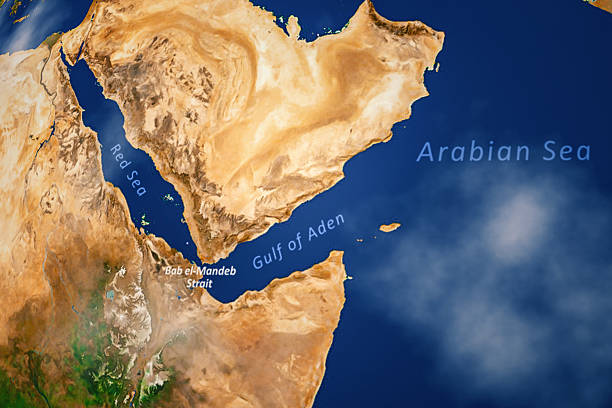 The Red Sea - maritime mayhem at Bab el-Mandeb 04.09.2026 29хвToday the Red Sea’s crucial choke-point at the Bab el-Mandeb is becoming as infamous as the Strait of Hormuz.
 -
 Reality check - why a belief in human rights has never really been universal 29.08.2026 29хвDictators and autocrats deride human rights as a “western concept” – think Vladamir Putin and Xi Jinping, among others. They reject the narrative that a global concern for individual freedoms has steadily grown since the end of WWII. What if they’re correct? At least partially so. What if international support for the ideal of universal human rights was never really as strong as it seemed? Could a reassessment of the history of human rights help us explain current threats to personal freedoms across the globe? Guests: Dr Alison Brysk – Distinguished Professor of Global Studies, University of California, Santa Barbara Dr Samuel Moyn – Professor of Law and History, Yale University Dr Barbara Keys – Professor of US History, Durham University Dr Jenna Reinbold – Associate Professor of Religion, Colgate University
 -
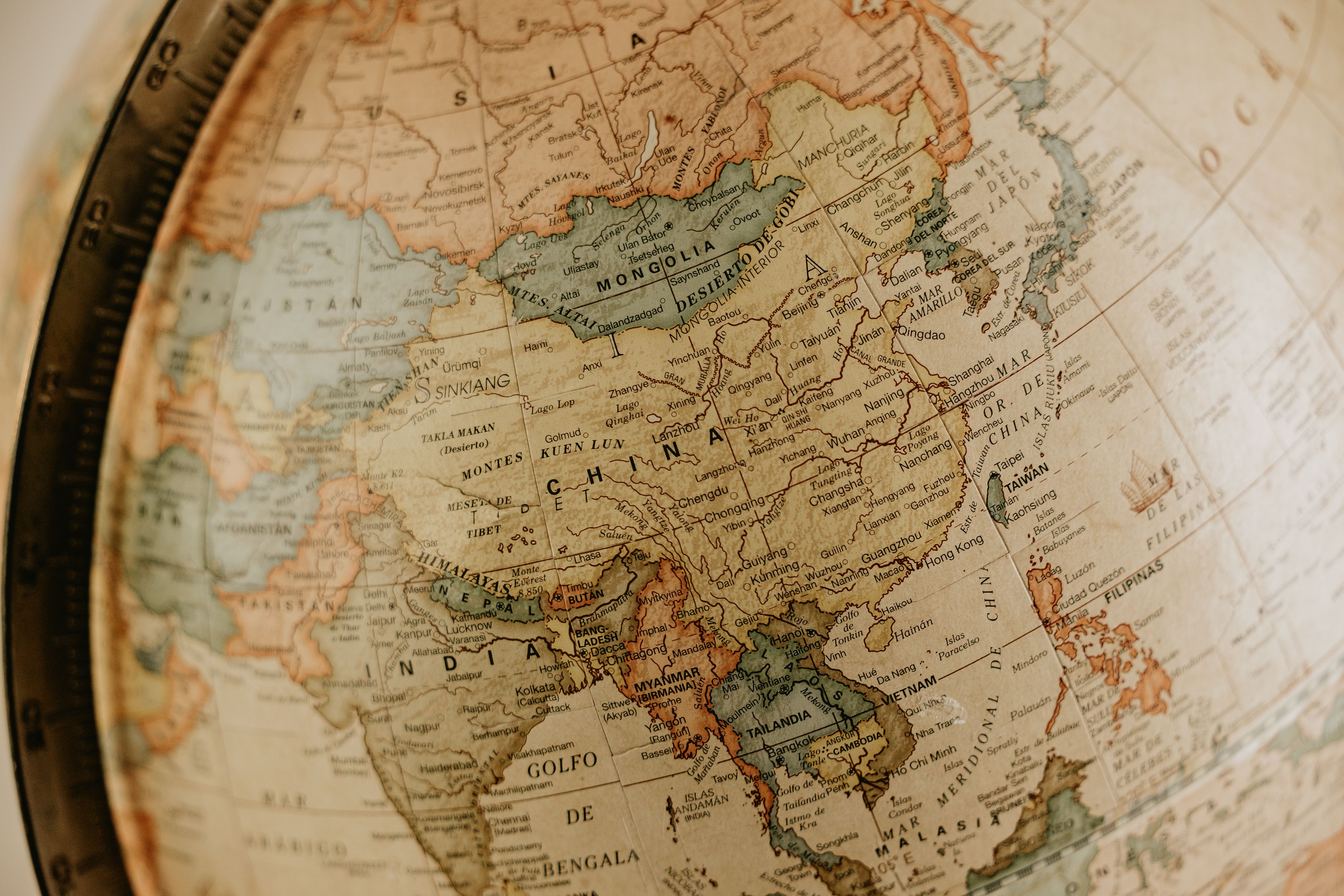 North Korea - powerplay in the Northwest Pacific 21.08.2026 29хвThis year has seen an uncharacteristic flurry of meetings and engagement between North Korea, China and Russia. Is a North Asia bromance blossoming or are we seeing a calculated collaboration?
 -
Israel Lebanon and the Palestinian story 15.08.2026 29хвThe conflict between Israel and Lebanon that flared up in March this year is not new. Despite having no major border dispute or a struggle over resources, Israel and Lebanon have been in conflict for decades. The history of Lebanon’s relationship with Israel and how it continues to be shaped by the story of the Palestinian people.
-
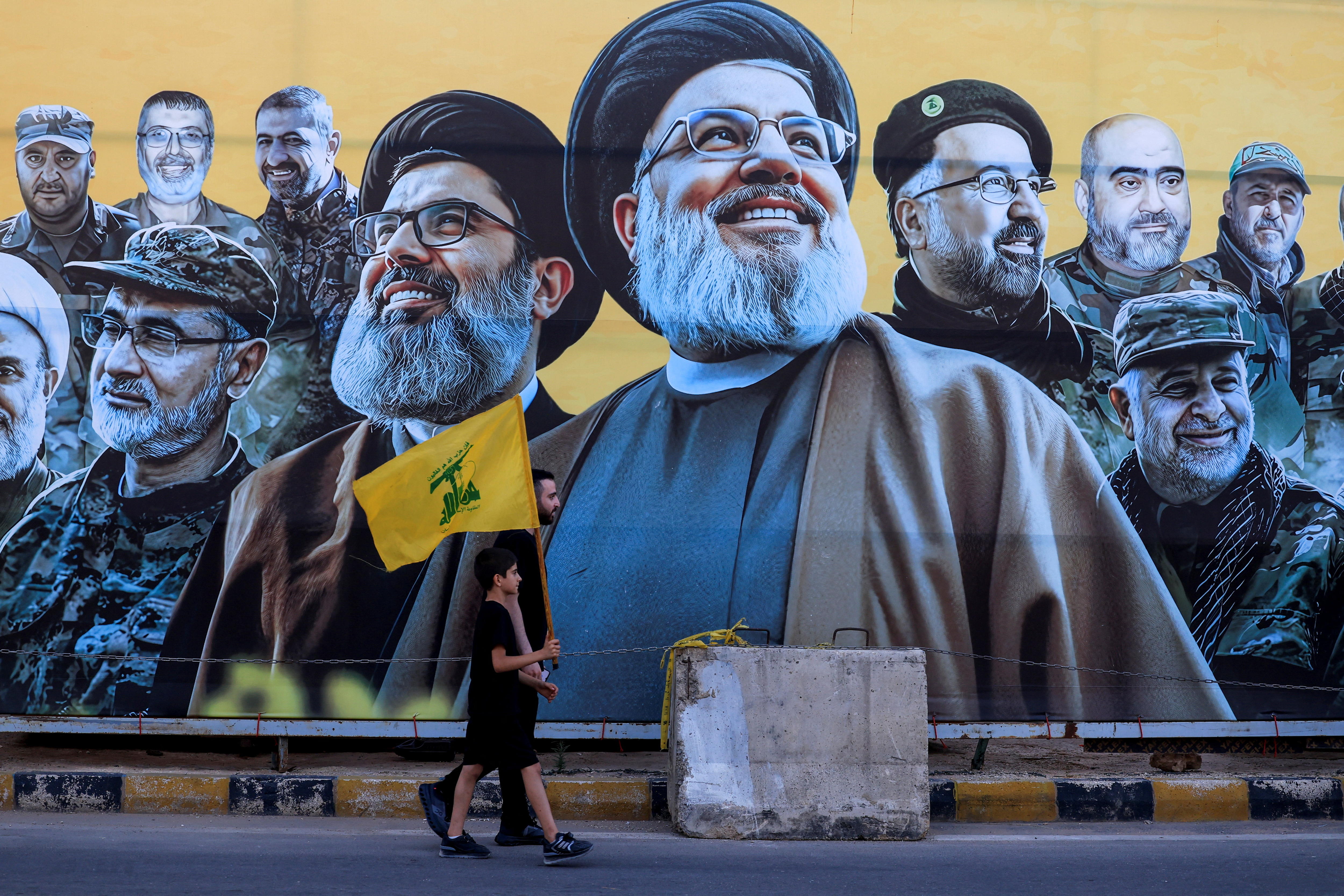 Hezbollah: Resistance fighters or terrorists 13.08.2026 27хвHezbollah has been a key political and military player in Lebanon for decades. In 2000 it forced the Israeli military out of Southern Lebanon and since then has been in almost constant conflict with Israel. Since the October 7 terrorist attack by Hamas in Israel, that conflict has escalated resulting in an invasion of Southern Lebanon by the Israel military. For many in the Arab world Hezbollah is an organisation leading the resistance against Israeli aggression in the Middle East. In the West they are seen as an Iranian proxy and a terrorist group. Where does the truth lie and how did Hezbollah come into existence?
 -
Whatever happened to Libya? 08.08.2026 29хвFifteen years ago, events in Libya dominated world headlines. In 2011, during the “Arab Spring”, Western leaders pledged their determination to free the Libyan people from decades of oppression under Muammar Gaddafi. NATO jets were deployed. Today, a decade and a half later, Libya is effectively two nations not one, tyrany still rules, and the plight of the Libyan people has largely been forgotten. We ask, how and why? We also find out why a Trump emissary is now sniffing around Tripoli and Benghazi Guests: Tim Eaton – Senior Researcher Fellow, Middle East and North Africa Programme, Chatham House Rhiannon Smith – General Manager, Researcher and Analyst, Libya-Analysis Emadeddin Badi – Associate Fellow, Chatham House
-
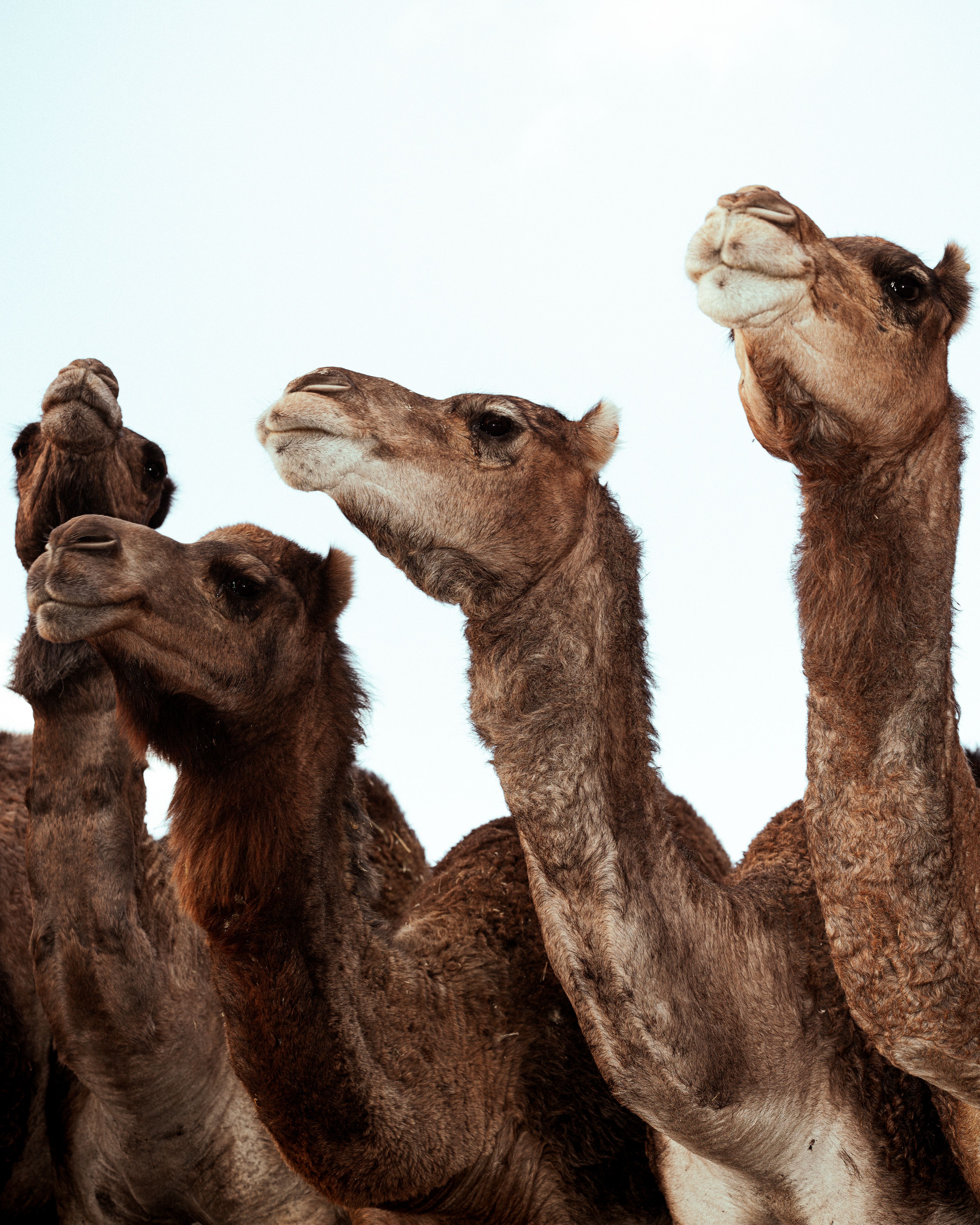 Islam in Australia - history and hysteria 01.08.2026 29хвDespite their long history in this country, Muslims in Australia are often the flashpoint for immigration fears and concern about extremism.
 -
Understanding slavery as an enduring form of economic and social control 25.07.2026 29хвThe United States has just imposed new tariffs on Australia and other countries for supposedly not doing enough to combat forced labour in international supply chains. Analysts say the move is political, but regardless it does once again highlight the ongoing issue of slavery. Slavery has been a constant of human history from ancient to modern times. The human rights group Walk Free estimates that almost 50 million people world-wide live in a modern form of enslavement. So how has our understanding of slavery changed over time? And why is it often still portrayed as a thing of the past? Guests: Dr Catherine Armstrong – Reader in Modern History, Loughborough University Susan Hutchinson – PHD Candidate, Australian National University. Architect of the Prosecute Don’t Perpetrate campaign Dr Paige Gleeson – Adjunct Fellow, History & Classics, School of Humanities, University of Tasmania Dr Justine Nolan – Professor of Law and Justice, UNSW Sydney. Director of the Australian Human Rights Institute
-
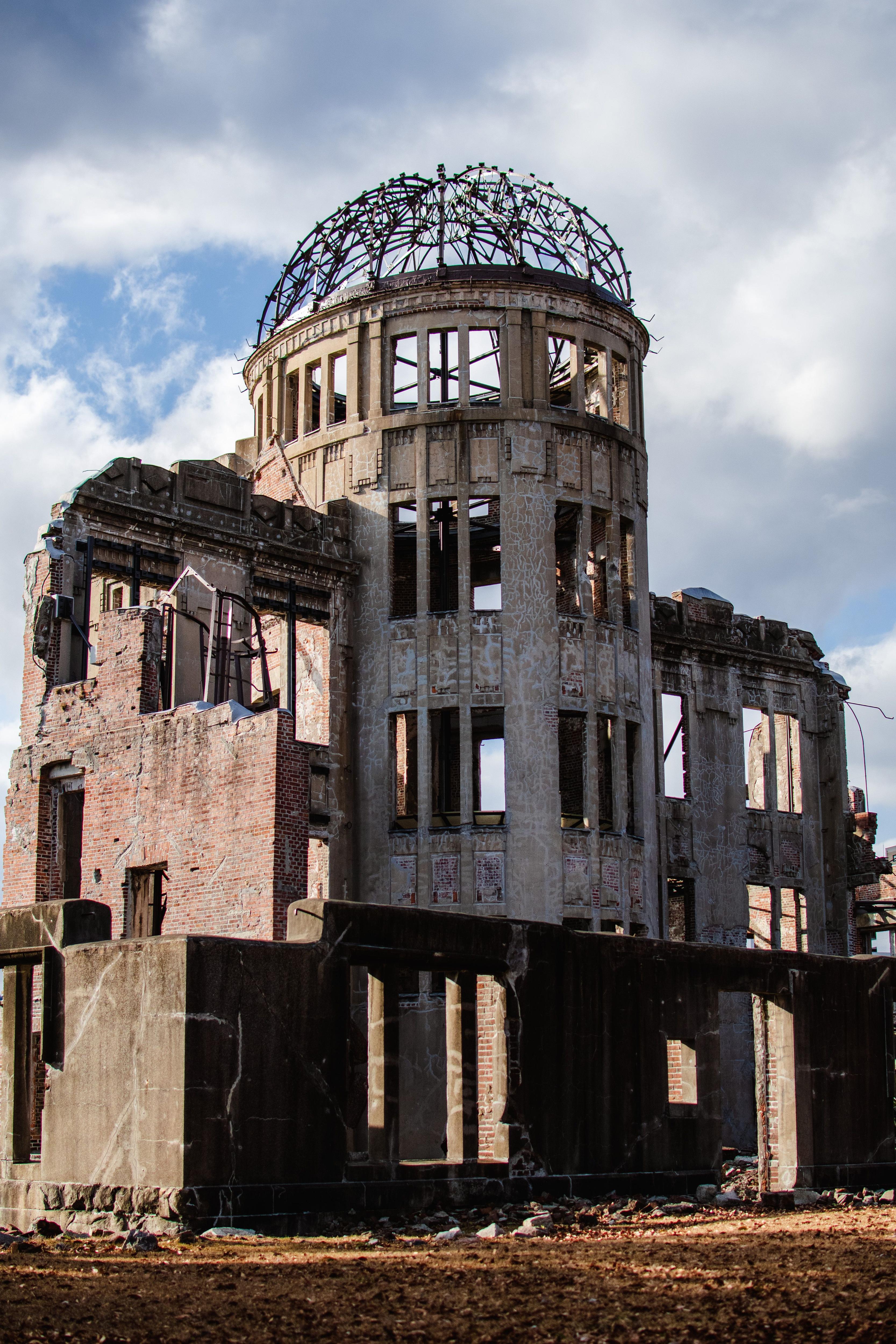 War damage - the cost of rebuilding after conflict 17.07.2026 29хвWhat happens when the bombs and the fighting stop? Who pays for all the damage? It’s estimated that rebuilding Gaza alone, will cost more than US$70 billion. What strategy is needed to turn battlefields and ruins into peace and prosperity?
 -
Are France’s indo-pacific ambitions coming unstuck? 11.07.2026 29хвThe government of Emmanuel Macron is struggling to deal with ongoing tension and resentment in France’s external territory, New Caledonia. The latest diplomatic and legislative efforts to determine the archipelago’s future have failed, and recent local elections have only cemented the stalemate between pro-independence supporters and those New Caledonians who want to remain a part of France. We explore what that means for the people of New Caledonia; France’s historic presence in the Pacific; President Macron’s grand Indo-pacific strategy; and for the 2027 French presidential elections. Guests: Dr Denise Fisher – Visiting Fellow, Centre for European Studies, Australian National University and former Australian Consul General in Noumea Cade Winter – Researcher, Yale Review of International Studies, Yale University Dr Frederic Grare – Senior Research Fellow, National Security College, Australian National University Nic Maclellan -Correspondent, Islands Pacific Magazine and Pacific Affairs Correspondent, Inside Story
-
 Gas to grain - when fertiliser supply stops 03.07.2026 27хвOne third of the world's fertiliser is shipped through the Strait of Hormuz. How did fertiliser supply become so concentrated in the Middle East and what happens when this supply is suddenly at risk?
 -
The true story of the American Revolution 26.06.2026 29хвAmericans are preparing for an orgy of red, white and blue as the 250th anniversary of their Declaration of Independence draws near. But what’s not likely to be widely mentioned is the fact that the conflict wasn’t just a revolution against British rule, it was actually America’s first civil war – a bloody and divisive internal conflict. And those rebels who rejected the Crown and called themselves "patriots" were by no means in the majority when war broke out. Historians say understanding more about the conflict could help Americans come to terms with the issues they face today. Guests: Dr Maya Jasanoff – Professor of History, Harvard University Dr Richard Bell – Professor of History, University of Maryland, College Park Dr Rebecca Brannon – Professor of History, James Maddison University
-
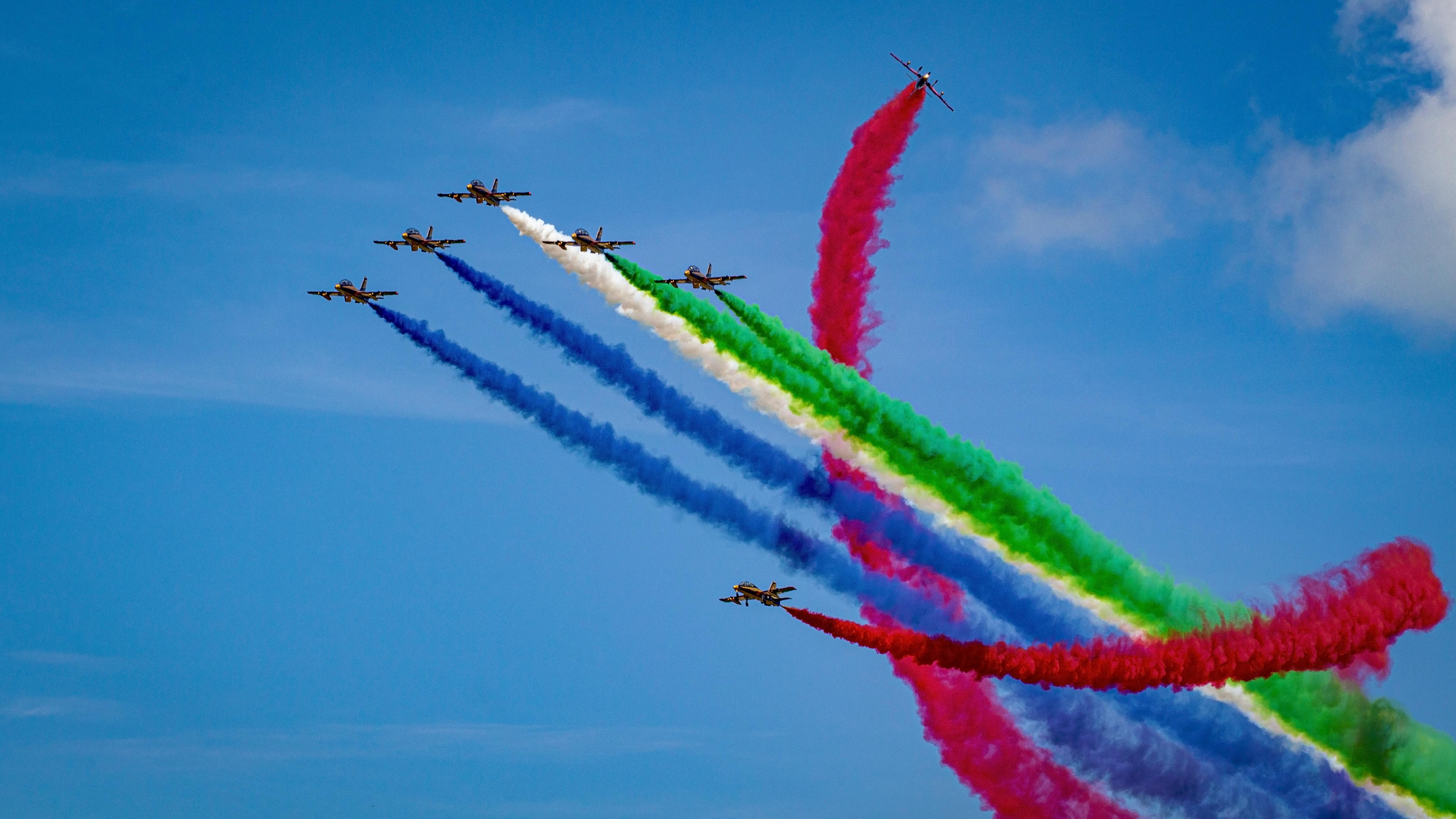 Saudi Arabia and the U.S - a marriage of convenience under strain 19.06.2026 28хвAs the war in the Middle East teeters on a peace deal, the carefully managed relationship between Saudi Arabia and the United States is starting to show cracks.
 -
Beyond NATO – is it finally time for a pan-European Army? 13.06.2026 29хвDespite constant criticism from the Americans, European NATO members are actively rebuilding and strengthening their militaries. Some are even beginning to think beyond the Alliance and the United States, to an independent united European fighting force. NATO members will meet in early July for their 36th summit. Guests: Dr Hugo Bromley – Historian of manufacturing, geopolitics, and international trade, Centre for geopolitics, University of Cambridge Dr Simon J. Smith – Associate Professor of Security and International Relations at the Royal Danish Defence College Stuart Dowell – political journalist and commentator based in Warsaw Max Bergmann – director of the Europe, Russia and Eurasia Program, Center for strategic and international Studies Stavros Atlamazoglou – Defence journalist and Greek Army veteran
-
Trump might be sceptical of nuclear diplomacy, but it’s worked between enemies in the past 06.06.2026 29хвPresident Trump has made it clear he doesn’t think diplomacy on its own will stop Iran from developing nuclear weapons. So what does history tell us about what actually works? We’re looking back at one of the greatest nuclear risk reduction efforts ever — when the US and Russia joined forces to contain the weapons fallout from the Soviet collapse and convince countries like Ukraine to give up the nuclear arsenal they inherited. An effort that was led by diplomacy, pragmatism and scientific expertise during a brief period of goodwill between the two countries. GUESTS Graham Allison - Douglas Dillon Professor of Government at the Harvard Kennedy School Mariana Budjeryin - Senior Researcher at the Centre for Nuclear Security at MIT and author of Inheriting the Bomb: The Collapse of the USSR and the Nuclear Disarmament of Ukraine David E Hoffman - author of The Dead Hand: The Untold Story of the Cold War Arms GUESTS Graham Allison - Douglas Dillon Professor of Government at the Harvard Kennedy School Mariana Budjeryin - Senior Researcher at the Centre for Nuclear Security at MIT and author of Inheriting the Bomb: The Collapse of the USSR and the Nuclear Disarmament of Ukraine David E Hoffman - author of The Dead Hand: The Untold Story of the Cold War Arms
-
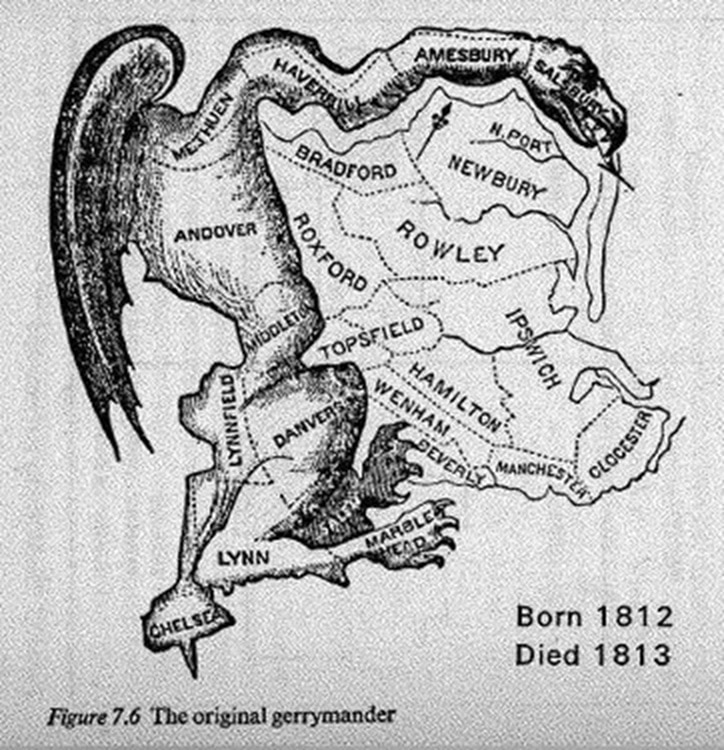 America – land of the free, home of the gerrymander! 30.05.2026 29хвGerrymandering is endemic in the United States and could determine the outcome of this year's mid-term elections. It has been a feature of the American political system since the beginning of the republic, according to Princeton University's Samuel Wang. So, how did the self-styled “world’s greatest democracy” end up with a system that former California Governor, Arnold Schwarzenegger, says is being rigged by both major parties? Guests: Dr John Hart – School of Politics and International Relations, Australian National University Dr Samuel Wang – Professor of Neuroscience and Head of the Princeton Gerrymandering Project, Princeton University Dr Ben Reid – data analyst and researcher, Australian and European history, Parliament of Victoria Dr Melissa Rogers – Professor, Politics & Policy and Co-Director, Inequality and Policy Research Center, Claremont Graduate University
 -
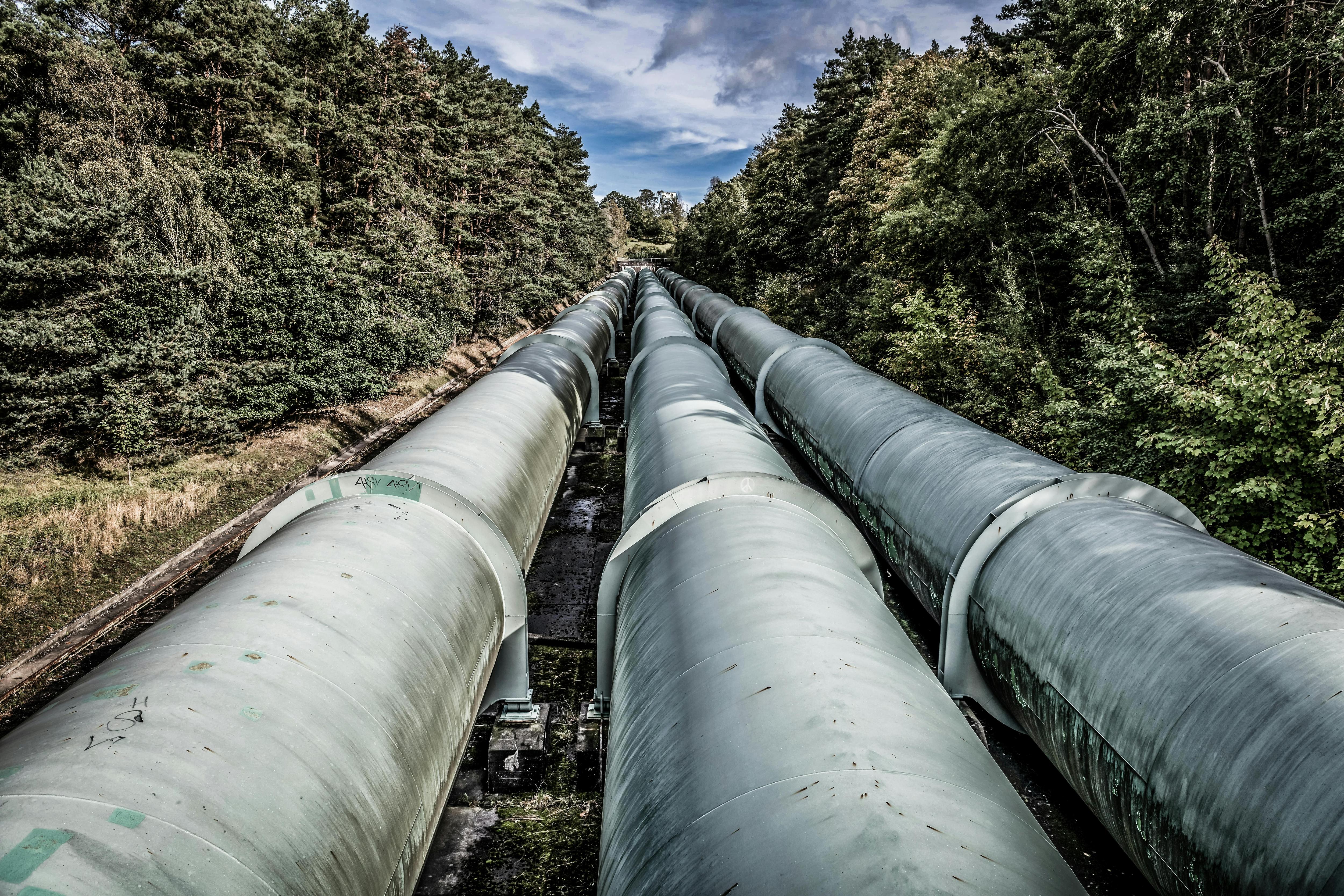 Russia's Oil story - pipelines to Putin 23.05.2026 28хвThe closure of the Strait of Hormuz continues to affect economies around the world. But Russia has not only escaped the financial fallout, but has prospered.
 -
 Who has the power and right to declare war in a democracy? 16.05.2026 29хвIt may surprise you to know that the Australian parliament has no real say over whether the country goes to war. In the United States its effectively the same, with analysts saying the US Congress has now basically ceded its war powers to the president. A process, by the way, that began long before the arrival of Donald Trump. In this episode we look at how that happened and why calls for war powers reform have had so little success. Guests: Dr Russell Berman – Professor in the Humanities, Stanford University Dr Sarah Percy – Associate Professor of International Relations, University of Queensland Dr Sarah Burns – Rochester Institute of Technology Dr Alison Broinowski - Australians for War Power Reform Dr Nicole Townsend - lecturer in War Studies – University of New South Wales, Canberra
 -
 Capital gains tax in Australia — the essential backstory 09.05.2026 29хвThe Federal Government is hoping tax reform will help address the widening generational wealth gap and rebalance the tax system in favour of younger people. One policy being targeted for an overhaul in this year's budget is the 50 per cent capital gains tax discount. Australia started taxing capital gains in the mid-1980s to tackle tax avoidance and evasion which was a huge problem at the time. So why in 1999 did the Howard government introduce a discount on that tax? And why does the concession encourage investment in established housing stock? Guests: Chris Evans - Emeritus Professor UNSW Business School Peter Martin - economist and presenter of The Economy Stupid Rick Krever - taxation law and policy specialist at UWA Craig Emerson - economist and former Federal Labor MP Joe Aston - author and business journalist Peter Tulip - Chief Economist at the Centre for Independant Studies Richard Holden - Scientia Professor of Economics at UNSW Business School
Радіостанція

Схожі подкасти


Популярний у
Цей подкаст також потрапляв у чарти подкастів у цих країнах.


