
Africanist Press Podcast Service
The Africanist Press
0
The Africanist Press Podcast Service examines how global and continental events have affected communities in the African region, and how indigenous communities are developing strategies to overcome conflict, instability, and other challenges in the region. The overall goal of the Podcast Service is to give voice to marginalized communities through the production of weekly audio broadcasts that analyzes ongoing events in Africa as part of an effort to contribute to better understanding of key developments in the region.
Епізоди
-
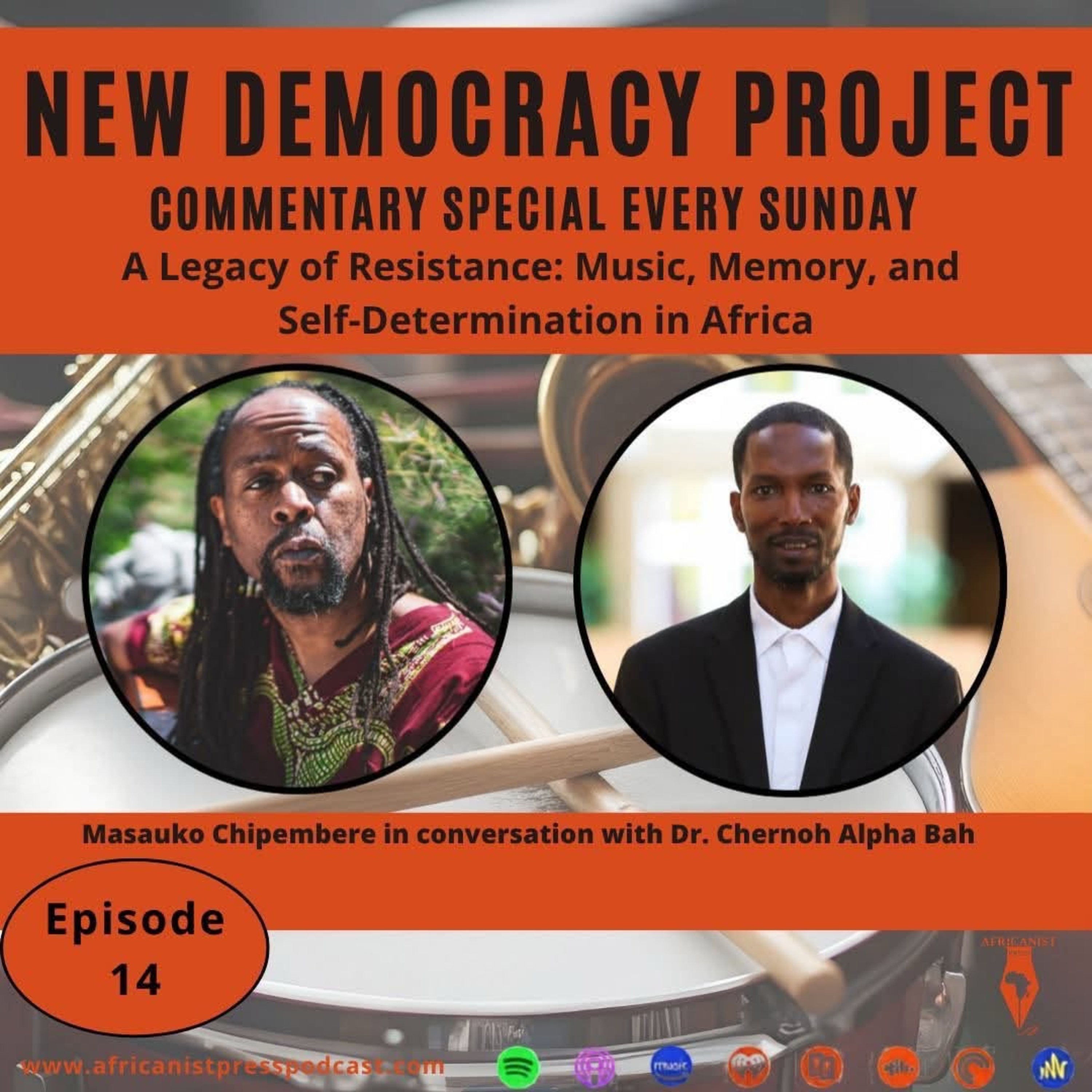 A Legacy of Resistance: Music, Memory, and Self-Determination in Africa 07.09.2026 1год 22хвIn this episode, we feature Masauko Chipembere discussing his music, his family’s role in the decolonization movement in Malawi, and how his parents’ exile shaped his current work in Africa and around the world.
 -
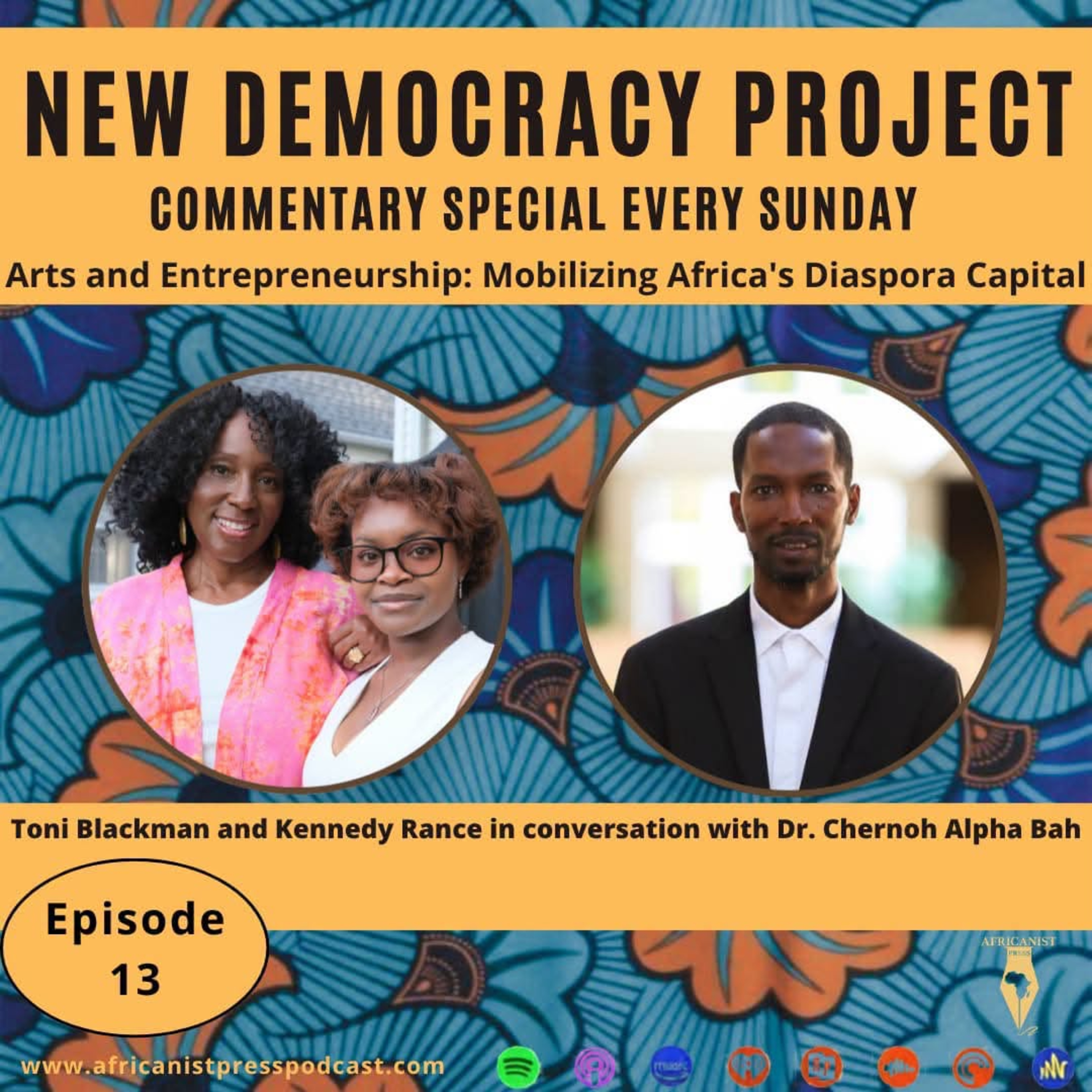 Arts and Entrepreneurship: Mobilizing Africa's Diaspora Capital 28.08.2026 1год 9хвThis episode features a discussion with Bloom Afrique’s Toni Blackman and Kennedy Rance about how they use art and emerging technologies to mobilize Africa’s diaspora capital and foster entrepreneurship across the continent.
 -
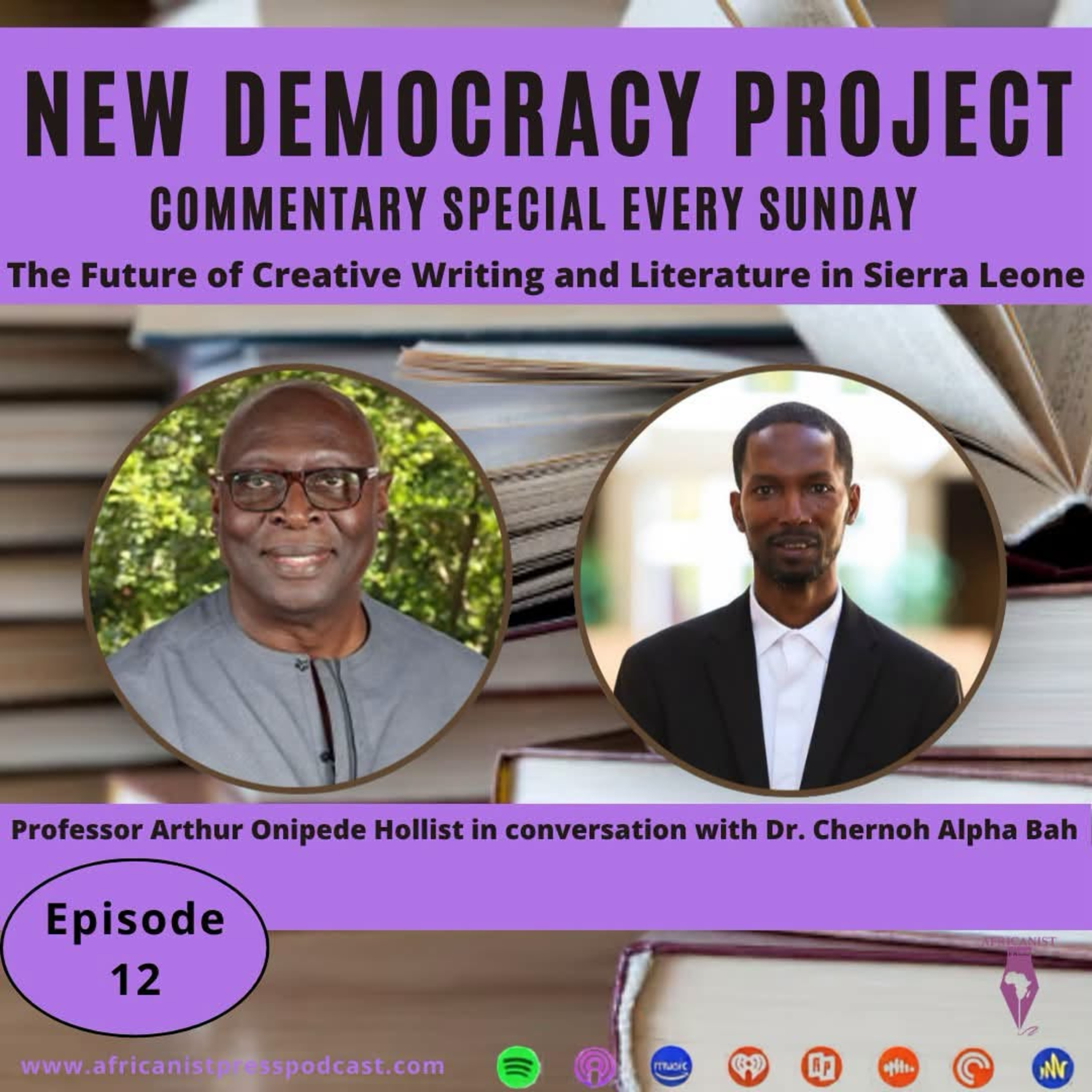 The Future of Creative Writing and Literature in Sierra Leone: A Conversation with Arthur Onipede Hollist 18.08.2026 1год 19хвArthur Pede Hollist is an award-winning Sierra Leonean writer and Professor of English at the University of Tampa. He teaches courses in African literature and creative writing. His publications include So the Path Does Not Die, which was named the 2014 African Literature Association Creative Book of the Year; “Foreign Aid,” which was shortlisted for the 2013 Caine Prize and published in A Memory This Size and Other Stories; and “The Tale of the Three Water Carriers,” which was longlisted for the 2015 Short Story Day competition and anthologized in Water: New Short Fiction From Africa. His research interests and scholarly publications encompass African trauma fiction, Afrodiasporic literatures, and Sierra Leonean literature. He was a 2017 Fulbright scholar and received the Louise Loy Hunter Award in 2014-2015.This episode features an interview with Professor Hollist, focusing on his writing inspirations, teaching philosophy, and perspectives on the future of the Sierra Leonean literary scene, informed by his extensive experience as both a writer and professor.
 -
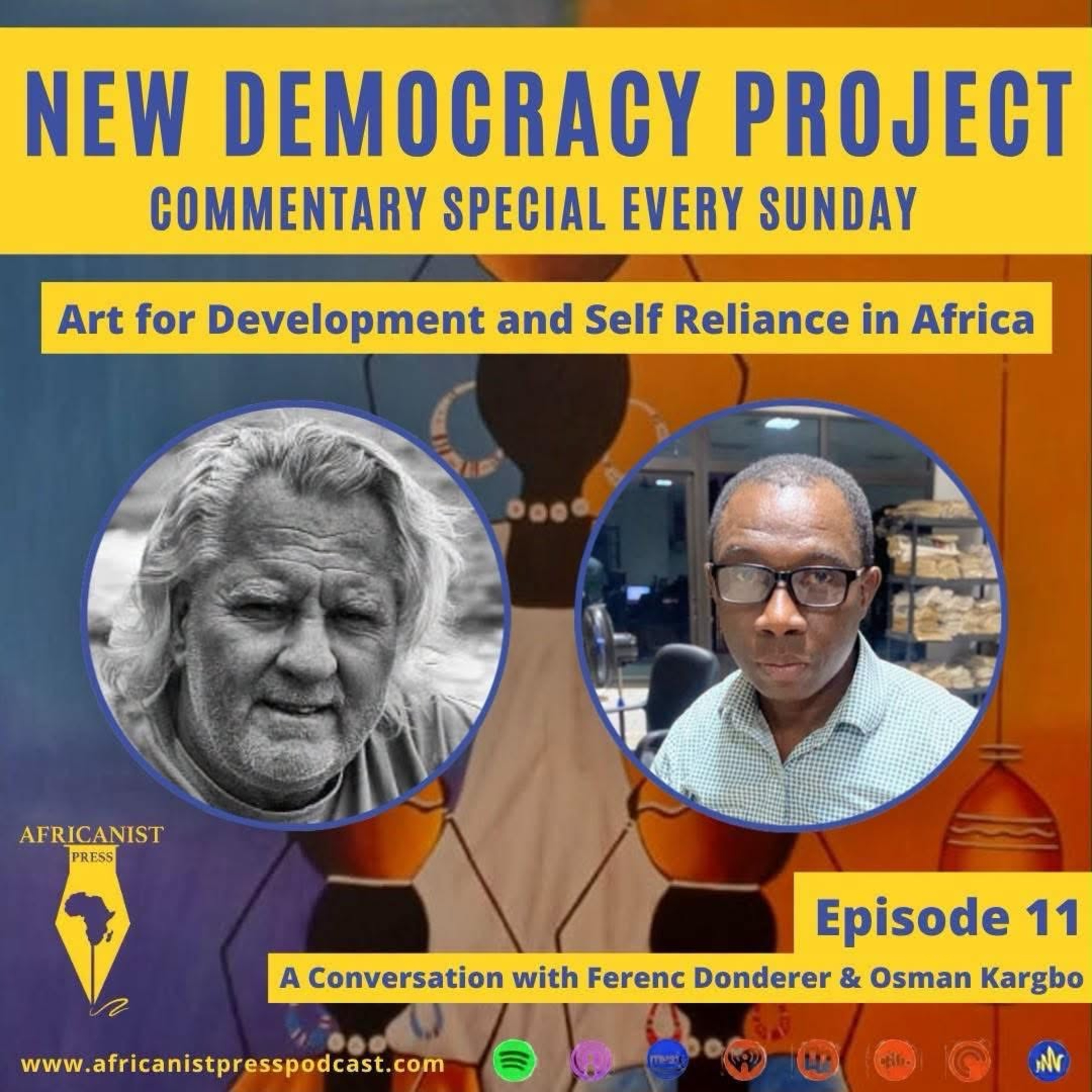 Art for Development and Self-Reliance in Africa 27.07.2026 37хвThe ART27 Group is a Gambian-based non-profit initiative that offers financial assistance for essential expenses such as materials, transportation, and exhibitions. ART27 was founded in December 2024 by Ferenc Donderer, an arts promoter and advocate, to support and advance contemporary visual artists in the Gambia. Originally from Cologne, Germany, Donderer has resided in the Gambia since 2016. He manages one of the largest art studios in Sanyang, where he produces his own artwork and provides residency opportunities for artists engaged in training, workshops, and exhibitions.With over 40 years of experience as a visual artist exhibiting in cities across Europe and the Americas, including Cologne, Berlin, Antwerp, Salvador de Bahia, New York, and the Canary Islands, Donderer aims to establish a lasting legacy for West African art through the construction of a modern art gallery in the Gambia. The proposed gallery is designed to serve as a dedicated venue for local and African artists to exhibit their work and engage with international audiences.In this episode, Osman Kargbo interviews Ferenc Donderer regarding ART27 and his vision for advancing Gambian and African artists.
 -
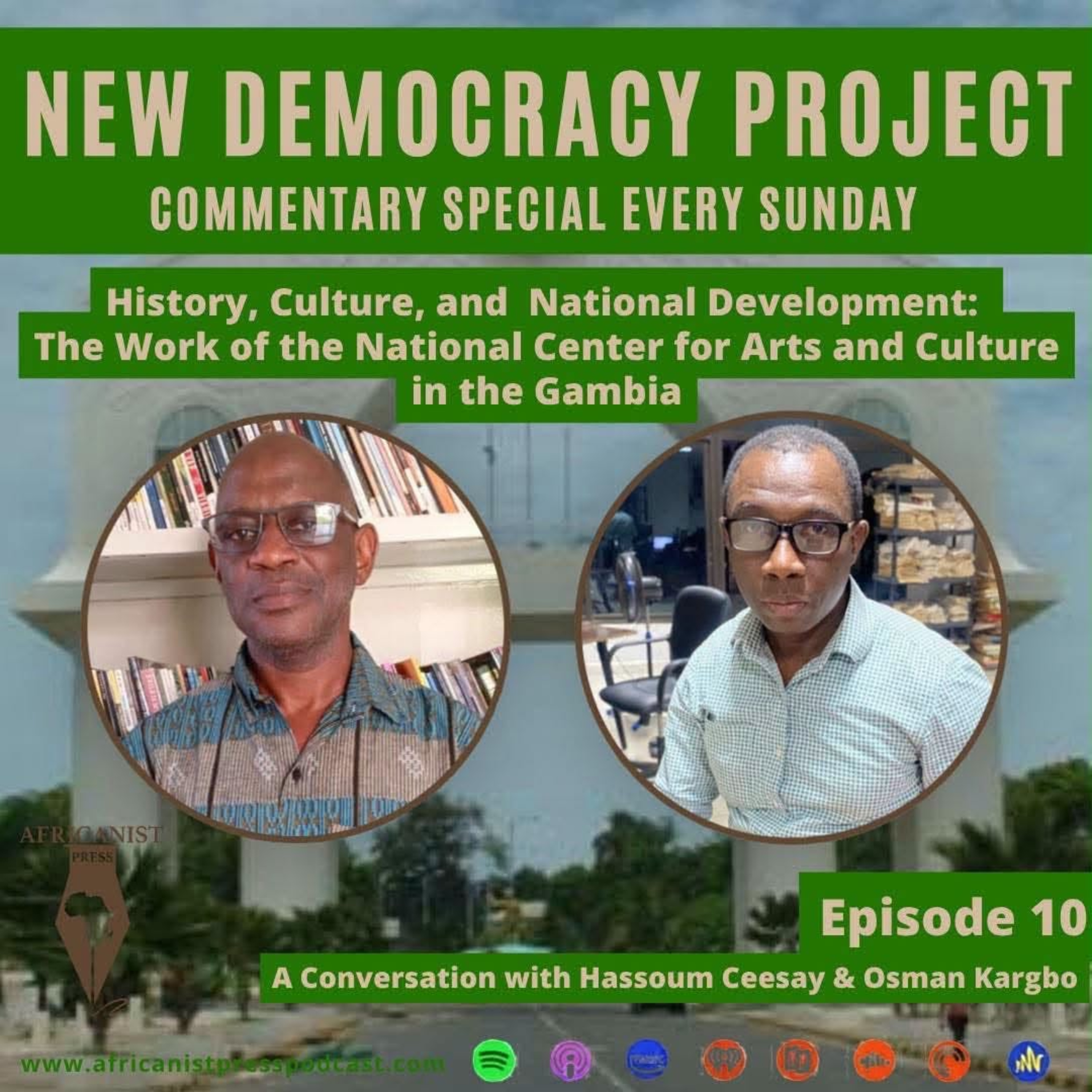 The Work of the National Center for Arts and Culture in the Gambia 21.07.2026 43хвPoliticians and policymakers in Africa are increasingly incorporating historical tourism into national development agendas. They are renewing efforts to make museums and archives central to preserving collective memory, fostering cultural identity, and promoting social cohesion, while also seeking to boost economic growth through heritage tourism. Yet, museums and heritage institutions in Africa face hurdles, including underfunding, inadequate climate control, and postcolonial identity crises. These challenges are compounded by urbanization, community disputes over ownership of artifacts, and the struggle to repatriate historical treasures from Europe and elsewhere.However, the main challenges limiting the growth and sustainability of African heritage institutions include reduced government funding, low visitor numbers, and a lack of both public and private patronage. In the Gambia, the National Center for Arts and Culture (NCAC) is leading efforts to advance the country’s history and cultural heritage as part of the national development agenda. Established by an Act of Parliament in 1989, the NCAC serves as the primary government body responsible for the preservation, promotion, and development of Gambian arts and culture. Its strategic role involves protecting cultural assets, bridging cultural heritage with national development, and fostering economic growth through tourism.In this episode, our colleague in The Gambia, Osman Kargo, speaks with Hassoum Ceesay, historian and Director General of the NCAC, about the institution's significance and the role of history and culture in The Gambia’s national development agenda.
 -
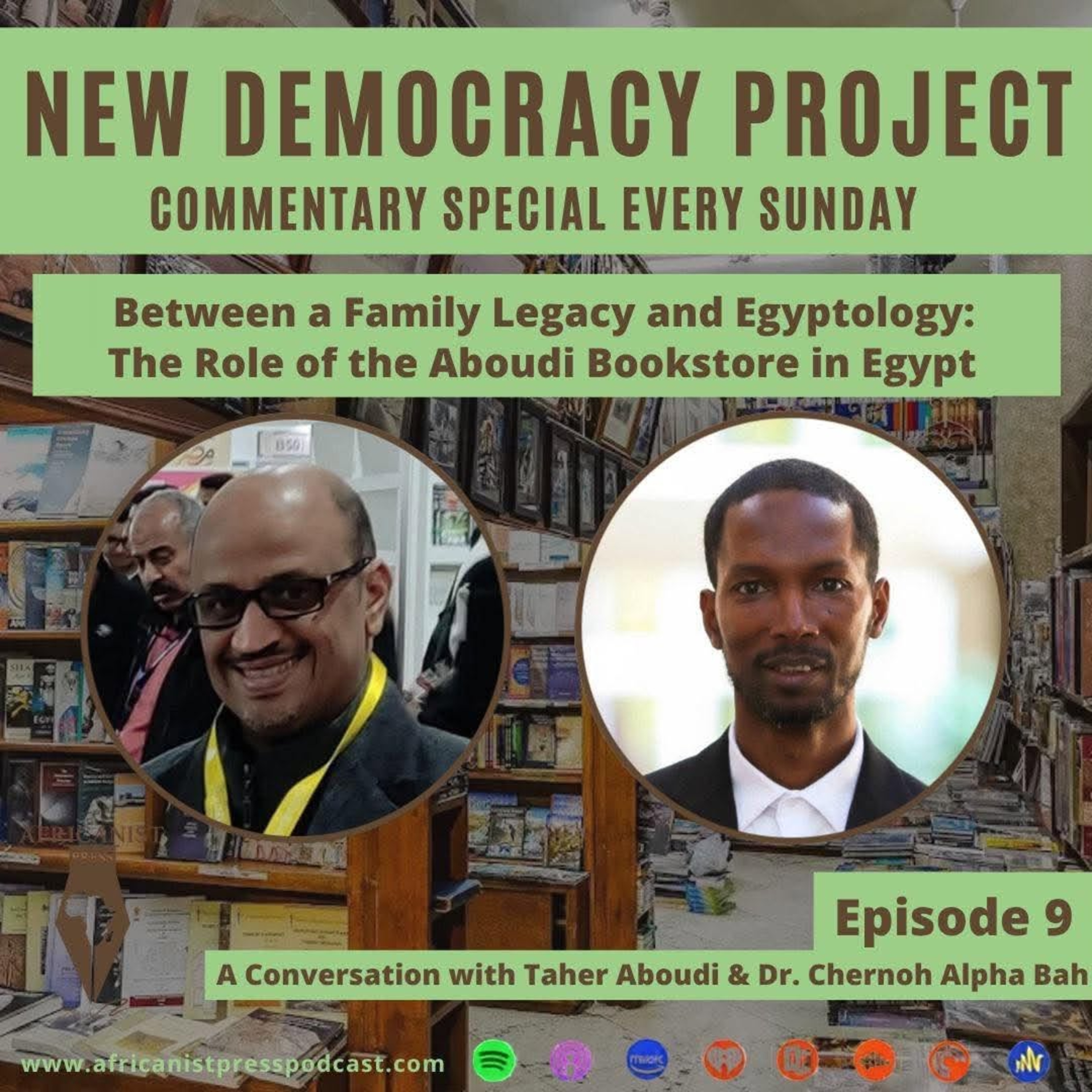 Between a Family Legacy and Egyptology: The Role of the Aboudi Bookstore in Egypt 08.06.2026 20хвThis episode examines the Aboudi Bookstore and its role in Egyptology, the scientific and academic study of ancient Egypt. Established in 1909 in Luxor by Egyptologist and tour guide Professor Mohamed El Aboudi and his cousin, businessman Hamed El Aboudi, the Aboudi Bookstore is now run by third-generation family owners Taher Aboudi and his siblings. For more than 100 years, it has remained central to Luxor's cultural life, promoted the scientific study of ancient Egypt, and housed the largest collection of literature on Egyptology. Its collection encompasses materials on archaeology, language, religion, art, and Egyptian history.We interview Taher Aboudi about the bookstore's development and its role in Egyptian history, tradition, and culture.
 -
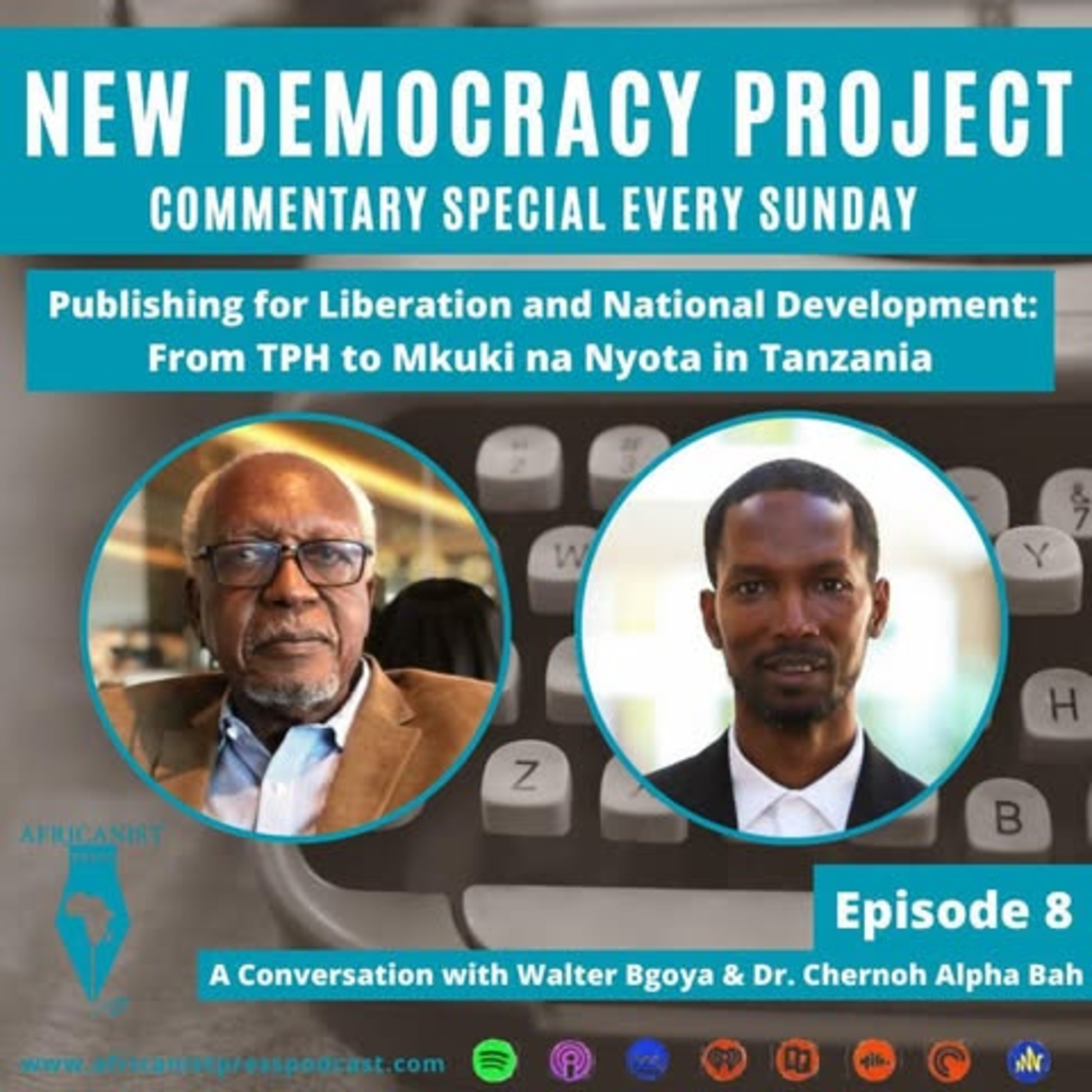 Publishing for Liberation and National Development: From TPH to Mkuki na Nyota in Tanzania 01.06.2026 1год 19хвWhen Tanzania gained independence in 1961, Julius Nyerere saw publishing as a key part of decolonization and nation-building. In 1966, he founded the Tanzania Publishing House (TPH), putting state publishing at the center of building national identity and culture, and of bringing people together through language.Tanzania’s influence grew throughout the 1970s and 1980s. During this period, Dar es Salaam served as the headquarters for several Southern African liberation movements, such as FRELIMO, SWAPO, and the ANC. TPH was central in this era, publishing and distributing anti-imperialist works like Walter Rodney's How Europe Underdeveloped Africa, Agostinho Neto's Sacred Hope, Samora Machel's Establishing People's Power to Serve the Masses, and Issa Shivji's Class Struggle in Tanzania.Integral to TPH’s influence during these years was Walter Bgoya, who served as managing director from 1972 to 1990 and played a major role in making TPH and Dar es Salaam a center for progressive intellectuals from around the world. His leadership was instrumental in shaping the publishing landscape.For publishers like TPH, state-led publishing ended in the 1990s. when the IMF's Structural Adjustment Program brought austerity and privatization, which hurt state-owned companies. This directly impacted TPH and changed the country's publishing landscape.When the government stopped supporting state publishing, Walter Bgoya decided to leave TPH in 1991. He went on to start Mkuki na Nyota Publishers, carving out a new path in independent publishing. Since then, Mkuki na Nyota has continued this legacy as a key force in East African publishing, producing critical academic, historical, and literary works. In this episode, we interview Walter Bgoya. We focus on his leadership at TPH and his founding of Mkuki na Nyota. The conversation explores African publishing as a tool for decolonization, culture, and independence. This episode is part of the Africanist Press's New Democracy Series.
 -
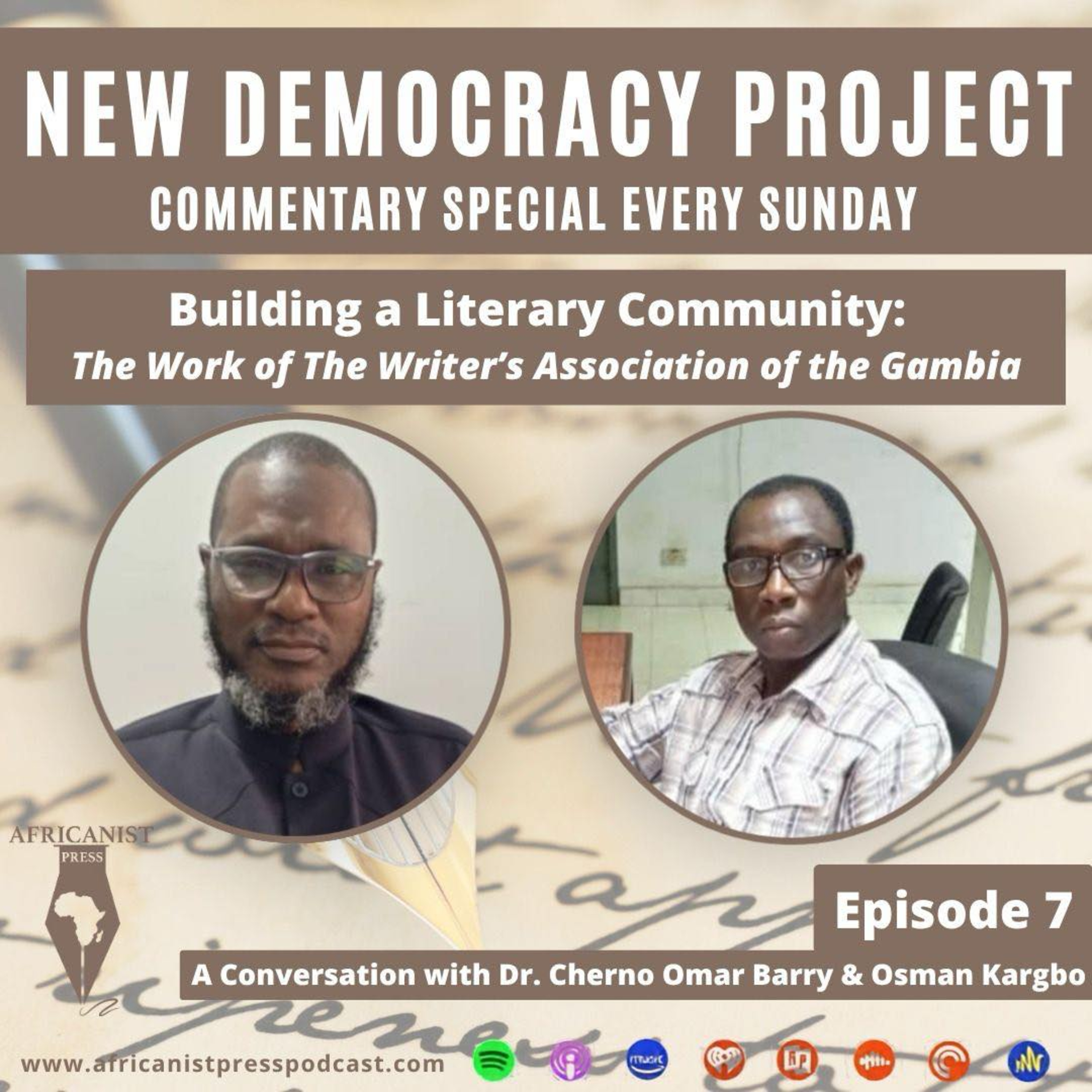 Building a Literary Community: The Work of the Writers Association of the Gambia 25.05.2026 42хвIn this episode, we spotlight the Writers Association of the Gambia and its efforts to build a vibrant literary community, featuring Dr. Cherno Omar Barry, the Association's President, who shares inspiring insights into how Gambian writers are boldly shaping the nation's literary and intellectual landscape.Osman Kargo conducted this interview in Banjul, Gambia.This episode is part of the Africanist Press New Democracy Series.
 -
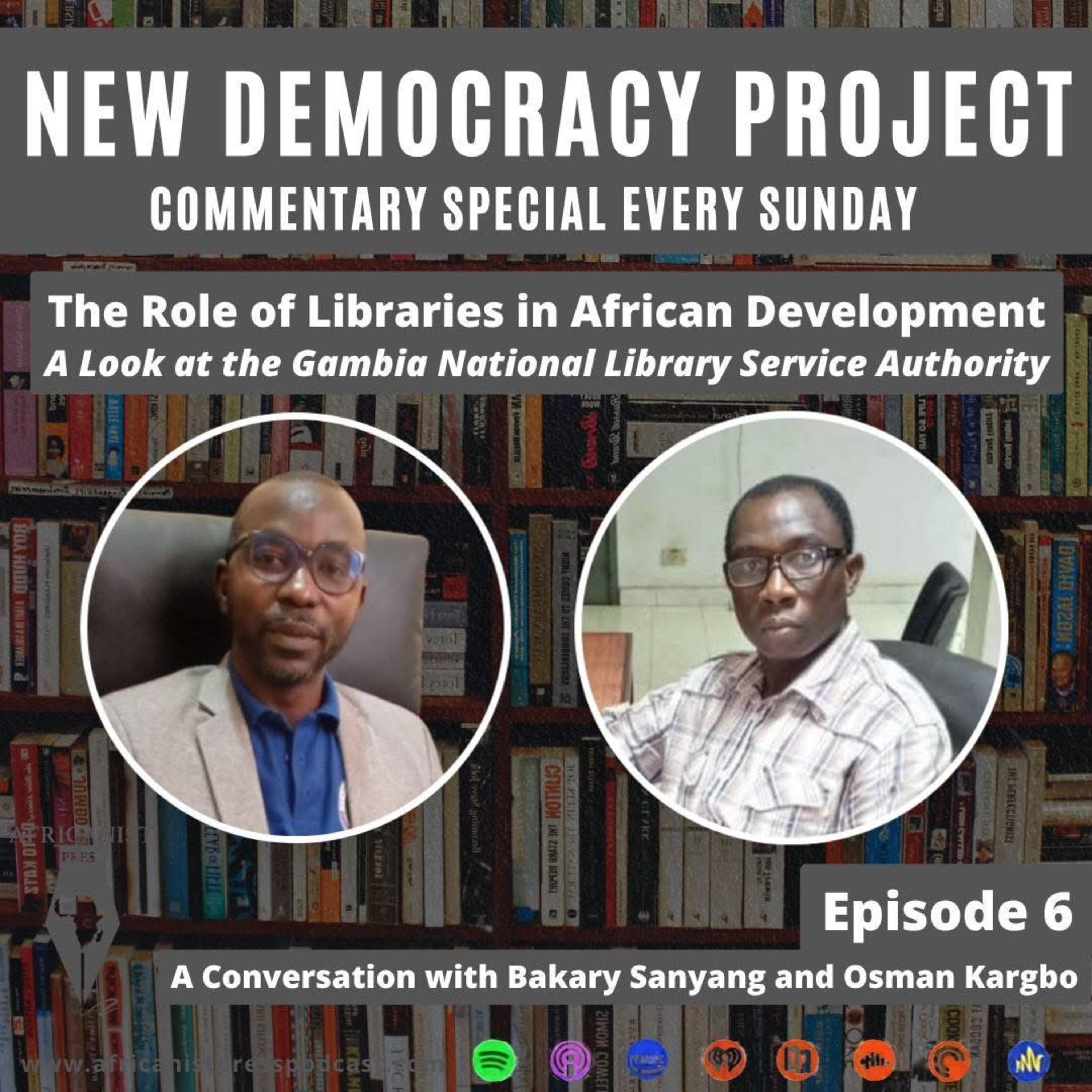 The Role of Libraries in African Development: A Look at the Gambia National Library Service Authority 18.05.2026 38хвIn this episode, we explore how national libraries drive African development. Drawing on insights from Bakary Sanyang, Director General of the Gambia National Library Service Authority, we examine the real challenges facing Africa's national libraries and highlight how Artificial Intelligence and innovative digital tools can transform their management and operations. Osman Kargbo conducted this interview in Banjul, Gambia.
 -
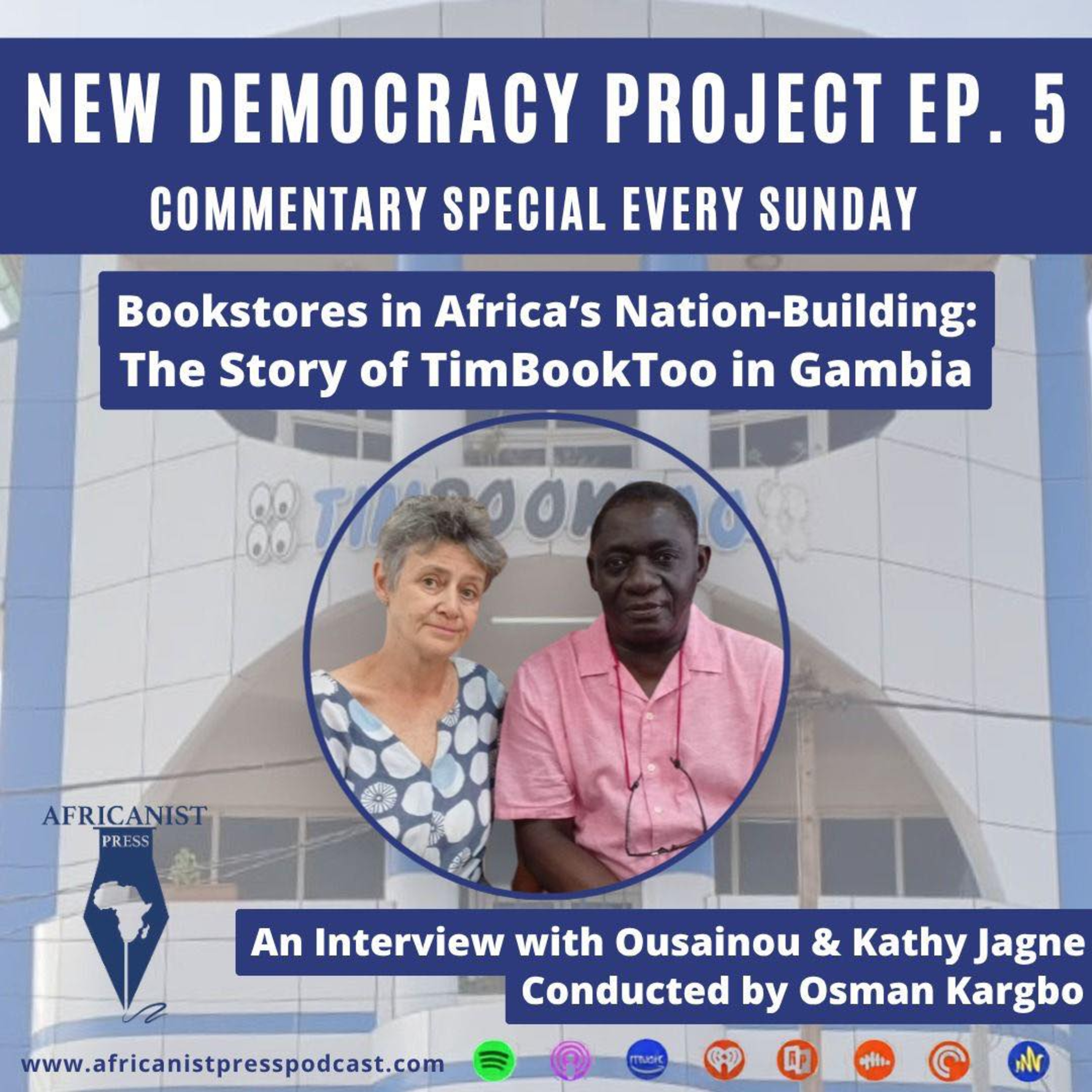 Bookstores in Africa's Nation-Building: The Story of Timbooktoo in The Gambia 10.05.2026 38хвIn this podcast episode, we talk with Ousainou and Kathy Jagne, founders of Timbooktoo Bookstore in Banjul, Gambia. With 28 years of experience running an independent bookstore, they explain how bookstores shape communities and discuss ways to strengthen Africa’s reading culture.This episode of the Africanist Press New Democracy series uses Timbooktoo Bookstore as a case study to explore how bookstores and libraries support Africa’s nation-building.This interview was conducted by Osman Kargbo in Banjul, The Gambia.
 -
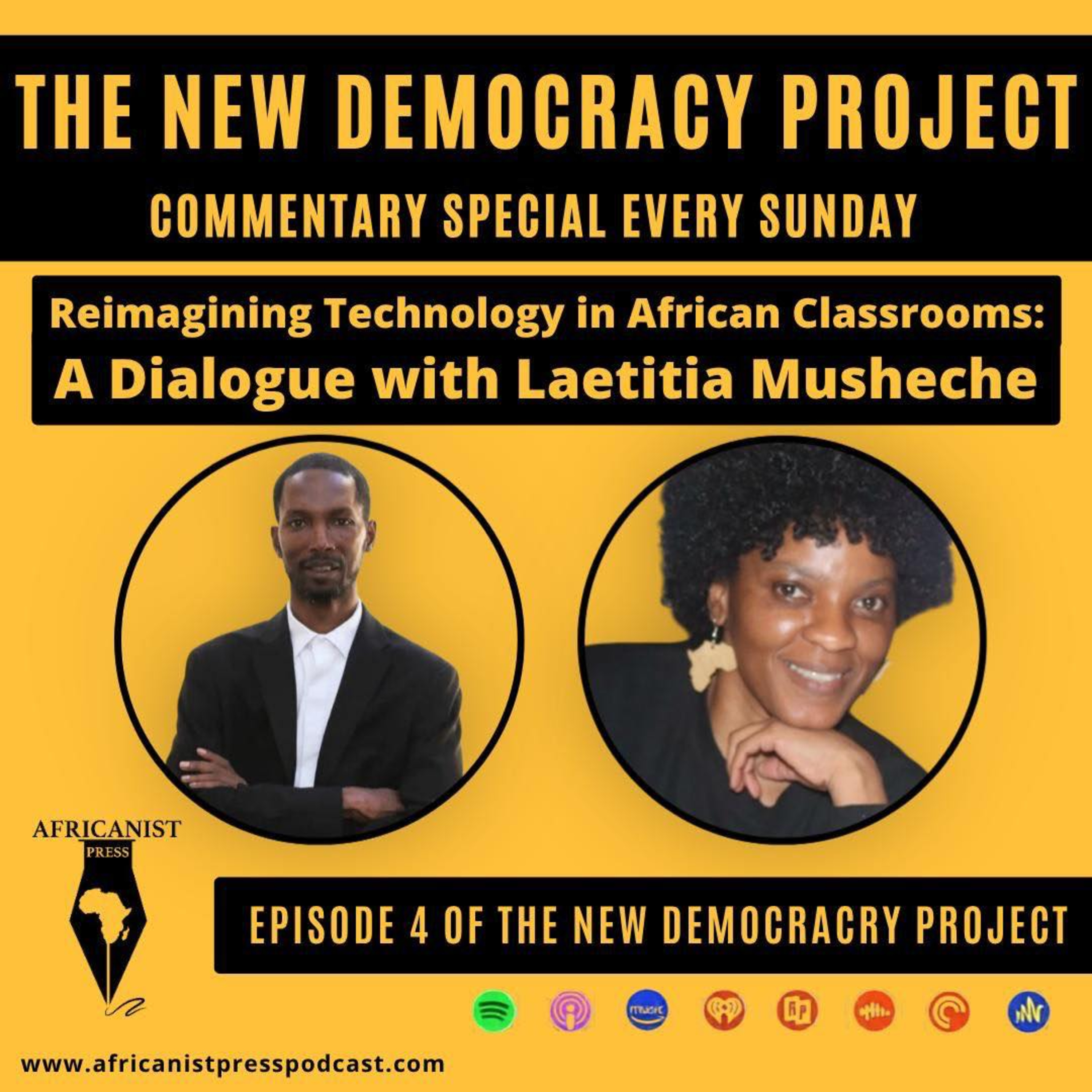 Reimagining New Technology in African Classrooms: A Conversation with Laetitia Musheche 05.05.2026 48хвIn this episode, we feature a conversation with Laetitia Musheche, founder of BauHouse Arts Academy, on reimagining new technology in African classrooms and the need to build an all-African-centered curriculum for primary and secondary education across the continent. This episode is part of the Africanist Press's New Democracy Series.
 -
 Sierra Leone's Tripartite Agreement: A Triangle of Illegality 27.04.2026 41хвIn this episode, we focus on the Tripartite Agreement’s creation of a triangle of illegality, examining how it violated Sierra Leone’s Constitution and public election laws, and its ongoing threat to democracy and future elections.This episode is part of the Africanist Press's New Democracy Project series.
 -
 Democracy is not a Tripartite Agreement: The APC and SLPP's Undemocratic Politics of Rotating Power 20.04.2026 48хвIn this episode, we focus on why the Tripartite Agreement is regarded as illegal, specifically highlighting its legal and political implications. We also analyze how foreign organizations are actively working to uphold and strengthen the APC and SLPP’s ongoing practice of undemocratic power rotation in Sierra Leone.This episode is part of the Africanist Press New Democracy Project series.
 -
 The 3 D's of a Failed Nation: An Analysis of Sierra Leone's Crisis of Democracy 13.04.2026 43хвIn this episode, we expose how both the Maada Bio regime and its opposition allies undermine democracy in Sierra Leone by using deception, disinformation, and distraction to avoid accountability for social service failures. We show that these 3D tactics are not just tactics, but the driving force behind failed governance and a hallmark of illegitimate regimes.This episode is part of the Africanist Press's new democracy project.
 -
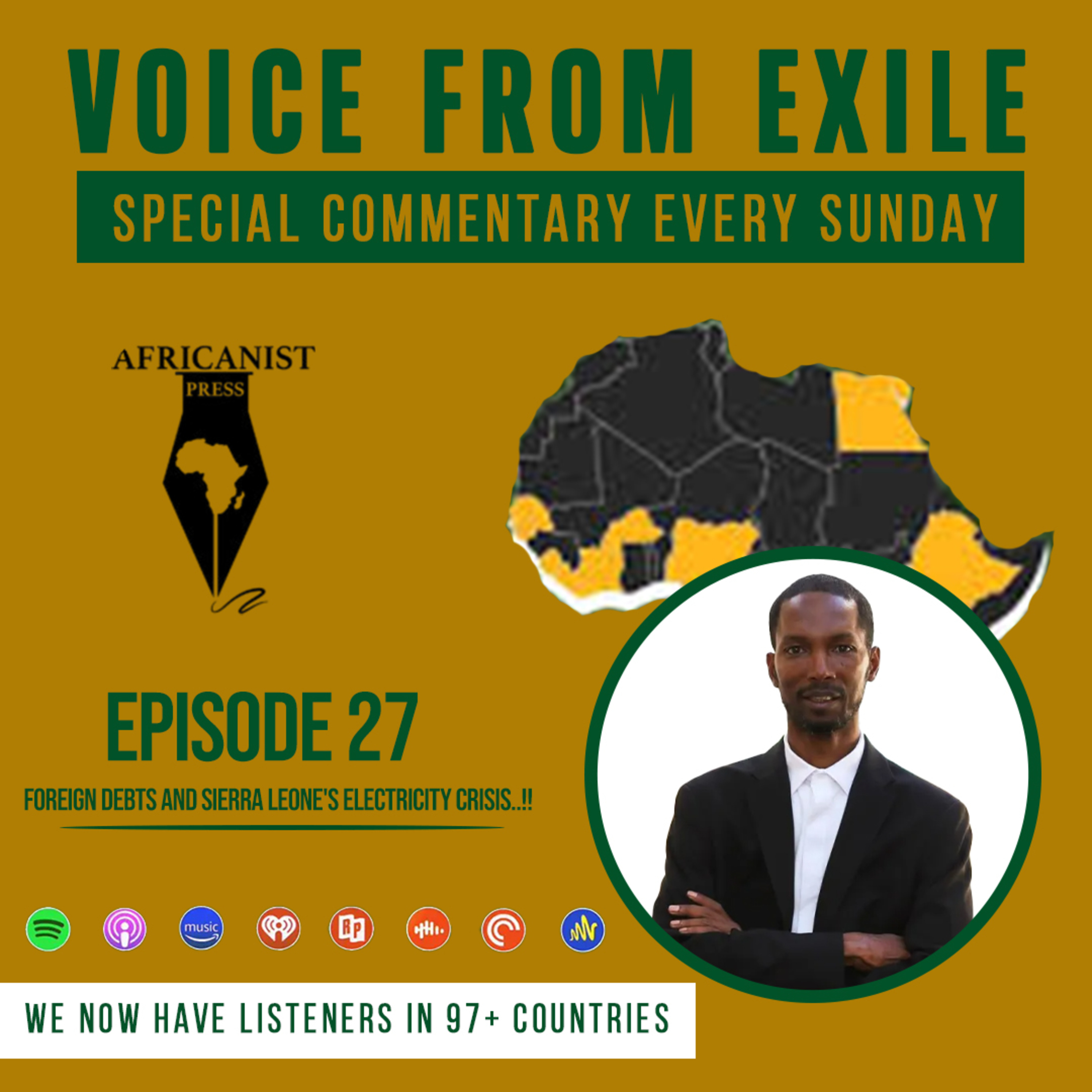 Foreign Debts, Corruption, and Sierra Leone's Electricity Crisis 23.09.2025 50хвIn this episode, Dr. Chernoh Alpha Bah, editor of Africanist Press, discusses the ongoing political crisis in Sierra Leone, focusing on issues of accountability, extrajudicial killings, and the recent resignation of U.S. Ambassador Bryan David Hunt, whose involvement in local politics has raised concerns amongSierra Leoneans.The conversation also delves into the implications of foreign debts, particularly from the U.S. International Development Finance Corporation (DFC), and the lack of progress on a promised power plant project in Freetown, raising questions about the use of development funds and the need for transparency and justice in Sierra Leone.This episode is part of our "New Democracy Project," sponsored by Northwestern University's Program of African Studies, Write4Justice and SolidarityForAfrica campaigns.
 -
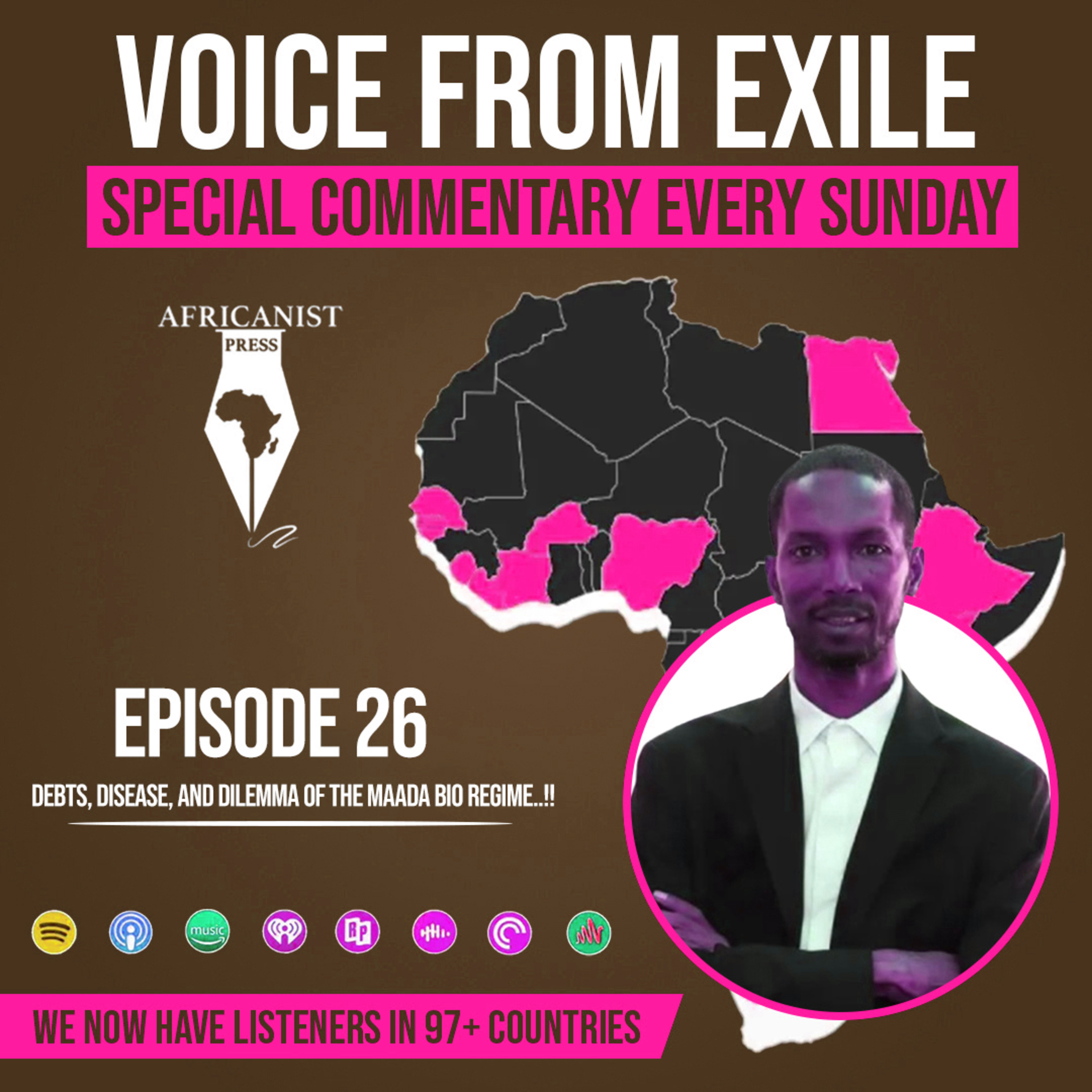 Debts, Disease, and Dilemma of the Maada Bio Regime 14.09.2025 42хвIn this episode, we explore Sierra Leone's political landscape, focusing on the crisis marked by corruption, extrajudicial killings, and ongoing debt and development challenges since Maada Bio took office in 2018. We highlight the implications of these human rights violations for the 2028 elections and the future of democracy in the country.
 -
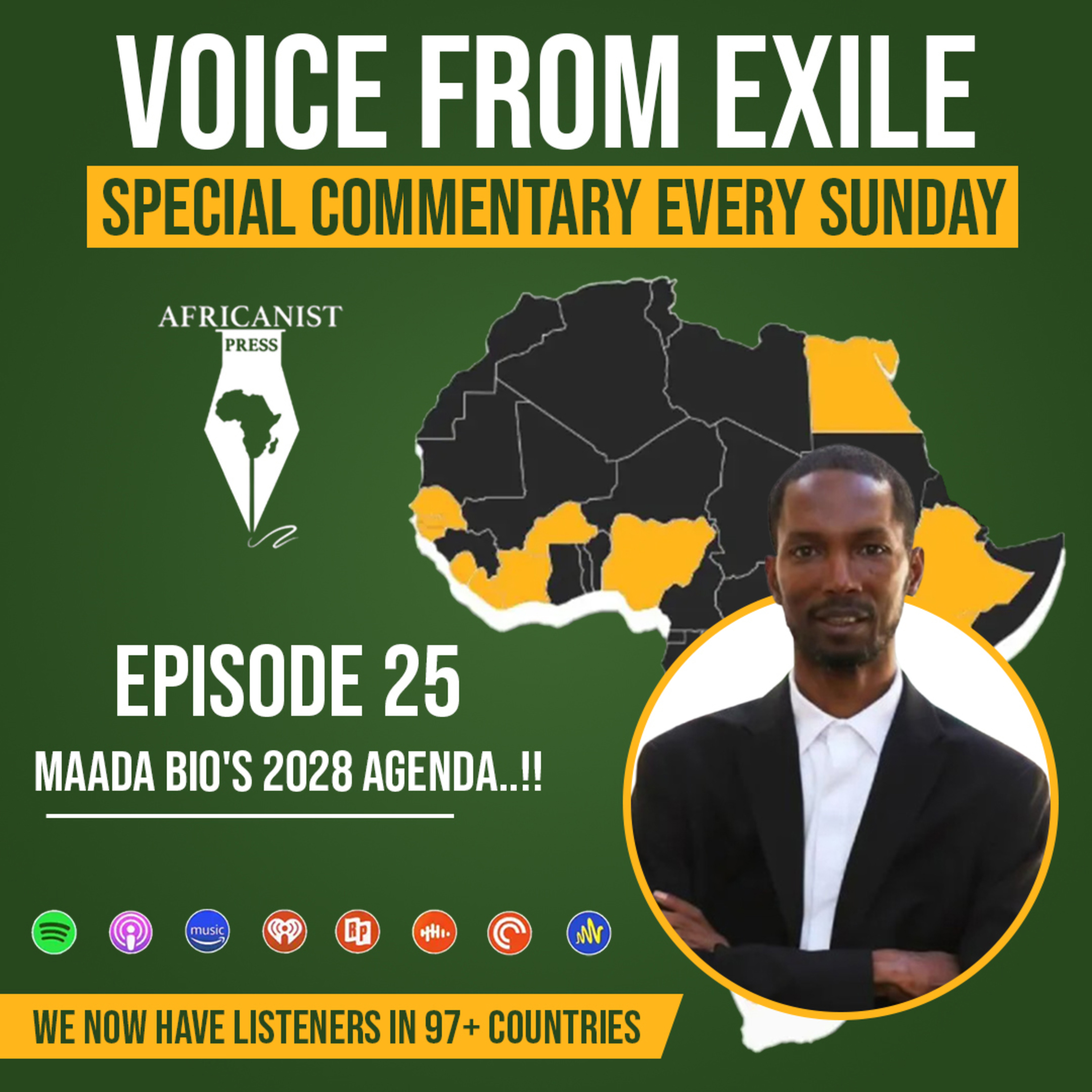 The 2028 Agenda of the Maada Bio Regime 07.09.2025 38хвIn this episode, we discuss the increasing legitimacy crisis facing the Maada Bio regime in Sierra Leone. We examine the regime's agenda as it prepares for the upcoming 2028 elections. Additionally, we highlight why the 2028 elections pose a significant challenge to the political and elite alliances that have maintained power in Sierra Leone since 1961.This episode is part of the Voice from Exile series of the Africanist Press.
 -
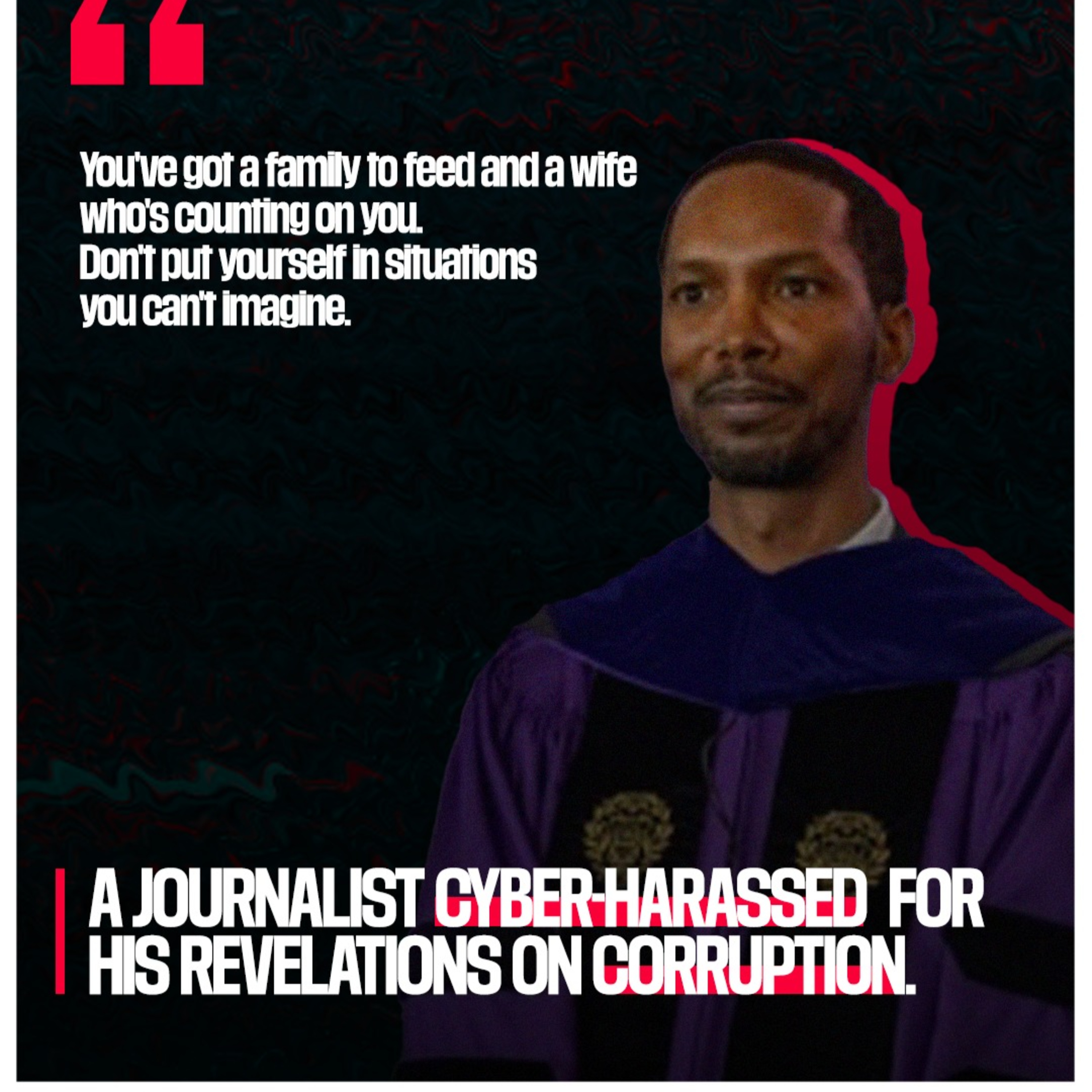 USAID Cuts and the Need to Rethink Future US-Africa Relations 03.05.2025 26хвIn this exclusive interview, Africanist Press editor, Dr. Chernoh Alpha Bah talks to journalists Ryan Grim and Emily Jashinsky of the Counter Point Show about "USAID Cuts and the Need to Rethink Future US-Africa Relations.”You can order the book, The Ebola Outbreak in West Africa: Corporate Gangsters, Multinationals, and Rogue Politicians, here: https://www.amazon.com/Ebola-Outbreak-West-Africa-Multinationals/dp/0996973923
 -
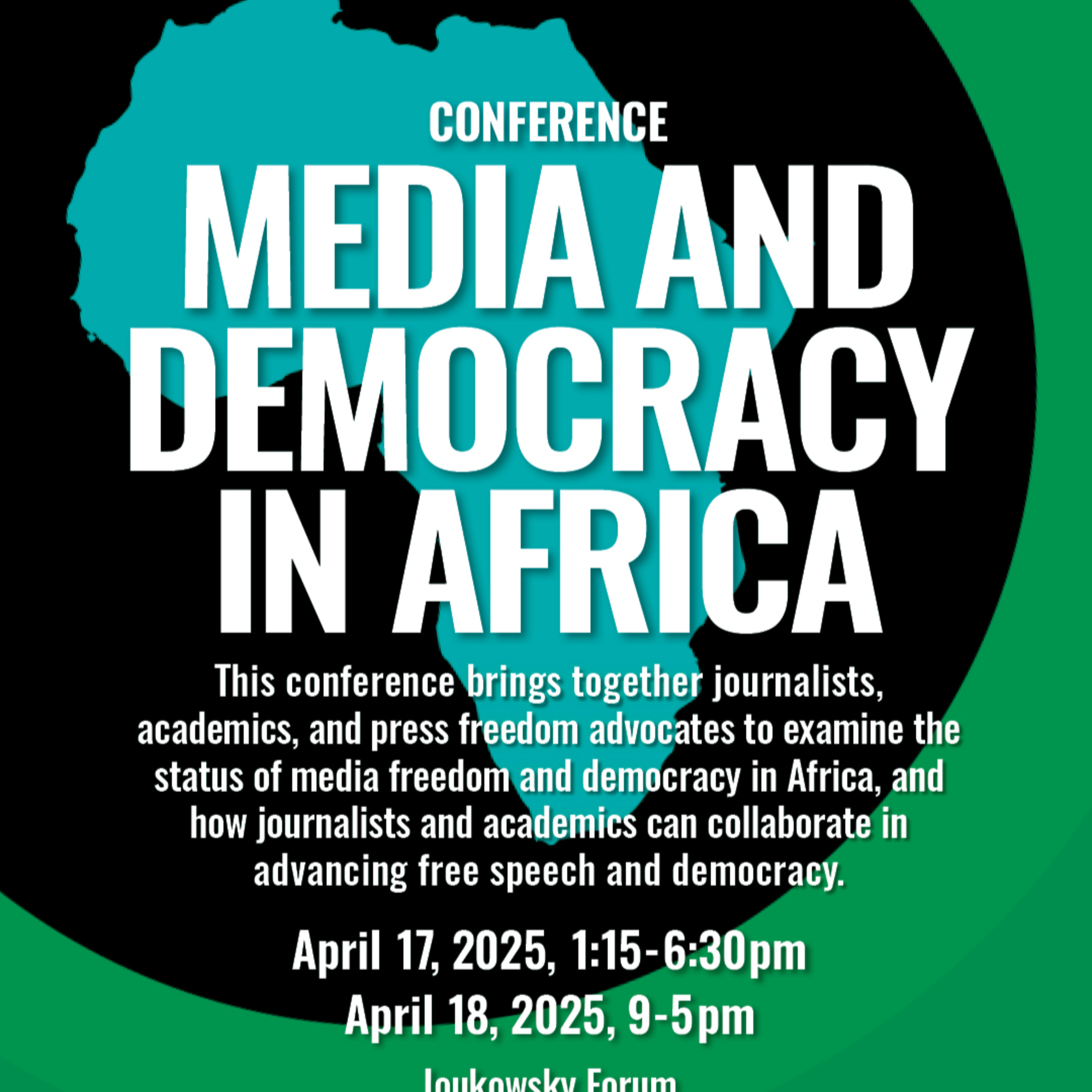 From Elections to Coups: Journalism in an Era of Instability in Africa 24.04.2025 1год 7хвThis episode presents RSF's Sadibou Marong's keynote address at the conference on “Media and Democracy in Africa” held from April 17-18, 2025 at the Watson Institute for International and Public Affairs at Brown University. The conference, which brought together journalists, academics, and press freedom advocates from Africa, Europe, and USA, was organized by Dr. Chernoh Alpha M. Bah and sponsored by the Africa Initiative at Brown University.
 -
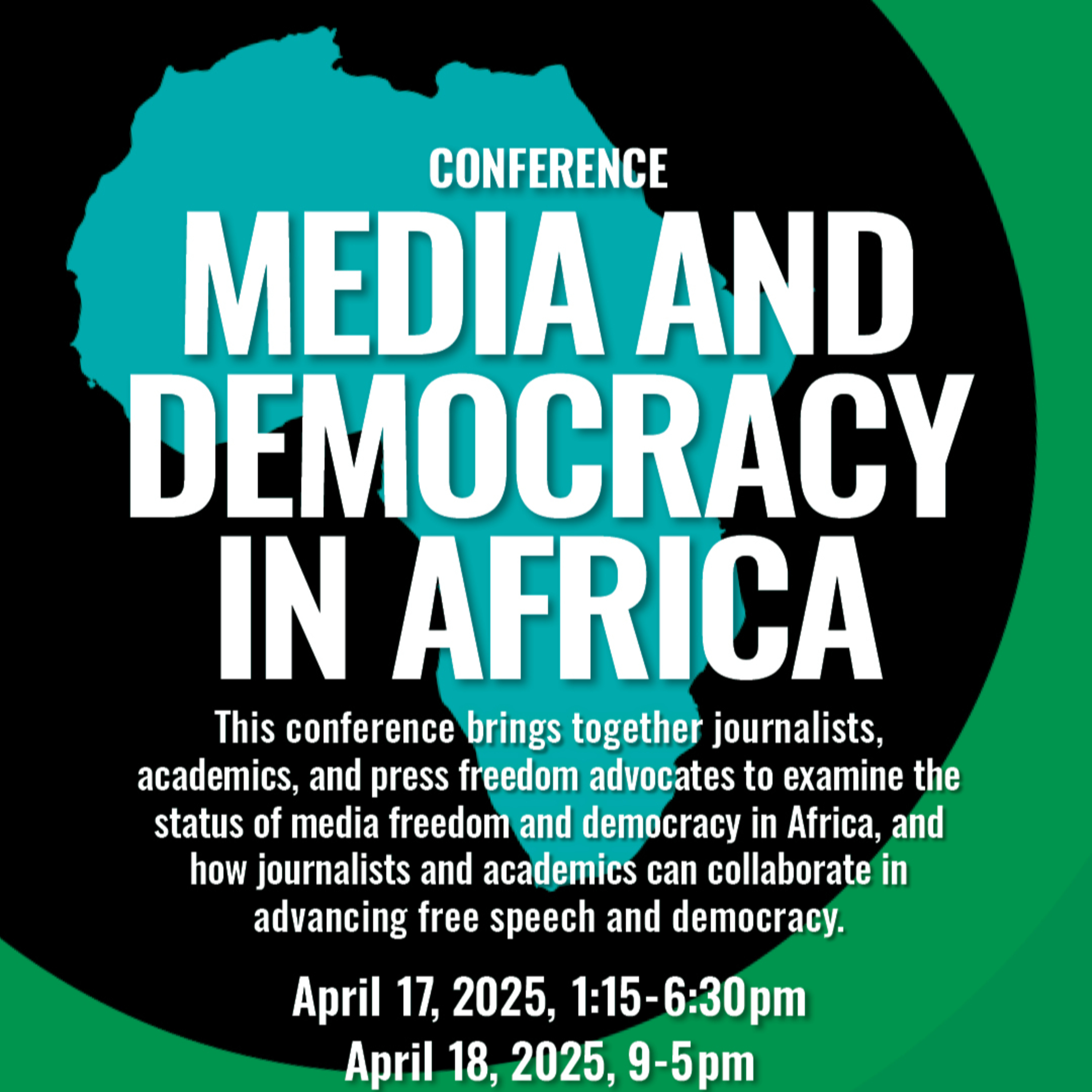 Challenges to Investigative Journalism in Africa: The Africanist Press Experience in Sierra Leone 20.04.2025 51хвThis episode is a presentation by Dr. Chernoh Alpha M. Bah during a two-day conference on "Media and Democracy in Africa" held from April 17-18, 2025 at the Watson Institute for International and Public Affairs at Brown University. The conference, which brought together journalists from Africa, Europe, and United States, was organized by Dr. Chernoh Alpha M. Bah and sponsored by the Africa Initiative.
Схожі подкасти


Популярний у
Цей подкаст також потрапляв у чарти подкастів у цих країнах.
