
Backtable Cardiology
BackTable Inc.
0
BackTable Cardiology is a podcast for clinical and interventional cardiologists, cardiac surgeons, and other healthcare professionals involved in cardiovascular care. This show brings together expert voices from across the field to explore the latest in cardiology—from evolving guidelines and innovative devices to real-world case discussions and multidisciplinary collaboration. BackTable Cardiology delivers practical insights and forward-thinking conversations to keep you connected and current in a rapidly changing specialty.
Епізоди
-
 Ep. 52 Advanced Techniques in Retroflex Circumflex Lesions with Dr. Sripal Bangalore 15.09.2026 46хвWhat are the critical steps for delivering a stent in tortuous, calcified coronary lesions, and how do you adapt when the anatomy fights back? This week on the BackTable Cardiology Podcast, Dr. Hady Lichaa hosts interventional cardiologist Dr. Sripal Bangalore, director of the Cath Lab and CTO program at Bellevue Hospital, to discuss planning and performing complex percutaneous coronary intervention (PCI). Their conversation centers on advanced strategies for retroflex circumflex lesions approached via right radial access, with a focus on careful angiogram review, managing severe tortuosity, and post-procedure antithrombotic regimens. --- Get the BackTable apphttps://www.backtable.com/app --- This podcast is supported byTeleflexhttps://www.teleflex.com/ --- Timestamps 00:00 - Introduction02:21 - Pre-PCI Case Planning07:23 - Wires And Tracking Tricks11:22 - Guide Extensions Masterclass16:58 - Dampening And Safe Injection20:19 - Calcified Lesion Escalation26:55 - Stent Selection And ORSIRO31:03 - Post-Procedure DAPT Strategy37:38 - Perforation Rescue Playbook44:28 - Conclusion --- More about this episode Dr. Bangalore offers tips for advancing through obtuse angles, expediting PCI when guide pressure dampens, and pivoting when challenges arise. He shares experience-driven advice on early use of guide extensions, best practices for avoiding hydraulic dissection, and escalation strategies for calcified lesions. The episode also covers stent selection, managing leaks after covered stent deployment, and the importance of intravascular imaging guidance and minimizing triple therapy duration. Dr. Bangalore closes with pearls for new operators and emphasizes that in complex interventions, adaptability and imaging are key. --- Resources Dr. Sripal Bangalore’s Physician Profilehttps://nyulangone.org/doctors/1902066871/sripal-bangalore Dr. Hady Lichaa’s Physician Profilehttps://healthcare.ascension.org/find-care/provider/1336267533/hady-lichaa The Elusive Late Benefit of Biodegradable Polymer Drug-Eluting Stentshttps://www.ahajournals.org/doi/10.1161/CIRCULATIONAHA.118.038378?doi=10.1161/CIRCULATIONAHA.118.038378 --- BackTable Cardiology is the go-to podcast for interventional cardiologists, cardiac surgeons, and other healthcare professionals that manage cardiovascular conditions. Download the free BackTable app to get early access to new episodes, cases, and courses curated by physicians in your specialty. ► https://www.backtable.com/app
 -
 Ep. 51 Advancements in Pulmonary Embolism Algorithm and Management with Dr. David Dexter and Dr. Maya Serhal 08.09.2026 41хвHow are new aspiration thrombectomy systems and real-time hemodynamic monitoring enabling safer, more effective pulmonary embolism treatment? On this episode of the BackTable Podcast, Dr. Ally Baheti welcomes Dr. Maya Serhal and Dr. David Dexter for a deep dive into modern pulmonary embolism (PE) management, with a focus on advances in large-bore aspiration thrombectomy. They discuss evolving PE triage algorithms, real-world procedural strategies, and the clinical impact of next-generation aspiration systems on safety, efficiency, and patient recovery. --- Get the BackTable apphttps://www.backtable.com/app --- This podcast is supported byImperative Care https://www.imperativecare.com/ --- Timestamps00:00 - Introduction02:03 - PE Response Workflow05:32 - Symphony Device07:07 - Sizing and Blood Loss10:00 - Multi-Port Hemodynamics14:45 - Procedure Endpoints17:01 - IVUS Guided Strategy20:02 - ProHelix and Lollipopping25:48 - Case Studies34:12 - Closing Thoughts --- More about this episodeThe conversation explores multidisciplinary PE response workflows, lab and imaging triggers for escalation, and technical considerations in catheter sizing, blood loss management, and real-time hemodynamic monitoring. Dr. Dexter reviews his use of intravascular ultrasound for precise clot localization, and Dr. Serhal shares practical tips for adjusting aspiration power to avoid complications. Together, they discuss procedural endpoints, mechanical assist devices for difficult clots, and present case examples demonstrating rapid improvement in hemodynamics and oxygenation. The episode emphasizes the importance of teamwork, patient selection, and ongoing innovation in optimizing PE care. --- Resources American Society of Hematology 2020 Guidelines for Management of Venous Thromboembolism: Treatment of Deep Vein Thrombosis and Pulmonary Embolismhttps://ashpublications.org/bloodadvances/article/4/19/4693/463998/American-Society-of-Hematology-2020-Guidelines-for Prospective Multicenter IDE Study of the Next-Generation Precision Aspiration Thrombectomy System for Intermediate-Risk Pulmonary Embolism: The SYMPHONY-PE Trial https://www.ahajournals.org/doi/full/10.1161/CIRCINTERVENTIONS.125.015815 Is There a Golden Hour for Thrombectomy in Intermediate-Risk Pulmonary Embolism? Insights From SYMPHONY-PEhttps://www.ahajournals.org/doi/full/10.1161/CIRCINTERVENTIONS.126.016573 --- BackTable Cardiology is the go-to podcast for interventional cardiologists, cardiac surgeons, and other healthcare professionals that manage cardiovascular conditions. Download the free BackTable app to get early access to new episodes, cases, and courses curated by physicians in your specialty.► https://www.backtable.com/app
 -
 Ep. 50 Managing Pulmonary Embolism: Guidelines and Clinical Decisions with Dr. Timothy Fernandes and Dr. Robert Lookstein 01.09.2026 56хвOnce your PERT is assembled, how do you navigate the evolving pulmonary embolism (PE) literature to improve patient outcomes at all risk levels? In this episode of the BackTable Podcast, interventional radiologist Dr. Robert Lookstein (Mount Sinai) and pulmonary critical care specialist Dr. Timothy Fernandes (UC San Diego) join host Dr. Harris Chengazi to examine the latest evidence and multidisciplinary strategies for managing acute pulmonary embolism. The discussion highlights the complexities of catheter-directed therapies in intermediate- to high-risk PE, evolving guidelines in the face of new trial data, and prioritization of improving patients’ clinical trajectories. --- Get the BackTable apphttps://www.backtable.com/app --- This podcast is supported byPenumbrahttps://www.penumbrainc.com/ --- Timestamps00:00 - Introduction03:57 - PERT Structure and Activation08:24 - PE Risk Stratification Tools12:02 - Patient Selection for IR Intervention15:21 - Assessing Clot Chronicity21:03 - Standardizing Workup26:38 - Managing Unstable PE28:31 - STORM-PE and HI-PEITHO Trial Data35:49 - Guidelines vs. New Evidence40:12 - Determining Therapeutic Endpoints45:05 - Upcoming Trials and Future Directions51:46 - Final Thoughts and Closing Remarks --- More about this episodeThe physicians explore the nuances of validated PE risk stratification tools, assessing the relationship between various PE scoring systems and the 2026 ACC/AHA classification for acute PE. They emphasize that the integration of clinical assessment, serial lab work, and patient history must take precedence over static imaging alone in guiding care. The doctors go on to review new trial data, including the improved RV-to-LV ratio and 90-day functional gains seen with mechanical thrombectomy in STORM-PE and reduced clinical deterioration observed with ultrasound-assisted catheter-directed thrombolysis in HI-PEITHO. The conversation concludes with a call for collaborative, safety-first management that focuses on the patient’s clinical status and long-term post-PE functional recovery. --- Resources 2026 AHA/ACC/ACCP/ACEP/CHEST/SCAI/SHM/SIR/SVM/SVN Guideline for the Evaluation and Management of Acute Pulmonary Embolism in Adultshttps://doi.org/10.1161/CIR.0000000000001415 Composite Pulmonary Embolism Shock (CPES) Scorehttps://doi.org/10.1161/CIRCINTERVENTIONS.124.014088 FOCUS studyhttps://doi.org/10.1093/eurheartj/ehac206 STORM-PE trialhttps://doi.org/10.1161/CIRCULATIONAHA.125.077232 HI-PEITHO trialhttps://doi.org/10.1056/nejmoa2516567 PE-TRACT studyhttps://petractstudy.org/homepage PEERLESS II studyhttps://clinicaltrials.gov/study/NCT06055920 PERSEVERE trialhttps://clinicaltrials.gov/study/NCT06588634 --- BackTable Cardiology is the go-to podcast for interventional cardiologists, cardiac surgeons, and other healthcare professionals that manage cardiovascular conditions. Download the free BackTable app to get early access to new episodes, cases, and courses curated by physicians in your specialty.► https://www.backtable.com/app
 -
 Ep. 49 Aortoiliac Arterial Disease Treatment with Dr. Eric Secemsky 25.08.2026 25хвHow do you decide between a dedicated aortic scaffold and kissing stents in complex aortoiliac bifurcations? On this episode of the BackTable Podcast, Dr. Sabeen Dhand and Dr. Eric Secemsky discuss the management of a female smoker presenting with rapidly progressive bilateral hip pain, ultimately revealed to be severe aortoiliac arterial disease. The case highlights the value of noninvasive vascular studies, CTA, and IVUS for precise diagnosis and procedural planning, as well as the nuanced decision-making process between different device options. --- Get the BackTable apphttps://www.backtable.com/app --- Timestamps 00:00 - Introduction01:56 - Patient History05:42 - CTA and Angio Findings09:30 - Strategy Access and IVUS13:17 - IVUS Sizing and Lesion Review16:38 - IVL Angioplasty Technique18:28 - Stenting and Final Result22:50 - Post-procedure Meds and Outcome24:34 - Wrap Up --- More about this episode Dr. Secemsky reviews access strategy, lesion sizing, and the use of intravascular lithotripsy to reduce rupture risk in heavily calcified arteries. The doctors explain their rationale for choosing kissing covered stents over a dedicated aortic scaffold, details the technical steps of ballooning and stenting, and discusses the transition from dual antiplatelet therapy to rivaroxaban and aspirin postprocedure. The episode concludes with key insights into device selection, procedural technique, and patient-centered decision-making for successful aortoiliac interventions. --- BackTable Cardiology is the go-to podcast for interventional cardiologists, cardiac surgeons, and other healthcare professionals that manage cardiovascular conditions. Download the free BackTable app to get early access to new episodes, cases, and courses curated by physicians in your specialty. ► https://www.backtable.com/app
 -
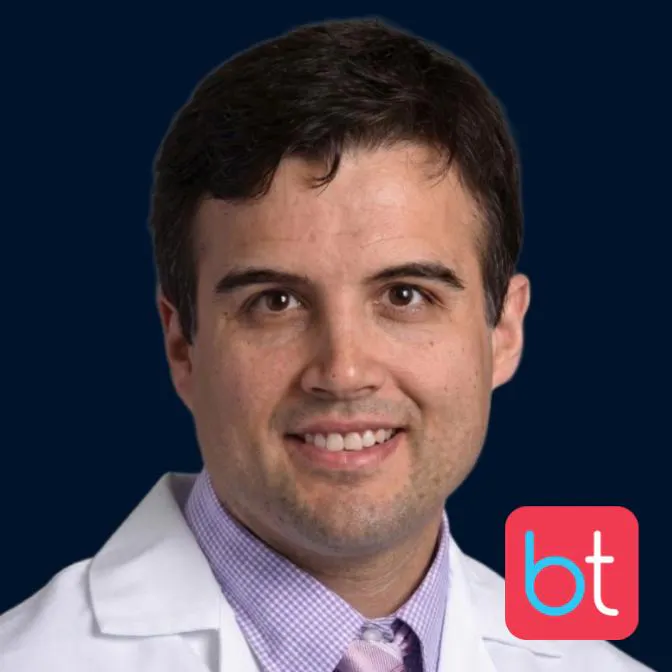 Ep. 48 Understanding Transcaval Access for Cardiac Procedures with Dr. Pedro Villablanca 18.08.2026 1год 6хвHow can transcaval access transform options for patients with challenging vascular anatomy undergoing TAVR and other cardiac procedures? On this episode of the BackTable Cardiology Podcast, host Dr. Hady Lichaa interviews Dr. Pedro Villablanca, a structural interventionalist at Henry Ford Hospital, about the expanding role of transcaval techniques. They discuss how transcaval access leverages the IVC and aorta to bypass small or diseased vessels, offering transfemoral-like ergonomics, conscious sedation, and less radiation exposure for carefully selected patients. --- Get the BackTable apphttps://www.backtable.com/app --- Timestamps 00:00 - Introduction02:35 - What Is Transcaval Access?09:34 - Crossing Site Measurements17:17 - Step-by-Step Procedure20:26 - Electrosurgery Setup28:04 - Troubleshooting Scenarios34:36 - Lost Wire Recovery39:19 - Balloon Tamponade Planning44:00 - Step-by-Step Closure53:31 - Hydration and Hemoglobin01:00:42 - Training and Proctorship01:04:42 - Conclusion --- More about this episode The conversation offers a step-by-step walkthrough of transcaval TAVR, covering pre-procedural planning with CT and fluoroscopy, device selection, and troubleshooting for complications like lost wires and bleeding. Dr. Villablanca details closure strategies, balloon tamponade, and the use of cover stents as bailouts. They discuss the importance of multidisciplinary planning, anatomic considerations, and practical pearls from real cases. The episode closes with advice for operators new to transcaval access and emphasizes the value of preparation, collaboration, and continuous learning in mastering this advanced technique. --- Resources Dr. Hady Lichaa Physician Profilehttps://healthcare.ascension.org/find-care/provider/1336267533/hady-lichaa Dr. Pedro Villablanca Physician Profilehttps://www.henryford.com/physician-directory/v/villablanca-spinetto-pedro SCAI Structural Heart Disease Courseshttps://www.scai.org/clinical-practice/structural --- BackTable Cardiology is the go-to podcast for interventional cardiologists, cardiac surgeons, and other healthcare professionals that manage cardiovascular conditions. Download the free BackTable app to get early access to new episodes, cases, and courses curated by physicians in your specialty. ► https://www.backtable.com/app
 -
 Ep. 47 Navigating Private Practice in Cardiology with Dr. Jon George 11.08.2026 52хвCan independent private practice offer greater efficiency, better patient care, and a more balanced physician lifestyle? On this episode of the BackTable Cardiology Podcast, host Dr. Hady Lichaa talks with Dr. Jon George about his journey from academic cath lab leadership to launching an ambulatory surgery center and thriving as a solo practitioner. They discuss the business, regulatory, and clinical realities of building a modern private practice in today’s changing healthcare environment. --- Get the BackTable apphttps://www.backtable.com/app --- Timestamps 00:00 - Introduction02:51 - Private Practice Landscape05:17 - Pendulum Swing to Independent Practice10:04 - Making the Move to Solo Practice15:24 - Training and Research Beyond Hospitals17:55 - MBA and Business Skills20:02 - Building a Broad Practice23:35 - Income, Ownership, and Mindset Shifts27:28 - Administrative Load and Management Help32:35 - Launching the ASC Cath Lab38:24 - Boosting Efficiency, Lifestyle, and Preventing Burnout43:17 - Advice for Fellows48:15 - Call Coverage and Negotiation49:52 - Closing Reflections and Takeaways --- More about this episode Dr. George shares how his frustrations with hospital financial transparency, procedural limitations, and the pandemic’s impact on patient willingness to come to hospitals motivated his transition to a solo practice in 2020. He explains why only about 30 percent of U.S. cardiologists remain independent, highlighting the shift toward lower-cost outpatient sites, recent CMS approvals for more ASC procedures, and state differences in certificate-of-need laws. Dr. George discusses strategies for scaling through hospital affiliations, negotiating teaching and research support, and partnering with management companies to streamline operations. He also describes building a state-of-the-art cath lab and imaging center, improving efficiency and physician lifestyle, and offers a practical five-question framework for clinicians considering the move to private practice. --- Resources ReVaMP Heart and Vascular Institutehttps://www.revascmed.com/ University of Cincinnati Ohio College of Medicinehttps://med.uc.edu/ University Hospitals Case Medical Centerhttps://www.uhhospitals.org/locations/uh-cleveland-medical-center Temple University Hospital https://www.templehealth.org/locations/temple-university-hospital --- BackTable Cardiology is the go-to podcast for interventional cardiologists, cardiac surgeons, and other healthcare professionals that manage cardiovascular conditions. Download the free BackTable app to get early access to new episodes, cases, and courses curated by physicians in your specialty. ► https://www.backtable.com/app
 -
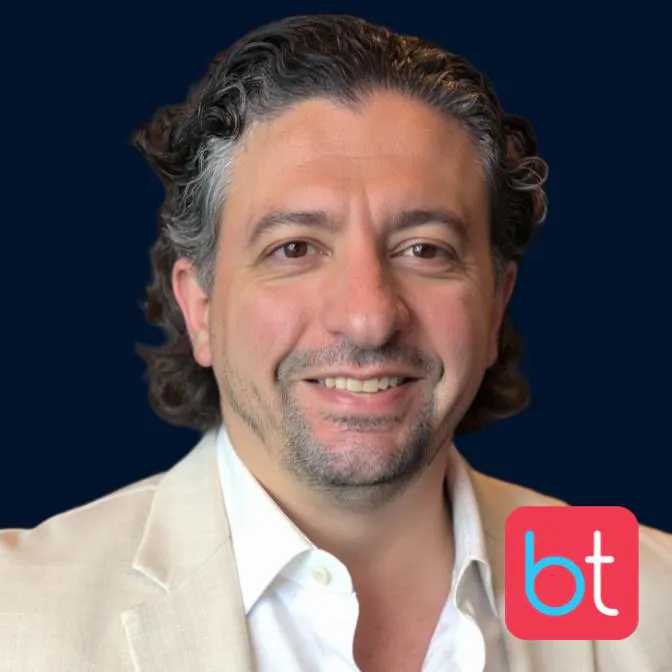 Ep. 46 Cardiology Procedures and Ambulatory Surgery Centers: Key Insights with Dr. Fadi Saab 04.08.2026 57хвWhat are the real-world challenges and rewards of running an ambulatory surgery center (ASC)? On this episode of BackTable Cardiology, host Dr. Hady Lichaa interviews Dr. Fadi Saab about his transition from an outpatient-based lab (OBL) to an ASC, focusing on business, regulatory, and clinical considerations that go beyond procedural technique. They discuss how rising healthcare costs are driving ASC expansion, the benefits of improved patient experience, efficiency, convenience, and physician autonomy, as well as concerns about private equity influence and systemic pressures to shift cases out of hospitals. ---Get the BackTable apphttps://www.backtable.com/app --- Timestamps00:00 - Introduction 03:10 - Why ASCs Are Expanding 05:36 - Autonomy, Efficiency, and Key Concerns10:43 - Ensuring Safety and Outcomes14:07 - OEIS Registry and Certification17:02 - Managing Complications and Transfers22:36 - EP Procedures in the Outpatient Setting 27:09 - OBLs Under Pressure34:43 - Reimbursement Challenges and Burnout39:22 - Business Skills and Consultants44:07 - Income Reality and Partnerships50:12 - Reflection on the Transition55:46 - Closing Thoughts and Advice --- More about this episodeDr. Saab outlines critical safety oversight measures including state regulations, registry reporting, transfer agreements, ACLS-trained teams, and peer review. He shares data showing that PCI outcomes in ASCs are comparable to those in outpatient hospitals, and reviews the expansion of electrophysiology procedures into ASCs enabled by CMS codes. The conversation highlights infrastructure needs, differences in OBL versus ASC reimbursement, and the importance of hiring experienced leaders and consultants. Dr. Saab provides practical advice on partnering with like-minded physicians, understanding Stark and anti-kickback rules, and setting realistic expectations for profitability, which may take 18 to 30 months. The episode closes with reflections on mentorship, operational excellence, and how ASCs are adapting to the changing landscape of cardiovascular care. --- ResourcesInterventional Cardiologists' Perspectives on Percutaneous Coronary Intervention at Ambulatory Surgical Centershttps://pubmed.ncbi.nlm.nih.gov/41088884/ OEIShttps://oeisweb.com/ Administrative Expenses In The US Health Care System https://jamanetwork.com/journals/jama/fullarticle/2785479#google_vignette --- BackTable Cardiology is the go-to podcast for interventional cardiologists, cardiac surgeons, and other healthcare professionals that manage cardiovascular conditions. Download the free BackTable app to get early access to new episodes, cases, and courses curated by physicians in your specialty.► https://www.backtable.com/app
 -
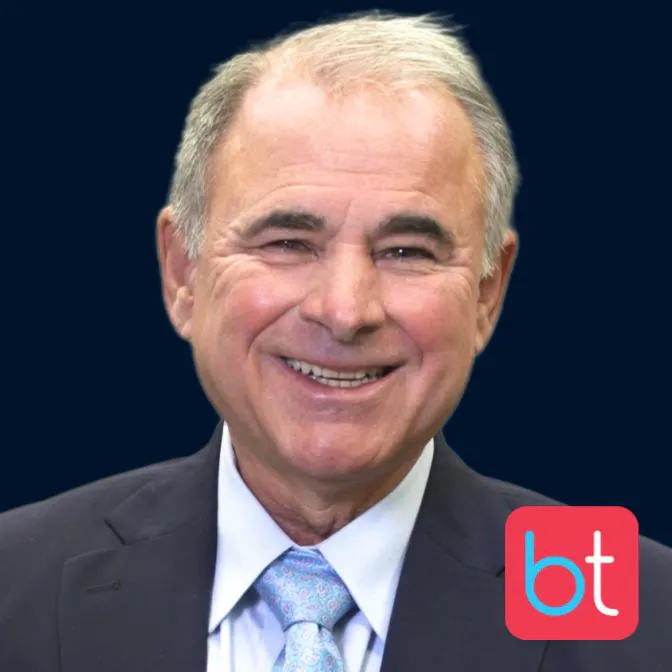 Ep. 45 Optimizing Interventional Cardiology Practice Efficiency with Dr. Craig Walker 28.07.2026 56хвWhat separates a good medical practice from one that consistently delivers exceptional patient care and retains dedicated team members? On this episode of BackTable Cardiology, Dr. Ankit Patel explores this with Dr. Craig Walker of Cardiovascular Institute of the South. Dr. Walker shares how his journey from rural Louisiana to Harvard shaped his approach to building a mission-driven, patient-centered cardiology practice. He discusses the impact of early lifesaving experiences, the value of compassionate communication, and how a clear mission has guided the practice’s growth and lasting impact. --- Get the BackTable apphttps://www.backtable.com/app --- Timestamps 00:00 - Introduction04:54 - Training And Early Career07:38 - Mission Statement: TRECC10:53 - The Impact of Mentorship13:09 - Why Start NCH Meetings?17:02 - Developing a Practice21:35 - Workflow And Team Culture26:33 - Training The Next Generation32:16 - Venous Disease Gap40:40 - Goals Mission Mindset45:37 - Advice For Trainees54:17 - Conclusion --- More about this episode The conversation dives into the operational strategies that have driven the growth of Cardiovascular Institute of the South, from developing a mission statement focused on technology, research, education, communication, and compassion to building a culture of mentorship and continuous learning. Dr. Walker and Dr. Patel discuss how goal-setting and team engagement have fueled expansion to multiple sites and fostered ongoing clinical innovation. They also highlight the importance of training the next generation, founding New Cardiovascular Horizons meetings to advance peripheral vascular care, and maintaining excitement in medicine by always prioritizing patient needs and collaborative leadership. --- Resources Dr. Craig Walker’s Physician Profilehttps://www.cardio.com/team/craig-walker’-md/ Dr. Ankit Patel’s Physician Profilehttps://www.getcare.hackensackmeridianhealth.org/provider/ankitkumar-kirankumar-patel/1316247 New Cardiovascular Horizonshttps://ncvh.org/ Temporary Occlusion Embolectomy: A Cost-Effective Approach to Distal Embolic Protection in Peripheral Artery Diseasehttps://www.hmpgloballearningnetwork.com/site/vdm/case-series/temporary-occlusion-embolectomy-toe-cost-effective-approach-distal-embolic --- BackTable Cardiology is the go-to podcast for interventional cardiologists, cardiac surgeons, and other healthcare professionals that manage cardiovascular conditions. Download the free BackTable app to get early access to new episodes, cases, and courses curated by physicians in your specialty. ► https://www.backtable.com/app
 -
 Ep. 44 Coronary Calcium Modification: Treating the Impossible with Dr. Kate Kearney 21.07.2026 55хвWhen should you keep pushing and when should you walk away during a tough chronic total occlusion (CTO) case with heavy coronary calcification? On this episode of BackTable Cardiology, coronary CTO expert Dr. Kate Kearney from the University of Washington joins Dr. Hady Lichaa to define what makes a coronary PCI truly complex and to break down real-world strategies for managing ambiguous, heavily calcified lesions. The discussion emphasizes the uncertainty of achieving a good outcome and highlights the critical role of troubleshooting and dynamic decision-making in the cath lab. --- Get the BackTable apphttps://www.backtable.com/app --- This podcast is supported by Sponsorhttps://shockwavemedical.com/ --- Timestamps 00:00 - Introduction04:48 - Hard CTO Case Insights 08:43 - CTO vs IVL Safety And Predictability15:18 - Atherectomy Lesion Length for Atherectomy23:13 - Interpreting Calcium on Imaging 27:58 - D-Shaped Stents after Calcium Modification30:19 - Left Main Bifurcation Strategy35:31 - IVL Versus Atherectomy Sequencing39:49 - When To Stop A Case50:28 - Future Of IVL And Imaging53:47 - Conclusion --- More about this episode Dr. Kearney shares practical strategies developed through real CTO case experience, including when to deploy dynamic stop-or-continue decision-making and how to leverage “phone a friend” safety rules for complex cases. She explains how intravascular lithotripsy (IVL) has made balloon-based calcium modification more predictable, improved stent results, and encouraged a multimodal approach, while early atherectomy still plays a role for deliverability and control. The discussion also covers imaging-driven criteria for intervention, D-shaped stent placement, and tailored planning for left main bifurcation or ostial circumflex lesions, highlighting the value of collaborative and evidence-based practice in advanced coronary intervention. --- Resources Dr. Hady Lichaa Physician Profile: https://healthcare.ascension.org/find-care/provider/1336267533/hady-lichaa Dr. Kate Kearny Physician Profile:https://www.uwmedicine.org/bios/kathleen-kearney ECLIPSE trial:https://www.acc.org/latest-in-cardiology/clinical-trials/2024/10/25/04/32/eclipse Shockwave Lithoplasty Compared to Cutting Balloon Treatment in Calcified Coronary Disease (Short-Cut Trial): https://clinicaltrials.gov/study/NCT06089135 --- BackTable Cardiology is the go-to podcast for interventional cardiologists, cardiac surgeons, and other healthcare professionals that manage cardiovascular conditions. Download the free BackTable app to get early access to new episodes, cases, and courses curated by physicians in your specialty. ► https://www.backtable.com/app
 -
 Ep. 43 Advancements in Tibial Artery Stenting & Scaffolding with Dr. Sahil Parikh 14.07.2026 54хвWhat is the emerging role of bioresorbable scaffolds in treating tibial artery disease, and how do they compare with traditional stenting and drug delivery approaches? In this episode of the BackTable Podcast, Dr. Sabeen Dhand interviews interventional cardiologist Dr. Sahil Parikh at Columbia to explore the evolution of tibial artery stenting, drug-eluting technology, and the latest evidence behind bioresorbable scaffolds. The discussion highlights patient selection, treatment algorithms, technical considerations, and the impact of drug delivery choices on patient outcomes. --- Get the BackTable apphttps://www.backtable.com/app --- This podcast is supported by Abbott https://www.cardiovascular.abbott/us/en/hcp/products/peripheral-intervention/esprit-btk-resorbable-scaffold-system.html --- Timestamps 00:00 - Introduction04:00 - Bioengineering Origins08:29 - Paclitaxel vs. Limus 13:43 - When to Stent Tibials 16:14 - Stepwise Tibial Algorithm 18:46 - Stent Platforms and Costs 23:09 - Bifurcation Stenting Basics 26:35 - Fracture and Crush Risks 30:10 - Device Selection: Born for Tibials 33:27 - Materials and Drug Kinetics 36:57 - How to Deploy Safely 40:46 - Cost and Reimbursement Reality 43:21 - Market Growth and Competitors 48:02 - Paclitaxel Mortality Scare 51:13 - Final Takeaways and Access --- More about this episode Dr. Parikh reviews the differences between paclitaxel and sirolimus or limus agents, the historical dominance of paclitaxel in peripheral devices, and why peripheral therapy has lagged behind coronary interventions. He outlines a practical tibial treatment algorithm emphasizing crossing (often with retrograde access), imaging to assess calcium, lesion preparation (including IVL, specialty balloons, and atherectomy when needed), proper sizing, and bailout stenting for recoil or dissection, and addresses the unique challenges of distal placement, bifurcations, and occasional fractures. The discussion covers the evolution and rationale, absorption timeline, and clinical data for bioresorbable scaffolds, as well as reimbursement, emerging alternatives, and the ongoing debate over paclitaxel safety. Dr. Parikh also shares his perspective on the future of drug delivery, the need for payer support, and strategies for ensuring the best patient care across diverse clinical settings. --- Resources US Esprit™ BTK System Product Information (https://www.cardiovascular.abbott/us/en/hcp/products/peripheral-intervention/esprit-btk-resorbable-scaffold-system.html?utm_medium=podcast&utm_source=backtable&utm_campaign=us-endo-esprit-btk&utm_division=vas&utm_product=esprit-btk&utm_content=kol&utm_type=other) US Esprit™ BTK System Important Safety Information (https://www.cardiovascular.abbott/us/en/hcp/products/peripheral-intervention/esprit-btk-resorbable-scaffold-system/important-safety-information.html) Drug-Eluting Resorbable Scaffold versus Angioplasty for Infrapopliteal Artery Disease(https://pubmed.ncbi.nlm.nih.gov/37888915/) --- BackTable Cardiology is the go-to podcast for interventional cardiologists, cardiac surgeons, and other healthcare professionals that manage cardiovascular conditions. Download the free BackTable app to get early access to new episodes, cases, and courses curated by physicians in your specialty. ► https://www.backtable.com/app
 -
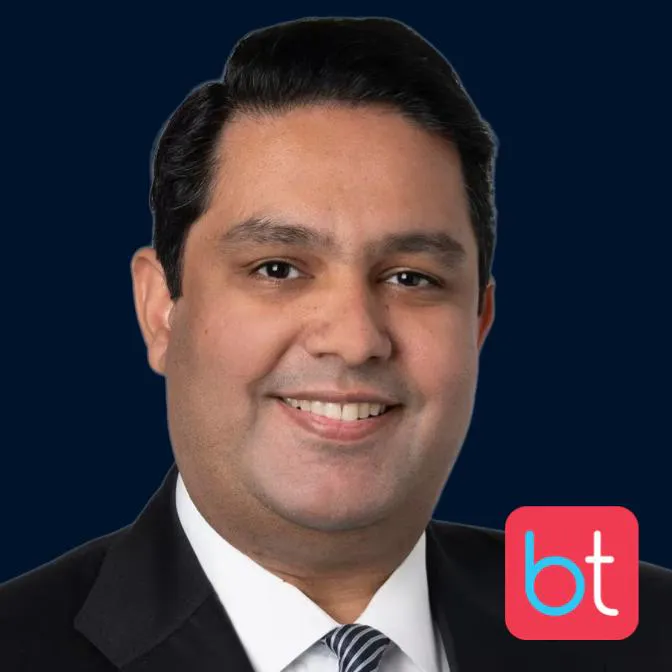 Ep. 42 Carotid Artery Stenting: Techniques, Tips, and Challenges with Dr. Navneet Sharma 07.07.2026 1год 1хвSlow is smooth, smooth is fast, and that’s true for carotid artery stenting too. In this episode of the BackTable Cardiology Podcast, Dr. Hady Lichaa welcomes Dr. Navneet Sharma to discuss practical tips for carotid artery stenting, including can’t-skip pre-procedure imaging, minimizing aortic arch manipulation, and how a healthy dose of patience helps catheter advancement more than you might think. --- Get the BackTable apphttps://www.backtable.com/app --- Timestamps 00:00 - Introduction01:59 - Complex Case Walkthrough09:47 - Preprocedure Workup16:31 - Femoral Catheter Playbook24:18 - Embolic Protection Strategy26:12 - Step By Step Stenting Walkthrough34:38 - Antiplatelet Checklist48:18 - Tortuosity and Arch Tips52:12 - Calcified Access Solutions59:42 - Wrap up and Credits --- More about this episode Through notable case examples and common procedural dilemmas, Dr. Sharma explains how anatomy and clinical risk guide patient selection, the choice between radial and femoral access, and a step-by-step guidewire technique. The discussion also explores optimal anticoagulation regimens, advances in embolic protection, and technical solutions for challenging cases like tortuosity and calcified access. Drs. Lichaa and Sharma highlight the importance of teamwork in carotid interventions and share career development advice for operators looking to refine their skills in this evolving field. --- Resources Dr. Hady Lichaa’s physician profile:https://healthcare.ascension.org/find-care/provider/1336267533/hady-lichaa Dr. Navneet Sharma’s physician profile:https://providers.clevelandclinic.org/provider/navneet-sharma/4268293 Medical Management and Revascularization for Asymptomatic Carotid Stenosis (CREST-2)https://www.nejm.org/doi/full/10.1056/NEJMoa2508800 Transcranial Duplex Evaluation of Internal Carotid Artery Flow Direction during Transcarotid Artery Revascularisation with Integrated Embolic Protectionhttps://www.ejves.com/article/S1078-5884(25)00116-9/fulltext --- BackTable Cardiology is the go-to podcast for interventional cardiologists, cardiac surgeons, and other healthcare professionals that manage cardiovascular conditions. Download the free BackTable app to get early access to new episodes, cases, and courses curated by physicians in your specialty. ► https://www.backtable.com/app
 -
 Ep. 41 Exploring LV Pacing in TAVR Procedures with Dr. Jeff Southard 30.06.2026 31хвIs it time to move beyond RV pacing and rethink the future of TAVR procedures with dedicated LV pacing strategies? In this episode of BackTable Cardiology, host Stephanie Younes talks with Dr. Jeff Southard, interventional cardiologist at UC Davis, about the evolution of left ventricular (LV) pacing and its impact on TAVR workflow. They discuss the limitations of earlier off-the-shelf LV pacing methods, the reasons for relying on RV pacing in the past, and how a shift to dedicated LV pacing wires is changing daily practice for both balloon-expandable and self-expanding valves. --- Get the BackTable apphttps://www.backtable.com/app --- This podcast is supported by Merit Medicalhttps://www.merit.com/product/solopace-fusion-system/ --- Timestamps 00:00 - Introduction02:27 - Early LV Pacing Skepticism06:08 - Backup Strategy and Capture Test08:02 - Step by Step TAVR Workflow12:32 - Reasons for Slow Adoption14:04 - Wire Design and Iterations15:55 - Sheath Support in Tough Anatomy16:57 - Avoiding Aortic Scrape Risks18:08 - Staffing and Table Roles20:51 - Beyond TAVR Use21:58 - Device Design and Reliability24:16 - EZ-TAVI Data Breakdown27:28 - Algorithms vs. RV Pacing29:17 - Purpose Built LV Pacing Wrap Up30:25 - Wrap Up and Credits --- More about this episode Dr. Southard details how his team’s adoption of a dedicated LV pacing wire improved reliability, reduced the need for venous access, and helped eliminate RV pacing-wire complications. He explains how this approach has saved time, streamlined staffing by moving pacing control to the sterile table, and minimized procedural steps. The conversation covers patient selection, exceptions for those at higher risk of heart block, technical pearls, and recent data from the EZ-TAVI trial. They also highlight the clinical significance of multi-point LV endocardial contact and adaptive algorithms for maintaining capture during TAVR procedures. --- Resources TAVR Trialhttps://pubmed.ncbi.nlm.nih.gov/31857014/ SoloPACEhttps://www.solopace.health/ Dr. Jeffrey Southard UC Davishttps://health.ucdavis.edu/medical-center/team/1170/jeffrey-southard---cardiology---cardiovascular-medicine---interventional-cardiology---internal-medicine-sacramento/ --- BackTable Cardiology is the go-to podcast for interventional cardiologists, cardiac surgeons, and other healthcare professionals that manage cardiovascular conditions. Download the free BackTable app to get early access to new episodes, cases, and courses curated by physicians in your specialty. ► https://www.backtable.com/app
 -
 Ep. 40 Maximizing Success in CTO Procedures with CT Imaging with Dr. Anbukarasi Maran 23.06.2026 35хвCan cardiac CTA take the guesswork out of complex CTO (chronic total occlusion) procedures? In this episode of Backtable Cardiology, host Dr. Hady Lichaa interviews interventional cardiologist and CTO operator Dr. Anbukarasi Maran about how advanced CT imaging is changing the landscape of CTO PCI (percutaneous coronary intervention) planning. They discuss workflow for integrating photon-counting CT, collaboration with radiologists, and why this approach is being adopted for pre-procedure planning in CTO cases, reflecting its growing use in structural heart interventions. --- Get the BackTable apphttps://www.backtable.com/app --- Timestamps 00:00 - Introduction03:04 - Why CTA for CTO05:24 - CTA Workflow and Photon Counting07:15 - Key CTA Findings for Strategy12:12 - In Lab CTA Overlay Case Example15:20 - Planning for All Operators17:07 - Guide Selection and Efficiency18:23 - Reading CTA and Teamwork22:46 - Photon Counting for Stents24:01 - Limitations Kidney Rate BMI31:13 - Building a CTA Program33:26 - Wrap Up and Credits --- More about this episode Dr. Maran describes a workflow using photon-counting CT, when available, to reduce calcium blooming and to better assess plaque and stents. She emphasizes close collaboration with radiologists for 3D reconstruction, vessel course mapping, calcification patterns, landing zones, collateral selection, and resolving proximal cap ambiguity. Dr. Maran notes that CTA can reduce repeat diagnostic catheterizations, improve time efficiency, guide device selection, and help anticipate the need for calcium-modifying tools, while not replacing intravascular imaging. Limitations discussed include renal function (avoiding CTA when creatinine is greater than two), occasional misleading findings in heavy calcium, heart-rate control challenges, and high BMI affecting image quality. She advises launching programs through multidisciplinary champions, administrative value framing, and careful reimbursement planning. --- Resources Dr. Anbukarasi Maranhttps://www.getcare.muschealth.org/providers/anbukarasi-maran-1861579112 --- BackTable Cardiology is the go-to podcast for interventional cardiologists, cardiac surgeons, and other healthcare professionals that manage cardiovascular conditions. Download the free BackTable app to get early access to new episodes, cases, and courses curated by physicians in your specialty. ► https://www.backtable.com/app
 -
 Ep. 39 Integrating APPs in Cardiology Clinical Practice with Hallie McNew, NP 16.06.2026 50хвHow are advanced practice providers (APPs) helping to elevate cardiovascular care? In this episode of BackTable Cardiology, Dr. Sameh Sayfo, an interventional cardiologist at Baylor Scott & White in Dallas, interviews nurse practitioner Hallie McNew about her journey from bedside ICU nursing to leading roles in cardiac surgery and structural heart practice. They discuss the unique strengths APPs bring to cardiology teams, differences between NPs and PAs, and highlight how prior nursing experience, mentorship, and structured onboarding can elevate quality of care, efficiency, and communication for cardiac patients. --- Get the BackTable apphttps://www.backtable.com/app --- Timestamps00:00 - Introduction06:54 - APP as a Communication Bridge10:34 - Training New Cardiology APPs15:12 - Day In Structural Surgery Role17:55 - Learning Imaging And EKG Skills21:44 - Conferences and Continuing Education27:59 - Building APP Communities And Programs33:52 - Outpatient Hybrid Models And Hiring39:11 - Billing Value and Patient Trust42:03 - Handling Difficult Patient Conversations47:27 - Wrap Up and Credits --- More about this episodeThe conversation also covers best practices for orienting and mentoring new APPs, APP-led services, and the importance of learning to interpret primary data such as CT, ECHO, and EKG results. McNew shares insights on continuing education resources, including ACC subspecialty training, Mayo Clinic courses, and national meetings, plus strategies for building strong APP communities, optimizing staffing and billing models, and ways physicians and APPs can build patient trust. They also address the value of physician-APP partnerships, flexible scheduling, and the keys to creating true continuity from the hospital to the outpatient setting. --- Resources VIVA Conference https://viva-foundation.org/ CRT Conference https://crtmeeting.org/ TCT Conference https://www.tctconference.com/ Dr. Sameh Sayfohttps://www.bswhealth.com/physician/sameh-sayfo --- BackTable Cardiology is the go-to podcast for interventional cardiologists, cardiac surgeons, and other healthcare professionals that manage cardiovascular conditions. Download the free BackTable app to get early access to new episodes, cases, and courses curated by physicians in your specialty.► https://www.backtable.com/app
 -
 Ep. 38 Advances in PE Treatment Guidelines with Dr. Jay Giri and Dr. Trevor Cummings 12.06.2026 49хвWill new PE guidelines redefine risk and therapy in pulmonary embolism (PE) care? In this episode of the BackTable podcast, host Dr. Michael Barraza is joined by interventional cardiologist Dr. Jay Giri and emergency physician Dr. Trevor Cummings to break down the latest changes in PE management. They discuss how multidisciplinary pulmonary embolism response teams (PERT) are implementing these guidelines at their institutions, the introduction of a more nuanced A-E risk stratification system, and the challenges of enrolling experienced centers into clinical trials as device innovation accelerates. --- Get the BackTable apphttps://www.backtable.com/app --- This podcast is supported by Stryker Peripheral Vascular, formerly Inari Medicalhttps://www.inarimedical.com/flowtriever-system --- Timestamps 00:00 - Introduction 01:24 - Building a PERT Team04:59 - Trials Shaping PE Care 10:20 - Why New Guidelines Now 14:06 - New Risk Categories Explained 19:51 - Applying Guidelines Locally 23:34 - What Is C1 Risk 27:52 - New D Category Explained 30:33 - Evidence for Aggressive Therapy 33:31 - How PERT Teams Communicate 38:22 - Upcoming PE Trials Pipeline 43:42 - Program Growth and High Risk Trials 45:46 - Closing Remarks --- More about this episode The conversation highlights the growth of catheter-directed lysis and mechanical thrombectomy, the rationale and practical impact of the new Category D for incipient cardiopulmonary failure (including normotensive shock), and the incorporation of PESI, sPESI, and Hestia for risk assessment. Additional topics include decision-making for low-risk patients, lactate and biomarkers for identifying higher-risk cases, communication strategies within PERT teams, AI-enabled risk stratification, and a preview of upcoming trials (PEITHO, PRAGUE-26, PEERLESS-2, PE-TRACT, and PERSEVERE) that are set to further transform PE care. --- Resources Management of Massive and Submassive Pulmonary Embolism, Iliofemoral Deep Vein Thrombosis, and Chronic Thromboembolic Pulmonary Hypertension: A Scientific Statement From the American Heart Associationhttps://pubmed.ncbi.nlm.nih.gov/21422387/ Surgical Management and Mechanical Circulatory Support in High-Risk Pulmonary Embolisms: Historical Context, Current Status, and Future Directions: A Scientific Statement From the American Heart Associationhttps://pubmed.ncbi.nlm.nih.gov/36688837/ Interventional Therapies for Acute Pulmonary Embolism: Current Status and Principles for the Development of Novel Evidence: A Scientific Statement From the American Heart Associationhttps://pubmed.ncbi.nlm.nih.gov/31585051/ Ultrasound-Facilitated, Catheter-Directed Fibrinolysis for Acute Pulmonary Embolismhttps://pubmed.ncbi.nlm.nih.gov/41910345/ PEERLESS II: A Randomized Controlled Trial of Large-Bore Thrombectomy Versus Anticoagulation in Intermediate-Risk Pulmonary Embolismhttps://pubmed.ncbi.nlm.nih.gov/39132600/ Rationale and design of the PE-TRACT trial: A multicenter randomized trial to evaluate catheter-directed therapy for the treatment of intermediate-risk pulmonary embolismhttps://pubmed.ncbi.nlm.nih.gov/39638275/ Reduced-Dose Intravenous Thrombolysis for Acute Intermediate–High-risk Pulmonary Embolism: Rationale and Design of the Pulmonary Embolism International THrOmbolysis (PEITHO)-3 trialhttps://pubmed.ncbi.nlm.nih.gov/34560806/ Design and rationale of the PERSEVERE study: a randomized controlled trial of large-bore mechanical thrombectomy versus the standard of care for high-risk pulmonary embolism https://pubmed.ncbi.nlm.nih.gov/41453591/ Design and rationale of PRAGUE-26: a multicentre, randomised trial of catheter-directed thrombolysis for intermediate-high risk acute pulmonary embolismhttps://pubmed.ncbi.nlm.nih.gov/40464677/ --- BackTable Cardiology is the go-to podcast for interventional cardiologists, cardiac surgeons, and other healthcare professionals that manage cardiovascular conditions. Download the free BackTable app to get early access to new episodes, cases, and courses curated by physicians in your specialty. ► https://www.backtable.com/app
 -
 Ep. 37 Breaking Down the New Pulmonary Embolism Guidelines with Dr. Sanjum Sethi 02.06.2026 56хвAre the latest pulmonary embolism guidelines changing how you risk-stratify and intervene on acute PE? In this episode of BackTable Cardiology, host Dr. Hady Lichaa interviews Dr. Sanjum Sethi of Columbia University Medical Center about the evolving management of pulmonary embolism (PE) and the major updates reflected in the newest guidelines. They review the new A–E risk classification system, key updates to systemic thrombolysis recommendations, and the expanding role of catheter-based therapies as randomized evidence emerges, highlighting how these changes are shaping PERT protocols, influencing clinical decision-making, and affecting patient outcomes. --- Get the BackTable apphttps://www.backtable.com/app --- Timestamps 00:00 - Introduction01:40 - Major Guideline Changes 13:26 - Essential Components of PERT Calls16:38 - Assessing Clot Burden24:32 - When To Prioritize Surgical Management30:15 - Importance of RV Function 31:26 - Heparin Versus LMWH 37:58 - TPA Dosing 43:42 - Thrombectomy Devices And Guidelines50:19 - Future Technology --- More about this episode The doctors discuss key practice updates, including the new Class I recommendation to incorporate lactate into shock assessment and the downgrade of systemic thrombolysis for highest-risk PE patients while highlighting the expanding evidence and indications for catheter-based therapies. Dr. Sethi outlines the essential clinical data to gather during PERT calls, including vital signs, RV function, biomarkers, and patient goals, and explains why relying solely on CT thrombus burden can be misleading. They discuss the importance of echocardiography for detecting findings like PFO or clot-in-transit and provide guidance on when to consider surgical intervention or ECMO, how to choose between heparin and LMWH, and the nuanced decision-making behind selecting catheter-directed thrombolysis versus mechanical thrombectomy. --- Resources Dr. Hady Lichaa’s Provider Profilehttps://healthcare.ascension.org/find-care/provider/1336267533/hady-lichaa Dr. Sanjum Sethi’s Provider Profilehttps://www.columbiacardiology.org/profile/sanjum-s-sethi-md-mph 2026 AHA/ACC/ACCP/ACEP/CHEST/SCAI/SHM/SIR/SVM/SVN Guideline for the Evaluation and Management of Acute Pulmonary Embolism in Adultshttps://www.ahajournals.org/doi/10.1161/CIR.0000000000001415?utm_campaign=sciencenews25-26&utm_source=science-news&utm_medium=phd-link&utm_content=phd-2-19-26 Pharmacomechanical Catheter-Directed Thrombolysis With the Bashir Endovascular Catheter for Acute Pulmonary Embolism: The RESCUE Study https://www.jacc.org/doi/10.1016/j.jcin.2022.09.011 --- BackTable Cardiology is the go-to podcast for interventional cardiologists, cardiac surgeons, and other healthcare professionals that manage cardiovascular conditions. Download the free BackTable app to get early access to new episodes, cases, and courses curated by physicians in your specialty. ► https://www.backtable.com/app
 -
 Ep. 36 Understanding CTEPH Diagnostic & Interventional Techniques with Dr. Vladimir Lakhter 26.05.2026 1год 10хвCould persistent dyspnea after a “resolved” PE be more than just deconditioning or diastolic dysfunction? In this episode of BackTable Cardiology, Dr. Hady Lichaa hosts interventional cardiologist and vascular medicine specialist Dr. Vladimir Lakhter, to discuss the diagnosis and management of CTEPH and chronic thromboembolic disease (CTED). They review the prevalence of CTEPH following pulmonary embolism, common delays in diagnosis, and why symptoms such as dyspnea are often misattributed to conditions like diastolic dysfunction. --- Get the BackTable apphttps://www.backtable.com/app --- Timestamps 00:00 - Introduction02:40 - Defining CTEPH07:00 - Diagnostics for Detection12:02 - Treatment Considerations16:08 - Anatomy Challenges22:03 - Device Options and Techniques29:40 - BPA Procedure39:50 - Interpreting Angiographic Appearance of CTEPH48:10 - BPA Challenges and Risks52:06 - Diuretics 55:10 - Post BPA Diagnostics and Complications01:02:42 - Treatment Endpoints01:06:10 - Continuing Education and Expert Resources01:08:41 - Closing Thoughts --- More about this episode Dr. Lakhter outlines a practical diagnostic workup, emphasizing the Ventilation-Perfusion (V/Q) scan as the key screening test, supplemented by thin-cut CT pulmonary angiography and transthoracic echocardiography (TTE). He then explains how treatment decisions are made within a multidisciplinary framework, balancing medical therapy, surgical pulmonary endarterectomy (the curative gold standard for surgically accessible disease), and balloon pulmonary angioplasty (BPA) for patients with distal disease, residual pulmonary hypertension after surgery, or those who are not surgical candidates. Drs. Lichaa and Lakhter dive into a detailed procedural overview of BPA, including pulmonary artery anatomy resources, pulmonary angiography technique, access and equipment selection, lesion classification, and intraprocedural assessment using pressure wires and venous return patterns. Dr. Lakhter shares practical strategies to minimize complications, including undersized balloon sizing to reduce reperfusion pulmonary edema, routine post-procedure diuresis, and management of complications such as pulmonary artery injury and tamponade using Gelfoam, coils, and, in rare cases, vascular plugs. They finish the conversation with a closer look at typical BPA staging and treatment endpoints. --- Resources Dr. Hady Lichaa’s Provider Profilehttps://healthcare.ascension.org/find-care/provider/1336267533/hady-lichaa Dr. Vladimir Lakhter’s Provider Profilehttps://www.templehealth.org/doctors/vladimir-lakhter Balloon Pulmonary Angioplasty (BPA) for Treatment of Chronic Thromboembolic Pulmonary Hypertension (CTEPH)https://pubmed.ncbi.nlm.nih.gov/11136677/ --- BackTable Cardiology is the go-to podcast for interventional cardiologists, cardiac surgeons, and other healthcare professionals that manage cardiovascular conditions. Download the free BackTable app to get early access to new episodes, cases, and courses curated by physicians in your specialty. ► https://www.backtable.com/app
 -
 Ep. 35 Interventional Cardiology Insights: A Journey with Innovations with Dr. Bill O’Neill 12.05.2026 56хвWhat do the very first TAVRs, rotational atherectomies, and angioplasty studies have in common? Dr. William O’Neill, an esteemed interventional cardiologist whose collaboration and innovation have shaped the field of interventional cardiology. In this episode of BackTable Cardiology, host Dr. Babar Basir welcomes his mentor Dr. William O’Neill. Together, they trace the evolution of interventional cardiology through personal stories, groundbreaking research, and the lasting impact of mentorship and teamwork on the specialty’s past, present, and future. --- Get the BackTable apphttps://www.backtable.com/app --- Timestamps 00:00 - Introduction11:49 - Intracoronary Streptokinase Breakthrough14:28 - Birth of Angioplasty: Initial Studies23:20 - Primary PCI Proves Itself28:29 - TAVR Breakthroughs35:32 - Mentorship Lessons40:17 - Future Cardiology Frontiers46:22 - Presidential Heart History53:51 - Conclusion --- More about this episode Dr. O’Neill details the evolution from bedrest-era MI care to intracoronary streptokinase and the advent of reperfusion, his early exposure to balloon angioplasty, and the pivotal studies that proved primary PCI’s superiority over thrombolytics amidst controversy. He explores how physician–engineer collaboration enabled innovations such as aortic valvuloplasty and early US TAVR, including the procedural challenges and regulatory hurdles faced. The episode also covers Dr. O’Neill’s mentorship philosophy, his optimism for the future of cardiology, including breakthroughs in cardiomyogenesis, xenotransplantation, and denervation therapies and his plan to remain up-to-date in the cardiology scene while beginning research on past presidents’ heart disease. --- Resources Dr. Babar Basir’s physician profilehttps://www.scai.org/mir-b-basir-do-fscai Dr. William O’Neill’s physician profilehttps://www.scai.org/william-w-oneill-md-mscai Thrombolysis and angioplasty in myocardial infarction (TAMI) trialhttps://www.jacc.org/doi/10.1016/S0735-1097%2887%2980430-8 Thrombolysis in Myocardial Infarction (TIMI) Study Grouphttps://timi.org/about-timi/ Health-related quality of life one month after thrombolysis or primary PCI in patients with ST-elevation infarction. A DANAMI-2 sub-study.https://www.tandfonline.com/doi/10.1080/14017430510035989?url_ver=Z39.88-2003&rfr_id=ori:rid:crossref.org&rfr_dat=cr_pub%20%200pubmed Patient age and results of balloon aortic valvuloplasty: The mansfield scientific registry experience https://www.sciencedirect.com/science/article/pii/0735109791908738 Percutaneous Transcatheter Implantation of an Aortic Valve Prosthesis for Calcific Aortic Stenosis: First Human Case Descriptionhttps://www.ahajournals.org/doi/10.1161/01.CIR.0000047200.36165.B8 Primary left ventricular unloading with delayed reperfusion in patients with anterior ST-elevation myocardial infarction: Rationale and design of the STEMI-DTU randomized pivotal trialhttps://pubmed.ncbi.nlm.nih.gov/36058253/ --- BackTable Cardiology is the go-to podcast for interventional cardiologists, cardiac surgeons, and other healthcare professionals that manage cardiovascular conditions. Download the free BackTable app to get early access to new episodes, cases, and courses curated by physicians in your specialty. ► https://www.backtable.com/app
 -
 Ep. 34 Understanding Cardiac Mass Removal: Techniques Using Continuous Aspiration with Dr. Abdallah El Sabbagh 05.05.2026 57хвFrom clot to clear flow, minimally invasive aspiration devices are PAVE-ing the way for safer treatment of endocarditis and cardiac masses. In this BackTable Cardiology episode, host Dr. Hady Lichaa sits down with Dr. Abdallah El Sabbagh to discuss percutaneous continuous-flow aspiration for right- and select left-sided endocarditis and cardiac masses. --- Get the BackTable apphttps://www.backtable.com/app --- This podcast is supported by Angiodynamicshttps://9zfaiv.short.gy/cardiovascular-backtable --- Timestamps 00:00 - Introduction03:43 - Lessons in Fibroelastoma 12:01 - Imaging Workup14:24 - Transesophageal Echocardiography (TEE) vs Intracardiac Echocardiography (ICE)17:52 - AngioVac System Components20:33 - Access Strategy, Sheath Size and Flow Rates23:41 - Adjunct Tools and Retrieval Options31:35 - Using Continuous Aspiration47:16 - Percutaneous AngioVac Vegetation Extraction (PAVE) Trial 53:17 - Future Devices Wishlist --- More about this episode Dr. El Sabbagh provides guidance on removing papillary fibroelastomas, emphasizing matching technique to mass characteristics and combining tools such as continuous aspiration with electrosurgical snaring to address adherent stalks. Their conversation covers patient selection for off-label endocarditis intervention, including intravenous drug use and Cardiac Implantable Electronic Device (CIED) lead infections, use of aspiration as definitive therapy, and imaging/workflow preferences. Dr. El Sabbagh details the AngioVac system, access strategies, adjunct devices, mitigating complications, and registry outcomes. He touches on the need for prospective studies, including the Percutaneous AngioVac Vegetation Extraction (PAVE) clinical trial. To finish the conversation, Drs. Lichaa and El Sabbagh look ahead to building future devices and provide advice on creating multidisciplinary programs as well as training pathways. --- Resources Dr. Hady Lichaa’s Provider Profilehttps://healthcare.ascension.org/find-care/provider/1336267533/hady-lichaa Dr. Abdallah El Sabbagh’s Provider Profilehttps://www.mayoclinic.org/biographies/el-sabbagh-abdallah-m-d/bio-20466764 Percutaneous AngioVac Vegetation Extraction (PAVE) to Remove Right Heart Vegetations in Patients With Infective Endocarditis - PAVE Clinical Trialhttps://clinicaltrials.gov/study/NCT07282002 --- BackTable Cardiology is the go-to podcast for interventional cardiologists, cardiac surgeons, and other healthcare professionals that manage cardiovascular conditions. Download the free BackTable app to get early access to new episodes, cases, and courses curated by physicians in your specialty. ► https://www.backtable.com/app
 -
 Ep. 33 CLTI: Lithotripsy and Endovascular Techniques for Below the Knee Interventions with Dr. Paul Foley 28.04.2026 43хвBelow-the-knee (BTK) arterial disease remains one of the more challenging areas in vascular care, particularly in patients with chronic limb-threatening ischemia (CLTI), where heavy calcification complicates endovascular treatment. As new calcium-modifying technologies emerge, an important question remains: what evidence supports their use in BTK interventions? In this episode of BackTable Vascular & Interventional, host Dr. Sabeen Dhand speaks with vascular surgeon Dr. Paul Foley of Doylestown Health about the Disrupt BTK II clinical trial from Shockwave Medical, which evaluates the performance of peripheral intravascular lithotripsy (IVL) in heavily calcified BTK disease. --- Get the BackTable apphttps://www.backtable.com/app --- This podcast is supported by Shockwave Medicalhttps://shockwavemedical.com/ --- Timestamps 00:00 - Introduction08:20 - Evolution of Below-the-Knee Treatments11:10 - Differences in BTK Calcification13:13 - Imaging and Technology in BTK Interventions15:18 - Disrupt BTK II Trial Data and Results23:17 - Introduction to the Javelin Device26:39 - Technique Considerations with Javelin28:36 - Comparing Javelin and E831:17 - Future Directions for Lithotripsy Technology35:30 - Skepticism Around IVL in BTK Disease38:47 - Final Thoughts --- More about this episode Dr. Foley begins by outlining his training and the evolution of his vascular surgery practice, setting the stage for a broader discussion on how BTK interventions have changed over the past decade. The conversation explores shifts in access strategies, procedural approaches, and the unique characteristics of calcification encountered in CLTI. Because BTK calcium differs from calcification seen elsewhere in the peripheral vasculature, imaging and device selection play a particularly important role when planning IVL-based therapies. Dr. Foley reviews the design and outcomes of the Disrupt BTK II trial, where devices such as the Shockwave M5+ and S4 catheters were used to modify calcified plaque, demonstrating encouraging safety and performance signals. The discussion then turns to emerging technologies, including Shockwave’s Javelin catheter, designed to deliver focused pressure waves to fracture dense calcium within peripheral arteries. Dr. Foley describes how the device fits into BTK workflows, including technique considerations and its use alongside adjunctive therapies such as balloon angioplasty. The episode also addresses the ongoing skepticism surrounding IVL in BTK disease, emphasizing the need for careful patient selection, procedural precision, and continued multidisciplinary collaboration as the field works to refine treatment strategies and improve outcomes for patients with peripheral artery disease (PAD). --- Resources Disrupt BTK II Trialhttps://www.jvascsurg.org/article/S0741-5214(24)02063-9/fulltext --- BackTable Cardiology is the go-to podcast for interventional cardiologists, cardiac surgeons, and other healthcare professionals that manage cardiovascular conditions. Download the free BackTable app to get early access to new episodes, cases, and courses curated by physicians in your specialty. ► https://www.backtable.com/app
Схожі подкасти


Популярний у
Цей подкаст також потрапляв у чарти подкастів у цих країнах.
