
History of the Germans
Dirk Hoffmann-Becking
0
A narrative history of the German people from the Middle Ages to Reunification in 1991. Episodes are 25-35 minutes long and drop on Thursday mornings. The podcast covers major periods such as the Ottonian and Salian Emperors, the Hohenstaufen dynasty, the Hanseatic League, and the Teutonic Knights, among others.
Епізоди
-
 History of the Germans - Trailer 12.01.2021 6хвHello and welcome to the History of the Germans Podcast, the podcast that does exactly what it says on the tin. What you get here is a narrative history of the German people from the early Middle Ages to German Reunification in 1991 in 35-40 minute episodes coming out every Thursday.We are 200 episodes in, but do not worry, you do not need to listen to all 200 for it to make sense. The show is now split into seasons which are almost stand alone. So you can listen to any one of theose and skip the rest. Let me tell you a little bit about these season.... The music for the show is Flute Sonata in E-flat major, H.545 by Carl Phillip Emmanuel Bach (or some claim it as BWV 1031 Johann Sebastian Bach) performed and arranged by Michel Rondeau under Common Creative Licence 3.0.As always:Homepage with maps, photos, transcripts and blog: www.historyofthegermans.comIf you wish to support the show go to: Support • History of the Germans PodcastFor do it yourself merchandise go to: Merchandise • History of the Germans PodcastFacebook: @HOTGPod Threads: @history_of_the_germans_podcastBluesky: @hotgpod.bsky.socialInstagram: history_of_the_germansTwitter: @germanshistoryTo make it easier for you to share the podcast, I have created separate playlists for some of the seasons that are set up as individual podcasts. they have the exact same episodes as in the History of the Germans, but they may be a helpful device for those who want to concentrate on only one season.So far I have:The OttoniansSalian Emperors and Investiture ControversyFredrick Barbarossa and Early HohenstaufenFrederick II Stupor MundiSaxony and Eastward ExpansionThe Hanseatic LeagueThe Teutonic KnightsThe Holy Roman Empire 1250-1356The Reformation before the ReformationThe Empire in the 15th centuryThe Fall and Rise of the Habsburgs ★ Support this podcast ★
 -
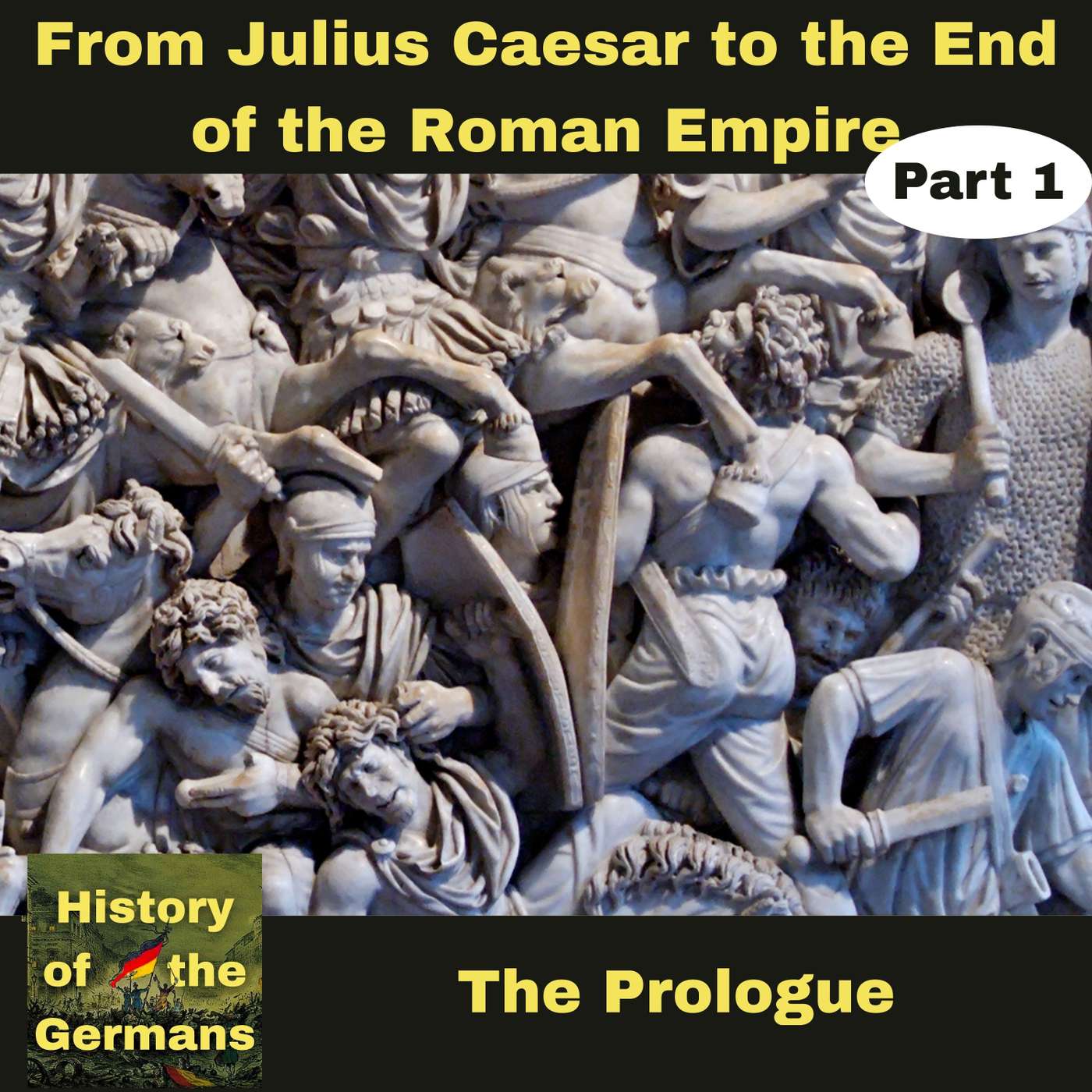 From Julius Caesar to the end of the Roman Empire - Prologue (Part 1) 13.01.2021 26хвA condensed summary of German(ic) history from Julius Caesar to the end of the Roman Empire. Prologue to the History of the Germans Podcast
 -
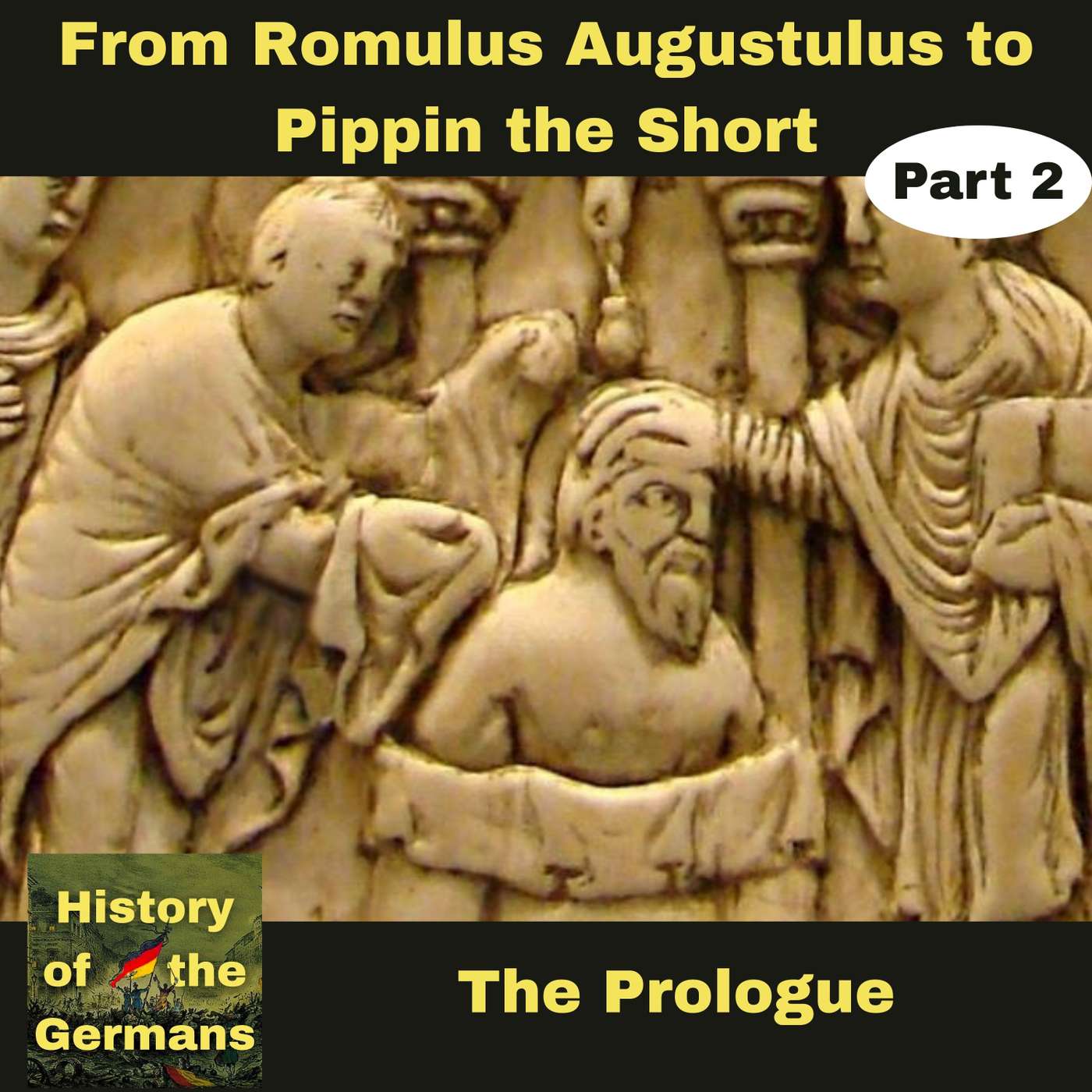 From Romulus Augustulus to Pippin the Short - Prologue (Part 2) 14.01.2021 24хвPart 2 of our Prologue to the History of the Germans kicks off with the last western emperor, Romulus Augustulus handing over the insignia of his reign to Odoacer and ends with the coronation of Pippin the Not Really That Short. The Dark Ages at lightening speed!
 -
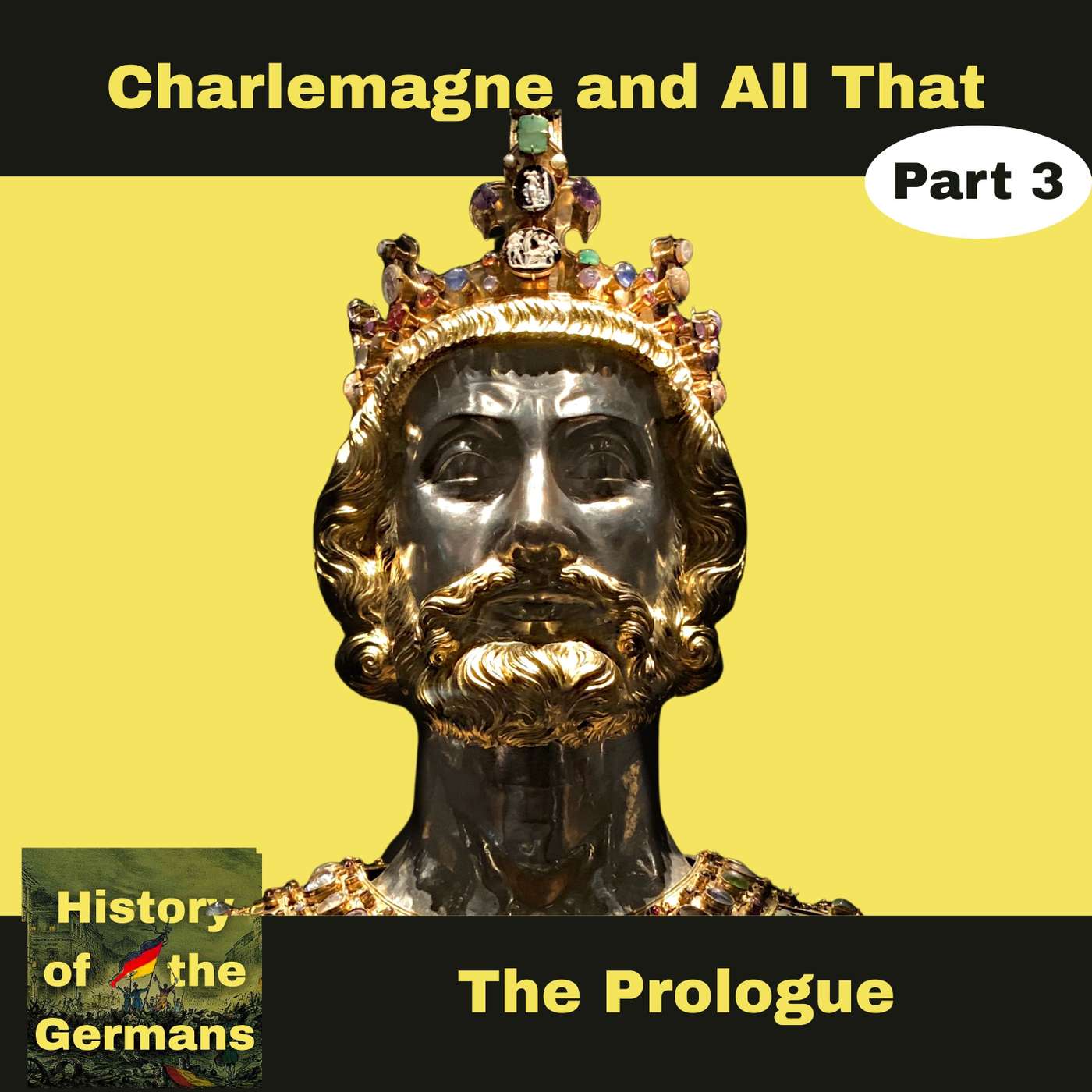 Charlemagne and all that - Prologue (Part 3) 15.01.2021 29хвPart 3 of the Prologue is dedicated to Charlemagne, one of Europe's greatest rulers. and less because he conquered most of Europe and became the first Roman emperor for 325 years, but because he saved many books from antiquity, increased literacy and numeracy and made it possible for you to read this text comfortably.The music for the show is Flute Sonata in E-flat major, H.545 by Carl Phillip Emmanuel Bach (or some claim it as BWV 1031 Johann Sebastian Bach) performed and arranged by Michel Rondeau under Common Creative Licence 3.0.As always:Homepage with maps, photos, transcripts and blog: www.historyofthegermans.comIf you wish to support the show go to: Support • History of the Germans PodcastFor do it yourself merchandise go to: Merchandise • History of the Germans PodcastFacebook: @HOTGPod Threads: @history_of_the_germans_podcastBluesky: @hotgpod.bsky.socialInstagram: history_of_the_germansTwitter: @germanshistoryTo make it easier for you to share the podcast, I have created separate playlists for some of the seasons that are set up as individual podcasts. they have the exact same episodes as in the History of the Germans, but they may be a helpful device for those who want to concentrate on only one season.So far I have:The OttoniansSalian Emperors and Investiture ControversyFredrick Barbarossa and Early HohenstaufenFrederick II Stupor MundiSaxony and Eastward ExpansionThe Hanseatic LeagueThe Teutonic KnightsThe Holy Roman Empire 1250-1356The Reformation before the ReformationThe Empire in the 15th centuryThe Fall and Rise of the Habsburgs ★ Support this podcast ★
 -
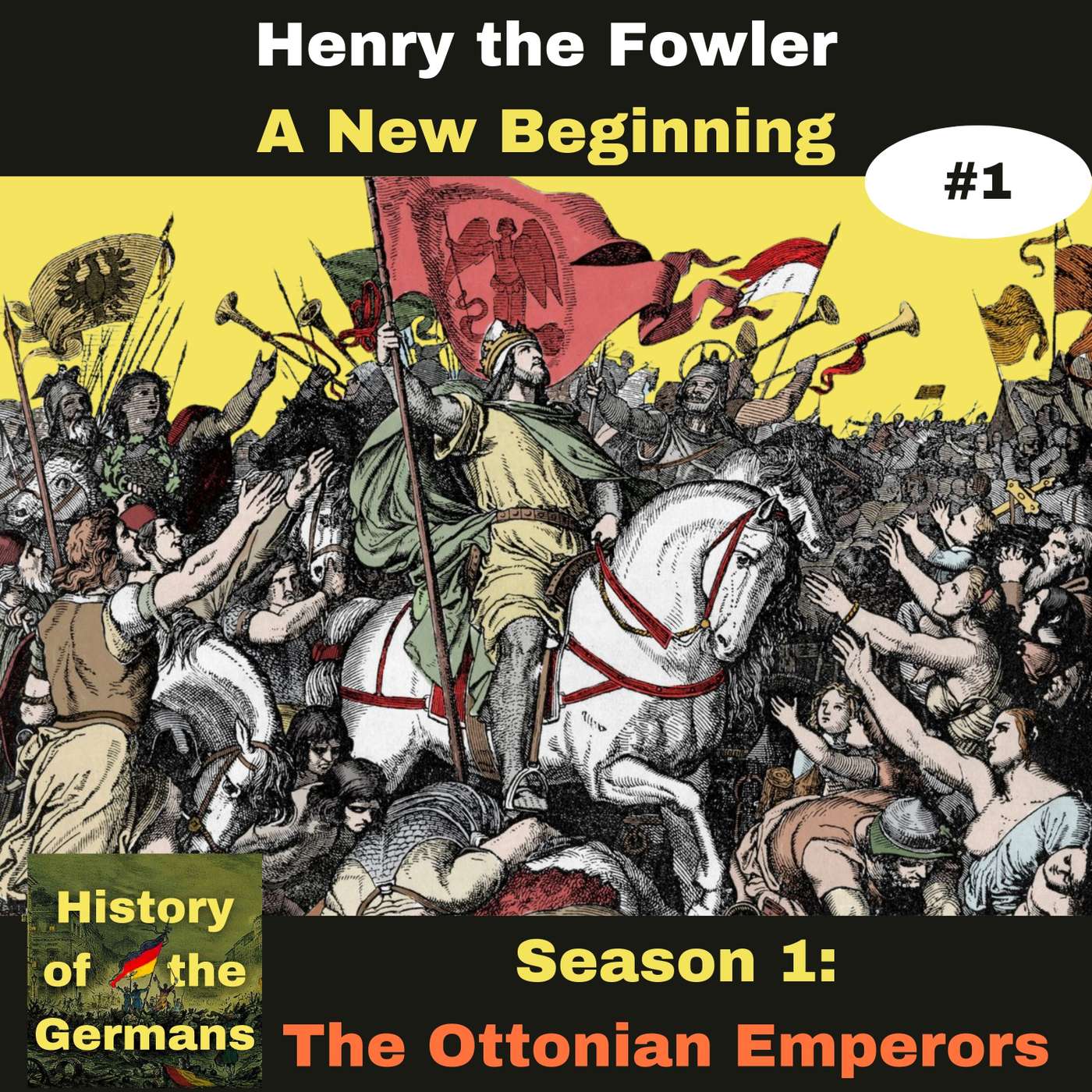 Ep. 1: Henry the Fowler (919-936) - A New Beginning 16.01.2021 33хвThe year is 919 AD and things are not going well. The mighty empire of Charlemagne has splintered into a multitude of puny kingdoms. Its feeble rulers are being pushed around by their formidable barons. The frontiers are breached. Cometh the time, cometh the man/woman?
 -
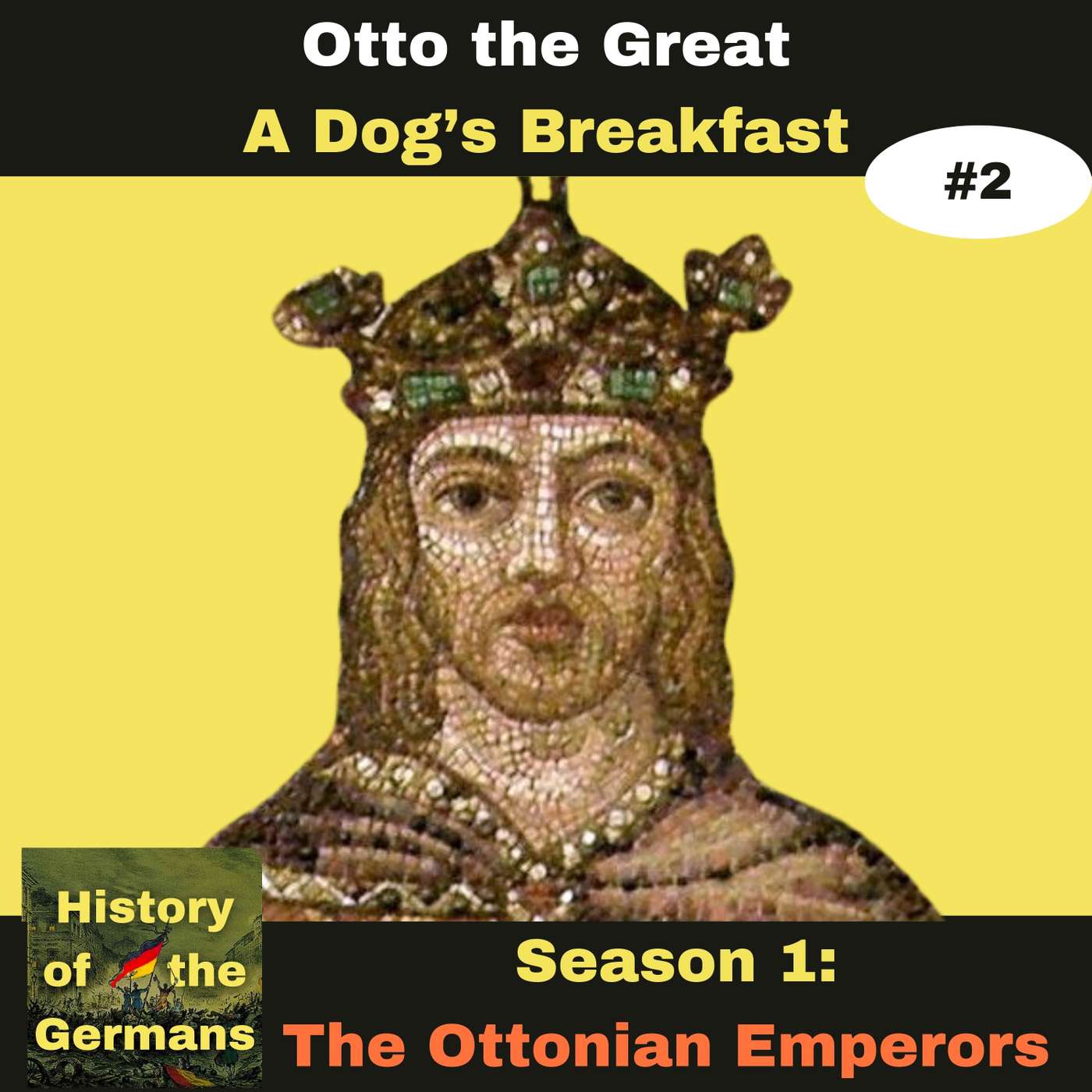 Ep. 2: Otto the Great (936-973) - A Dog's Breakfast 22.01.2021 25хвHenry the Fowler ended the tradition of splitting the kingdom amongst the male heirs. So far, so wise. But, and there is always a but, what he did not work out was what to do with the spares.
 -
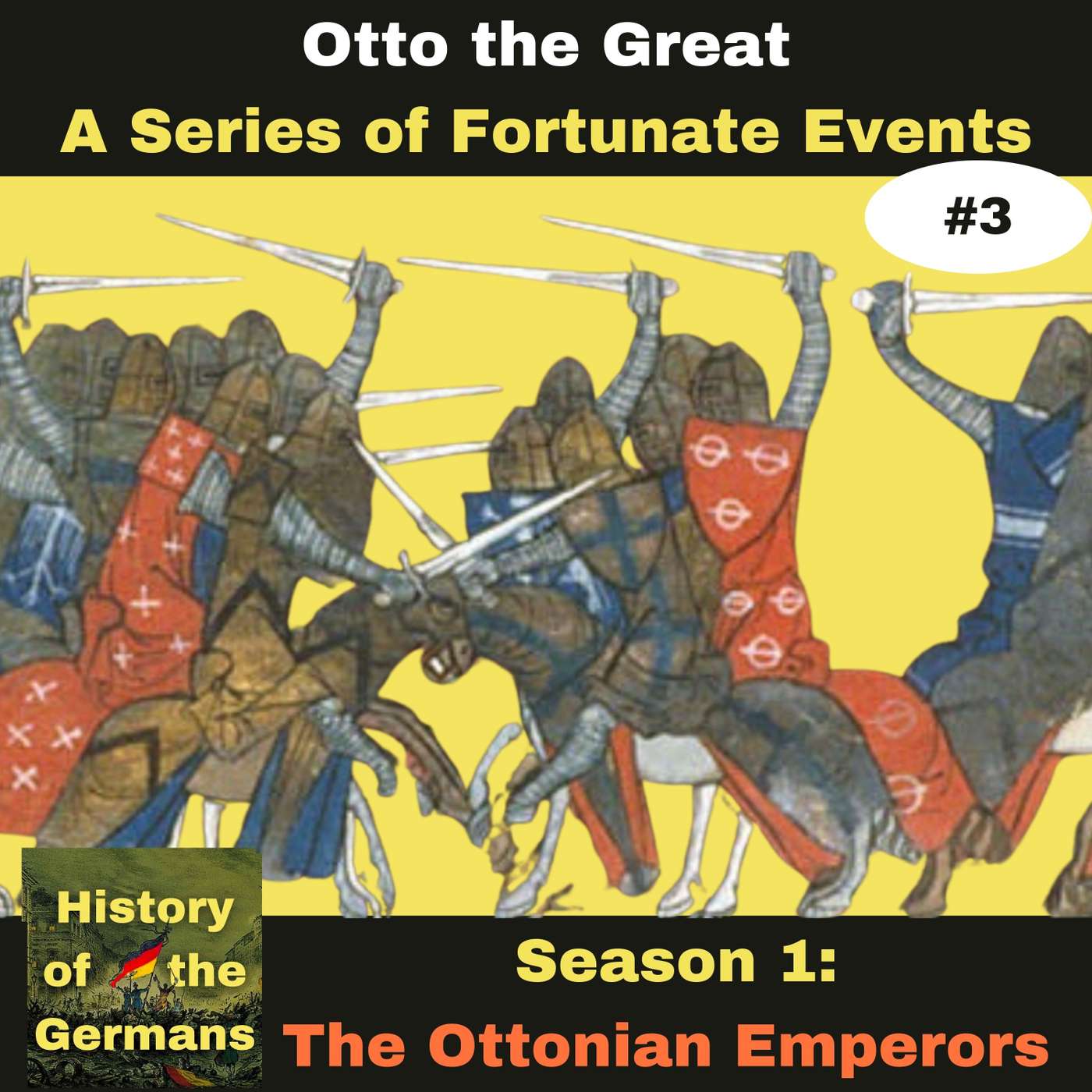 Ep. 3: Otto the Great (936-973) - A Series of Fortunate Events 28.01.2021 20хвHis brother and his biggest vassals are rebelling, the kingdom remains under threat from Hungarians and Slavs - and now the king of France comes in on the side of the opposition. Only a series of very fortunate events can rescue king Otto, or a man of short stature, fierce temper, extraordinary bravery and a dislike of apples and women?
 -
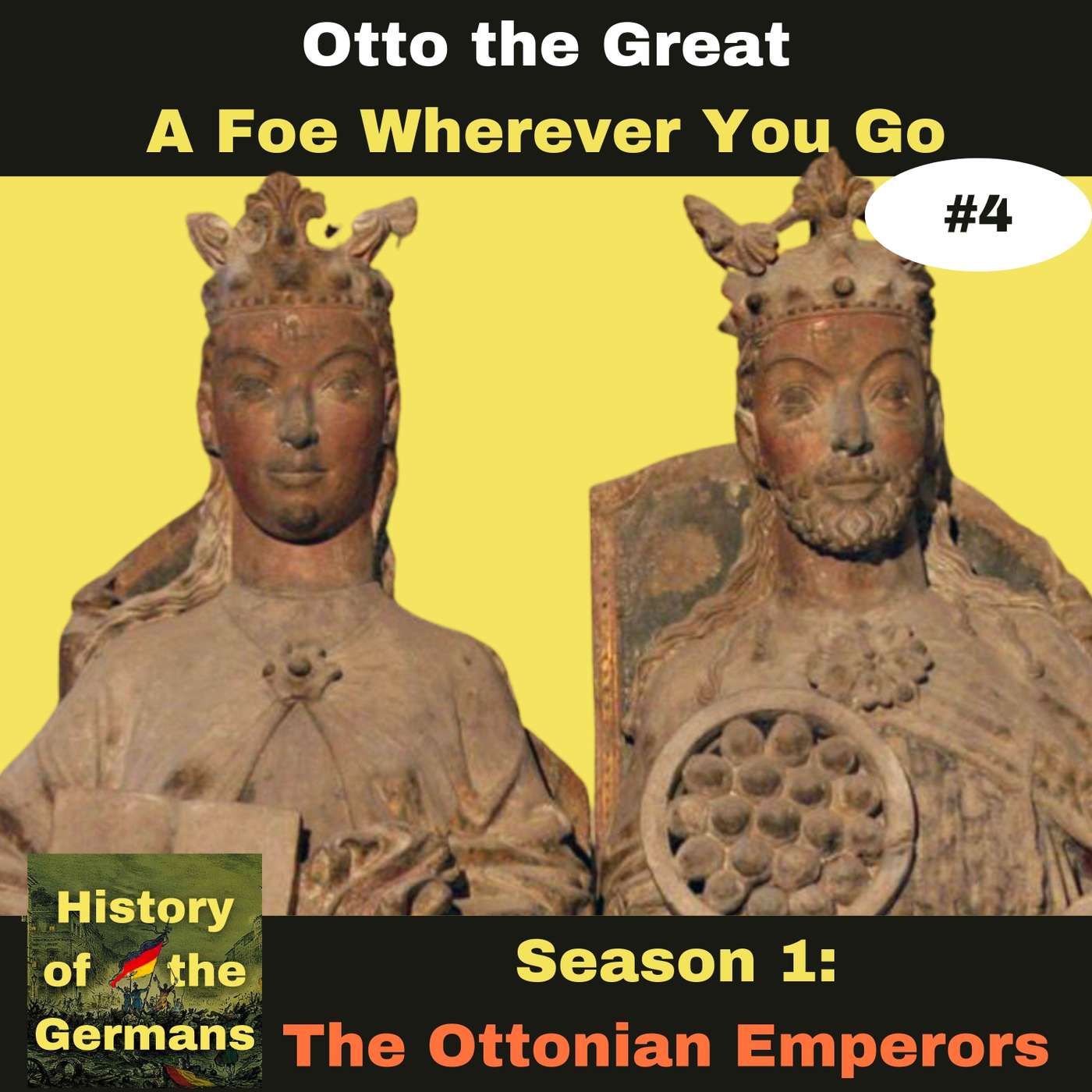 Ep. 4: Otto the Great (936-973) - A Foe Wherever You Go 04.02.2021 23хвAfter the civil war Otto gets to reorganise the kingdom and focuses on foreign policy. There is conflict on all borders, with the Slavs, the Bohemians, the Hungarians, and the French. The most interesting story plays out in Italy where we find a beautiful young heiress with the key to a kingdom languishing in a jail....
 -
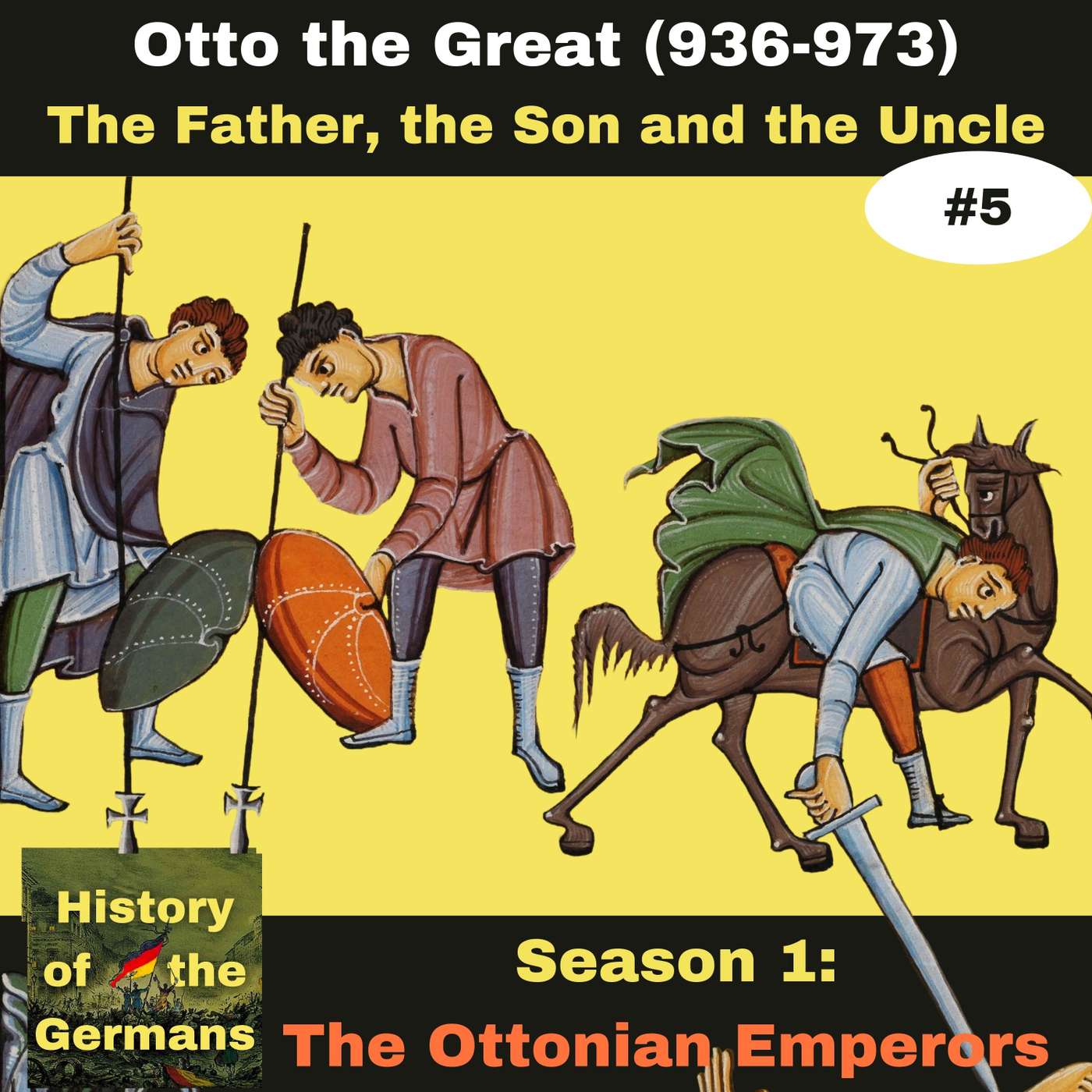 Ep. 5: Otto the Great (936-973) - The Father, the Son and the Uncle 11.02.2021 28хвAdelheid's rescue creates tension not only in the family of king Otto but across the realm. Younger members of the powerful families feel cheated out of the gains of the Italian campaign and worry about their prospects. And the Otto makes one of these mistakes he is so adept at, resulting in much bloodshed and pain...
 -
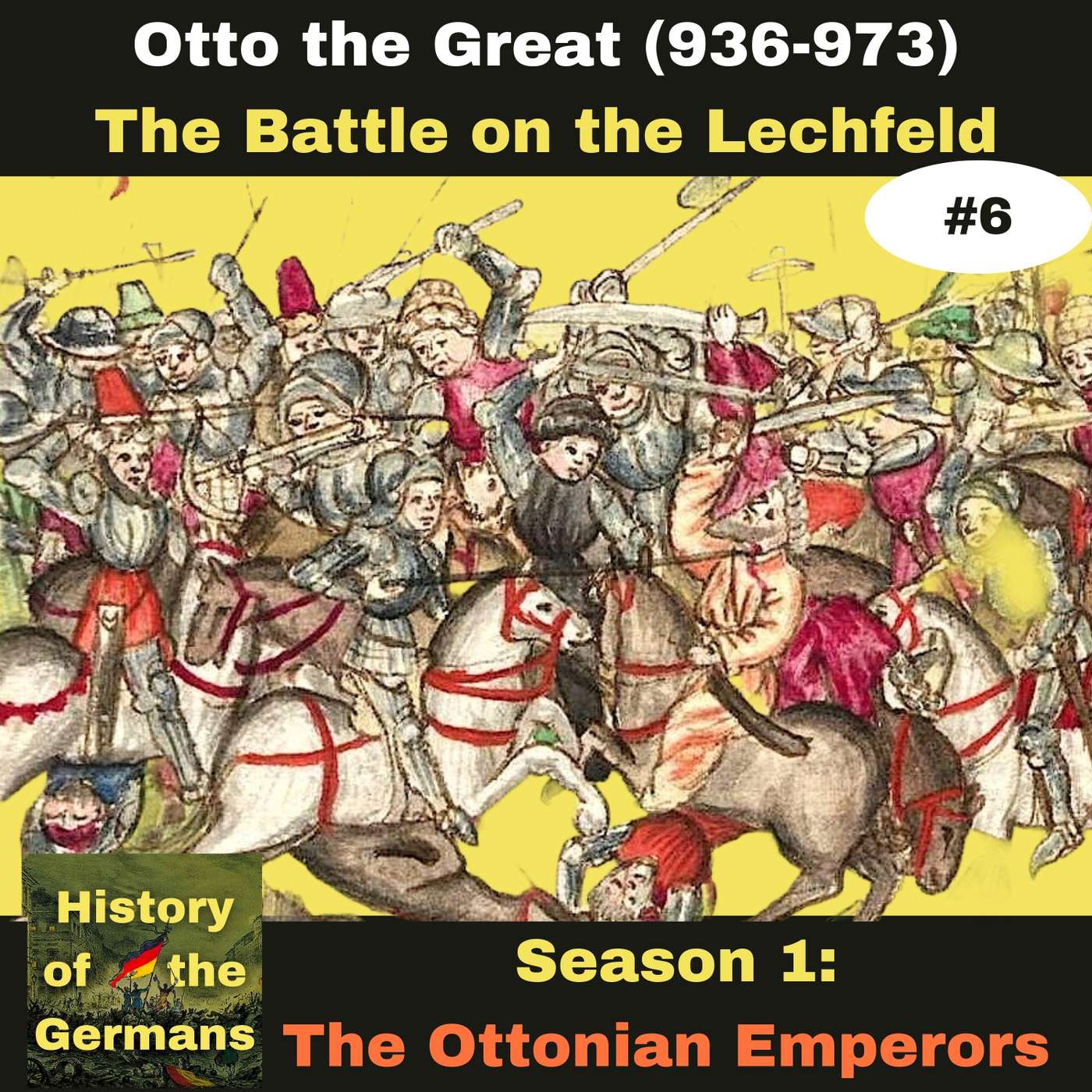 Ep. 6: Otto the Great (936-973)) - The Battle on the Lechfeld (955) 18.02.2021 30хвThe devastation of the civil war lures in the largest Hungarian army anyone had ever seen anywhere. Enticed by the disinherited sons of former Bavarian dukes, the mighty host makes for Augsburg, a city whose walls are as weak as their defender is steadfast. This time they are here to conquer not just to plunder. Otto has to run hell for leather south gathering an army from wherever he can get his hands on to face the most amazing military of the times on a battlefield of their choosing.....
 -
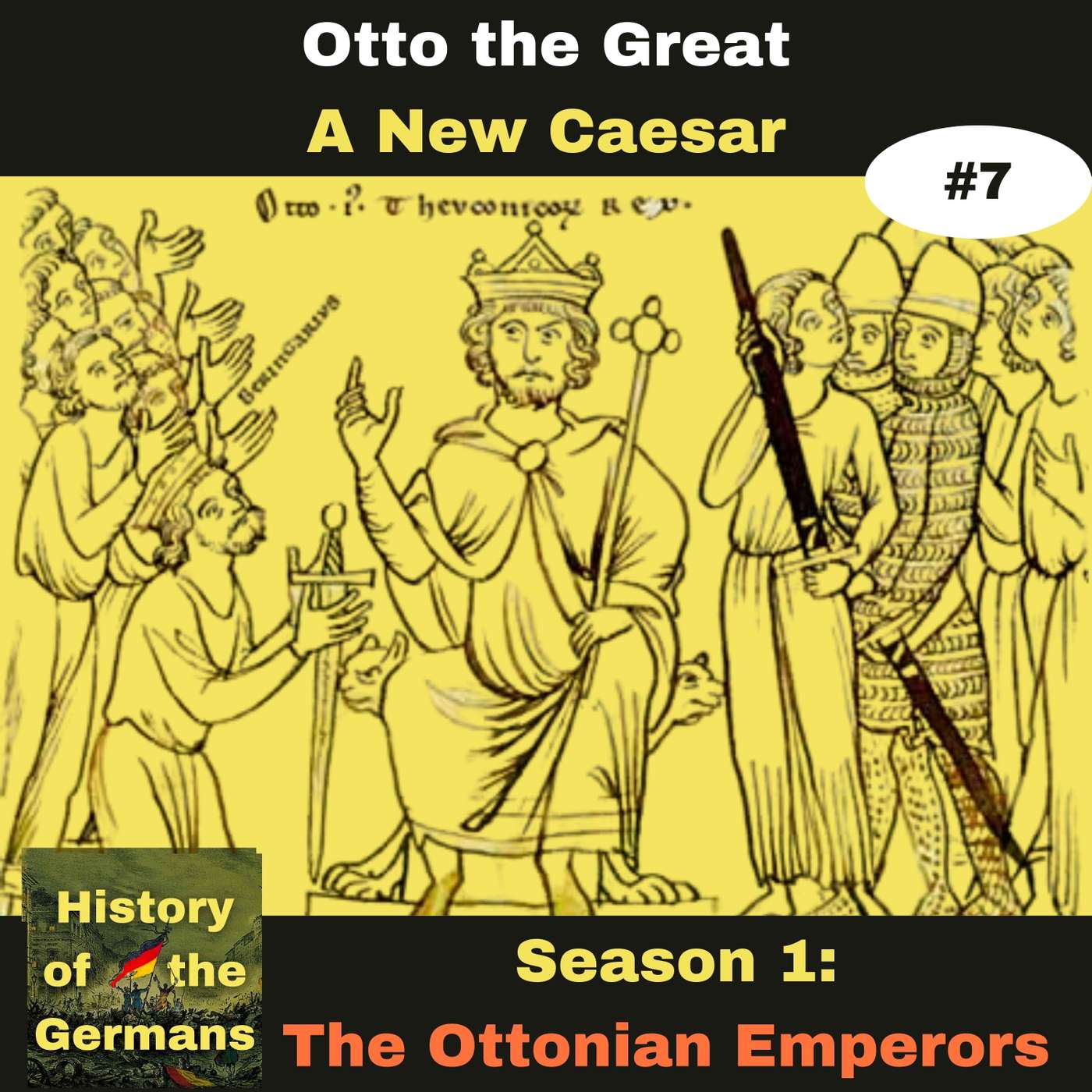 Ep. 7: Otto the Great (936-973) - Crowning A New Caesar 25.02.2021 31хв955-963 AD After the battle on the Lechfeld Otto has almost reached the zenith of his career. All he lacks is the formal recognition of his imperial position within the ancient realm of Charlemagne. For that he has to travel to the malaria-infested swamp that is 10th century Rome where a 23 year old promiscuous and duplicitous pope awaits him...
 -
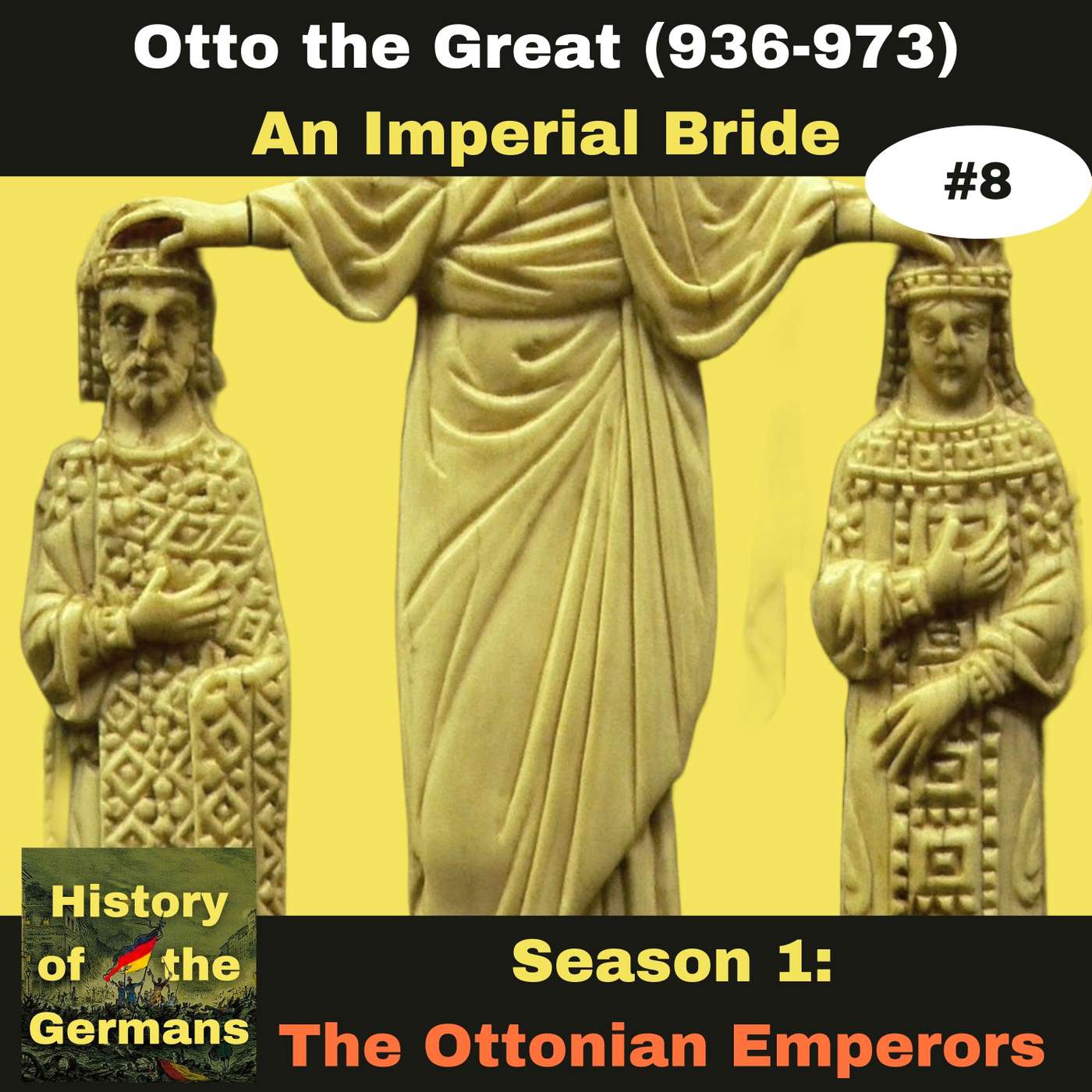 Ep. 8: Otto the Great (936-973) - An Imperial Bride 04.03.2021 22хвOtto's final desire is to be recognised as a fellow emperor by the Basileus in Constantinople. When the Byzantines refuse him the purple-born princess Anna he wages war. The new emperor, John Tzimiskis comes up with a better solution and sends across the most glamorous figure of German medieval history - Theophanu Skleraina...The music for the show is Flute Sonata in E-flat major, H.545 by Carl Phillip Emmanuel Bach (or some claim it as BWV 1031 Johann Sebastian Bach) performed and arranged by Michel Rondeau under Common Creative Licence 3.0.As always:Homepage with maps, photos, transcripts and blog: www.historyofthegermans.comIf you wish to support the show go to: Support • History of the Germans PodcastFor do it yourself merchandise go to: Merchandise • History of the Germans PodcastFacebook: @HOTGPod Threads: @history_of_the_germans_podcastBluesky: @hotgpod.bsky.socialInstagram: history_of_the_germansTwitter: @germanshistoryTo make it easier for you to share the podcast, I have created separate playlists for some of the seasons that are set up as individual podcasts. they have the exact same episodes as in the History of the Germans, but they may be a helpful device for those who want to concentrate on only one season.So far I have:The OttoniansSalian Emperors and Investiture ControversyFredrick Barbarossa and Early HohenstaufenFrederick II Stupor MundiSaxony and Eastward ExpansionThe Hanseatic LeagueThe Teutonic KnightsThe Holy Roman Empire 1250-1356The Reformation before the ReformationThe Empire in the 15th centuryThe Fall and Rise of the Habsburgs ★ Support this podcast ★
 -
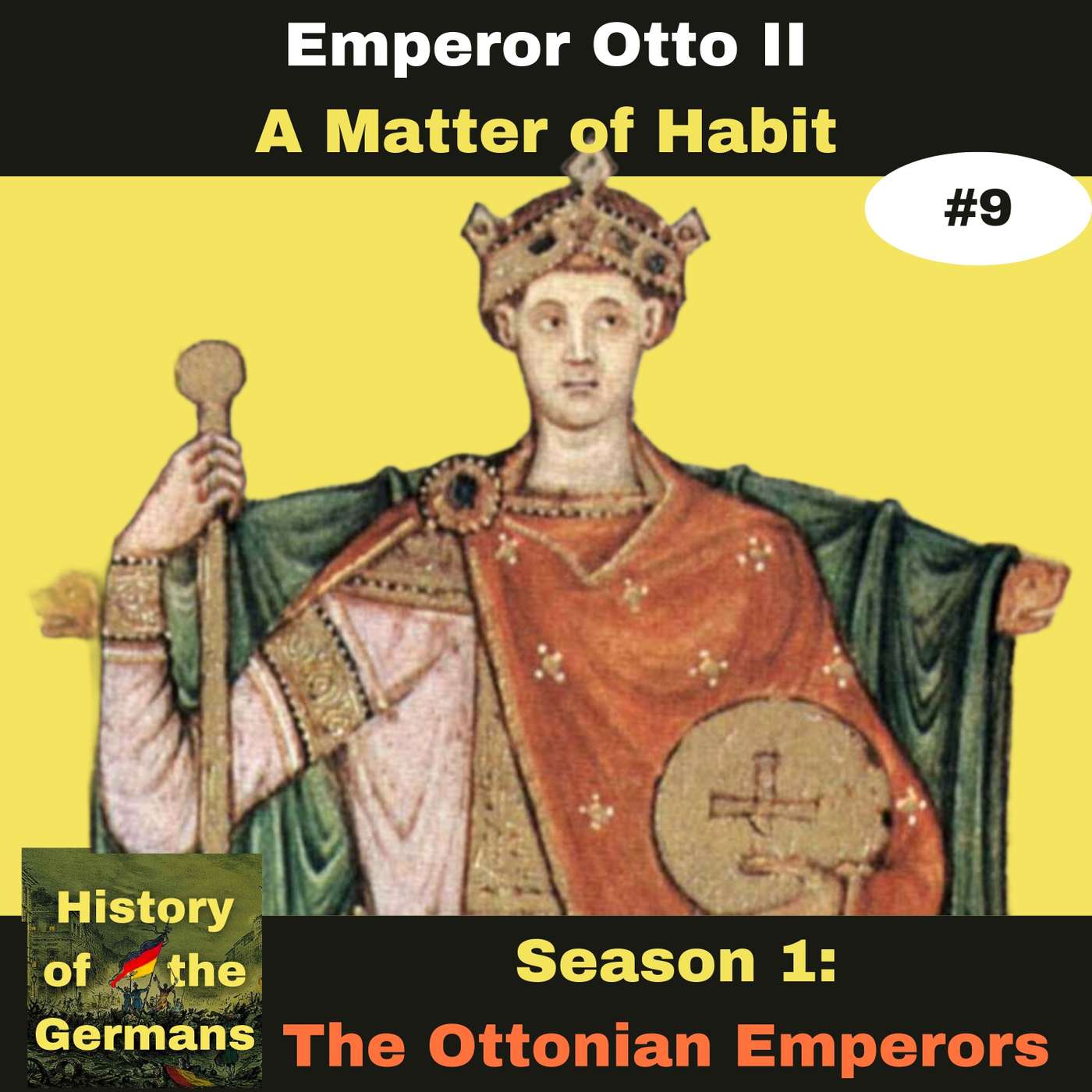 Ep. 9: Otto II (973-983) - A Matter of Habit 11.03.2021 32хвWhen Otto II succeeds his father Otto the Great he inherits a strange construct of interwoven rights, relationships and privileges. He might rely on the church's resources to a degree but to succeed he needs military skill, charisma, proof of the grace of god and luck. With his father being the luckiest man in German history is there any of that elusive substance left for his son...
 -
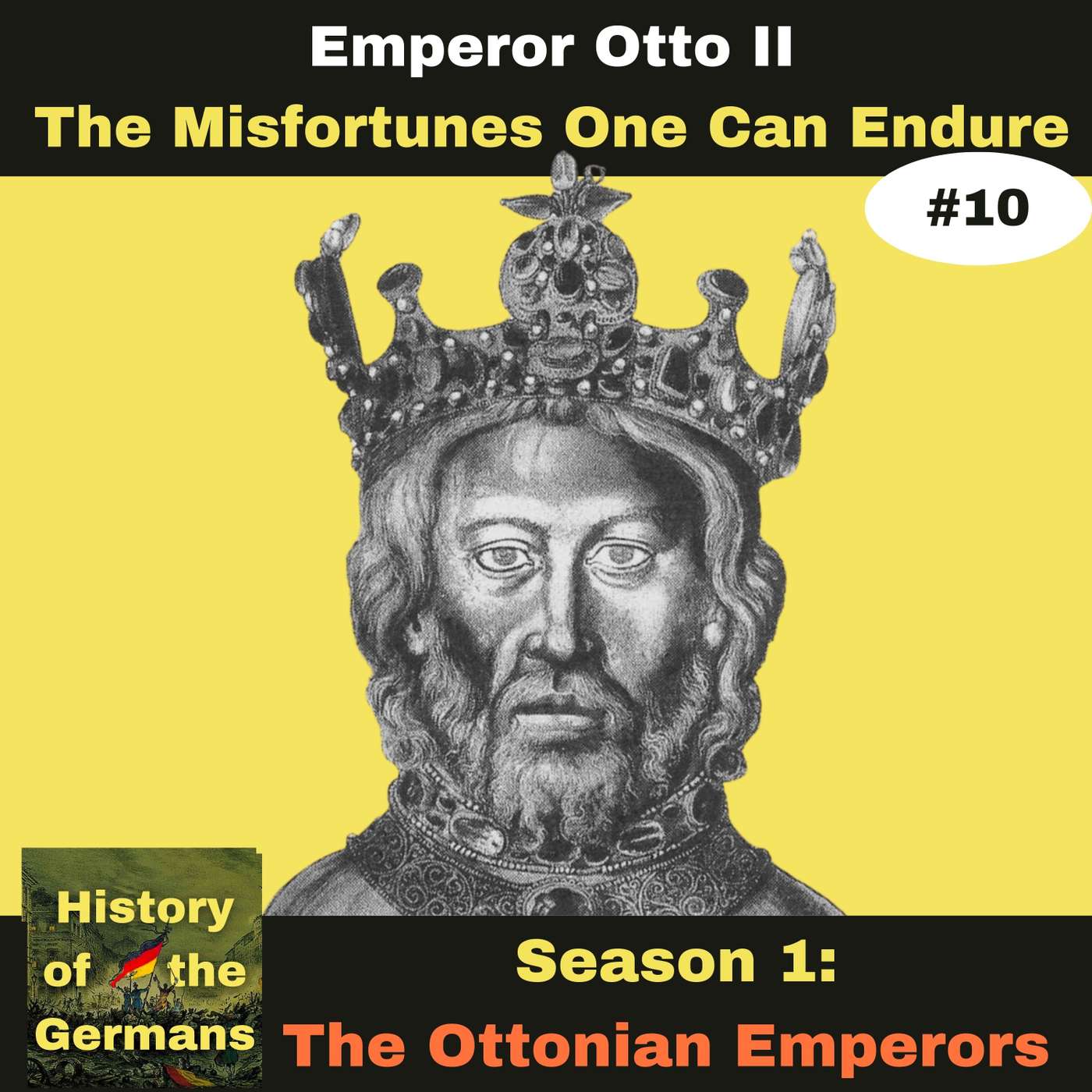 Ep. 10: Otto II (973-983) - The Misfortunes One Can Endure 18.03.2021 33хвHaving suppressed the customary early reign rebellion, Otto II makes some poor appointments that result in war with France and estrangement with his mother. Once that has been patched up, he embarks on his major project, incorporating the south of Italy into the empire and thereby bottling up the popes.....
 -
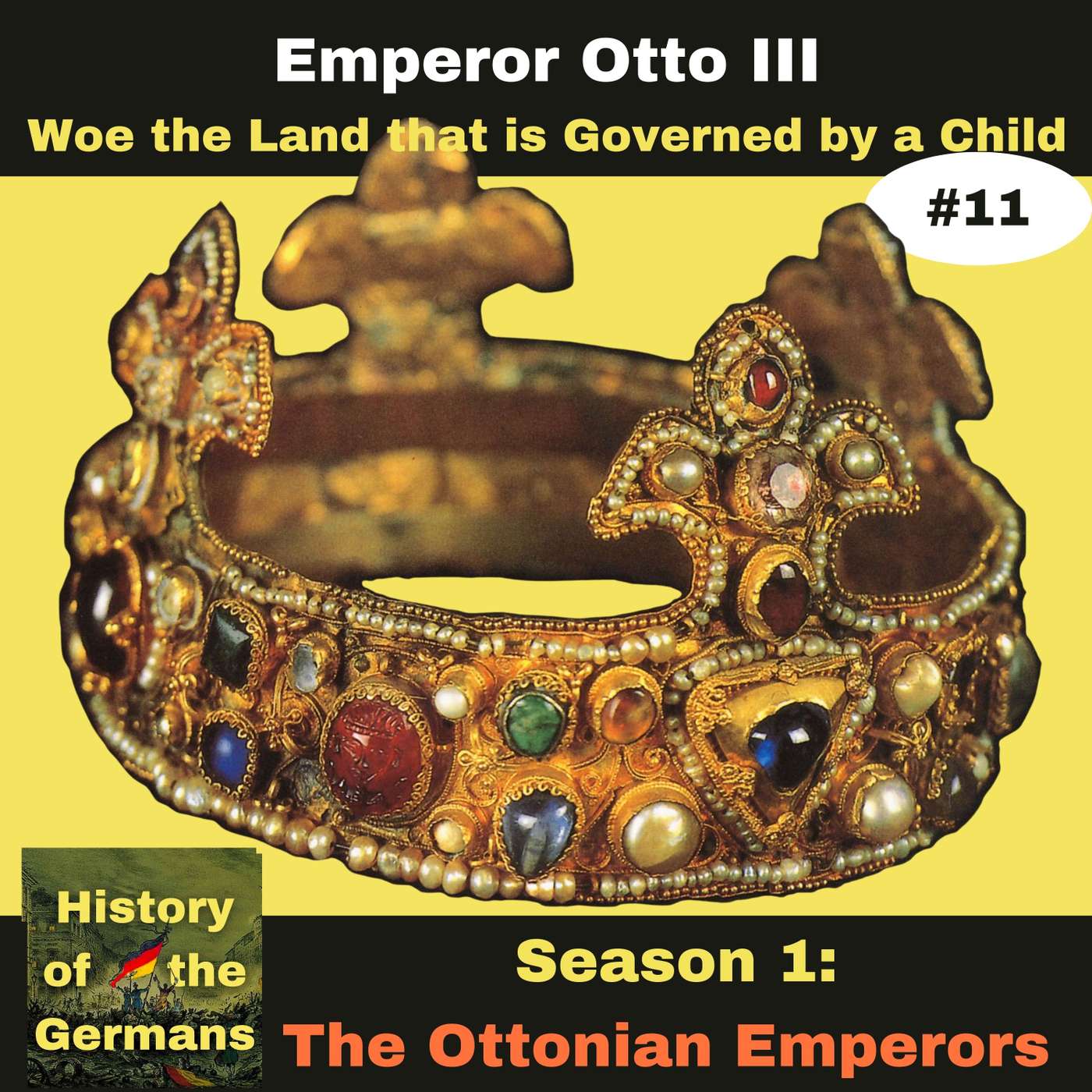 Ep. 11: Otto III (983-1002) - Woe the Land that is Governed by a Child 25.03.2021 25хвWhen 4-year-old king Otto III is crowned king riders bang on the door of Aachen Cathedral with news that his father, Otto II had died 16 days earlier. Immediately the archenemy of the family, Henry the Quarrelsome is released from prison where he was held for treason and is made guardian of the child. Otto III's chance of survival is bleak and his only hope is his mother, the Byzantine princes Theophanu who musters an odd assembly of ladies and geeks to rescue her son...
 -
 Ep. 12: Otto III (983-1002) - The Regency of Theophanu and Adelheid 02.04.2021 33хвHaving rescued the reign and possibly life of 4-year-old king Otto III his mother, the byzantine princess Theophanu and later his grandmother Adelheid continue Ottonian policies. This time gives birth to the election of the French dynasty that will rule until 1789 (1830), a length of reign only surpassed by the emperors of Japan. It also witnesses the emergence of Poland as a sovereign nation under the pope.
 -
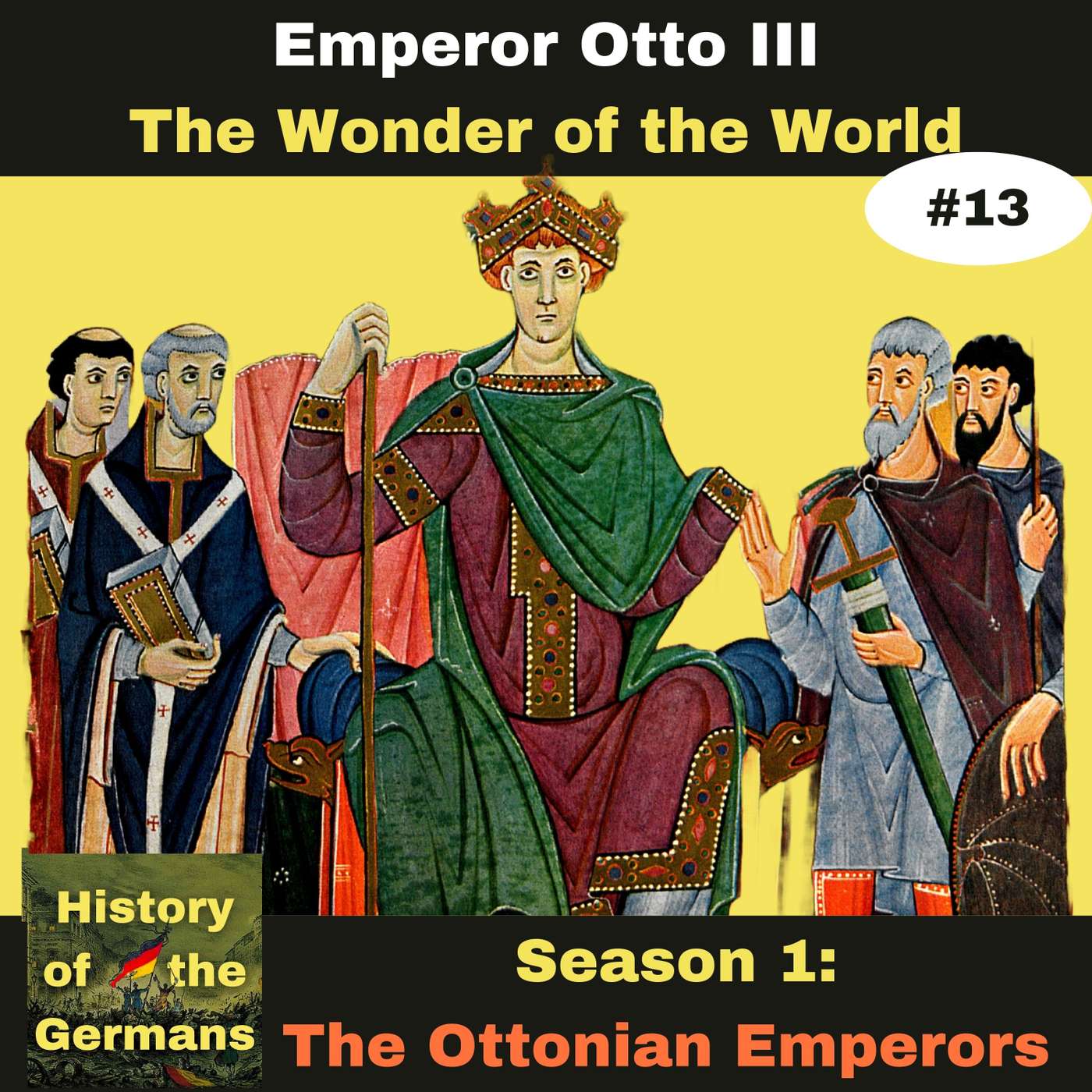 Ep. 13: Otto III (983-1002) - The Wonder of the World 15.04.2021 31хвOtto III is the most controversial emperor in German medieval history. Was he just an uncontrollable teenager with dramatic mood swings? Or did he really plan a Renovation of the Empire of the Romans as his propaganda stated? Was he cruel man who executed and mutilated his opponents or was he a deeply spiritual man torn between his piety and the demands of the office?
 -
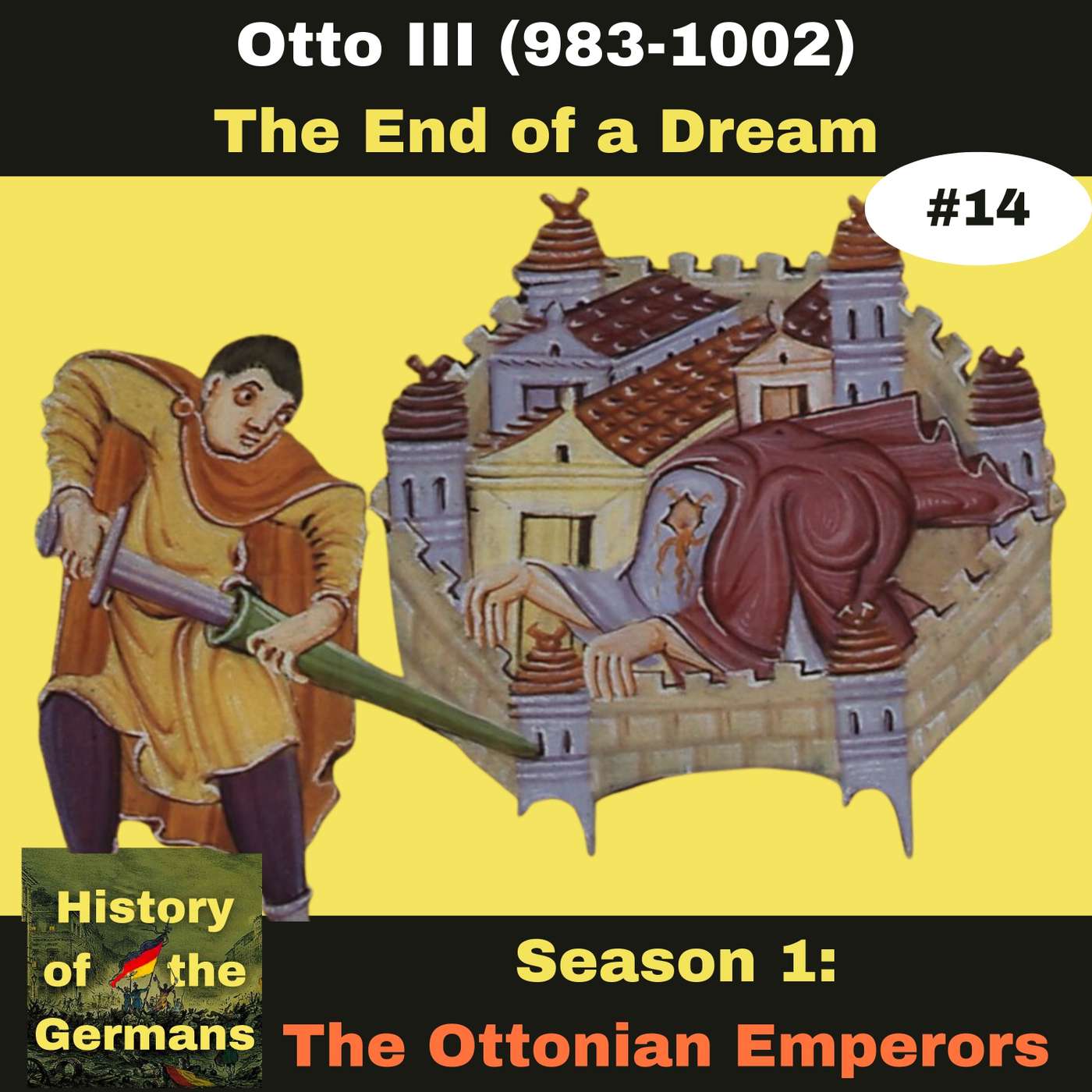 Ep. 14: Otto III (983-1002) - The End of a Dream 22.04.2021 35хвAfter part one of Otto III's "Restoration of the Empire of the Romans" had been a bloody affair, he now embarks on a strenuous display of religious devotion. That includes a trip to Gniezno, the grave of his friend and mentor Saint Adalbert, a trip that has huge consequences for the development of Poland as an independent nation. His excessive ascetism, long periods of prayer and devotion may look incomprehensible to us today, but are they part of an overall concept of a new "Empire of the Romans", one led by an emperor who is both secular and spiritual ruler? And, did it work?
 -
 Ep. 15: Germany in the year 1000 - Climate, Agriculture, Economy and Medieval Hygiene 29.04.2021 27хвIn this episode we talk about the economy, society, infrastructure and art at the turn of the first millennium. We will look at changes in climate, agriculture, monetary system and warfare. We will take a look at towns and cities, take a deeper dive into Cologne and Magdeburg, muse about the trade in Eunuchs and medieval bathing habits. It is the 10th century when society splits into those who pray (Oratores), those who fight (Bellatores) and those who do all the useful stuff (Laboratores). We discuss the beginnings of castles, 20,000 of which will rise up in Germany during the course of the middle ages...lots to get through!
 -
 Ep. 16: Germany in the year 1000 - The Imperial Church System 06.05.2021 34хвThis is part 2 of our rundown of the economic and social situation in Germany around the year 1000. The third and highest social strata were the "Oratores", those who pray, the priests, monks and bishops. We look at how a village priest is educated, why monasteries became so rich (spoiler, it is not about piety alone, money is key) and the role of bishops in the Imperial Church System that made the German emperors the most powerful rulers in Western Europe in the 10th and 11th century. How does an emperor rule in the absence of bureaucracy, how much tax matters and why there is no tax in Germany but there is tax in England, why the Normans were more successful in their theocratic leadership approach and how you become emperor....again lots to get through but fun.
Схожі подкасти


Популярний у
Цей подкаст також потрапляв у чарти подкастів у цих країнах.


