
Nepal Speaks 🇳🇵
animesh shrestha
0
नेपाली भाषामा विभिन्न विषयमा छलफल र अन्तर्वार्ता सहितको पोडकास्ट। यसले नेपाली समाज, संस्कृति, राजनीति र अन्य मुद्दाहरूमा केन्द्रित छ।
Епізоди
-
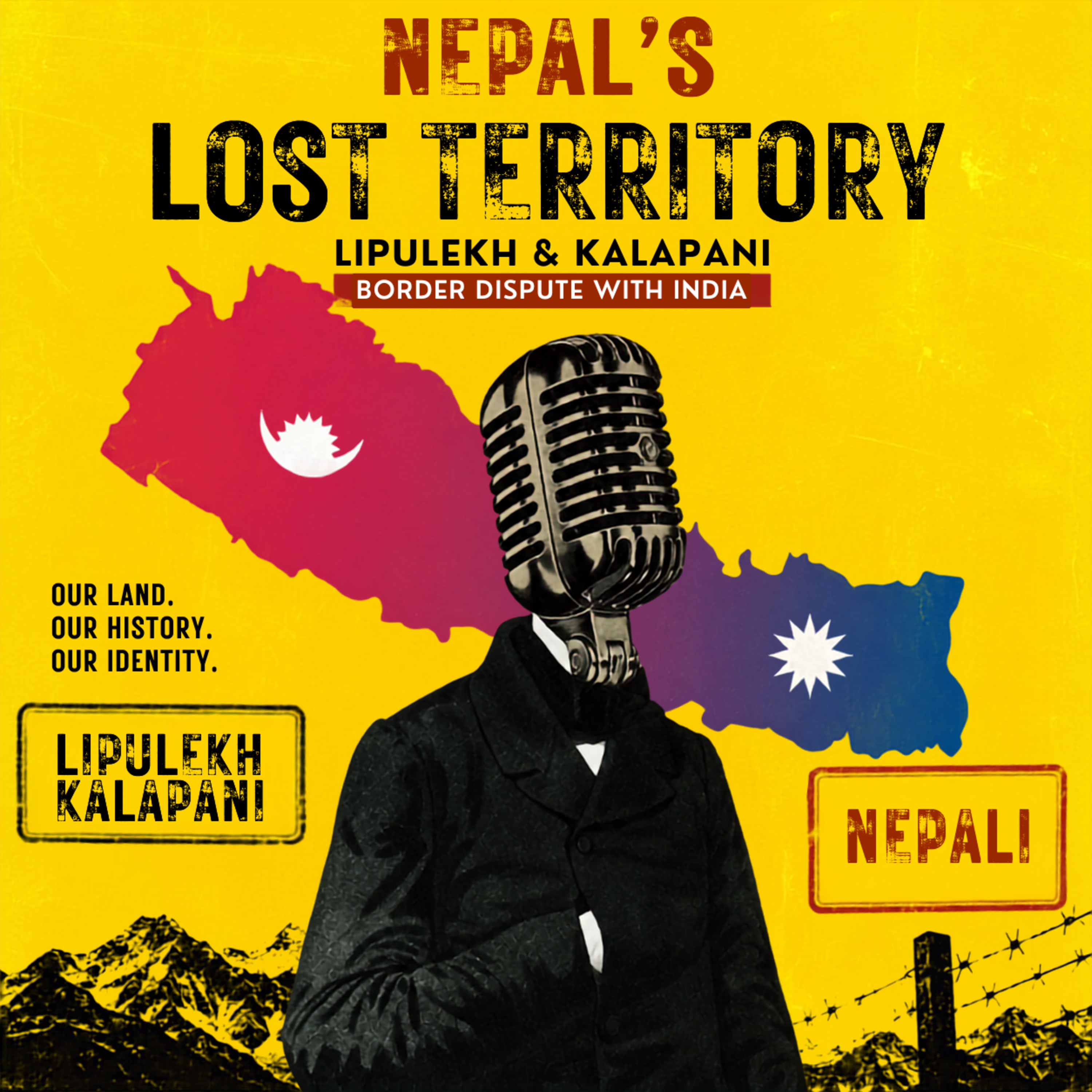 लिपुलेक: नक्सा, सन्धि र ऐतिहासिक खुलासा / Did Nepal Lose Lipulekh? What the Maps, Treaties, and History Reveal - Nepali Version 22.06.2026 4хвके मसीले कोरिएको border geography परिवर्तन हुँदैमा मेटिन सक्छ? The Maps Changed. Did the Border?In this episode of Nepal Speaks, हामी लिपुलेक र कालापानी विवादको गहिराइमा पुग्ने प्रयास गर्छौं, which has remained one of the most debated territorial questions between Nepal and India for decades.हामी political rhetoric भन्दा पर गएर 1816 को Sugauli Treaty लाई केलाउँछौं, the foundational document that defined Nepal’s western boundary along the Kali River। तर, उक्त treaty मा एउटा 'critical flaw' थियो—the undefined origin of the river—जसले गर्दा समयक्रममा historical maps र archival documents मा फरक-फरक interpretations देखिएका छन् ।In this episode, हामी निम्न विषयहरू चर्चा गर्नेछौं:1816 Sugauli Treaty: कसरी एउटा technical ambiguity ले शताब्दीयौंसम्म विवाद कायम राख्यो? Naya Muluk (१८६०): Jung Bahadur Rana को पालामा बाँके, बर्दिया, कैलाली र कञ्चनपुर फिर्ता हुनुको historical context।Limpiyadhura र Kalapani: नेपालको historical evidence र भारतको administrative presence को द्वन्द्व ।Law, History र Geography को मिलन विन्दु: के natural river shifts ले अन्तर्राष्ट्रिय border स्वतः परिवर्तन गर्न सक्छ?यो conversation कुनै आक्रोश फैलाउन नभई available evidence र historical context बुझ्नका लागि हो । Join us as we separate fact from rhetoric, investigate the documents, र नेपाल–भारत सम्बन्धको भविष्यबारे छलफल गरौँ ।Shortcuts (Timestamps): 0:00 – Introduction: A border written in ink 0:40 – 1816 Sugauli Treaty र Kali River को मुहानको विवाद 1:25 – 1857 Uprising र 'Naya Muluk' को पुनरागमन (१८६०) 2:10 – Limpiyadhura र Kalapani माथि नेपालको historical claim 3:20 – The Diplomatic Knot: Law vs. Geography को टक्कर 4:00 – Conclusion: Scientific verification र भविष्यका सम्बन्धहरू
 -
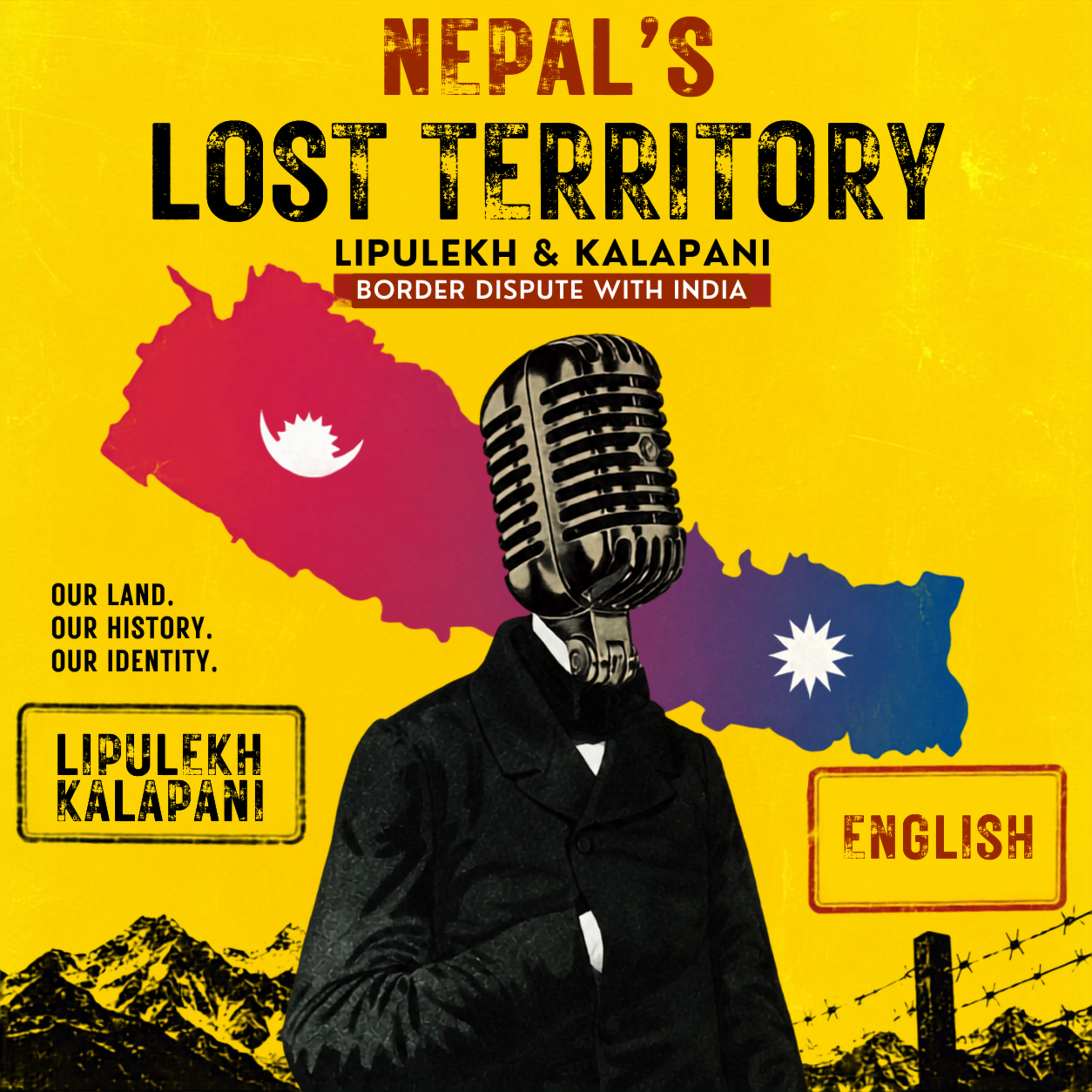 Did Nepal Lose Lipulekh? What the Maps, Treaties, and History Reveal - English Version 22.06.2026 4хвThe Maps Changed. Did the Border?Can a border written in ink be erased by a change in geography?In this episode of Nepal Speaks, we explore the depth of the Lipulekh and Kalapani dispute, one of the most debated territorial questions between Nepal and India for decades.We go beyond political rhetoric and examine the 1816 Sugauli Treaty, the foundational document that defined Nepal’s western boundary along the Kali River. However, a critical ambiguity within the treaty—the undefined origin of the river—has led to differing interpretations in historical maps and archival records over time.In this episode, we discuss the following key themes:1816 Sugauli Treaty: How a technical ambiguity has sustained a centuries-long territorial dispute.Naya Muluk (1860): The historical context behind the return of Banke, Bardiya, Kailali, and Kanchanpur during the era of Jung Bahadur Rana.Limpiyadhura and Kalapani: The contrast between Nepal’s historical evidence and India’s administrative presence in the region.Intersection of Law, History, and Geography: Can natural shifts in a river’s course automatically alter an international border?This conversation is not intended to promote hostility or political rhetoric, but to understand available evidence and historical context. Join us as we separate fact from rhetoric, examine the documents, and discuss the future of Nepal–India relations.Shortcuts (Timestamps):0:00 – Introduction: A border written in ink0:40 – The 1816 Sugauli Treaty and the dispute over the source of the Kali River1:25 – The 1857 uprising and the return of “Naya Muluk” (1860)2:10 – Nepal’s historical claim over Limpiyadhura and Kalapani3:20 – The diplomatic knot: Law vs Geography4:00 – Conclusion: Scientific verification and future relations
 -
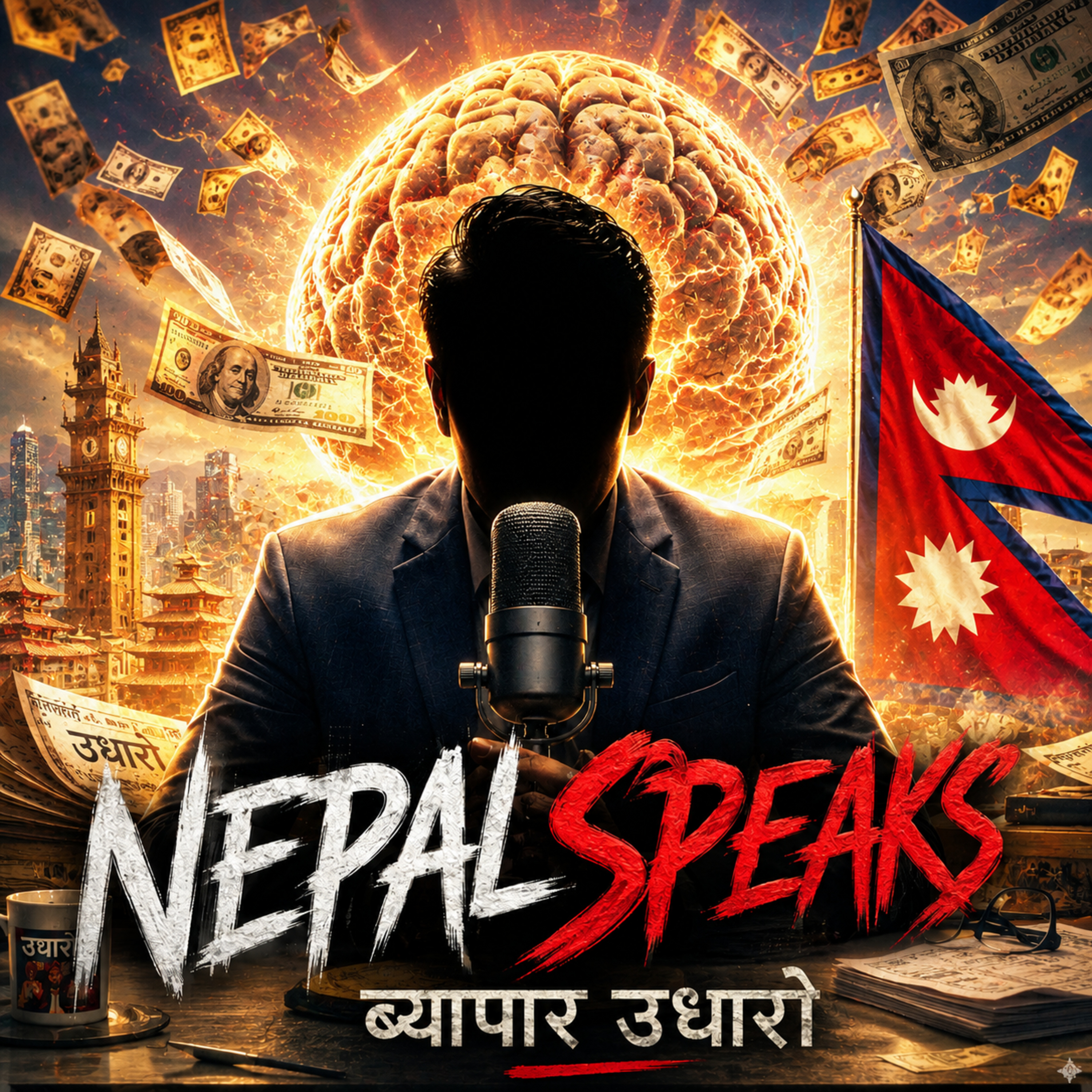 The Credit Trap - उधारको अर्थतन्त्र 🎙️ NEPAL SPEAKS 07.06.2026 6хвThe Credit Trap - उधारको अर्थतन्त्रनेपालको बजारमा धेरै व्यवसायहरू नाफाको अभावले होइन, आफ्नै कमाइ समयमा नफर्किने समस्याले संघर्ष गरिरहेका छन्।व्यापार उधार केवल पैसा नउठ्नुको कथा होइन।जब एउटा पसलले आफ्नो पैसा समयमा पाउँदैन, त्यसको असर अर्को व्यापारीमा पर्छ। त्यसपछि Distributor, Manufacturer, कर्मचारी, परिवार, र अन्ततः सम्पूर्ण अर्थतन्त्र प्रभावित हुन्छ।यो केवल Financial Issue होइन, यो Trust, Ethics, र Responsibility को विषय पनि हो।किन बजारमा उधार बढिरहेको छ?किन व्यवसायहरू दबाबमा छन्?यसले मानिसको सोच र देशको अर्थतन्त्रलाई कसरी असर गरिरहेको छ?यिनै प्रश्नहरूको गहिरो विश्लेषणसहित...NEPAL SPEAKS 🎙️ - The credit trap ( व्यापार उधार )जहाँ हामी व्यवसाय, अर्थतन्त्र, जिम्मेवारी, र समाधानका बारेमा खुला रूपमा कुरा गर्छौं।यो Episode मा हामी छलफल गर्छौं:• उधारको बढ्दो संस्कृतिले बजारलाई कसरी असर गरिरहेको छ• किन साना तथा मध्यम व्यवसायहरू सबैभन्दा बढी प्रभावित भइरहेका छन्• पैसाको प्रवाह रोकिँदा अर्थतन्त्रमा कस्तो श्रृंखलाबद्ध असर पर्छ• नैतिक व्यवसायिक व्यवहार र बलियो सरकारी नीतिले कसरी समाधान दिन सक्छ"The bitterness of poor quality remains long after the sweetness of low price is forgotten."— Benjamin Franklinकिनभने स्वस्थ अर्थतन्त्र केवल पैसाले होइन, विश्वास, अनुशासन र उत्तरदायित्वले निर्माण हुन्छ। 🎙️ NEPAL SPEAKS - Animesh Shrestha
 -
 This Is Bigger Than You Think - Kathmandu mystery 16.05.2026 4хвIn this episode, we explore Kathmandu from a different perspective — not just through history, mythology, or well-known narratives, but through the lesser-discussed layers that surround the city. The conversation moves beyond traditional explanations and looks at the idea of Kathmandu’s “mystery” as something shaped by perception, stories, culture, and the way people interpret the city over time.We reflect on how Kathmandu is often placed between mythological belief and historical context, yet still carries unanswered questions, symbolic meaning, and interpretations that go beyond documented facts. The discussion also touches on how modern life, urban change, and collective memory continue to shape how this city is understood today.This episode is for listeners interested in deeper perspectives on Kathmandu, cultural interpretation, and the intersection between belief, history, and modern reality.
 -
Road Chaos in Kathmandu: A Rider’s Reality 28.04.2026 2хвKathmandu को road issues today is not just a topic… it’s a daily experience.I myself commute every day, and honestly, every ride feels like a close call. Not because of one single incident, but because of a pattern. Chaos on the road has slowly become normal, and that’s the most dangerous part.No proper lane discipline, unclear traffic behavior, and random decisions on the road… सबै जना rush मा छन्, but nobody is really in control. And in the middle of all this, two-wheelers are the most exposed. Every day feels like “almost accident”, not once, but multiple times.अब यहाँ question उठ्छ—who is responsible?Rules exist, but obedience is missing. And especially those who are in public service, driving public vehicles like buses and tempos, they carry even bigger responsibility. They should not only follow discipline but also set an example. If they drive properly, others naturally follow. If they don’t, chaos becomes culture.This is not something impossible to fix. It will not be easy, yes. But it is definitely not impossible either. With accountability, awareness, and consistent enforcement, change is possible.We don’t need perfect roads first. We need responsible behavior on the roads first.
Схожі подкасти


Популярний у
Цей подкаст також потрапляв у чарти подкастів у цих країнах.
