
The Edition
The Spectator
0
Lara Prendergast and William Moore host weekly conversations with Spectator writers and friends of the magazine. Over a glass of wine, they dissect the biggest stories across news, politics and culture – and how they are covered in that week’s edition of The Spectator.
Епізоди
-
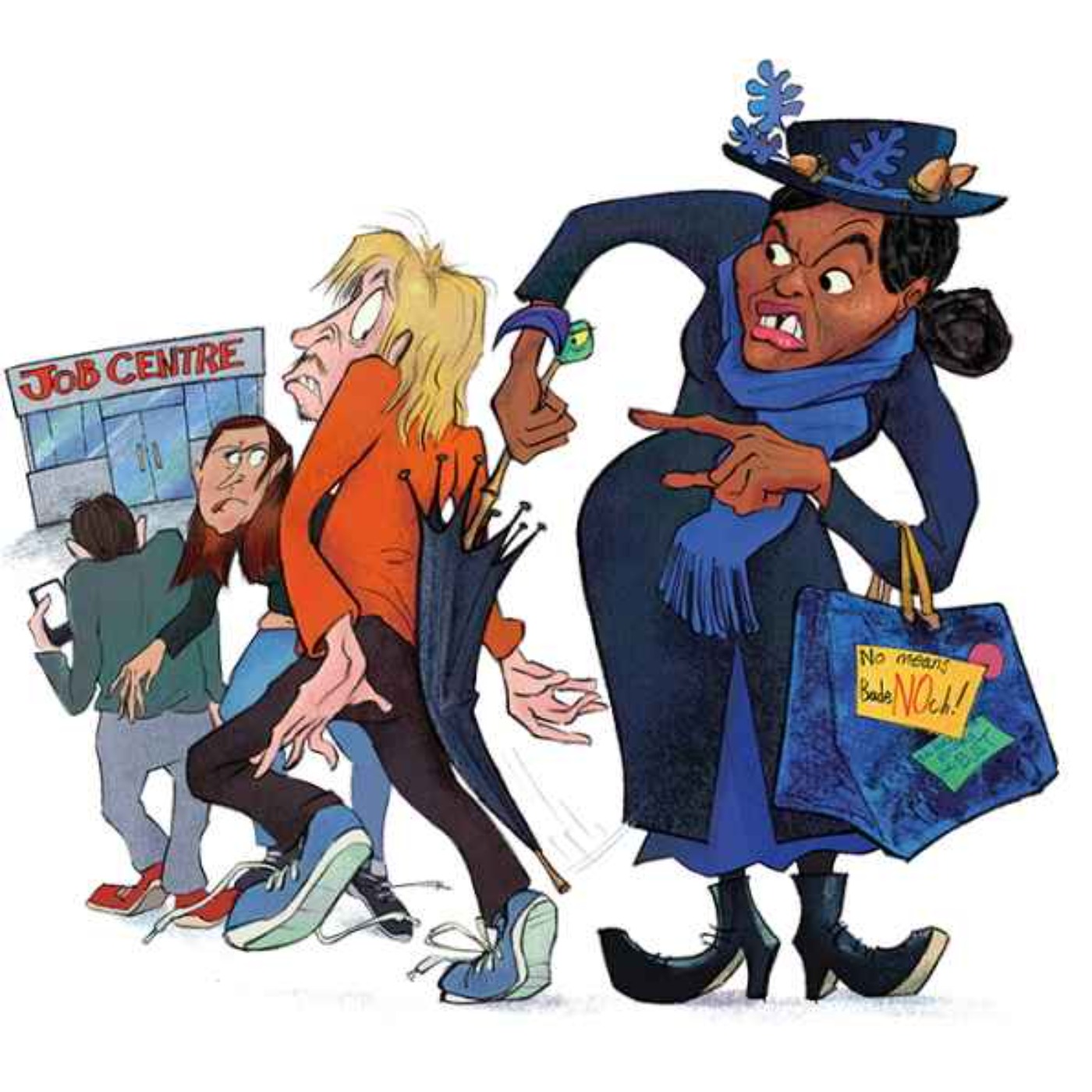 Benefits ban: How Badenoch plans to follow Burnham – with Poppy Coburn 01.10.2026 39хвFor this week’s Edition, Lara Prendergast is joined by the Spectator’s political editor Tim Shipman, restaurant critic Angus Colwell and Telegraph associate editor Poppy Coburn.This week: does the country want Kemi Badenoch’s tough love? Ahead of Tory party conference, Tim speaks to the Tory leader about her plans to get Britain working again. She argues that if you can work, you should; young people without a work history could be put onto a six-month ‘get to work’ scheme rather than Universal Credit. Badenoch says the Tories have spent too long worrying about being called the ‘nasty party’ and now need to plant their flag on welfare, the economy and conservative values. But while her personal fortunes have improved, has the Tory brand recovered with her?Also: has Andy Burnham handed the Conservatives an opportunity? Badenoch believes the Prime Minister is moving Labour decisively to the left, while Burnham’s conference speech revived arguments about public ownership, devolution and Britain’s relationship with Europe. Is his attack on, what he sees as the economic consensus of the past 40 years, bold – or an opportunity for the Conservatives to open up ideological fault lines? And how realistic are Burnham’s ambitions to move Britain closer to the EU?Plus: is AI ruining literature or just exposing bad writing? The panel discuss whether machines can produce genuinely great art, and Tim reveals how he uses AI to sift interview transcripts. And finally: are some people nostalgic for lockdown? Following a controversy over a Boston lesbian bar, Angus looks at the persistence of mask culture, while the panel reveal what they would stockpile for the apocalypse.Produced by Patrick Gibbons.Become a Spectator subscriber today to access this podcast without adverts. Go to spectator.co.uk/adfree to find out more.For more Spectator podcasts, go to spectator.co.uk/podcasts. Contact us: [email protected] Hosted on Acast. See acast.com/privacy for more information.
 -
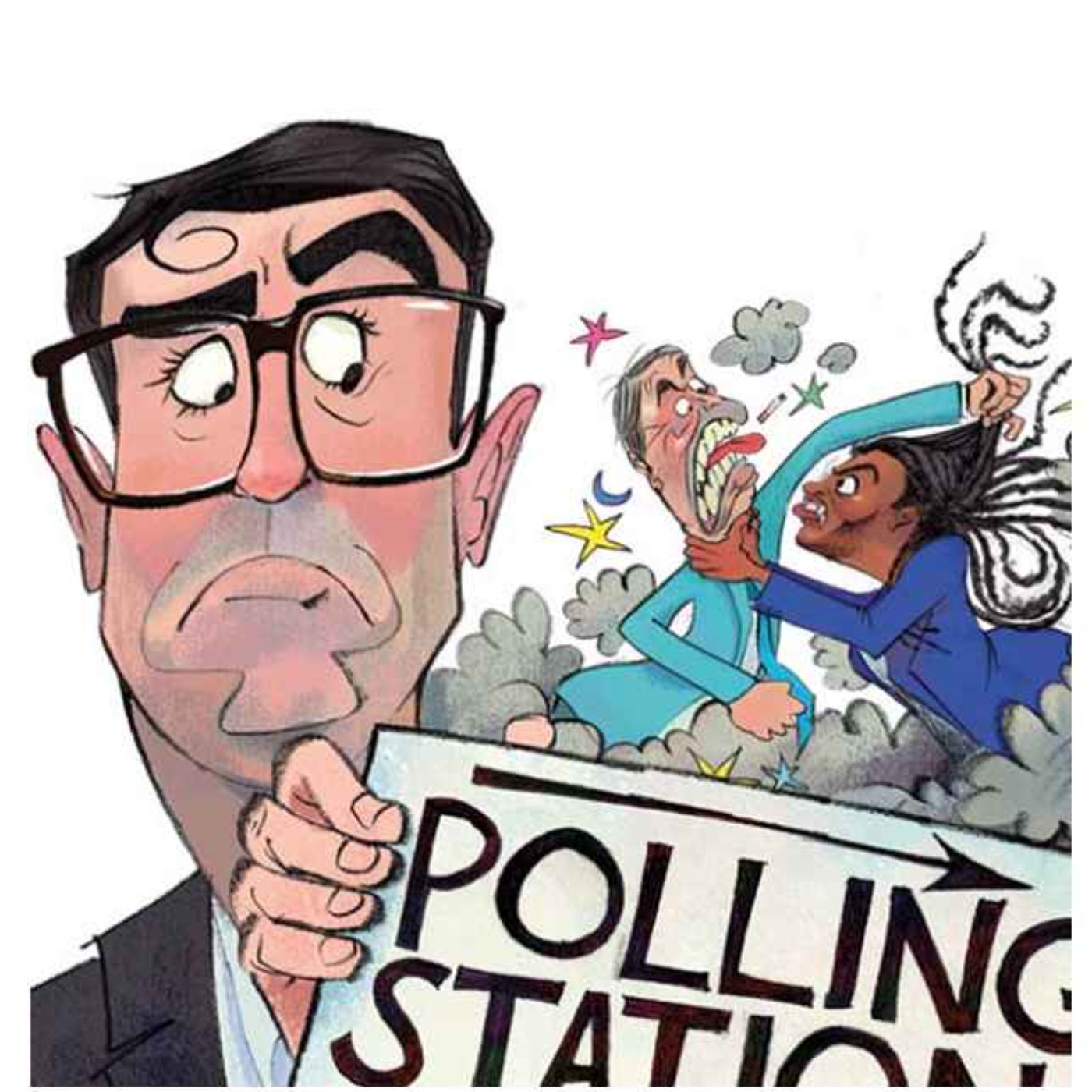 Should Burnham call a snap general election? 25.09.2026 41хвFor this week’s Edition, William Moore is joined by the Spectator’s deputy editor Freddy Gray, commissioning editor Lara Brown and deputy political editor James Heale.This week: will Andy Burnham call an early general election? Tim Shipman’s cover asks whether the Prime Minister might go to the polls sooner than 2029, as Labour faces a worsening fiscal situation and an increasingly difficult choice over tax and spending. With the government’s budget looming, does Burnham need a fresh mandate – or is an election simply too risky? And with Reform and the Conservatives competing for voters on the right, could an early contest catch his opponents off guard?Also: the coming AI backlash. James writes about the Prime Minister's cautious approach to artificial intelligence and asks whether the government can afford to hedge its bets as the technology transforms the economy. With Britain facing high energy costs and limited computing capacity, can the UK really compete in the AI race?Across the Atlantic, Freddy looks at Abdul El-Sayed, the Democratic Senate candidate in Michigan whose campaign has attracted attention for its combination of progressive politics, online influence and an emphasis on masculinity and fitness. Could candidates like El-Sayed tell us something about where the American left is heading? And as politicians increasingly turn themselves into social-media personalities, is this more important than traditional party structures?Plus: would you make a good professional mourners? We explore the strange world of people paid to attend funerals.Produced by Patrick Gibbons & Abigail Brierley.Become a Spectator subscriber today to access this podcast without adverts. Go to spectator.co.uk/adfree to find out more.For more Spectator podcasts, go to spectator.co.uk/podcasts. Contact us: [email protected] Hosted on Acast. See acast.com/privacy for more information.
 -
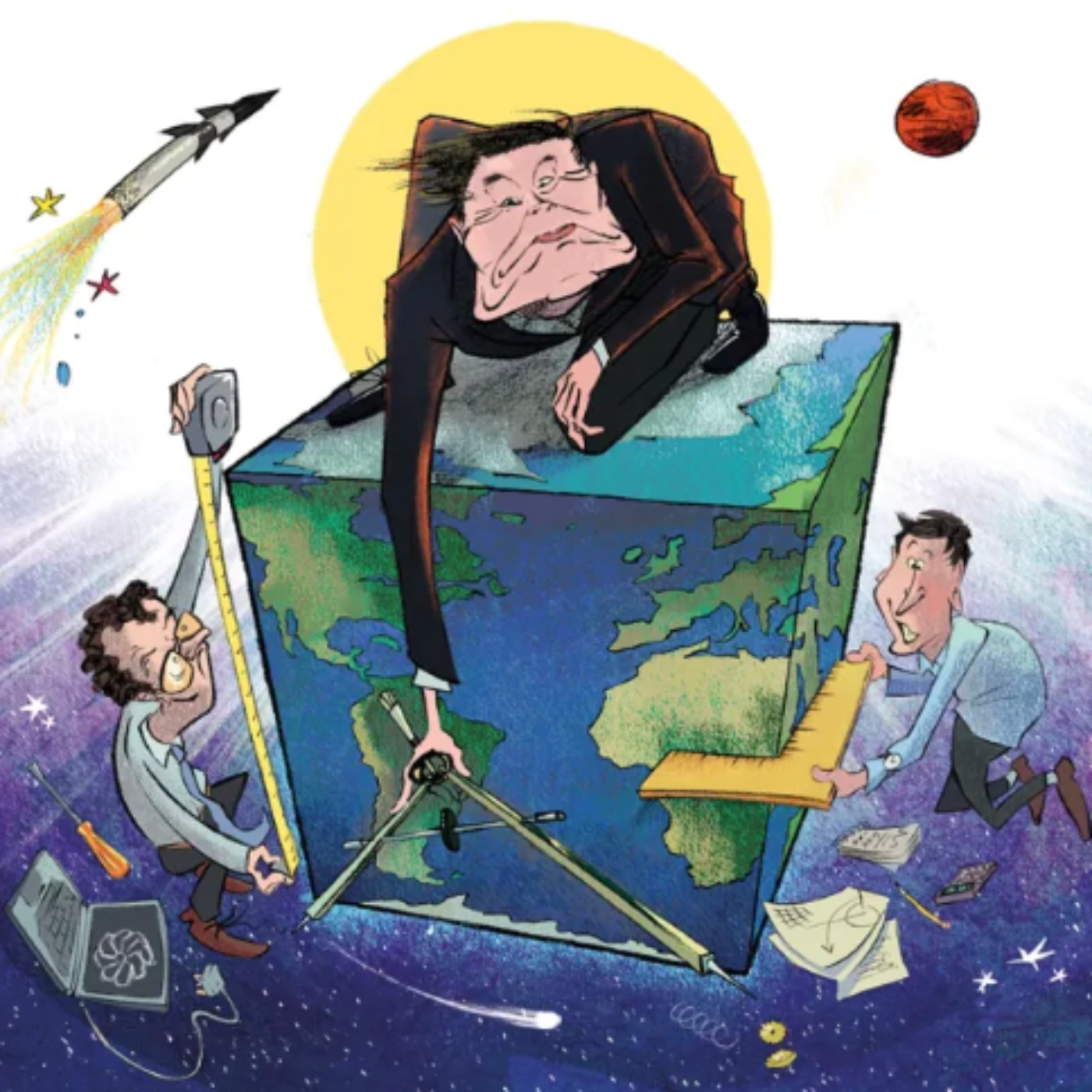 Elon Musk to Clavicular: should we fear the manosphere? with Peter Hitchens & Toby Young 18.09.2026 39хвFor this week’s Edition, William Moore is joined by the Spectator’s associate editor and director of the Free Speech Union Toby Young, journalist and author Esther Walker, and Mail on Sunday columnist Peter Hitchens.This week: the men on the spectrum who rule the world. Charles Steel writes in the magazine about the wealthy, obsessive and often unconventional figures who increasingly shape politics and technology – from Elon Musk to the crypto billionaire Ben Delo. Is autism a useful way of understanding these men or has society become too obsessed with diagnosing people? Toby argues that traits such as hyper-focus and an indifference to what others think can be an advantage in competitive professions, while Peter dismisses our enthusiasm for putting people on ‘spectrums’ altogether. And, as tech leaders issue increasingly apocalyptic warnings about artificial intelligence, should we take them seriously or be suspicious of calls for greater regulation?Also: should parents really be worried about the ‘manosphere’? Esther argues that the moral panic surrounding online influencers such as Andrew Tate is already out of date. Teenage boys, she says, are perfectly capable of recognising when misogyny is being used as a business model – and many are more interested in mocking influencers than following them. But with ‘looksmaxxing’, bodybuilding and increasingly extreme attempts at self-improvement taking off online, are boys becoming more like the teenage girls of previous generations?Plus: Peter reveals why he has fallen out of love with America – and in love with Canada, while Toby marks 35 years since the launch of the Modern Review.Produced by Patrick Gibbons.Become a Spectator subscriber today to access this podcast without adverts. Go to spectator.co.uk/adfree to find out more.For more Spectator podcasts, go to spectator.co.uk/podcasts. Contact us: [email protected] Hosted on Acast. See acast.com/privacy for more information.
 -
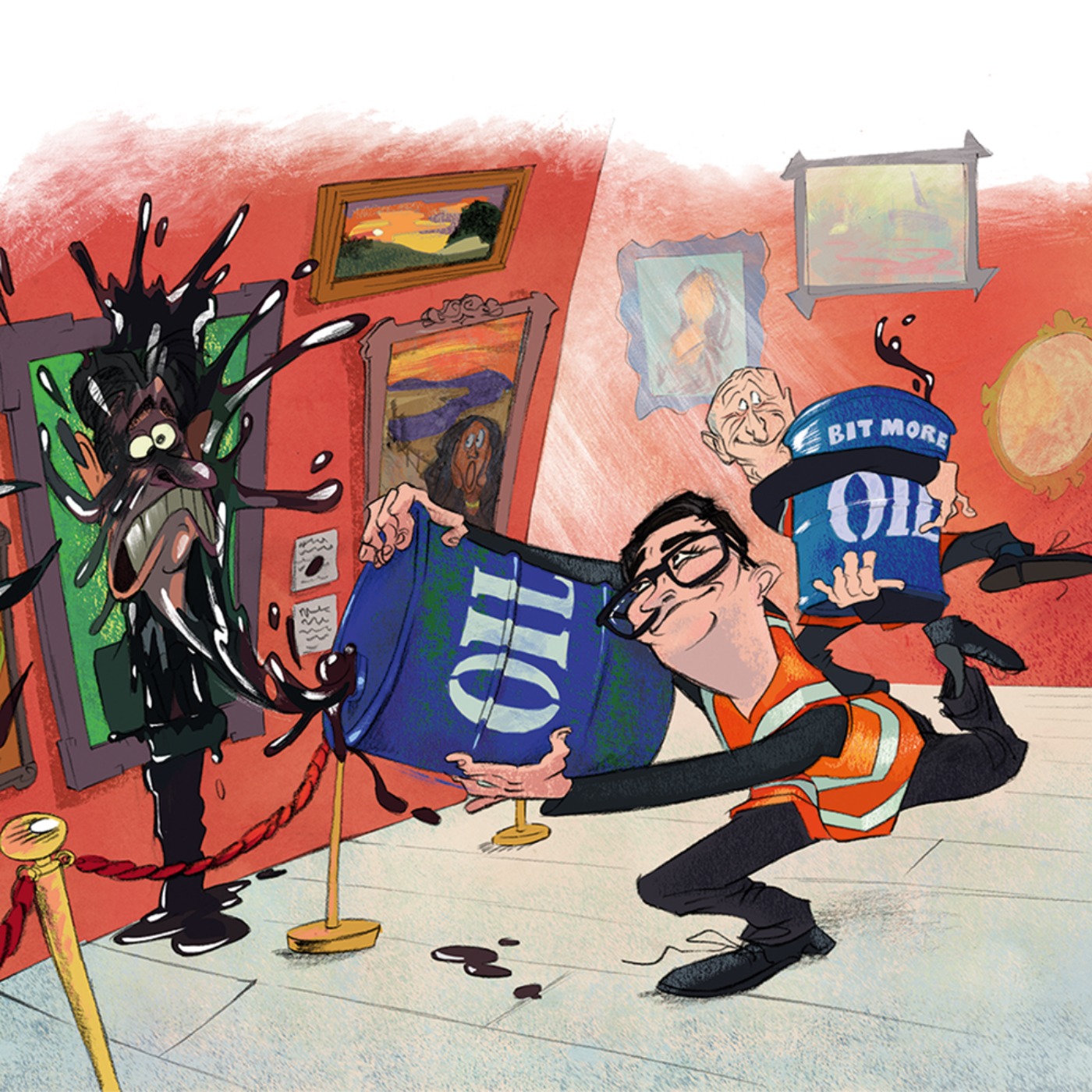 Will Andy drill deep for oil & gas – and is Bayeux in Britain as good as it gets? 11.09.2026 35хвWilliam Moore is joined by The Spectator's economics editor Michael Simmons, The Spectator's commissioning editor and writer at large Tali Fraser, and the Deputy Leader of the Conservative Party Alex Burghart MP.This week: has Labour stopped just stopping oil? Michael reveals that ministers are expected to approve the Jackdaw gas field within days, while Rosebank is held back until after the by-election in Keir Starmer's old seat – and asks whether a party whose last energy secretary called the project 'climate vandalism' has really changed its mind, or has just found a half measure it can live with.Also: is Britain about to get a new social order? Tali examines the socio-economic duty, a dormant clause of the Equality Act that Labour now plans to switch on, requiring public bodies to weigh social background in every decision they make. The panel discuss what that would mean for school admissions, NHS waiting lists and potholes. Is this equality of outcome by the back door – or simply a charter for lawyers?Plus: after 900 years, is the Bayeux Tapestry worth the wait?Produced by Henry Lloyd.Become a Spectator subscriber today to access this podcast without adverts. Go to spectator.co.uk/adfree to find out more.For more Spectator podcasts, go to spectator.co.uk/podcasts. Contact us: [email protected] Hosted on Acast. See acast.com/privacy for more information.
 -
 Has Reform UK lost its magic? – and why Middlesbrough’s young men don’t care 03.09.2026 34хвLara Prendergast is joined by The Spectator’s political editor Tim Shipman, columnist and journalist Melanie McDonagh, and the Daily Mail’s parliamentary sketchwriter Quentin Letts.This week: has Reform UK lost its magic? Ahead of the party’s conference, Tim reveals its plans for the first 100 days of a Reform government – and asks whether Nigel Farage can persuade voters that his party is ready to govern after a turbulent summer.Also: what is happening in Middlesbrough? The panel discuss rising gang violence, the decline of visible policing and a generation of young men who appear increasingly indifferent to the law. Is social breakdown to blame – or has Britain simply lost its respect for authority?Plus: what can Britain learn from Norway’s royals? Produced by Henry Lloyd and Oscar Edmondson.Become a Spectator subscriber today to access this podcast without adverts. Go to spectator.co.uk/adfree to find out more.For more Spectator podcasts, go to spectator.co.uk/podcasts. Contact us: [email protected] Hosted on Acast. See acast.com/privacy for more information.
 -
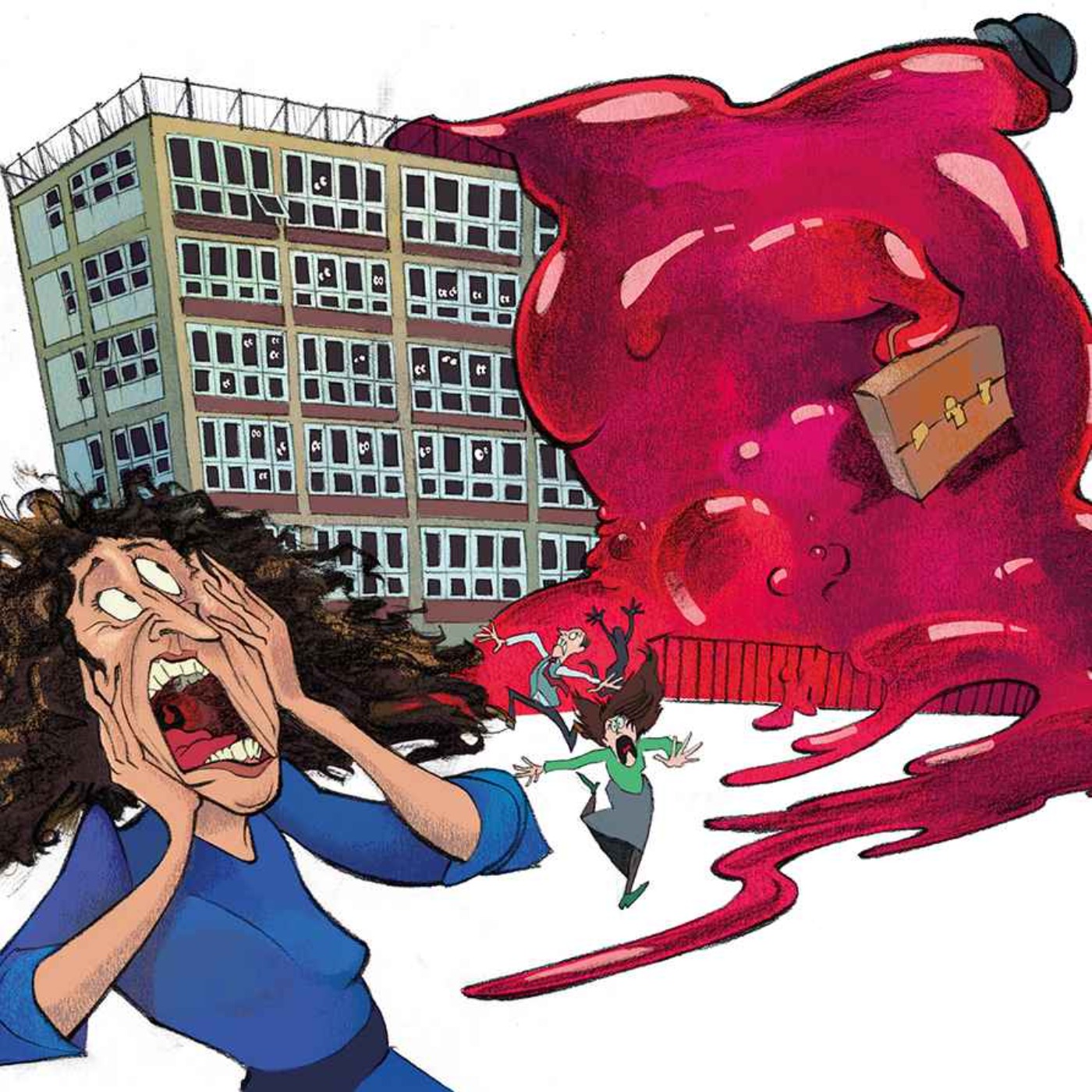 How the blob broke teaching – and can the Sussexes redeem themselves? 27.08.2026 41хвLara Prendergast is joined by The Spectator’s economics editor Michael Simmons, author and critic Philip Hensher, and comedian and co-host if the Triggernometry podcast Frances Foster.This week: are good teachers under siege? The panel discuss Michael Gove’s cover story on the education establishment, from collapsing classroom discipline to the ‘pathetically low ambition’ of those training Britain’s teachers. Also: have accusations of bullying become a weapon against demanding ministers? Michael Simmons comes to the defence of his former teacher, Scotland’s Deputy First Minister Jenny Gilruth, while Philip asks whether the real problem is that civil servants are simply too difficult to sack.Plus: Harry and Meghan are back in Britain. Has the public’s fascination with the Sussexes ever really gone away – and do they deserve a chance at redemption?Produced by Henry Lloyd, Patrick Gibbons and Oscar Edmondson. Become a Spectator subscriber today to access this podcast without adverts. Go to spectator.co.uk/adfree to find out more.For more Spectator podcasts, go to spectator.co.uk/podcasts. Contact us: [email protected] Hosted on Acast. See acast.com/privacy for more information.
 -
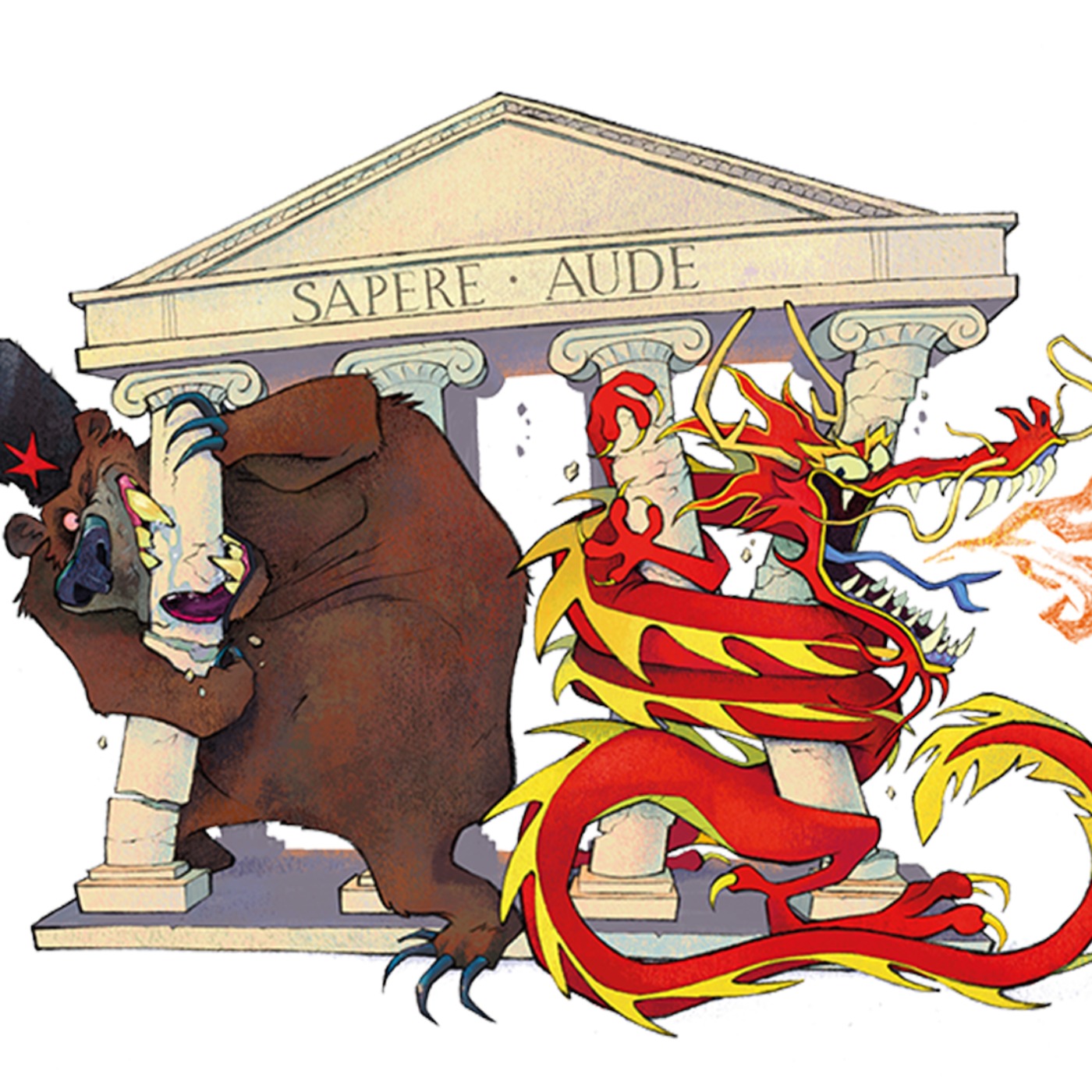 Maureen Lipman on Britain’s anti-Semitism crisis – and has the West lost the will to defend itself? 20.08.2026 44хвWilliam Moore is joined by The Spectator’s political editor Tim Shipman, commissioning editor Tali Fraser and actress Maureen Lipman.This week: has the West lost the will to defend itself? The panel discuss the threats posed by China, Russia and Islamism – and whether Western societies have become too reluctant to defend their own values. Maureen also warns about the rise of antisemitism, arguing that universities are ‘grooming’ a generation of anti-Semites.Also: Tali reports back from a screening of Chris Packham’s People’s Emergency Briefing. Has environmental campaigning become too patronising – and are politicians forcing through policies they have failed to persuade the public to support?Plus: can James Bond survive modern Britain?Produced by Oscar Edmondson and Patrick Gibbons.Become a Spectator subscriber today to access this podcast without adverts. Go to spectator.co.uk/adfree to find out more.For more Spectator podcasts, go to spectator.co.uk/podcasts. Contact us: [email protected] Hosted on Acast. See acast.com/privacy for more information.
 -
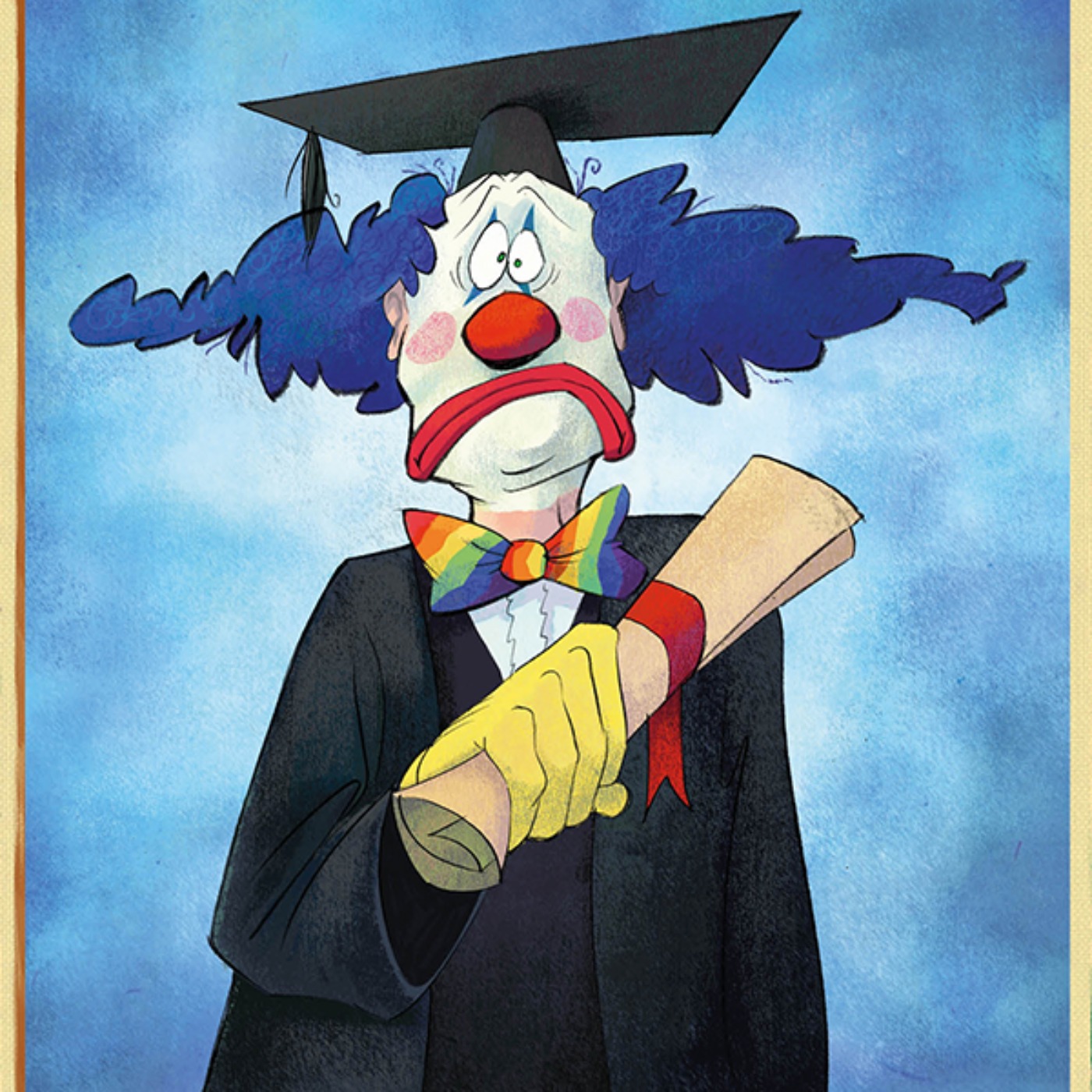 ‘It’s a cesspool!’ — What’s going wrong in Britain’s universities? 13.08.2026 52хвWilliam Moore is joined by The Spectator’s associate editor Toby Young, commissioning editor Lara Brown and newsletter editor and restaurant critic Angus Colwell.This week: What has gone wrong with British universities? Lara unpacks the wider academic crisis in the wake of the Jason Arday scandal, from ‘surviving the apocalypse’ courses at Warwick to maths departments promising to ‘decolonise’ the subject. Has the sector lost its nerve?Also: Balding. Toby explains why he’s trying to talk his three sons out of hair transplants, while Angus and Lara weigh in on whether men vastly overestimate the importance of their hair on the dating market.Plus: is Indian the best cuisine? Angus argues it’s surprisingly hard to find a truly great curry in London, while the the panel ask whethe Indian food is unfairly low-status because it’s too cheap.Produced by Henry Lloyd and Oscar Edmondson. Become a Spectator subscriber today to access this podcast without adverts. Go to spectator.co.uk/adfree to find out more.For more Spectator podcasts, go to spectator.co.uk/podcasts. Contact us: [email protected] Hosted on Acast. See acast.com/privacy for more information.
 -
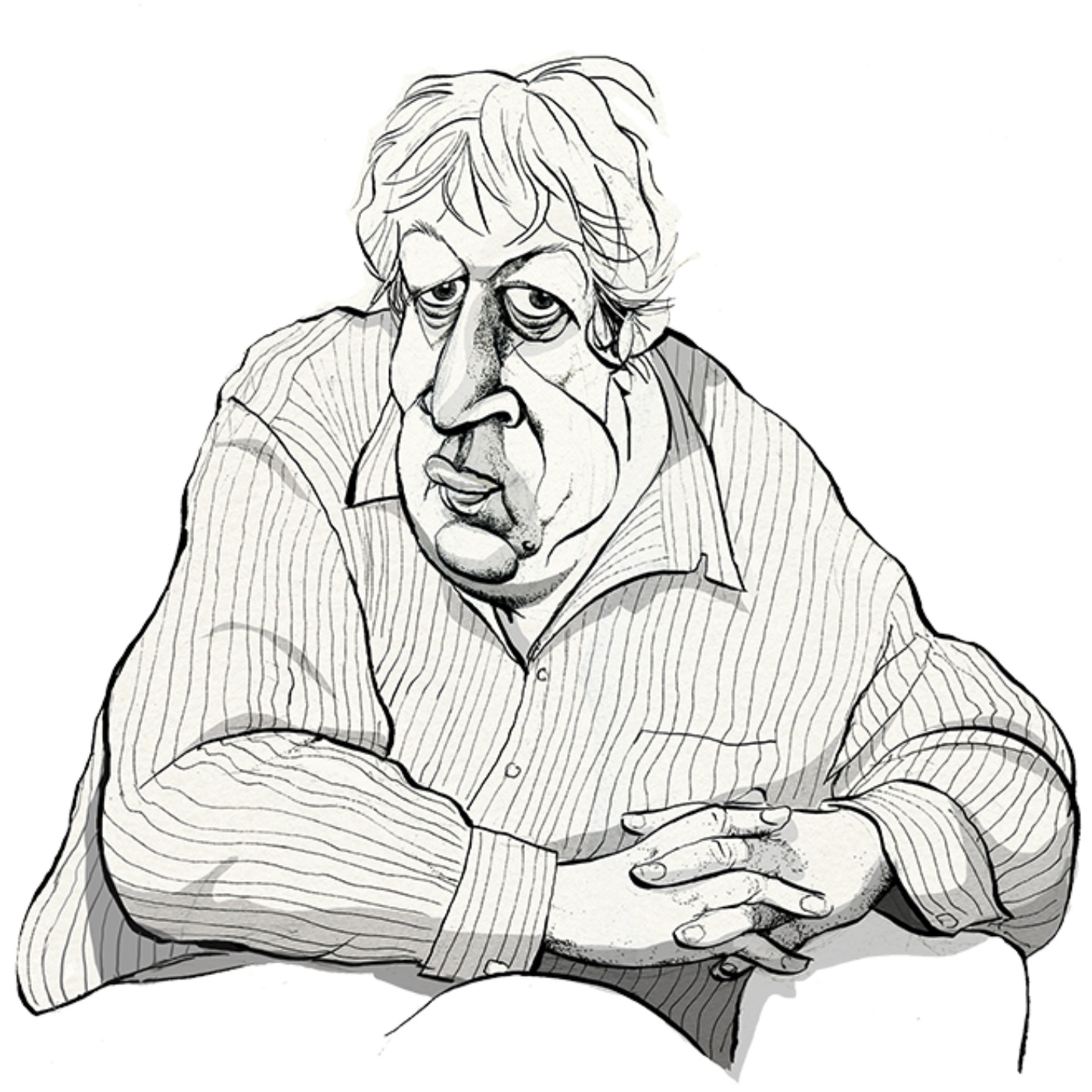 The real Rod Liddle: Michael Gove, Toby Young & Freddy Gray on what it was like to know him 07.08.2026 43хвFor this week’s Edition, Lara Prendergast is joined by The Spectator’s editor Michael Gove, deputy editor Freddy Gray, and associate editor Toby Young.This week the episode and magazine is dedicated to our beloved Rod Liddle, who died aged 66. The Spectator journalists reflect on some of their favourite memories of Rod, what his legacy will be and how is writing, wit and intelligence will be irreplaceable.Become a Spectator subscriber today to access this podcast without adverts. Go to spectator.co.uk/adfree to find out more.For more Spectator podcasts, go to spectator.co.uk/podcasts. Contact us: [email protected] Hosted on Acast. See acast.com/privacy for more information.
 -
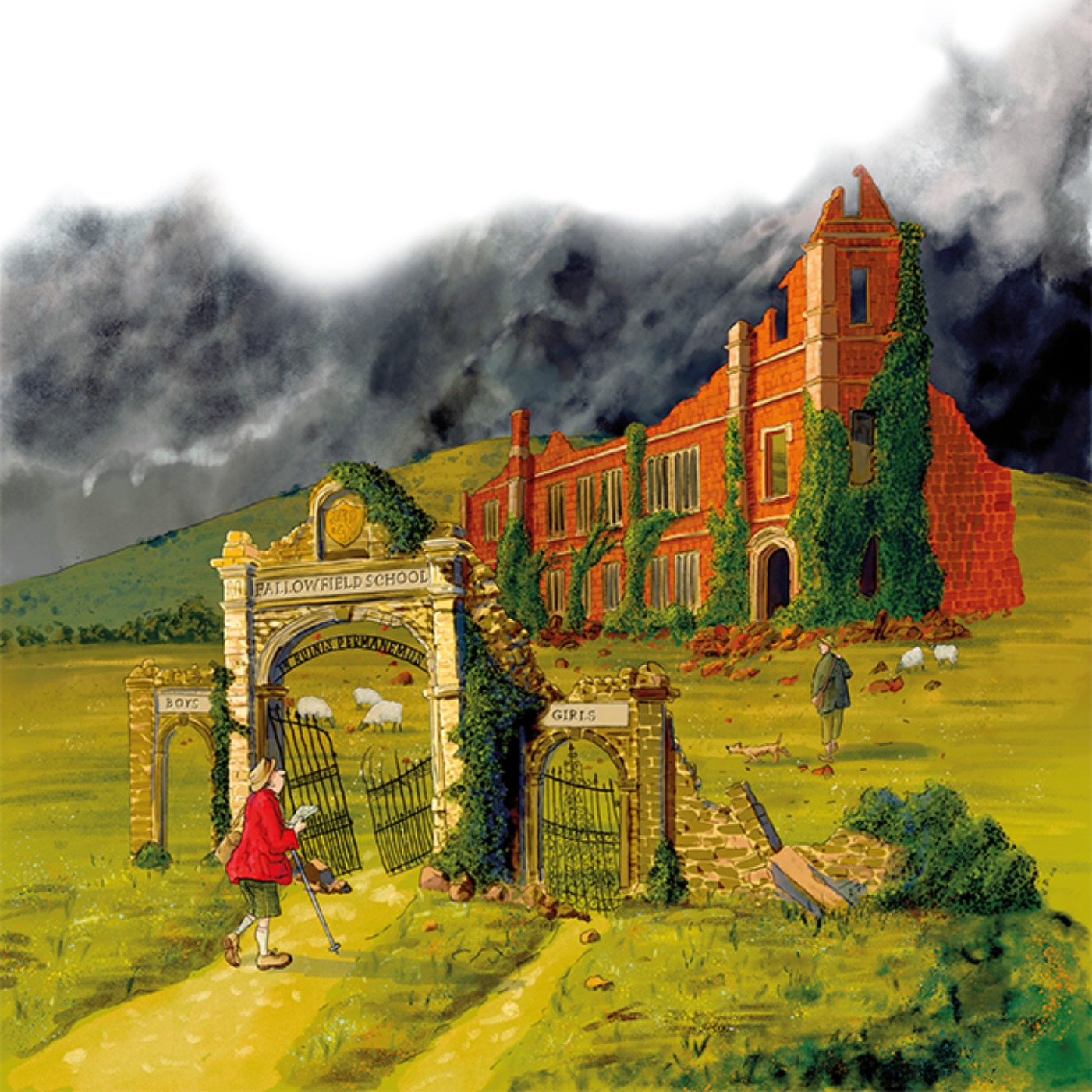 ‘It’s very easy to win an election – here’s how': Rory Sutherland on private schools, early election & death doulas 01.08.2026 1год 2хвFor this week’s Edition, Lara Prendergast is joined by The Spectator’s columnist Rory Sutherland, political editor Tim Shipman and drinks editor Jonathan Ray.This week: What has been the damage of Labour’s punitive war on private education? Rory questions whether the sector had helped itself in the years prior, but did the policy itself ever represent more than ‘class warfare?’ Tim explores the vigour to which the (now former) Education Secretary Bridget Phillipson embraced that label, whilst Jonathan reflects on ‘canny approaches’ to game the system.Also: Election? What election? The panel discuss rumours that the PM may call an early general election in the wake of the ‘Burnham bounce’ in the polls giving Labour a narrow lead over Reform. If not, how does he escape the straitjacket of the 2024 manifesto? Rory further explains how government has been transformed from a ‘policeman to a traffic warden,’ and gives Burnham his top tips for an easy re-election.Plus: The death doulas movement. To what extent does this growing trend – of which figures such as Caroline Lucas, Davina McCall and Nicole Kidman are now subscribers – represent a broader point of death positivity, or in the end, is it all just ‘mumbo jumbo?’Produced by Oscar Edmondson and Patrick Gibbons.Become a Spectator subscriber today to access this podcast without adverts. Go to spectator.co.uk/adfree to find out more.For more Spectator podcasts, go to spectator.co.uk/podcasts. Contact us: [email protected] Hosted on Acast. See acast.com/privacy for more information.
 -
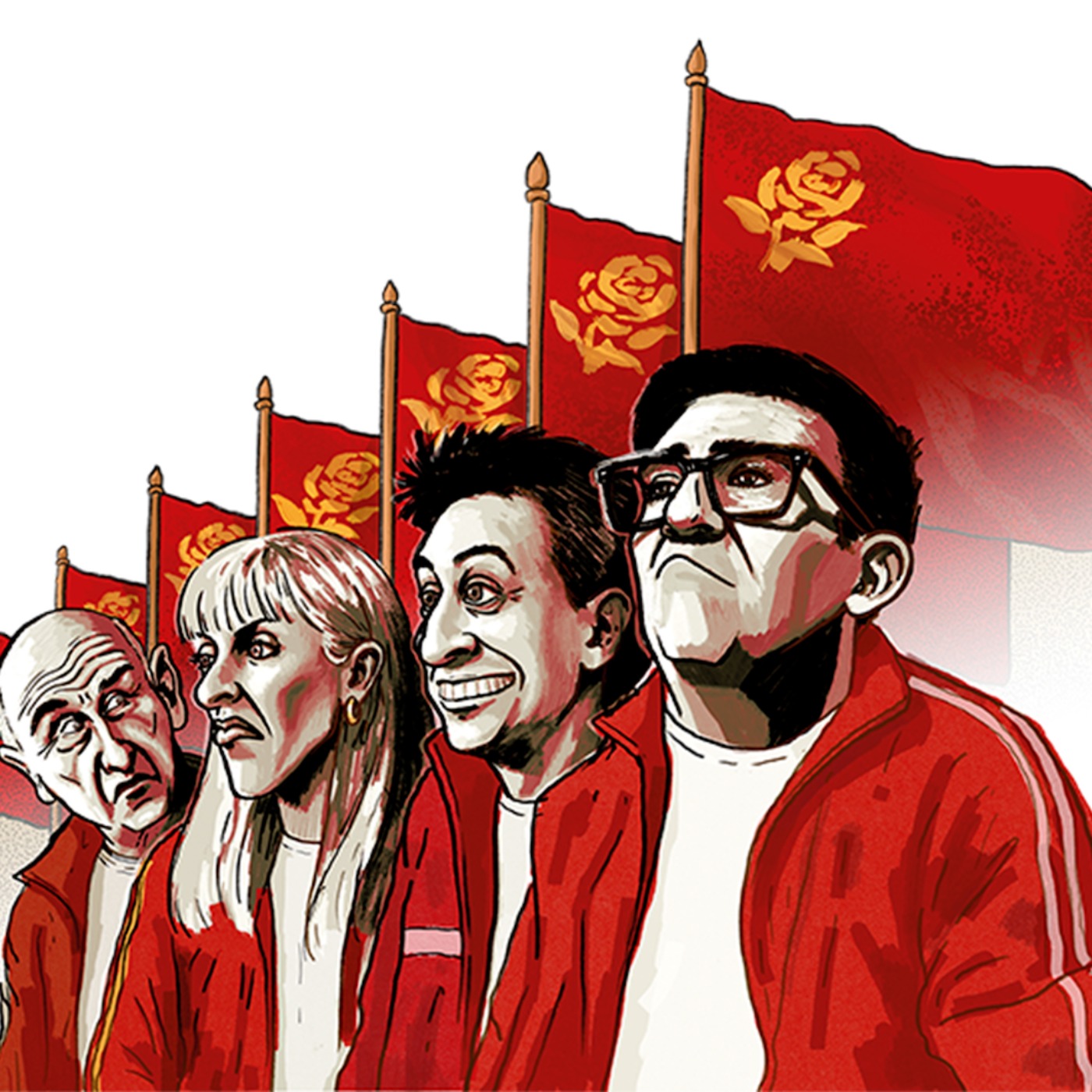 ‘Chaotic and ruthless’ – Peter Hitchens & Camilla Tominey on Burnham's first week 23.07.2026 38хвThis week: has Andy Burnham really brought change to Downing Street – or merely repackaged Labour’s old guard? Has Ed Miliband been sidelined by being sent to the Foreign Office, a ‘non-job’ in which he can do little harm? The panel also asks whether Burnham is prepared to make the difficult decisions required of a prime minister – and why the Conservatives have been so reluctant to demand a general election. Also: is America’s socialist left taking over the Democratic party? Candidates backed by the Democratic Socialists of America are gaining ground, Alexandria Ocasio-Cortez may be underestimated as a future presidential nominee and parts of the radical left are beginning to embrace gun ownership. Could Bernie Sanders have beaten Donald Trump in 2016 – had the Democrats not chosen ‘the only person who could conceivably lose’ to him?Plus: who really blew up the Nord Stream pipeline? The accepted account holds that a small band of Ukrainians carried out one of the most sophisticated acts of sabotage in recent history. But does the evidence look less like a professional intelligence operation than ‘somebody establishing an alibi’?Produced by Patrick Gibbons, Oscar Edmondson and Gareth Roy. Become a Spectator subscriber today to access this podcast without adverts. Go to spectator.co.uk/adfree to find out more.For more Spectator podcasts, go to spectator.co.uk/podcasts. Contact us: [email protected] Hosted on Acast. See acast.com/privacy for more information.
 -
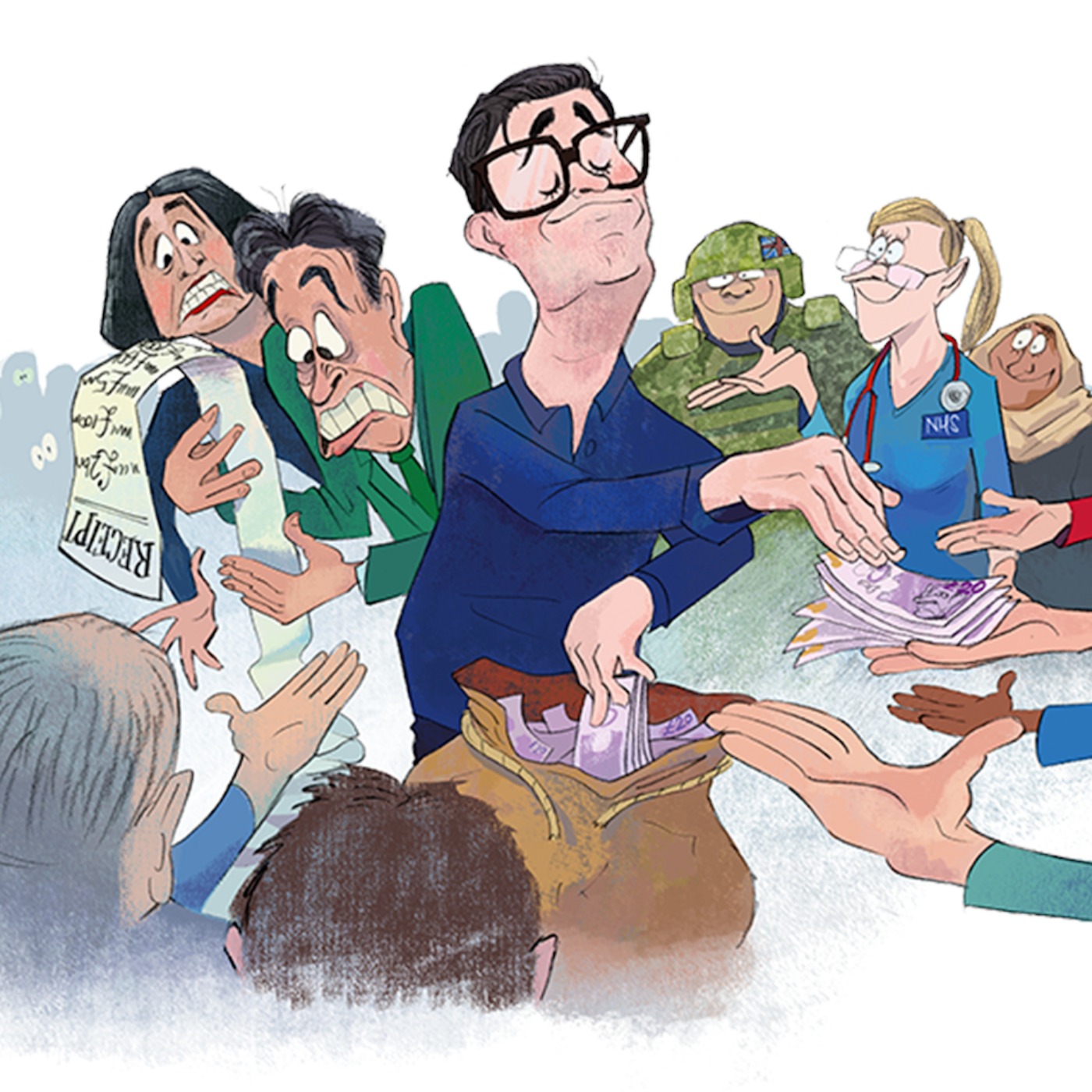 Can Burnham remake Britain? – with Antony Beevor 16.07.2026 37хвFor this week’s Edition, William Moore is joined by The Spectator’s political editor, Tim Shipman, commissioning editor and writer at large Tali Fraser, and the historian Antony Beevor.This week: what will Andy Burnham actually do in Downing Street? Tim reveals what to expect from the incoming prime minister’s first ten days, from a blitz of policies and a ‘Number 10 North’ to higher borrowing and wealth taxes.Also: has Britain expanded the definition of disability too far? The panel discusses Michael Simmons’s argument that compassion should not mean turning every difficulty into a disorder – and asks how the government can encourage resilience and work while protecting those who genuinely need support.Plus: Tali investigates the Welsh government’s plan to make Wales ‘anti-racist’ by 2030. From hate-crime training for landlords to decolonising museums – and even Welsh cakes – has the Welsh government gone mad?Produced by Patrick Gibbons and Oscar Edmondson.Become a Spectator subscriber today to access this podcast without adverts. Go to spectator.co.uk/adfree to find out more.For more Spectator podcasts, go to spectator.co.uk/podcasts. Contact us: [email protected] Hosted on Acast. See acast.com/privacy for more information.
 -
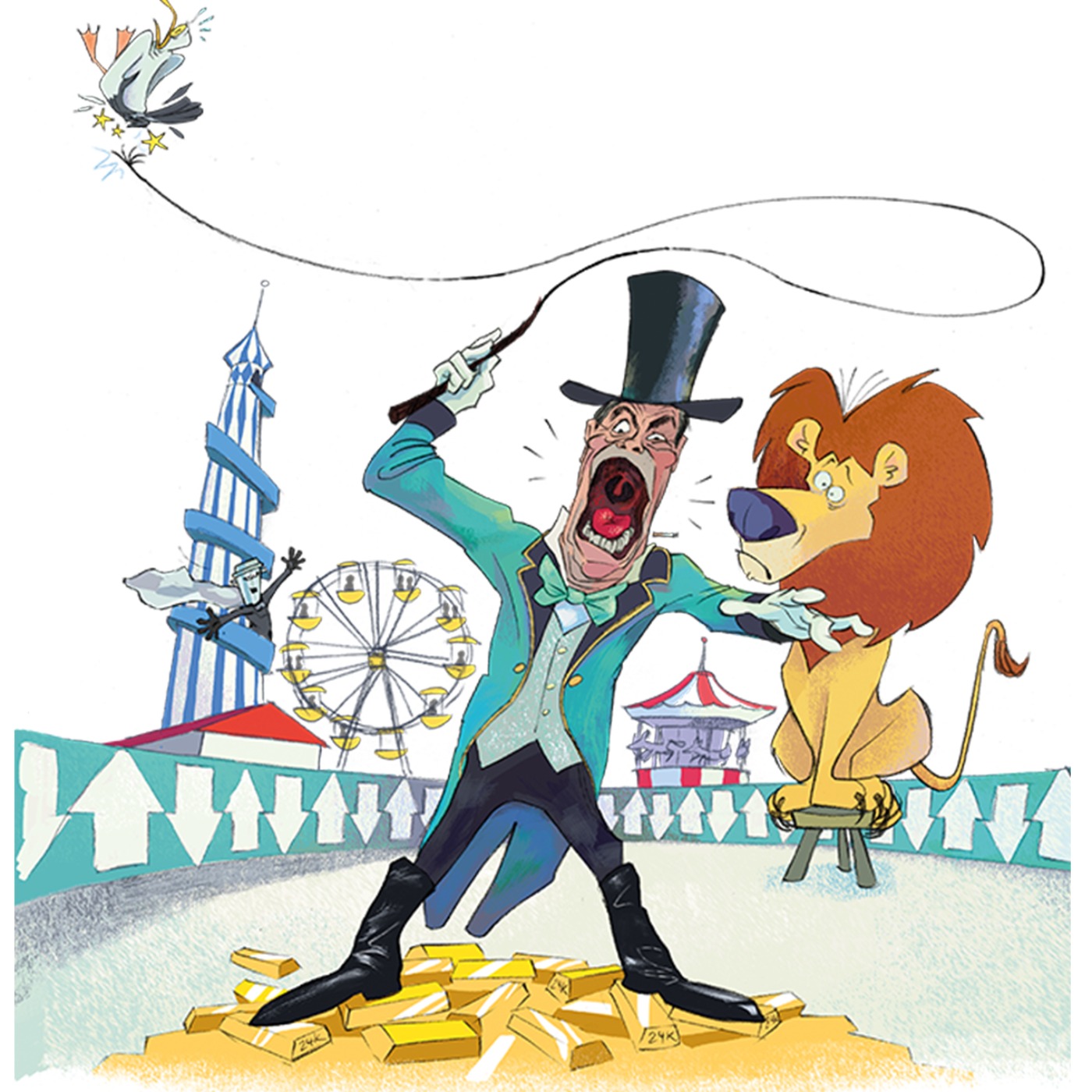 Has Farage lost control? – and the battle for Britain's pubs 09.07.2026 31хвFor this week’s Edition, Lara Prendergast is joined by The Spectator’s political editor Tim Shipman, deputy editor of the US edition Gus Carter and the Mail on Sunday’s restaurant critic Tom Parker Bowles.This week: Nigel Farage’s greatest gamble. After resigning as MP for Clacton to trigger a by-election, Farage has tried to turn questions over his finances into a referendum on the establishment. Tim explains why the move may already have backfired, with the main parties refusing to stand against him and leaving him to spend the summer ‘arguing with a bin’. But he also argues that Farage is returning to what he does best: insurgency, grievance and campaigning against the political class. Has he reclaimed the narrative – or retreated from the idea of becoming prime minister?Also: can Andy Burnham export the Manchester model to the rest of Britain? As the incoming prime minister prepares for Downing Street, Gus looks at the property developers behind Manchester’s rise.Plus: Tom Parker Bowles on the crisis in British hospitality, why pubs matter and what the government keeps getting wrong about restaurants.Produced by Patrick Gibbons and Oscar Edmondson.Become a Spectator subscriber today to access this podcast without adverts. Go to spectator.co.uk/adfree to find out more.For more Spectator podcasts, go to spectator.co.uk/podcasts. Contact us: [email protected] Hosted on Acast. See acast.com/privacy for more information.
 -
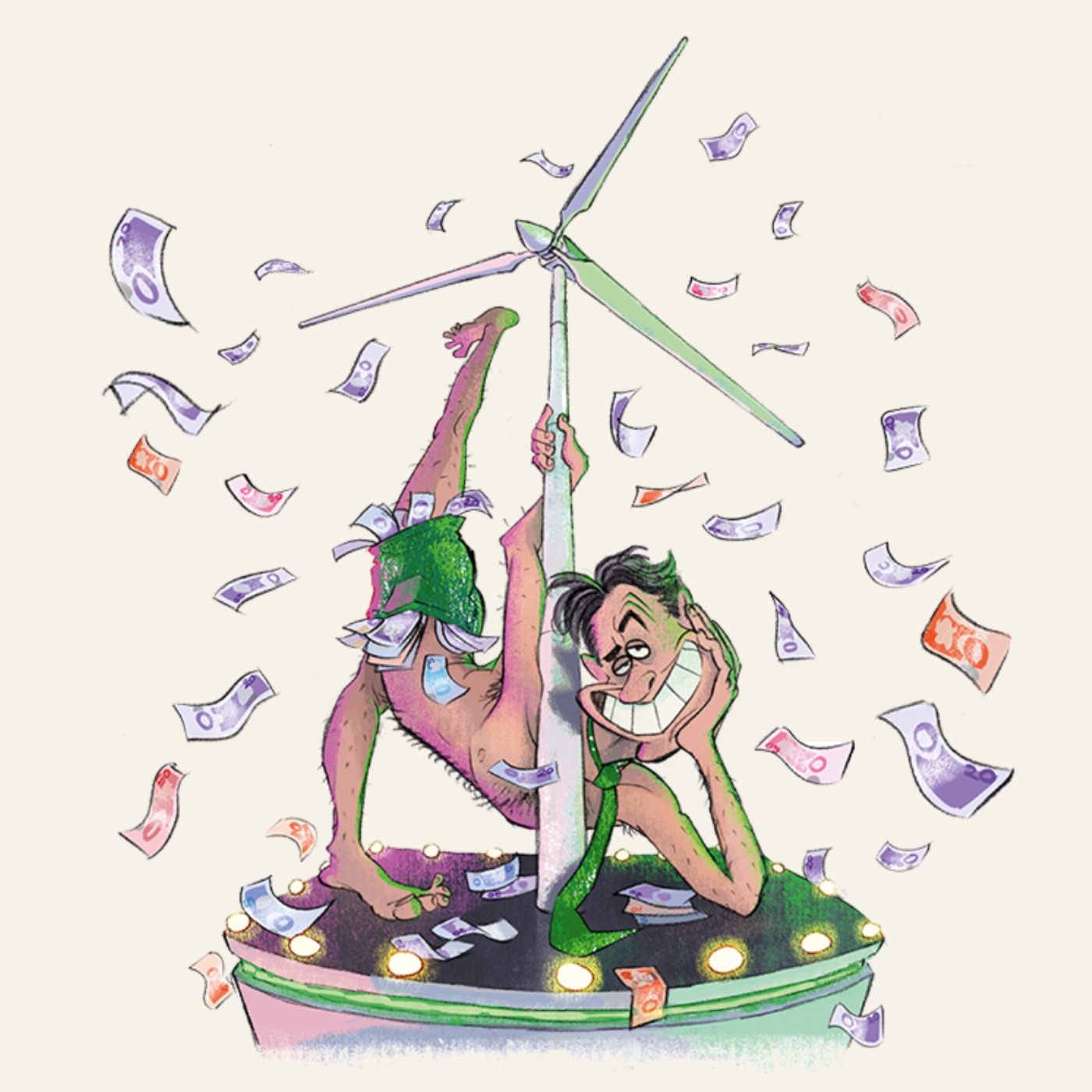 Labour's 'total failure' on defence – and why Boris shouldn’t come back 03.07.2026 30хвFor this week’s Edition, Lara Prendergast is joined by the Spectator’s deputy editor Freddy Gray, assistant content editor John Power and former Leader of the House of Commons Penny Mordaunt.This week: Labour’s lame duck period drags on, with Keir Starmer searching for a legacy before he leaves office. This week he has announced more money for Defence, though with several caveats, the biggest of which is unfunded billions left for the (presumably) incoming Burnham administration to fix. Penny Mordaunt, a former Conservative Defence Secretary, explains why Starmer has been a ‘total failure’ on Defence, saying Labour have failed to take Defence seriously and need to explain to the country that tough choices lie ahead. She argues Sir Keir is worse than Corbyn, who at least had a principled position on Defence. Her warning is stark: forget NATO targets of 3,4 or 5% of GDP – war would mean 50%, and the next few decades could be 'the worst humanity have ever lived through’. Also: the ‘dark money’ secretly funding net zero campaigns. John Power explains the links between Ed Miliband, China and pro net zero campaign groups in the UK, arguing that while political interest groups are not inherently bad, transparency should work both ways. Many left-leaning groups seem to operate under the belief they can be opaque as long as – to them – the end justifies the means. Penny provides her own verdict on Miliband, tipped to be the next Chancellor, saying she has 'never known him to make a correct decision’. Plus: as Starmer starts packing up at Number 10, could another former Conservative Prime Minister be plotting his return to office?Produced by Patrick Gibbons. Become a Spectator subscriber today to access this podcast without adverts. Go to spectator.co.uk/adfree to find out more.For more Spectator podcasts, go to spectator.co.uk/podcasts. Contact us: [email protected] Hosted on Acast. See acast.com/privacy for more information.
 -
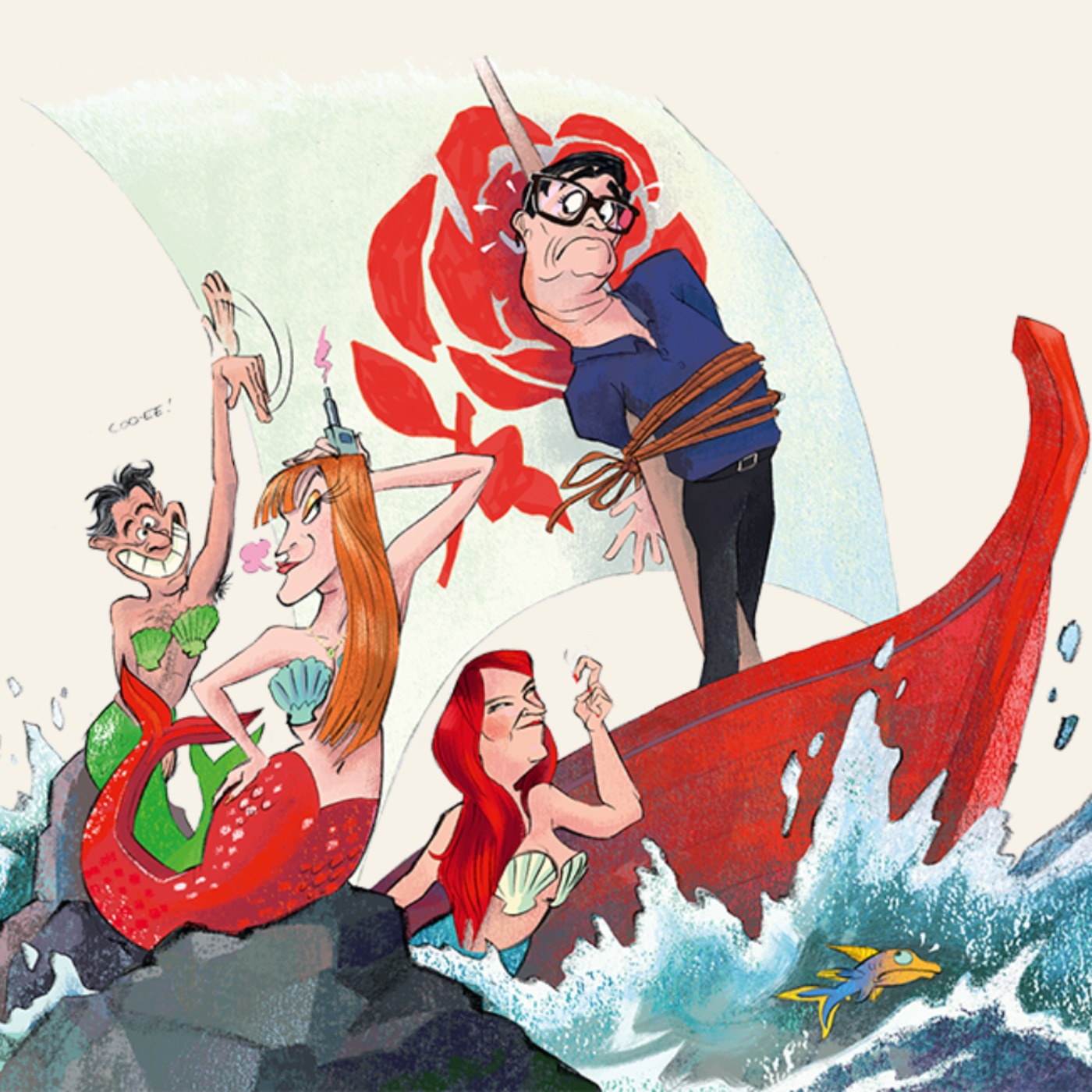 Burnham's coronation – but does he have a plan for power? – with Katie Perrior 26.06.2026 46хвFor this week’s Edition, William Moore is joined by the Spectator’s political editor Tim Shipman, the drinks writer Henry Jeffreys and the founder and chair of iNHouse Communications – and former director of communications for Theresa May – Katie Perrior.This week: another year, another prime ministerial resignation – it’s all becoming a little too common in British politics. The guests give their views on Starmer’s downfall and look ahead to the inevitable Andy Burnham premiership, from his policy agenda to who’s in – and who’s out – when it comes to the Cabinet and all-important role of Chancellor. Facing criticism that he lacks a mandate, not to mention how recently he was elected to Parliament, should he call for a general election? Burnham may be influenced from Gordon Brown’s failure to call one in 2007 but, as Katie warns, snap elections don't always go your way – just ask Theresa May. And do you agree with Tim characterising Burnham as Labour’s first female leader. Also: from Burnham’s black t-shirt to Theresa May’s kitten heels, does it matter how politicians dress? Henry makes his argument that people should always strive to dress well and why – from charity shops to the app Vinted – it’s never been easier to do so.Plus: as the country bakes, what’s the best booze to drink to cool off?Produced by Patrick Gibbons. Become a Spectator subscriber today to access this podcast without adverts. Go to spectator.co.uk/adfree to find out more.For more Spectator podcasts, go to spectator.co.uk/podcasts. Contact us: [email protected] Hosted on Acast. See acast.com/privacy for more information.
 -
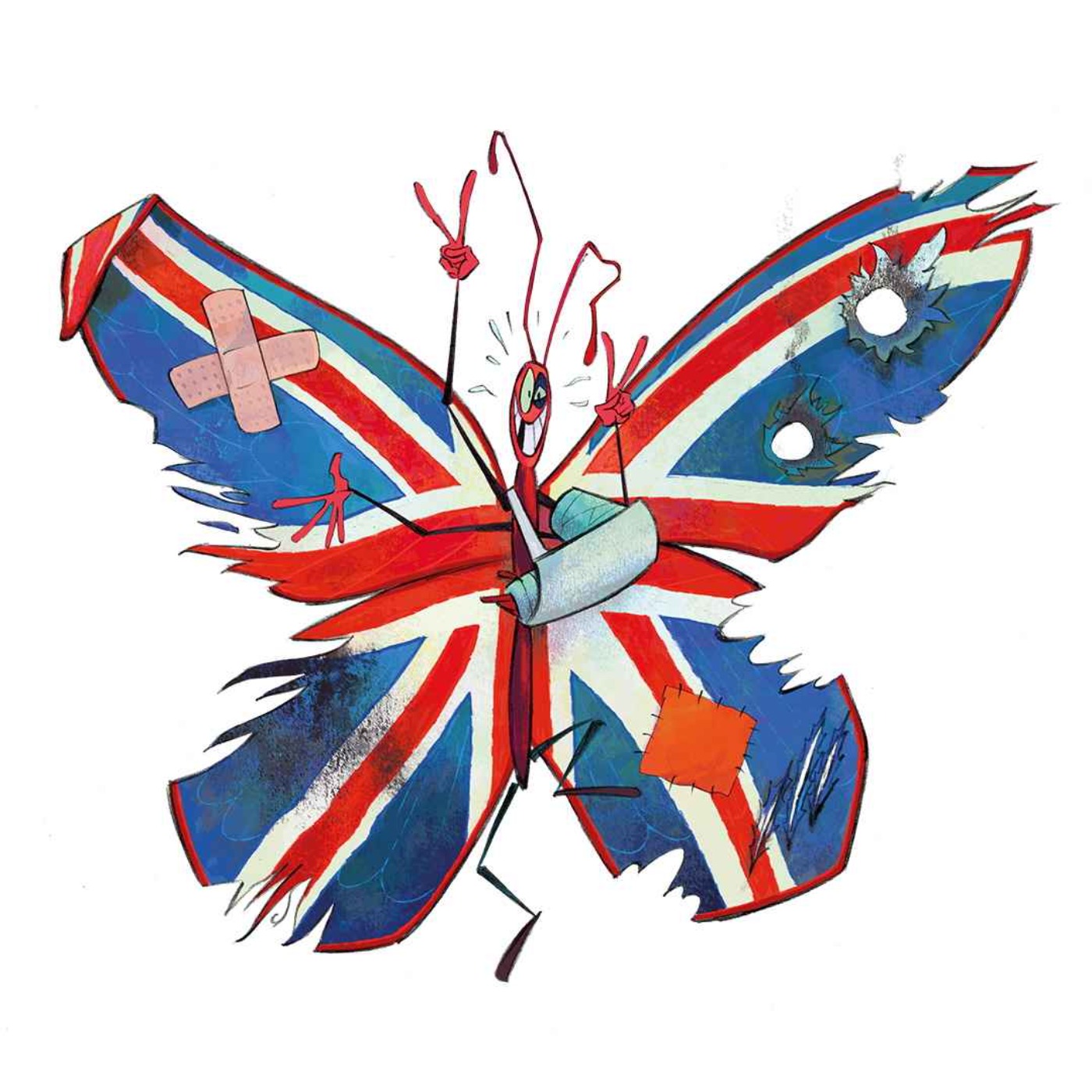 Was Brexit worth it – and can Burnham save Britain? – with Tom McTague 18.06.2026 54хвFor this week’s Edition, William Moore is joined by the Spectator’s assistant editor Isabel Hardman and the editor of The New Statesman Tom McTague. Plus, in a special episode this week, the Spectator’s economics editor Michael Simmons joins for the first half of the episode, before political editor Tim Shipman jumps in later on.This week: was Brexit worth it? As we approach the tenth anniversary of the vote to leave the European Union, the Spectator’s editor – and former prominent Vote Leave campaigner – Michael Gove makes the case that not only was Britain right to leave, but it has benefitted from leaving. The past decade however has been marked by domestic political chaos, so to what extent was Brexit a symptom or a cause of deeper problems with the British state? Tom argues that whatever your thoughts on Brexit itself, most people in Britain – including in Makerfield – feel nothing has changed; it has been a ‘damp squib’. The author of Between The Waves, which charts the decision to Leave back to the Second World War, explains that while Brexit might not have been inevitable, there was always going to be a reckoning for Britain’s contradictory relationship with Europe. Brexit has undoubtably destabilised politics but, with a decade of chaos since, does that mean that Brexit has failed – or has the state failed? Also: to what extent is the Labour leadership saga connected to Brexit? Is it a symptom of the post-Brexit period, or was British politics always heading for instability? The group discuss where it all went wrong for Keir Starmer, from winter fuel to the welfare rebellion, and whether Andy Burnham will be able to succeed where Starmer failed. As the polls close in Makerfield, what happens next?Produced by Patrick Gibbons. Become a Spectator subscriber today to access this podcast without adverts. Go to spectator.co.uk/adfree to find out more.For more Spectator podcasts, go to spectator.co.uk/podcasts. Contact us: [email protected] Hosted on Acast. See acast.com/privacy for more information.
 -
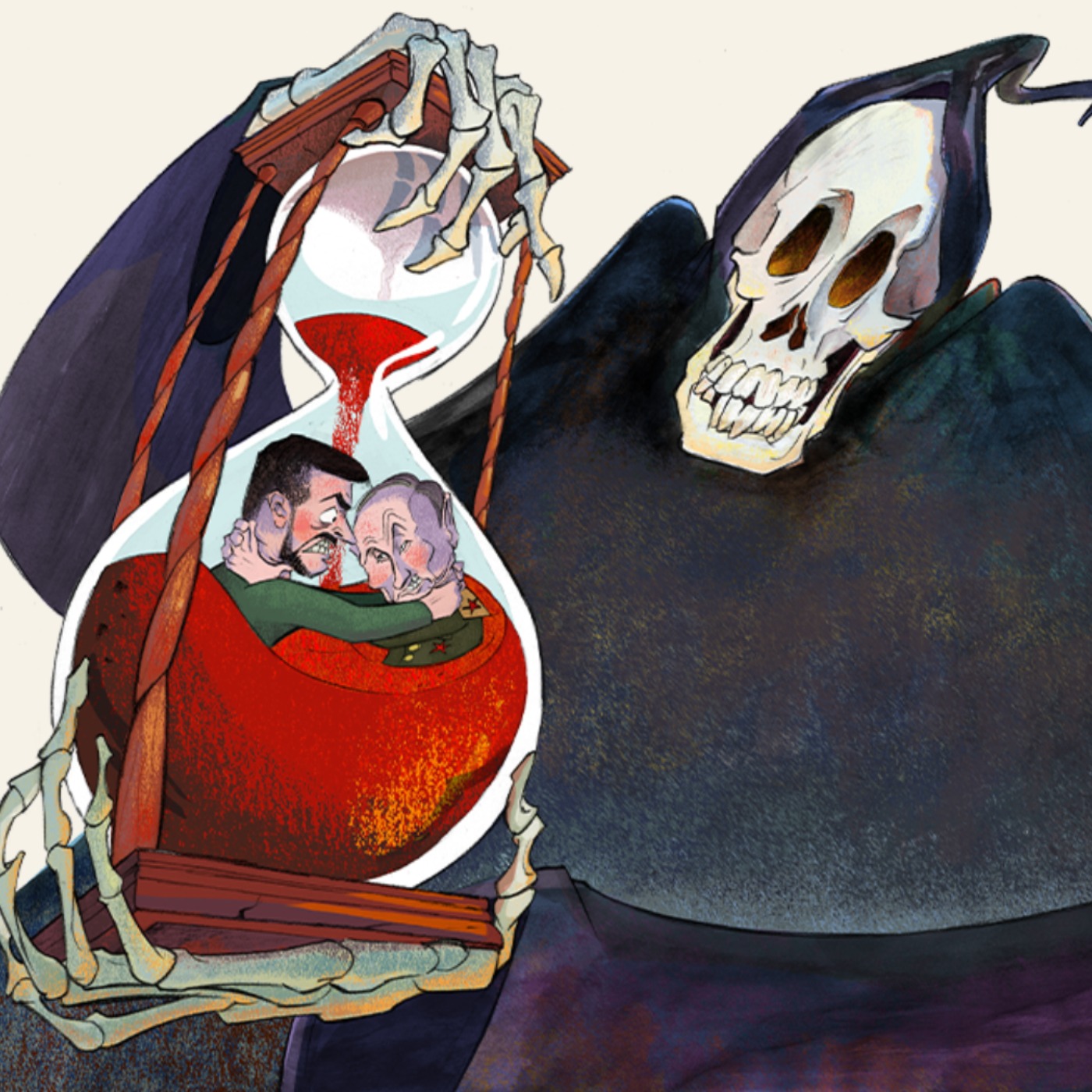 'We're only months away from the first political assassination by drone' – with Francis Dearnley 12.06.2026 50хвFor this week’s Edition, William Moore is joined by the Spectator's commissioning editor Lara Brown, the columnist for the Wall Street Journal’s Free Expression newsletter Louise Perry and the Telegraph journalist and presenter of Ukraine: The Latest Francis Dearnley.This week: Russia’s full-scale invasion of Ukraine has now gone on longer than the first world war and it shares much of the horrors of that war, from attrition warfare to substantial losses on both sides. So, with over half a million Russians estimated to be killed, could Putin and Zelensky be brought to an exhausted peace? ’No’ is the pessimistic answer from Francis Dearnley this week, who explains that while it might appear to be stuck in a stalemate, casualties are still rising rapidly and Ukraine is currently in the strongest position it has been in for almost 18 months. This is in part due to advances in drone technology, of which Ukraine is now the world’s leading ’superpower’. Drone technology has evolved so rapidly that Francis predicts ‘we are only a few months away from our first political assassination by drone’. What could bring the war to an end? And does British support for Ukraine remain strong?Also: one week out from the Makerfield by-election, what do we know of Andy Burnham’s Cambridge days? Lara Brown reveals the ‘reassuringly bland’ antics of the Northern lad – who could become Britain’s first Prime Minister with an English Literature degree. Does it matter? And more importantly – will he win?Plus, they discuss: whether ‘two-tiering’ or positive discrimination can ever be a good thing; if the new motherhood trend of ‘matrescence’ is a con; and, as the World Cup kicks off – is it coming home?Produced by Patrick Gibbons. Become a Spectator subscriber today to access this podcast without adverts. Go to spectator.co.uk/adfree to find out more.For more Spectator podcasts, go to spectator.co.uk/podcasts. Contact us: [email protected] Hosted on Acast. See acast.com/privacy for more information.
 -
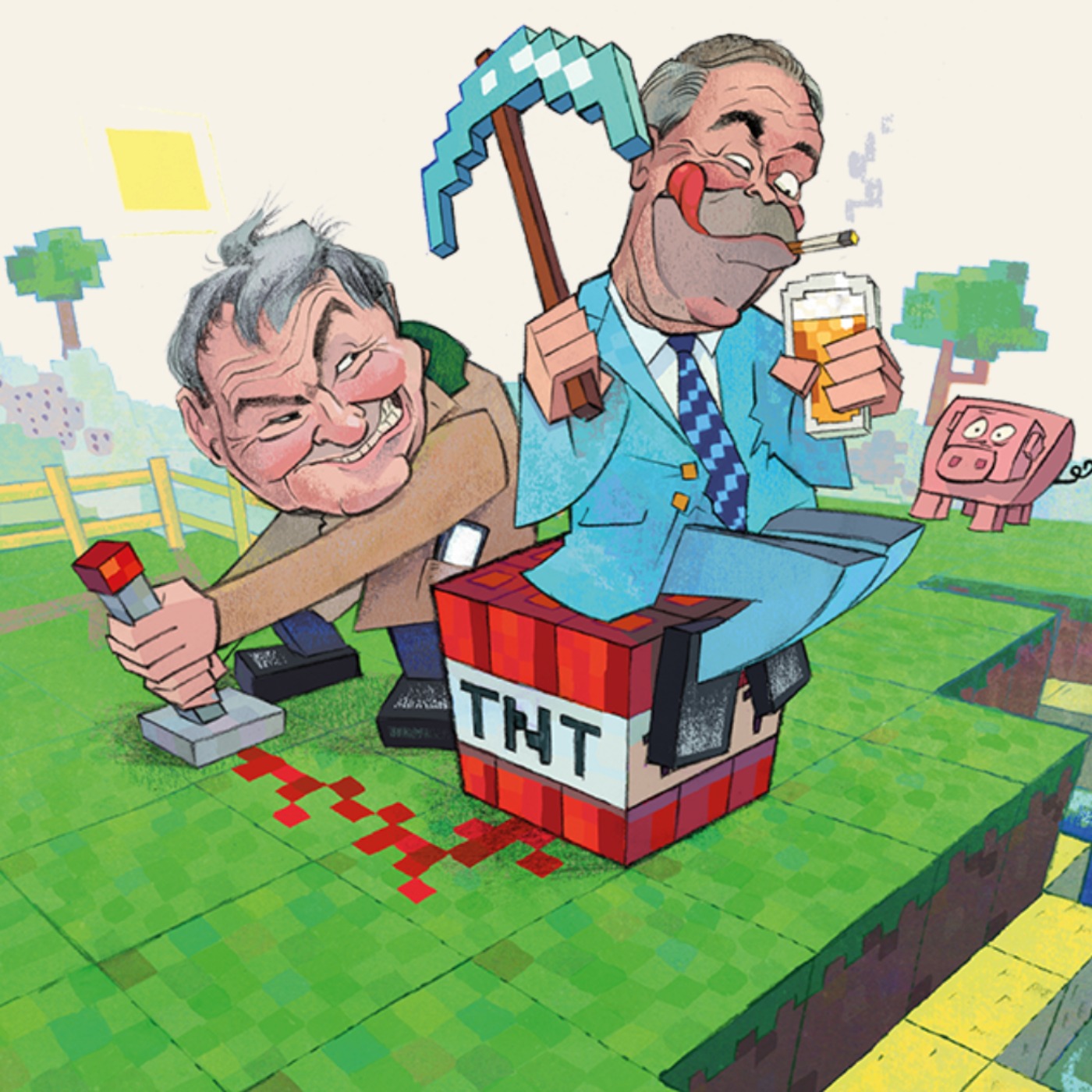 The 'beautiful & ironic symmetry' of Reform vs Restore – with Elizabeth Day 04.06.2026 46хвFor this week’s Edition, Lara Prendergast is joined by the Spectator's political editor Tim Shipman, the writer Guy Stagg and the author and host of How to Fail Elizabeth Day.This week, the guests discuss whether Nigel Farage’s Reform UK can see off the threat from Rupert Lowe’s Restore Britain. Restore Britain’s success may be modest and, so far, very online but that doesn’t mean they won’t hinder Farage’s effort to reach Number 10. If polls from the Makerfield by-election are anything to be believed, Restore could have a real impact. The battle for the tight is also having an impact across the political spectrum too – should Labour move further to the right to appeal to Reform and Restore's disgruntled voters, or should they simply ignore them? For Elizabeth Day, there is an ‘ironic and beautiful symmetry’ to the Reform versus Restore dynamic, which almost makes her nostalgic for the 'Tory boy' politics of post-Thatcher era.Also this week: from Makerfield to Mandelson, the government has been busy this week responding to the latest tranche of messages released on Monday. Yet – were some missing? Tim discusses the missing messages of Starmer loyalist Darren Jones MP which he exclusively revealed in this week’s Spectator. How damaging is this for Labour? And how should we treat WhatsApp messages legally?Plus, they discuss: the travel experiences that have shaped their lives, from Orthodox churches perched on Istanbul rooftops to the ‘most bombed hotel’ in Belfast; if collecting books is an acceptable form of hoarding; whether they would take frog poison; and finally, with the news that Nigel Farage may have been banned from Desert Island Discs, they reveal some of the items they would take with them.Elizabeth Day’s latest book One of Us is out now and available in all good bookshops.Produced by Patrick Gibbons. Become a Spectator subscriber today to access this podcast without adverts. Go to spectator.co.uk/adfree to find out more.For more Spectator podcasts, go to spectator.co.uk/podcasts. Contact us: [email protected] Hosted on Acast. See acast.com/privacy for more information.
 -
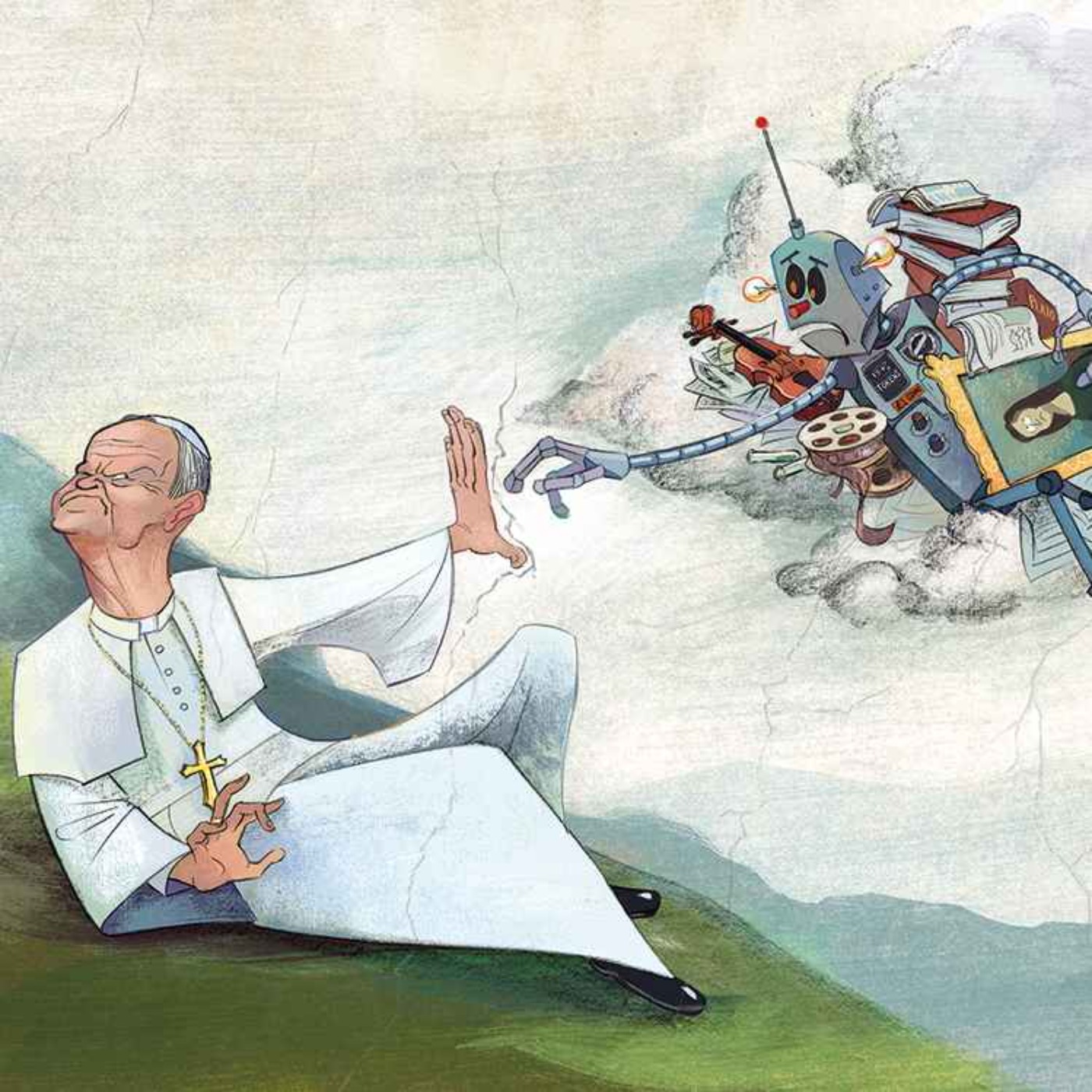 The Pope's AI warning – and how Restore split the right, again 29.05.2026 47хвFor this week’s Edition, Lara Prendergast is joined by the Spectator's deputy editor Freddy Gray, associate editor – and host of the Holy Smoke podcast – Damian Thompson and consultant psychiatrist and Daily Mail columnist Dr Max Pemberton.This week, the guests examine the Pope's encyclical about Artificial Intelligence (AI), Magnifica Humanitas, which warns of the cost to humanity that this technological revolution could bring. This marks Pope Leo's first major policy intervention, a warning which Spectator editor Michael Gove celebrates in the magazine this week. Michael says that AI will be ‘as transformative as the Industrial Revolution’ yet decisions ‘about where this technology is going and how it might be deployed are concentrated… in perilously few hands’. Damian argues that the Pope has passed the first test of his pontificate, but is AI changing how we view religion? As Max reveals the lies that an AI model told his partner, the guests ponder: could AI really extinguish humanity?Also this week: can you tell the difference between Reform UK and Restore Britain? As a recent poll suggested that Rupert Lowe's Restore could harm Reform's chances in the Makerfield by-election, the team discuss whether they believe the polls and what it means if the Right fracture further. Damian dismisses followers of Restore Britain as 'quite brainwashed young fascists' – what is the appeal of Rupert Lowe?Plus: how weight loss jabs can reduce more than just your appetite for food; why Gen Z are missing out on the pleasures of boozing; and, from dinner with Hugh Grant to meeting the nun Sister Wendy Beckett, the guests reveal the moments from their lives they'd love to relive.Produced by Patrick Gibbons.Become a Spectator subscriber today to access this podcast without adverts. Go to spectator.co.uk/adfree to find out more.For more Spectator podcasts, go to spectator.co.uk/podcasts. Contact us: [email protected] Hosted on Acast. See acast.com/privacy for more information.
 -
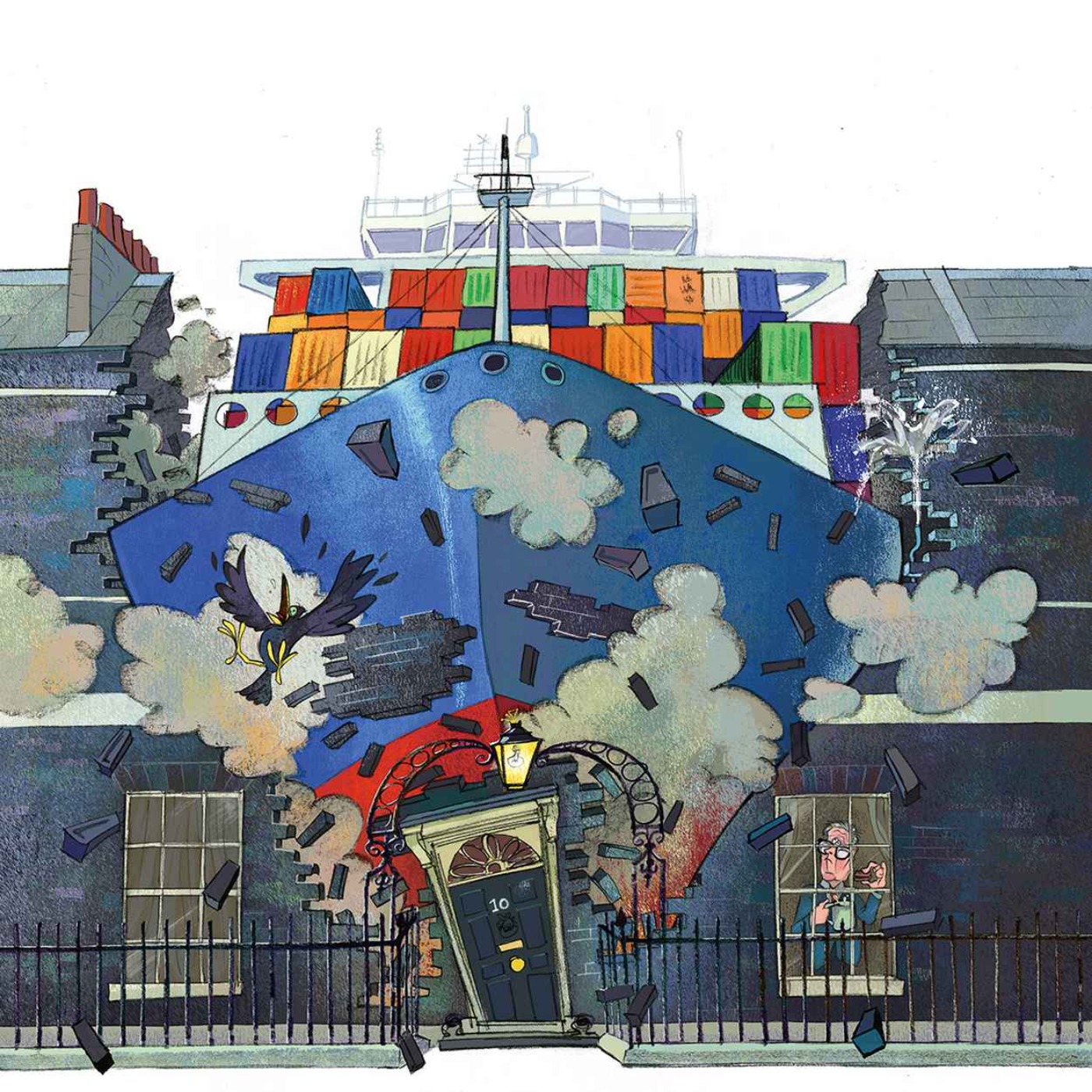 Why Labour’s fate will be decided in the Strait of Hormuz 22.05.2026 35хвFor this week’s Edition, Lara Prendergast is joined by The Spectator's John Power, feminist campaigner Julie Bindel and former adviser to Boris Johnson – and co-host of the In The Room podcast, Cleo Watson.They explore the idea that the Strait of Hormuz, not Makerfield, will determine the fate of the current Labour government. Starmer may be facing a challenge to his authority from mayoral shapeshifter Andy Burnham, but neither the PM or the wannabe MP will be rewarded if grocery and energy prices continue to soar. How much can be done to insulate Britain from future pain? And do they trust Labour to do so?Also this week: is Wes Streeting a better option than Burnham? Julie reveals her own run-ins with the now-backbench MP but concedes that Wes may be 'the least bad option’.Plus: what can we learn from female political trailblazers of the past? Are there any merits to lists of the greatest books? And, following the release of series two of Rivals, Cleo reveals she was once asked to put together a list of the best orgasm scenes from Jilly Cooper’s novels...Produced by Patrick Gibbons.Become a Spectator subscriber today to access this podcast without adverts. Go to spectator.co.uk/adfree to find out more.For more Spectator podcasts, go to spectator.co.uk/podcasts. Contact us: [email protected] Hosted on Acast. See acast.com/privacy for more information.
Схожі подкасти


Популярний у
Цей подкаст також потрапляв у чарти подкастів у цих країнах.


