
Fix The News
Fix The News
0
Fix The News (formerly Hope Is A Verb) is a solutions-focused podcast that shares stories of progress and innovation from around the world. Hosted by Angus Hervey and Amy Davoren-Rose, each episode explores the people, ideas, and innovations creating a better future. The podcast aims to highlight what's working in the world, not just what's broken. New episodes are released every second Wednesday.
Епізоди
-
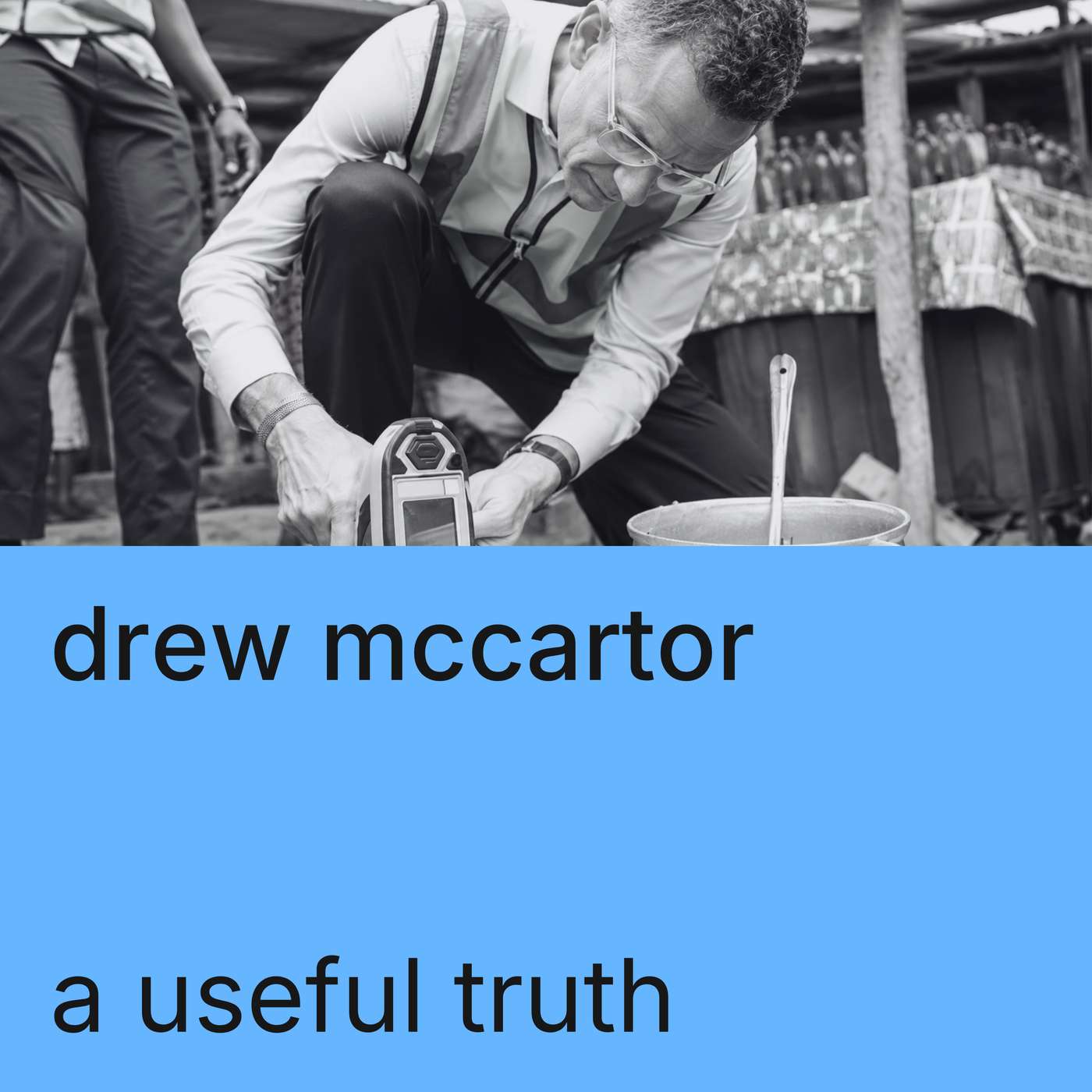 Lead Poisoning Is Solvable. So What’s Been the Hold Up? 30.09.2026 44хвHow do you get the world to pay attention to a problem it thinks it's already solved?Around a billion children are exposed to dangerous levels of lead. It can be hiding in cookware, spices and cosmetics, or released through industries like battery recycling. For a child, exposure can mean losing up to six IQ points - irreversible damage that, multiplied across hundreds of millions of children, becomes an enormous drain on human potential. And yet, unlike so many global challenges, we already know how to prevent it.Meet Drew McCartor, President of Pure Earth. For the past 17 years, Drew and his colleagues have been sounding the alarm about lead poisoning: gathering evidence, understanding the scale of the problem and building the playbook for how to solve it. Now, after decades of “yelling into the void”, the world is finally paying attention - and Drew believes we have an opportunity to eliminate lead poisoning altogether.In this episode:Why around a billion children are exposed to dangerous levels of leadThe surprising places lead is still hiding - from cookware to spicesWhat losing four to six IQ points means for a child - and an entire countryHow a Craigslist ad led Drew from unpaid intern to President of Pure EarthWhy Pure Earth spent years wondering if they were crazyThe young boy in Bangladesh who brought the human cost of lead poisoning home for DrewWhat changed when the world finally started paying attentionWhy Drew believes we can eliminate lead poisoning altogetherAbout the title: A Useful Truth comes from a 1786 letter by Benjamin Franklin about lead poisoning: “You will observe with concern how long a useful truth may be known and exist before it's generally received and practiced upon.” Almost 250 years later, it feels remarkably apt.Timestamps:00:00 A Useful Truth00:55 Do you ever feel like something is wrong but no one will listen?03:20 Haven’t we already solved lead poisoning?05:00 What does lead poisoning actually mean?07:43 The curse of the Industrial Fairy10:20 What’s harder: solving lead poisoning or convincing people it matters?12:31 From Craigslist ad to President of Pure Earth14:50 How do a group of hippies change the world?17:36 Midpoint reflections20:09 When the world finally started paying attention22:57 What happens when you get the thing you’ve spent 17 years working towards?25:07 Lead and the global funding crisis29:06 The story that makes lead poisoning real33:58 The solutions are already here34:46 What happens if we raise the IQ of a billion children?39:01 What’s possible if we solve lead poisoning?44.59 Final ThoughtsCurious to find out more?👉Check out the Pure Earth website👉Support their work👉 Listen to Drew's TED Talk👉 The Pure Earth SCALE Initiative to protect 500 million children from lead exposureAbout Fix The News:Fix The News is a solutions-focused media platform sharing stories from the frontlines of progress - exploring what’s working in the world and the people making it happen.Subscribe & follow:If you enjoyed this episode, follow the podcast and leave a review - it helps more people find these stories.Production credits:Hosted by Angus Hervey and Amy Davoren-RoseProduced by Fix The NewsAudio production: Anthony Badolato, Hear That! This episode was produced in Australia on the lands of the Gadigal, Wurundjeri and Woi Wurrung peoples.
 -
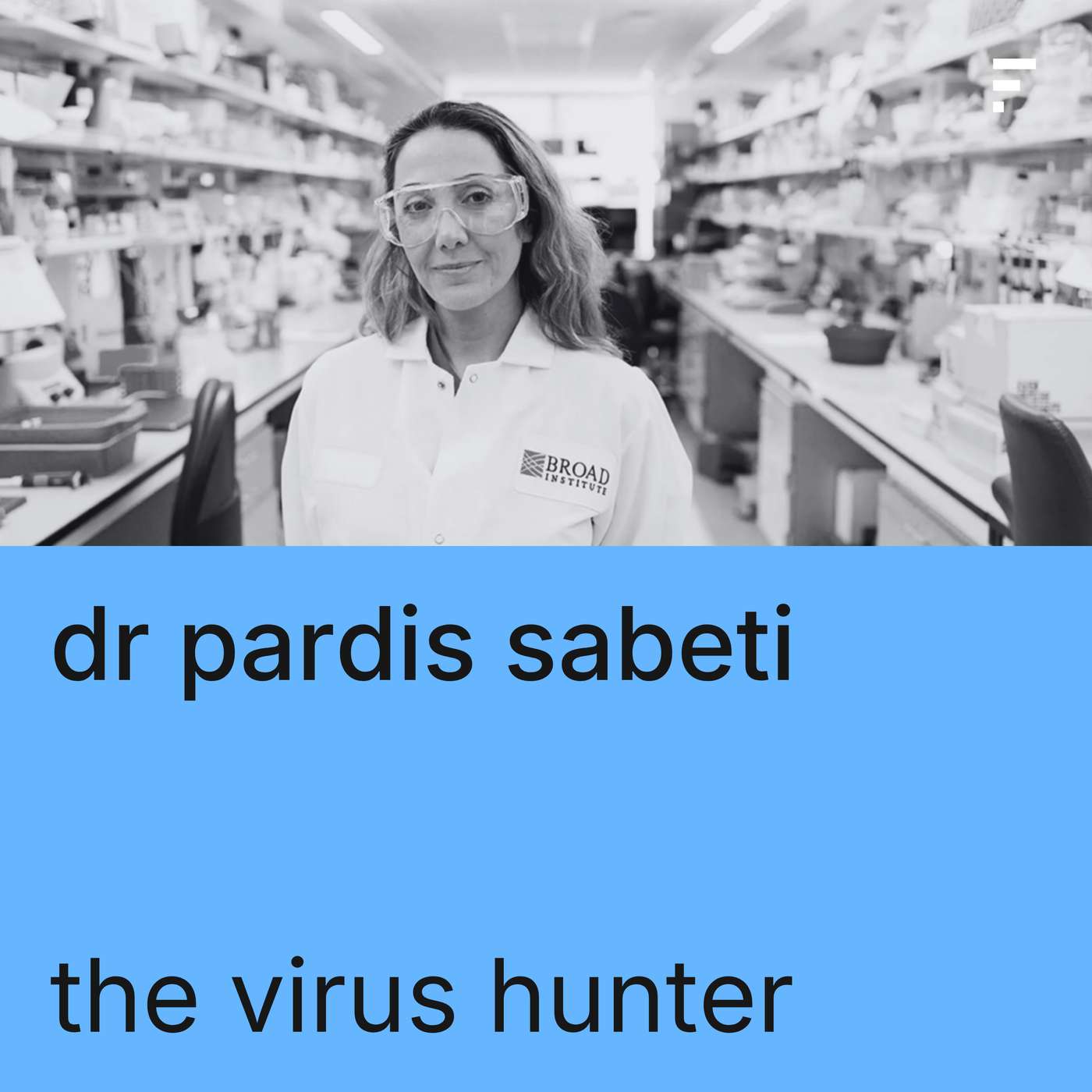 Can We Stop the Next Pandemic Before It Starts? 16.09.2026 36хвWhat if we could catch the next pandemic before it starts?For most of human history, we’ve discovered outbreaks after people start getting sick. But what if we could spot a dangerous virus as it emerges, track it as it spreads and give health workers the information they need to stop it - in real time?Meet Dr Pardis Sabeti, geneticist, disease hunter and professor at Harvard University. Pardis has spent more than two decades on the frontlines of some of the world’s deadliest outbreaks, from Lassa fever and Ebola in West Africa to COVID-19. Now, through Sentinel, she and her team are trying to build something even more ambitious: an early-warning system for infectious disease that can work anywhere - including communities across Africa where laboratory resources are limited and outbreaks can easily go undetected.From why many “emerging” diseases may actually be diseases we simply haven’t detected to the devastating consequences of global health funding cuts - this is a conversation about how close we are to changing our relationship with infectious disease, and what it will take to stop the next outbreak before it becomes a pandemic.In this episode:How Pardis and her team tracked Ebola as it spread through West AfricaWhy many “emerging” diseases may already be circulatingHow Sentinel is building an early-warning system for outbreaksWhat Rwanda got right with MarburgWhat global health funding cuts look like on the ground and in the labWhy stopping the next pandemic will take more than technologyWhy Pardis still believes we can build a world where outbreaks are stopped before they become pandemicsTimestamps:00:00 The Disease Hunter00:42 If Pandemics Keep You Up at Night02:51 Inside the 2014 Ebola Outbreak03:38 The More You Test, the More You Find04:39 Building an Early-Warning System for Disease07:05 Are Diseases Emerging - or Are We Finally Detecting Them?08:48 How Did Pardis Know COVID Was Coming?10:36 Is Another Pandemic Inevitable?11:43 What Well-Timed Funding Makes Possible13:52 Why Every Person Matters in a Pandemic15:26 How Rwanda Stopped Marburg16:35 Why Ebola Is So Hard to Stop in the DRC18:26 Midpoint Reflections19:29 What Global Health Funding Cuts Look Like on the Ground21:39 Laying Off a Third of Her Team23:52 “Philanthropic Survivor’s Guilt”26:59 How Do You Take On a Trillion-Dollar Problem?29:08 Why Technology Alone Won’t Stop the Next Pandemic31:57 “I’m a Student of Humanity”34:03 The Work You Don’t Get to FinishFind Out More:👉 Explore Sentinel👉 Learn more about Pardis Sabeti and the Sabeti Lab👉 Discover The Audacious Project at TED👉 Read about Sentinel’s $100 million MacArthur 100&Change awardAbout Fix The News:Fix The News is a solutions-focused media platform sharing stories from the frontlines of progress - exploring what’s working in the world and the people making it happen.Subscribe & follow:If you enjoyed this episode, follow the podcast and leave a review - it helps more people find these stories.Production credits:Hosted by Angus Hervey and Amy Davoren-RoseProduced by Fix The NewsAudio production: Anthony Badolato, Hear That! This episode was produced in Australia on the lands of the Gadigal, Wurundjeri and Woi Wurrung peoples.
 -
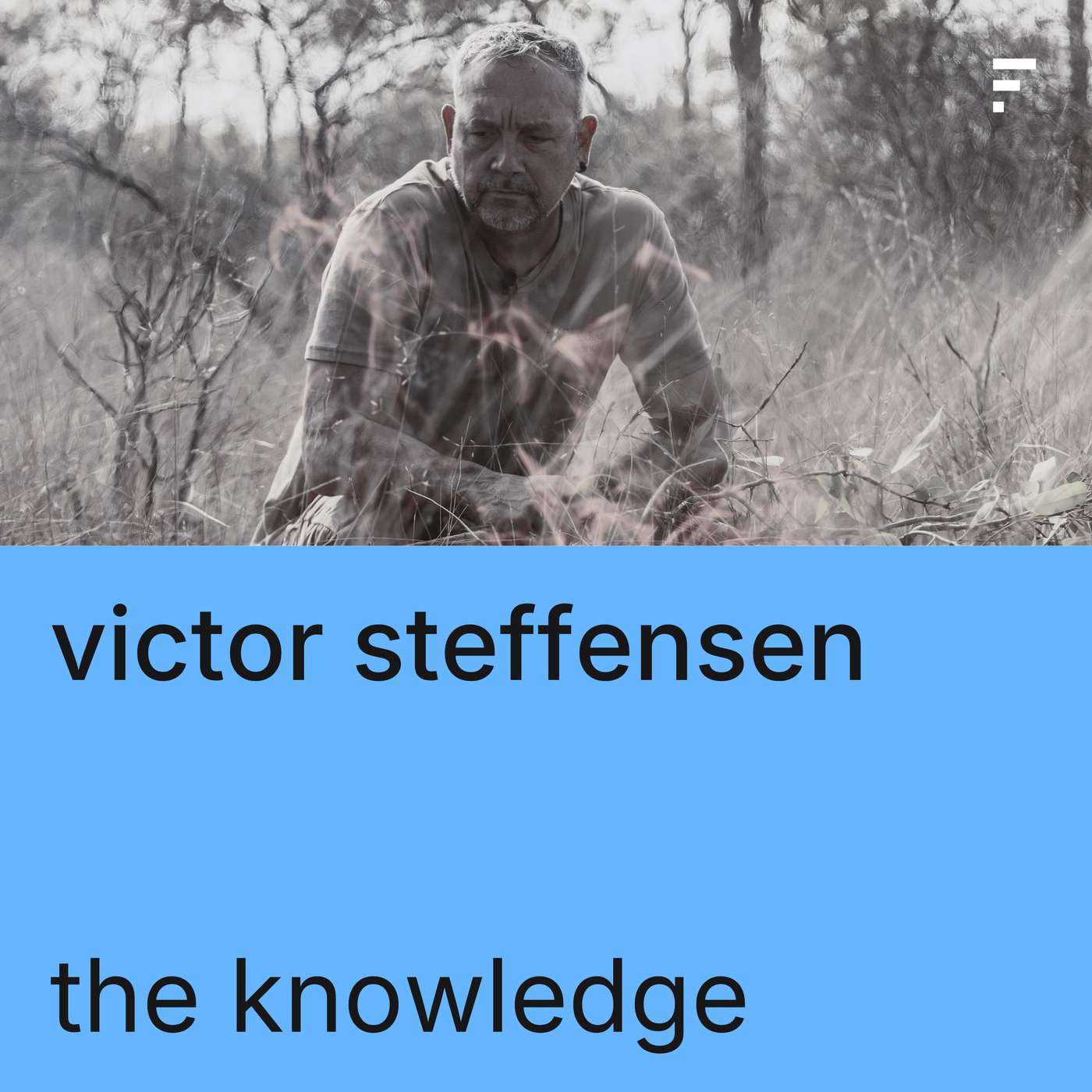 It’s Time to Clean Up the Mess 02.09.2026 45хвWhat if the knowledge we need most for the future is something we’ve spent centuries forgetting?Meet Victor Steffensen, Tagalaka man, author, filmmaker, musician and co-founder of the Living Knowledge Network. For decades, Victor has worked with Indigenous communities in Australia and around the world to revive traditional ways of reading and caring for Country. His new book, The Knowledge, asks a much bigger question: what have we lost by separating ourselves from the natural world - and what might happen if we learned how to listen again?From why the climate crisis may actually be an identity crisis to how Western science and Indigenous Knowledge Systems can work together and the deceptively simple idea that everything we create should help nature flourish - this is a conversation about Indigenous knowledge as you might never have heard it before. Not as something that belongs to a select few, but as the wisdom that underpins us all.In this episode:Why Victor believes we’re all Indigenous to the planetWhy he thinks the climate crisis is, at its heart, an identity crisisWhat happens when a landscape loses its identity and how you bring it backHow ancient knowledge and modern science can strengthen each otherThe possibilities of reviving cultural memory and practiceAnd why, instead of arguing about who created the mess we're in, it’s time to get on with cleaning it upTimestamps:00:50 Introduction to Victor Steffensen05:21 Why Indigenous Knowledge is for everyone09:17 The moment that sparked 'The Knowledge' for Victor13:00 Indigenous Knowledge v Western Science17:32 What Victor has learned from apply the Knowledge in different countries20:06 Midpoint Reflections22:40 The Knowledge Triangle24:41 The Identity Crisis31:21 What does this actually look like?34:47 The job of cleaning up the mess41:32 Final ReflectionsWant to know more about The Knowledge?👉 Read Victor's new book, The Knowledge(Available online & at all good bookstores) 👉 Explore the Living Knowledge Network👉 Follow the team's work: Instagram. LinkedIn. Facebook. Video. Image Credit: Harry Vincent - Living Knowledge NetworkAbout Fix The News:Fix The News is a solutions-focused media platform sharing stories from the frontlines of progress - exploring what’s working in the world and the people making it happen.Subscribe & follow:If you enjoyed this episode, follow the podcast and leave a review - it helps more people find these stories.Production credits:Hosted by Angus Hervey and Amy Davoren-RoseProduced by Fix The NewsAudio production: Anthony Badolato, Hear That! This episode was produced in Australia on the lands of the Gadigal, Wurundjeri and Woi Wurrung peoples.
 -
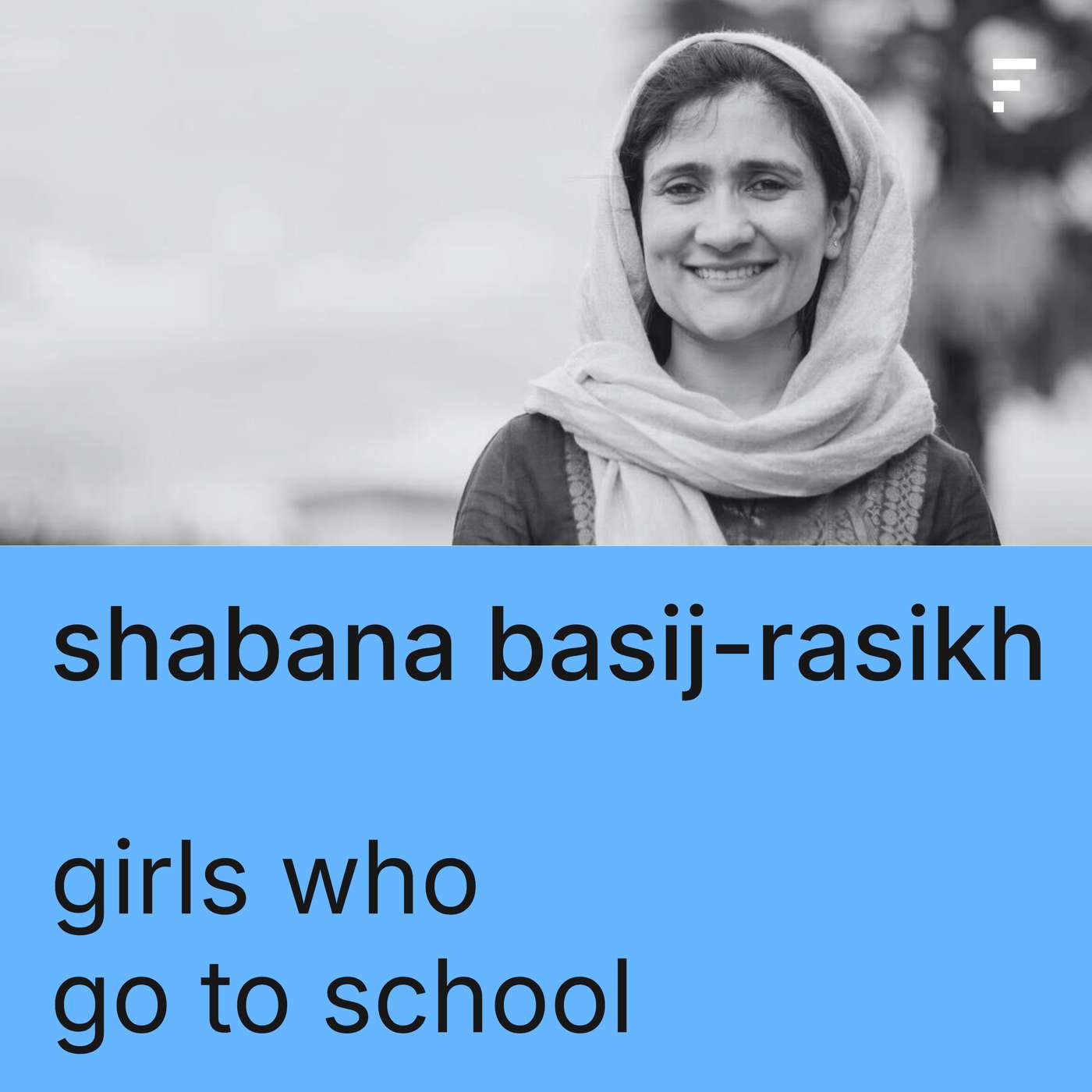 When the Taliban Banned Girls From School, SOLA Kept Teaching 19.08.2026 42хвFive years ago, the Taliban banned girls from the classroom. One school refused to stop teaching. In August 2021, as the Taliban returned to power in Afghanistan, the staff and students of SOLA, the country’s first and only boarding school for Afghan girls, managed to escape to Rwanda, where they established a temporary campus to continue classes. Meet Shabana Basij-Rasikh, co-founder of SOLA, and our very first guest on this podcast when we launched in 2023. Five years since the Taliban takeover, Shabana returns to reflect on what has happened since: from Afghan women running secret schools and girls rationing internet data to keep learning to what has become of SOLA’s first cohort and what it means to create a place where Afghan girls have the freedom to simply be “girls who go to school.” In this episode:Why Afghan women are continuing a generations-long tradition of secret schoolsHow the internet has become a lifeline for girls and women inside AfghanistanWhat happened to the first cohort of SOLA girls How SOLA built a permanent new home for Afghan girls in RwandaThe importance of giving girls the safety to be normal teenagersWhat five years of exile, education and resistance can teach us Why Shabana’s message to the world is simple: “Don’t look away.”Help keep the doors open for Afghan girls:👉 Learn more about SOLA👉 Donate to SOLA👉 Explore SOLAxTimestamps:00:54 Introducing the School of Leadership Afghanistan (SOLA)03:10 What hope means to Shabana Basij-Rasikh05:07 The legacy of Afghan women and eduction08:43 Why the internet is a lifeline for Afghan women and girls13:10 SOLAx - the online school18:04 An update on the students of SOLA21:45 Midpoint Reflections23:17 SOLA has finished construction on a permanent campus in Rwanda27:43 The power of partnerships29:50 The relationship between SOLA and Rwanda32:18 What the students of SOLA have taught Shabana35:40 How the story of SOLA expands what's possible38:31 Final ThoughtsAbout Fix The News:Fix The News is a solutions-focused media platform sharing stories from the frontlines of progress - exploring what’s working in the world and the people making it happen.Subscribe & follow:If you enjoyed this episode, follow the podcast and leave a review - it helps more people find these stories.Production credits:Hosted by Angus Hervey and Amy Davoren-RoseProduced by Fix The NewsAudio production: Anthony Badolato, Hear That! This episode was produced in Australia on the lands of the Gadigal, Wurundjeri and Woi Wurrung peoples.
 -
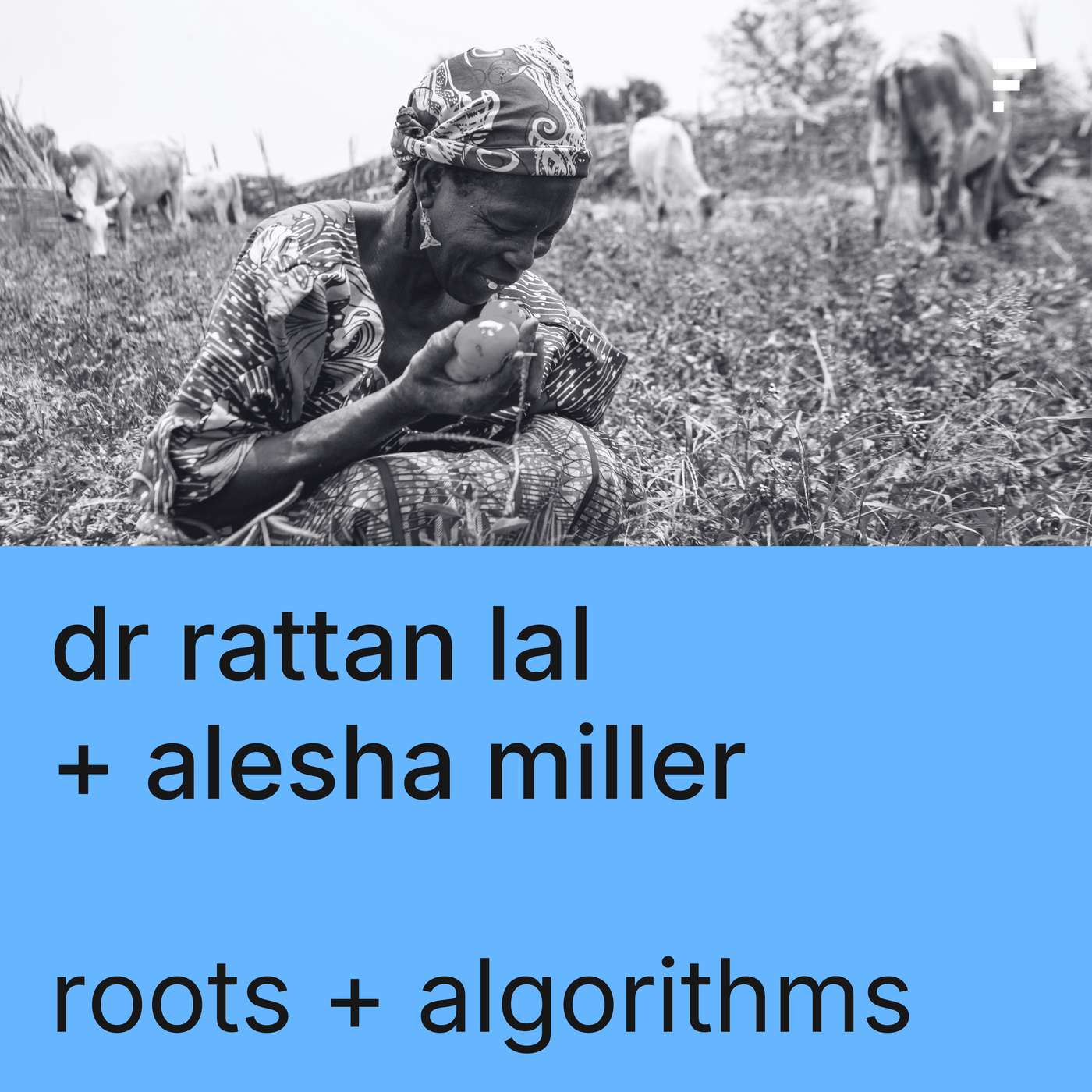 The Future of Farming: Healthy Soil, AI and Food Security 05.08.2026 47хвThe story of farming has always been one of adaptation. The next chapter may be its most one important yet.In this special episode of Fix The News, we bring together two conversations exploring one of the defining questions of our time: how do we feed a growing world without destroying the planet that we depend on?Meet Professor Rattan Lal, one of the world's leading soil scientists and a World Food Prize laureate, whose life's work has transformed our understanding of the living world beneath our feet. Then meet Alesha Miller, Chief Strategy Officer at Digital Green, who's helping smallholder farmers across Africa and Asia combine generations of local knowledge with artificial intelligence to build more resilient food systems.Together, they help us unpack that that the future of agriculture isn't about choosing between nature and technology, tradition and innovation, or human and artificial intelligence. It's about strengthening both. In this episode:Why healthy soil is the foundation of healthy food systemsHow our lifestyle choices today will help shape the futureThe importance of the world's 500 million smallholder farmersHow AI can amplify rather than replace human knowledgeWhy trust matters as much as technologyWhy the future of farming may depend on combining old wisdom with new ideasTimestamps:00:13 The most common occupation on earth03:45 Meet Professor Rattan Lal04:54 Why soil is a living entity08:37 What does Regenerative Agriculture actually mean?12:05 The Law of Return20:53 Midpoint Reflections22:47 Meet Alesha Miller25:47 What is Digital Green?30:14 Can weather predictions save AI?37:21 Technology and Trust43:04 Closing Reflections: Choose BothDig Deeper:👉Professor Rattan Lal 👉 Digital GreenAbout Fix The News:Fix The News is a solutions-focused media platform sharing stories from the frontlines of progress - exploring what’s working in the world and the people making it happen.Subscribe & follow:If you enjoyed this episode, follow the podcast and leave a review - it helps more people find these stories.Production credits:Hosted by Angus Hervey and Amy Davoren-RoseProduced by Fix The NewsAudio production: Anthony Badolato, Hear That! This episode was produced in Australia on the lands of the Gadigal, Wurundjeri and Woi Wurrung peoples.
 -
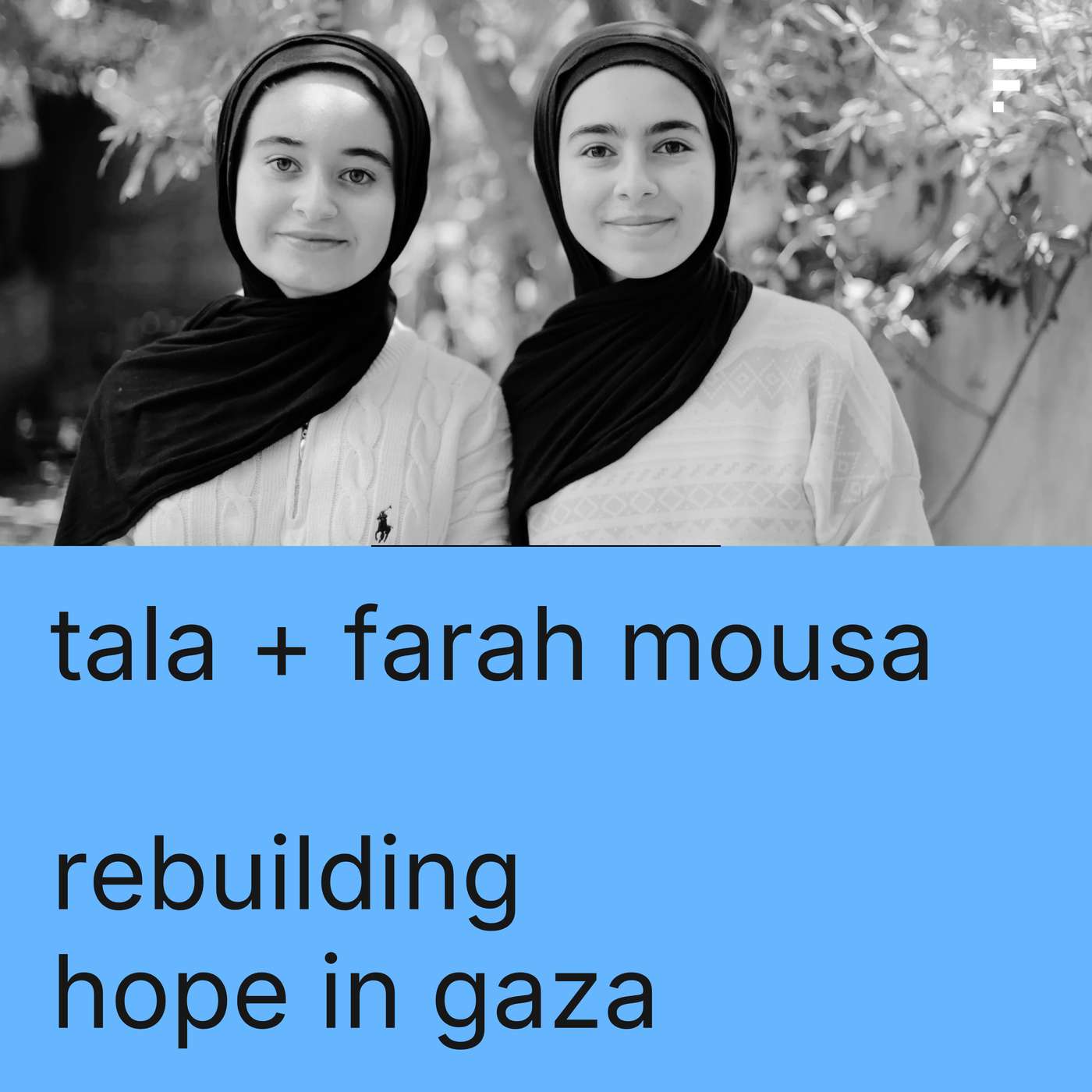 The Teen Sisters Rebuilding Gaza: Earth Prize Winners Tala & Farah Mousa 22.07.2026 24хвSince October 2023, much of the world's attention has been focused on the destruction in Gaza. This conversation is about something we hear much less about: rebuilding.Meet Tala and Farah Mousa, two teenage sisters from Gaza and winners of The Earth Prize Middle East, one of the world's leading environmental competitions for teenagers. Their project, Build Hope is recycling the enormous volumes of rubble left behind by destroyed buildings and transforming it into reusable bricks to help rebuild their communities. The idea began with a Year 9 textbook in Tala's school bag. Today, it has the potential to give communities beyond Gaza, the tools to rebuild using what's already around them. It's an idea that has the potential to reduce waste, lower rebuilding costs and support reconstruction in disaster and war zones around the world. Podcast Image credit: Ali AwadIn this episode:Displacement and disruption - life as a teenager in GazaThe inspiration behind their award-winning projectTheir vision for helping communities beyond GazaWhy rebuilding deserves as much attention as destructionTimestamps:00:35 What we know about Gaza and the Middle East Region04:18 Introducing Tala and Farah Mousa05:14 What they want us to know about their community05:58 The inspiration behind Build Hope08:12 A family and community project09:21 The problem with rubble09:54 Why its important for people in Gaza to have the tools to rebuild themselves10:53 Midpoint Reflections12:36 The next step for Build Hope13:17 What Tala and Farah have learned about themselves13:53 What hope means to these sisters15:49 Gaza 10 years from now16:37 Tala and Farah's message for young people around the world18:54 Final reflectionsSupport Build Hope:Contact [email protected] for more informationAbout The Earth PrizeThe Earth Prize is one of the world's largest environmental competitions for teenagers, supporting young innovators developing practical solutions to the planet's biggest challenges.About Fix The News:Fix The News is a solutions-focused media platform sharing stories from the frontlines of progress - exploring what’s working in the world and the people making it happen.Subscribe & follow:If you enjoyed this episode, follow the podcast and leave a review - it helps more people find these stories.Production credits:Hosted by Angus Hervey and Amy Davoren-RoseProduced by Fix The NewsAudio production: Anthony Badolato, Hear That! This episode was produced in Australia on the lands of the Gadigal, Wurundjeri and Woi Wurrung peoples.
 -
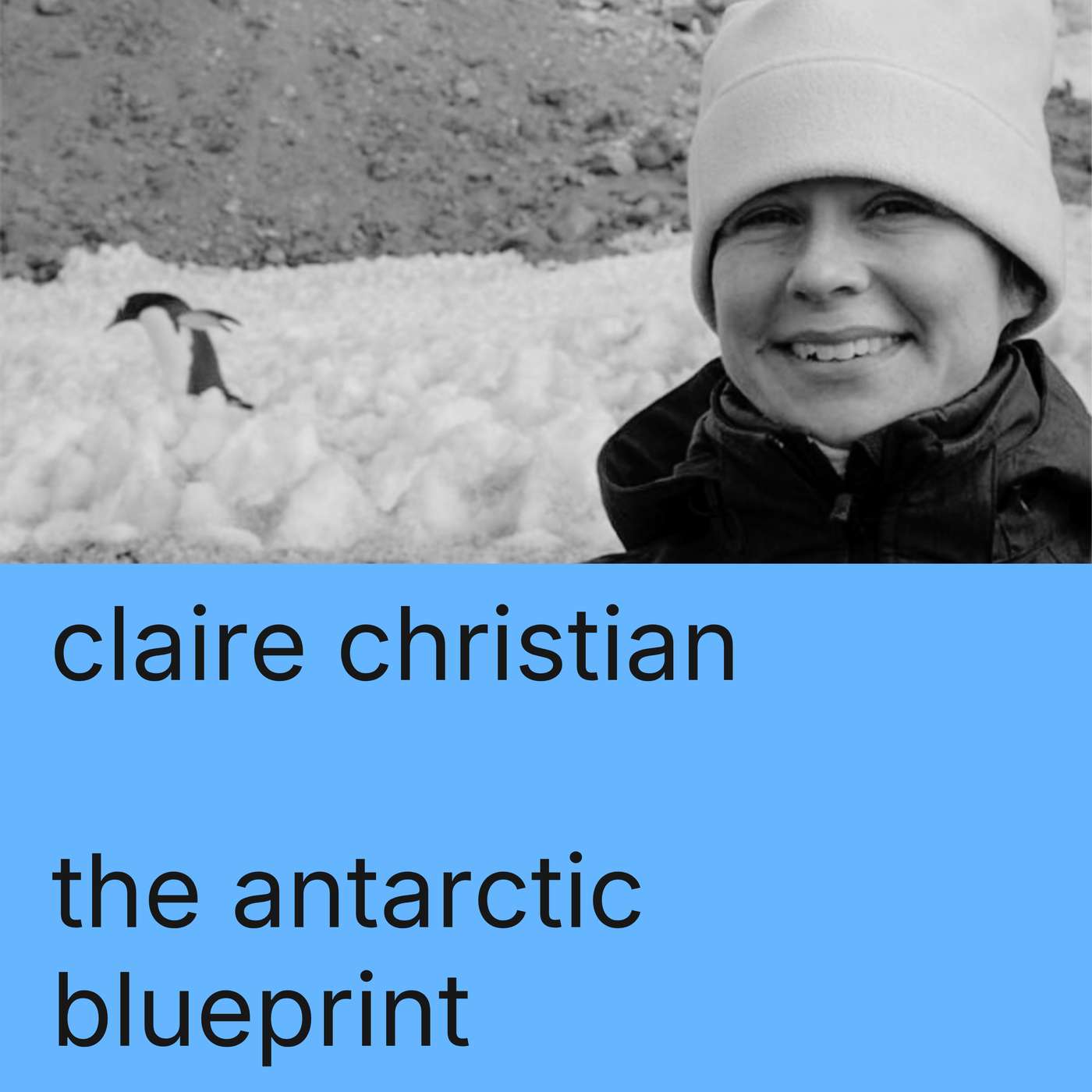 Antarctica: The World's Greatest Story of Cooperation 08.07.2026 34хвAntarctica isn't just a climate story. For more than 65 years, Antarctica has been governed by one of the most remarkable international agreements ever created. At the height of the Cold War, countries with competing territorial claims agreed to set conflict aside and dedicate an entire continent to peace, science and environmental protection.Meet Claire Christian, Executive Director of the Antarctic and Southern Ocean Coalition (ASOC) - the only environmental organisation invited to participate directly in meetings of the Antarctic Treaty System. With more than 15 years working inside the Treaty System, Claire offers a rare behind-the-scenes look at how the world cooperates to protect one of the most important places on earth.In this episode:Why the Antarctic Treaty remains one of humanity's greatest diplomatic achievementsHow Antarctica shapes climate, oceans and sea levels around the worldWhat Antarctica can teach us about our relationship with natureThe challenges of protecting the Southern Ocean in a changing climateWhy consensus is the Antarctic Treaty System's greatest strength and biggest frustrationThe future of our coldest and driest continentTimestamps:00:31 Why Antarctica Matters04:19 Meet Claire Christian05:58 How Antarctica Shapes the World08:59 The Ross Sea Success Story10:55 Inside the Antarctic Treaty16:25 Midpoint Reflections - The Human Side of Diplomacy18:54 Antarctica and the News20:26 What Claire Has Learned From Visiting Antarctica22:27 A Wonderful World of Invertebrates23:27 The Issue of Krill25:09 Thwaites Glacier25:57 The Climate Challenge28:10 A Vision for Antarctica's Future30:02 What Antarctica Can Teach Us31:46 Final ReflectionsFind out More:👉 Antarctic and Southern Ocean Coalition - ASOC👉 Claire ChristianAbout Fix The News:Fix The News is a solutions-focused media platform sharing stories from the frontlines of progress - exploring what’s working in the world and the people making it happen.Subscribe & follow:If you enjoyed this episode, follow the podcast and leave a review - it helps more people find these stories.Production credits:Hosted by Angus Hervey and Amy Davoren-RoseProduced by Fix The NewsAudio production: Anthony Badolato, Hear That! This episode was produced in Australia on the lands of the Gadigal, Wurundjeri and Woi Wurrung peoples.
 -
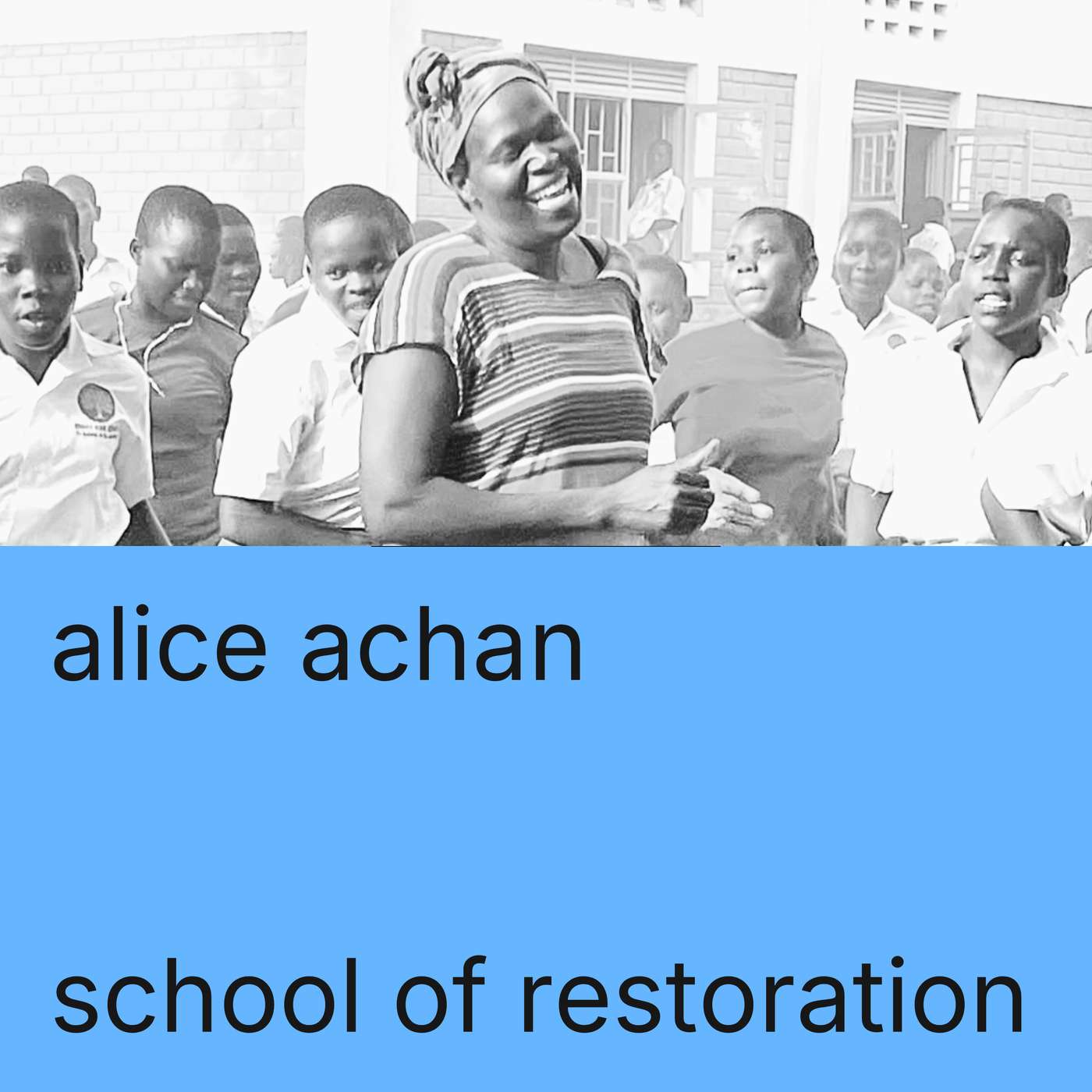 How Education Is Rebuilding Northern Uganda: Girls, Hope & Healing 24.06.2026 37хвWhat happens when you redesign education around the people who have been left behind?Meet Alice Achan - social worker, educator and founder of the Te-Kworo Foundation, a boarding school in Northern Uganda that is helping young mothers and vulnerable girls rebuild their lives. What started as a small support group during the aftermath of war has grown into one of the most remarkable educational models in Africa. Today, Te-Kworo's three campuses support more than 1,000 young women through education, childcare, healthcare, counselling and community support. Alice shares how her own experiences as a child of war shaped what she calls a "School of Restoration" - a place where education, healthcare and healing work together to empower young women to create better futures for themselves, their families and change entire communities. In this episode:• Why Te-Kworo calls itself a "School of Restoration"• The link between education, healthcare and opportunity• The ongoing challenges of child marriage and cultural expectations• How boarding schools help keep vulnerable girls safe• The power of defeating shame and rebuilding confidence• Why educating girls can transform entire communities Timestamps:00:46 Why giving partners are a core part of Fix The News04:48 Interview with Alice Achen07:38 Education as a pathway out of poverty10:15 The tension between creating different futures while protecting cultural boundaries12:12 From education to healthcare - Te-Kworo's holistic model14:57 What happens when women have access to healthcare and education15:31 Gus & Amy - Midpoint reflections17:35 From trauma to triumph - Alice's personal story20:57 How Alice started a school under a tree26:52 The power of defeating shame28:38 Intergenerational ripples30:08 Alice's biggest lesson30:38 Bunk beds from Fix The News31:19 The big vision for Te-Kworo33:33 Alice's remedy for the world34:46 Gus & Amy - Final thoughtsBecome part of the Te-Kworo community:If Alice's story resonated with you, you can learn more about Te-Kworo and support their work below.👉 Website👉 Feed the School campaignAbout Fix The News:Fix The News is a solutions-focused media platform sharing stories from the frontlines of progress - exploring what’s working in the world and the people making it happen.Subscribe & follow:If you enjoyed this episode, follow the podcast and leave a review - it helps more people find these stories.Production credits:Hosted by Angus Hervey and Amy Davoren-RoseProduced by Fix The NewsAudio production: Anthony Badolato, Hear That! This episode was produced in Australia on the lands of the Gadigal, Wurundjeri and Woi Wurrung peoples.
 -
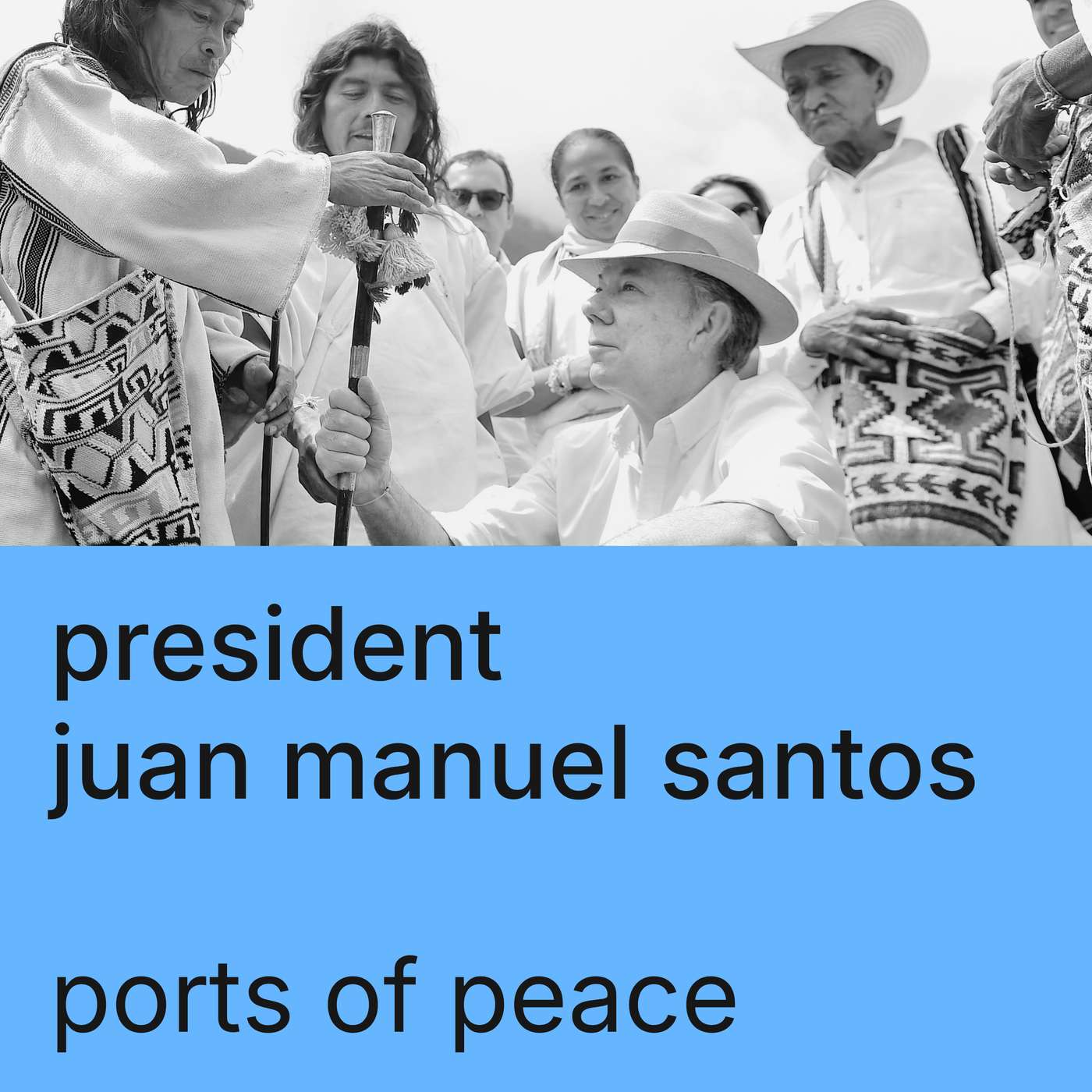 Colombia Ended a 60-Year War: Lessons in Making Peace 10.06.2026 43хвWhat can Colombia teach us about what's still possible?Meet Juan Manuel Santos - former President of Colombia, Nobel Peace Prize laureate and Chair of The Elders - who helped negotiate an end to one of the longest-running armed conflicts in modern history. Under his leadership, Colombia signed a peace agreement with FARC, bringing an end to a conflict that had shaped the country for over 60 years. But this conversation isn't just about ending a war. We also explore Colombia's environmental leadership - from Indigenous wisdom in the Sierra Nevada de Santa Marta to the idea that there can be no lasting peace among people without peace with nature. Along the way, President Santos explains how Colombia helped inspire the Sustainable Development Goals, why cooperation remains humanity's greatest challenge, and what lessons the world can learn from a country that many once considered beyond repair. In this episode:How post-apartheid South Africa helped shape his vision for peace Why peace is often unpopular - and why he pursued it anywayThe difference between making peace and building itHow victims became central to Colombia's peace processThe role of Colombia in creating the Sustainable Development GoalsWhy making peace with nature is essential to creating a better futureTimestamps:00:44 Amy & Gus: Why Doesn't South America Make the Headlines? 02:22 A Leadership Lesson from the Colombian Navy 04:45 Inside The Elders 05:14 The Four Existential Threats Facing Humanity 07:59 Making Peace with the Western Hemisphere's Longest-Running Guerrilla Movement 09:59 How Nelson Mandela Made Peace Seem Possible 12:25 Why Peace Is Often Unpopular 15:12 The Difference Between Making Peace and Building It 19:07 Why Victims Were Central to Colombia's Peace Process 22:11 Pastora Mira and the Extraordinary Power of Forgiveness 24:51 Is Peace Good for Nature? 26:41 The Colombian Idea That Became the SDGs 29:49 The Santa Marta Mandate: Bringing Humanity Back to Nature 32:25 Legacy, Elections and the Durability of Progress 35:52 Why We Need to Learn from Young People 37:48 What Is Still Possible? 40:16 The Dream President Santos Still Wants to Fulfil 41:00 Amy & Gus: Final ReflectionsGo Deeper:👉 The Elders👉 Juan Manuel Santos👉 The Open Library of the Colombian Peace ProcessAbout Fix The News:Fix The News is a solutions-focused media platform sharing stories from the frontlines of progress - exploring what’s working in the world and the people making it happen.Subscribe & follow:If you enjoyed this episode, follow the podcast and leave a review - it helps more people find these stories.Production credits:Hosted by Angus Hervey and Amy Davoren-RoseProduced by Fix The NewsAudio production: Anthony Badolato, Hear That! This episode was produced in Australia on the lands of the Gadigal, Wurundjeri and Woi Wurrung peoples.
 -
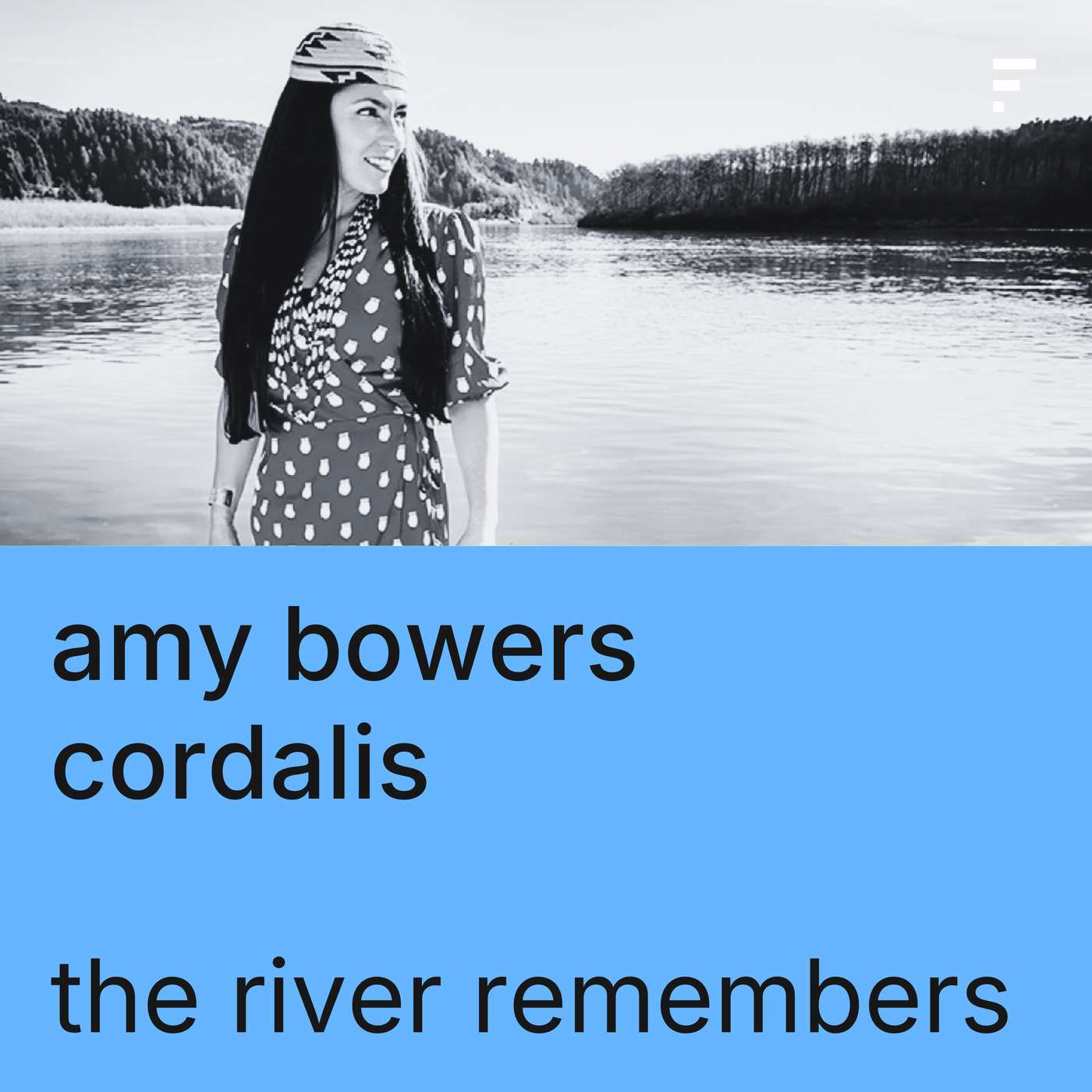 The Largest Dam Removal in U.S. History: What Repair Really Looks Like 27.05.2026 43хвThe battle to restore the Klamath River lasted generations. When the dams finally came down, salmon returned within three days - far faster than scientists expected, marking a turning point for Indigenous rights, ecological restoration and cultural survival. Meet Amy Bowers Cordalis - attorney, activist and member of the Yurok Tribe - who helped lead one of the most significant river restoration efforts in modern history. Amy shares the story behind America’s largest dam removal project: from growing up alongside the Klamath River and witnessing the devastating 2002 salmon die-off, to becoming the first General Counsel for the Yurok Tribe and helping navigate a long fight against political, legal and corporate interests that many believed was impossible to win. This isn’t just a conversation about dams or conservation. It’s about what comes after victory - and what repair truly means for ecosystems, communities, culture and our collective future.In this episode:How Amy blew up a dam on her birthdayWhy salmon returned to the Klamath River in just three daysThe cultural and spiritual connection between the Yurok people, the river and salmonWhat the 2002 mass death of 70,000 salmon meant for Indigenous communitiesHow grief and anger led Amy to law school and environmental advocacyWarren Buffett - and why his team ended up on the banks of the Klamath RiverThe surprising economics of dam removal and river restorationFinding the joy in advocacyWhat the Klamath story teaches us about hope, persistence and ability of nature and communities to healTimestamps:00:54 - Introduction to the Klamath River story02:26 - Meet Amy Bowers Cordalis03:59 - The Yurok's relationship with the Klamath and the salmon07:05 - The turning point in 2002 10:59 - How Amy's great-grandmother told her to take action12:53 - 80,000 salmon died, no media showed up 13:38 - What a decades-long battle felt like on the inside?15:13 - When Warren Buffet's team came out to the Klamath19:02 - Midpoint reflections20:43 - How the Klamath restoration changes the story of environmental activism22:55 - Why restoration and economics can go hand in hand23:49 - What it's like to blow up a dam, on your birthday25:04 - How the elders have responded to the Klamath flowing again27:32 - How salon beat scientific predication and returned after three days29:23 - The myth of the lone hero32:11 - Other river restoration projects happening in America34:26 - What comes after victory? Healing.38:21 - What the Klamath story tells us about what's possible40:22 - Final reflectionsWant to dive deeper?👉 Find out more about Amy and her book 'The Water Remembers'👉 Amy's non-profit Ridges to RifflesAbout Fix The News:Fix The News is a solutions-focused media platform sharing stories from the frontlines of progress - exploring what’s working in the world and the people making it happen.Subscribe & follow:If you enjoyed this episode, follow the podcast and leave a review - it helps more people find these stories.Production credits:Hosted by Angus Hervey and Amy Davoren-RoseProduced by Fix The NewsAudio production: Anthony Badolato, Hear That! This episode was produced in Australia on the lands of the Gadigal, Wurundjeri and Woi Wurrung peoples.
 -
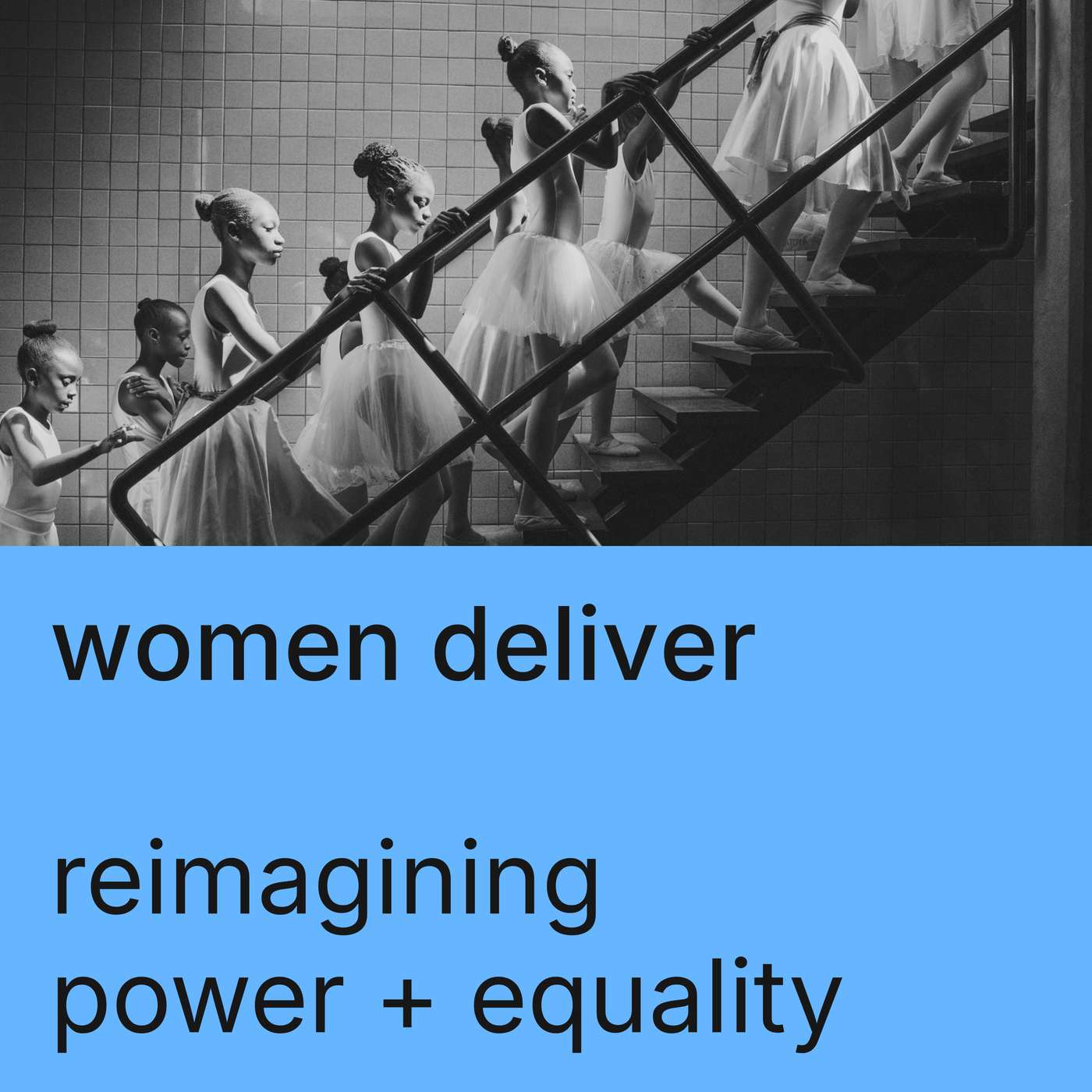 Inside Women Deliver 2026: Feminist Leadership, Climate Action & Youth Power 13.05.2026 42хвGus and Amy recently attended Women Deliver 2026 – the world’s largest global conference on gender equality. Beyond reporting on the sessions, it was an opportunity to sit down with the people driving social change at every level. From feminist leaders in the Pacific to youth-led innovation, policymakers, and evolving conversations about the role of men in the fight for gender equality, Women Deliver 2026 offered a snapshot of a global movement in motion - and the tensions, ideas, and leadership shaping what comes next. In this episode:The value of global conferencesWhy the current “crisis” feels like a reckoningHow the frontlines of feminism are reshaping the PacificVanuatu and the landmark ICJ climate decisionWhy global organisations are focusing on adolescent girlsThe uncomfortable question around youth leadershipHelen Clark on why the UN Charter needs to adapt to the 21st centuryGood news in global health and women’s healthThe Melbourne Declaration on gender equalityThe State of the World’s Fathers reportA glimmer of hope from conflict zonesTimestamps:00:58 Why do we cover these conferences?03:01 Gus & Amy - same conference, different responses06:19 The legacy of gender equality conferences08:08 Oceanic feminist leadership08:48 Virisila Buadromo - Urgent Action Fund10:29 Climate is not a single-issue story11:23 Virisila Buadromo on echo chambers and global solidarity12:49 Flora Vano - ActionAid Vanuatu14:08 Climate and maternal health intersect15:16 The power of community-led solutions16:47 Vanuatu and the landmark ICJ climate ruling18:44 Renewed focus on adolescent girls19:16 Julia Fan - Director for Collective Action, Women Deliver21:06 Emily McChrystal - Restless Development22:18 Youth-led digital solutions23:38 Rethinking the UN Charter for the 21st century24:02 Helen Clark - former Prime Minister of New Zealand25:01 Good news in global health26:35 The Melbourne Declaration for gender equality28:33 Paola Salwan Daher - Women Deliver29:36 Unexpected outcomes from the Melbourne Declaration31:24 State of the World’s Fathers report31:47 “Why Women Still Can’t Have It All”33:08 Dr Taveeshi Gupta - Equimundo34:56 What’s working with fathers globally?36:38 Gary Barker - Equimundo38:31 Bright sparks from Women Deliver39:33 Anna Jarrett Rawlence - Women for Women International40:47 Final reflectionsFind Out More:👉 Women Deliver 👉 Image credit: Joburg Ballet School/ Ihsaan HaffejeeAbout Fix The News:Fix The News is a solutions-focused media platform sharing stories from the frontlines of progress - exploring what’s working in the world and the people making it happen.Subscribe & follow:If you enjoyed this episode, follow the podcast and leave a review - it helps more people find these stories.Production credits:Hosted by Angus Hervey and Amy Davoren-RoseProduced by Fix The NewsAudio production: Anthony Badolato, Hear That! This episode was produced in Australia on the lands of the Gadigal, Wurundjeri and Woi Wurrung peoples.
 -
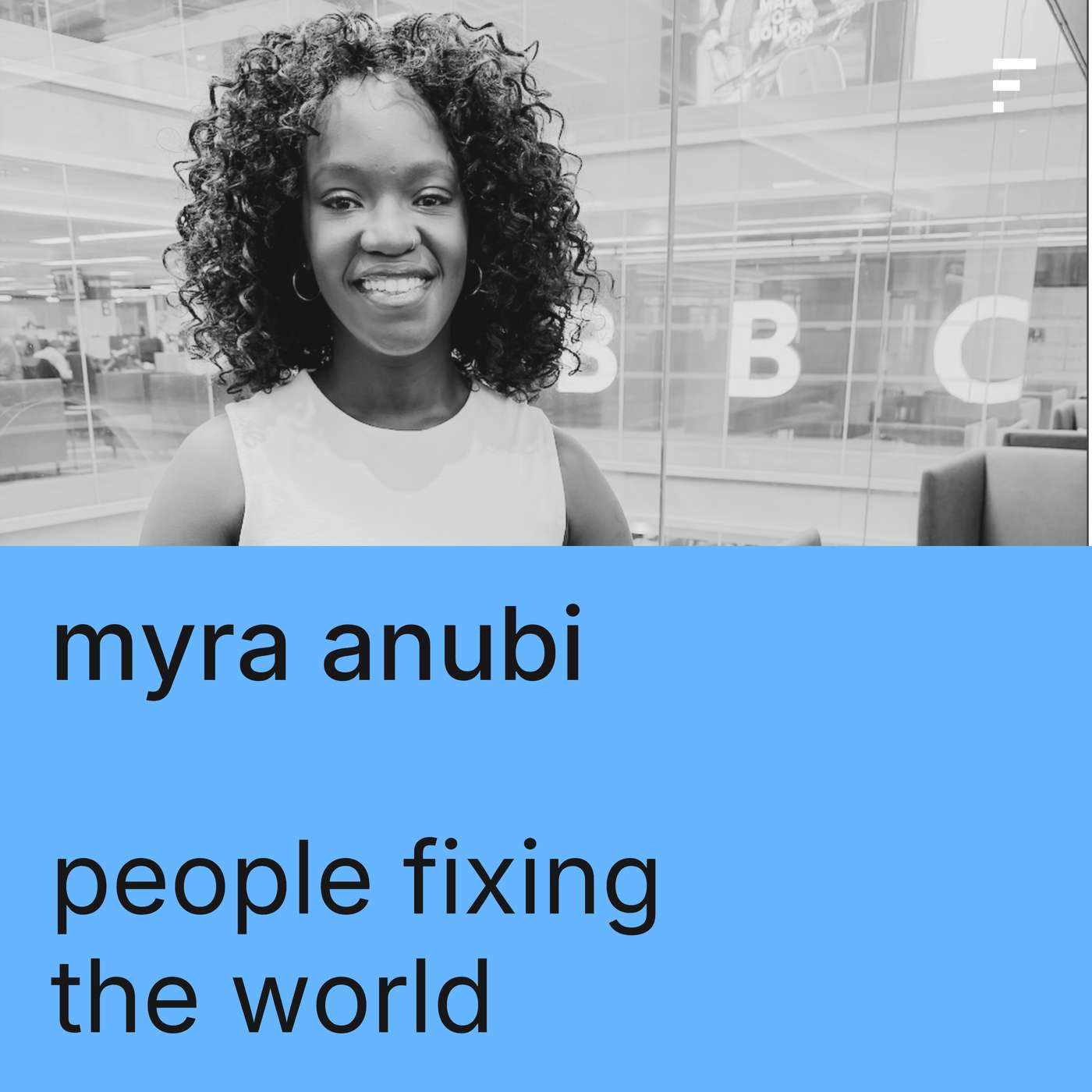 Good News: Can Journalism Do More Than Report Problems? 29.04.2026 37хвWhat happens when two solutions-focused news platforms compare notes on how to change the narrative of the world? Meet Myra Anubi - BBC journalist and host of People Fixing the World - who, like Fix The News, is part of a growing movement to challenge the doom and gloom by reporting on what’s working. Through stories of climate innovation, global health breakthroughs and grassroots problem-solving, Myra is helping prove that solutions journalism isn’t a soft alternative - it’s rigorous, necessary, and reshaping the future of news. Myra takes us behind the scenes to unpack how these stories are found, verified and told inside one of the world’s largest media organisations. She also reflects on her lifelong relationship with the BBC World Service - and why telling stories of progress may be one of journalism’s most important challenges, and greatest opportunities, today. In this episode:· What solutions journalism actually is - and why it matters· Why “good news” still faces resistance in mainstream media· Growing up in Kenya “raised by radio” · How COVID and George Floyd coverage reshaped her family’s media diet· Collaboration as a practical remedy· Why audiences are hungry for stories of progress· What the future of journalism could look like Timestamps: 02:15 What Myra really thinks of the news 03:50 What counts as someone fixing the world? 05:19 Inside the BBC: Pitching “What’s Working”09:13 Raised by radio in Kenya10:43 How the BBC shaped Myra’s worldview12:16 Myra’s journey from solutions sceptic to evangelist15.47 Gus & Amy’s midpoint reflections17.11 The power of Kangaroo Care as a solution19.03 The pattern of change20.07 What makes someone fix the world?22.13 Dr Gladys Kalema-Zikusoka and conservation through public health 24.42 How being detained in Uganda exposed deeper challenges within journalism26.56 The work ahead for solutions journalism28.48 How to change your children’s media diet31.55 Myra’s remedy for the world – collaboration32.55 The personal impact of solutions journalism 34.00 Gus & Amy’s final reflections Find out more:👉 BBC People Fixing The World👉 Podcast link👉 Linkedin👉 InstagramAbout Fix The News:Fix The News is a solutions-focused media platform sharing stories from the frontlines of progress - exploring what’s working in the world and the people making it happen.Subscribe & follow:If you enjoyed this episode, follow the podcast and leave a review - it helps more people find these stories.Production credits:Hosted by Angus Hervey and Amy Davoren-RoseProduced by Fix The NewsAudio production: Anthony Badolato, Hear That! This episode was produced in Australia on the lands of the Gadigal, Wurundjeri and Woi Wurrung peoples.
 -
 NewsFix - Clean Energy Hits Turning Point. 19.5 Million Lives Saved. Seagrass Comeback. 27.04.2026 5хвThis week’s headlines include – a historic shift in the global energy transition as renewables meet all new electricity demand; Africa’s measles vaccination drive saving 19.5 million lives; a breakthrough gene therapy restoring hearing; major global progress on poverty reduction and mental health; expanded access to education in Chicago; and two different comeback stories for seagrass ecosystems in France and Australia.NewsFix has officially moved to its own feed! You can check it out here or search 'NewsFix' on your favourite podcast app. This podcast is brought to you by Fix The News. Hosted by Anthony Badolato, Hear That! If you want to get in touch with the team, email [email protected]
 -
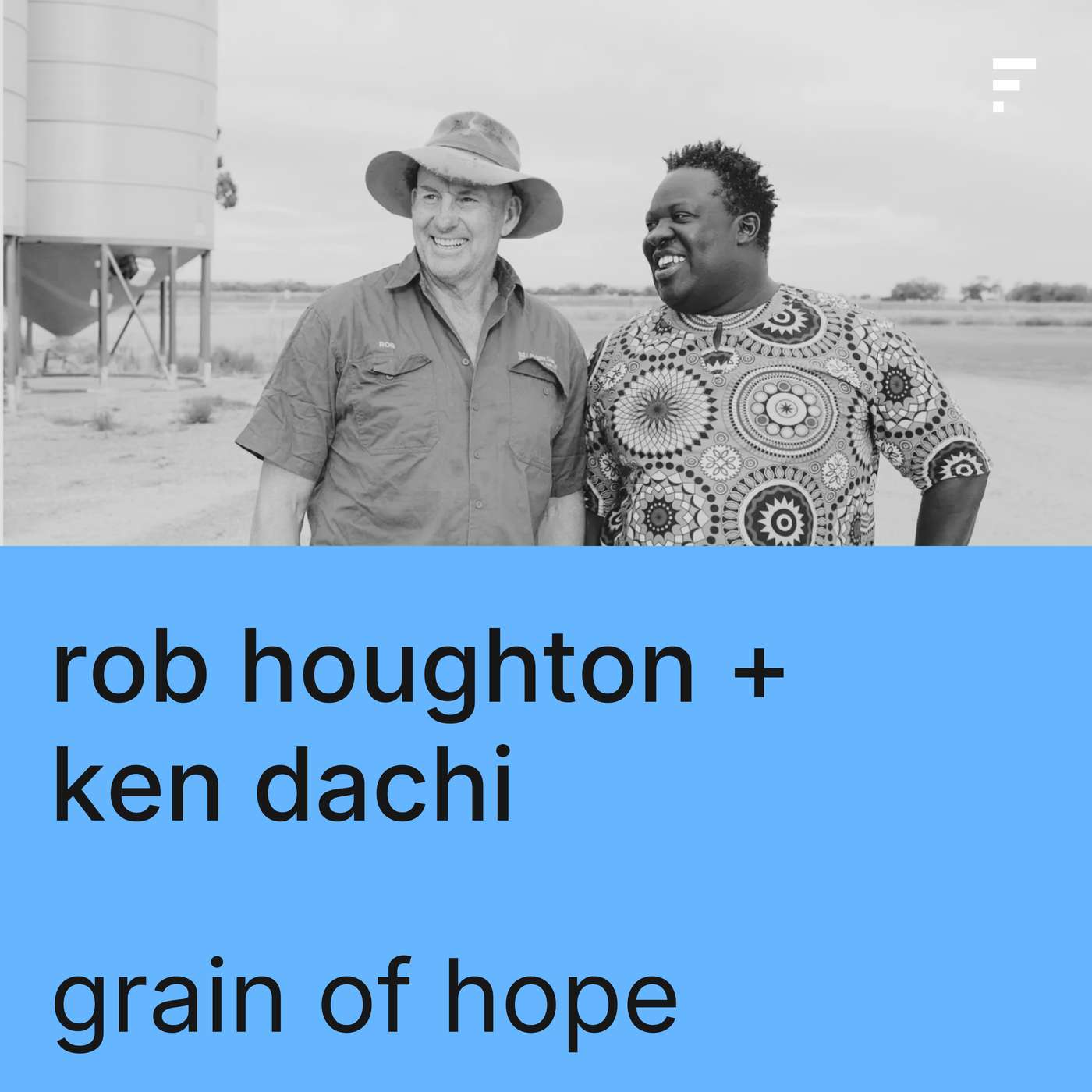 Global Hunger: The Australian Farmers Taking Action 15.04.2026 35хвWhat happens when two friends in rural Australia take on the global hunger crisis? Meet Rob Houghton and Ken Dachi - a third-generation farmer and a multicultural advisor from Leeton, NSW - who turned a single conversation into Grain of Hope: a grassroots initiative shipping Australian wheat to Sudan, where millions face displacement and acute malnutrition.(We’ve linked ways to support their work below.)Rob & Ken share the reality of delivering 100 tonnes of grain into a crisis zone - from complex logistics and rising fuel costs to working outside traditional aid systems. Backed by a groundswell of public support, Grain of Hope challenges the idea that global hunger is too big to tackle and shows what’s possible when ordinary people decide to act. In this episode:· How Grain of Hope started with a single conversation· The real cost of shipping food aid· Why Sudan - and why now· What works (and doesn’t) in traditional aid· The power of multiculturalism· From emergency aid to long-term food systems· What it takes to act on global problems from a local placeTimestamps: 00:40 Why This Story Matters 02:33 Meeting Ken and Rob 03:06 The Real Challenges 05:11 From Idea to Mission 06:49 Why Sudan, Why Now 09:06 Community Backs Grain of Hope 14:30 Leeton: The UN of Country Towns 17:04 Stubborn Vision, Flexible Details 19:20 Growing Food vs Moving Systems 21:54 The Team behind Grain of Hope 24:39 Five-Year Vision and Self-Sufficiency 29:21 How You Can Help 31:06 Remedies for a Hard World 32:24 Amy & Gus Reflect and Wrap Up 34:21 Credits and SubscribeSupport Grain of Hope: If you want to help get this shipment to Sudan - or support future projects - you can find out more below.👉 FTN Story 👉 DonateAbout Fix The News: Fix The News is a solutions-focused media platform sharing stories from the frontlines of progress - exploring what’s working in the world and the people making it happen.Subscribe & follow: If you enjoyed this episode, follow the podcast and leave a review - it helps more people find these stories.Production credits: Hosted by Angus Hervey and Amy Davoren-Rose Produced by Fix The News Audio production: Anthony Badolato, Hear That! This episode was produced in Australia on the lands of the Gadigal, Wurundjeri and Woi Wurrung peoples.
 -
 NewsFix - Ocean Protection Hits 10%. Renewables Surge. A Machine Called Mother. 13.04.2026 5хвThis week’s headlines include – a global milestone in ocean protection; Brazil’s new deforestation crackdown using satellite monitoring; major gains in women’s rights and maternal health; record renewable energy growth in the US and Europe; and a groundbreaking IVF breakthrough that could change fertility treatment.NewsFix has moved to its own feed! You can check it out here or search 'NewsFix' on your favourite podcast app. Make sure you look out for the new artwork - we've had a pretty big glow-up! If you need a bit more time, don't worry, we’ll keep popping up here for a couple more weeks .This podcast is brought to you by Fix The News. Hosted by Anthony Badolato, Hear That! If you want to get in touch with the team, email [email protected]
 -
 NewsFix - TB Breakthroughs. Toponium. Whale Comeback. 06.04.2026 5хвThis week’s headlines include – Yes, we can end TB; the biggest expansion of education in human history; LGBTQ rights gaining ground; whales staging a dramatic comeback in Antarctic waters; a global energy shift; and the particle discovery that was not thought possible. NewsFix has moved to its own feed! You can check it out here or search 'NewsFix' on your favourite podcast app. Make sure you look out for the new artwork - we've had a pretty big glow-up! If you need a bit more time, don't worry, we’ll keep popping up here for a couple more weeks .This podcast is brought to you by Fix The News. Hosted by Anthony Badolato, Hear That! If you want to get in touch with the team, email [email protected]
 -
 Big News: Hope Is A Verb Is Now Fix The News Podcast 01.04.2026 27хвBig News: Hope Is A Verb is becoming Fix The News Podcast.This is our final episode as Hope Is A Verb - but it's not the end of these conversations. Over 52 episodes, we’ve met the people who are changing the world through conservation, education, healthcare, social reform and grassroots action. Each one has expanded our sense of what’s possible. Now, it’s time to evolve.From our next episode, this show will be called Fix The News - Same hosts. Same mission. Just a wider lens on the hidden stories of progress that are shaping the world. Subscribe now so you don’t miss what’s next. Learn more: fixthenews.com🎧 New episodes every second Wednesday - starting April 15, 2026.This podcast is brought to you by Fix The News. Hosted by Angus Hervey and Amy Davoren-Rose, Produced and audio design by Anthony Badolato. Hear That! If you want to get in touch with the team, email [email protected]
 -
 NewsFix - Stardust. Child Mortality. India. 30.03.2026 5хвThis week’s headlines include – DNA building blocks discovered on asteroids; global child mortality down 60%; China consolidates environmental laws; monarch butterflies rebound in Mexico; women in politics rise across Africa; and AI supporting dementia care.NewsFix has moved to its own feed!You can check it out here or search 'NewsFix' on your favourite podcast app. Make sure you look out for the new artwork - we've had a pretty big glow-up! If you need a bit more time, don't worry, we’ll keep popping up here for a couple more weeks .This podcast is brought to you by Fix The News. Hosted by Anthony Badolato, Hear That! If you want to get in touch with the team, email [email protected]
 -
 NewsFix - Education Boom. Land Back. Cleaner Air. 23.03.2026 5хвThis week's headlines include – Nigeria’s record investment in basic education; Indigenous-led land restoration across the United States; cities cutting air pollution by up to 45%; rhinos returning to the DRC; and a breakthrough stem cell treatment offering new hope for Parkinson’s.NewsFix has moved to its own feed! You can check it out here or search 'NewsFix' on your favourite podcast app. Make sure you look out for the new artwork - we've had a pretty big glow-up! If you need a bit more time, don't worry, we’ll keep popping up here for a couple more weeks .This podcast is brought to you by Fix The News. Hosted by Anthony Badolato, Hear That! If you want to get in touch with the team, email [email protected]
 -
 NewsFix - HPV Vaccines. Solar Power. EV Charging Breakthroughs. 16.03.2026 4хвThis week’s headlines include – India launches the world’s largest HPV vaccination campaign; school meal programmes across Europe reach 25 million children; solar becomes the fastest-growing energy source in history; EV giant BYD unveils a nine-minute charging system; river otters make a comeback in the Great Lakes and southern Africa launches its first cross-border birding route.NewsFix is brought to you by Fix The News. Hosted by Anthony Badolato, Hear That! If you want to get in touch with the team, email [email protected]
Схожі подкасти


Популярний у
Цей подкаст також потрапляв у чарти подкастів у цих країнах.
