
Radiolab
WNYC Studios
0
Radiolab is a podcast that explores deep questions through investigative journalism, blending science, legal history, and personal stories. Known for its innovative sound design, the show turns information into music. Hosted by Lulu Miller and Latif Nasser, each episode takes listeners on a curiosity-driven journey across the globe.
Епізоди
-
 The Sweetest Thing 18.09.2026 31хвWhat is the sweetest thing in the world?
 -
 23 Weeks 6 Days 11.09.2026 1год 3хвA tiny baby, born at 23 Weeks and 6 days—roughly halfway to full term. And a whole universe of medical and moral questions.
 -
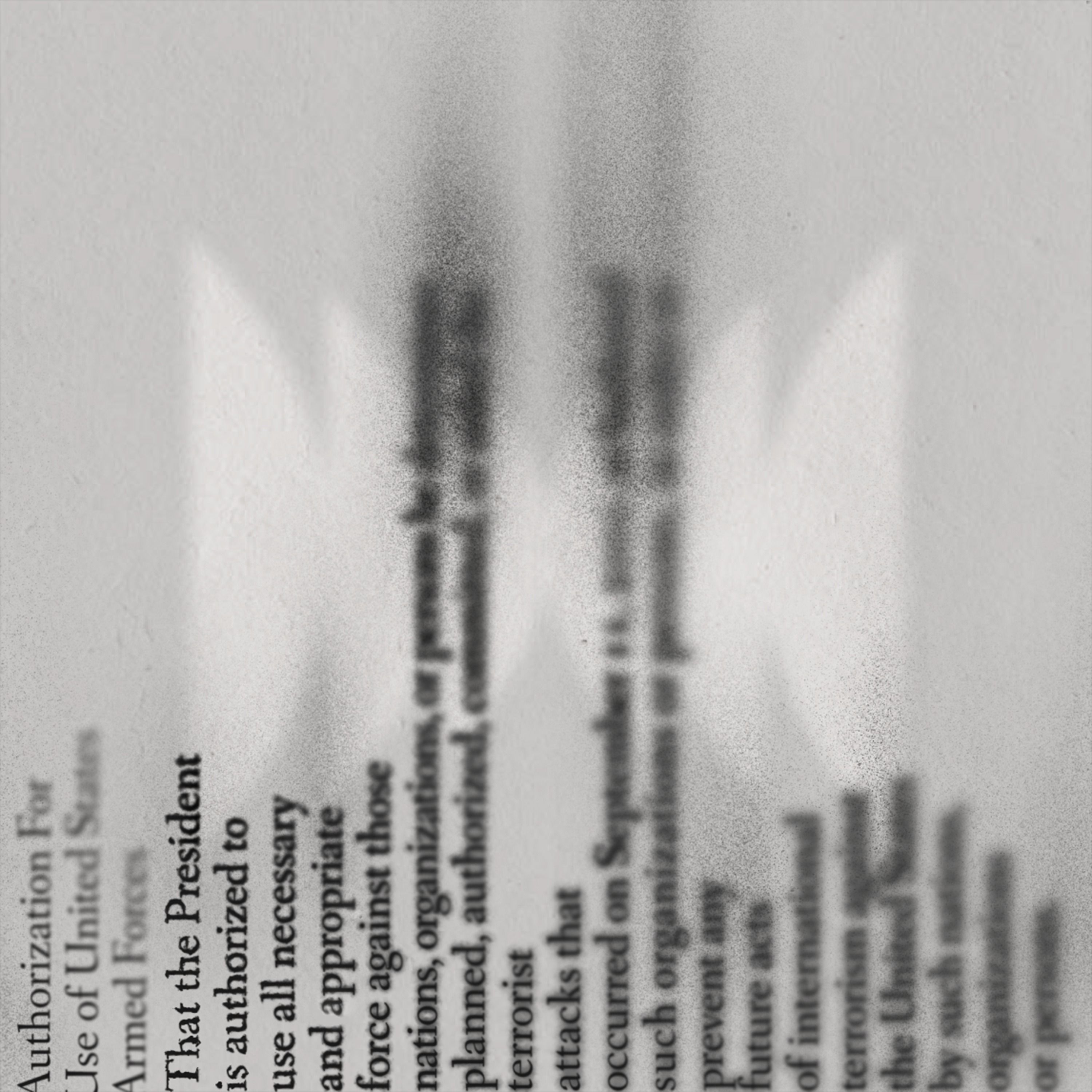 60 Words 04.09.2026 58хвIt’s been 25 years since 9/11. Today we talk about the 60 words that ushered in everything that came after.
 -
 Dolly Parton's America: Sad Ass Songs 28.08.2026 1год 4хвWe will always love you, Dolly.
 -
 Patient Zero 21.08.2026 51хвThe greatest mysteries have a shadowy figure at the center, Patient Zero. We hunt for Patient Zeroes from all over the map.
 -
 Nigel and the Real Gannet 14.08.2026 25хвA love story about a rogue bird and his concrete lover.
 -
 Red Herring 07.08.2026 36хвA deep-sea Cold War mystery with subs and bombs and science.
 -
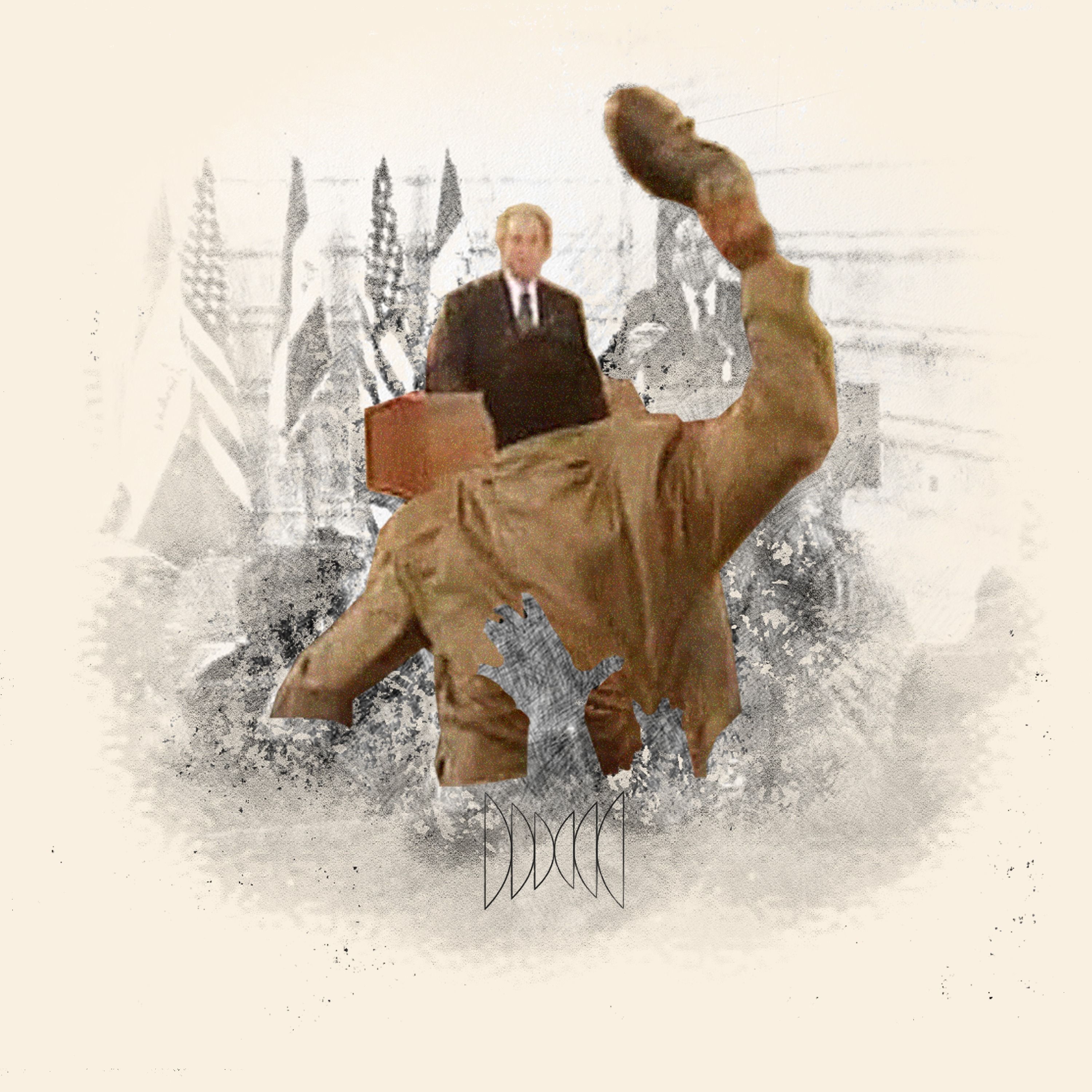 The Shoe Thrower 31.07.2026 1год 17хвThe world around you is falling apart, and no one is listening. How far do you go to be heard?
 -
 Return of Alpha Gal 24.07.2026 55хвTuck your napkin under your chin. We’re about to serve up a tale of love, loss, and lamb chops - with a side of genetic modification.
 -
 Neither Confirm Nor Deny 17.07.2026 29хвWhether it comes from government spokespeople or celebrity publicists, the phrase “can neither confirm nor deny” is the perfect non-denial denial.
 -
 The Holy Shiver 10.07.2026 37хвWhat your body knows that your brain doesn’t … yet.
 -
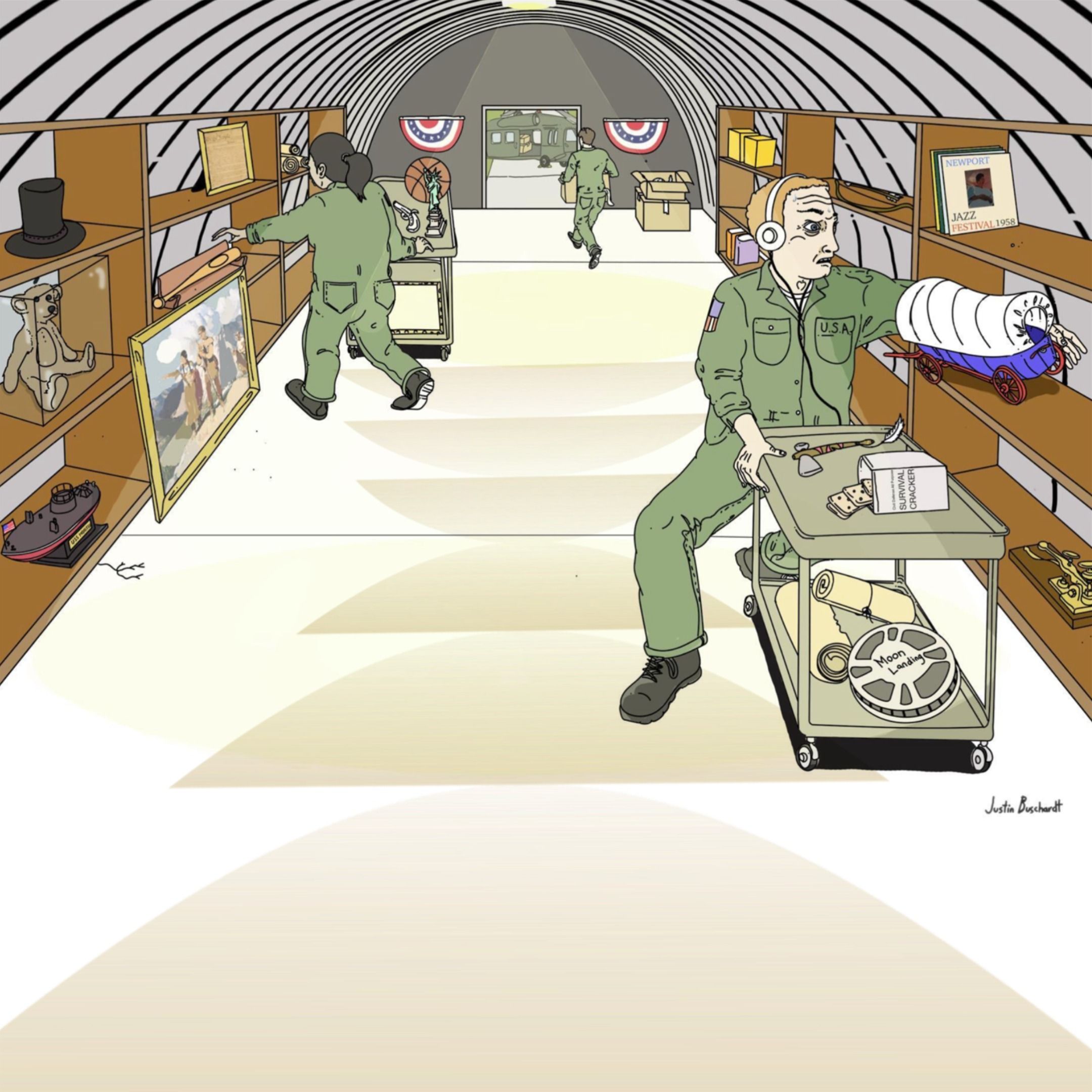 Atomic Artifacts 03.07.2026 40хвAmerica represents many different things to many different people. What if you could only choose one thing, one physical object, to represent it all?
 -
 The Gondolier 26.06.2026 1год 13хвWhat happens when doing what you love means giving up who you really are?
 -
 This is Your Brain on Hormones 19.06.2026 39хвWe don’t have hormones, hormones have us.
 -
 Bonus: Wild Animal Dads from Terrestrials 18.06.2026 35хвFather nature.
 -
 On the Media: American Emergency 12.06.2026 55хвA little while back, our friends over at On the Media released a gripping and immersive reporting series about FEMA, the agency that is supposed to be there for all of us in the wake of disaster. In American Emergency (https://zpr.io/MtrUmJU3yEMW), OTM investigates how the agency tasked with saving America became distrusted, despised… and defunded.Today we talk to On the Media co-host Micah Loewinger about how this project came out, what reporting went into making it happen, and play a couple of fun and truly surprising bits of the story that the OTM team uncovered. And it’s a story that highlights the ideal and promise of good government, right alongside the frustration with bureaucracy and mismanagement, and of course the undercurrent of profound mistrust in governmental power. As natural disasters are getting more extreme and less predictable, this series makes sense of that tangle, and provides a prescient peek into FEMA’s future. Special thanks to On the Media. To hear Micah in person, talking more about the complex history of FEMA, join him on June 24th at WNYC's The Greene Space (https://wnyc.org/events/otm-fema). Signup for our newsletter!! It includes short essays, recommendations, and details about other ways to interact with the show. Sign up (https://radiolab.org/newsletter)! Radiolab is supported by listeners like you. Support Radiolab by becoming a member of The Lab (https://members.radiolab.org/) today. Follow our show on Instagram, Twitter and Facebook @radiolab, and share your thoughts with us by emailing [email protected]. Leadership support for Radiolab’s science programming is provided by the Simons Foundation and the John Templeton Foundation. Foundational support for Radiolab was provided by the Alfred P. Sloan Foundation.
 -
 Oliver Sipple 05.06.2026 1год 3хвOne morning, Oliver Sipple went out for a walk. A couple hours later, to his own surprise, he saved the life of the President of the United States. In a story we reported back in 2017, we explain how in the days that followed, Sipple’s split-second act of heroism turned into a rationale for making his personal life into political opportunity. What happens next makes us wonder what a moment, or a movement, or a whole society can demand of one person. And how much is too much? Through newly unearthed archival tape, we hear Sipple himself grapple with some of the most vexing topics of his day and ours - privacy, identity, the freedom of the press - not to mention the bonds of family and friendship. Special thanks to Jerry Pritikin, Michael Yamashita, Stan Smith, Duffy Jennings; Ann Dolan, Megan Filly and Ginale Harris at the Superior Court of San Francisco; Leah Gracik, Karyn Hunt, Jesse Hamlin, The San Francisco Bay Area Television Archive, Mike Amico, Jennifer Vanasco and Joey Plaster.EPISODE CREDITS: Reported by - Reported by Latif Nasser and Tracie HunteProduced by - Produced by Matt Kielty, Annie McEwen, Latif Nasser and Tracie Hunte. Sign up for our newsletter!! It includes short essays, recommendations, and details about other ways to interact with the show. Signup (https://radiolab.org/newsletter)! Radiolab is supported by listeners like you. Support Radiolab by becoming a member of The Lab (https://members.radiolab.org/) today. Follow our show on Instagram, Twitter and Facebook @radiolab, and share your thoughts with us by emailing [email protected] support for Radiolab’s science programming is provided by the Simons Foundation and the John Templeton Foundation. Foundational support for Radiolab was provided by the Alfred P. Sloan Foundation.
 -
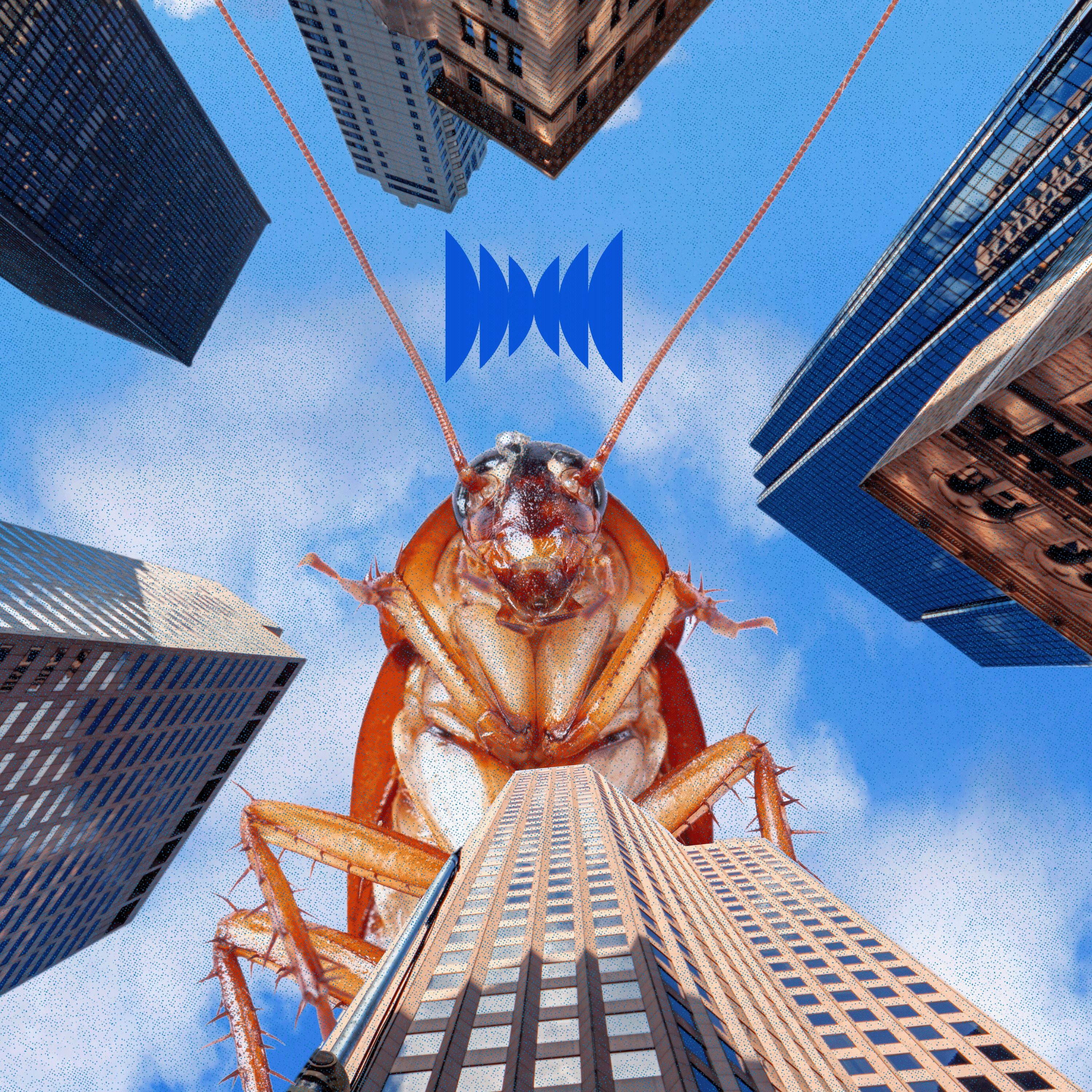 This American Roach 29.05.2026 36хвA couple summers ago, Radiolab reporter Alex Neason got out of the shower and almost stepped on her worst nightmare: an American Cockroach. It was flipped onto its back, struggling, and for a split second, Alex swears she felt the spiny tickle of its legs on the underside of her bare foot. And, like every other time she has come into contact with a roach, this sent her into a debilitating spiral of fear, anger, and disgust. This week, Alex tries to understand what might be behind her fear, in the hopes she can overcome it. And in doing so, Alex learns more about these so-called pests than she could have ever wanted to.Special thanks to Jessica Ware, Timothy Marzullo, Alexandra Bell, and Changlu WangEPISODE CREDITS: Reported by - Alex NeasonProduced by - Jessica Yung and Annie McEwenwith mixing help from - Jeremy BloomFact-checking by - Sophie Samieeand Edited by - Pat Walters EPISODE CITATIONS: Articles - American Cockroaches, Racism, and the Ecology of the Slave Ship (https://zpr.io/UNKsMz7ZaLvb) by Lindsay Garcia, Arcadia Books - Pests: How Humans Create Animal Villains (https://zpr.io/6E5wJBM4Kvcv) by Bethany Brookshire The Cockroach Papers (https://zpr.io/CvKePYxEMEAW) by Richard Schweid Cockroach (https://zpr.io/UuEAjmfqKccQ) by Marion Copeland Other cool stuff - Have fun with neuroscience and ... Roaches @ www.backyardbrains.com Sign up for our newsletter!! It includes short essays, recommendations, and details about other ways to interact with the show. Signup (https://radiolab.org/newsletter)! Radiolab is supported by listeners like you. Support Radiolab by becoming a member of The Lab (https://members.radiolab.org/) today. Follow our show on Instagram, Twitter and Facebook @radiolab, and share your thoughts with us by emailing [email protected]. Leadership support for Radiolab’s science programming is provided by the Simons Foundation and the John Templeton Foundation. Foundational support for Radiolab was provided by the Alfred P. Sloan Foundation.
 -
 Worth 22.05.2026 1год 11хвThis episode makes three earnest, possibly foolhardy, attempts to put a price on the priceless. We figure out the dollar value for an accidental death, another day of life, and the work of bats and bees as we try to keep our careful calculations from falling apart in the face of the realities of life, and love, and loss. In this story you’ll hear references to some of the issues that were on our minds when it first came out in 2014: wars in the middle east, drug costs and health care practices. Even as the exact shapes of these issues have evolved over the past dozen years, we feel the underlying questions are relevant and timeless: What is life worth? What about the earth? EPISODE CREDITS: Reported by - Molly Webster, Simon Adler, Tim Howard, and Matt Kieltywith help from - Shahib Al-Masawa Produced by - Matt Kielty, Tim HowardFact-checking by - Michelle Soraka EPISODE CITATIONS: Books - Memoir of A Debulked (https://zpr.io/WJz2Ybvq3HmT) Woman by Susan Gubar Being Mortal (https://zpr.io/8J47trRcbjKh) by Atul Gawande Sign up for our newsletter!! It includes short essays, recommendations, and details about other ways to interact with the show. Signup (https://radiolab.org/newsletter)! Radiolab is supported by listeners like you. Support Radiolab by becoming a member of The Lab (https://members.radiolab.org/) today. Follow our show on Instagram, Twitter and Facebook @radiolab, and share your thoughts with us by emailing [email protected]. Leadership support for Radiolab’s science programming is provided by the Simons Foundation and the John Templeton Foundation. Foundational support for Radiolab was provided by the Alfred P. Sloan Foundation.
 -
 Your Friendly Neighborhood Hookworms 15.05.2026 46хвFor most of human history, people went about their daily lives with a worm or two (or fifty) in their guts. Only in the past century, with pharmaceuticals and sanitation practices, have we made significant strides towards deworming the whole of humanity. And that’s typically been thought of as a good thing, because having too many worms in your body can–quite literally–suck the life out of you. But is it possible to have… too few worms? Science wonders if deworming ourselves has actually led to an increase in certain chronic diseases. On this episode, we dive into Necator americanus, a.k.a. the American Hookworm, and its mysterious relationship with each of us. We trace the hookworm’s 118-year journey from a demonized economic depressant, to its use as a desperate D.I.Y. immunosuppressant, to its potential as a medical treatment for a number of chronic diseases, everything from asthma to MS. We’re bringing back two stories from our 2009 episode Parasites plus new research on hookworms and autoimmune diseases, reported by Molly Webster Special thanks to Ethan Hein for the use of his remix of Mozart's Piano Concerto No. 21. Plus, Doris Pierce, and Dan and Alice Hadley. EPISODE CREDITS: Reported by - Pat Walters and Molly Websterwith help from - {{wREPORTERS}} Produced by - Matt Kielty with help from - Rebecca Rand Fact-checking by - Diane A. Kelly and Edited by - Arianne Wack EPISODE CITATIONS: Articles - Effect of experimental hookworm infection on insulin resistance in people at risk of type 2 diabetes (https://pubmed.ncbi.nlm.nih.gov/37495576/) by Giacomin PR et al. Nat Commun. 2023 Jul 26 Signup for our newsletter!! It includes short essays, recommendations, and details about other ways to interact with the show. Sign up (https://radiolab.org/newsletter)! Radiolab is supported by listeners like you. Support Radiolab by becoming a member of The Lab (https://members.radiolab.org/) today. Follow our show on Instagram, Twitter and Facebook @radiolab, and share your thoughts with us by emailing [email protected]. Leadership support for Radiolab’s science programming is provided by the Simons Foundation and the John Templeton Foundation. Foundational support for Radiolab was provided by the Alfred P. Sloan Foundation.
Радіостанція

Схожі подкасти


Популярний у
Цей подкаст також потрапляв у чарти подкастів у цих країнах.
-
 Ботсвана
-
 Лаос
Лаос
-
 Азербайджан
-
 Румунія
-
 Північна Македонія
-
 Киргизстан
-
 Мальта
-
 Коста-Рика
-
 Чад
Чад
-
 Гана
Гана
-
 Мальдіви
-
 Кенія
Кенія
-
 Ангола
-
 Антигуа і Барбуда
-
 Зімбабве
-
 Афганістан
-
 Танзанія
-
 Болгарія
-
 Панама
-
 Люксембург
-
 Філіппіни
-
 Болівія
-
 Фінляндія
-
 Литва
Литва
-
 Боснія і Герцеговина
-
 Індонезія
-
 Монголія
-
 Нова Зеландія
-
 Руанда
-
 Південно-Африканська Республіка
-
 Аргентина
-
 Узбекистан
-
 Гаяна
Гаяна
-
 Ісландія
-
 Йорданія
-
 Мавританія
-
 Туніс
Туніс
-
 Сербія
-
 Чилі
Чилі
-
 Єгипет
-
 Казахстан
-
 Словенія
-
 Мʼянма
-
 Оман
Оман
-
 Ізраїль
-
 Об'єднані Арабські Емірати
-
 Малі
Малі
-
 Сьєрра-Леоне
-
 Шрі-Ланка
-
 Камбоджа
-
 Есватіні
-
 Канада
-
 Мадагаскар
-
 Бахрейн
-
 Гондурас
-
 Угорщина
-
 Нігерія
-
 Пакистан
-
 Сальвадор
-
 Індія
Індія
-
 Ліберія
-
 Чорногорія
-
 Уругвай
-
 Молдова
-
 Непал
Непал
-
 Беліз
Беліз
-
 Перу
Перу
-
 Катар
Катар
-
 Барбадос
-
 Кіпр
Кіпр
-
 Австралія
-
 Мексика
-
 Туреччина
-
 Вірменія
-
 Бермудські Острови
-
 Гватемала
-
 Хорватія
-
 Кувейт
-
 Португалія
-
 Еквадор
-
 Україна
-
 Швейцарія
-
 Венесуела
-
 Марокко
-
 Естонія
-
 Албанія
-
 Колумбія
-
 Малаві
-
 Таджикистан
-
 Греція
-
 Ірландія
-
 Польща
-
 Латвія
-
 Сент-Люсія
-
 Кайманові Острови
-
 Сполучені Штати
-
 Ємен
Ємен
-
 Маврикій
-
 Словаччина
-
 Таїланд
-
 Бельгія
-
 Бруней
-
 Намібія
-
 Парагвай
-
 Нігер
Нігер
-
 Саудівська Аравія
-
 Замбія
-
 Південна Корея
-
 Суринам
-
 Сінгапур
-
 Тринідад і Тобаго
-
 Гвінея-Бісау
-
 Мозамбік
-
 Велика Британія
-
 Ямайка
-
 Ліван
Ліван
-
 Малайзія
-
 Багами
-
 Бразилія
-
 Демократична Республіка Конго
-
 Гренада
-
 Нікарагуа
-
 Норвегія